




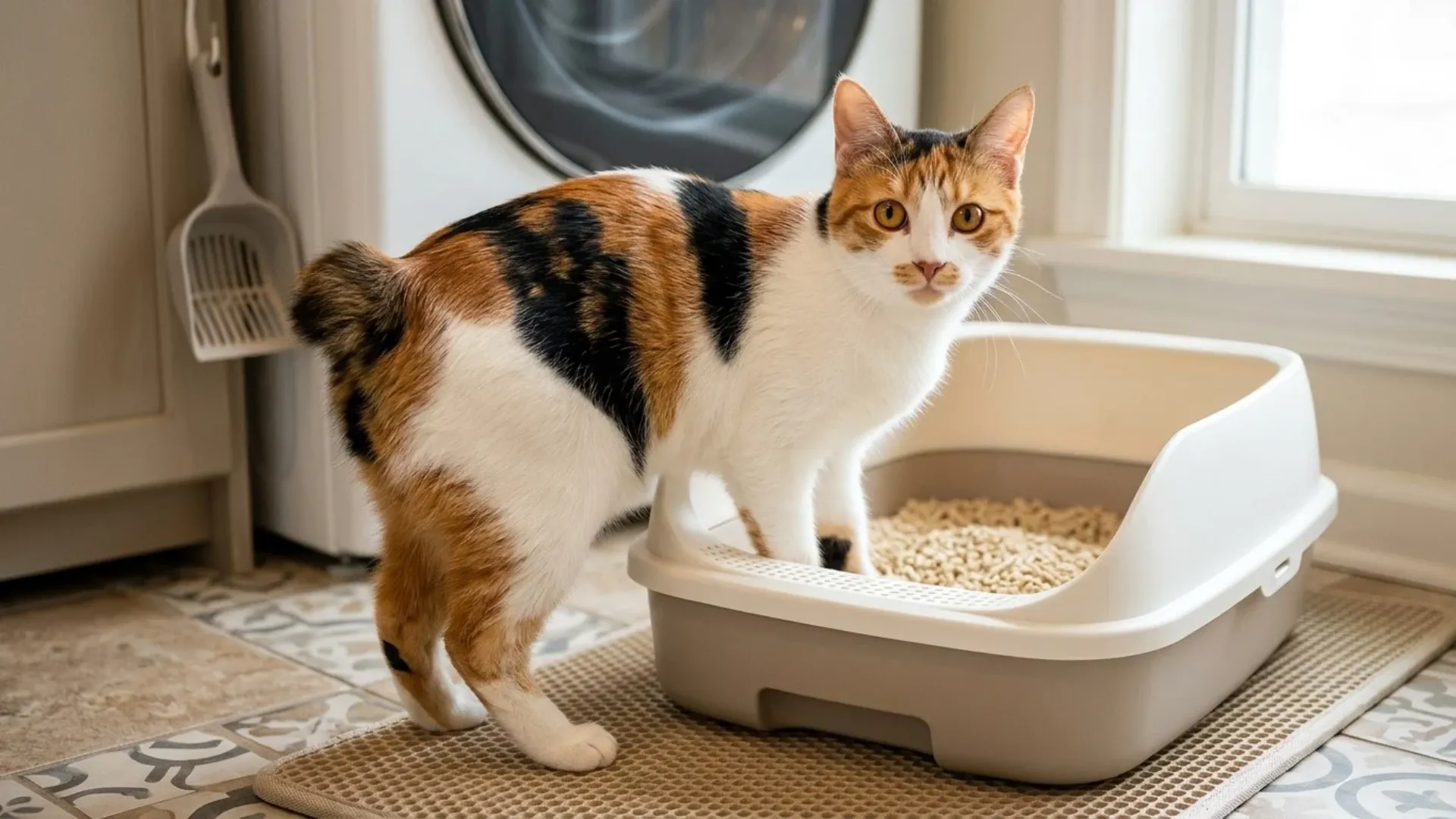
Bringing a new cat home is exciting, but teaching them where to do their business is an important first step. Fortunately, most cats have a natural instinct to bury their waste, making litter box habits relatively easy to establish with the right setup and encouragement.
Some breeds are particularly intelligent, adaptable, and responsive to positive reinforcement. However, every cat learns at its own pace, and patience, cleanliness, and a suitable litter box make a difference.
Meet seven cat breeds that can make litter training a smoother experience and bring comfort to your household.
Cat Breeds That Are Easy to Litter Train
1. Japanese Bobtail
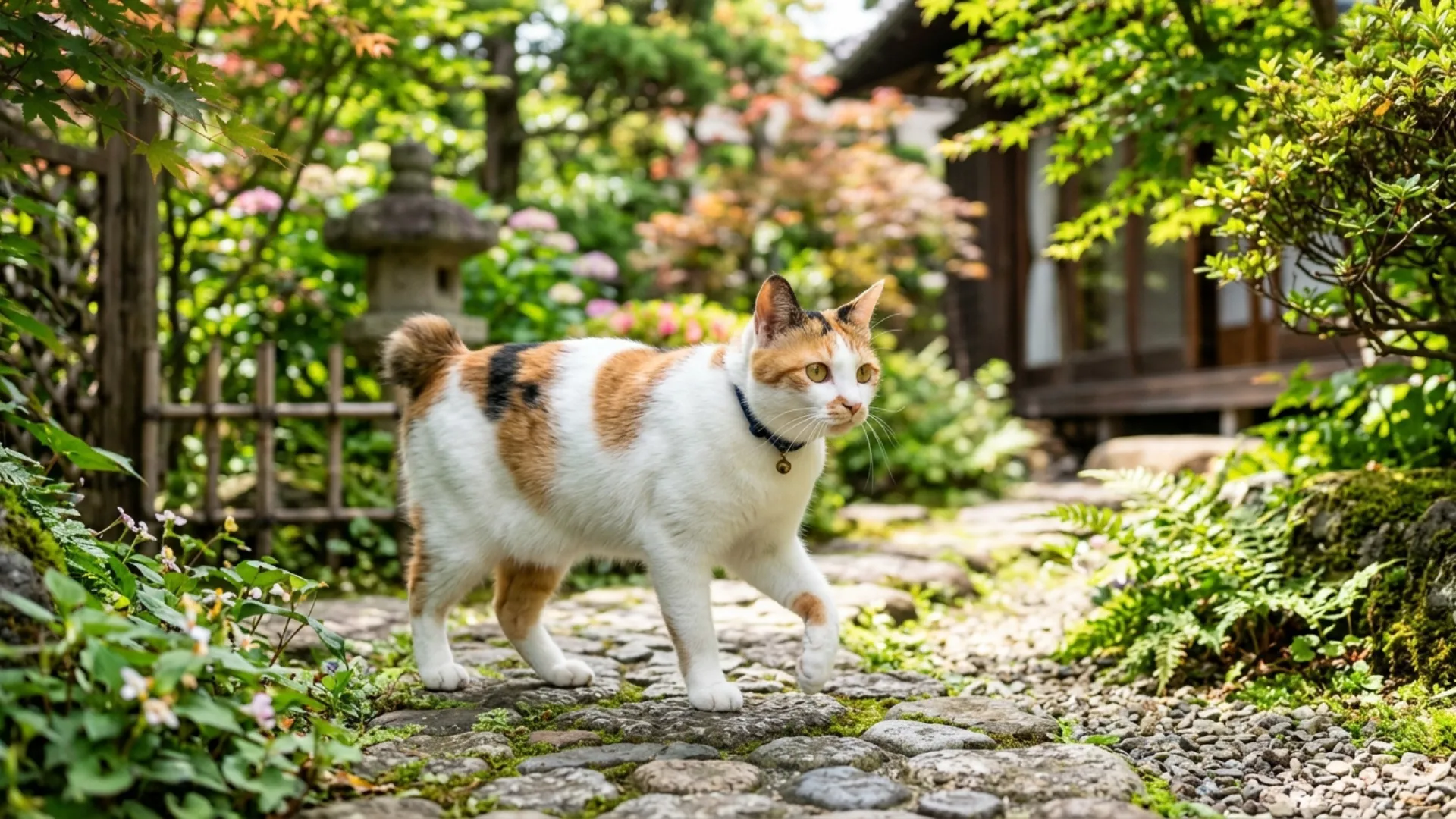
Recognized by its distinctive pom-pom tail, the Japanese Bobtail is an energetic and intelligent cat with a strong interest in family activities. Historically kept as a working cat in Japan to protect silk factories, it has retained an active, task-oriented nature that makes learning new household habits enjoyable.
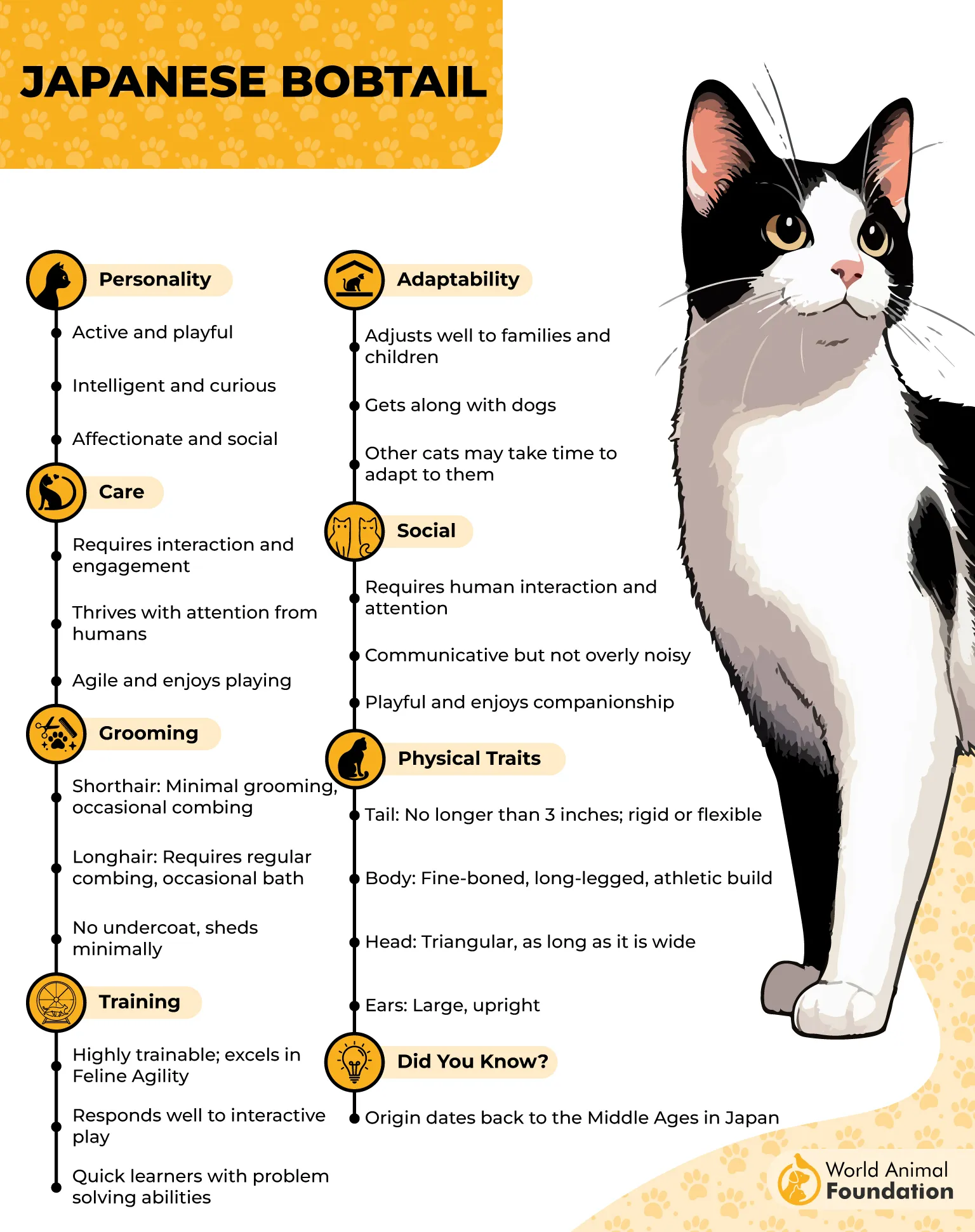
These domestic cats are naturally curious and thrive on interaction. They often follow their owners around, carry toys in their mouths, and bring them over to initiate games of fetch. Their eagerness to participate in everyday activities can make them receptive to learning where and when to use their litter box.
Japanese Bobtails respond particularly well to praise, rewards, and playful training sessions. Their intelligence allows them to pick up new behaviours through positive reinforcement, while regular practice helps establish predictable habits. Keeping their litter box in a consistent, accessible location can further support successful training.
Their lively personality also means they benefit from plenty of interactive play and attention. Games such as fetch, hide-and-seek, and obstacle activities provide useful mental stimulation, while involving them in regular household routines helps maintain their interest.
How This Breed Stands Out
Clever and quick to pick up household habits: Their intelligence and enthusiasm for interactive activities help them learn through praise, rewards, and consistent practice.
Usually adapts well to consistent litter arrangements: Their ability to recognize familiar routines can help them become accustomed to using a litter box kept in the same accessible location.
2. Sphynx
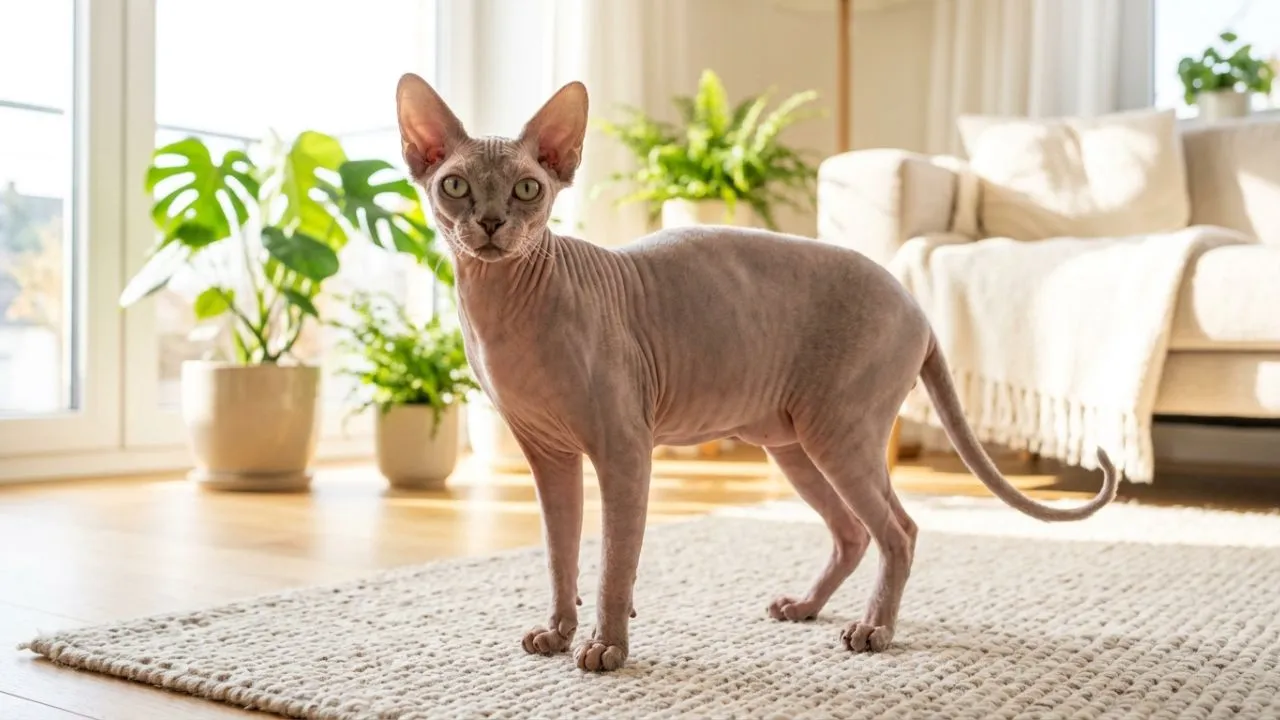
Recognized by its hairless, wrinkled skin and oversized ears, the Sphynx is as intelligent as it is distinctive. This energetic breed enjoys being involved in household activities and quickly becomes familiar with its owner’s daily habits. Its sharp mind makes it receptive to learning through regular training.
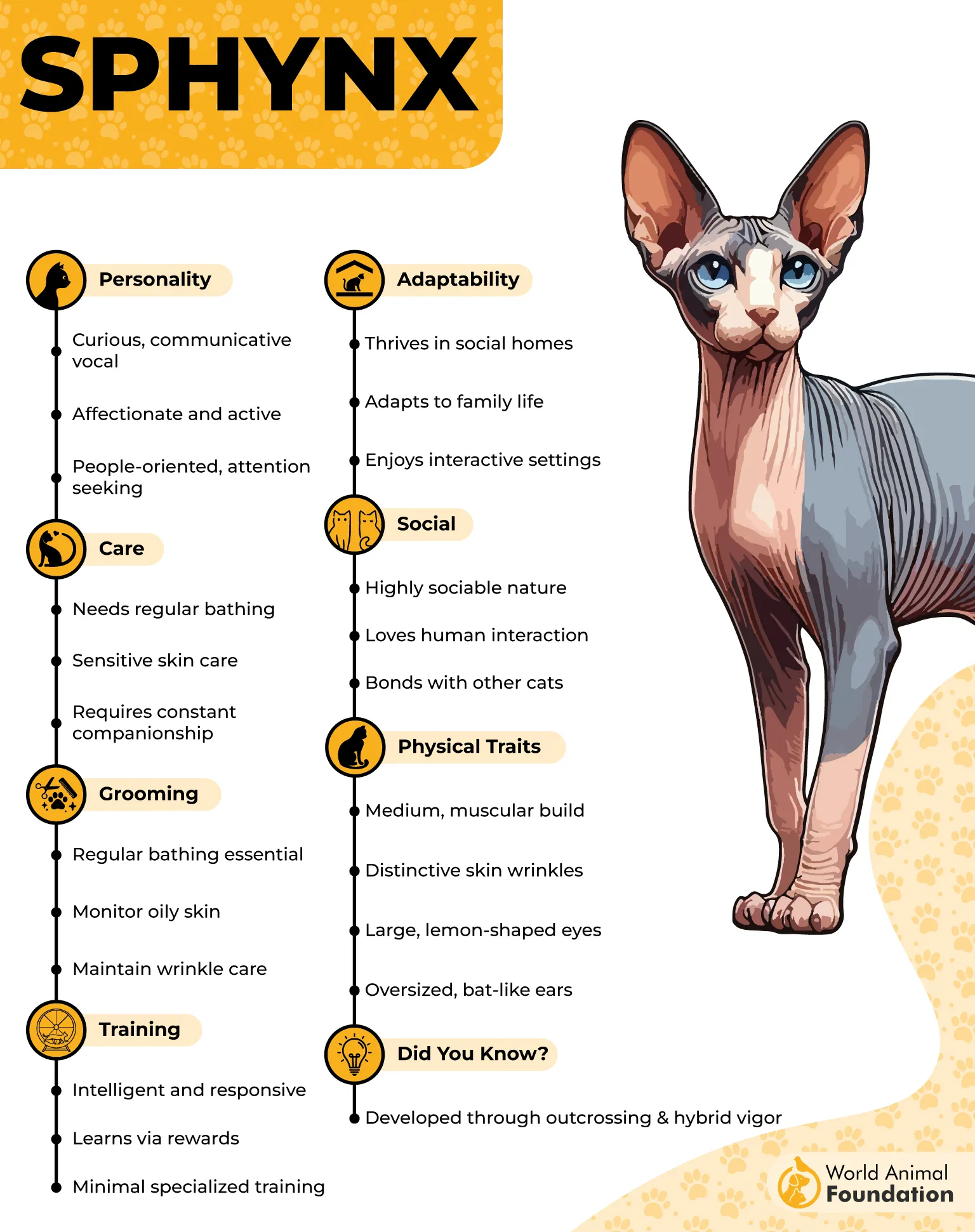
Sphynx cats are particularly responsive to food rewards. Their high metabolism and eagerness for tasty treats can make positive reinforcement especially effective. Offering small rewards when they use the litter box correctly can help establish the desired behaviour, provided treats are included within their daily food allowance.
Their curious, playful personality means they enjoy activities that challenge their intelligence. Short, consistent training sessions can help reinforce good habits, while patience and encouragement make learning more engaging. Keeping the litter box in an accessible location also helps them develop a regular routine.
Although they have little to no fur, Sphynx cats require considerable attention to their skin and general hygiene. Their skin can accumulate natural oils, making regular cleaning important. Similarly, frequent litter-box cleaning helps maintain a comfortable toileting area and encourages consistent use.
How This Breed Stands Out
Intelligent and responsive to routine training: Their quick learning ability and strong interest in food rewards make them receptive to positive reinforcement and consistent litter-training sessions.
Benefits from frequent litter-box cleaning: Maintaining a fresh, hygienic litter area supports their cleanliness needs and provides a comfortable place for regular use.
3. Ragdoll
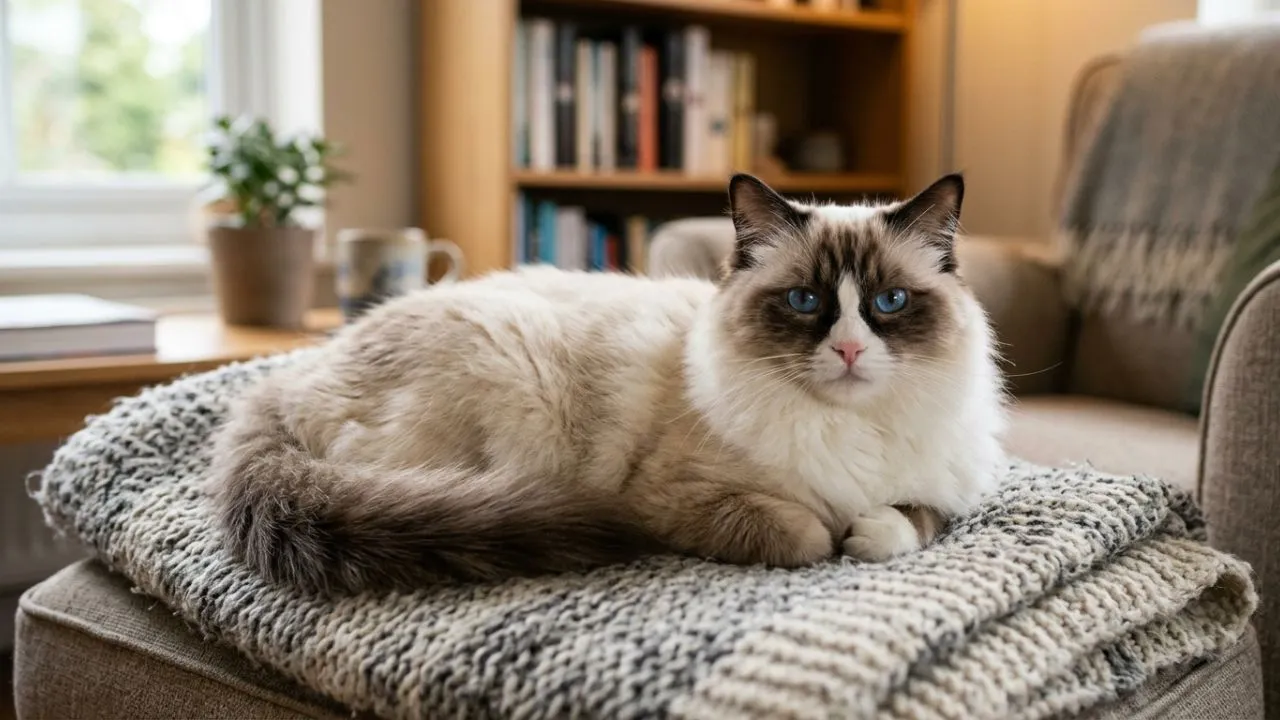
Known for their relaxed nature and affectionate personality, Ragdolls are among the more easygoing cat breeds. They often go limp when picked up, which reflects their trusting temperament. Their calm disposition can also make everyday handling and introducing consistent household routines less stressful.
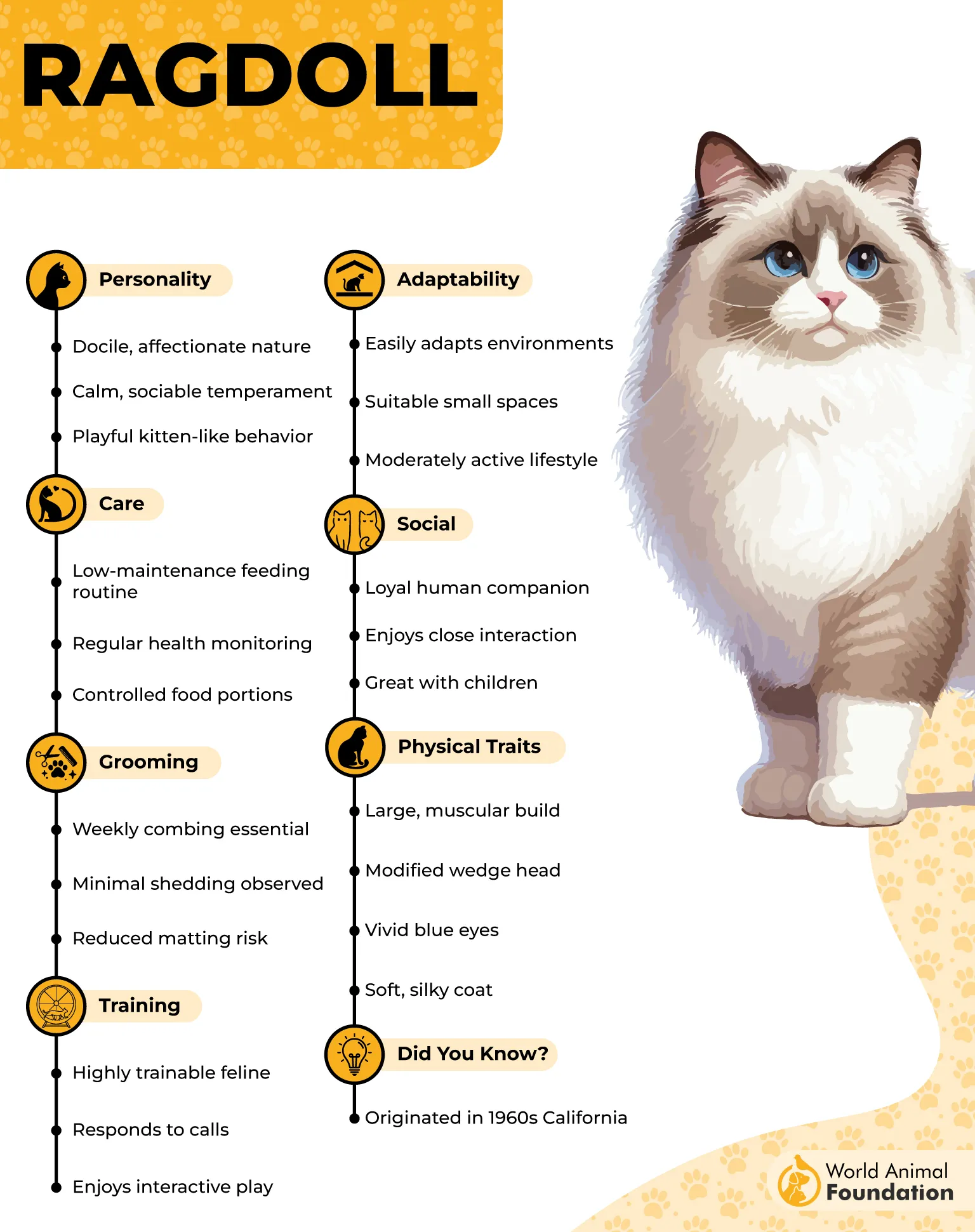
These cats enjoy staying close to their families and often follow their owners from room to room. They generally have moderate to low energy levels and prefer cuddling, companionship, and peaceful activities over constant excitement. Their patient nature also helps them adjust to homes with children and visitors.
Ragdolls appreciate comfortable, familiar surroundings and tend to settle into predictable household routines. Providing a clean, accessible litter area in a quiet location can help them maintain consistent toileting habits. Keeping the litter box in the same place also gives them a familiar space to return to.
According to WebMD, Ragdolls shed more heavily during seasonal changes in spring and autumn, but their light, fluffy fur is relatively easy to clean up.
How This Breed Stands Out
Gentle temperament makes handling and routine-building easier: Their affectionate, patient nature can make regular care and consistent litter habits easier to establish.
Often prefers clean, familiar litter areas: A comfortable litter box in a quiet, consistent location can support their preference for familiar surroundings.
4. Maine Coon
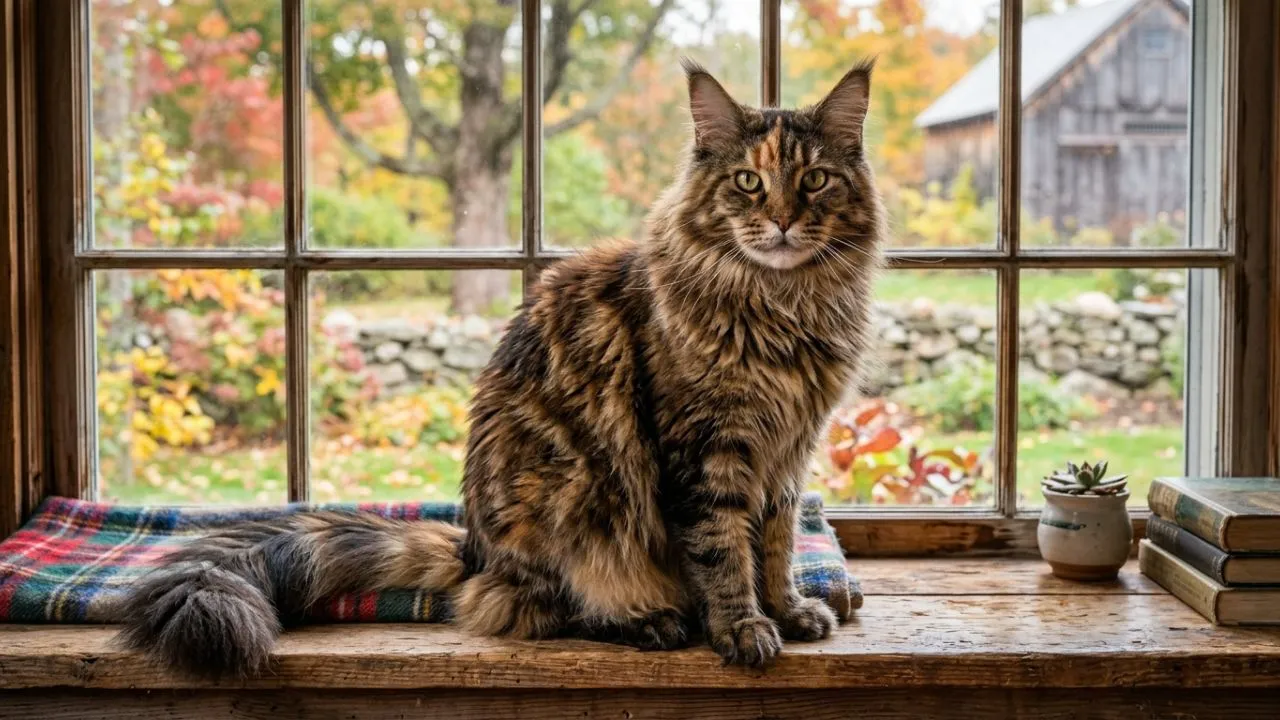
Often called the gentle giants of the cat world, Maine Coons combine their impressive size with a calm, affectionate personality. Originally associated with working environments where they hunted rodents, these cats have developed intelligence and adaptability that also help them adjust to household routines.
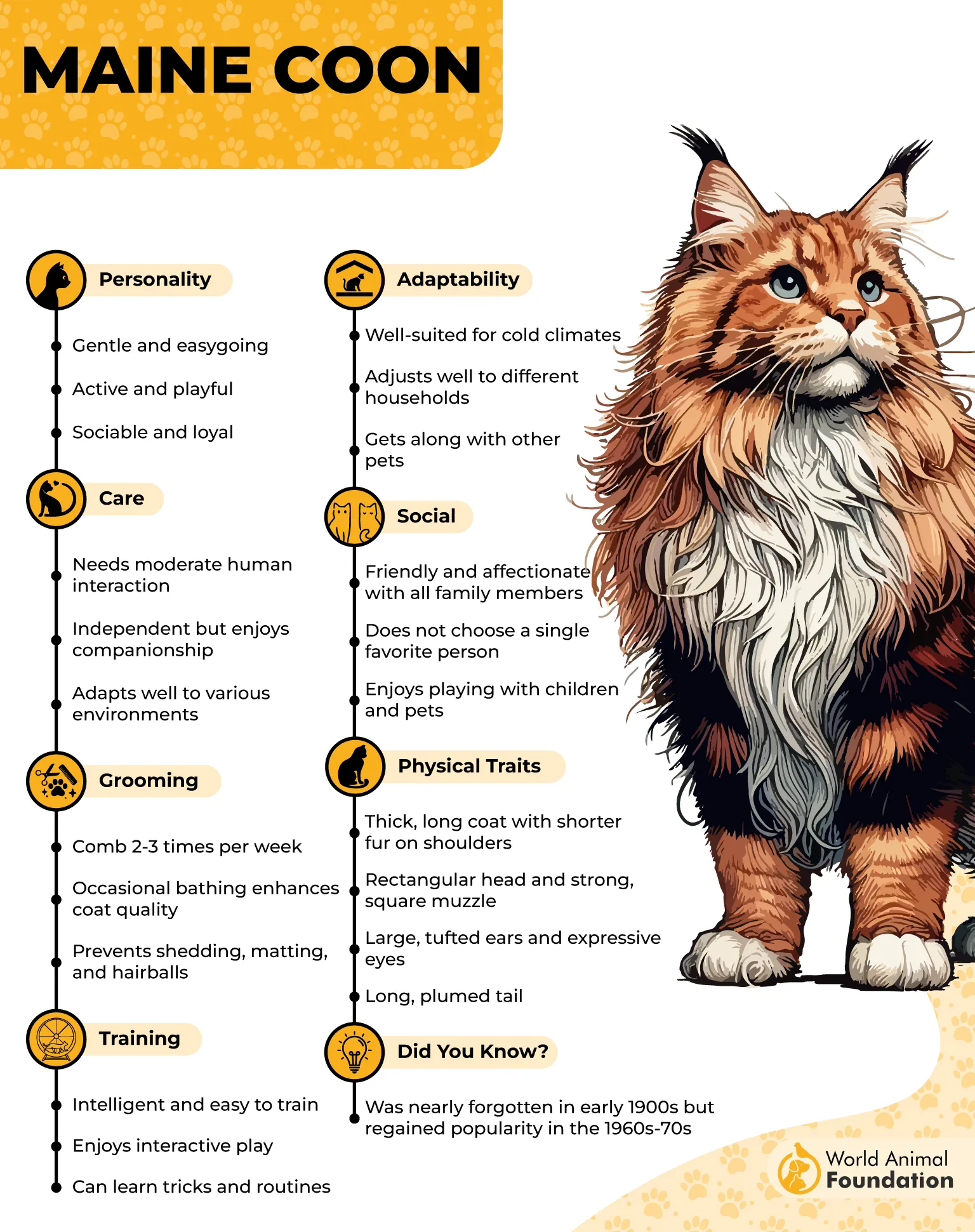
According to PetMD, their sharp minds make learning new habits relatively straightforward. Maine Coons are observant and often watch their owners to understand everyday activities. They can also pick up tricks and games quickly, particularly when training involves treats, praise, and consistency. Their patient nature makes positive reinforcement an effective approach.
Despite their large build, these cats are generally friendly, social, and comfortable around people of different ages. They often enjoy following family members around the home and can get along well with children and other pets. Their easygoing temperament also makes regular handling and care routines easier to introduce.
One practical consideration is their size when choosing litter equipment. A spacious litter box gives them enough room to enter, turn around, and dig comfortably. Keeping it clean and accessible can further encourage consistent litter habits.
How This Breed Stands Out
Intelligent and quick to learn household routines: Their observant nature and eagerness to learn help them become familiar with regular activities, including litter box habits.
Benefits from a spacious litter box due to its large size: A roomy litter area allows these gentle giants to move comfortably while maintaining their usual toileting routine.
5. Bengal
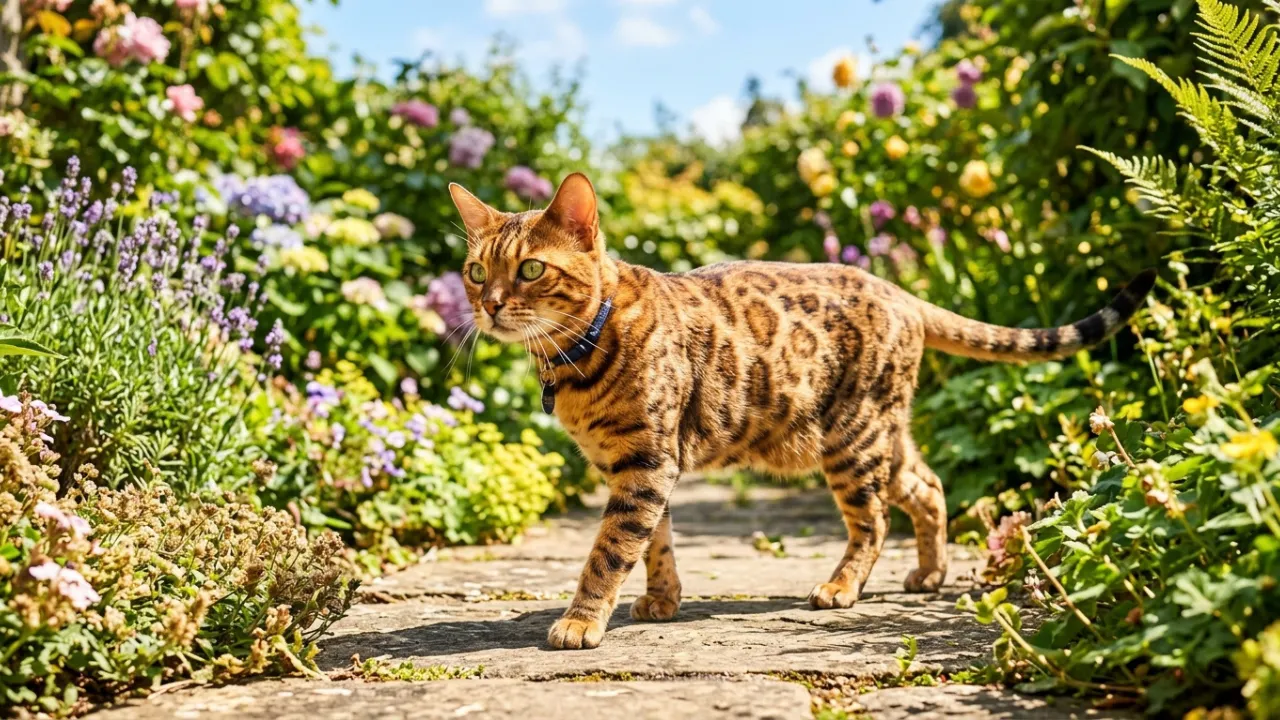
With ancestry tracing back to the Asian leopard cat, Bengals have retained an adventurous and inquisitive personality.
Their curiosity often drives them to investigate different areas of the home, making them naturally interested in exploring their surroundings, including newly introduced litter setups. According to Purina, this cat breed is moderately vocal and tends to meow occasionally.
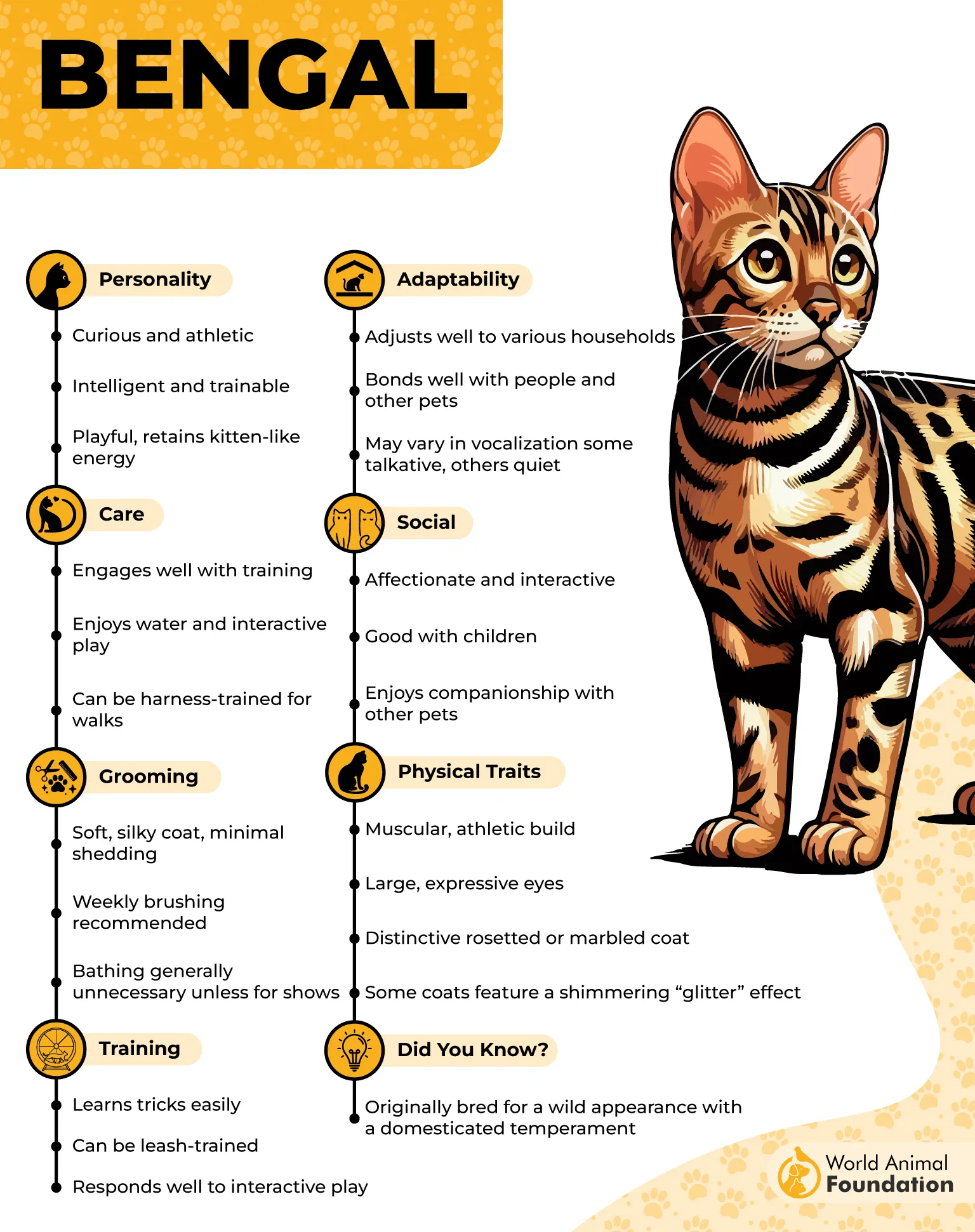
Unlike more relaxed breeds, Bengals have high energy levels and need plenty of mental stimulation. Interactive play and activities that challenge their intelligence help keep them occupied. Their interest in discovering new things can also make litter training an engaging learning experience when introduced patiently.
These intelligent cats pick up new behaviours quickly, particularly when training feels like a game. Clicker training, treats, and praise can encourage them to associate desired actions with positive rewards. Keeping sessions consistent and rewarding helps reinforce good habits, including regular litter box use.
Bengals also benefit from predictable daily routines and an enriching environment. Providing a clean, accessible litter box in a suitable location, alongside opportunities for play and exploration, can support their comfort and help prevent boredom-related behaviours.
How This Breed Stands Out
Curious nature encourages exploration of litter setups: Their adventurous personality makes them keen to investigate new surroundings and become familiar with their litter area.
Responds well to consistent routines and positive reinforcement: Their intelligence and enthusiasm for reward-based activities can help them learn expected behaviours through regular practice.
6. American Shorthair
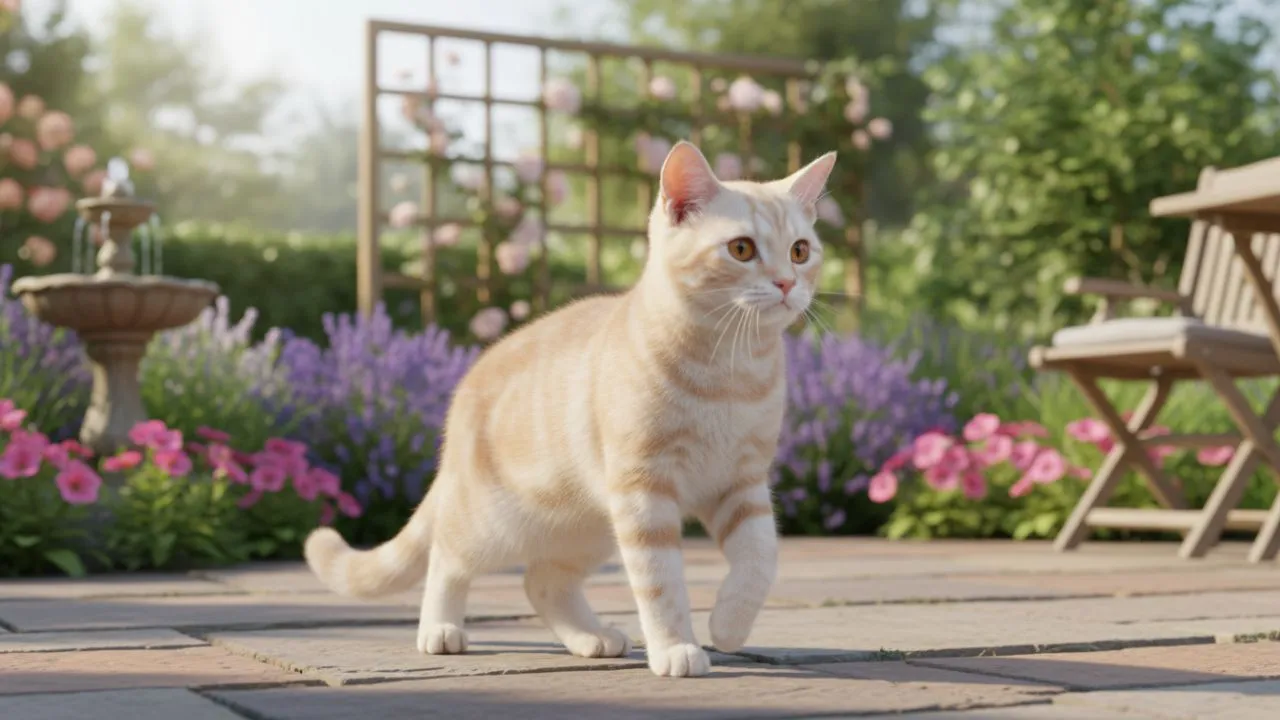
Originally brought to America by European settlers to help control rodents, the American Shorthair has developed into a calm, adaptable household companion. Its balanced temperament makes it well suited to learning everyday habits and adjusting to a family’s routine without much difficulty.
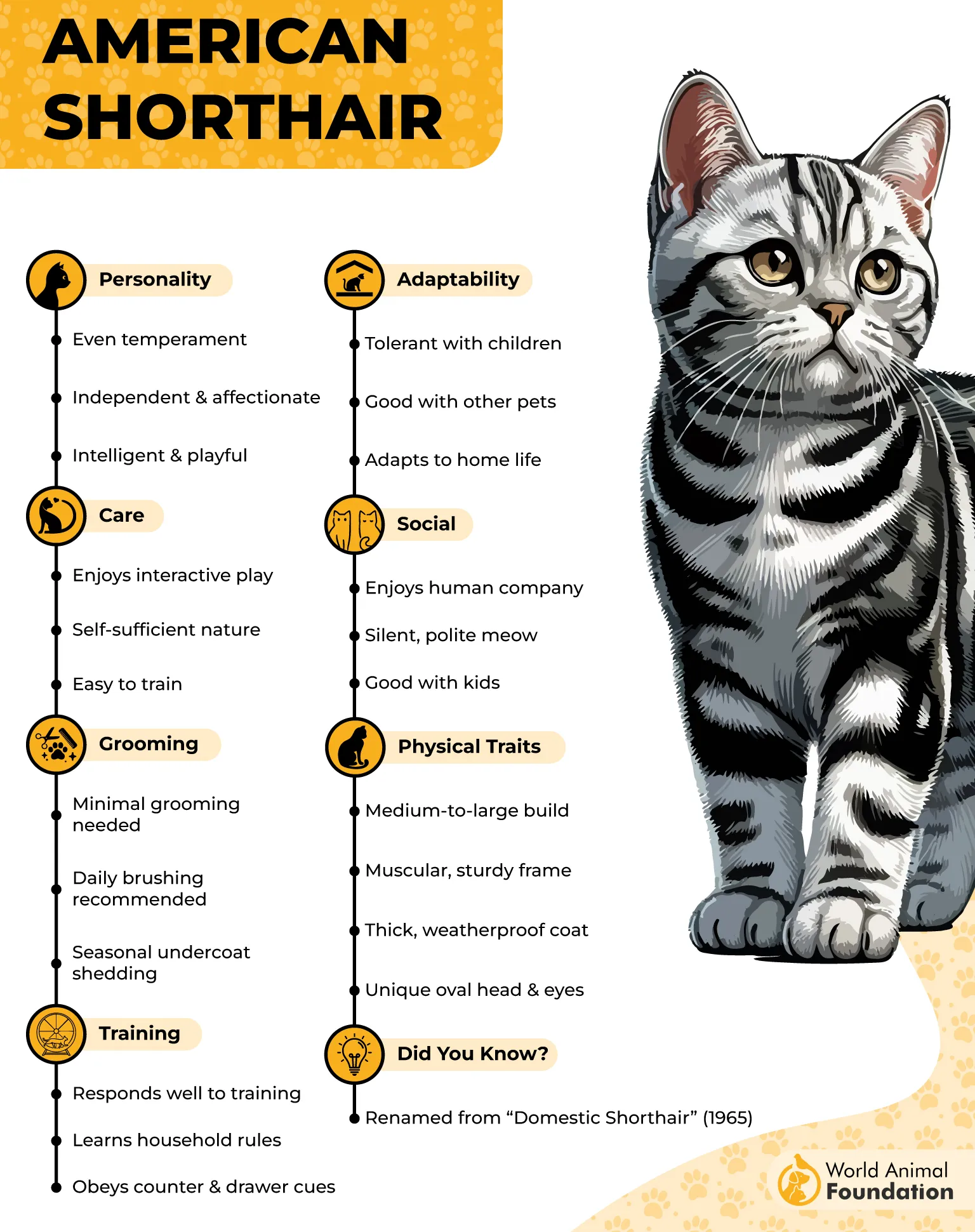
Although generally easygoing, this breed retains its natural hunting instincts and enjoys playful activities. American Shorthairs are curious problem-solvers who appreciate interactive toys and games that challenge their minds. Their intelligence and steady nature can also make them receptive to gentle litter-training guidance.
Positive reinforcement works particularly well with these cats. Treats, praise, and consistent encouragement can help them understand where to eliminate and become familiar with regular litter box use. Keeping the litter area accessible and maintaining a predictable cleaning schedule can further support good habits.
Their short, lustrous coat is relatively easy to maintain, and they are generally considered tidy cats. Regular grooming helps remove loose fur, while providing a clean litter box supports their natural preference for a well-kept environment.
How This Breed Stands Out
Adaptable personality suits household routines: Their calm disposition and ability to learn through positive reinforcement can help them adjust to consistent feeding and litter box schedules.
Naturally tidy grooming habit: Their short coat requires relatively little maintenance, and regular grooming helps them keep themselves clean.
7. Burmese
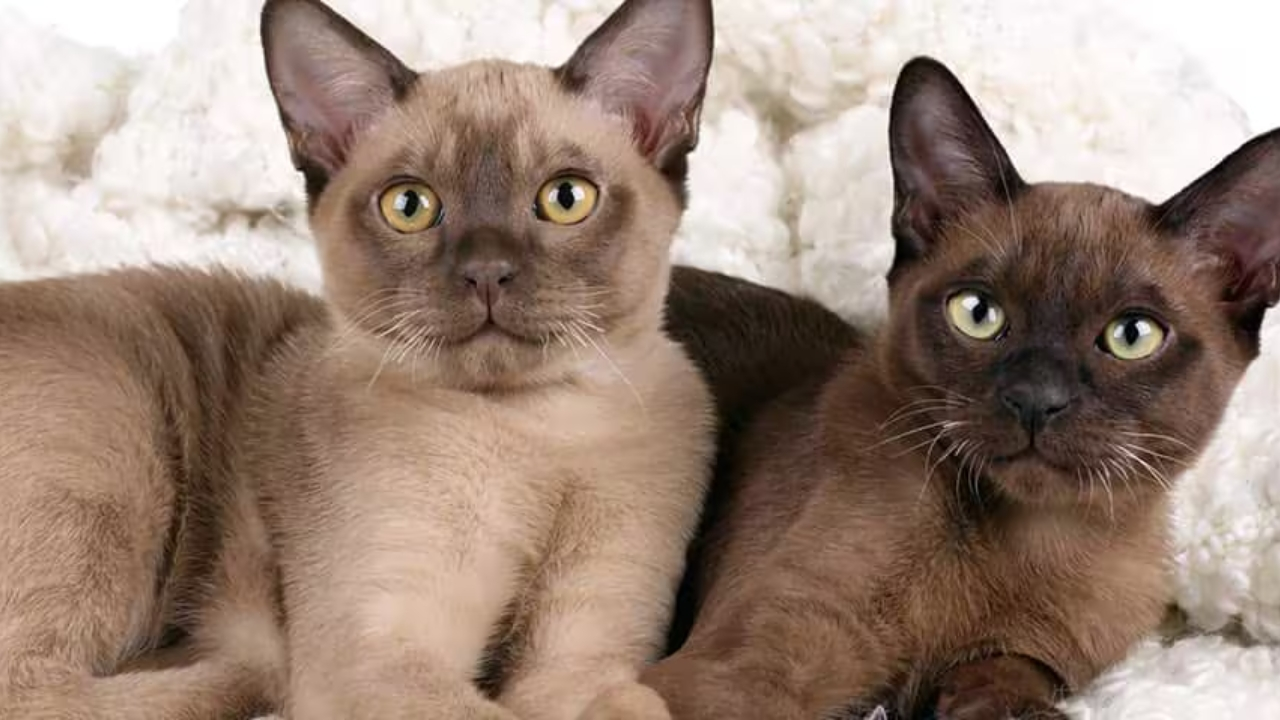
Often described as affectionate, people-oriented companions, Burmese cats form close bonds with their families. They enjoy staying near their owners, following them around the house, and seeking attention throughout the day. This sociable temperament can make guided litter training easier because they respond well to interaction and encouragement.
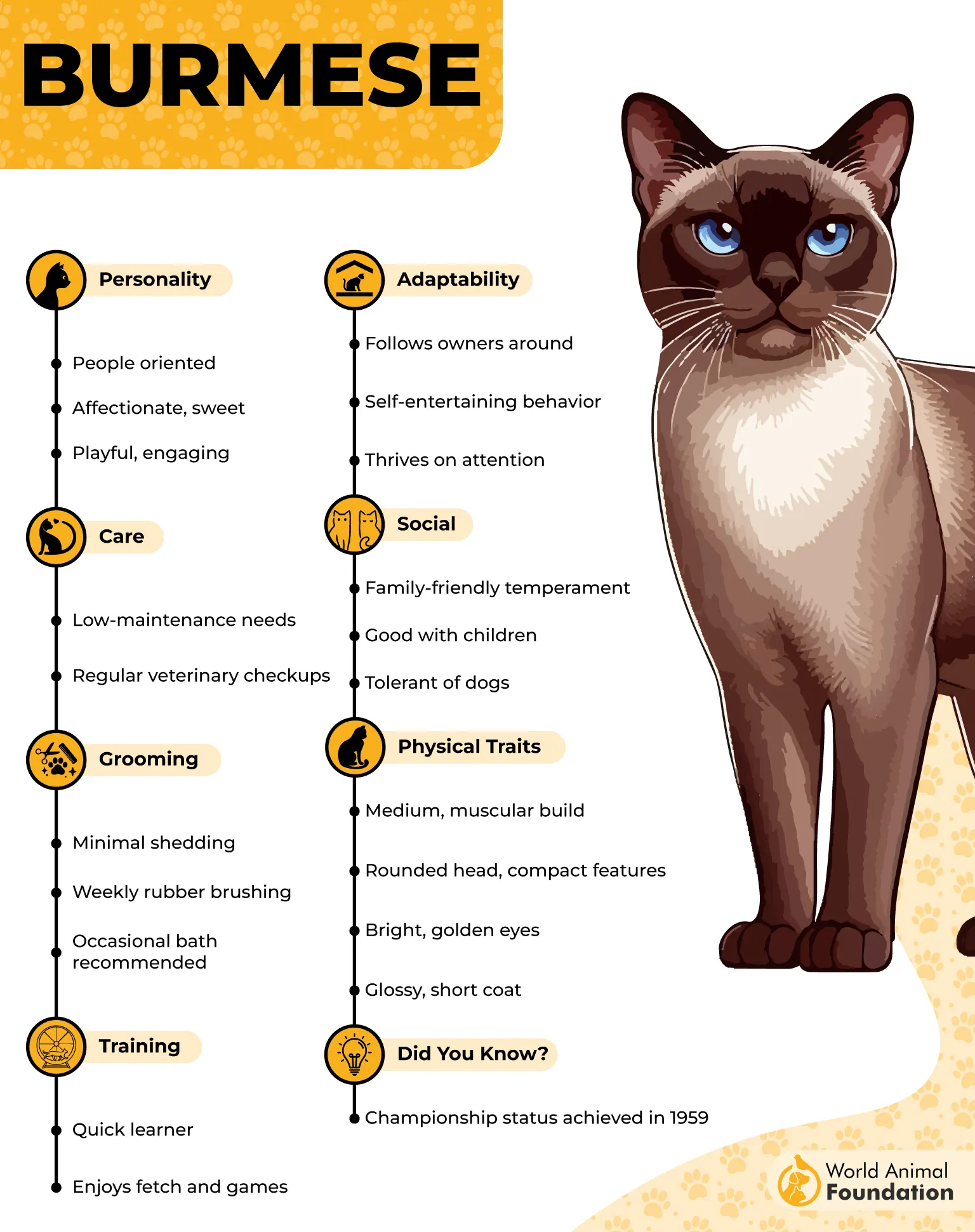
Burmese cats are naturally curious and adaptable, particularly when young. They enjoy exploring their surroundings, observing household activities, and learning through play. Their intelligence and willingness to engage with people can help them become familiar with where their litter box is placed.
These cats generally appreciate being part of everyday family life and can adjust to household changes. However, maintaining a predictable routine and keeping their litter area in a consistent location can help them feel comfortable. Gentle encouragement and regular access to a clean litter box support the development of reliable habits.
Their short, smooth coat is also relatively easy to maintain. Weekly brushing helps remove loose hair and preserve its glossy appearance, while their low-maintenance grooming needs make regular care straightforward.
How This Breed Stands Out
People-oriented nature makes guided training easier: Burmese cats enjoy human interaction and respond well to attention, making it easier to introduce litter habits through gentle guidance.
Enjoys predictable routines and familiar surroundings: Their adaptable but family-focused temperament benefits from consistent daily schedules and a litter area that remains in a familiar place.
Conclusion
Successful litter training depends on a cat’s temperament, intelligence, and ability to adjust to household routines. Cats that are curious, adaptable, and responsive to encouragement may find it easier to develop consistent toileting habits.
A comfortable environment also plays an important role. Providing an accessible litter box, keeping it clean, and placing it in a familiar location can encourage regular use.
Positive reinforcement, patience, and consistency help cats understand where they are expected to eliminate. Gentle guidance and a predictable routine can make the learning process smoother.
Understanding a cat’s individual preferences and maintaining suitable litter arrangements can support good habits and make everyday care easier for both cats and their owners.
