





Living with both cats and dogs doesn’t have to feel like managing rival teams. While some cats prefer solitude, others are surprisingly social and adapt beautifully to dog-friendly homes. The key lies in choosing a breed with the right temperament—confident, calm, and open to companionship.
Dog-friendly cat breeds often share traits like curiosity, playfulness, and emotional resilience. They’re less likely to be startled by barking or energetic movement and more likely to stand their ground or even join in on the fun. With proper introductions, these cats can form strong bonds with canine housemates.
These breeds often enjoy interaction, tolerate shared spaces, and adapt to the lively energy that dogs bring into a home. They’re ideal for families who don’t want to choose between feline and canine companionship.
We’ll highlight the best cat breeds suitable for dog-friendly homes, helping you create a peaceful, happy multi-pet environment where everyone—furred or otherwise—can thrive together.
Quick Insight: Cat breeds known for calm, social temperaments are more likely to coexist peacefully with dogs—especially when introduced early and given positive, supervised interactions.
Cat Breeds Suitable for Dog-Friendly Homes
1. Ragdoll
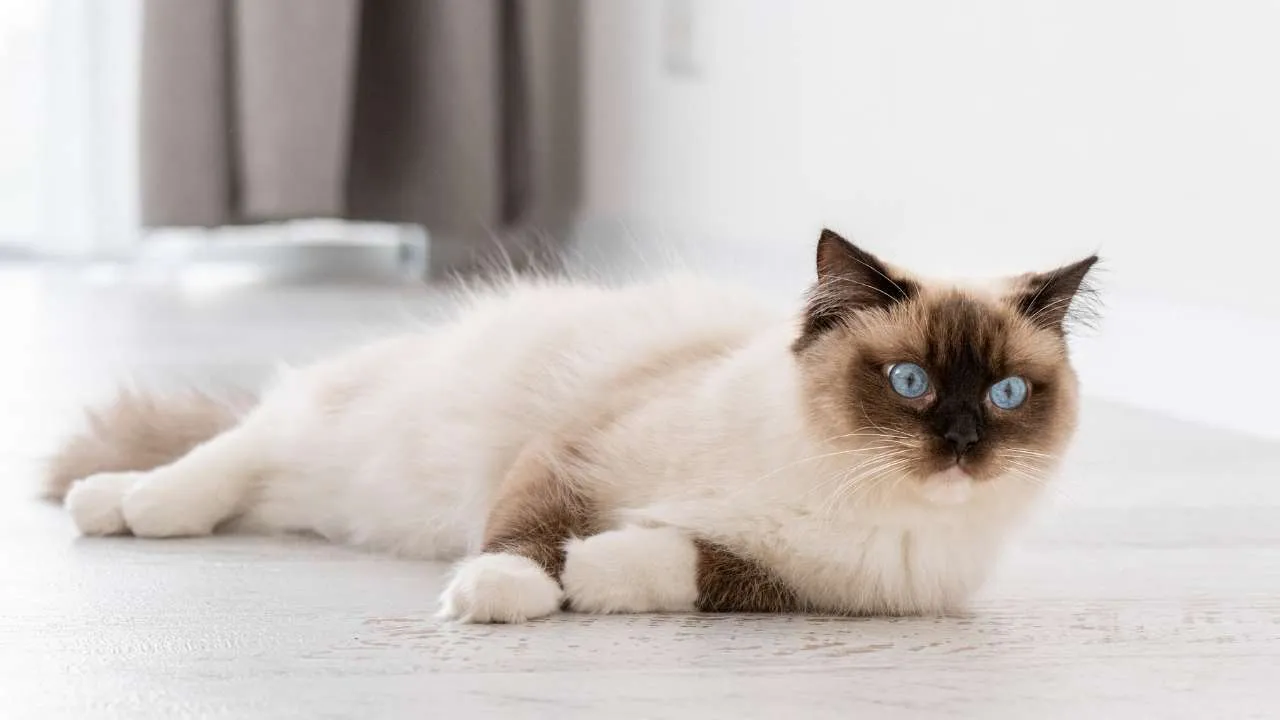
Perhaps the most affectionate breed of cats, Ragdolls are famous for their laid-back, sweet personality. If your home already belongs to a dog and you’re worried about adding a cat to the mix, meet the Ragdoll—the cat equivalent of a calm roommate who never starts drama.
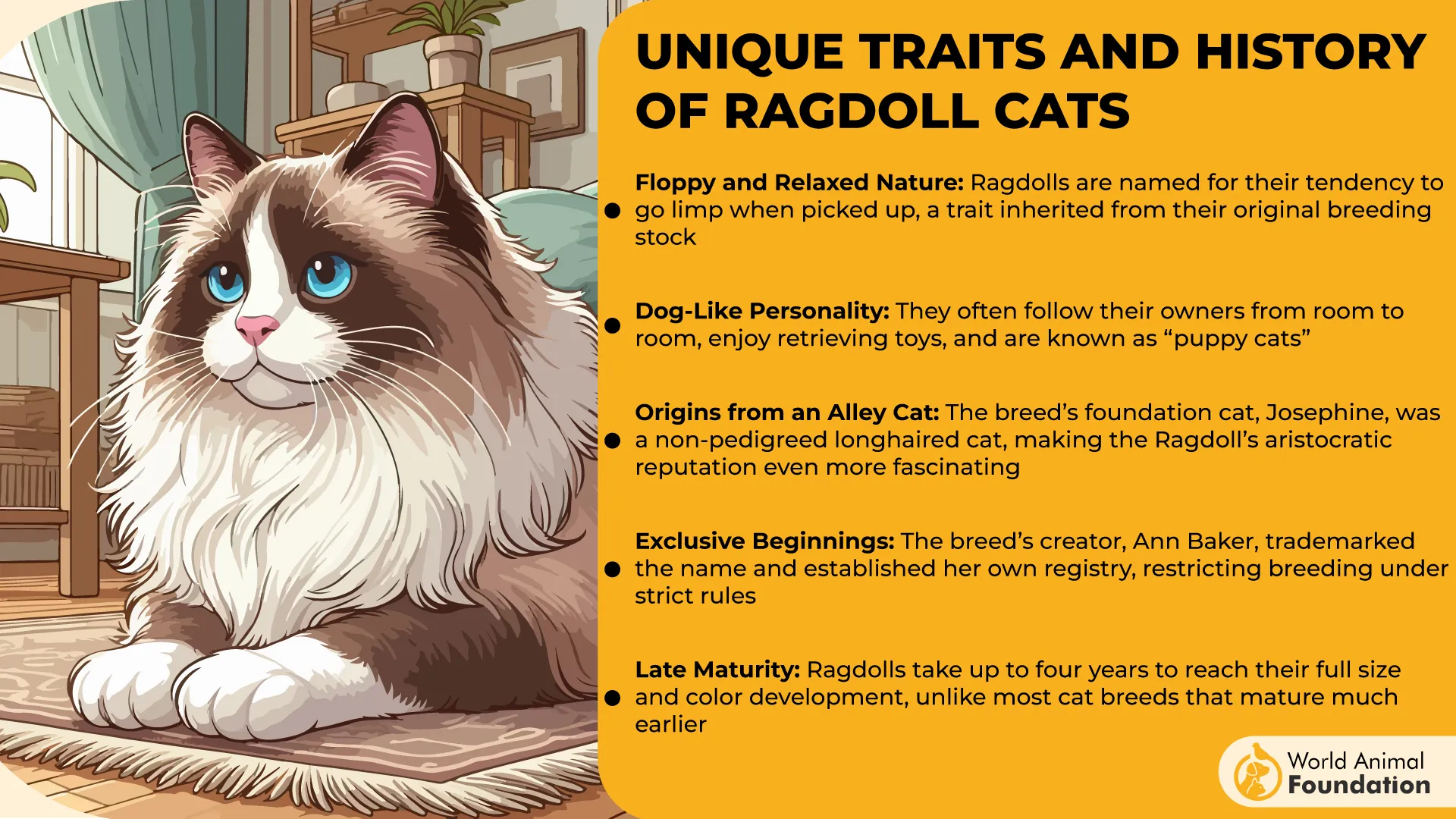
Famous for their affectionate and laid-back personality, Ragdolls are one of the most dog-friendly cat breeds you can bring home. Unlike cats, who prefer to observe dogs from a safe distance (usually the top of a wardrobe), Ragdolls adapt quickly to new environments and new companions.
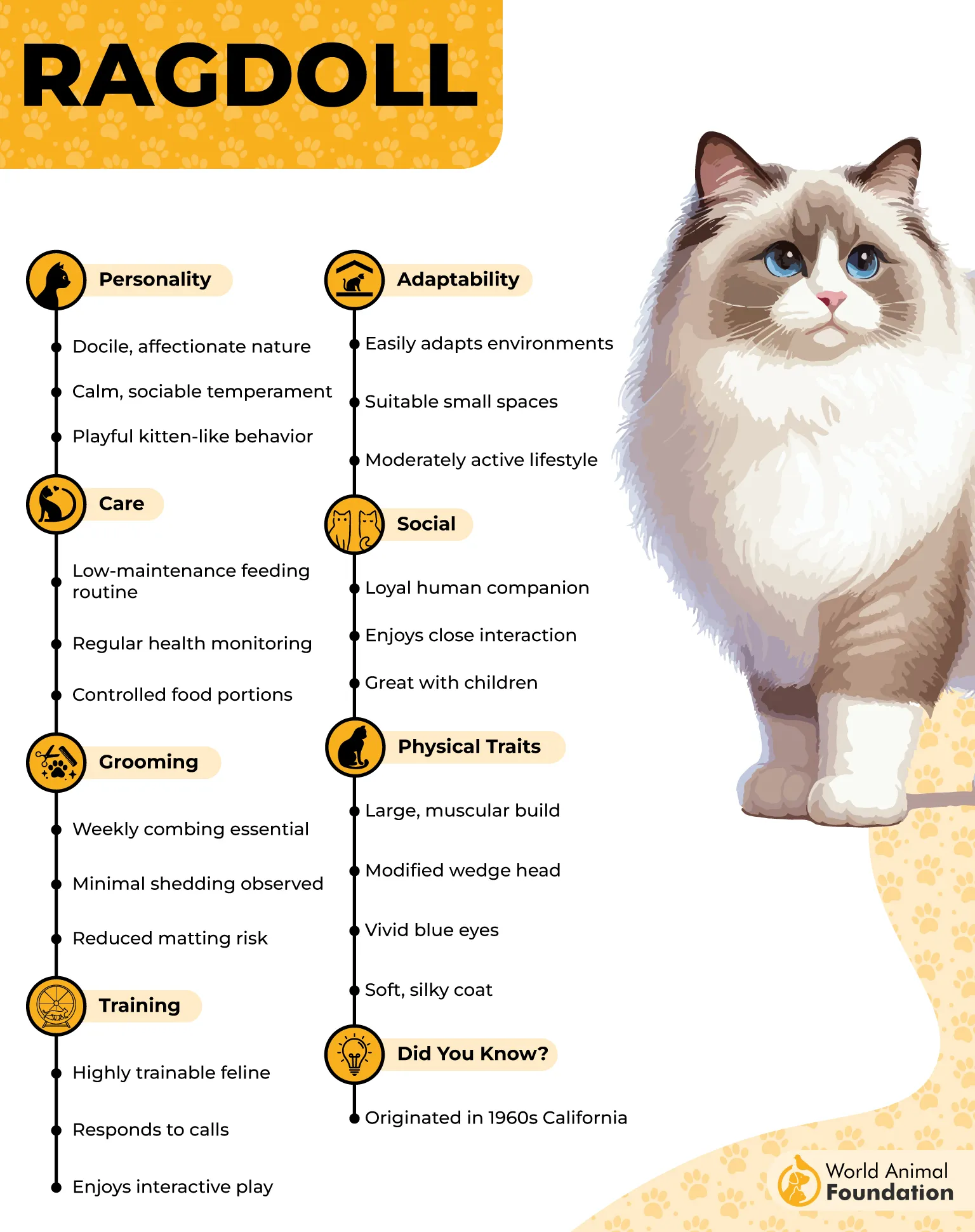
Dogs don’t faze them much—they’re more likely to flop down nearby than flee in panic. They adjust quickly to changes, making introductions to dogs far smoother than with more skittish breeds.
Ragdolls are patient, tolerant, and rarely aggressive, even with curious or playful dogs.
Often called “floor cats,” they prefer lounging comfortably over climbing or ambushing—perfect for peaceful coexistence.
Ragdolls enjoy companionship and don’t mind sharing attention with canine housemates.
Petplan notes they tolerate reasonable household noise and thrive in busy family environments when properly socialized. From dogs to kids to the occasional sweater or Halloween costume, Ragdolls tend to go with the flow—while silently judging.
Ragdolls don’t just tolerate dogs—they coexist peacefully, nap near them, and sometimes even seem to enjoy their company. If you’re looking for a cat that blends seamlessly into a dog-friendly home without turning it into a battleground, the Ragdoll is about as close to perfect as it gets.
2. Maine Coon
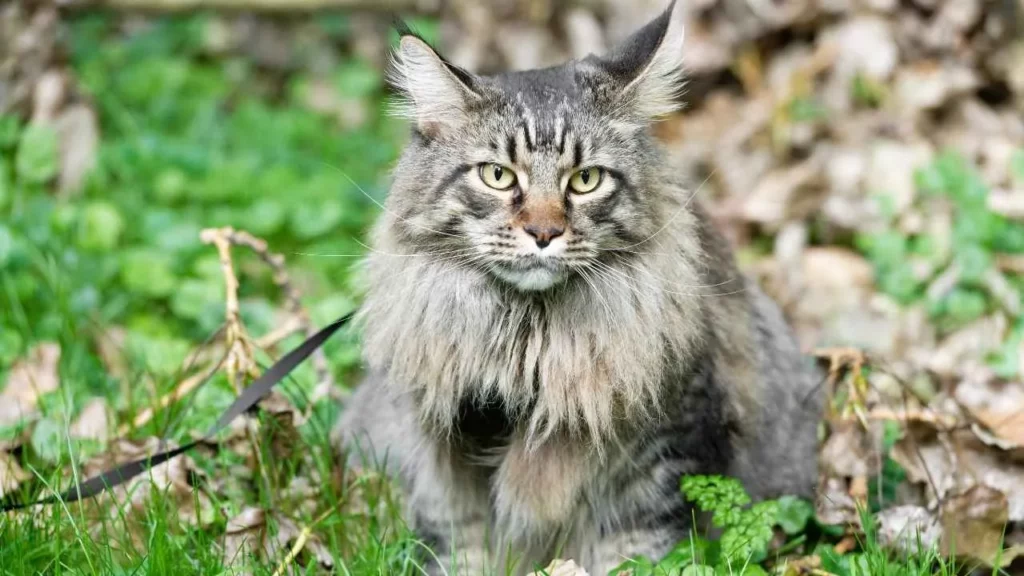
Often referred to as “gentle giants,” Maine Coons are one of—if not the—most laid-back cat breeds around. Their calm, confident nature makes them an excellent choice for dog-friendly homes, as they’re far less likely to be startled, irritated, or offended by a canine companion doing… well, dog things.
According to the International Cat Association (TICA), Maine Coons are naturally social and make wonderful companions for large, active families of all ages. They’re perfectly comfortable sharing their space with dogs, other cats, and just about anyone willing to offer attention or snacks.
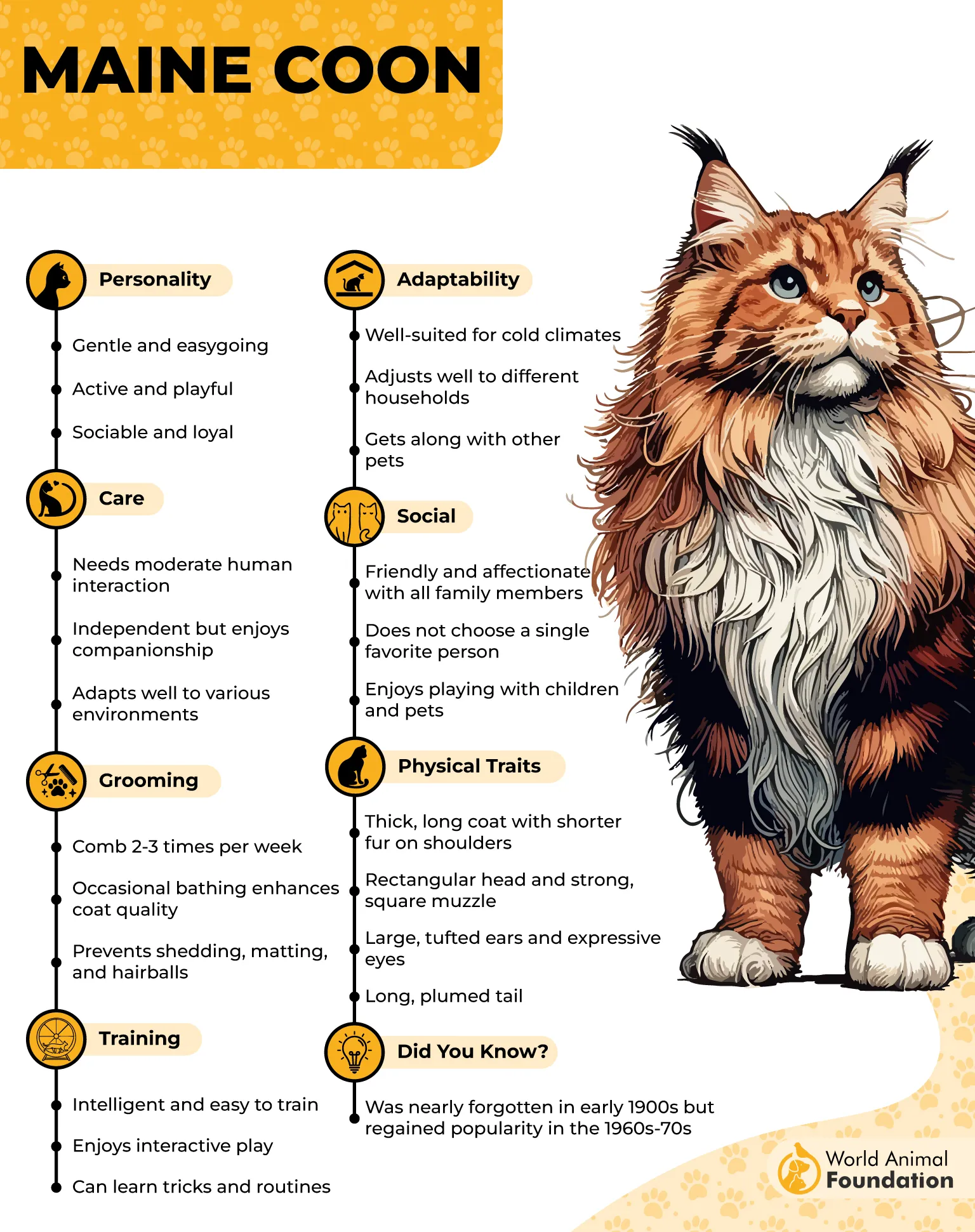
Despite their impressive size, Maine Coons are among the gentlest of cats. They tend to follow their humans from room to room like fluffy shadows—devoted companions, though not always lap cats (sometimes they’re just too big for that).
Not easily spooked or annoyed by dogs.
Enjoys the company of people, dogs, and other pets.
One of the most “dog-like” cat breeds.
They may take some time to settle into a new home, but once they do, expect loyalty in large, fluffy doses. In fact, Maine Coons are often described as “dog-like” cats—and yes, some can even be trained. Leash walks? Fetch? A cat that comes when called? It happens.
If you want a large cat that can match your dog’s energy and your family’s love, the Maine Coon might just be the perfect oversized cuddle buddy.
3. American Shorthair
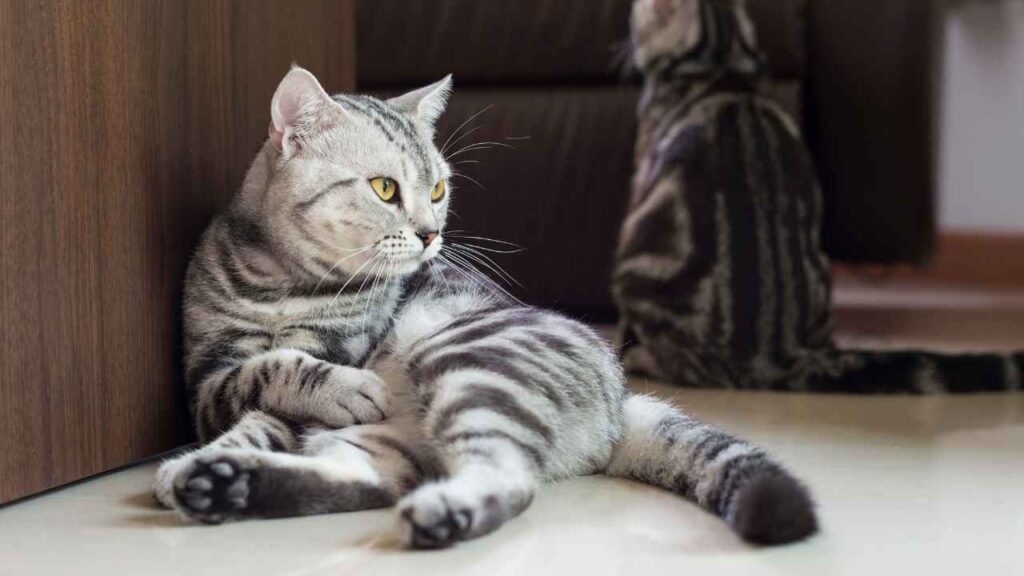
If you’re a dog owner thinking about adding a cat to the family, the American Shorthair is one of the safest (and smartest) bets you can make. Known for their affectionate nature and easygoing attitude, these cats get along wonderfully with dogs, children, and other pets—basically anyone who shares their space and respects snack time.
American Shorthairs adapt effortlessly to households of all sizes, from bustling family homes to quieter spaces with multiple pets. They strike the perfect balance between playful and relaxed, enjoying interactive play just as much as a good, long nap.
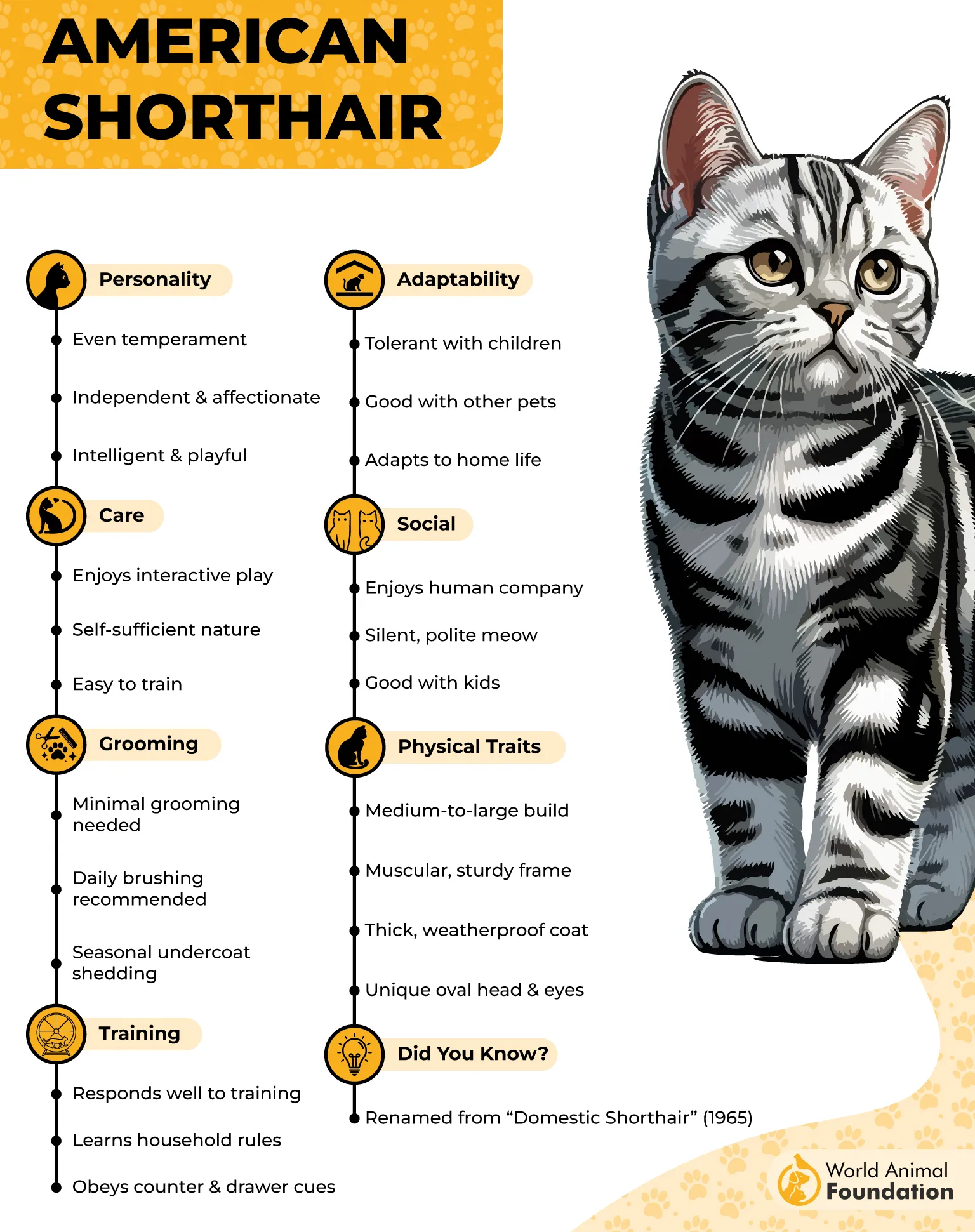
Translation: they can keep up with your dog when the mood strikes, but they won’t judge you for a lazy afternoon either. One of their biggest strengths in a dog-friendly home is their independence.
Loves playtime but equally appreciates quiet downtime.
Comfortable entertaining themselves when needed.
Happy to play with the dog—or join in a cozy cuddle puddle.
American Shorthairs are excellent at entertaining themselves, which helps prevent jealousy or stress in multi-pet households. They’re confident without being demanding—a rare and wonderful combination.
Whether your dog is playful, laid-back, or somewhere in between, the American Shorthair is more than happy to match the vibe. They’re the kind of cat that blends right in, making peace treaties unnecessary and family life a whole lot fluffier.
4. Birman
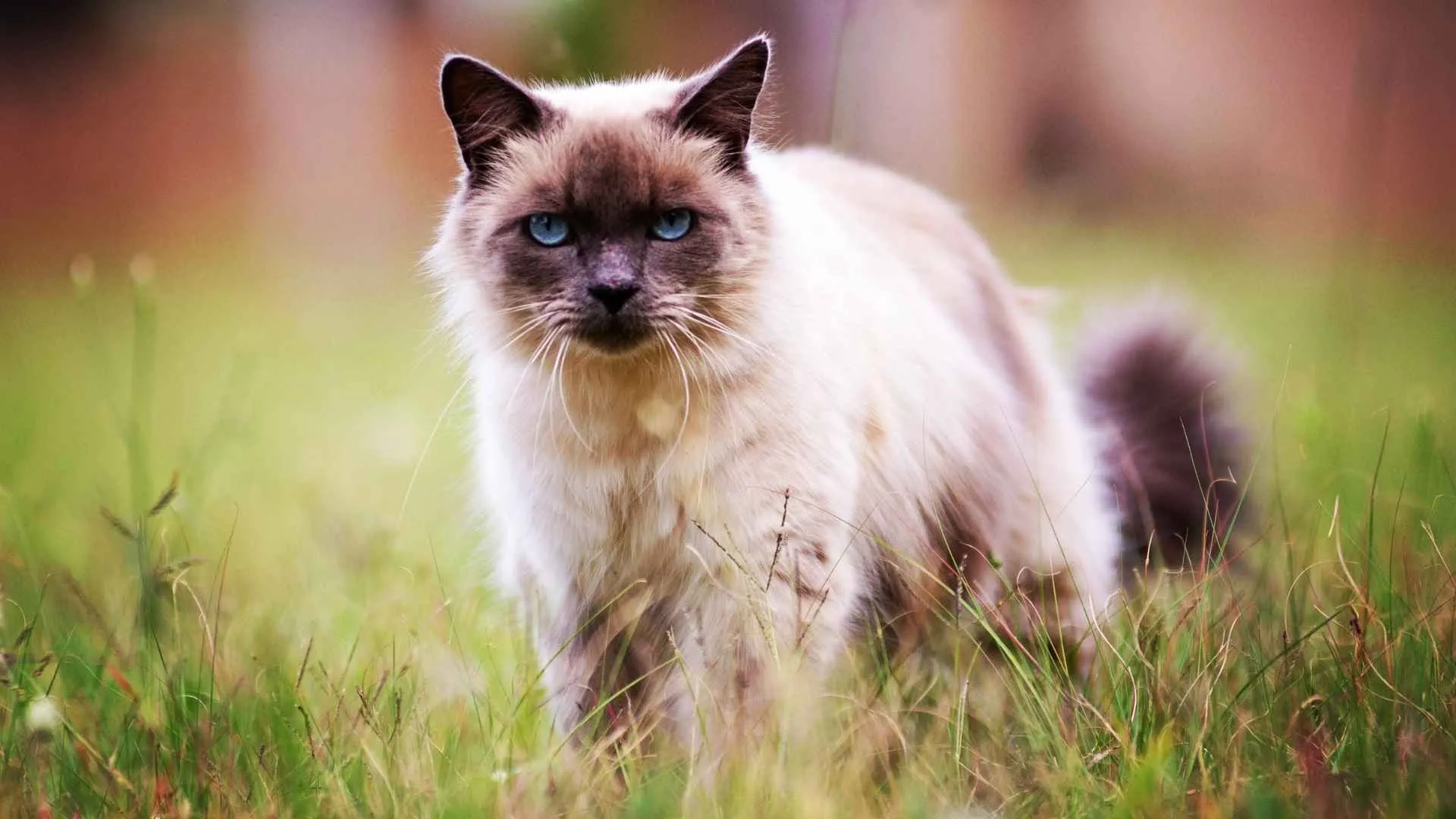
If your dog-friendly home needs a cat that brings peace, balance, and a touch of elegance, the Birman fits the role perfectly. Known for their gentle nature and affectionate personality, Birmans are social cats without being overly demanding—ideal for households that already have a dog in the mix.
Birmans are naturally friendly and tend to get along well with dogs, children, and other pets. They’re curious but not pushy, playful but not chaotic.

Rather than reacting dramatically to a dog’s presence, a Birman is more likely to observe calmly, approach politely, and decide whether friendship—or a nearby nap—is the best option.
Calm around dogs and unlikely to react aggressively.
Enjoys company but doesn’t demand constant attention.
Bonds well with children and other pets.
They adapt well to busy family environments and enjoy being part of everyday life, often following their humans from room to room. While they appreciate companionship, they’re also respectful of personal space, which helps keep the peace in multi-pet households.
Birmans are the cats that keep the household running smoothly—soft-spoken, loving, and quietly confident. If your dog already rules the home and you’re looking for a feline who prefers harmony over chaos, the Birman is a beautiful choice.
5. Toyger
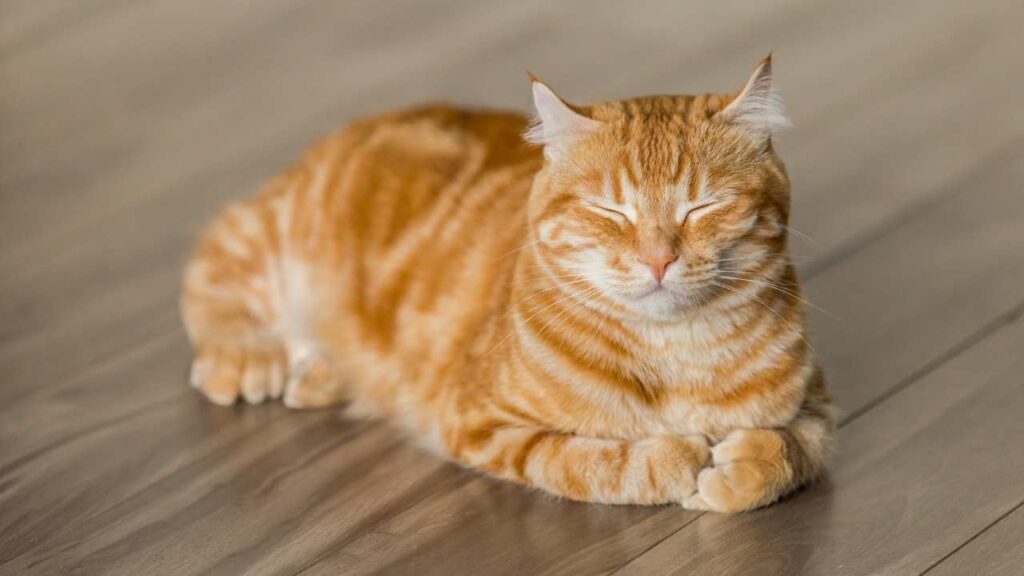
Don’t let the wild looks fool you—the Toyger is all charm and zero jungle drama. Bred to resemble a miniature tiger but designed specifically for family life, Toygers are exceptionally sociable and make wonderful additions to dog-friendly homes.
According to Purina, Toygers get along very well with respectful children, other cats, and dogs. Their friendly, confident nature means they’re not easily intimidated, making them comfortable sharing space with canine companions. If your dog is curious but polite, the Toyger is likely to respond with interest rather than offense.
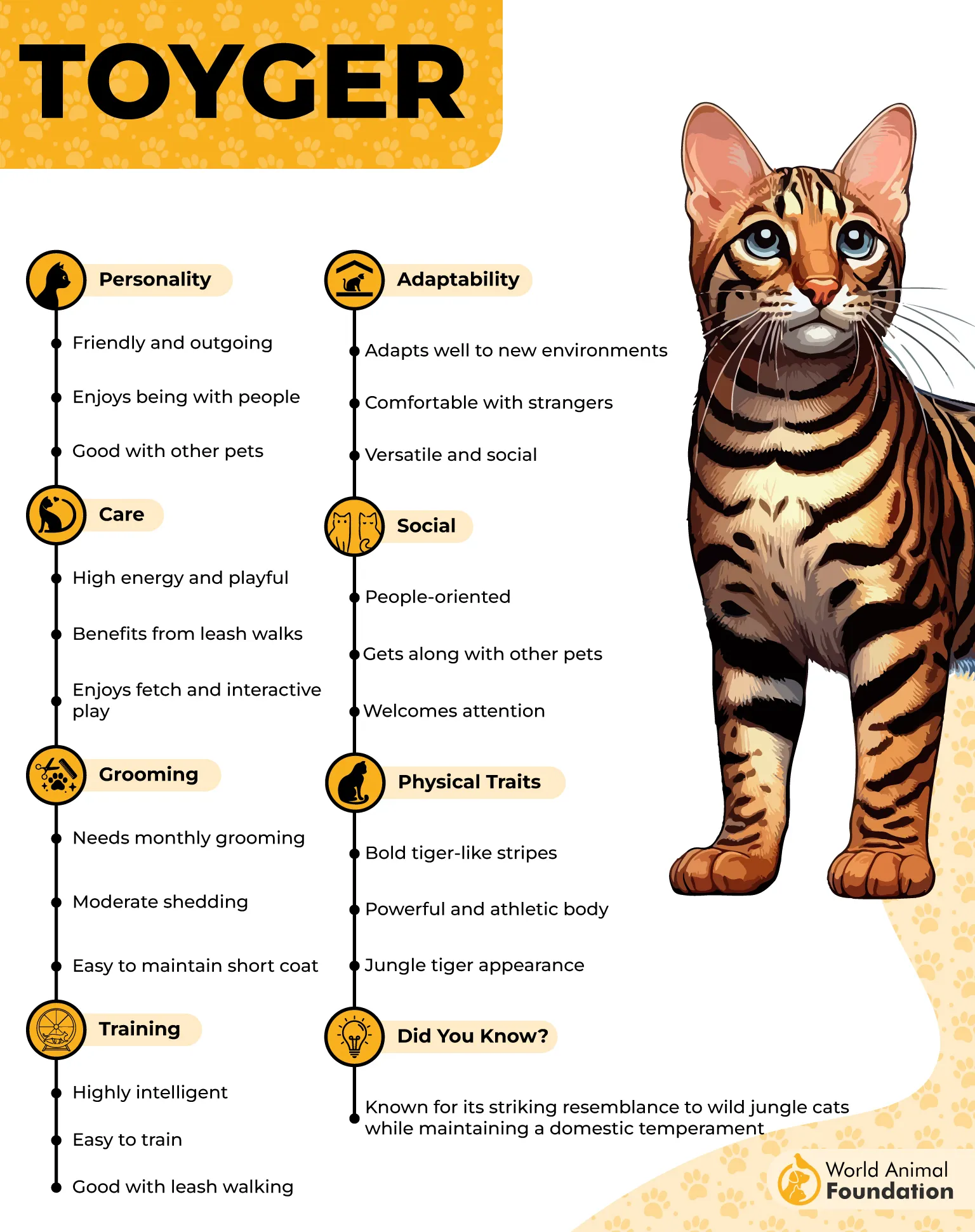
Toygers are playful, intelligent, and love being involved in family activities. They enjoy interaction and mental stimulation, which helps them bond not just with humans but with other pets as well.
Enjoys the company of dogs, children, and other pets.
Not easily startled by busy households.
Loves interactive play and mental challenges.
This breed didn’t become family-friendly by accident—breeders have carefully selected Toygers with excellent temperaments, ensuring they’re as pleasant to live with as they are striking to look at.
If you want a cat that looks like it belongs in the wild but acts as if it belongs on your couch—right next to the dog—the Toyger is an excellent choice. All the tiger vibes, none of the territorial tantrums.
6. Cymric Cat
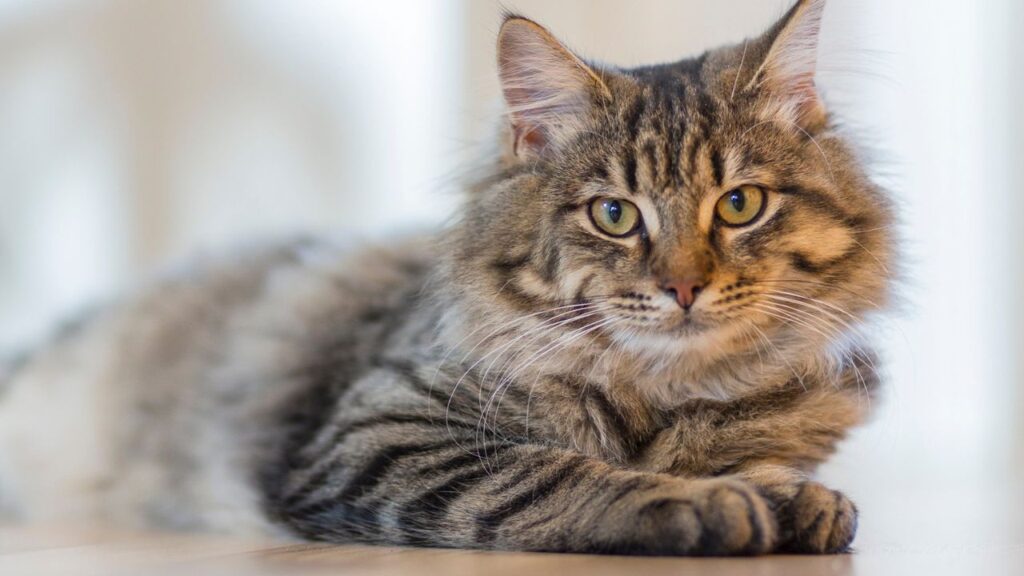
Cymric cats share their ancestry with the Manx—the main difference being their luxurious, longer coat and equally plush personalities. Like their Manx cousins, Cymrics are intensely social, playful, and deeply devoted to their families, making them a solid choice for dog-friendly homes.
While they love to play, Cymrics are slightly less energetic, which makes them especially well-suited for homes with mature dogs who have moved past the nonstop puppy zoomies.
They enjoy interaction and companionship but also appreciate calm moments, creating a comfortable balance in multi-pet households. Cymrics are known for their dog-like behaviors and strong bonds with both humans and other animals.
Enjoys companionship from dogs and humans alike.
Matches well with calmer, adult dogs.
Handles shared spaces with ease.
In fact, if you ever find yourself wondering where all the toys have disappeared, check the couch cushions or dog bed—Cymrics have a habit of hiding their toys just like their canine companions. Coincidence? Probably not.
The Cymric is the kind of cat that feels right at home in a dog-friendly household—friendly, playful, and just quirky enough to keep things interesting. If your dog is past the puppy phase and ready for a furry partner-in-crime, the Cymric might be the perfect match.
7. Munchkin
Cats may be famous for marathon naps, but Munchkins clearly missed that memo. Often called the Dachshunds of the cat world thanks to their adorably short legs, Munchkins bring surprising speed, stamina, and enthusiasm to dog-friendly homes.
While their short limbs limit their jumping abilities, they more than make up for it on the ground. Munchkins are fast, playful, and always ready for action.
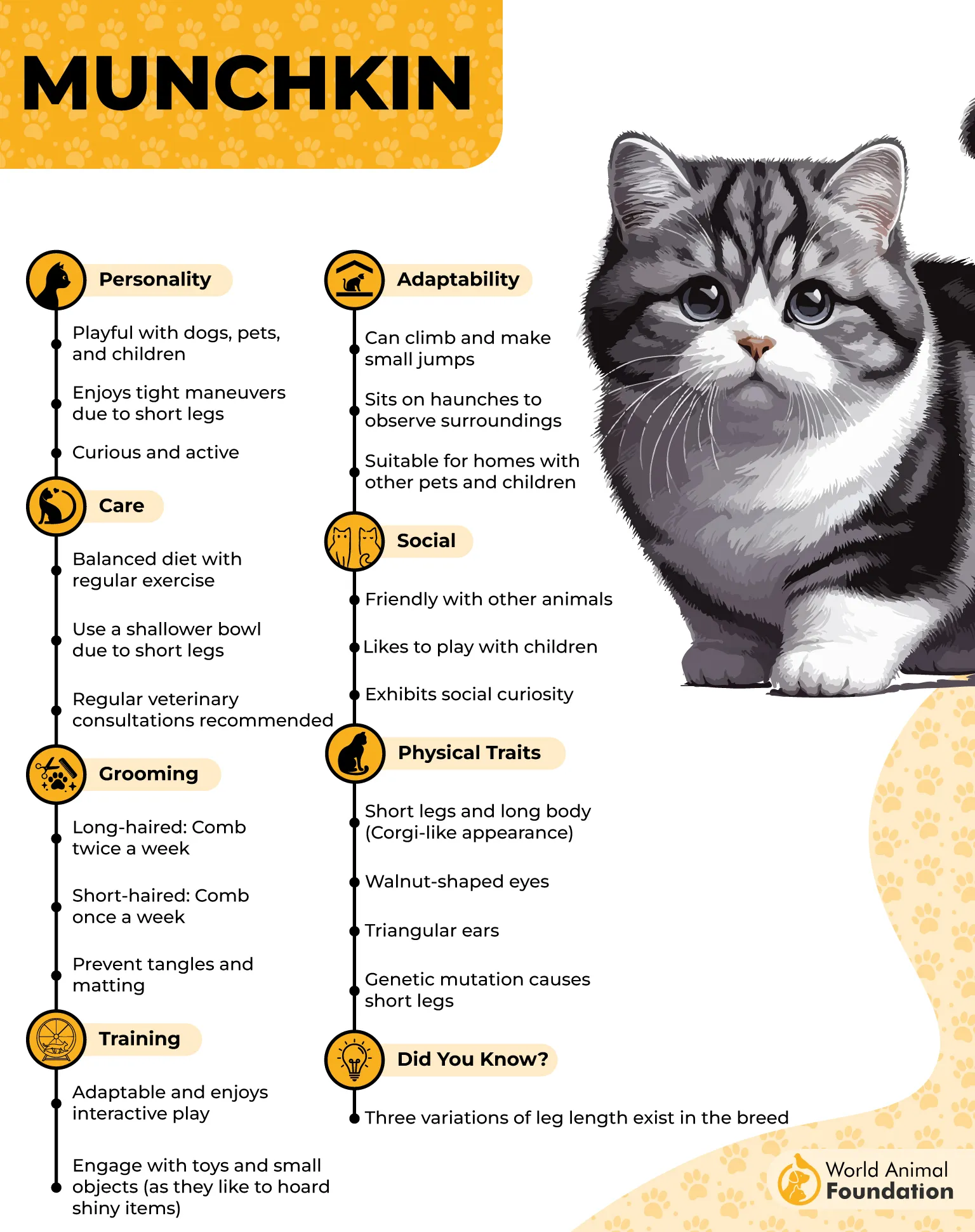
When they’re not curled up on your lap, they’re likely racing through the house or wrestling with your dog like they’re training for a very important championship match.
Loves running, wrestling, and interactive play with dogs.
Enjoys companionship from both humans and pets.
Forms strong bonds within the household.
Because they stay at ground level, Munchkins naturally bond with dogs—especially energetic ones. They meet dogs on their turf and keep up impressively well. In fact, don’t be shocked if your puppy gives up first while your Munchkin is still zooming laps around the living room.
If your household has an energetic dog and plenty of action, the Munchkin will fit right in. Small in stature but huge in personality, this dog-friendly cat proves that you don’t need long legs to keep up—you just need the right attitude.
8. Manx
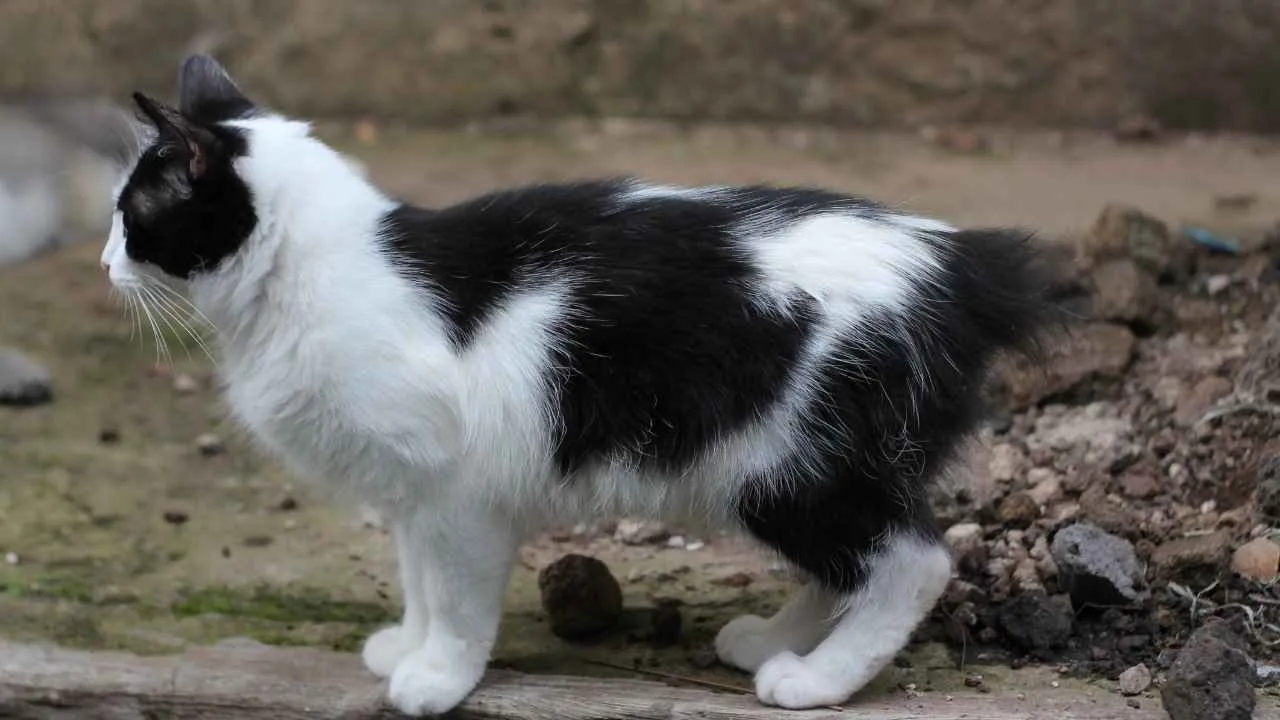
Originating from the Isle of Man in the UK, the Manx is a truly distinctive cat breed—both in appearance and personality. Known for their sweet, social nature, Manx cats don’t love being left alone for long periods, which makes them an excellent match for dog-friendly homes.
Manx cats are active and adventurous, and many enjoy spending time outdoors. If you have a secure yard, don’t be surprised if your Manx wants to join your dog for some supervised outdoor romping—it’s all part of their fun-loving, social personality.
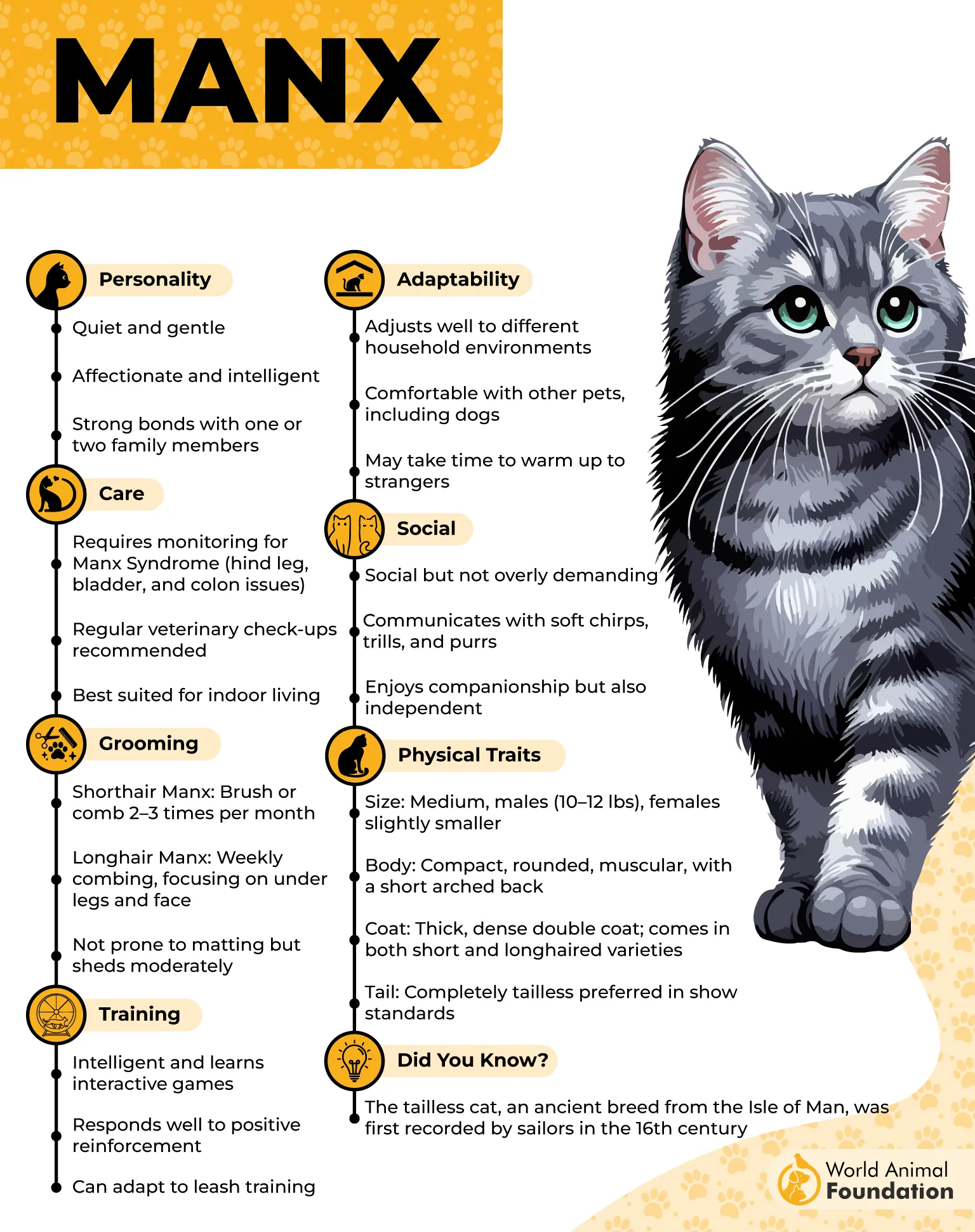
While Manx cats handle busy households well, they do prefer consistency. They’re happiest when surrounded by familiar people and animals.
Enjoys companionship from dogs and humans alike.
Benefits of having a dog friend around.
Thrives with familiar people and pets.
Frequent visitors or sudden changes may send them retreating to a quieter corner of the house for a bit of alone time. When first introduced to a new home, they may take a day or two to warm up—but once they do, their loyalty is unmatched.
The Manx may take a little time to settle in, but once they do, they become a devoted, loving presence in the home. If your dog is friendly and your household values consistency, this dog-friendly cat breed will reward you with companionship that’s as steadfast as it is sweet.
9. Abyssinian
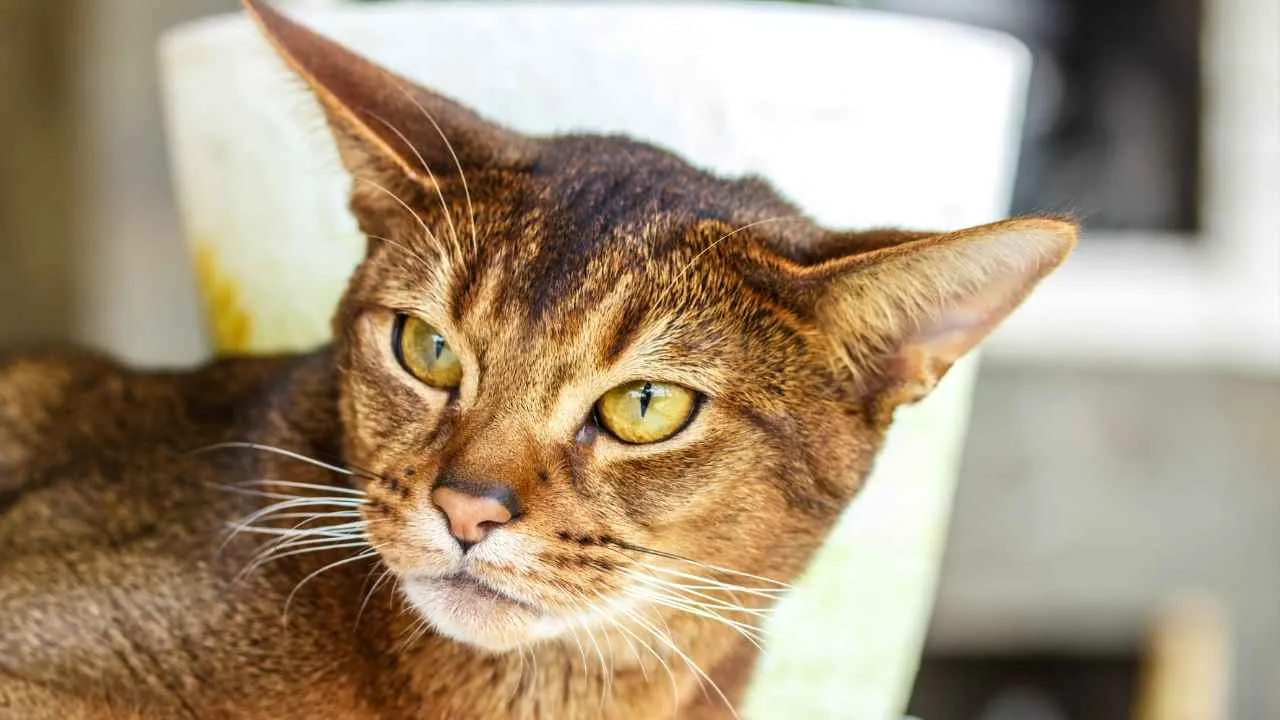
If your dog is energetic, playful, and loves adventure, the Abyssinian is the cat equivalent of a partner-in-crime. Known for their intelligence, curiosity, and outgoing personality, Abyssinians thrive in homes where there’s activity, interaction, and plenty of companionship—including canine friends.
These cats are highly social and enjoy spending time with both humans and other pets. They’re not the type to hide in a corner while your dog zooms around; instead, they’re likely to join the fun, explore every nook, and maybe even initiate a game of chase.
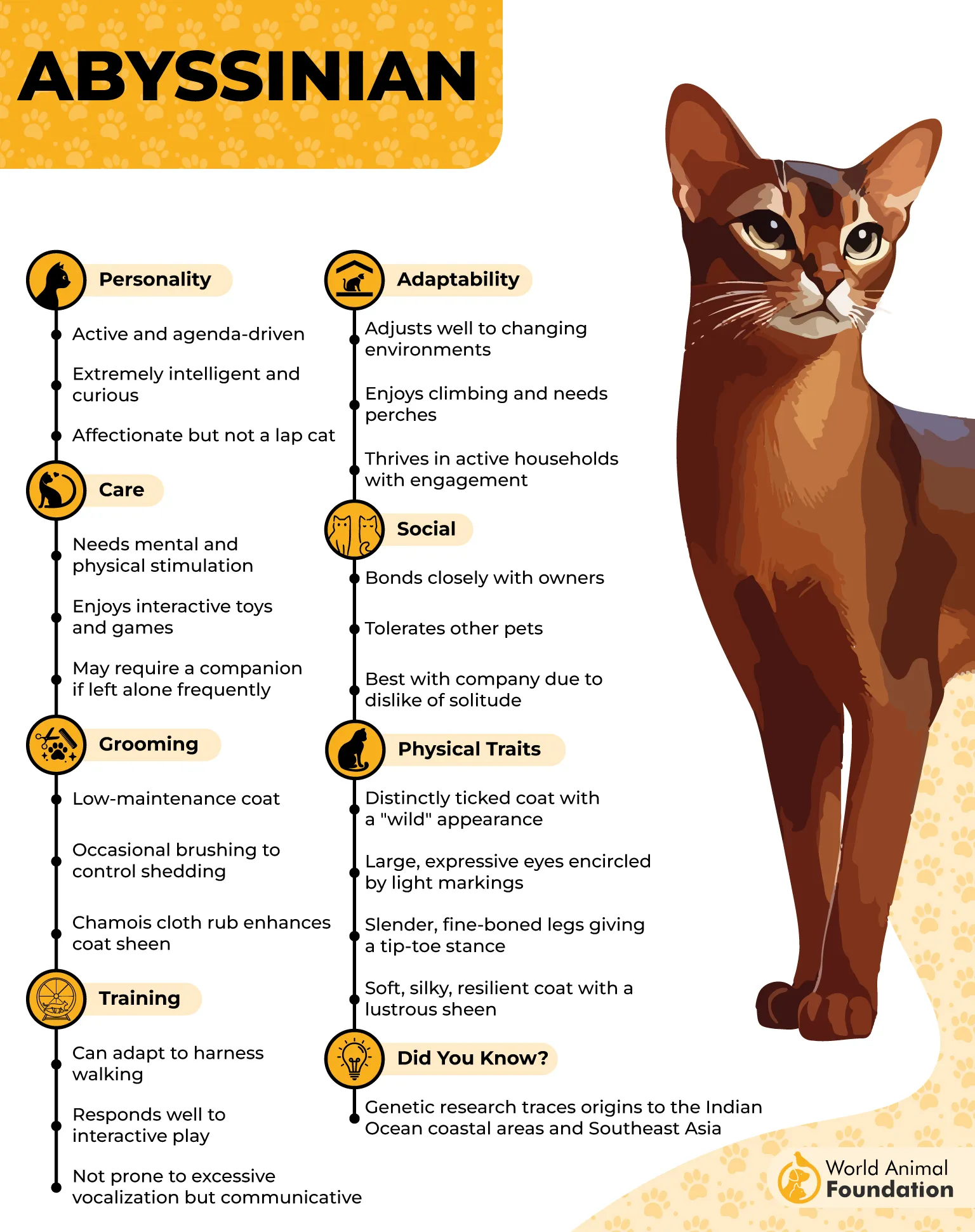
Their playful nature and quick wits mean they can keep up with dogs of most sizes and energy levels. Abyssinians also love mental stimulation. Puzzle toys, interactive play, or even a little supervised mischief will keep them happy—and keep your dog entertained too.
Loves people, dogs, and other pets.
Keeps up with active dogs and family life.
Enjoys interactive play and mental stimulation.
Their dog-friendly temperament, combined with boundless curiosity, makes them ideal companions in active, multi-pet households.
Abyssinians are perfect for dog-friendly homes where energy, curiosity, and playfulness are part of the daily routine. They don’t just coexist—they participate, explore, and make every day a little more lively.
Conclusion
Some cat breeds suitable for dog breeds include the Norwegian Forest cat, Siberian cat, Japanese Bobtail, British Shorthair, and Siamese, all known for their even-tempered, outgoing nature and ability to live harmoniously with many cats and many dogs.
These furry friends often display a dog-like personality, enjoying play fetch, fetching skills, and responding to positive reinforcement, making them great pets and best buddies for both cat lovers and canine family members.
New cats or kittens of this particular breed can adapt easily, using a safe space if needed, and thrive alongside medium-sized dogs, Labrador Retrievers, or Golden Retrievers, thanks to low prey drive, affection, and loving nature, ensuring a household filled with joy, companionship, and shared food and sit routines for both pup and cat.
