




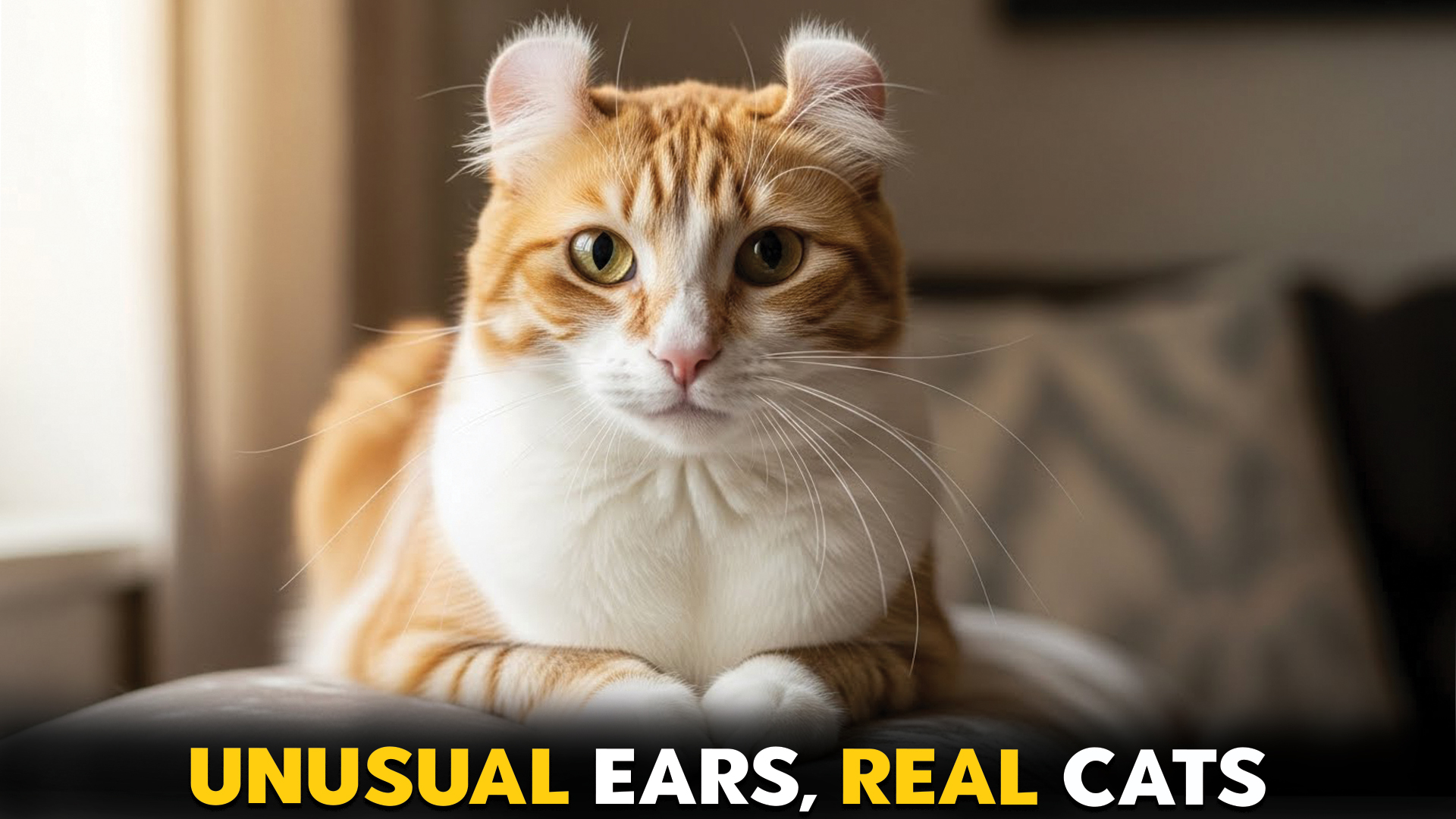
Cats continue to surprise us with their incredible variety, and curled ears are one of the most fascinating examples of nature’s creativity. For a long time, straight ears were considered the norm, until rare cats appeared with ears that gently curve backward or form elegant arcs. Far from being a fluke, this distinctive feature is now recognized in several established breeds and has captured the attention of cat lovers worldwide.
The existence of cats with curled ears highlights just how diverse feline genetics can be. Across the many breeds recognized by cat fancier associations—and even among newer or developing hybrids—unique traits emerge that set certain cats apart. Curled ears, while uncommon, are a naturally occurring characteristic linked to specific genetic variations, and they give these cats an instantly recognizable and endearing appearance.
Beyond looks, cats with curled ears often combine their striking features with engaging personalities that suit a variety of households. Whether you’re drawn to their unusual ears or curious about what makes them different, exploring these breeds offers insight into the remarkable diversity of the feline world. Below, we’ll introduce cat breeds known for their curled ears and what makes each one special.
Cat Breeds Known for Their Curled Ears
1. American Curl
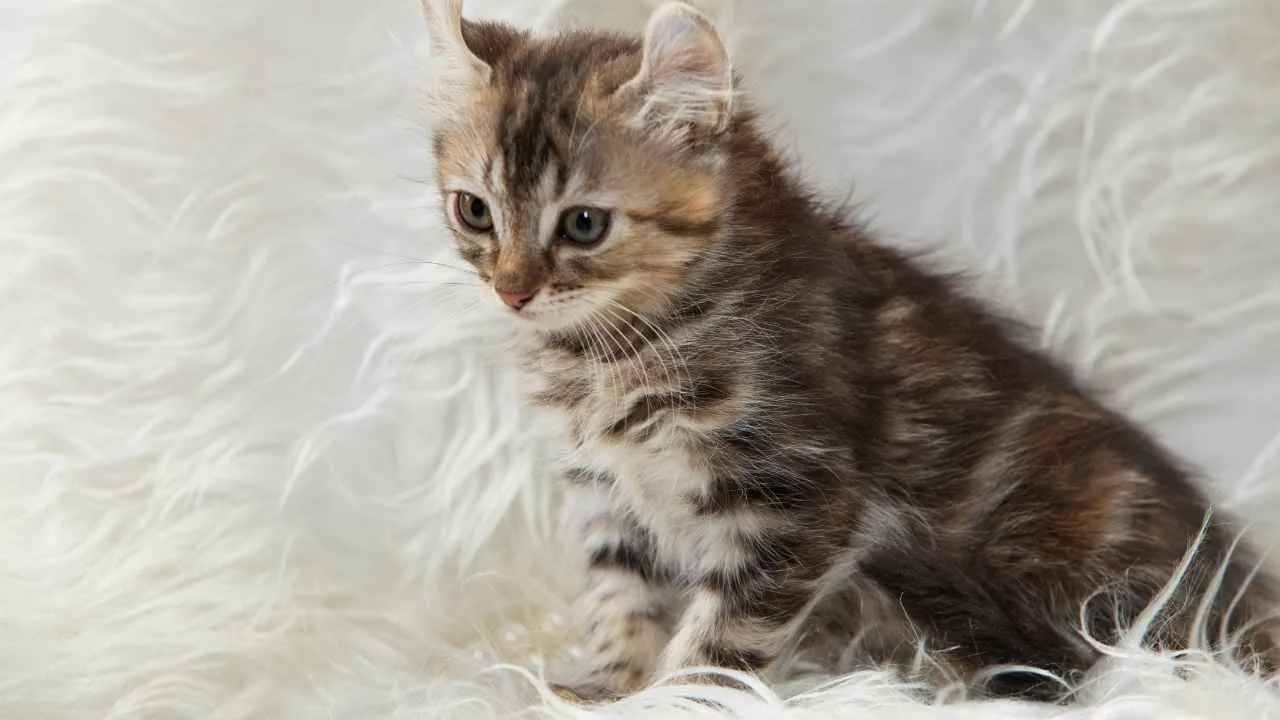
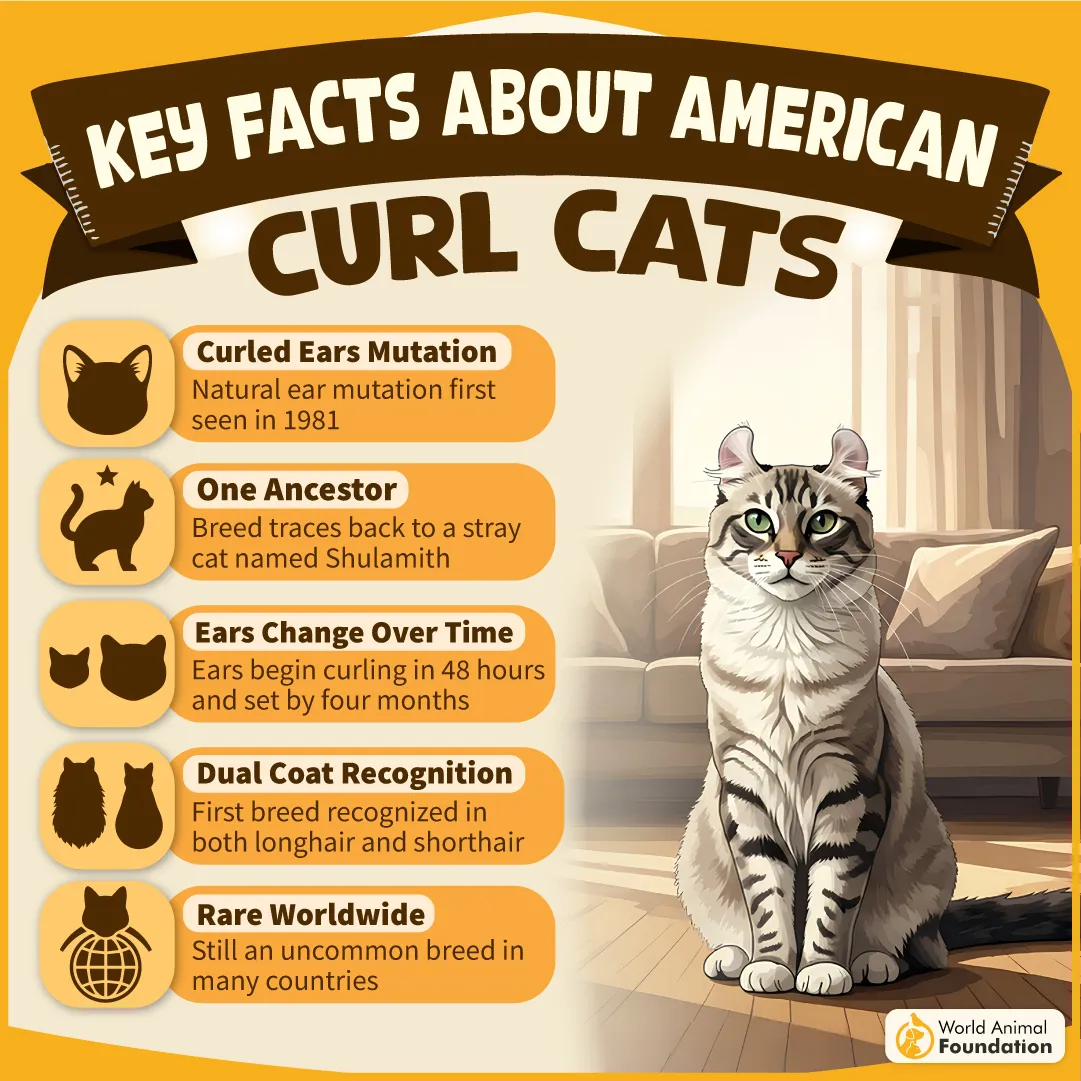
Also known simply as the American Curl cat, this breed originated in California in 1981 from a stray named Shulamith.
According to PetMD, the “curl” in American Curl describes the breed’s most distinctive feature—ears that curve backward toward the head. The American Curl is instantly recognizable for its backward-curving ears, balanced body, and either short or long, silky coat in many colors and patterns.
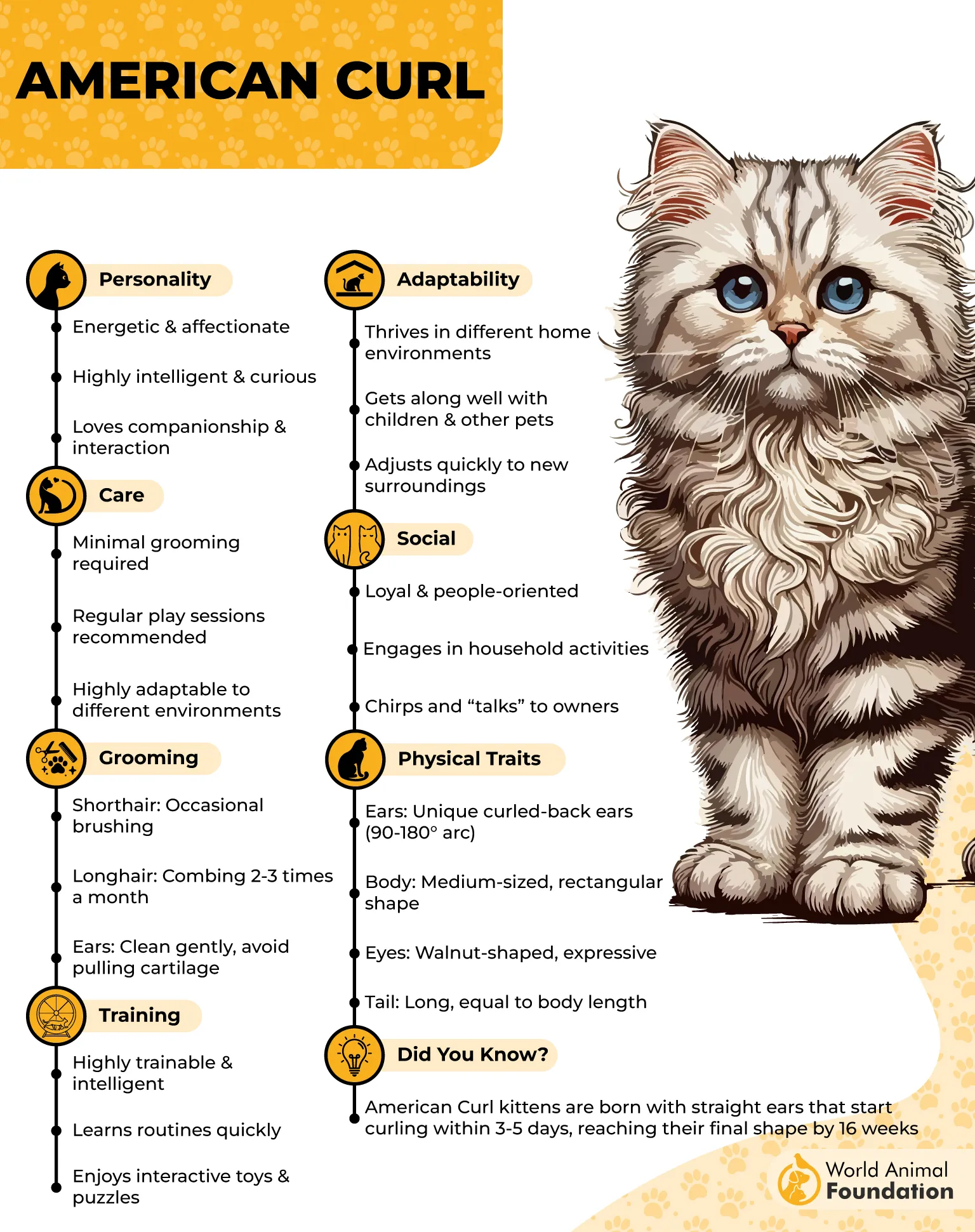
Kittens are born with straight ears, which begin curling within the first few days of life and finish forming by about four months, creating a distinctive arc.
What causes curled ears in cats like the American Curl is purely genetic, not linked to bone or cartilage disorders. Unlike some folded-ear breeds, this mutation affects only ear shape, allowing the rest of the cat’s development to remain healthy and proportionate.
These ears do require gentle care, as they can collect dirt more easily than straight ears.
Fun fact: American Curl show cats must have ears that curve between 90 and 180 degrees to meet breed standards.
2. Dwelf Cat
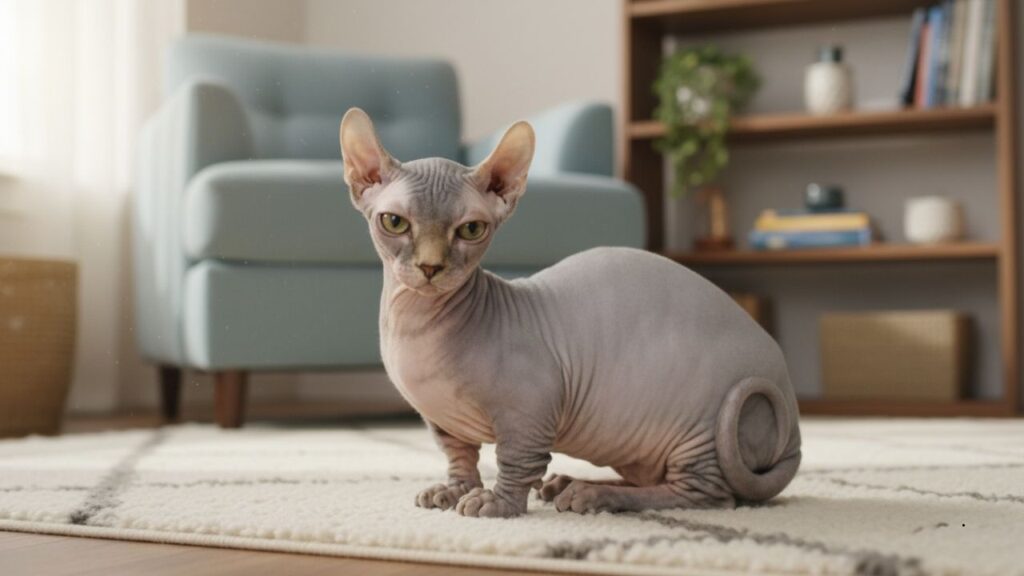
Also known simply as the Dwelf, this rare and modern breed stands out for its combination of short legs, hairless body, and backward-curling ears. Developed by crossing the Munchkin, Sphynx, and American Curl, the Dwelf brings together multiple distinctive traits in one compact, eye-catching cat.
The curled ears are one of the breed’s most defining features and come directly from American Curl genetics. Unlike folded ears that bend forward, the Dwelf’s ears curve backward, creating an alert, elf-like appearance that highlights the unique genetic pathway behind ear curling.
Genetically, the Dwelf represents how specific traits can be intentionally combined through selective breeding. The ear curl is a naturally inherited characteristic caused by cartilage structure rather than external alteration, making it a stable and recognizable feature in the breed.
Despite its unusual look, the Dwelf is known for being social, intelligent, and affectionate, thriving on interaction and mental stimulation.
Fun fact: the Dwelf typically weighs between 4 and 9 pounds and has a lifespan of around 12 to 15 years.
3. Elf Cat
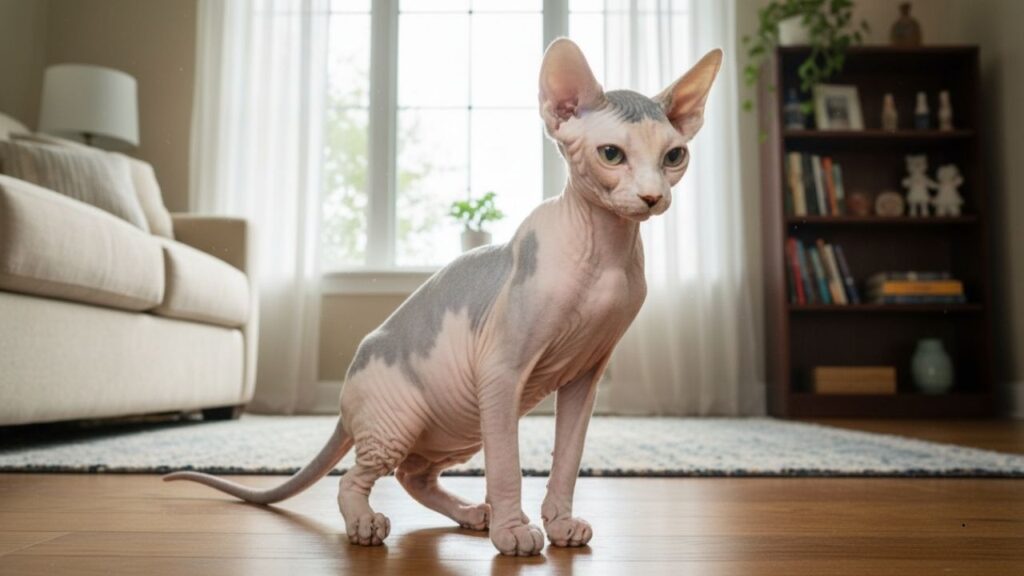
Also known simply as the Elf, this modern hybrid breed emerged in 2004 from crossing the Sphynx with the American Curl. The result is a striking, mostly hairless cat with a slender build and signature ears that curl backward rather than fold.
The Elf cat is a new and rare hybrid of the Sphynx and the American Curl, recognized for its hairless body and distinctive curled ears.
Those backward-curving ears come directly from the American Curl lineage, often cited as the most famous curled-ear breed. In the Elf Cat, this feature is especially prominent, giving the breed an alert, whimsical expression that highlights ear movement and shape.
Living with a curled-ear cat like the Elf means embracing an affectionate, people-focused companion. These cats crave interaction, enjoy playtime, and often follow their humans closely, making them better suited to homes that can offer frequent attention.
Their lack of fur adds special care considerations, including sun protection, but also emphasizes their unique look.
Fun fact: The Elf Cat typically weighs between 10 and 15 pounds and was bred to combine the American Curl’s ears with the Sphynx’s hairless body.
4. Foldex
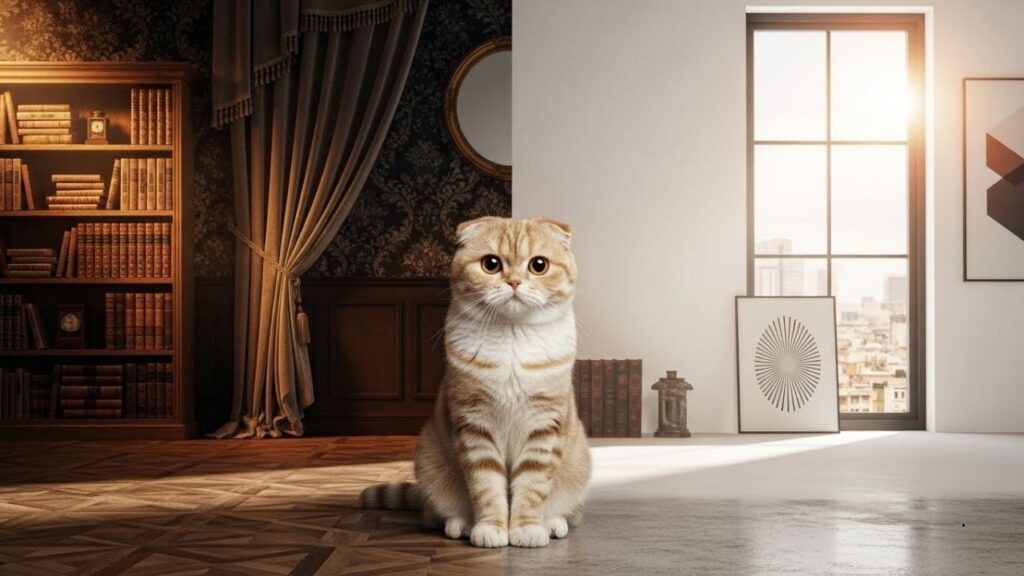
Also known as the Exotic Fold, the Foldex is a Canadian-developed breed created in the 1990s by crossing the Scottish Fold with the Exotic Shorthair. It features a medium, muscular build and a distinctive single ear fold, setting it apart from the multiple folds seen in Scottish Folds.
The Foldex’s curled ears are the hallmark of the breed, giving it a soft, rounded expression. Because this trait is inherited from the Scottish Fold lineage, responsible breeding and careful monitoring are essential to maintain overall ear and joint health.
When considering health considerations for curled-ear cats, Foldex owners should be aware of potential inherited conditions. While generally healthy, the breed may be prone to issues linked to its Scottish Fold ancestry, making routine veterinary screenings especially important.
Their affectionate, confident nature pairs well with proactive care, including tailored grooming based on coat type and regular checkups.
Fun fact: The Foldex is officially recognized by the Canadian Cat Association but remains relatively rare outside Canada.
5. Highlander
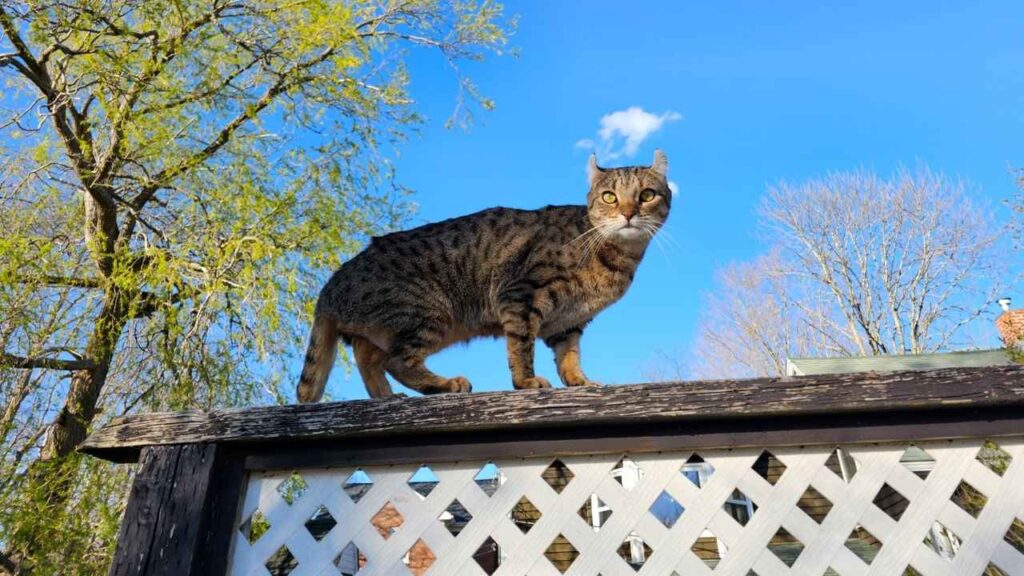
Also known as the Highlander Lynx or Highlander Shorthair, the Highlander is a modern breed developed in the 1990s by crossing the Desert Lynx and Jungle Curl. It was intentionally bred to combine a wild look with a friendly, domestic temperament and is recognized by TICA for competition.
TICA notes that the Highlander’s eye-catching appearance is marked by a long, sloping profile and softly curled ears, immediately highlighting this robust and impressive cat.
One of the breed’s defining traits is its curled ears, which are straight at birth and begin to curve backward after a few weeks. While the curl is subtle compared to some breeds, it adds to the Highlander’s distinctive, bobcat-like appearance.
Curled-ear breeds often share outgoing personalities, and the Highlander fits that pattern well. These cats are active, curious, and highly social, enjoying exploration, climbing, and interactive play with both people and other pets.
Intelligence and affection are hallmarks of the breed, making them engaging companions.
Fun fact: Highlander cats are born with straight ears that naturally curl backward as they grow, usually becoming noticeable around two weeks of age.
6. Kinkalow
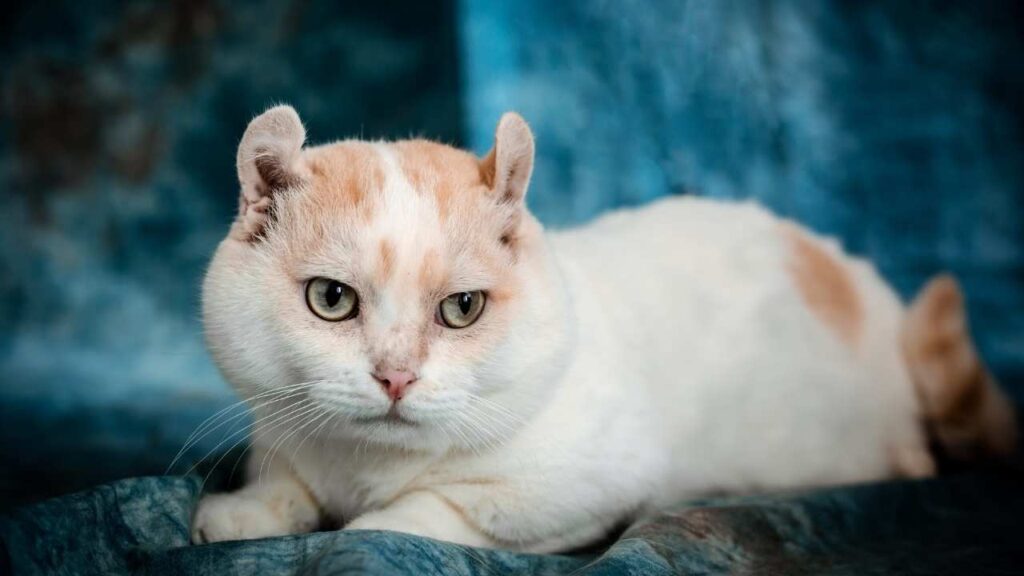
Also known simply as the Kinkalow cat, this breed is a deliberate mix of the Munchkin and the American Curl. The result is a small, compact cat with short legs, softly curled ears, and a plush coat, typically weighing between 3 and 7 pounds.
Those signature curled ears are delicate and require gentle handling. Regular ear checks and careful cleaning are essential, as the cartilage is sensitive and more prone to infection than straight-eared breeds. Never force the ears into position.
Coat care depends on fur length, which can vary from short to longer and fluffier. Weekly brushing is usually sufficient, though longer coats benefit from a few extra sessions to prevent tangles and reduce shedding.
Overall care is simple but consistent, including nail trims, dental hygiene, and a clean litter box to keep them comfortable.
Fun fact: The Kinkalow’s curled ears come from the American Curl parent, while its short legs are inherited from the Munchkin.
7. Scottish Fold
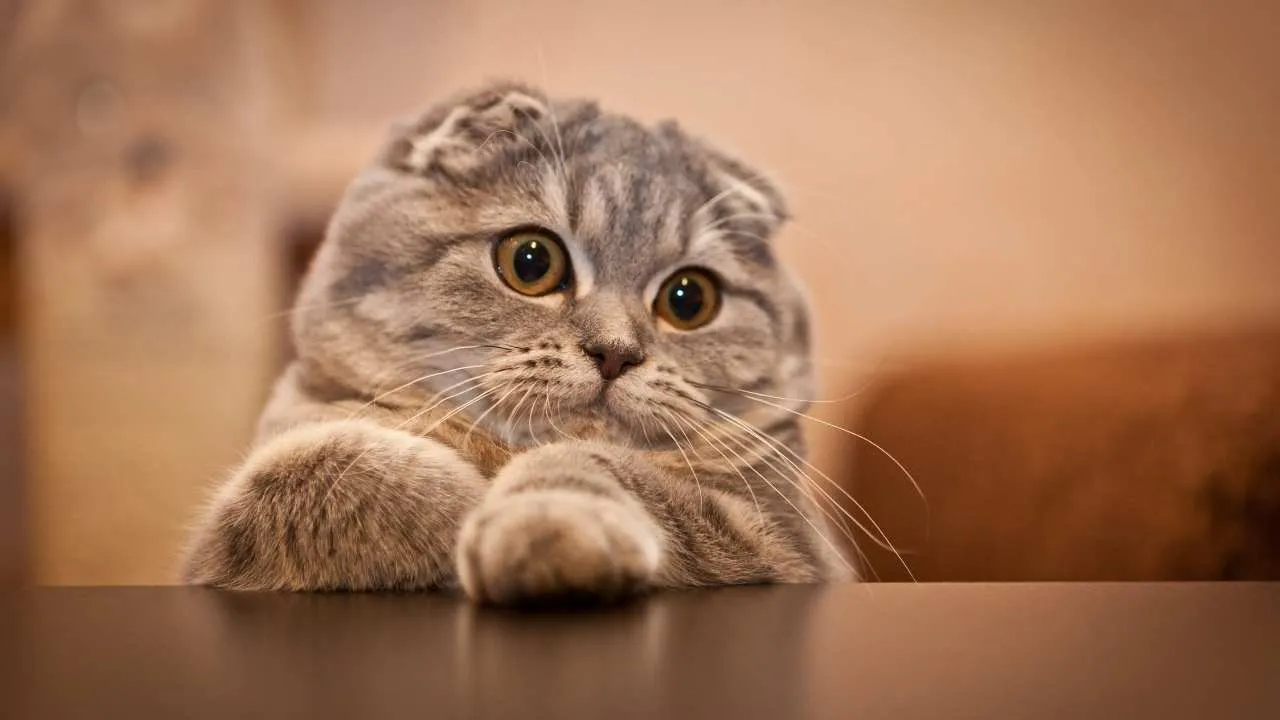
Also known simply as the Fold, the Scottish Fold originated in Scotland and traces back to a barn cat named Susie with naturally folded ears. This medium-sized breed is instantly recognized by its round face, plush coat, and ears that fold forward against the head rather than curling backward.

The breed’s signature ears are caused by a dominant genetic mutation that begins to show when kittens are a few weeks old. These forward-folding ears give Scottish Folds an owl-like expression, making them one of the most recognizable cats among curled- and folded-ear breeds.
Beyond appearance, Scottish Folds are known for their calm, affectionate demeanor. They enjoy gentle play and quiet interaction, forming strong bonds with their owners while remaining relatively low-key compared to more energetic breeds.
Their unique look comes with important considerations, as the same gene responsible for ear folding affects cartilage throughout the body.
Fun fact: The mutation that creates folded ears is linked to osteochondrodysplasia, a condition that impacts bone and joint development in all Scottish Folds.
Conclusion
Cat breeds known for their curled ears stand out in the feline world for their distinctive features and charm. From curly-eared cats developed as a new breed to well-known Scottish Fold cats, these felines highlight how a single genetic change can shape a unique breed.
Their ear structure, varied coat colors, and sometimes semi-long fur add to their appeal, while traits like a muscular body and playful personalities make them engaging companions for a human family. Even a chance stray cat that once gave birth to kittens with curled ears helped shape what would become the modern Scottish Fold breed.
However, owning cats with unique ears also requires awareness. Some breeds face genetic health issues such as ear infections or polycystic kidney disease, making it essential to choose a reputable breeder and avoid unscrupulous breeders.
Recognized by the International Cat Association and other major cat associations, these cats can be incredibly affectionate, coexist well with other cats and other animals, and grow into excellent pets and loyal feline friends.
