




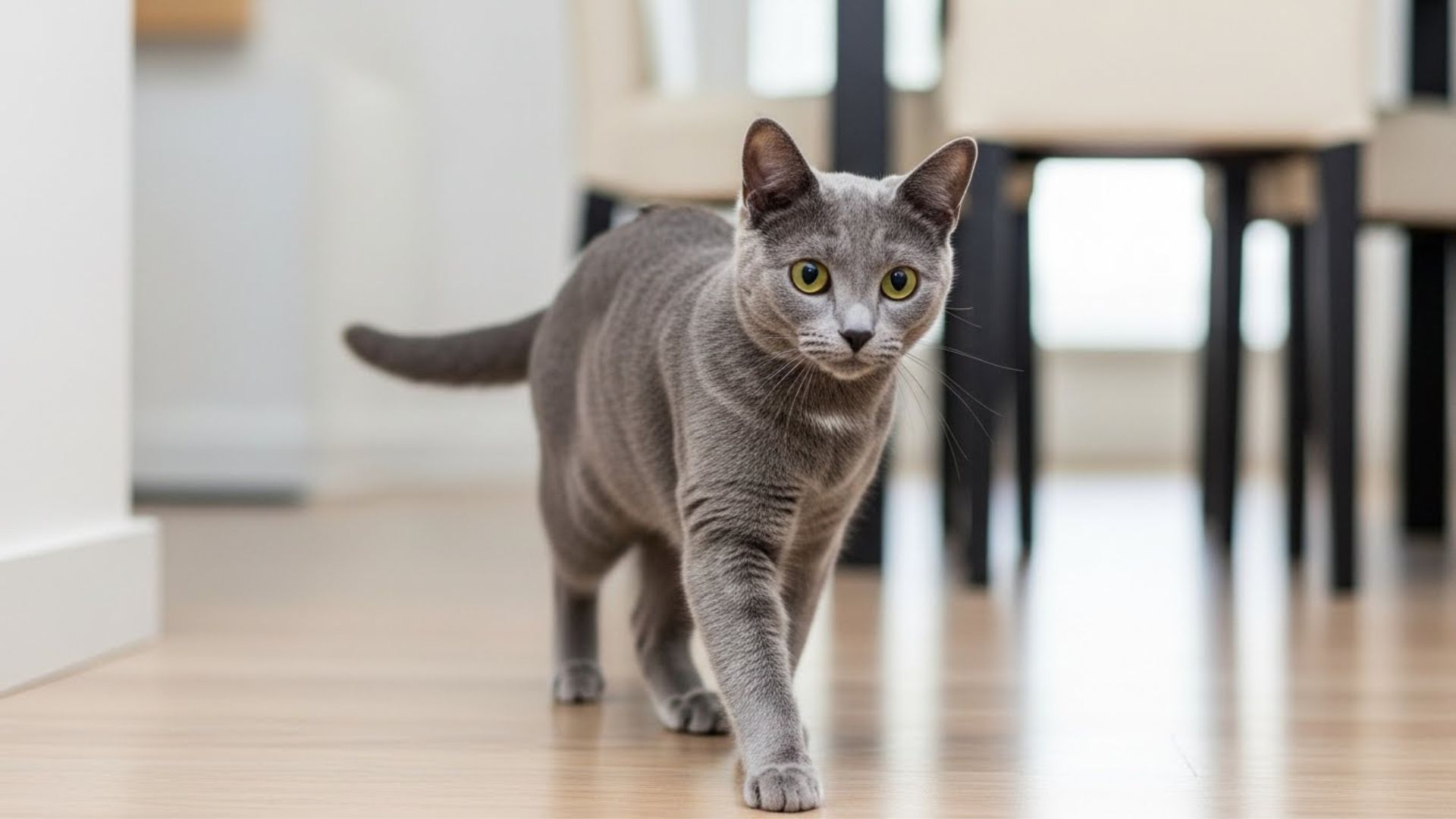
Not every cat wants to be glued to your side. Some breeds are known for their strong independence, preferring to explore, relax, or observe the world on their own terms. These cats can be confident, self directed, and perfectly content spending time alone while still forming meaningful bonds with their people.
For busy households, first time owners, or anyone who values a low pressure companion, independent cat breeds can be an excellent fit. They offer affection without constant demands and curiosity without clinginess.
This guide explores cat breeds known for strong independence and what makes them such capable, self assured companions in homes around the world.
Cat Breeds known for Strong Independence
1. British Shorthair
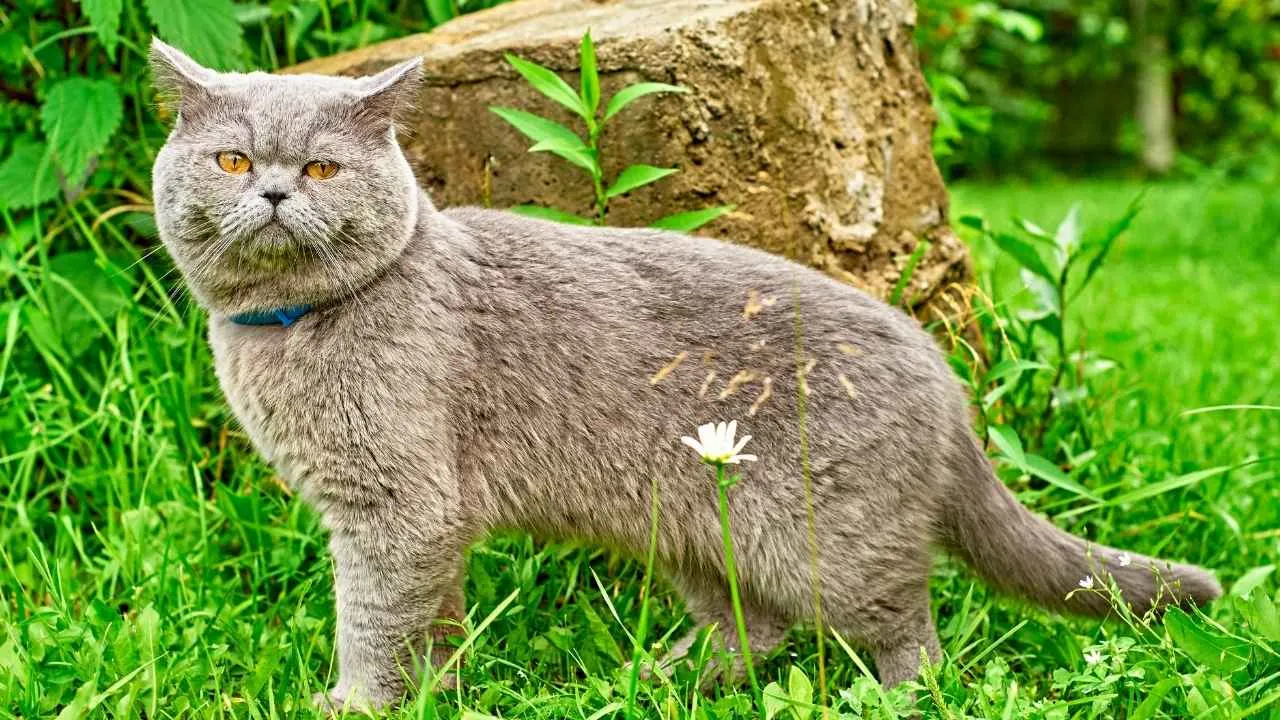
According to the CFA, British Shorthairs are known for their sturdy build, round faces, and calm, self possessed presence. They tend to observe their environment quietly, often choosing a favorite spot where they can relax without interruption. This breed is comfortable entertaining itself and does not rely on constant interaction to feel secure.
Their personality leans toward reserved rather than aloof. British Shorthairs enjoy companionship but usually prefer sitting nearby instead of on laps, showing affection in subtle, low key ways. They appreciate routine and tend to handle alone time well, making them reliable housemates rather than clingy shadows.
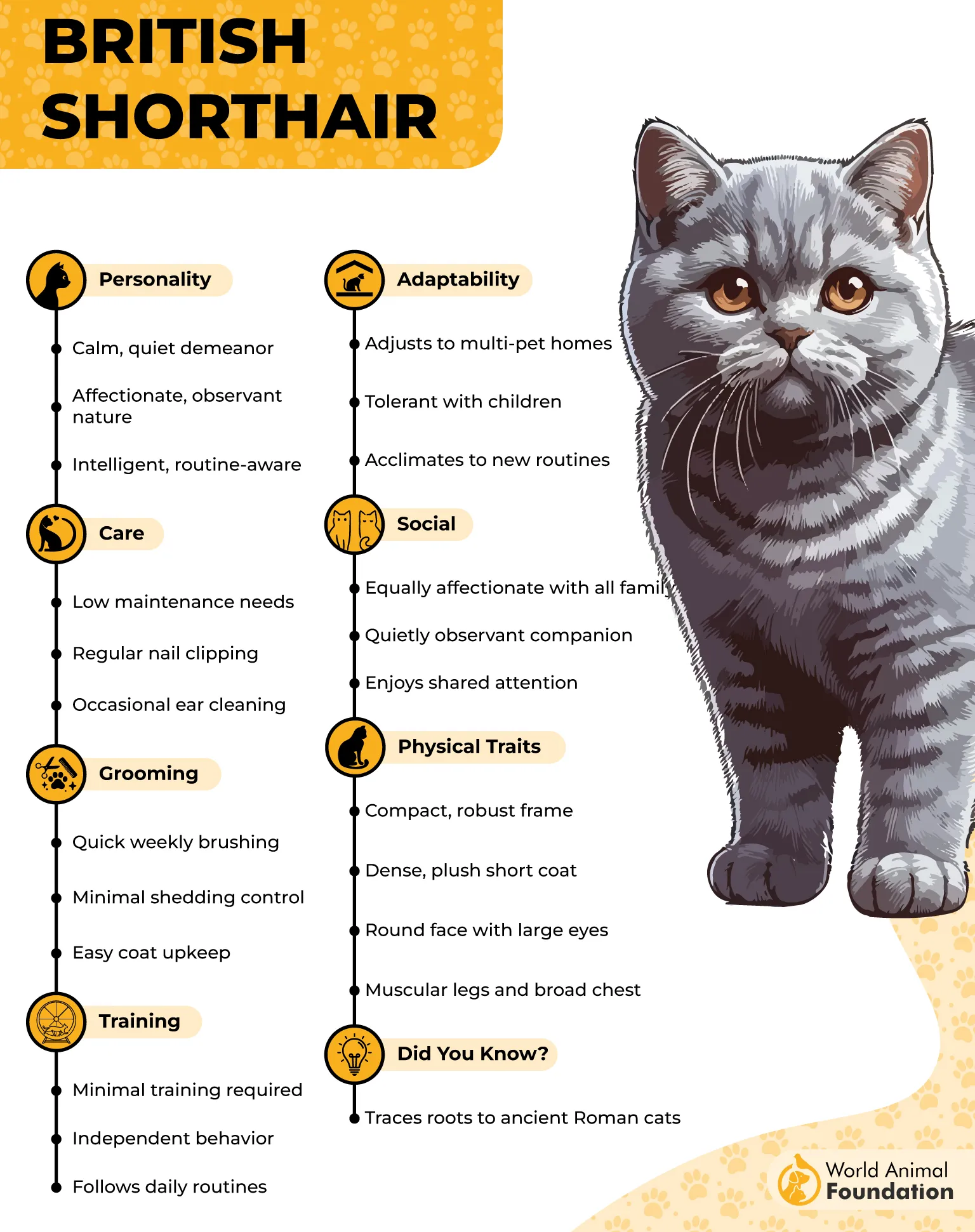
Playtime happens on their terms. British Shorthairs will happily engage when the mood strikes, then return to their own space once satisfied. This balanced approach to attention gives them a reputation for being independent yet quietly loyal to their household.
Why This Cat Is a Good Fit
Comfortable spending time alone without stress
Ideal for owners who prefer calm, low demand pets
Fits well in apartments and quiet homes
2. Russian Blue
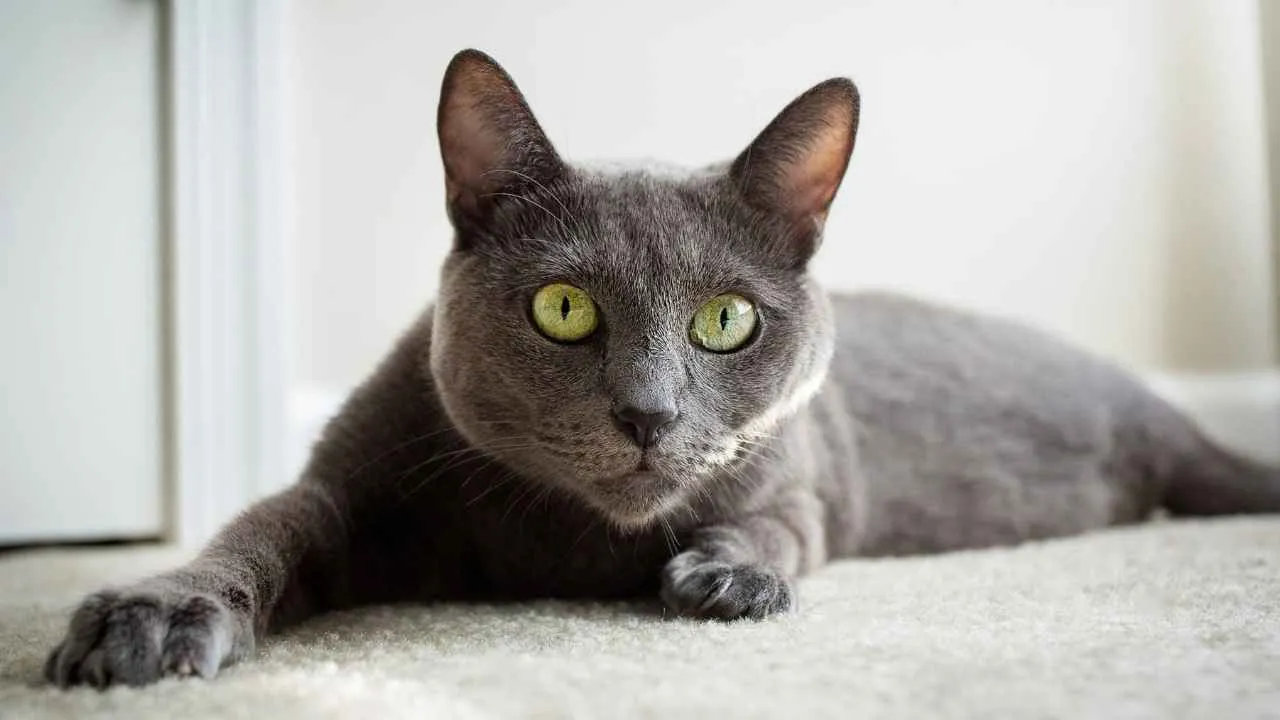
Russian Blues are elegant cats with a reserved and thoughtful nature. They often take time to warm up to new people or environments, preferring to assess situations before engaging. This cautious confidence contributes to their strong independent streak.
PetMD states that these cats form deep bonds with their chosen people but rarely demand attention. A Russian Blue may follow a familiar routine, enjoying quiet companionship while maintaining personal space. They are content being alone during the day and greeting their humans calmly later on.
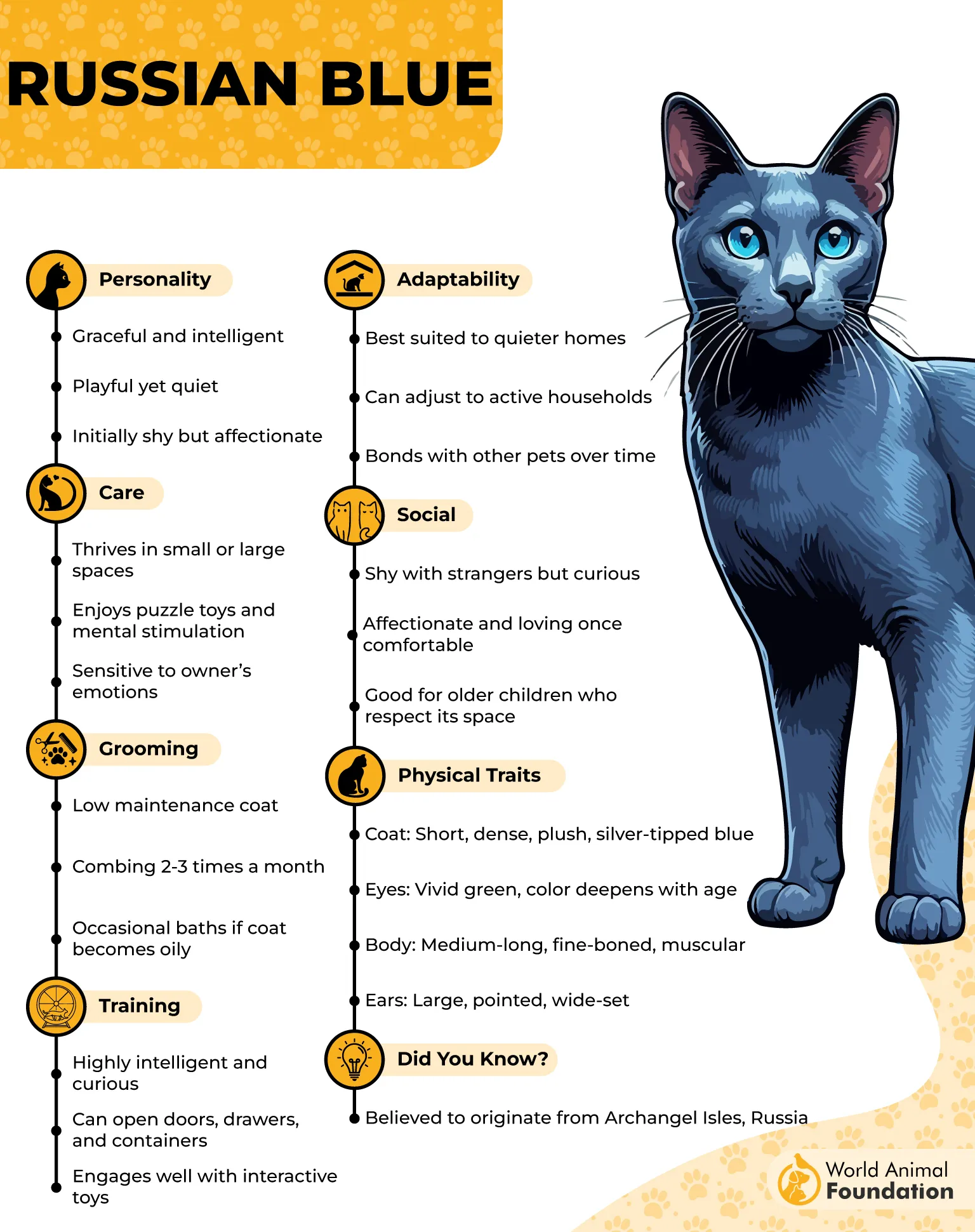
Mental stimulation matters to this breed, but it does not require constant supervision. Russian Blues enjoy predictable environments and handle solitude gracefully, making them well suited to structured households with busy schedules.
Why This Cat Is a Good Fit
Thrives with routine and personal space
Great match for working individuals
Enjoys companionship without clinginess
3. Norwegian Forest Cat

As per Britannica, Norwegian Forest Cats are confident, capable cats with a strong sense of independence rooted in their hardy background. They are comfortable exploring their surroundings and often choose where and when to interact. Their calm self assurance sets them apart.
This breed enjoys affection but rarely seeks it constantly. Norwegian Forest Cats often prefer observing from a distance before joining in, showing a thoughtful and measured personality. They balance curiosity with patience.
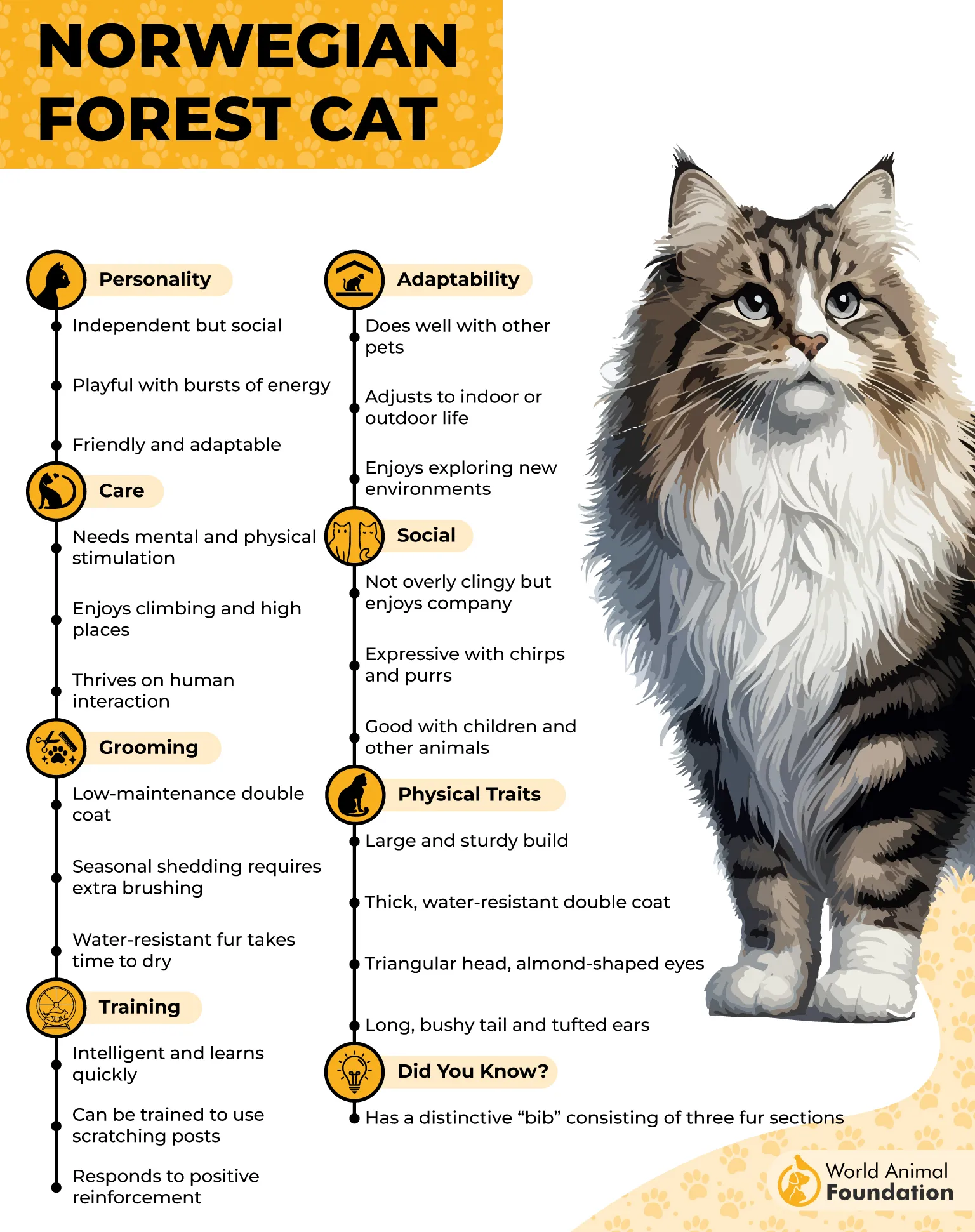
Because they are adaptable and self reliant, they handle time alone well. Providing space and choice helps them feel secure, allowing their gentle loyalty to develop naturally over time.
Why This Cat Is a Good Fit
Well suited for owners who value independence
Comfortable with flexible schedules
Appreciates space and freedom at home
4. Scottish Fold
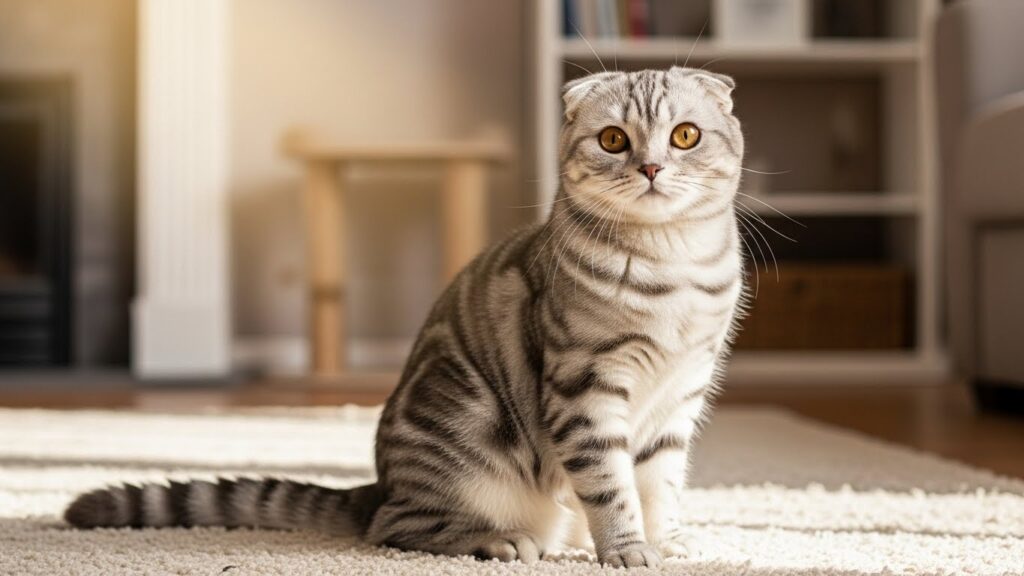
Scottish Folds are known for their folded ears and calm, observant demeanor. While they enjoy being near people, they often prefer quiet companionship rather than constant attention. Their independence shows through relaxed confidence.
These cats are gentle and adaptable, often finding comfort in predictable routines. Scottish Folds may choose a favorite room or perch where they can watch household activity without being involved. They are content simply sharing space.

Although affectionate, they are not demanding. Scottish Folds tend to entertain themselves and rest peacefully when left alone, making them suitable for owners who appreciate a balanced relationship.
Why This Cat Is a Good Fit
Enjoys closeness without constant interaction
Handles alone time calmly
Fits well in relaxed households
5. Maine Coon
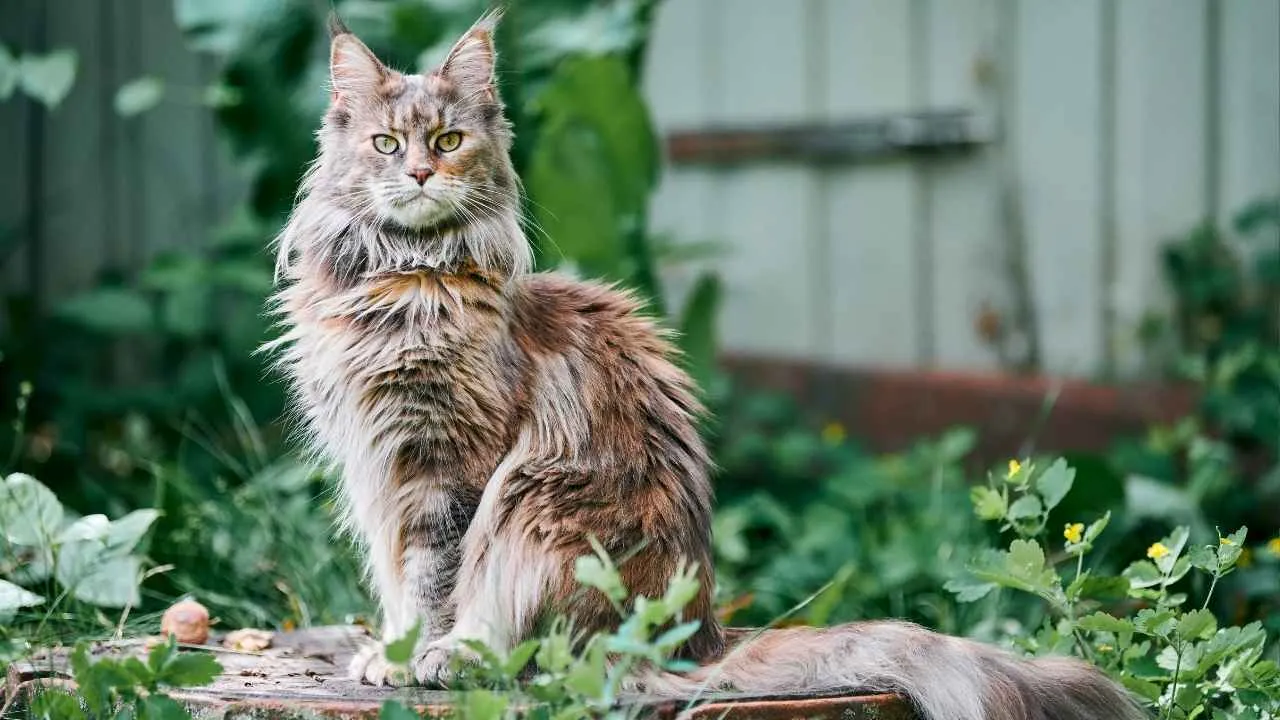
Maine Coons are large, intelligent cats with an easygoing but independent personality. They are curious and aware of their surroundings, often choosing to explore or relax on their own schedule. Their confidence allows them to be self sufficient.
Despite their size, Maine Coons are gentle and friendly, forming bonds without becoming overly attached. They enjoy interaction but do not demand it, often checking in before wandering off again. Their independence feels natural rather than distant.
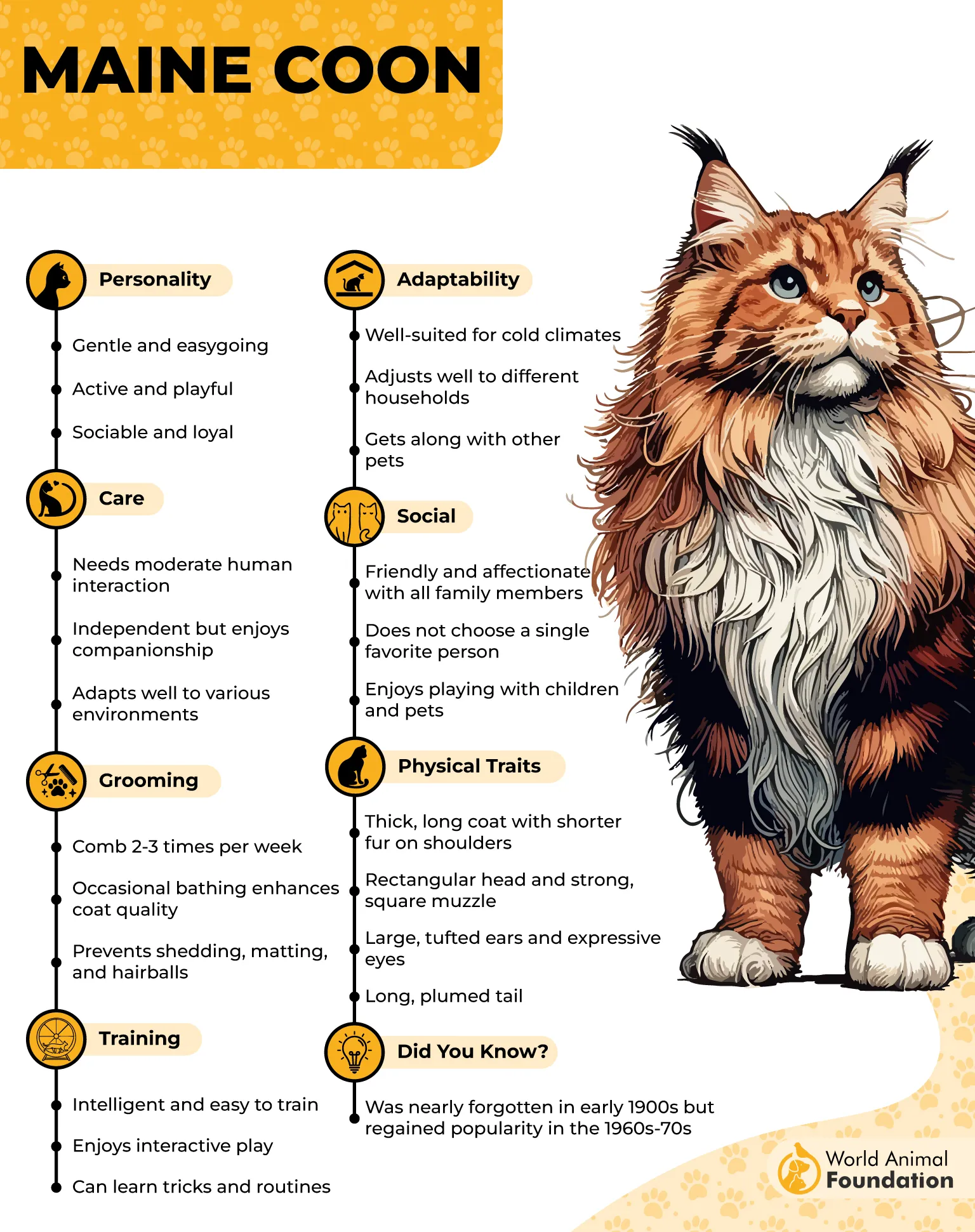
Maine Coons adapt well to different living situations and manage alone time without issue. They appreciate companionship but value freedom, making them steady and reliable pets.
Why This Cat Is a Good Fit
Independent without being distant
Great for families with busy routines
Comfortable managing their own time
6. American Shorthair
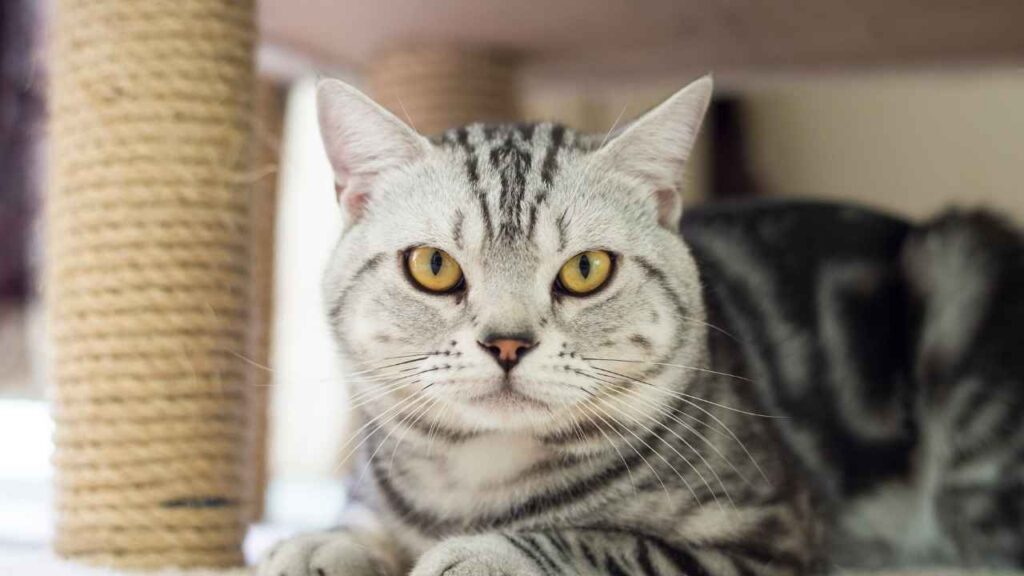
American Shorthairs are known for their adaptable nature and steady temperament. They tend to approach life with quiet confidence, handling new situations without much fuss. This breed is comfortable spending time alone and rarely becomes anxious when routines change.
These cats enjoy companionship but usually on their own schedule. An American Shorthair may check in for attention, then wander off to nap or observe from a distance. Their independence shows in how easily they entertain themselves without demanding constant interaction.
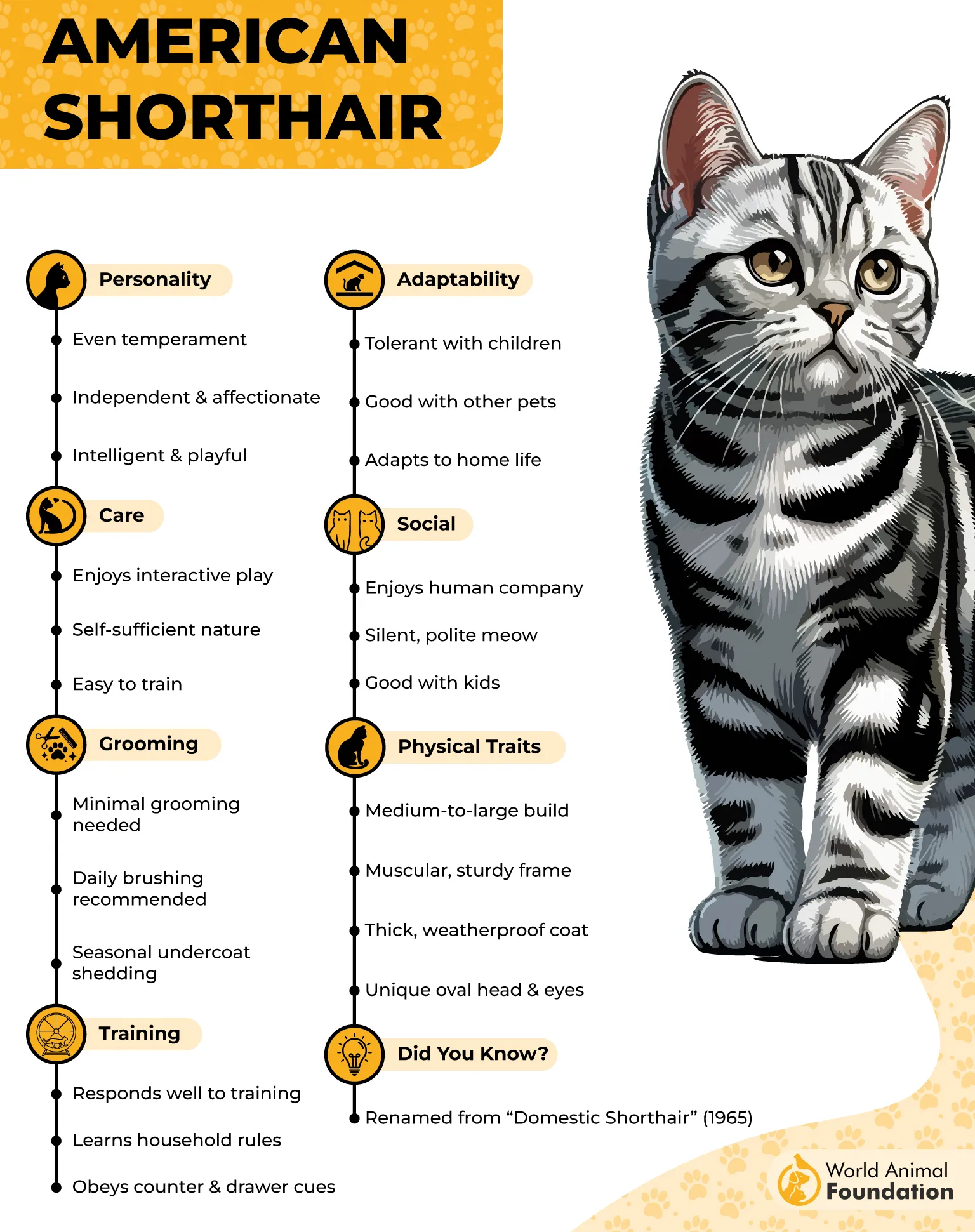
Because they are even tempered and flexible, American Shorthairs fit smoothly into many types of homes. They balance affection with self sufficiency, making them dependable pets for owners who appreciate an easygoing relationship.
Why This Cat Is a Good Fit
Handles alone time with ease
Works well for busy households
Low pressure companion for first time owners
7. Persian
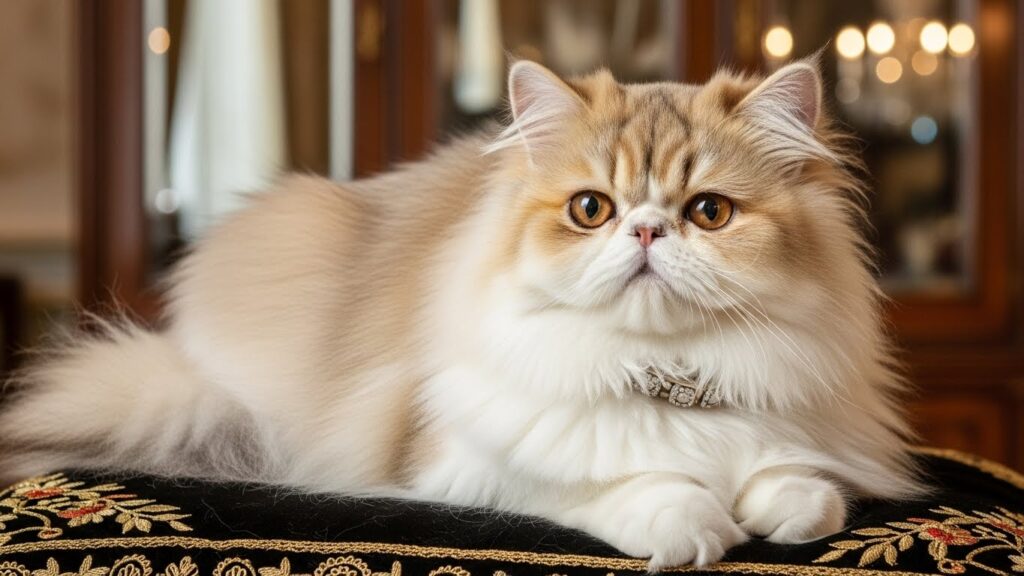
Persian cats are known for their calm presence and preference for peaceful environments. They tend to enjoy quiet routines and familiar surroundings rather than constant activity. This relaxed approach contributes to their independent nature.
Persians often show affection in gentle, understated ways. They may enjoy sitting nearby or being admired from afar instead of seeking constant attention. Their independence comes from being content with stillness and personal space.
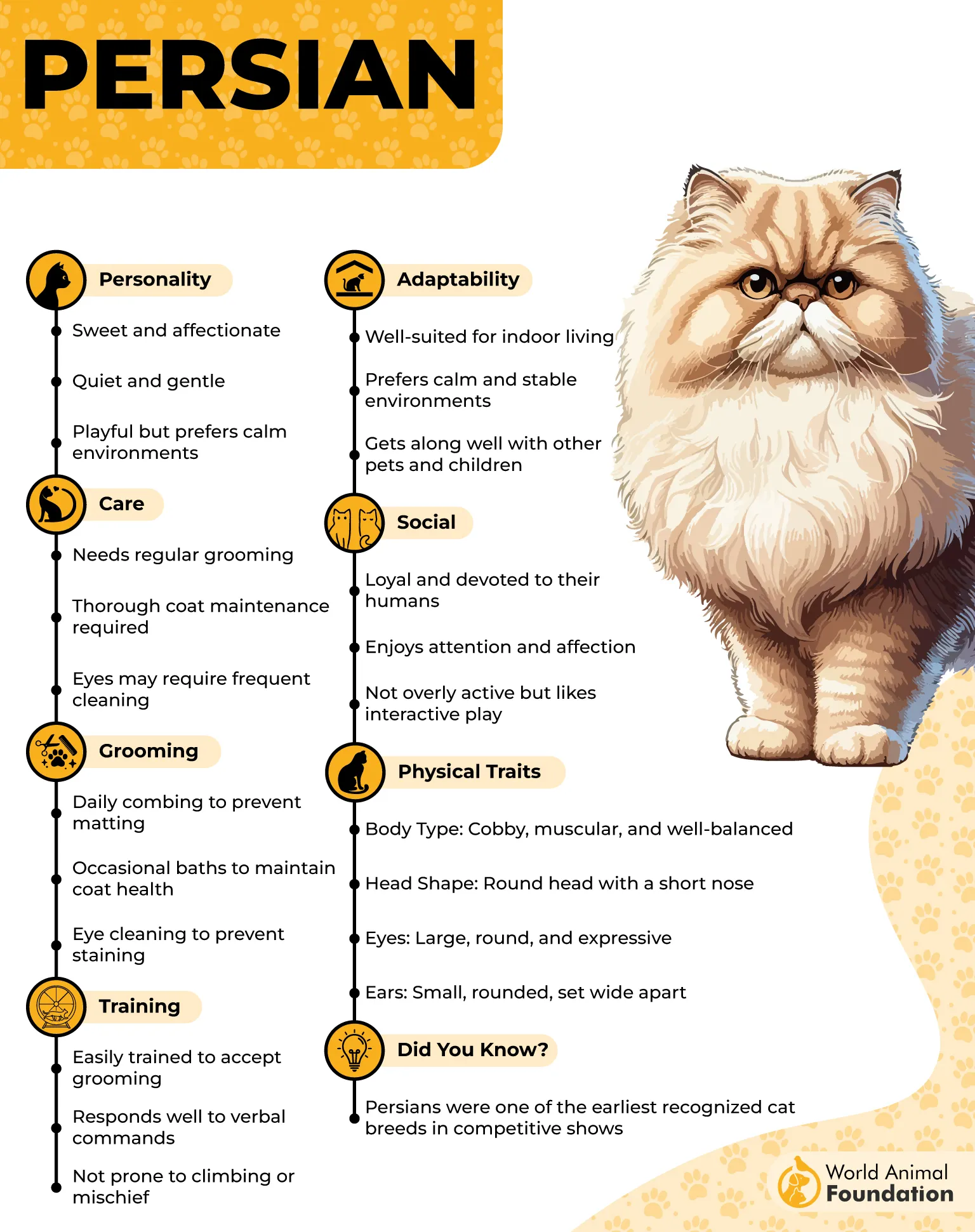
While they enjoy care and routine, Persians do not require nonstop engagement. They are happiest in homes that respect their need for calm and consistency, allowing them to settle comfortably into daily life.
Why This Cat Is a Good Fit
Ideal for quiet, low energy homes
Enjoys companionship without demands
Suits owners who value calm routines
8. Abyssinian

Abyssinians are active, alert cats that prefer exploring on their own terms. Their curiosity often leads them to investigate their environment independently, moving from place to place with confidence. They enjoy freedom and variety throughout the day.
Although social, Abyssinians do not rely on constant reassurance. They often balance interaction with solo exploration, choosing when to engage and when to move on. Their independence feels energetic rather than distant.
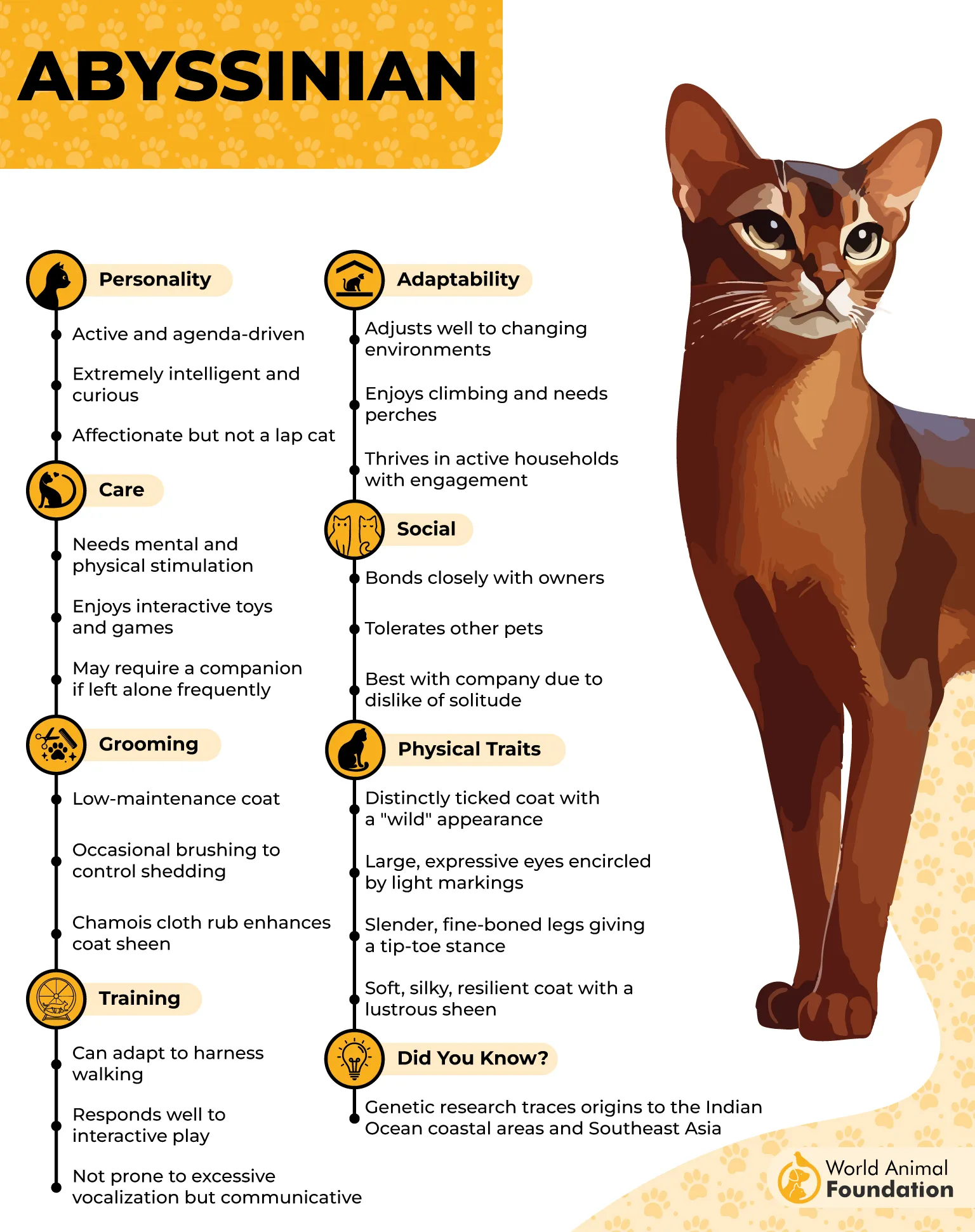
This breed thrives in homes that allow movement and choice. Providing space to explore helps them stay content and mentally satisfied without needing continuous supervision.
Why This Cat Is a Good Fit
Enjoys independence paired with activity
Good match for engaged but flexible owners
Thrives in stimulating environments
9. Bengal
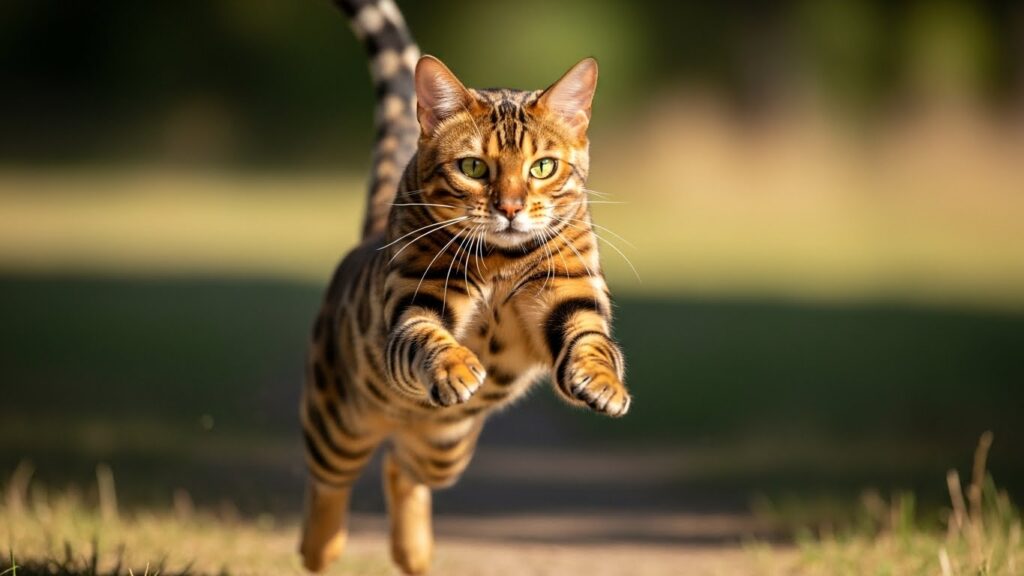
Bengals are confident, curious cats with a strong independent streak. They often prefer exploring, climbing, or observing rather than staying in one place for long. Their self directed behavior reflects a high level of confidence.
These cats enjoy interaction but do not depend on it. A Bengal may happily play for a while, then move on to solo activities without frustration. Their independence is tied closely to their intelligence and curiosity.
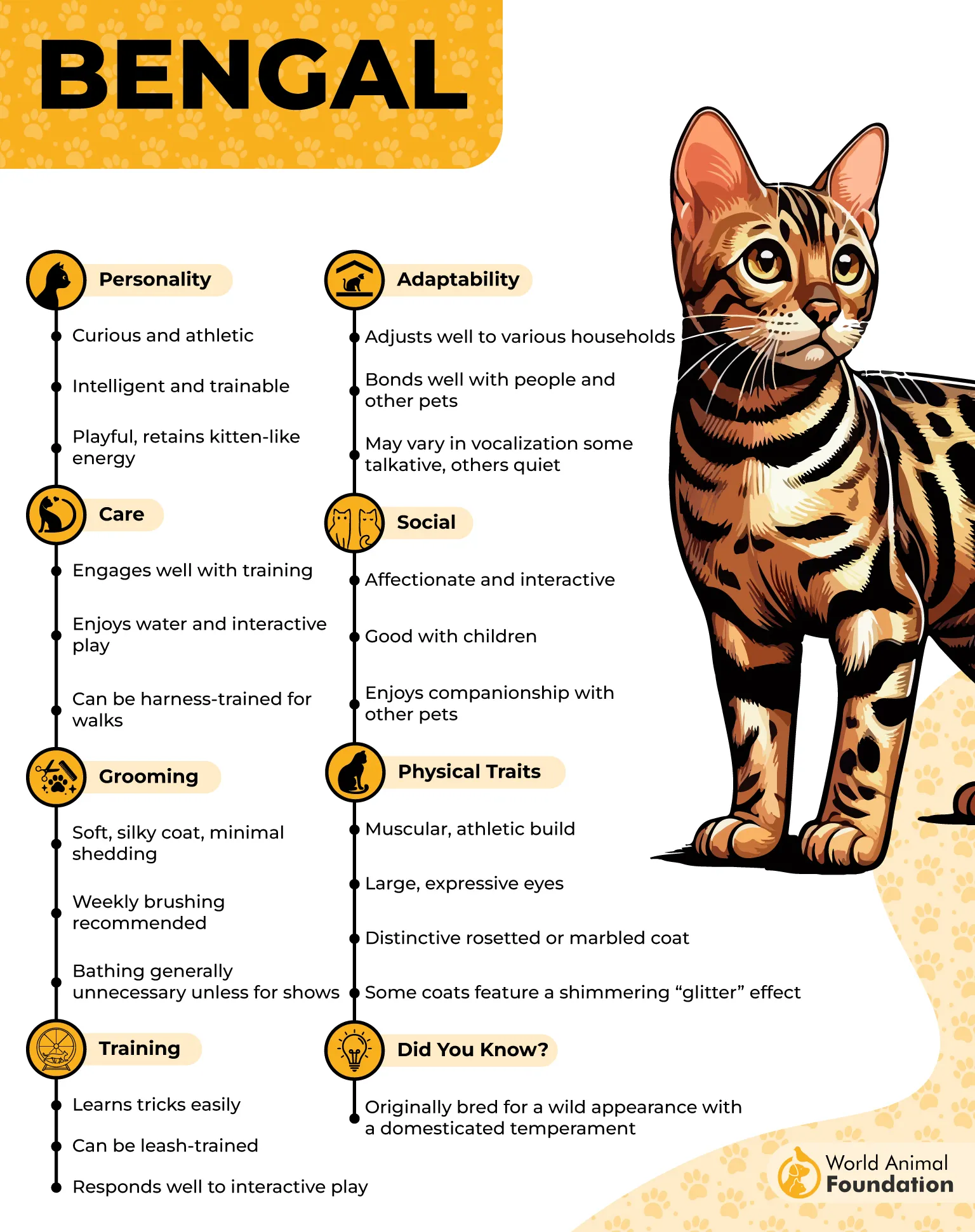
Bengals do best in homes that respect their autonomy. Providing enrichment and space allows them to manage their own time while still forming meaningful bonds.
Why This Cat Is a Good Fit
Best for owners who respect independence
Handles solo time without stress
Thrives with mental and physical outlets
10. Himalayan
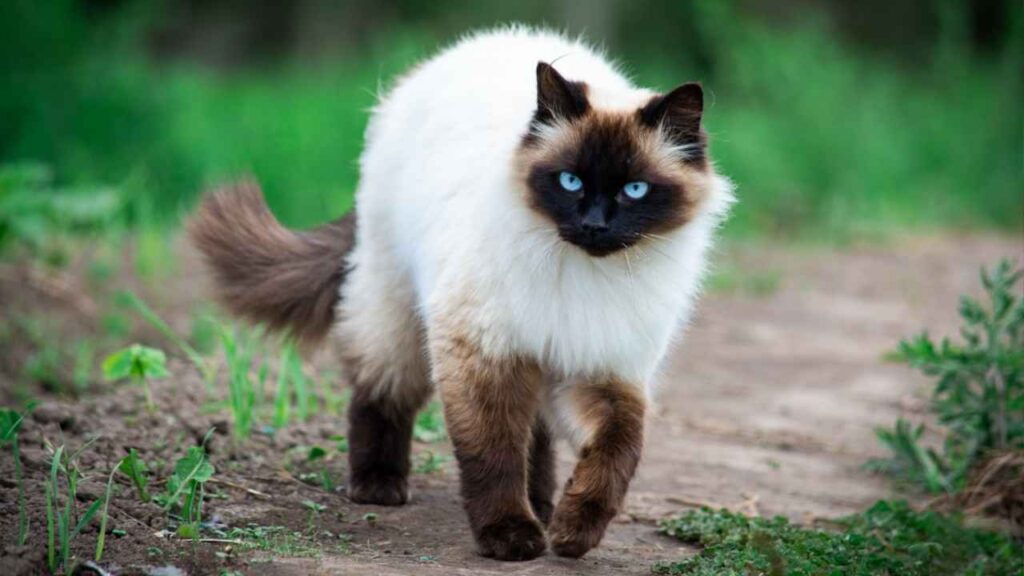
Himalayans combine a calm temperament with a preference for predictable routines. They enjoy peaceful environments where they can relax without pressure. Their independence shows through contentment rather than distance.
These cats often enjoy affection but do not seek it constantly. Himalayans are comfortable spending time alone, resting quietly until interaction suits them. Their laid back nature supports a low demand lifestyle.
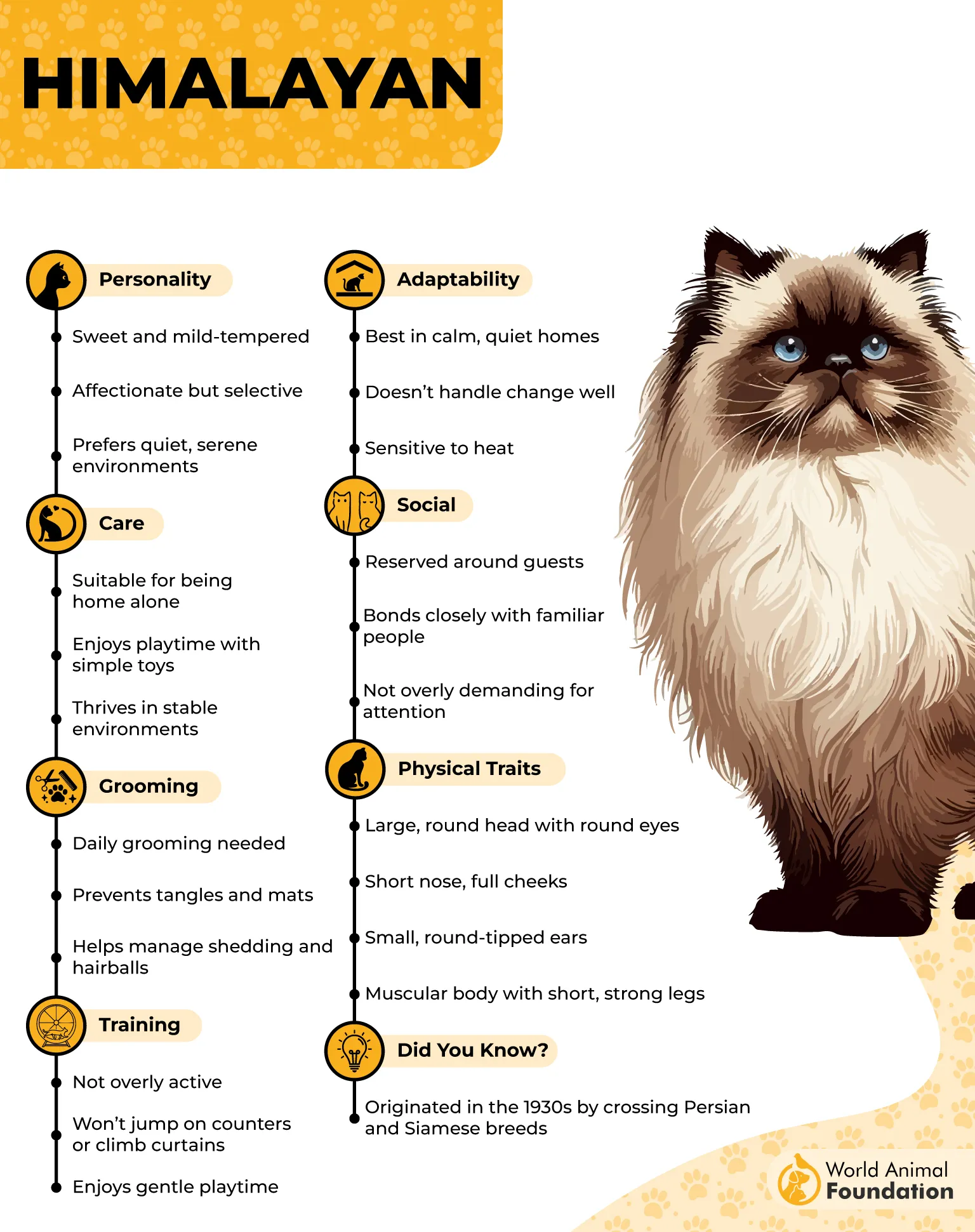
Himalayans fit well into homes that offer structure and calm. They appreciate attention when it is available but remain settled when left to their own devices.
Why This Cat Is a Good Fit
Suits owners who enjoy relaxed companionship
Comfortable with quiet alone time
Fits well in calm, indoor focused homes
Conclusion
Independent cats offer the perfect balance for pet parents who value both companionship and breathing room. Many cats with a self sufficient nature enjoy solo play, quiet observation, and managing their own time without being overly demanding. These active cats often appreciate cat trees, toys, and environmental enrichment that support natural hunting instincts and keep their highly intelligent minds busy.
While they may enjoy human interaction and quality time, they are just as comfortable enjoying their own company for a few hours. With the right cat, families can enjoy strong bonds built on trust rather than constant attention, creating a relaxed dynamic with family members.
Other breeds such as Siamese cats, Asian leopard cat hybrids, and rare breed types may also show strong hunting instinct, expressive eyes, and a muscular build tied to a wild ancestor, while still fitting into homes that respect independence and human companionship.
Independent Cat Breeds Quiz 🐱
Which cat breed prefers sitting nearby rather than on laps?
Which breed forms deep bonds but rarely demands attention?
Which cat has an independent nature rooted in a hardy background?
Which breed is large, gentle, and values freedom without being distant?
Which breed is confident, curious, and thrives with autonomy?
