





Choosing a cat isn’t just about personality or appearance—it’s also about giving yourself the best chance at many healthy, happy years together. While mixed-breed cats often benefit from wide genetic diversity, certain purebred cats are also known for their resilience and overall hardiness.
These breeds tend to have fewer inherited conditions and a reputation for staying active and well throughout their lives.
That doesn’t mean any cat is immune to illness. All cats require proper nutrition, routine veterinary care, and a safe environment to thrive. However, selecting a breed known for robust health can help reduce the likelihood of breed-specific genetic issues and offer pet parents added peace of mind.
For those set on welcoming a purebred feline into their home, health can be just as important as temperament or grooming needs.
In this article, we’ll explore cat breeds recognized for their strong constitutions and longevity. From naturally sturdy builds to adaptable temperaments, these cats often enjoy fewer health complications when cared for responsibly.
Cat Breeds Known for Robust Health
1. Balinese
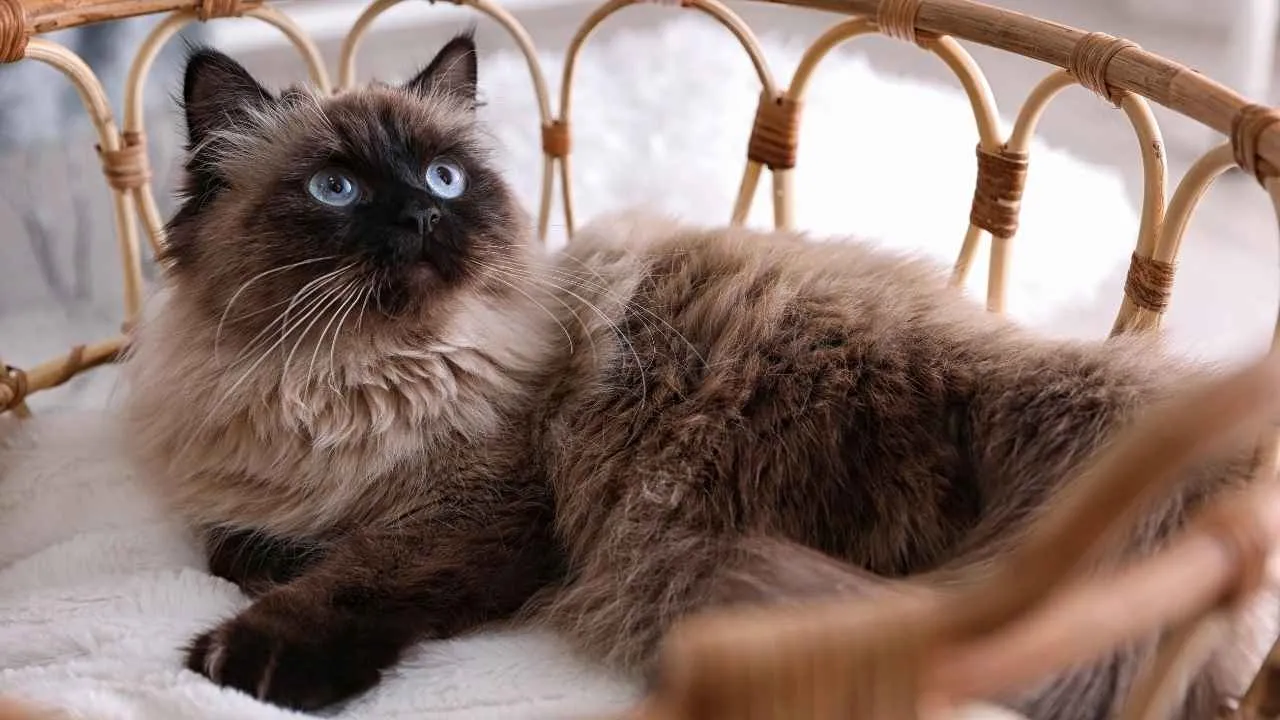
Often called the Long-haired Siamese, the Balinese is an elegant, athletic breed developed in the United States during the 1950s. According to Britannica, the Balinese is a long-haired cat breed noted for its elegant, dance-like movements and its captivating aqua-colored eyes.

When it comes to robust health, the Balinese stand out for their longevity and strong physical build. These cats are active and lean, which helps support heart health and maintain a healthy metabolism when paired with proper nutrition and regular play. Their intelligence also keeps them mentally engaged, reducing stress-related health issues.
Like many generally healthy breeds, Balinese cats benefit from attentive but straightforward care. Routine vet visits, balanced diets, and awareness of anesthesia sensitivity help prevent avoidable complications. While certain genetic conditions exist, they are relatively uncommon and manageable with responsible breeding and monitoring.
A key factor in the Balinese’s overall health is its genetic background as a naturally occurring variation of the Siamese rather than a heavily altered breed.
Fact: Many Balinese cats are exceptionally long-lived, with some reaching their late teens and even their 20s.
2. British Shorthair
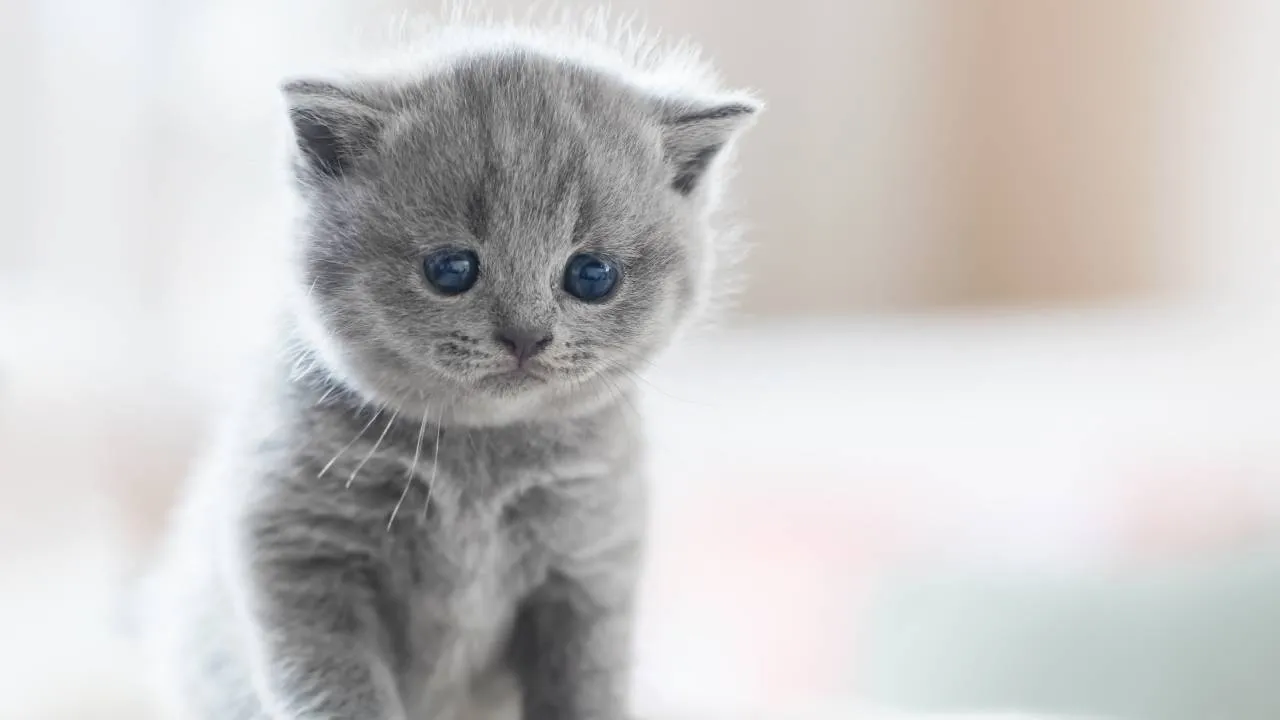
Often called the “Brit,” the British Shorthair is a naturally developed breed known for its round face, dense plush coat, and sturdy build.
According to PetMD, British Shorthairs can be quite independent and often enjoy spending time alone, yet they are also adaptable and gentle, which makes them well-suited as pets in many different types of households.
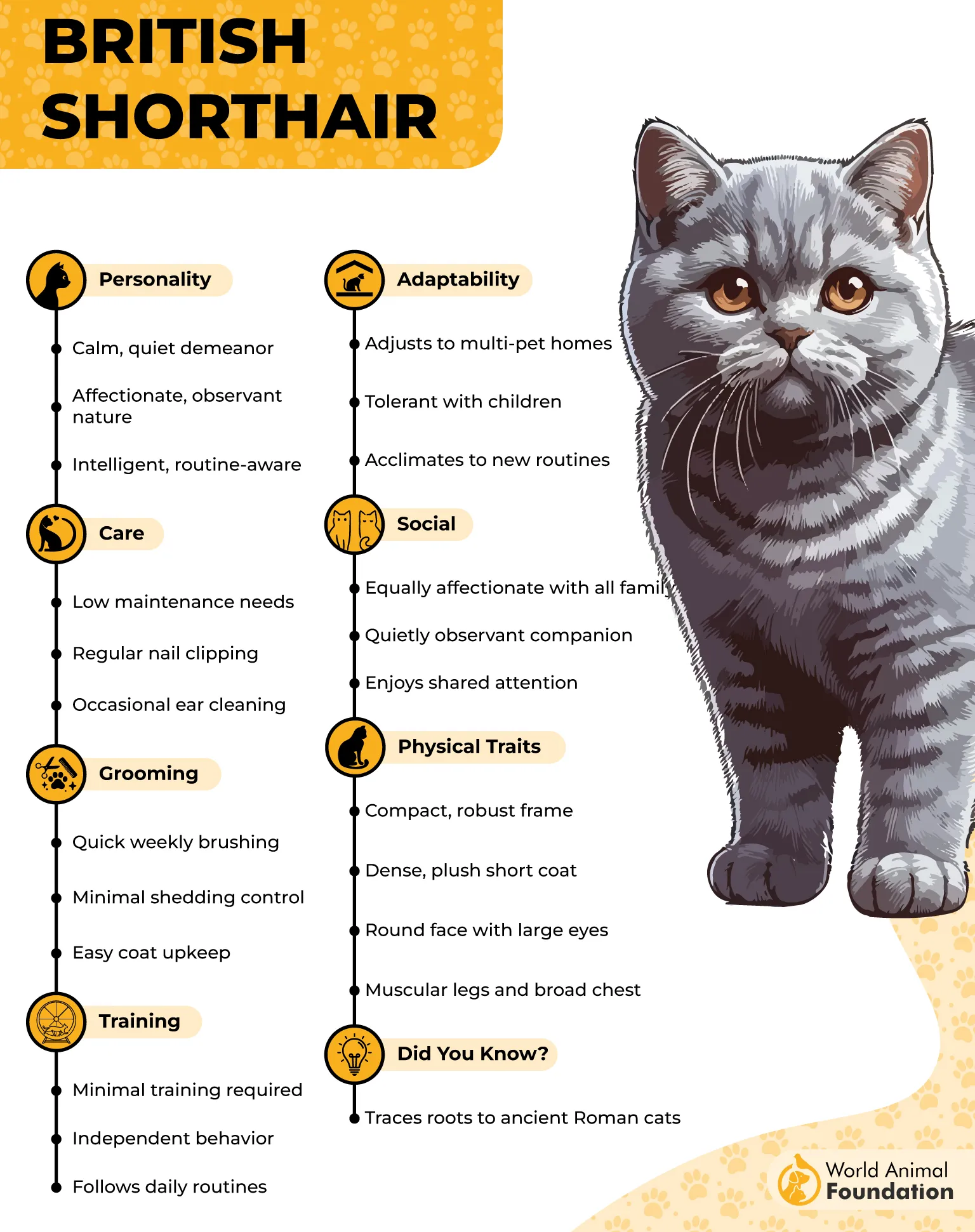
When it comes to robust health, the British Shorthair benefits from a broad genetic background that has preserved its strength over generations. This natural development has helped limit serious inherited conditions, making it one of the more resilient purebred cats.
Calm and even-tempered, these cats tend to avoid stress, which can positively impact long-term health. Their easygoing nature pairs well with a steady routine, balanced nutrition, and moderate activity to prevent weight-related concerns.
While generally healthy, responsible breeding and routine veterinary care remain important for early detection of common feline issues. Their long lifespan reflects how thoughtful genetics and consistent care work together to support feline well-being.
Fact: British Shorthairs typically enjoy a lifespan of 12 to 20 years and have relatively few breed-specific health problems.
3. Bombay
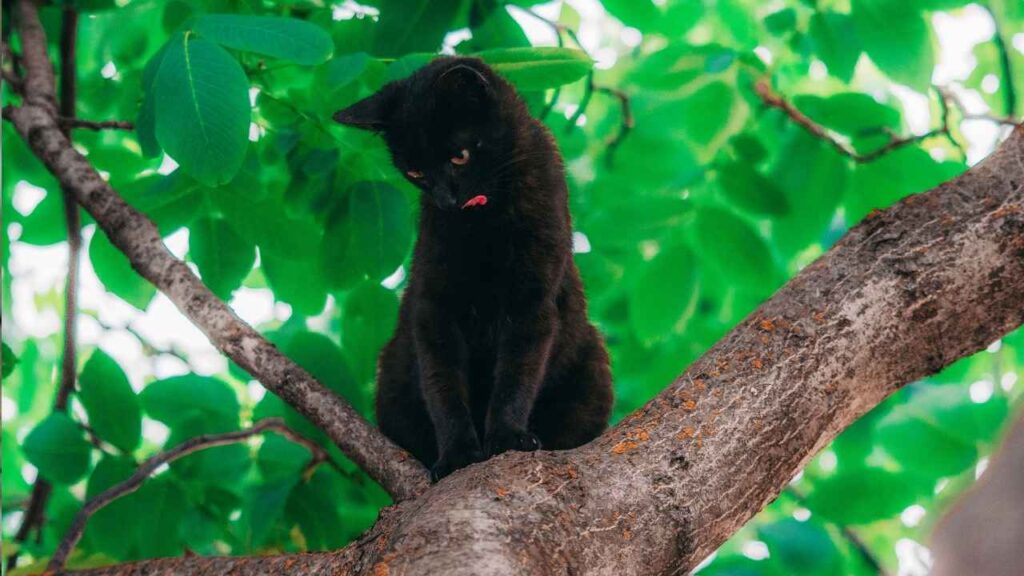
The Bombay, often nicknamed the mini panther, is a striking breed created from American Shorthair and Burmese lines. According to WebMD, Bombay cats are outgoing and are known for their smooth, sleek black coat.
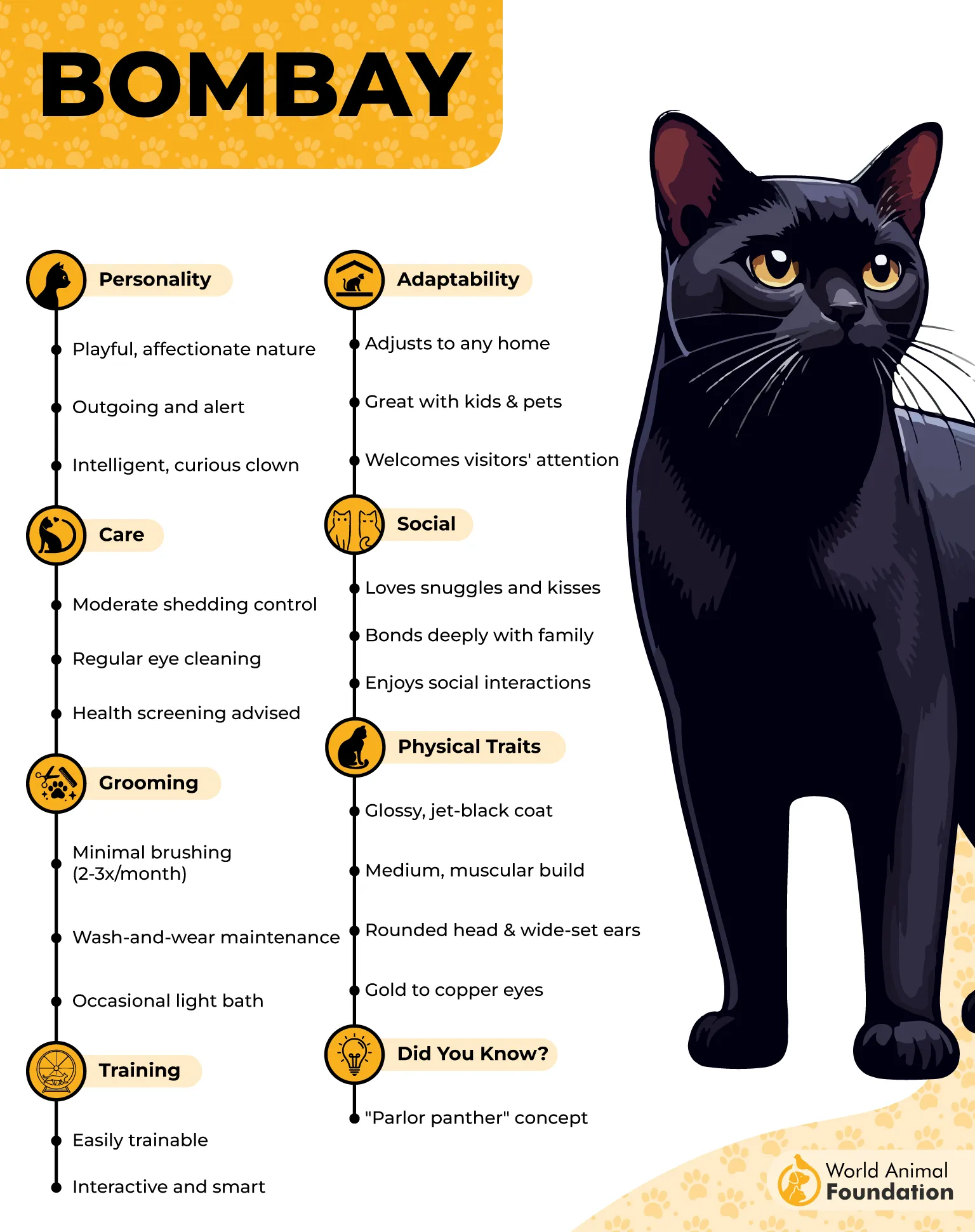
From a health perspective, the Bombay benefits from its mixed ancestry, which often contributes to overall sturdiness. These cats are energetic and agile, maintaining strong muscle tone through regular play, which supports long-term wellness when paired with a balanced routine.
While generally robust, Bombays do best with mindful care. They love food and can gain weight easily, so portion control and interactive exercise—like climbing cat trees—help keep joints and heart health in check, reinforcing the advantages of an active lifestyle.
Choosing a reputable breeder is essential, as responsible breeding reduces risks tied to facial structure and heart conditions. With proper care, Bombays are known for longevity and vitality, making them a solid choice for owners prioritizing health.
Fact: Many Bombays live around 16 years, and some reach close to 20 years.
4. Maine Coon
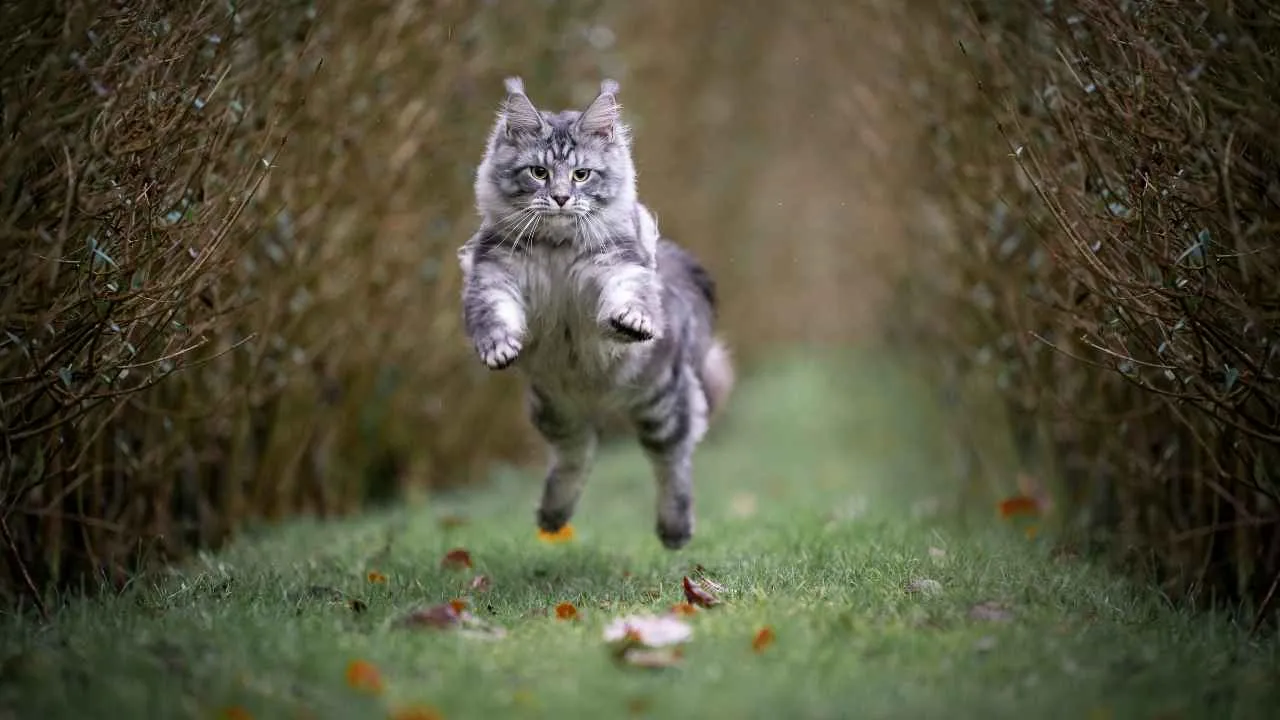
The Maine Coon, often called the Gentle Giant or American Longhair, is one of the largest and most recognizable domestic cat breeds.
When it comes to robust health, Maine Coons stand out as a relatively low-maintenance breed with fewer inherited issues than many other purebreds. Their strong immune systems and adaptable nature contribute to their reputation for resilience, especially when sourced from responsible, reputable breeders.
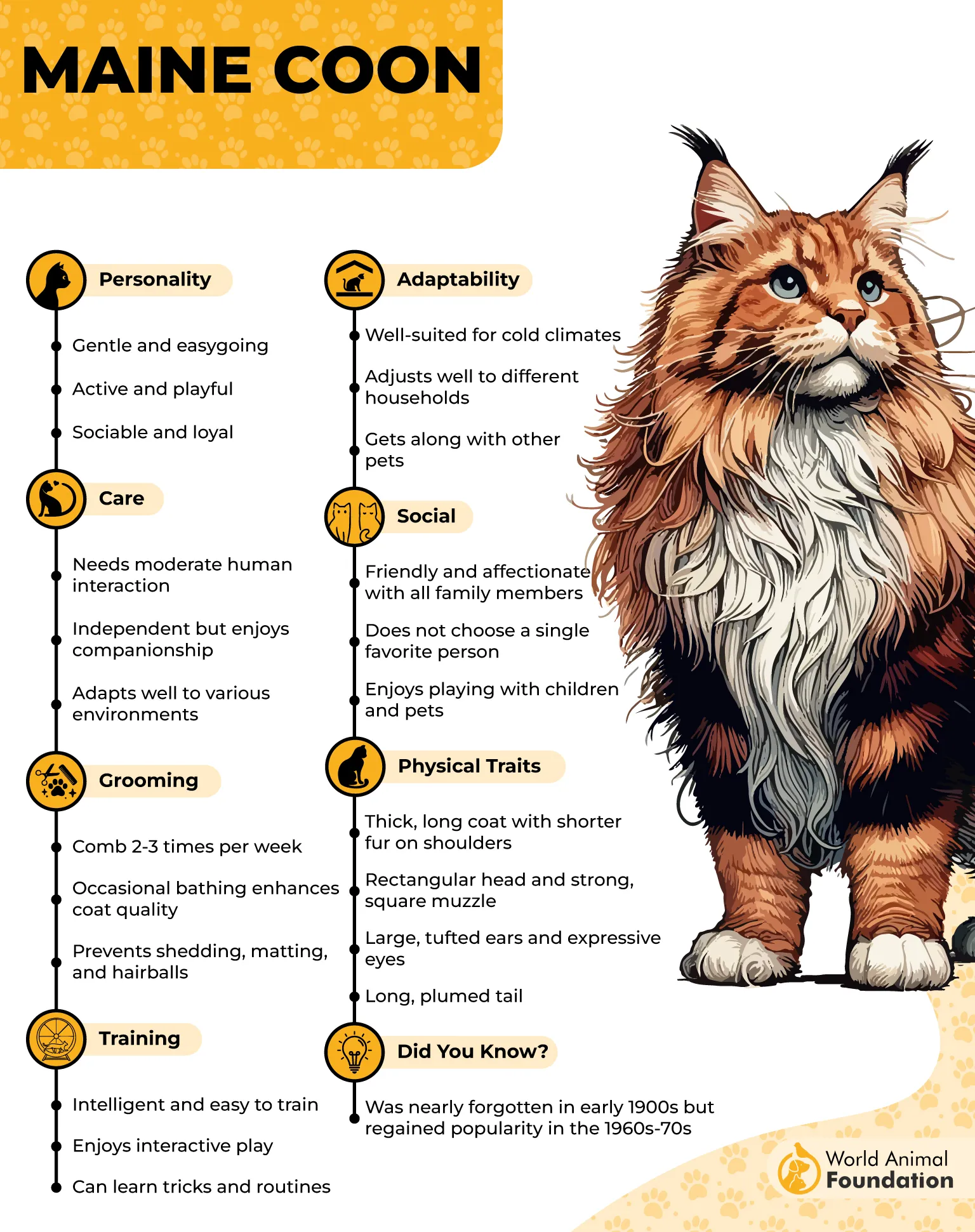
Despite their size, these cats are famously easygoing and sociable, which helps reduce stress-related health concerns. Their thick, coarse coat resists matting better than many long-haired breeds, meaning less grooming and fewer skin problems over time.
Maine Coons thrive in family environments, remaining active without being overly demanding, and their balanced temperament supports long-term well-being. While no breed is completely free of genetic risk, careful breeding practices have helped maintain the Maine Coon as one of the healthier long-haired cats overall.
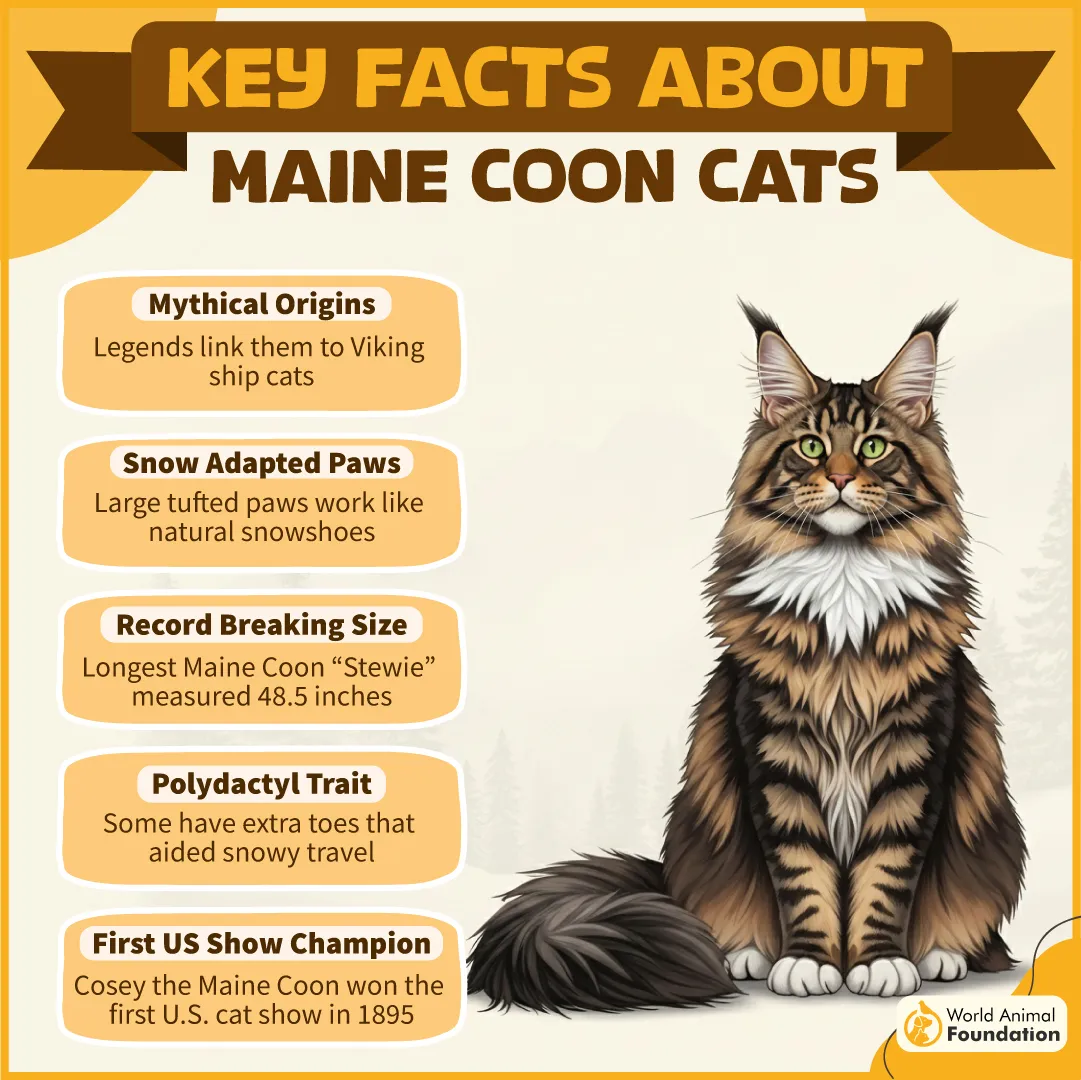
Fact: Maine Coons are known for longevity, with some individuals living 20 years or more, according to breed history.
5. American Shorthair
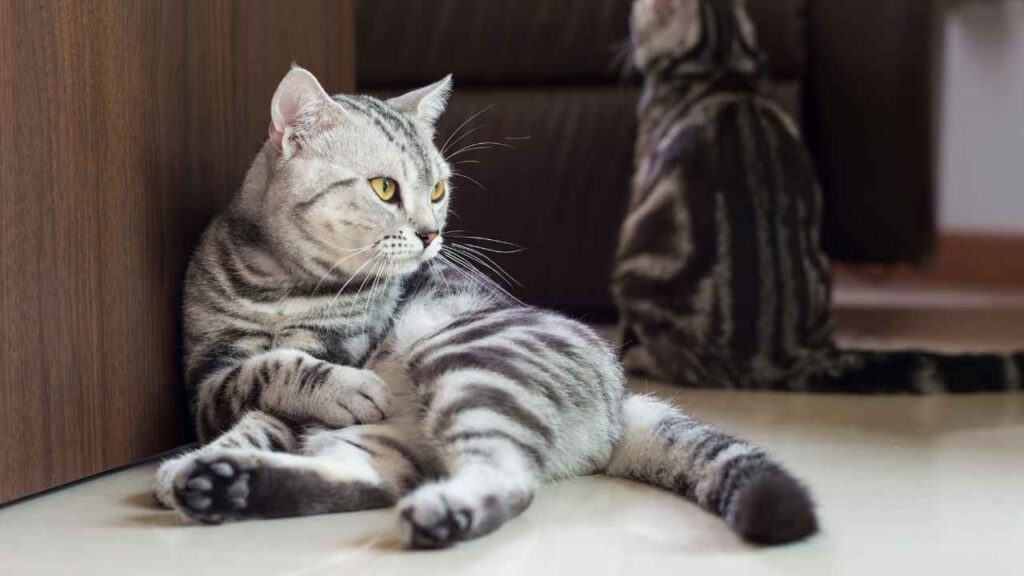
The American Shorthair, sometimes called the Domestic Shorthair in its early history, is a true all-American breed shaped by natural selection. Developed from cats brought by settlers, it’s known for a sturdy build, classic round features, and an easygoing temperament that reflects its practical origins.
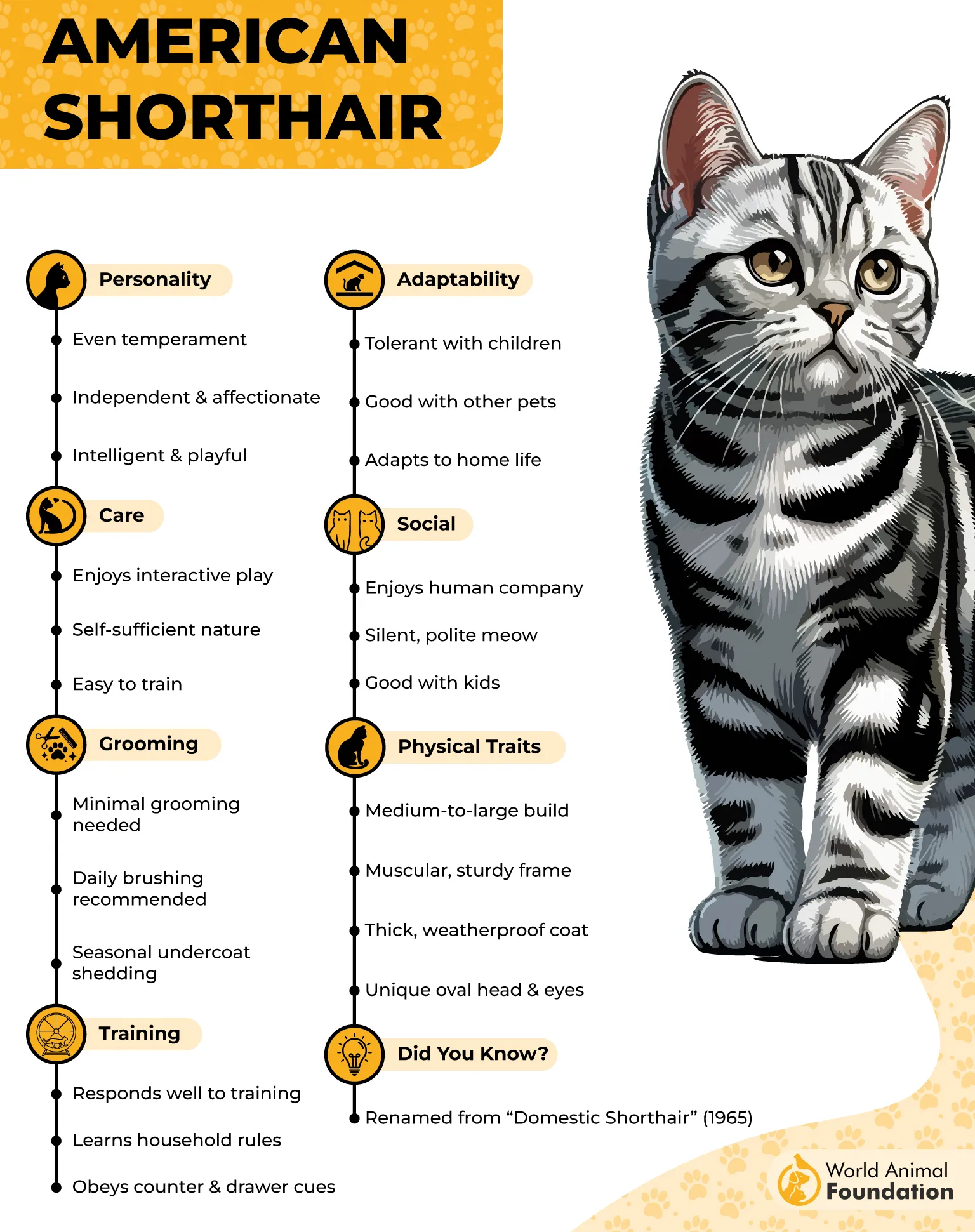
What truly sets this breed apart is its reputation for robust health. Because American Shorthairs developed through broad genetic diversity, they have very few breed-specific medical concerns. This natural resilience often translates into fewer vet visits and a long, stable life when given proper care.
Their balanced personality also supports overall well-being. Calm but playful, these cats manage stress well, adapt easily to new environments, and thrive in a variety of households. That adaptability is often linked to longevity in cats, as lower stress levels can contribute to better long-term health.
Low-maintenance grooming needs and moderate activity levels make it easy to keep them fit and comfortable throughout life.
Fact: American Shorthairs have no known genetically linked health issues and commonly live 12–15 years, with many reaching their late teens or even their 20s.
6. Egyptian Mau
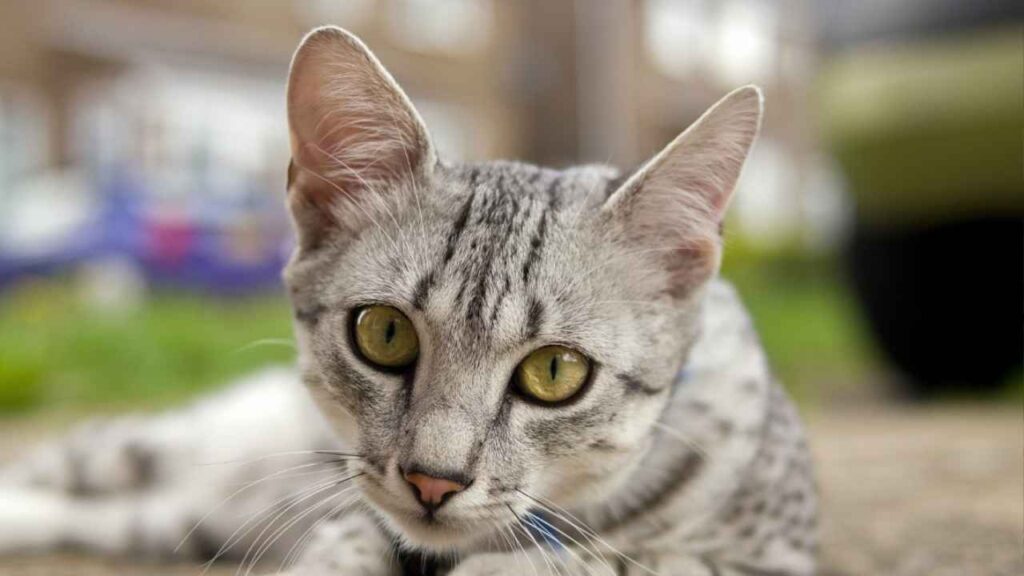
The Egyptian Mau, sometimes called the “Pharaoh’s cat,” is one of the oldest known feline breeds, with origins tracing back to ancient Egypt. It’s the only naturally spotted domestic cat, developed without human-directed crossbreeding, which contributes to its naturally robust health and athletic build.
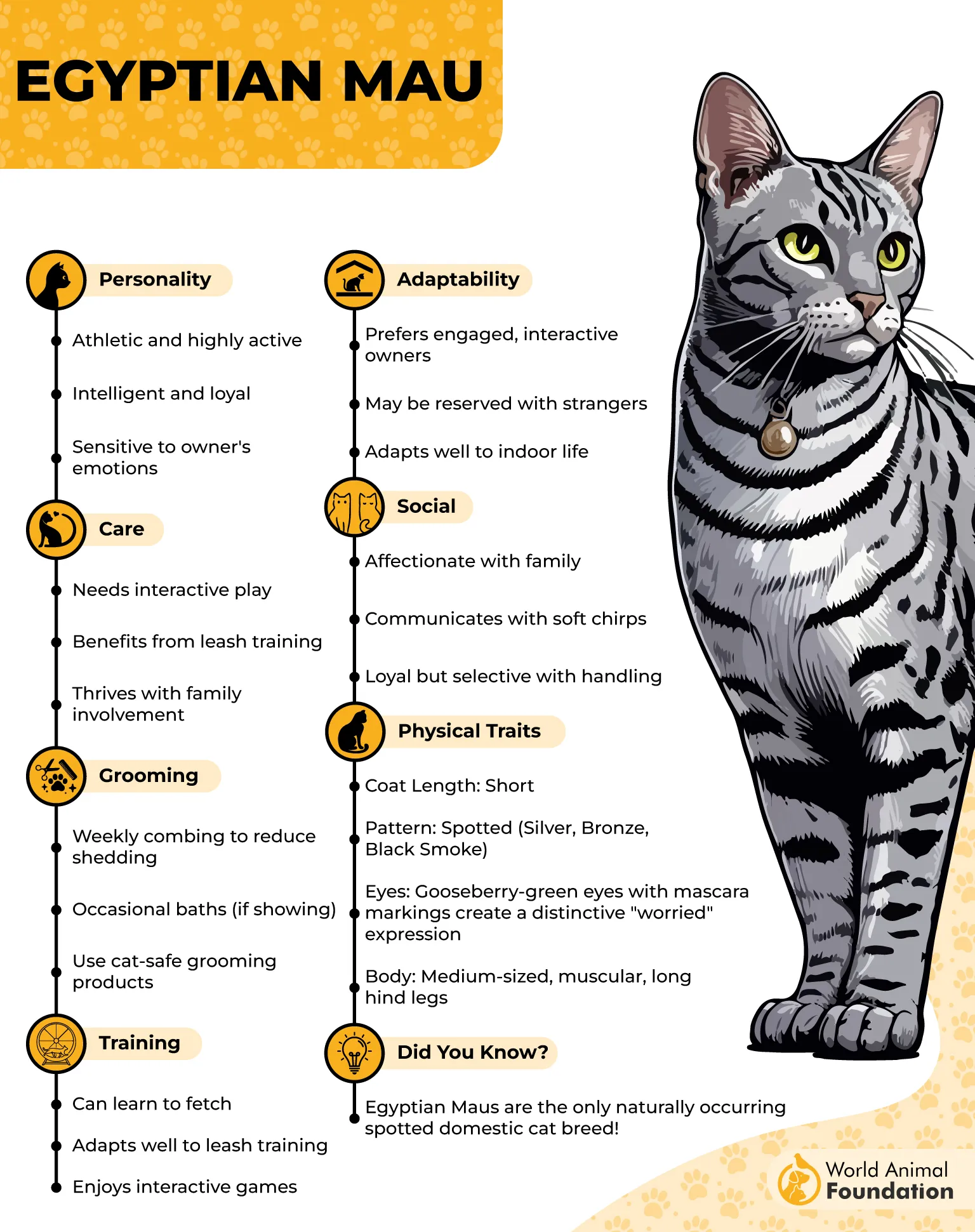
Because the breed evolved organically, the Egyptian Mau is widely regarded as hardy and resilient. Conscientious breeders carefully manage bloodlines to limit inherited conditions, helping preserve the Mau’s reputation as a healthy, long-living cat that thrives with routine preventive care.
An active lifestyle plays a key role in supporting this breed’s wellness. Egyptian Maus are energetic and need daily interactive play to stay mentally engaged and physically fit, which helps maintain a healthy body weight and reduces stress-related issues.
Nutrition and activity go hand in hand for this breed. Feeding should be adjusted based on age, activity level, and ideal body condition, with veterinarians often recommending play-based exercise as part of long-term health management.
Fact: The Egyptian Mau has an average lifespan of about 12–15 years and is considered one of the healthiest naturally developed cat breeds.
7. Norwegian Forest Cat

Also known as the Wegie, the Norwegian Forest Cat is a naturally developed breed from Scandinavia, recognized for its large build, intelligence, and rugged beauty. Its thick double coat and strong frame reflect centuries of survival in harsh northern forests.
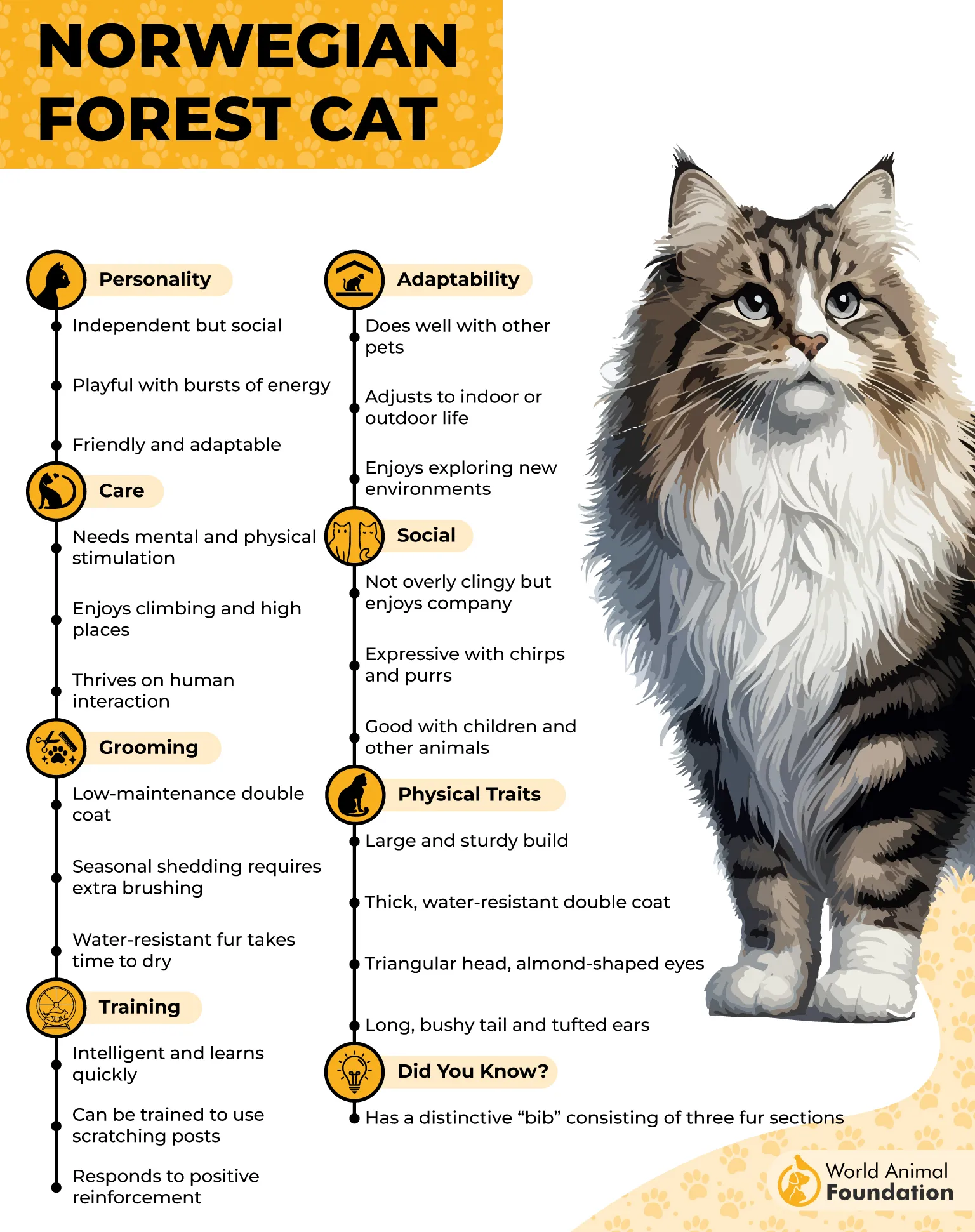
This natural evolution contributes to the breed’s reputation for robust health, as it wasn’t shaped by extreme selective breeding. Norwegian Forest Cats are generally resilient, adaptable, and capable of maintaining good condition well into adulthood with balanced care.
Preventive care still matters, even for hardy cats like this one. Responsible breeders screen for inherited concerns such as hypertrophic cardiomyopathy and glycogen storage disease type IV, helping reduce health risks before they arise.
Routine vet visits, quality nutrition, and genetic testing, where available, help support long-term wellness.
Fact: Norwegian Forest Cats typically live 13 years or longer when properly cared for.
8. Ragdoll
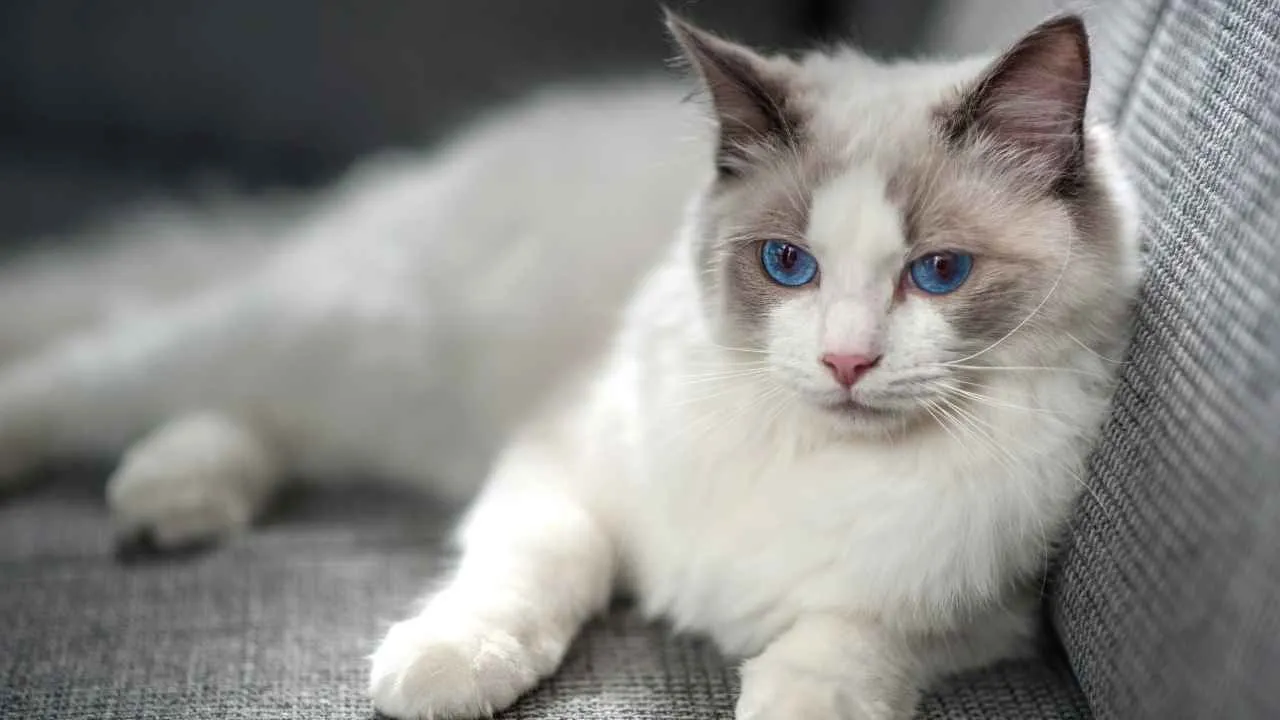
The Ragdoll, sometimes affectionately called the “rag doll cat” due to its tendency to go limp when held, is a man-made breed developed in California. Known for its striking blue eyes, plush coat, and relaxed nature, this large, gentle cat is admired for both temperament and overall vitality.
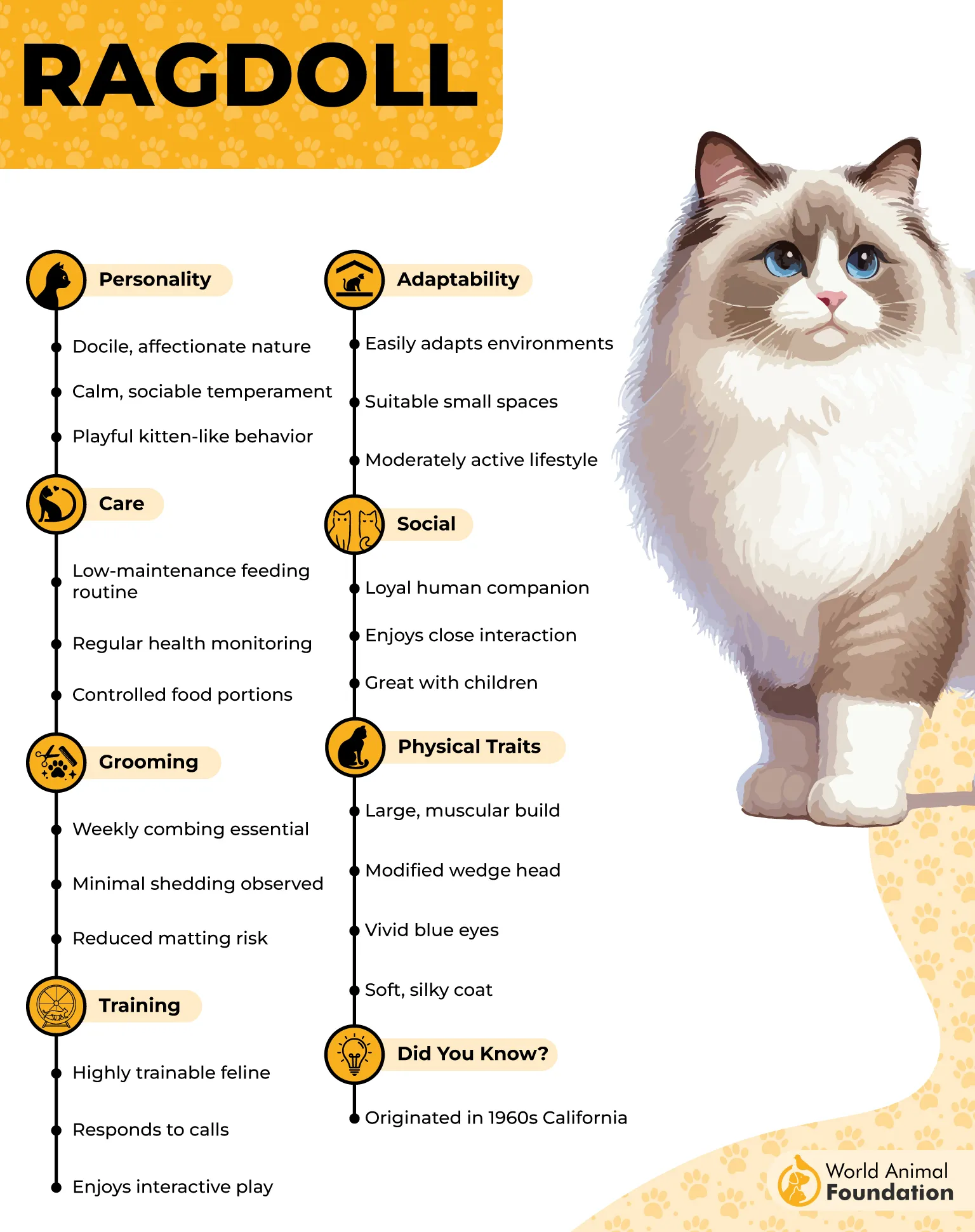
From a health standpoint, Ragdolls are generally sturdy cats that often enjoy long lifespans when responsibly bred. Reputable breeders screen for inherited conditions, which play a key role in maintaining the breed’s strong genetic foundation and reducing common health risks.
While calm and easygoing, Ragdolls benefit from regular play and interaction to support muscle tone and heart health. Their laid-back personality makes them low-stress companions, which can positively impact overall well-being when paired with routine veterinary care.
Prospective owners should prioritize balanced nutrition, scheduled checkups, and moderate activity to keep a Ragdoll thriving. Choosing kittens from health-tested lines is especially important for long-term wellness and peace of mind.
Fact: Many responsible breeders now use DNA testing to screen Ragdolls for hypertrophic cardiomyopathy (HCM).
9. Siamese
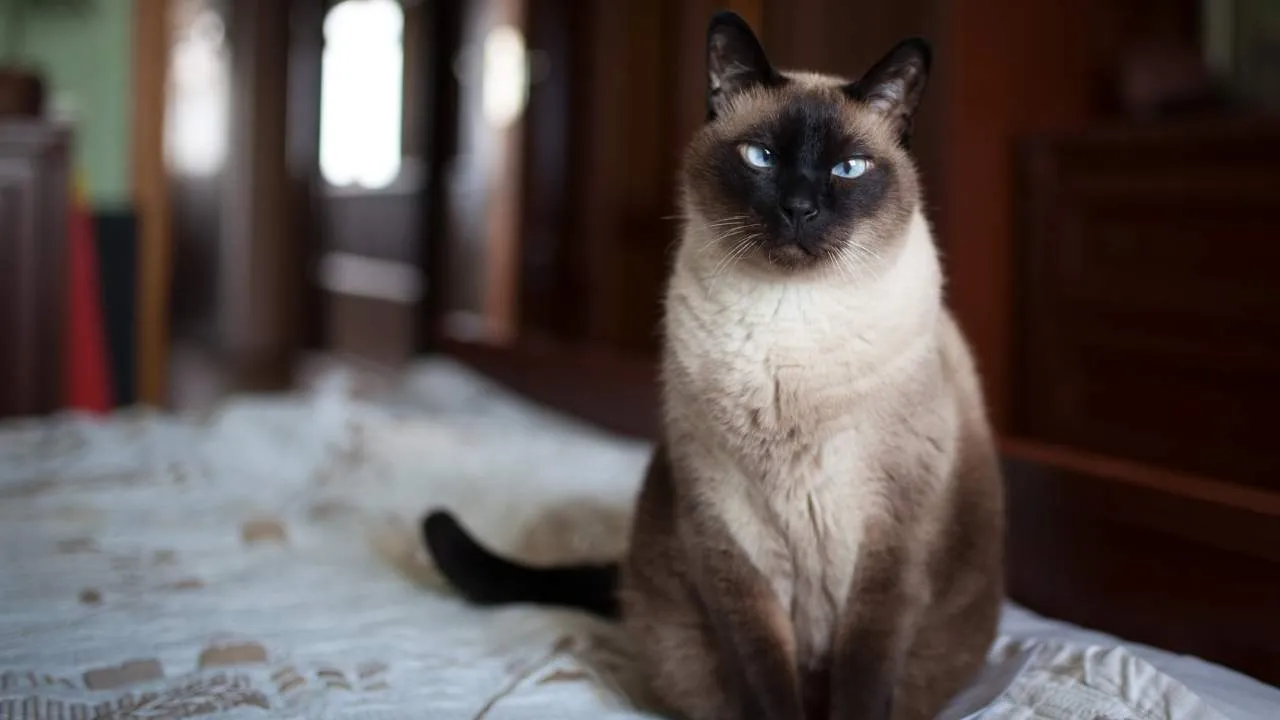
The Siamese, also known as the Thai cat or simply “Siam,” is an ancient breed that developed naturally in Thailand. Recognized for its sleek body, colorpoint coat, and striking blue eyes, this breed has a long history and a reputation for vitality.
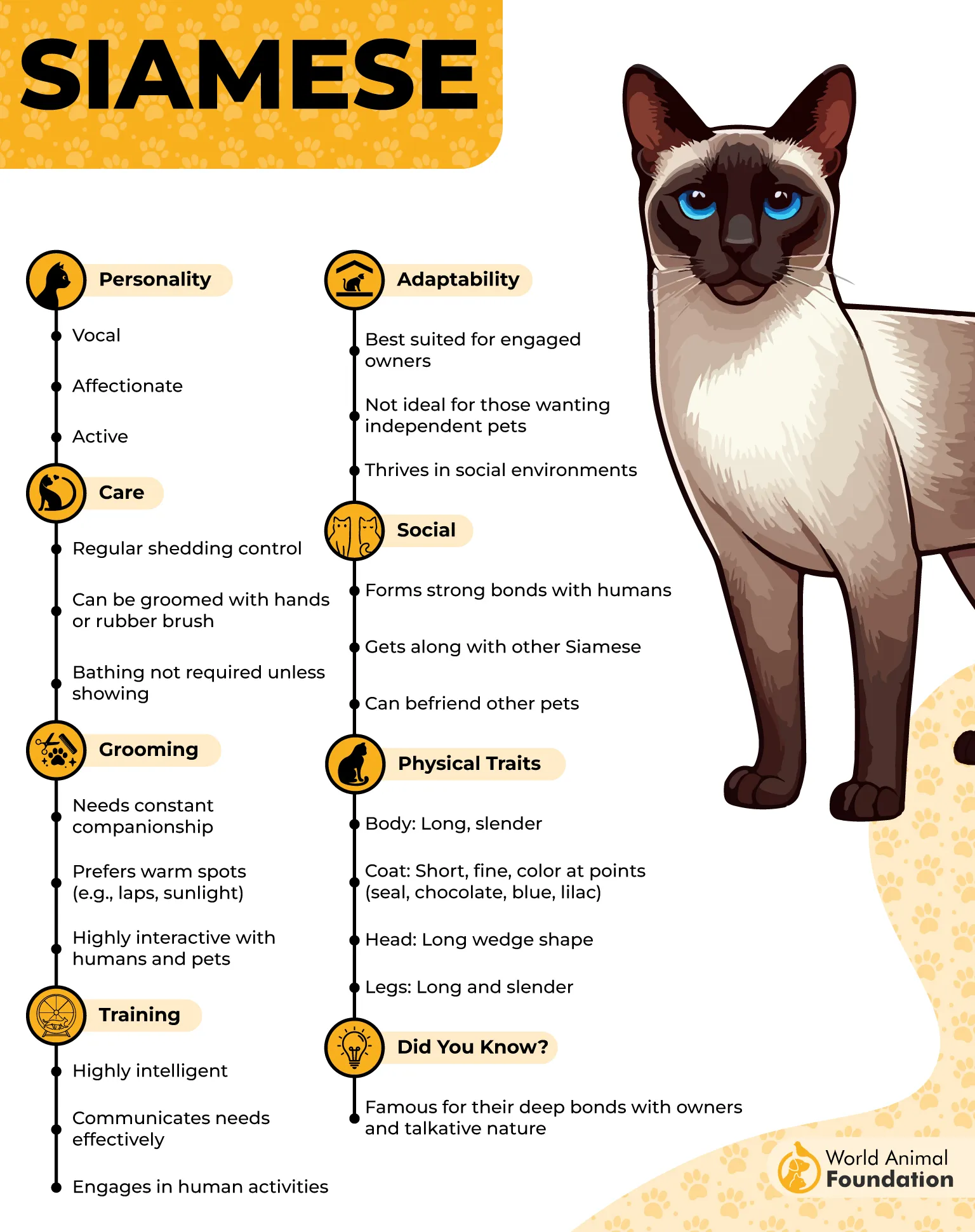
From a health perspective, Siamese cats are often praised for their strong genetics and resilience. They are energetic, intelligent, and mentally engaged, traits that help keep them physically active and support long-term wellness.
Although generally robust, Siamese cats benefit from attentive care, including regular veterinary visits to monitor issues like dental health or anesthesia sensitivity. Their active nature and preference for indoor living also help reduce exposure to environmental risks.
For owners focused on feline health and longevity, the Siamese stands out as a breed that often enjoys an extended lifespan when properly cared for.
Fact: Healthy Siamese cats commonly live 15–20 years, and some are known to reach their early 20s.
Conclusion
Choosing cats known for strong wellness can make a meaningful difference in long-term companionship. The healthiest cat breeds are often described as generally healthy cats thanks to balanced genetics, adaptability, and attentive care.
Breeds such as Russian Blue cats and Manx cats are valued for resilience, intelligence, and their ability to form strong bonds with human companions while coexisting peacefully with other cats and other animals.
Still, even robust felines may face risks like kidney disease, heart disease, or genetic predisposition to certain health conditions. Maintaining good health goes beyond breed alone.
Regular vet checkups, proper dental care, and consistent regular grooming help reduce issues such as dental disease, bladder stones, or hip dysplasia. Providing mental stimulation also supports overall wellness.
While other breeds like Sphynx cats may have unique needs tied to a distinctive feature, proactive care ensures all cats thrive with fewer preventable challenges.
