




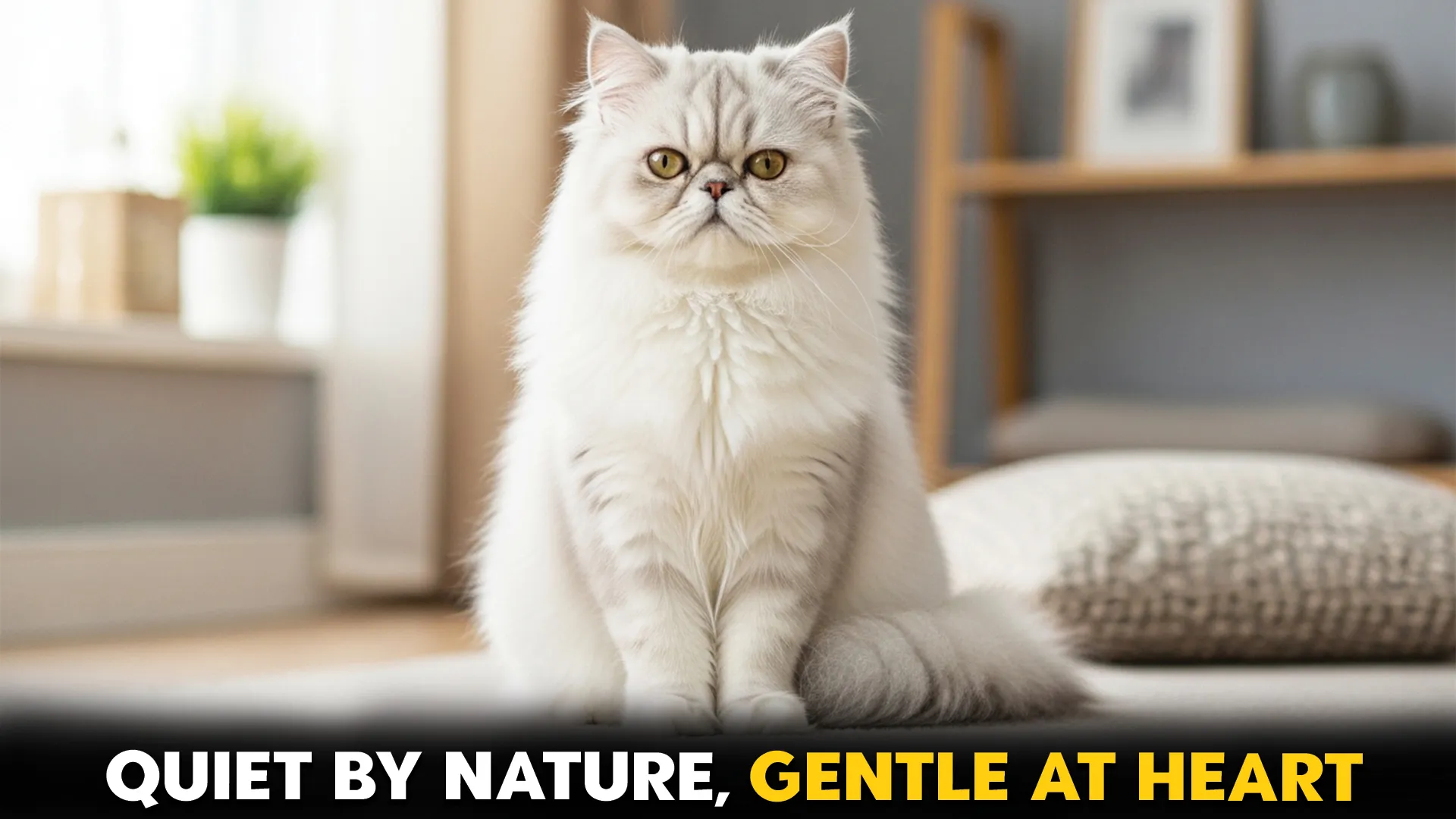
Not all cats communicate with a constant chorus of meows. While some breeds are famously chatty, others are naturally reserved, expressing themselves through soft glances, gentle purrs, or quiet companionship. If you’re searching for a peaceful feline presence, certain breeds are especially known for their calm, low-vocal personalities.
Understanding feline vocalization helps explain why some cats meow less than others; quieter breeds tend to be more laid-back, less reactive to stimulation, and content to observe rather than announce their every move.
For busy households, apartment dwellers, seniors, or anyone who simply values tranquility, a mellow cat can be the perfect fit. Though every cat is unique, some breeds consistently stand out for their peaceful demeanor, offering companionship without constant commentary, and affection delivered in soft, subtle ways.
Cat breeds known for quiet personalities
1. Persian
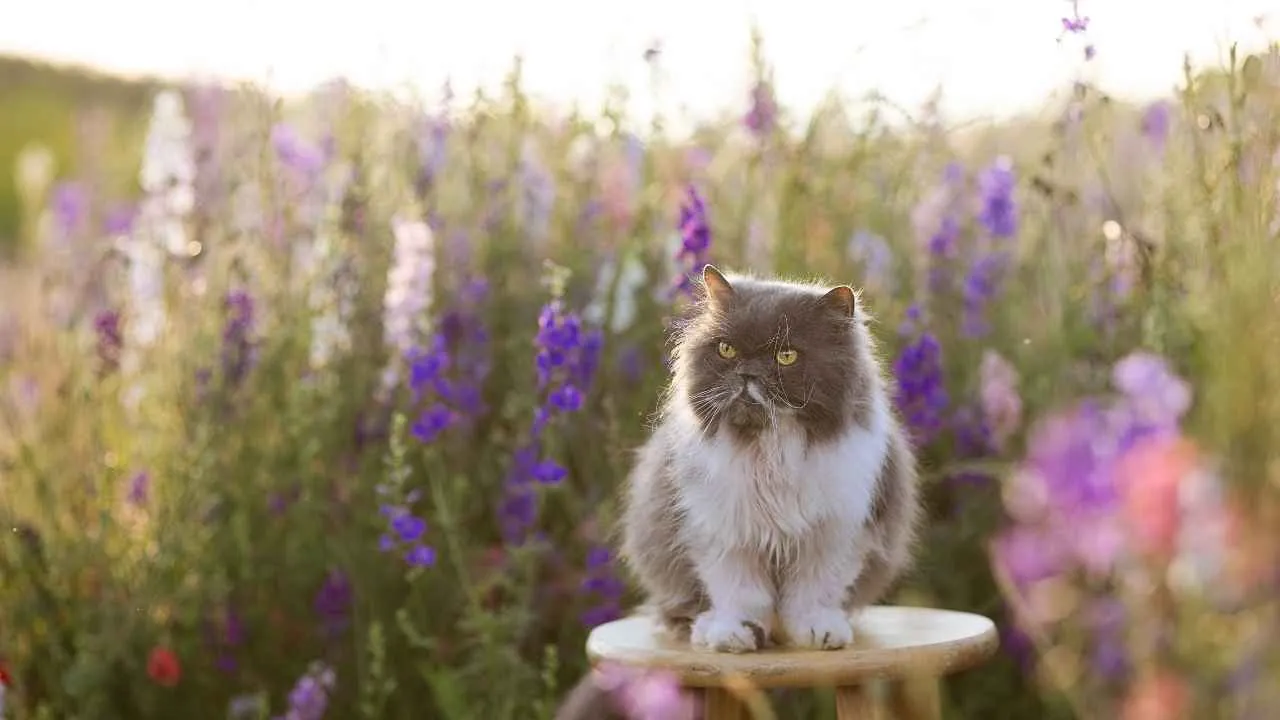
The Persian, sometimes associated with the closely related Exotic Shorthair and known for its round face and flowing coat, is one of the oldest and most recognizable purebred cats.
Instantly admired for its plush appearance and expressive eyes, this breed is equally valued for its peaceful and dignified nature. According to Purina, the Persian is described as a docile and quiet cat that prefers a calm and relaxing environment.
The Calm and Soft-Spoken Companion
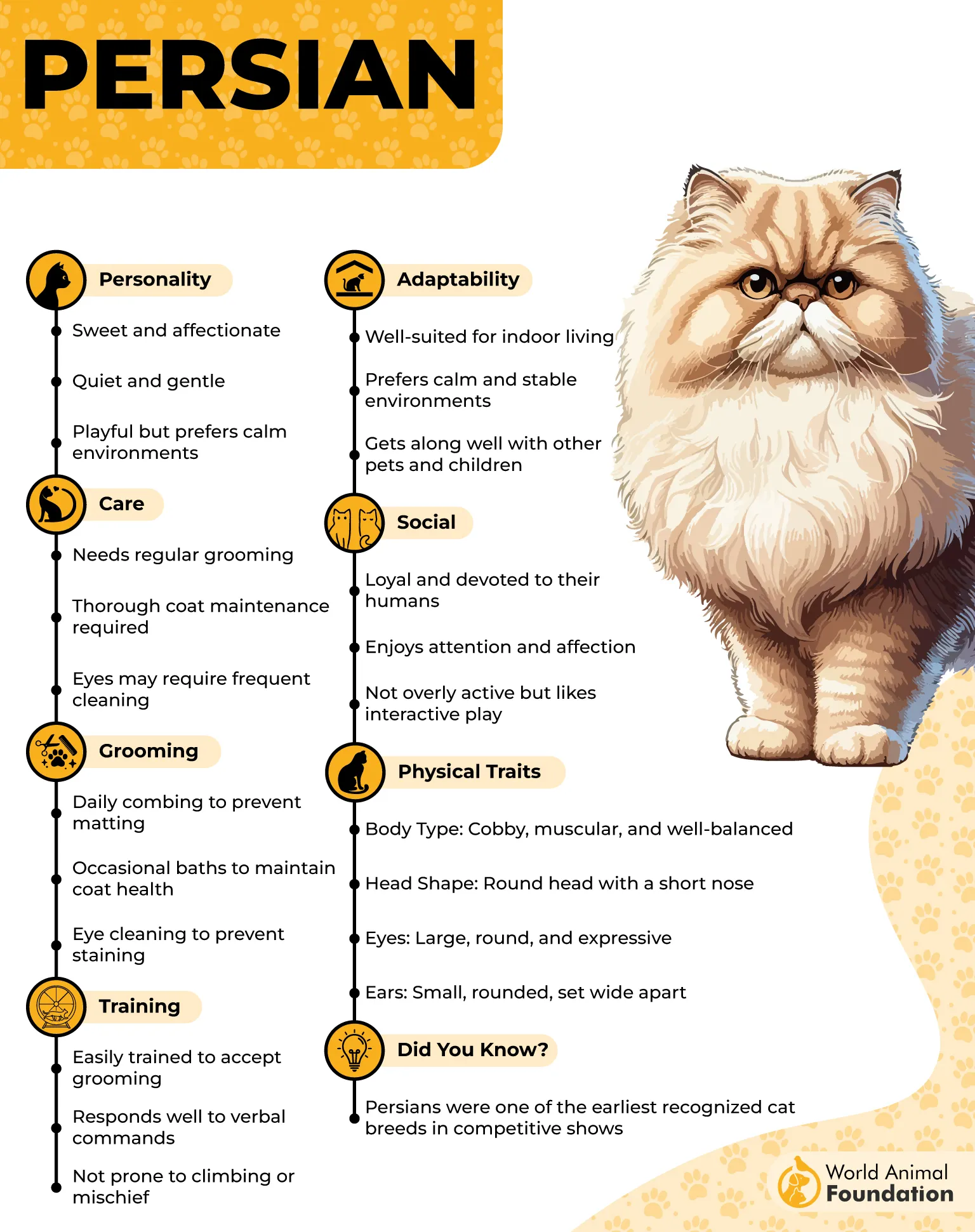
Persians are famously quiet, communicating through soft purrs and gentle chirps rather than loud, persistent meows. Instead of demanding attention vocally, they prefer calm closeness—often settling into a lap or resting quietly beside their favorite person.
Low-energy and even-tempered, this breed is unlikely to channel excitement into destructive behavior. They would rather lounge comfortably than leap onto high shelves, making them ideal for homes that value tranquility.
Though their long coat requires regular grooming, their relaxed temperament more than compensates for the effort. Weighing up to 15 pounds and living 8 to 15 years, Persians are widely known as serene lap cats with a naturally soft-spoken personality.
2. Ragdoll
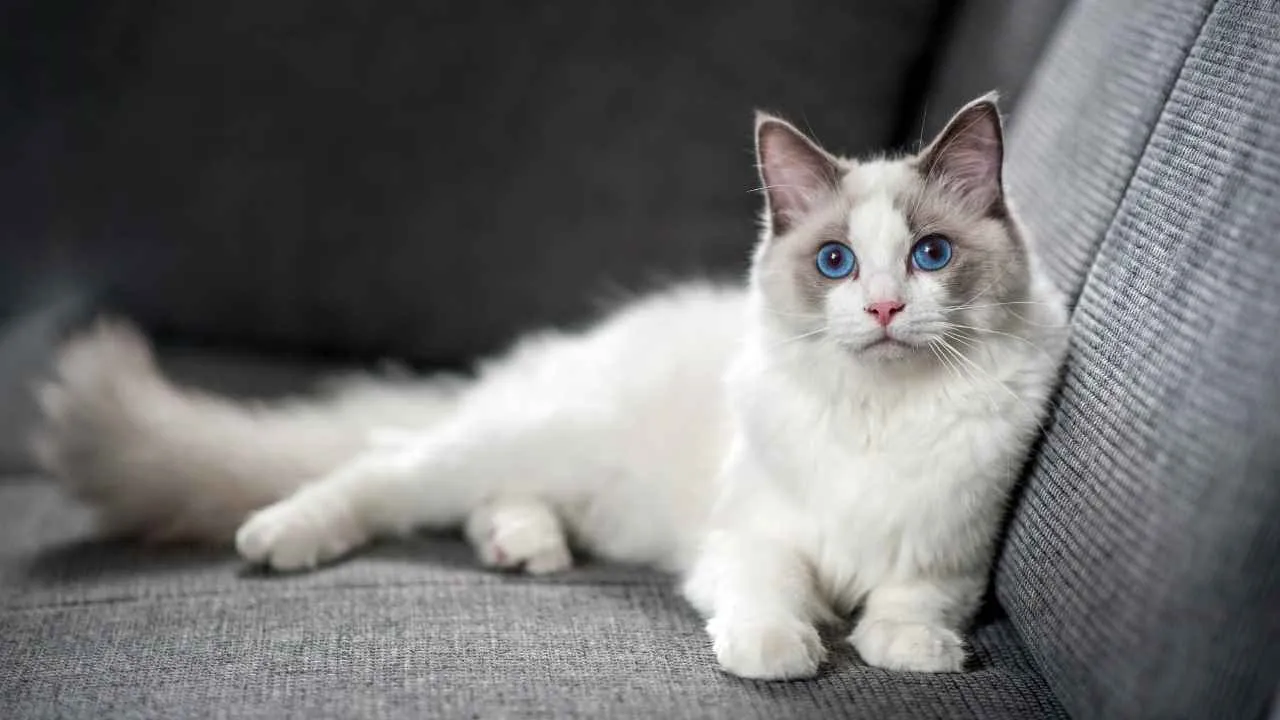
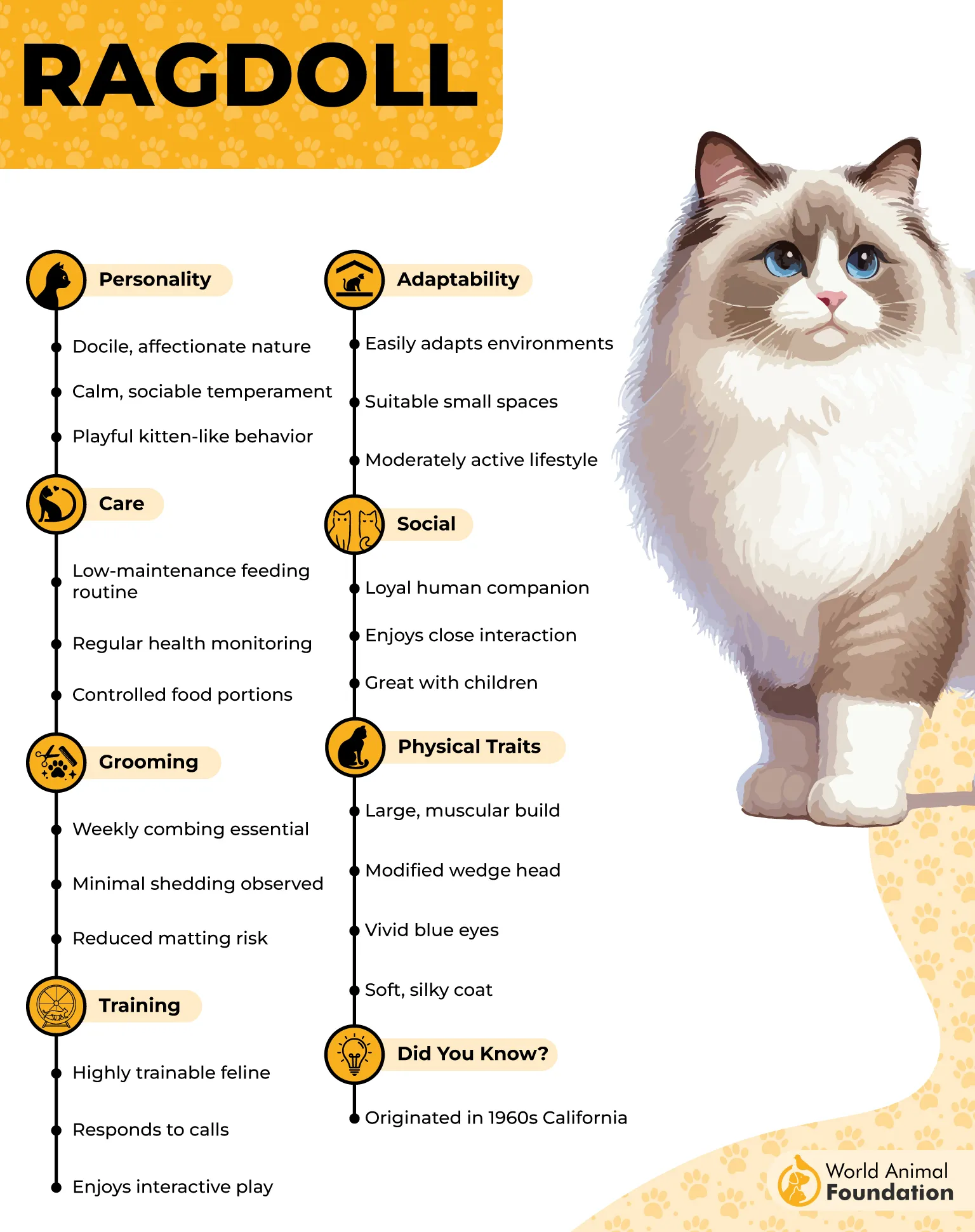
Often nicknamed the “ultimate lap cat” and famous for their striking blue eyes and silky semi-long coat, the Ragdoll is a large, affectionate breed developed for a calm disposition.
According to Petplan, Ragdolls are regarded as excellent companions due to their empathetic nature and sensitivity to human emotions. Their name comes from their charming habit of going limp when lifted, giving them a relaxed, floppy appearance.
Gentle, Serene, and Low-Key
Ragdolls are known for their soft voices and mild-mannered nature, making them one of the quieter breeds overall. Rather than vocalizing loudly, they express affection through physical closeness—curling beside you or settling peacefully in your lap.
Their easygoing temperament allows them to thrive in calm households, especially those with gentle children or other pets. While they enjoy attention, they rarely demand it, preferring steady companionship over dramatic displays.
Regular brushing keeps their plush coat in good condition, but their serene personality is what truly stands out. Ragdolls are widely recognized for their tendency to relax completely in your arms, a trait that inspired their name.
3. Scottish Fold
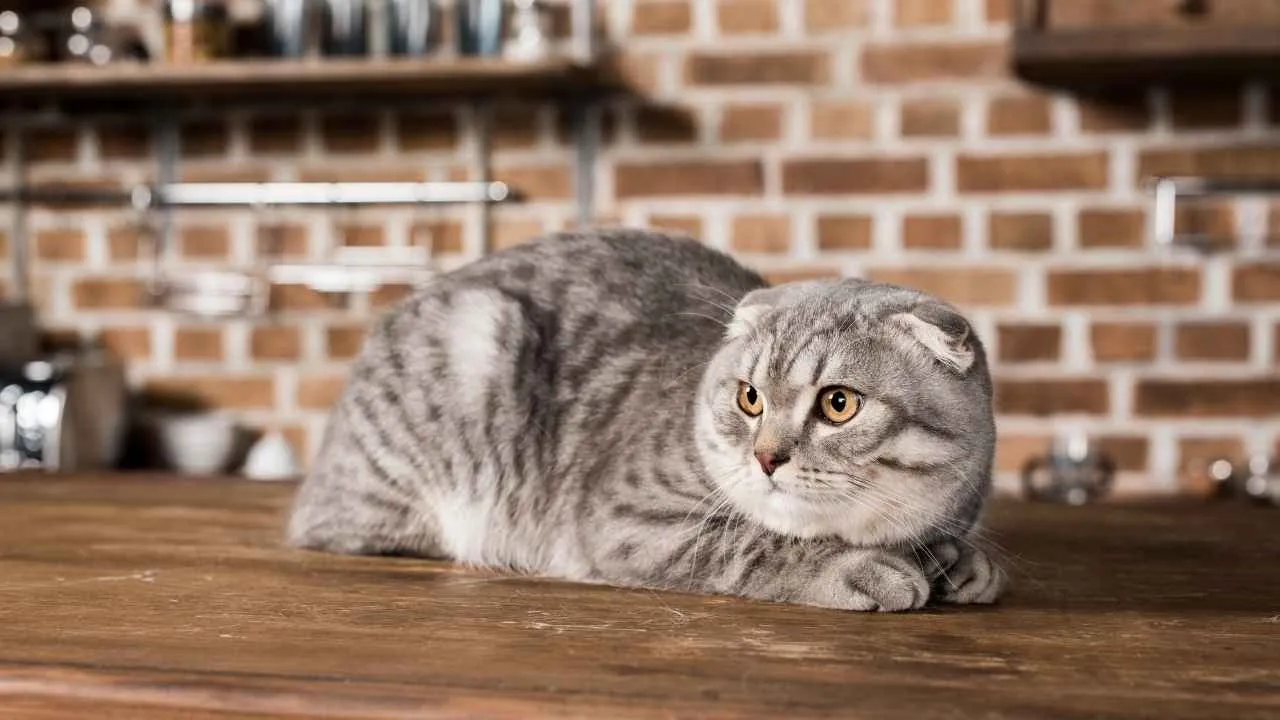
The Scottish Fold—sometimes simply called the “Fold”—is instantly recognizable for its signature forward-bent ears and wide, owl-like eyes.
According to Hill’s Pet, the tail of the Scottish Fold should be handled with care, as some individuals may develop stiffness that can result in discomfort if not treated gently.
Originating from a Scottish farm cat, this breed now includes both folded-ear and straight-ear varieties, in long-haired and short-haired forms.

A Peaceful Presence in Any Home
Scottish Folds are admired for their gentle and quiet demeanor, making them a natural fit for calm households. While they enjoy friendly interaction, their activity level is typically low, and they are just as content resting beside you as they are observing the room.
Though they do vocalize, their meows are generally soft and understated compared to more talkative breeds. Many prefer curling up on a cozy lap, expressing affection through closeness rather than constant sound.
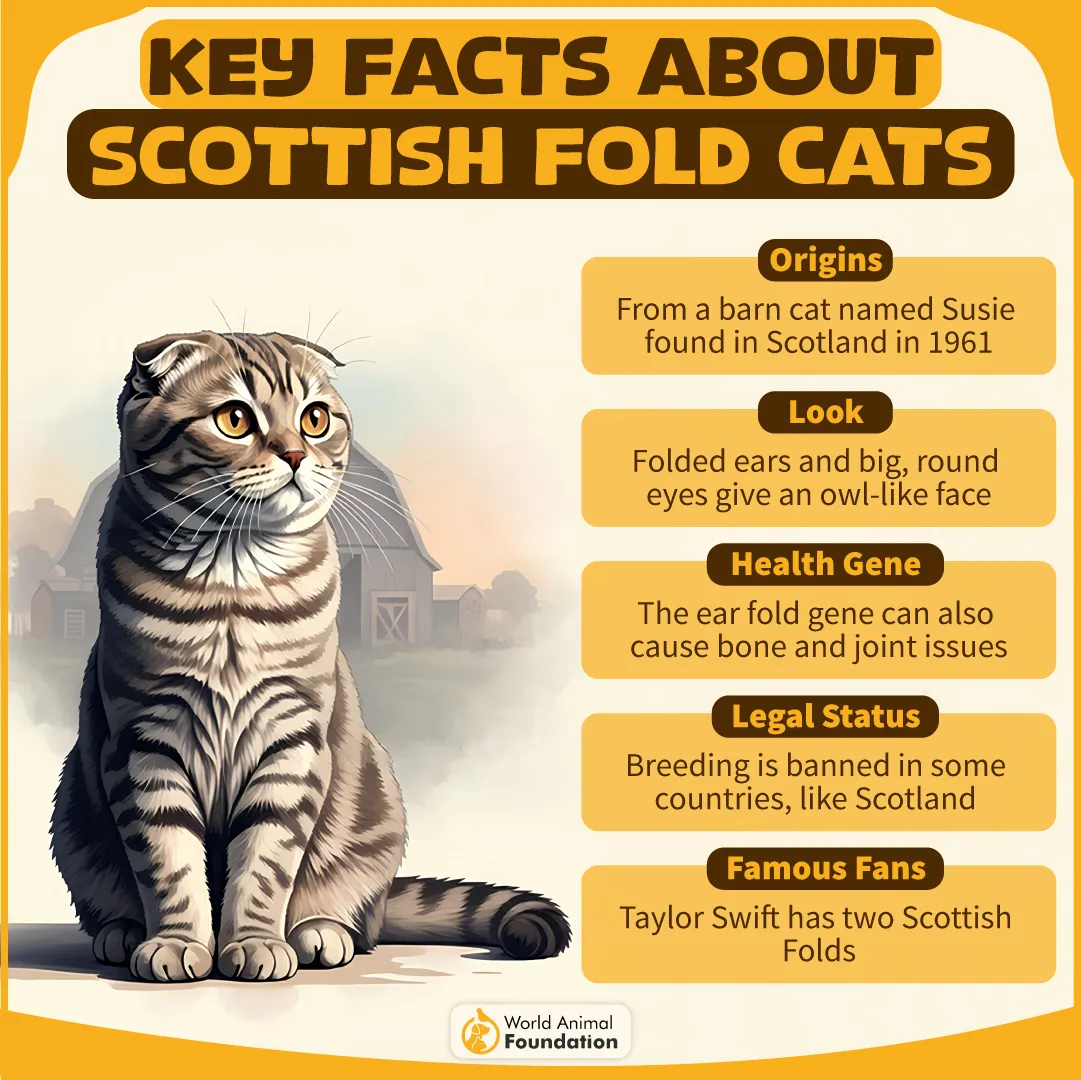
Their sweet expression and relaxed nature make them easy companions, but prospective owners should seek responsible breeders due to known health concerns within the breed. This charming cat is widely loved for its calm personality and unmistakable folded ears.
4. Birman
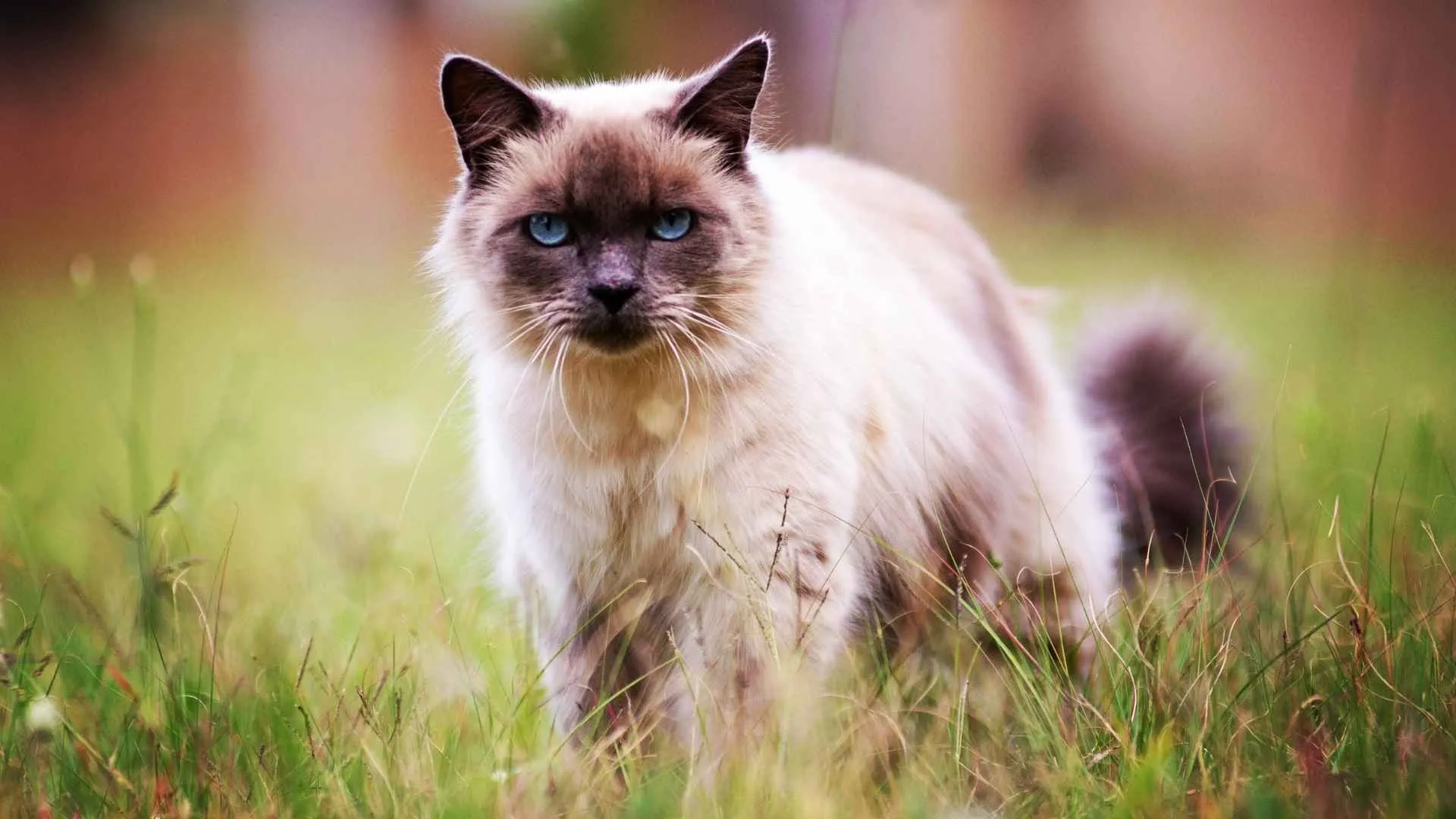
The Birman, also known as the “Sacred Cat of Burma,” is admired for its deep blue eyes, silky color-point coat, and distinctive white “gloves.” Bred as a gentle companion, this elegant feline combines striking looks with a naturally calm disposition.

Independent Yet Quietly Affectionate
Birmans are known for their soft, understated voices, making them ideal for homes that value peace. Rather than constant meowing, they prefer to express affection by quietly following their favorite person from room to room.
Though playful, they are less energetic than many breeds and tend to settle comfortably into relaxed routines. Their balanced temperament allows them to enjoy interaction without becoming overly demanding or disruptive.
While they can show a mild independent streak, Birmans generally prefer company and may struggle with long periods alone. They are especially noted for having a quieter meow compared to many other affectionate breeds.
5. Chartreux
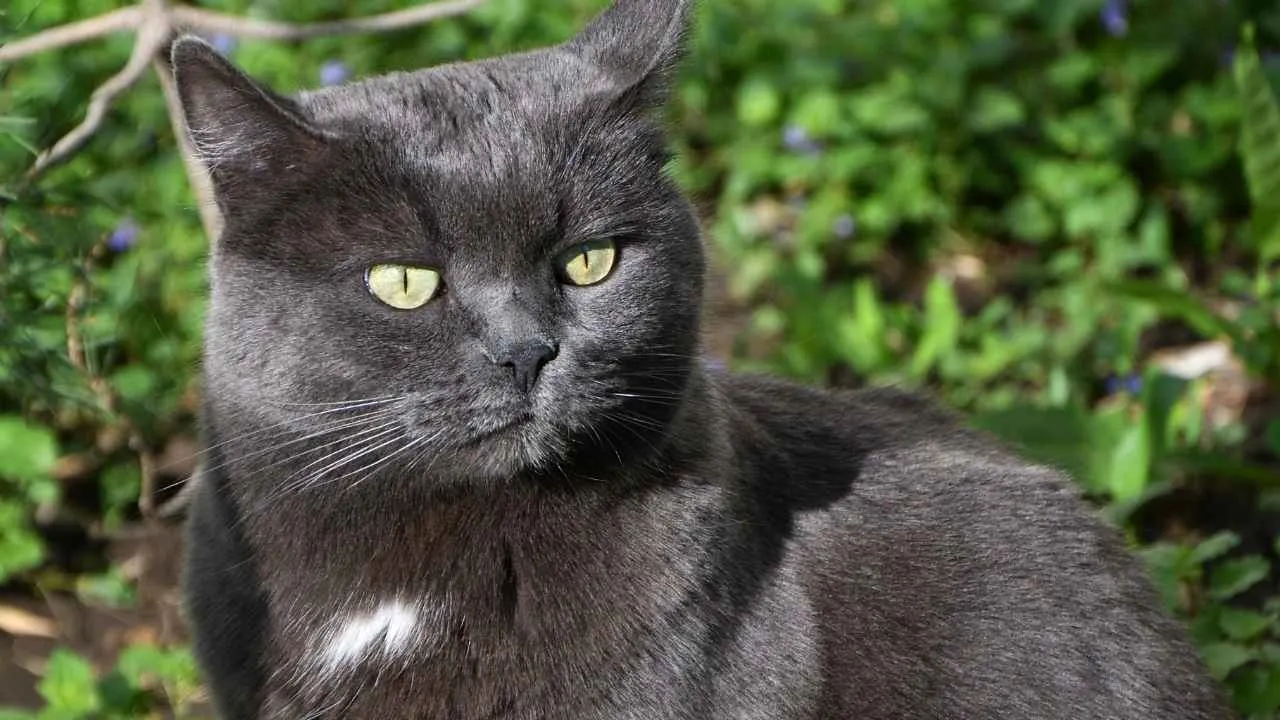
The Chartreux, a historic French breed sometimes called the “smiling blue cat,” is admired for its dense blue-gray coat and copper to gold eyes. With a medium build and a slightly woolly double coat tipped in silver, this breed has a soft, luminous appearance that matches its composed personality.
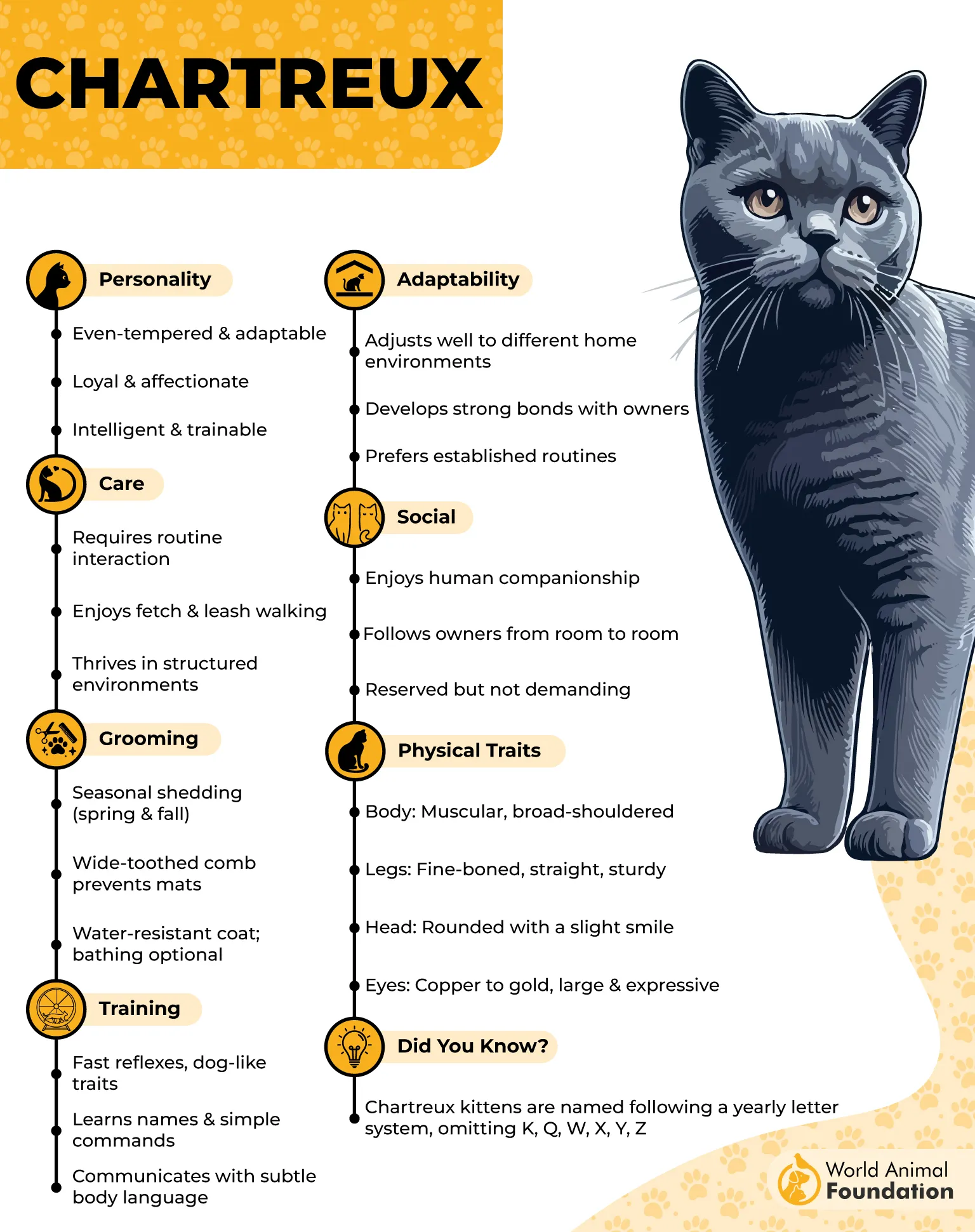
The Silent Observer
Chartreux cats are famously quiet, often choosing watchful observation over vocal expression. Instead of frequent meowing, they communicate through subtle body language and steady companionship.
Naturally intelligent and capable hunters, they appreciate structured environments, whether indoors with tall cat trees or access to a secure outdoor space. Despite their working background, they are unlikely to cause trouble and are sensible enough to adapt to household routines.
Their gentle and friendly temperament makes them dependable family pets, yet they maintain an independent streak. The Chartreux is known for its unique woolly-textured double coat, always in a solid blue-gray shade with silver-tipped hairs that create a soft sheen.
6. Exotic Shorthair
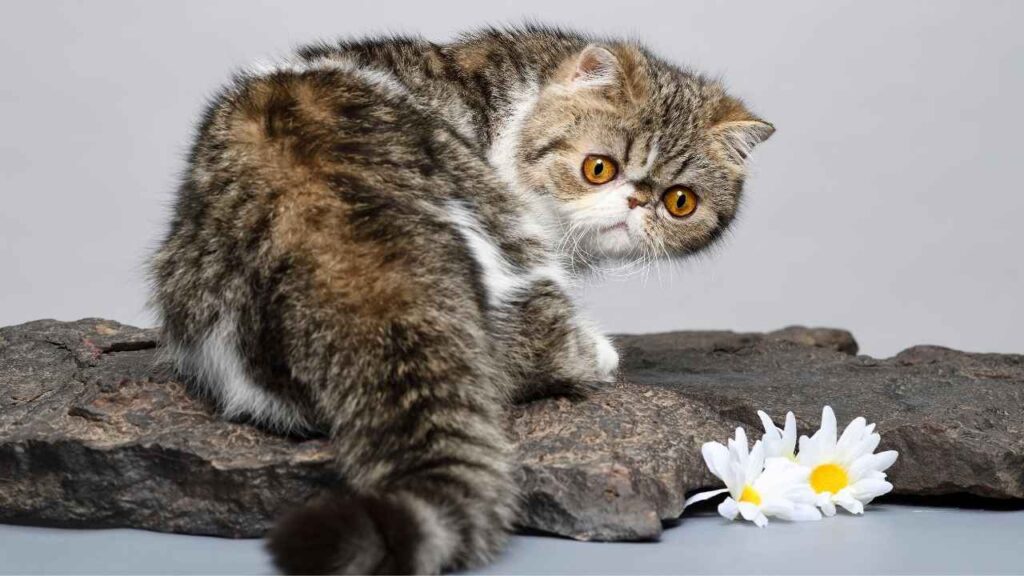
Often called the “lazy person’s Persian,” the Exotic Shorthair is essentially a short-haired version of the Persian, blending Persian sweetness with hints of American Shorthair sturdiness. With its round face, plush teddy-bear coat, and expressive eyes, this breed offers charm without the high grooming demands of its long-haired cousin.
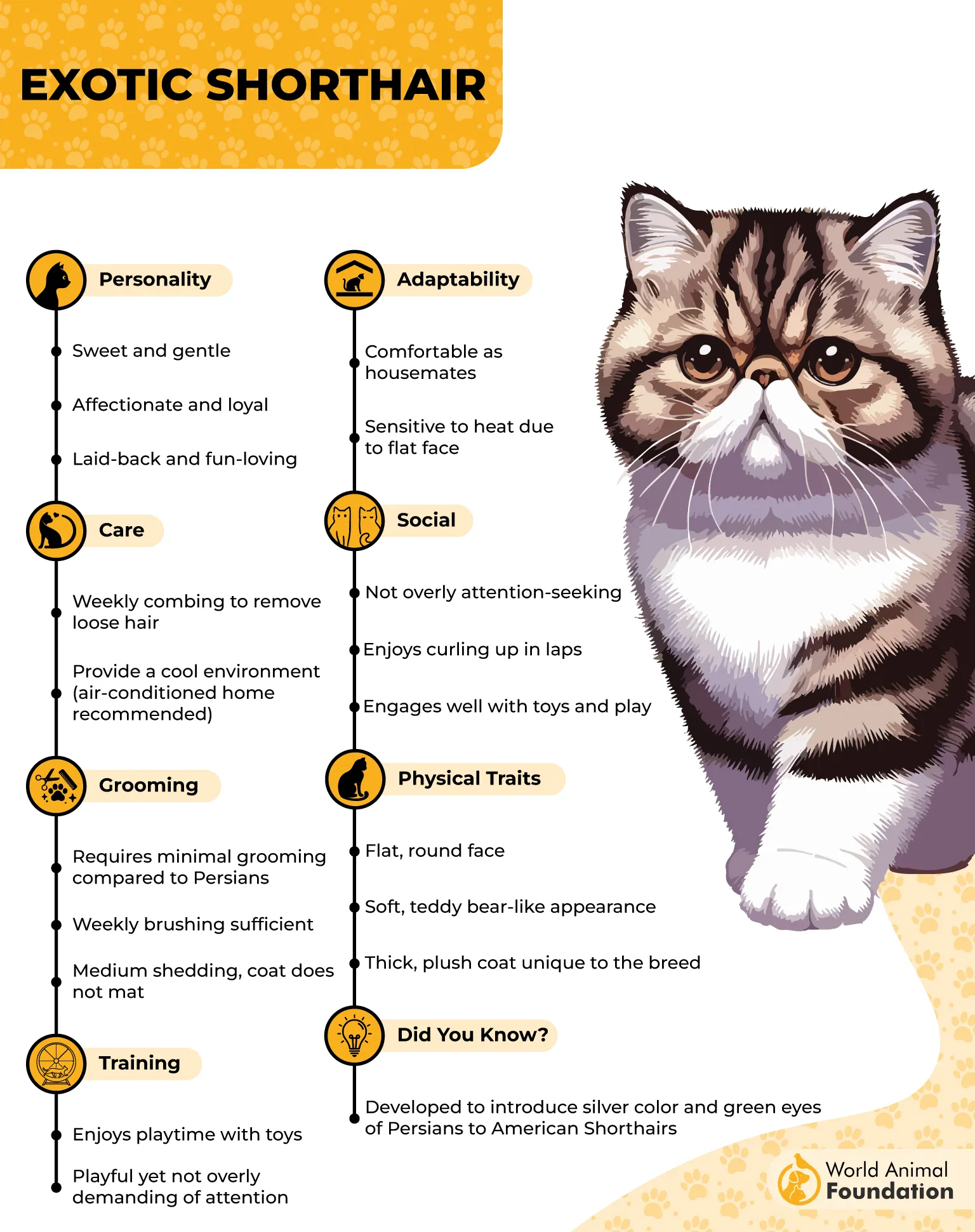
Relaxed and Rarely Vocal
Exotic Shorthairs are known for their calm, affectionate demeanor and notably quiet voices. While they may purr or give a soft meow, they are far from talkative, making them a natural fit for peaceful homes or apartments.
Their favorite activity is simple: curling up in a warm lap and staying there. Rather than racing through the house, they prefer relaxed companionship and gentle play, which appeals to first-time owners and mellow families alike.
Low-maintenance grooming and modest exercise needs add to their appeal. Widely described as sweet, easygoing, and quiet, the Exotic Shorthair shares the Persian’s mellow personality in a more manageable short, plush coat.
7. American Shorthair
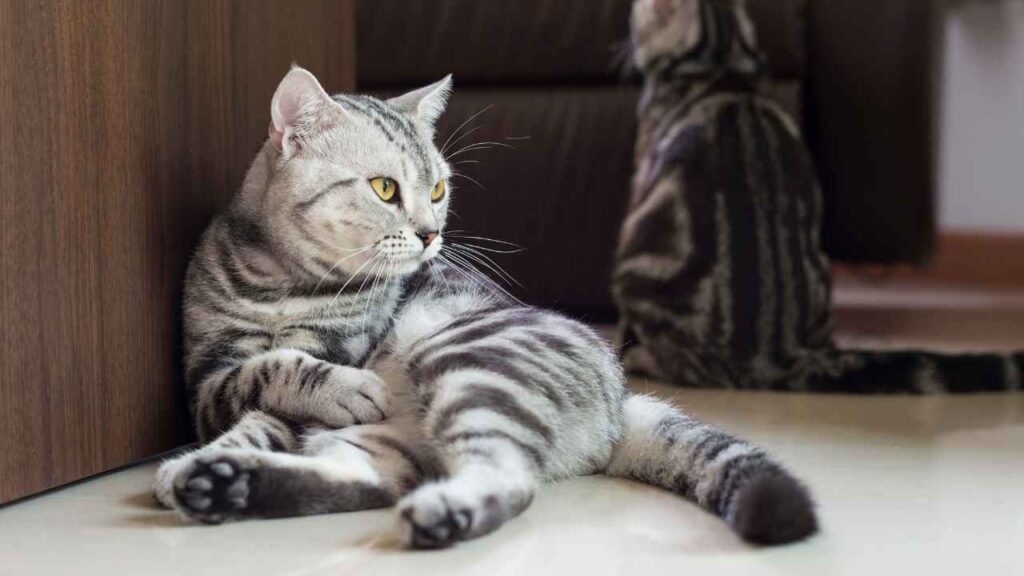
The American Shorthair, sometimes simply called the “Working Cat” due to its history as a skilled mouser, is a sturdy and adaptable breed with a dense, low-maintenance coat. Recognized for its balanced build and friendly expression, this classic all-American feline is a favorite among families.
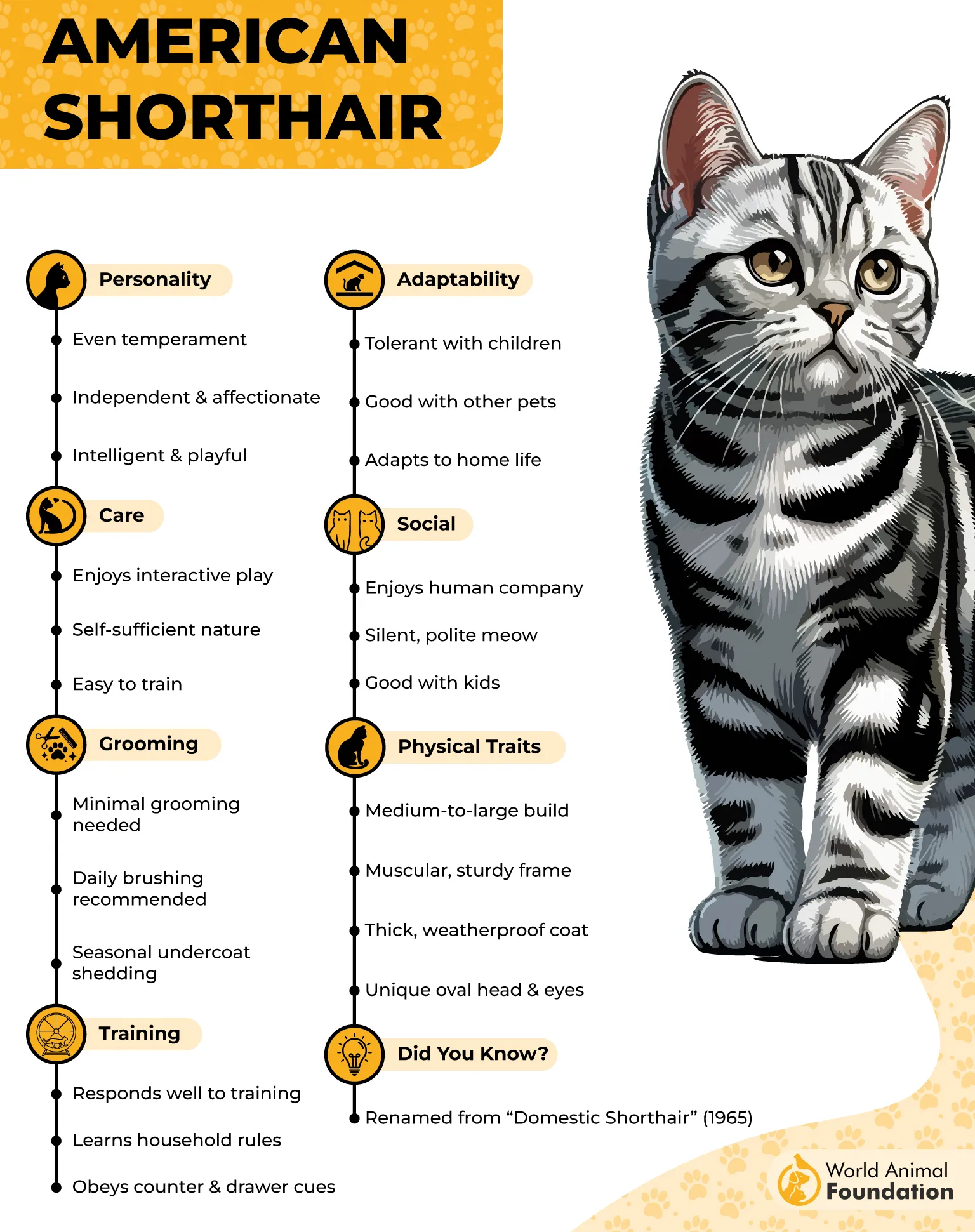
Mild-Mannered and Easygoing
While not completely silent, the American Shorthair is generally soft-spoken and calm, making it well-suited for apartment living. Most individuals prefer quiet observation over constant vocalization, offering companionship without excessive chatter.
This breed’s relaxed temperament allows it to blend comfortably into busy households, including those with children and dogs. Playful yet moderate in energy, they rarely create disruption and tend to respond to daily life with steady composure.
Because of their laid-back lifestyle, maintaining a healthy routine with light exercise is important to prevent weight gain. The American Shorthair is widely regarded as one of the most popular and even-tempered breeds in the United States.
8. Selkirk Rex
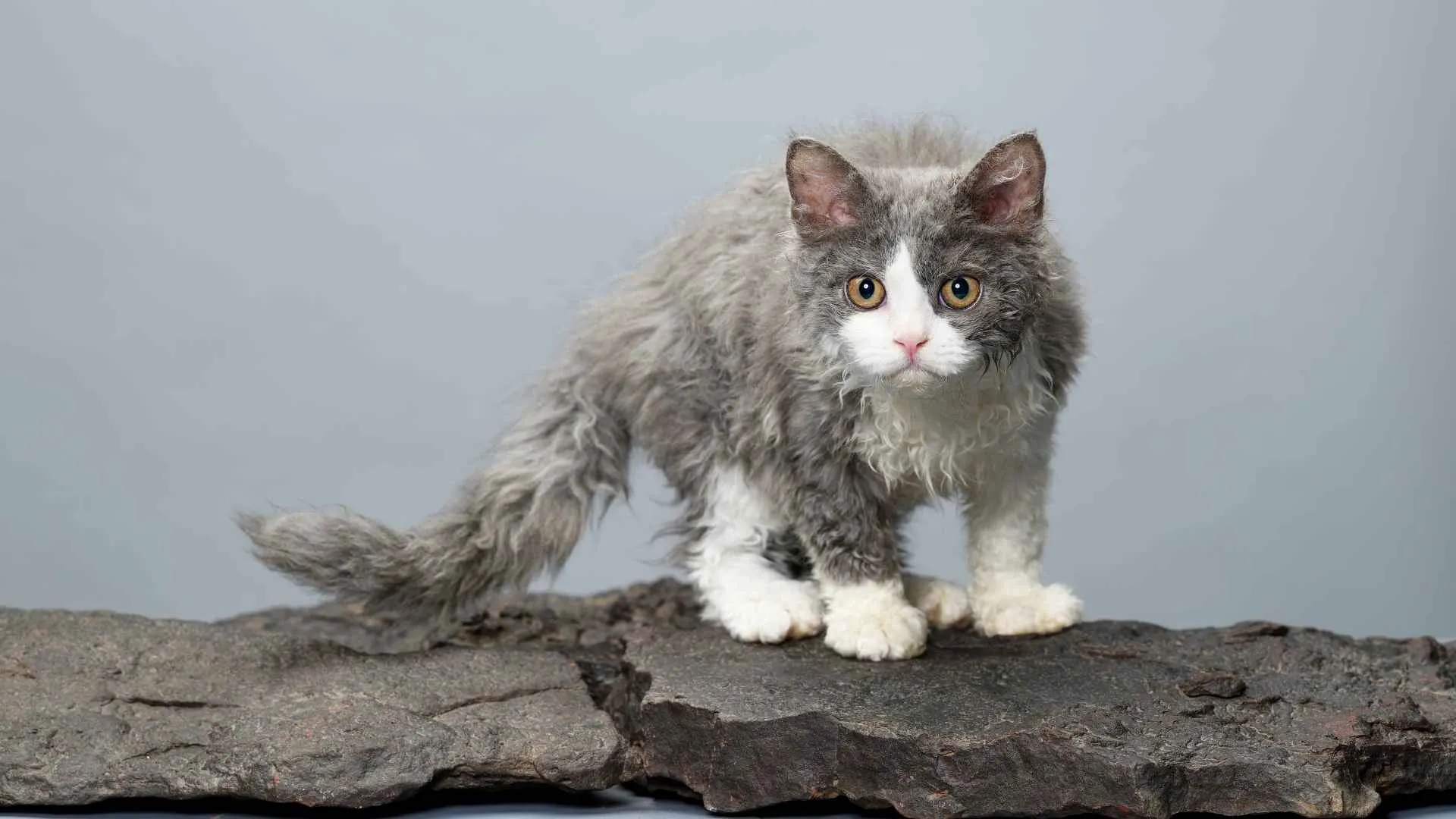
Often described as the “teddy bear cat,” the Selkirk Rex is instantly recognizable for its plush, curly coat and solid, well-boned frame. Available in both longhaired and shorthaired varieties, this breed pairs its crinkled fur with a sturdy build and irresistibly soft texture.
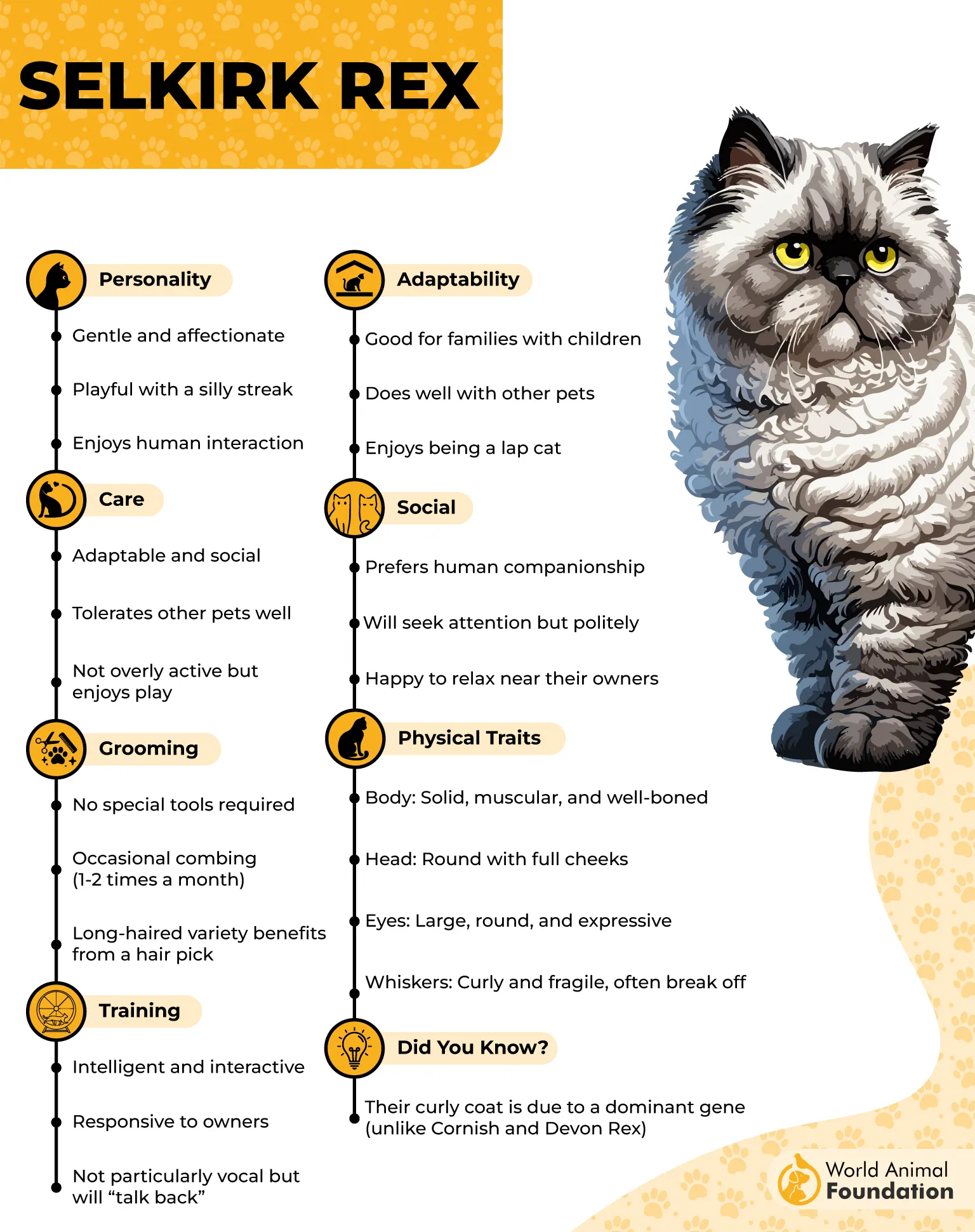
A Tranquil Lap Cat
Beneath those signature curls is a calm and tolerant personality that makes the Selkirk Rex a soothing presence in the home. Rather than filling rooms with constant chatter, they tend to communicate quietly, offering gentle purrs instead of persistent meows.
These cats are affectionate without being overly demanding, happily curling up beside you for a nap or stretching out in a sunny spot. Their balanced temperament allows them to adapt smoothly to different households, including those with respectful children or other pets.
Though their coat requires regular brushing to prevent matting, their laid-back nature makes daily life easy. The Selkirk Rex is widely appreciated for its patience, tolerance, and signature curly fur that feels as soft as it looks.
9. Russian Blue
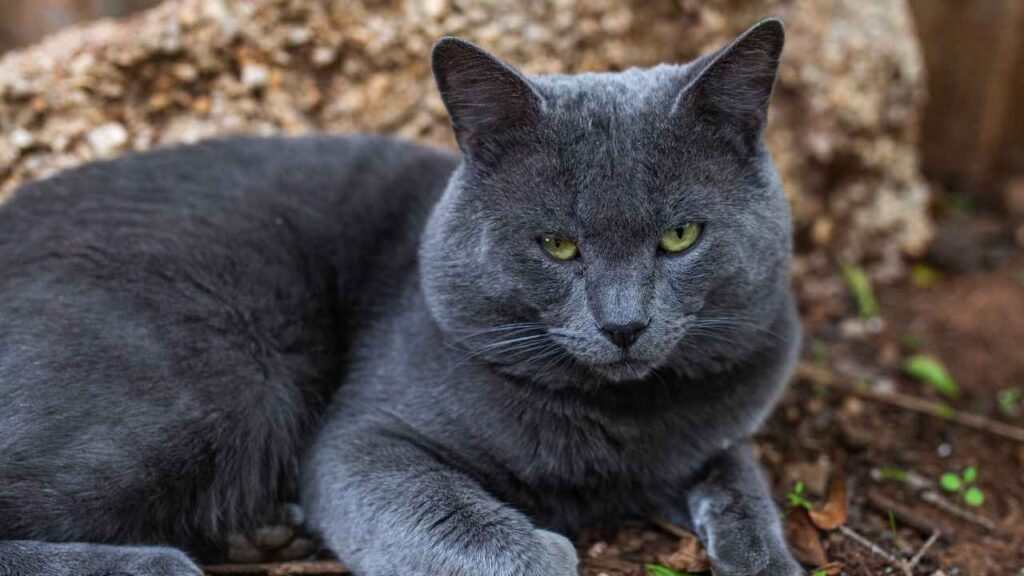
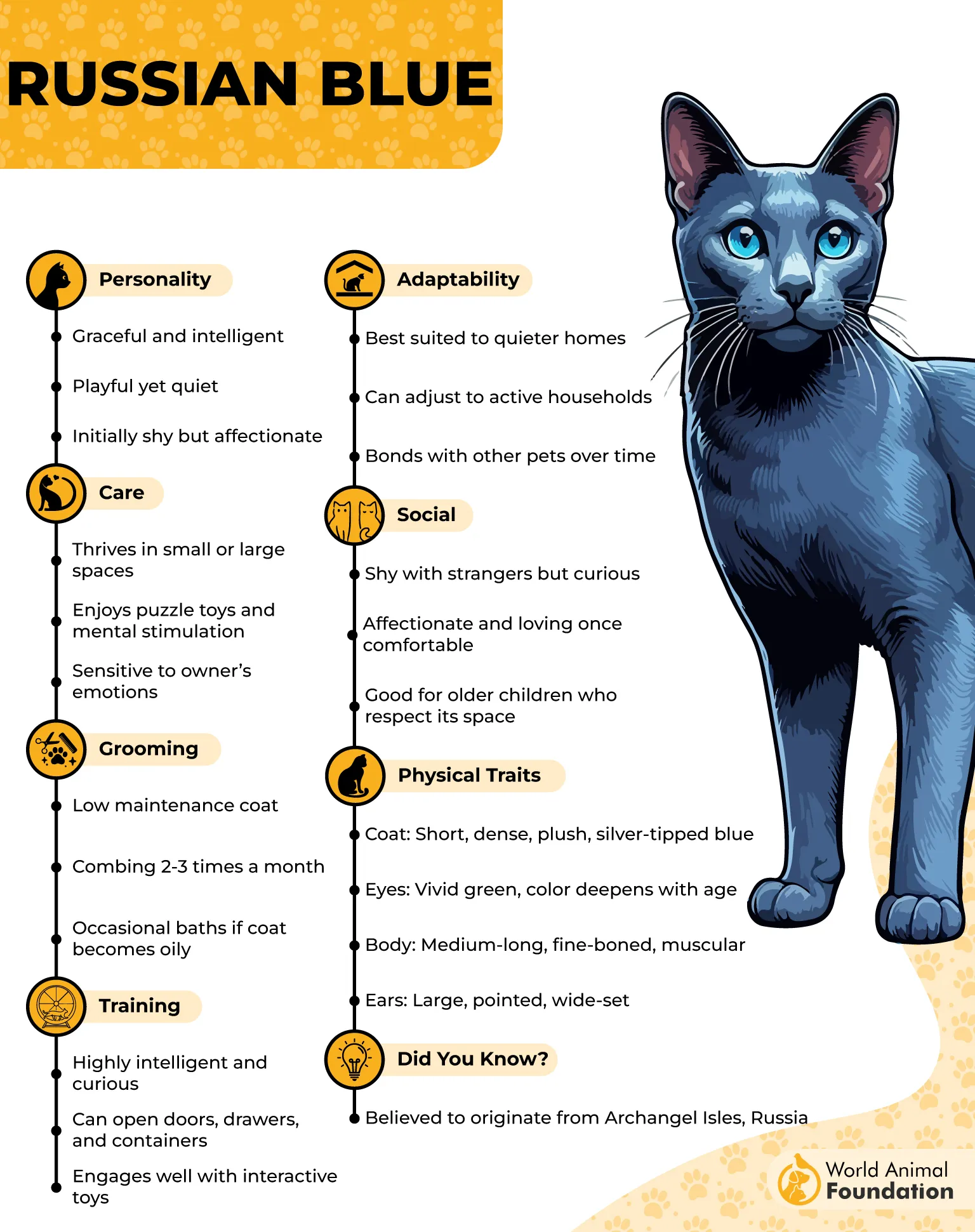
Also known simply as the Russian Blue, this elegant feline is admired for its plush silvery-blue double coat and vivid green eyes. With a triangular head, wide-set ears, and a subtle upturned “smile,” this graceful breed carries a naturally regal expression.
Soft Voice, Sweet Personality
Perfect for apartments or smaller living spaces, the Russian Blue is known for its notably quiet nature. She rarely raises her voice, and when she does, it’s soft and gentle—ideal for households seeking a calm, low-noise companion.
Deeply loyal, this sweet-tempered cat often forms a strong bond with one person, happily trailing them from room to room. Despite her devotion, she remains independent enough to relax peacefully while you’re away, greeting you warmly upon return.
While socializing with family, she prefers calm environments and may retreat to a private nook during lively gatherings. Interestingly, the Russian Blue sheds very little and produces lower levels of the allergen Fel d 1 than many other breeds.
Conclusion
In the diverse cat world, many cat breeds are admired for their calm demeanor and soft voices. From well-known favorites among the most popular cat breeds to more reserved companions, these felines prove that a peaceful personality can be just as captivating as bold charm.
Choosing the right feline friend means considering a cat’s personality, especially in homes with children and other pets or other animals. Some prefer lounging around the house as a quiet companion, while others bond from a young age and remain devoted to their families and other cats.
Even curly-haired cuties and other popular cat breeds thrive in a quiet home where regular play helps prevent obesity and strengthens their affectionate nature.
