




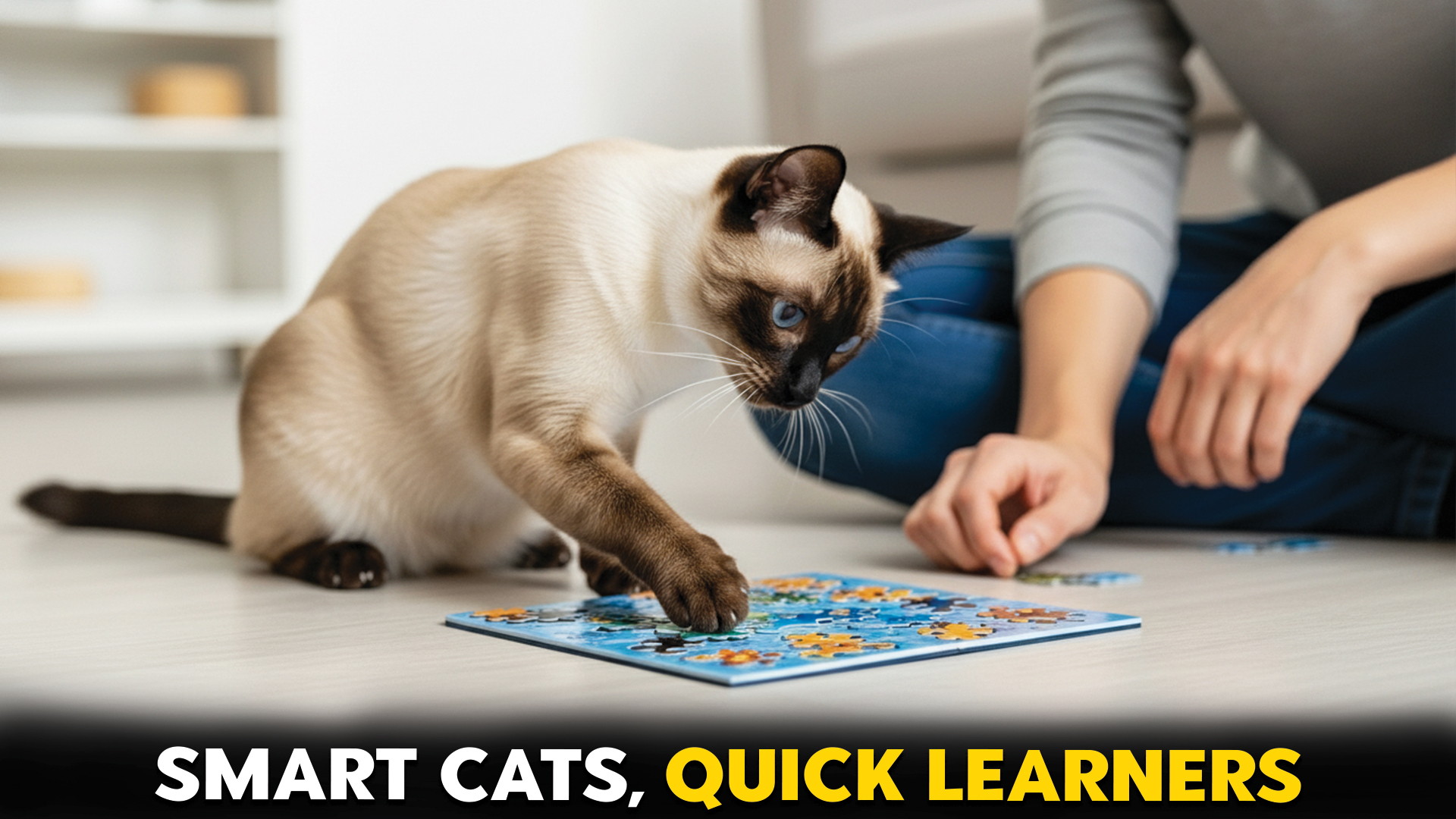
Cats may be famous for their independence, but intelligence plays a major role in how many of them interact with the world. While every cat is clever in their own way, some breeds consistently stand out for their problem-solving skills, curiosity, and ability to learn quickly. These cats don’t just observe their surroundings—they actively engage with them.
High intelligence in cats often shows up as adaptability, strong memory, and a desire for mental challenges. Smart breeds are more likely to master puzzle toys, learn routines, respond to training, or even pick up tricks. They crave stimulation and tend to form deeper, more interactive relationships with their humans, using communication and observation to get what they want.
Highly intelligent cats may follow you from room to room, invent games, or quickly adjust to new environments and companions. Without enough enrichment, they can become bored or mischievous. In this article, we’ll explore cat breeds known for high intelligence—and how their sharp minds make them endlessly fascinating, engaging, and rewarding companions.
Cat breeds known for high intelligence
1. Bengal
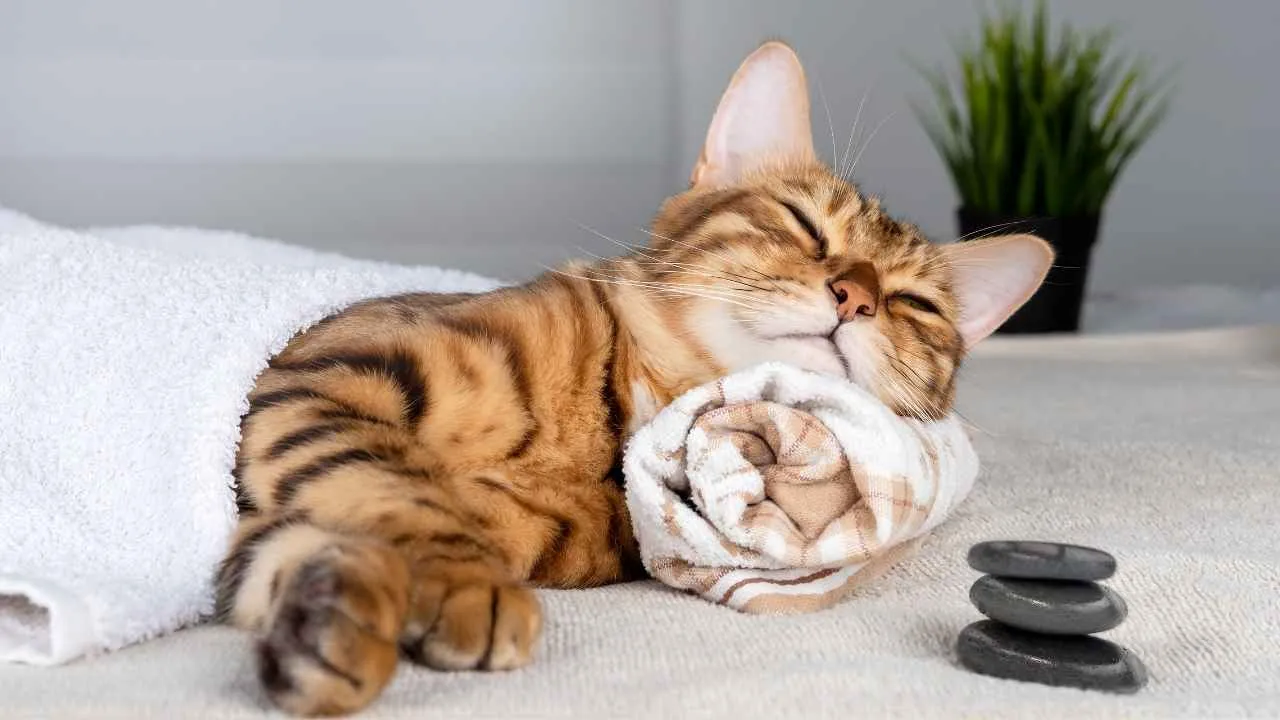
Also known for their wild ancestry from the Asian Leopard Cat, the Bengal is instantly recognizable by its leopard-like spots, sleek build, and alert expression.
According to Britannica, the Bengal is a short-haired domestic cat breed developed in the United States during the 1970s and 1980s by crossing an Asian leopard cat with a domestic tabby. This breed combines exotic looks with a sharp, curious mind and boundless energy.
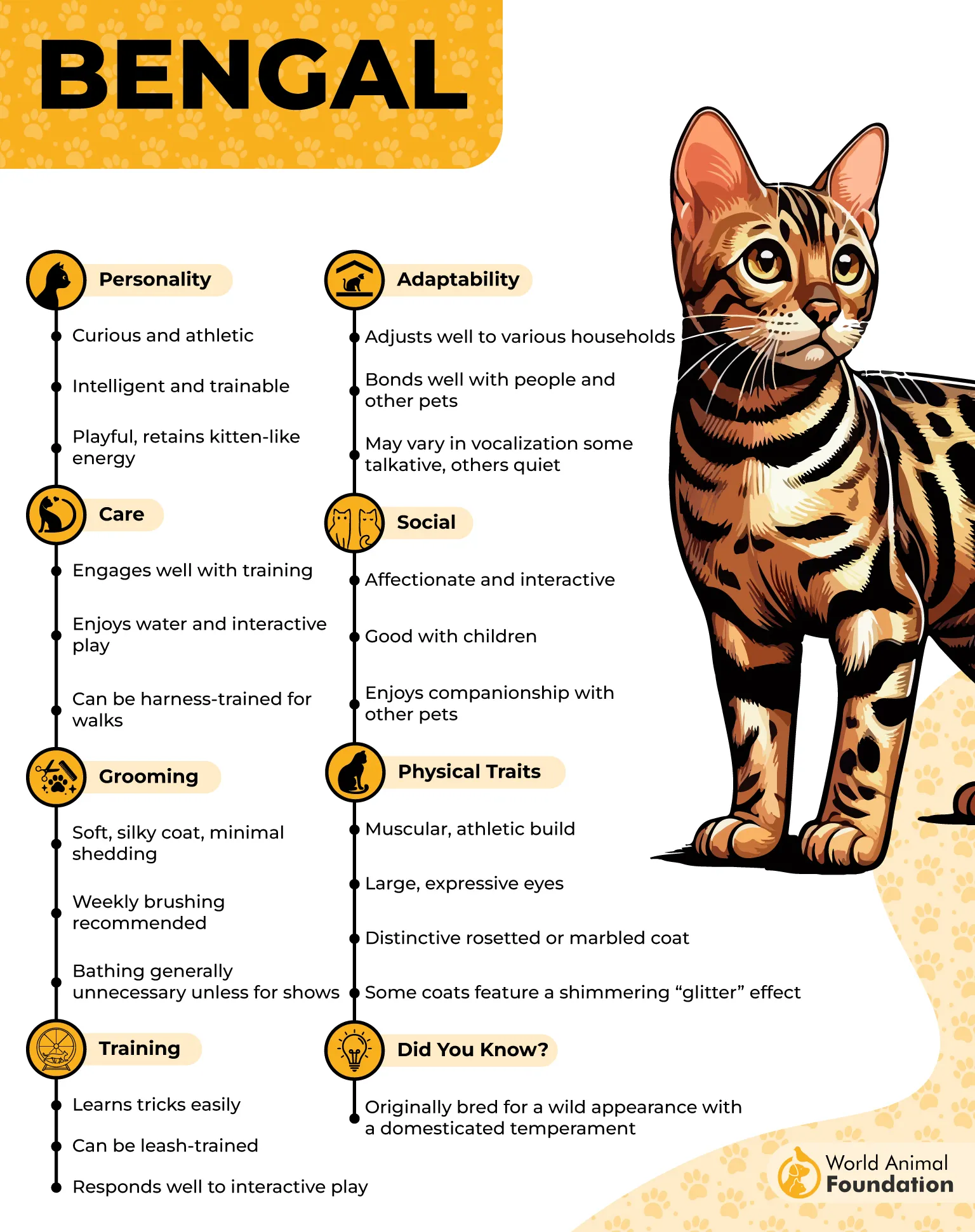
Exceptionally curious and quick to learn, Bengals thrive on both mental and physical challenges. They don’t just play with toys—they analyze them, mastering puzzle games and interactive tasks with impressive speed and focus.
Their intelligence shows up in everyday life through problem-solving behaviors. Bengals are known to use their nimble paws to open drawers, flip light switches, and investigate anything that sparks their curiosity, making enrichment a daily necessity.
Because they are highly trainable, many Bengals enjoy learning tricks, walking on a harness, or engaging in structured play.
Interesting fact: Some Bengals are fascinated by water and have been known to watch sinks, aquariums, or even try to join their humans in the shower.
2. Siamese
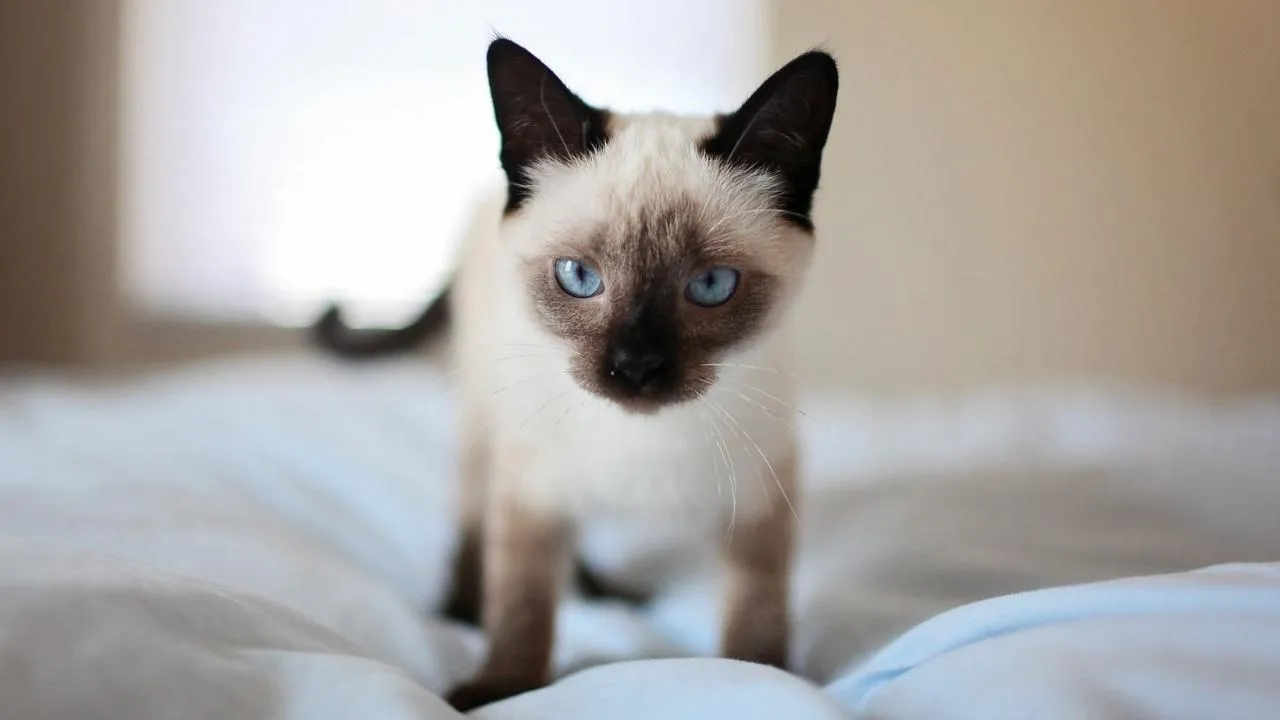
Also known as the Thai cat, the Siamese is instantly recognizable for its sleek body, striking blue eyes, and color-point coat.
According to PetMD, Siamese cats were once regarded as so prestigious that only royalty was allowed to keep them as companions. Often called “Velcro cats,” this breed is deeply people-oriented and thrives on constant interaction and engagement.
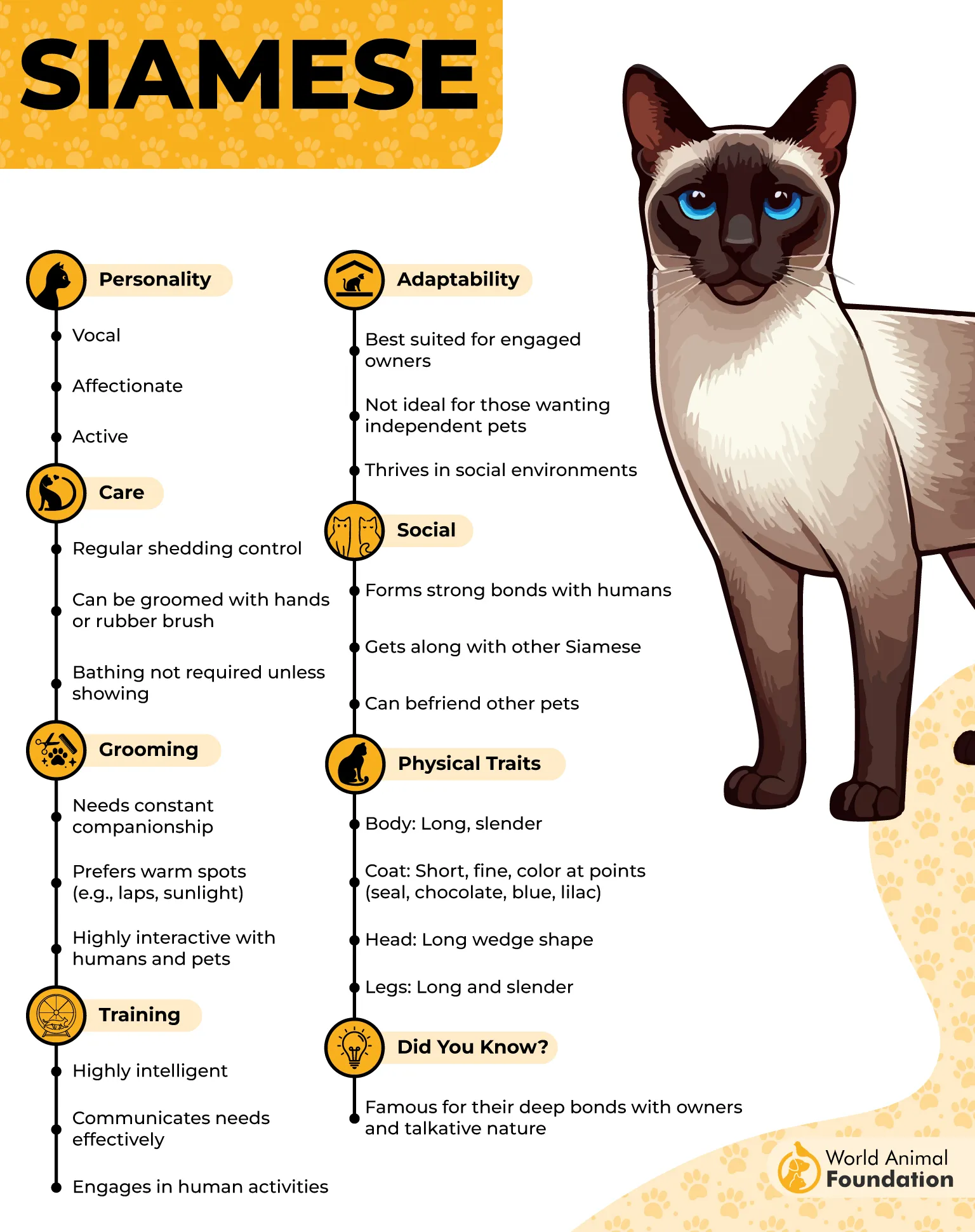
When it comes to problem-solving skills that stand out, Siamese cats excel. Their sharp minds allow them to quickly learn tricks, open doors, and figure out puzzle toys, especially when motivated by attention or rewards.
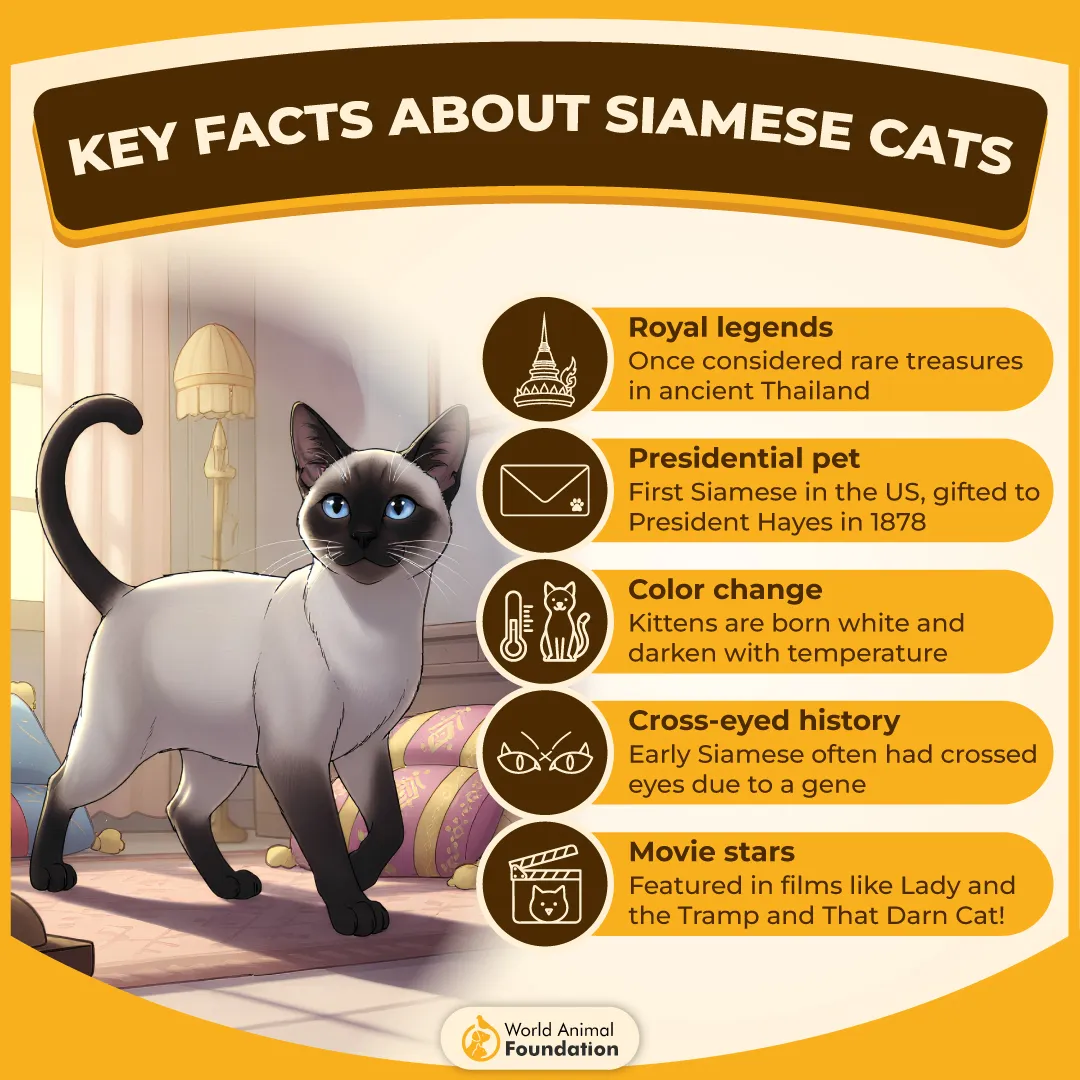
Their intelligence is closely tied to emotional awareness and communication. Siamese cats read human moods remarkably well and use vocalizations, eye contact, and body language to express needs, making their intelligence highly social in nature.
Training comes naturally to this breed when positive reinforcement is used, though their strong will demands consistency.
Interesting fact: Siamese cats are famously vocal and will loudly announce boredom if they aren’t mentally stimulated.
3. Abyssinian

Often called the “Aby,” the Abyssinian is a sleek, athletic cat with a distinctive ticked coat and alert expression. Once thought to hail from ancient Egypt, this intelligent breed is now known to have originated in Southeast Asia and is admired for its constant curiosity.
According to Purina, the Abyssinian has a strikingly wild appearance, resembling an exceptionally athletic cat that seems as though it has just come from the jungle.
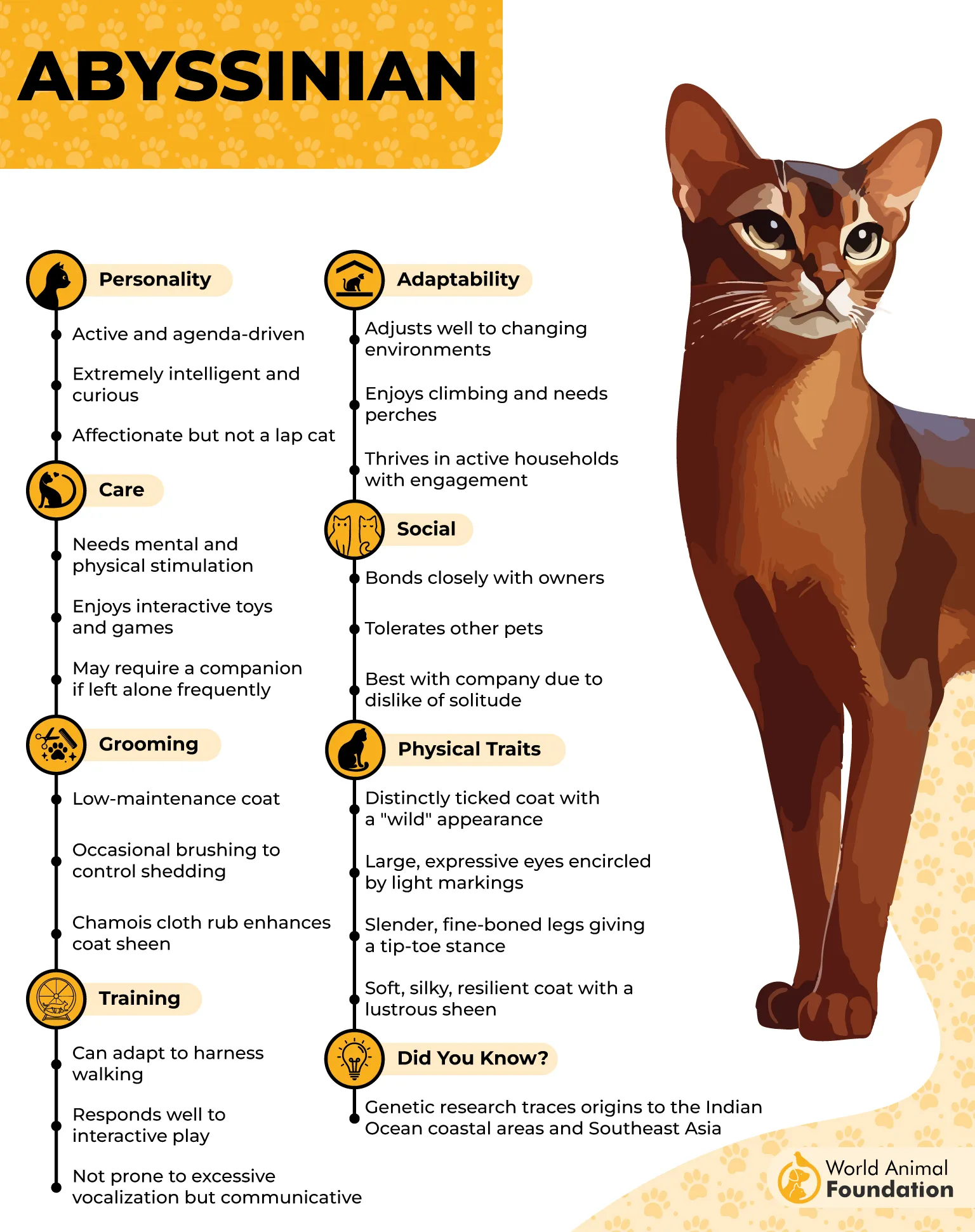
These cats are quick thinkers who love exploring their surroundings, solving problems, and engaging directly with people rather than lounging passively.
Their intelligence shows up in daily life through interactive behaviors—learning routines fast, enjoying puzzle toys, and confidently navigating high perches or cat furniture. Mental stimulation isn’t optional for this breed; it’s essential to their happiness.
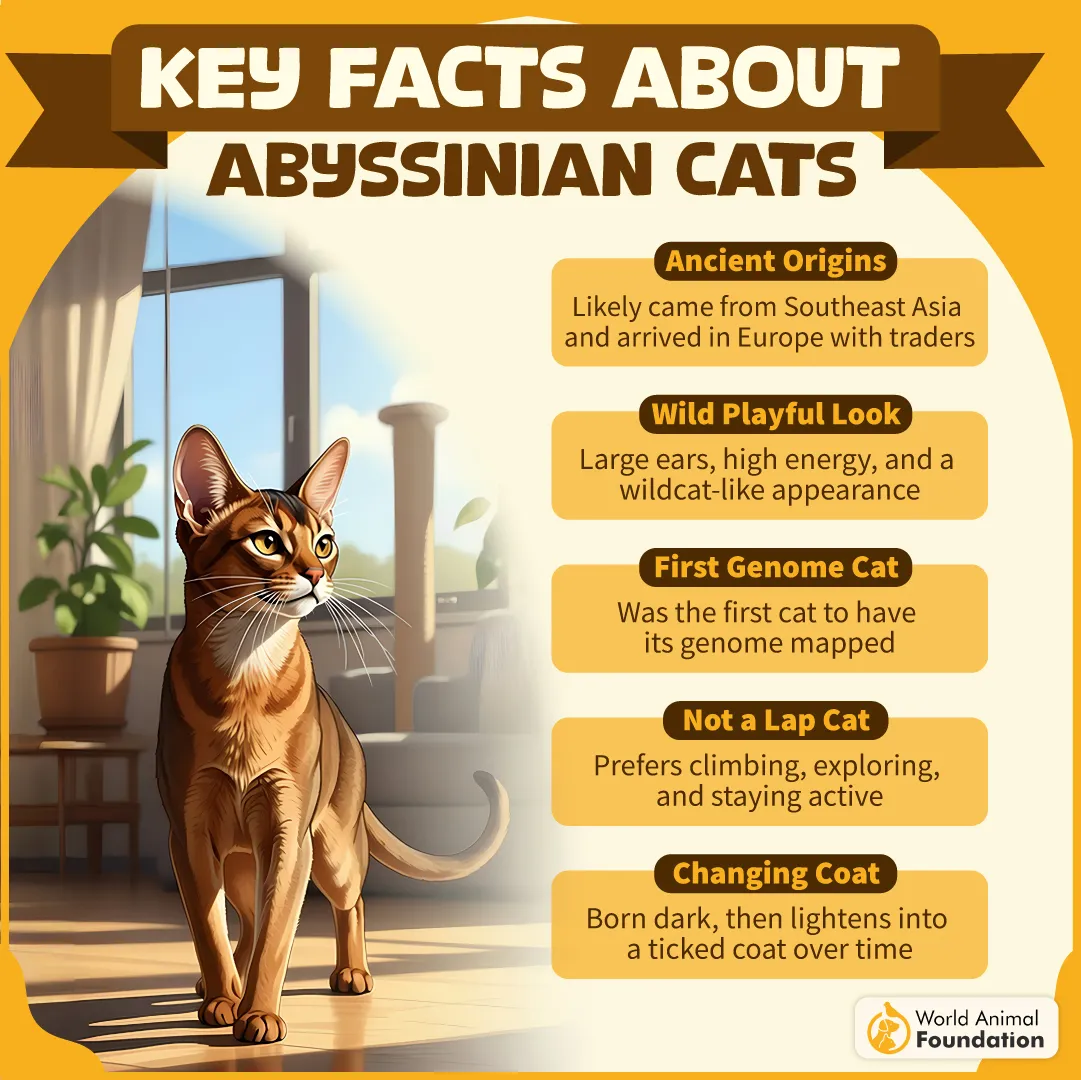
While not always cuddly, Abyssinians form strong attachments and prefer to stay close, often supervising household activity or initiating play.
Interesting fact: Experts describe Abyssinians as curious, independent, and intelligent cats that benefit greatly from puzzle toys and enriched environments.
4. Savannah
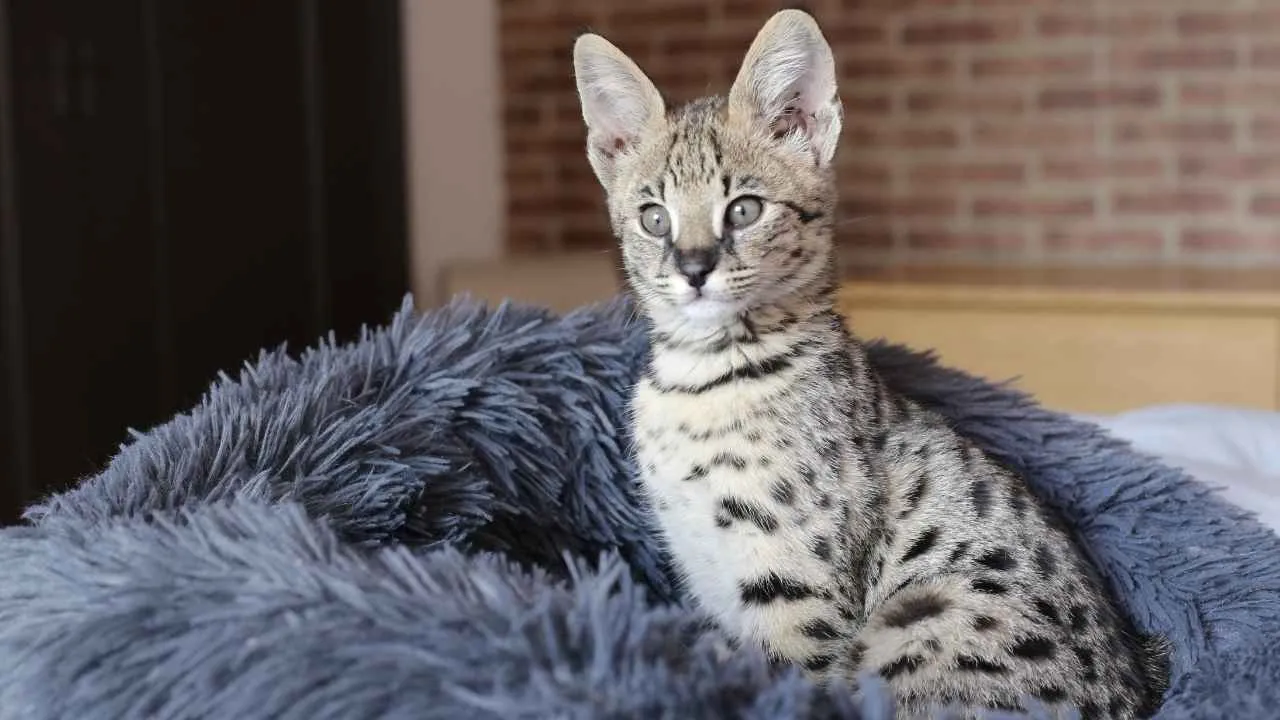
Also known simply as the Savannah, this exotic hybrid cat descends from a cross between an African serval and a domestic cat. Tall, athletic, and striking in appearance, the Savannah is one of the largest domestic cat breeds and is famous for its wild look and sharp mind.
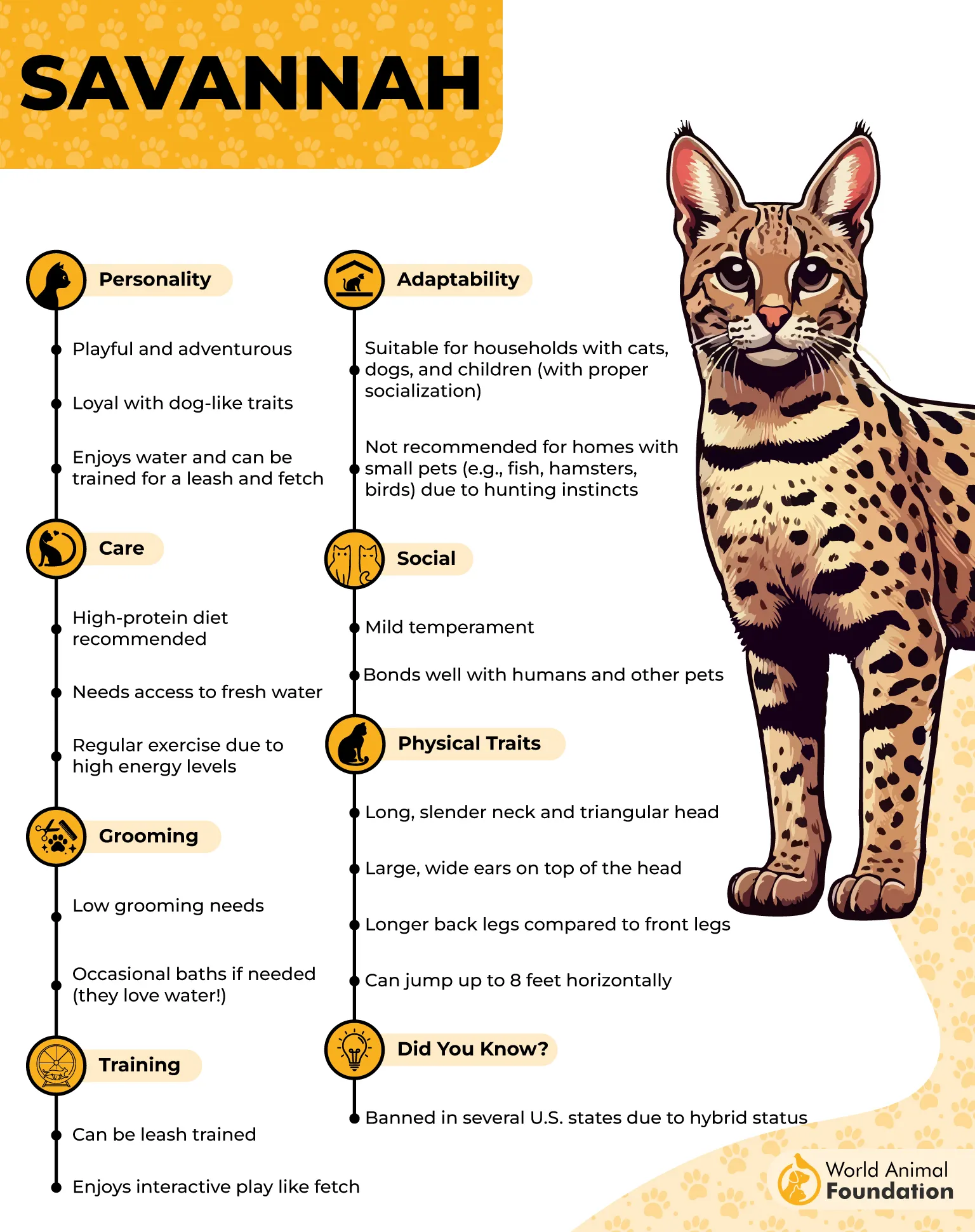
Savannah cats are exceptionally intelligent and alert. They constantly scan their surroundings, quickly learning layouts, routines, and even subtle changes in their environment.
Their intelligence shows through rapid learning and problem-solving. Savannahs can be trained to walk on a leash, play fetch, and respond to cues, but without enough stimulation, they may invent their own—often mischievous—activities.
Because they’re so mentally advanced, these cats need space, enrichment, and frequent interaction to stay balanced.
Interesting fact: A Savannah cat holds the Guinness World Record for being the tallest domestic cat ever recorded.
5. Burmese
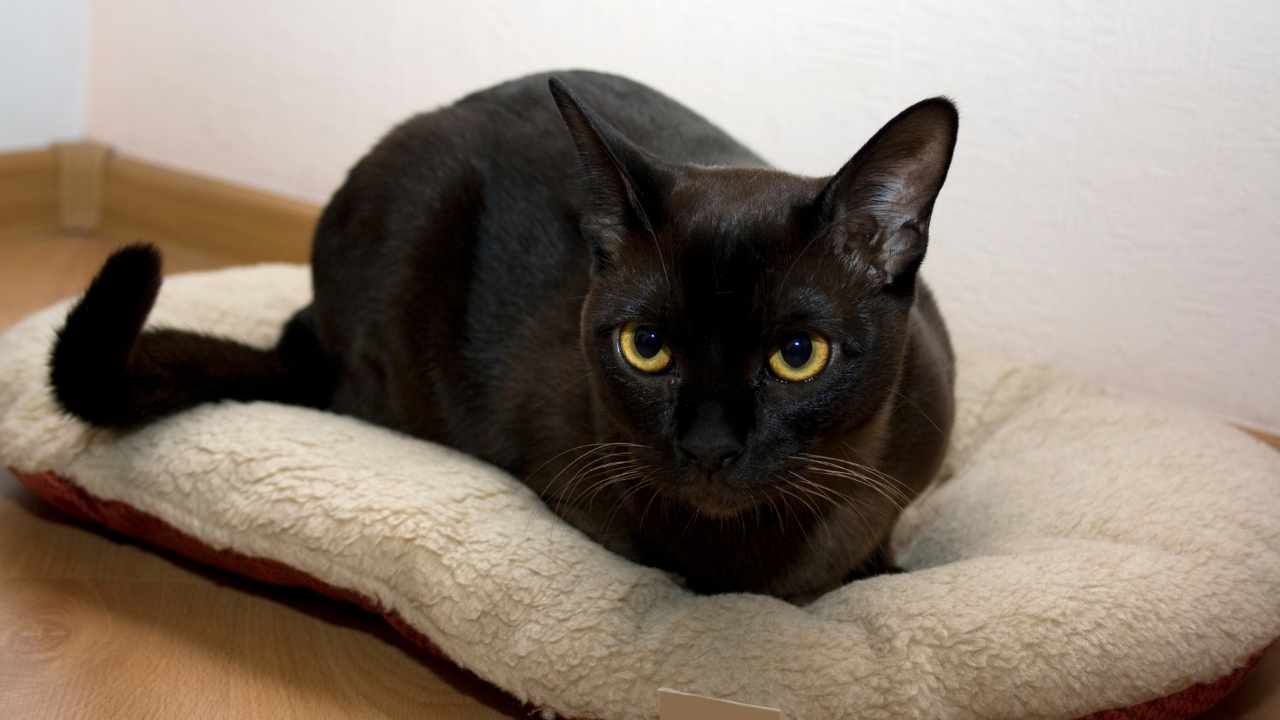
Also known as the American Burmese and European (Traditional) Burmese, this breed is compact, muscular, and instantly recognizable by its expressive eyes and glossy short coat. Originating in Myanmar, Burmese cats are sociable, people-focused, and famously intelligent.
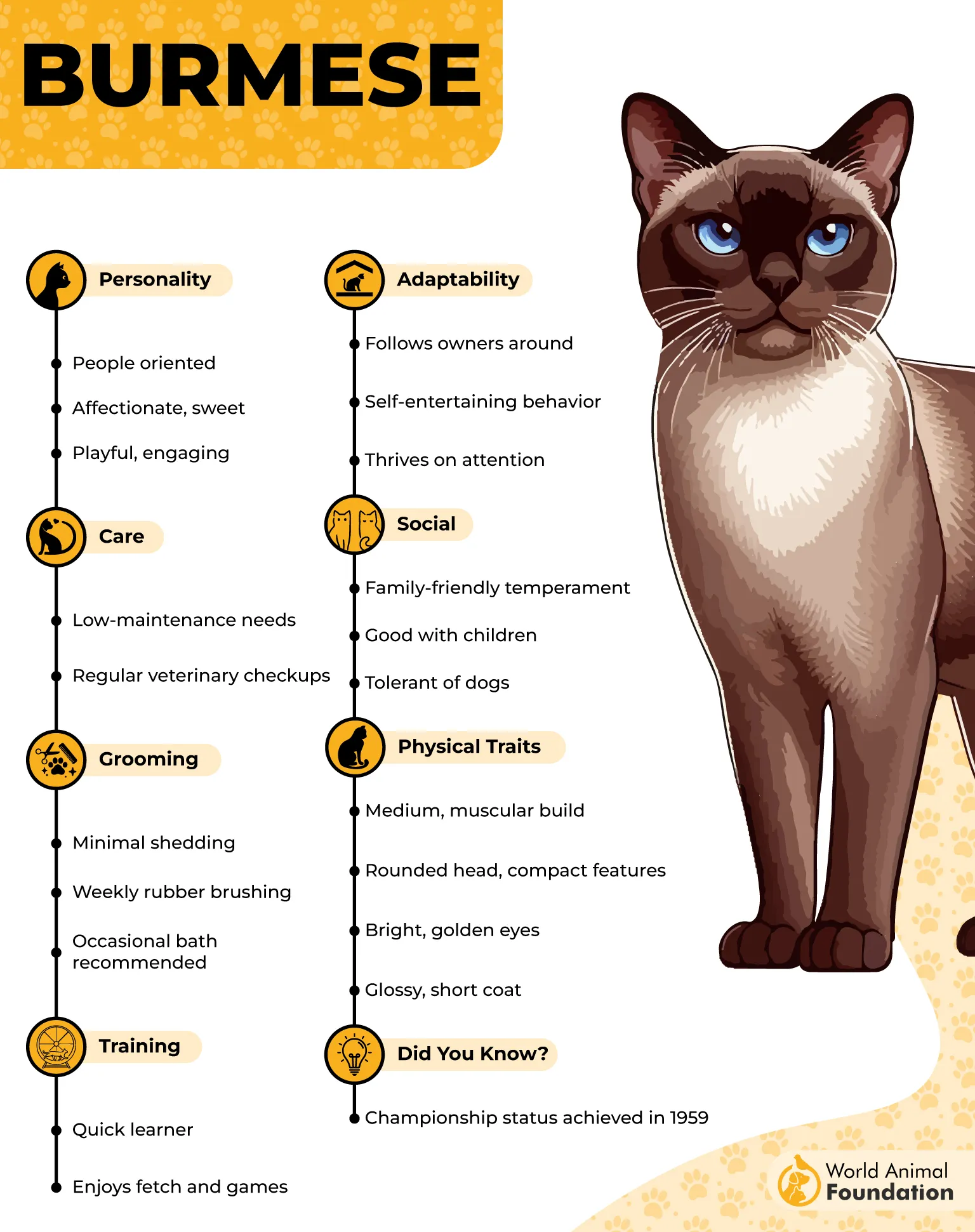
Burmese cats thrive on interaction and are rarely content sitting idle. Their sharp minds and high energy make them eager participants in games, learning routines, and staying involved in everything their humans do throughout the day.
Highly trainable, they can master commands, walk on a leash, and even retrieve toys, showing intelligence through action rather than observation. Mental stimulation is essential for this breed, as boredom can quickly lead to mischief.
Because they crave engagement, Burmese cats often seek out companionship from people or other pets, using play as a way to connect.
Interesting fact: Burmese cats are often described as dog-like and are known to learn games such as fetch with ease.
6. Oriental Shorthair
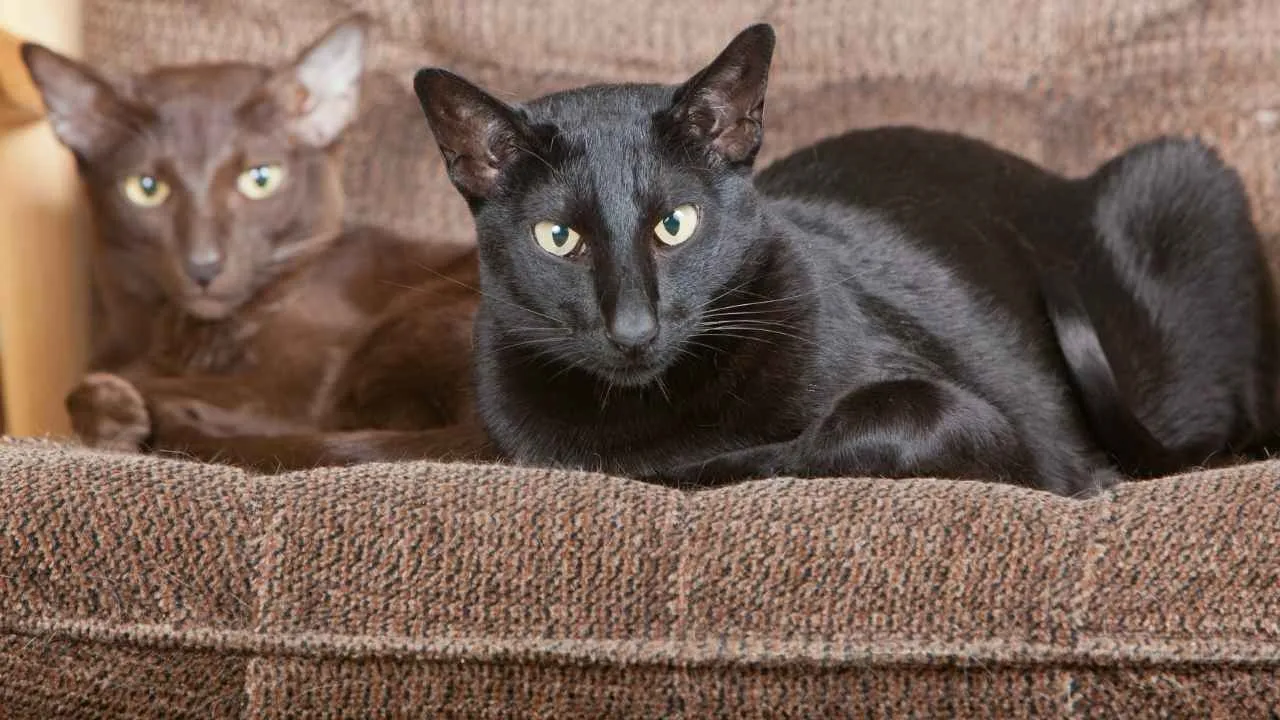
Also known as the Oriental, the Oriental Shorthair is a close relative of the Siamese, sharing the same sleek body, triangular head, and oversized ears. What sets them apart is their huge variety of coat colors and patterns, paired with alert green eyes and an expressive face.
The Oriental Shorthair is constantly observing, learning, and anticipating what happens next. Their intelligence shows in how quickly they understand routines, solve simple problems, and insert themselves into household activities.
These cats are highly trainable and mentally agile, responding well to positive reinforcement, interactive toys, and short, engaging training sessions. Their curiosity keeps them mentally busy, but it also means they become bored easily without stimulation.
Despite an independent streak, Orientals crave interaction and often use vocal “honks” to communicate their thoughts.
Interesting fact: Oriental Shorthairs are known for enjoying games like fetch and are considered one of the most receptive breeds to clicker and reward-based training.
7. Turkish Angora
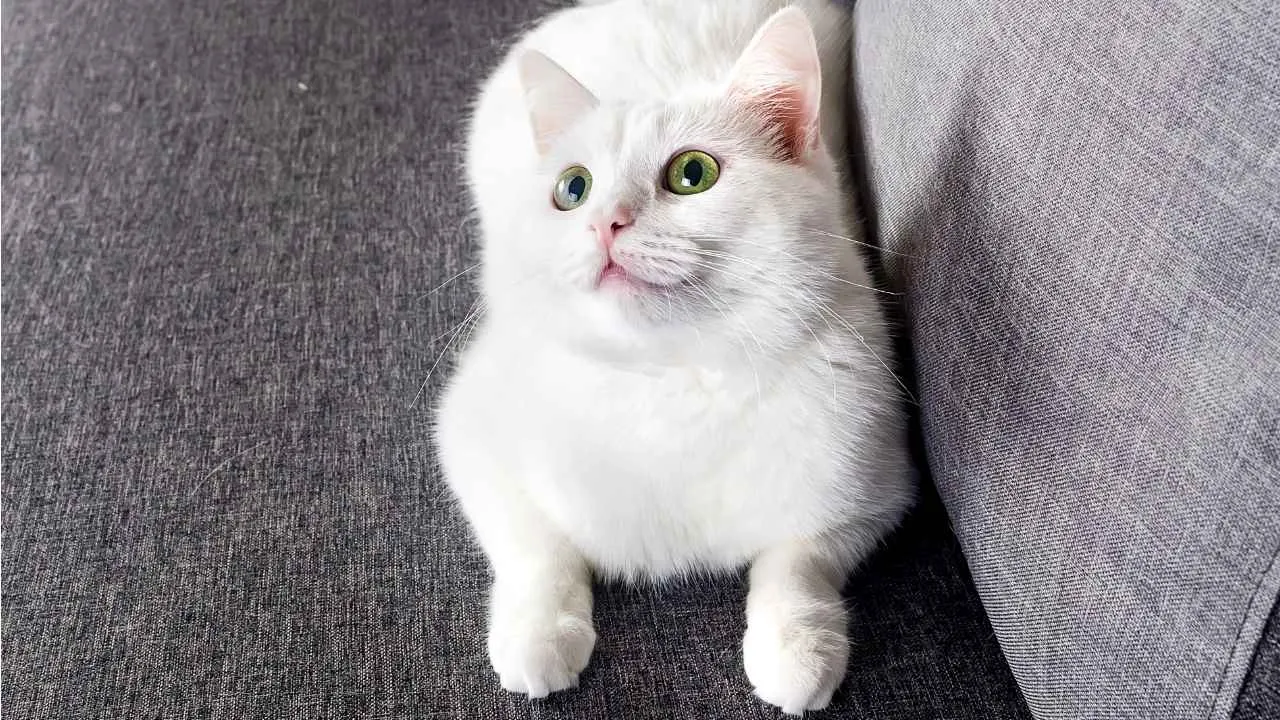
Also known as the Ankara cat, the Turkish Angora is a natural, long-haired breed from central Turkey, admired for its elegant build, silky coat, and alert expression. This athletic cat is fiercely intelligent, independent, and deeply bonded to its chosen people.
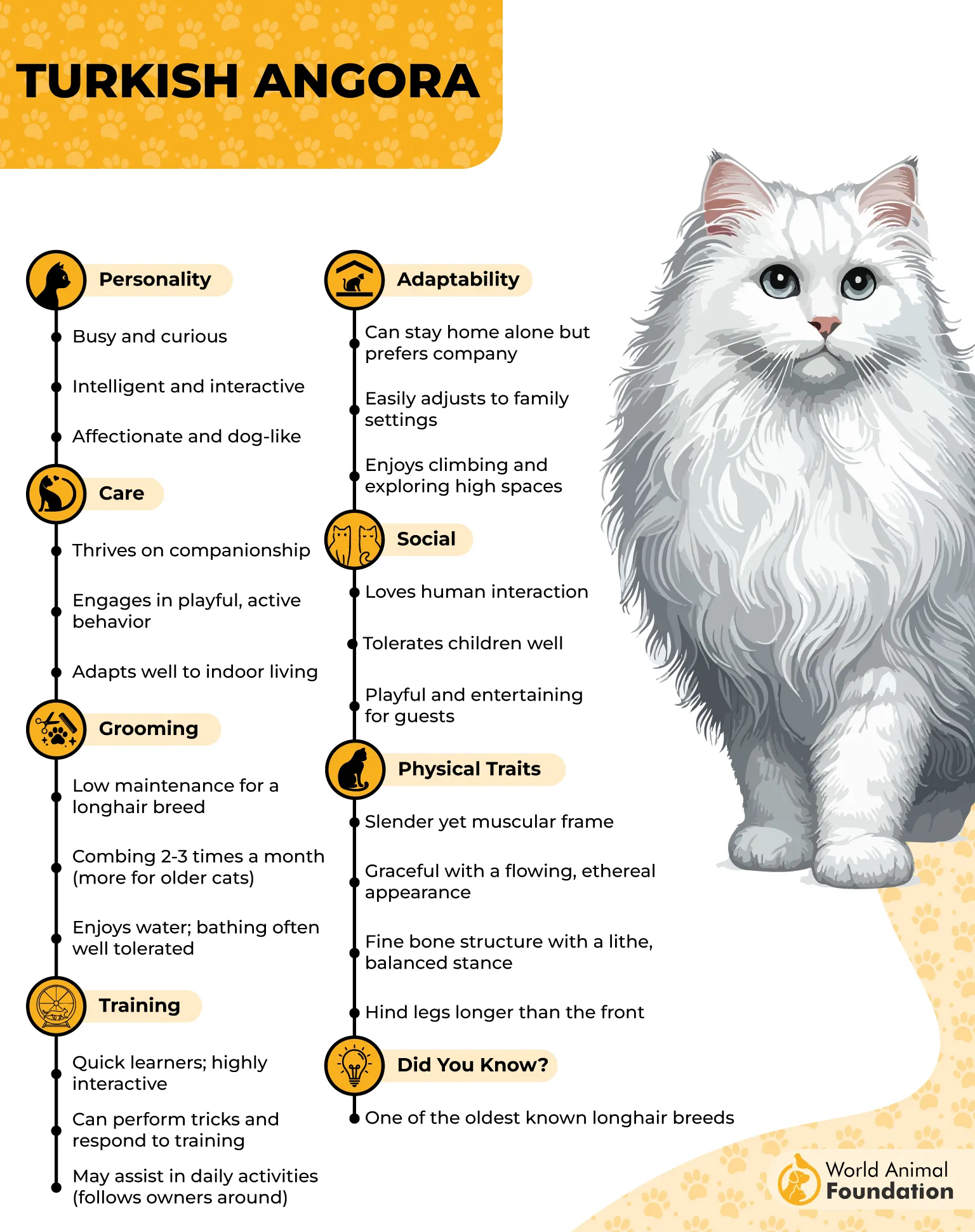
Turkish Angoras are quick learners who enjoy mental challenges. Their sharp problem-solving skills make them excellent candidates for training, from responding to cues to mastering interactive games.
Unlike many cats, this breed often enjoys water and may initiate activities on its own, including retrieving toys. Their curiosity leads them to explore cabinets, boxes, and new spaces, keeping daily life lively and engaging.
Routine helps channel their intelligence productively, as they pick up habits and expectations quickly.
Interesting fact: Turkish Angoras are known to be so trainable that some can learn to play fetch and respond to basic commands.
8. Korat
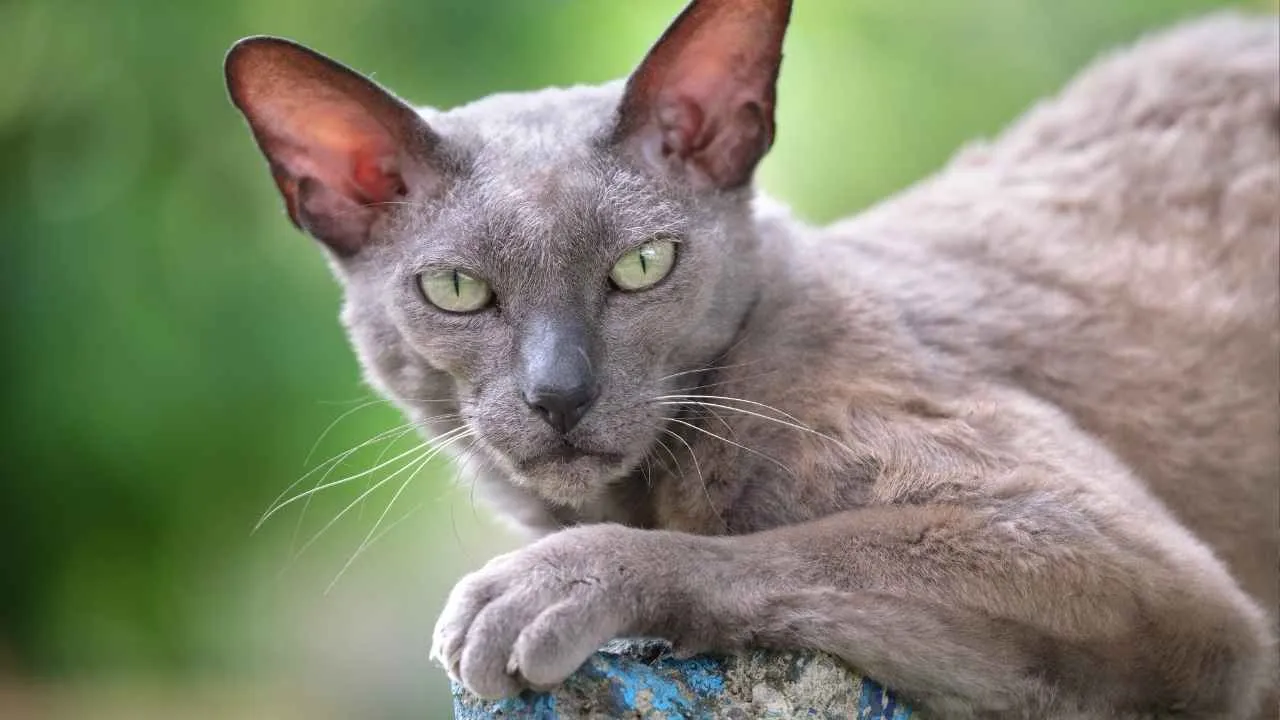
Also known as the Si-Sawat cat, the Korat is a rare blue-gray breed from Thailand, instantly recognized by its heart-shaped face and luminous green eyes. Beneath its silver-tipped coat lies a centuries-old breed prized for both beauty and intelligence.
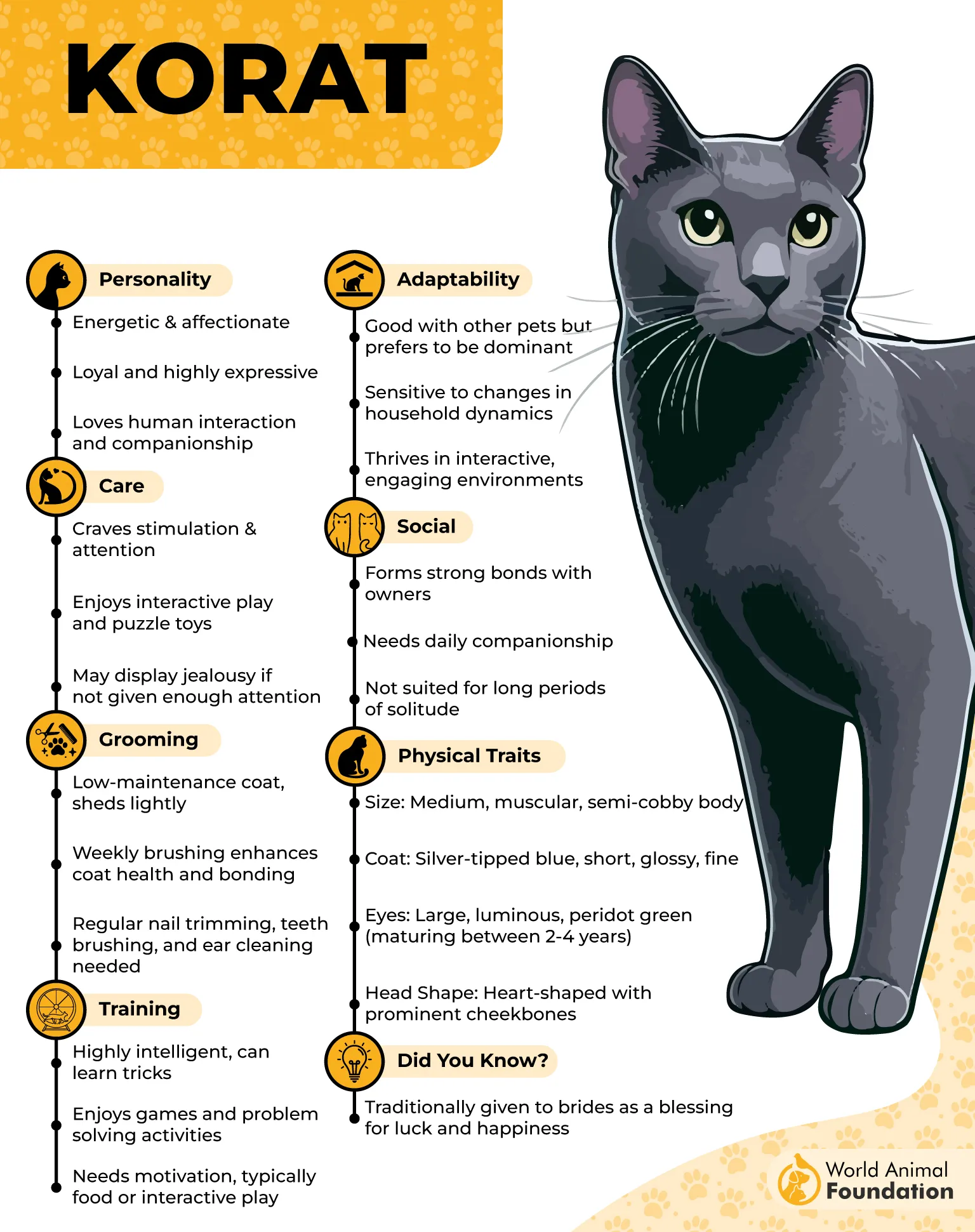
The Korat is highly attuned to human emotions and household dynamics. These cats form intense bonds with their people and are quick to notice changes in mood, routine, or attention.
Their intelligence shows up in daily life through problem-solving, communication, and curiosity. Korats enjoy puzzle toys, interactive games, and learning tricks, but they prefer engagement on their own terms, responding best to mutual respect rather than force.
Mentally sharp and confident, Korats like to stay involved in everything happening around them and often see themselves as the center of the household.
Interesting fact: The Korat is considered a “good luck” cat in Thailand and appears in historical writings dating back to the 14th century.
9. Persian
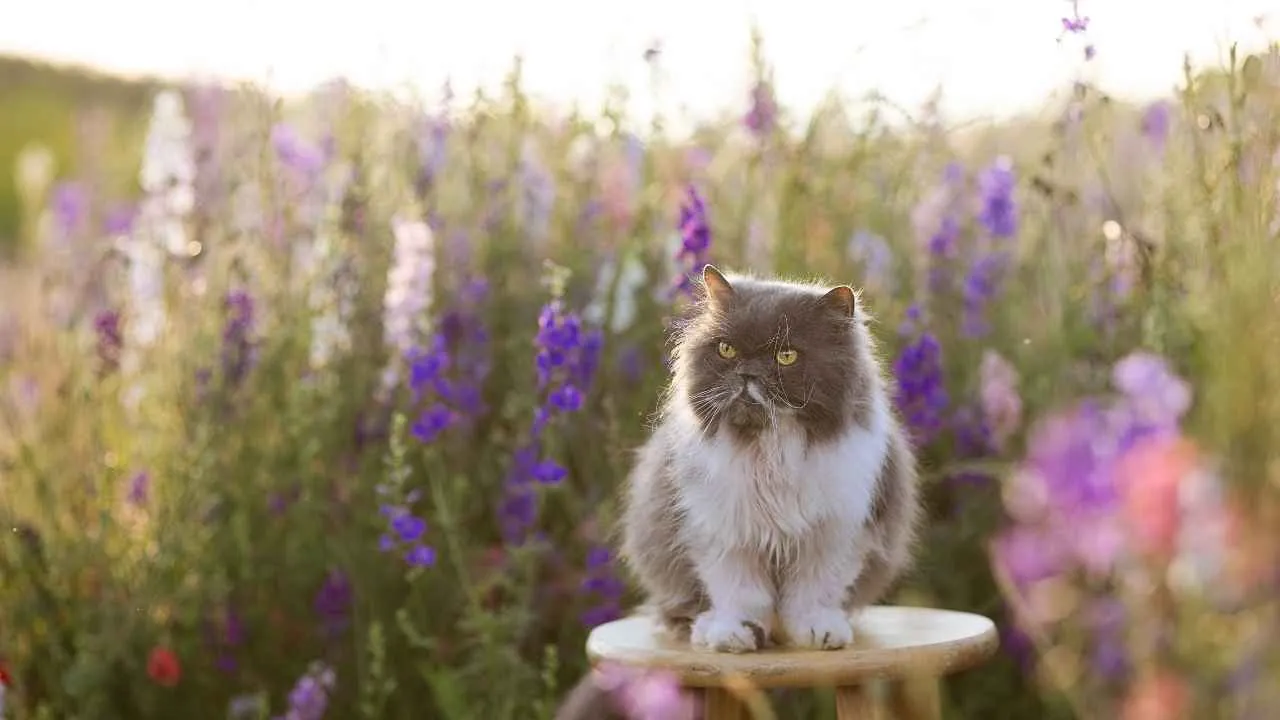
Also known as the Longhair Persian or Shirazi, the Persian is a historic breed admired for its luxurious coat, round face, and calm elegance. Originating centuries ago, this long-haired cat is gentle, observant, and deeply attuned to its surroundings.
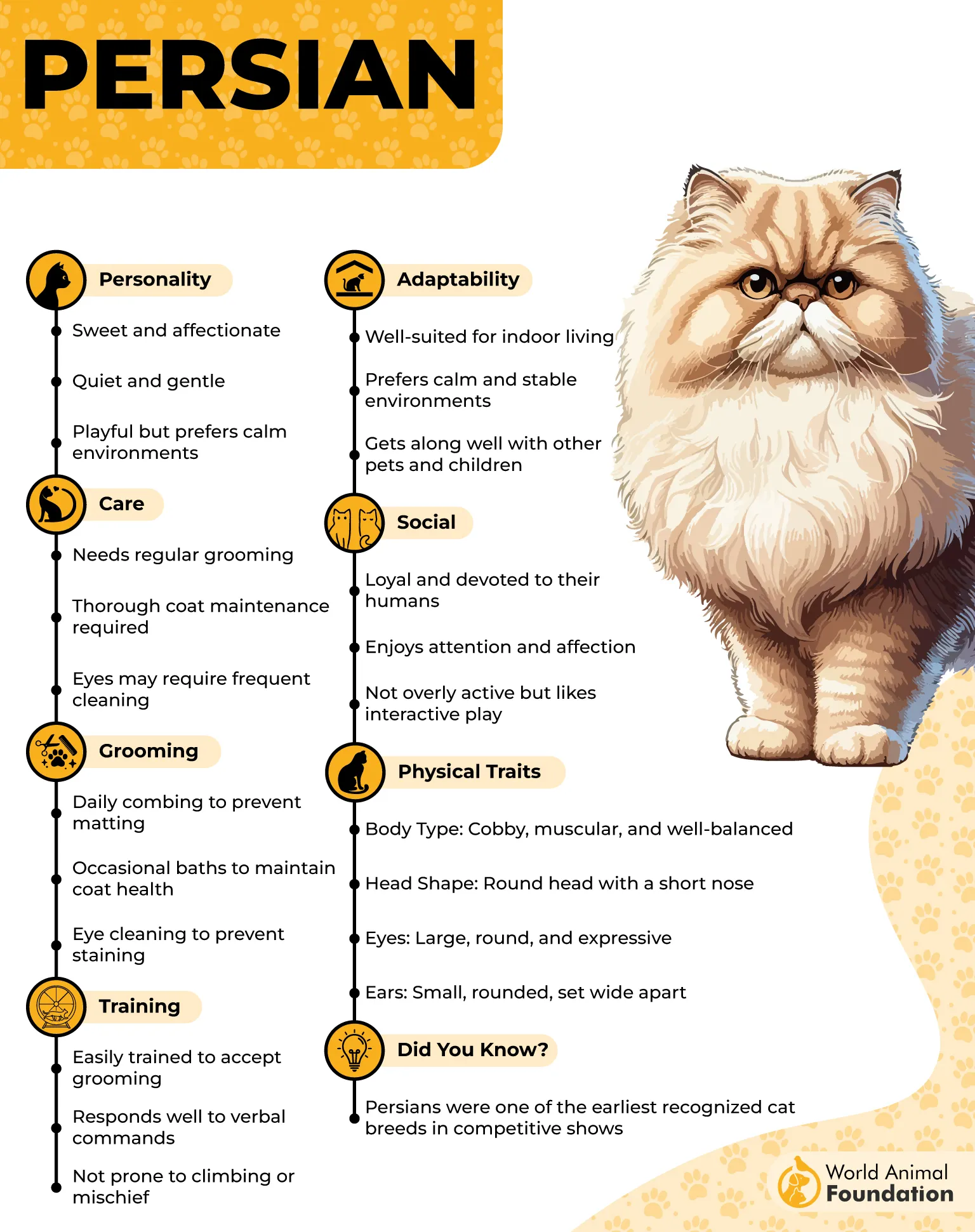
Often underestimated, the Persian fits the idea of a brilliant mind in an elegant body through quiet intelligence rather than high energy. They excel at social awareness, easily reading human emotions and responding with comforting presence and subtle affection.
Instead of constant motion, Persians prefer thoughtful engagement. Watching from elevated spots, interacting with toys at their own pace, and learning household routines all reflect their ability to process and adapt without chaos.
Their intelligence shines in harmony and emotional connection, making them ideal for calm homes with respectful children or gentle pets.
Interesting fact: Persians can live 15–20 years and have been closely associated with humans since at least the 1500s, shaping their strong social intelligence over time.
Conclusion
Intelligence in cats shows up in many forms, from sharp problem-solving skills to emotional awareness and adaptability. The most intelligent cat breeds stand out in the cat world for their curious and inquisitive nature, and need for physical and mental stimulation.
Whether it’s a playful cat mastering food puzzles, using cat trees to observe, or a smart cat learning routines, cat intelligence is deeply tied to engagement and environment. For pet parents and cat lovers, choosing a clever feline friend means committing to enrichment.
With interactive play, teaser toys, and chances to perform tricks, these cats form strong bonds and happily play games. For pet parents wanting an engaging furry friend, these breeds offer brains, personality, and a lasting connection.
