




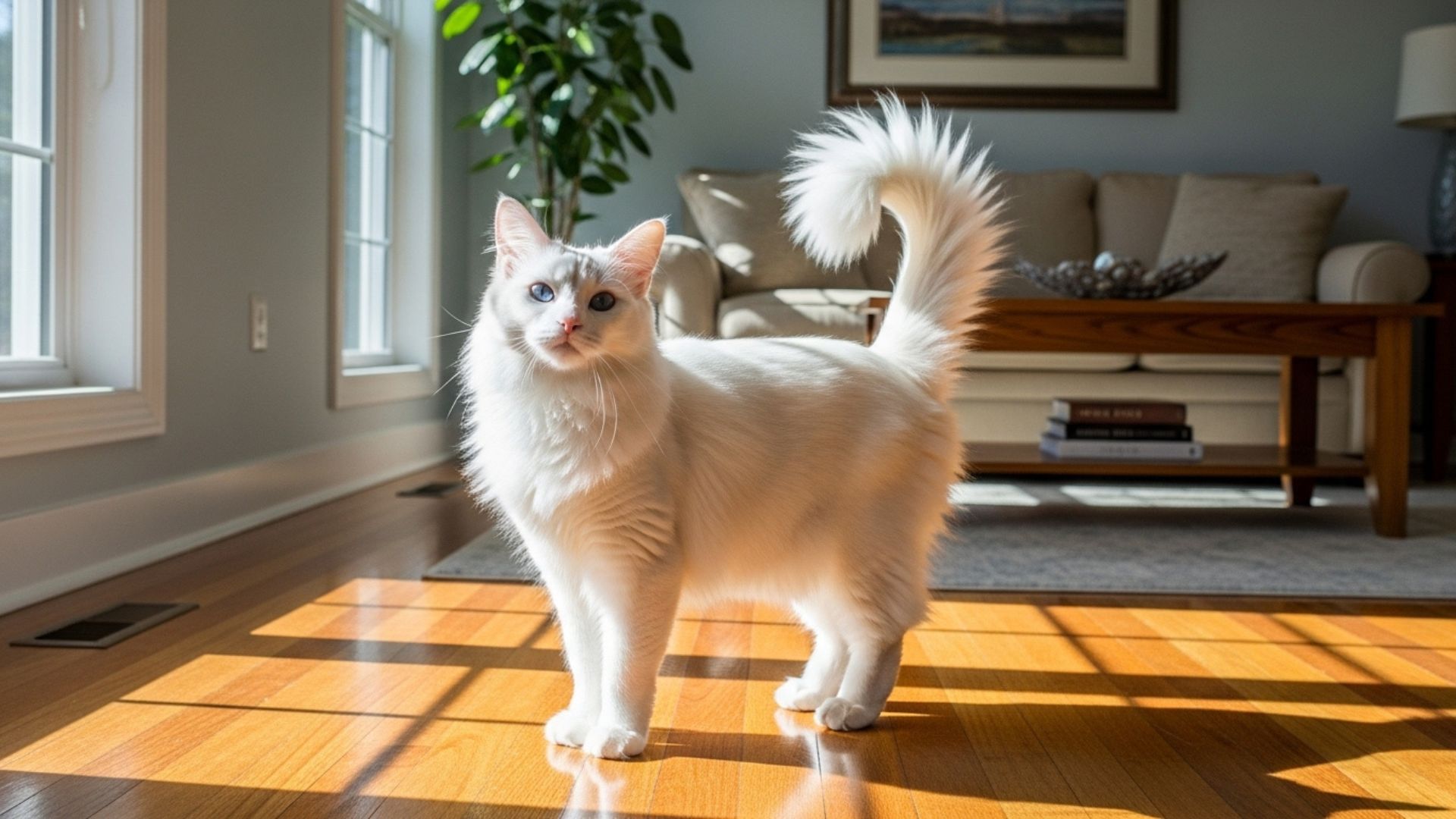
When we meet cats with truly ancient roots, it’s hard not to wonder how these breeds stayed so distinctive through the centuries and still ended up curled on our couches today. Some breeds carry stories that stretch back through dusty temples, quiet villages, and hearths warmed by centuries of companionship.
These cats are not just pets lounging on modern sofas. They reflect how humans and felines grew side by side, shaping each other’s routines and traditions in subtle, fascinating ways. There’s something genuinely captivating about meeting a cat whose personality feels like a whisper from another era.
So let’s go ahead and meet the cats whose ancient roots still shape the way they move, think, and settle into our homes today.
Fun Fact
Cats once made themselves indispensable by keeping pantries and grain rooms clear of hungry rodents. That work helped them become welcome housemates long before “pet” meant what it means today.
Cat Breeds known for Ancient Origins
1. Siamese
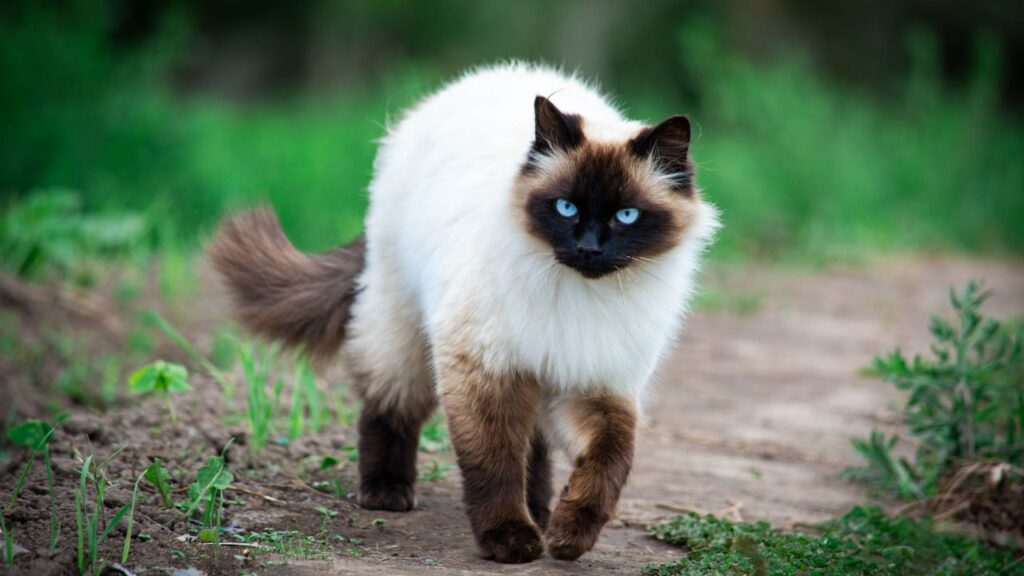
The Siamese cat has a presence that is hard to ignore, thanks to its sleek build and expressive face. Originating in Thailand, once known as Siam, this breed has been admired for centuries for both its appearance and personality.
Siamese kittens begin life with pale coats that slowly develop darker points on the ears, face, legs, and tail. These color changes are tied to a temperature-sensitive trait that concentrates pigment in cooler areas of the body. Over time, this creates the bold contrast the breed is known for.
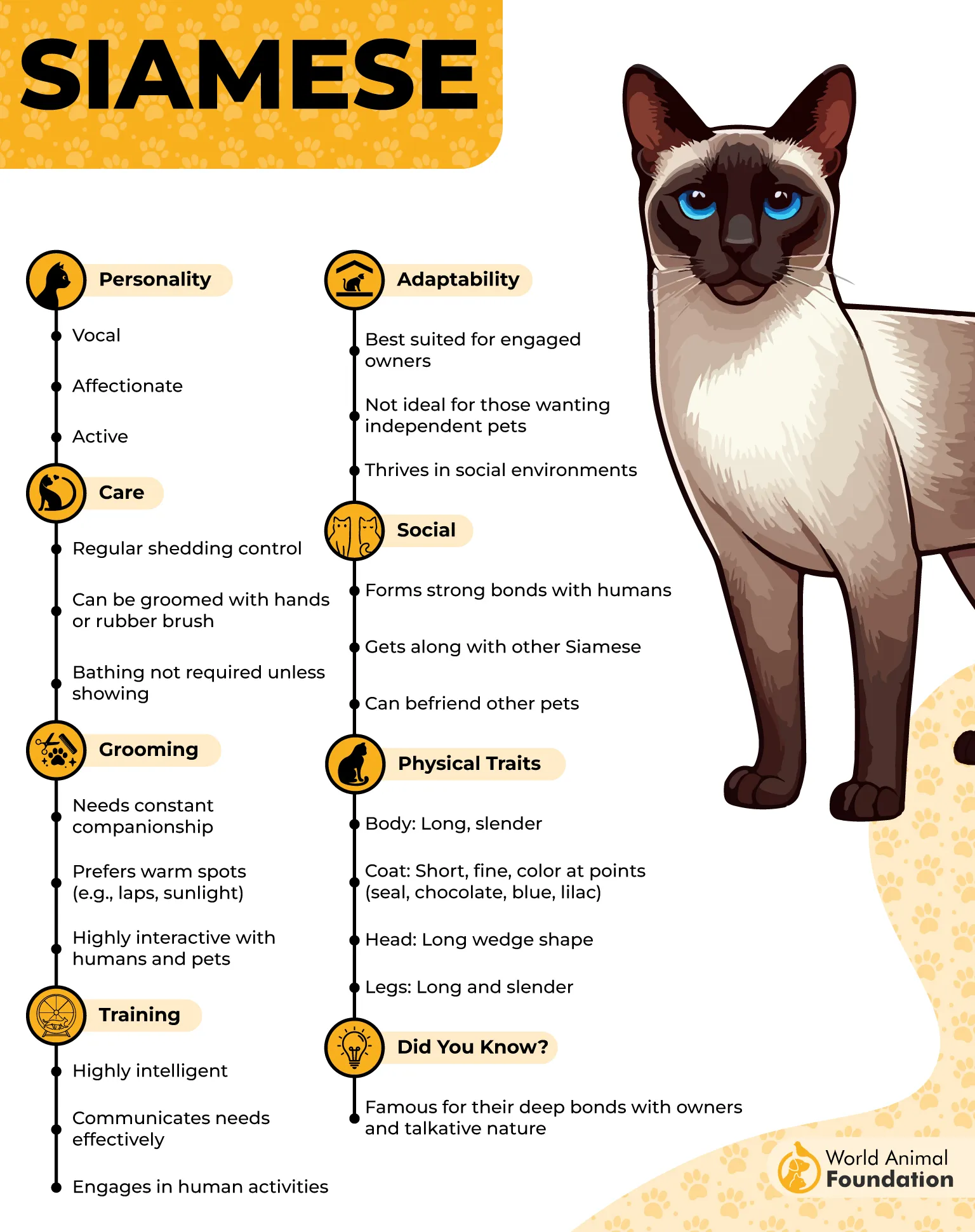
As per PetMD, Siamese cats are talkative and thrive on affection and attention, often bonding closely with a favorite person but still happily visiting a guest’s lap. They respond best to positive reinforcement and enjoy engaging activities with people.
Fun Fact
Early Siamese cats were once kept exclusively by royalty in Thailand. Their presence was considered a symbol of status and trust within royal households.
2. Abyssinian
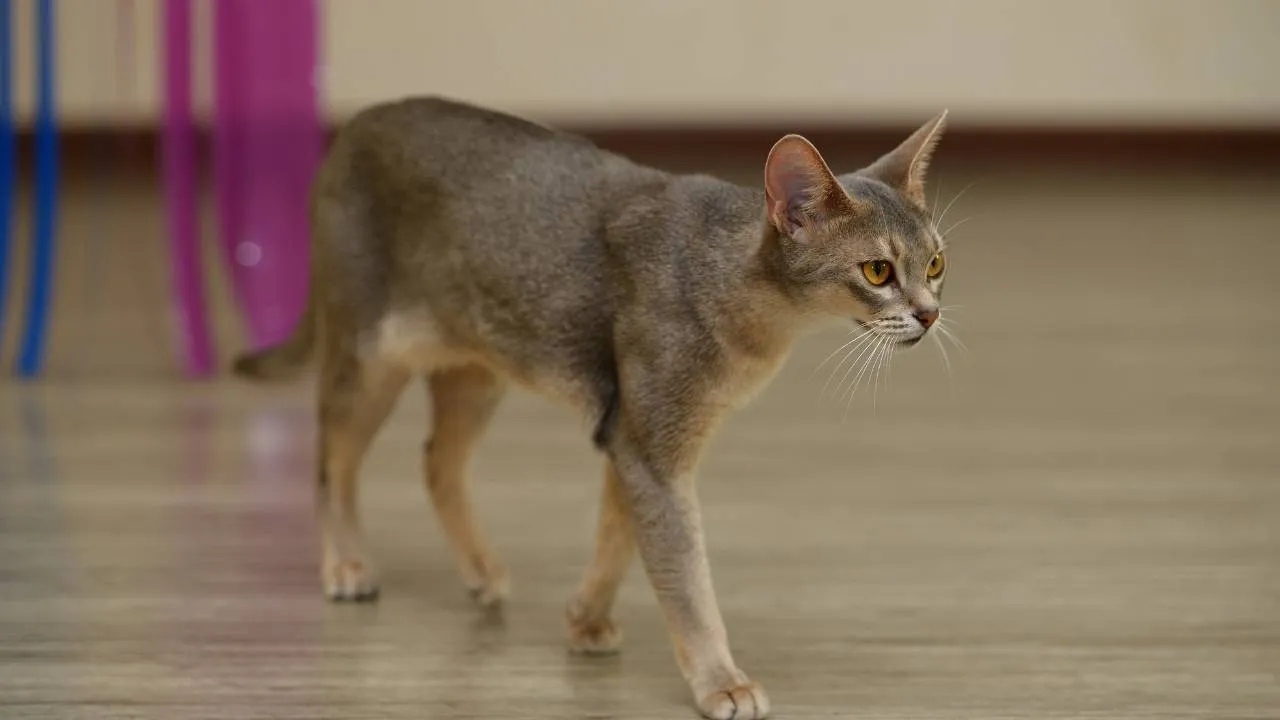
The Abyssinian is one of the world’s oldest cat breeds. Although long associated with ancient Egypt through art and imagery, genetic studies point to origins near the Indian Ocean and parts of Southeast Asia. The breed gained its name after cats brought to the UK from Egypt captured public attention.
The Abyssinian’s short coat is fine and glossy, with each hair showing bands of color that create a warm, ticked appearance. Large ears, almond-shaped eyes, and a lean, muscular frame give this cat a striking, almost wild look.
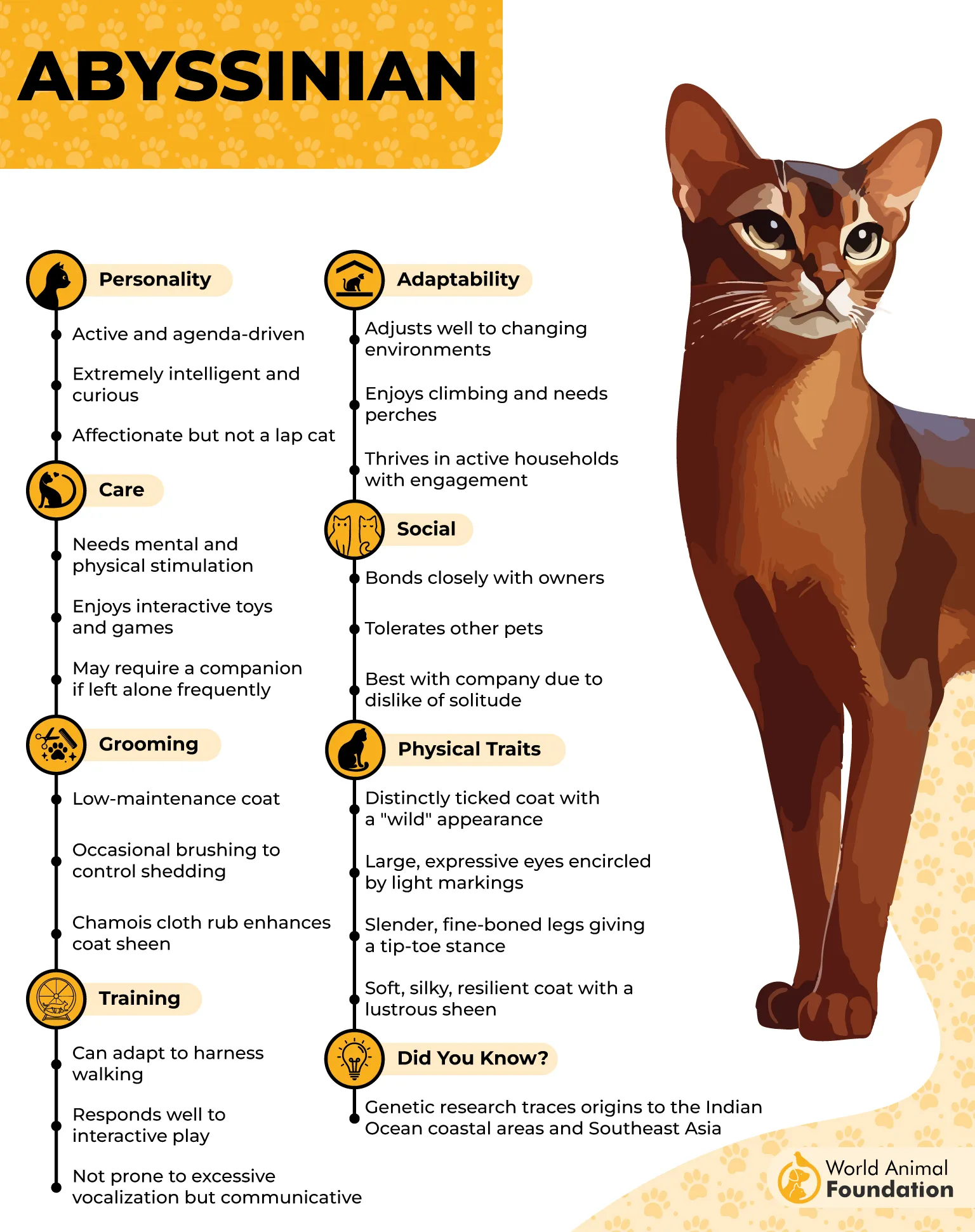
As mentioned by Purina, an Abyssinian kept indoors needs plenty of vertical space, including tall cat trees and jungle-gym style setups. They love climbing high and may swat items off shelves, so smart interior choices matter. This breed can shape your routine.
Fun Fact
Abyssinians were first publicly shown at London’s Crystal Palace in 1871. Their unusual look quickly set them apart from other cats of the time.
3. Egyptian Mau
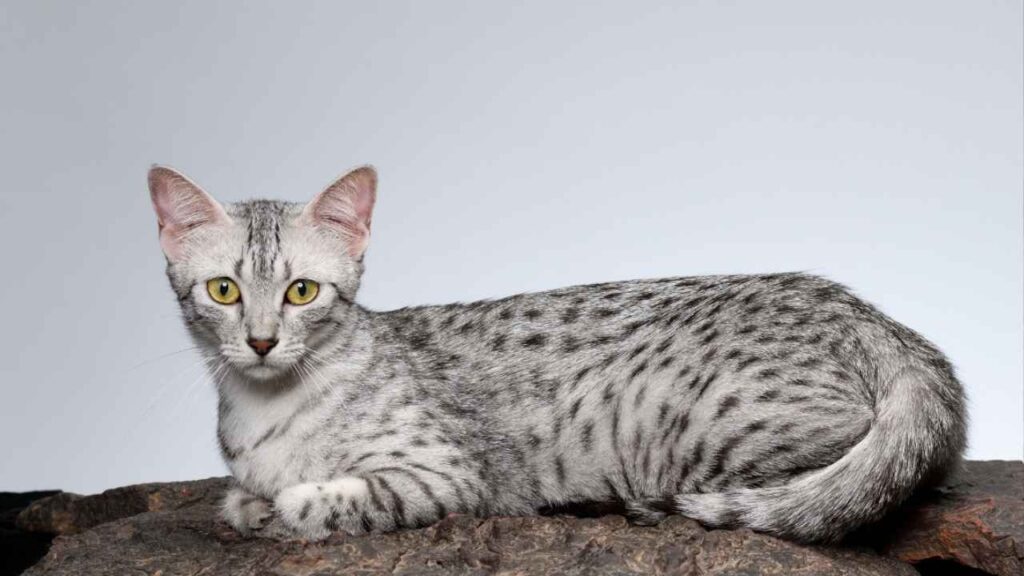
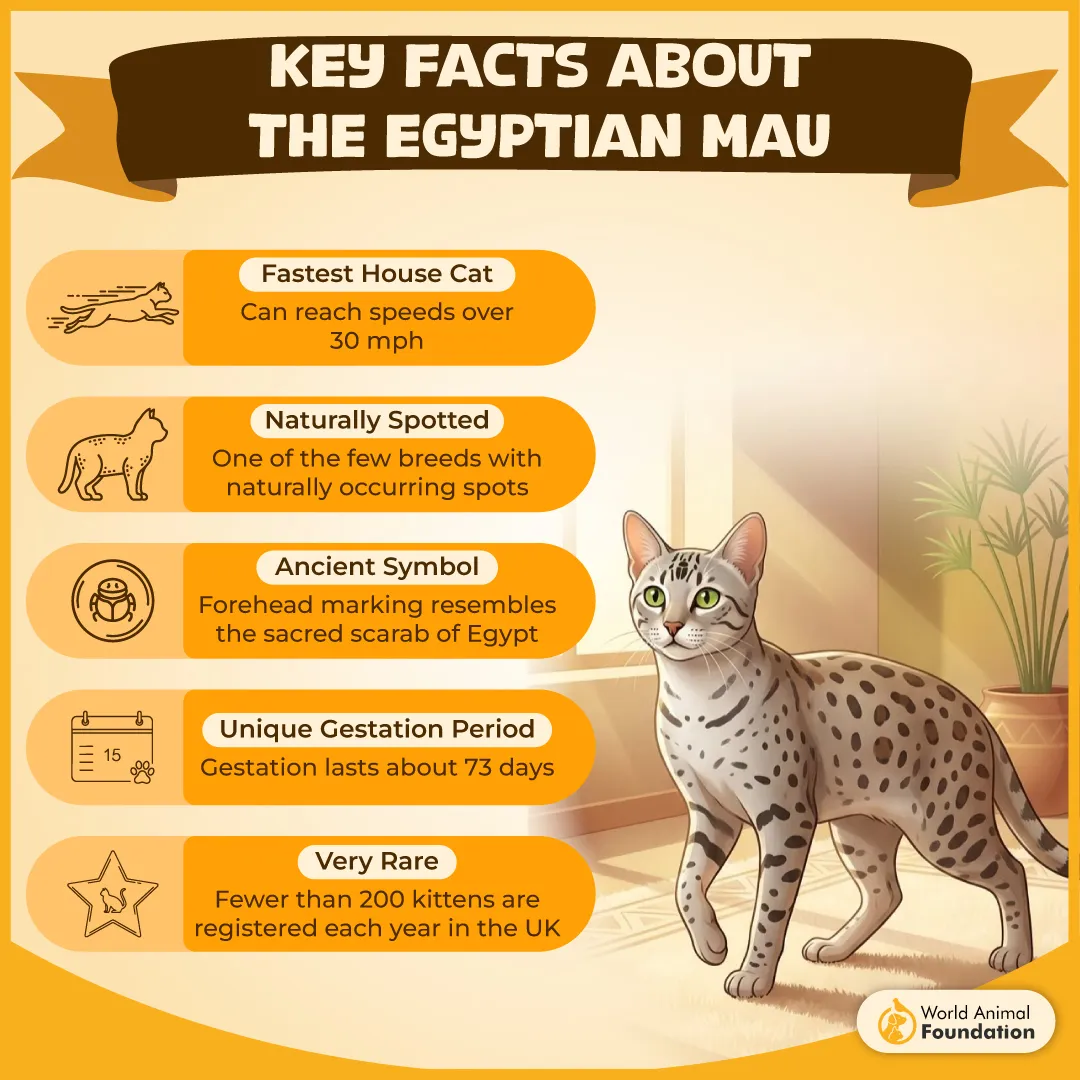
The Egyptian Mau stands out as a naturally spotted domestic cat with a sleek, athletic look. This breed is considered a direct descendant of the cats that lived alongside people in ancient Egypt. Its appearance closely matches the felines shown in Egyptian art from domestic scenes and hunting imagery.
Modern Egyptian Maus are here today because breeders worked hard to protect the breed in the twentieth century. Careful breeding kept their distinctive look from disappearing. Today, the Mau is still loved for its beauty and its deep ties to ancient Egypt.
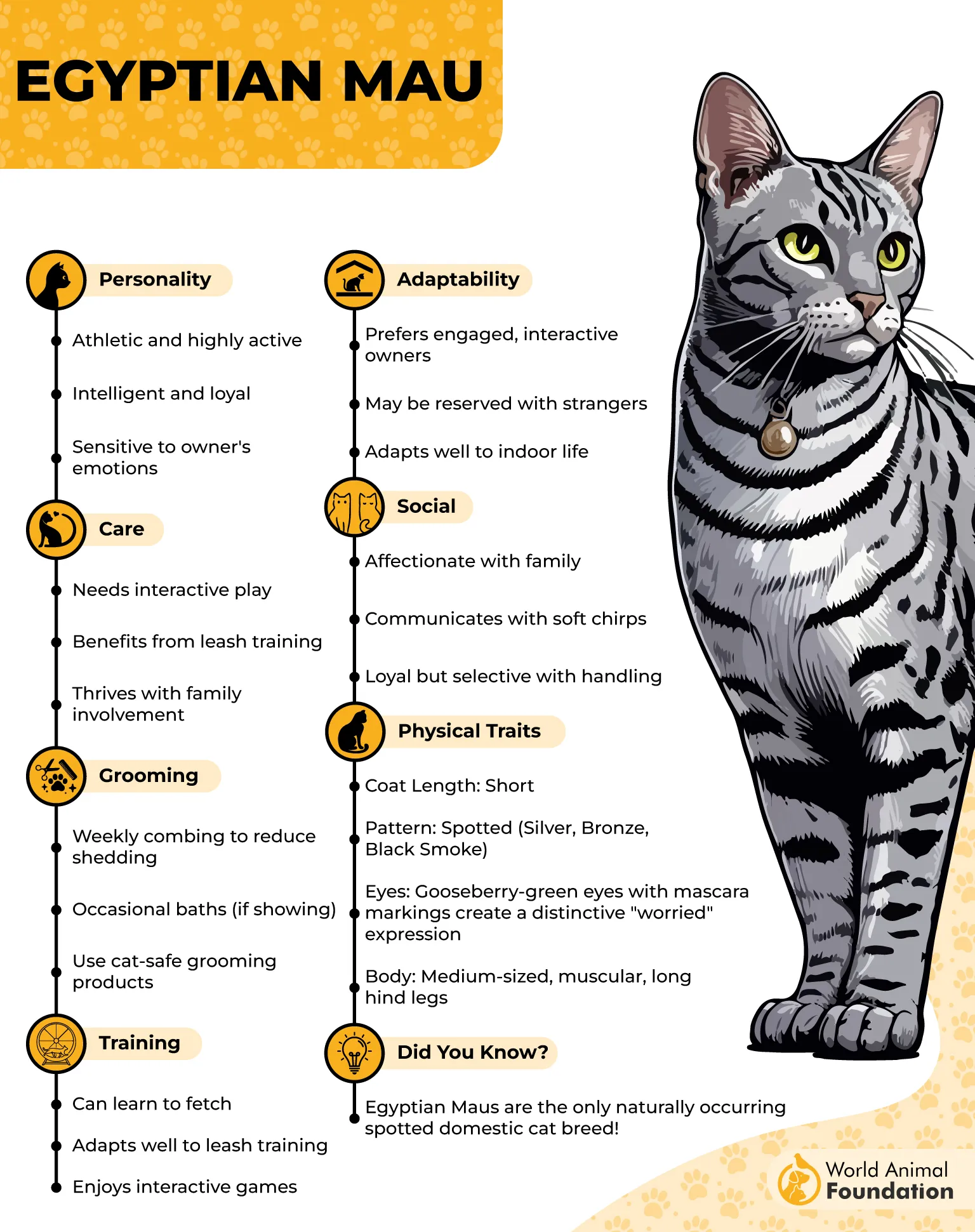
Egyptian Maus can have spotted coats in silver, bronze, or smoke, along with big eyes and long legs made for quick movement. Their spots occur naturally, so each cat’s pattern looks a little different. The result is a cat that seems both elegant and powerful.
Fun Fact
The word “Mau” comes from an ancient Egyptian term that simply meant “cat.” It closely echoed the sound people associated with a cat’s voice.
4. Siberian
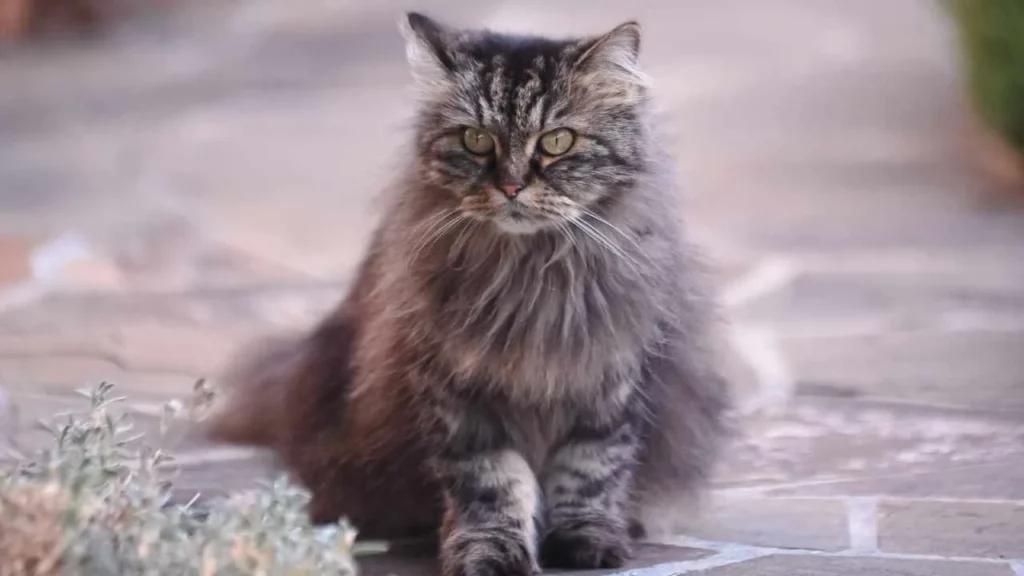
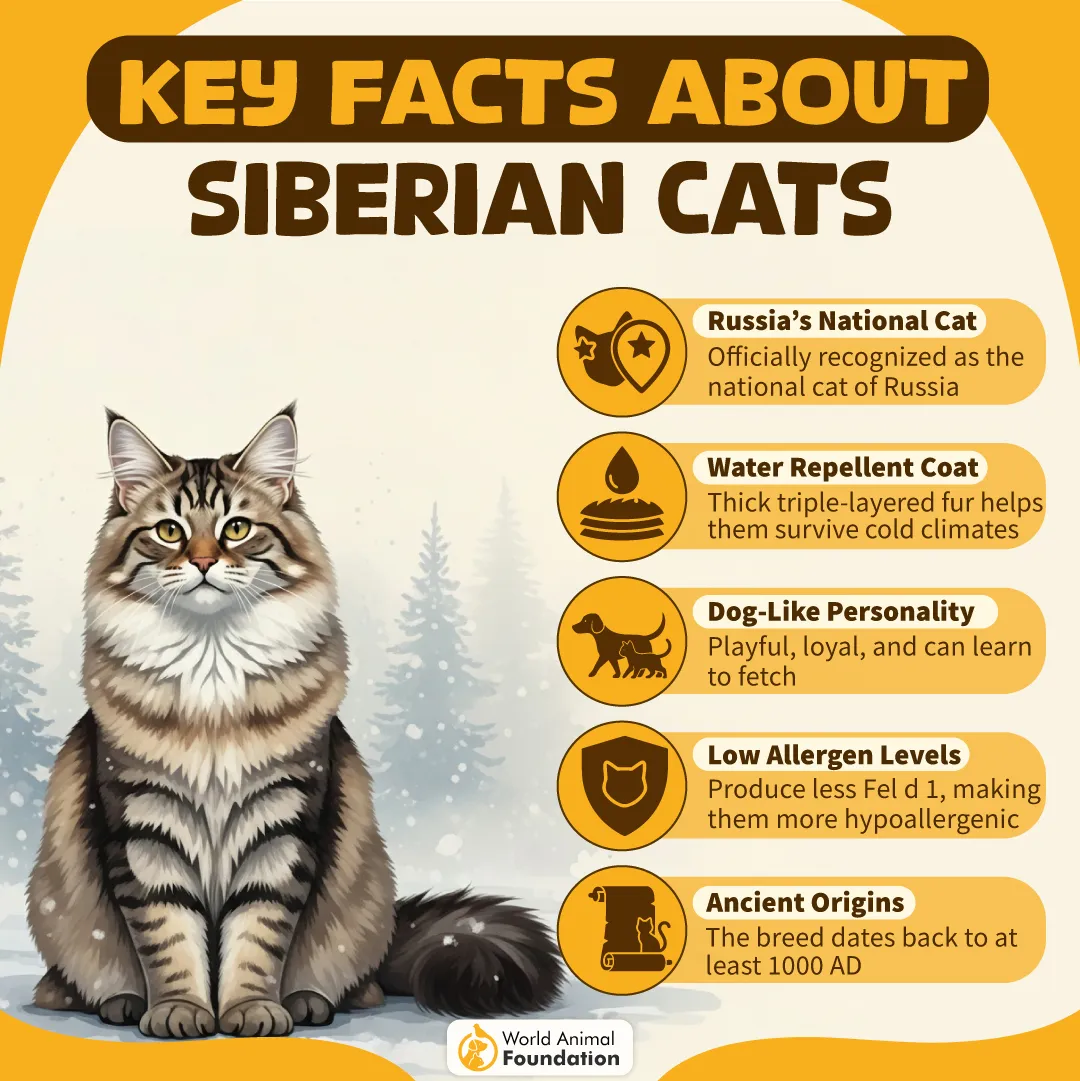
The Siberian cat feels like a creature shaped by the land itself, sturdy, expressive, and quietly confident. First recorded around 1000 A.D., these cats appear often in Russian folklore, where they are woven into stories passed down for generations. Their long development in rural Russia allowed them to naturally adapt to demanding environments over centuries.
Life in cold climates influenced both their temperament and physical presence. Siberians are known for being friendly and social, often fitting comfortably into households with children and other animals, including friendly dogs. They enjoy family interaction while keeping a calm, balanced attitude toward new people.
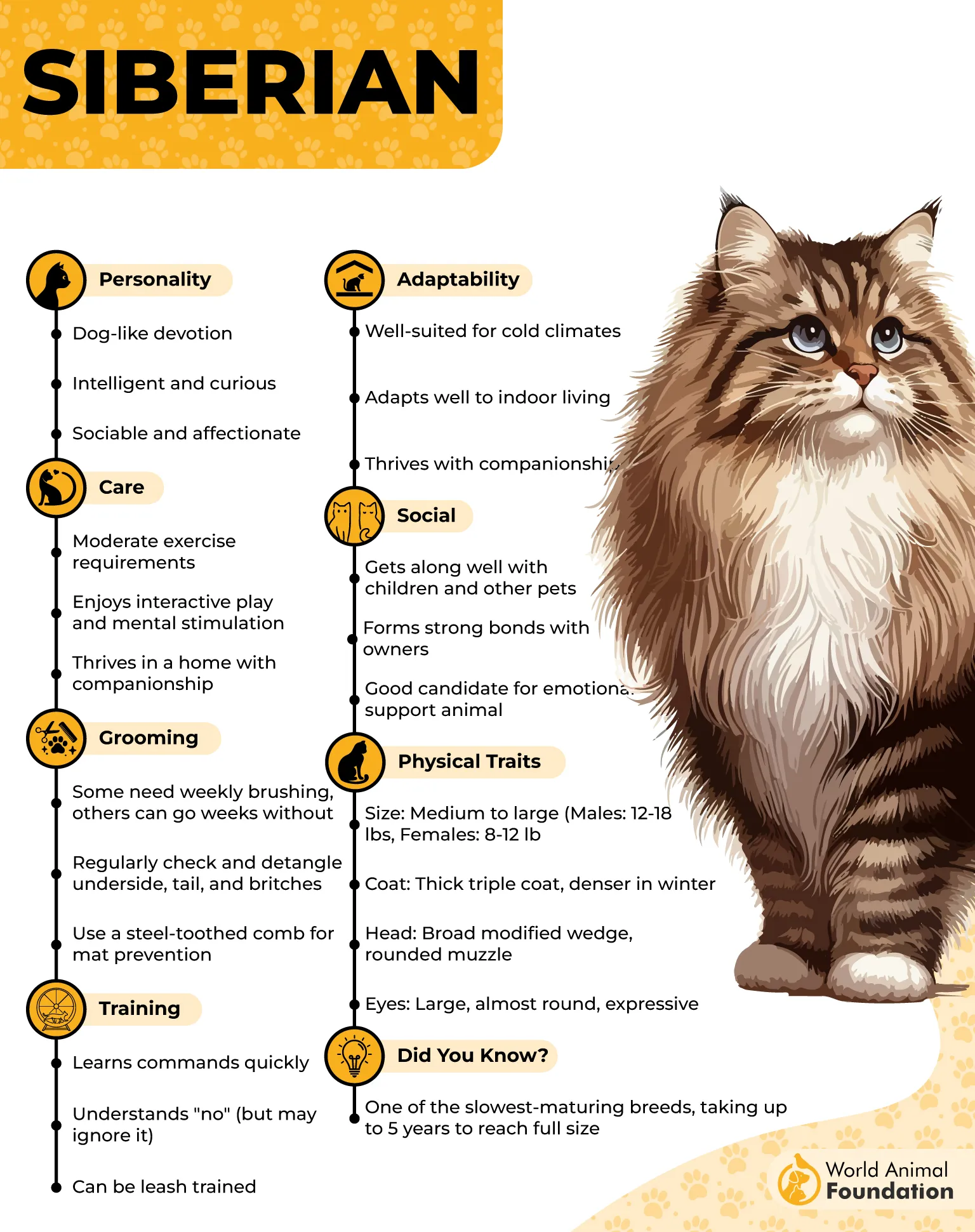
Recognition of the breed arrived much later than its long past suggests. Formal standards were established in Moscow, giving breeders a clear blueprint for the Siberian’s traits and appearance. Once international export became possible, interest spread quickly, and Siberians began reaching homes far beyond Russia.
Fun Fact
Siberian cats appeared in one of the earliest cat shows ever held during the 1870s. A photograph of the breed was even taken in 1900, during the early days of photography.
5. Turkish Angora
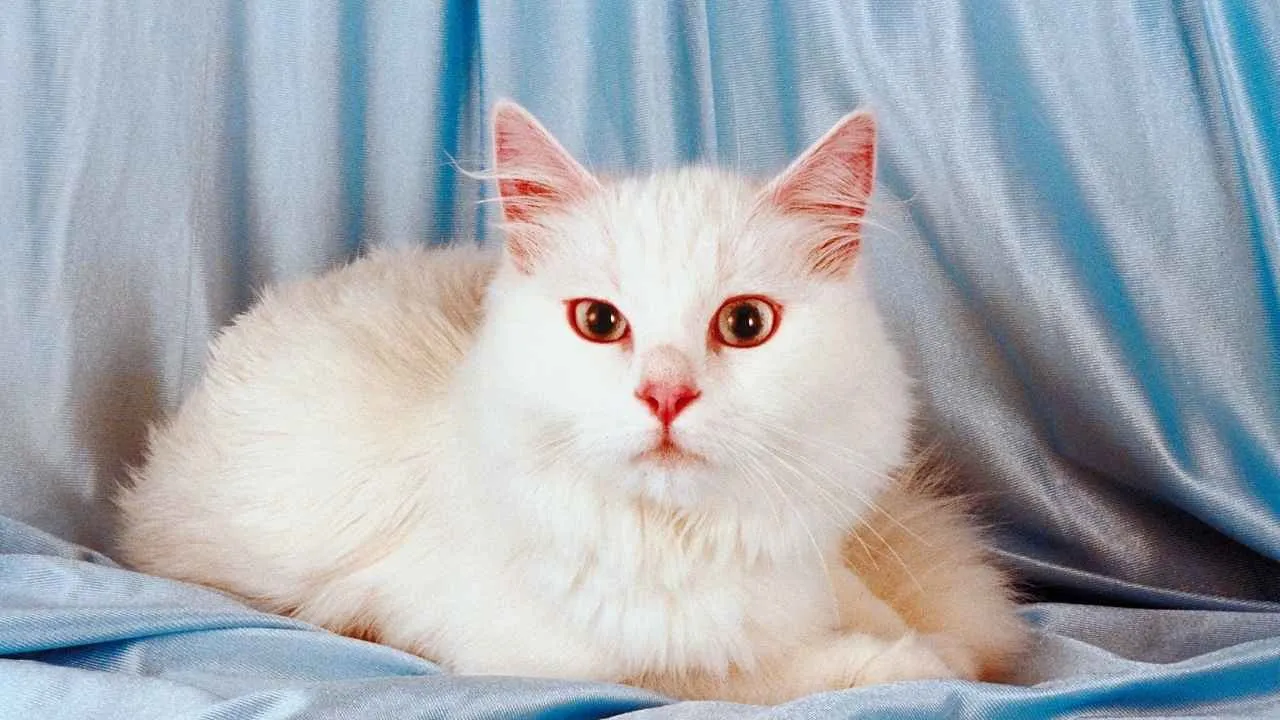
Poised and graceful, the Turkish Angora carries itself like a cat from another era. This naturally occurring ancient breed originated in Ankara, Turkey, and has been documented for hundreds of years. Early written records from France helped introduce these elegant cats to Europe.
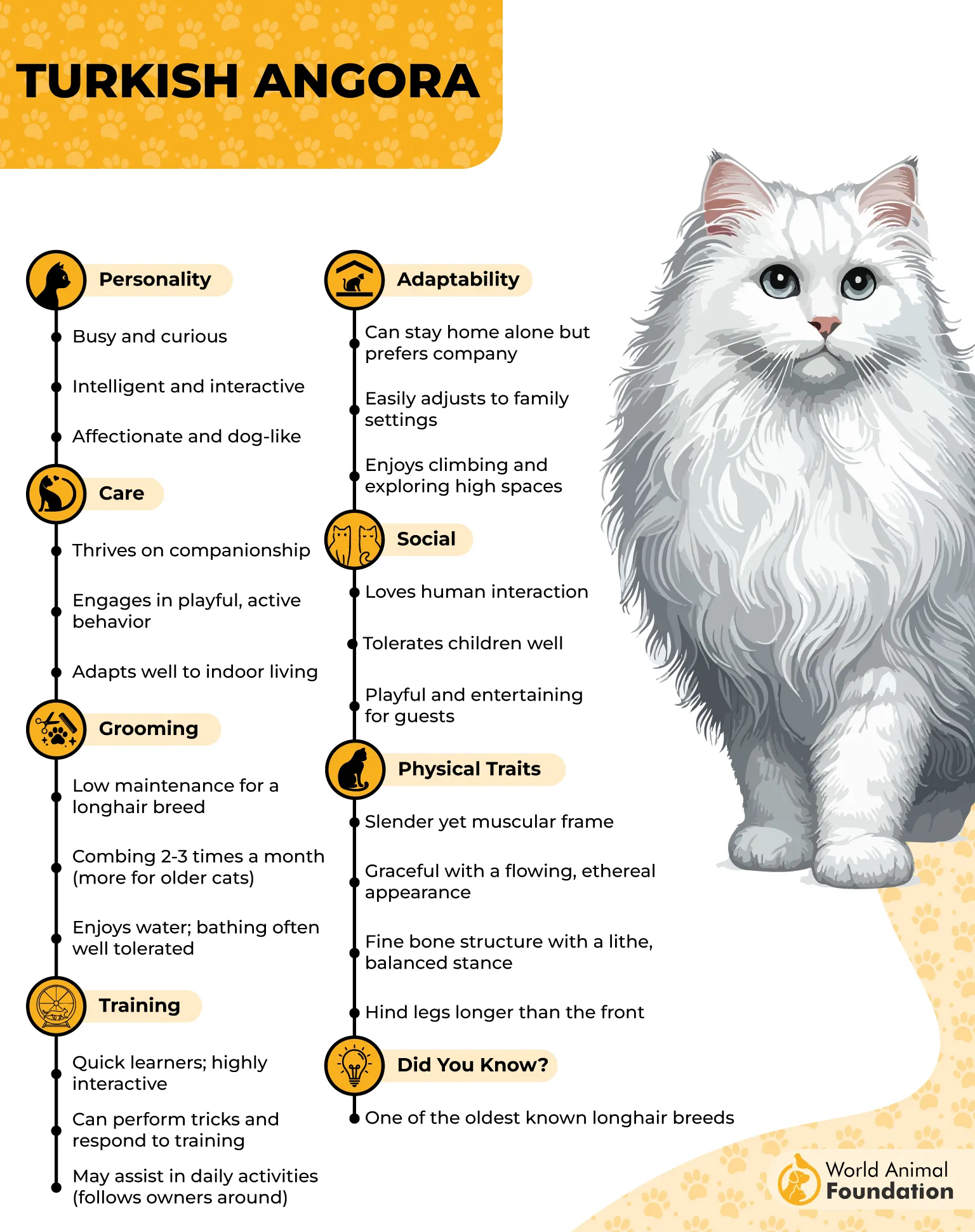
Turkish Angoras have slim bodies, long legs, and silky coats that give them a soft, graceful look. White was once the classic color, but today you can find it in many colors and patterns. Their big ears, bright eyes, and long tapering tails complete the picture.
According to WebMD, Turkish Angoras are easy to groom because their semi-long coats rarely mat or tangle. Weekly brushing keeps them shiny, with extra brushing during seasonal shedding to cut down loose fur and hairballs.
Fun Fact
For a time, Turkey protected Turkish Angoras as a national treasure through a dedicated breeding program at the Ankara Zoo. Many modern lines trace back to cats preserved through this effort.
6. Norwegian Forest Cat
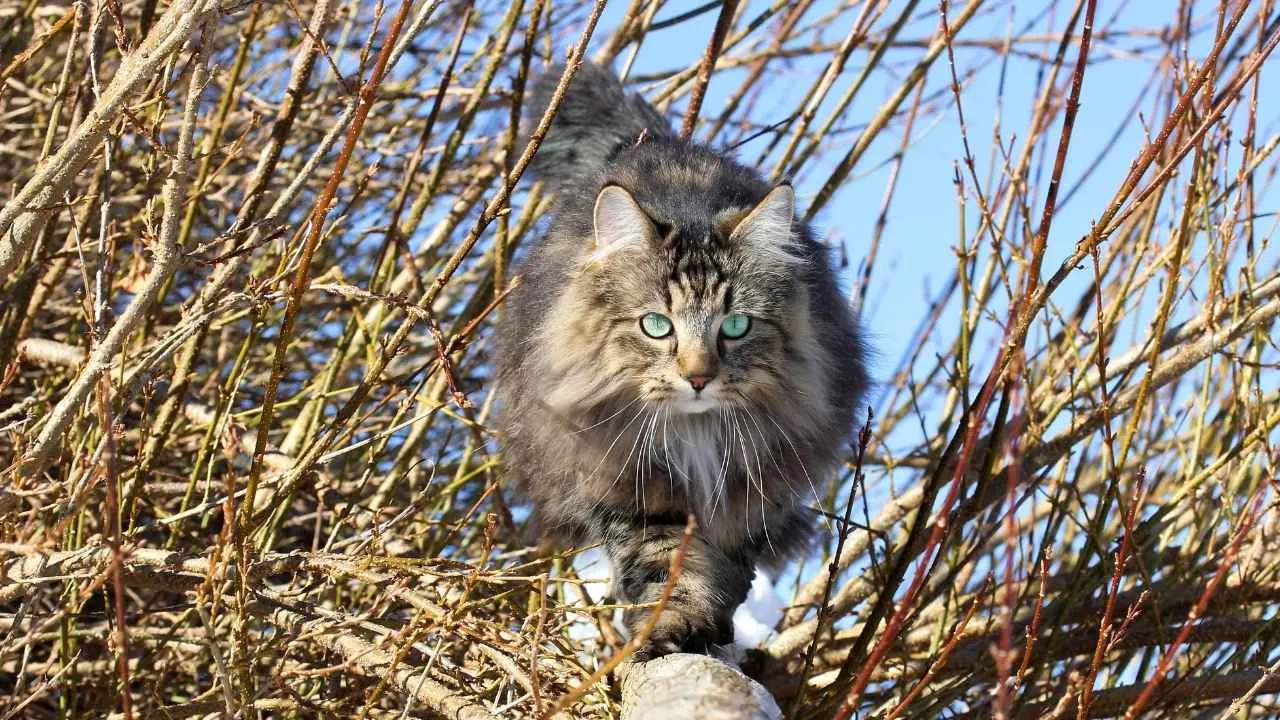
The Norwegian Forest Cat has a strong presence rooted in Northern tradition. Native to Norway, this breed appears in old Viking legends and stories, suggesting a long partnership with humans. Its development is believed to be the result of natural selection rather than deliberate breeding.
Fortunately for cat lovers, these large cats are adaptable and family-friendly, often settling comfortably into homes with children or other pets. They tend to handle new situations well when introductions are done thoughtfully. Their steady nature makes them well-suited to a variety of living environments.
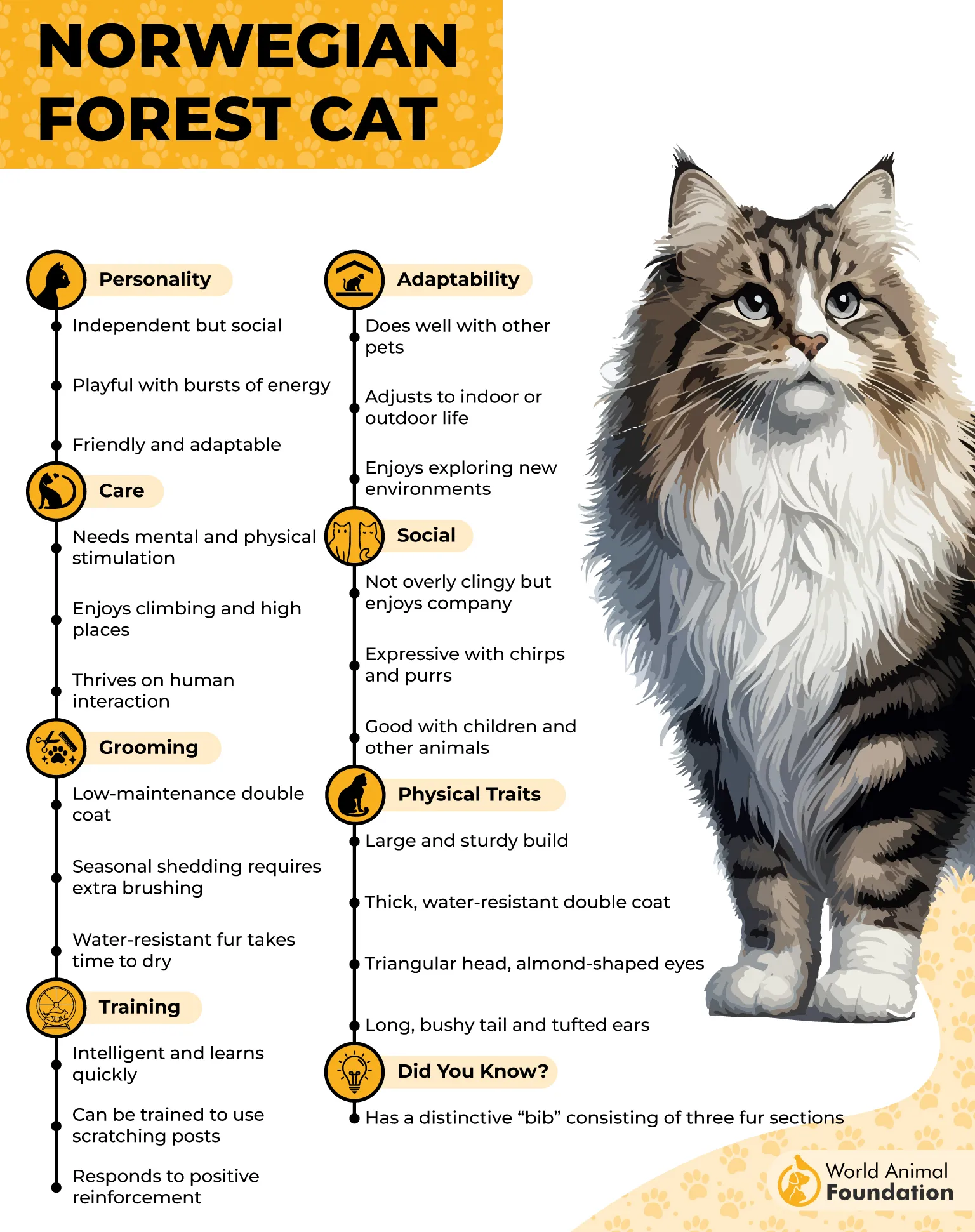
Efforts to preserve the breed became critical during the twentieth century. Organized breeding programs in Norway helped restore their numbers after a serious decline during World War II. Today, the Norwegian Forest Cat holds the title of Norway’s official cat.
Fun Fact
Vikings are believed to have brought Norwegian Forest cats on their ships. The cats likely kept rodents away from food stores during long sea journeys.
7. Chartreux
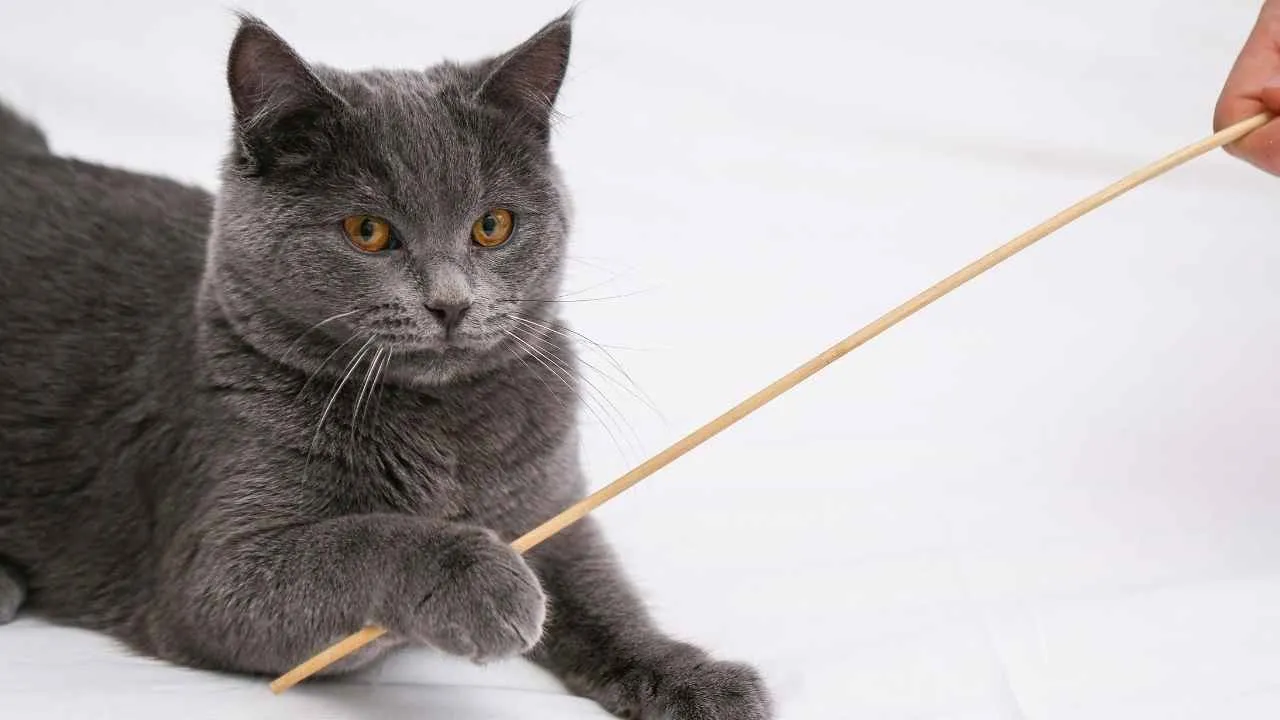
The Chartreux cat carries a calm, thoughtful air that sets it apart from other breeds. Its history stretches back to at least the fifteenth century, with early roots linked to Syria before arriving in France. Over time, the breed became closely associated with French life and culture.
These cats gained a reputation as skilled hunters. Stories often connect them to quiet monasteries, a possible explanation for their notably silent nature. Their dense blue-gray coats and copper-colored eyes made them instantly recognizable
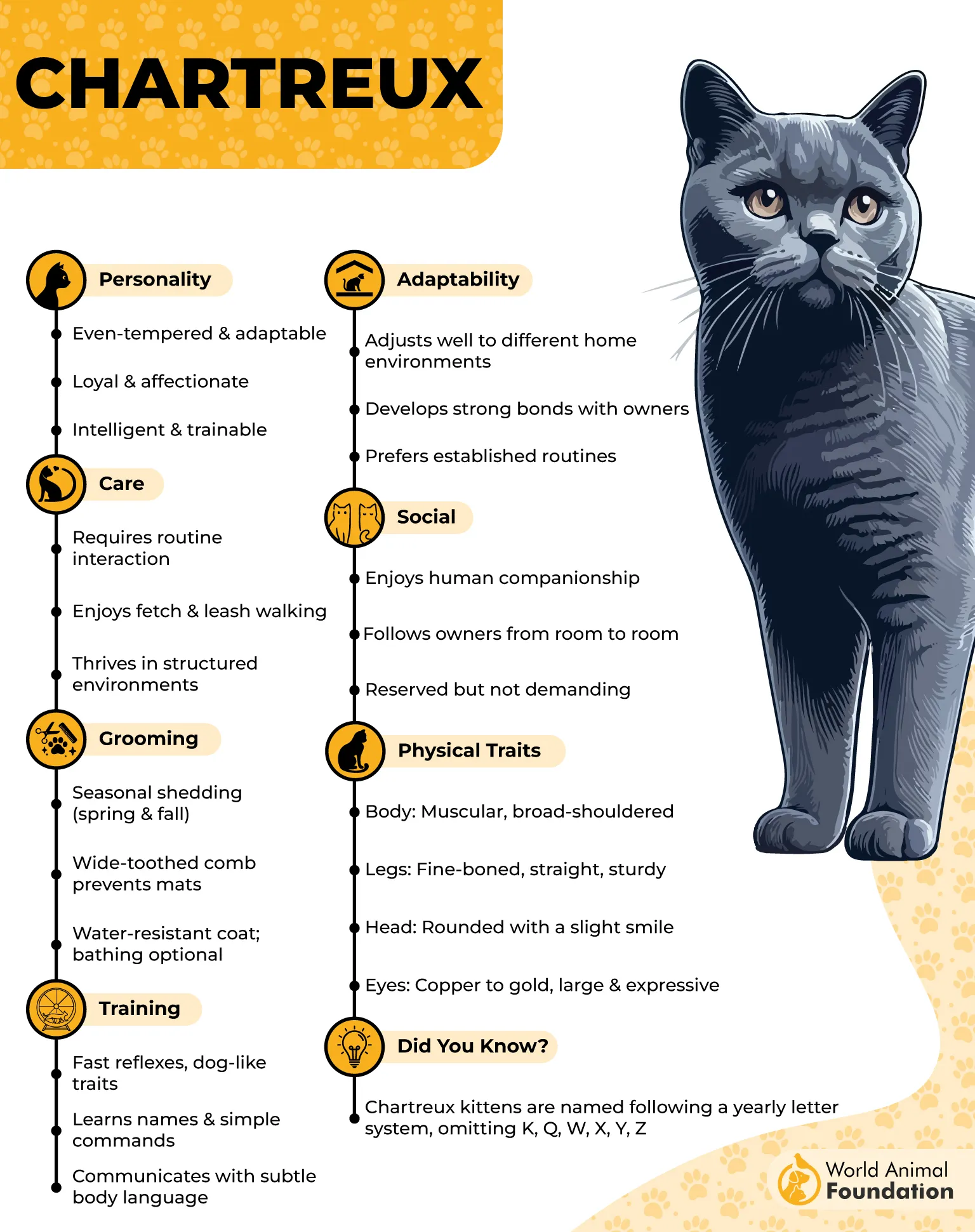
At home, their hunting instincts show up as focused play, careful observation, and sudden bursts of action. Chartreux cats may stalk toys, silently watch a room, and spring with precision, turning ordinary moments into quiet games that echo their working roots.
Fun Fact
The Chartreux is often described as having a “smiling” expression because of the shape of its head and muzzle. This gentle look has become one of the breed’s most charming and recognizable traits.
Conclusion
Cats with deep historical roots offer something more than good looks. They bring with them personality traits shaped by centuries of life alongside people, from quiet companionship to playful curiosity and strong family bonds.
Choosing one of these breeds often means welcoming a cat with a clear sense of confidence and connection. If history, character, and a meaningful bond matter to you, these cats can feel especially rewarding to live with. Each brings its own rhythm into a home, fitting different lifestyles and energy levels.
Taking time to understand their nature helps ensure a happy match, turning everyday moments into a connection that feels both familiar and special. If you want to further explore such wonderful cat breeds, you can also look up the Japanese Bobtail, Persian Cat, Maine Coon, and Khao Manee.
