




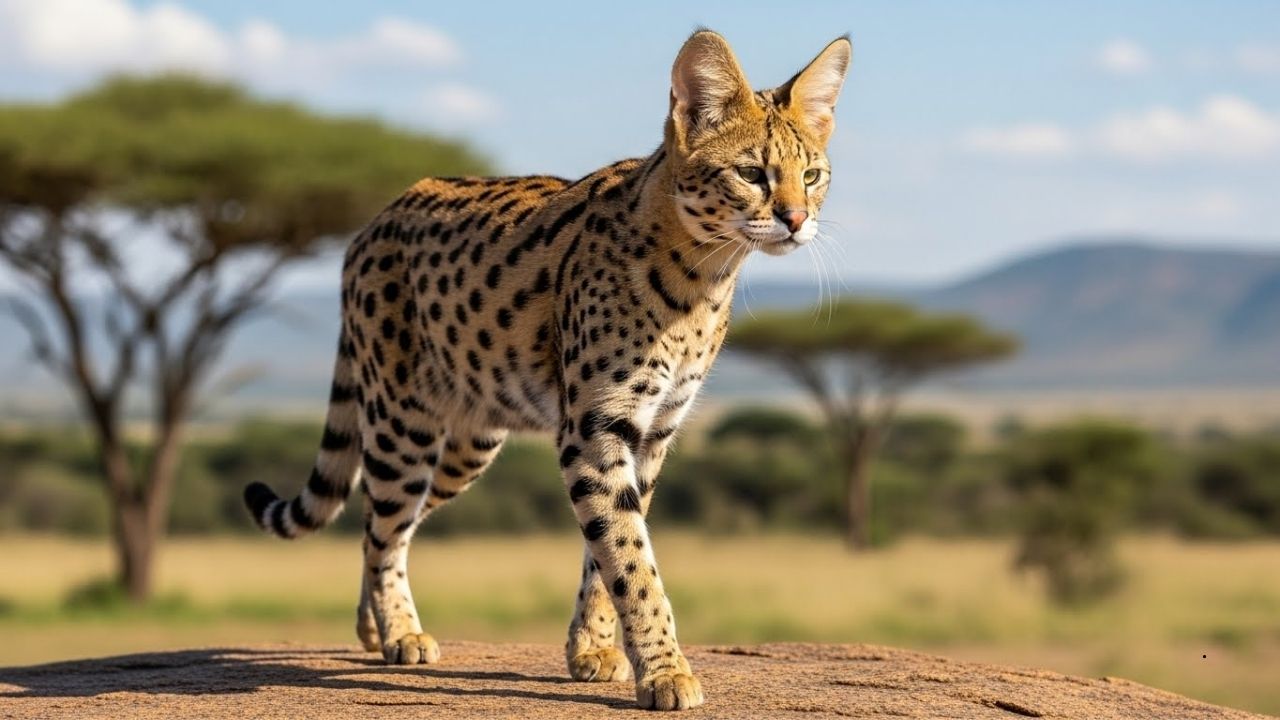
Cats have long fascinated humans with their graceful movements, sharp instincts, and air of mystery. While many modern breeds are fully domesticated, some still carry visible traces of their wild ancestors.
These cats offer a rare glimpse into the feline past, blending the elegance of a house cat with the striking features and behaviors shaped by nature. Their looks, energy, and intelligence often hint at a lineage that stretches far beyond the living room sofa.
Cat breeds influenced by wild cats stand out for more than just their appearance. Their wild DNA can affect everything from activity levels and curiosity to social behavior and care requirements. Some may be more athletic or vocal, while others display heightened awareness of their surroundings. Understanding this influence is key for anyone considering sharing their home with one of these unique felines.
In this article, we explore cat breeds shaped by wild ancestry and uncover how their untamed roots still shine through today. From personality traits to lifestyle needs, these remarkable cats showcase the perfect balance between domestic companionship and a touch of the wild.
Cat Breeds Influenced by Wild Cats
1. Bengal
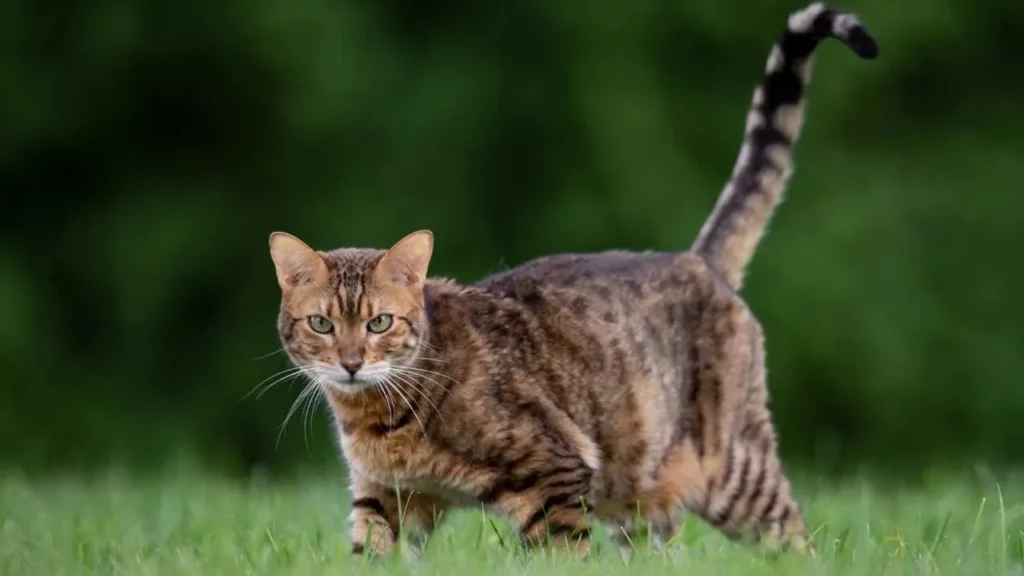
The Bengal, sometimes called a hybrid domestic cat, traces its roots to the Asian leopard cat, giving it a striking wild-inspired look.
According to Britannica, the tail is long and narrows toward the tip, and because the hind legs are shorter than the front legs, the cat can appear as if it is stalking while it walks.
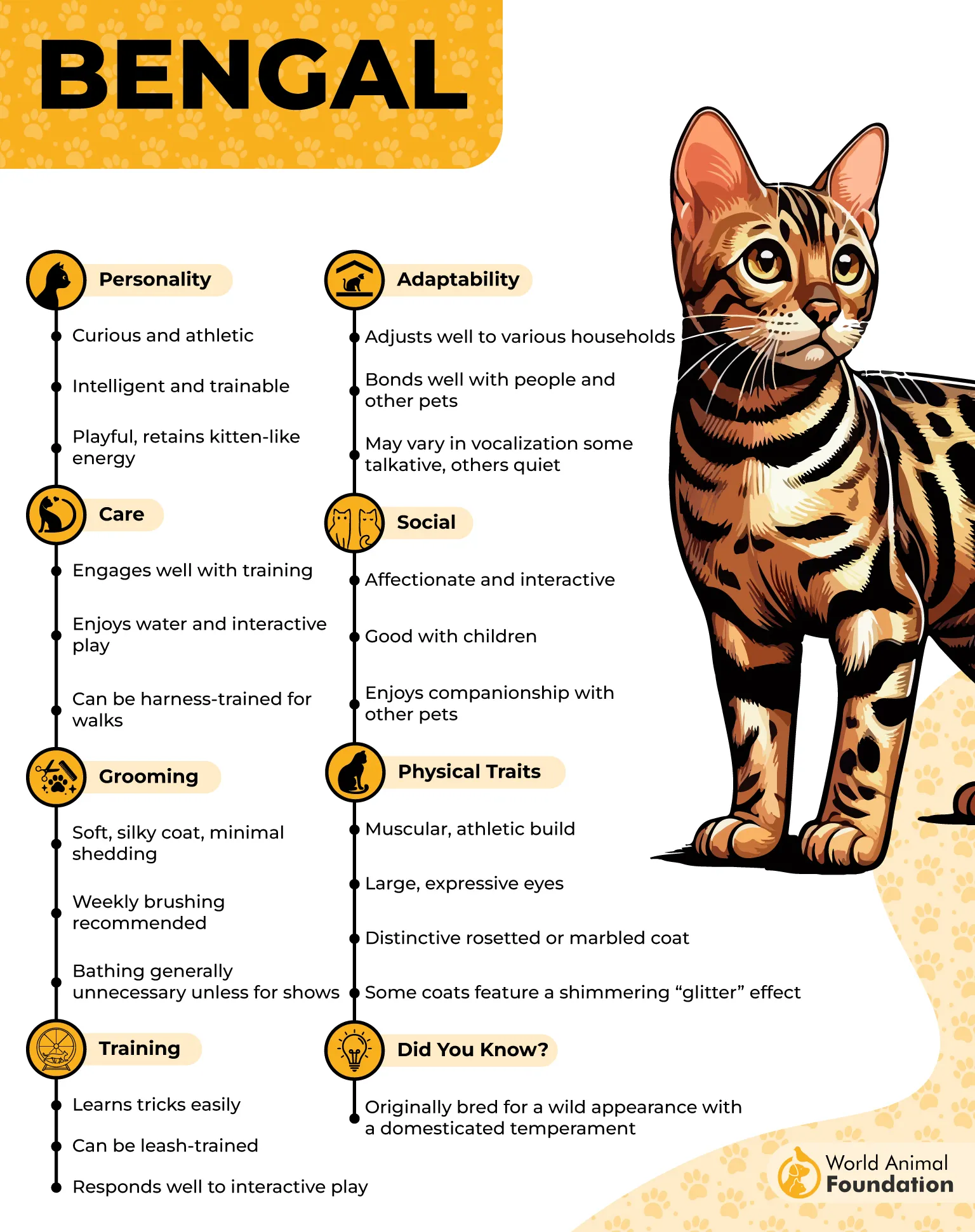
That wildcat influence shows in the Bengal’s high energy and intense curiosity. These cats love vertical spaces, exploring shelves, cat trees, and high perches, much like their wild ancestors would survey territory.
Despite their untamed appearance, Bengals are deeply people-oriented and thrive on interaction. Their affection often appears through play, following their humans around, and vocal communication rather than constant lap time.
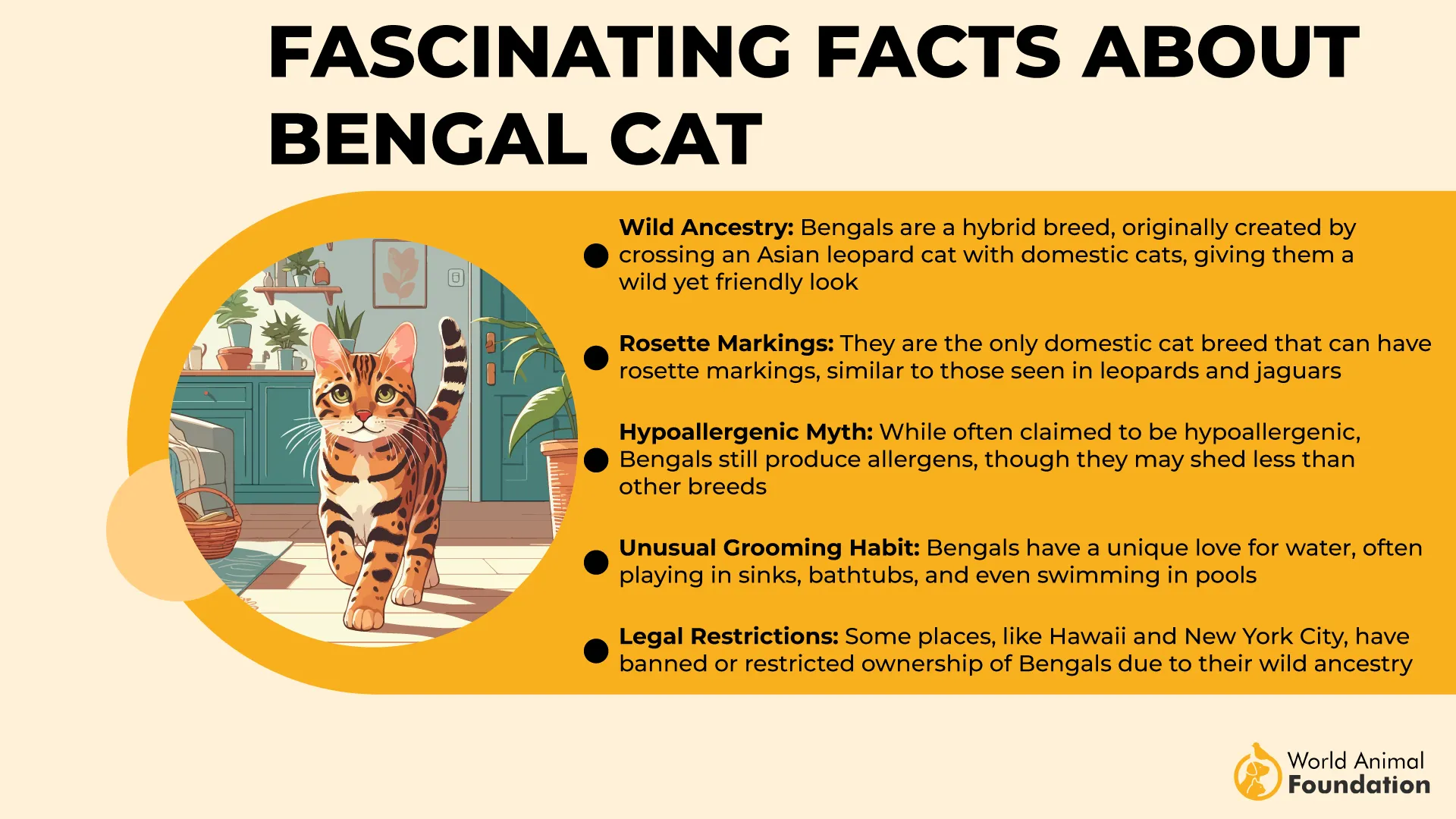
Understanding wild cat influence means recognizing their need for stimulation and engagement. Without enough mental and physical outlets, their intelligence can turn into mischief, making enrichment essential.
Fact: The Bengal’s distinctive leopard-like coat comes directly from its Asian leopard cat ancestry.
2. Savannah
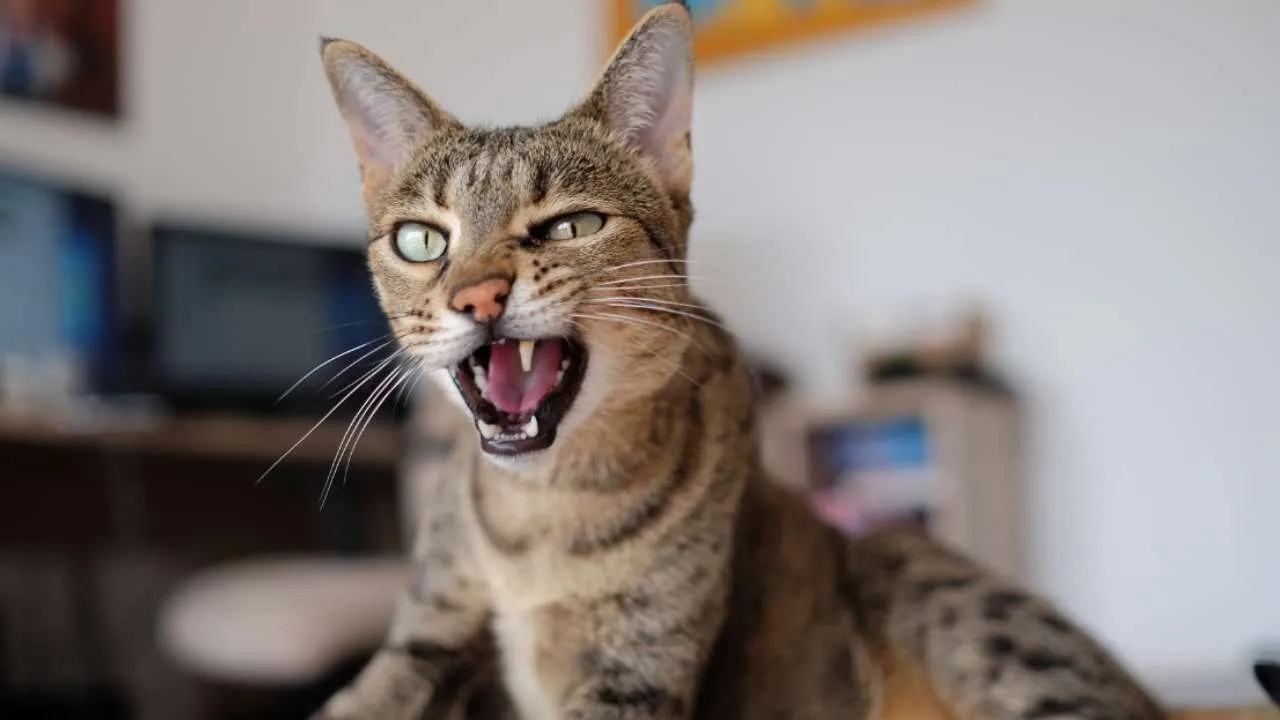
The Savannah cat is sometimes called the Serval hybrid. According to PetMD, the Savannah house cat is descended from a cross between a domestic cat and the wild African serval.
This breed’s wild influence is most visible in its athleticism and intelligence. Savannahs are highly curious, capable of impressive leaps, and constantly exploring their surroundings. Their alert nature and sharp instincts reflect the serval’s role as a skilled hunter in the African savannah.
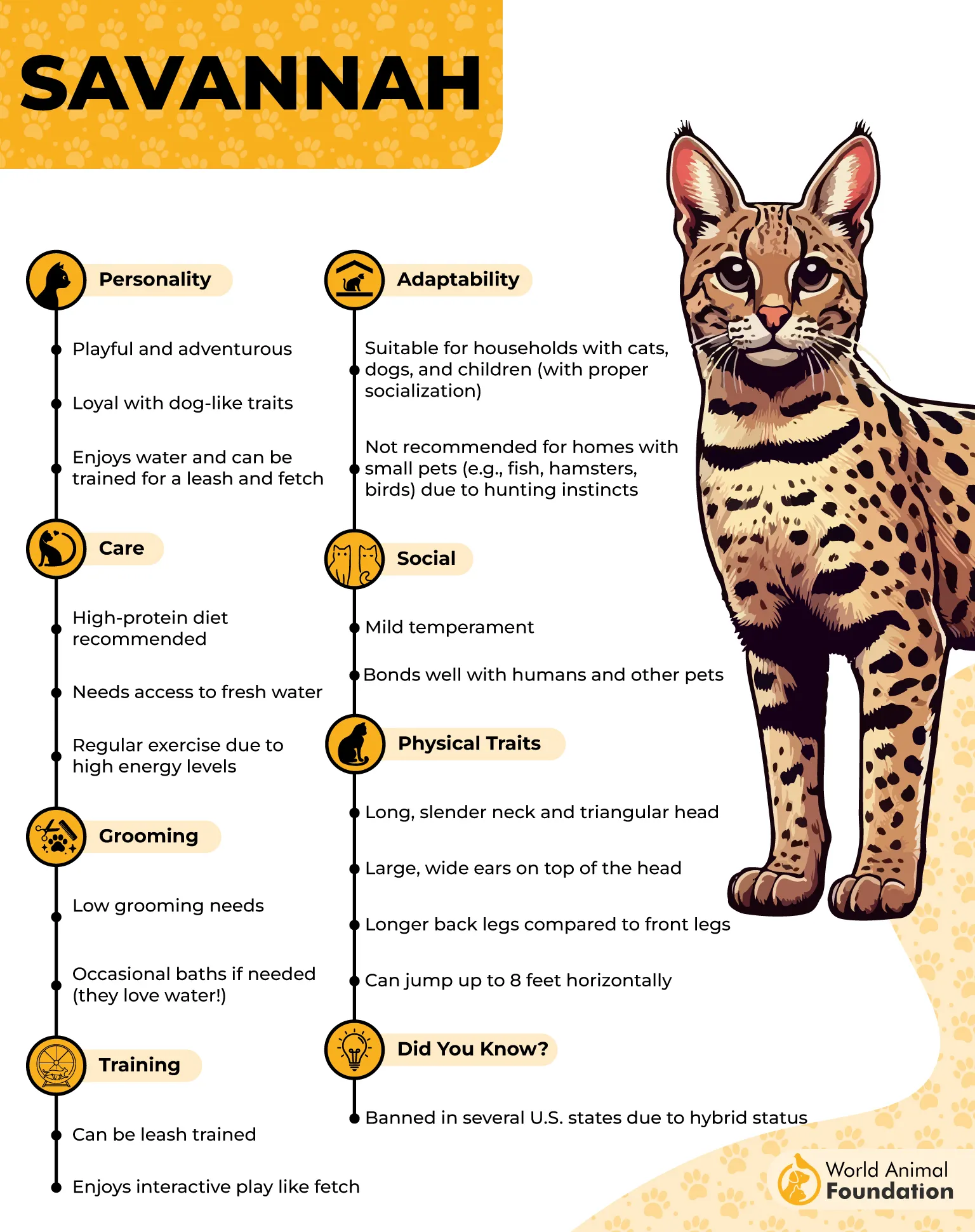
Despite their untamed look, Savannah cats can form deep bonds with their human companions. They thrive on interaction, enjoy games, and are often described as dog-like in their loyalty. Many even adapt well to leash training, a rare trait among domestic cats.
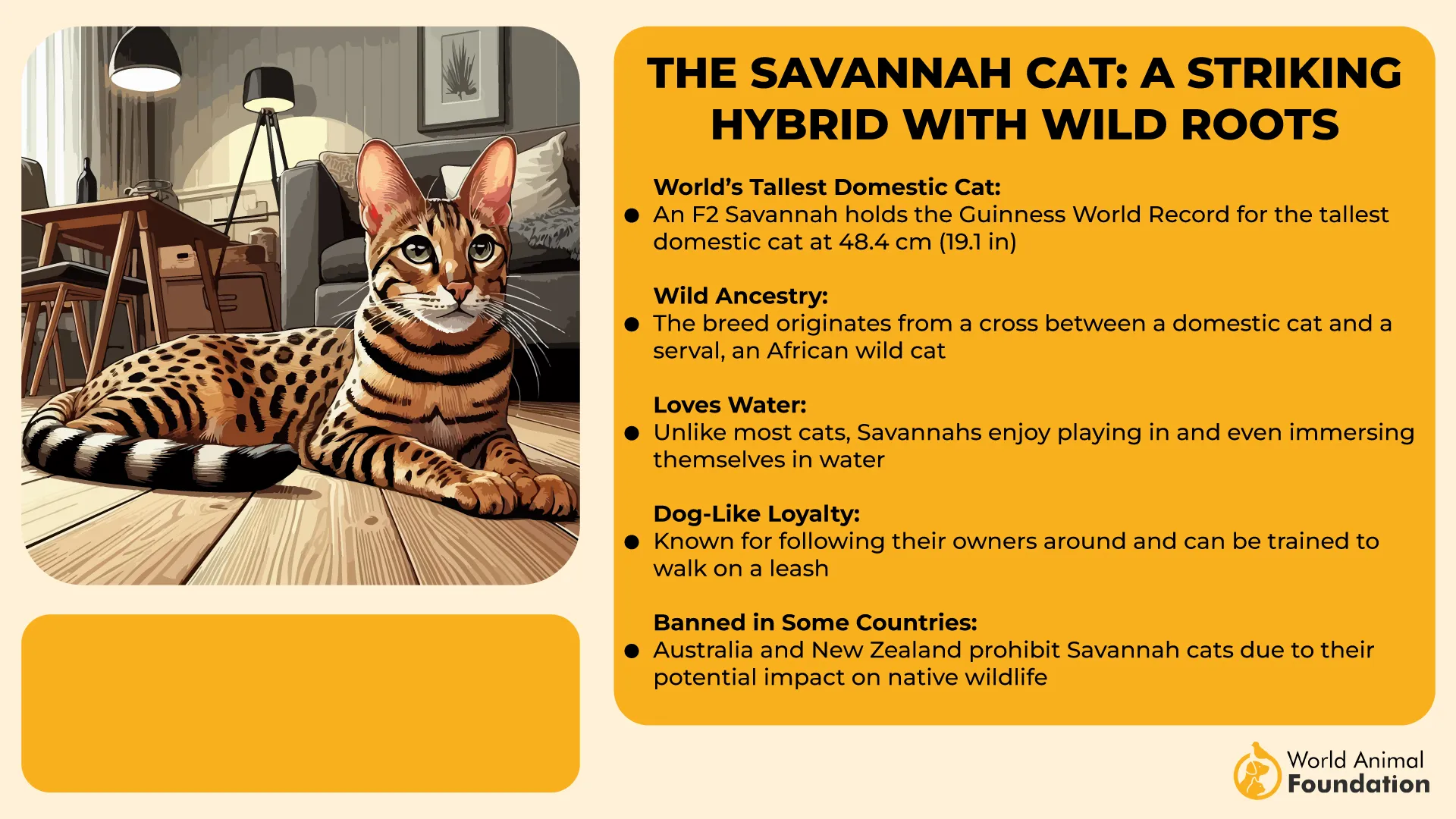
Savannahs require space, mental stimulation, and active engagement, making them best suited for experienced owners.
Fact: The Savannah breed was developed by breeding domestic shorthair cats with servals to create a cat that looks wild but lives comfortably as a domestic companion.
3. Chausie
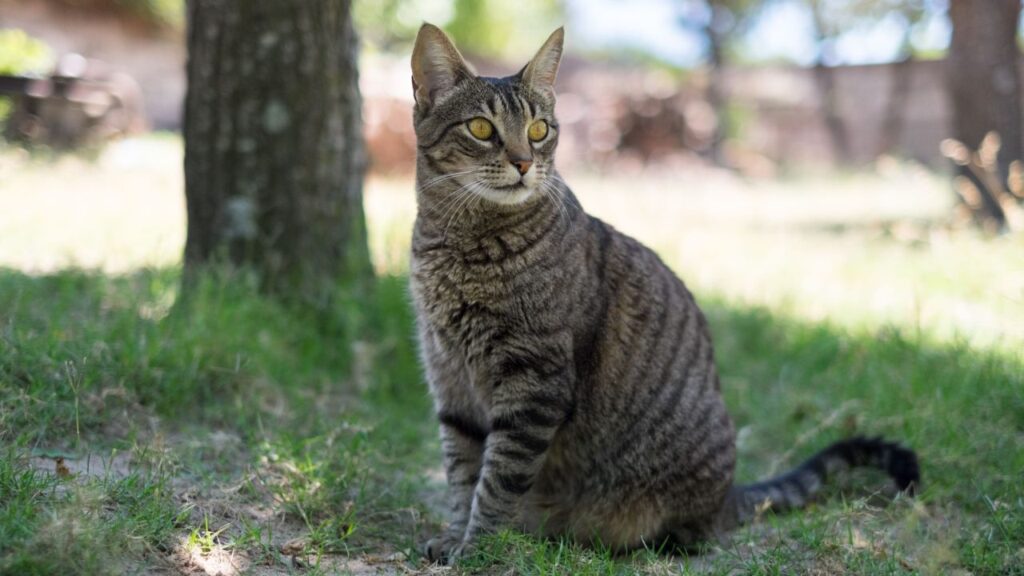
The Chausie, sometimes referred to as a Jungle Cat hybrid, is a striking breed developed from domestic cats crossed with the wild Jungle Cat of South Asia and the Middle East.
According to WebMD, Chausie cats are intelligent and enjoy spending time with their owners. Known for its tall, lean silhouette and alert expression, this breed looks unmistakably wild while remaining domesticated in temperament.
Many of the Chausie’s physical traits clearly reflect its wild ancestry. Long legs, a deep chest, and a muscular frame give it an athletic build designed for speed and endurance. High-set ears and intense, watchful eyes add to its untamed appearance, making the breed look perpetually ready for action.
Their short, dense coat further highlights their exotic heritage. Ticked tabby patterns, solid black coloring, and grizzled markings mirror the camouflage seen in wild cats. This low-maintenance coat enhances their sleek outline and emphasizes their powerful structure.
Beyond looks, the Chausie’s body supports a lifestyle rooted in exploration and agility. Built to climb, leap, and investigate, they thrive in active environments that embrace their wild physical design.
Fact: Chausies are known for their fearless, explorer nature and exceptional intelligence, often solving puzzles with ease.
4. Caracat
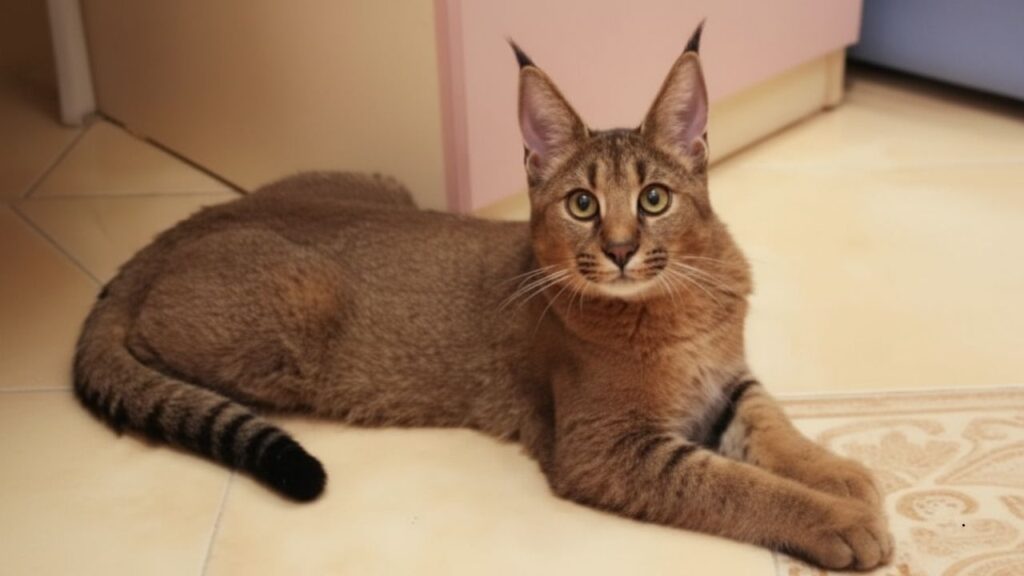
Also known as the Caracal hybrid, the Caracat is a rare cross between a wild Caracal and a domestic cat, often an Abyssinian. Its muscular frame, long legs, and signature tufted ears give it a striking, exotic appearance rooted in wild ancestry.
That wild genetics strongly influence the Caracat’s temperament. These cats are energetic, agile, and highly intelligent, needing daily mental and physical enrichment. Without stimulation, their inherited drive for activity can easily surface, reflecting the Caracal’s natural instincts.
Unlike their wild parent, Caracats are typically affectionate and people-oriented when well socialized. They form strong bonds with their human companions and enjoy interactive play, but they still prefer space and structure that respects their independent streak.
Understanding their lineage helps owners manage behavior effectively. A secure environment, routine engagement, and patience allow their playful, graceful nature to shine while keeping wild traits balanced in a domestic setting.
Fact: Well-socialized Caracats can adapt smoothly to a new home even when introduced at 3 to 10 months of age.
5. Ocicat
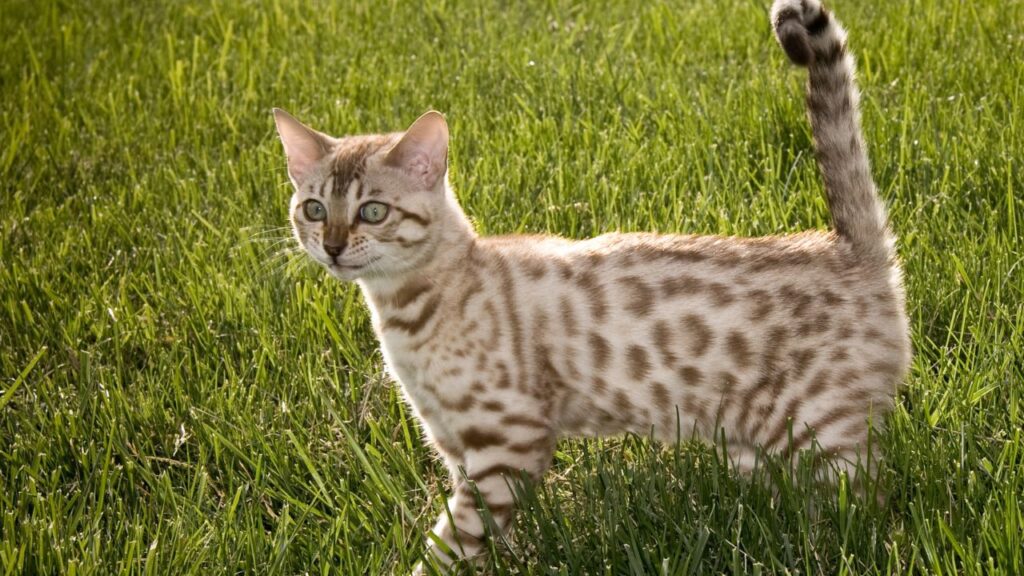
The Ocicat, sometimes called the “domestic wildcat look-alike,” is a striking breed famous for its ocelot-style spots and athletic build. Despite its exotic appearance, this breed has no actual wild cat ancestry and was developed entirely from domestic lines.
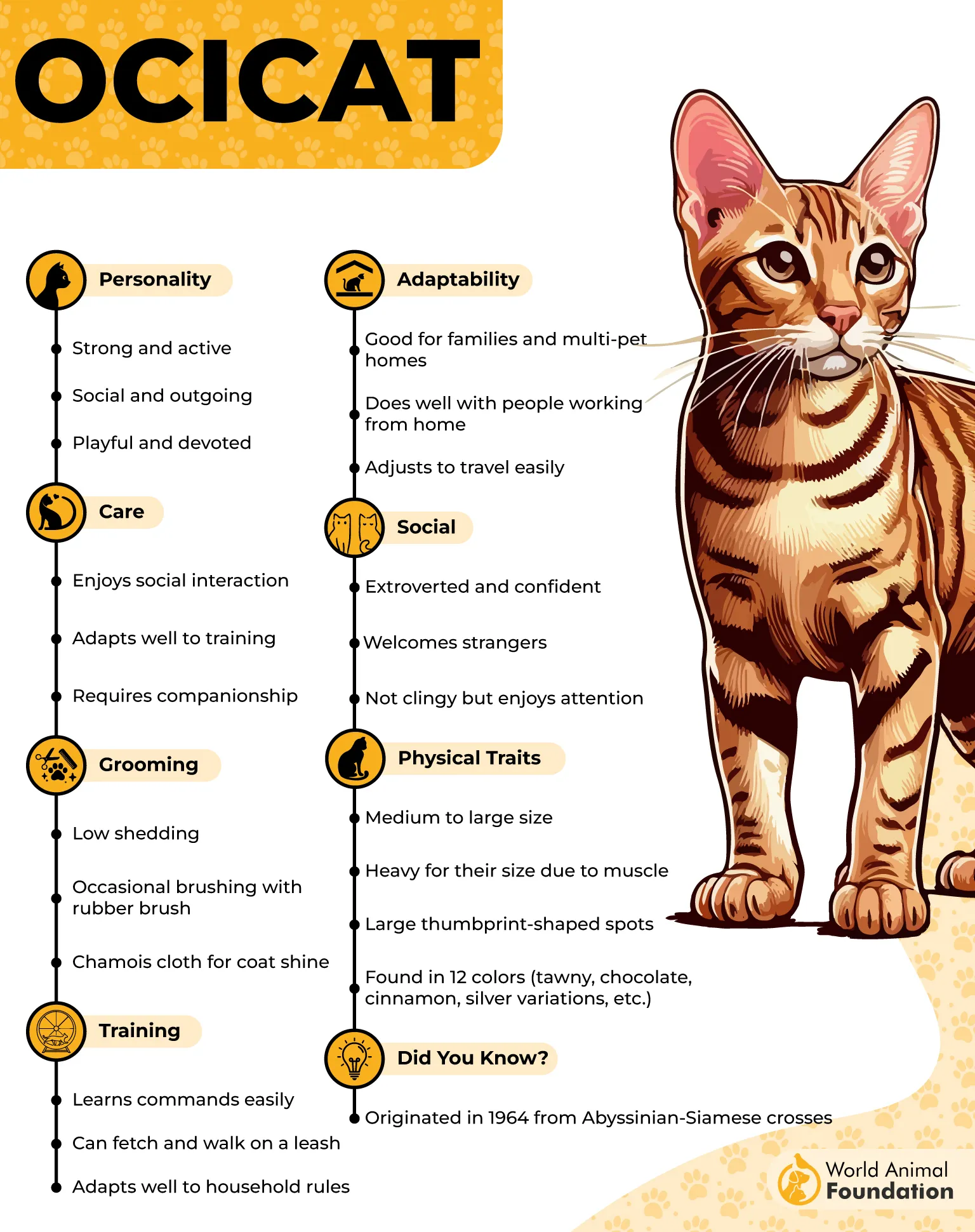
Its bold, spotted coat gives the Ocicat a safari-ready look, but its personality is fully people-oriented. Highly social and confident, this breed loves being involved in daily activities and often follows family members from room to room.
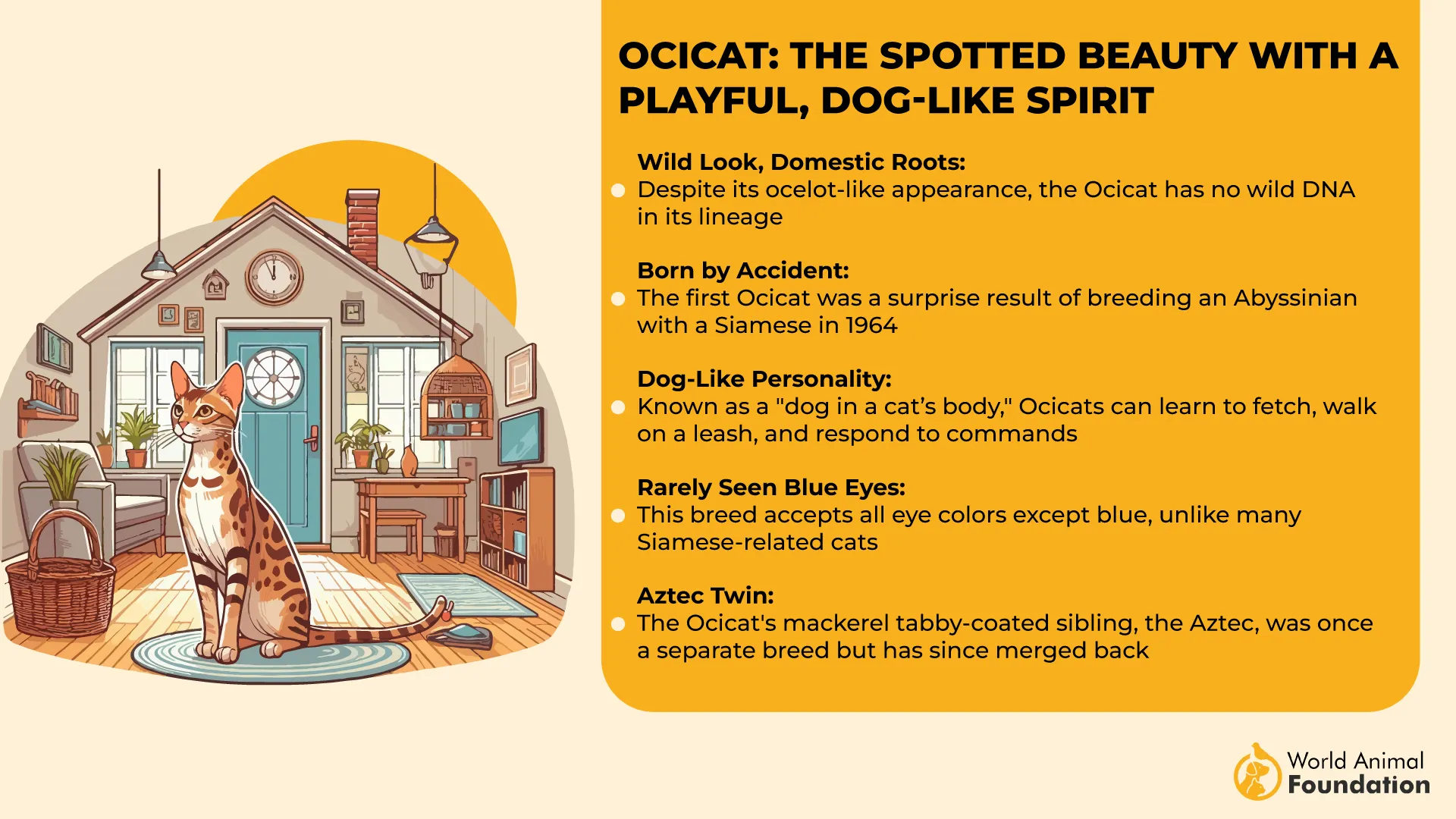
Because of their sharp intelligence and high energy, Ocicats need plenty of mental challenges to stay content. Interactive toys, climbing structures, and puzzle feeders help satisfy their curiosity and prevent boredom-related mischief.
They also thrive in homes that offer space to explore and regular playtime with humans or other pets. With the right enrichment and attention, Ocicats channel their wild appearance into playful, affectionate companionship rather than destructive behavior.
Fact: Responsible breeding has reduced the risk of progressive retinal atrophy, a condition occasionally seen in related breeds, helping Ocicats live long, happy lives.
6. Cheetoh
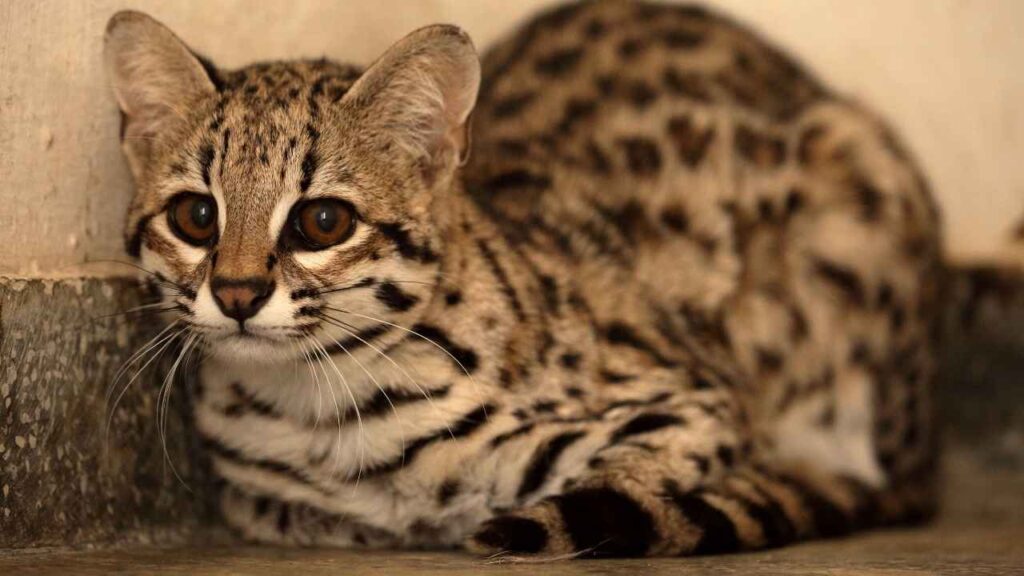
The Cheetoh, sometimes referred to simply as the Bengal–Ocicat hybrid, is a striking designer cat created by crossing a Bengal with an Ocicat. This combination gives the breed its bold, cheetah-like spotting, muscular build, and unmistakably wild appearance paired with a domestic temperament.
Influenced by wild cats through its Bengal ancestry, the Cheetoh is energetic, curious, and highly intelligent. These cats thrive on interactive play and mental challenges, making them best suited for owners who enjoy active engagement and enrichment rather than a hands-off pet experience.
From a legal and ethical standpoint, Cheetohs are generally permitted where Bengals are allowed, since they are several generations removed from wild cats. However, regulations can vary by location, so prospective owners should always verify local laws before adoption.
Ethically, responsible breeding is essential to ensure health, temperament stability, and proper socialization. When bred thoughtfully, Cheetohs are gentle, affectionate companions that balance wild aesthetics with family-friendly behavior.
Fact: The Cheetoh was intentionally developed by crossing Bengals and Ocicats to create a wild-looking cat with a loving domestic nature.
7. Serengeti
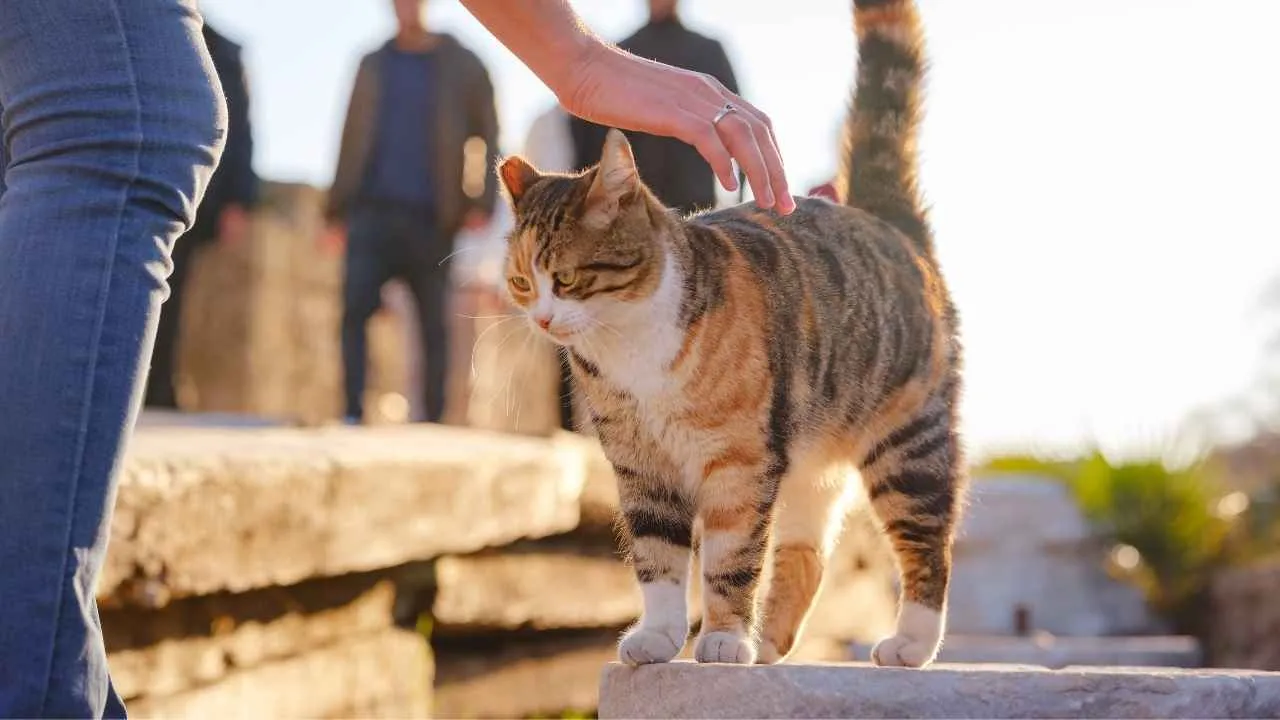
The Serengeti cat, sometimes described as a wild-style hybrid, was developed by crossing Bengal cats with Oriental Shorthairs. This combination gives the breed its tall legs, oversized ears, and sleek, spotted coat that closely mirrors the look of an African wildcat without being one.
Although their appearance suggests untamed roots, Serengetis are deeply people-oriented. They form strong bonds with their families and enjoy being involved in daily activities, making them a striking example of a breed shaped by wild influence yet fully domestic in temperament.
Their wild ancestry shows most clearly in their athleticism and curiosity. Serengetis love climbing, jumping, and surveying their environment from high places, thriving in homes that offer vertical space and interactive play to satisfy their sharp instincts.
Vocal and expressive, these cats use a wide range of sounds to communicate with their humans and other pets.
Fact: Serengeti cats are known for being highly agile climbers who often seek the highest vantage points in the home due to their Bengal lineage.
Conclusion
Wild-influenced felines offer a fascinating blend of untamed beauty and domestic companionship. Hybrid cats, created from domestic and wild cats, showcase striking features like leopard-like spots, black grizzled tabby coats, bobbed tails, or long hair that set them apart from the average house cat.
Recognized by organizations such as the International Cat Association, many hybrid cat breeds carry serval blood or traits inspired by big cats, giving pet parents a wild-looking breed with unique charm. From Siamese cat influences to carefully developed hybrid offspring, these cat species highlight the diversity found when different species intersect.
That said, hybrid breeds aren’t for everyone. Early generations of hybrid breeds often require experienced owners due to higher energy levels, dog-like personalities, and specific care needs, including monitoring for parasitic infections.
While they are good pets in the right homes, understanding wild cat breed behavior, championship status lines, and differences between domestic felines and wild influences—even distant ones like Bengal tigers—is essential before choosing a wild-inspired companion.
