




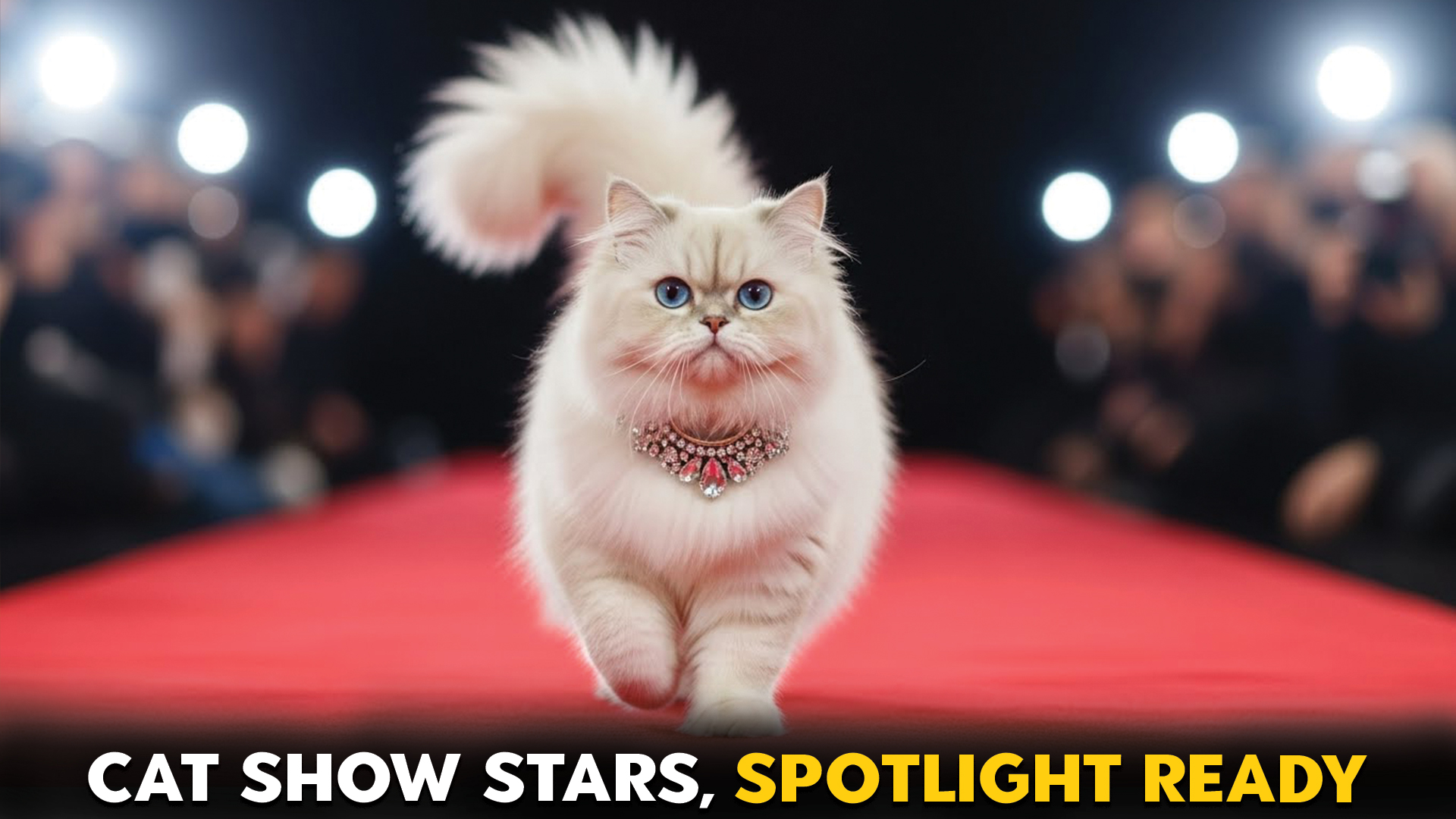
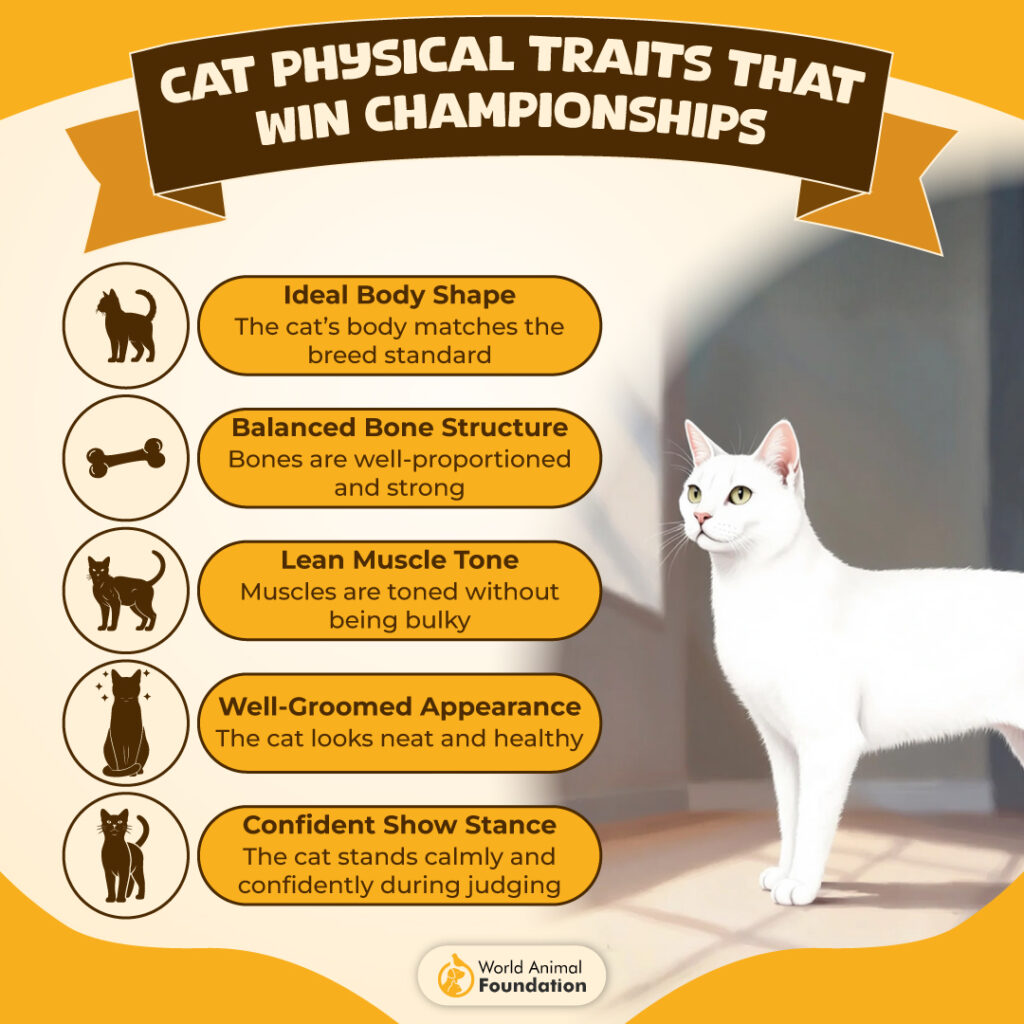
Cat shows celebrate the very best of feline beauty, grace, and breed perfection. From the moment a cat steps into the show ring, every detail matters—structure, coat condition, eye clarity, posture, and overall presence.
While many cats are stunning companions at home, only certain breeds consistently shine under the bright lights of competition. These breeds are admired not only for their striking looks, but also for how closely they align with established breed standards that judges carefully evaluate.
Success in the show world goes far beyond good genetics. Show cats require meticulous preparation, confident temperaments, and owners who understand the finer points of presentation. Grooming routines, coat texture, facial symmetry, and even how a cat carries itself can influence a judge’s decision. Breeds known for balanced proportions, expressive features, and polished appearances tend to stand out and leave lasting impressions in the ring.
In this article, we’ll explore cat breeds that are especially well-suited for the show circuit. Whether you’re a seasoned exhibitor or just curious about what makes a champion, these breeds exemplify elegance, refinement, and show-stopping appeal.
Cat Breeds Ideal for Cat Shows
1. Persian
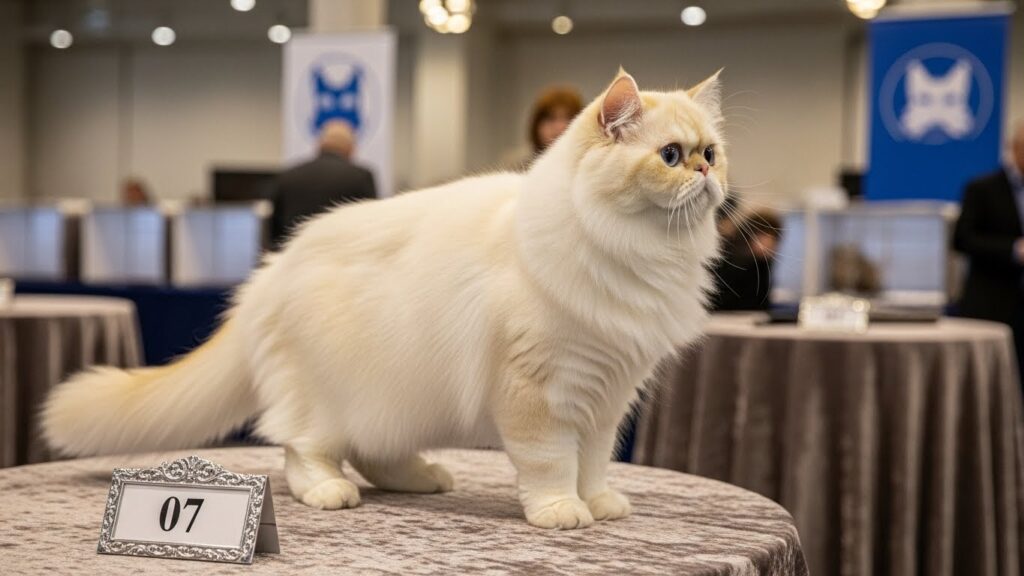
The Persian, sometimes referred to as the Longhair Persian, is one of the most iconic cat show breeds, instantly recognized for its flat face, round features, and flowing coat.
According to Purina, Persians like to stretch out in a preferred spot at home that offers a good view of household activity, such as a comfortable chair or the top of a cat tree.
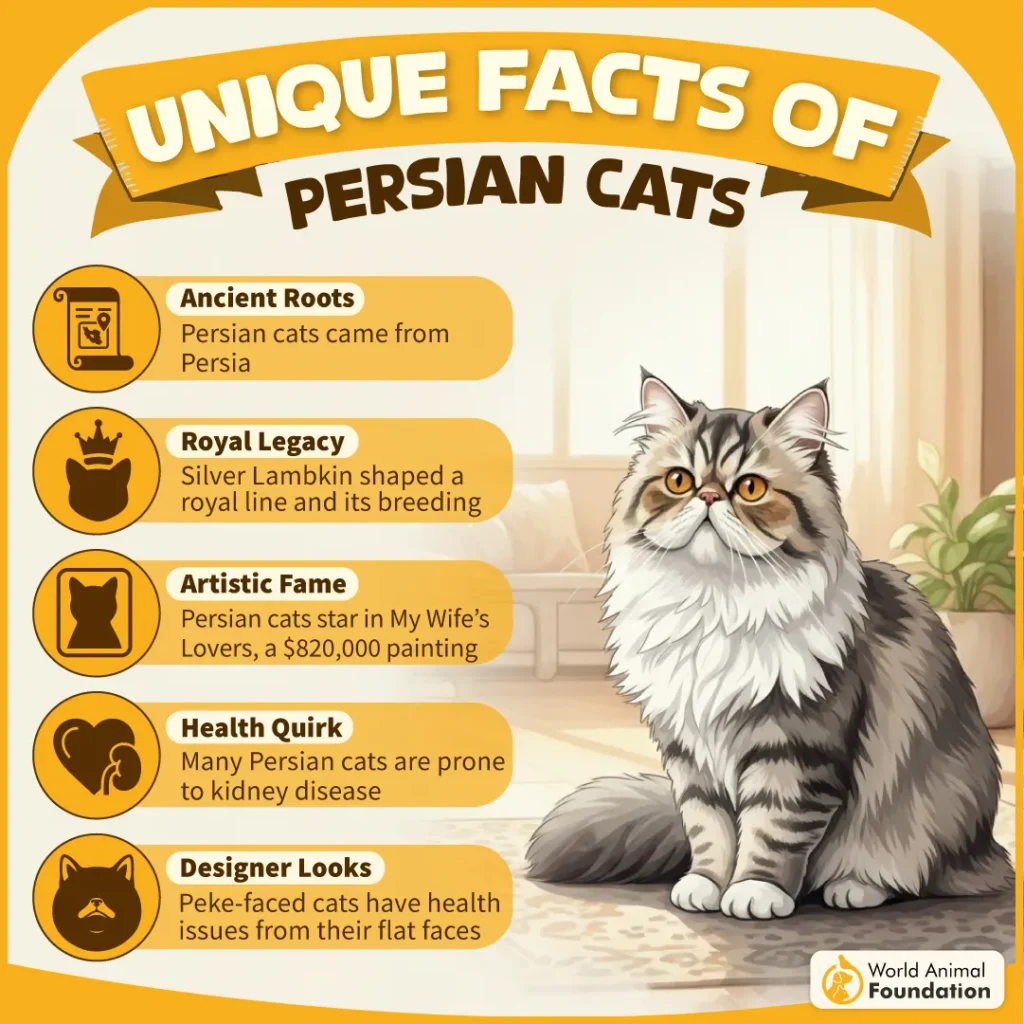
Developed from early longhaired cats brought to Europe in the 1600s, Persians quickly became a cornerstone of the cat fancy and a foundation breed of the Cat Fanciers’ Association.
In the show ring, Persians excel thanks to their dramatic presentation and unmistakable silhouette. Judges look for a sturdy, compact body paired with a short nose, large, round eyes, and perfect symmetry. These traits, combined with their calm demeanor, allow Persians to remain composed under bright lights and handling.
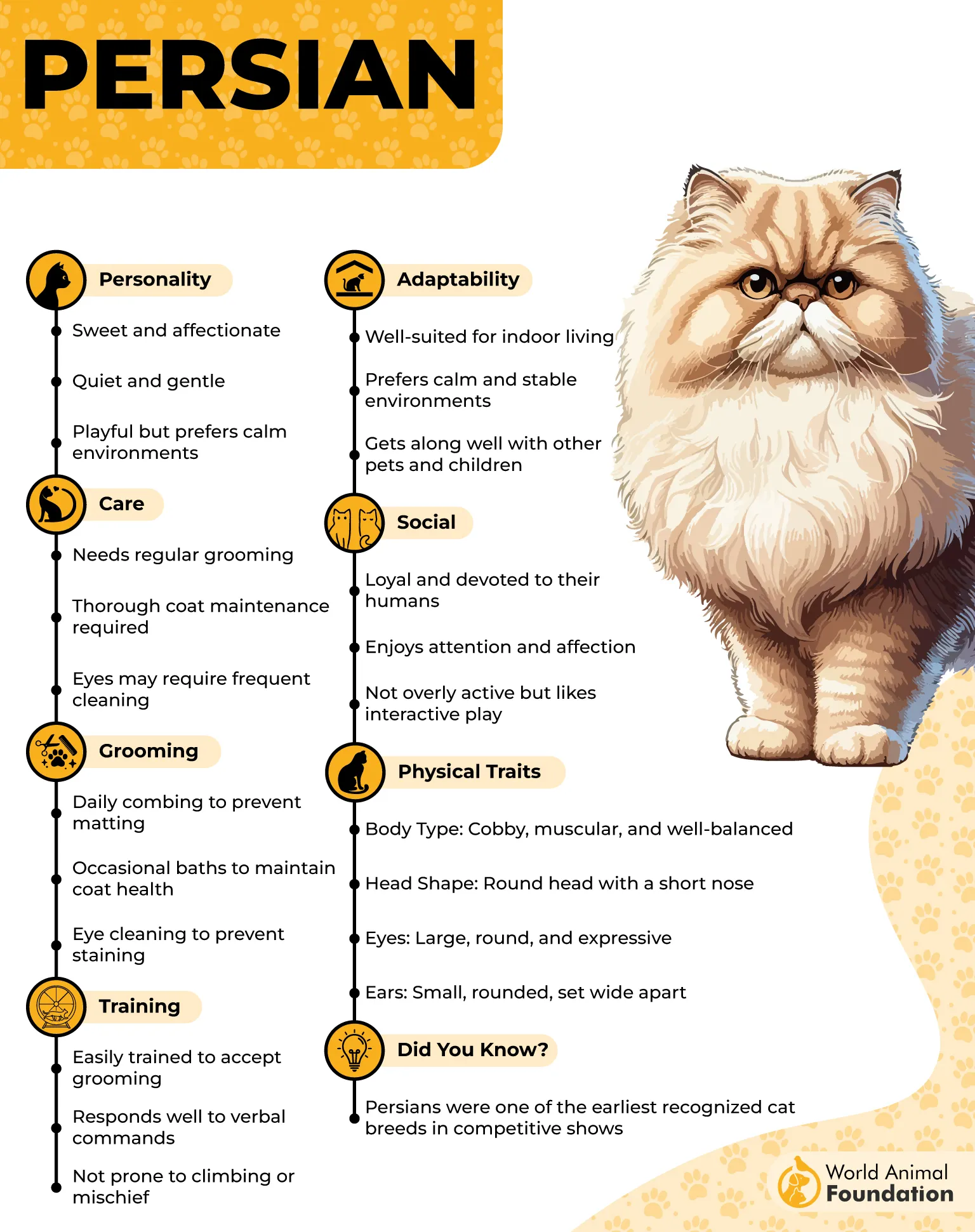
Their long, dense coat is what truly sets them apart in competition. Grooming for shows is intensive, as the breed standard calls for hair that stands off the body, with a full ruff, thick frill, and abundant tail plume. Proper coat texture, volume, and gloss are essential for success.
Because of their history and refinement, Persians dominated early cat shows and continue to be crowd favorites today.
Fact: The Persian was one of the six original breeds recognized when the Cat Fanciers’ Association was founded in 1906.
2. Maine Coon
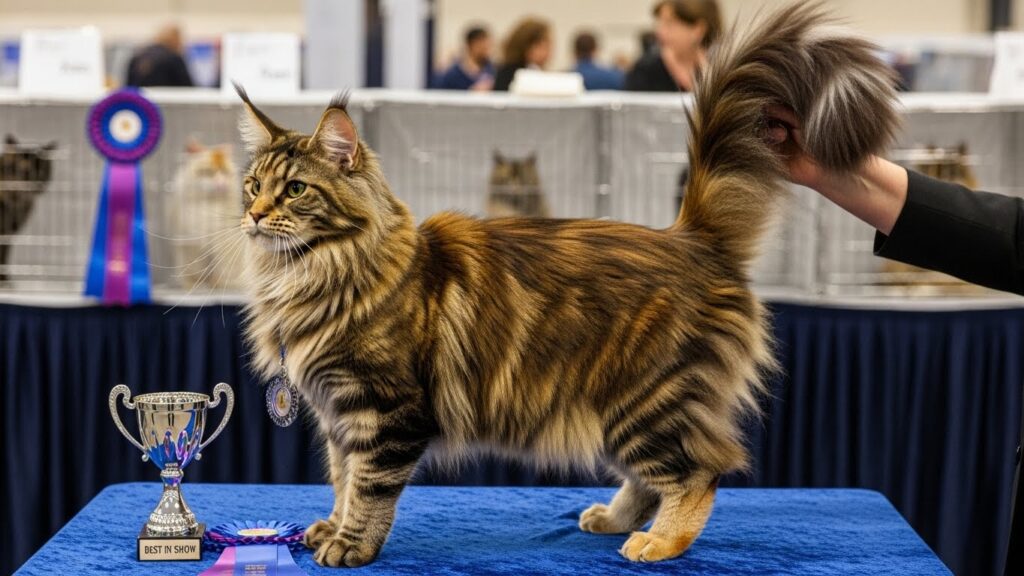
Often called the “Gentle Giant” or the “American Longhair,” the Maine Coon is one of the largest domesticated cat breeds, originating in New England.
According to PetMD, the Maine Coon—true to its name for size—originated in Maine, and it continues to be recognized as the state’s official cat.
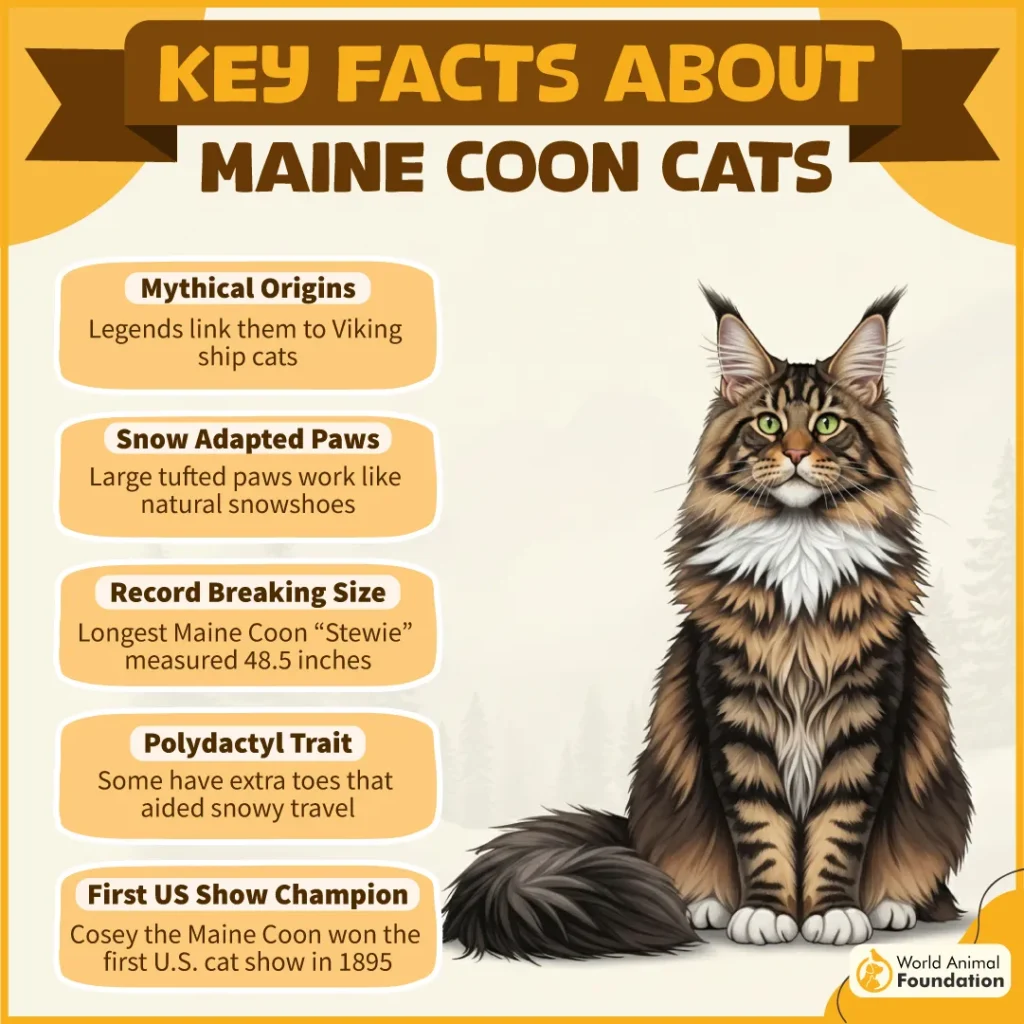
Its tufted ears, bushy tail, and expressive almond-shaped eyes give it an instantly recognizable, show-stopping presence.
In the show ring, Maine Coons impress judges with their powerful, rectangular build and balanced proportions. Their flowing, weather-resistant coats create dramatic movement, while the prominent ruff and plumed tail enhance their regal silhouette under show lighting.
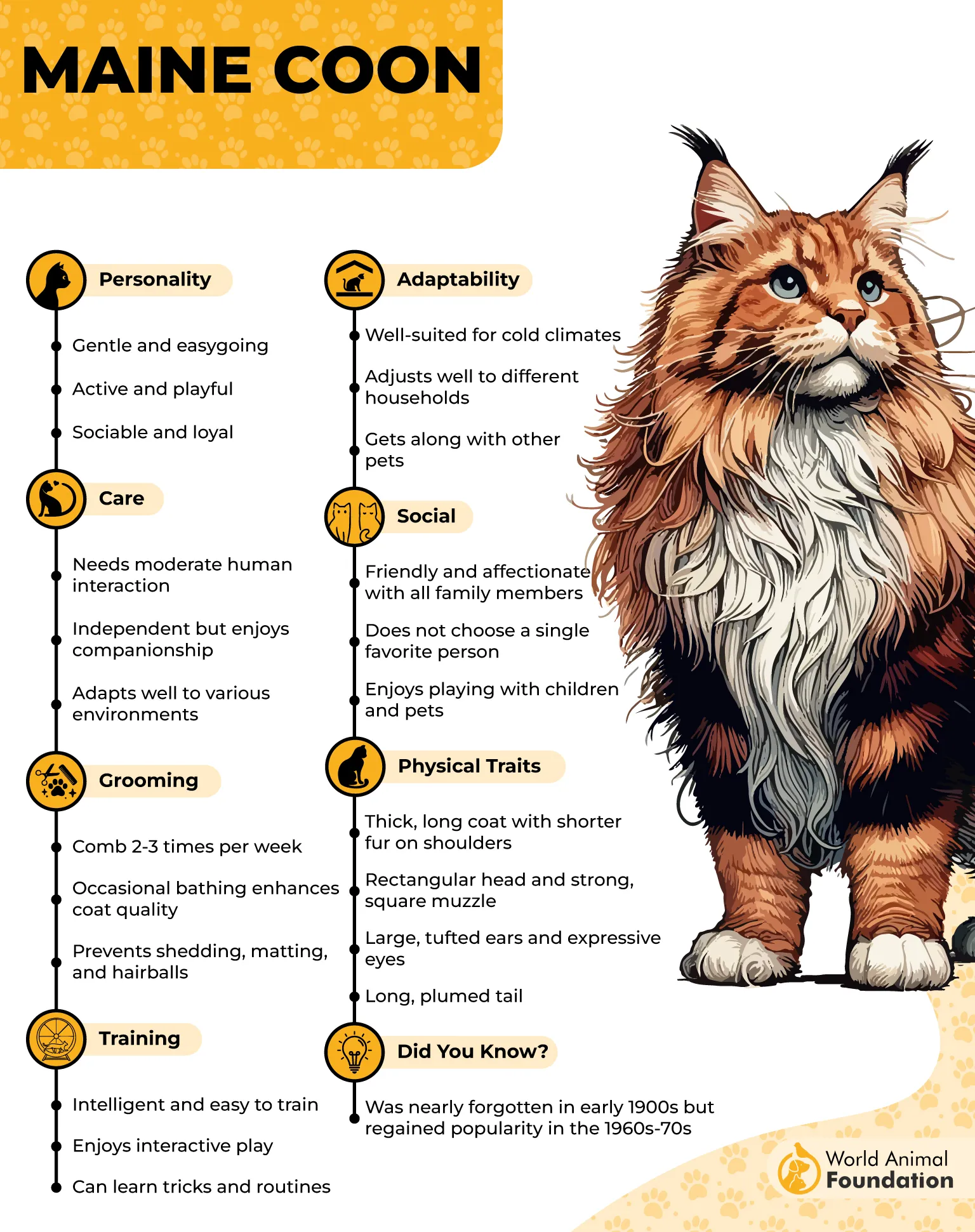
Beyond size and beauty, Maine Coons excel in temperament—an important factor in cat shows. They are confident, sociable, and adaptable, handling the noise and handling of competitions with calm curiosity rather than stress or fear.
Their wide range of accepted colors and patterns adds to their appeal, allowing exhibitors to highlight both rarity and breed-standard excellence.
Fact: Maine Coons have been part of cat shows since the first U.S. cat show in 1895, where a brown tabby named Cosey won Best Cat.
3. Siamese
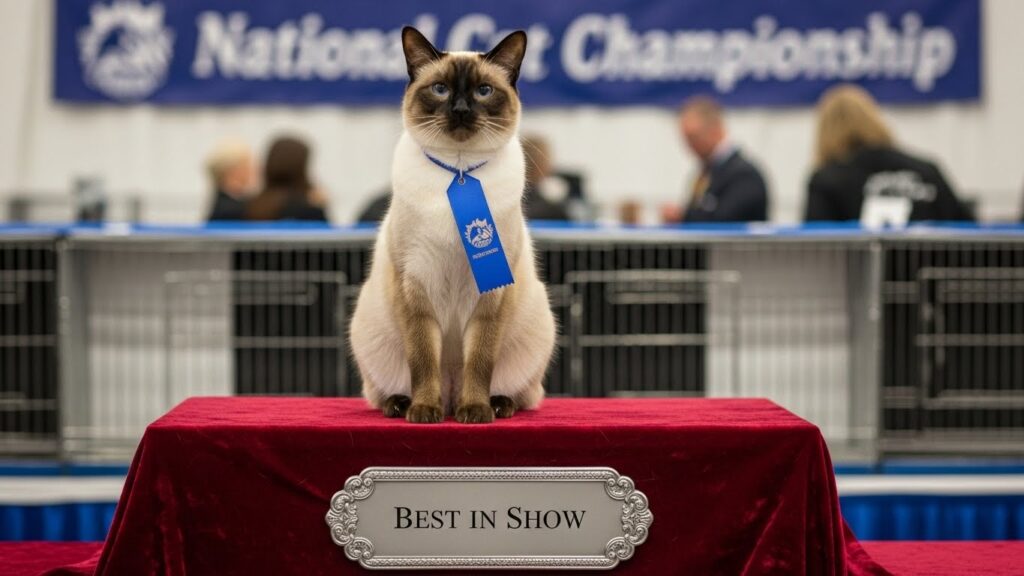
The Siamese, also known as the Thai cat or Wichien Maat, is one of the oldest and most iconic show breeds. According to WebMD, they are often considered classic “people cats” because they enjoy interacting with their owners, sleeping beside them, and sitting in their laps.
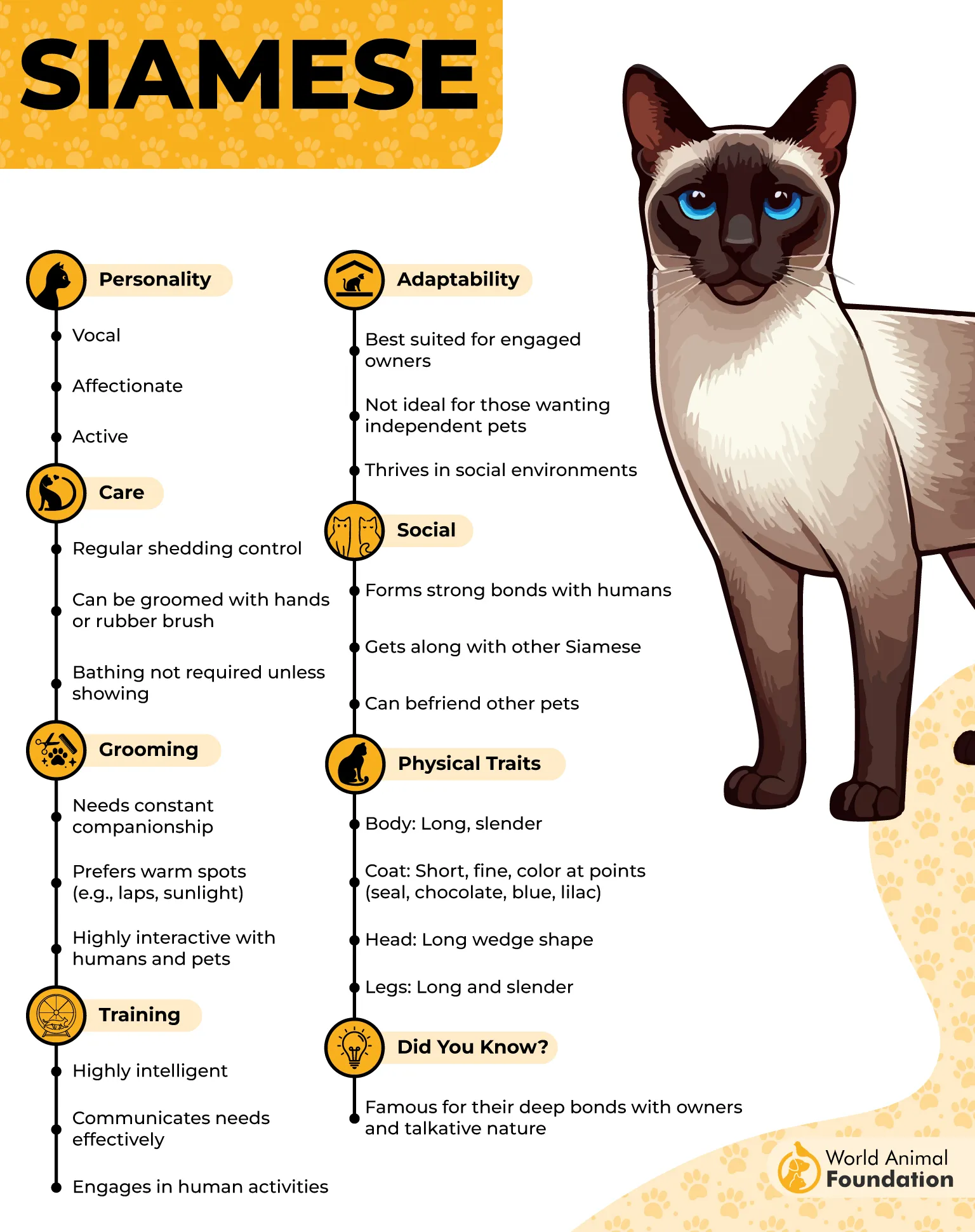
In cat shows, temperament matters as much as appearance, and Siamese excel here. They are confident, people-focused cats that enjoy being handled, examined, and admired by judges. Their comfort with human interaction helps them remain composed under bright lights and unfamiliar surroundings.
Highly intelligent and expressive, Siamese cats are known for their vocal nature and animated presence. This outgoing personality often works in their favor during shows, as they actively engage with handlers and display alert, curious behavior that highlights their athletic build.
Because they dislike isolation, Siamese thrive in environments with frequent interaction, making them ideal for exhibitors who spend time grooming and training.
Fact: Siamese cats are known for their distinctive colorpoint coats caused by temperature-sensitive pigmentation.
4. Bengal
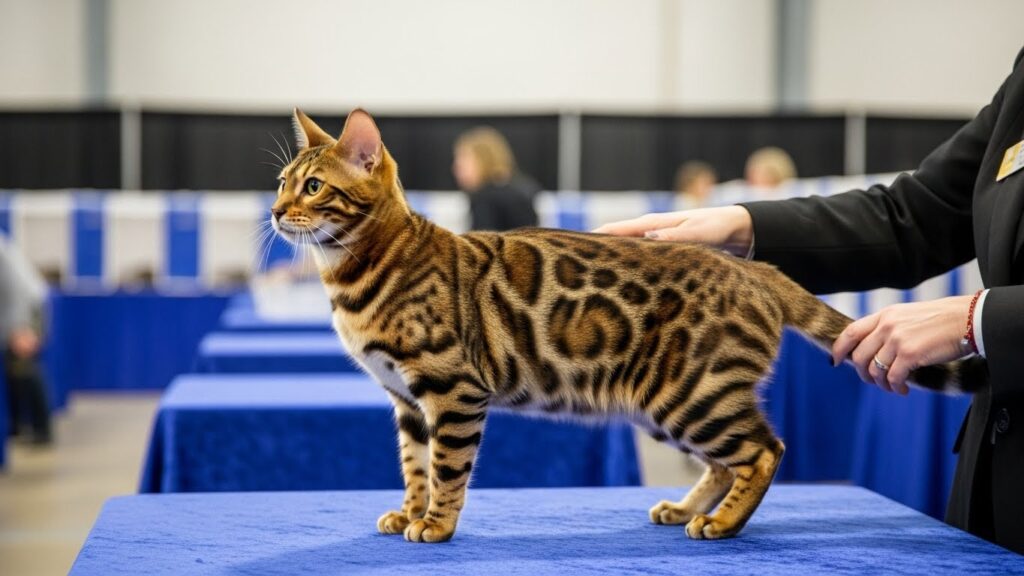
The Bengal, sometimes called the Leopardette due to its wildcat look, is instantly recognizable in the show ring. Developed from crosses involving the Asian Leopard Cat and domestic cats, this breed combines an athletic build, bold spotting or marbling, and a sleek, glossy coat that draws judges’ attention.
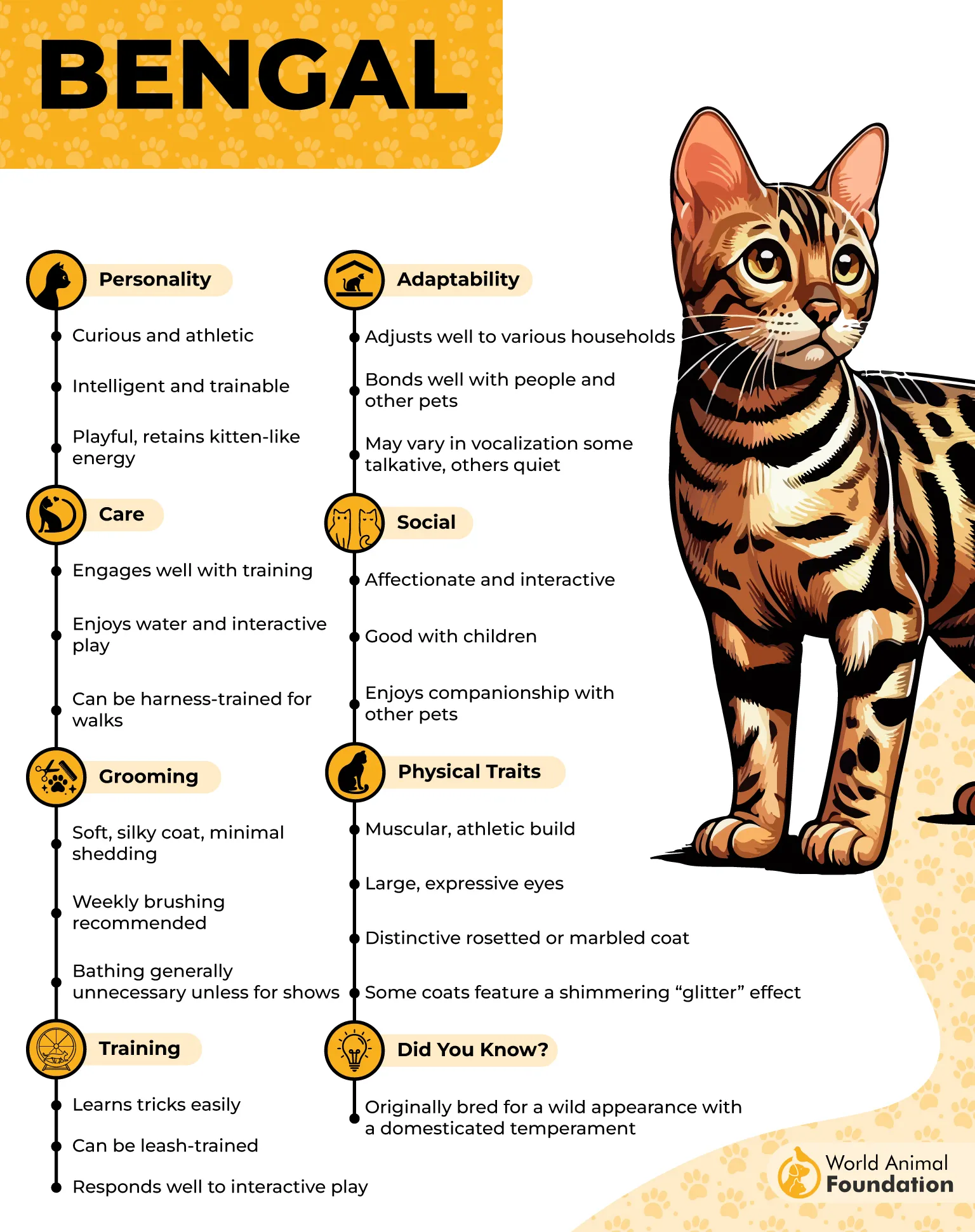
In cat shows, Bengals stand out for their dramatic contrast, fluid movement, and confident presence. Their muscular bodies, broad heads, and expressive eyes align well with breed standards that emphasize balance, power, and elegance. A Bengal that carries itself proudly can make a striking impression during judging.
From a grooming and presentation standpoint, Bengals are relatively low-maintenance compared to many show breeds. Their short, tight coats require only light weekly brushing to enhance sheen and remove loose hair, allowing exhibitors to focus more on conditioning and posture.
Temperament also plays a role in the ring, and Bengals’ social, people-oriented nature often helps them remain alert and engaged during handling.
Fact: Bengals were granted CFA championship status in 2018 after meeting five generations of pure domestic ancestry.
5. British Shorthair
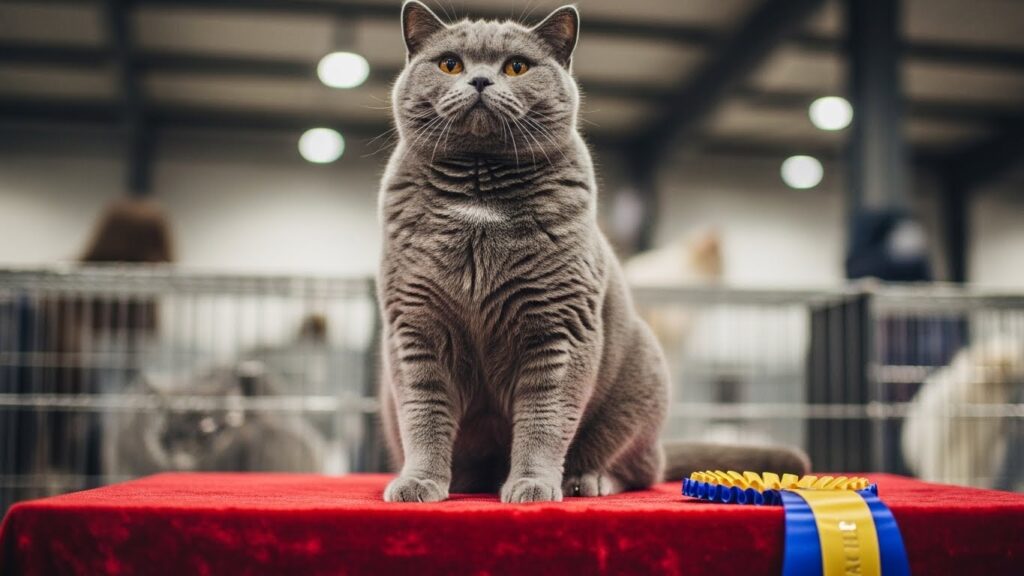
The British Shorthair, often called the British Blue in its most iconic color, is a classic show-ring favorite thanks to its stocky build, dense plush coat, and round, expressive face.
In the show environment, British Shorthairs shine due to their composed temperament. They remain relaxed in unfamiliar settings, allowing judges to fully assess their structure and coat condition. This steady nature makes handling, posing, and examination far less stressful than with more high-strung breeds.
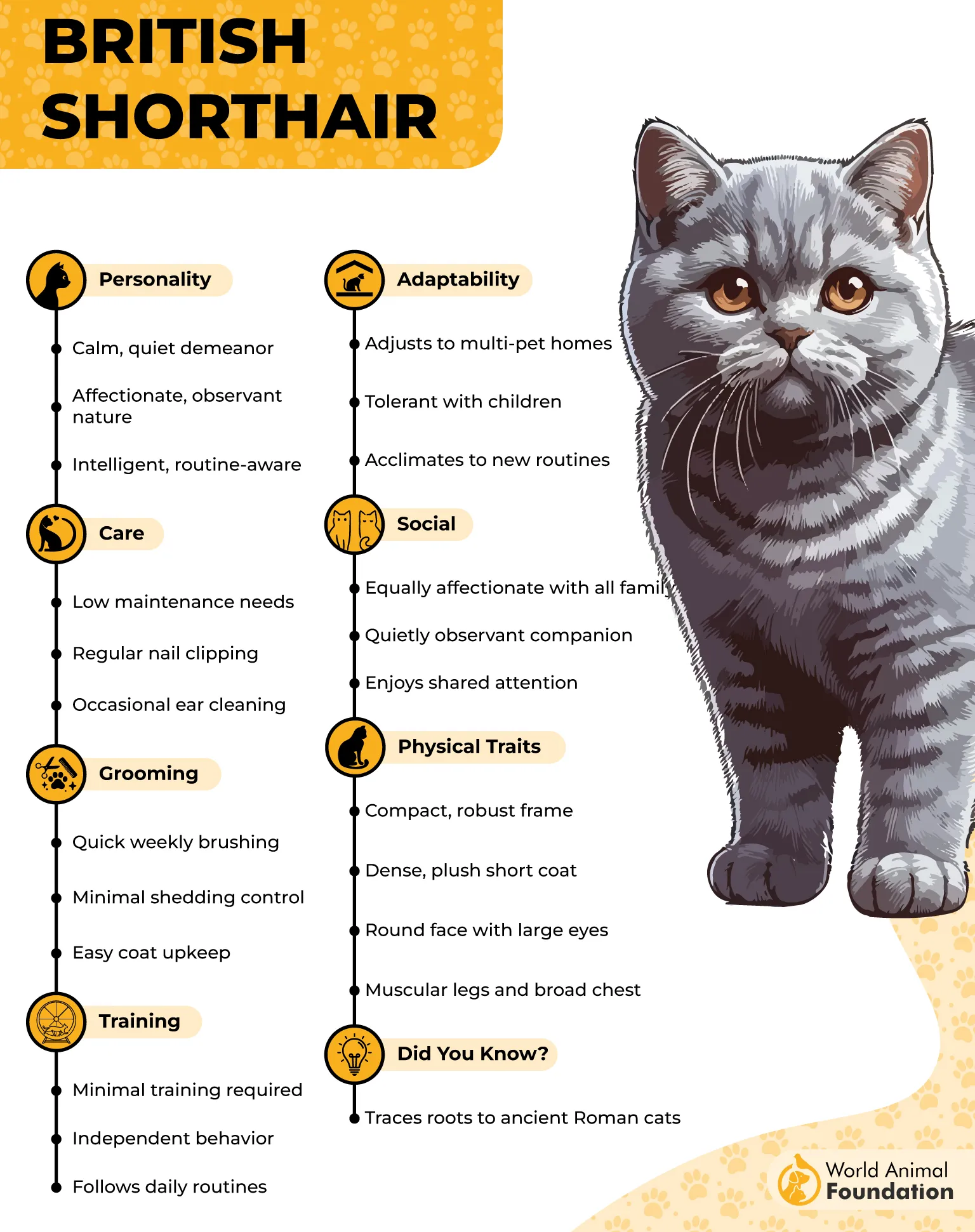
Training and socialization play an important role in preparing this breed for competition. While not flashy performers, British Shorthairs respond well to patient, reward-based training that builds comfort with carriers, grooming tables, and gentle handling. Early exposure to new sounds and people helps them remain poised under show-ring pressure.
Mental stimulation also supports their show readiness. Interactive toys, puzzle feeders, and short training sessions keep them engaged without overstimulation, preserving their signature dignified presence.
Fact: British Shorthairs are the most popular pedigree cats registered annually with the UK’s Governing Council of the Cat Fancy (GCCF).
6. Ragdoll
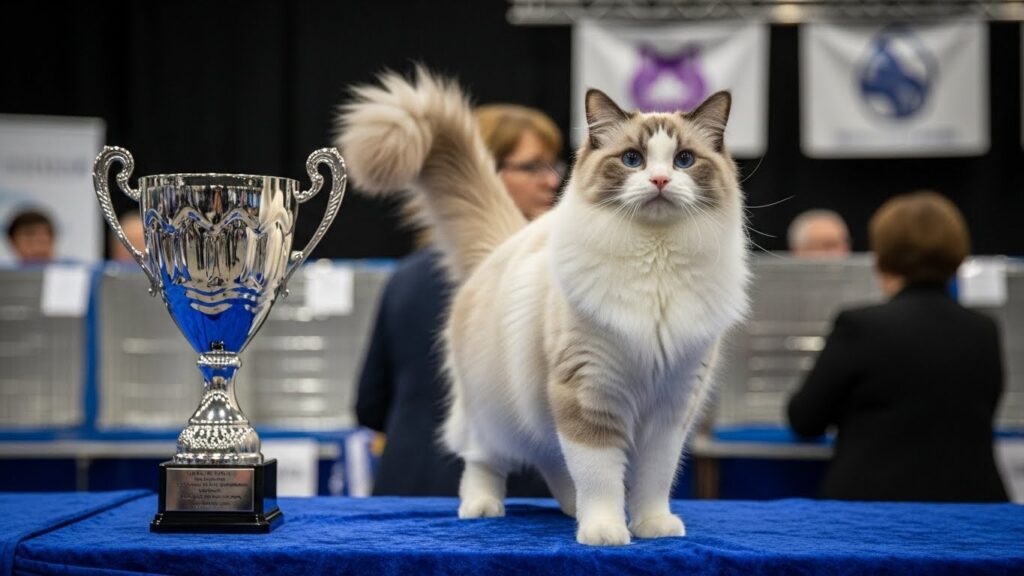
Often called the “gentle giant” of the show world, the Ragdoll is a striking purebred known for its vivid blue eyes, silky color point coat, and large, well-balanced frame.
In cat shows, Ragdolls stand out for their semi-long, plush coats that lie smoothly against the body and highlight their refined bone structure. Judges look for a broad head, soft facial contours, and a calm, confident demeanor, all of which align closely with the Ragdoll breed standard. Their composed behavior on the judging table is a major advantage.
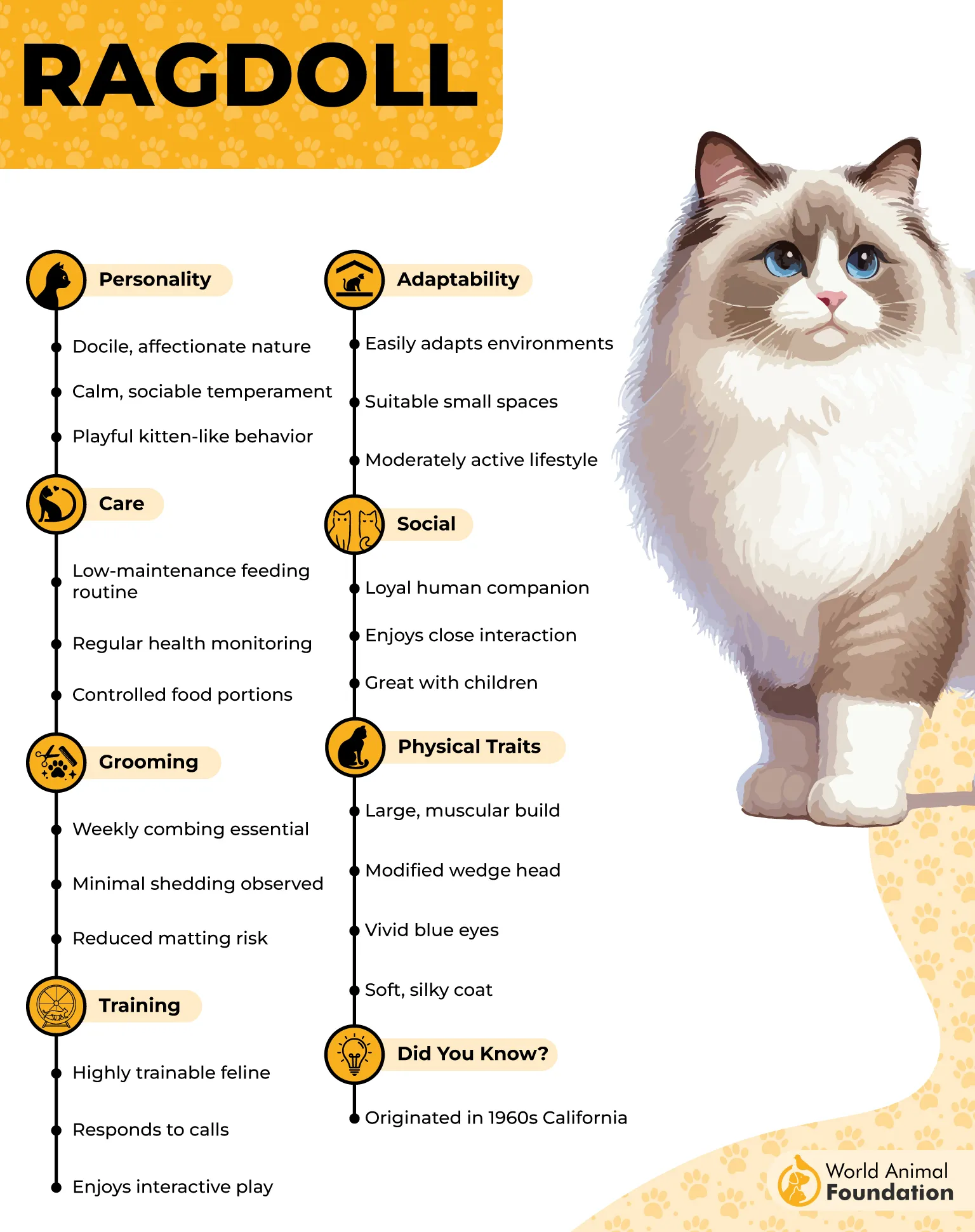
From a health and genetics standpoint, ethical breeding is essential for show-quality Ragdolls. Reputable breeders screen for conditions like hypertrophic cardiomyopathy and prioritize sound structure and temperament. Maintaining ideal body condition also matters, as obesity can impact both health and presentation.
Fact: The Ragdoll breed was accepted for CFA championship status in the year 2000.
7. Abyssinian
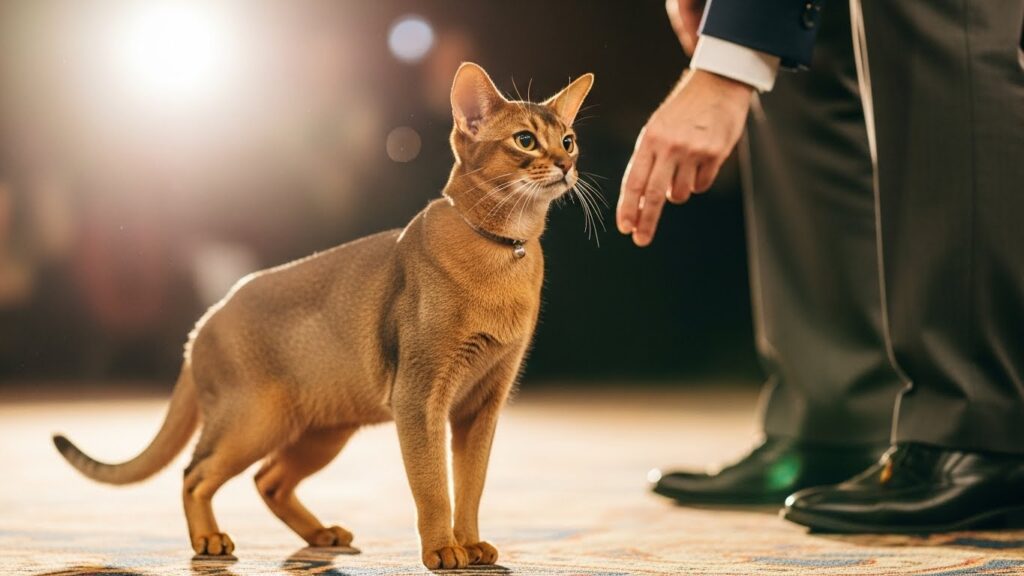
The Abyssinian, often called the Aby, is one of the oldest and most recognizable show cats, admired for its sleek, ticked coat and elegant, athletic build. Its alert expression, large ears, and graceful posture give it a naturally regal presence in the show ring.
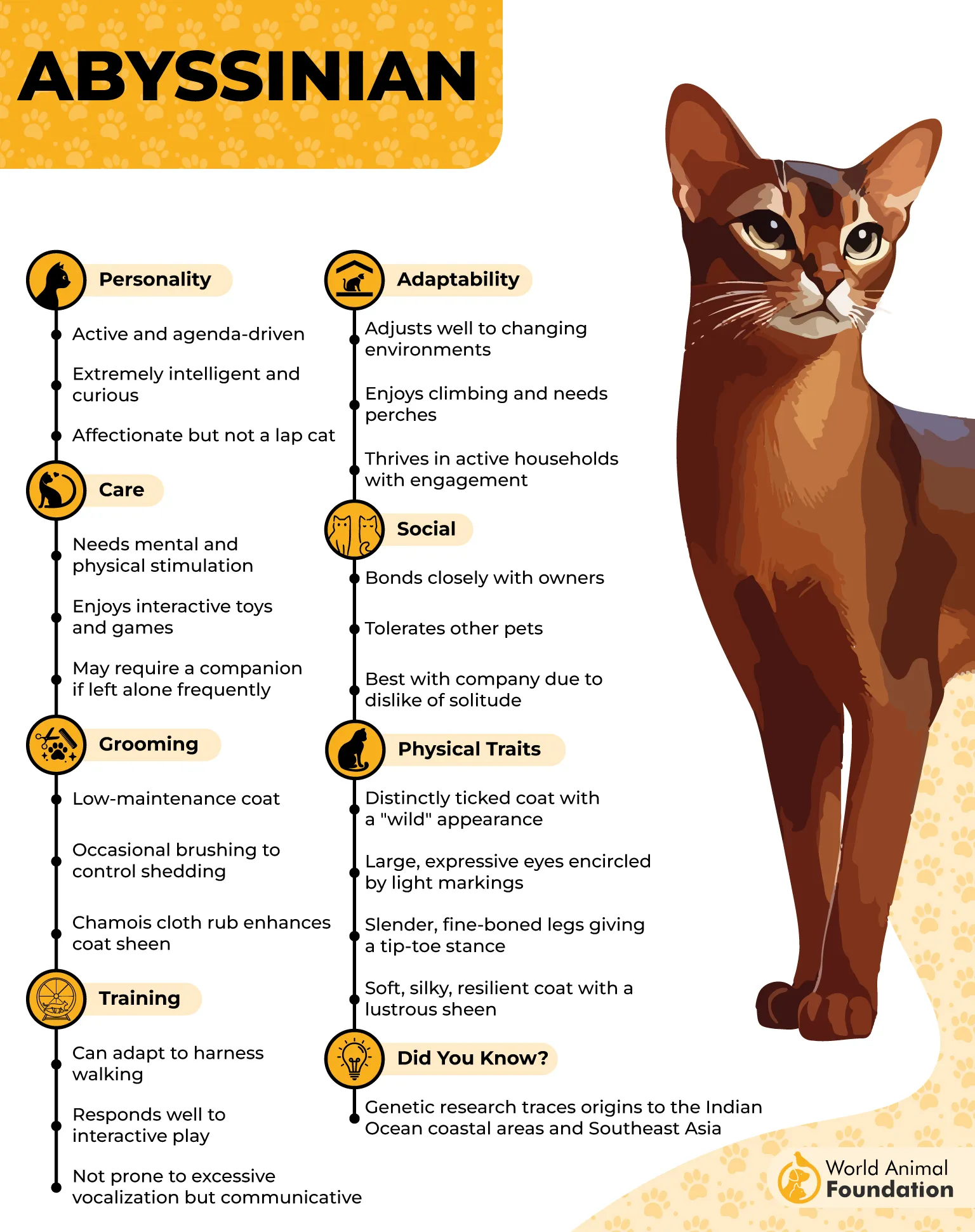
In cat shows, Abyssinians stand out for their balanced proportions and smooth musculature, traits judges value highly. Their short coat lies close to the body, highlighting structure and reducing grooming complexity—an advantage for first-time exhibitors preparing for competition.
Temperament also plays a role in show success, and the Aby’s confident, people-oriented nature helps it handle busy show environments well. Curious and intelligent, this breed often appears alert and engaged on the judging table, creating a strong visual impression.
For newcomers to cat shows, the Abyssinian offers an excellent blend of beauty, personality, and manageability. While not a lap cat, its affectionate loyalty and comfort around people make handling easier during judging.
Fact: The Abyssinian was named after cats shown in England in the late 1800s that were believed to originate from Abyssinia (modern-day Ethiopia).
Conclusion
In the competitive cat world, show success goes far beyond beauty alone. Cat lovers and cat owners alike know that breeds such as Persian cats, Maine Coon cats, and the Norwegian Forest Cat stand out for their coat length, structure, and gentle nature.
From woolly undercoat textures to striking folded ears seen in the Scottish Fold cat, pedigreed cats are carefully judged against standards set by the world’s largest registry. These feline contenders represent some of the best cat breeds admired by cat lovers worldwide.
Whether it’s exotic cats with a curly coat like the Devon Rex, or elegant favorites such as the Russian Blue, cat breeds ideal for cat shows balance temperament, grooming, and presence.
While many popular breeds are also wonderful household pets that coexist well with other pets—and even dogs—show cats often display a calm confidence or mischievous personality that captures judges’ attention and celebrates the artistry of selective breeding.
