




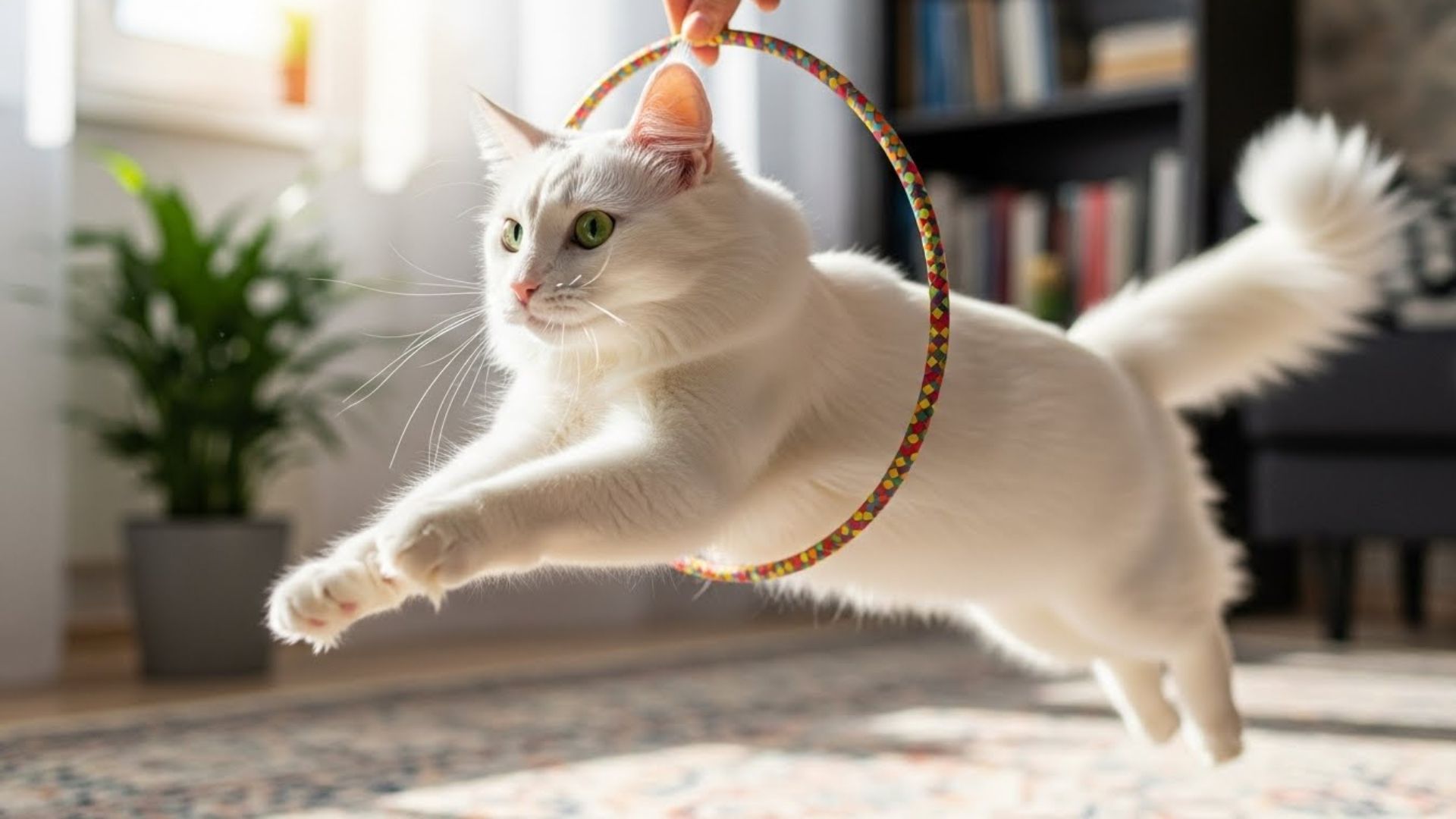
Cats aren’t always known for their willingness to follow commands, but many are far more capable of learning than they’re given credit for. With the right approach, cats can be taught useful behaviors and entertaining tricks, from responding to their name to confidently entering a carrier. Training offers more than convenience—it strengthens the bond between you and your cat while encouraging positive interaction and trust.
Beyond practical skills, trick training provides valuable mental stimulation. Learning new behaviors helps prevent boredom, channels energy productively, and can even promote better sleep patterns.
Success often comes down to preparation, including patience, consistency, and irresistible treats that motivate your cat to participate. When training is enjoyable, cats are more eager to engage and repeat behaviors.
Not all cats learn at the same pace, but some breeds are especially receptive to training. Known for their intelligence and curiosity, these cats enjoy challenges and problem-solving. In this guide, we’ll explore cat breeds that excel at trick training and discover what makes them such impressive and entertaining learners.
Cat Breeds Good for Trick Training
1. Bengal
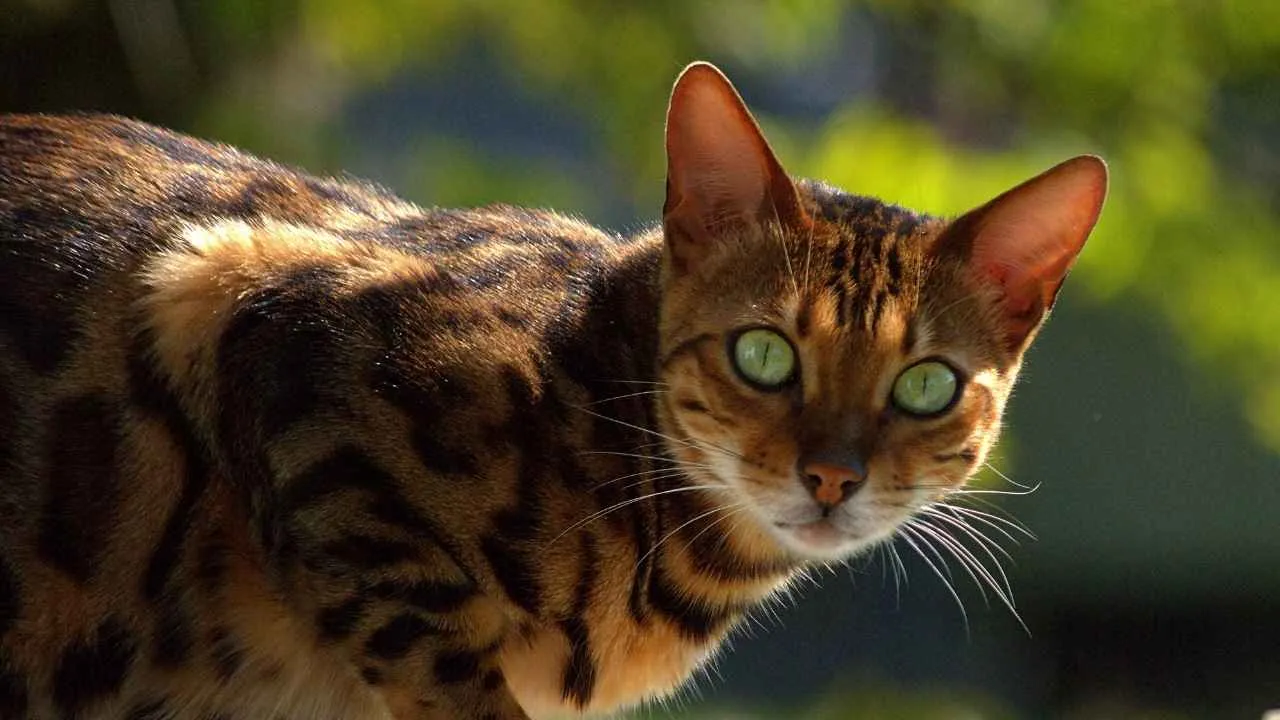
Also known simply as the Bengal cat, this breed is famous for its wild-inspired spotted or marbled coat and athletic build. According to Britannica, their large, round eyes may be golden, copper, green, or blue, depending on the color of their coat.
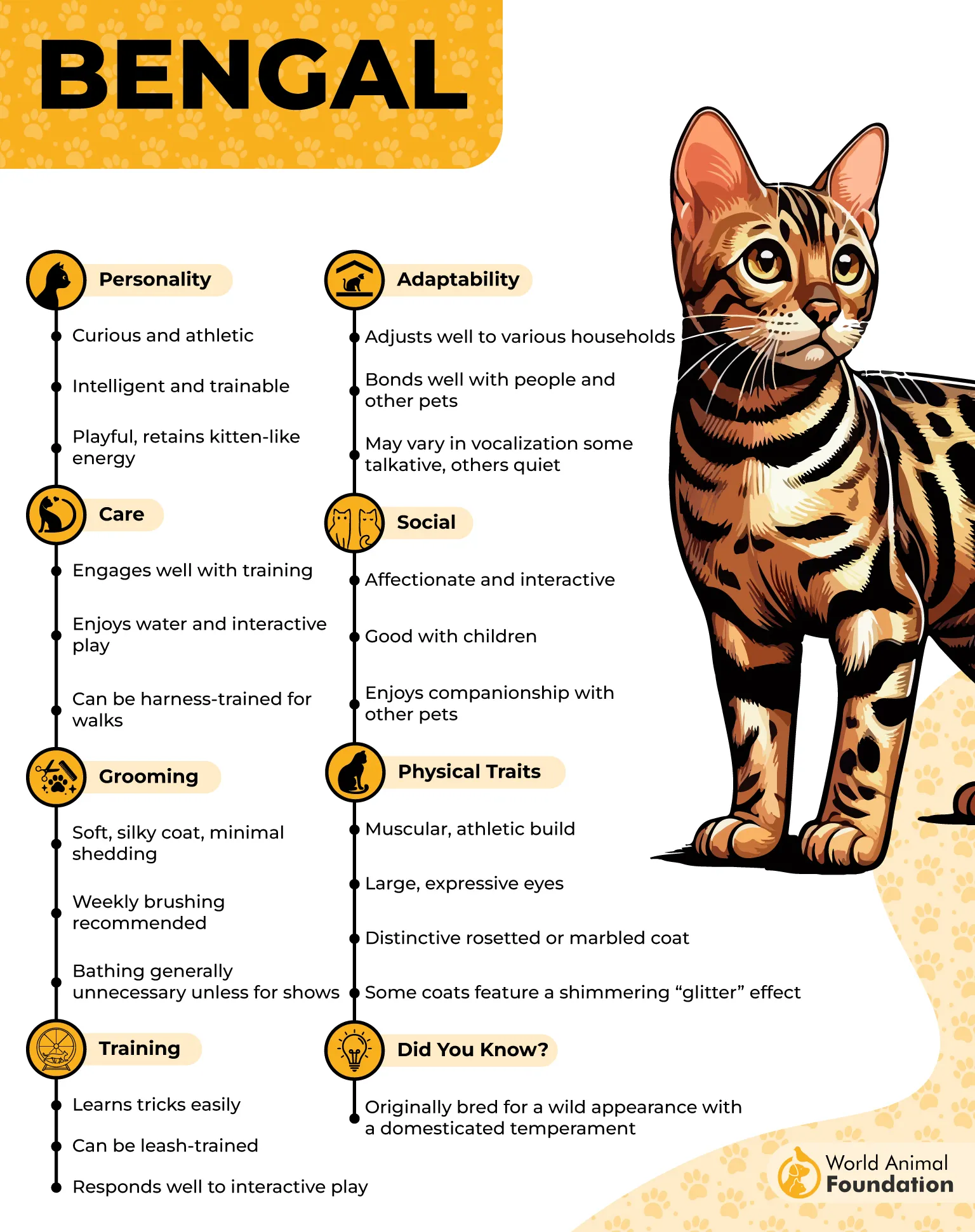
Bengals excel at trick training because of their exceptional problem-solving skills and eagerness to engage. Their high energy and alert nature mean they thrive when given challenges, making them quick to understand commands and routines.
Movement-based tricks come naturally to this breed. Bengals enjoy activities like fetching, jumping through hoops, and navigating obstacle courses, which suit their athleticism and help channel their mischievous tendencies into positive behaviors.
What truly sets Bengals apart is their need for constant mental stimulation. Frequent, varied training sessions prevent boredom and keep them focused and cooperative.
Fun fact: Bengals are known for their unusual love of water, and some can even be trained to perform tricks in the bathtub.
2. Siamese
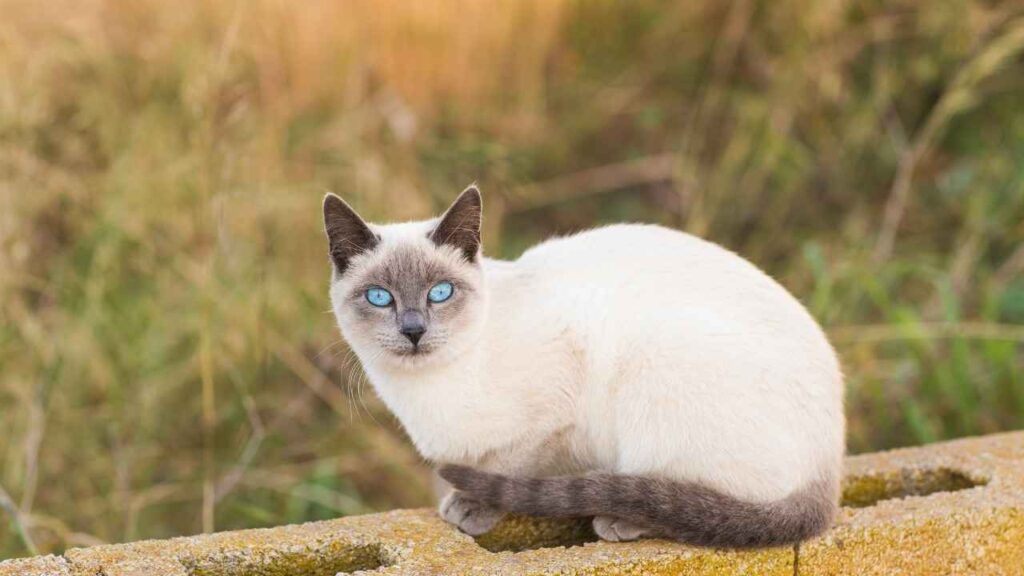
Also known as the Siam or Thai cat, the Siamese is instantly recognizable by its sleek body, pointed coat pattern, and striking blue eyes. According to PetMD, there was a time when only royalty was allowed to keep Siamese cats as companions.
Originating from Thailand, this breed is famous for its expressive voice, social nature, and strong desire to stay involved in daily household activities.
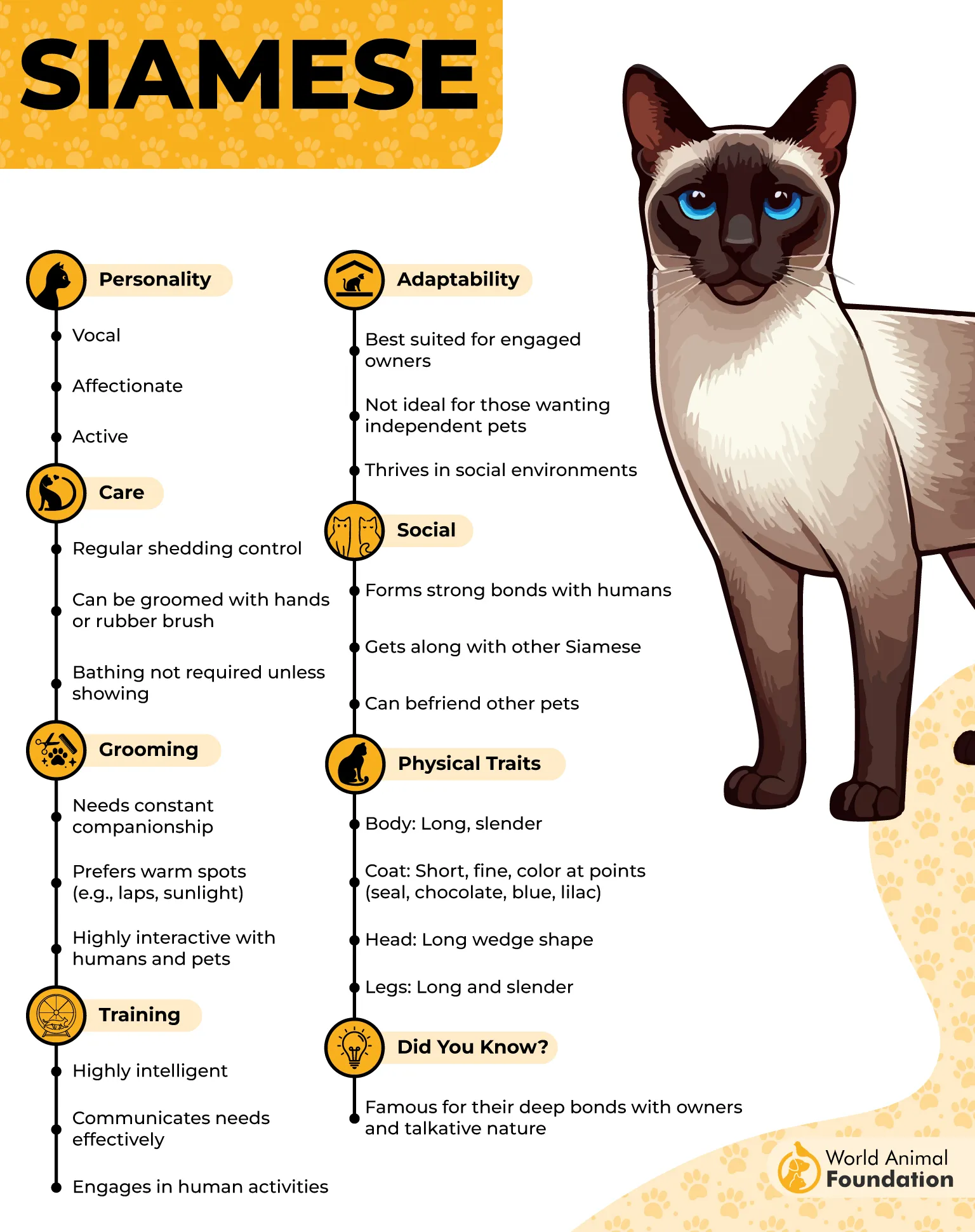
Curiosity is one of the key traits that make Siamese cats easy to train. They are naturally eager to explore and learn, which helps them pick up tricks quickly when training sessions are engaging and reward-based. Leash training is often successful with this breed due to their confidence and interest in new experiences.
High intelligence and a need for mental stimulation set the Siamese apart. These cats excel at learning commands like fetch, sit, and even navigating simple obstacles. Their strong response to treats and verbal praise makes structured trick training both effective and enjoyable.
Siamese cats also form deep bonds with their humans, enhancing their focus during training.
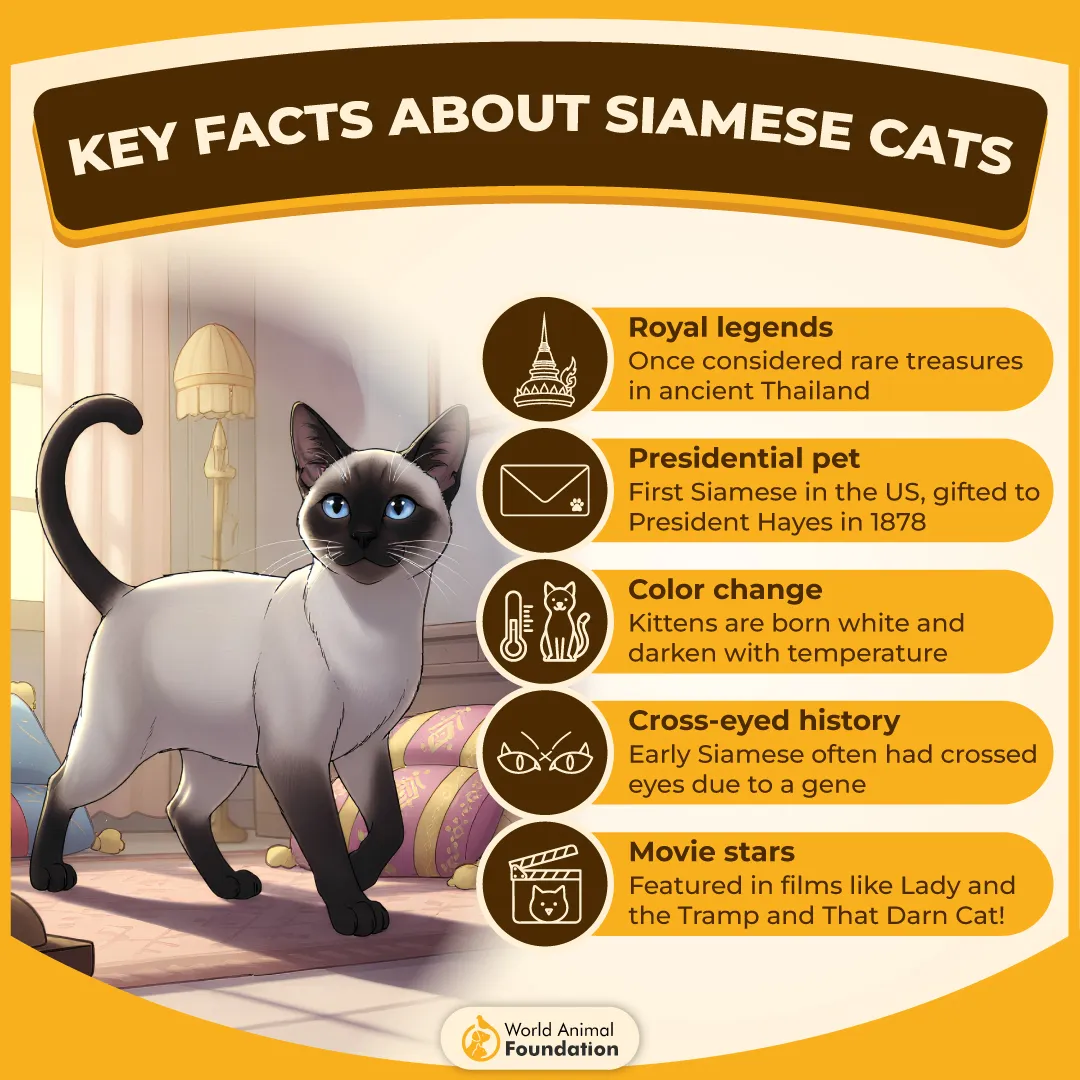
Fact: Many Siamese cats are known to solve problems such as opening doors or retrieving objects on their own.
3. Maine Coon
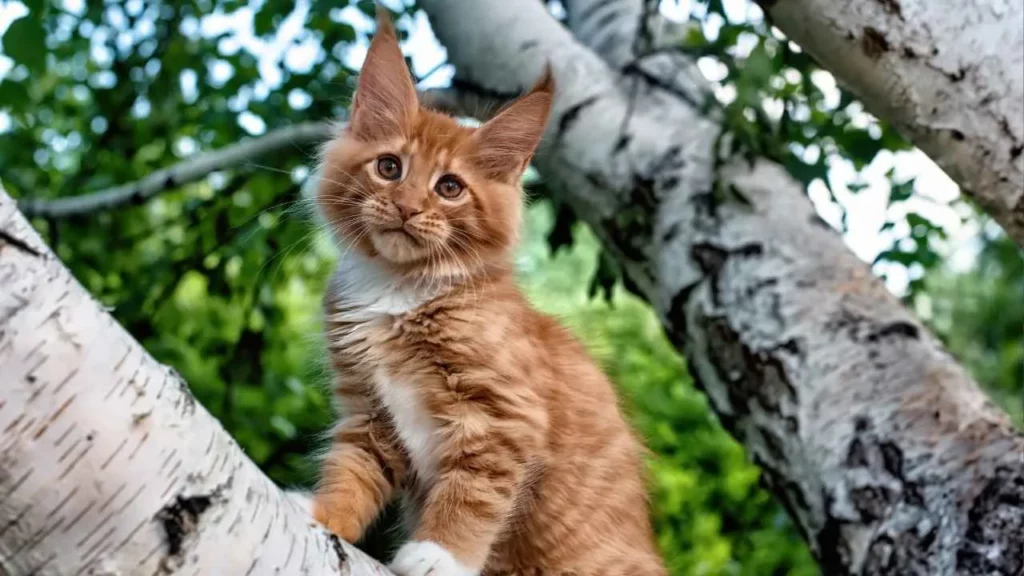
Often called the “gentle giant” or “coon cat,” the Maine Coon is one of the largest domestic cat breeds, recognized for its shaggy coat, tufted ears, and friendly, dog-like personality.
According to WebMD, Maine Coon cats are a large breed known for being affectionate and friendly. Despite their impressive size, these cats are social and deeply bonded to their families.
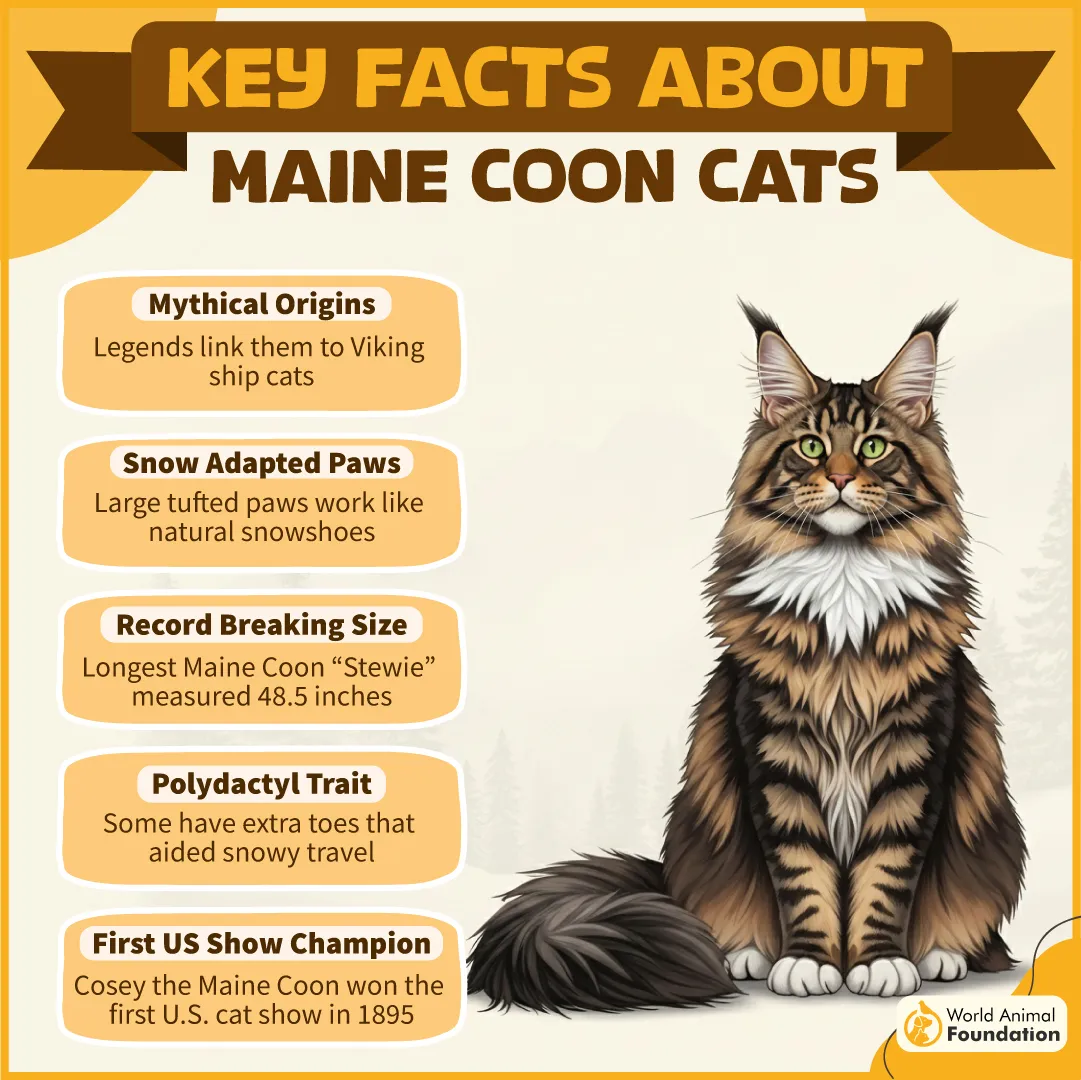
When it comes to trick training, Maine Coons excel thanks to their sharp intelligence and eagerness to interact. They enjoy learning new behaviors, especially when training doubles as playtime, giving them both mental stimulation and the exercise their large bodies need.
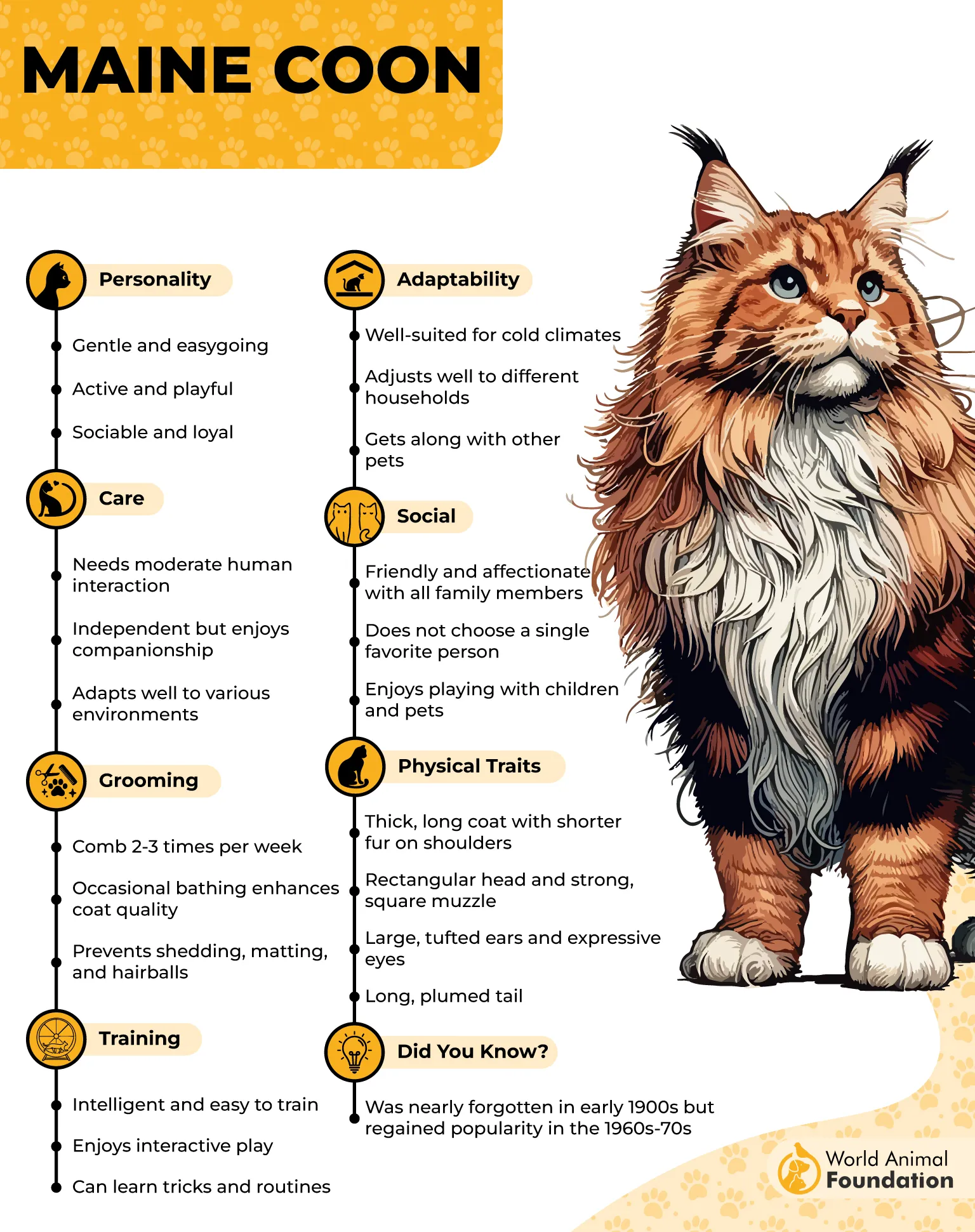
Highly intelligent cat breeds that love learning often respond well to positive reinforcement, and the Maine Coon is no exception. From fetching toys to shaking paws, these cats approach training with enthusiasm, patience, and a calm focus that keeps sessions enjoyable.
Their adaptable nature even allows them to master leash walking and interactive puzzles with ease.
Fact: Maine Coons are known for learning tricks like fetch and leash walking while using distinctive chirps and trills instead of typical meows.
4. Abyssinian

Also known simply as the Aby, the Abyssinian is a sleek, athletic cat recognized for its short ticked coat and alert, expressive eyes. This breed is famous for boundless energy, sharp intelligence, and an inquisitive nature that keeps them constantly on the move.
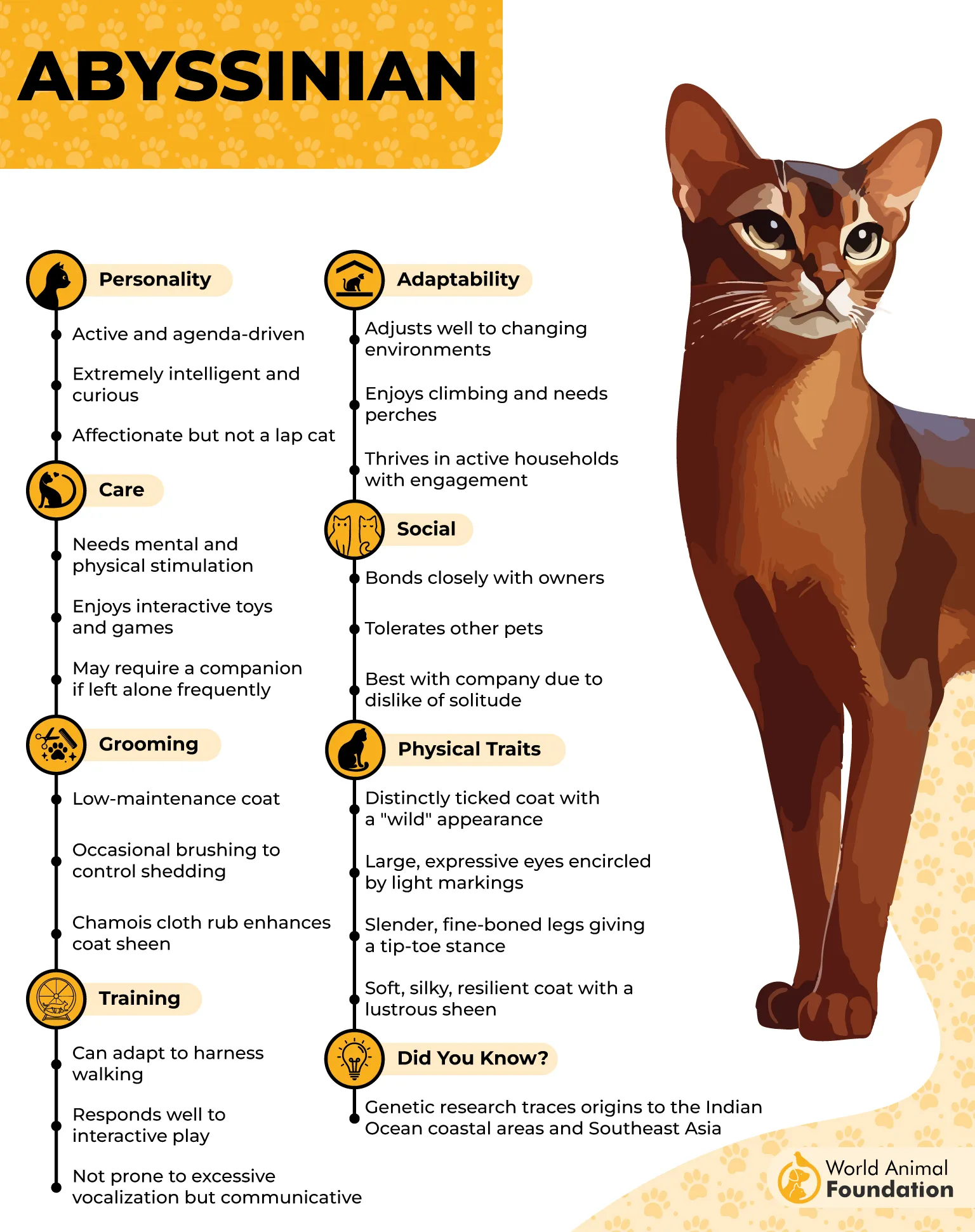
Energetic and playful, Abyssinians excel at trick training because they thrive on mental challenges. They quickly learn behaviors like fetching, high-fives, and responding to cues, especially when training sessions are interactive and reward-based.
Their curiosity fuels a love of exploration, making them eager participants in clicker training, puzzle games, and even leash walking. Regular training helps prevent boredom and gives these active cats the stimulation they crave.
While affectionate, Abyssinians prefer engagement over cuddling, focusing their enthusiasm on activity and learning.
Fact: Due to their intelligence and stamina, Abyssinians are often compared to the Border Collie of the cat world.
5. Savannah
Also known simply as the Savannah cat, this hybrid breed descends from the African serval and a domestic cat. With long legs, large ears, and a bold spotted coat, Savannahs have a striking, wild appearance paired with impressive intelligence.
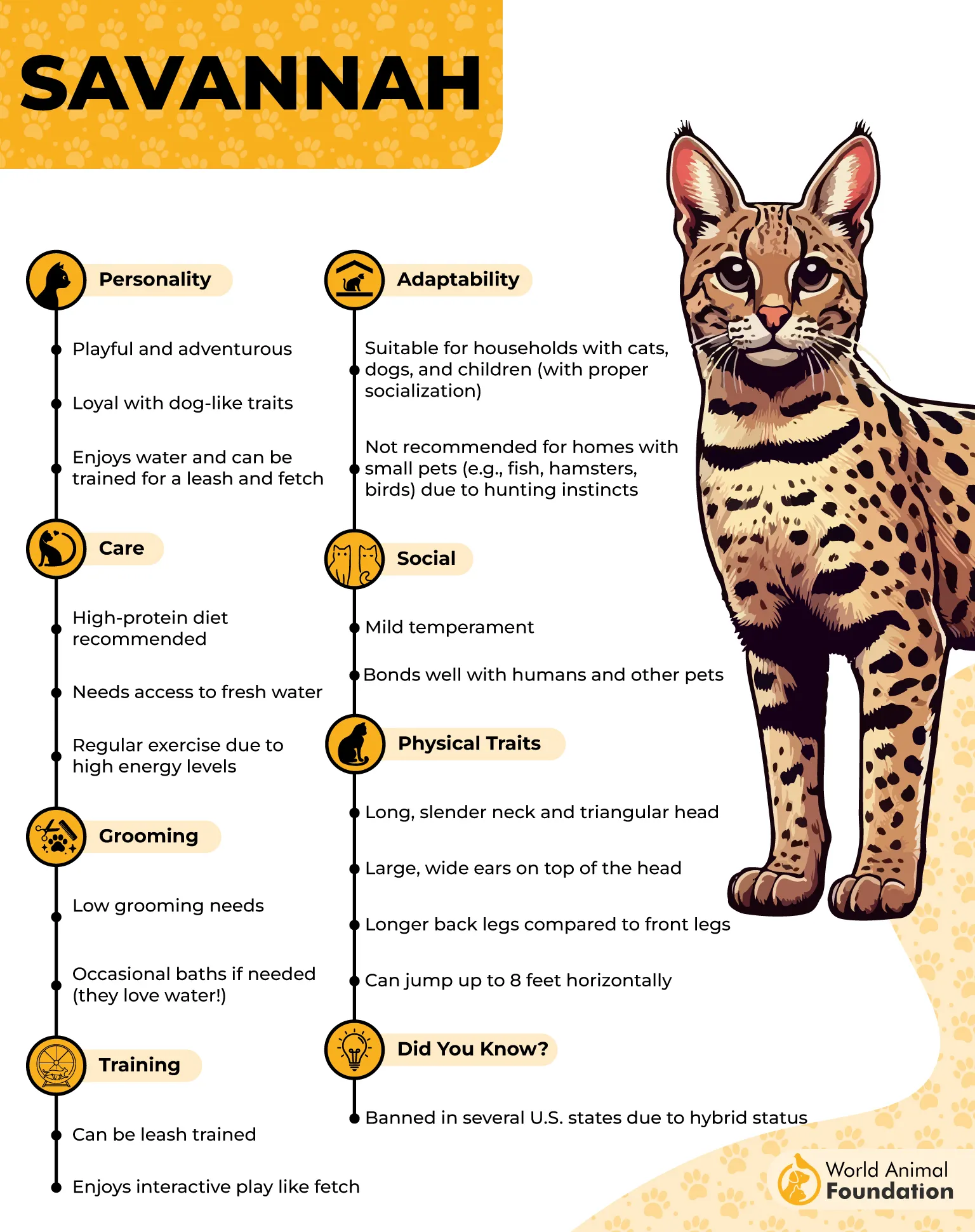
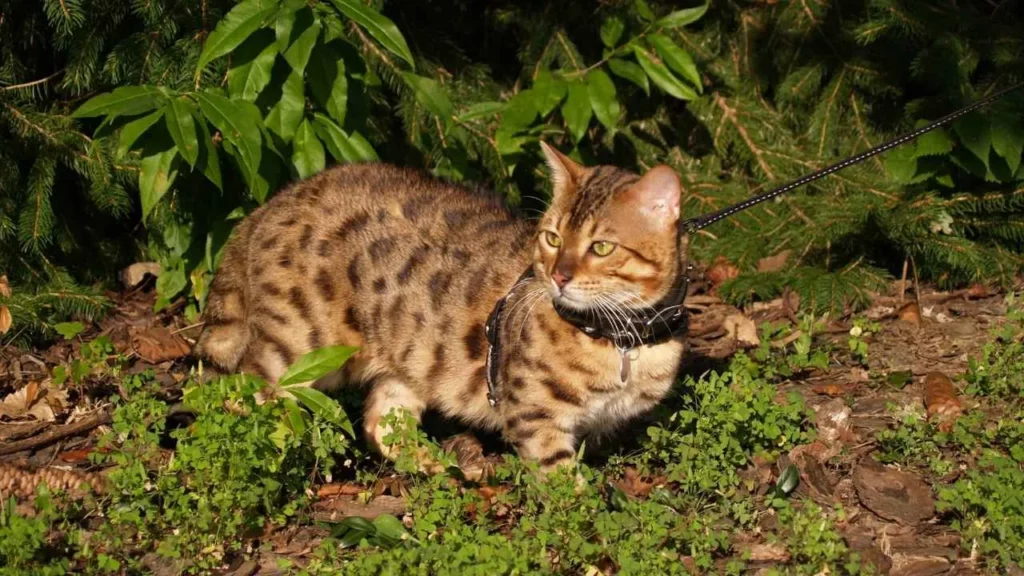
When it comes to trick training, Savannahs excel thanks to their sharp minds and boundless energy. They quickly learn commands, enjoy leash walking, and often master games like fetch, especially when training sessions are interactive and engaging.
Highly social and people-oriented, Savannah cats thrive on involvement with their owners. They enjoy being part of daily routines and respond best to training that includes praise, play, and close human interaction rather than solitary activities.
Their curiosity and problem-solving skills make them eager learners but also clever escape artists, so mental stimulation is essential.
Fun fact: Depending on the generation, Savannah cats can weigh between 12 and 25 pounds and live up to 20 years.
6. Burmese
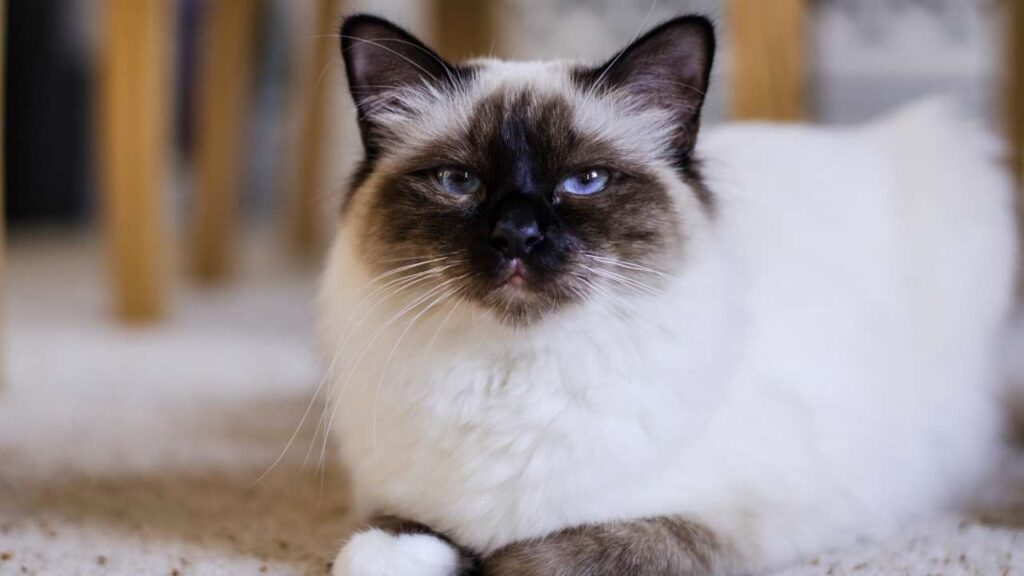
Also known simply as the Burmese cat, this breed is recognized for its sleek, muscular body, expressive eyes, and people-focused personality. Burmese cats are famously affectionate and form deep bonds with their owners, often following them from room to room.
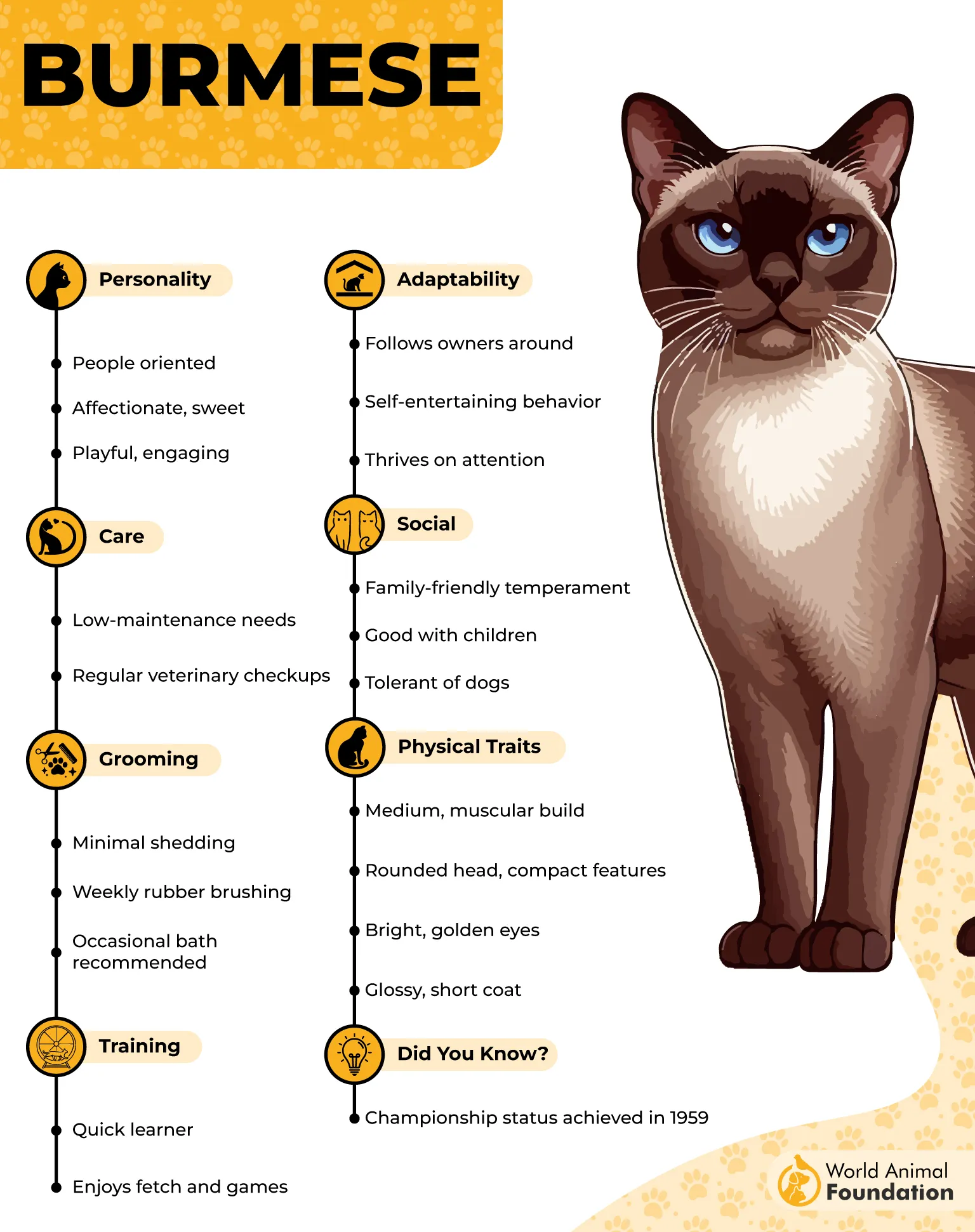
Their love of attention makes them excellent candidates for trick training. Burmese cats enjoy learning behaviors like coming when called, sitting on cue, or offering a paw, especially when training feels like quality time rather than a chore.
To keep training fun and stress-free, short sessions paired with praise and rewards work best. Burmese cats respond enthusiastically to clicker training and positive reinforcement, which keeps them mentally engaged without pressure or frustration.
Because they are sensitive to household stress, maintaining a calm environment is key. Gentle routines, patience, and encouragement help them stay relaxed and eager to learn.
Fact: Burmese cats are highly motivated by human interaction and approval, which is why they are considered one of the most trainable cat breeds.
7. Turkish Van
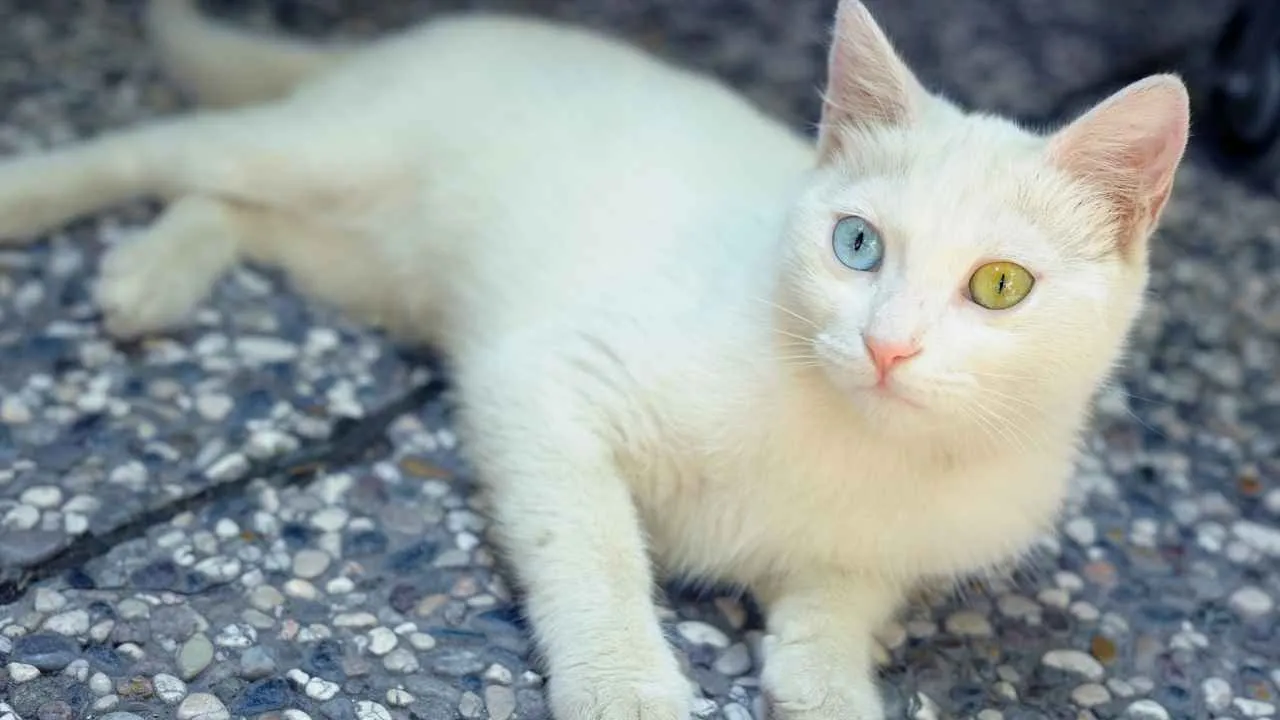
Also known as the “swimming cat,” the Turkish Van is a natural breed admired for its energetic personality and distinctive love of water. Originating near Lake Van, this cat is strong, athletic, and highly people-oriented, often seeking constant interaction with its family.
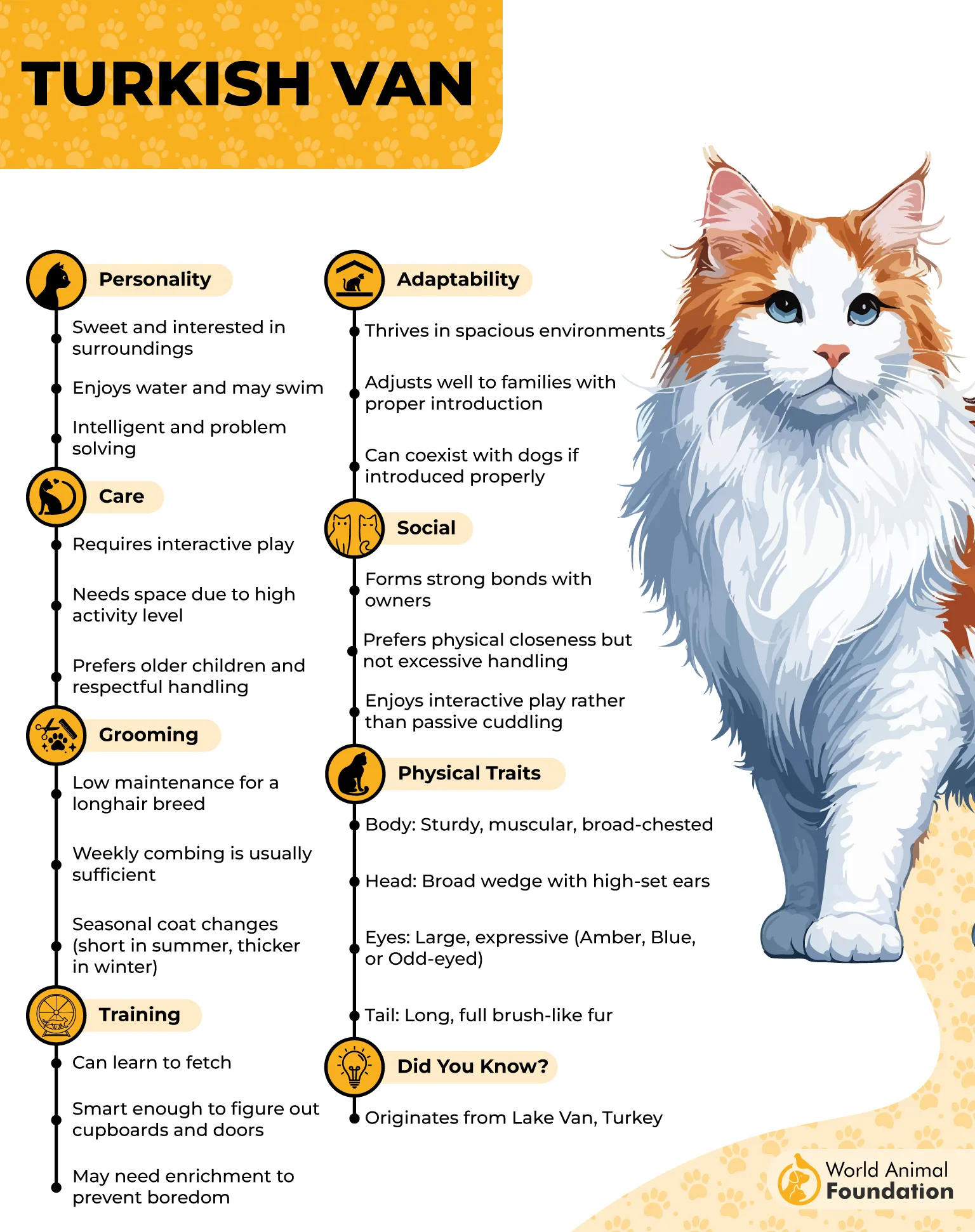
When it comes to trick training, the Turkish Van truly stands out. Its eagerness to please and high energy level make it receptive to learning commands, especially those that involve movement, problem-solving, or interactive play with toys.
Unlike most cats, this breed’s comfort around water opens the door to unique training opportunities. Many Turkish Vans can be taught to retrieve floating toys, jump onto platforms, or even participate in supervised water games, adding variety to training routines.
For owners choosing a cat for training success, consistency and positive reinforcement are essential.
Fun fact: Turkish Vans are known to enjoy swimming and can even be trained to fetch toys from water.
Conclusion
Cat breeds good for trick training often surprise cat lovers with how easily trainable they can be when the right approach is used.
Thanks to selectively bred intelligence and specific traits like a strong problem-solving ability, these cats enjoy learning new tricks, following simple commands, and even learning to walk on a leash.
Breeds such as the Japanese Bobtail, Russian Blue, and even some Scottish Folds thrive in active households, especially when training fits naturally into daily household routines.
Successful training depends on more than intelligence alone. Cats with an affectionate nature that love attention benefit from one-on-one time, interactive games, and rewards like puzzle toys or access to a favorite scratching post.
Incorporating short sessions where cats can play games while paying attention keeps training enjoyable. The most important thing is patience—when learning feels fun, cats adapt beautifully to family life.
