




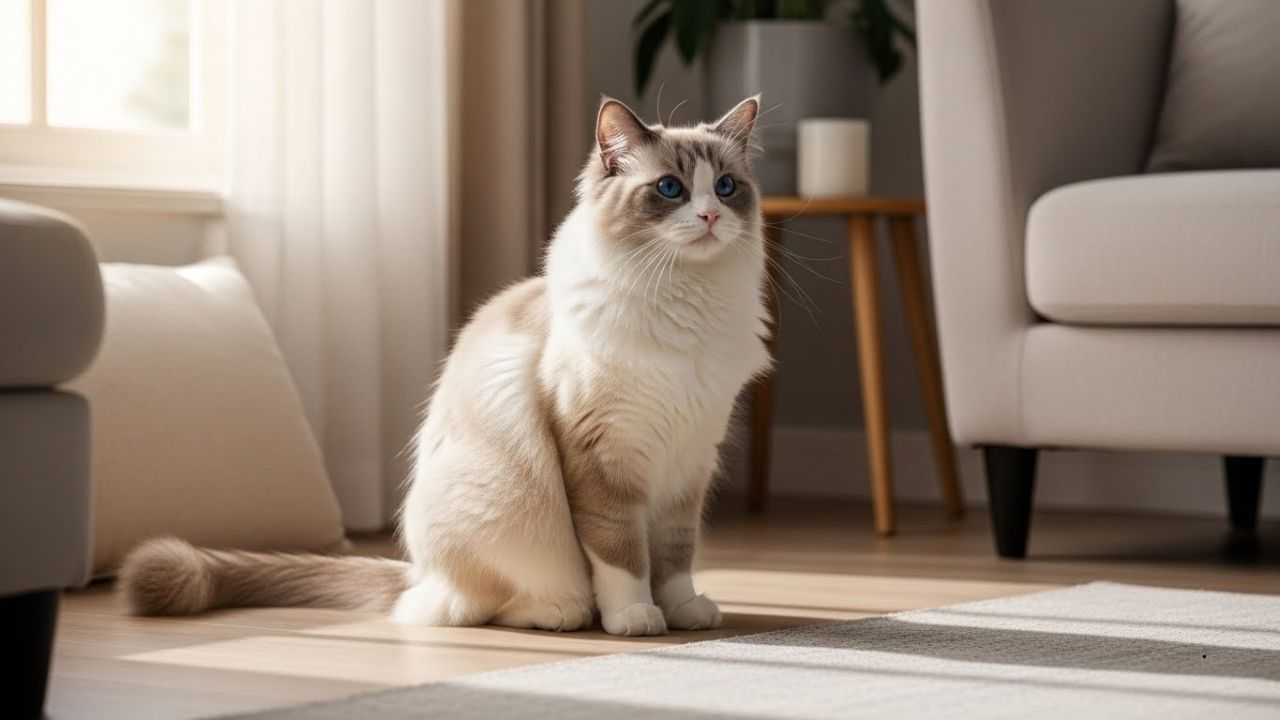
If you love the idea of a peaceful, calm home where soft purrs replace loud meows, choosing a cat breed that fits a quiet lifestyle can make all the difference. Some cats naturally lean toward gentle voices, relaxed routines, and a tranquil presence that blends into calm environments.
These breeds tend to prefer serene spaces and enjoy low noise levels, making them great companions for apartments, quiet families, or anyone who values mellow moments with their furry friend.
Understanding which cats are naturally more laid back and less vocal can help you find a pet that complements your lifestyle and keeps your home feeling peaceful and inviting. Whether you work from home, enjoy quiet evenings, or want a gentle presence by your side, there are breeds that fit the bill.
Cat Breeds Good for Quiet Homes
1. Persian
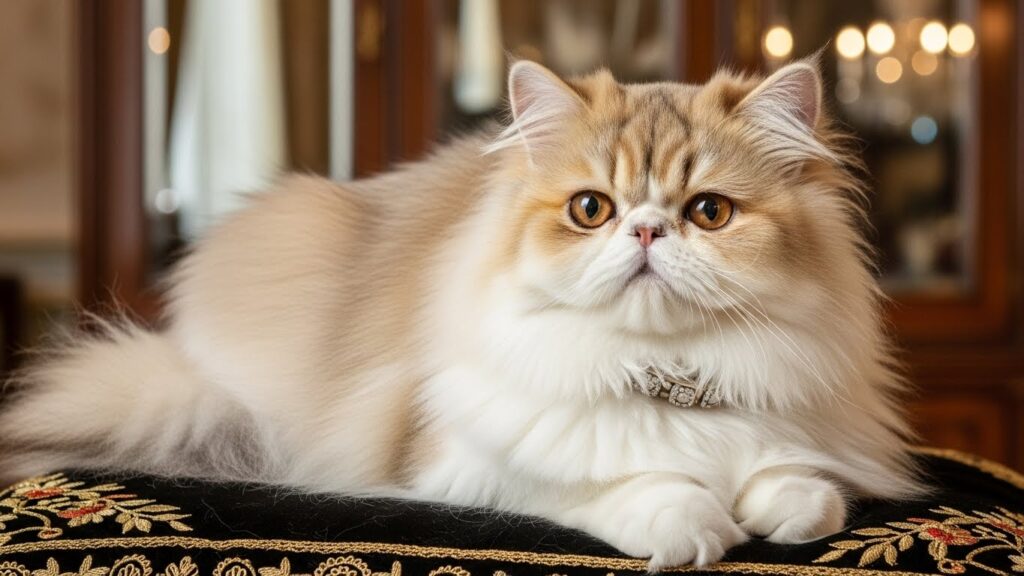
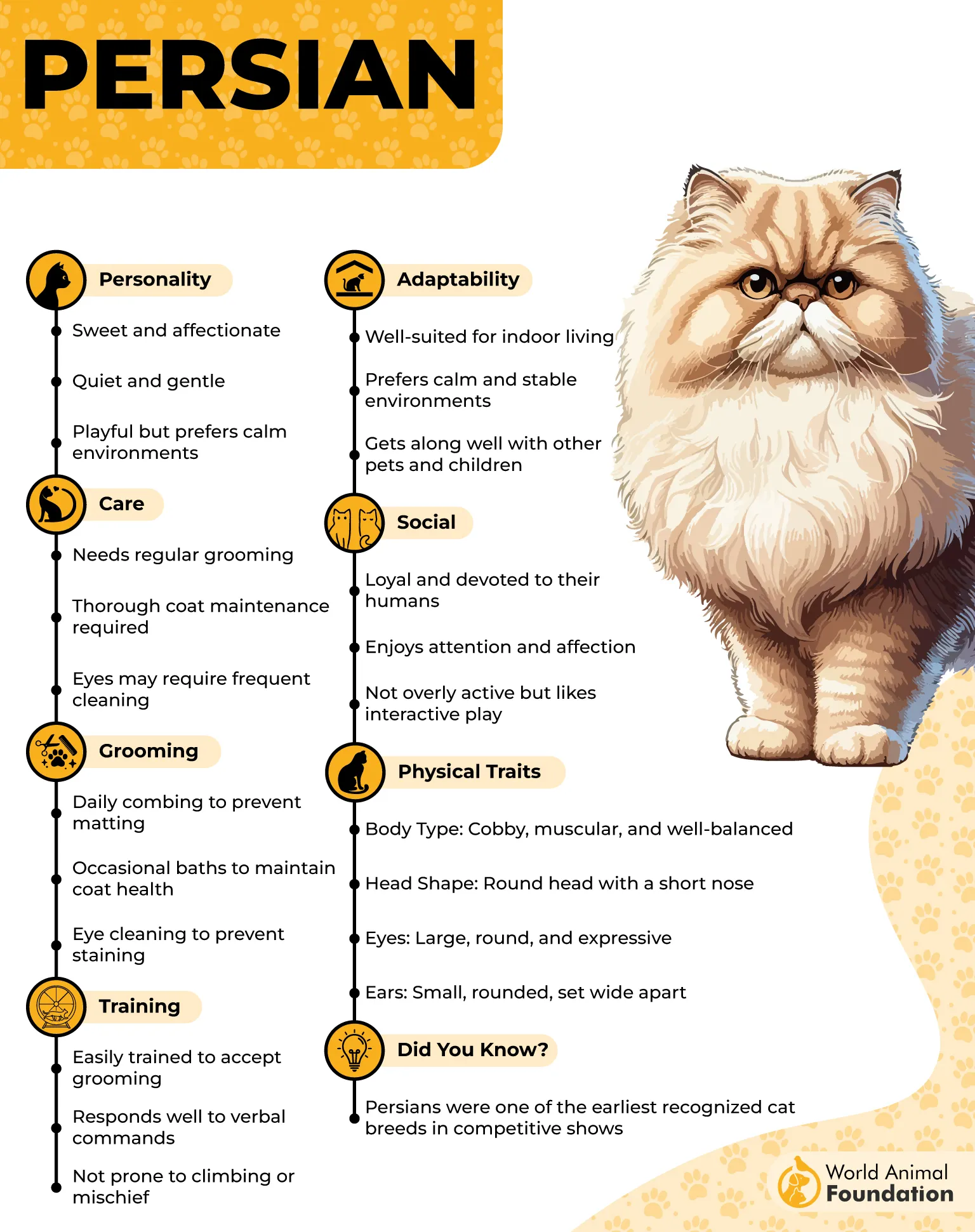
According to Purina, the Persian is known for its calm demeanor and preference for peaceful surroundings. This breed enjoys predictable routines and tends to spend much of the day resting in favorite spots. Loud activity or sudden changes are usually met with quiet retreat rather than protest.
Persians are not big talkers and generally communicate in soft, subtle ways. They prefer gentle attention and relaxed interaction instead of constant play. Their laid-back personality makes them content simply sharing space without needing stimulation.
Because they value comfort, Persians thrive in homes where noise is minimal and schedules are steady. They are happiest when life moves slowly and quietly around them. A calm environment allows their affectionate side to show without stress.
Why This Cat Is a Good Fit
Naturally quiet and relaxed indoors
Prefers low-energy households
Great match for calm daily routines
2. Exotic Shorthair
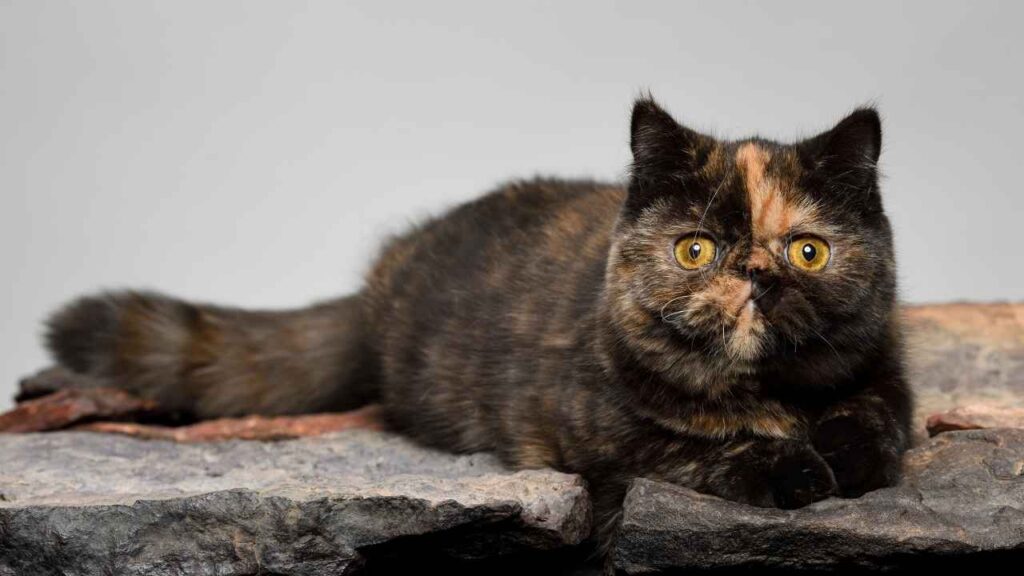
The Exotic Shorthair combines a mellow personality with a low-key approach to life. This breed enjoys lounging and observing rather than actively seeking attention. It adapts easily to tranquil environments.
Exotics tend to be softly expressive, rarely vocalizing unless necessary. PetMD states that they enjoy affection but are not demanding about it. Their calm presence makes them easy companions in quiet homes.
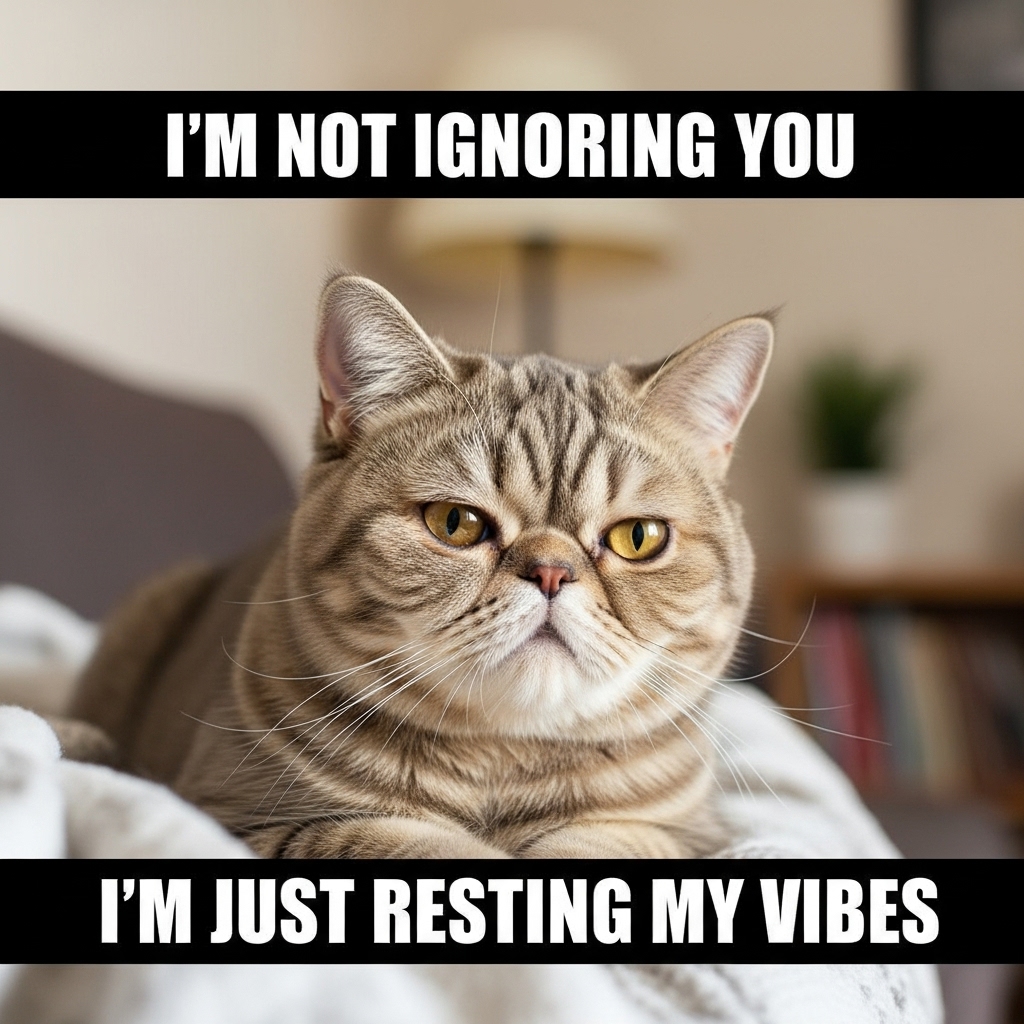
Because they are content with minimal stimulation, Exotic Shorthairs suit smaller spaces well. They appreciate comfort, consistency, and gentle handling. A peaceful household helps them stay relaxed and happy.
Why This Cat Is a Good Fit
Quiet communication style
Comfortable with relaxed indoor living
Ideal for low-noise households
3. Ragdoll
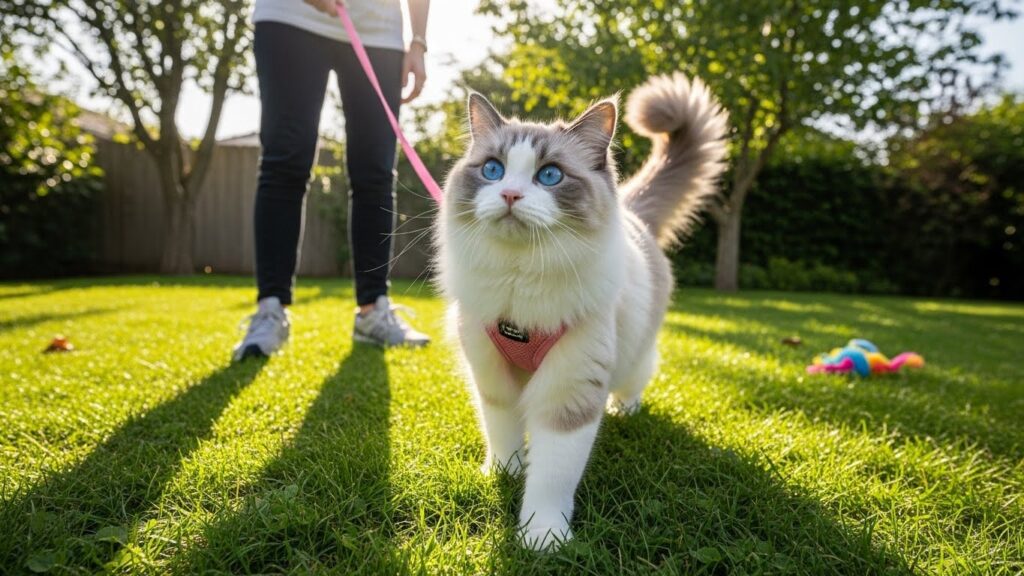
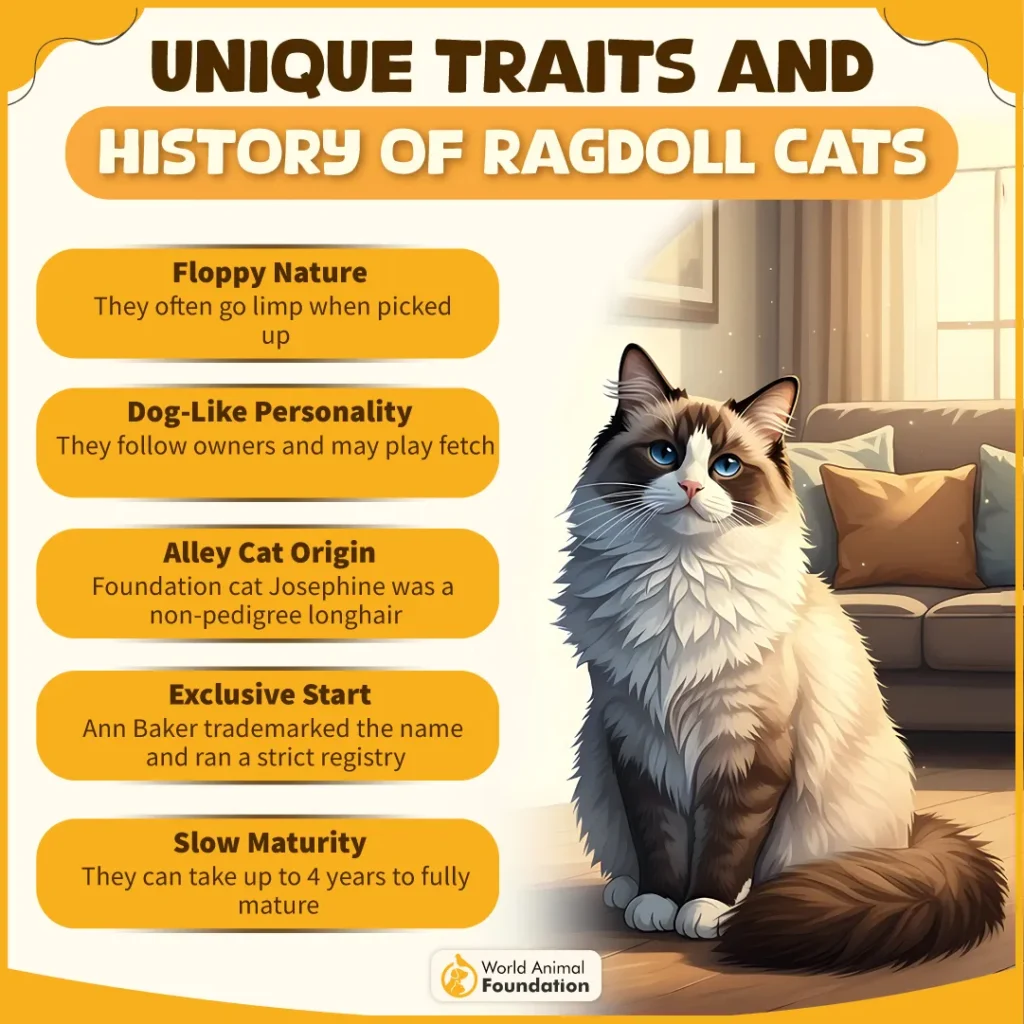
Ragdolls are gentle and easygoing large cats that handle calm environments beautifully. They prefer slow movements and tend to avoid chaos when possible. This breed often stays close without needing constant interaction.
Known for their soft voices, Ragdoll cats rarely disrupt a quiet space. They enjoy calm companionship and are comfortable settling in for long rest periods. Their relaxed nature helps keep the home peaceful.
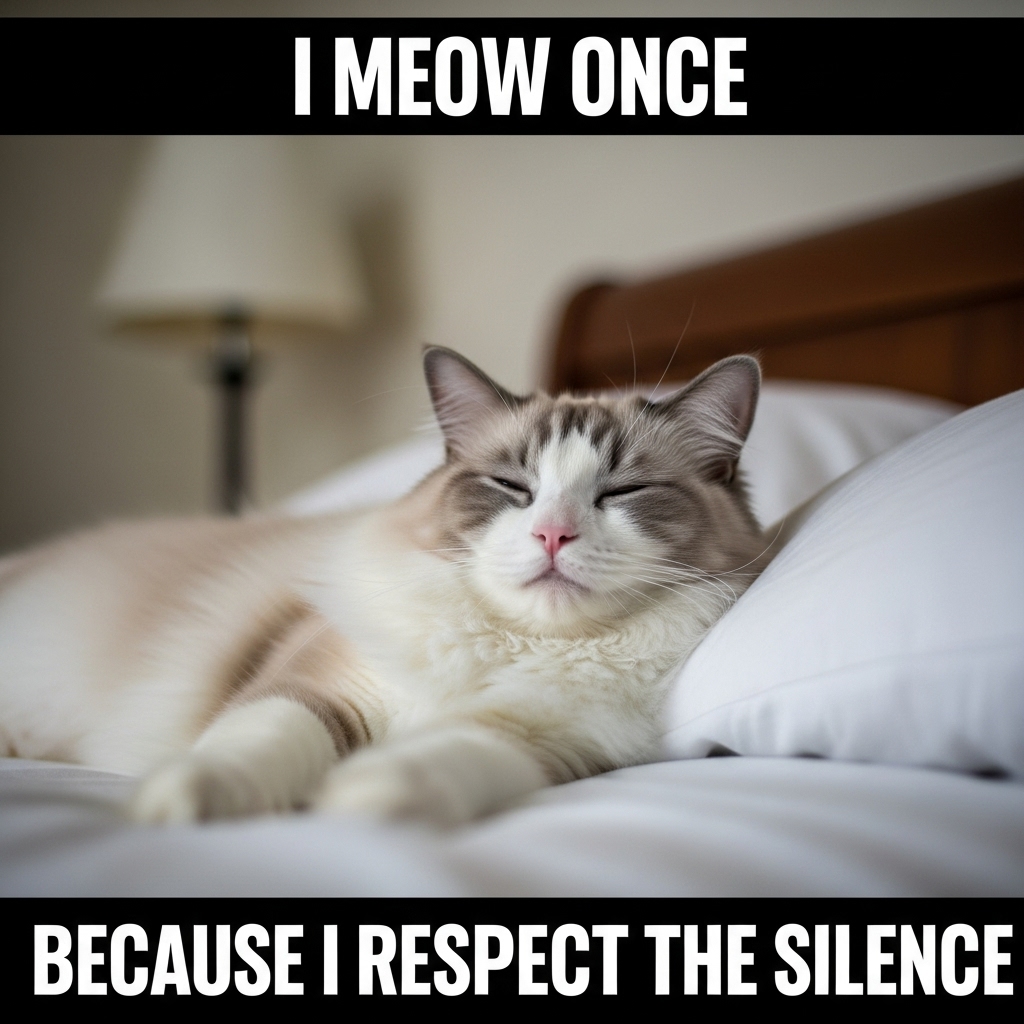
According to the TICA, Ragdolls adjust well to predictable routines and steady households. They respond best to gentle attention and a soothing environment. Quiet homes allow their affectionate personality to shine.
Why This Cat Is a Good Fit
Soft spoken and calm by nature
Thrives in predictable environments
Enjoys quiet companionship
4. Scottish Fold
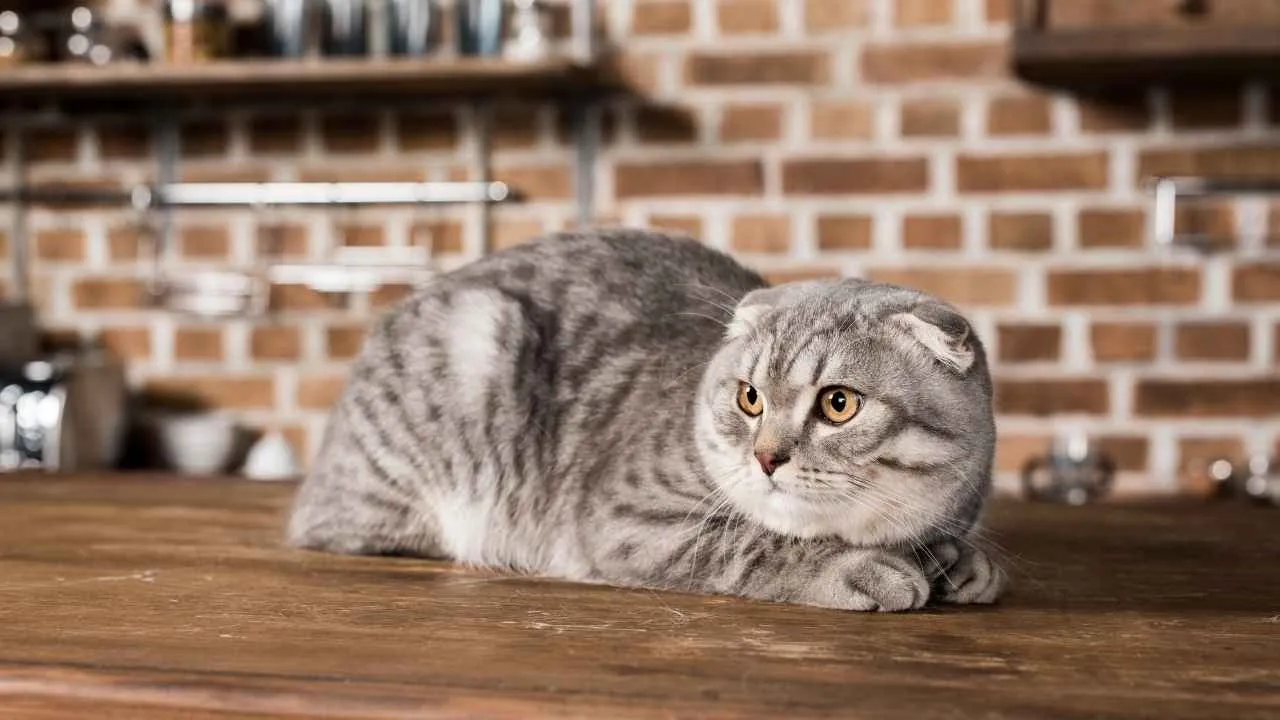
The Scottish Fold is recognized for its sweet temperament and reserved behavior. This breed tends to remain calm even when routines shift slightly. It prefers observing quietly rather than reacting loudly.
Scottish Folds are not overly vocal and usually communicate through subtle gestures. They enjoy attention in moderation and are comfortable spending time alone. Their presence feels soothing rather than energetic.
Because they handle calm environments well, Scottish Folds suit peaceful households. They appreciate gentle interaction and low stimulation. Quiet living supports their balanced personality.
Why This Cat Is a Good Fit
Naturally calm and quiet
Comfortable with low stimulation
Fits well in serene homes
5. Selkirk Rex
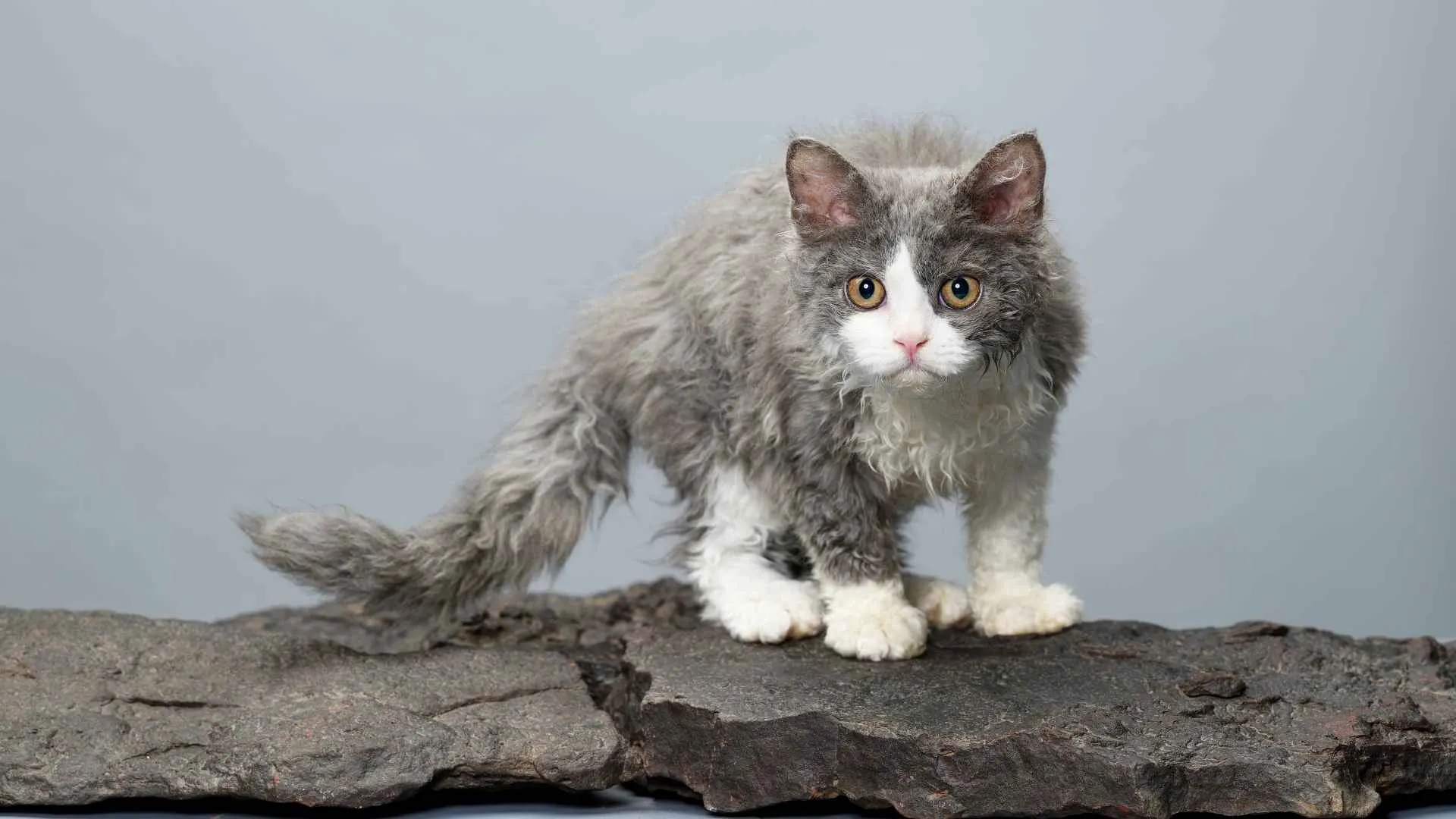
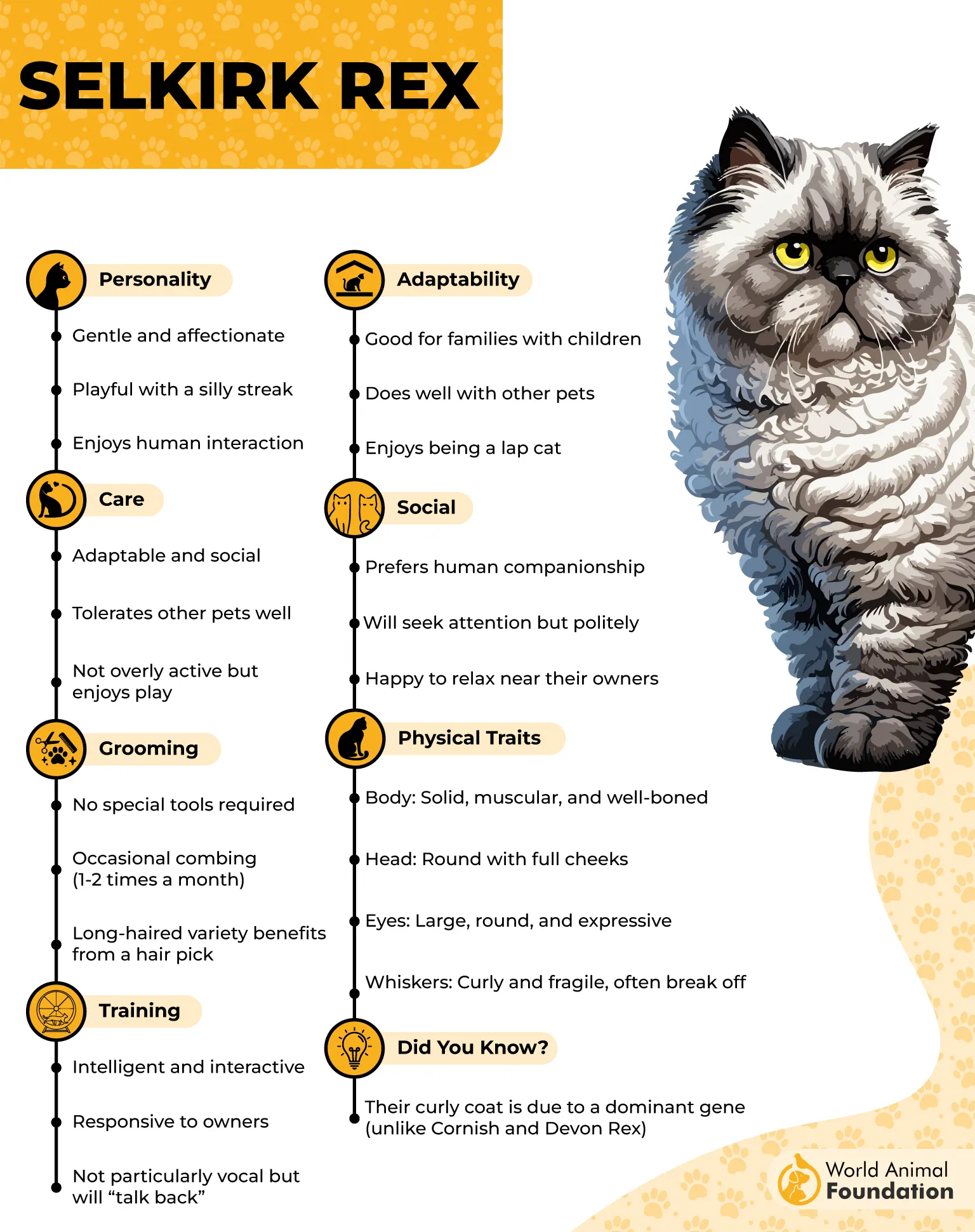
The Selkirk Rex is known for its curly coat and relaxed outlook on life. This breed tends to approach the world with a calm, unhurried attitude that fits well into quiet homes. It enjoys comfort and routine more than constant stimulation.
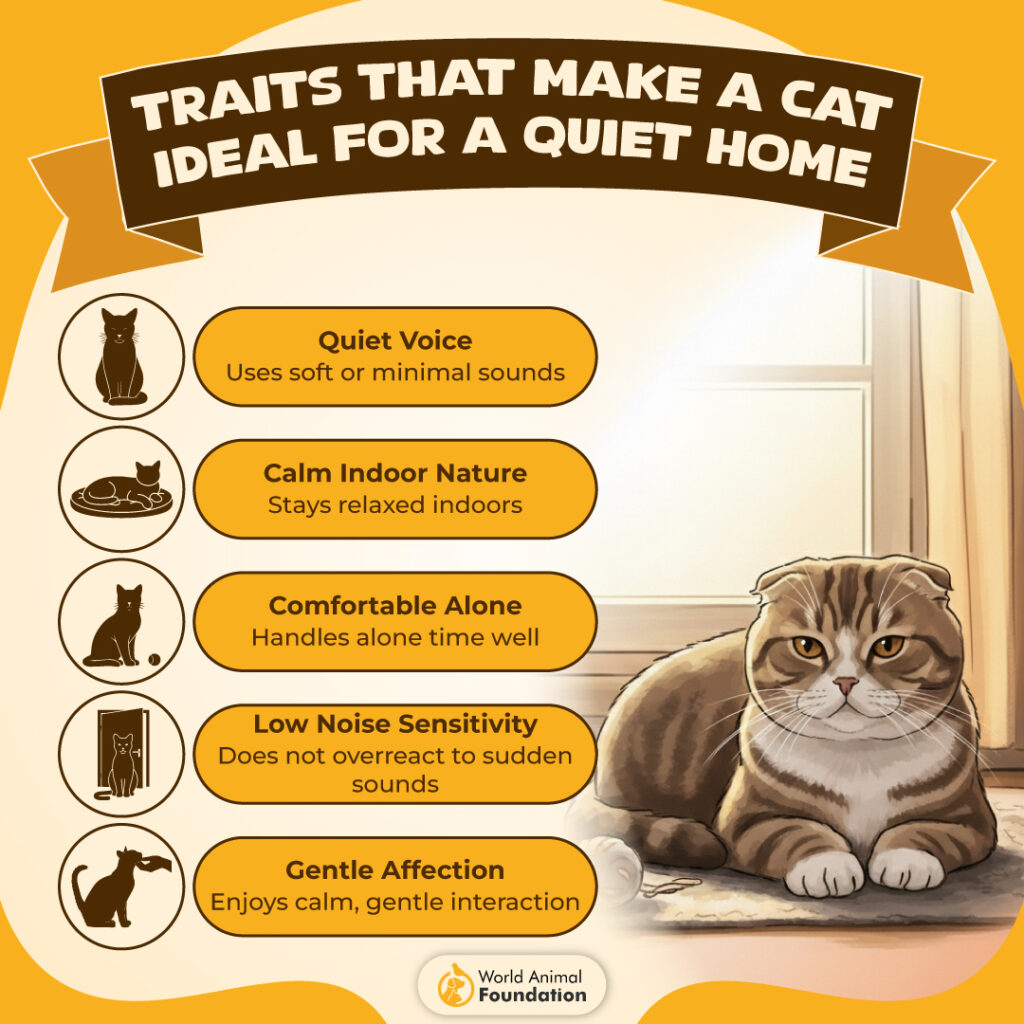
Selkirk Rex cats are generally soft spoken and not prone to excessive vocalizing. They communicate gently and are content to lounge nearby rather than demand attention. Their easygoing nature helps keep the overall household atmosphere peaceful.
Because they adapt well to slower-paced environments, Selkirk Rex cats do best in homes with minimal noise and predictable schedules. They appreciate affection but are equally happy resting on their own. A calm space allows them to fully settle in.
Why This Cat Is a Good Fit
Naturally mellow and quiet indoors
Comfortable with relaxed daily routines
Adds calm presence without demanding attention
6. Ragamuffin
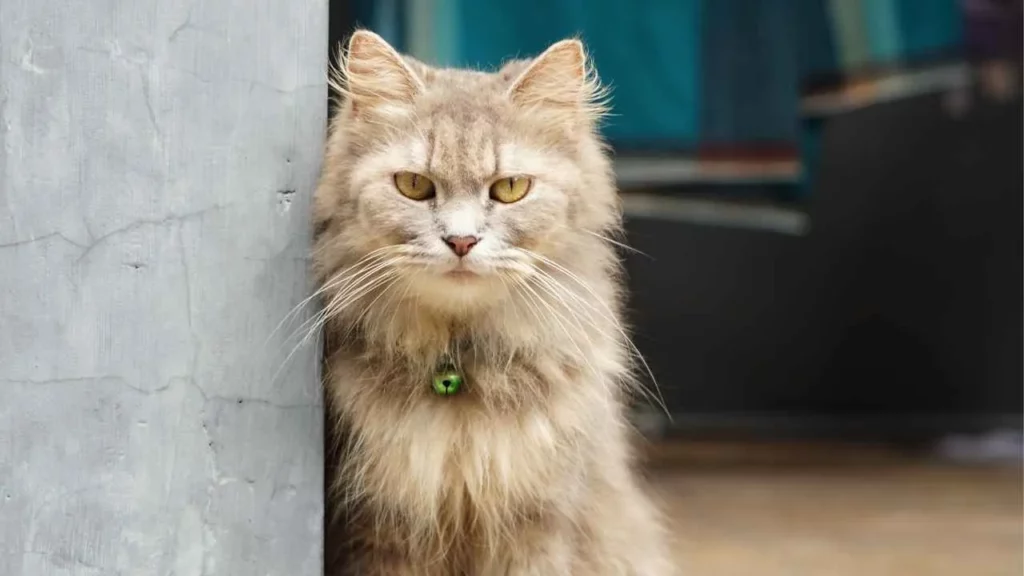
Ragamuffins are gentle, affectionate cats that prefer a laid-back lifestyle. They enjoy spending time close to their people without creating disruption. Their temperament leans toward calm companionship rather than high-energy play.
This breed is not especially vocal and usually expresses needs in subtle ways. Ragamuffins are content with soft interaction and extended rest periods. They handle quiet homes with ease and rarely contribute to noise.
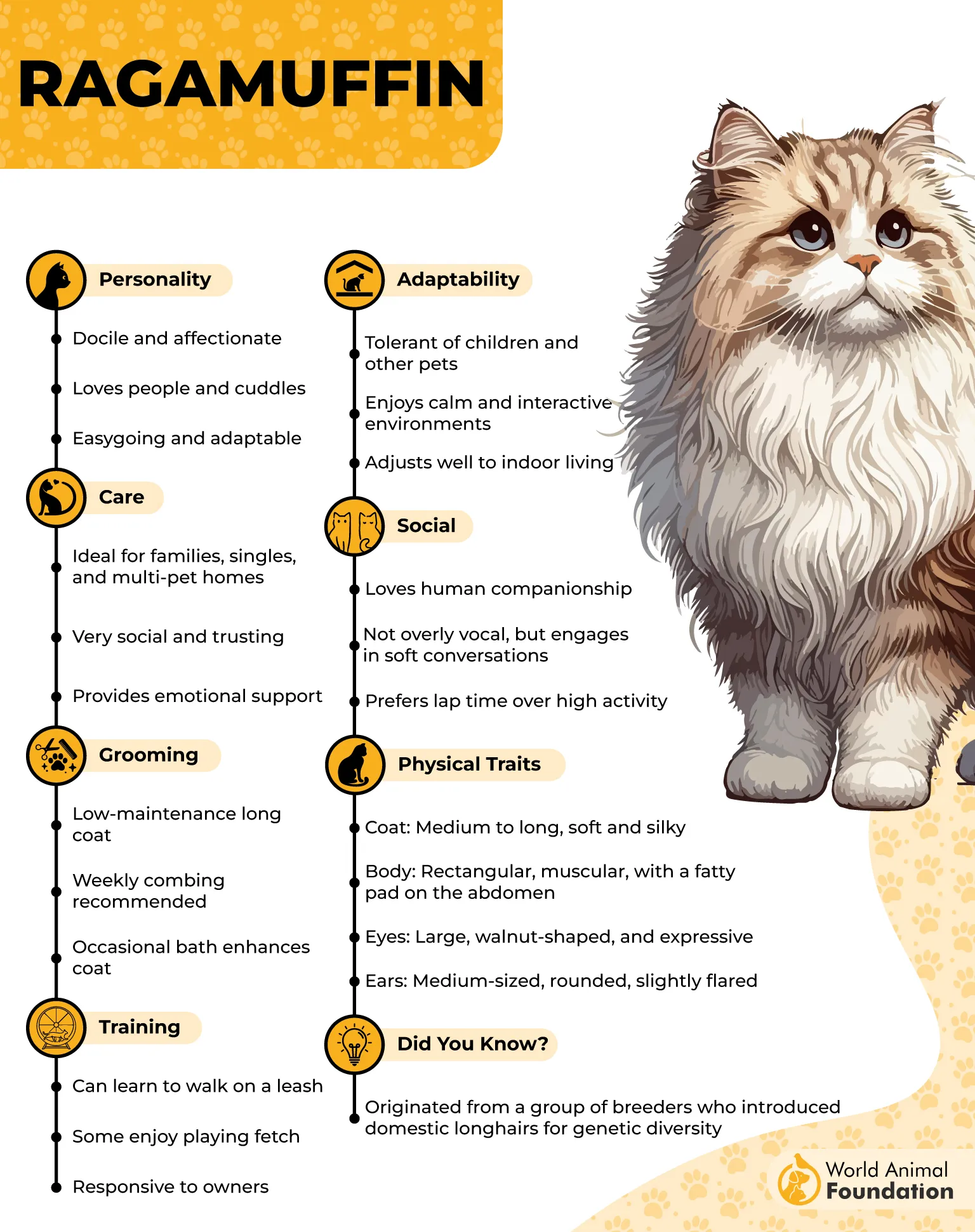
Because they are adaptable and steady, Ragamuffins thrive in peaceful households. They enjoy predictable environments and respond well to gentle handling. Their relaxed demeanor makes them easy to live with long-term.
Why This Cat Is a Good Fit
Soft spoken and calm by nature
Thrives in low noise environments
Ideal for owners seeking gentle companionship
7. Siberian
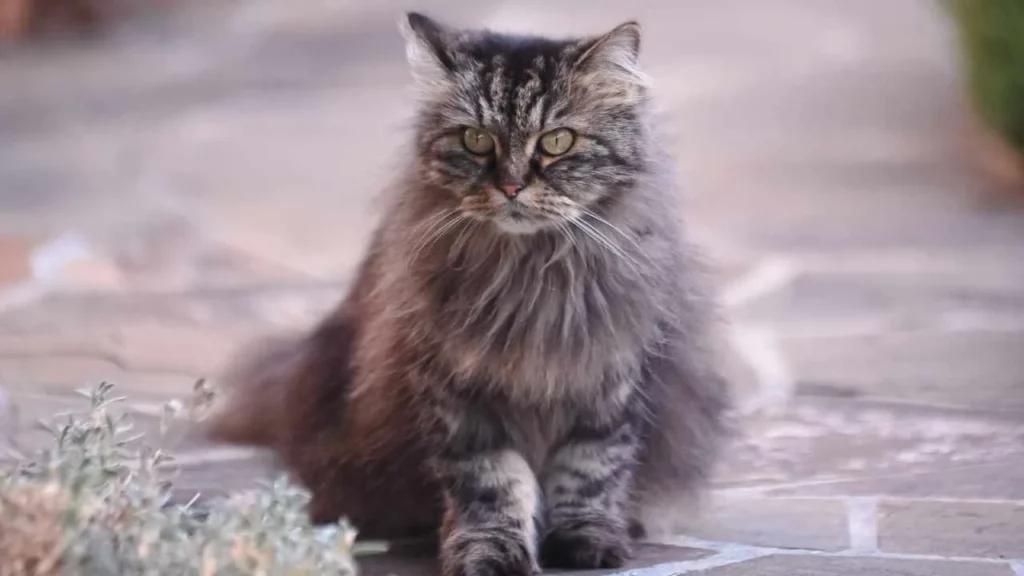
The Siberian is balanced, confident, and surprisingly calm indoors. While capable of play, this breed also values downtime and quiet moments. It adjusts well to different home rhythms without becoming overstimulated.
Siberians are not known for constant vocalization and tend to communicate only when needed. They enjoy observing their surroundings quietly and resting in comfortable spaces. Their presence feels steady rather than disruptive.
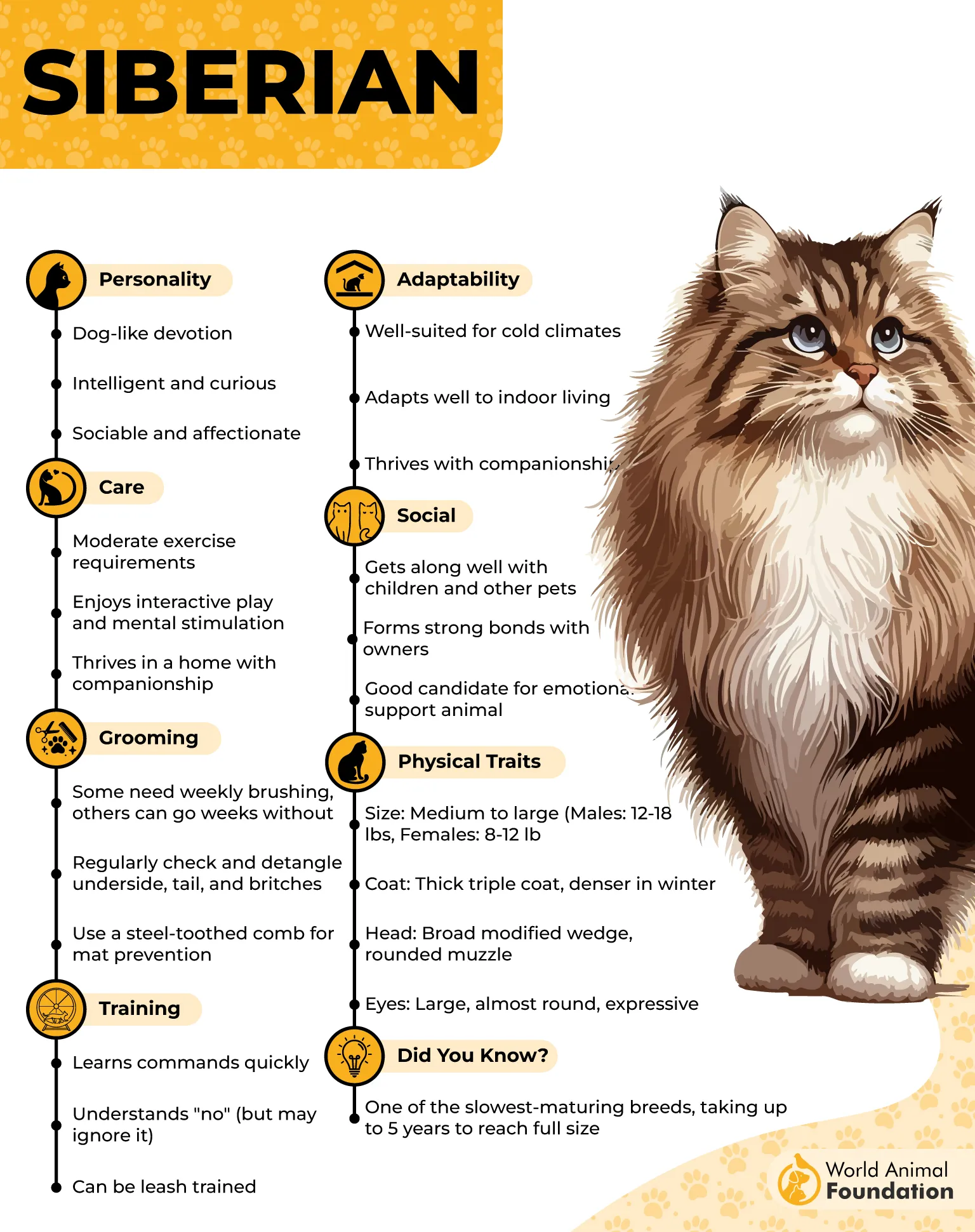
Because of their adaptable temperament, Siberians fit well into calm households. They handle routine changes without stress and appreciate consistent interaction. Quiet environments allow their affectionate side to emerge naturally.
Why This Cat Is a Good Fit
Maintains calm behavior in indoor settings
Communicates quietly and selectively
Suit homes that value balance and peace
Conclusion
Choosing from the calmest cat breeds can make a big difference for anyone who values a relaxed lifestyle and a peaceful home. Calm cats tend to handle loud noises better, enjoy cozy beds, and prefer staying in the same room as their people without being overly demanding.
Many adult cats with a gentle personality and easygoing attitude fit beautifully into family life, even in a busy household with small children. With the right balance of cat toys, scratching posts, cat trees, and a consistent routine, a laid-back feline can become the perfect companion.
Other cats, such as British shorthair, Norwegian forest cat, American shorthair, and Maine coons are also popular cat breeds known for a relaxed temperament, affectionate nature, striking blue eyes, bushy tail, flowing coat, or teddy bear charm that suits mellow homes.
