




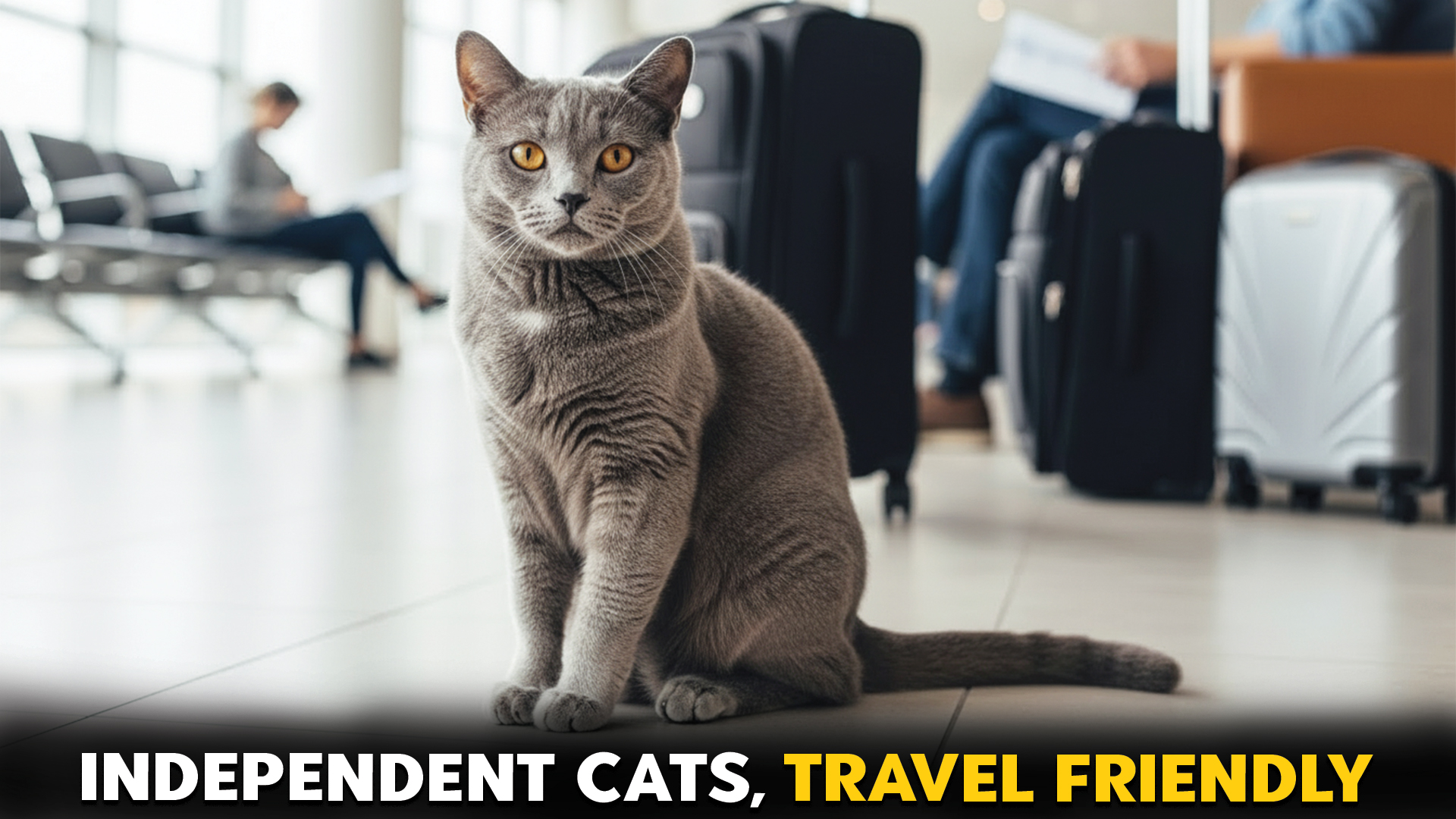
For people who are always on the move, choosing the right feline companion can make all the difference. While many cats prefer predictable routines and familiar surroundings, some breeds are naturally more adaptable, calm, and comfortable with change.
These cats handle new environments, temporary caregivers, or even travel itself with far less stress than the average house cat, making them better suited for owners who travel often.
Of course, suggesting which cat breed is the friendliest or most adaptable can spark endless debate among cat lovers. Every cat has a unique personality, shaped by genetics, upbringing, and experience. Still, seasoned breeders and feline experts agree that certain breeds consistently stand out for their easygoing nature and flexibility when life gets busy or unpredictable.
If your lifestyle includes frequent trips, long weekends away, or regular changes in routine, selecting a breed known for independence and resilience can lead to a happier relationship for both of you.
In this article, we’ll explore cat breeds that tend to adjust well to travel-heavy lifestyles, focusing on temperament, adaptability, and overall ease of care—so you can find a travel-friendly companion that truly fits your life.
Cat Breeds Good for Individuals Who Travel Often
1. Ragdoll
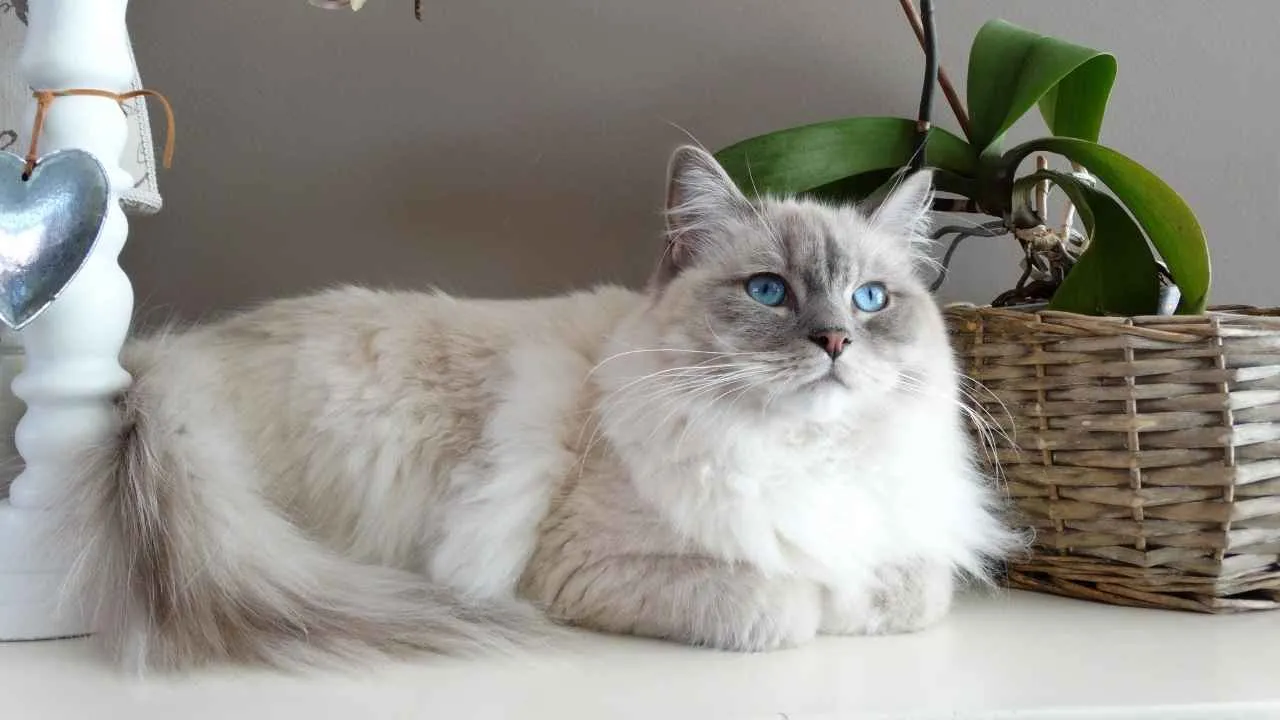
The Ragdoll, sometimes called the “floppy cat” for its tendency to relax completely when held, is a semi-longhaired breed developed in California during the 1960s. According to Britannica, the breed comes in three main varieties: bicolor, colorpoint, and mitted.
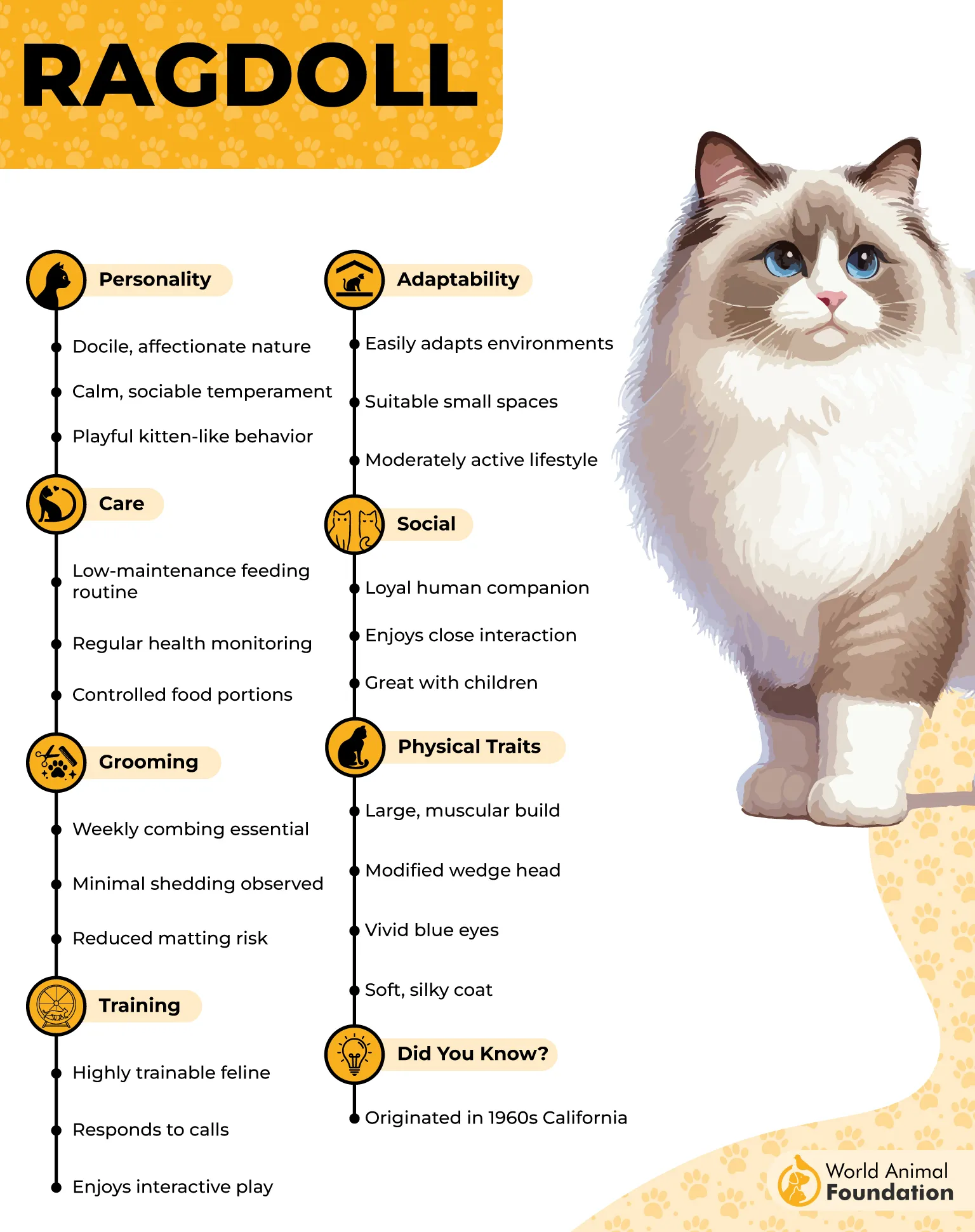
For individuals who travel often, the Ragdoll’s easygoing nature is a major advantage. While deeply affectionate, these cats aren’t overly clingy and can handle short periods alone without becoming stressed or destructive. They’re happiest knowing their person will return, greeting them with calm enthusiasm rather than anxiety.
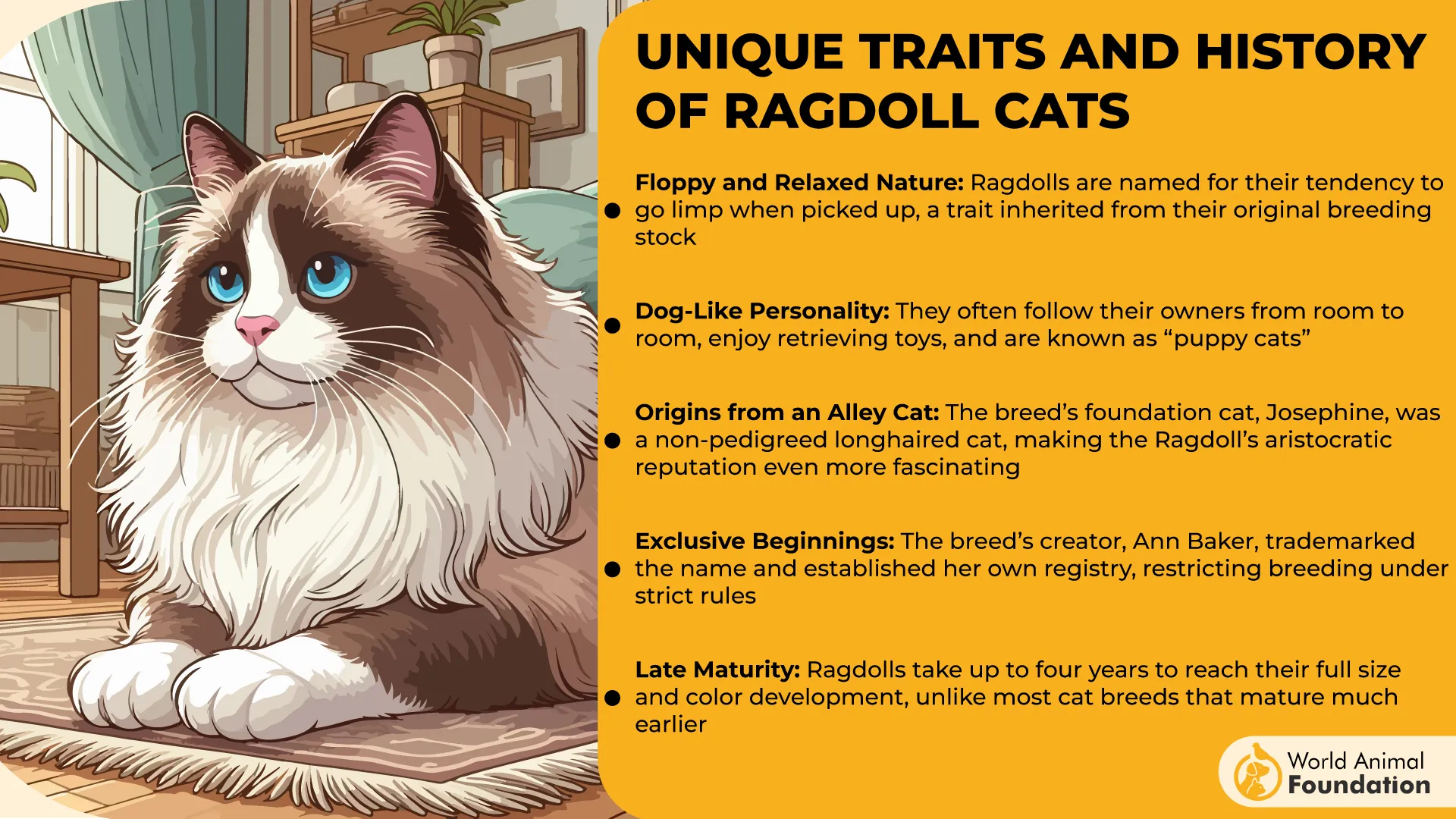
Ragdolls also adapt well to changes in routine, making them suitable for households with pet sitters or temporary caregivers. They enjoy companionship but don’t require constant stimulation, which allows them to cope well when owners have unpredictable schedules or frequent trips.
Maintenance is fairly manageable despite their long coats, as many Ragdolls enjoy brushing and aren’t heavy shedders. They’re also cooperative and intelligent, often learning simple commands or games that strengthen bonding when you’re home.
Fact: Ragdolls are known for their calm, affectionate demeanor and are typically content just being near their humans.
2. Chartreux
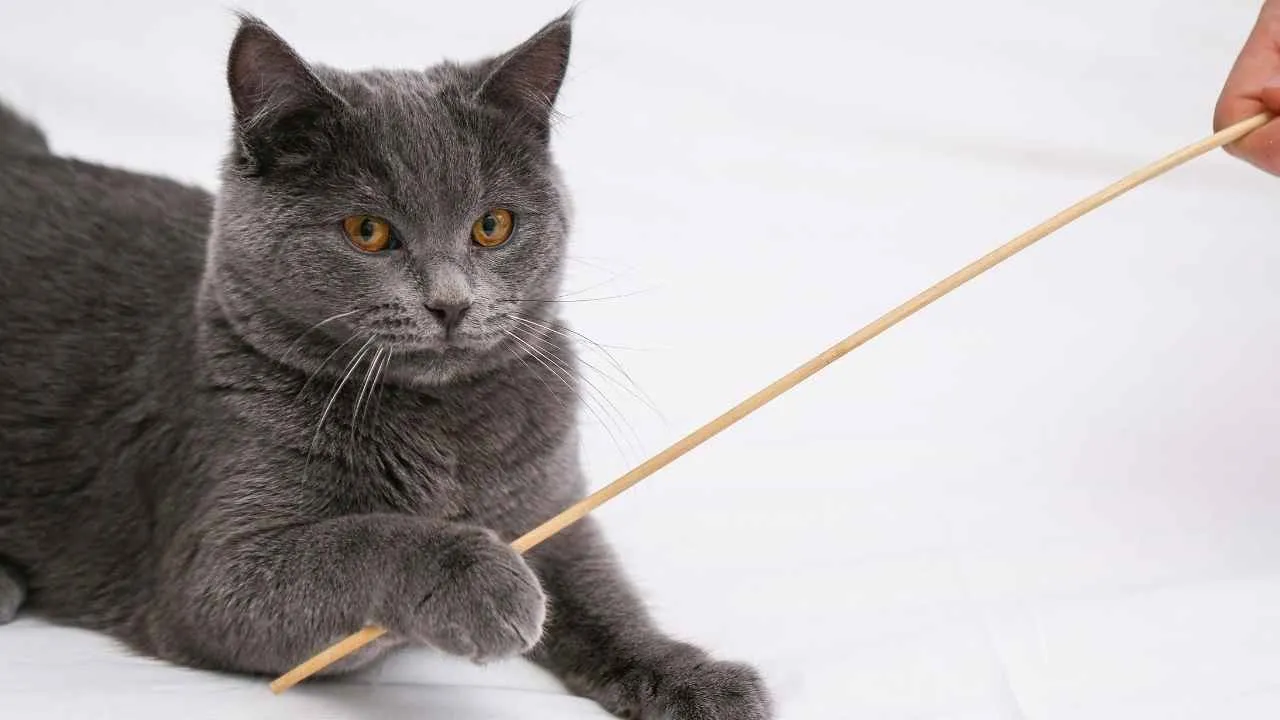
Also known as the smoky blue Chartreux, this medium-sized, plush-coated cat is often described as a gentle giant. With origins linked to Iran, Turkey, and parts of Syria, the Chartreux is calm, sturdy, and quietly affectionate, making it a reliable companion for owners with active, travel-heavy lifestyles.
According to PetMD, the Chartreux may be an ideal choice for families seeking a calm yet playful cat, as it is recognized for its plush blue coat and notably quiet temperament, rarely meowing.
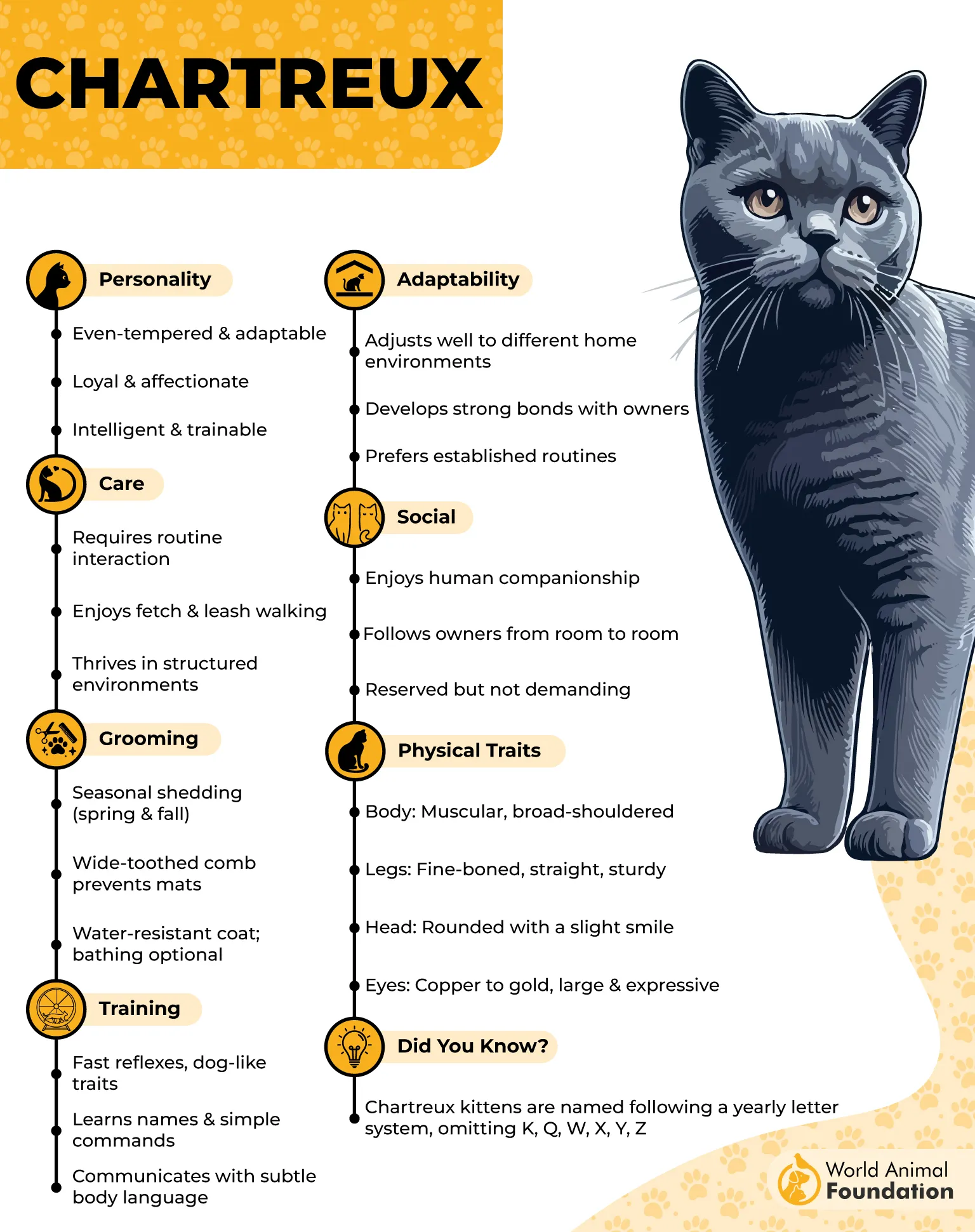
The Chartreux stands out for its ability to handle change with minimal stress. These cats generally tolerate car rides and flights well and are comfortable resting in a carrier, which makes short trips or longer journeys far less complicated than with more anxious breeds.
Their social but undemanding nature is another advantage for busy owners. Chartreux cats are content spending time alone while still forming strong bonds, and they adjust easily to pet sitters, unfamiliar environments, or temporary routines without becoming distressed.
Low grooming needs also add to their appeal. Their dense coat requires minimal upkeep, allowing frequent travelers to focus on essentials rather than constant maintenance.
3. Japanese Bobtail
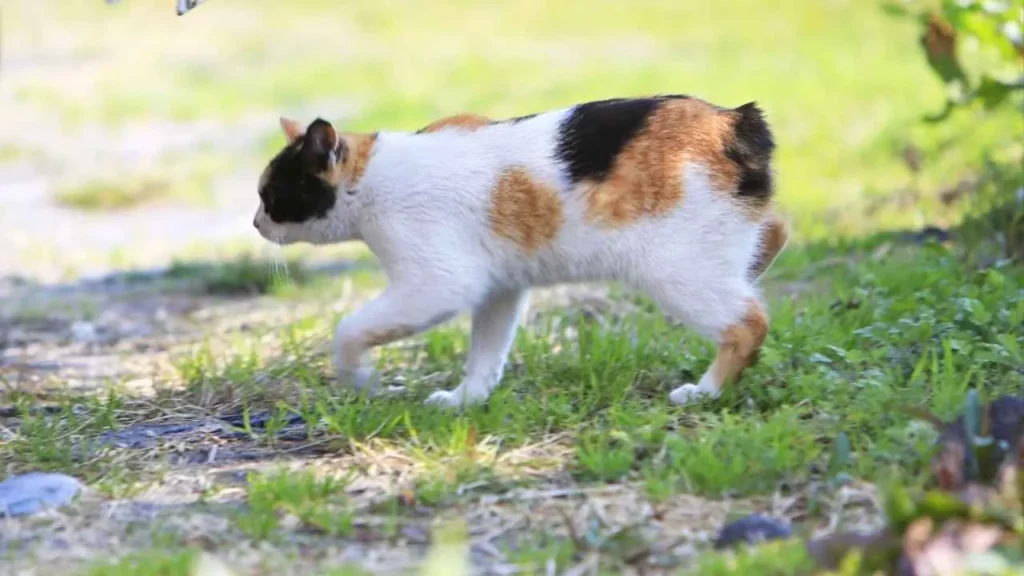
The Japanese Bobtail, also known as the Shorthaired Japanese Bobtail or “Jibit,” is a distinctive breed from Japan, instantly recognizable by its naturally kinked, bunny-like tail.
Medium-sized and athletic, this breed is known for its confident personality and people-oriented nature. According to WebMD, Japanese Bobtails are playful cats that are especially known for their distinctive tail.
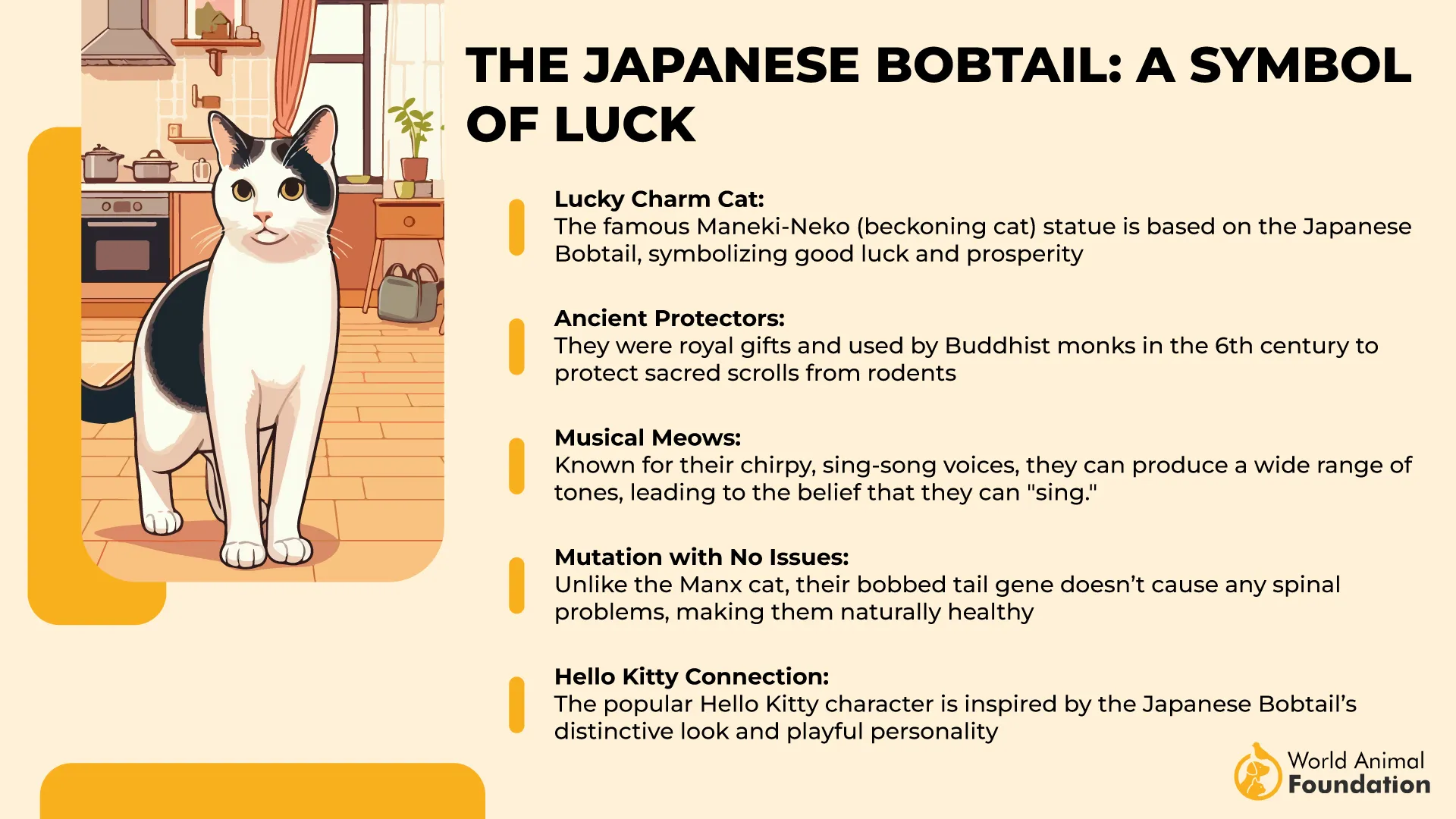
Japanese Bobtails adjust quickly to new environments and unfamiliar faces. They tend to settle in with ease, whether staying with a pet sitter or exploring a new place alongside their owner. Their adaptable mindset helps reduce stress during routine changes.
These cats are highly intelligent, social, and curious, traits that make them excellent companions on the go. Many enjoy leash training and supervised outdoor adventures, and they’re known to remain playful and upbeat even when routines shift.
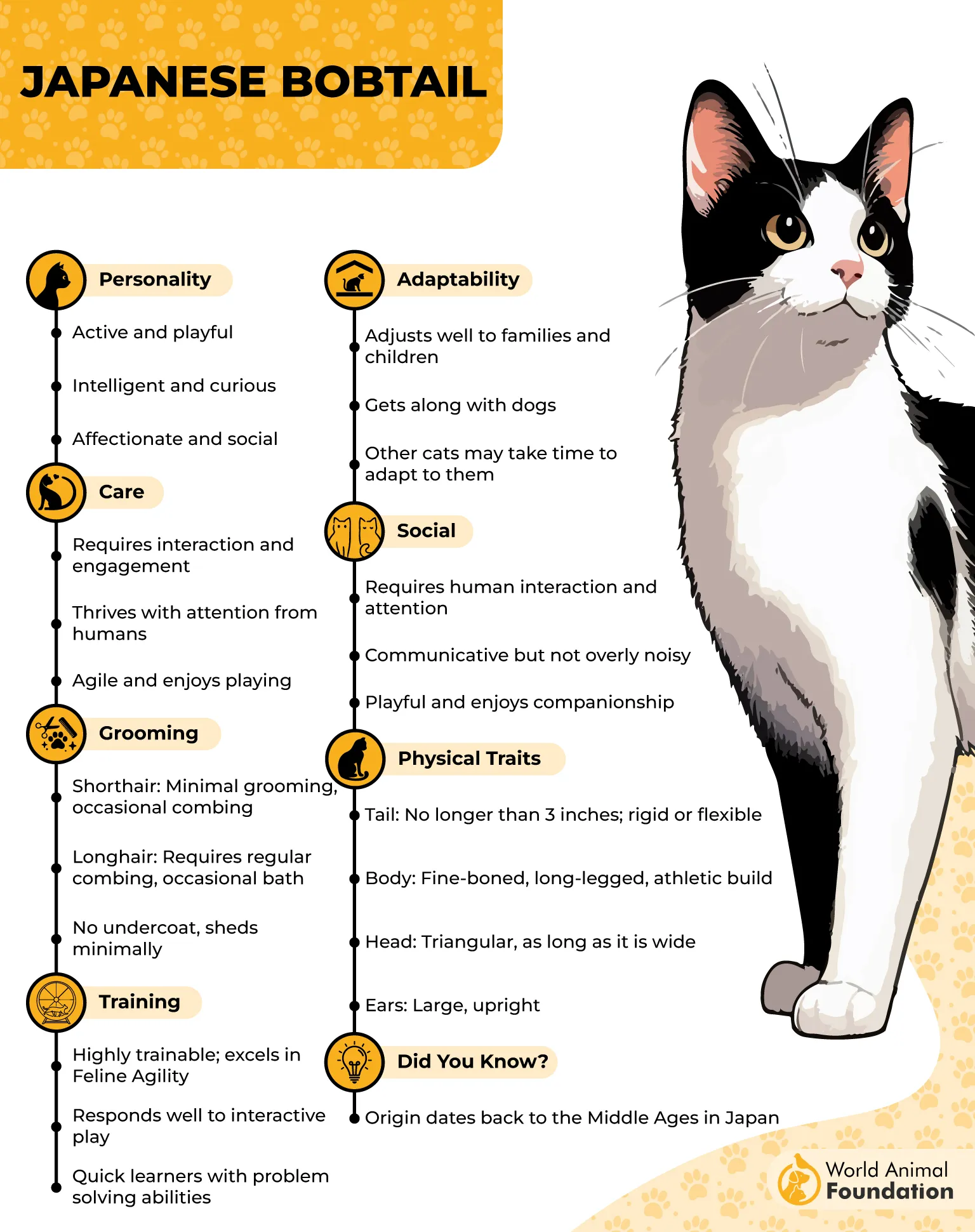
While affectionate, Japanese Bobtails are also independent enough to entertain themselves when needed, though they do appreciate interaction when their humans return. Their friendly, extroverted temperament makes transitions smoother for frequent travelers.
Fact: Japanese Bobtails typically weigh between 8 and 10 pounds and have a lifespan of 9 to 15 years.
4. Abyssinian
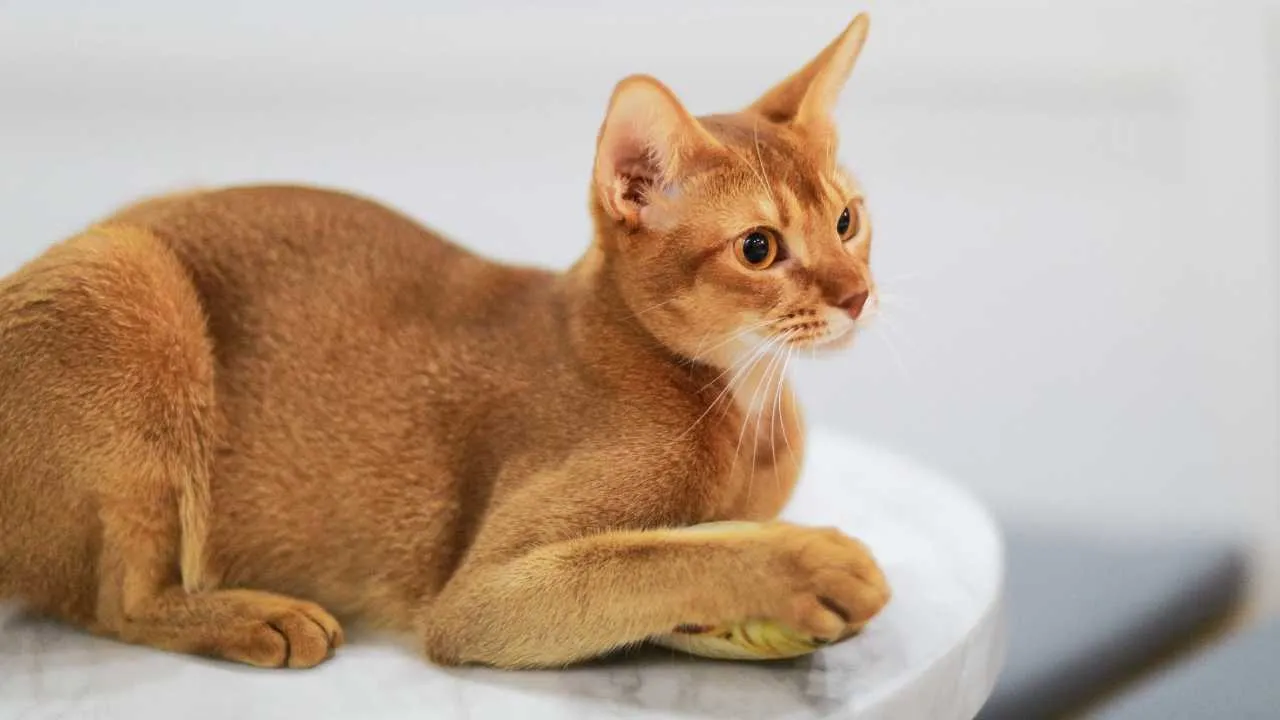
Also known simply as the Aby, the Abyssinian is one of the oldest domestic cat breeds, believed to originate from Ethiopia (formerly Abyssinia). With its sleek, ticked coat, athletic build, and alert expression, this breed is often described as the adventurer of the cat world.
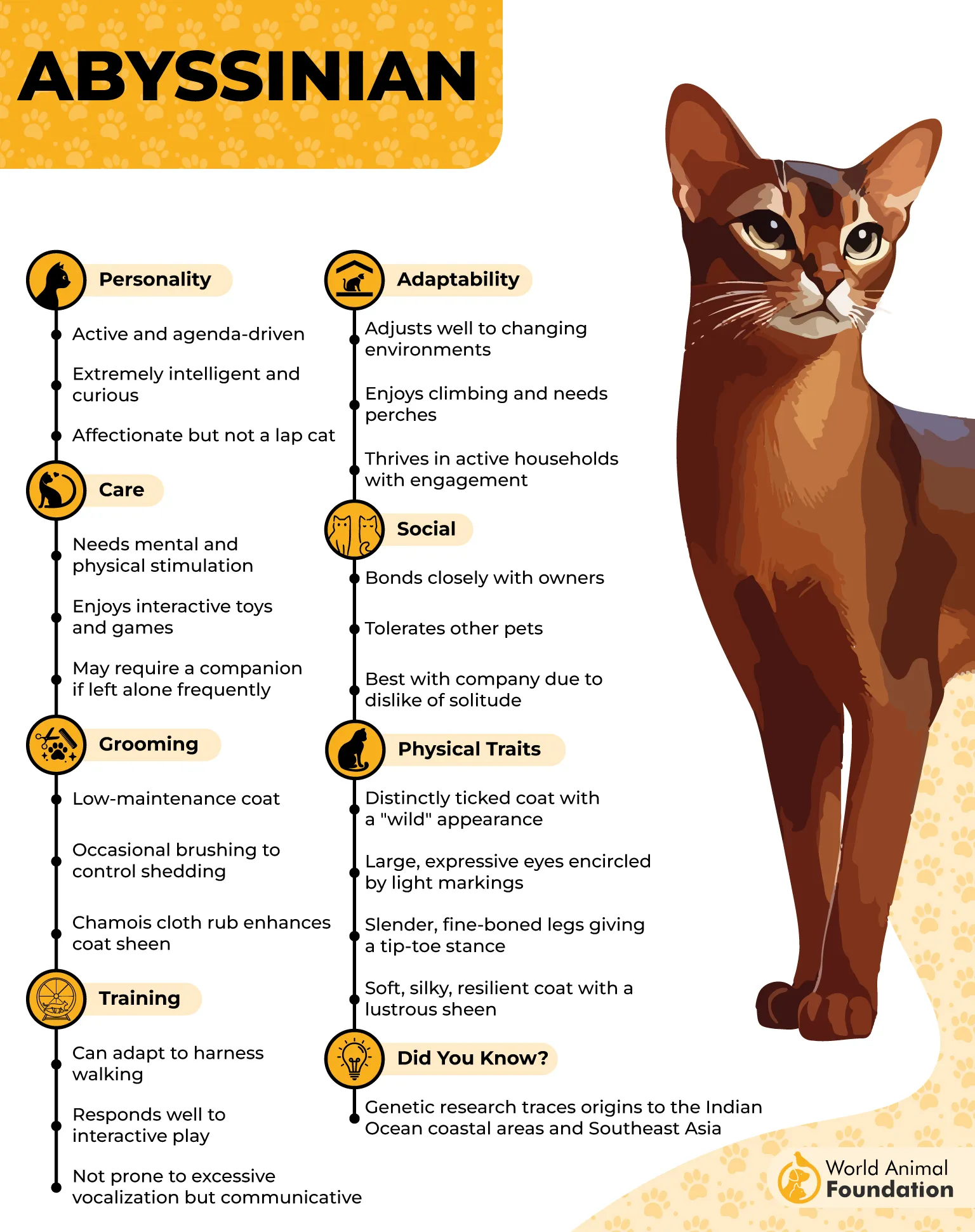
For individuals who travel often, Abyssinians adapt well thanks to their curiosity and confidence. They’re naturally interested in new environments and tend to explore unfamiliar spaces without becoming overly anxious, which helps when routines change or temporary caregivers step in.
Their short, low-shedding coat makes grooming simple, an advantage for owners with limited time between trips. Abyssinians are active and playful, but they’re generally easy to satisfy with consistent feeding and interactive toys that keep them mentally engaged while you’re away.
When preparing an Abyssinian for time apart, enrichment is key. Puzzle feeders, climbing structures, and scheduled play sessions with a sitter help prevent boredom. While affectionate and loyal, they’re independent enough to handle short separations when properly stimulated.
5. Bengal
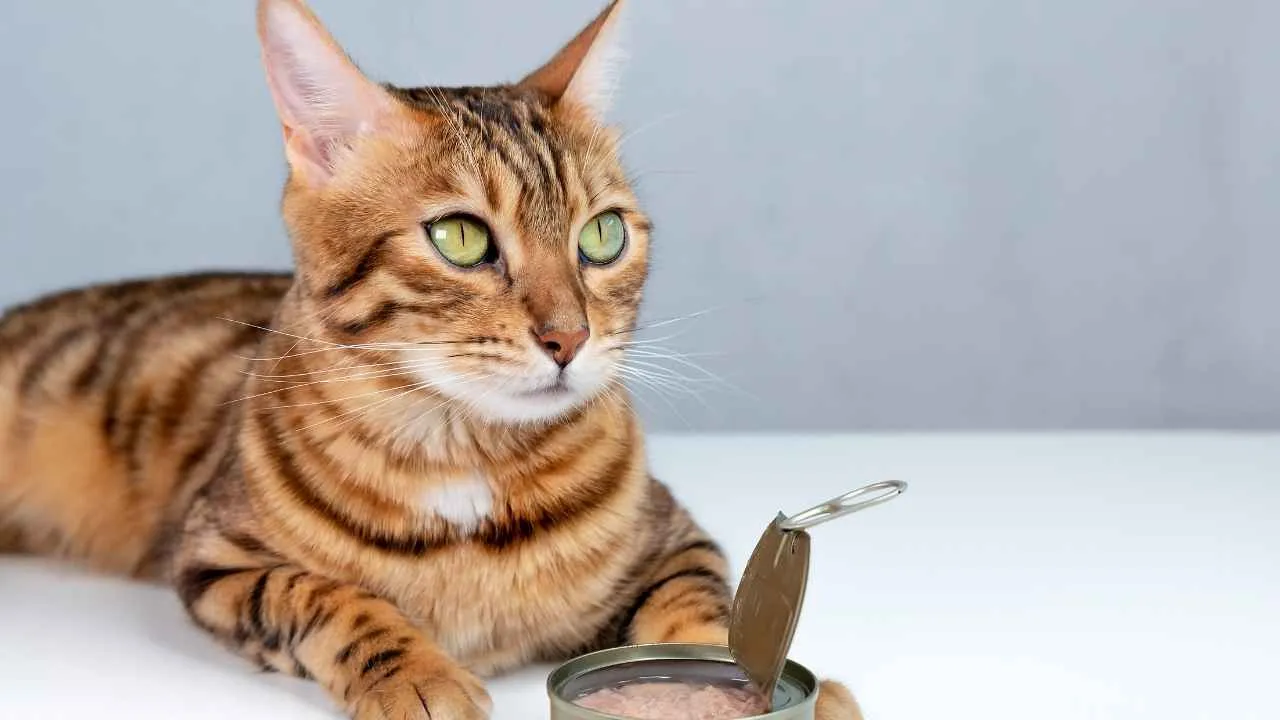
The Bengal, sometimes called a Leopardette due to its Asian leopard cat ancestry, is known for its wild look, athletic build, and striking spotted or marbled coat.
Bengals stand out for their easy-care coats that need very little grooming. Their short, sleek fur makes packing light and staying tidy on the road far simpler than with high-maintenance breeds.
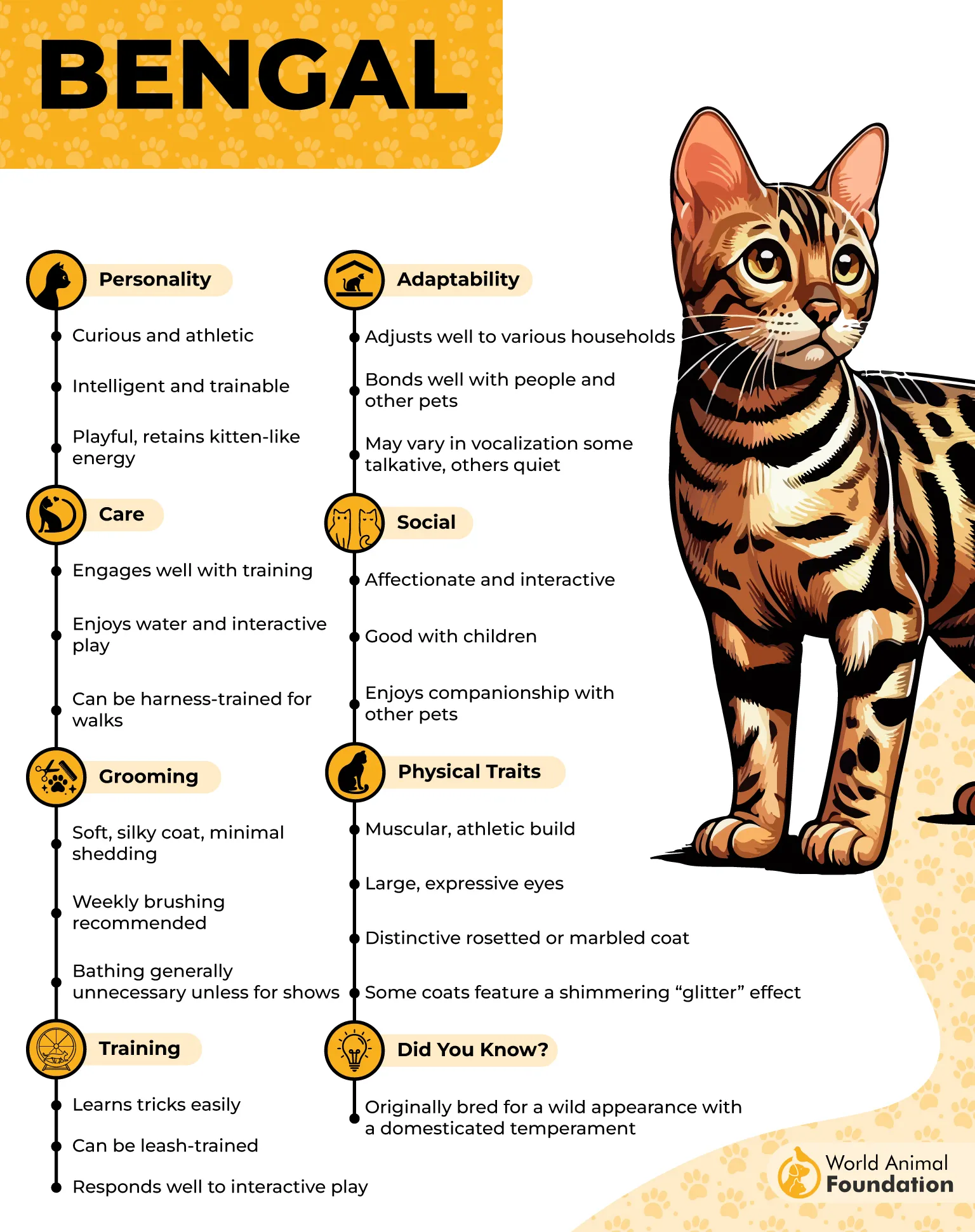
Bengals thrive on interaction, which helps traveling owners feel less guilty about time away. They bond closely with their humans, enjoy learning routines quickly, and adapt well when their environment changes, especially if given enrichment.
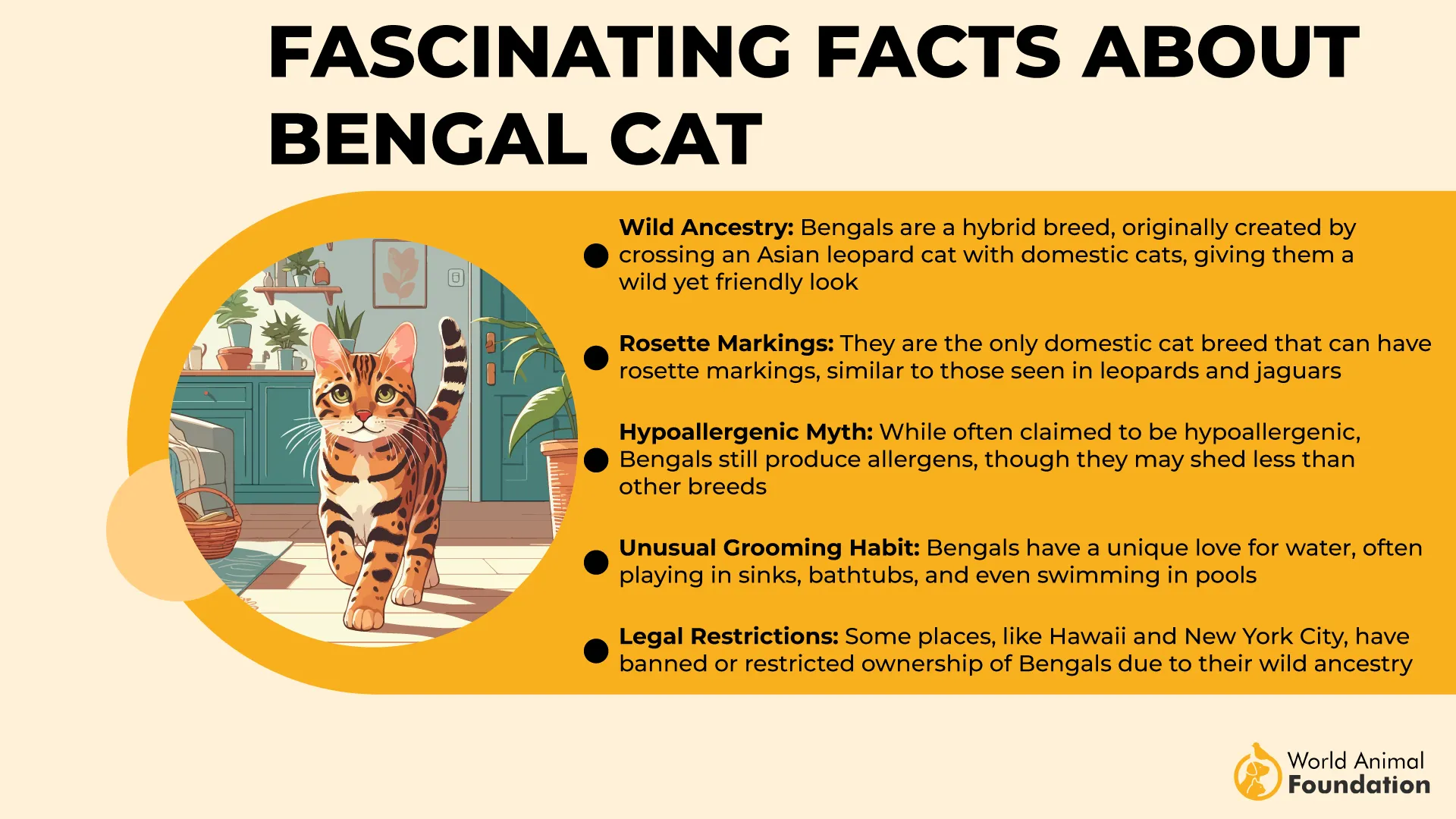
Because of their intelligence and stamina, Bengals benefit from puzzle toys, climbing gear, and play sessions that burn energy efficiently. Keeping them mentally engaged helps ensure they remain content even with a flexible travel schedule.
Fact: Bengal cats were originally developed from crosses with Asian leopard cats, which explains their wild appearance and love of exploration.
6. Ocicat
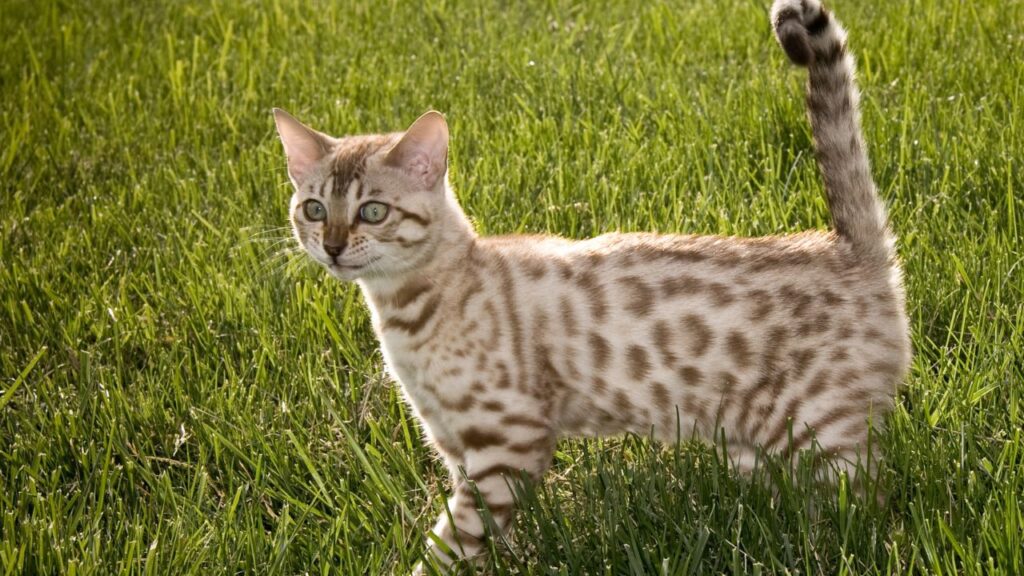
The Ocicat, sometimes called the “domestic ocelot,” is a medium-sized, spotted cat bred in the United States to resemble a wild cat without any wild DNA.
For frequent travelers, the Ocicat’s sociable and confident personality is a major advantage. These cats enjoy meeting new people, adapt quickly to unfamiliar environments, and tend to handle changes in routine better than more sensitive breeds.
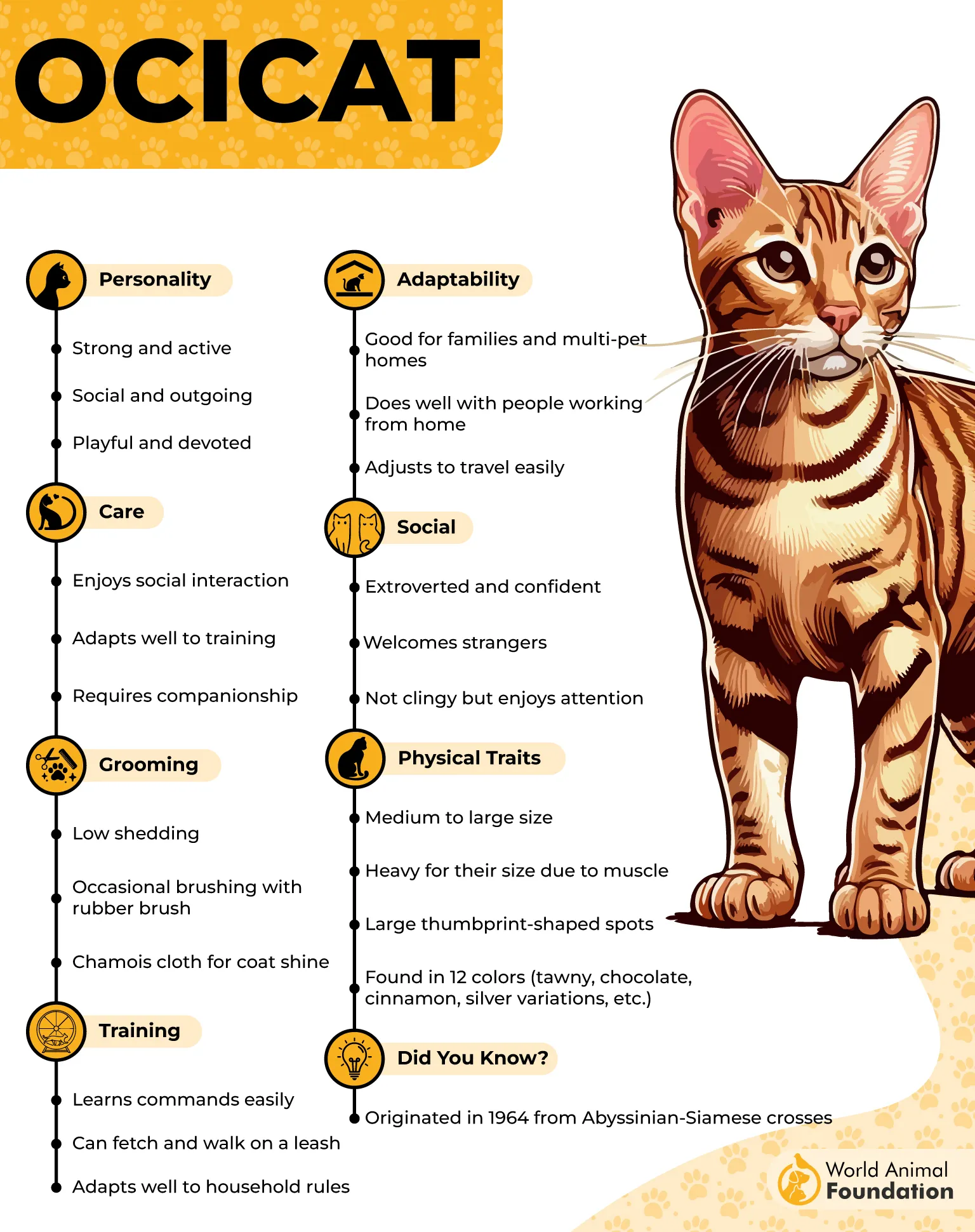
Highly intelligent and active, Ocicats stay mentally balanced when provided with interactive toys and short play sessions, even when owners are away. Their ability to form strong bonds also means they do well with pet sitters or family members stepping in during trips.
Low-maintenance grooming and a trainable temperament make travel planning simpler, especially for owners who value flexibility.
Fact: Ocicats typically weigh between 6 and 15 pounds and are known for being easy to train and comfortable walking on a leash.
7. Manx
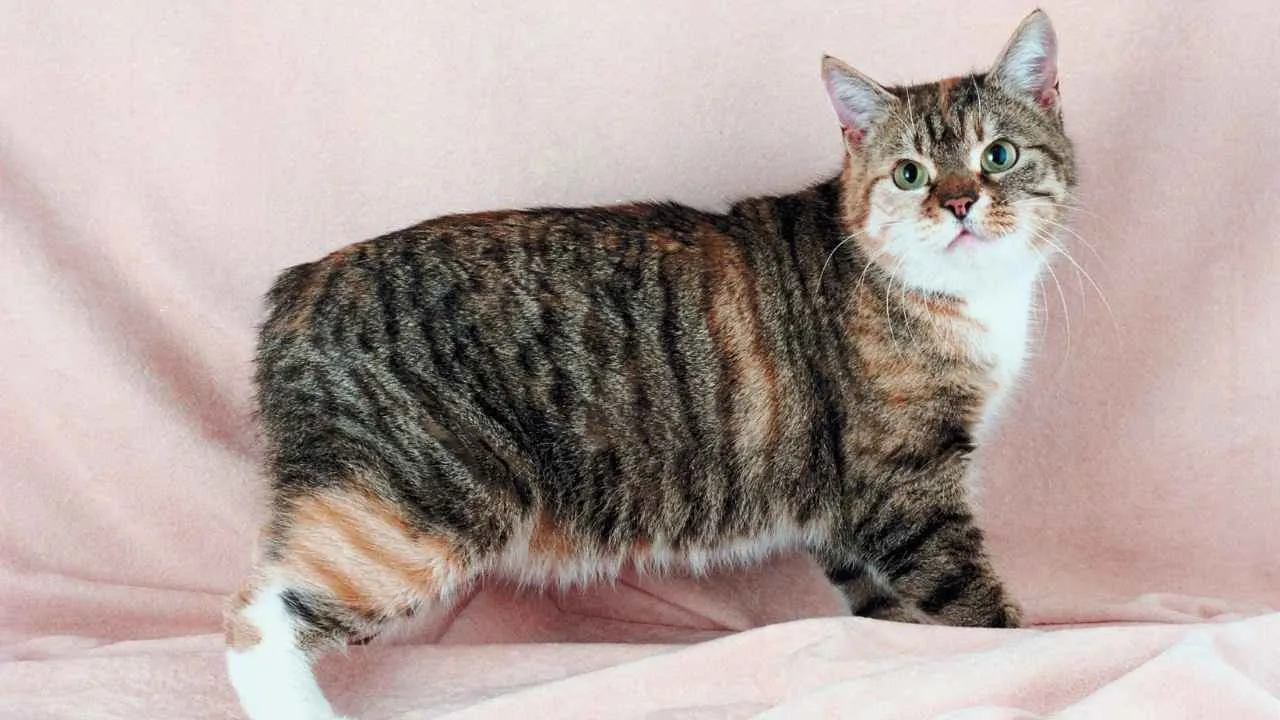
The Manx, sometimes called the tailless cat or Isle of Man cat, is instantly recognizable for its lack of a tail caused by a natural genetic mutation. Originating on Britain’s Isle of Man, this medium-sized breed is known for its sturdy build and affectionate personality.
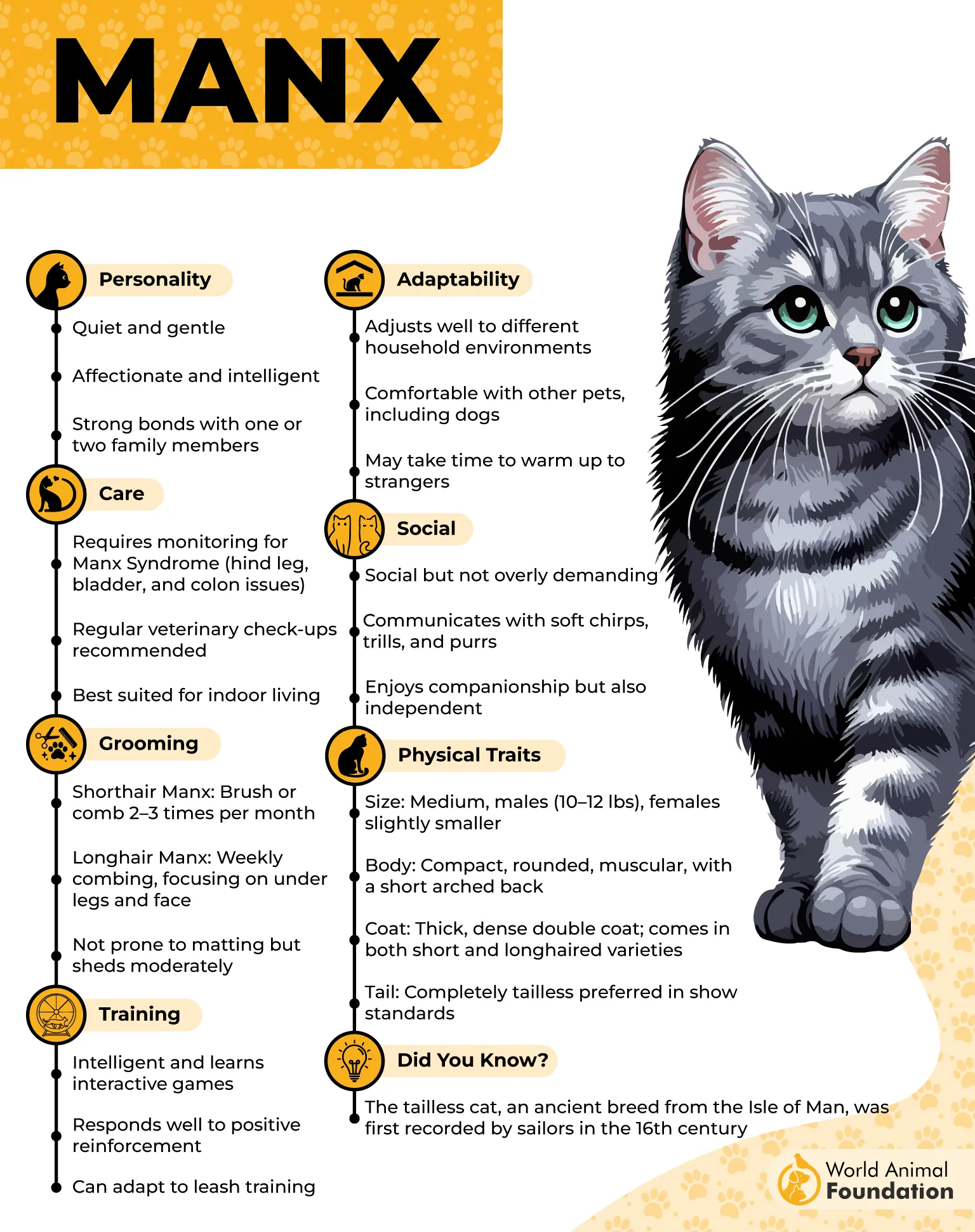
The Manx is a practical companion thanks to its adaptable and self-sufficient nature. These cats tolerate alone time well and don’t become overly anxious when routines change, making short trips or busy schedules easier to manage.
Manx cats are intelligent and observant, forming strong bonds without demanding constant attention. Their calm yet playful demeanor means they’re content resting while you’re away, but still happy to engage when you return from travel.
With a short coat that requires manageable grooming and a generally flexible temperament, the Manx fits well into a travel-friendly lifestyle.
Fact: Adult Manx cats typically weigh between 8 and 12 pounds and are known for tolerating time alone better than many other breeds.
Conclusion
Traveling often doesn’t mean giving up on having a loving kitty at home. Certain cat breeds are better suited for frequent absences because they easily adapt, enjoy independence, and still love engaging with their human companions.
From American Shorthairs to Exotic Shorthairs and even some Siamese cats, the best cat breeds for travelers balance affection with self-sufficiency. Unlike most cats that crave constant attention, these friendly cats can relax as indoor cats, making them ideal travel companions for busy lifestyles.
Choosing the right cat—whether a shelter cat, rescue cat, or kitten—depends on understanding different breeds and their temperaments.
Breeds like the Maine Coon, Persian cats, and Scottish Folds, with their distinctive folded ears, can also thrive with proper routines, regular health checks, and a safe environment to prevent injury. Even lap cat personalities can manage short separations with enrichment and care.
While dogs often need constant presence, certain cat breeds offer a long lifespan, adapt well into old age, and remain loving toward other cats and people, making travel easier for pet owners.
