




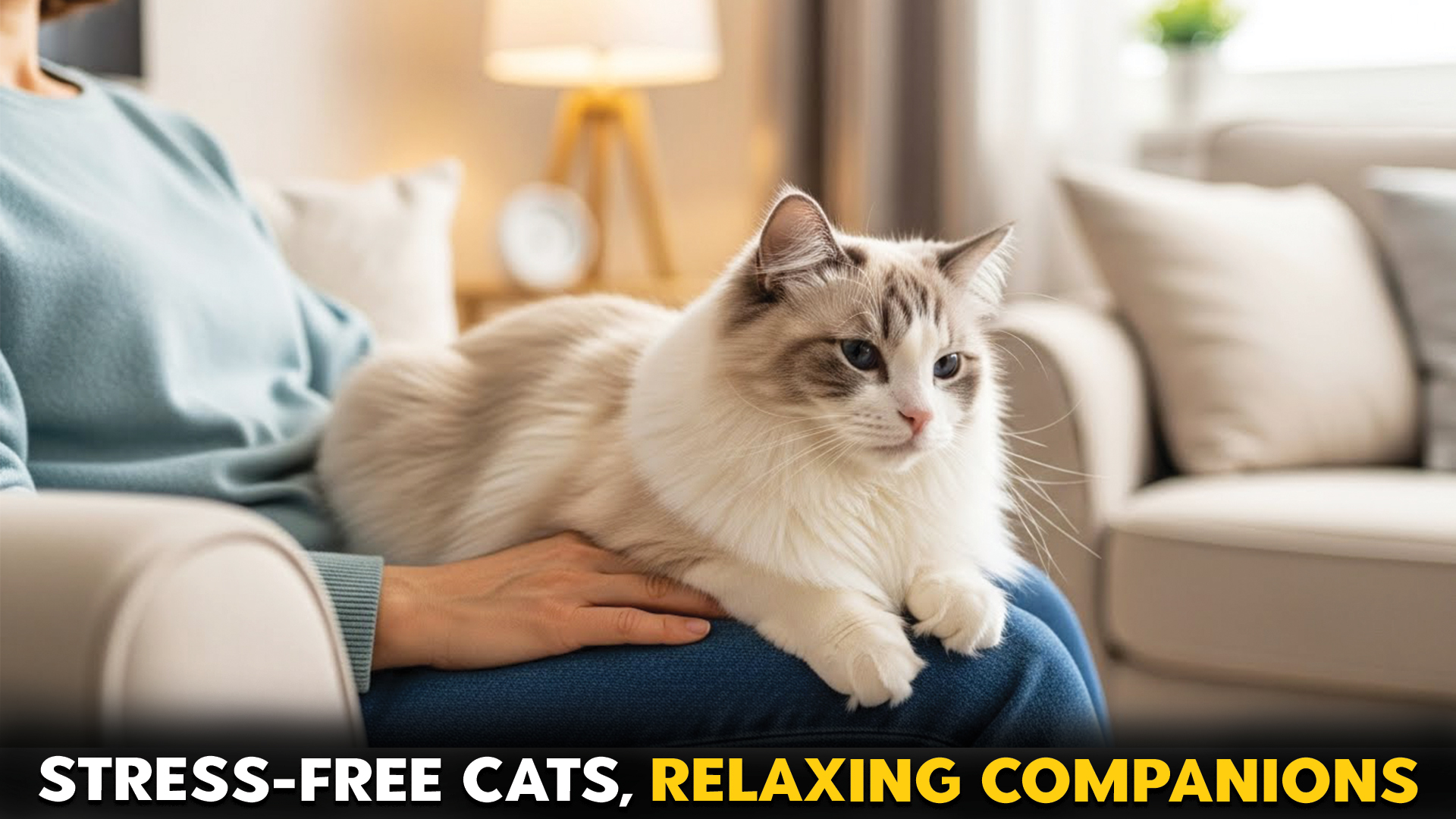
Cats can bring a sense of calm into a home, but some breeds are especially known for their soothing presence. For people dealing with anxiety, the right cat can offer quiet companionship, predictable routines, and gentle affection that feels grounding rather than overwhelming.
While every cat is an individual, certain breed traits are often linked with calmer temperaments and strong bonds with their people. Understanding these tendencies can help cat owners choose a companion that supports emotional well-being.
This guide looks at cat breeds commonly appreciated for their comforting nature and steady behavior, making them a thoughtful choice for those seeking extra emotional support at home.
Cat Breeds Good for Anxiety Support
1. Ragdoll
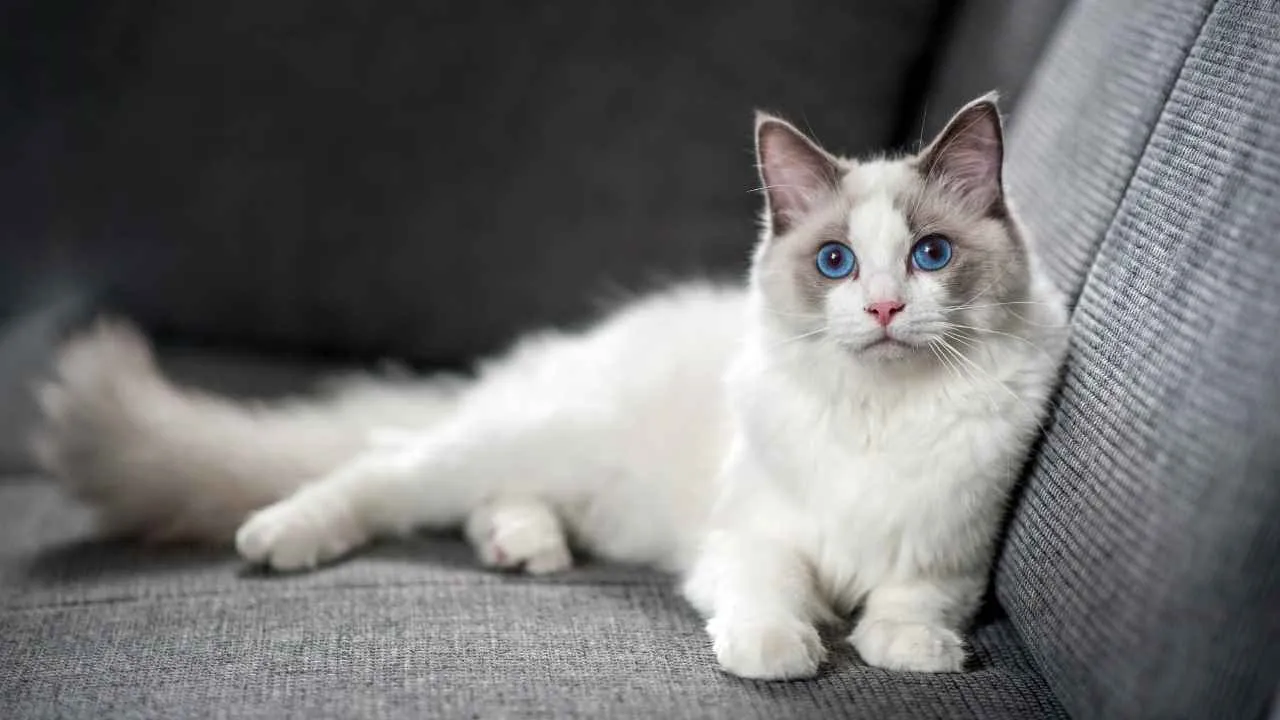
Ragdoll cats are known for their relaxed temperament and easygoing behavior around people. They often enjoy being held and will stay close without demanding constant attention. This calm presence makes them noticeable companions in quiet homes.
According to the CFA, they tend to follow familiar routines and prefer predictable environments. Sudden changes are usually met with patience rather than stress. Their gentle responses help create a steady atmosphere indoors.
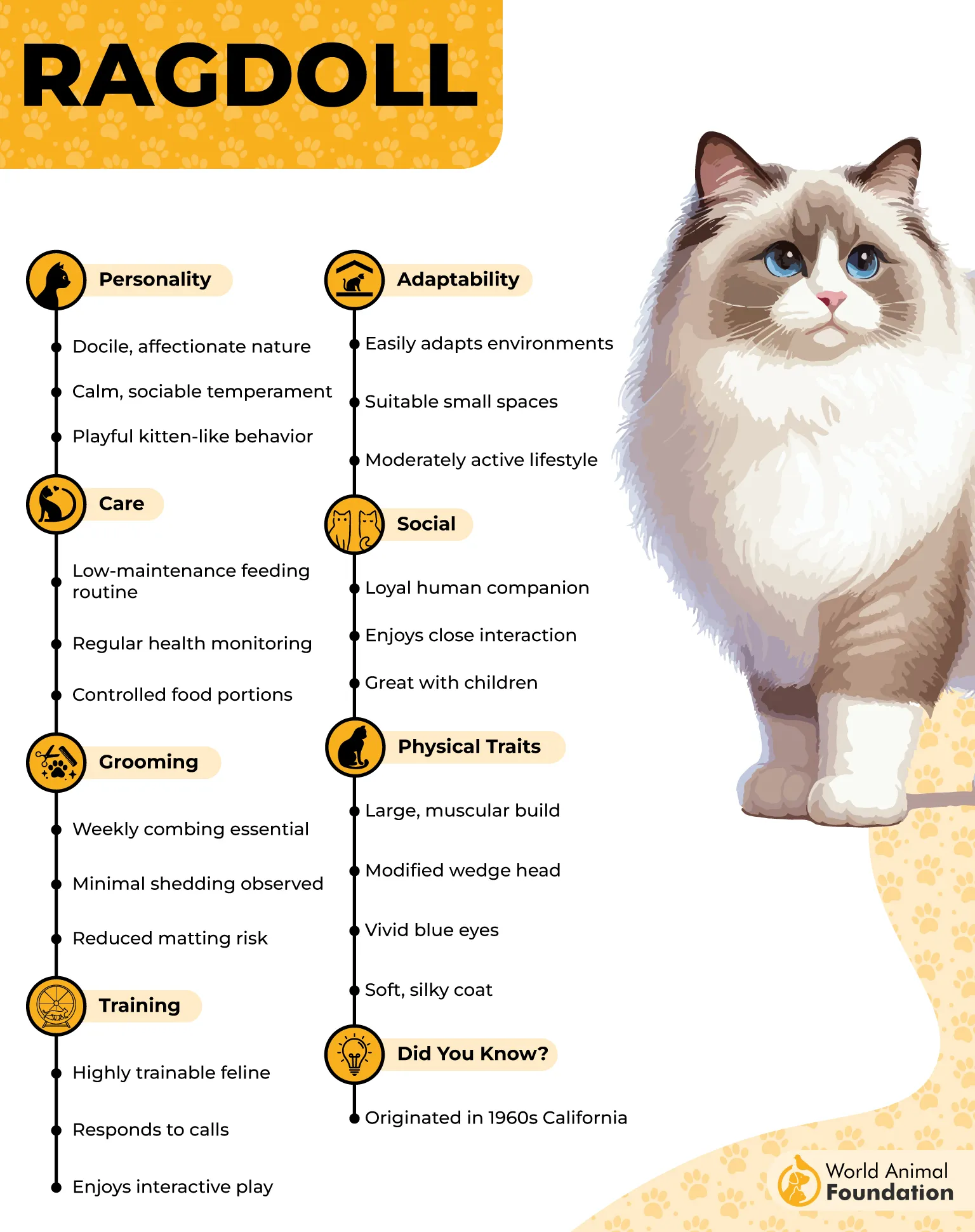
Ragdolls often seek physical closeness but are not overly vocal or energetic. They may rest nearby or settle into a favorite spot for long periods. This steady, comforting behavior can feel grounding for owners who prefer peaceful companionship.
Why This Cat Is a Good Fit
Offers calm, steady companionship at home
Comfortable with quiet routines and relaxed schedules
Suitable for first-time owners who want a gentle presence
2. Maine Coon
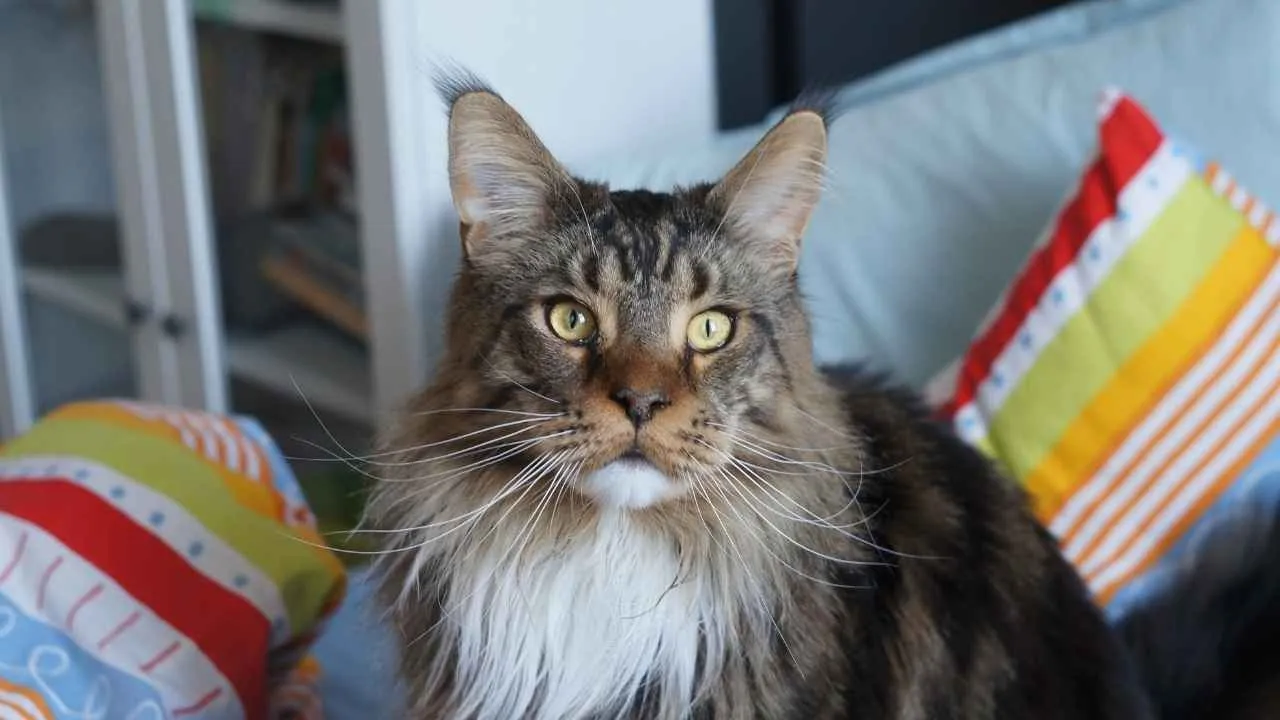
Maine Coons are large, friendly cats known for their balanced personalities. They often enjoy being near people while still maintaining a sense of independence. This mix allows them to support without feeling overwhelmed.
As per Purina, they are typically patient and tolerant, even in busy households. Maine Coons tend to adjust well to changes in daily activity. Their adaptable nature helps maintain a sense of stability.
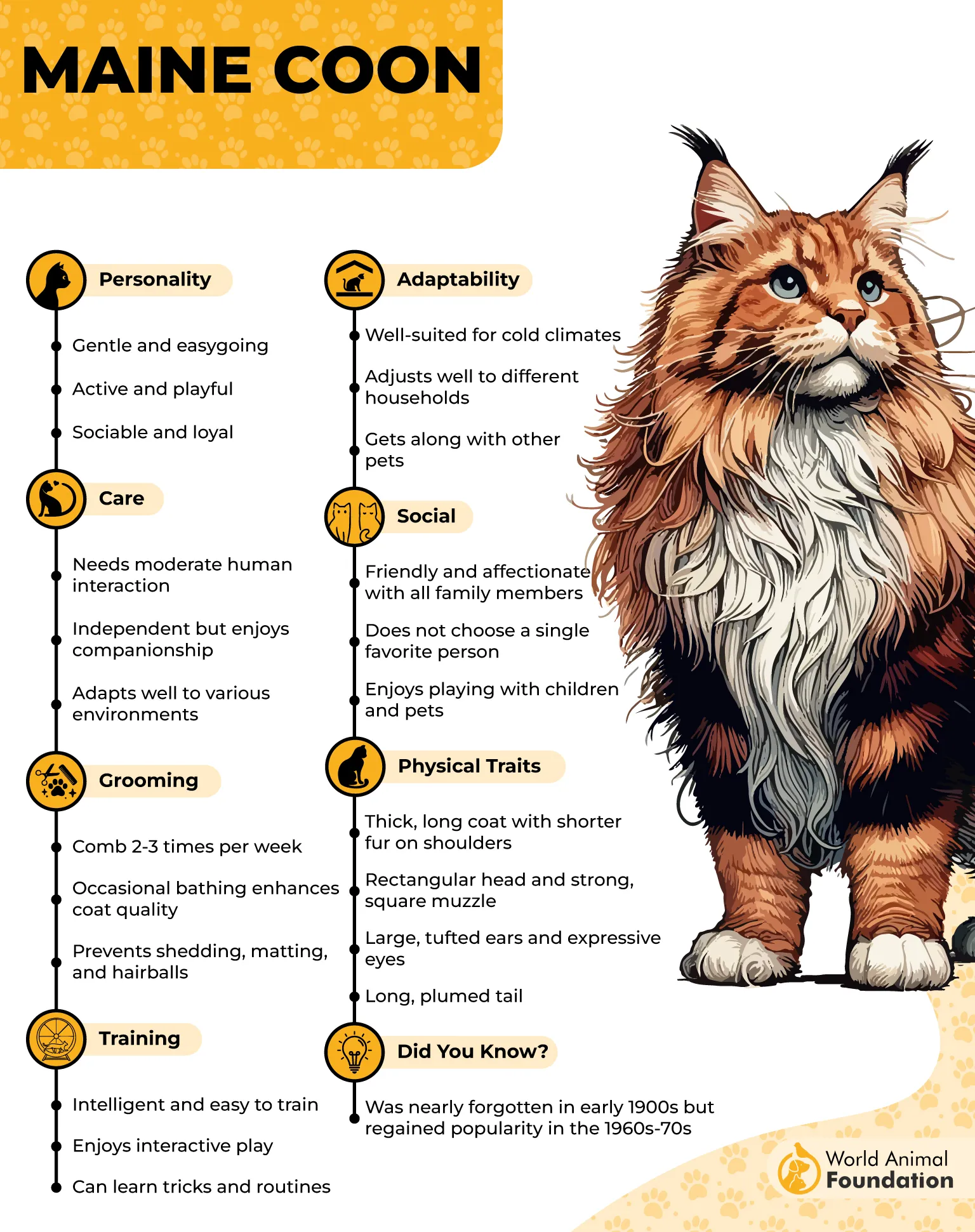
Rather than seeking constant physical contact, they often show affection by staying nearby. Their calm reactions and steady behavior can be reassuring. This makes them approachable companions for many home environments.
Why This Cat Is a Good Fit
Provides quiet support without constant attention
Adapts well to varied household routines
Works well for families and first-time owners
3. Abyssinian
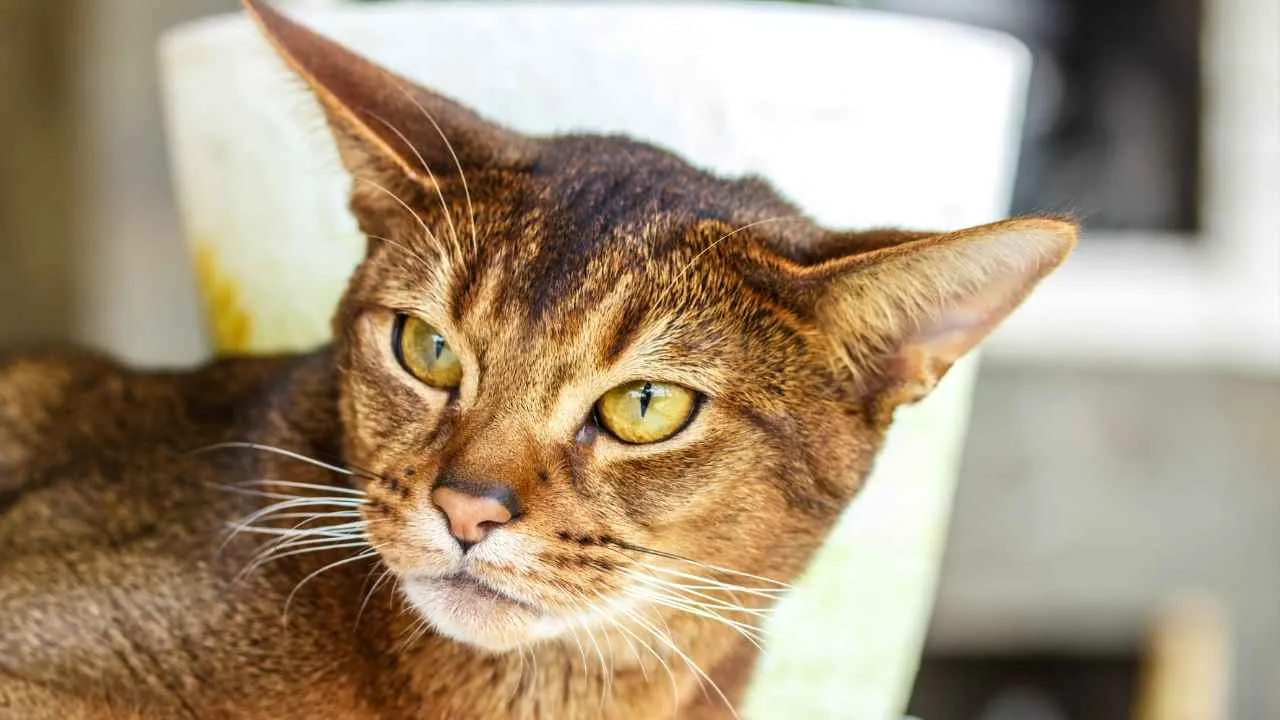
Abyssinians are alert and engaged cats that enjoy being involved in daily life. They are curious and like to stay aware of what is happening around them. This attentiveness gives them a lively but focused presence.
They often form strong bonds through shared activity rather than physical closeness. Abyssinians may choose to sit nearby while observing or following household movement. Their engagement can feel comforting in an active way.
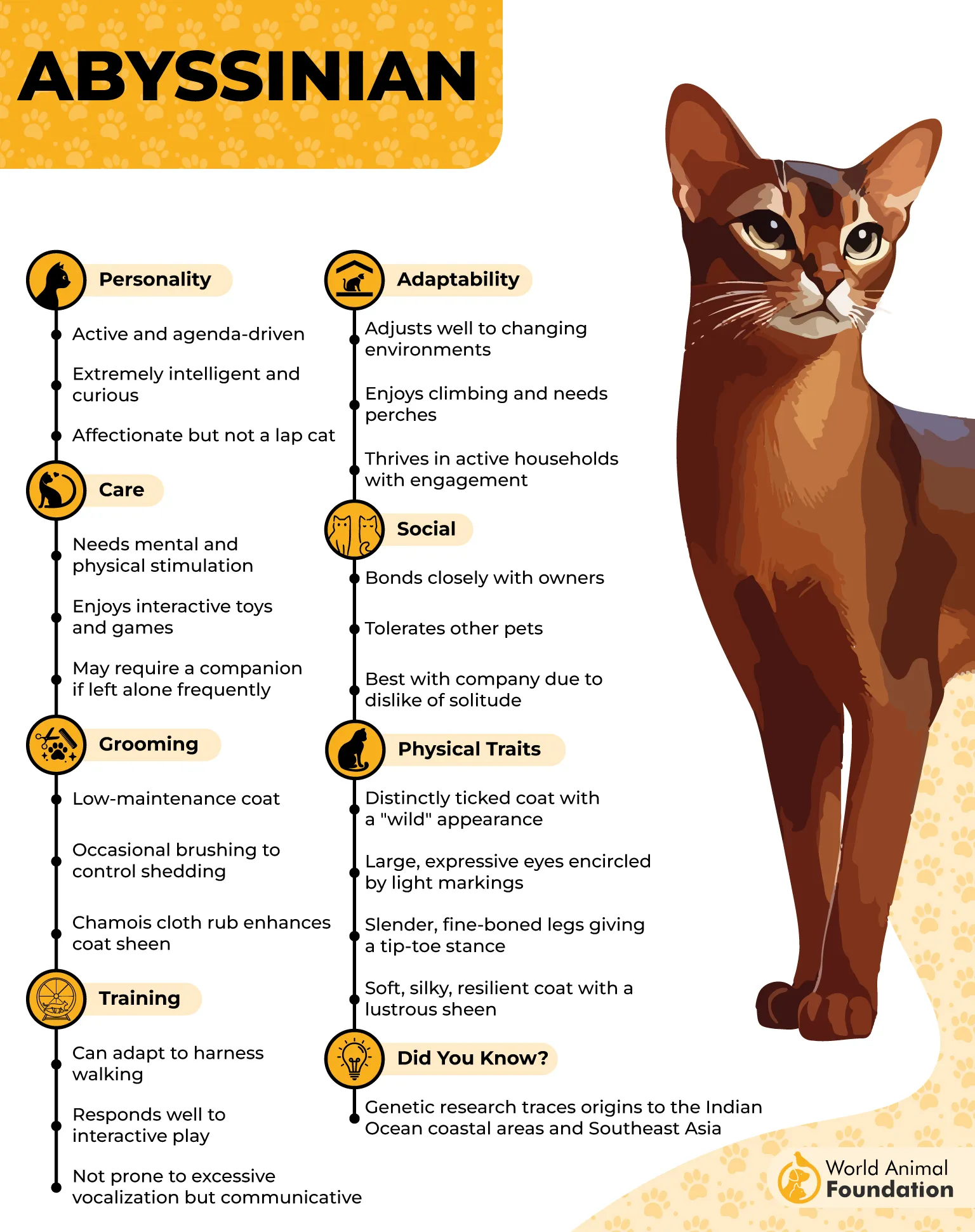
Because they enjoy interaction, they do best in homes with regular routines. Britannica states that a predictable flow of activity helps them stay balanced. Their presence brings gentle energy without being overwhelming.
Why This Cat Is a Good Fit
Stays engaged with daily household activity
Forms bonds through interaction rather than demand
Good for owners who enjoy an active but steady cat
4. Siamese

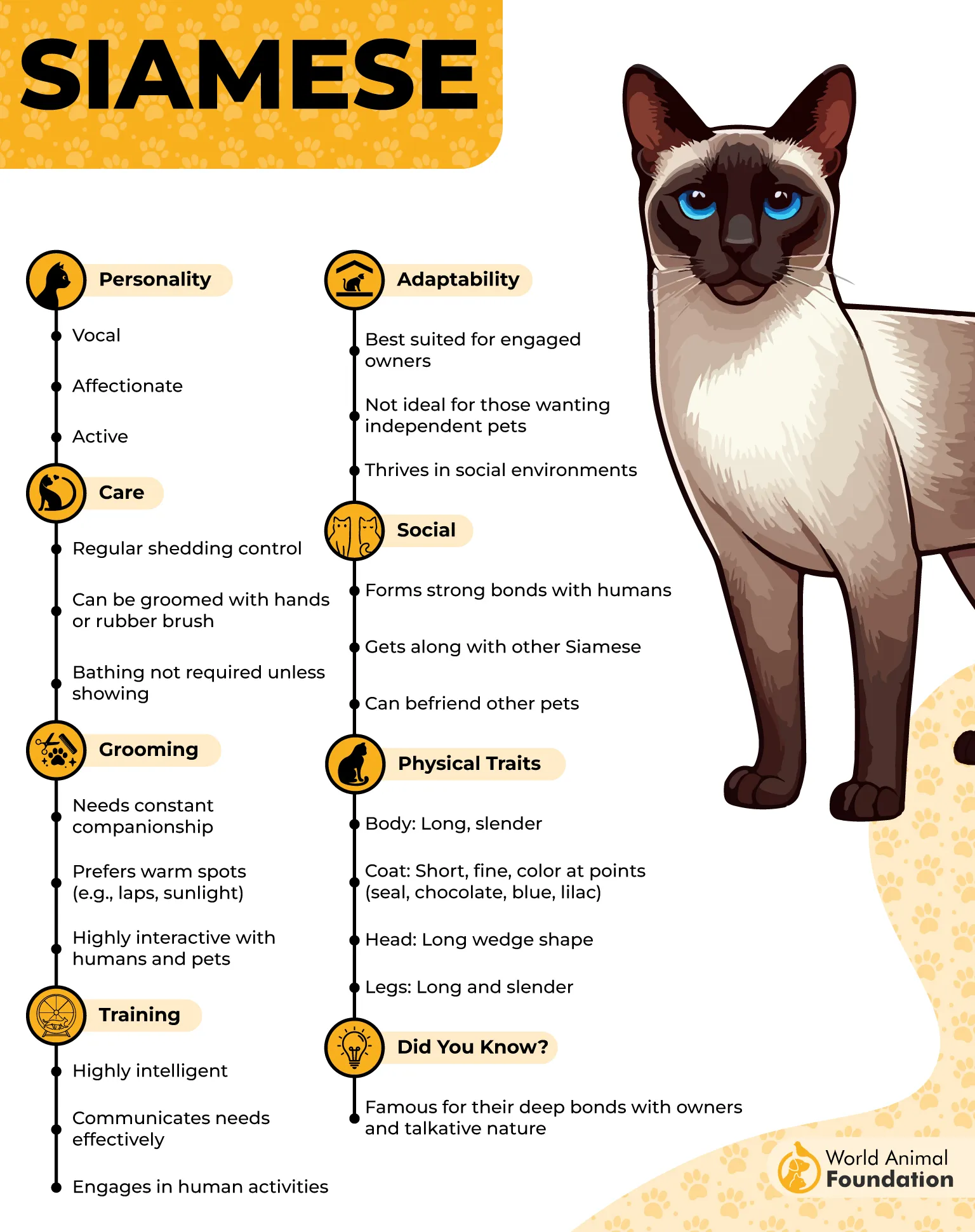
Siamese cats are highly people-oriented and often form close attachments to their owners. They enjoy communication and tend to stay involved in daily routines. This strong connection can feel reassuring.
They are expressive and attentive, often responding to tone and mood. Siamese cats usually prefer not to be left alone for long periods. Their social nature keeps them emotionally present.
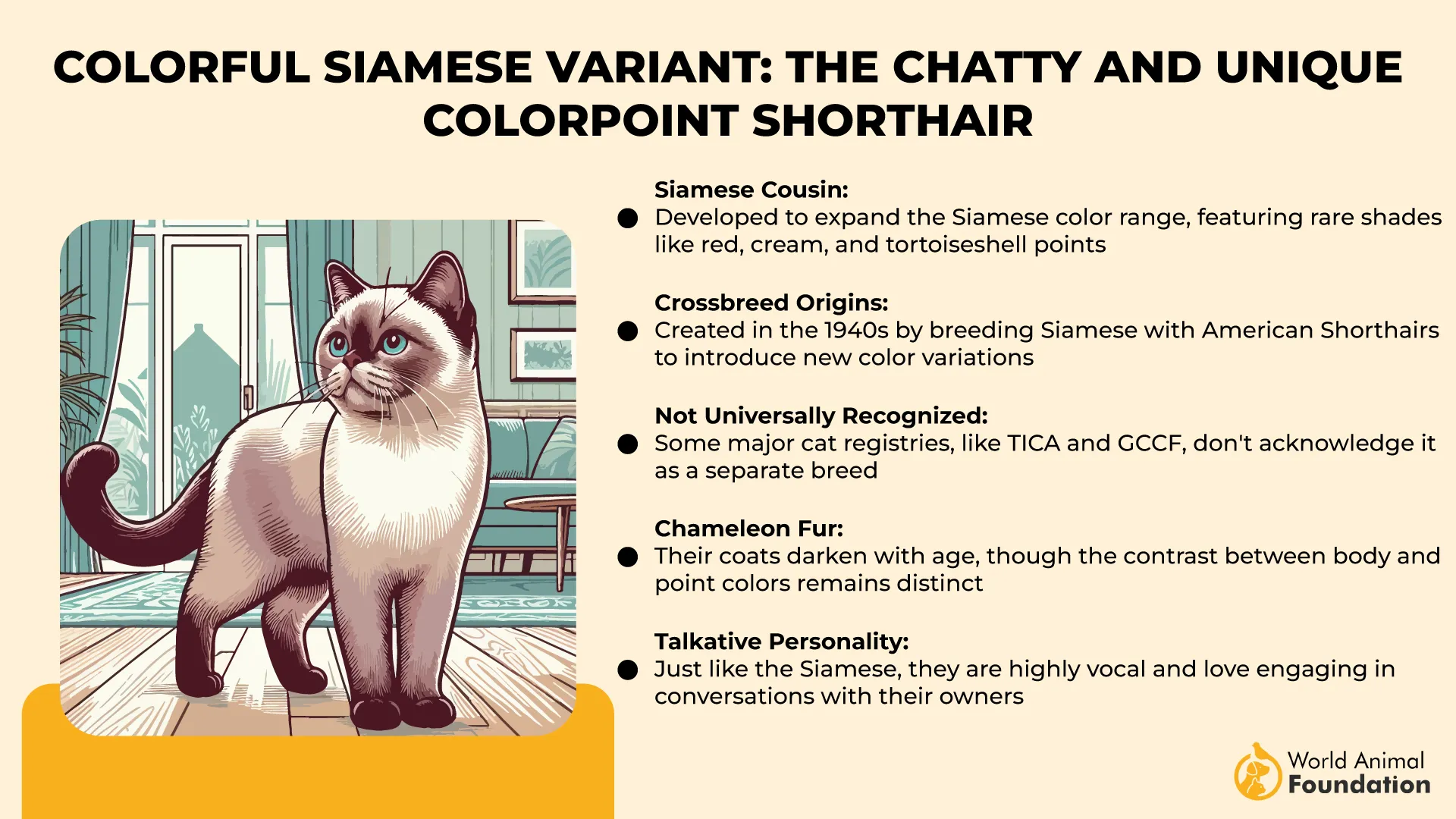
Rather than being passive companions, they interact frequently and stay alert. This involvement can help owners feel less isolated. Their steady engagement creates a sense of connection throughout the day.
Why This Cat Is a Good Fit
Forms strong bonds with people at home
Offers frequent interaction and awareness
Helpful for owners who want constant companionship
5. American Shorthair
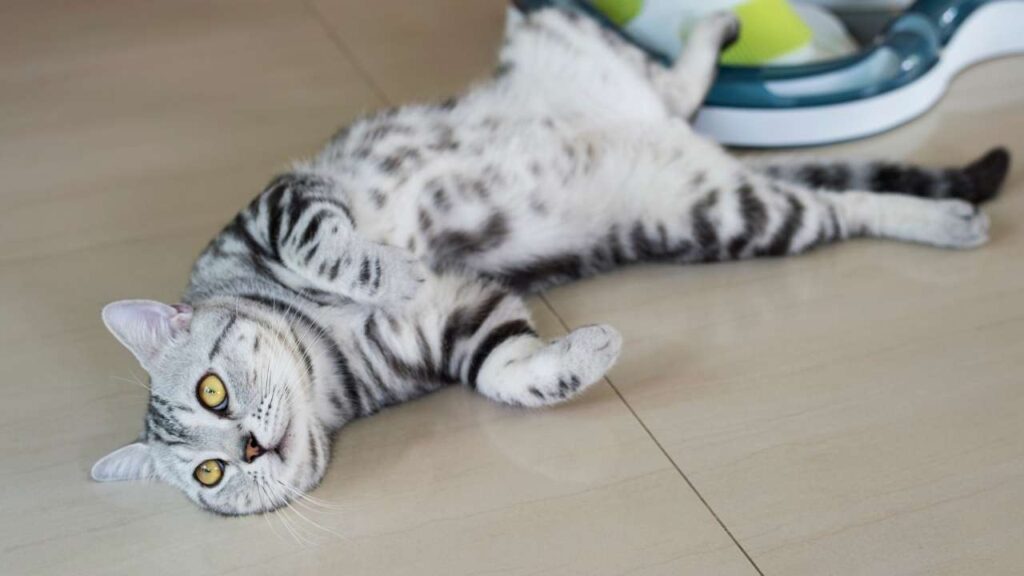
American Shorthairs are known for their easygoing and balanced personalities. They are generally calm without being distant. This middle ground makes them easy to live with.
They often enjoy routine and familiar spaces. American Shorthairs tend to manage changes with little stress. Their steady behavior supports a relaxed home environment.
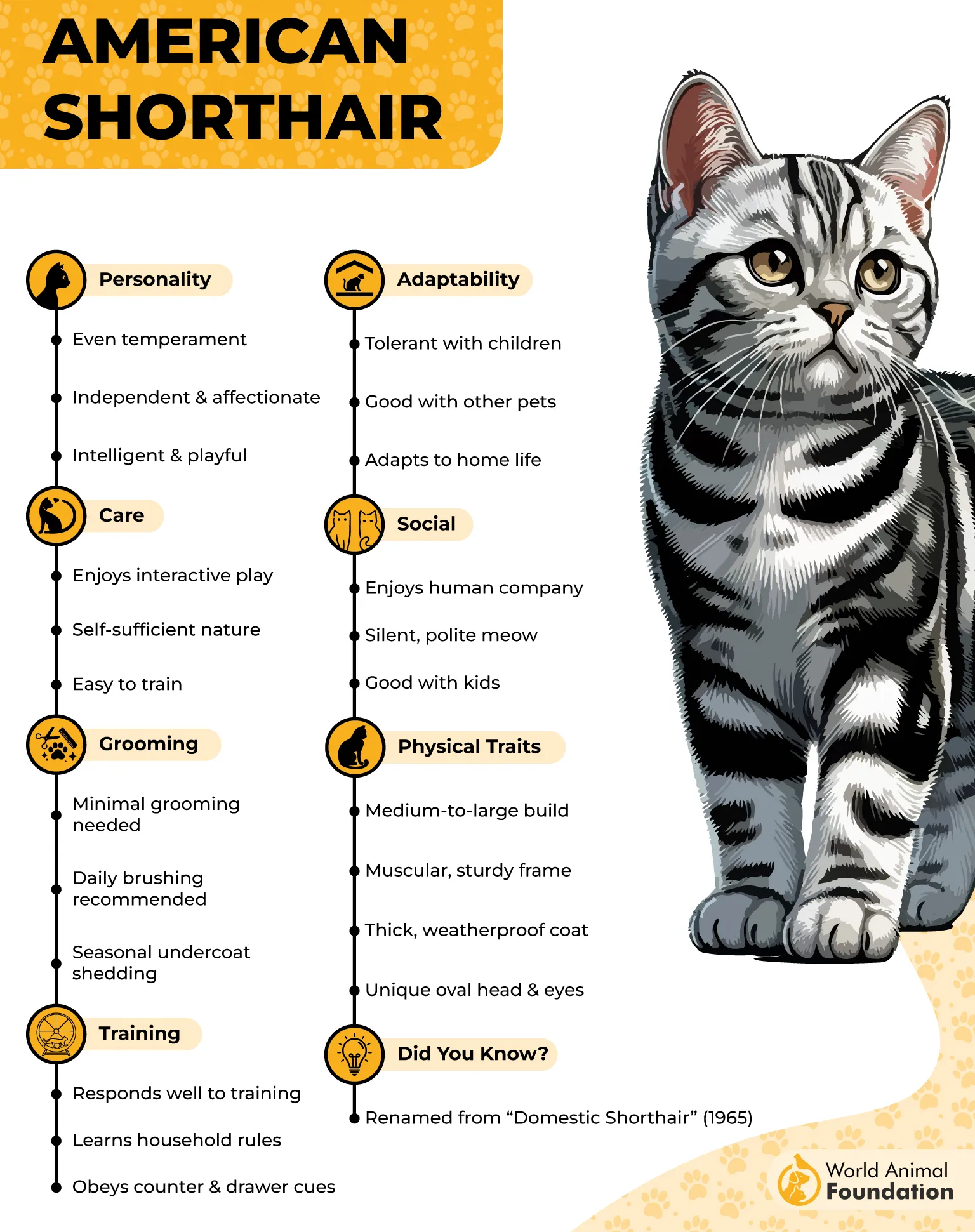
They show affection in subtle ways, such as sitting nearby or checking in occasionally. This gentle companionship feels comforting without pressure. Their predictable nature can be soothing for many owners.
Why This Cat Is a Good Fit
Maintains a calm and steady presence
Adapts easily to everyday household life
Ideal for first-time owners seeking balance
6. Persian
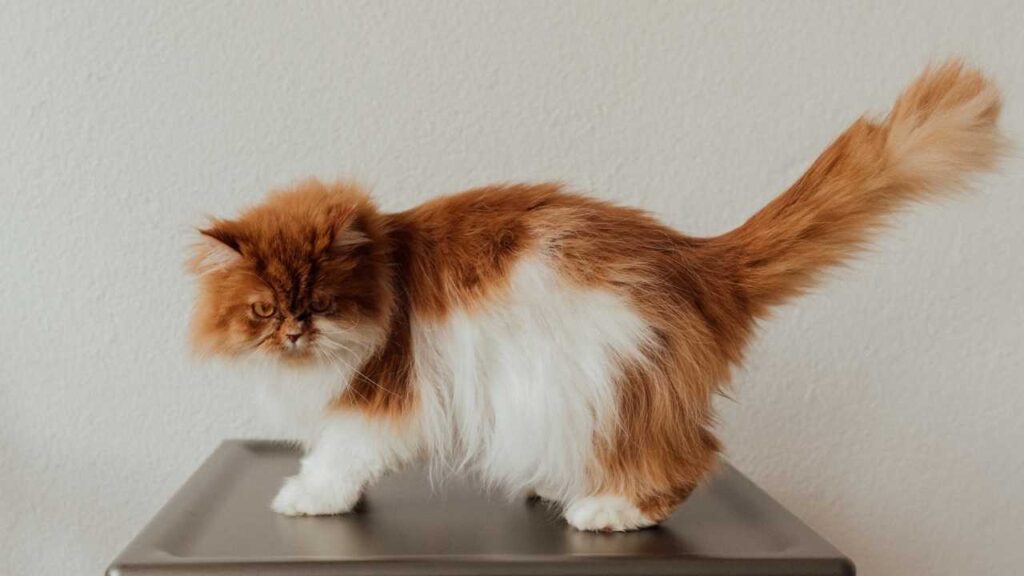
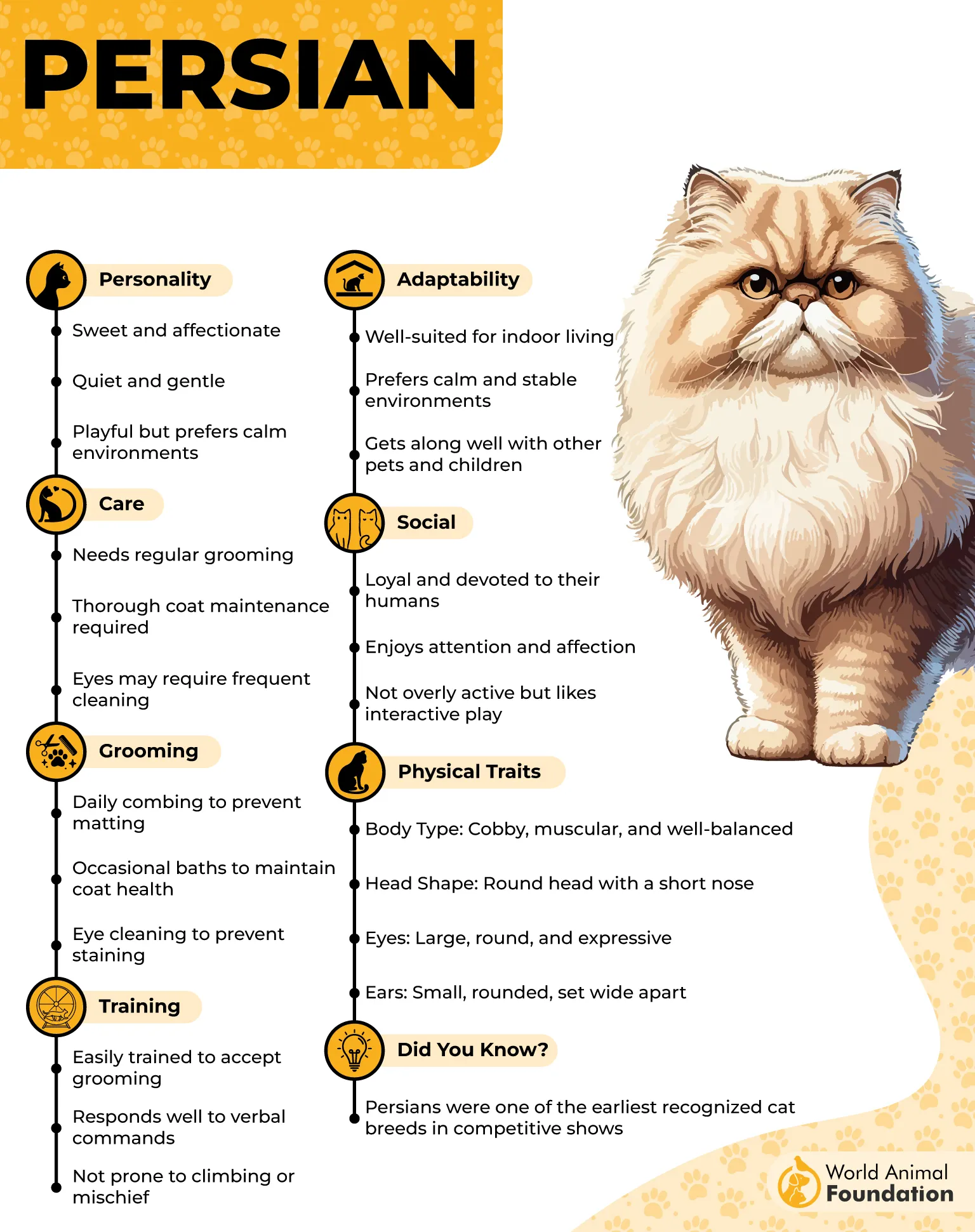
Persian cats are widely known for their calm behavior and preference for quiet, familiar spaces. Many Persian cats enjoy predictable routines and tend to stay close to their favorite areas in the house. Their relaxed pace creates a soothing rhythm in daily life.
They are often described as affectionate cats that show care through presence rather than constant activity. Persians enjoy time cuddling, resting nearby, or quietly observing their surroundings. This gentle cat temperament can feel reassuring for people dealing with mental health symptoms.
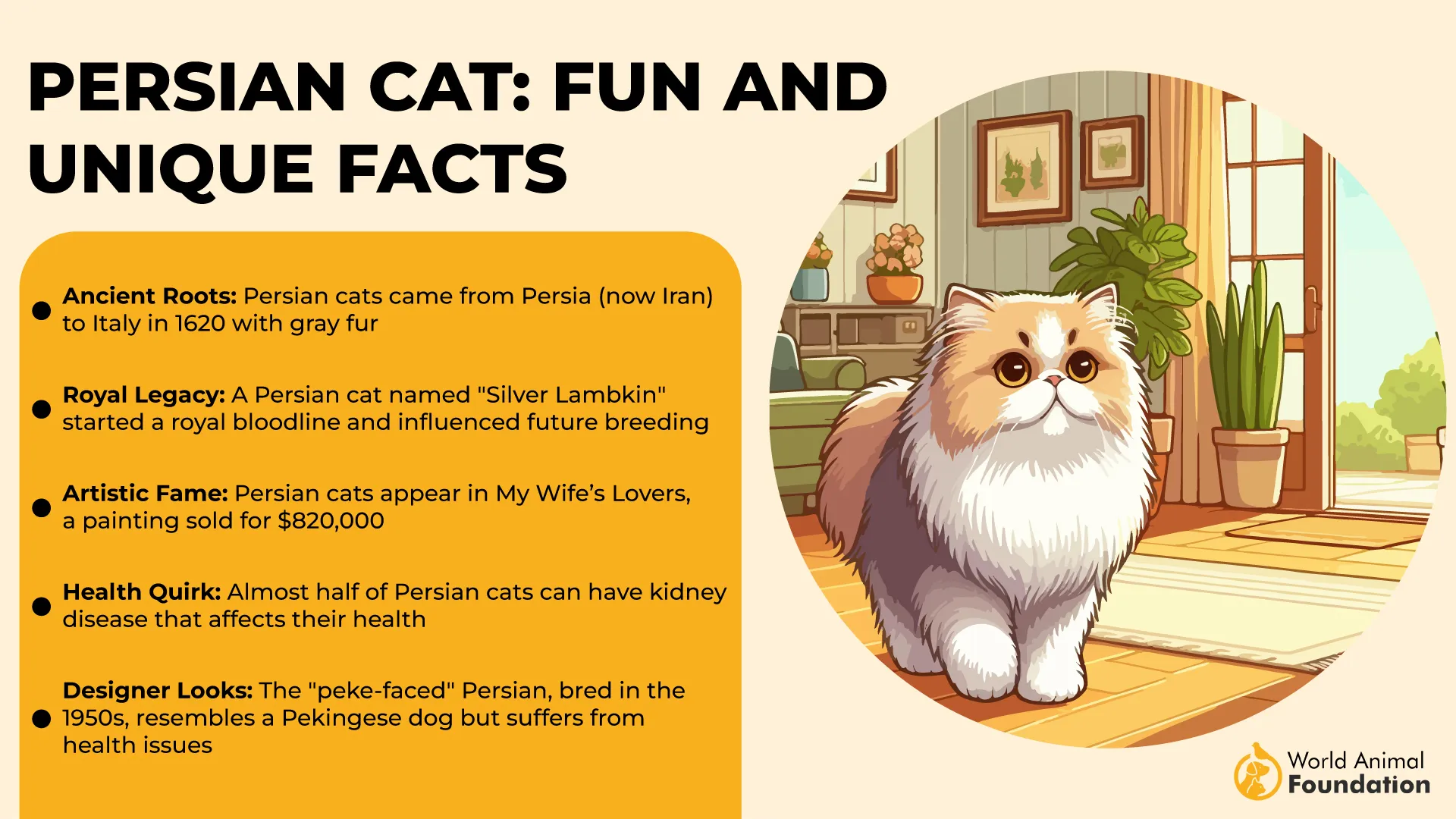
Because of their long coats, frequent brushing becomes part of daily care. This grooming routine can support bonding and provide a sense of structure. Their soft, fluffy appearance and large eyes add to their comforting presence indoors.
Why This Cat Is a Good Fit
Offers a quiet companion for calm homes
Enjoys human companionship without being needy
A good choice for pet owners seeking emotional balance
7. Devon Rex
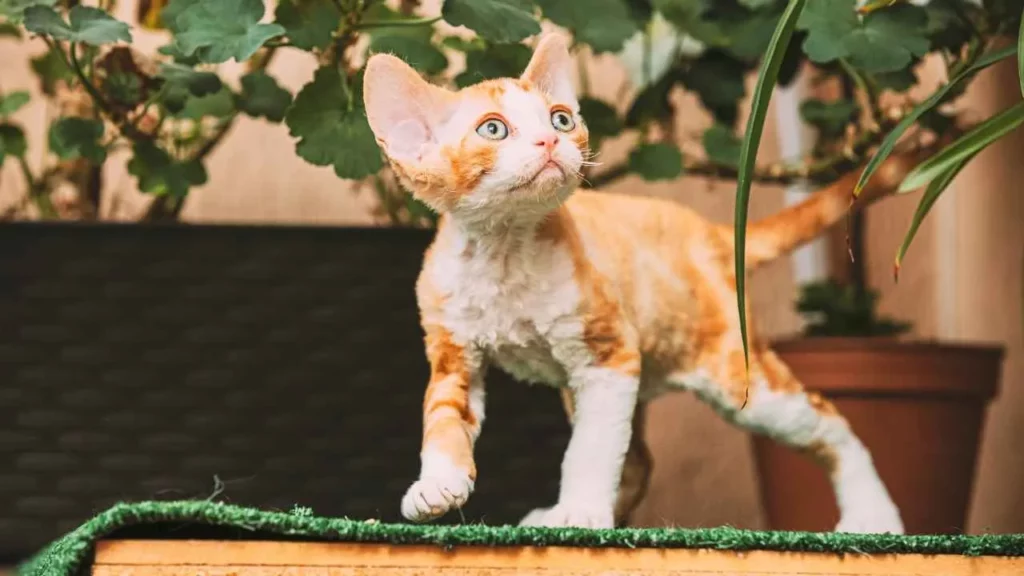
Devon Rex cats are known for their playful nature and people-focused behavior. They often seek interaction and enjoy being part of daily activities around the house. Their distinct appearance and lively personality make them easy to notice.
They are affectionate breeds that love spending time with their humans. Devon Rex cats often cuddle, follow people from room to room, and show interest in shared routines. This close connection supports emotional comfort.
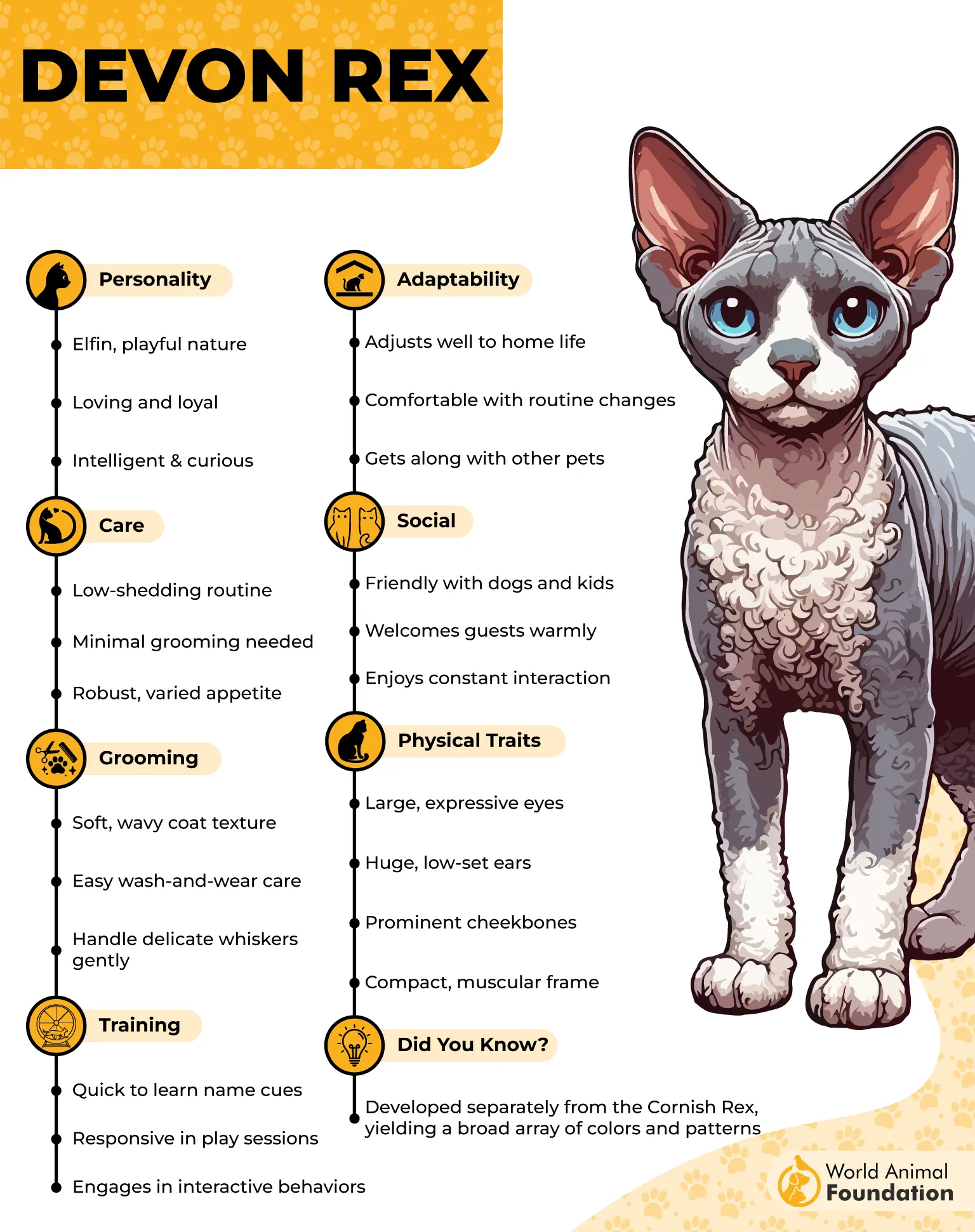
Despite their energy, they are relatively low-maintenance when it comes to grooming. Their short coat requires minimal care. They thrive in homes where interaction and attention are part of everyday life.
Why This Cat Is a Good Fit
Provides an engaging and friendly companion
Enjoys close bonds with family members
Helpful for people who benefit from regular interaction
8. Bombay
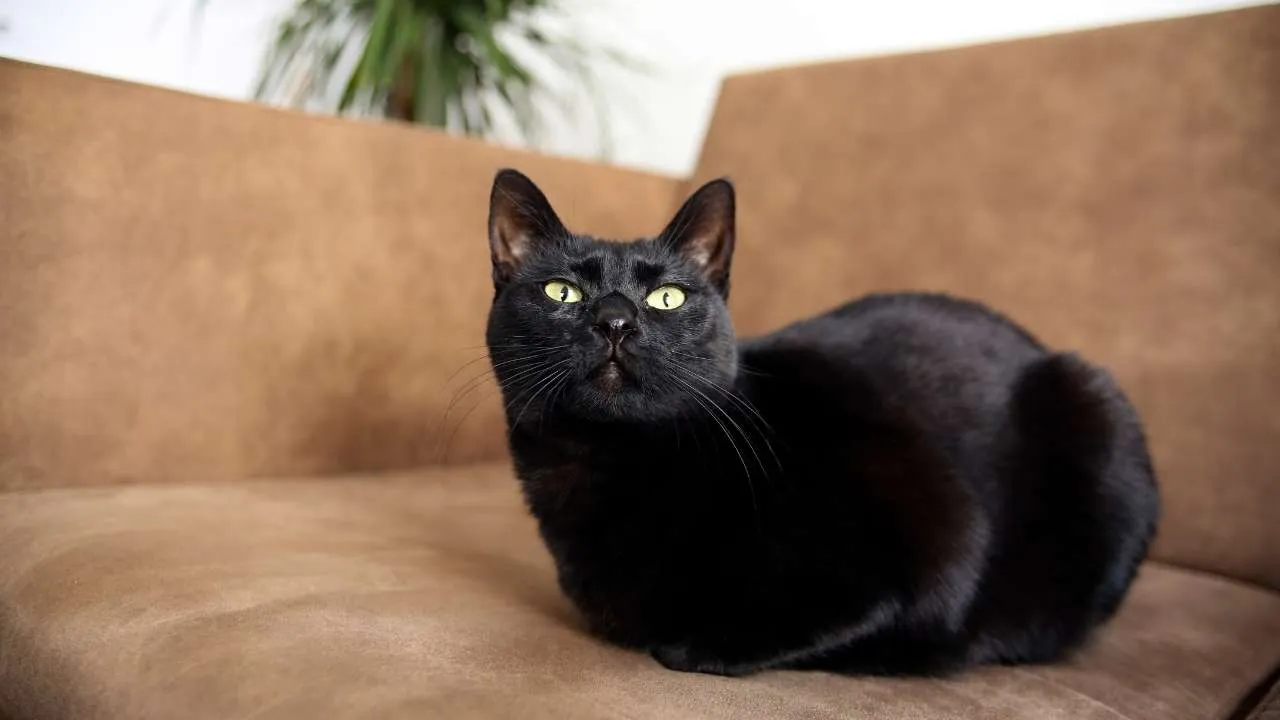
Bombay cats are sleek, social, and deeply connected to their people. They often form strong bonds and enjoy being near humans throughout the day. Their affectionate behavior supports a sense of connection.
They are often described as sweet and attentive, preferring company over solitude. Bombays tend to settle comfortably into household routines. Their presence can help reduce feelings of loneliness.
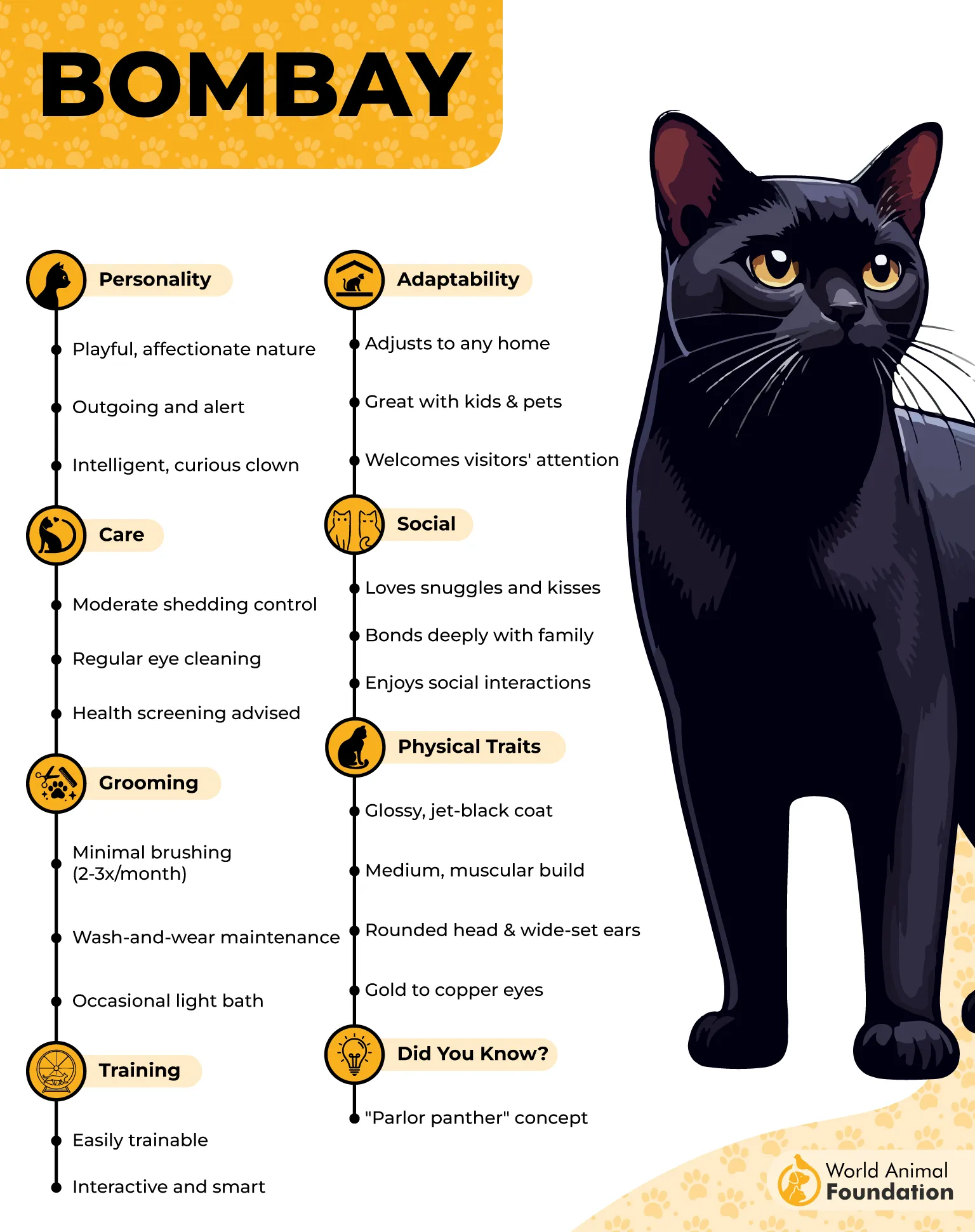
Bombay cats are generally easy to care for and adapt well to indoor living. They enjoy spending time with humans and often seek warmth and closeness. This steady attachment makes them great companions.
Why This Cat Is a Good Fit
Offers unconditional love through close presence
Adapts easily to indoor household routines
A great emotional support option for quiet homes
9. Bengal
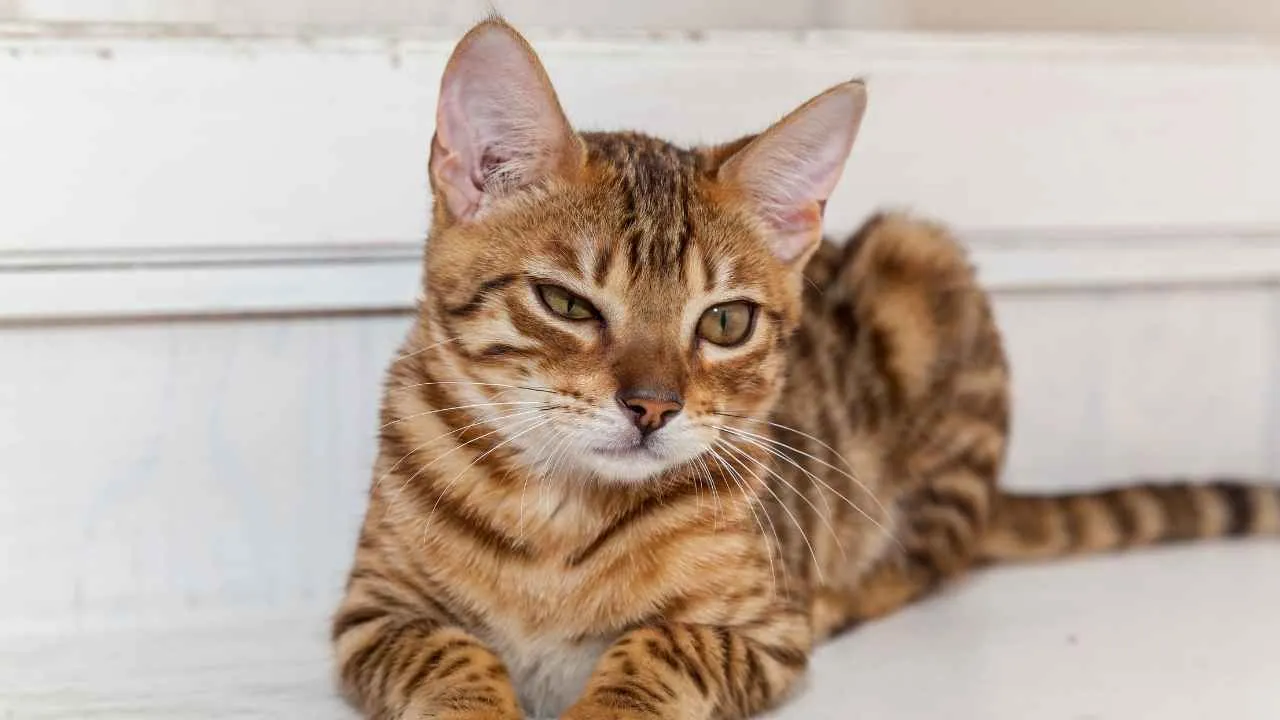
Bengal cats are energetic and alert, with a strong interest in their surroundings. They are playful and curious, often engaging with people and objects in active ways. This breed enjoys interaction and stimulation.
They tend to connect through activity rather than constant cuddling. Bengals enjoy spending time playing, exploring, and staying mentally engaged. Their behavior can help shift focus during anxious moments.
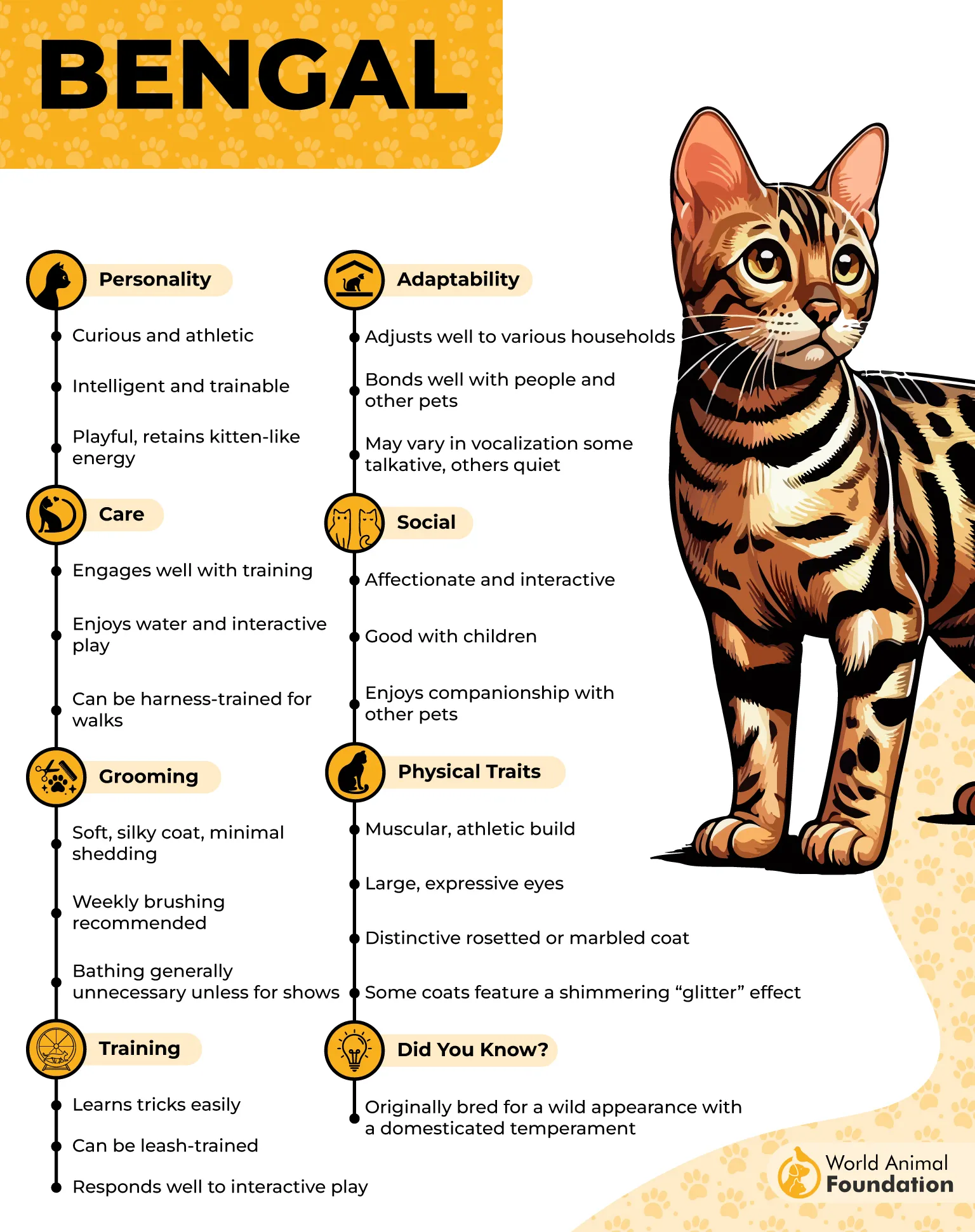
Because of their energy, they do best in homes that provide structure. Clear routines and playtime help them thrive. They are best suited for owners who enjoy engagement.
Why This Cat Is a Good Fit
Supports emotional focus through activity
Enjoys interactive time with humans
Works best for active pet owners
10. Russian Blue
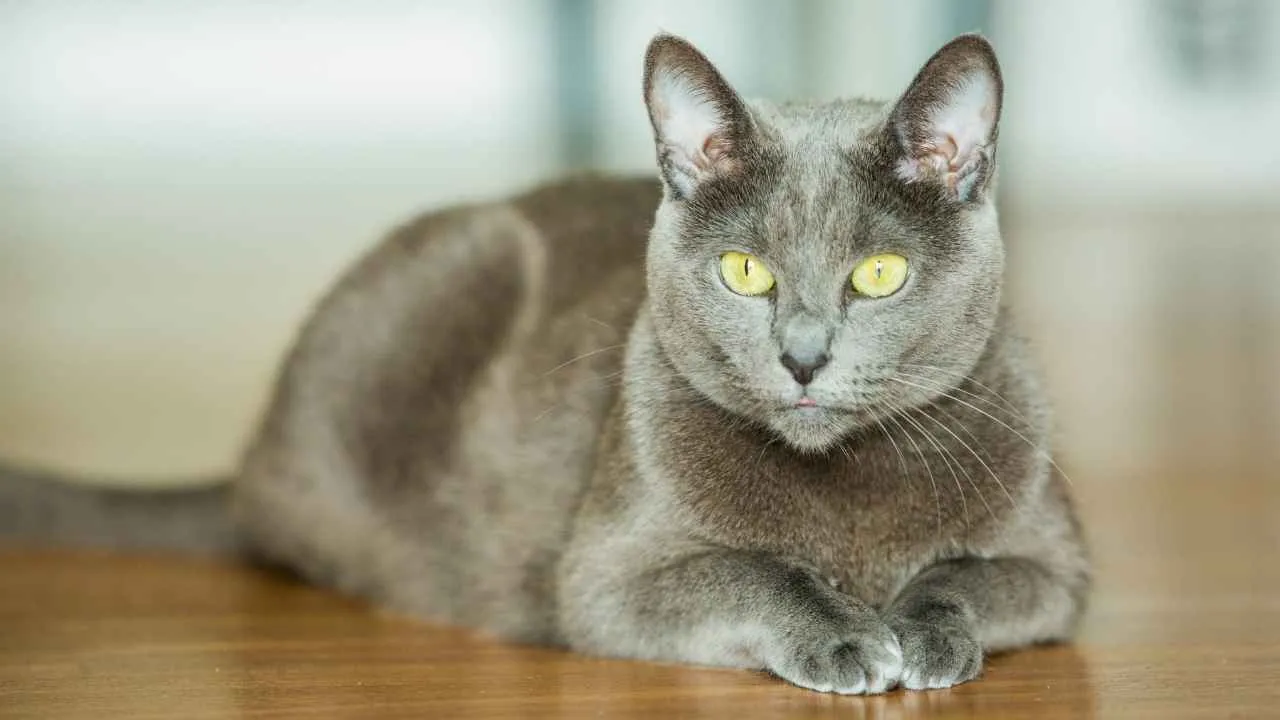
Russian Blue cats are known for their reserved yet loyal nature. They often choose one or two favorite people and form deep bonds with them. This quiet devotion can feel grounding.
They are gentle and observant, preferring calm environments over busy ones. Russian Blue cats often stay nearby without demanding attention. Their comforting presence supports emotional stability.
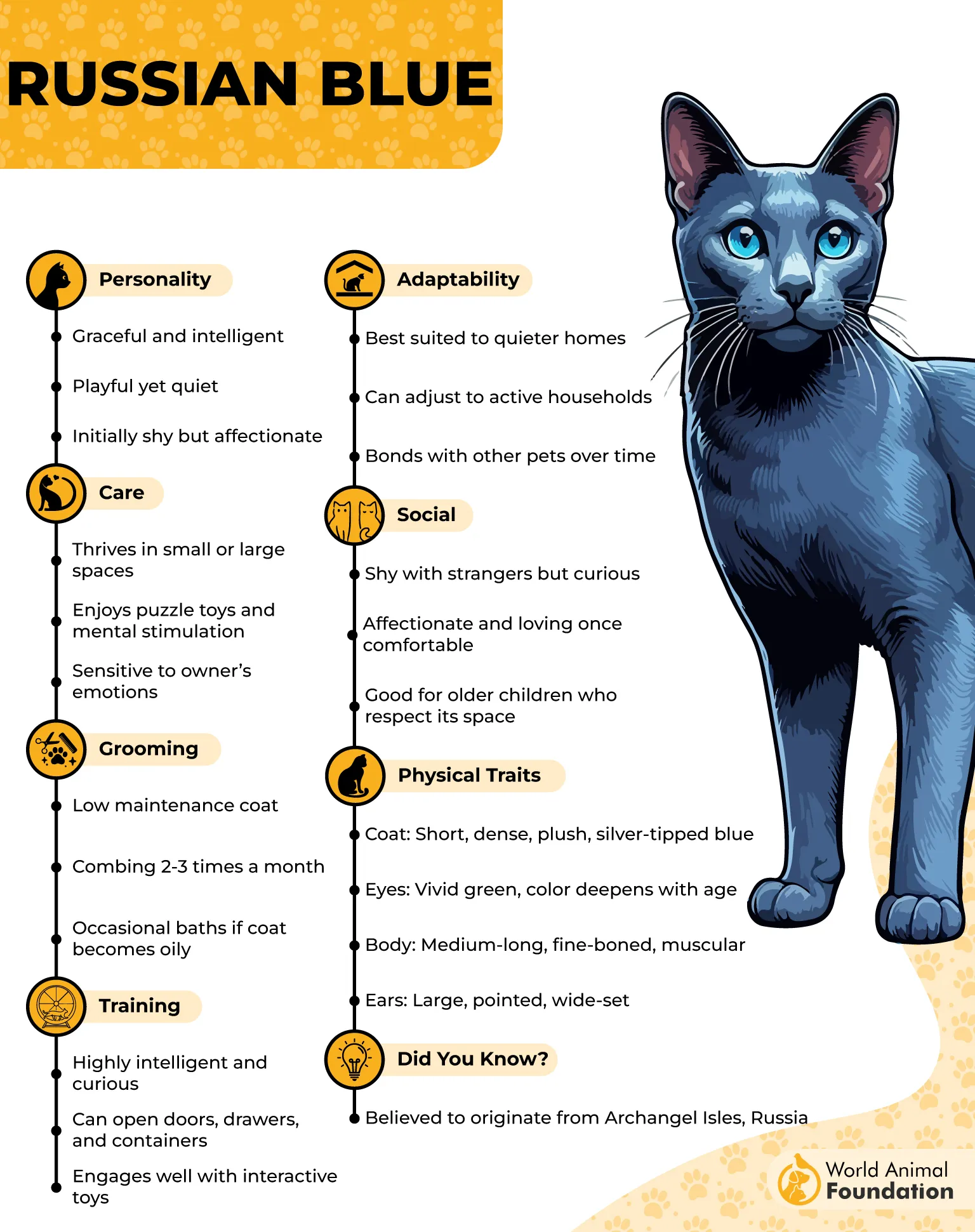
Their short coat makes them low–maintenance in grooming. They adapt well to consistent routines and quiet households. This makes them suitable for people seeking steady companionship.
Why This Cat Is a Good Fit
Offers a calm and comforting presence
Forms strong bonds with human companions
Ideal for people seeking a quiet, emotional support cat breed
Conclusion
Choosing a cat as an emotional support animal is a personal decision shaped by lifestyle, comfort, and connection. Many of the breeds discussed here are often seen as excellent emotional support animals because they offer steady companionship and a calming presence.
A trusted feline friend can help create balance at home, even around other pets, and is often easier to manage than dogs or larger animals. Generally speaking, the best cat breeds for support are those that match your daily rhythm, whether you prefer a quiet lap cat or a more interactive companion.
Beyond these options, other breeds such as Manx cats, American bobtail cats, exotic shorthairs, and the American bobtail are also considered great emotional support animals. Many cats from a local shelter can provide the best emotional support, regardless of breed.
