




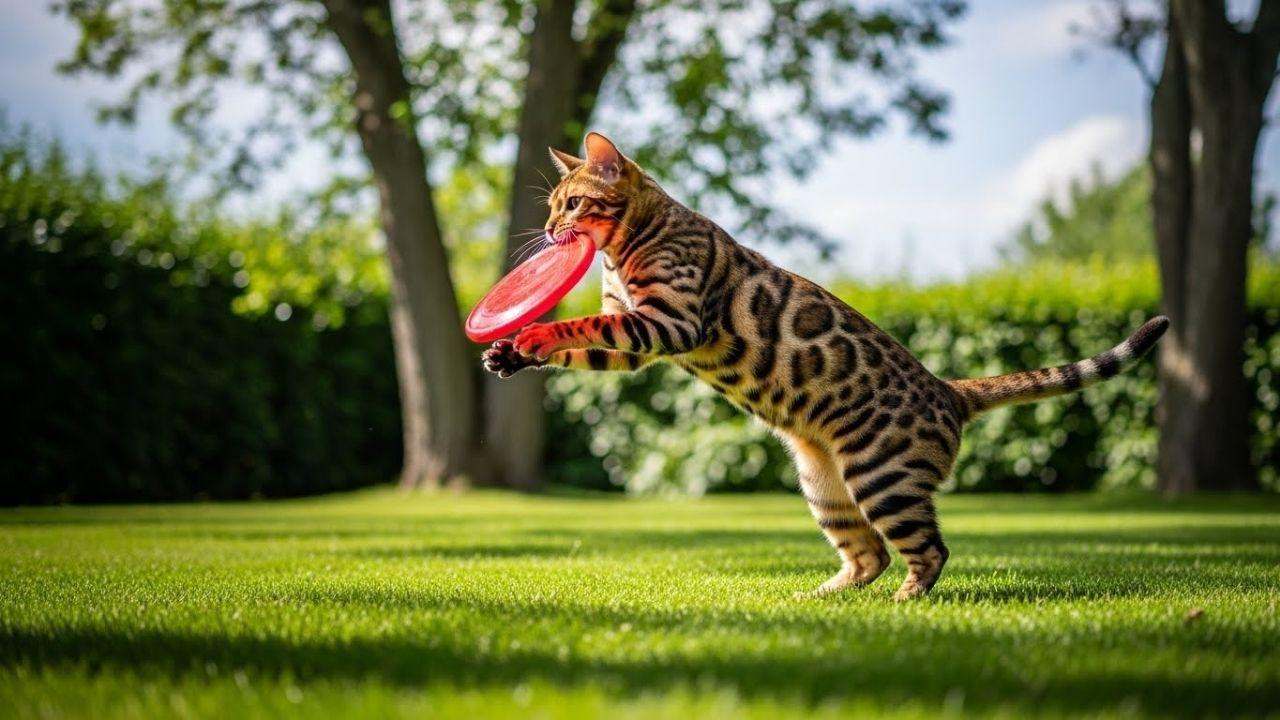
If you think fetch is just a dog thing, think again. According to a study by researchers at the University of Sussex and Northumbria University published in the journal Scientific Reports, many cats will play fetch and even decide when the game starts and ends on their own terms.
Cats that fetch often pick up the behavior without any formal training and may first show it as kittens.
For cat owners, this means your feline friend might surprise you by bringing a toy back, looking at you with expectation, and inviting you into a playful back-and-forth that strengthens your bond and sparks joy in everyday life.
Cat Breeds Good at Fetch
1. Abyssinian
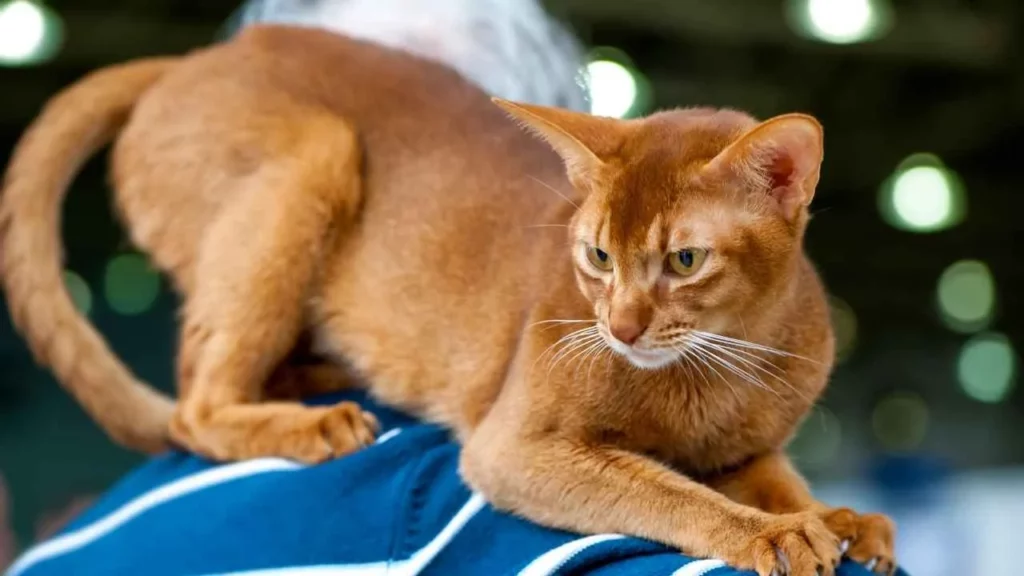
The Abyssinian is often described as busy, curious, and always on the move. This breed has a short, ticked coat and an athletic body built for climbing, jumping, and quick turns. Abyssinians prefer action over lounging and tend to investigate everything happening in their environment.
According to the Hill’sPet, play is a major part of daily life for an Abyssinian, and interactive games hold their attention best. They enjoy chasing tossed toys, batting objects across the floor, and returning repeatedly for more action. Their intelligence and alert nature mean they quickly learn routines and anticipate playtime without needing encouragement.
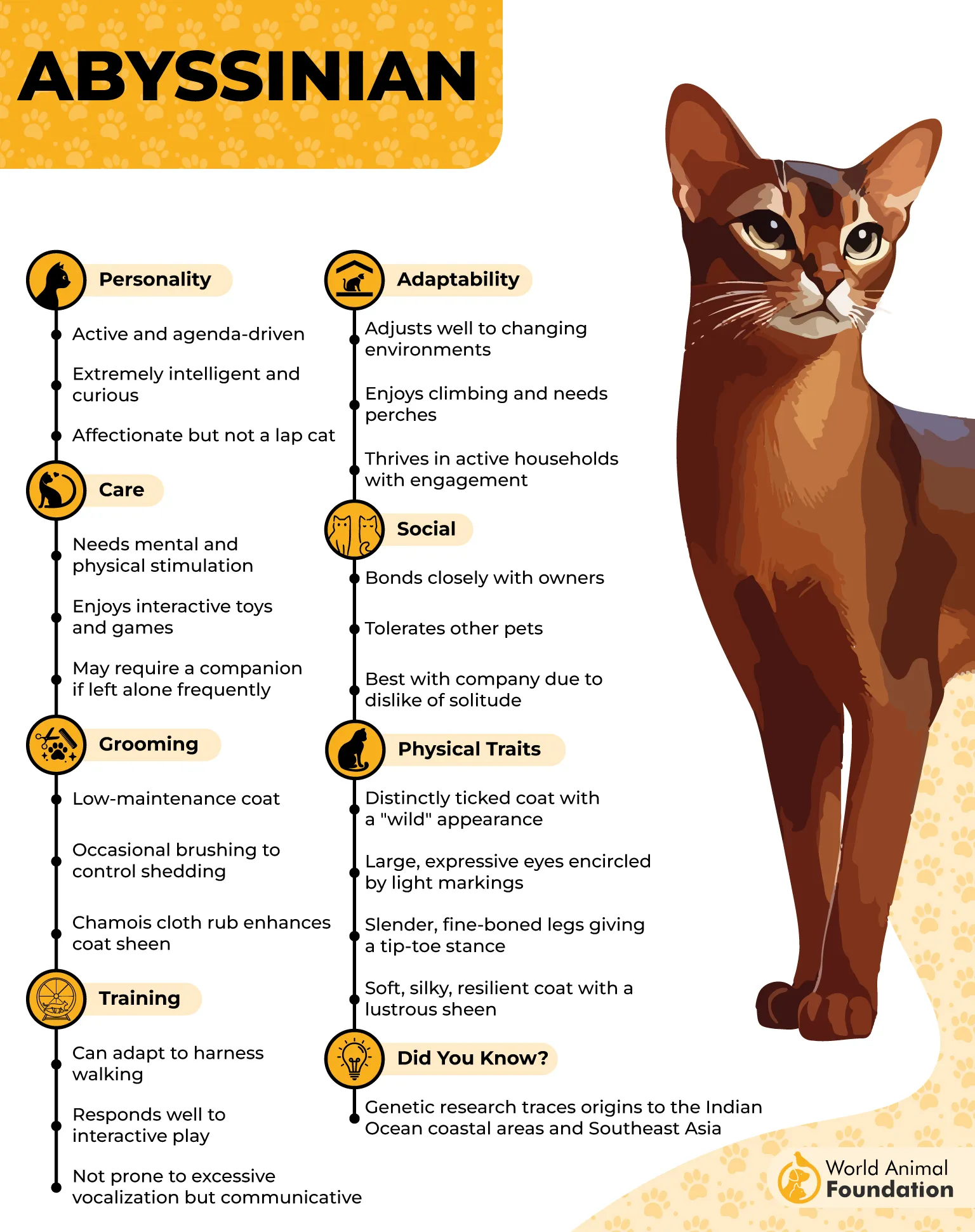
Rather than being lap-focused, this breed likes to stay involved from a short distance. Abyssinians often choose toys they can carry easily and may surprise owners by dropping them nearby to restart the fun. Mental stimulation matters just as much as physical activity, making fetch-style games a natural fit.
Why This Cat Is a Good Fit
Loves fast-paced games that involve chasing and returning toys
Keeps indoor play lively without needing constant training
Great for owners who enjoy active daily interaction
2. Bengal
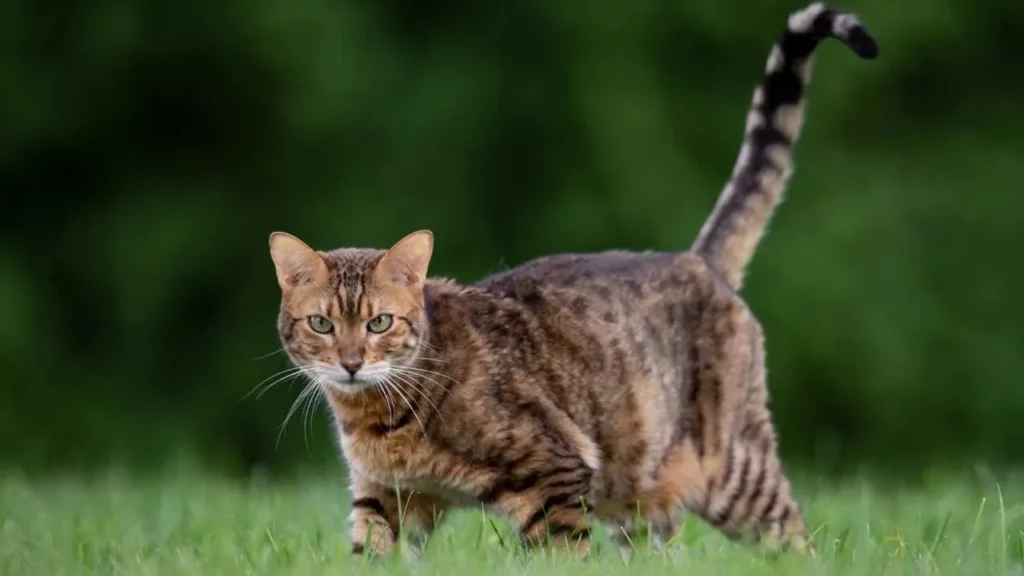
Bengals are energetic, confident cats with a bold personality and striking spotted coats. They are highly curious and often explore their space with purpose, climbing, leaping, and testing limits. This breed thrives on stimulation and quickly becomes bored without it.
Playtime for a Bengal is rarely quiet or subtle. Many enjoy chasing thrown toys, carrying them in their mouths, and bringing them back for another round. Their strong hunting instincts often show through play, turning fetch into a dramatic and entertaining routine.
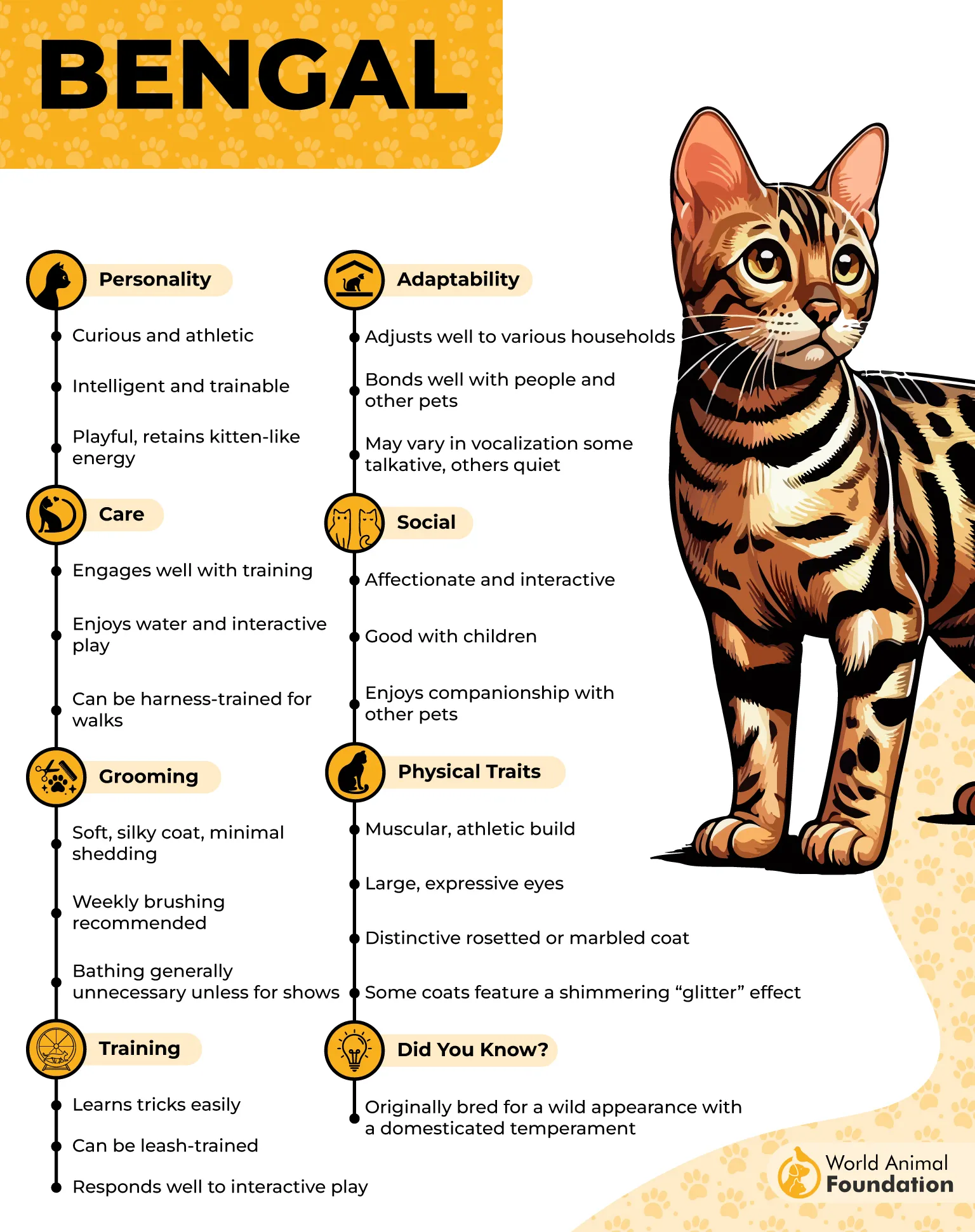
Because Bengals are intelligent and alert, they tend to invent their own games, as noted by PetMD. Fetch can become part of their daily schedule if it keeps them engaged and challenged. Without enough play, they may redirect that energy into mischief, making interactive games especially valuable.
Why This Cat Is a Good Fit
Naturally motivated to chase and retrieve moving toys
Excellent choice for homes that enjoy active play sessions
Helps burn energy indoors in a fun, structured way
3. Siamese

The Siamese is known for its social personality and strong bond with people. It has a sleek body, a short coat, and expressive eyes that seem to follow every move. This breed prefers companionship and often wants to be part of whatever its humans are doing.
Playtime is a shared experience for Siamese cats, not a solo activity. They enjoy games that involve attention, movement, and response, making fetch especially appealing. Many will bring toys back and vocalize to let their owner know the game should continue.
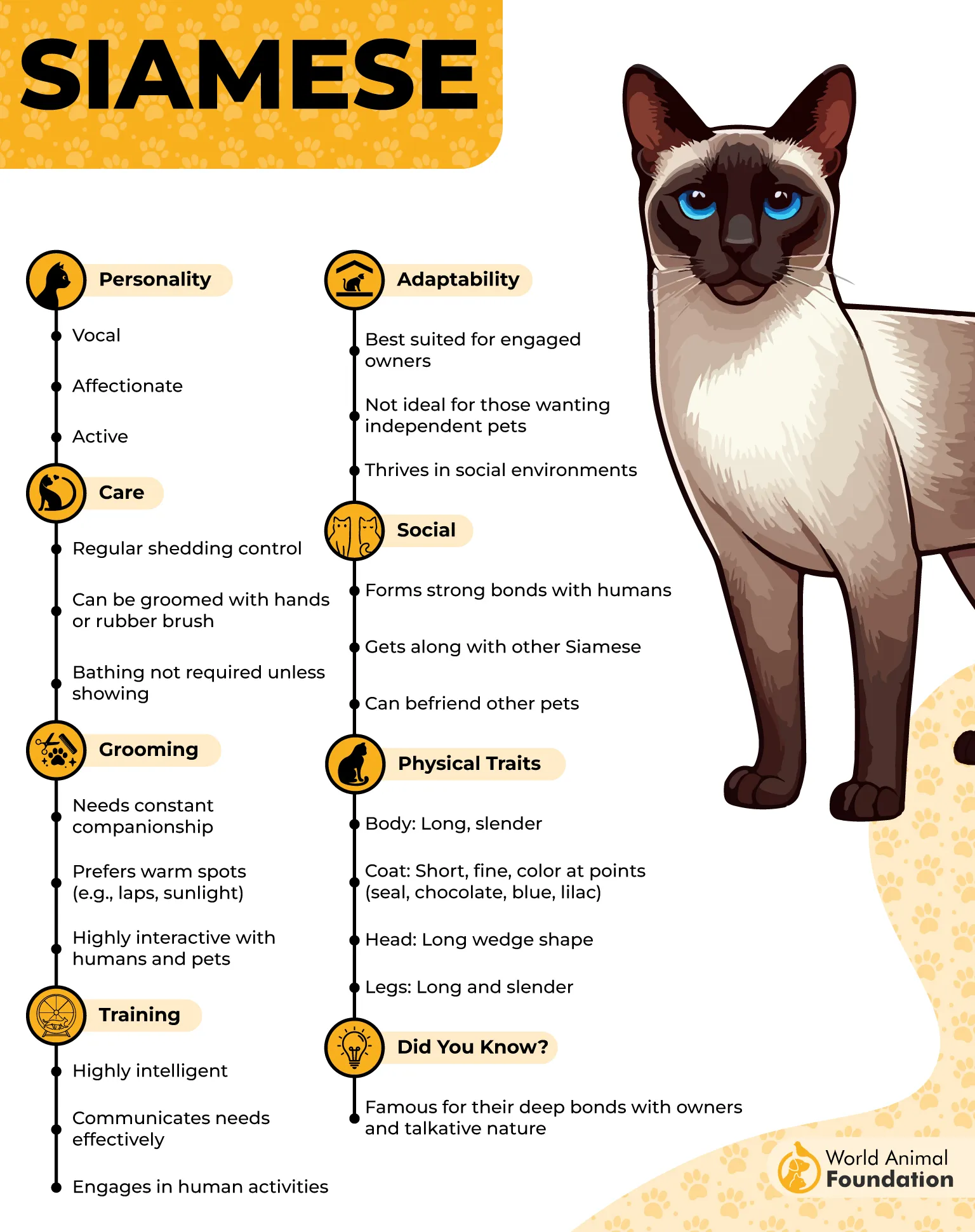
Purina states that Siamese cats are vocal and often turn play into communication. Fetch becomes less about the toy and more about connection. Their enthusiasm and persistence can turn a simple tossed object into a long-running routine.
Why This Cat Is a Good Fit
Enjoys interactive games that involve people directly
Turns fetch into bonding time rather than solo play
Keeps indoor life engaging with minimal setup
4. Maine Coon
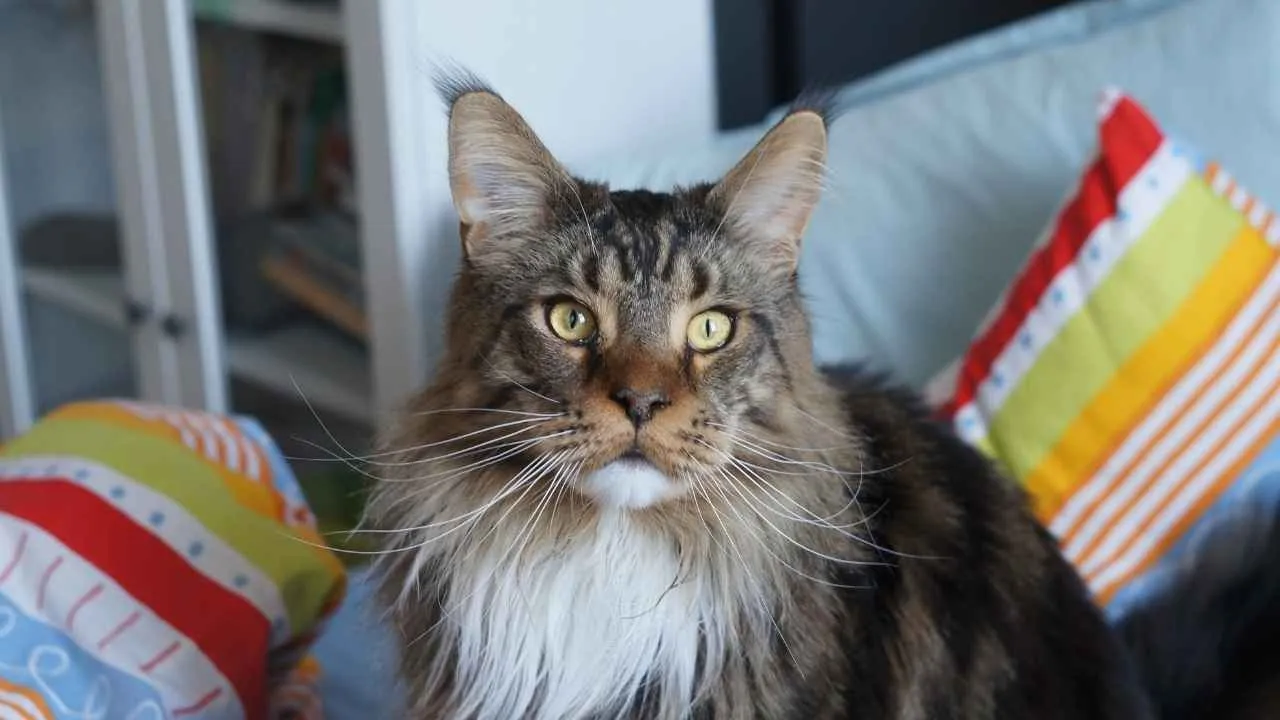
Maine Coons are large, sturdy cats with gentle personalities and a playful streak. Despite their size, they are known for being surprisingly agile and curious. They often remain playful well into adulthood.
Many Maine Coons enjoy carrying toys around the house and dropping them near their owners. Fetch style play happens naturally when they decide a toy is worth retrieving. Their relaxed attitude keeps the game fun without becoming overwhelming.
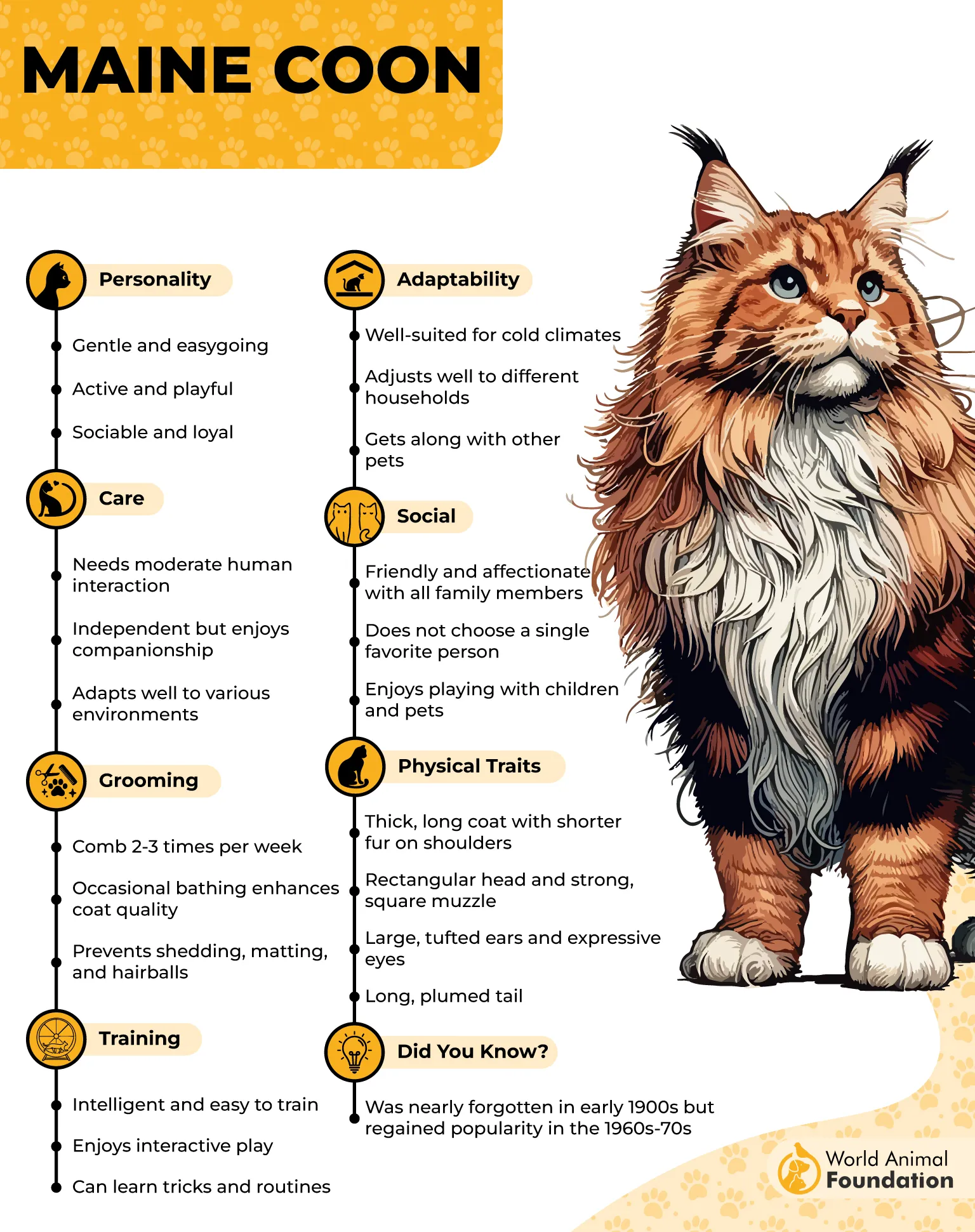
This breed tends to enjoy routine and familiar games. Fetch works well because it allows movement without chaos. Their patient, friendly nature makes playtime enjoyable for everyone involved.
Why This Cat Is a Good Fit
Enjoys casual fetch sessions without nonstop energy
Good match for families who want playful but gentle interaction
Makes indoor play feel relaxed and social
5. Turkish Angora
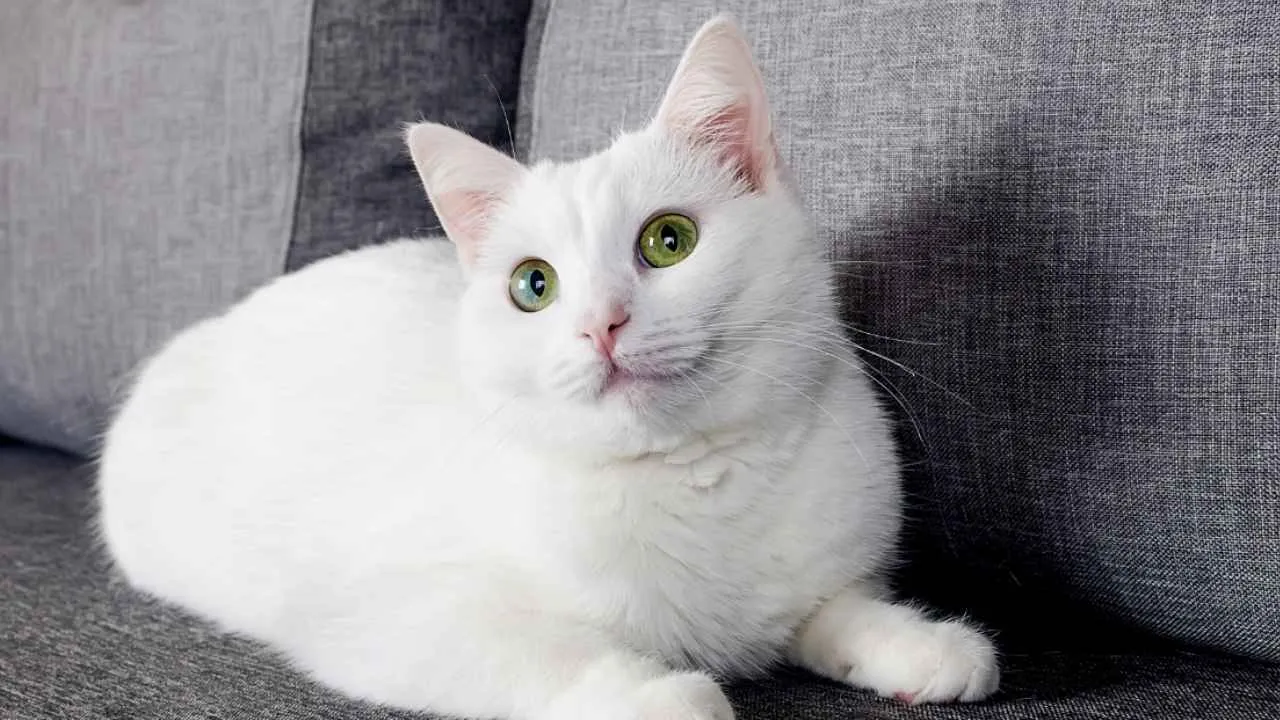
The Turkish Angora is an elegant, long-bodied cat with a silky coat and an alert, intelligent expression. It is known for its graceful movement and love of exploration, often choosing high places to observe its surroundings. This breed tends to be confident and curious, with a playful edge that lasts well beyond kittenhood.
Play is a key part of daily life for a Turkish Angora, especially games that involve movement and interaction. Many enjoy chasing lightweight toys across the floor and will happily carry them back to keep the game going.
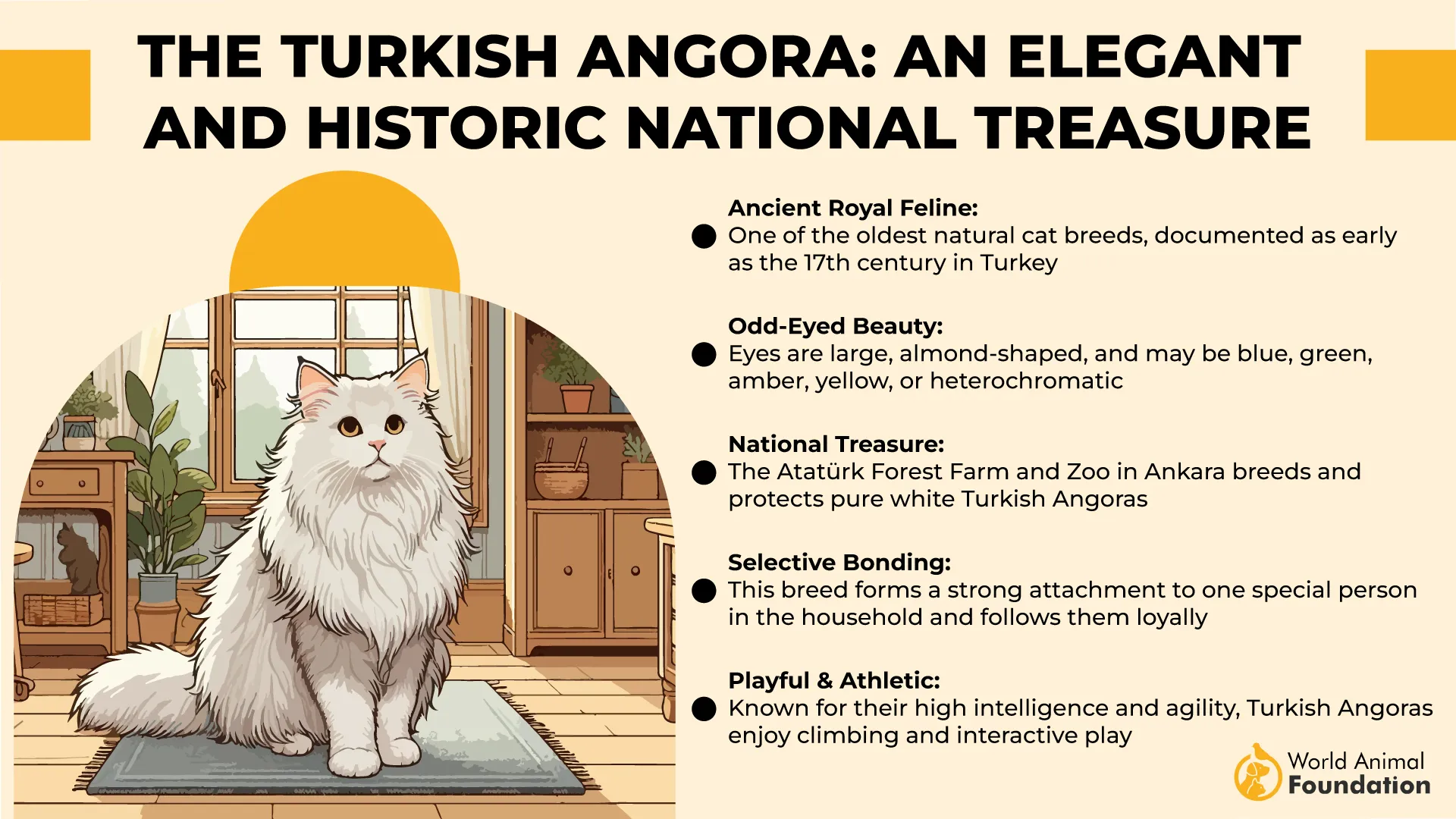
Social by nature, the Turkish Angora prefers play that includes people rather than toys left behind. Fetch becomes a shared activity that satisfies both mental and physical needs. When engaged, they can be persistent about continuing the game, often dropping the toy right at your feet.
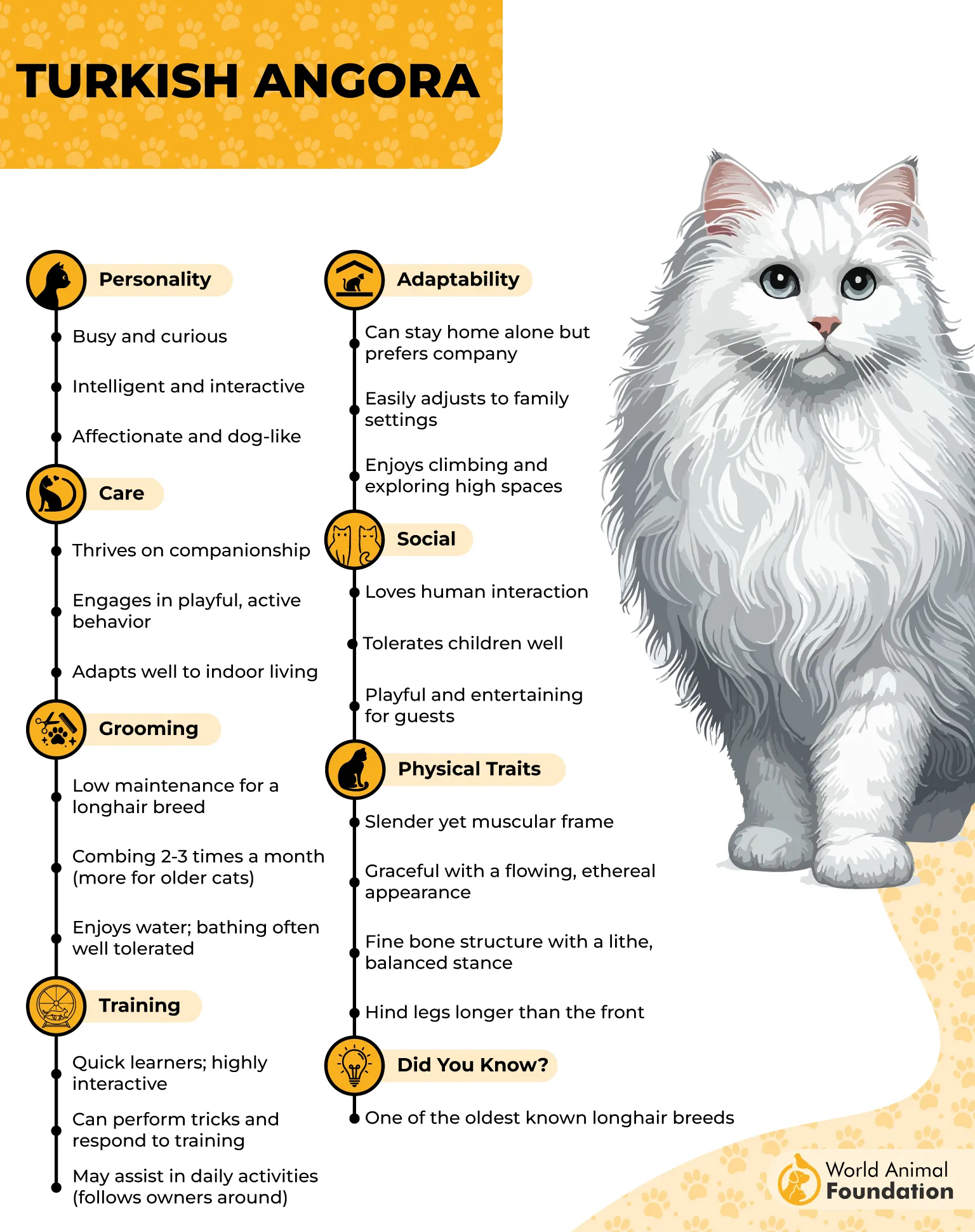
Why This Cat Is a Good Fit
Enjoys interactive play that encourages movement and thinking
Keeps indoor play sessions lively and engaging
Appeals to owners who want an active, responsive companion
6. Manx
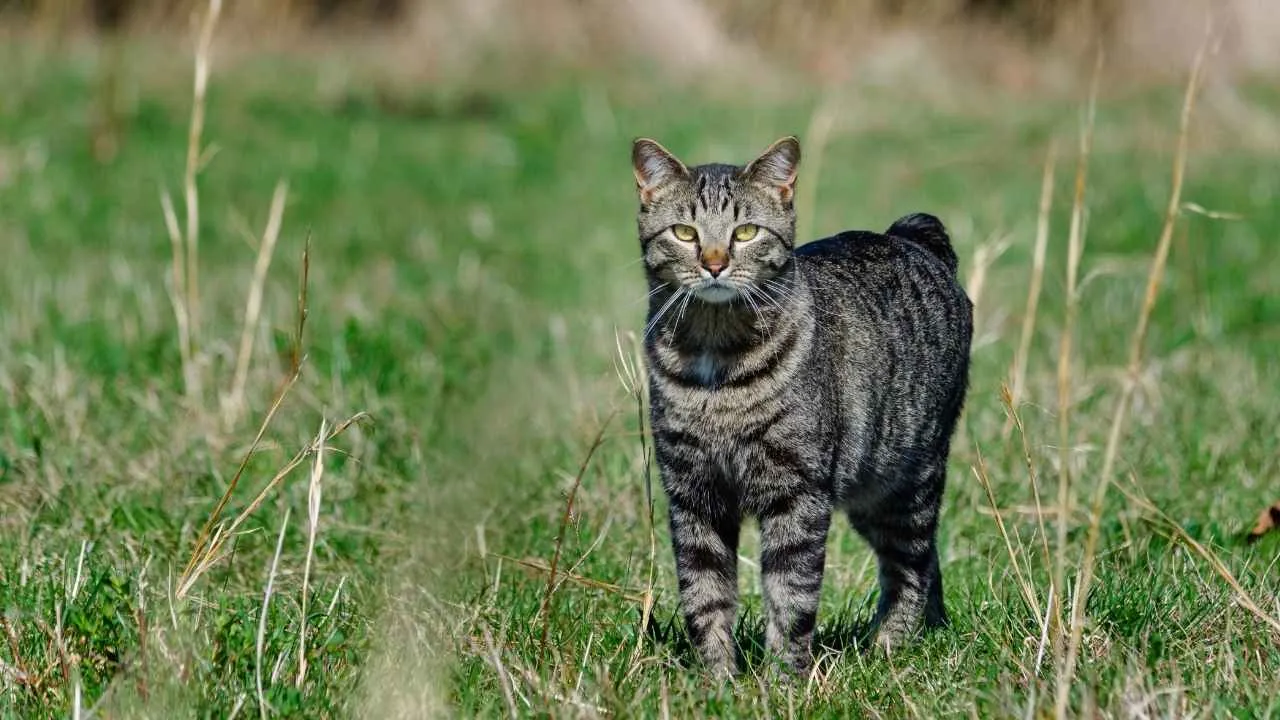
The Manx is instantly recognizable for its rounded body and famously short or absent tail. Originating as a working cat, it has strong hind legs and a solid build that supports quick bursts of movement. Despite its sturdy appearance, the Manx is agile and playful.
This breed is known for its dog-like tendencies, including an interest in retrieving toys. Manx cats often enjoy chasing tossed objects and bringing them back with purpose. Their problem-solving nature keeps them focused on games that involve repetition and reward.
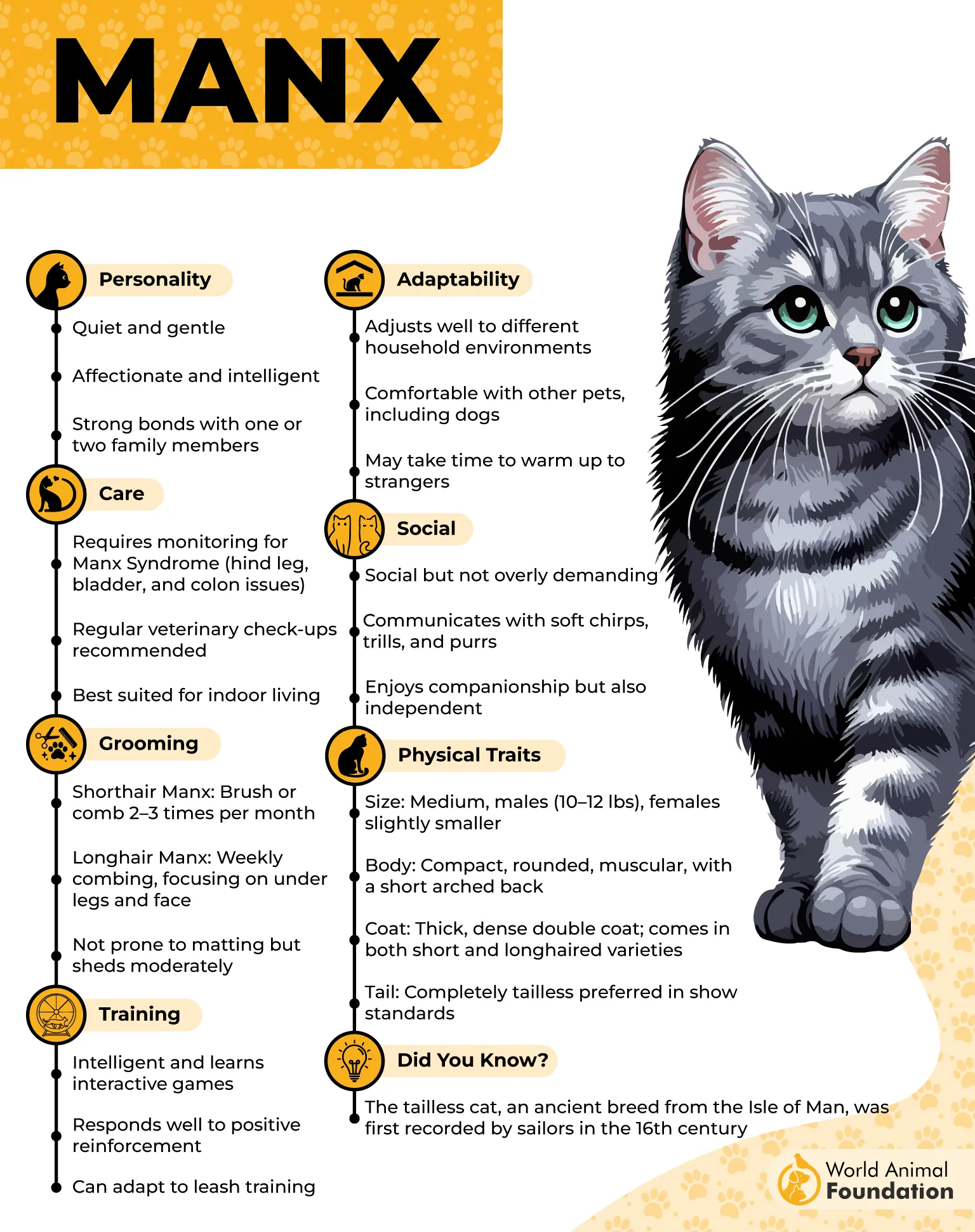
Manx cats are loyal and tend to stick close to their people. Fetch fits well into their routine because it combines play with companionship. They enjoy structured games that offer both physical activity and attention without becoming overly intense.
Why This Cat Is a Good Fit
Naturally inclined toward retrieve style games
Balances playfulness with a calm, steady temperament
Works well for families seeking interactive indoor play
7. Burmese
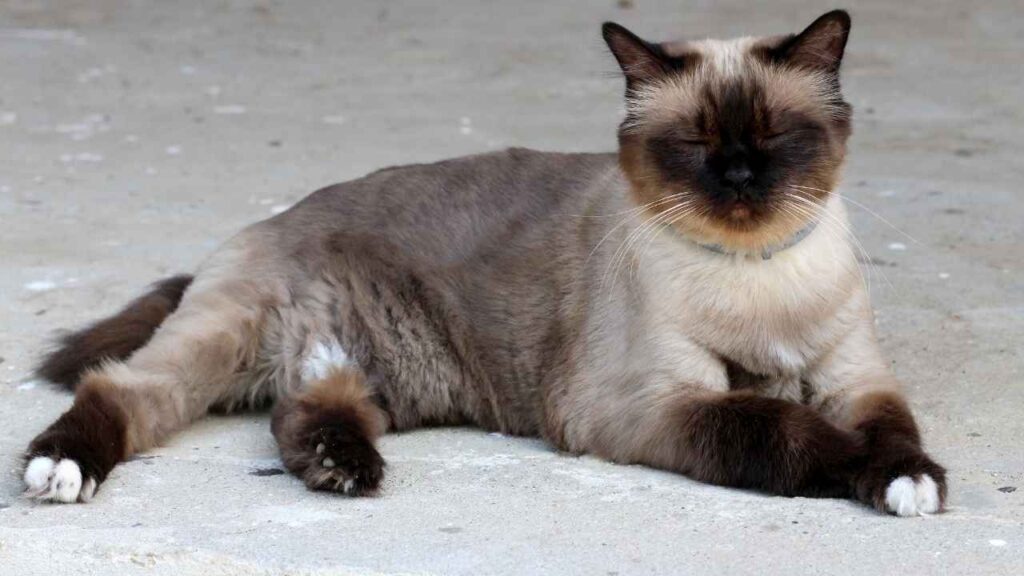
The Burmese is a compact, muscular cat with a sleek coat and expressive eyes. Known for its outgoing personality, this breed thrives on attention and involvement. Burmese cats prefer being in the middle of household activity rather than watching from afar.
Playtime is a social event for the Burmese, and fetch often becomes part of that interaction. These cats love chasing toys, picking them up, and returning to their favorite person for another throw. Their enthusiasm can turn a simple game into a daily ritual.
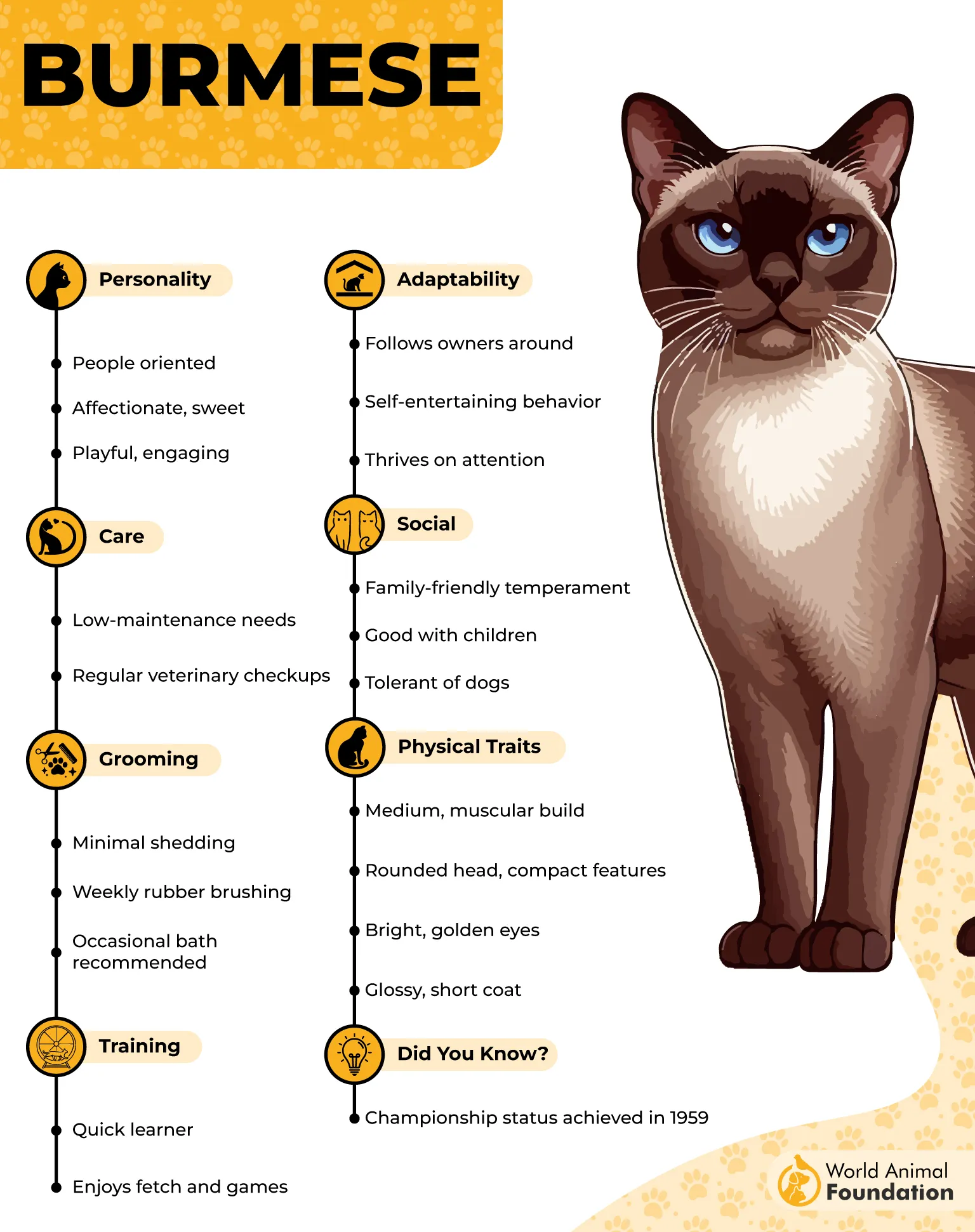
Because Burmese cats remain playful well into adulthood, fetch helps channel their energy in a positive way. They respond well to encouragement and enjoy games that strengthen their bond with humans. A bored Burmese will quickly look for entertainment, making interactive play especially important.
Why This Cat Is a Good Fit
Loves people-centered games like fetch
Keeps indoor life energetic and engaging
Great match for owners who enjoy frequent play sessions
Conclusion
In the cat world, fetch-loving cats continue to surprise pet owners who once thought this behavior belonged only to dog breeds. Many domestic cats enjoy playing games that involve human interaction, learning tricks, and even responding to a cue word when positive reinforcement is used.
For pet parents who want an affectionate breed that enjoys spending time together, these cats can be a fantastic choice. They often thrive on human companionship, dislike feeling lonely easily, and show high intelligence, which makes training feel fun rather than forced. Some will happily perform tricks, chase a laser pointer, go for a walk, or even tolerate car rides, earning their reputation as cats that act like dogs.
Other cats, such as Bombay cats, Cornish rex, Bengal cat, and other highly trainable breeds, also show strong cat behavior that blends curiosity, play, and loyalty, making them a great family pet for those willing to spend time with their kitty.
