




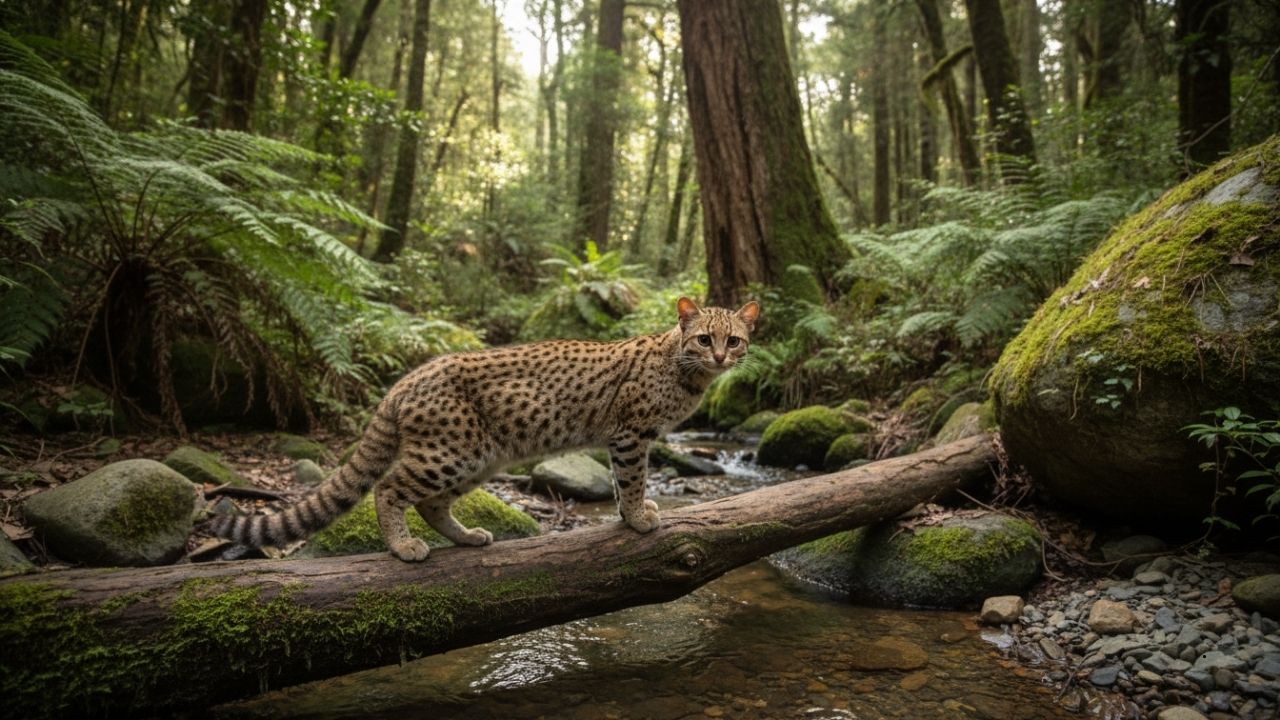
South America is a land of dramatic landscapes and extraordinary wildlife, and its feline inhabitants are among the most fascinating in the world. From dense rainforests to rugged mountain ranges, this continent has shaped cats that are agile, elusive, and perfectly adapted to diverse environments.
While many people immediately think of the powerful jaguar, South America’s feline story extends far beyond a single iconic species, revealing a rich mix of wild influences and regional uniqueness.
In fact, South America is home to an impressive variety of native wild cats, many of which are small, secretive, and rarely seen. These cats have evolved as skilled ambush hunters, relying on camouflage, patience, and stealth to survive. Their natural behaviors, appearances, and instincts have influenced how we understand feline adaptability and evolution across the globe.
In this article, we’ll explore cat breeds and feline lineages connected to South America, uncovering how the continent’s wild heritage has shaped their traits. Whether you’re a wildlife enthusiast or a curious cat lover, these remarkable felines offer a deeper look into South America’s untamed spirit and enduring biodiversity.
Cat Breeds from South America
1. Andean Mountain Cat
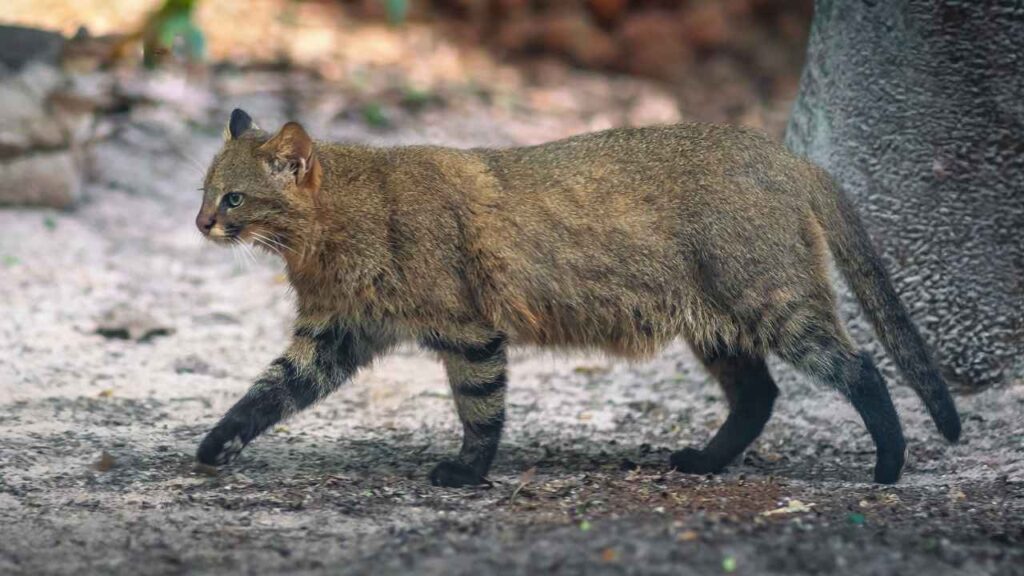
The Andean Mountain Cat, also known by its scientific name Leopardus jacobita, is one of South America’s rarest wild felines. Native to the high Andes, it is often compared to a miniature snow leopard because of its thick, ashy-gray coat and strikingly long, fluffy tail.
According to the International Society for Endangered Cats, the Andean cat is found primarily in the high Andes of Peru and Bolivia, as well as in northern Chile and northern Argentina, at elevations reaching up to about 5,000 meters.
Living at elevations between roughly 5,900 and 13,000 feet, this elusive cat reflects the harsh mountain environments that shaped early feline life in South America. Its sparse spotting and muted coloring provide natural camouflage among rocky slopes and limited vegetation.
Unlike domestic cats that later spread across the continent, the Andean Mountain Cat remains deeply tied to ancient ecosystems. It hunts mountain viscachas primarily, showing how South American cats evolved specialized survival strategies long before domestication began.
The species also holds cultural importance, traditionally revered by Aymara and Quechua communities as a sacred animal. Today, its story highlights the stark contrast between wild ancestral cats and the domestic companions that eventually emerged across South America.
Fact: The Andean Mountain Cat is listed as Endangered on the IUCN Red List, with fewer than about 2,500 individuals believed to remain in the wild.
2. Geoffroy’s Cat
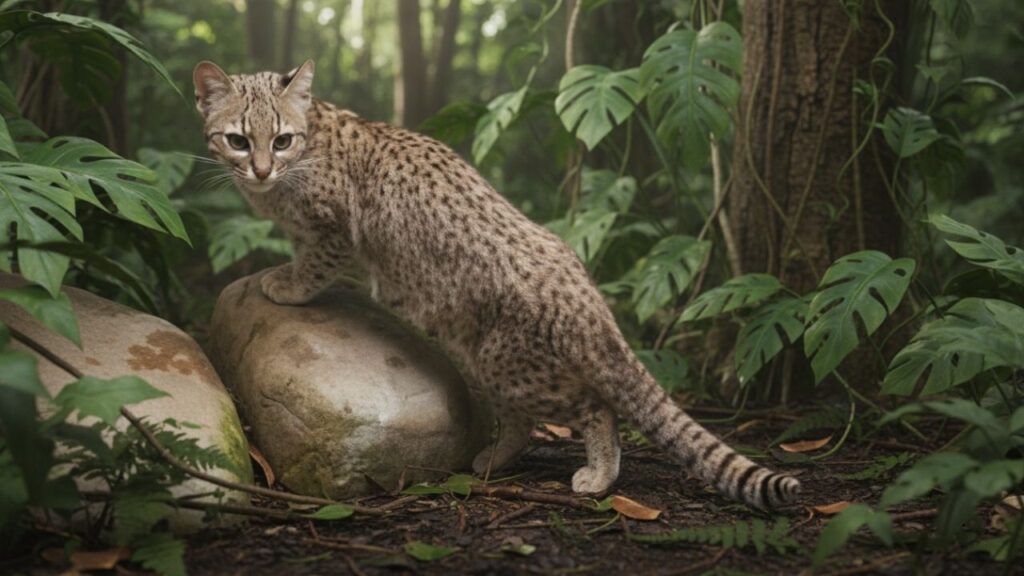
Geoffroy’s Cat, also known as Leopardus geoffroyi, is a small wild feline cat named after French zoologist Étienne Geoffroy Saint-Hilaire.
According to Britannica, Geoffroy’s cat (Oncifelis geoffroyi) is a South American member of the cat family Felidae that lives in mountainous areas, particularly in Argentina.
Found across Argentina, Bolivia, Chile, Paraguay, and parts of Brazil, Geoffroy’s cat thrives in diverse habitats such as grasslands, scrublands, the Pampas, and even the Andes. Its ability to adapt to both high-altitude and hot environments highlights its resilience among South American cats.
This species is solitary and mostly nocturnal, relying on stealth to hunt rodents, hares, birds, reptiles, and insects. An agile climber and capable swimmer, it is also known for scanning landscapes by standing upright on its hind legs, using its tail for balance.
Although once heavily hunted for its pelt, Geoffroy’s cat is now legally protected and remains widespread and stable, earning it a Least Concern status from the IUCN.
3. Kodkod
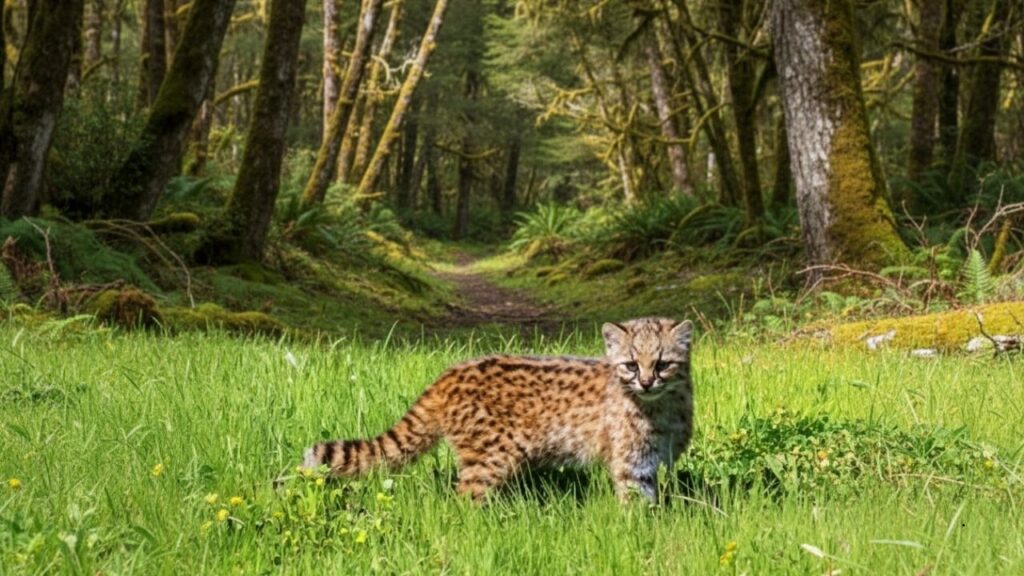
The Kodkod, also known as the Güiña, Guigna, or Chilean Cat, is the smallest wild cat in the Americas and one of South America’s most elusive felines. Native to southern Chile and parts of Argentina, this rare species is instantly recognizable by its compact size and softly spotted coat.
According to the Scholarly Community Encyclopedia, despite its small size, the kodkod is an effective predator that hunts small mammals, birds, and insects. The source also explains that, as a mesopredator, it helps support ecosystem balance within its habitat.
Perfectly adapted to dense temperate rainforests, the Kodkod thrives in thick vegetation where stealth is essential. Its gray-to-brown or yellowish coat with dark spots and a ringed tail provides natural camouflage, helping it blend seamlessly into forest undergrowth and even the edges of rural settlements.
Despite its tiny frame, this wild cat is an agile hunter with impressive climbing skills. Active both day and night, it preys on rodents, birds, lizards, and occasionally insects, using trees as escape routes and hunting vantage points in its rugged environment.
The Kodkod is considered Vulnerable due to deforestation and agricultural expansion, and adults weigh only about 5 pounds, making it the smallest wild cat species in South America.
4. Pampas Cat
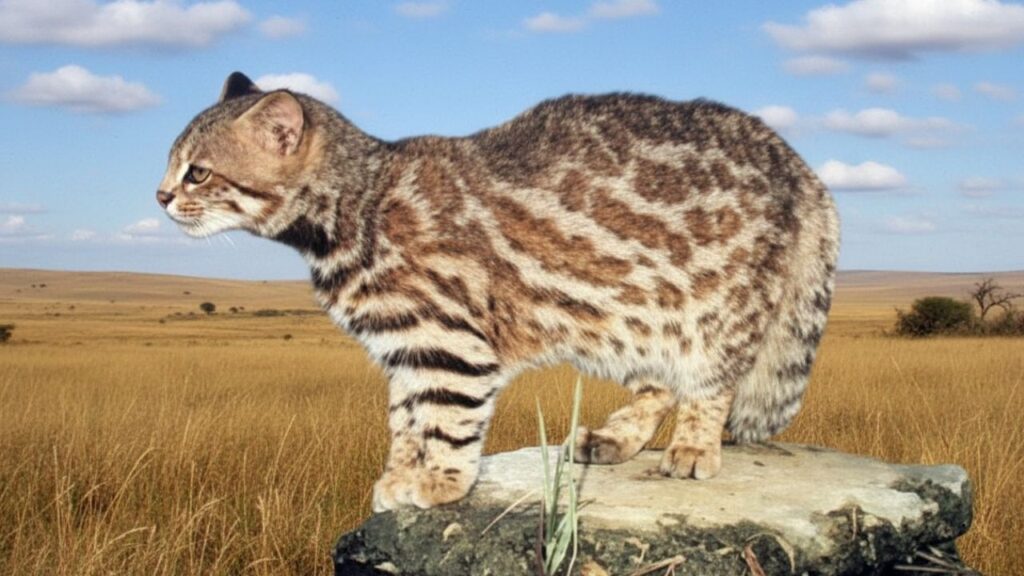
The Pampas Cat, also known as the Colocolo or Pantanal Cat and scientifically called Leopardus colocolo, is a small yet sturdy wild feline native to South America. With its variable coat colors, black-ringed tail, and compact build, this cat reflects the diverse landscapes it inhabits across the continent.
Living in grasslands, shrublands, dry forests, and highland steppes, the Pampas Cat showcases traits that have influenced how we understand wild cat adaptability. Its ability to thrive in both semi-arid lowlands and cooler high elevations highlights the resilience seen in many South American wildcat species.
Although not a domestic breed, the Pampas Cat represents the wild ancestry behind several spotted and robust-looking cats. Features such as rosetted markings, muscular frames, and keen hunting instincts seen in some modern breeds can be traced back to cats like this.
Studying species like the Pampas Cat helps explain how wild cat species have shaped domestic feline traits over time, especially in appearance and survival behaviors.
Fact: The Pampas Cat is listed as Near Threatened on the IUCN Red List due to ongoing habitat loss.
5. Jaguarundi
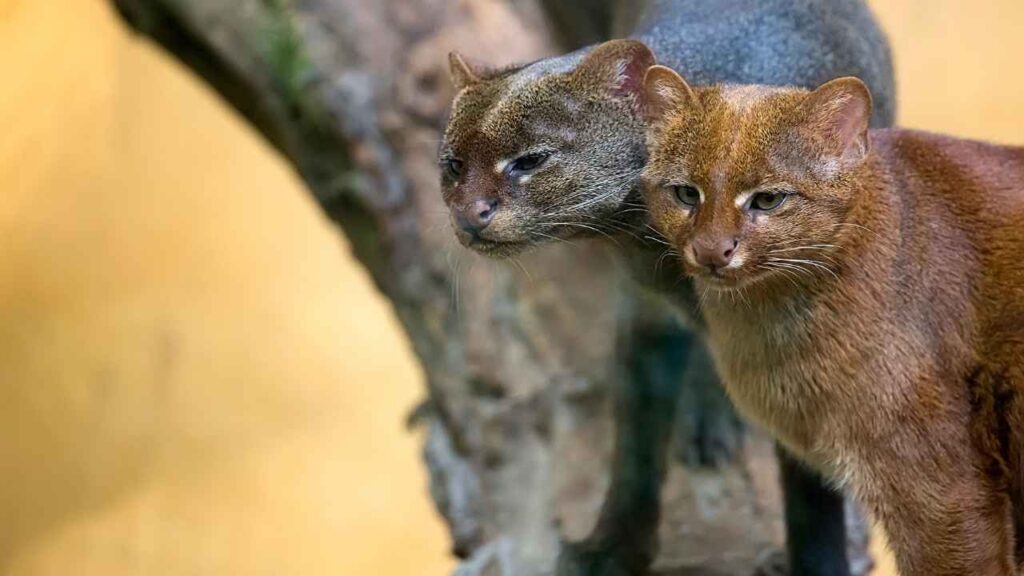
Also called the eyra cat or Puma yagouaroundi, the Jaguarundi is a lesser-known wild feline native to Central and South America. Unlike spotted cats, it has a sleek, uniform coat and an elongated body that gives it a unique silhouette among South American cats.
Physically, the Jaguarundi stands out with its long tail, short legs, and weasel-like frame. Its fur ranges from gray and black to reddish-brown, lacking stripes or rosettes, a trait common among several South American wild cats adapted for dense brush and lowland habitats.
This species thrives in diverse environments, from tropical forests to scrublands east of the Andes. Its streamlined body and ground-focused hunting style reflect adaptations shared by many regional cats that rely on stealth and speed rather than brute strength.
Unlike most felines, Jaguarundis are primarily active during daylight hours and hunt rodents, reptiles, and small mammals.
Fact: The Jaguarundi is unusual among cats for being diurnal and breeding year-round, with a gestation period of about 2.5 months.
6. Margay
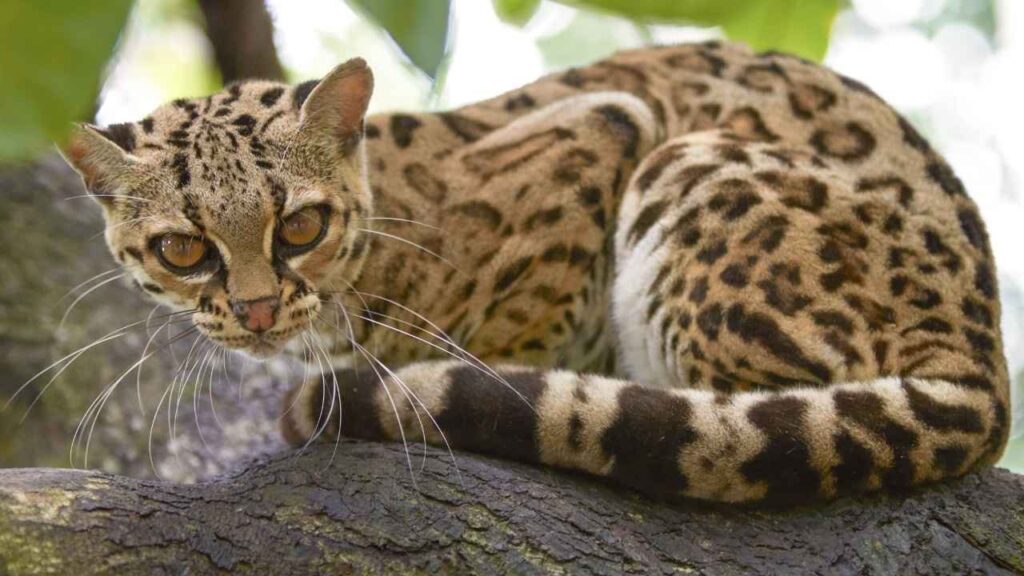
Also known as Leopardus wiedii, the Margay is a small wild cat native to South and Central America, especially forests east of the Andes. Often mistaken for the ocelot, it is noticeably smaller, with a longer tail, oversized eyes, and beautifully patterned brown fur marked with dark rosettes.
Built for life in the trees, the Margay is one of the most agile cats in South America. Its flexible ankle joints rotate up to 180 degrees, allowing it to climb, leap, and even descend trees headfirst. This arboreal lifestyle shapes both its movements and cautious temperament.
Primarily nocturnal and extremely elusive, Margays prefer dense forests where they quietly hunt birds, monkeys, reptiles, and tree frogs. They rely on stealth and patience rather than speed, making them masters of ambush hunting high above the forest floor.
Despite their athletic abilities, Margays are vulnerable due to habitat loss and deforestation. Their solitary nature, low reproduction rate, and dependence on intact forests make conservation critical.
Fact: The Margay is one of only three cat species in the world capable of climbing down trees headfirst.
7. Ocelot
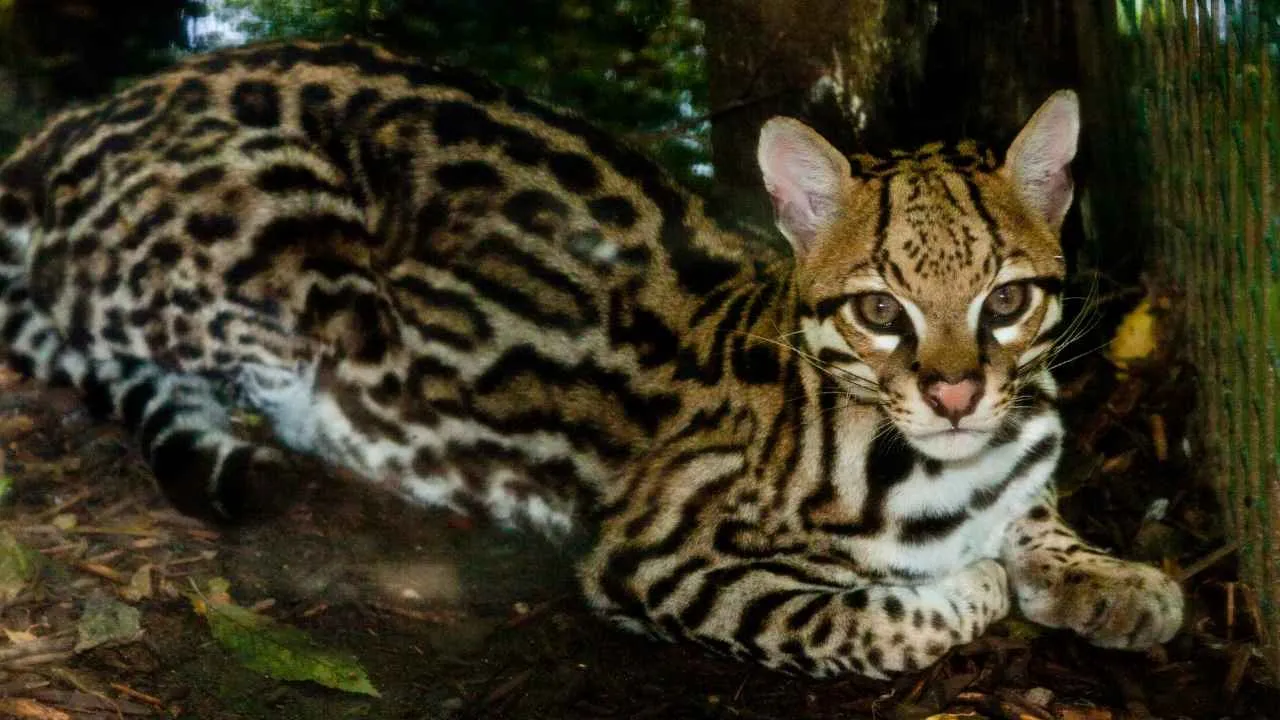
Also known as Leopardus pardalis, the ocelot is one of South America’s most recognizable wild cats, admired for its jaguar-like coat patterned with bold stripes and spots. Though not a domestic breed, its elegant build and striking appearance make it an important part of South America’s feline heritage.
Ocelots thrive across a wide range of South American environments, from dense tropical forests and wetlands to savannas and scrublands. This adaptability reflects how climate and geography shaped the species, favoring stealth, camouflage, and agility in regions rich with vegetation and prey.
Unlike many solitary wild cats, ocelots show subtle social behaviors influenced by their environment. They use communal scent-marking areas that help define territory and communicate with others, an adaptation well-suited to overlapping habitats in biodiverse regions.
Their diet consists of small mammals, birds, and reptiles, perfectly matching the prey availability of South American ecosystems.
Fact: The ocelot is currently listed as Least Concern on the IUCN Red List, with a stable population spread from the southern United States through much of South America.
8. Oncilla
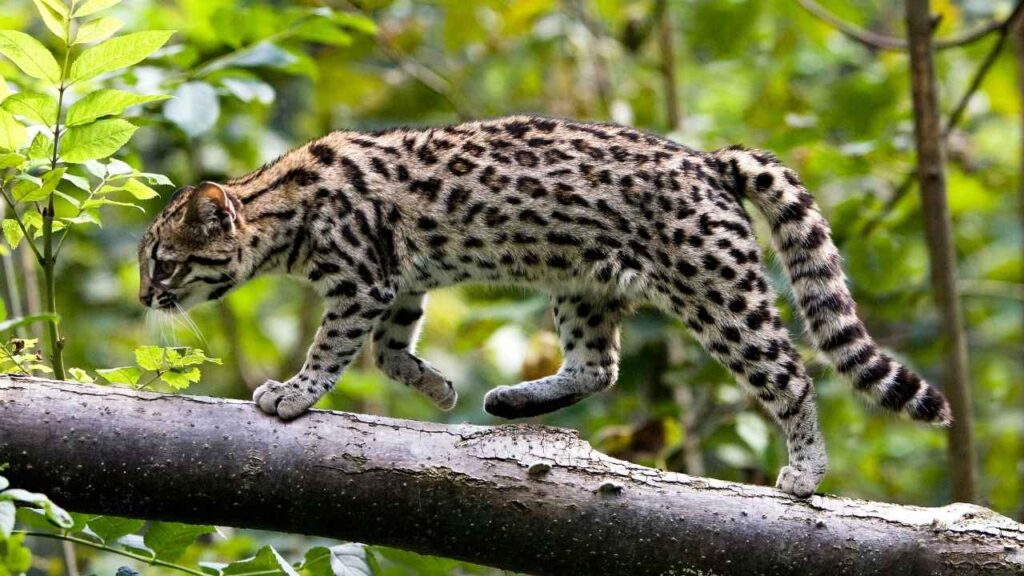
Also known as the Leopardus tigrinus, Tigrillo, Little Spotted Cat, Tiger Cat, or Cunaguaro, the Oncilla is one of South America’s smallest wild cats. Native to countries like Brazil, Colombia, Peru, and Ecuador, it carries a striking, leopard-like appearance despite its petite size.
This elusive feline thrives in cloud forests and dense vegetation, often at high elevations, where its spotted coat provides natural camouflage. Its dark ochre to light brown fur, marked with rosettes along the back and sides, reflects adaptations shaped by South America’s diverse landscapes.
As a naturally nocturnal hunter, the Oncilla relies on stealth and patience, preying on rodents, birds, reptiles, and amphibians. Its cautious temperament and solitary lifestyle highlight the challenges of caring for cats with South American lineage, as such traits contrast sharply with domesticated breeds.
Conservation awareness is crucial when discussing wild-influenced cats, as habitat loss continues to threaten species like the Oncilla.
Fact: The Oncilla is classified as Vulnerable by the IUCN due to significant habitat destruction impacting its survival.
9. Jaguar
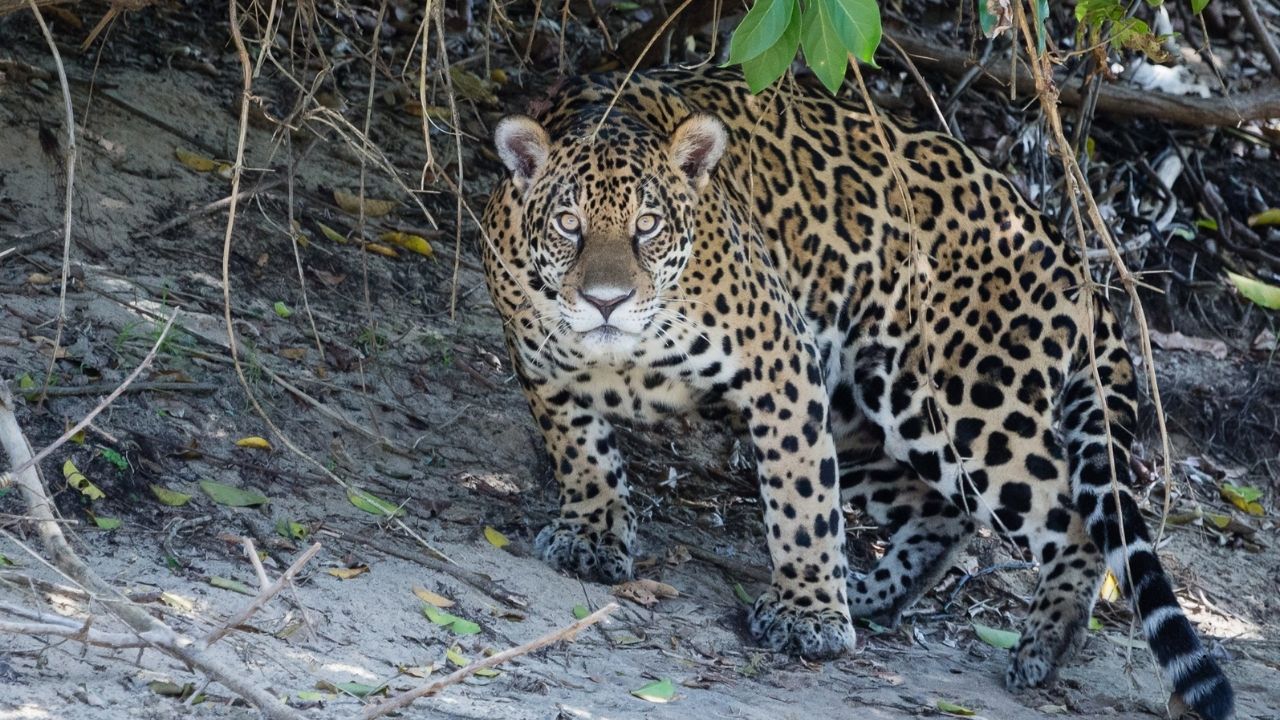
Also known as Panthera onca, the jaguar is the largest wild cat native to South America and the only big cat found on the continent. Often compared to leopards, jaguars are heavier, more muscular, and marked by rosettes with distinctive inner spots that set them apart.
As apex predators, jaguars play a vital role in South American ecosystems, thriving in rainforests, wetlands, and grasslands. Dense forests and river-rich regions suit them best, as they are powerful swimmers and skilled ambush hunters that rely on stealth rather than speed.
Unlike domestic cats, jaguars are solitary and highly territorial, traits shaped by their wild environment. Their legendary strength includes the most powerful bite among big cats, allowing them to kill prey with a single bite to the skull—an adaptation not suited for life alongside humans.
When considering South American cats, it’s important to distinguish between wild species and domesticated breeds inspired by them. Jaguars remain wild animals facing threats from habitat loss and conflict with humans, reminding us why conservation—not ownership—is essential.
Fact: Jaguars are listed as Near Threatened due to habitat fragmentation and human conflict across their range.
Conclusion
South America is home to some of the most fascinating members of the Felidae family, ranging from elusive small cat species to powerful big cats like the jaguar and mountain lion. These cats of South America are spread across Latin America, from the Amazon rainforest and wetland areas to the rugged Andes Mountains. Each species has adapted unique traits, including varied body length, striking coat patterns with dark rings, and survival strategies shaped by its environment.
From the rare Andean cat roaming high elevations to species found in northern Argentina and the northern part of the continent, these wild cats display diverse behaviors such as diurnal habits and solitary lifestyles. Whether navigating dense rainforests or open highlands, South America’s wild felines highlight the region’s incredible biodiversity and the importance of protecting their fragile habitats for future generations.
