




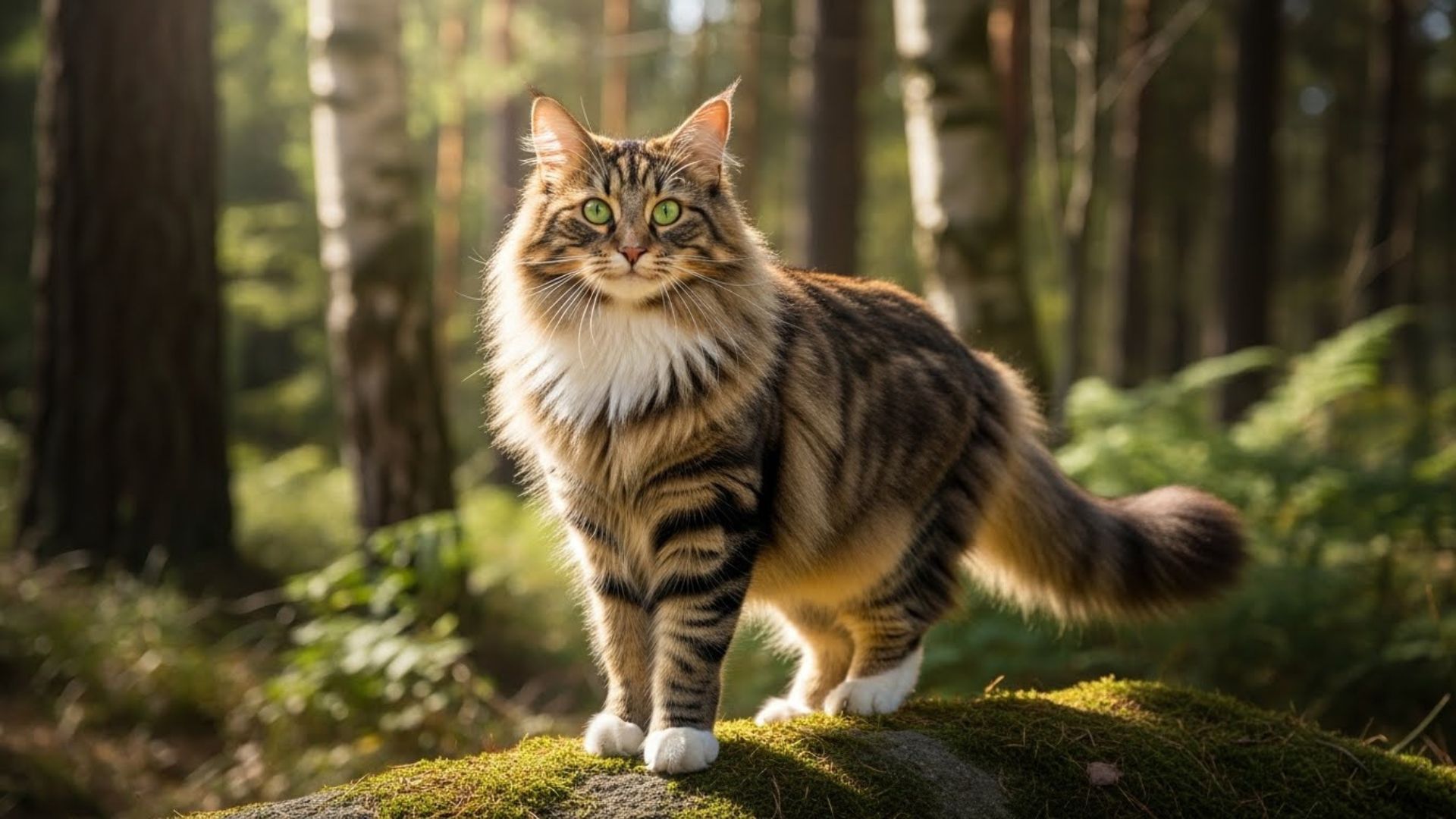
Northern Europe’s harsh winters, dense forests, and rugged landscapes have shaped some of the most resilient and beautiful cat breeds in the world. Cat breeds from this region are known for their thick coats, sturdy builds, and calm, intelligent personalities—traits developed to survive cold climates and long winters.
These cats combine natural strength with gentle companionship. Many of them were originally farm cats or working companions, valued for their hunting skills and adaptability before becoming beloved household pets.
Their luxurious fur, expressive eyes, and composed temperaments make them especially appealing to cat lovers who appreciate both beauty and practicality.
We’ll explore cat breeds that originated in Northern Europe, uncovering their history, physical traits, and why they continue to captivate cat enthusiasts around the world.
Quick Insight: Many Northern European cat breeds developed thick, water-resistant coats and strong bodies to survive cold, snowy climates, making them some of the hardiest domestic cats in the world.
Cat Breeds from Northern Europe
1. Norwegian Forest Cat
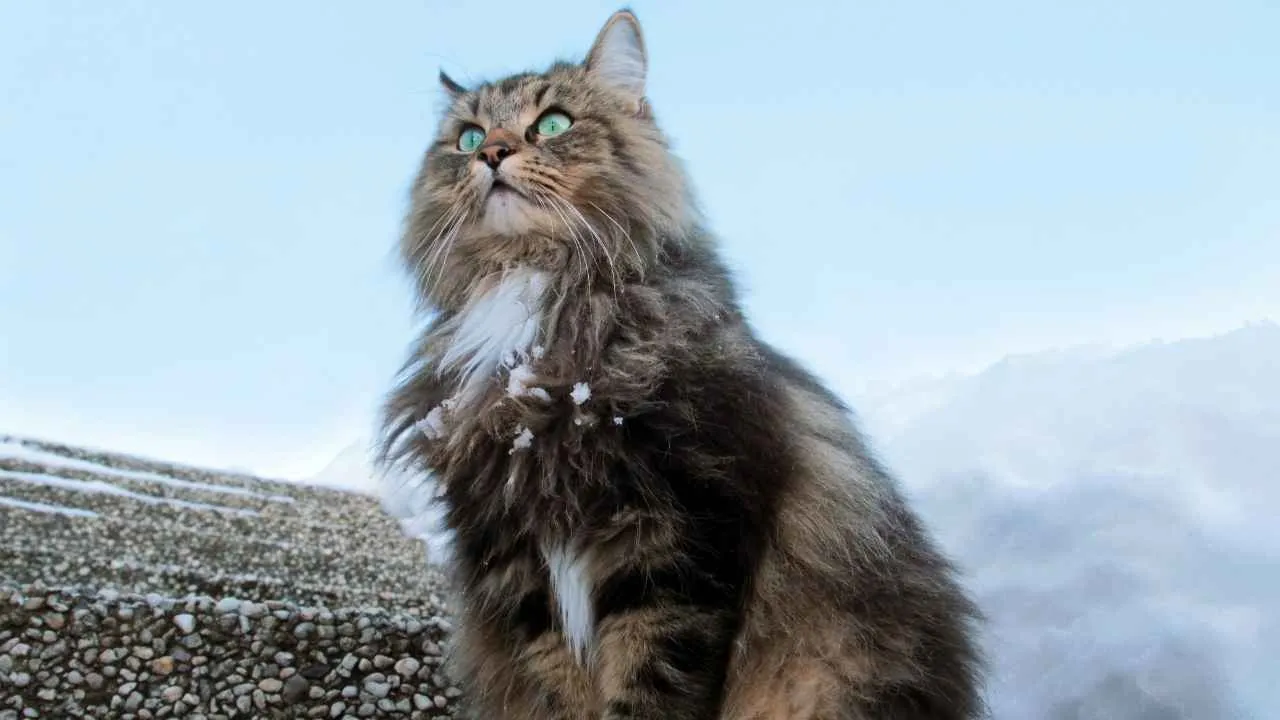
If cats had epic sagas, the Norwegian Forest Cat would star in its own Viking legend. This majestic fluff didn’t come from selective breeding or human tinkering—it evolved naturally in the rugged forests of Norway, braving icy winds and snowy winters like a true Nordic warrior.
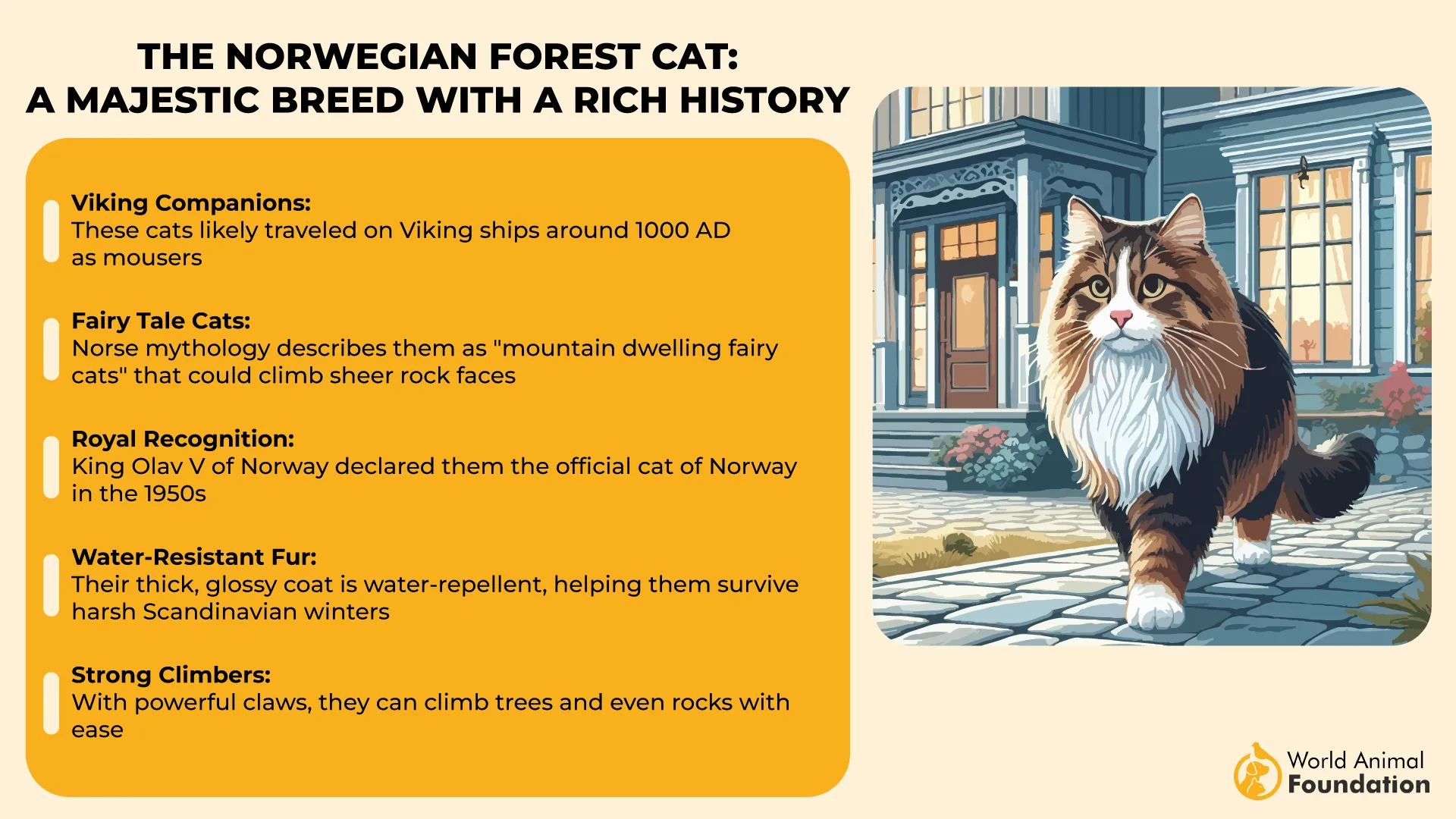
No wonder it’s proudly crowned as Norway’s national cat breed. Built for cold climates, the Norwegian Forest Cat sports a luxurious, thick double coat that looks like it belongs on a runway… or guarding a medieval castle.
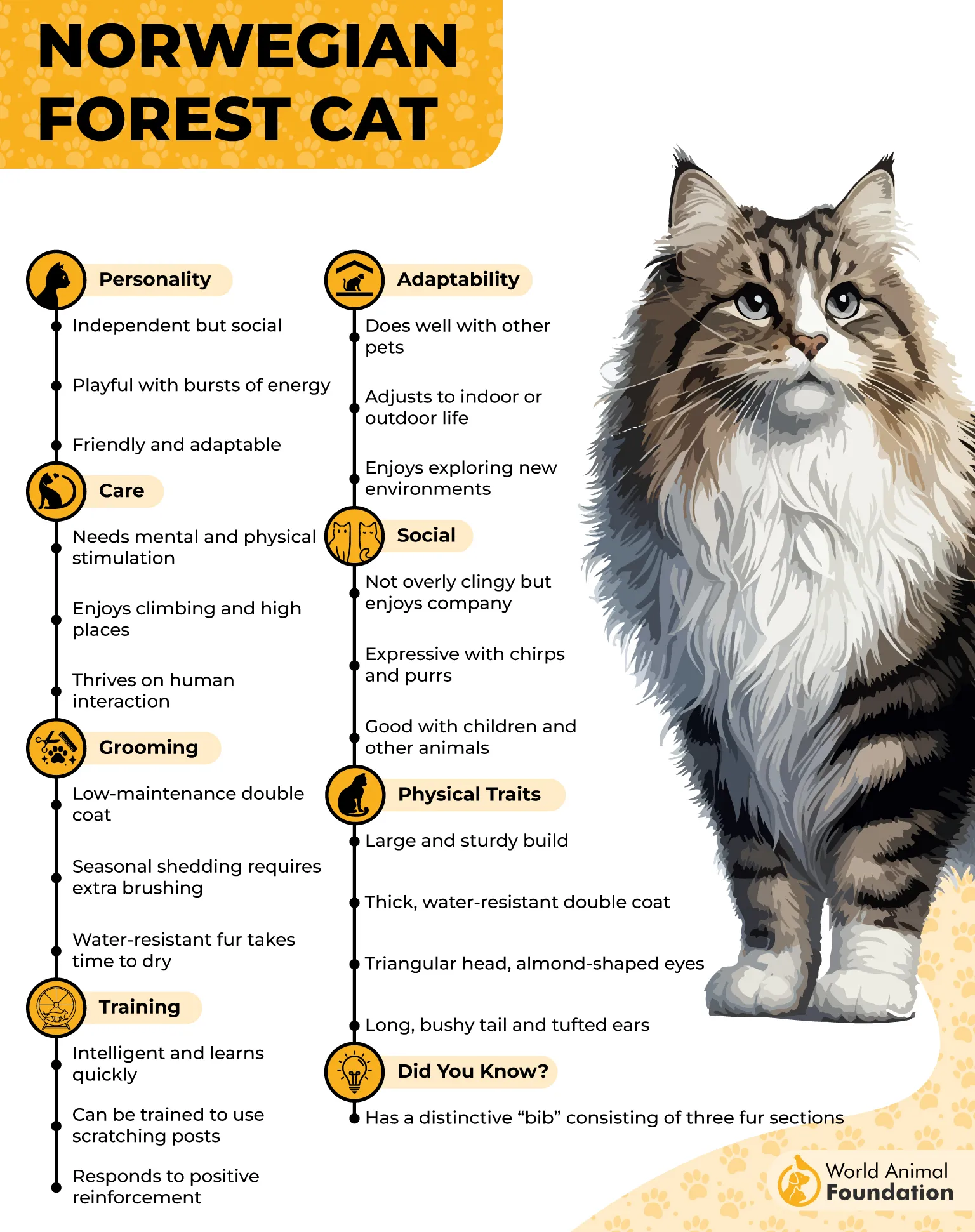
While that glorious fur does require brushing a few times a week, think of it less as grooming and more as bonding time with a very soft, very dignified roommate.
These cats strike the perfect balance. They’re independent but affectionate, happy to entertain themselves while you’re out conquering your own daily battles (a.k.a. work), yet more than willing to curl up beside you once you’re home. Purina describes them perfectly: gentle, friendly, and not clingy.
They’re also quiet, intelligent, and adaptable, which means they won’t scream at 3 a.m. for no reason (looking at you, other cats). Instead, they’ll calmly observe their kingdom, plotting important matters like nap schedules and optimal sunbeam locations.
In short, the Norwegian Forest Cat is like that cool friend who’s low-maintenance, loyal, and always dressed for winter—even in summer. If you want a cat with history, heart, and heroic levels of fluff, the “Wegie” might just steal yours.
2. British Shorthair
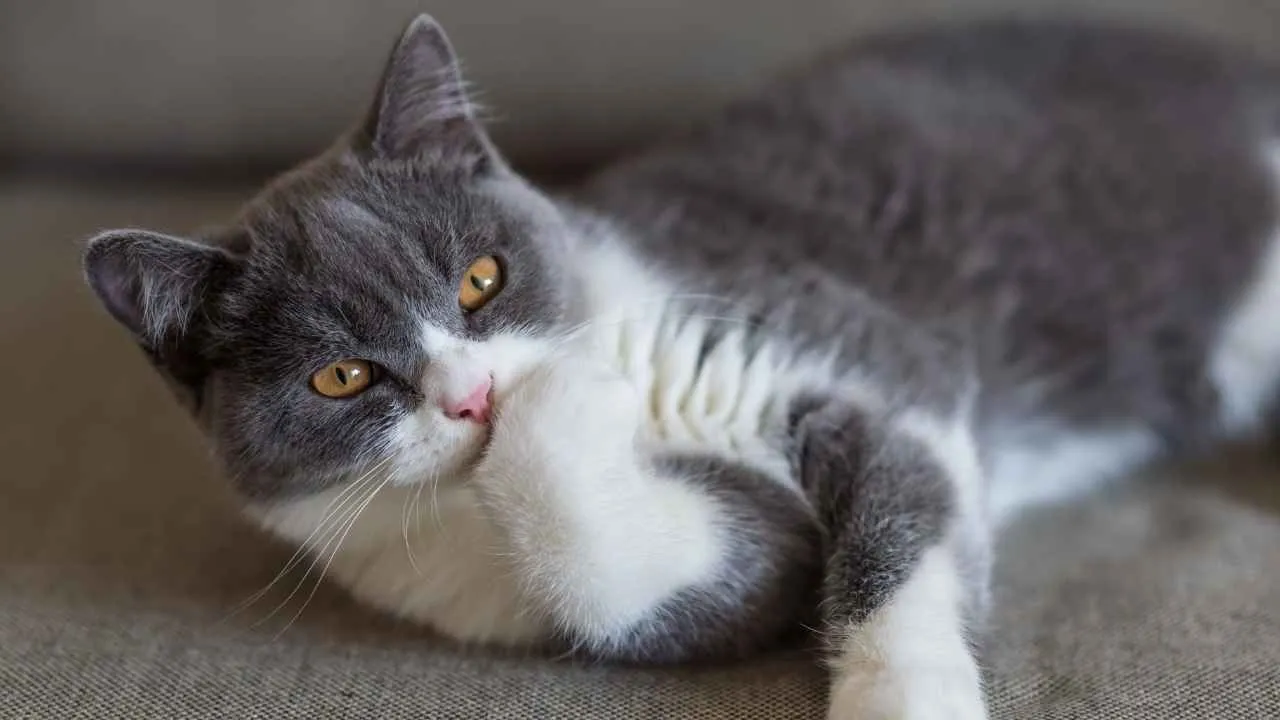
This breed is one of the oldest cat breeds in existence, with roots that stretch all the way back to ancient times. Believe it or not, their ancestors were Egyptian cats brought to Britain by the Romans, proving that even invading armies knew the value of a good cat.
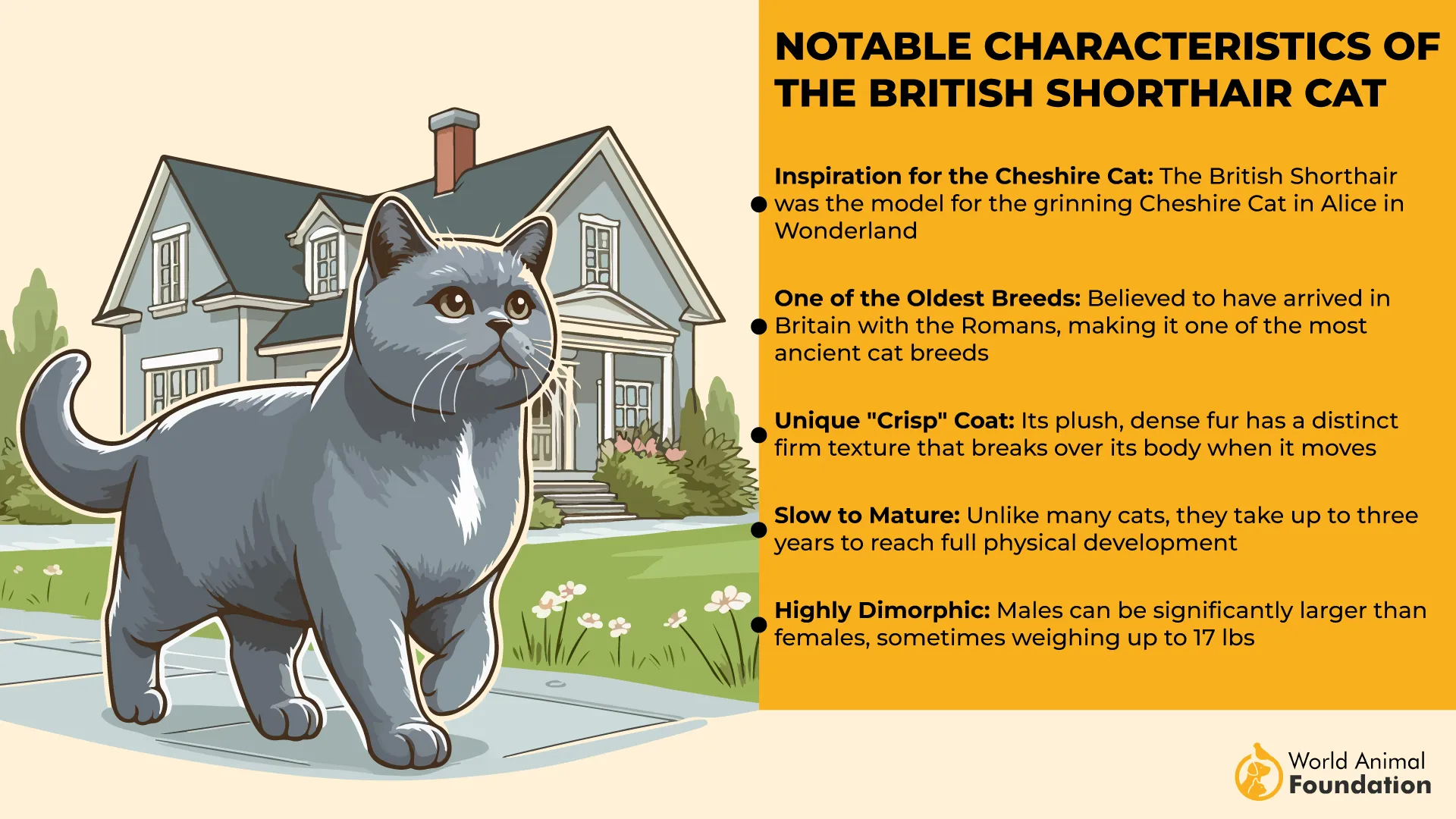
Fast forward to the 1800s, and the British Shorthair was already stealing the spotlight as one of the first breeds showcased at organized cat shows in London. Basically, this cat has been famous longer than most celebrities—and it knows it.
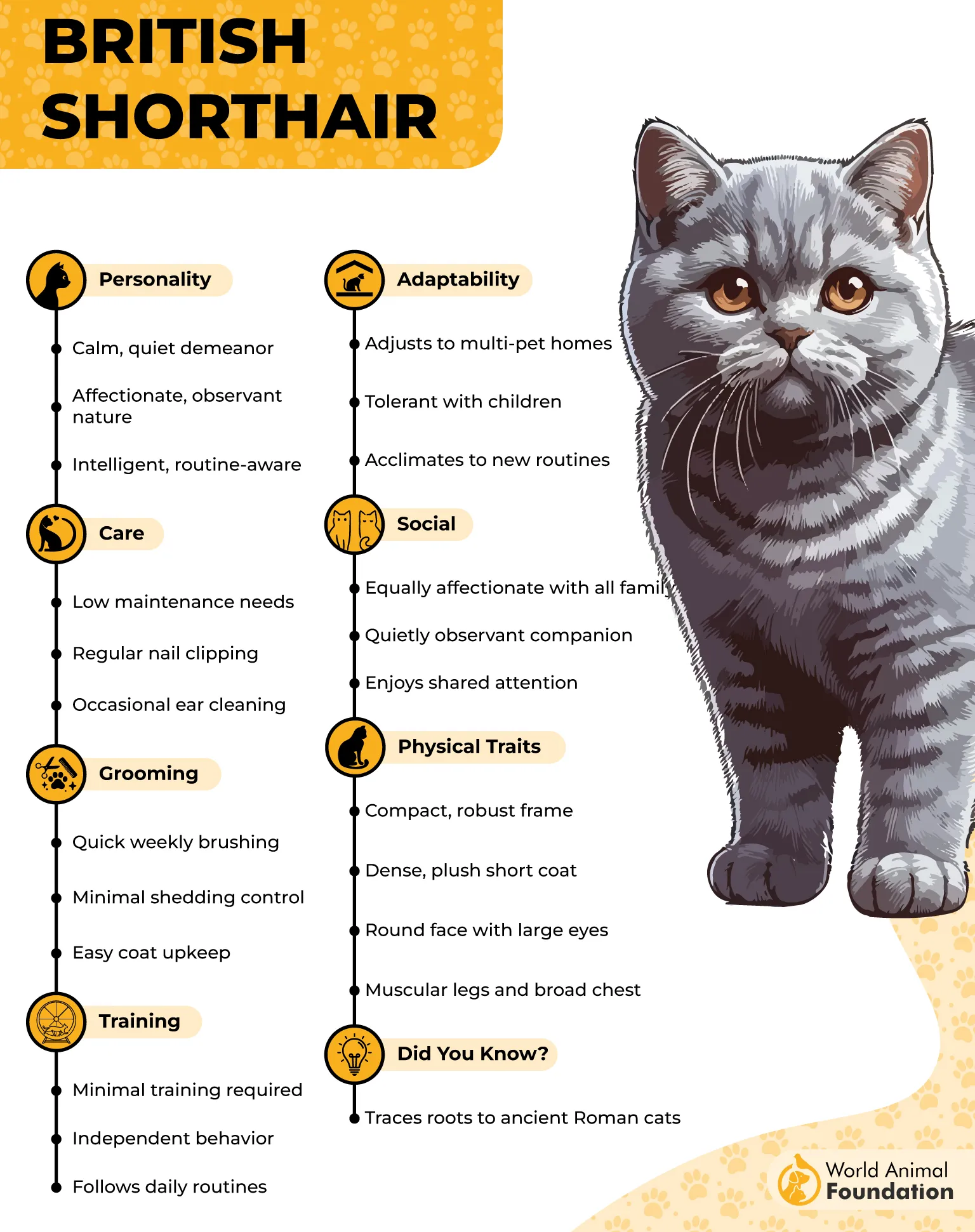
Originally, most British Shorthairs wore a solid gray coat, charmingly referred to as “blue.” This iconic look earned them the name British Blue, and while modern British Shorthairs now come in a wide variety of colors and patterns, that classic blue plush coat still reigns supreme.
Personality-wise, the British Shorthair is the definition of chill. These cats are calm, laid-back, and affectionate without being needy. They won’t follow you around the house demanding attention, but they’ll happily sit nearby, keeping you company like a polite little shadow.
In short, the British Shorthair is perfect for anyone who wants a loving companion with old-world charm, modern elegance, and zero interest in drama. Just don’t be surprised if they act like they own the place—because historically speaking, they kind of do.
3. Chartreux
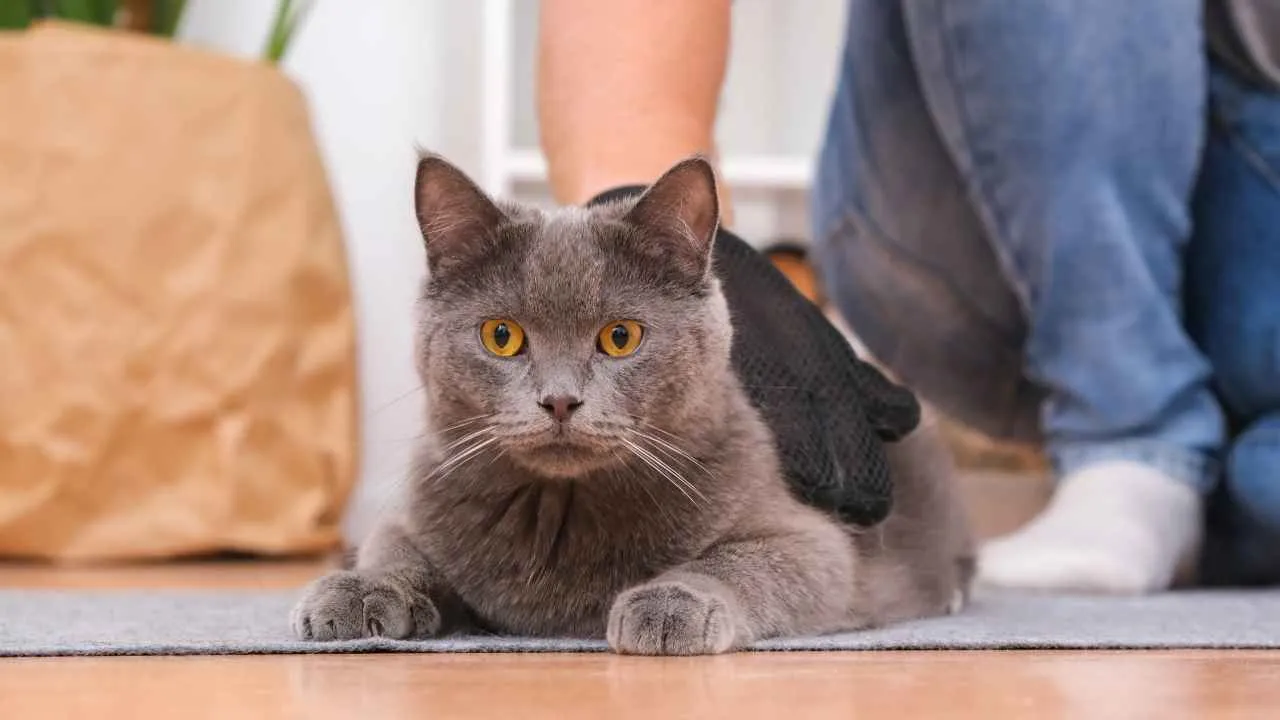
This beautiful breed developed naturally in France hundreds of years ago, though humans couldn’t resist polishing perfection and officially standardizing the breed in the 1920s. Très chic.
The Chartreux’s most unforgettable feature is its woolly, plush coat, which feels a bit like sheep’s fleece—minus the “baa.” Dressed exclusively in blue-gray, each hair is tipped with silver, giving the coat a subtle shimmer, as if the cat has been dusted with moonlight.
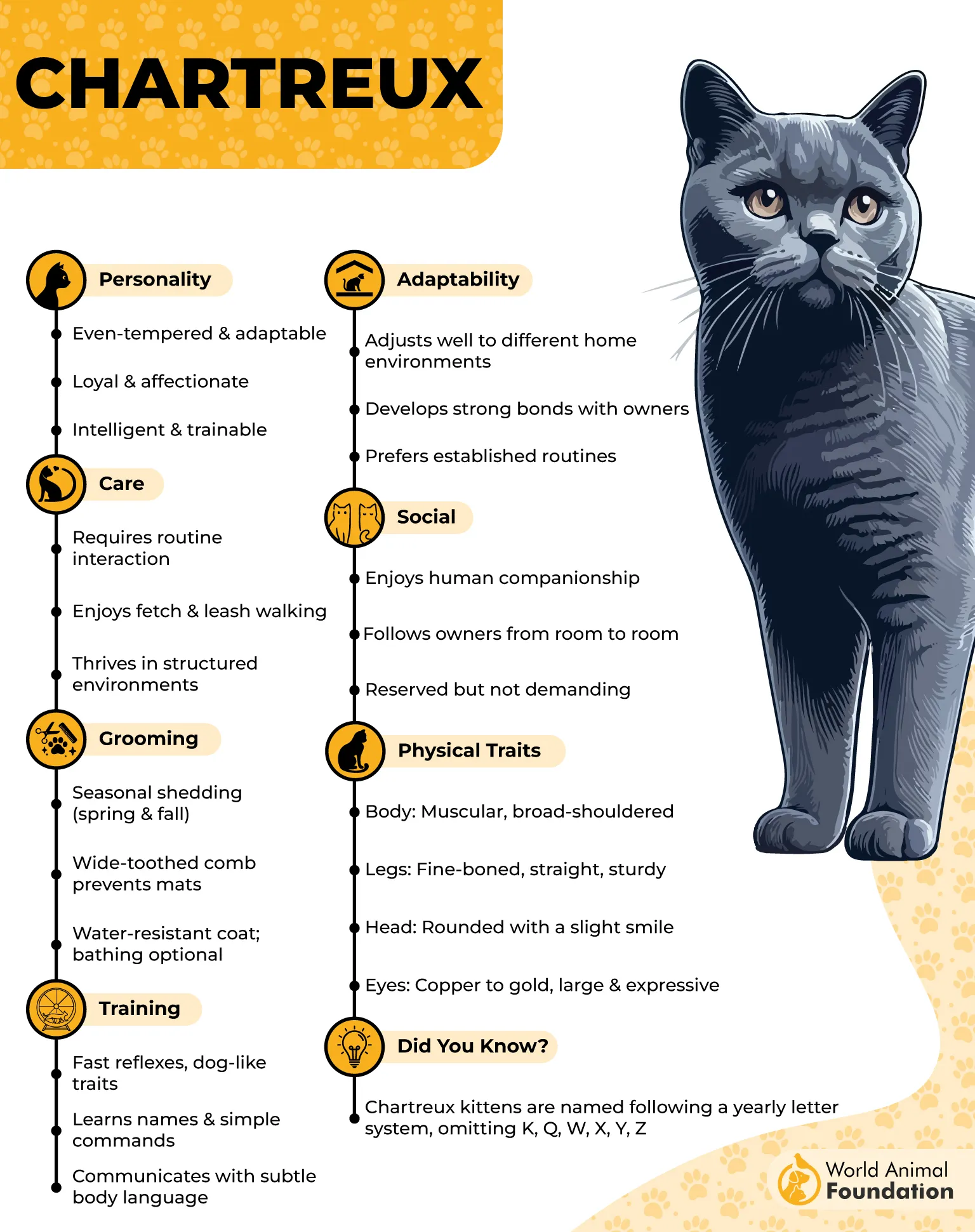
But don’t let the elegant appearance fool you—Chartreux cats are wonderfully down-to-earth companions. They’re known for being gentle and quiet, the kind of cat that won’t interrupt your Zoom meetings with dramatic yelling.
At the same time, they’re social and affectionate, enjoying games, attention, and sticking close to their humans like a fuzzy little secret keeper.
They fit beautifully into many households, whether you live alone or with a full cast of characters. The Chartreux is happy to play, cuddle, and simply be there, offering companionship without overwhelming demands.
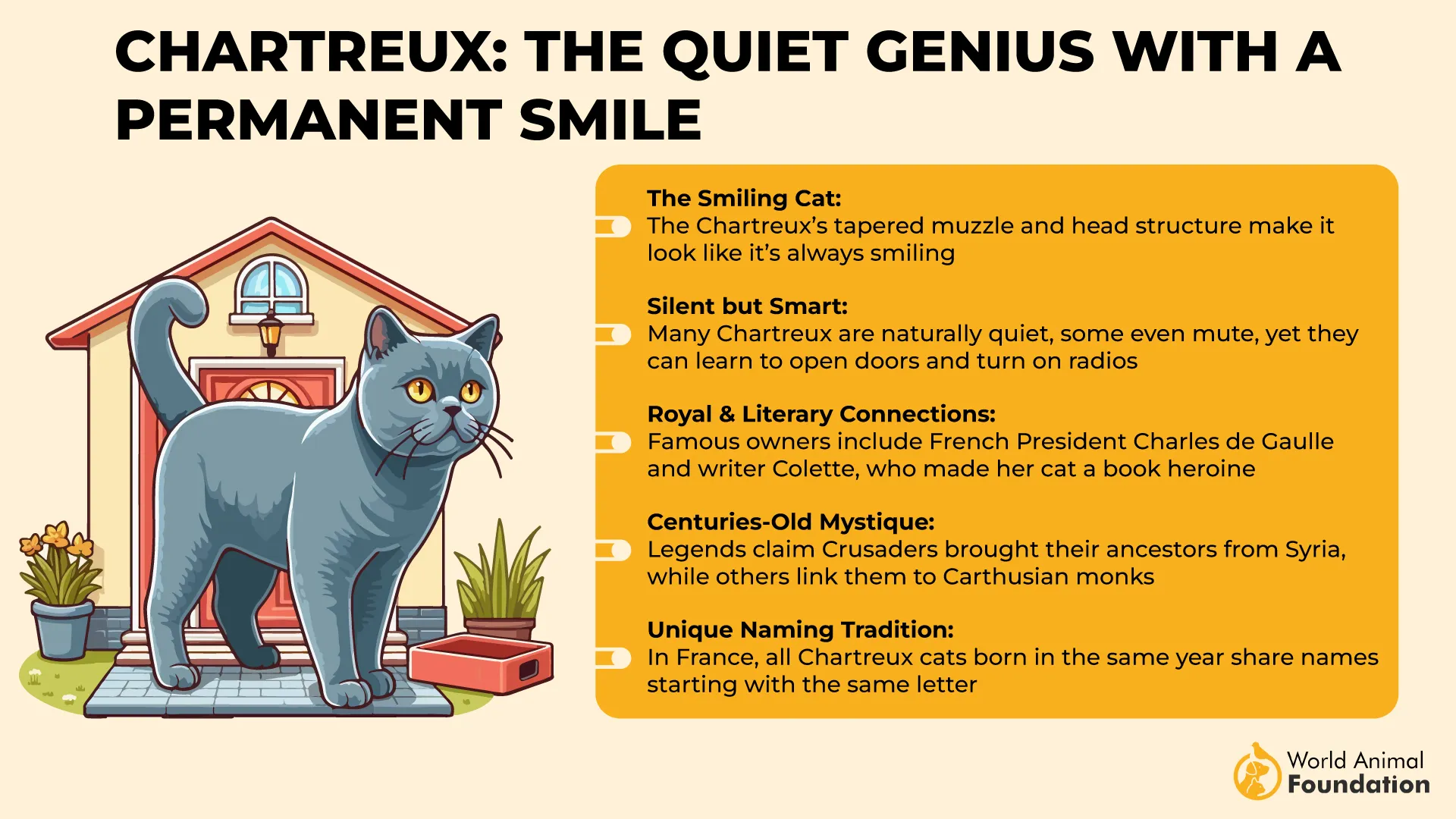
In short, the Chartreux is the perfect blend of French elegance, cozy charm, and calm friendliness—a cat that whispers instead of shouts, sparkles without trying, and proves that sometimes the quiet ones are the most unforgettable.
4. Scottish Fold
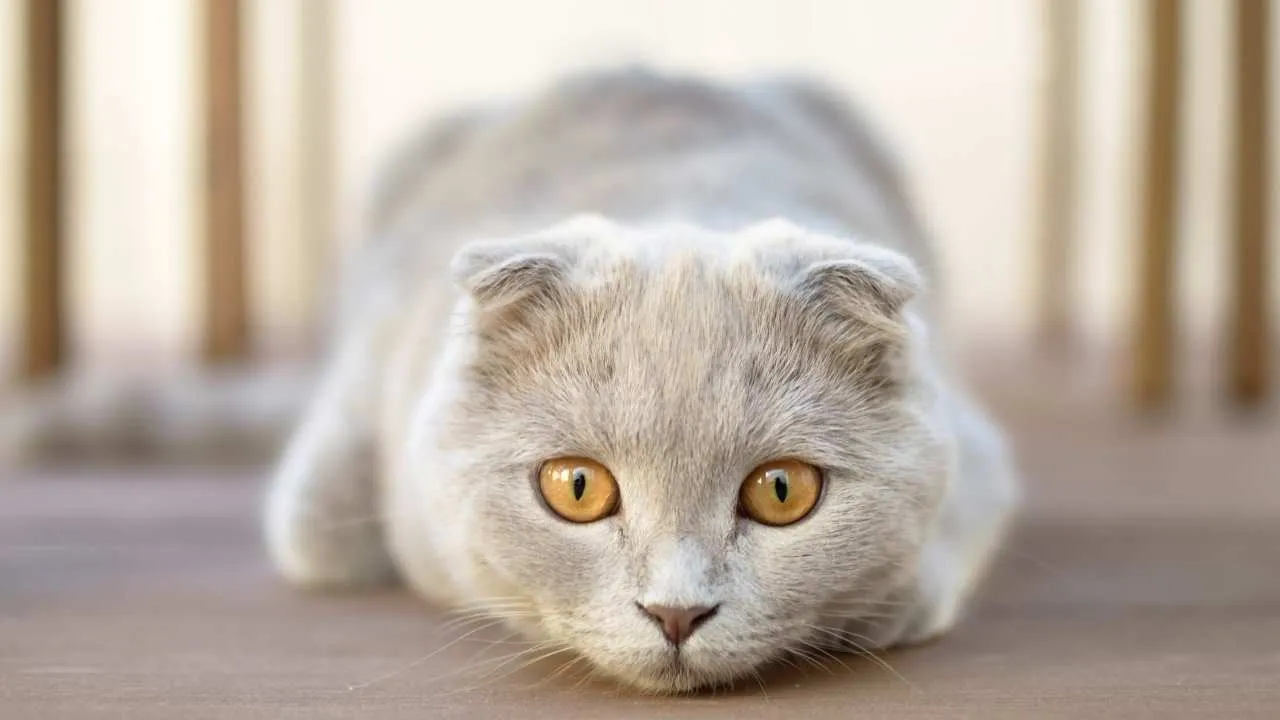
If ever a cat looked permanently surprised (in the cutest way possible), it’s the Scottish Fold. This charming breed, another gift from the United Kingdom, is famous for its adorably folded ears that tip forward, giving the cat an owl-like expression.
Those signature ears are the result of a natural genetic mutation, and the breed’s story begins on a Scottish farm. A farmer and his wife noticed a white barn cat named Susie, whose ears folded forward instead of standing upright.

When one of Susie’s kittens was born with the same trait, history (and cuteness) was made. That kitten’s descendants became the foundation of the Scottish Fold breed. Interestingly, not all Scottish Fold kittens inherit the folded ears. Some are born with straight ears and are known as Scottish Straights.
While they may look more traditional, they’re just as important—playing a crucial role in responsible breeding programs and keeping the breed healthy. Plus, they’re still ridiculously adorable, so no one’s complaining.
Personality-wise, Scottish Folds are social, playful, and irresistibly charming. They love being around people, enjoy interactive play, and have a knack for melting hearts with a single head tilt. Many are known for sitting in odd, human-like positions, which only adds to their “tiny furry comedian” reputation.
In short, the Scottish Fold is a cat that combines a heartwarming origin story, unmistakable looks, and a delightful personality. Whether their ears are folded or straight, these cats prove that sometimes it’s okay to bend the rules—especially when it leads to this much charm.
5. Russian Blue
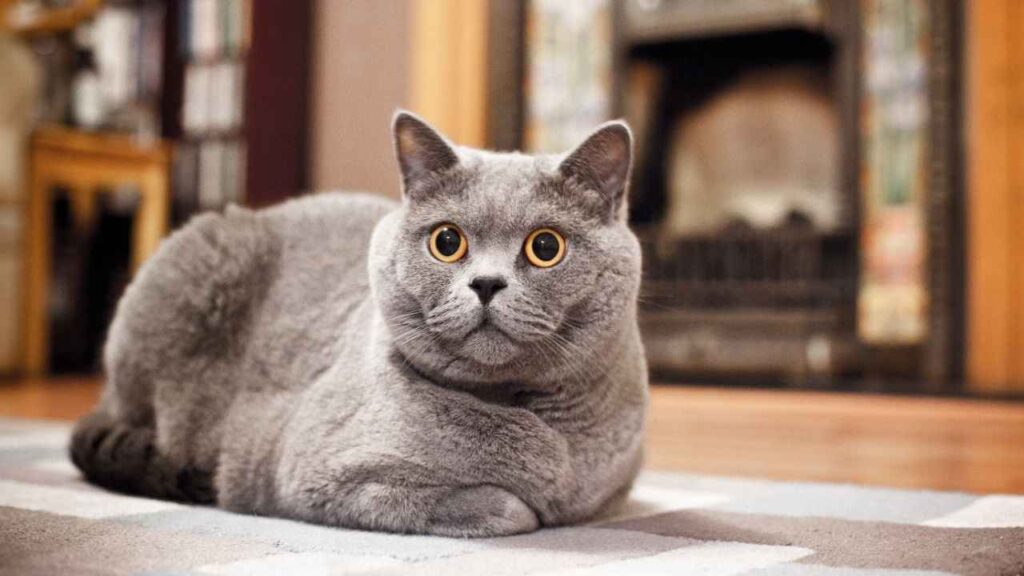
Graceful, mysterious, and dressed like it’s heading to a black-tie event—the Russian Blue is the definition of feline elegance. As the name suggests, this breed hails from Russia, where it developed naturally long before humans decided it was too beautiful not to show off.
According to Wikipedia, the Russian Blue likely originated around the port city of Arkhangelsk, earning it the early nickname Archangel Blue or Archangel Cat. The Russian Blue was even among the original breeds showcased at the first cat shows in London, proving that this cat has been runway-ready for well over a century.
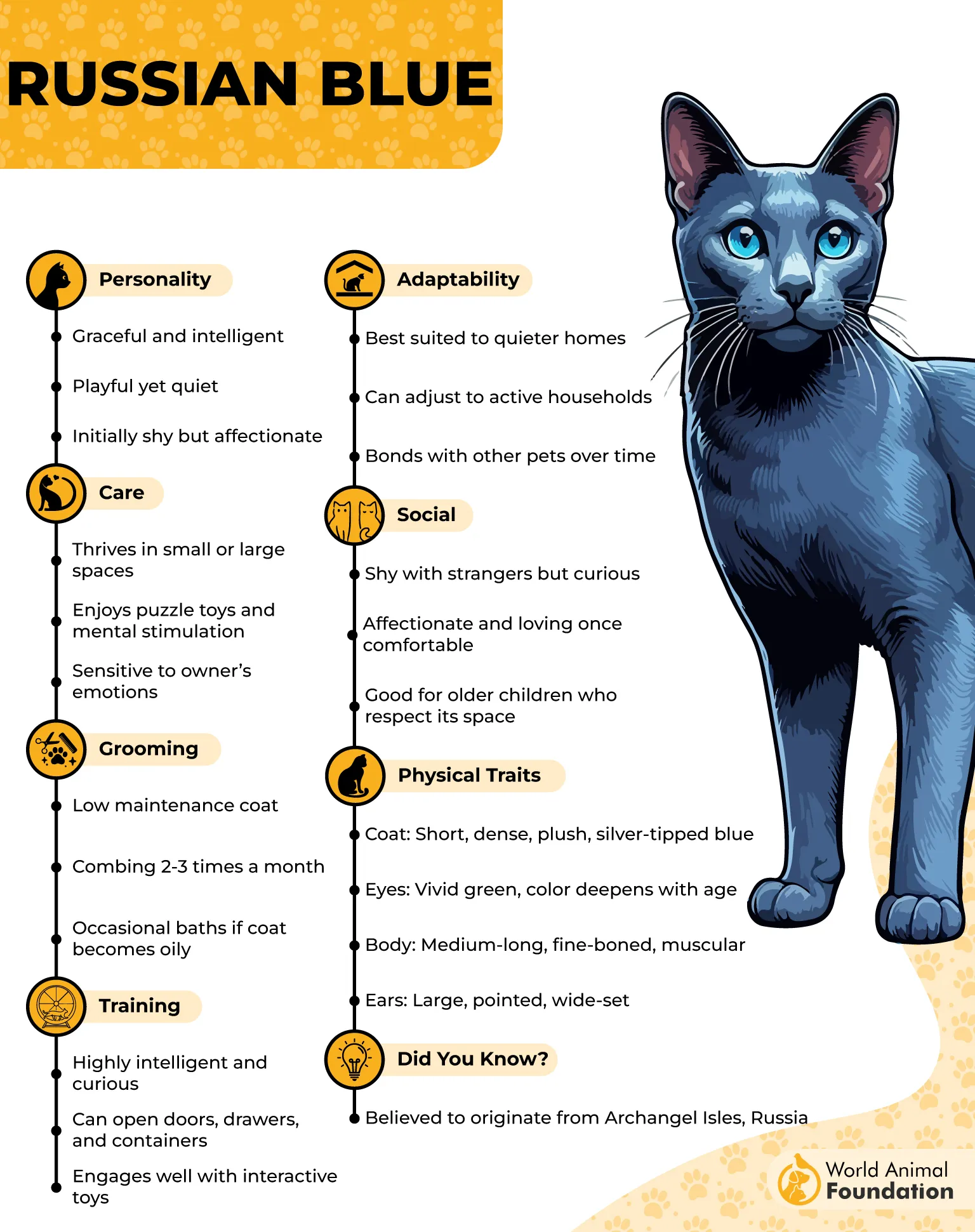
What truly sets the Russian Blue apart is its stunning blue-gray coat, with each hair tipped in silver. The result? A shimmering, silvery glow that looks like the cat has been lightly dusted with stardust. Add to that their brilliant emerald green eyes, and you’ve got a cat that could make even other cats stop and stare.
Beyond the glamorous looks, Russian Blues are known for their calm, gentle, and affectionate nature. They’re sweet without being clingy, loving without being loud, and perfect for anyone who appreciates quiet companionship.
Think of them as the soft-spoken friend who listens more than they talk—but always shows up when you need them. In short, the Russian Blue is beauty with a kind heart—a serene, silver-coated companion that proves you don’t need to be flashy to be unforgettable
6. Manx
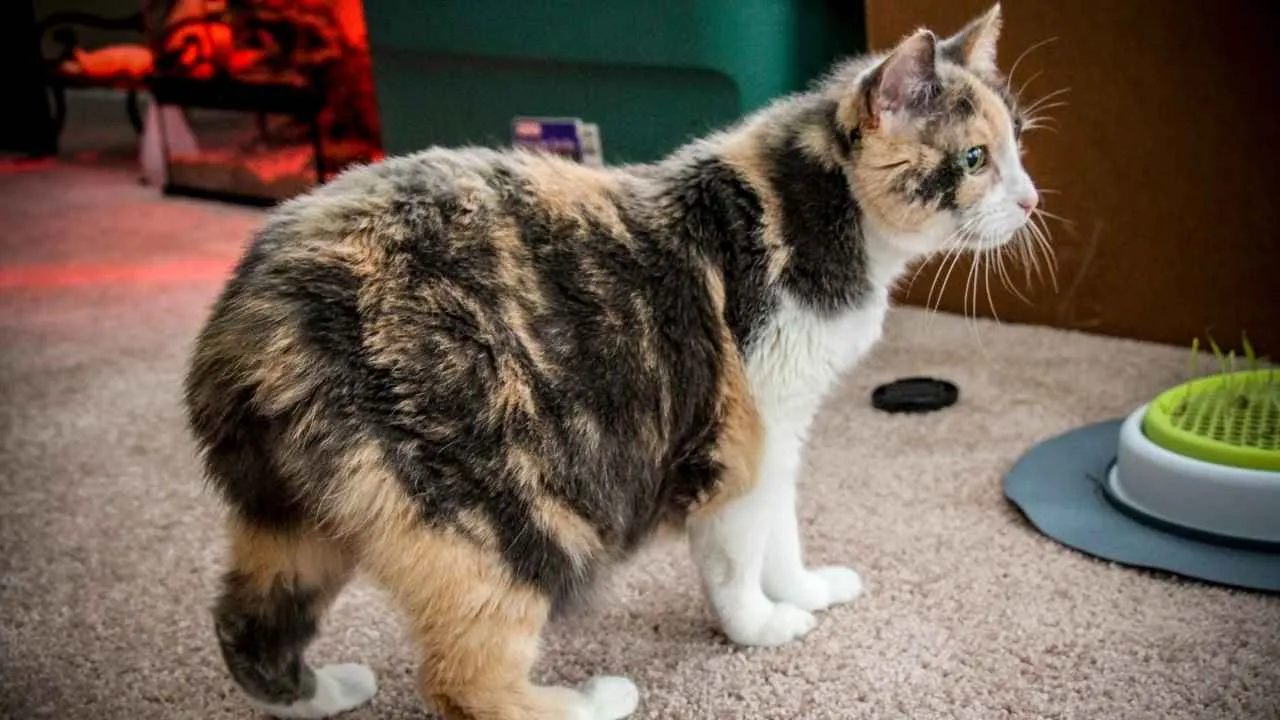
Meet the Manx, the famously tailless cat that proves you don’t need a tail to have loads of personality. This unique breed developed naturally on the Isle of Man, a small island in the Irish Sea between England and Ireland.
For hundreds of years, Manx cats roamed the island doing their own thing—no human meddling required—until people finally noticed and said, “Wait… where did the tail go?” Naturally, humans fell in love and began breeding them more deliberately, and by the late 1800s, the Manx had already strutted into history as one of the breeds exhibited at the very first cat shows.
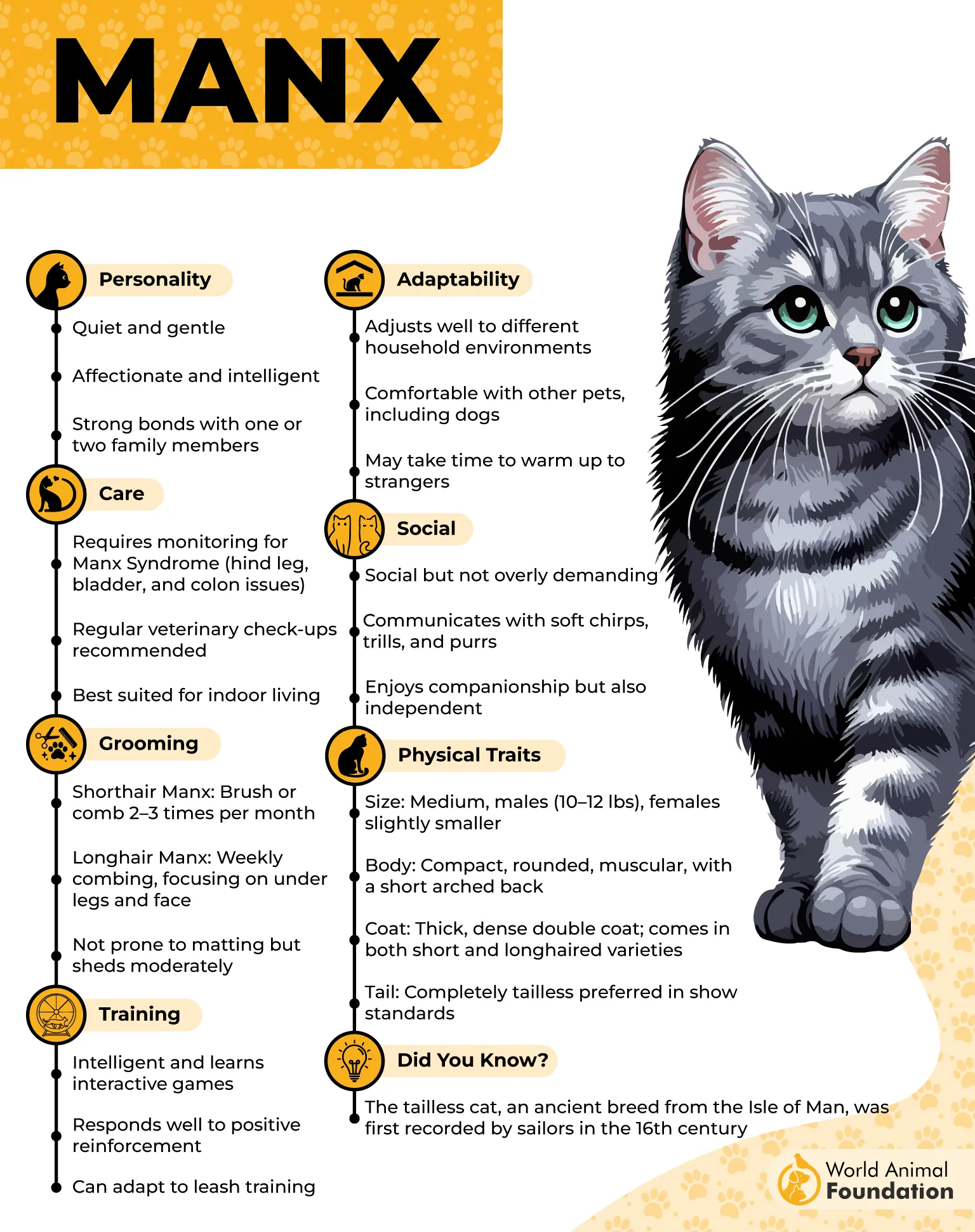
Not all Manx are completely tailless, though. Some sport bobtails, and others even have full-length tails. However, in the show world, only the truly tailless ones—called “rumpy”—or those with just a slight rise of bone at the end of the spine (“rumpy risers”) can compete. Think of it as the Olympics of rear ends.
Coat-wise, Manx cats come in both short-haired and long-haired varieties. The long-haired version is known as the Cymric, which sounds very fancy for a cat with no tail and lots of fluff.
Personality is where the Manx really shines. These cats are often described as dog-like—mellow, friendly, intelligent, and loyal. Many enjoy following their humans around, playing fetch, and generally acting like they’re part cat, part canine, and part island legend.
In short, the Manx is a wonderfully quirky companion: tailless, timeless, and totally lovable. Proof that sometimes, less really is more—especially when it comes with whiskers and a warm lap.
7. European Shorthair

This is one of Europe’s oldest cat breeds, descending from the continent’s early working cats—the no-nonsense mousers that earned their keep long before fancy titles and cat shows were a thing.
Interestingly, while they’re well known across Europe, European Shorthairs aren’t widely bred in their homeland and are even harder to find in the U.S. Consider them the low-key classics of the cat world: not flashy, but timeless and incredibly capable.
According to PetMD, these cats are friendly with people of all ages, playful, and excellent at keeping their territory rodent-free. In other words, they’re ideal for first-time cat parents—easygoing, social, and helpful around the house.
European Shorthairs are natural-born hunters, and playtime is serious business. They love chasing feather wands, ambushing fuzzy toy mice, and scaling cat trees like tiny jungle explorers. If it moves, they’re interested. If it doesn’t move… they’ll stare at it until it does.
That said, they know how to relax. After a good round of play—or at least two solid 15-minute interactive play sessions a day—they’re perfectly happy to curl up and enjoy a well-earned nap. Balance is key, after all.
One important note: a bored European Shorthair may invent its own entertainment, which can include excessive chatting or redecorating your furniture with claw marks. Keep them mentally and physically engaged, and you’ll have a happy cat and intact sofa.
Conclusion
Cat breeds from Northern Europe showcase a fascinating variety, from long-haired cats to short-haired cats, all often adapted to cold weather with a thick woolly undercoat. The Maine Coon, linked to Norse mythology, is a large cat with a bushy tail and a muscular body, making it one of the most iconic northern breeds.
The long-haired Manx is rare and highly distinctive, while curly-coated German Rex and Devon Rex have a medium build and striking blue eyes. Tabby patterns are common, and these cats have strong paws, a well-shaped head, and adapt well to other pets. They are tidy with litter, hardy in northern climates, making them both beautiful and practical companions in Sweden and the surrounding regions.
