




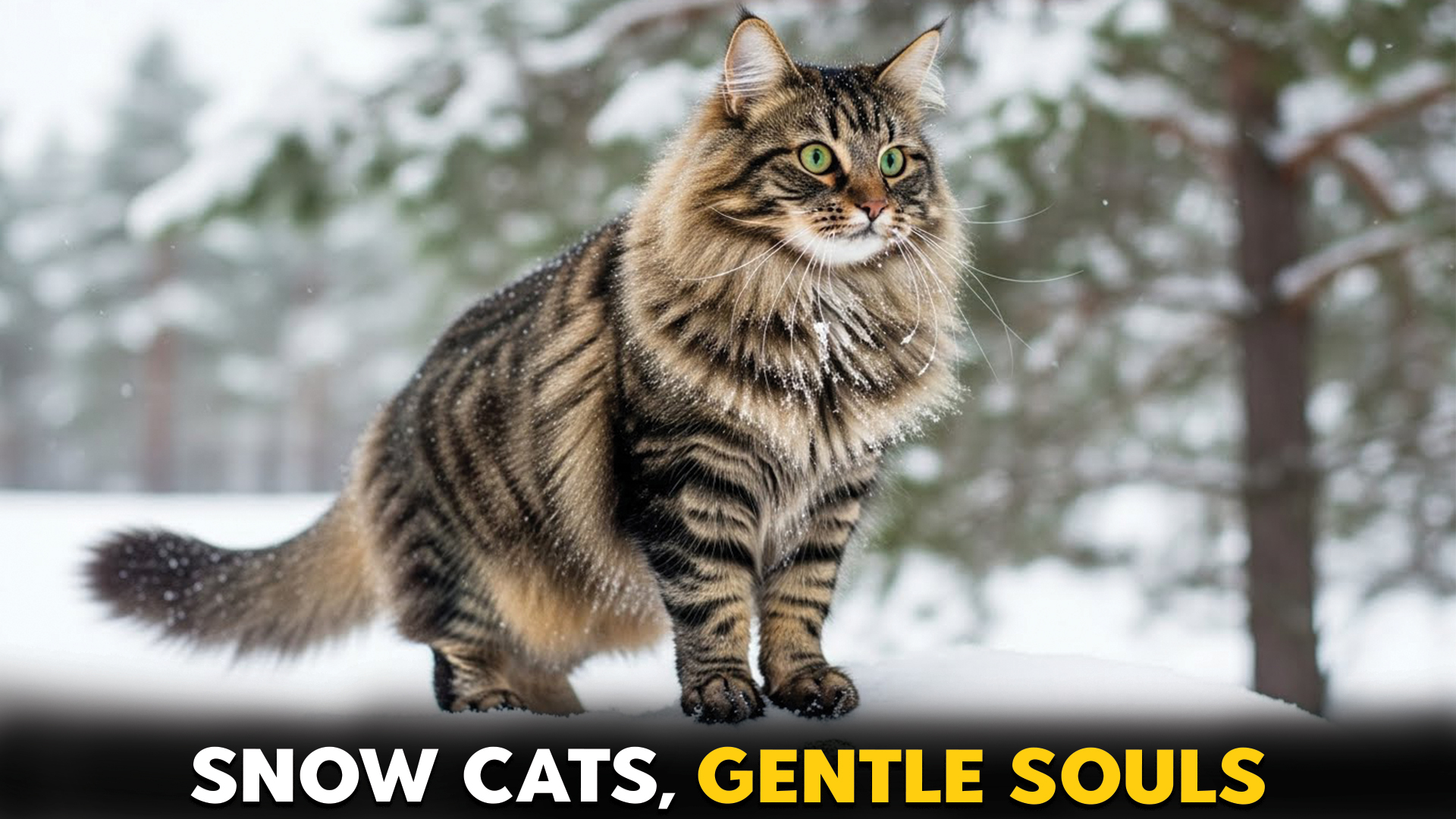
From snow-covered forests to icy mountain villages, some cat breeds are naturally built to handle the cold. While many felines prefer warm blankets and sunny windowsills, others have evolved to thrive in freezing temperatures thanks to dense coats, sturdy bodies, and impressive resilience. These cold-hardy cats are living proof that nature equips animals with exactly what they need to survive harsh environments.
Cat breeds from cold regions often originate in areas where winters are long and unforgiving. Over generations, they developed thick, insulating fur, water-resistant coats, and strong physiques that help conserve body heat. While these traits make them better suited for chilly climates, they still rely on proper care, including warm shelter, nutritious food, and mental stimulation during extreme weather.
You might wonder whether cats actually feel the cold—and they do. However, not all breeds experience it the same way. Unlike short-haired or hairless cats that struggle in low temperatures, cold-region breeds are far more comfortable in wintry conditions. In this article, we’ll explore remarkable cat breeds that hail from cold climates and uncover what makes them uniquely suited to life in the frost.
Cat Breeds from Cold Regions
1. Siberian
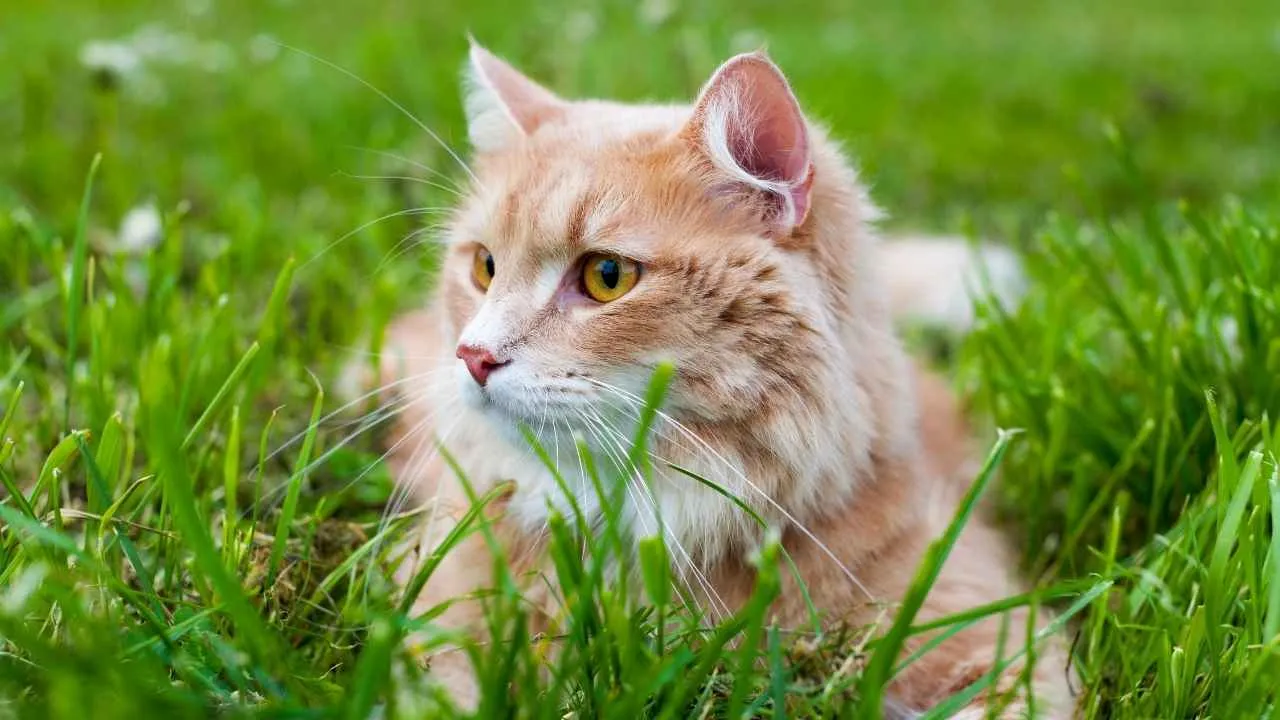
The Siberian, also known as the Siberian Forest Cat, is a native of Russia and one of the most iconic cold-climate breeds. With a powerful build, rounded features, and a dense triple-layered coat, this cat was shaped by centuries of survival in extreme winter conditions.
According to Purina, this cat is friendly and affectionate, often following you as you move through your day and purring contentedly on your lap while you brush its coat.
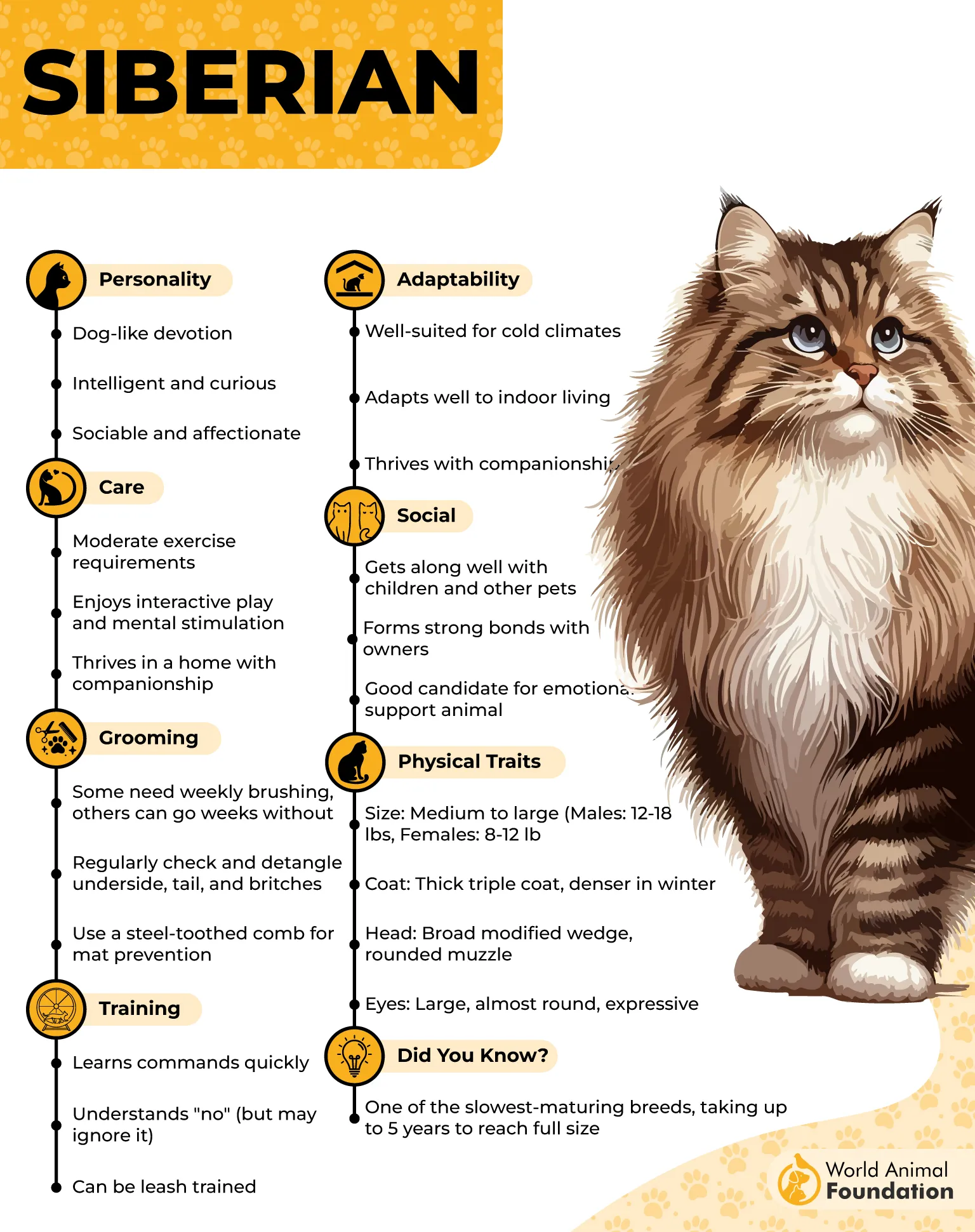
That signature coat is the Siberian’s greatest advantage in frigid regions. Its water-resistant outer layer, insulating middle coat, and soft undercoat work together to trap warmth, allowing the breed to remain comfortable even in snow and ice, where other cats would struggle.
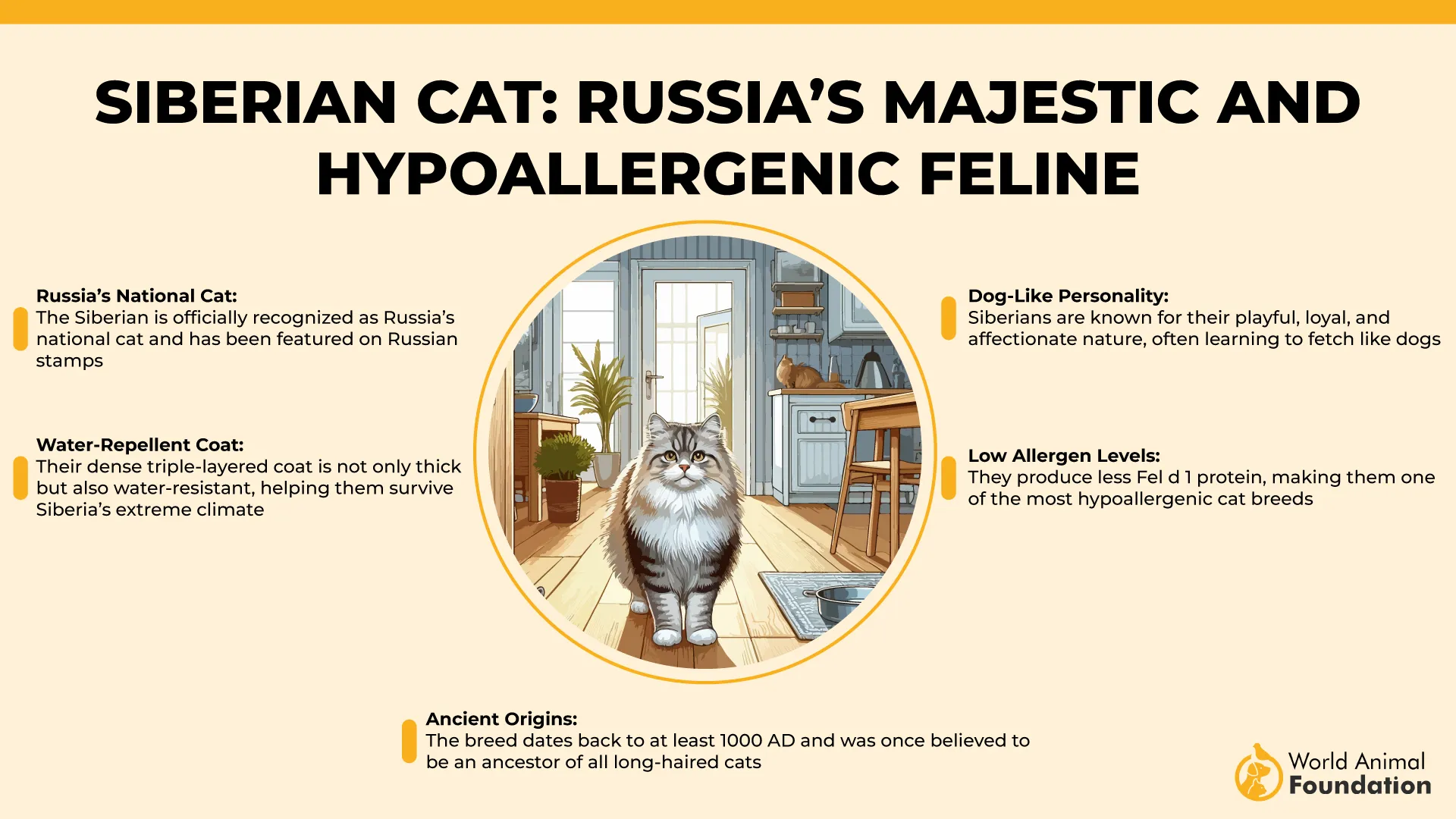
Beyond physical traits, Siberians thrive in cold climates due to their active metabolism and playful, athletic nature. Cold weather doesn’t slow them down; instead, it complements their love of climbing, jumping, and exploring sturdy environments shaped by nature.
Their resilience is matched by adaptability, as Siberians handle seasonal changes while maintaining strong bonds with their families.
Fact: Siberia experiences some of the harshest winters on Earth, conditions that shaped the Siberian cat’s legendary hardiness.
2. Norwegian Forest Cat
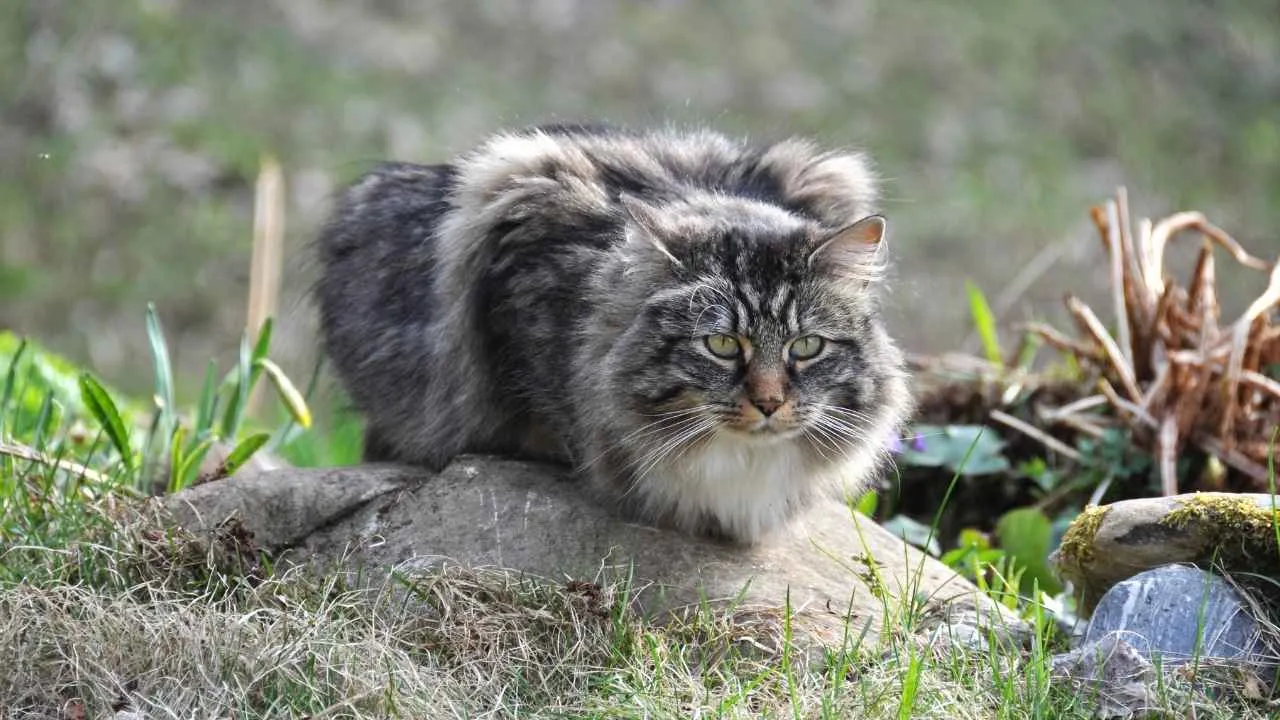
The Norwegian Forest Cat, also known as the Wegie, hails from Norway’s icy woodlands and is steeped in Viking-era lore. This large, rugged breed is admired for its wild beauty, calm temperament, and natural ability to endure harsh winters.
According to PetMD, the Norwegian Forest Cat is a playful and friendly breed with a large, muscular frame.
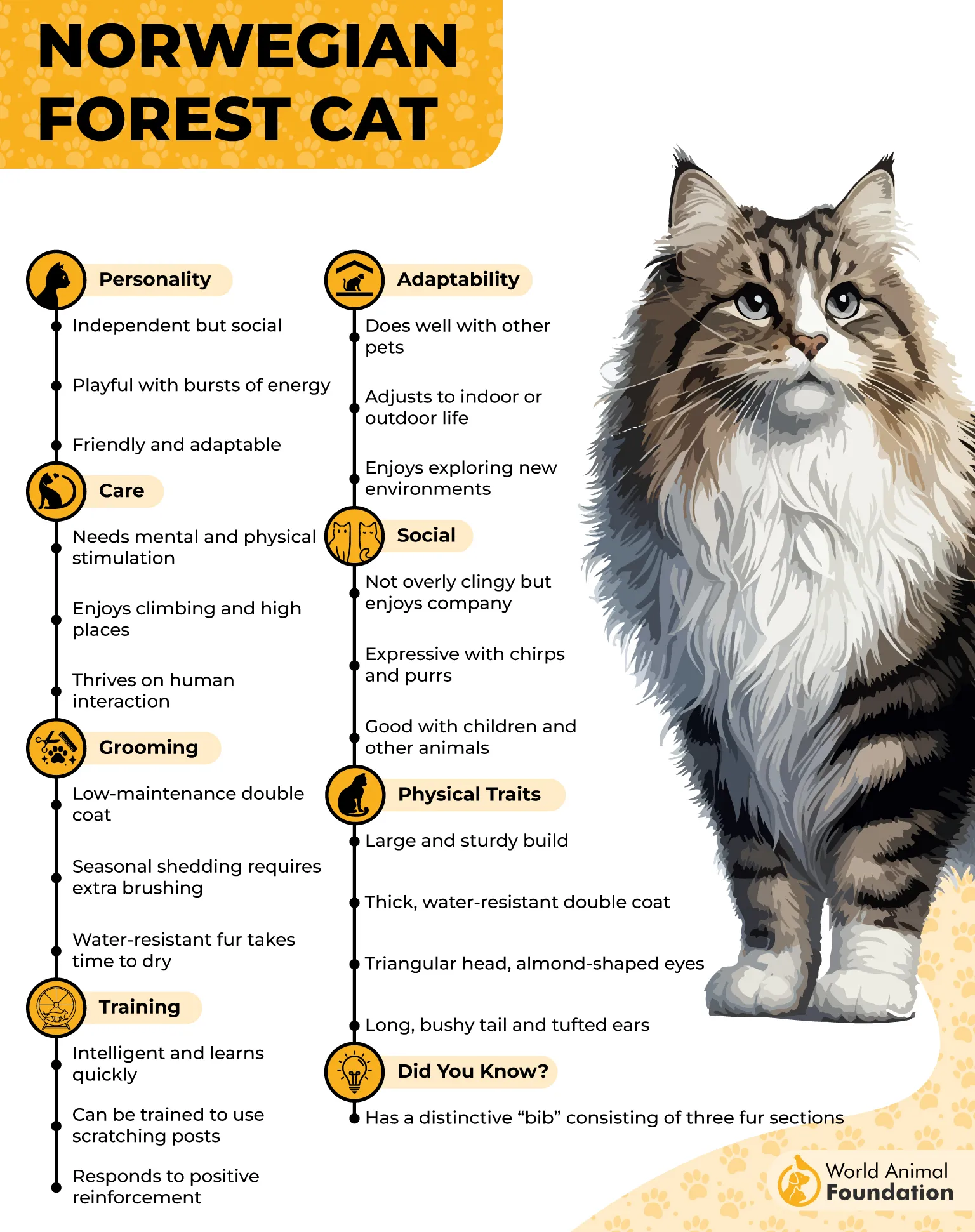
One of its greatest cold-weather advantages is a thick double coat, featuring a dense insulating underlayer and a water-resistant outer coat. Long guard hairs help repel snow and rain, allowing this cat to stay dry and warm in freezing conditions.
Its physical build also supports survival in cold regions, with a strong body, sturdy legs, and a luxuriously bushy tail that can wrap around the body for extra warmth. Tufted ears and an arched, triangular head help protect sensitive areas from icy winds.
Despite its hardy exterior, the Norwegian Forest Cat is affectionate, playful, and even-tempered indoors.
Fun fact: This breed develops slowly and can take up to five years to reach full physical maturity.
3. Maine Coon
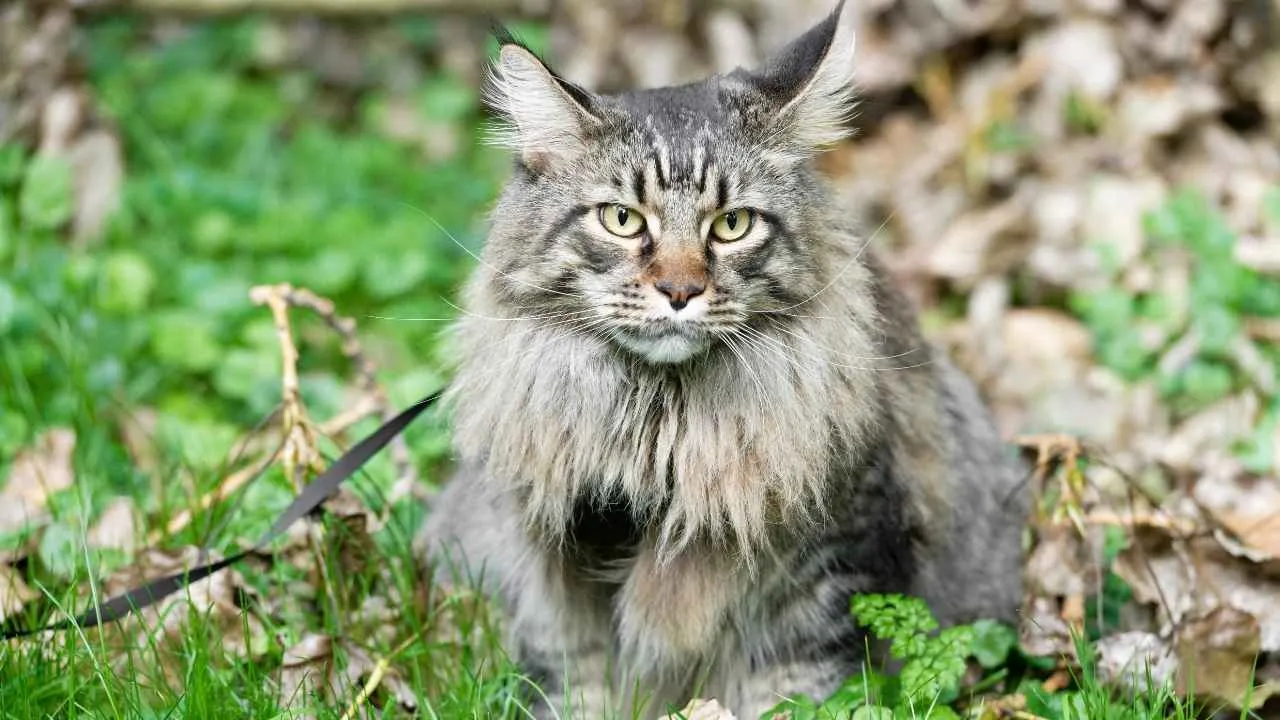
The Maine Coon, often called the “gentle giant,” is also known as the American Longhair and stands out for its rugged build and shaggy appearance.
According to WebMD, Maine Coon cats are a large breed and are generally affectionate and friendly. Originating in the cold regions of North America, this breed was shaped by harsh winters and demanding outdoor conditions.
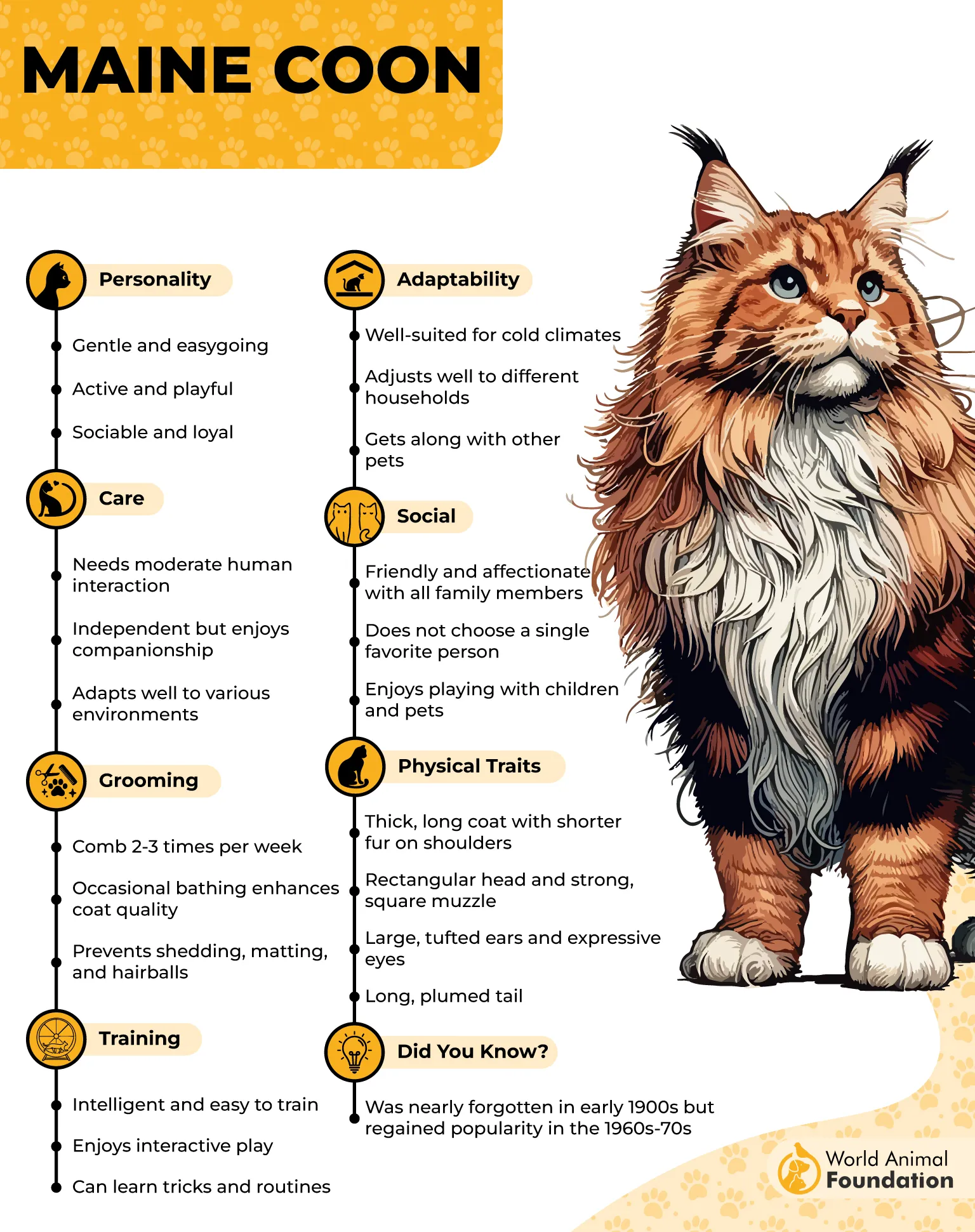
Its thick, water-repellent coat works like built-in insulation, while tufted paws act as natural snowshoes on icy ground. A long, bushy tail wraps around the body for warmth, making the Maine Coon exceptionally well-suited to snowy climates.
Beyond physical traits, this breed adapts easily to cold-weather living with a calm, confident demeanor. Maine Coons enjoy exploring chilly environments, tolerate moisture well, and often show an unusual fascination with water compared to other cats.
Despite their size, they are affectionate, sociable companions who thrive in family settings during long winters indoors. Their adaptable temperament and cold-resistant features make them ideal cats for colder regions where durability matters as much as companionship.
Fact: The Maine Coon was named the official state cat of Maine and was historically prized as a rat catcher on ships.
4. Russian blue
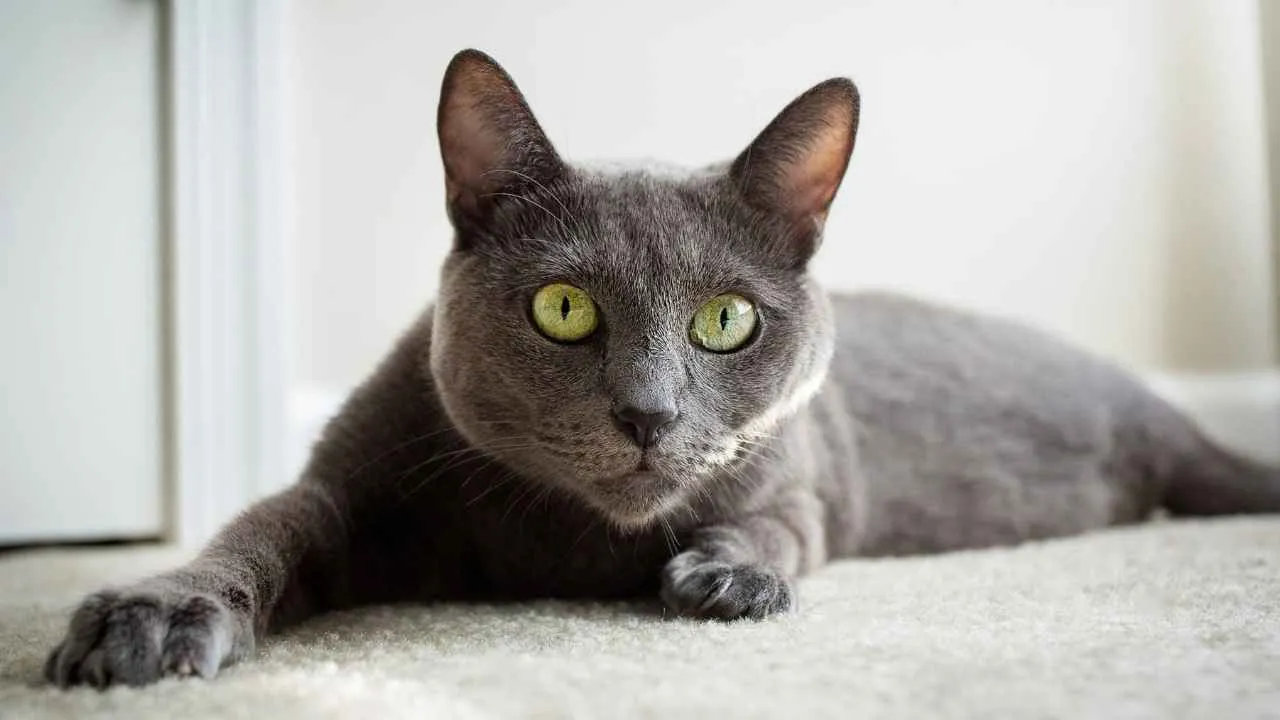
Also known as the Archangel Blue, the Russian Blue is a sleek, silver-toned cat that originated in northern Russia, where cold winters shaped its hardy nature. This breed is admired for its plush blue coat, vivid green eyes, and calm, elegant presence.
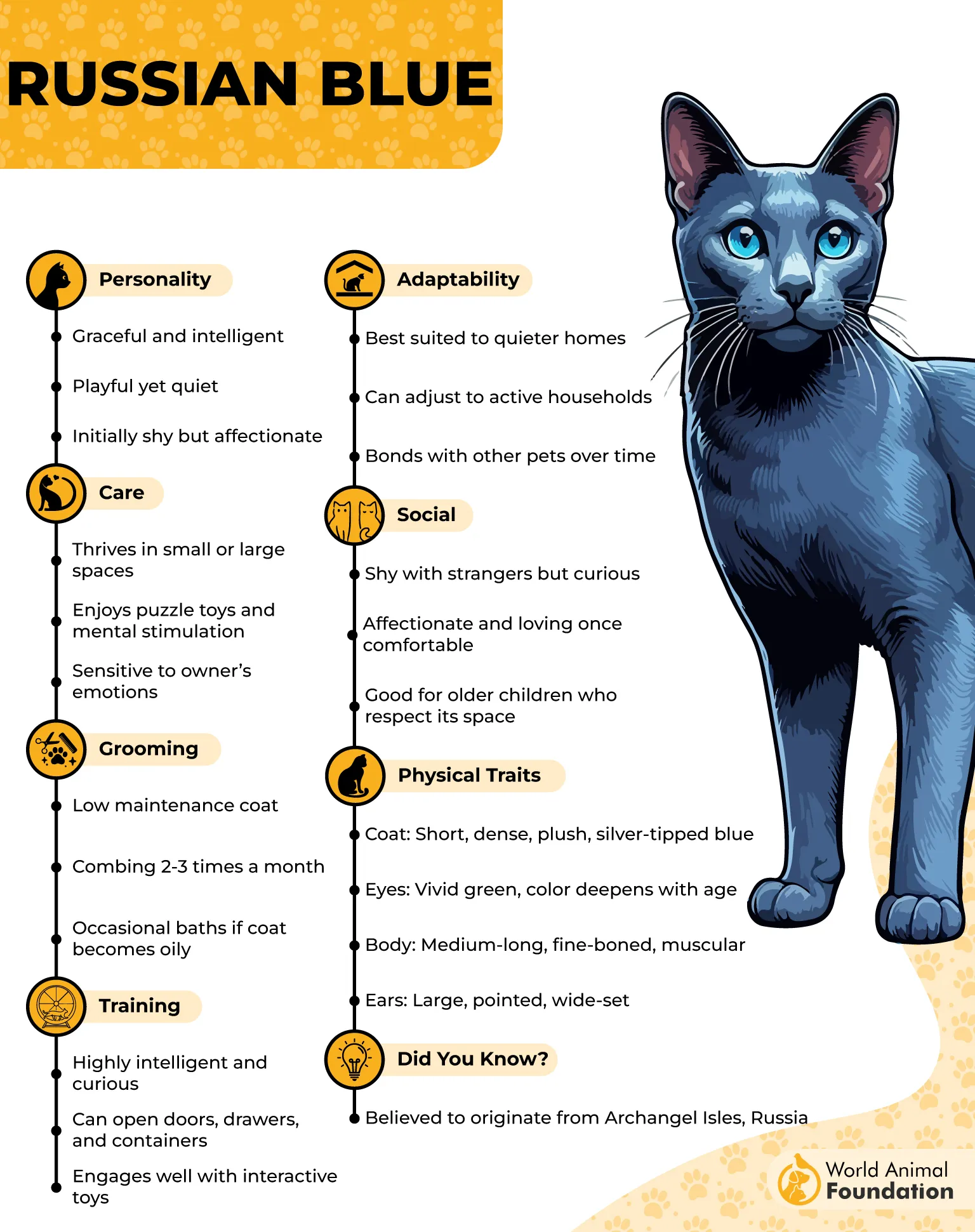
Built for chilly climates, the Russian Blue has a dense double coat that provides excellent insulation. The inner layer traps warmth, while the outer coat repels moisture, making this breed naturally suited to frosty environments and colder homes.
Despite its regal look, the Russian Blue prefers quiet companionship over constant attention. This reserved yet loyal cat thrives in calm households, conserving energy and warmth much like other northern breeds shaped by harsh climates and seafaring histories.
While not linked to Vikings like the Norwegian Forest Cat, the Russian Blue’s northern roots suggest it may have traveled alongside early traders in cold regions.
Fact: The Russian Blue’s thick double coat includes a coarse outer layer that helps keep water and moisture away from the body.
5. Ragdoll
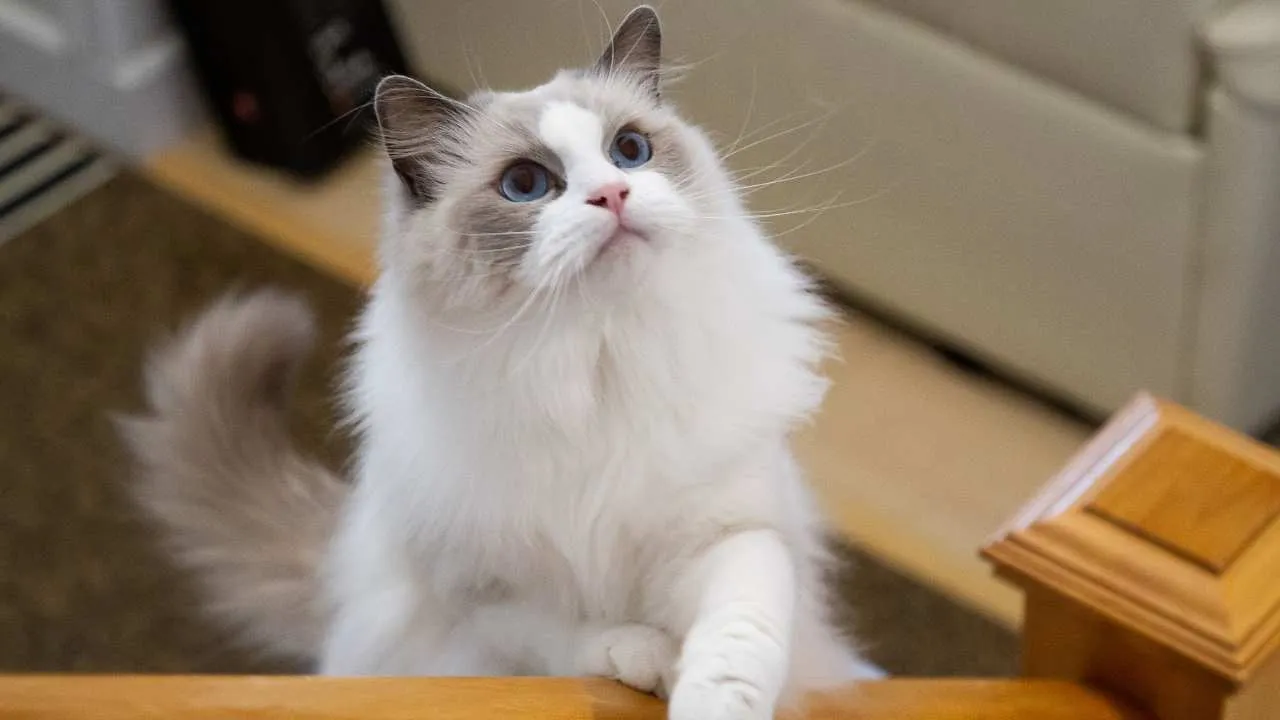
The Ragdoll, sometimes simply called the “Rag Doll,” is a large, blue-eyed breed admired for its calm temperament and plush, silky coat. Known for going limp when held, this gentle cat combines striking looks with an easygoing personality that suits cooler regions well.
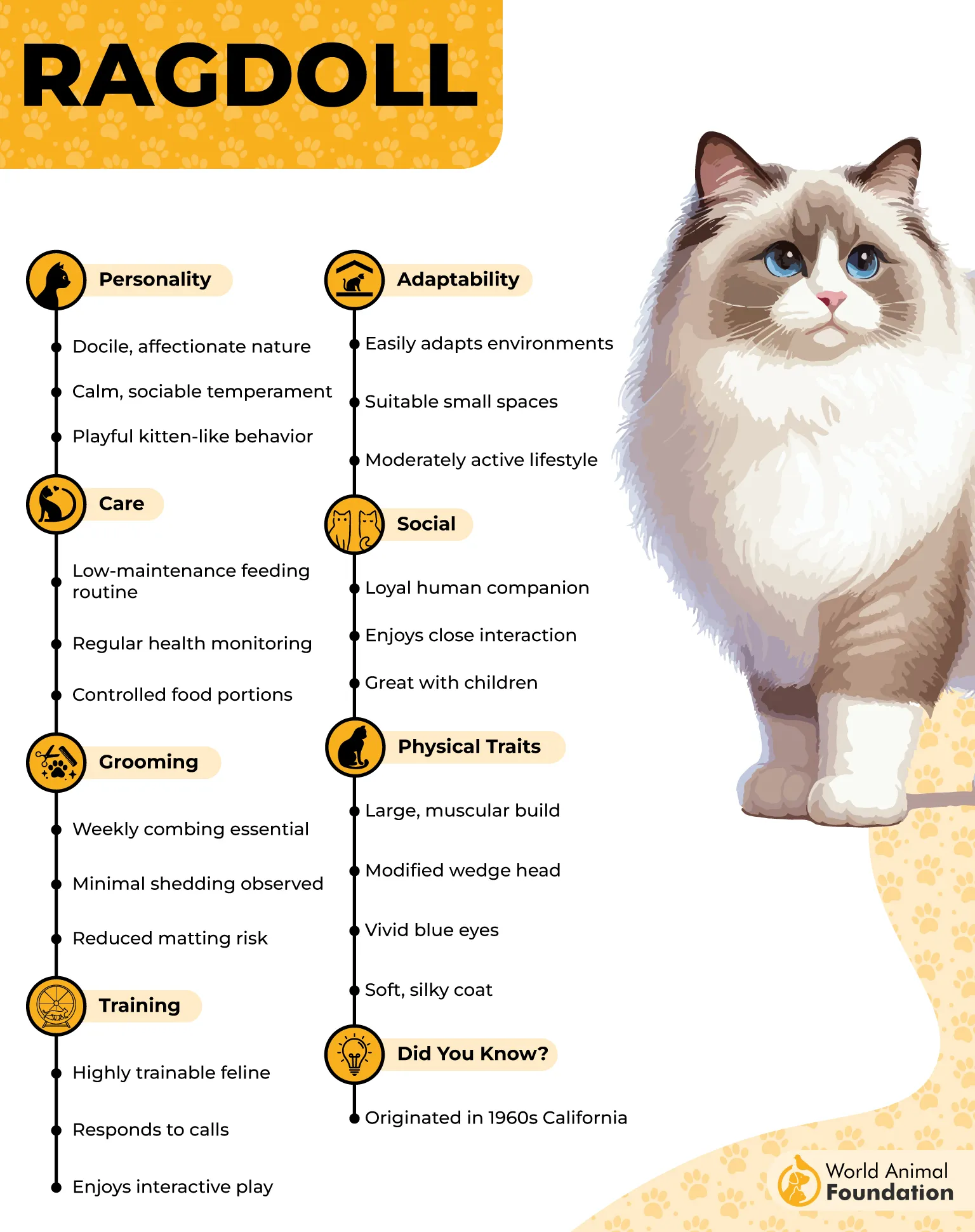
Its long, rabbit-soft fur acts as natural insulation, helping the Ragdoll stay comfortable in colder climates despite lacking a dense undercoat. This luxurious coat traps warmth efficiently, making the breed better suited to chilly homes than many short-haired cats.
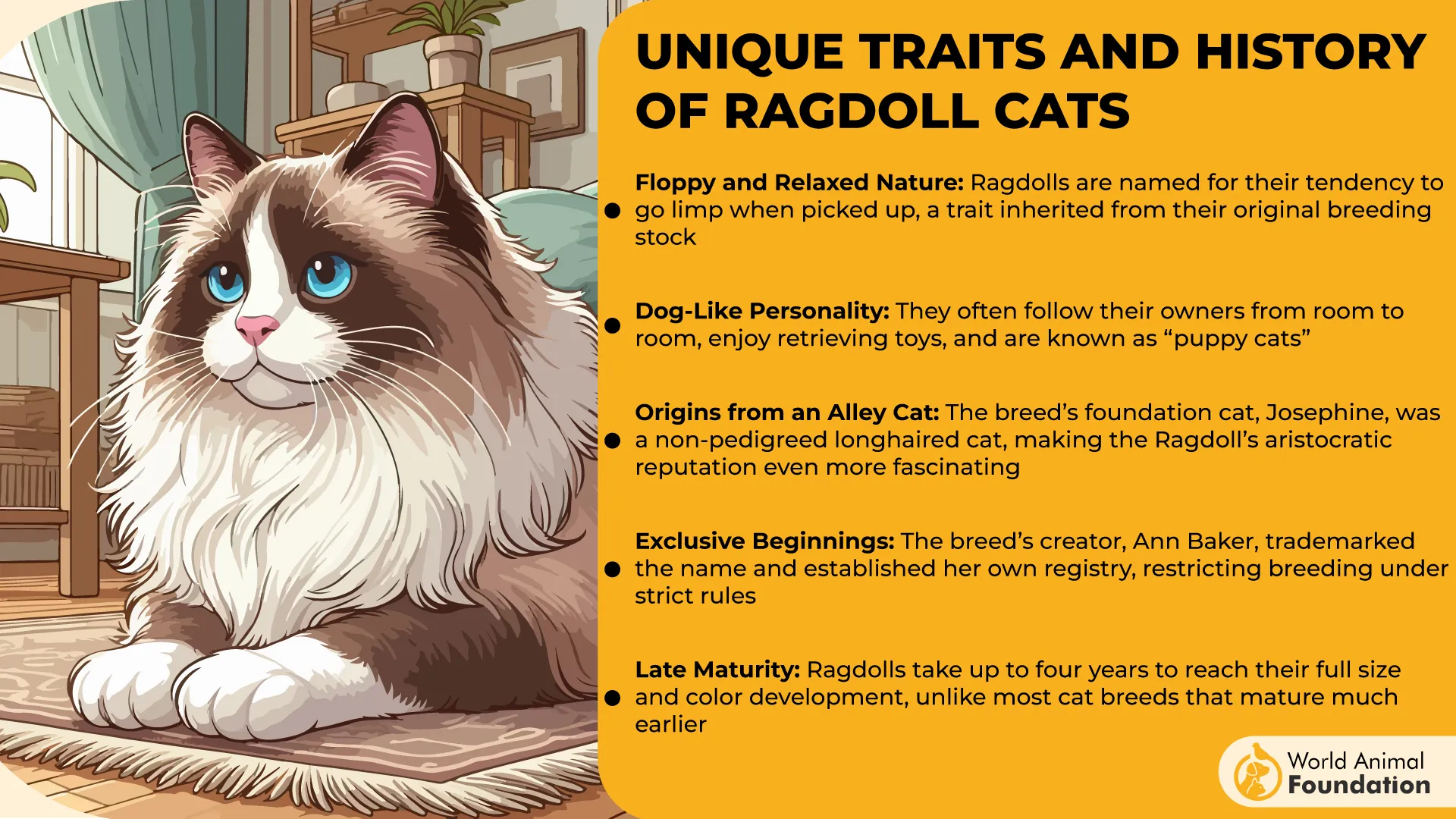
Beyond physical traits, Ragdolls adapt well to changing environments and prefer staying close to their human companions, often following them from room to room. Consistent routines, gentle handling, and quality time help them thrive indoors during harsh winters.
While not built for extreme outdoor cold, their calm nature and plush fur make them ideal indoor companions in colder regions.
Fact: A notable fact is that despite having no undercoat, Ragdolls stay warm thanks to their long, silky fur and are famously affectionate lap cats.
6. Persian
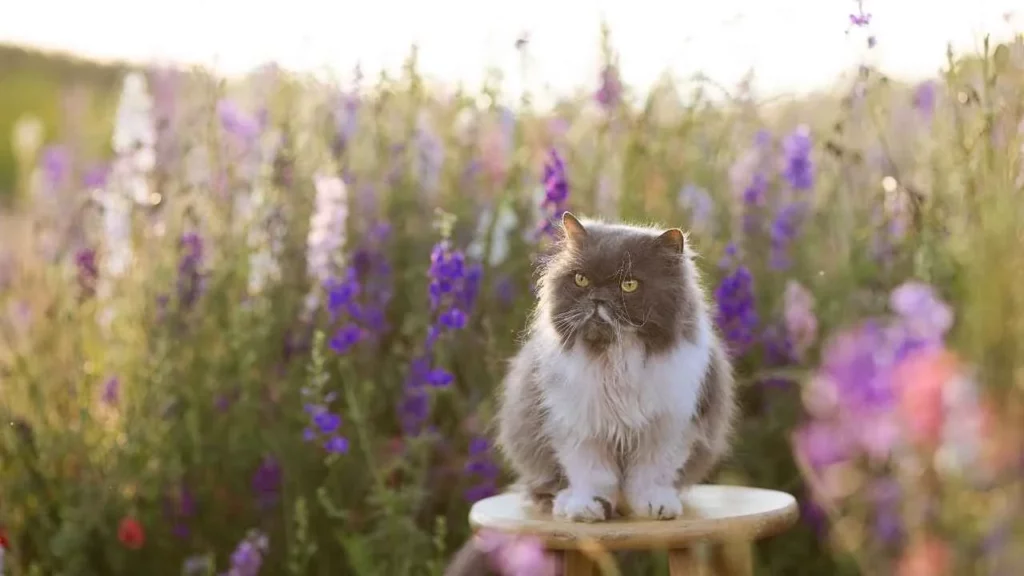
Persian (Persian Longhair) cats are instantly recognizable for their flat, expressive faces and flowing coats. Often called one of the oldest long-haired breeds, they carry a stocky build wrapped in dense fur designed to retain warmth in cooler climates.
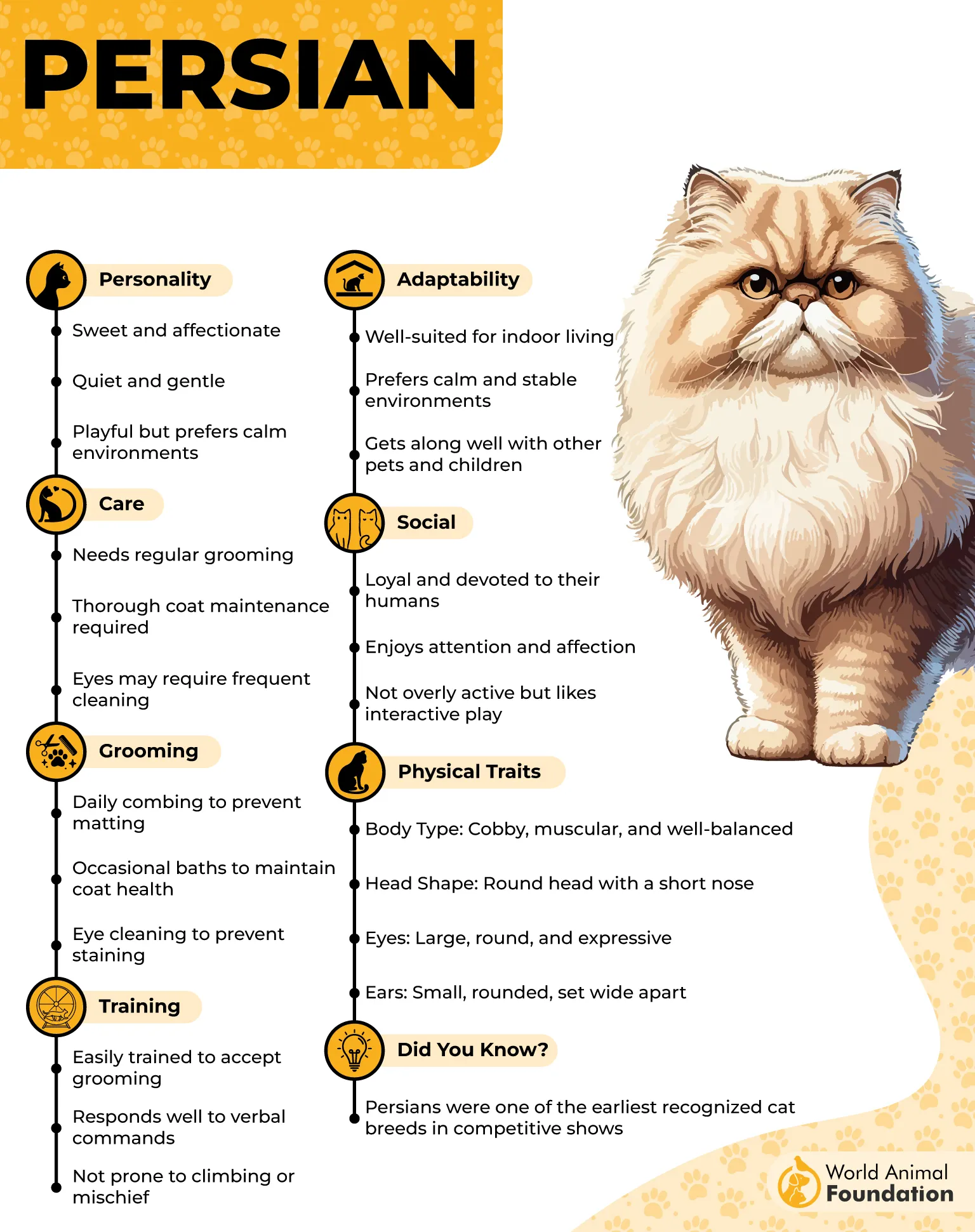
Their thick, insulating coat acts like a natural blanket, helping Persians stay comfortable during cold winters. While they aren’t built for rugged outdoor life, their fur provides excellent protection from chilly indoor drafts common in cold regions.
Temperament-wise, Persians are calm, gentle, and quietly affectionate, traits that pair well with colder climates where indoor living is preferred. They favor peaceful routines, cozy resting spots, and calm human interaction over high-energy activity.
Unlike more active breeds, Persians conserve energy, which suits winter environments perfectly. They enjoy observing from quiet corners or curling up on warm surfaces, creating a serene household atmosphere during long, cold seasons.
Fact: Persian cats require daily brushing to prevent their thick, luxurious coats from tangling and matting.
7. Turkish Angora
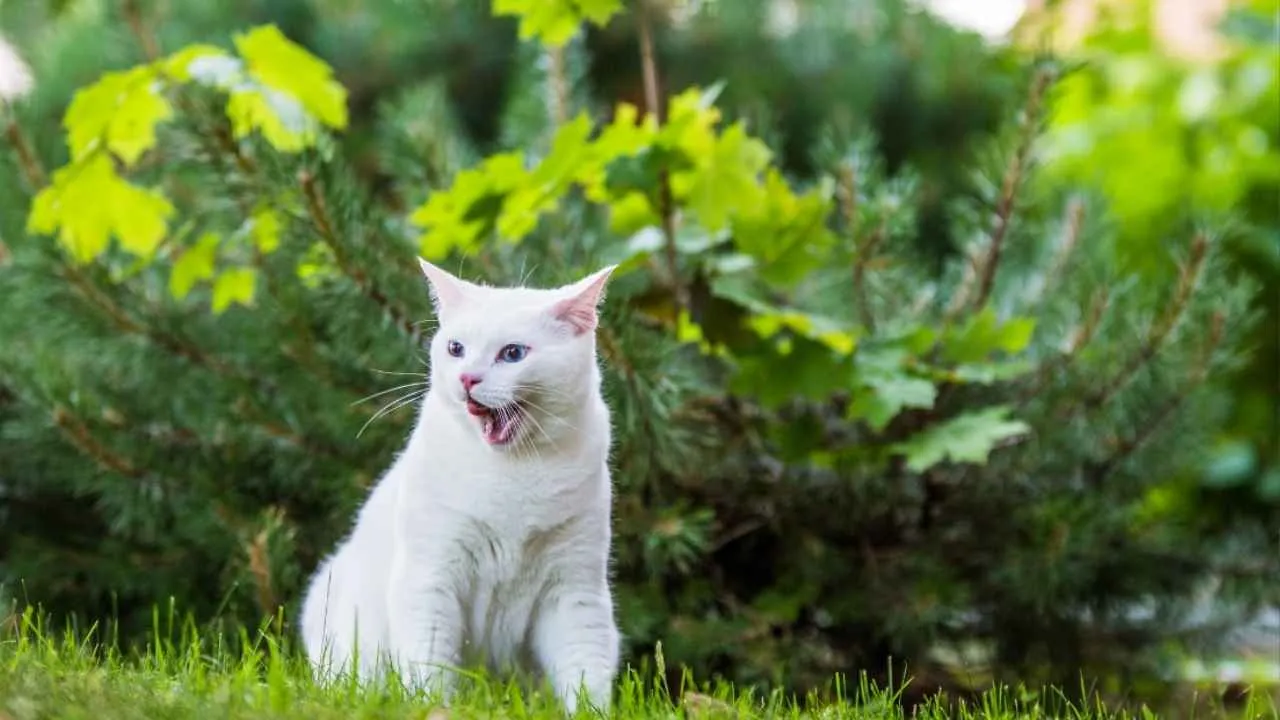
The Turkish Angora, sometimes called the Ankara cat, is a graceful, long-haired breed known for its silky white coat and elegant build. Originating from Turkey’s Anatolian and Caucasian mountain regions, it developed natural resilience to cold climates.
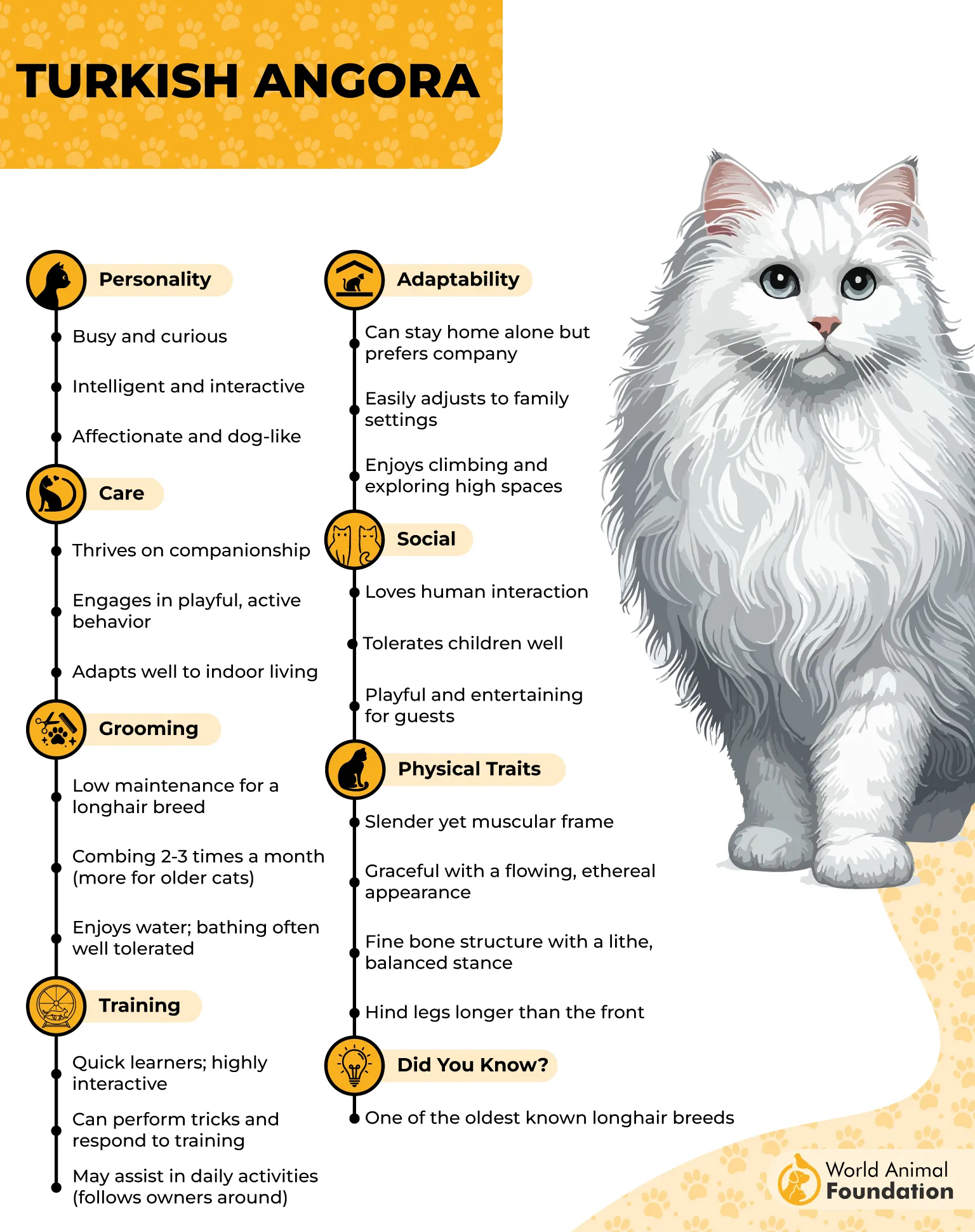
Its fine yet insulating coat helps protect against winter chill, making it well-suited for colder regions despite its delicate appearance. Turkish Angoras are agile and active, often staying warm through constant movement and playful exploration indoors.
Highly intelligent and curious, this breed benefits from enrichment like puzzle feeders and interactive toys, especially during long winter months. Mental stimulation helps keep them content when outdoor activity is limited by harsh weather.
Grooming is surprisingly manageable for a thick-coated cat, requiring brushing once or twice a week to prevent tangles. Investing in quality brushes and grooming tools makes maintenance easy while keeping their coat healthy and insulating.
Fact: Turkish Angoras are naturally adapted to both hot summers and cold winters in the mountainous regions of Turkey.
8. Turkish Van
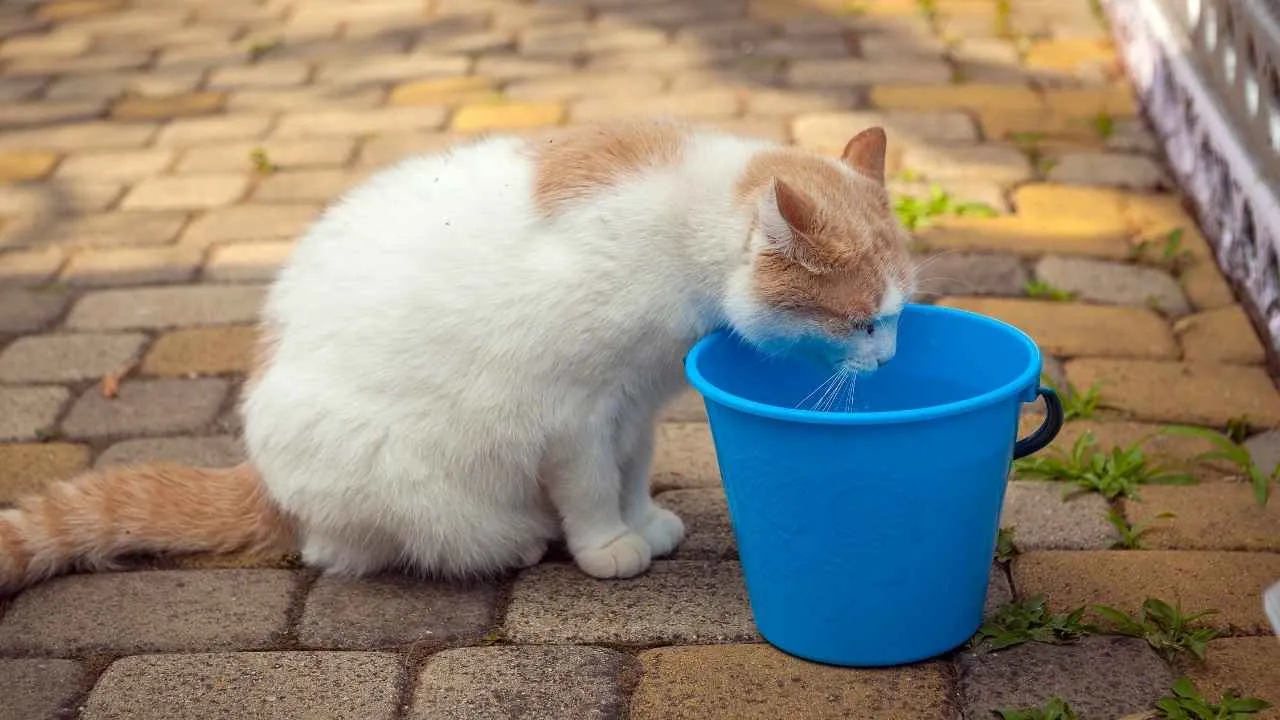
The Turkish Van, often called the Van cat, hails from the rugged, cold regions around Lake Van in Turkey. Known for its sturdy frame and distinctive water-resistant coat, this breed is naturally equipped to handle low temperatures and snowy conditions with ease.
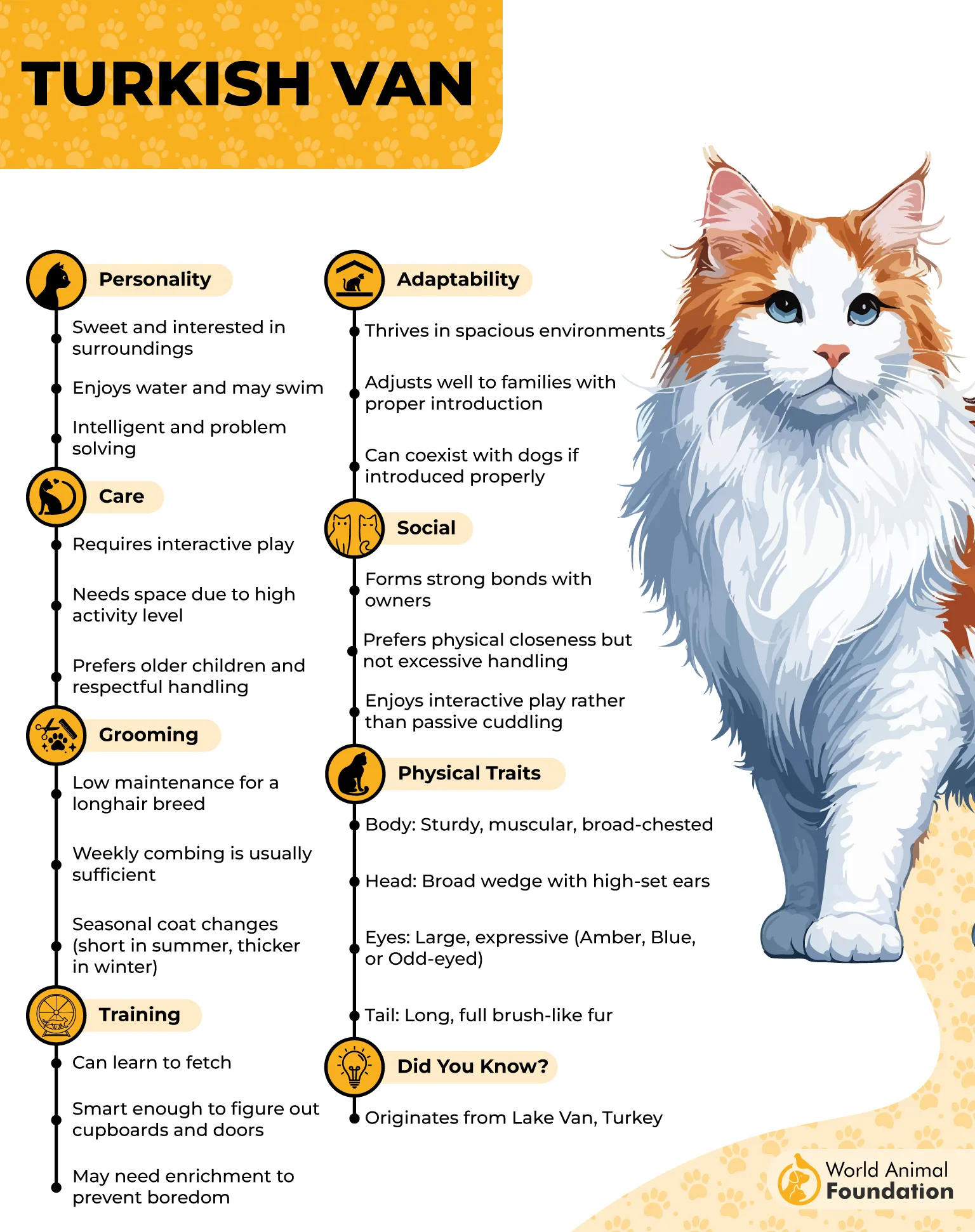
Thanks to a thick winter coat that insulates against harsh weather, Turkish Vans can adapt well to colder outdoor environments. Their active, energetic nature helps them stay warm, and they’re famous for enjoying water and even playing in snow, which sets them apart from most cats.
When it comes to indoor vs. outdoor living in cold climates, Turkish Vans thrive best with flexibility. While they can tolerate chilly outdoor air, they still benefit from warm indoor spaces, especially during extreme cold. Indoor enrichment, such as climbing structures and interactive toys, keeps them physically fit and mentally stimulated.
Highly intelligent and responsive, Turkish Vans excel at clicker training and interactive play, which is essential if outdoor access is limited.
Fact: The Turkish Van is a healthy, natural breed with no known specific genetic health problems.
9. Kurilian Bobtail
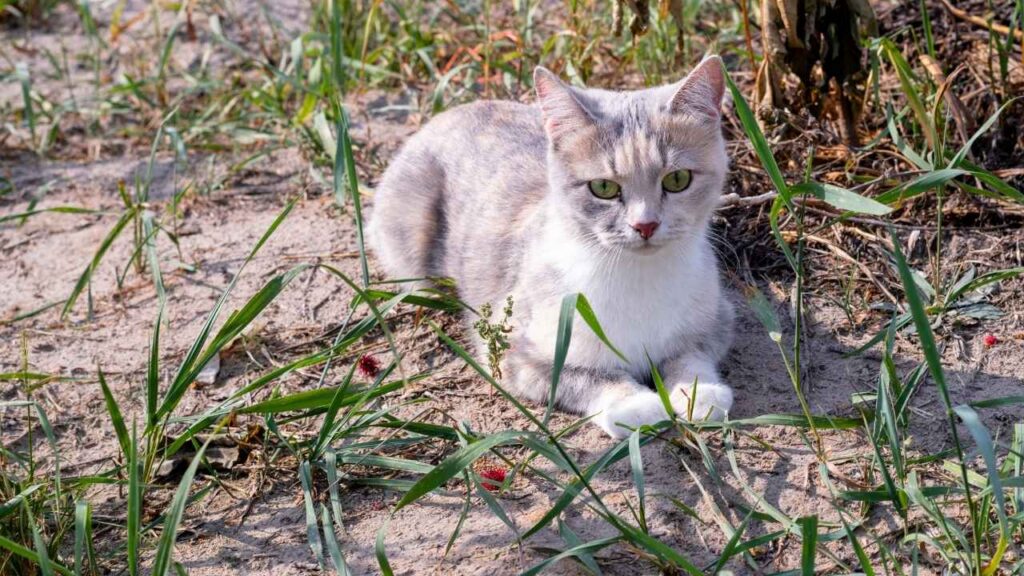
The Kurilian Bobtail, also known as the Kuril Islands Bobtail, hails from the rugged Kuril Islands between Siberia and Japan. This cold-region breed is instantly recognizable by its fluffy pom-pom tail and dense, weather-resistant coat built for icy climates.
Bred to endure harsh winters, the Kurilian Bobtail’s thick fur offers strong insulation against snow and freezing winds. Their natural resilience allows them to remain active outdoors, even in colder environments, making them well-suited to frigid regions.
From a health perspective, these cats are known for their robust constitution and balanced physical structure. Their adaptability helps reduce stress-related issues, and their strong immune systems are an advantage for breeds exposed to extreme weather.
Kurilian Bobtails are generally healthy, calm, and long-lived, thriving with routine veterinary care and proper nutrition.
Fact: According to the World Cat Congress, the Kurilian Bobtail is known for excellent overall health and a well-balanced, peaceful temperament.
10. Scottish fold
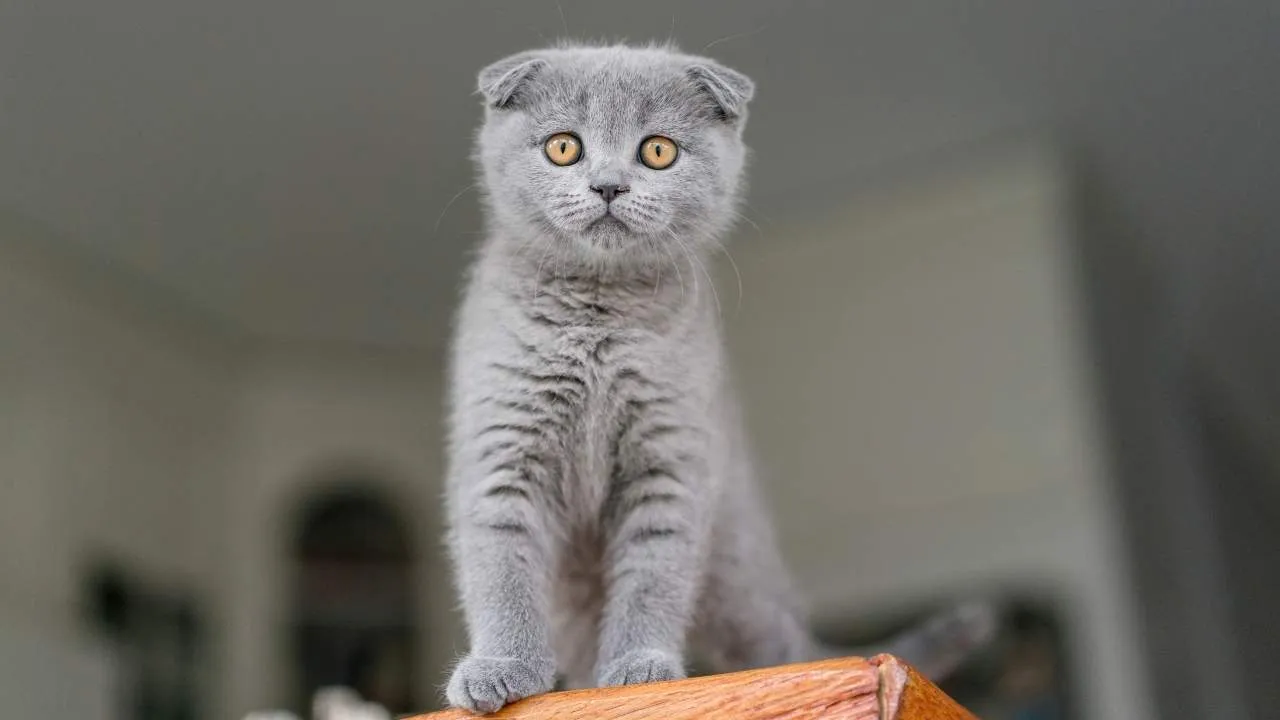
Also known simply as the Folded-Ear cat, the Scottish Fold is instantly recognizable by its forward-folding ears, round face, and compact body. Originating in Scotland, this breed developed a plush, dense coat that provides natural insulation in cooler climates.

Adapted to colder regions, Scottish Folds are comfortable in chilly environments thanks to their thick fur and sturdy build. They enjoy warmth but aren’t overly sensitive to lower temperatures, making them a good fit for homes in colder areas with consistent indoor comfort.
These cats thrive on companionship and prefer staying close to their human family during long winter days. Their calm, affectionate nature makes them ideal indoor companions, especially in cold climates where outdoor activity is limited.
When choosing a cold-climate cat, Scottish Folds suit households seeking a low-maintenance, people-oriented breed that enjoys cozy routines and quiet interaction.
Fact: Scottish Fold kittens typically leave their breeders at around 10–14 weeks after proper socialization and early care.
Conclusion
Cats from cold regions showcase how nature equips felines to survive freezing winters and sudden temperature drops. These cold-weather cat breeds often feature long-haired cats, dense layers, or even semi-water-resistant fur that helps them retain body heat in chilly temperatures.
As some of the oldest cat breeds, many evolved alongside feral cats and outdoor cats, developing traits that make them incredibly resilient in harsh, cold temperatures. Whether it’s thick coats, compact builds, or calm, chill cat personalities, these adaptations allow many cats to comfortably retain heat when conditions are extreme.
While these cold-weather cats thrive in nature, an indoor cat lifestyle can still suit them well, especially when homes mimic warmth and comfort.
Breeds like Himalayan cats or cats with curly coats can coexist with other animals, and even two cats together often share warmth. With proper care, these cats prove why many cats from cold regions remain among the most adaptable felines on earth.
