




Asia is home to some of the world’s most iconic and ancient cat breeds, many of which are steeped in history, culture, and mythology. Many of these cats were treasured companions in royal courts or temples, shaping their temperament to be affectionate, attentive, and highly social.
Some breeds are known for forming strong bonds with humans, displaying loyalty and curiosity alongside their exotic beauty. Asian cat breeds often feature sleek bodies, distinctive coats, and expressive eyes, making them instantly recognizable.
Beyond aesthetics, they are adaptable, intelligent, and highly interactive, making them excellent companions in modern homes. We’ll explore cat breeds that originated in Asia, highlighting their history, personality traits, and why they continue to be adored by cat enthusiasts around the world.
Quick Insight: Asian cat breeds—such as the Siamese and Burmese—were often bred as companions for royalty. Studies show they are highly social, vocal, and intelligent, thriving in interactive households.
Cat Breeds from Asia
1. Siamese
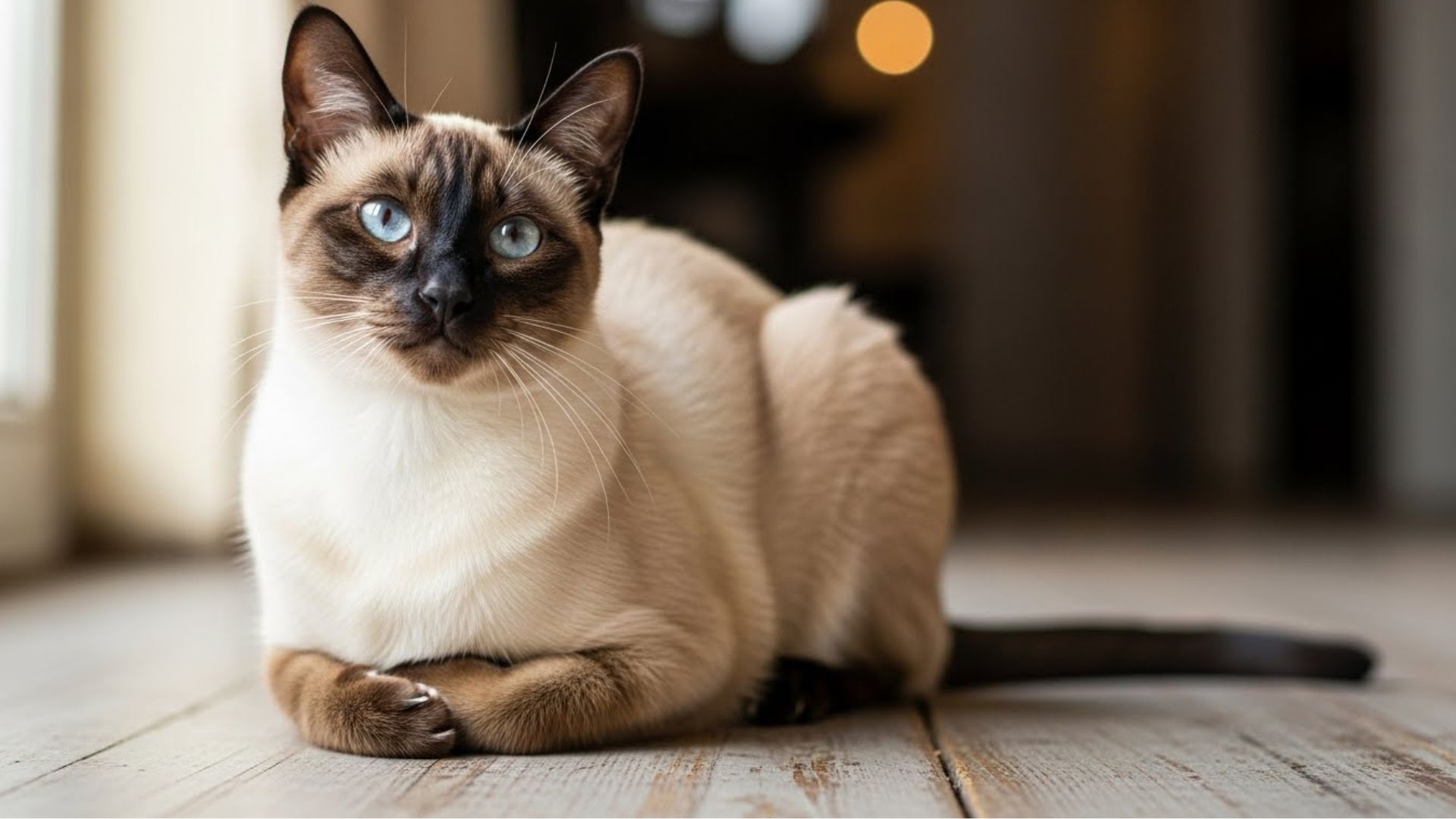
These sleek, elegant kitties have been stealing hearts—and causing a little drama—since at least the 12th century in what was then Siam (now Thailand). Imagine ancient manuscripts showing a regal feline lounging like a tiny pharaoh with blue eyes that could pierce your soul.
By the late 19th century, these social butterflies sashayed their way to the U.S. (1878) and the U.K. (1884), quickly captivating cat lovers everywhere. By 1902, the UK even had a club dedicated solely to celebrating the Siamese—a clear sign that humans were totally smitten, Britannica noted.
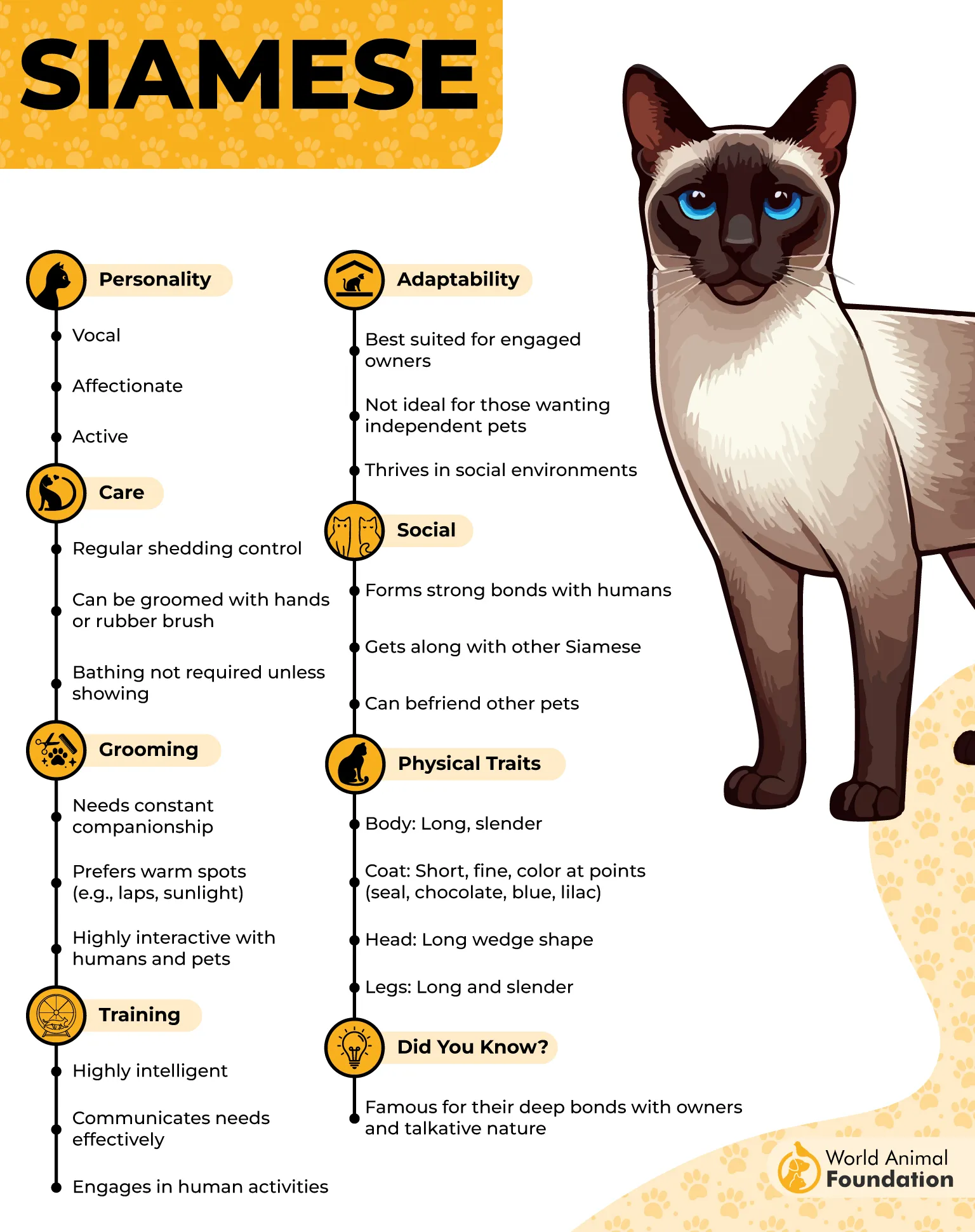
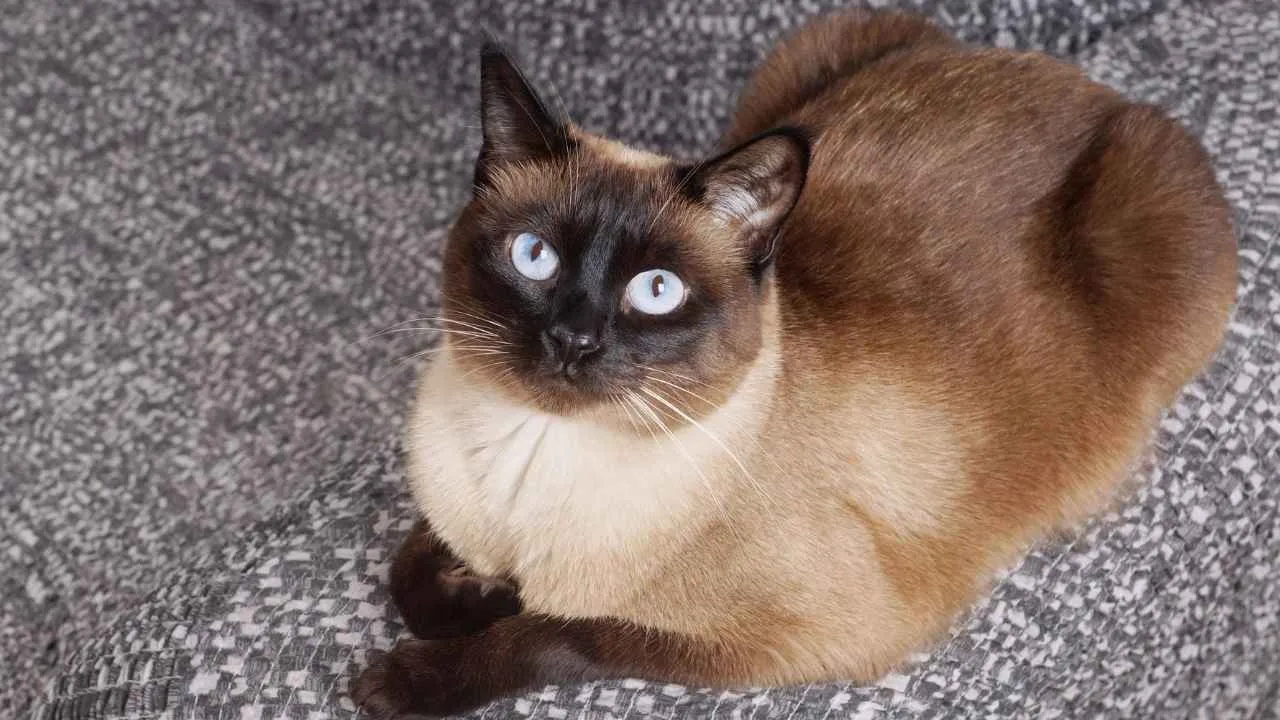
Siamese cats are the ultimate combination of elegance and personality. Picture a long, lithe body, slim legs, and a whip-like tail that seems to have a mind of its own. Their wedge-shaped heads and piercing blue eyes give them a look of constant curiosity… or judgment, depending on the day.
And yes, some of them may have crossed eyes or kinked tails—but breeders hoping for show-stopping perfection tend to frown on those quirks. Don’t worry, though; those little imperfections only add to their charm in the home.
Now, let’s talk personality—because this is where Siamese cats really shine. They are vocal. They will let you know exactly what they think about your life choices (yes, even your questionable fashion sense).
They’re social butterflies too—loneliness isn’t in their vocabulary, and they crave human companionship. If you’re looking for a quiet, introverted cat? Look elsewhere. But if you want a chatty, affectionate, and mischievously clever friend who will keep you on your toes, the Siamese is basically cat royalty.
Fun Fact: Siamese cats were once considered sacred in Thailand. Some temples even had them as guardians, protecting royal treasures. So next time your Siamese judges you from the sofa, just remember—they might secretly think they’re guarding a kingdom… even if it’s just the fridge.
2. Japanese Bobtail
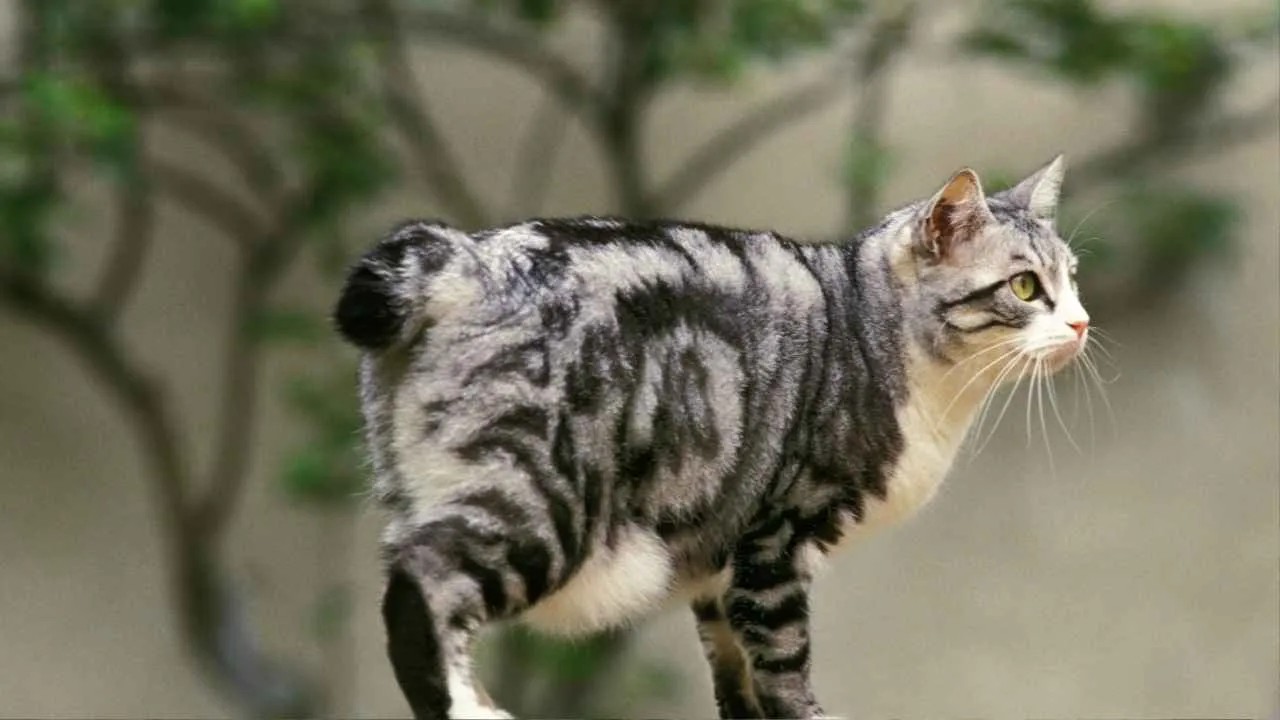
Meet the Japanese Bobtail cat, Japan’s very own feline superstar. Unlike some modern cat breeds carefully curated by humans, these cats are basically nature’s own masterpiece—ancient, independent, and utterly charming.
They’ve been strutting through Japanese history for thousands of years, and legend has it that around 700 A.D., these clever kitties were keeping Buddhist temples free of rats. That’s right—these cats were the original rodent control specialists. Who knew being a tiny ninja could be a full-time career?
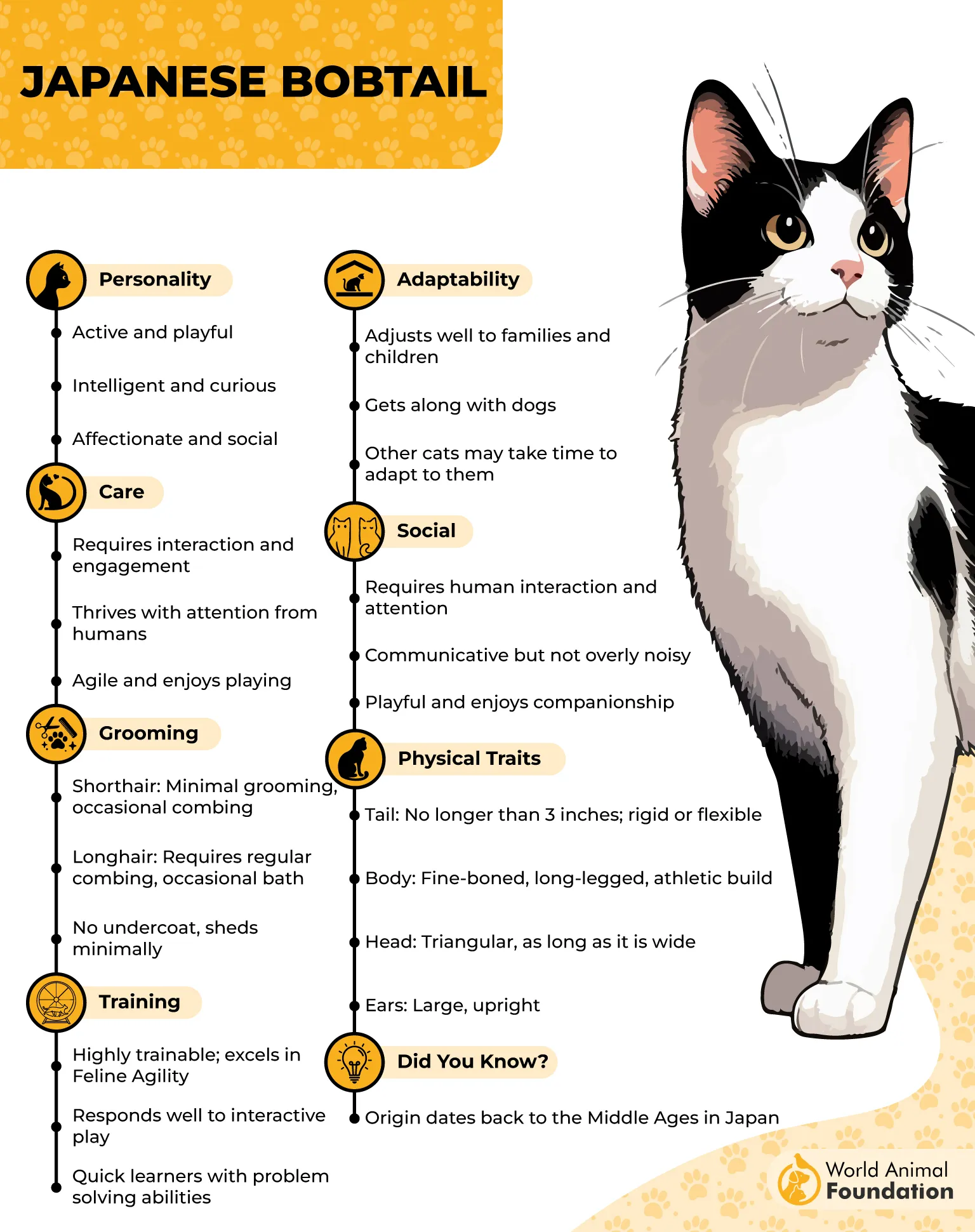
What really sets the Japanese Bobtail apart is its signature tail, which is… well… bobbed. Some people even call it a “pom-pom,” and honestly, it’s hard to argue—they look like a living cartoon!
They come in both long and short-haired varieties, and their playful, quirky personalities often leave humans scratching their heads in wonder. These cats are delightfully dog-like: they can fetch, follow you around the house, and even enjoy a good game of hide-and-seek.
Japanese folklore loves these cats, too. The Maneki-neko—that iconic “beckoning cat” often seen in shops and restaurants—is almost always a Japanese Bobtail. Legend says it brings luck and prosperity, so if one of these kitties crosses your path, maybe it’s a little furry guardian angel… or just judging your sushi skills.
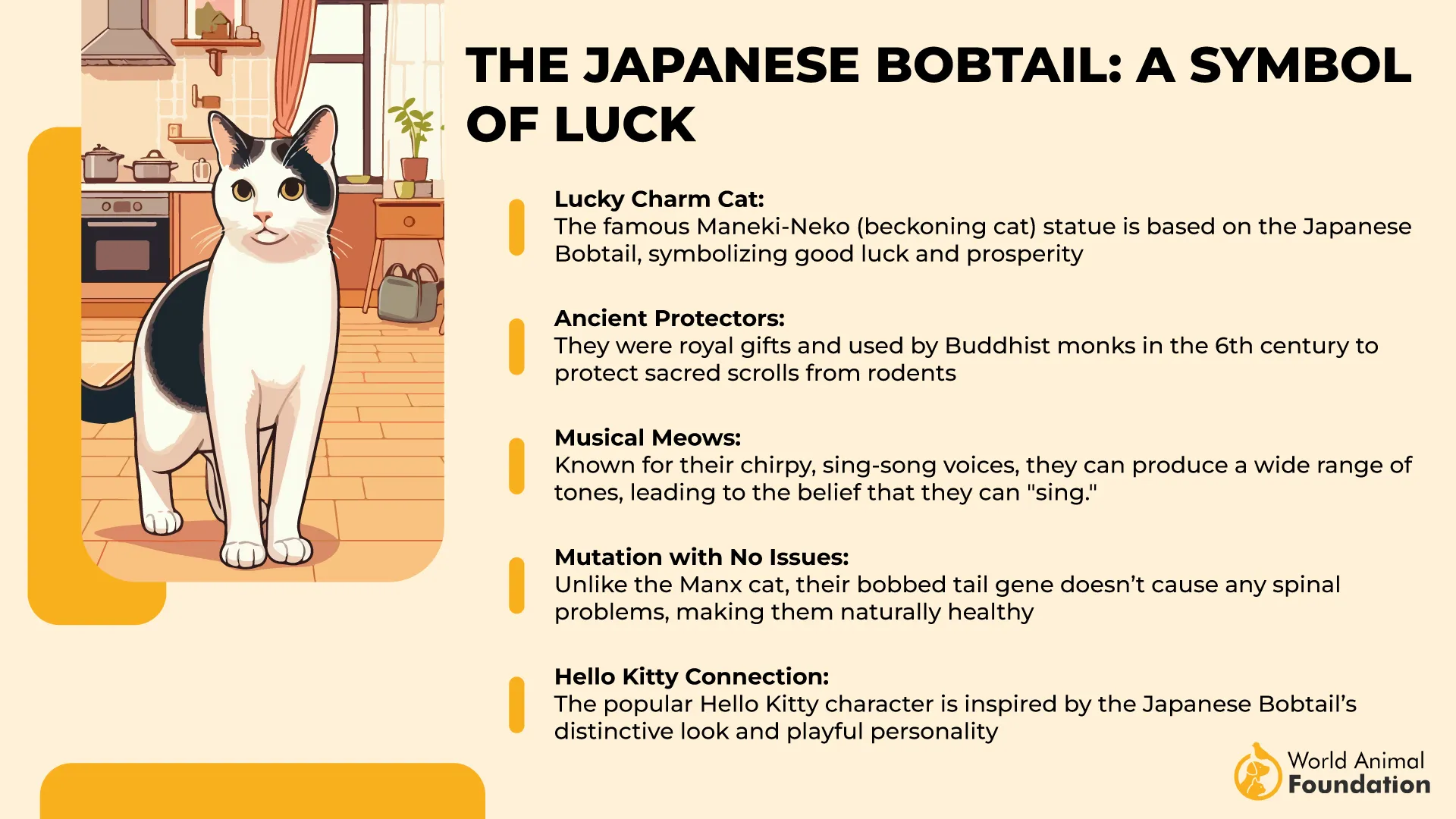
Fun Fact: Some Japanese Bobtails are known for their “chirping” meows—think of it as their own version of a tiny, adorable morning alarm clock. And yes, they will use it liberally to make sure you’re awake for breakfast.
3. Bengal
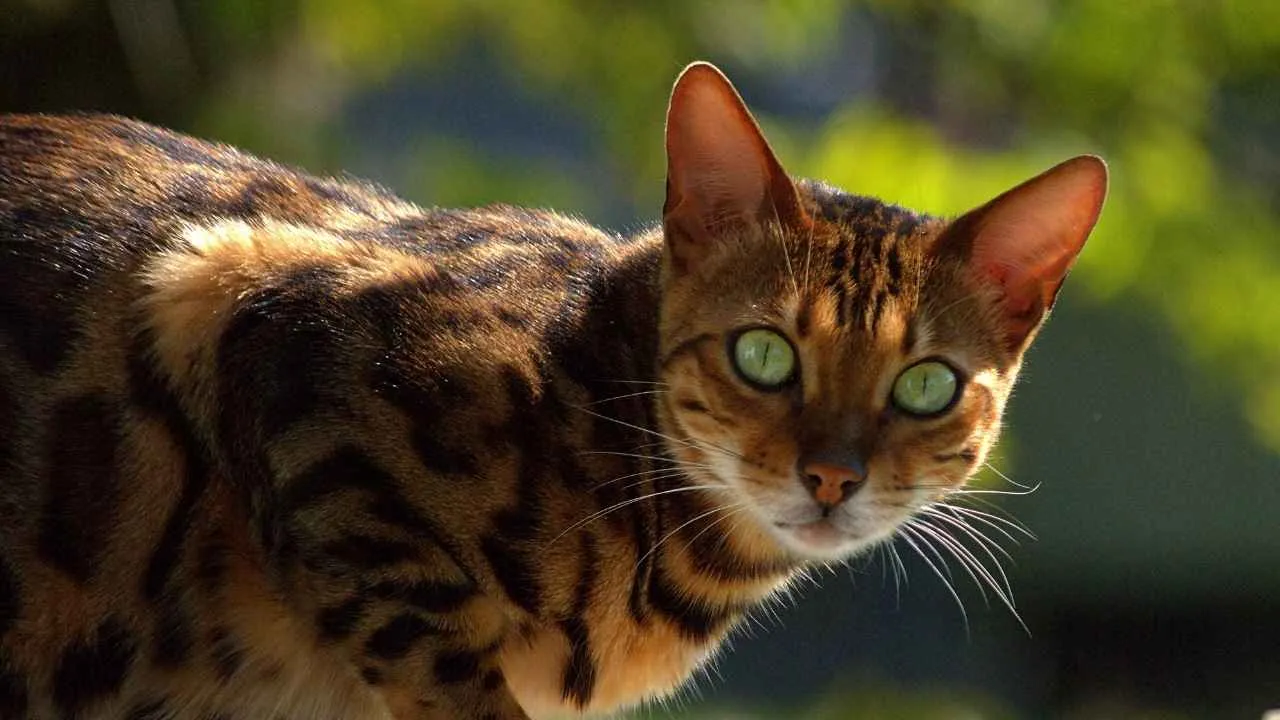
This dazzling breed is a hybrid of a domestic cat and the wild Asian leopard cat, giving it that unmistakable jungle-ready look… without the need for a safari permit, WebMD says.
Bengals are famous for their dramatic, leopard-like spots or marbled patterns—so striking that strangers might do a double-take and wonder if you’ve smuggled a little wildcat into your home. Yet despite their exotic appearance, Bengals are friendly, playful, and ridiculously affectionate.
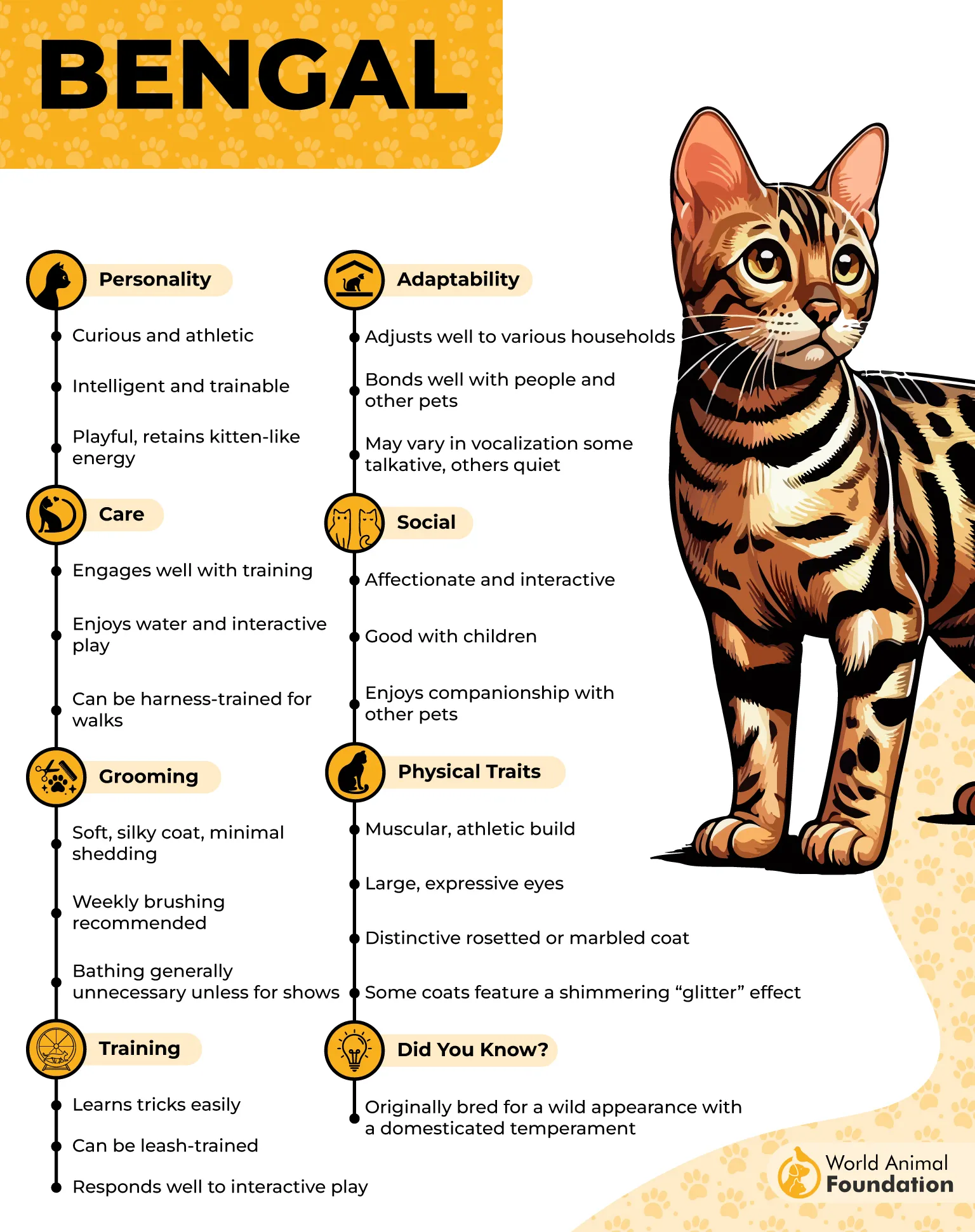
They’re curious, intelligent, and full of energy, which makes them part feline, part circus performer, and part personal trainer—you’ll never be bored around one.
Here’s the kicker: their coat looks wild but feels silky soft, dense enough to echo their leopard ancestors, yet smooth enough to curl up on your lap for a cuddle session.
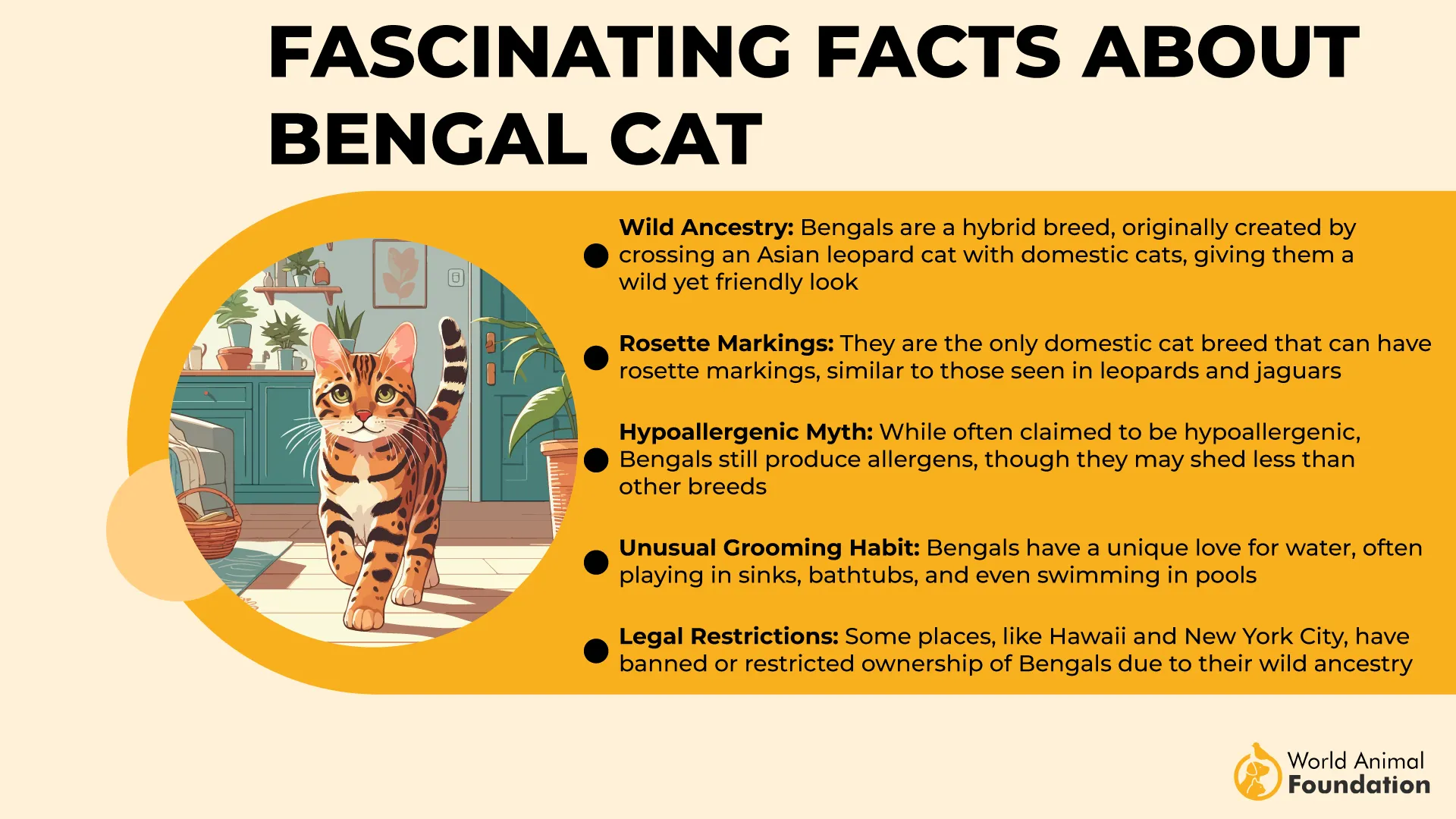
Bengal cats love interactive play, climbing, and sometimes even swimming (yes, some Bengals are water fans!), so expect a cat that’s as adventurous as it is gorgeous.
Fun Fact: Bengals are the only domestic breed with rosettes—those leopard-style spots—making each cat essentially a little work of art. If you have a Bengal, your Instagram is basically guaranteed to break the internet.
4. Singapura
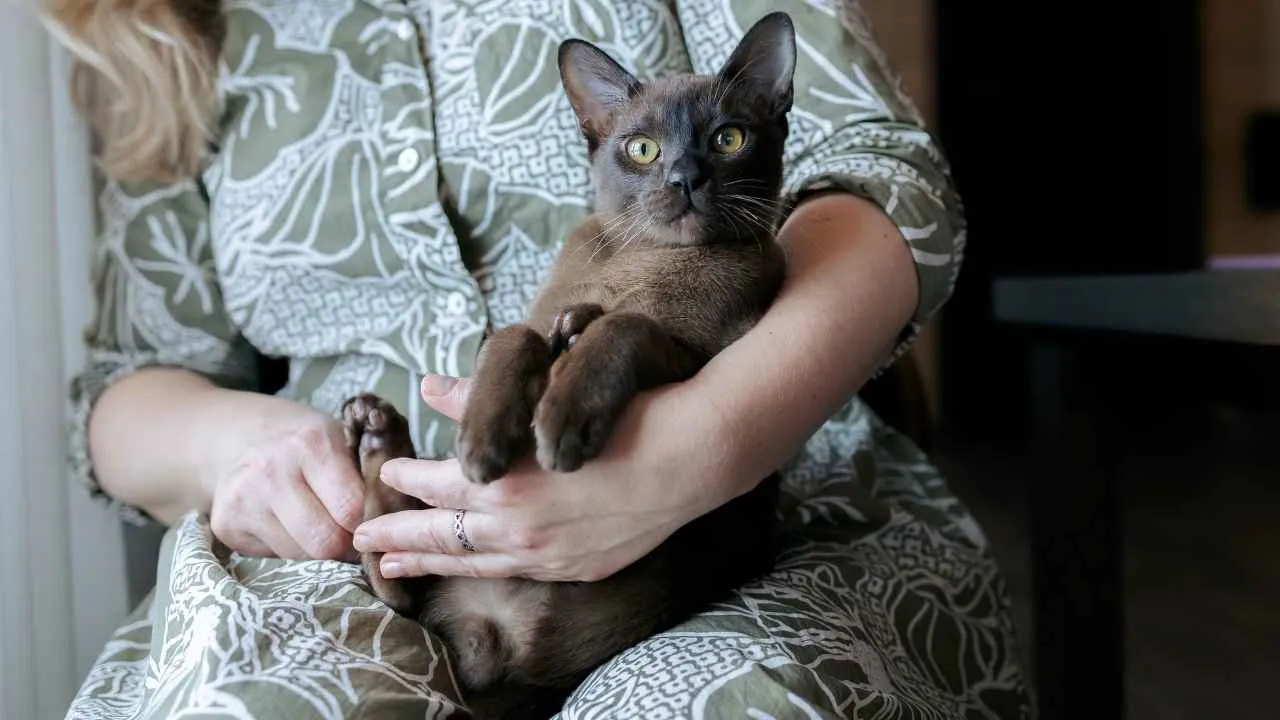
Meet the Singapura, the cat equivalent of a pocket-sized tiger. Don’t be fooled by their small stature—these cats pack personality, charm, and energy that could rival a much larger feline.
Hailing from the streets of Singapore, the Singapura is one of the smallest cat breeds in the world, often weighing just 4–8 pounds. That’s right, they’re basically a feline espresso shot: tiny, strong, and guaranteed to wake up your heart.
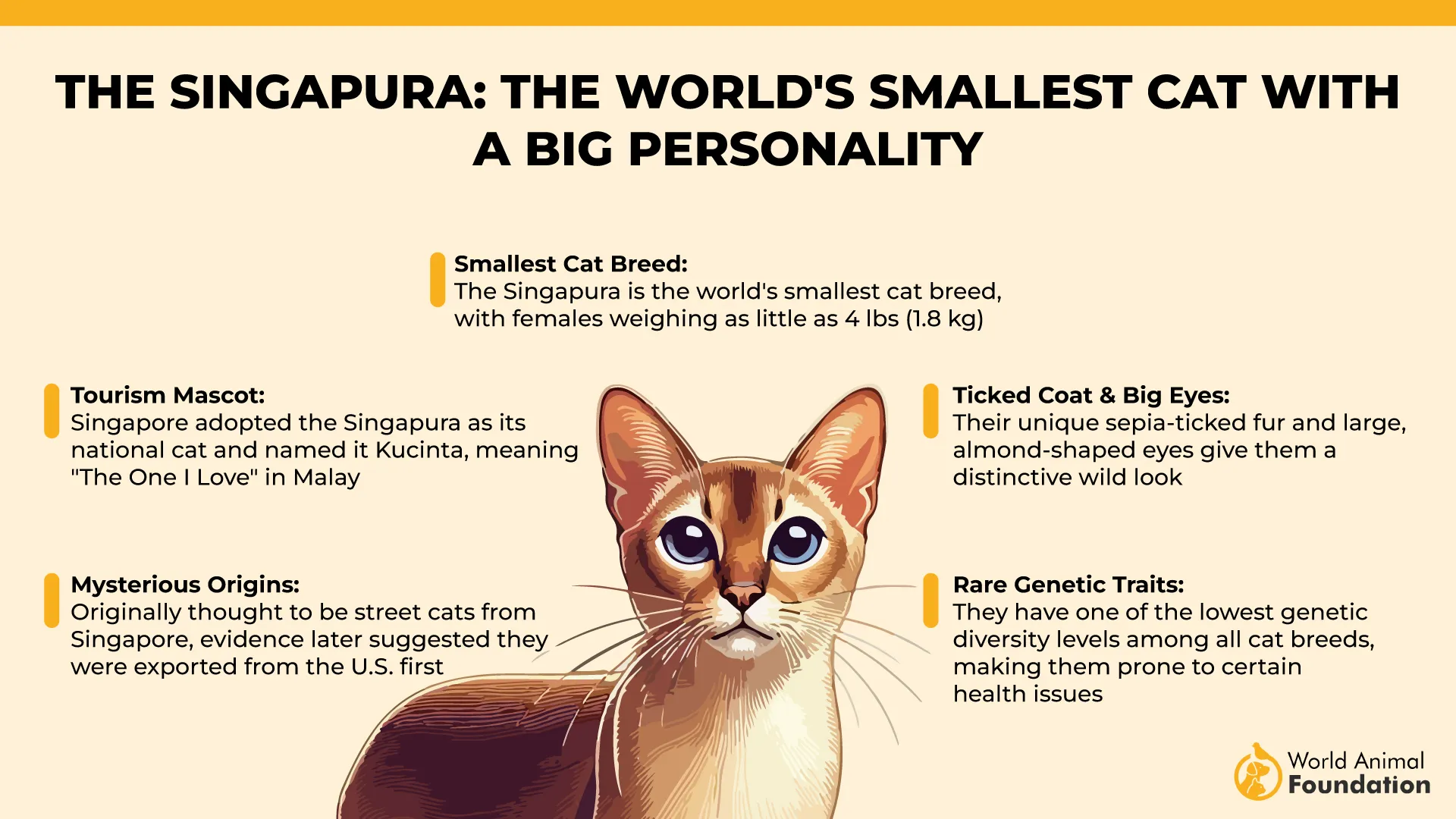
Singapura cats have a short, fine coat that comes in a warm, ticked sepia tone, giving them a natural glow that makes them look perpetually sun-kissed. Their large eyes and big ears only add to their expression of constant curiosity, like they’re perpetually plotting their next adventure—or maybe just judging your snack choices.
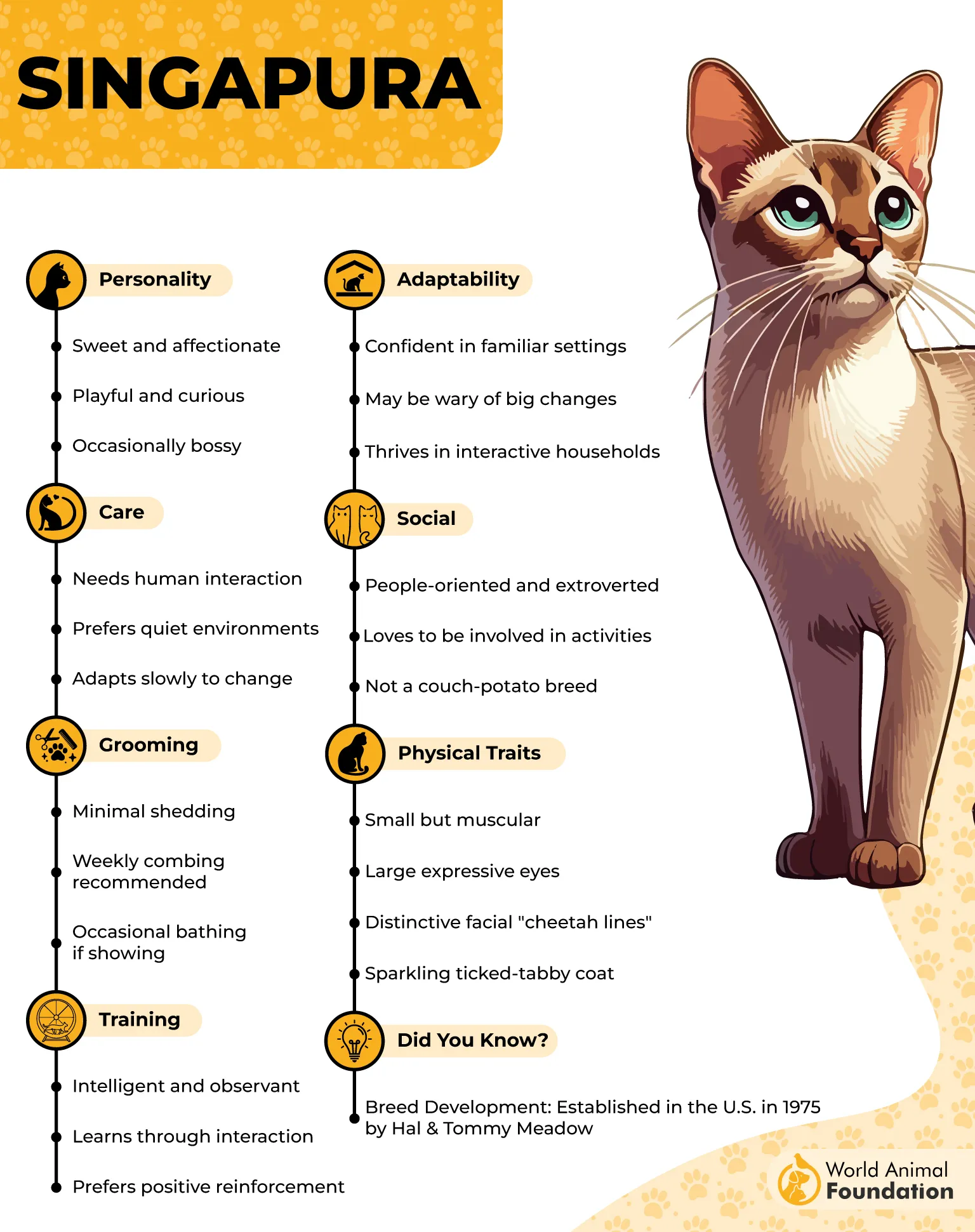
Despite their delicate appearance, Singapuras are active, playful, and incredibly social. They love to climb, explore, and interact with their human companions. Think of them as tiny acrobats who demand attention, affection, and occasionally, a full audience for their antics.
Fun Fact: Singapuras were once practically unknown outside of Singapore until the 1970s. Today, these pint-sized dynamos are loved worldwide for their playful personalities and “just-right” size—perfect for small apartments or anyone who wants a cat that’s big on personality but small in footprint.
5. Korat
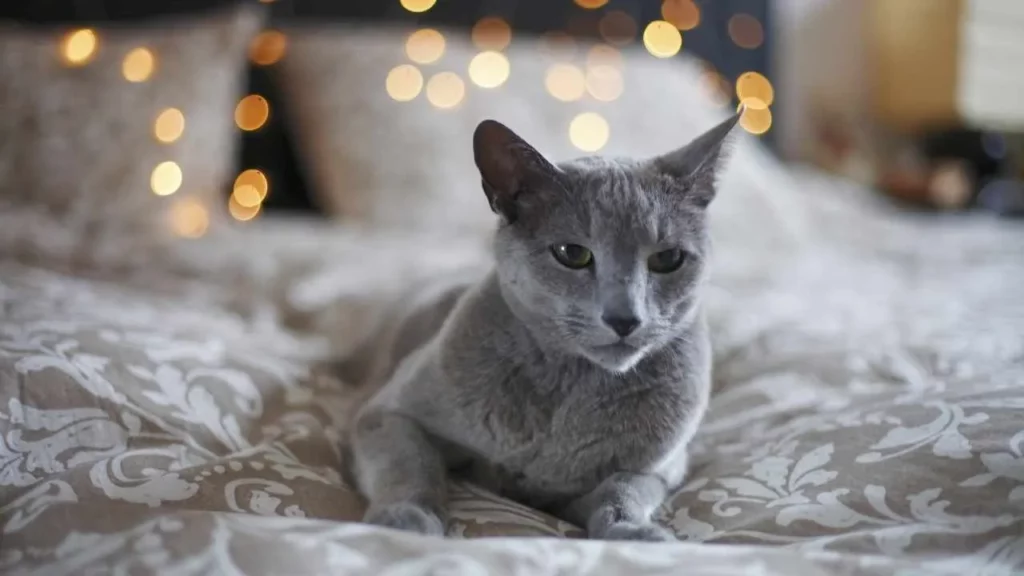
If elegance had a feline form, it would probably look like the Korat. This rare little charmer hails from Thailand, with depictions dating back to 1350—basically making them the aristocrats of the cat world.
Their shimmering silver-blue coat and petite frame give them a delicate, almost magical appearance, as if they’ve just stepped out of a royal Thai painting. One of the Korat’s most endearing features is its heart-shaped head, topped with alert, luminous green eyes that seem to pierce right into your soul.
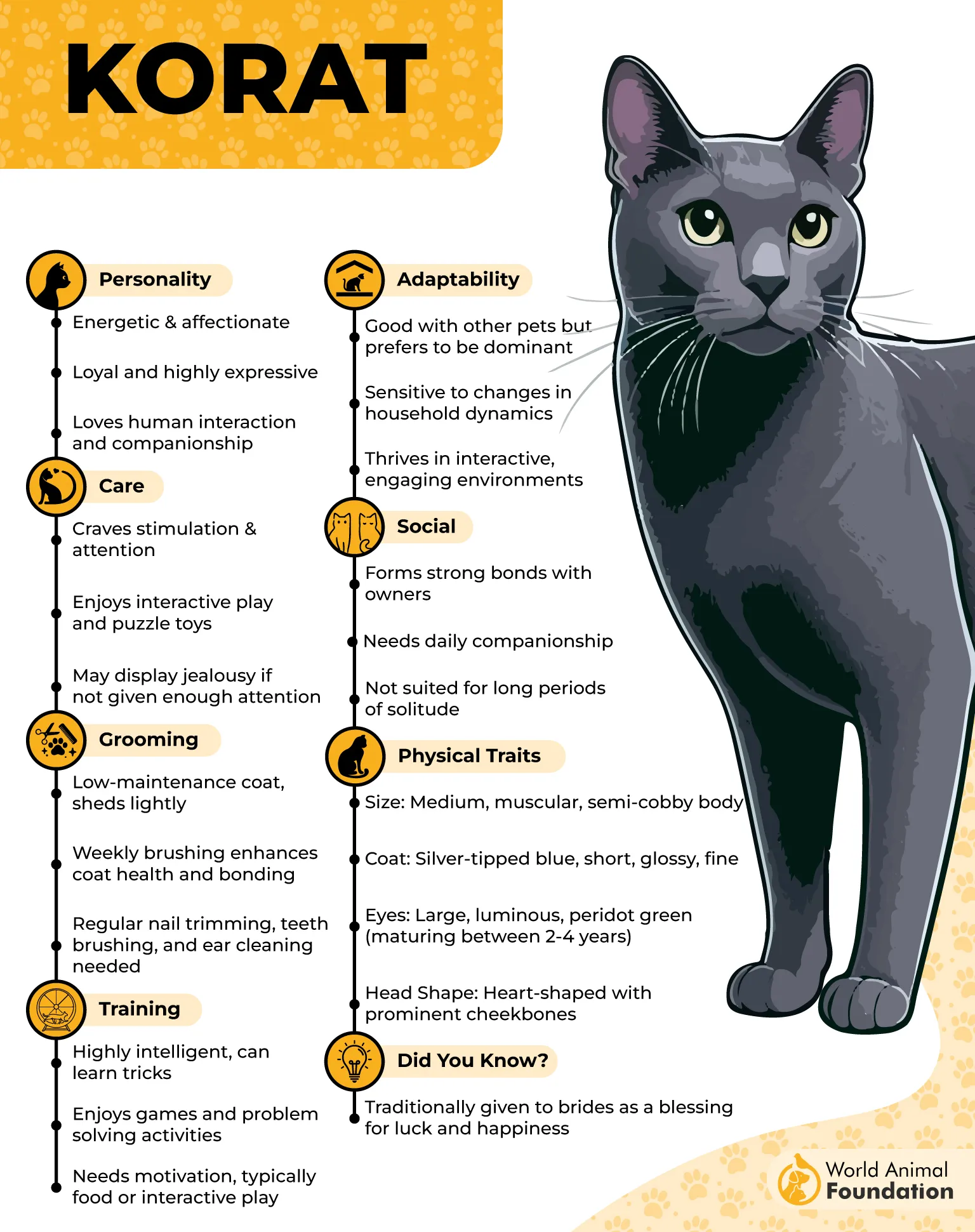
Despite their small size, these cats are packed with personality. They’re playful, intelligent, and incredibly loyal to their humans. Think of them as tiny bodyguards with a gentle touch—they’ll follow you around, supervise everything you do, and occasionally remind you who’s really in charge.
Korat cats are also steeped in tradition: in Thailand, they were considered symbols of good luck and prosperity, often given as wedding gifts to bring happiness to newlyweds.
So yes, adopting a Korat is basically inviting a little furry good fortune into your home… plus a few playful “attacks” on dangling shoelaces.
Fun Fact: The Korat is known for being extremely expressive—they communicate with soft chirps, trills, and purrs that make it impossible not to fall in love. Essentially, they’re part cat, part tiny conversationalist.
6. Himalayan
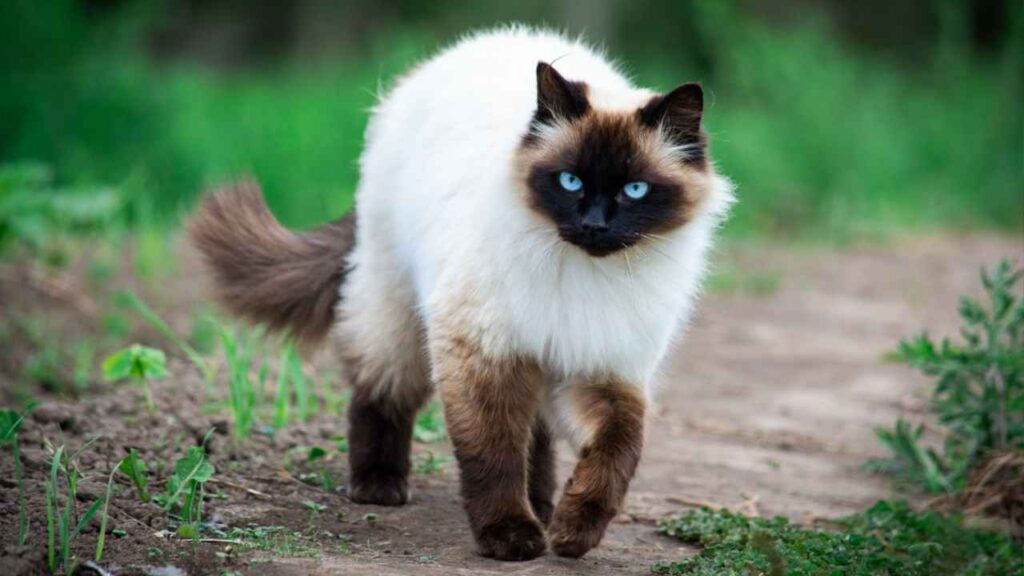
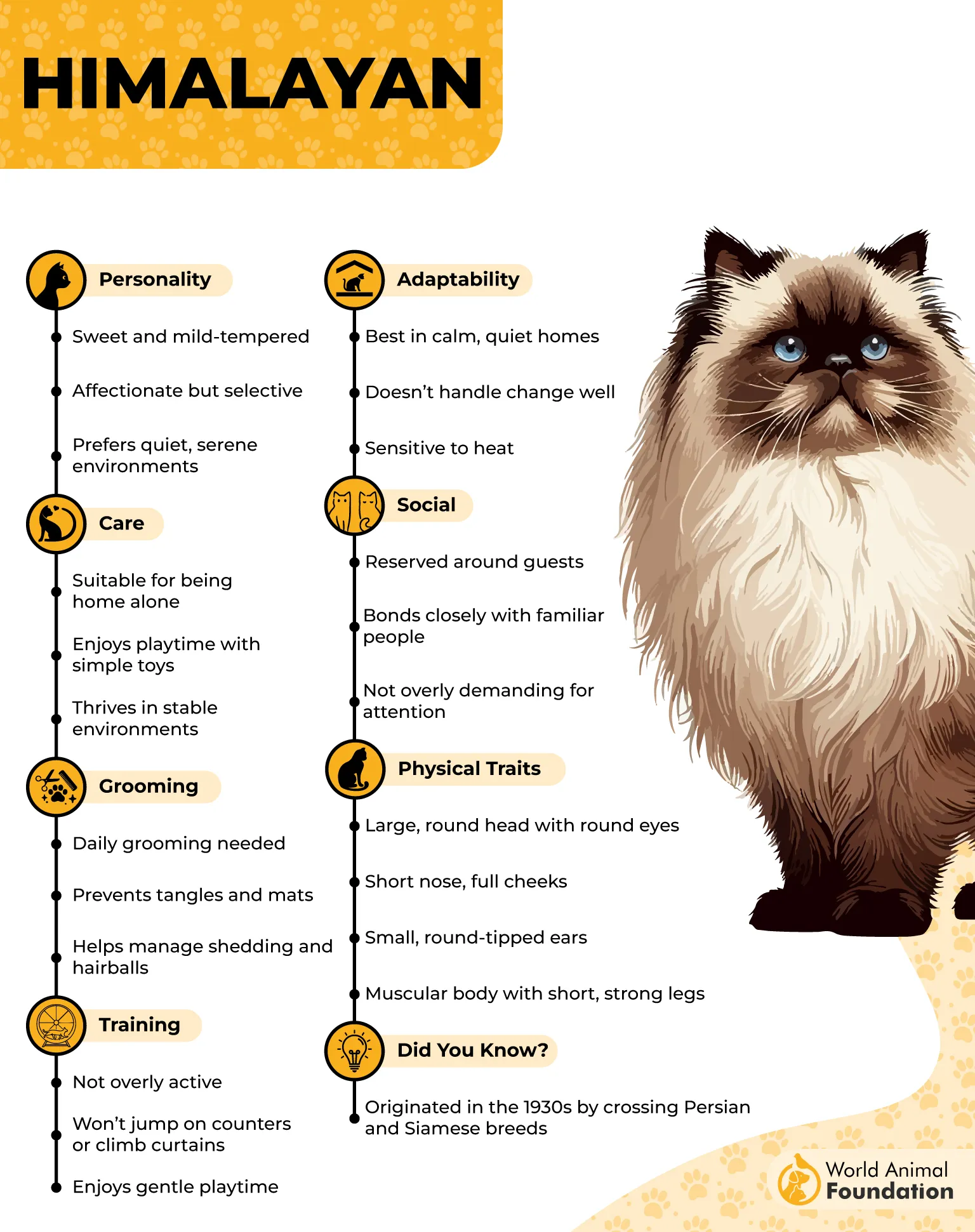
These gentle, sweet-natured kitties are experts in the art of relaxation—and they might just teach you a thing or two about staying calm in a stressful world. Perfect for anyone seeking a soft, purring therapist, the Himalayan thrives on companionship and affection, making them the ultimate cuddle buddy.
Himalayans are part of the Persian Breed Group, so yes—they come with the iconic long, luxurious coat and that signature squishy-faced charm. They’re often grouped with Persians and Javanese cats, but don’t be fooled: Himalayans bring their own brand of elegance and warmth.
They’re one of the oldest cat breeds, with depictions dating back as far as 1684 B.C.—which means humans have been obsessing over their beauty for a long, long time.
Beyond their serene personalities, Himalayans love a routine and will happily lounge in sunbeams, curl up on laps, and gently “supervise” your life from a nearby cushion. Their expressive blue eyes often communicate exactly how they feel, which is usually: “I love you… And also, feed me now.”
Fun Fact: Despite their majestic looks, Himalayans are surprisingly playful and curious—so expect bursts of kitten-like antics even as adults. Basically, they’re fluffy Zen masters with a mischievous streak.
7. Persian
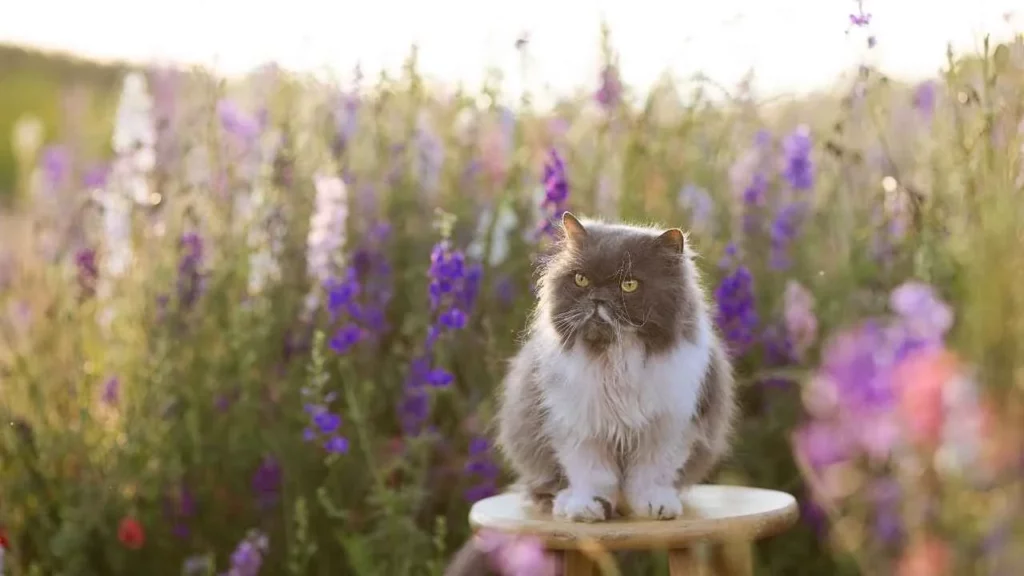
This most popular cat breed dates back to the 1600s, earning a long history as one of the oldest and most admired cat breeds. In Persian historical records, they were celebrated as “long-haired beauties,” and honestly, not much has changed—they still turn heads today with their luxurious coats and majestic presence.
Persians are the ultimate companions for mellow households. PetMD noted they’re docile, sweet-tempered, and intelligent, making them perfect for anyone who enjoys quiet snuggles, gentle purring, and the occasional “supervisory glare” from atop a couch.
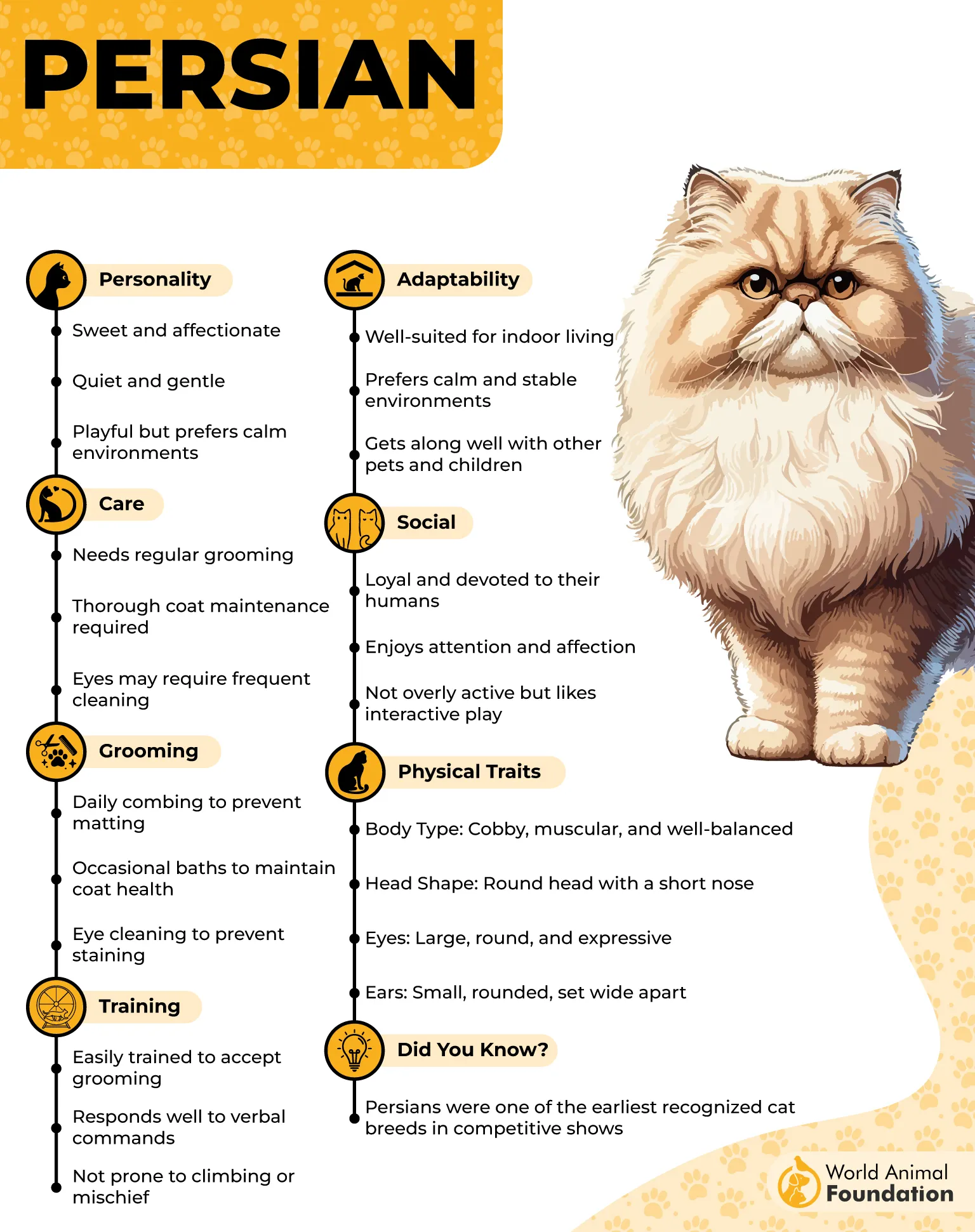
They can be a little reserved around strangers, so don’t be offended if it takes a few days for them to approve of your existence. Once they do, though, they form deep, loving bonds that last a lifetime.
Yes, they require regular grooming—their long, silky fur isn’t going to maintain itself—but it’s a small price to pay for such elegance and companionship. Think of it as a spa day for your cat… and maybe a little therapy for you too.
Fun Fact: Persian cats are often described as the “aristocrats” of the cat world. They’ve been featured in paintings, literature, and even movies—basically anywhere elegance is required.
8. Burmese

Meet the Burmese—a charming, playful cat with a story as interesting as its personality. This beloved breed owes its existence to a small, sweet brown cat named Wong Mau, who traveled from near the border of Thailand and then-Burma to America in 1930.
Originally, Burmese cats were only accepted in a light brown hue, but over time, breeders expanded the palette—so now these little lovelies can be chocolate, sable, blue, lilac, and more. No matter the color, Burmese cats share a signature personality: affectionate, playful, and endlessly charming.
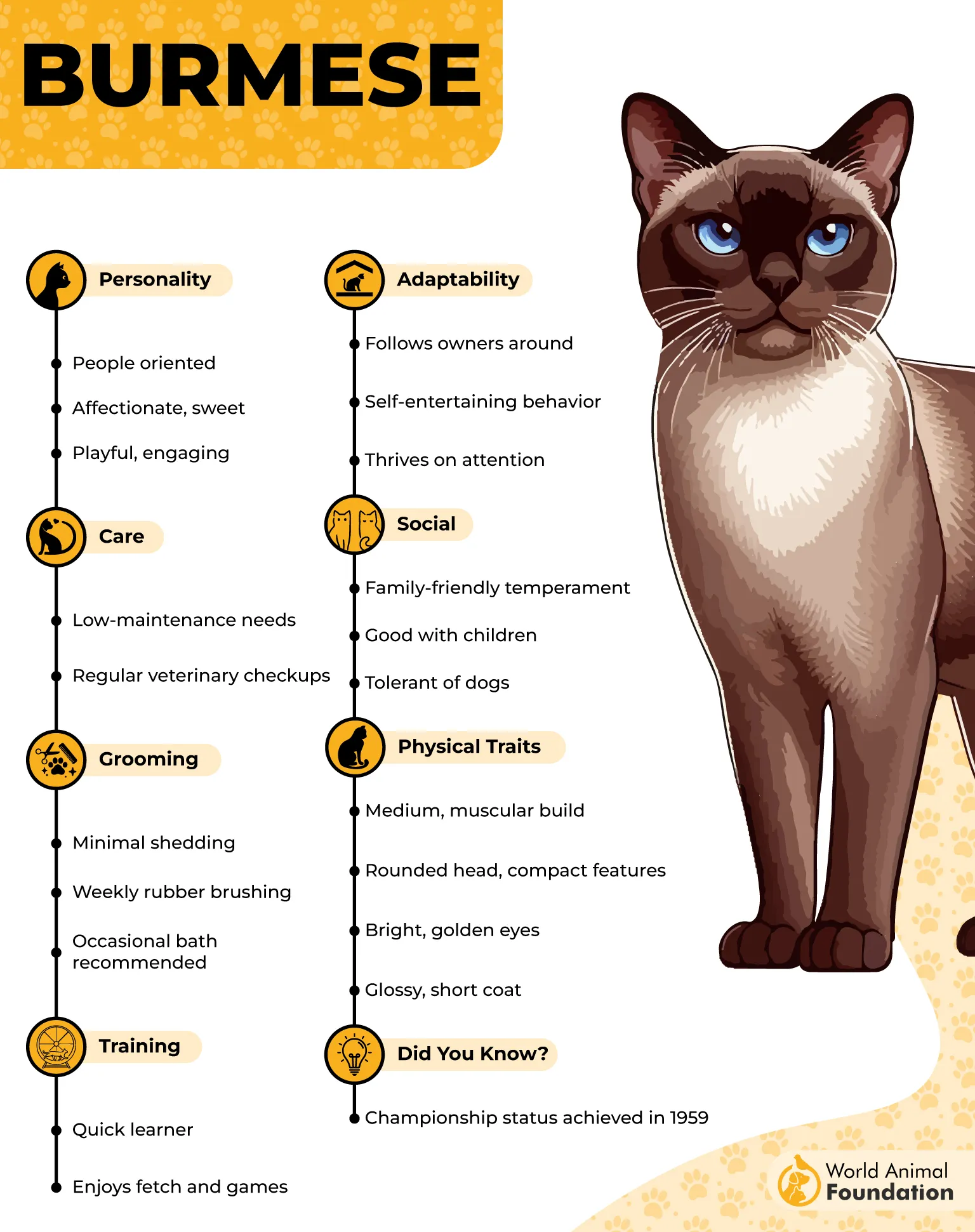
They thrive on human companionship, often following you around with a curious gaze and a soft, sweet voice that makes it impossible not to give them attention. Despite their delicate appearance, Burmese cats are surprisingly strong and athletic, capable of impressive acrobatics and playful antics.
Think of them as tiny brown acrobats with a penchant for cuddles and mischief. They also love interactive play, so if you’re looking for a cat that’s both a snuggle buddy and a little entertainment machine, the Burmese is your perfect match.
Fun Fact: Burmese breeds are often called “people cats” because of their love for human companionship. Some even get jealous if you show attention to another pet—so be prepared for some adorable bossiness!
9. Birman
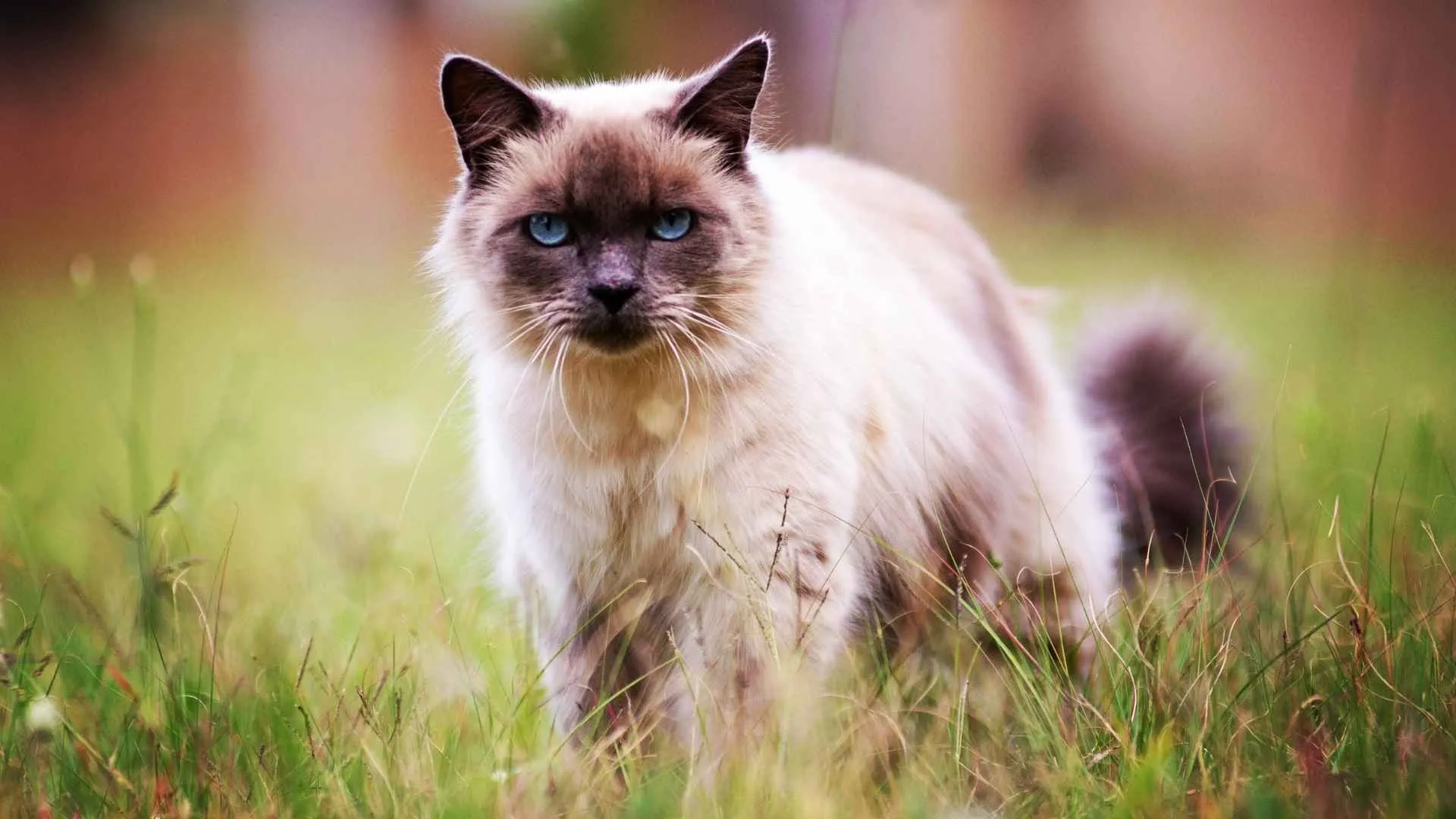
Meet the Birman, a cat that practically radiates elegance and mystery. Originating from what was once Burma (now Myanmar), these kitties are steeped in legend—and let’s just say, their story is as enchanting as their looks.
According to lore, Birmans were the sacred companions of Kittah priests in regal temples, which explains their often pristine white fur—a symbol of purity and, maybe, a little divine patience when humans fumble with treats.

Modern Birmans mostly trace their lineage back to France, where breeders began refining these gorgeous cats in the 1920s.
The result? A companion cat with silky fur, deep blue eyes, and a personality that’s equal parts affectionate and dignified. Birmans are social, loving, and often gentle, making them perfect for families or anyone who wants a cat with elegance and a soft, purring personality.
These cats are playful but never over-the-top, striking a balance between serenity and curiosity. They’ll happily follow you around the house, supervising everything you do while occasionally reminding you who’s in charge—with a soft paw or a subtle gaze.
Fun Fact: Birman cats are sometimes called “Sacred Cats of Burma” because of their temple ties. So, if you ever catch a Birman staring thoughtfully out a window, just assume they’re meditating on cosmic mysteries—or planning their next snack break.
10. Khao Manee
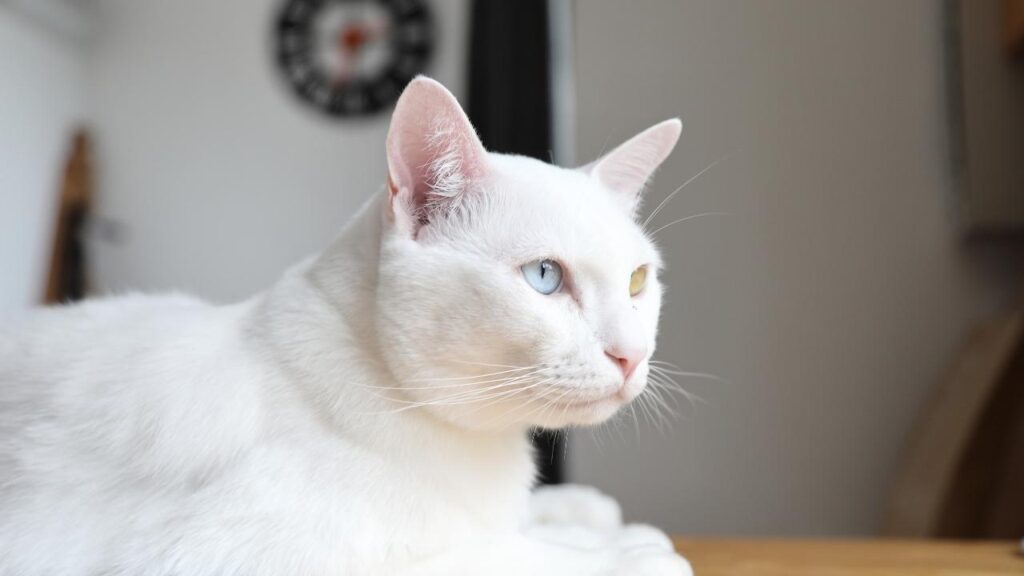
Meet the Khao Manee, Thailand’s dazzling little treasure. If cats had a crown jewel, it would be this breed—rare, sparkling white, and sporting eyes so vivid they look like tiny sapphires, emeralds, or gold coins.
These kitties weren’t crafted in a breeder’s lab; they appeared naturally, earning their reputation as one of the most stunning feline wonders in the world. Khao Manees are mentioned as far back as the 14th century in the Tamra Maew, a Thai book of poetry dedicated to cats.
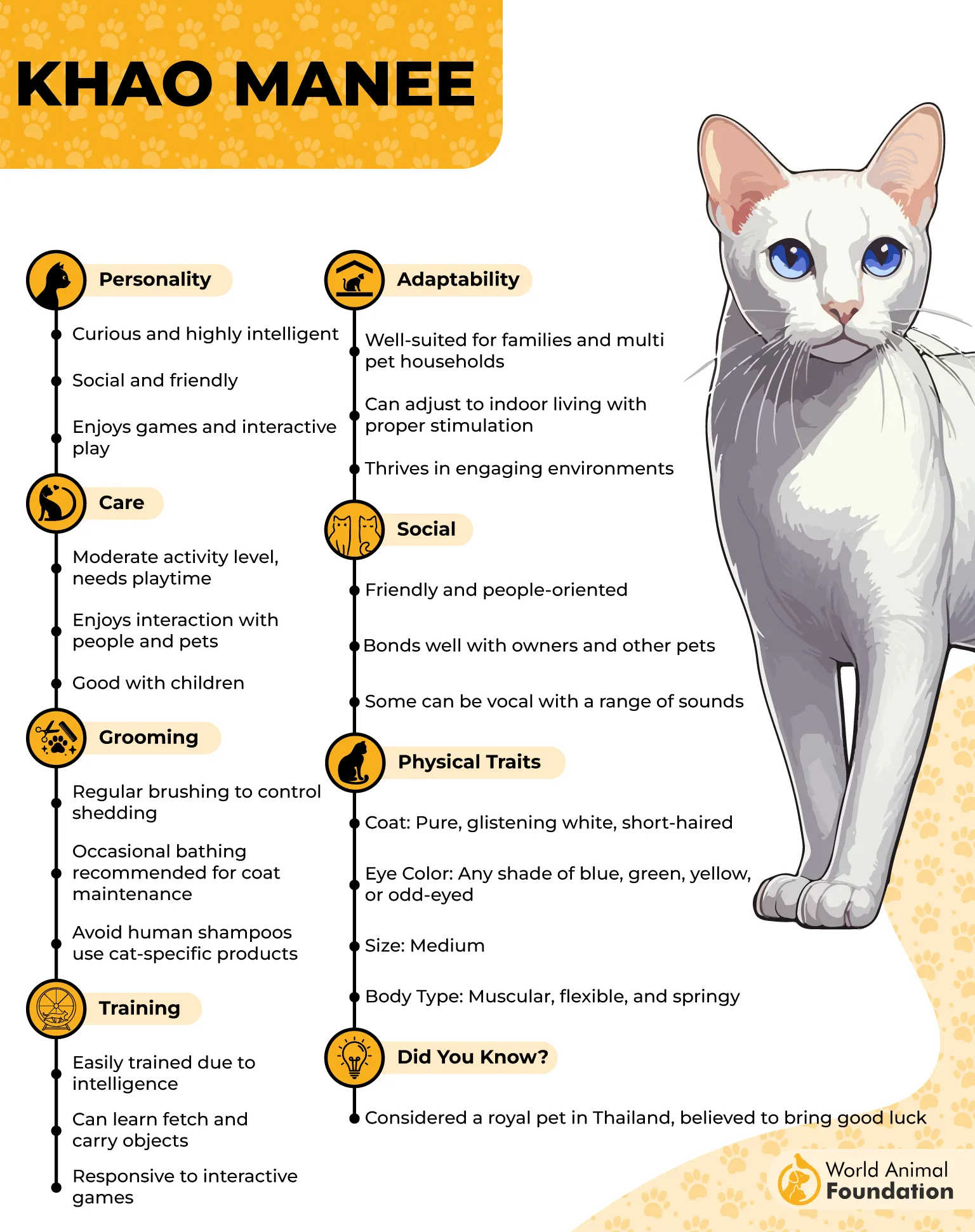
Clearly, people were swooning over them even then—and who could blame them? With their gleaming coats and jewel-toned eyes, these cats are the feline equivalent of royalty.
Don’t be fooled by their regal appearance, though. Khao Manees are playful, mischievous, and endlessly curious. They love to explore, pounce, and interact with their humans, often reminding you that behind that sparkling facade is a very real cat with cat-sized ambitions (like knocking over your favorite vase for fun).
Fun Fact: Because of their rarity and beauty, Khao Manees can be extremely expensive, sometimes selling for tens of thousands of dollars.
Conclusion
Asia is home to naturally occurring breeds like Turkish Angora cats, Turkish Van cats, Balinese cat and the Oriental Shorthair, all celebrated for their silky coats, coat patterns, tabby patterns, and striking colors and patterns. Recognized by the International Cat Association and Cat Fanciers Association, these popular breeds include breeds with medium-sized, muscular bodies, alert gaze, and laid-back, social personalities, making them great pets and loyal companions.
Whether a street cat, a wild cat, or part of a breeding program, these stunning cats show human influence yet retain their true origin, genetic mutation, ensuring perfectly happy cats that enjoy playing and achieve championship status among other cats and other breeds in the cat world.
