




Do you love cats but live like your calendar is trying to win a competition? If you’re always on the move, the “right” cat isn’t the one with the fanciest pedigree; it’s the one whose personality matches your pace.
Some cats are perfectly happy with independent downtime, short bursts of play, and a predictable routine, while others want constant company, long conversations, and a front-row seat to every moment of your day. That difference matters when your work runs late, your weekends are full, or travel pops up more often than you’d like.
This guide is all about finding cats that typically handle busier lifestyles better, including traits to look for, breed tendencies to consider, and practical ways to keep your cat comfortable when you’re out.
You’ll also get simple setup tips so your home still feels like a safe, entertaining basecamp for your furry roommate.
Best Cat Breeds for People Who Are Always on the Move
1. American Shorthair
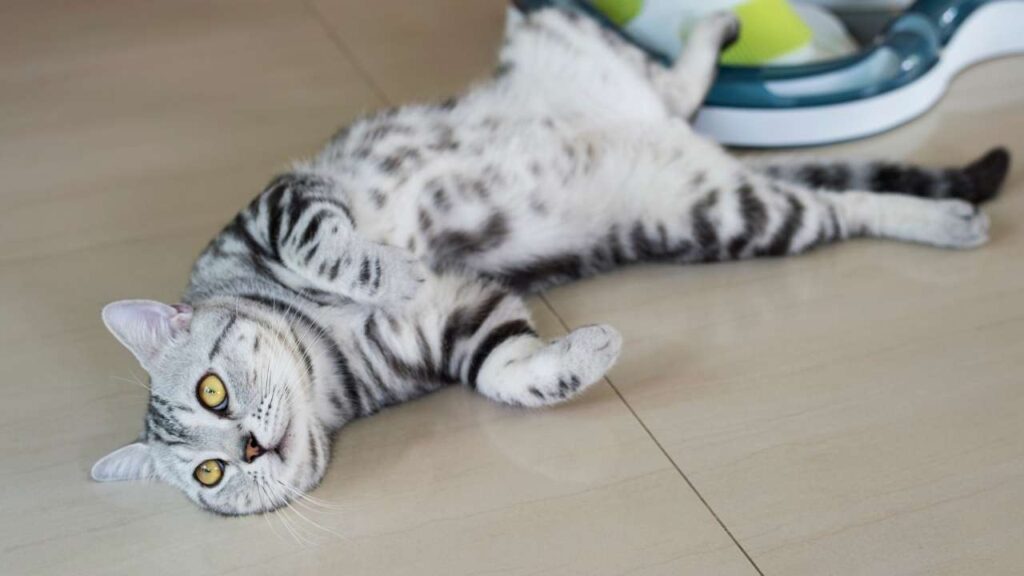
The American Shorthair is often a solid pick when you want a cat that can roll with real life. As per Purina, they’re known for being adaptable and independent, with a friendly streak that makes them pleasant company without being needy.
This breed has a sturdy build and a short, dense coat that’s designed for easy upkeep. Their background as working cats shows up in quick bursts of play, especially if you bring out wand toys or anything that “moves like prey.”
Day to day, their grooming is usually simple, and they don’t typically require complicated routines to look good. Give them a few favorite spots to lounge, a little play, and they tend to settle in like they’ve lived there forever.
They’re also known for handling different home setups well, which is helpful if your schedule changes often. Consistent food, water, and a clean litter box matter most, plus regular vet care like any cat.
Fun Fact
The breed wasn’t officially called “American Shorthair” until 1966. The name was used to separate them from other domestic shorthair cats.
2. Persian
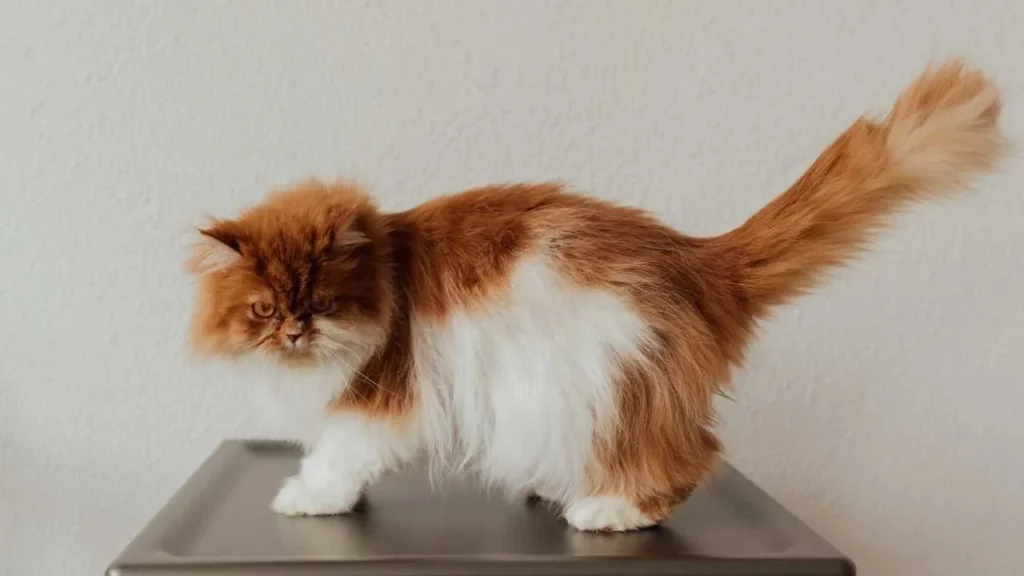
Persian cats have a calm, quiet style that makes them feel like the laid-back friend in your group chat. They’re often described as sweet and gentle, with a preference for peaceful routines over chaos.
They’re easy to recognize by their long, thick coat and flat-faced look with big, expressive eyes. Persians also come in many colors and patterns, so you’ll see a wide range of “Persian looks” while the overall vibe stays pretty consistent.
The catch is grooming, because that coat needs regular attention to avoid tangles and mats. Many also need daily face and eye care due to increased tearing, which becomes part of the normal routine, as noted by PetMD.
They usually enjoy gentle play but are more into lounging than marathons. If you’re choosing a Persian, plan for committed coat care and steady vet checkups to support their comfort.
Fun Fact
Persians didn’t always have very flat faces. The “peke-faced” look became popular over time through selective breeding.
3. Scottish Fold
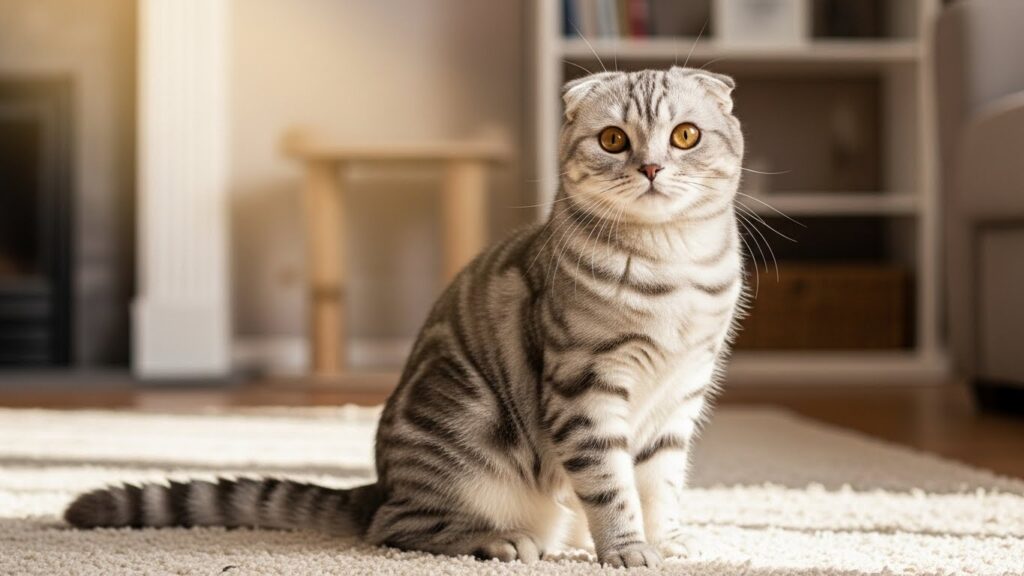
Scottish Folds look like they’re permanently listening, thanks to their folded ears and round, owl-like expression. That signature face comes with a sweet, calm personality in many cats, plus a quietly playful side.
Instead of nonstop zoomies, they’re often more into controlled fun, like a well-timed wand toy session. Many enjoy interactive play and can be affectionate without acting glued to you all day.
Their coat can be short or long, and grooming stays pretty manageable when you keep it consistent. The bigger priority is setting up their home so essentials are easy to reach, especially since the breed can be prone to orthopedic issues, as noted by Hill’s Pet.
They often enjoy company and routine, but they’re not always the type to demand constant attention. Regular vet care is especially important for this breed, with close attention to comfort and mobility.
Fun Fact
The folded ears are linked to a genetic cartilage issue. That same trait is also why Scottish Folds can be prone to bone and joint problems.
4. Manx
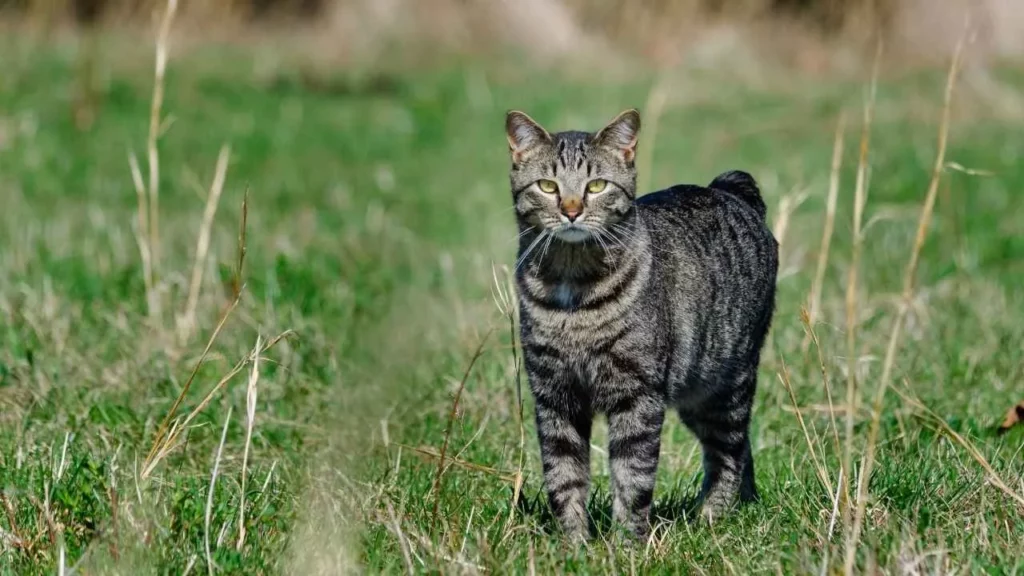
The Manx is best known for having little to no tail, which gives them a very distinctive silhouette. They’re often described as people-oriented cats that form strong bonds and like being close to their humans.
Many Manx cats are playful, smart, and can enjoy learning tricks, including games like fetch. They’re also known for being curious and may even show interest in water compared to the average cat.
Because they’re bright and active, they tend to appreciate enrichment, like puzzle toys and interactive play. A confident routine helps, too, since they can be very tuned in to what their people are doing.
Manx cats have breed-specific health considerations, so responsible care includes regular vet visits and keeping an eye on movement and comfort. With good care, they’re often a fun, loyal companion.
Fun Fact
Some Manx cats are completely tailless, while others have a short tail. The breed is famous for that range, not just a single “tail type.”
5. Ragdoll

Ragdolls are famously relaxed cats with a reputation for being friendly, social, and easy to live with. They’re often described as gentle companions who enjoy being near their people, even if they’re not constantly demanding attention.
They’re large, fluffy cats, and many have striking blue eyes and a soft coat. Their energy level is commonly described as moderate, so they usually enjoy playtime but don’t need constant high-speed entertainment.
Coat care is often simpler than you’d guess for a fluffy cat, as long as brushing happens regularly. Many owners find that once or twice a week works well, with more brushing during shedding seasons.
They can have health concerns worth watching for, so routine vet care is important. If you want a cat that leans into calm affection, the Ragdoll is known for that.
Fun Fact
The breed’s name comes from how relaxed they can get when picked up. Many will go limp in your arms like a cuddly ragdoll.
6. Bengal
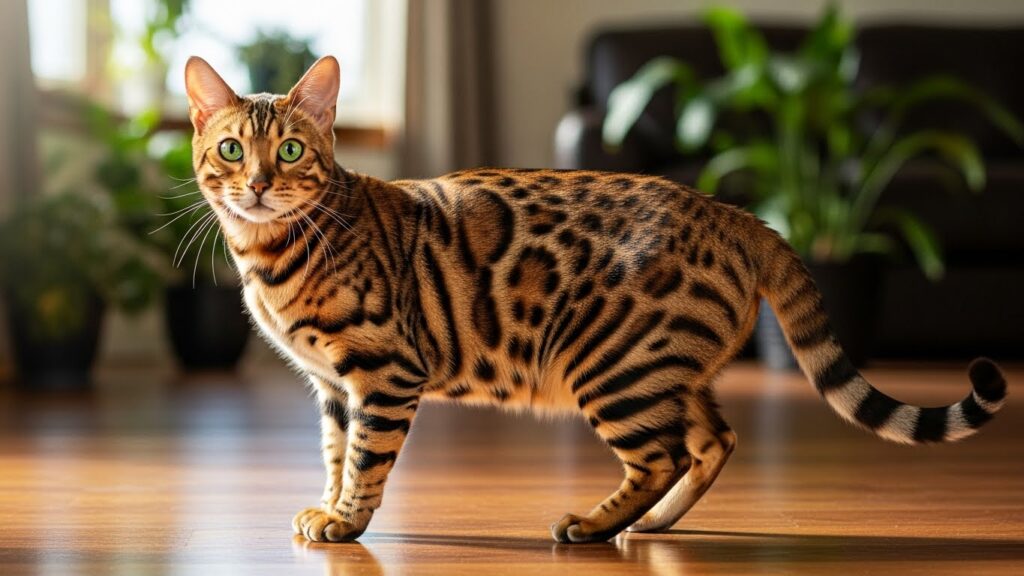
Bengals look like tiny jungle cats with their sleek bodies and bold spotted or marbled coats. They’re athletic, alert, and often carry themselves like they own the hallway, the couch, and your schedule.
Personality-wise, Bengals are typically high-energy and curious, with a strong drive to explore and play. They often do best with lots of engagement, because boredom can turn into “creative redecorating” fast.
Their coat is short and usually pretty easy to maintain, but their lifestyle needs are the real commitment. Climbing options, puzzle toys, and daily interactive play help keep them balanced and happy.
They can be very people-oriented, but usually on their own intense terms. If you like an active, smart cat that wants to be part of everything, a Bengal can be an exciting companion.
Fun Fact
Bengals are known for their dramatic, wild-looking coats, including striking spots or marbling. That look is a major reason they’re often compared to small wild cats.
7. Maine Coon
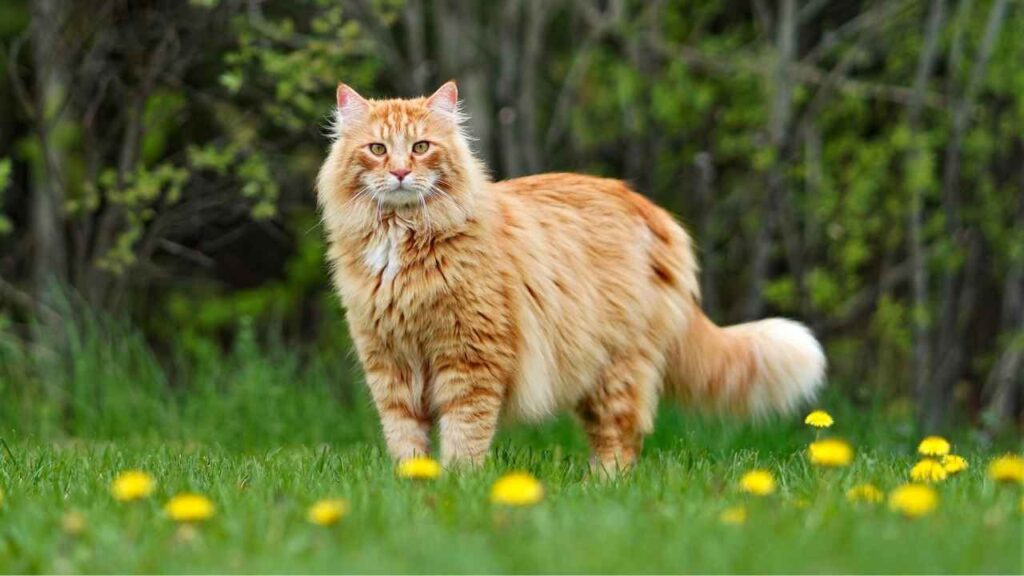
Maine Coons have “gentle giant” energy, and they often act friendly and confident in a way that feels easy to live with. They can be social and affectionate, sometimes following their humans around like a calm, fluffy assistant.
They’re one of the largest domestic cat breeds, with tufted ears, a long body, and a big, shaggy coat built for colder weather. That coat and their massive tail give them a very distinctive, rugged look.
Grooming is part of the package, since their fur can tangle if it’s ignored. Regular brushing helps keep mats from forming and makes shedding more manageable, especially during seasonal coat changes.
Because they’re large, steady attention to diet, weight, and overall comfort matters. Routine vet care and a good home setup help them stay comfortable as they grow and age.
Fun Fact
Maine Coons are famous for their size, often ranking among the largest domestic cats. Their thick, weather-ready coat is part of what gives them that classic “outdoorsy” look.
8. Ocicat
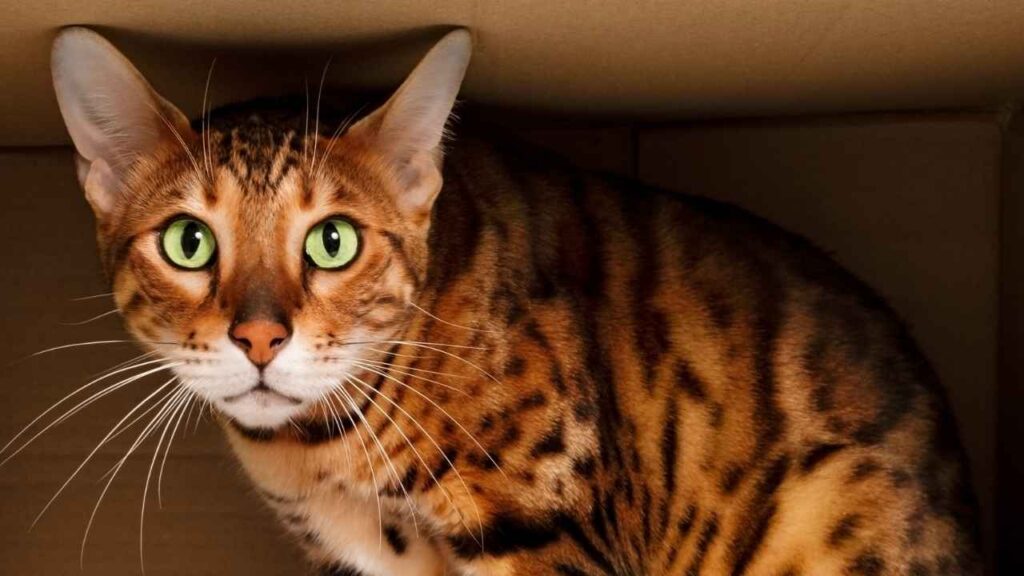
The Ocicat has a wildcat look, but it’s a fully domestic breed with a bold spotted coat and a sleek, muscular build. They tend to look like they should be prowling a savannah, even if they’re actually prowling your kitchen for snacks.
They’re often described as confident, social, and very interactive. Many enjoy being involved with people and can act more like a busy companion than a distant observer.
Ocicats usually appreciate action and structure, so interactive play and puzzle-style activities help keep them satisfied. They’re often athletic and curious, so climbing options and safe exploration are usually a hit.
Their coat is short and typically low-fuss, which is nice because their energy can be the bigger project. If you want a social cat that keeps things lively, the Ocicat is known for that vibe.
Fun Fact
Despite the name, the Ocicat has no recent wildcat ancestry. The “ocelot” look comes from selective breeding for that spotted coat pattern.
9. Abyssinian
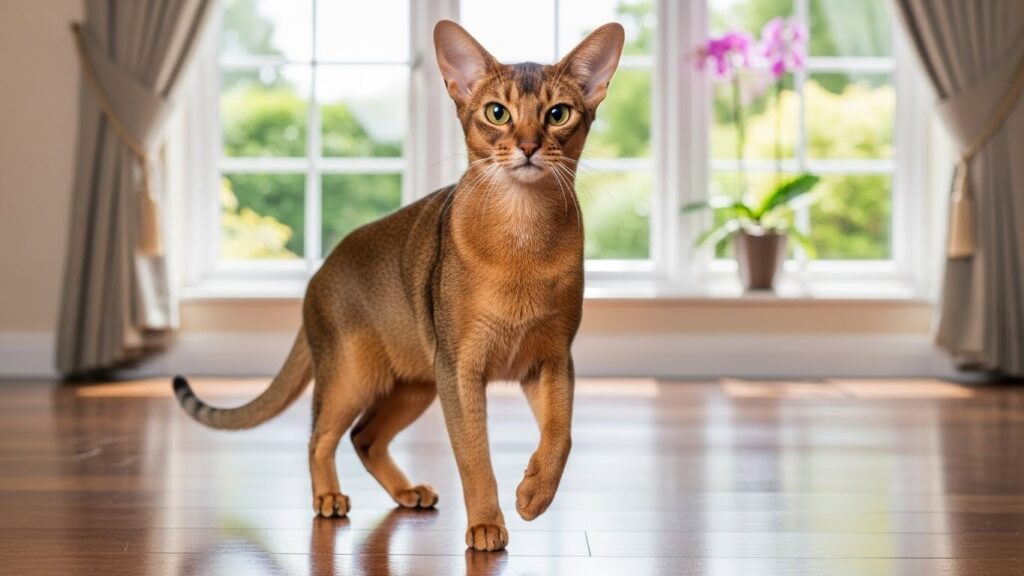
Abyssinians are often described as the busy, curious cats who want to be wherever the action is. They’re known for being active and engaged, preferring to explore, climb, and investigate rather than lounge for hours.
Their coat is short with a distinctive ticked pattern that gives a subtle, shimmering look. Abyssinians also tend to have an elegant, athletic build that matches their energetic personality.
They usually thrive with plenty of enrichment, including climbing spaces and daily interactive play. Mental stimulation is just as important as physical activity for this breed, because they’re often described as smart and easily bored.
Affection can look a little different with Abyssinians, since many show love by sticking close and joining in rather than sitting still for long cuddles. If you enjoy a cat that feels like a cheerful sidekick, they’re a classic choice.
Fun Fact
The Abyssinian’s ticked coat is one of its signature traits, with each hair showing bands of color. That pattern creates a warm, glowing effect across the coat.
Conclusion
Adult cats are often the easiest starting point if you want calm cat breeds with an easygoing nature. Many great pets show their calm demeanor early, so you can choose a friendly cat who likes being in the same room, enjoys gentle routines, and handles being left alone without stress.
For minimal grooming, look for a short coat or a dense coat that stays neat with simple care, even if you’re bringing home a kitten into a busy family with dogs and other animals.
If you prefer active breeds, plan for play, enrichment, and even leash training for some cats. Other breeds such as Exotic Shorthair, Persian cats, British Shorthair, and Siamese, can also fit, whether you want a lap cat, a large cat, or a highly adaptable companion.
