




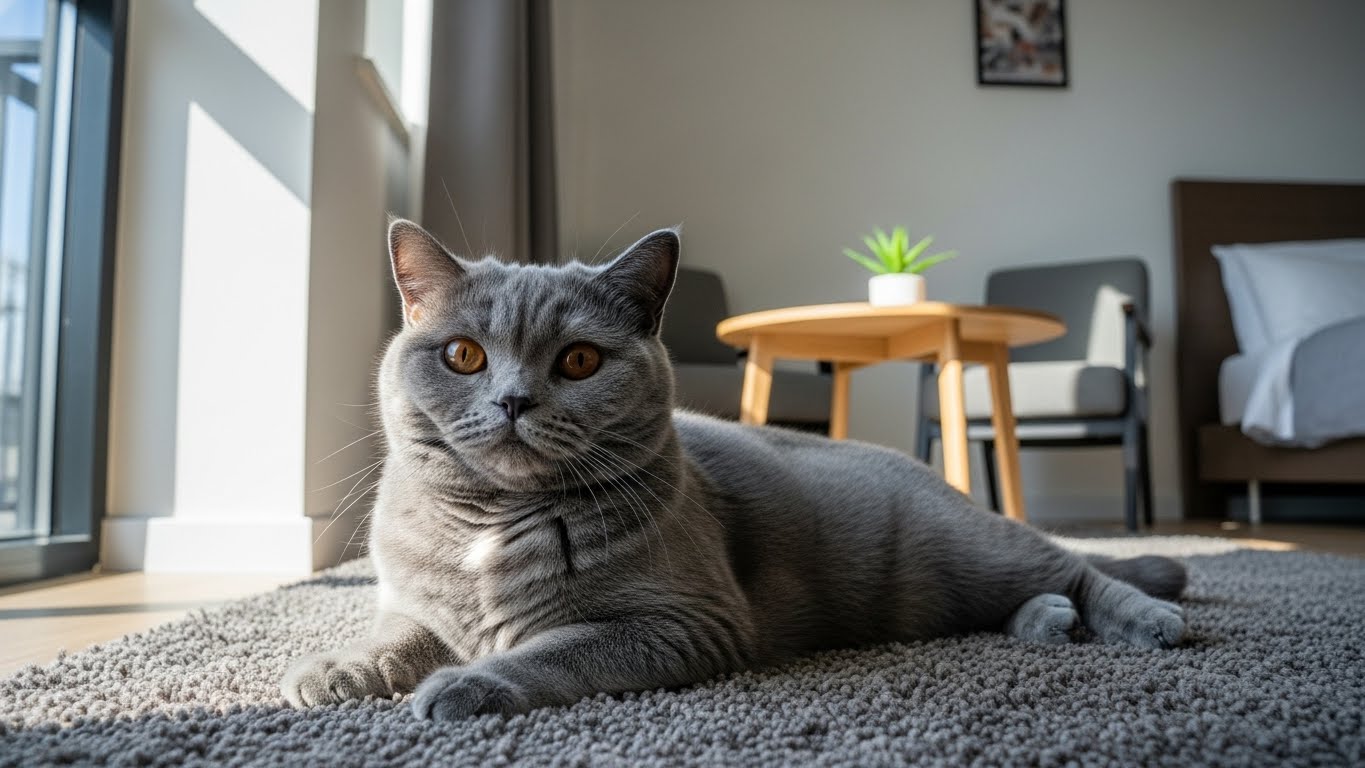
Living in a studio apartment does not mean you have to give up on the idea of sharing your space with a cat. The right breed can make all the difference, turning a compact home into a cozy, stress-free environment for both of you.
Some cats are naturally more adaptable, quieter, or content with smaller territories, which makes them a great fit for apartment life.
In this guide, we explore cat breeds that tend to thrive in studio apartments, focusing on temperament, activity level, and overall compatibility with limited space. Whether you are a first-time cat owner or downsizing your home, choosing wisely can help ensure a happy match.
Cat Breeds Best for Studio Apartments
1. British Shorthair
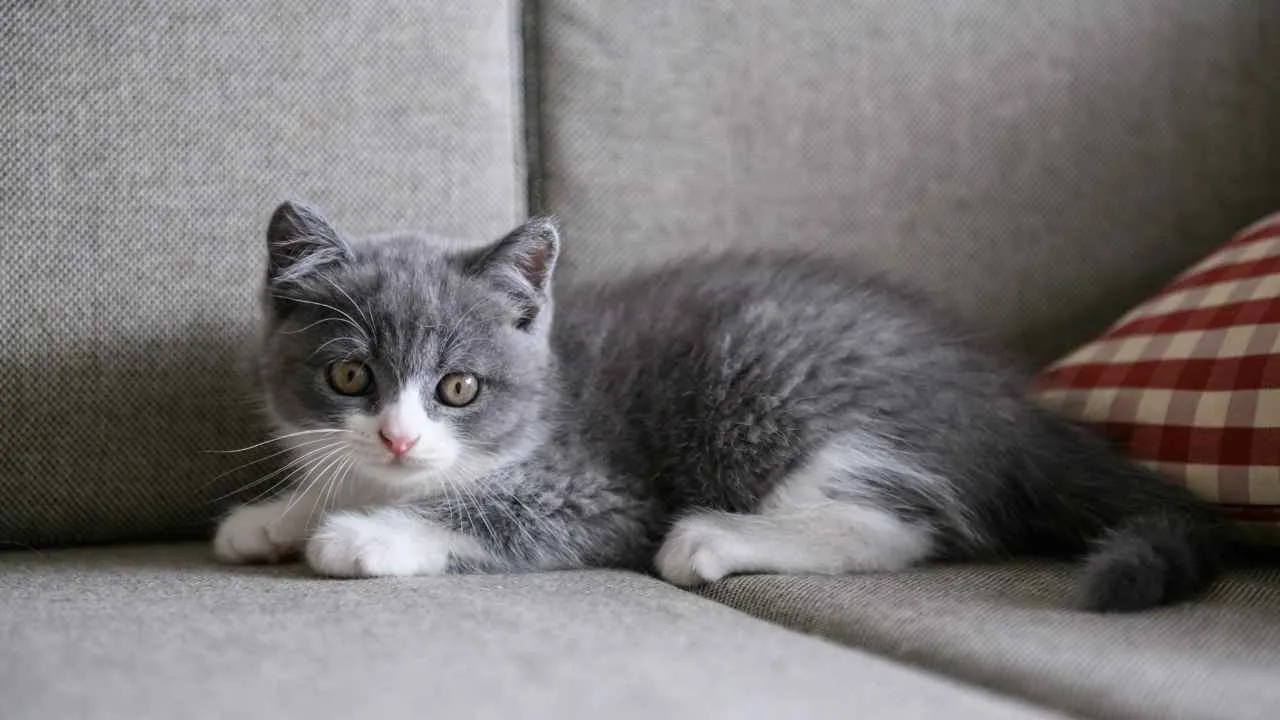
According to the CFA, the British Shorthair is known for its calm and steady personality, making it easy to live with in a quieter home. This breed tends to enjoy a predictable routine and often prefers observing its surroundings rather than being in constant motion. Its independent nature means it does not demand attention throughout the day.
Physically, the British Shorthair has a sturdy build and a plush, dense coat that gives it a rounded appearance. Grooming needs are moderate, with regular brushing helping to manage shedding. The breed is generally content spending time lounging, which aligns well with indoor living.
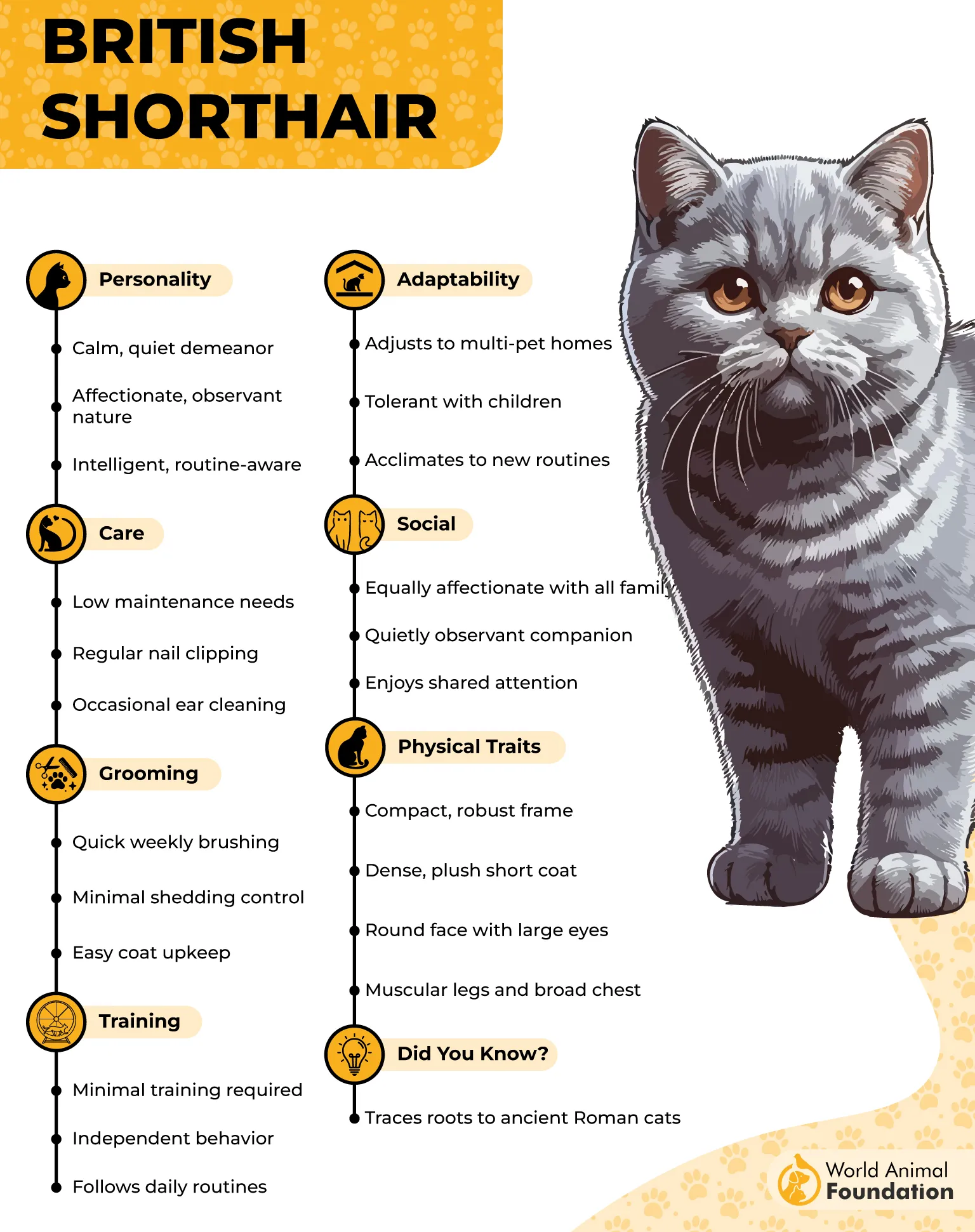
While affectionate, this cat often shows love in subtle ways. It may choose to sit nearby rather than on a lap, appreciating companionship without being overly clingy. This balance of closeness and independence can be appealing for owners who want a relaxed relationship with their cat.
Why This Cat Is a Good Fit
Comfortable spending time alone without becoming stressed
Calm behavior suits smaller, quieter living spaces
Enjoys indoor routines without needing constant stimulation
2. Ragdoll
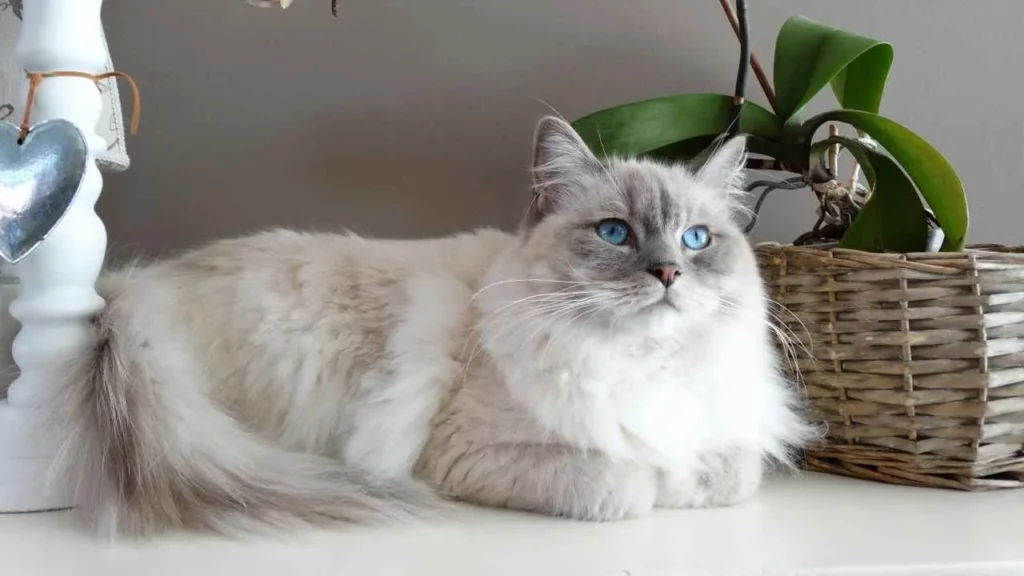
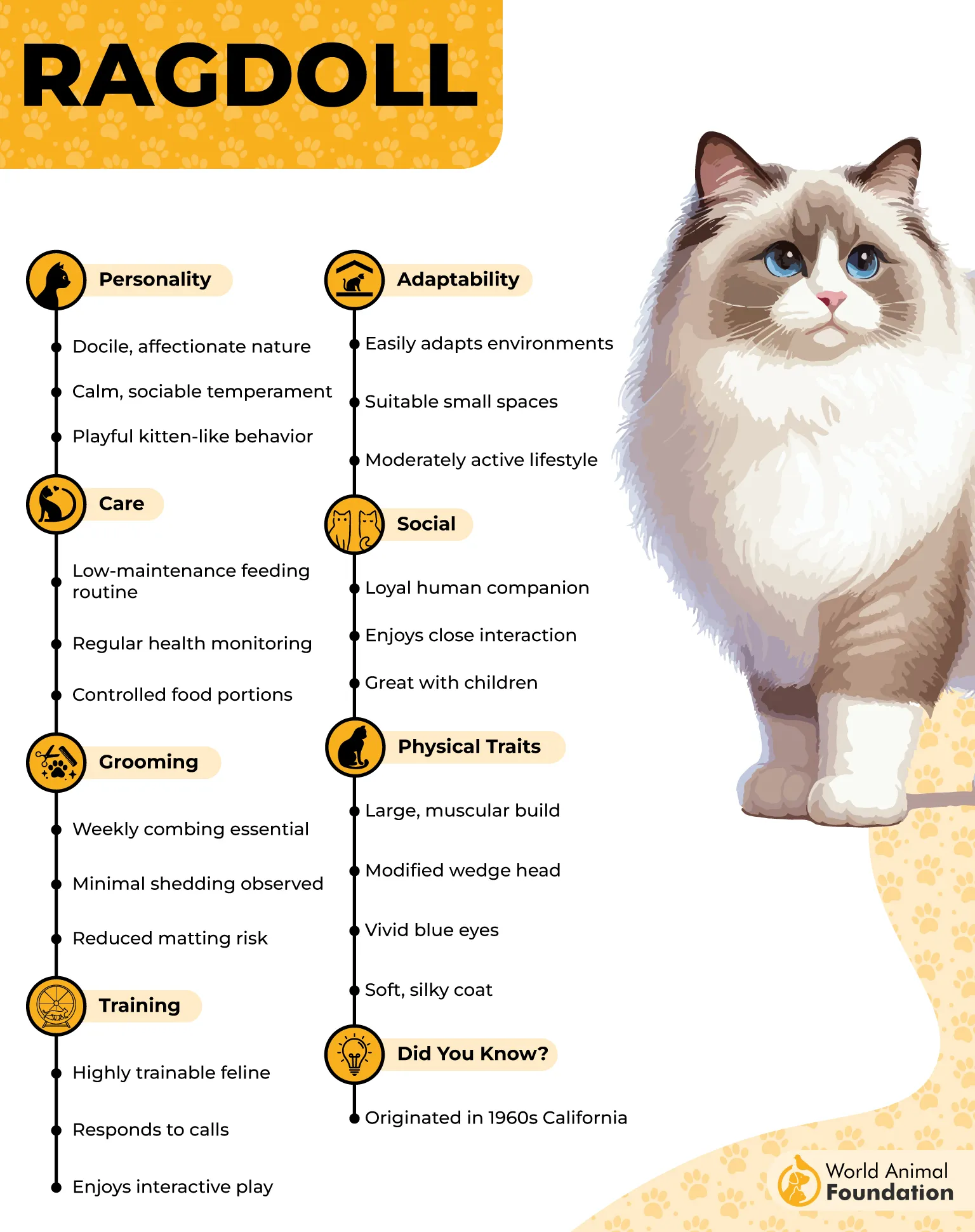
Ragdolls are widely recognized for their gentle and easygoing temperament. They tend to be very people-oriented and often enjoy following their owners from room to room. This breed is usually more relaxed than highly energetic cats.
Their soft, semi-long coat gives them an elegant look, yet it does not mat as easily as some other long-haired breeds. Regular grooming helps keep the coat clean and comfortable. Ragdolls are known for being physically large but not overly active indoors.
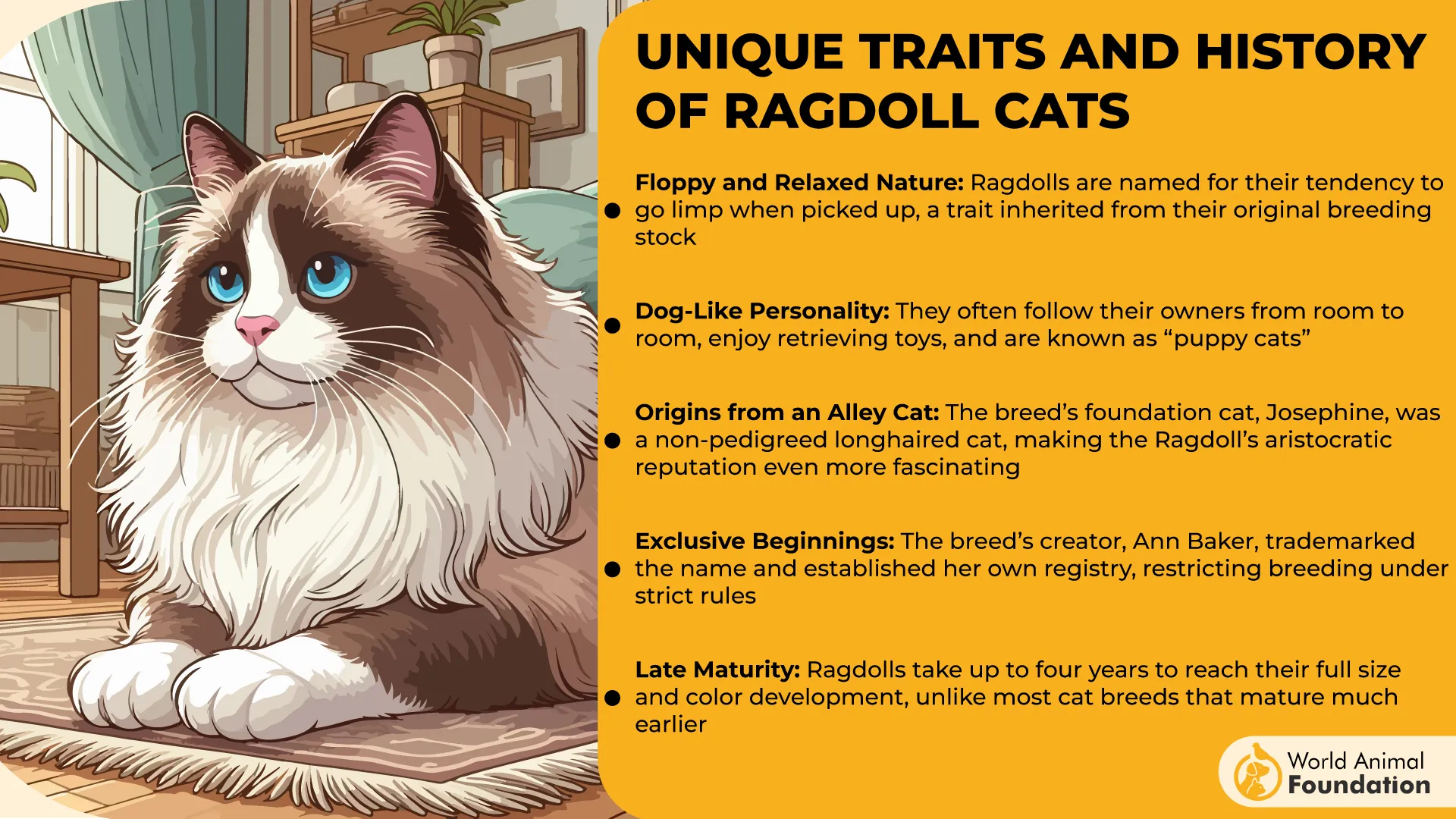
Social by nature, Ragdolls often enjoy being held and may seek out affection frequently. As per Purina, they are typically tolerant and patient, which can make daily interactions feel calm and positive. Their preference for staying close to their people often keeps them from roaming restlessly.
Why This Cat Is a Good Fit
Thrives on indoor companionship rather than outdoor exploration
Gentle energy level matches a smaller home environment
Enjoys being close without needing constant activity
3. Scottish Fold
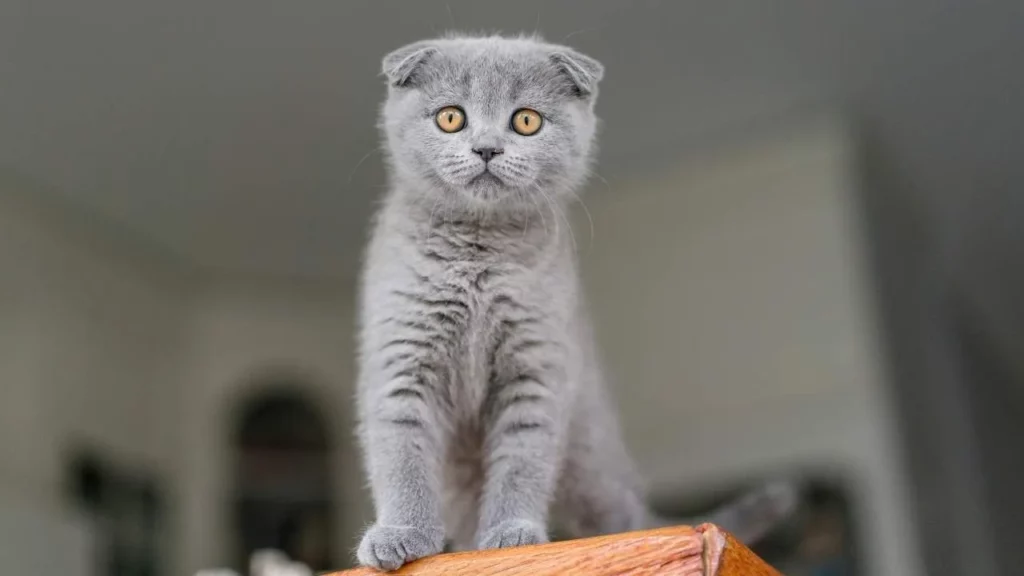
The Scottish Fold stands out due to its distinctive folded ears and sweet expression. Beyond appearance, this breed is known for a friendly and adaptable personality. It often forms strong bonds with its household members.
Scottish Folds tend to enjoy interactive play but are not usually hyperactive. They may alternate between short play sessions and long periods of rest. This rhythm allows them to adapt easily to indoor routines.

Many Scottish Folds enjoy sitting in unusual positions and observing daily life. Hill’s Pet states that they often seek out attention but are not overly demanding. Their sociable yet calm demeanor can make them pleasant companions in close living quarters.
Why This Cat Is a Good Fit
Adapts well to indoor routines and limited space
Balanced activity level suits apartment lifestyles
Enjoys human interaction without being overwhelming
4. Exotic Shorthair

The Exotic Shorthair is often described as laid back and affectionate cat breed. This breed tends to enjoy a slower pace, preferring comfortable spots for rest throughout the day. It usually bonds closely with its owners.
With a short, dense coat, grooming is simpler compared to long-haired relatives. Regular brushing supports coat health without requiring extensive effort. The breed’s flat facial structure gives it a unique, expressive look.
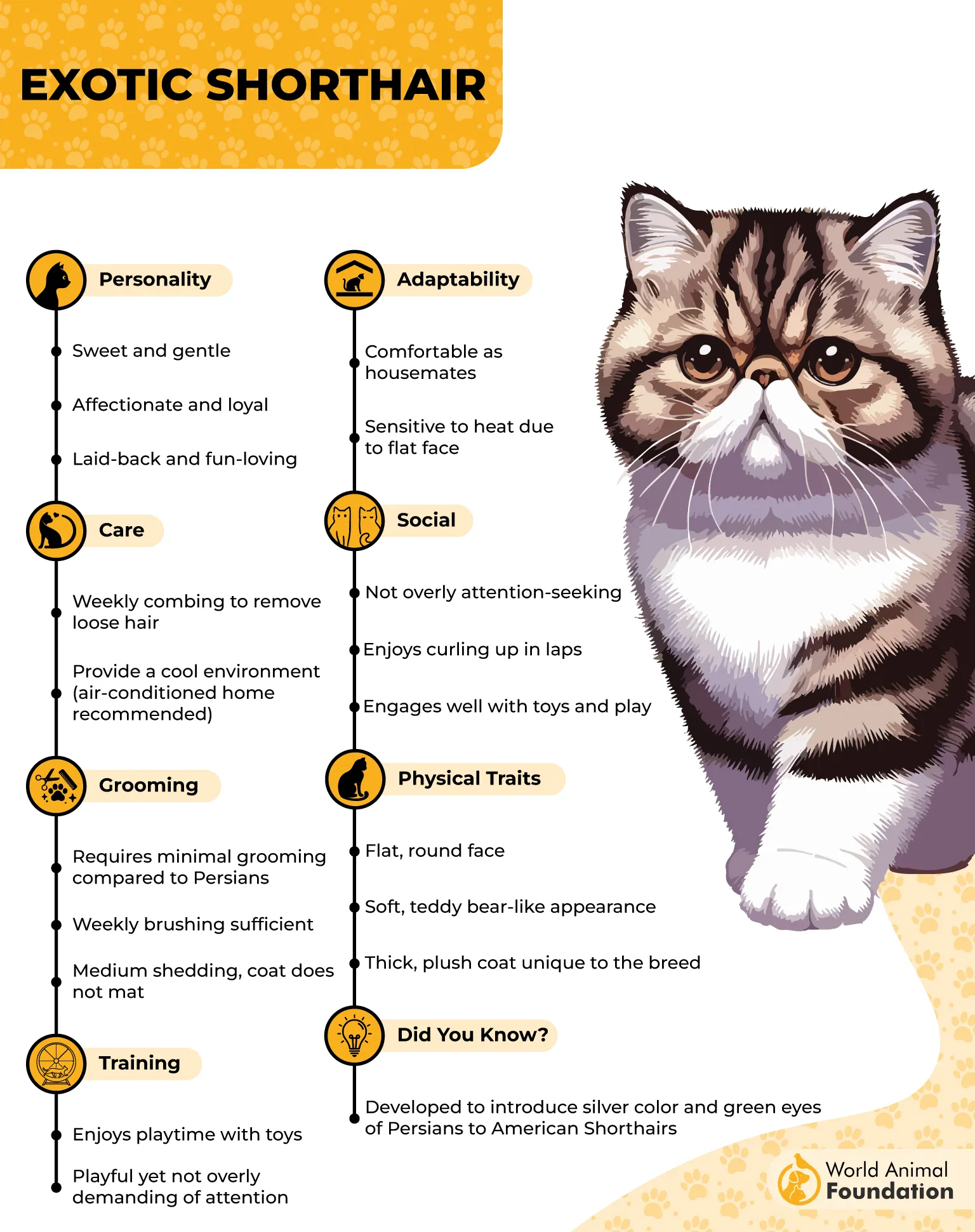
Exotic Shorthairs are generally quiet and reserved in their behavior. They enjoy play but are usually satisfied with short, gentle activities indoors. Their calm presence often contributes to a peaceful home atmosphere.
Why This Cat Is a Good Fit
Low-energy habits align with smaller living areas
Quiet nature supports shared walls and neighbors
Content staying indoors with minimal space to roam
5. Persian
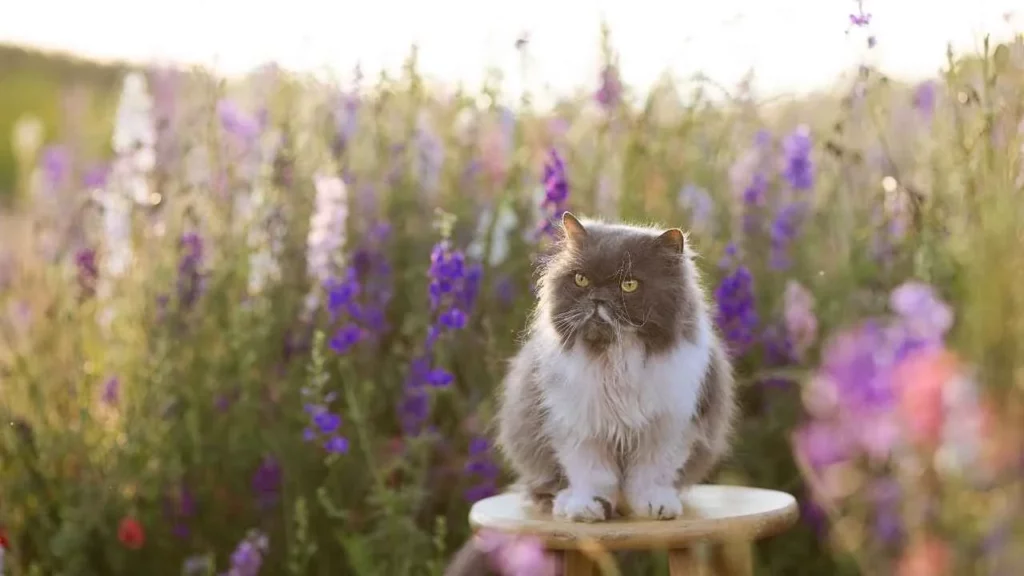
The Persian Cat is known for its calm, gentle personality and preference for quiet environments. This breed typically enjoys relaxed routines and spending much of the day resting in familiar spots. Loud or busy surroundings are often less appealing to Persians, which shapes their lifestyle choices.
Its long, luxurious coat is one of its most recognizable features and requires consistent grooming to stay clean and comfortable. Persians are not very active climbers or jumpers, often preferring floor-level spaces or low furniture. Their physical build and laid-back habits naturally limit excessive movement.
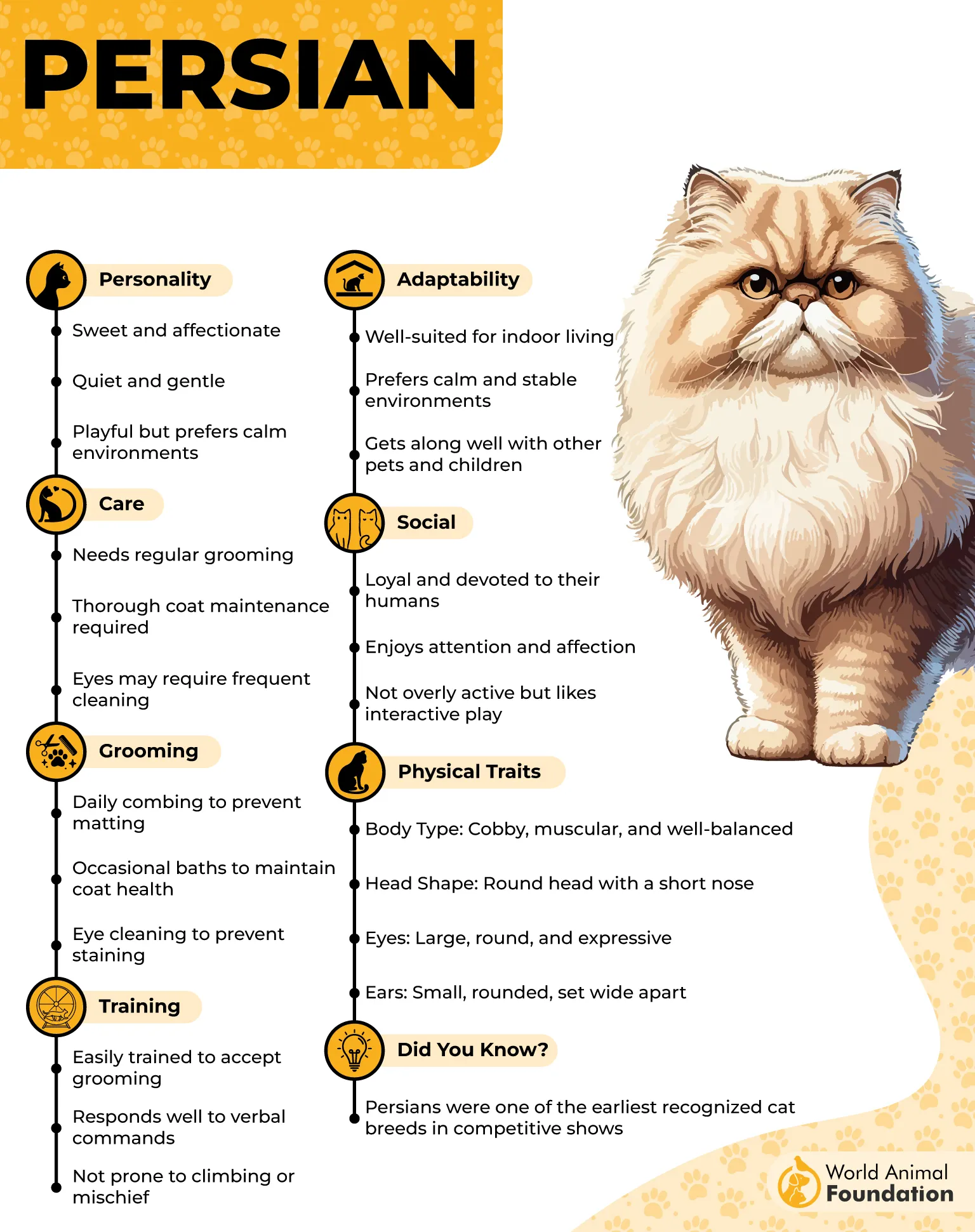
Affection from a Persian is usually soft and unassuming rather than attention-seeking. They enjoy being near their owners but do not constantly demand interaction. This reserved nature allows them to coexist peacefully in smaller homes without feeling overwhelmed.
Why This Cat Is a Good Fit
Prefers calm indoor settings over busy spaces
Low activity level suits smaller living areas
Enjoys quiet companionship without constant attention
6. Russian Blue
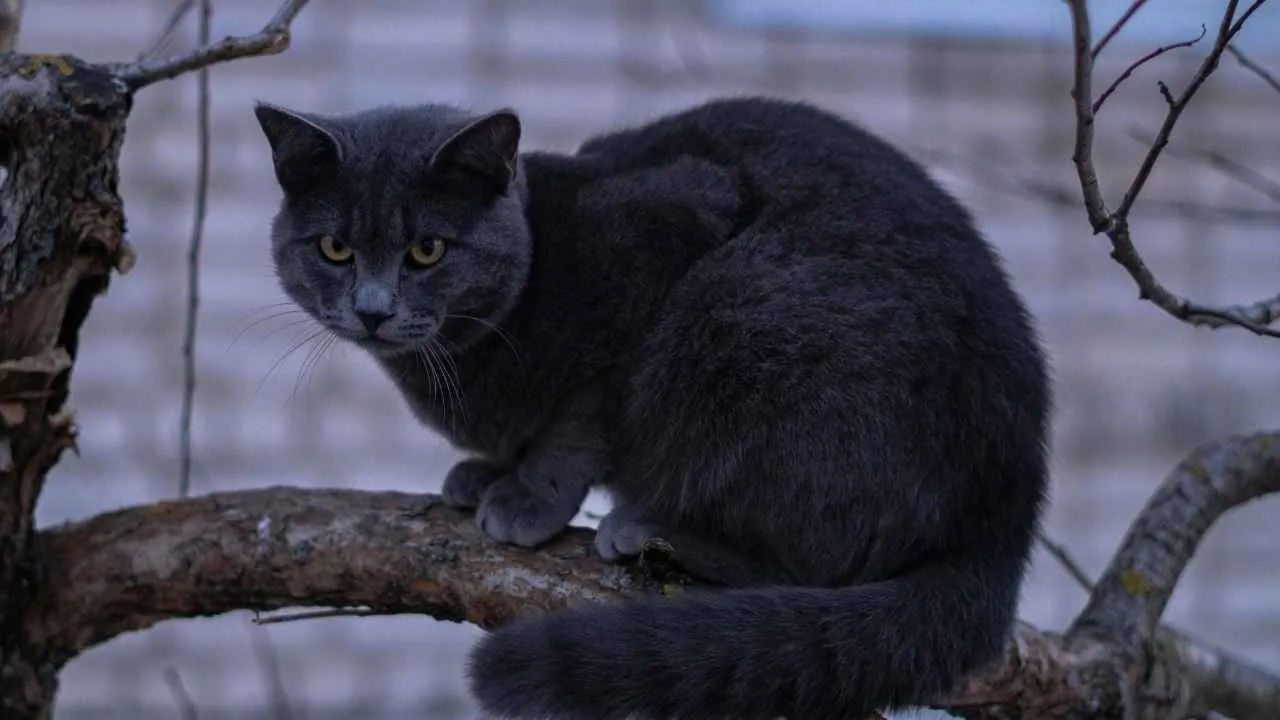
The Russian Blue is known for its reserved yet loyal personality. This breed often forms a close bond with its primary owner while remaining polite and calm with others. It usually prefers predictable routines and familiar surroundings.
With a short, dense coat, grooming needs are minimal and easy to manage. Russian Blues are known for being clean and organized in their habits. Their graceful movement tends to stay controlled rather than frantic.
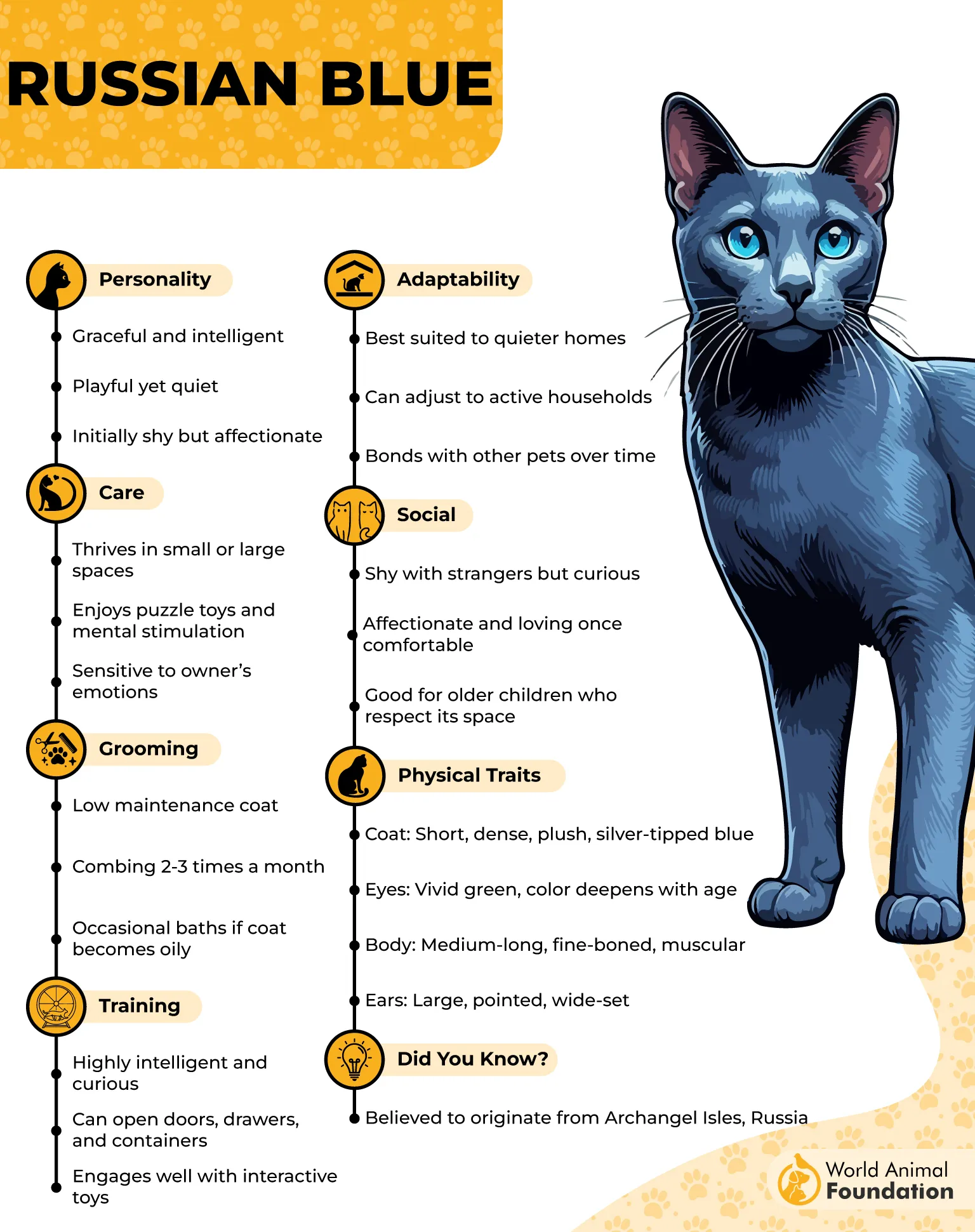
While playful at times, this breed typically entertains itself without becoming disruptive. Russian Blues often enjoy calm play sessions followed by long periods of rest. They are comfortable spending time alone, which can support a balanced indoor lifestyle.
Why This Cat Is a Good Fit
Comfortable being indoors for most of the day
Quiet habits fit shared walls and close neighbors
Independent streak supports apartment routines
7. American Shorthair

The American Shorthair is adaptable and known for its even-tempered personality. This breed generally adjusts well to different living situations without becoming anxious. It often enjoys a balance of play, rest, and observation.
Its short coat is low maintenance and requires only occasional brushing. American Shorthairs tend to be healthy and sturdy cats with moderate energy levels. They enjoy interactive play but do not require constant stimulation.
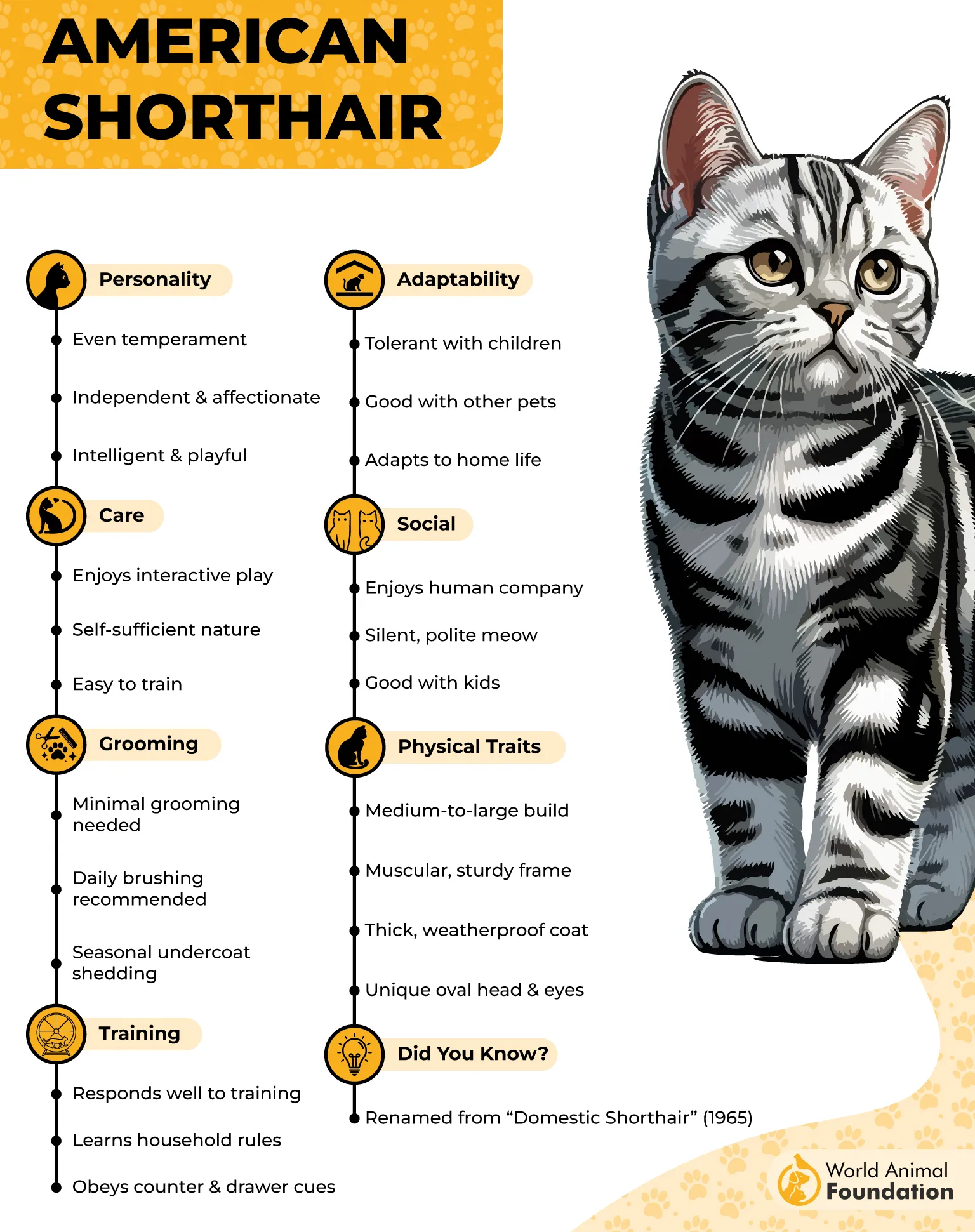
Social but not overly clingy, this breed often fits smoothly into daily household life. American Shorthairs can be affectionate while still valuing personal space. This flexibility helps them stay content in smaller indoor environments.
Why This Cat Is a Good Fit
Adjusts easily to indoor apartment routines
Moderate energy without excessive activity
A balanced personality suits many living styles
Conclusion
Choosing the right cat breed for apartment living comes down to matching your space with a cat’s personality and needs. Calm cats with a friendly nature, low energy levels, and an affectionate personality often live happily in small apartments and other small living spaces.
Features like minimal grooming, quiet behavior, and a love for days lounging or being a lap cat can make a big difference for apartment dwellers. Simple additions such as a cat tree, vertical spaces, hiding spots, and a well-placed litter box help ensure enough space, mental stimulation, and interactive playtime for both you and your apartment cat.
Other breeds such as Sphynx cats, Siamese cat types, Bengal cats, Maine Coon, and Devon Rex may also adapt well, depending on the cat’s personality, even in apartment settings shared with other pets.
