




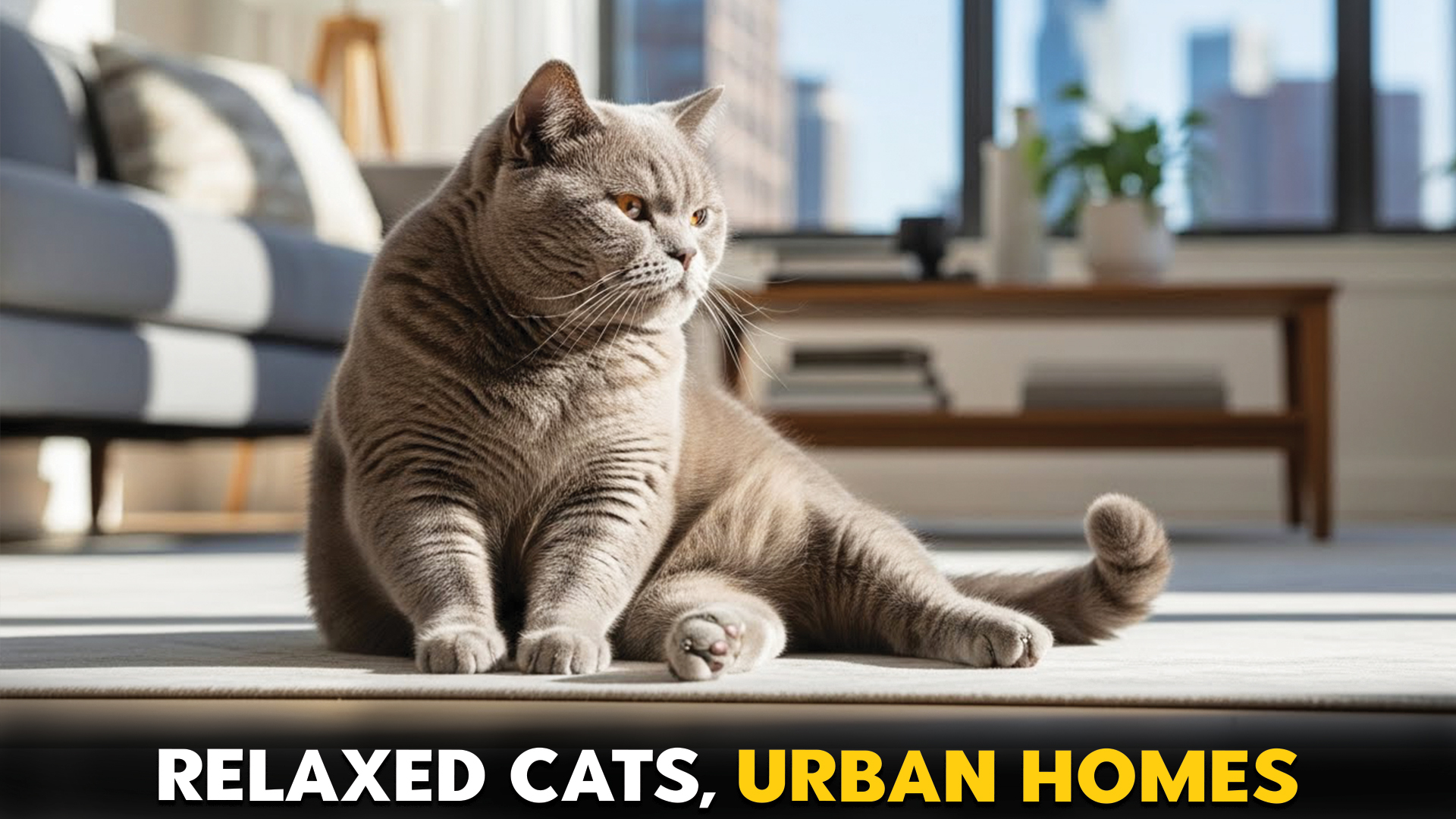
City living can be exciting, fast-paced, and full of energy, but it also comes with limited space and plenty of noise. When choosing a cat for an urban home, personality often matters more than size.
Some breeds adapt especially well to apartment life, busy streets, and shared buildings, while others may struggle without extra room or quiet. The right cat can feel comfortable in smaller spaces, handle everyday sounds, and enjoy indoor routines without stress.
In this guide, we will look at cat breeds that are often considered a good match for city living. Whether you live in a studio apartment or a high-rise with neighbors close by, understanding which breeds thrive in urban environments can help you choose a companion that fits your lifestyle.
Cat Breeds Best for City Living
1. British Shorthair
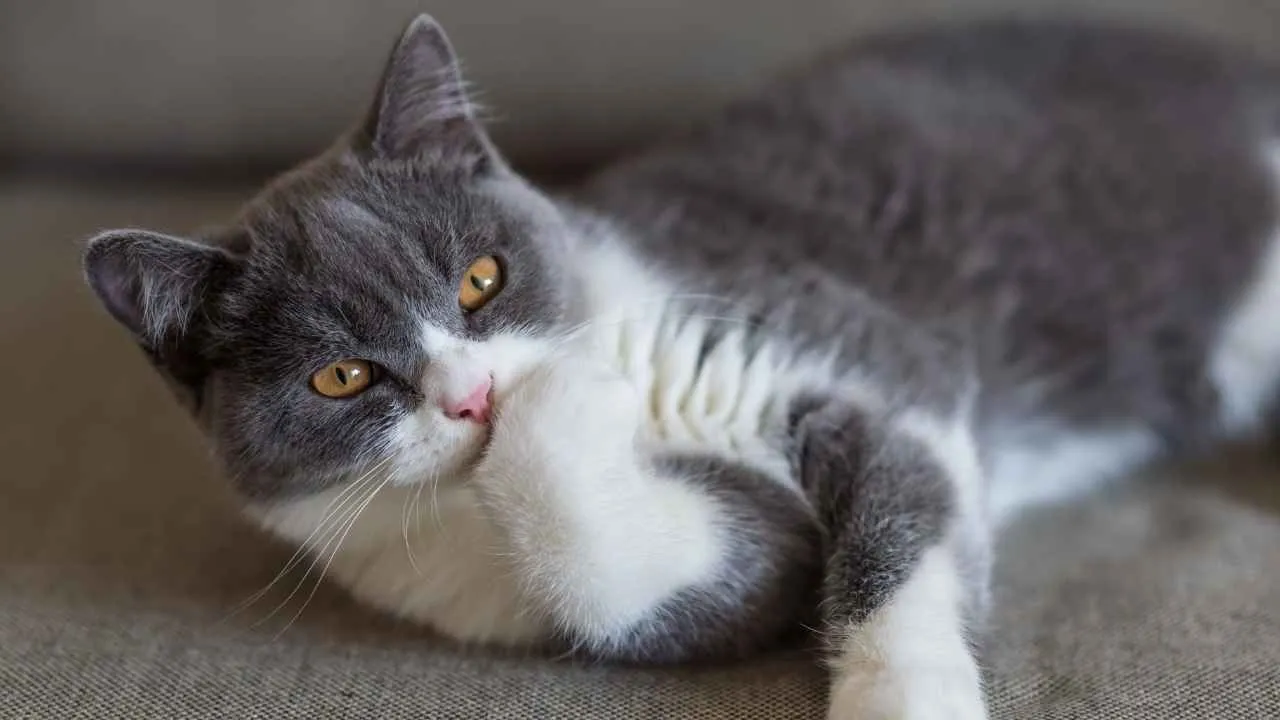
According to the CFA, the British Shorthair is known for its calm demeanor and composed personality. This breed often prefers a predictable routine and does not demand constant activity. Its relaxed approach to daily life makes it comfortable in smaller living spaces.
British Shorthairs tend to enjoy quiet companionship rather than nonstop interaction. They often choose to sit nearby and observe instead of following people from room to room.
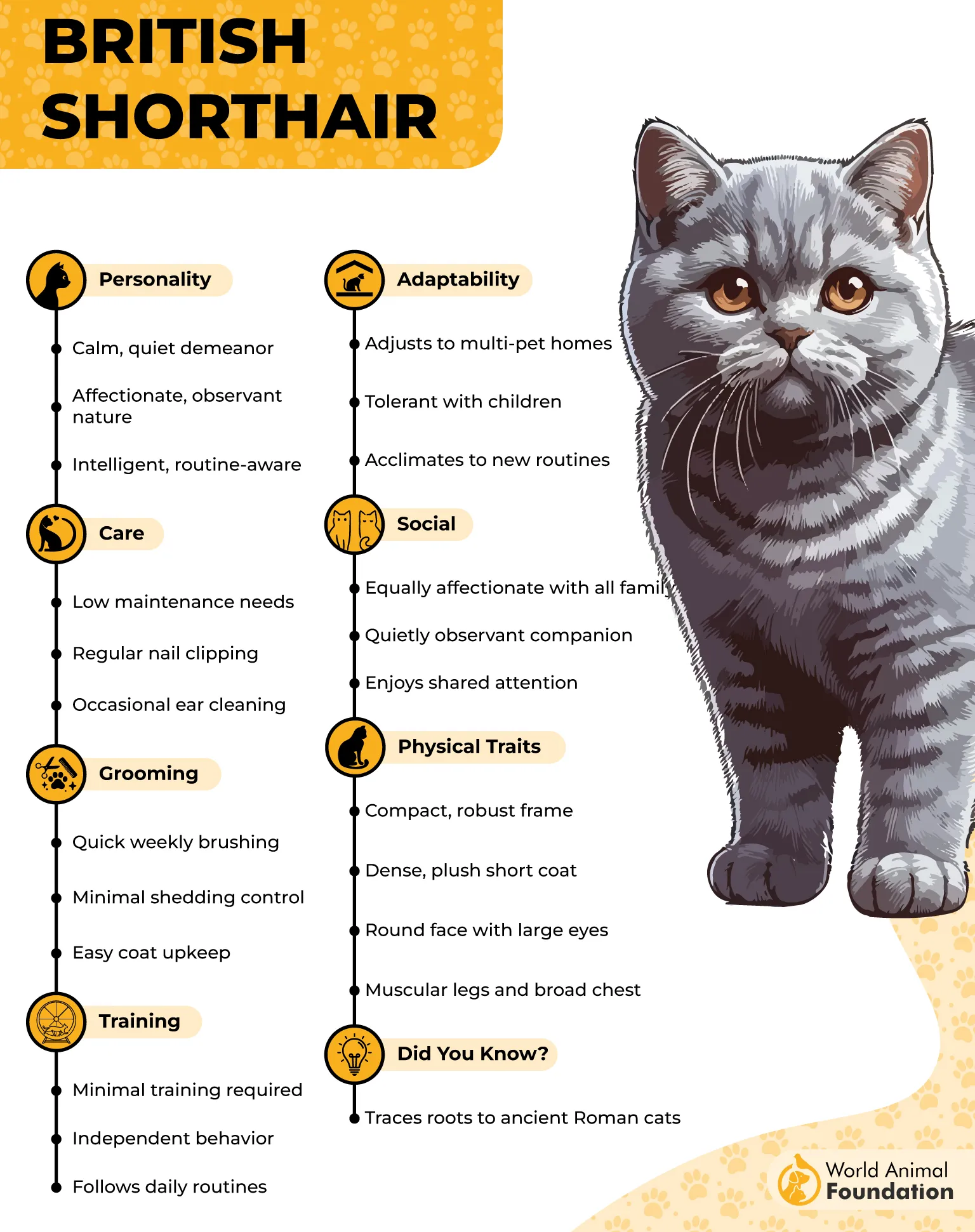
Independence is a defining trait for this breed. British Shorthairs usually manage alone time well and do not rely on constant stimulation. Their ability to settle easily makes them ideal for apartment dwellers.
Why This Cat Is a Good Fit
Handles apartment living with ease
Comfortable spending time alone during workdays
Maintains a calm presence in smaller homes
2. Ragdoll
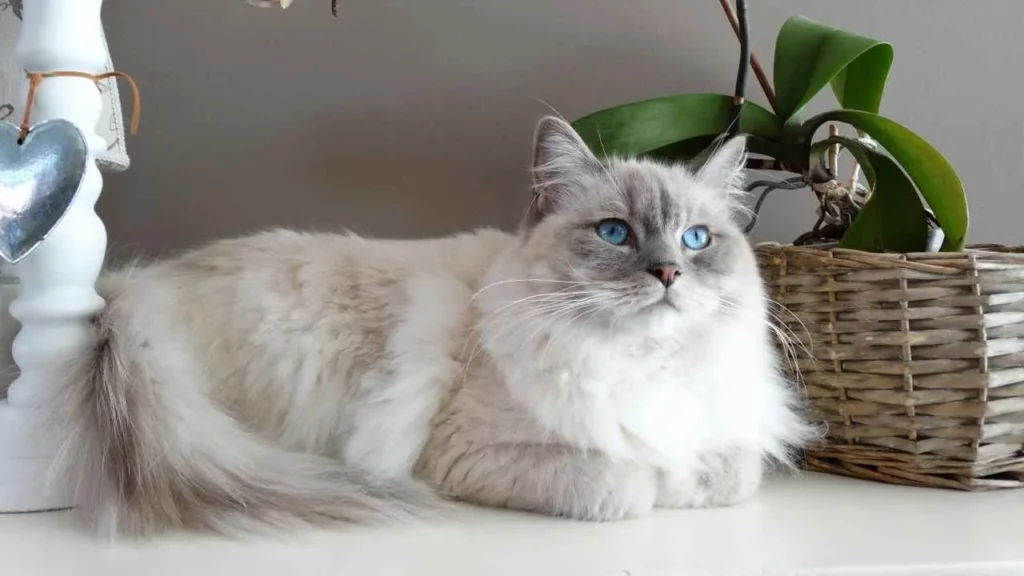
Ragdolls are low-energy cats and are widely appreciated for their gentle and easygoing personality. As per PetMD, they often enjoy calm indoor environments and prefer staying close to familiar people. This breed tends to adapt well to consistent routines.
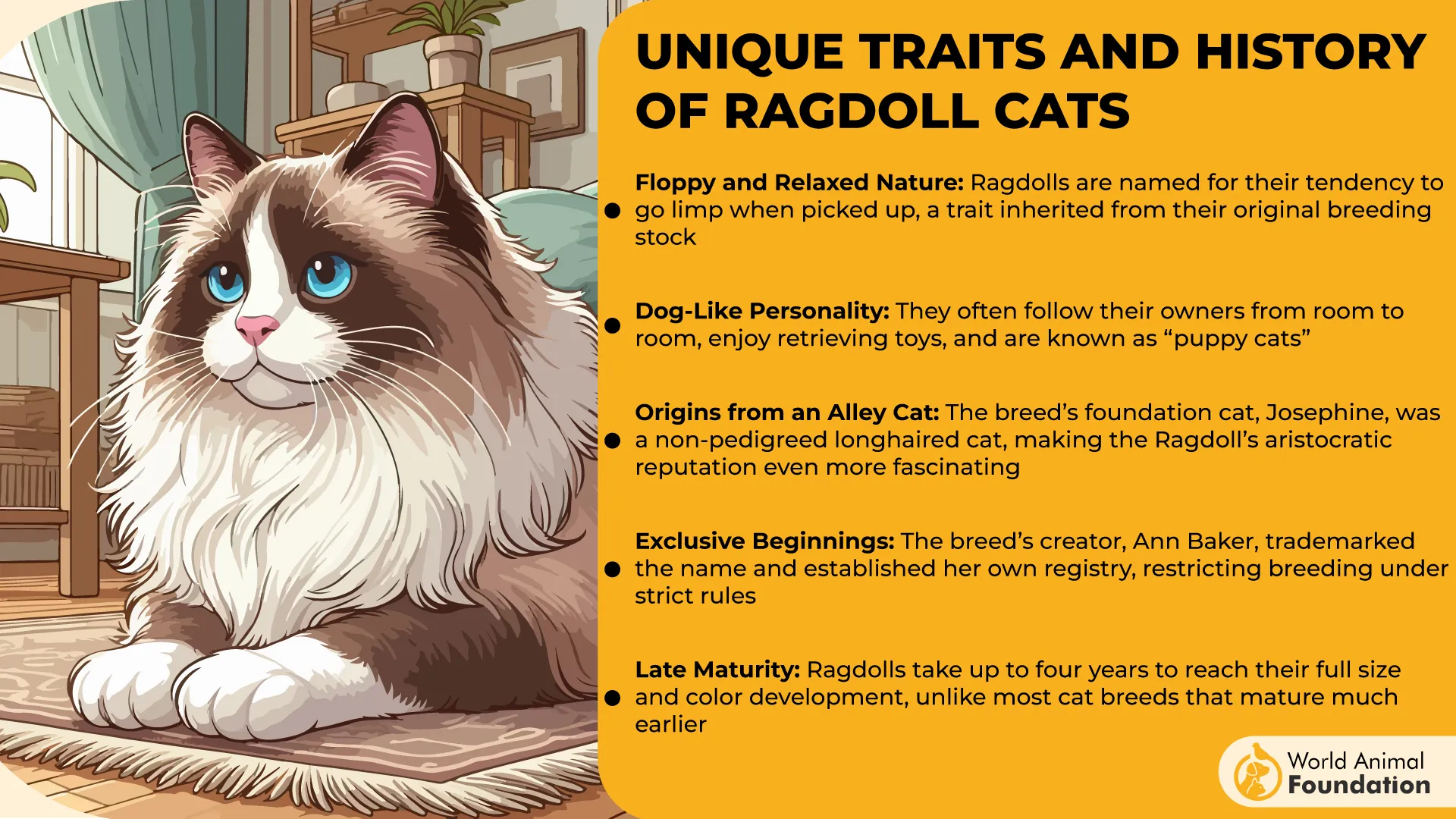
Unlike highly active cats, Ragdolls usually favor quiet interaction. They may relax on the floor, sofa, or nearby furniture rather than seeking high-energy play. Their laid-back attitude suits compact living spaces.
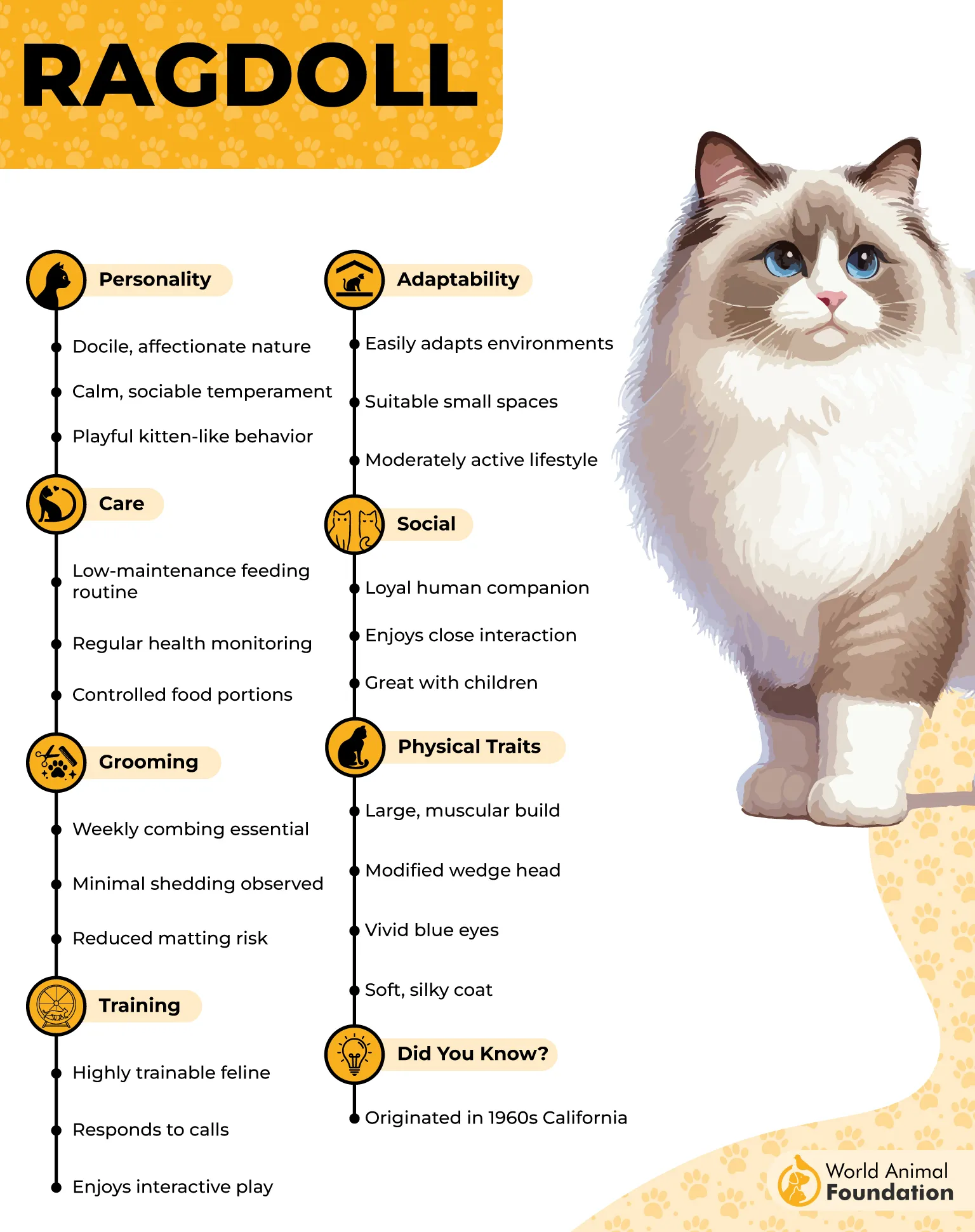
Ragdolls often respond well to indoor life without needing much stimulation. They are content with simple comforts and shared time. This relaxed nature helps them adjust smoothly to city apartments.
Why This Cat Is a Good Fit
Thrives in calm indoor environments
Enjoys close companionship without high activity
Well-suited for apartment routines
3. Scottish Fold
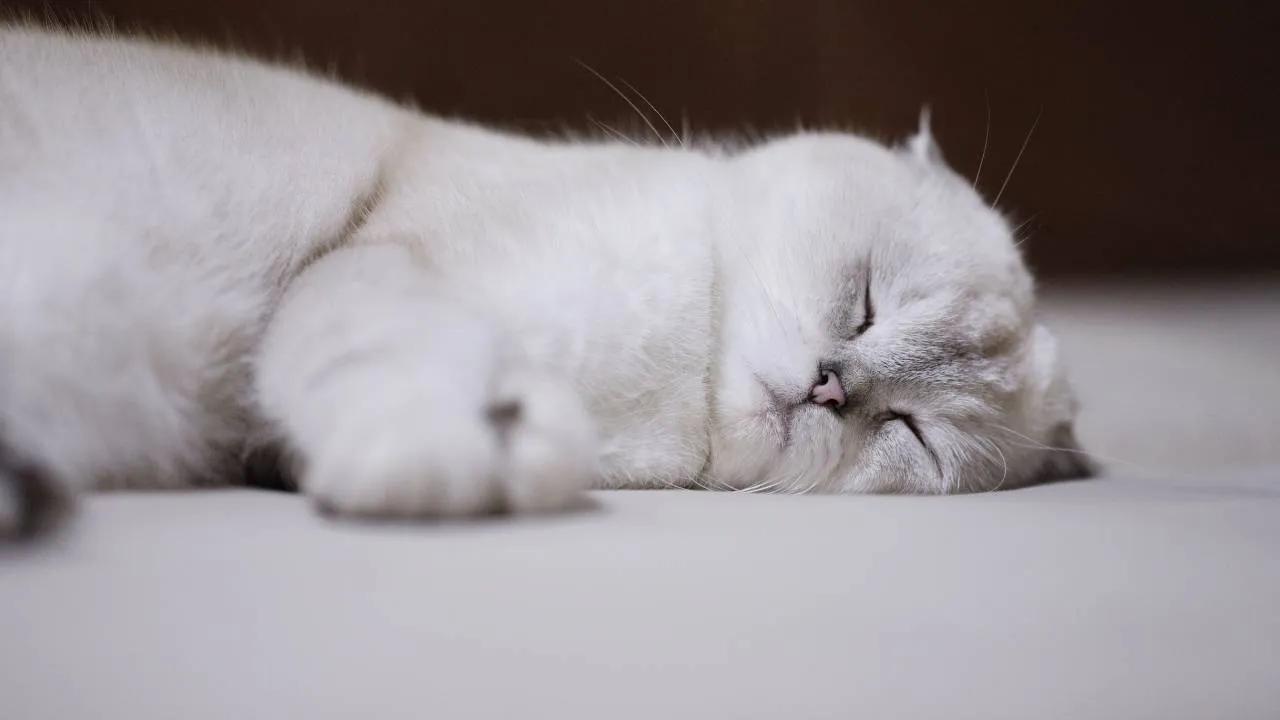
Scottish Folds are known for their adorable folded ears, gentle personality, and calm behavior. They often enjoy peaceful surroundings and adapt well to indoor living. This breed usually prefers a steady daily rhythm.
In smaller spaces, Scottish Folds tend to remain relaxed and observant. They may follow family members quietly or rest in shared areas. Their low-energy style helps reduce stress in close quarters.

Hill’s Pet states that Scottish Folds often value companionship without constant attention. They are comfortable in apartments where space is limited. Their easygoing nature makes them approachable city pets.
Why This Cat Is a Good Fit
Adjusts easily to apartment environments
Maintains a calm and gentle presence
Enjoys companionship without being demanding
4. American Shorthair
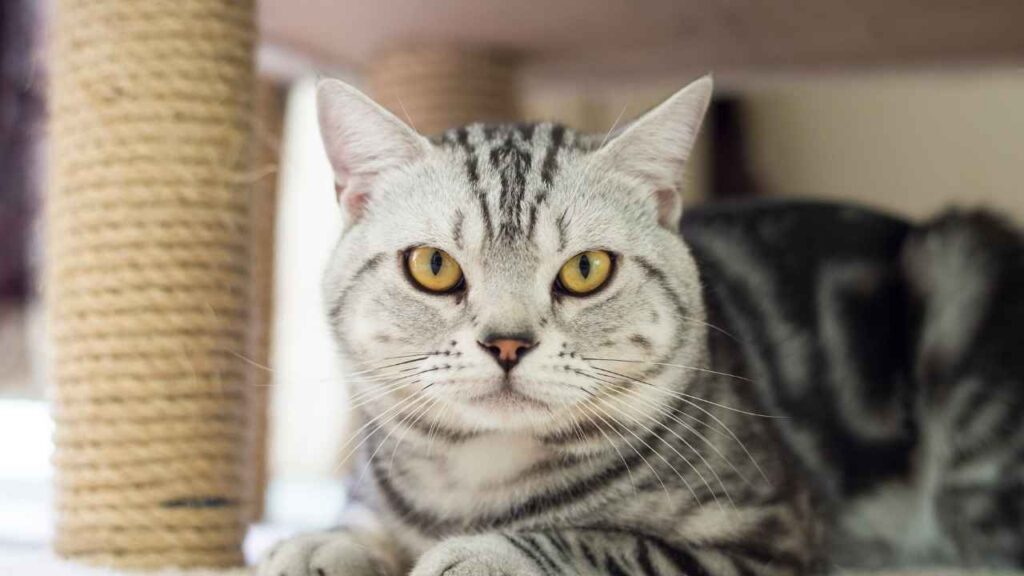
American Shorthairs are known for their adaptable and balanced personality. They often adjust well to different living environments, including apartments. This breed tends to be confident without being overly energetic.
In daily life, American Shorthairs enjoy a mix of activity and rest. They may play briefly, then settle comfortably nearby. This flexibility suits smaller spaces with limited room to roam.
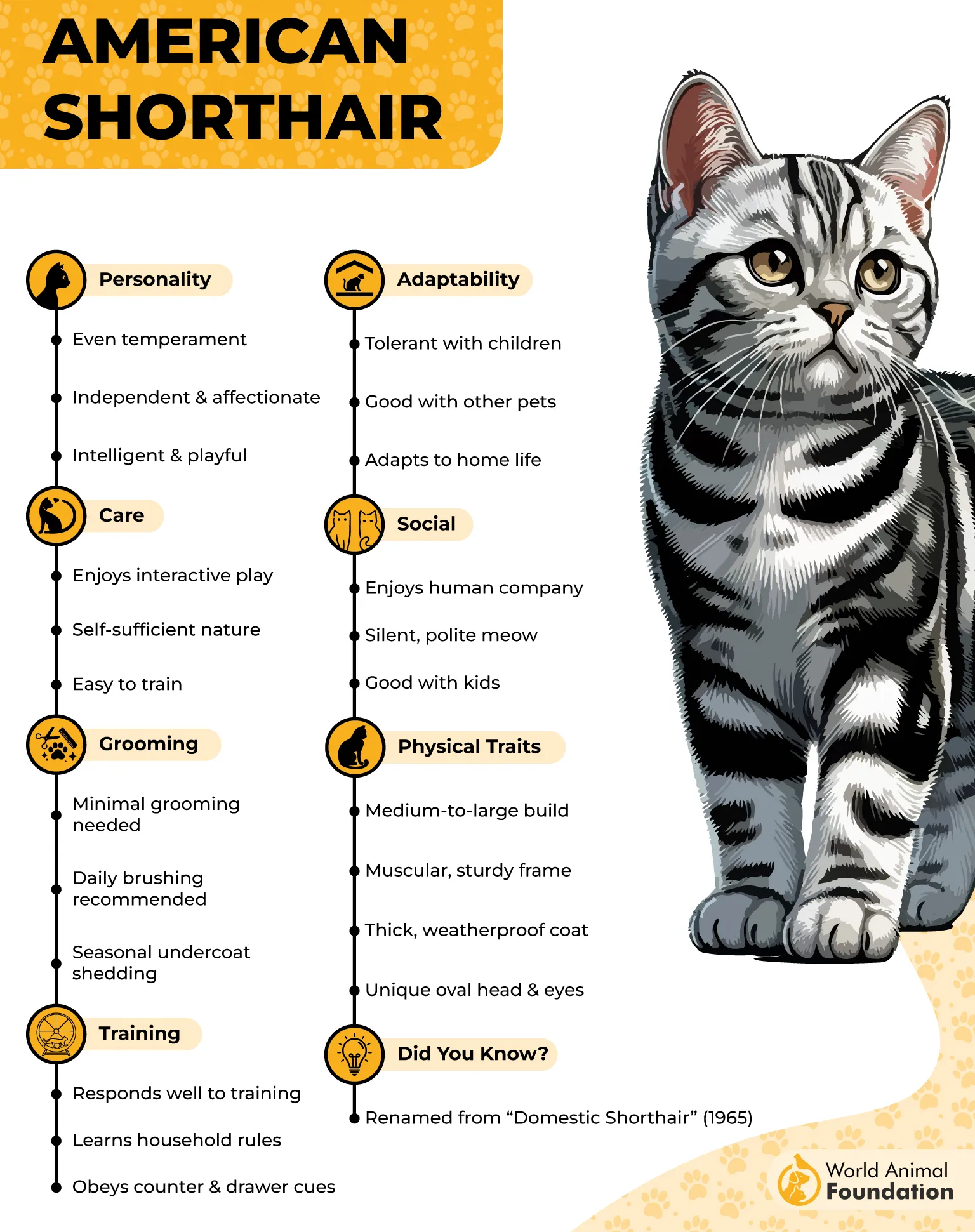
American Shorthairs are typically independent but friendly. They manage alone time well and do not require constant attention. Their adaptability makes them practical city companions.
Why This Cat Is a Good Fit
Adapts easily to changing environments
Comfortable balancing play and rest indoors
Suitable for busy urban households
5. Russian Blue
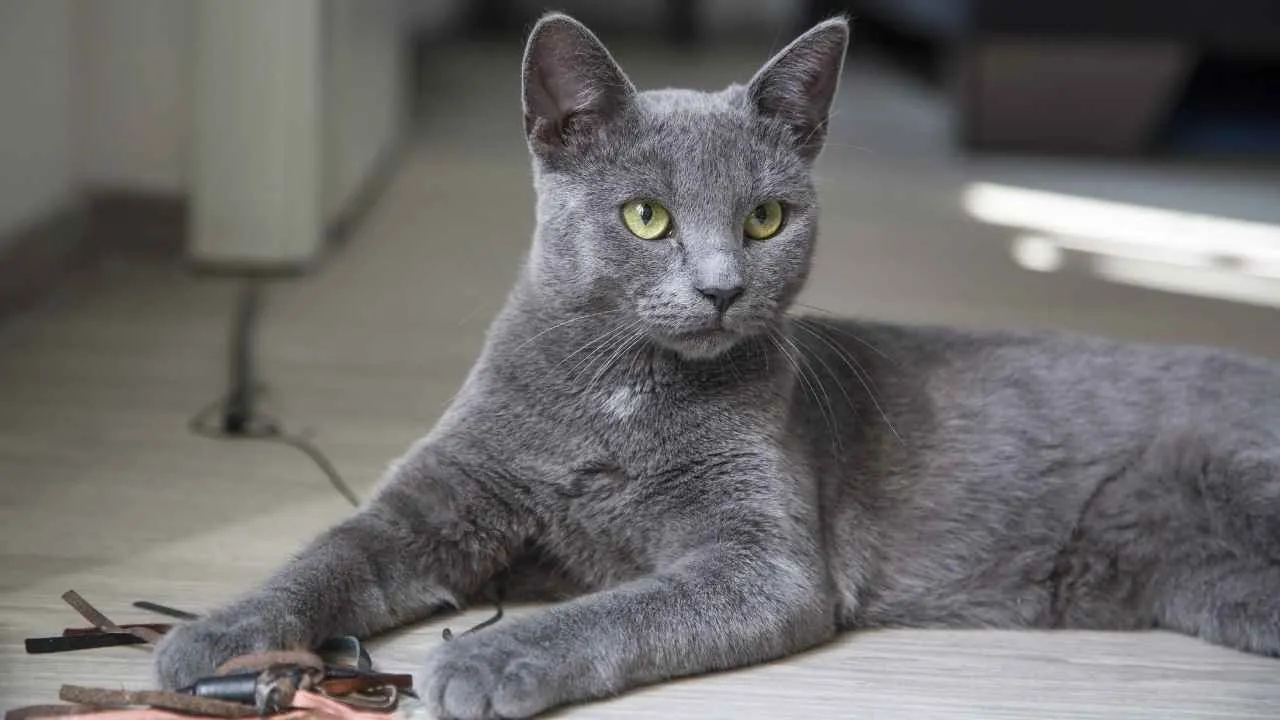
Russian Blues are known for their reserved nature and preference for quiet environments. They often appreciate predictable routines and calm surroundings. This makes them well-suited to apartment living.
This breed tends to form strong bonds while remaining unobtrusive. Russian Blues may enjoy shared space without demanding attention. Their subtle presence works well in close living quarters.
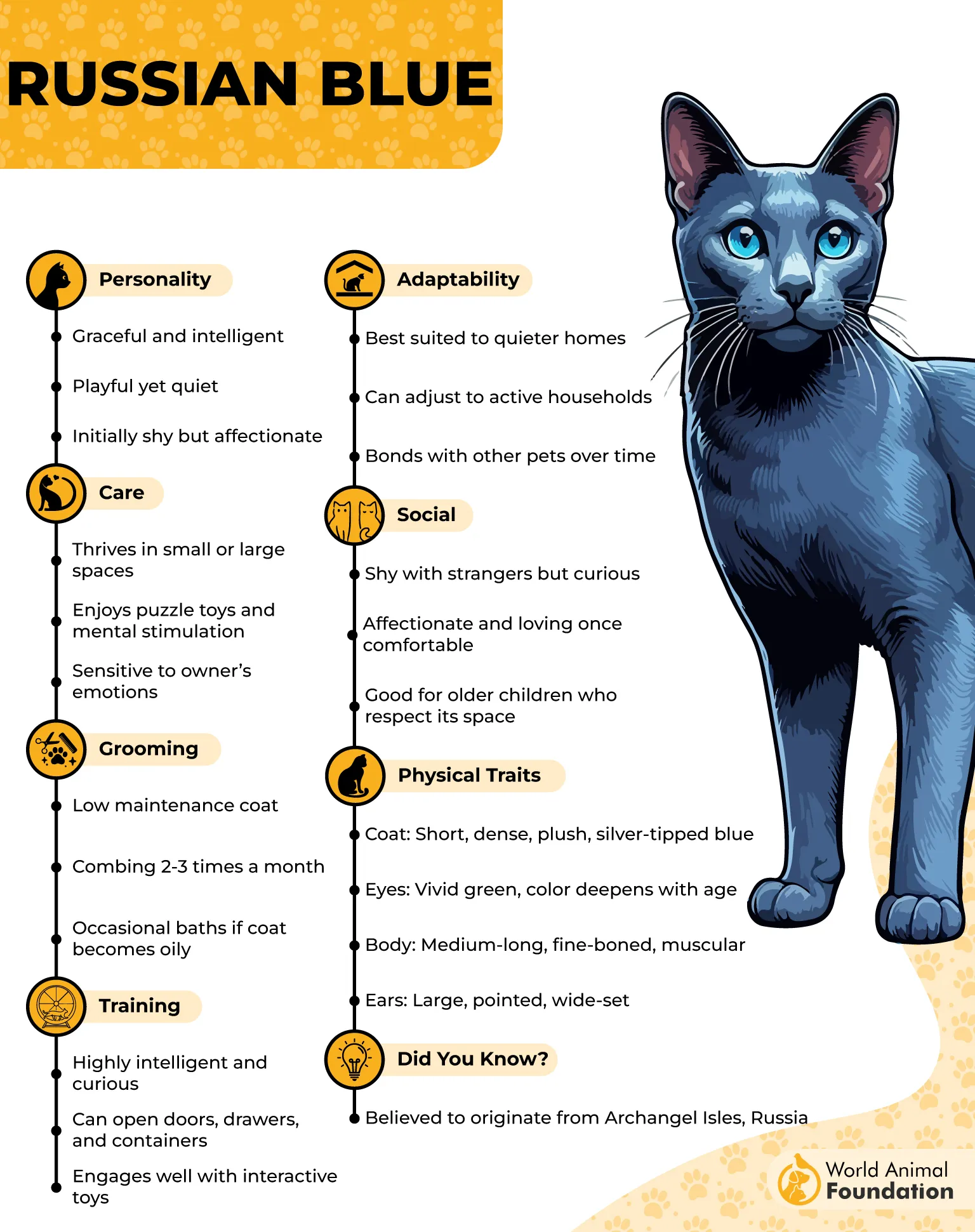
Russian Blues usually handle indoor life with ease. They are content in smaller homes where noise and activity are controlled. Their calm behavior supports a peaceful city lifestyle.
Why This Cat Is a Good Fit
Thrives in quiet apartment settings
Enjoys companionship without constant interaction
Fits well into structured daily routines
6. Burmese
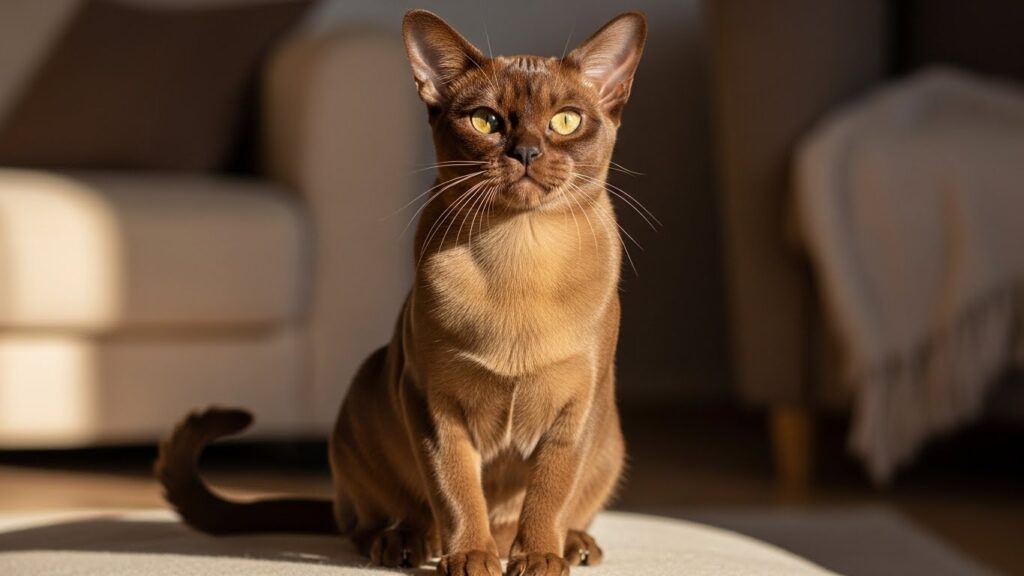
Burmese cats are known for their people-focused personality and strong interest in daily household life. They often enjoy being lap cats, staying close to their owners, and prefer shared spaces over being alone in separate rooms. This breed tends to feel comfortable in indoor environments where interaction is part of the routine.
In smaller homes, Burmese cats often stay engaged without needing a large amount of space. They may move between rooms, follow familiar voices, or relax near windows and seating areas. Their activity level is balanced by an ability to settle calmly when the home is quiet.
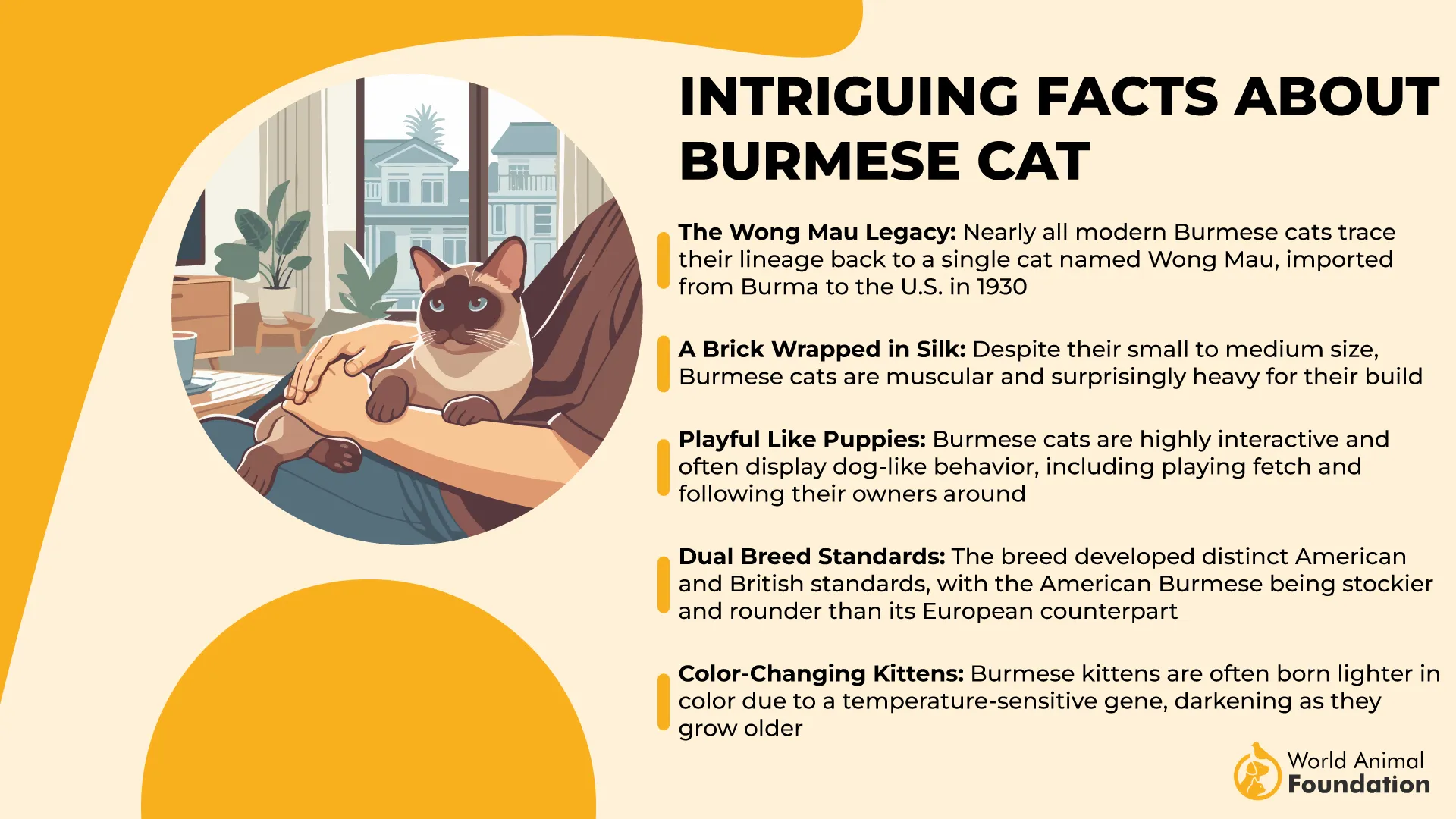
Burmese cats usually adapt well to apartment living because they value connection more than territory. They respond positively to consistent schedules and regular attention. This makes them a good match for city homes where space is limited, but companionship is plentiful.
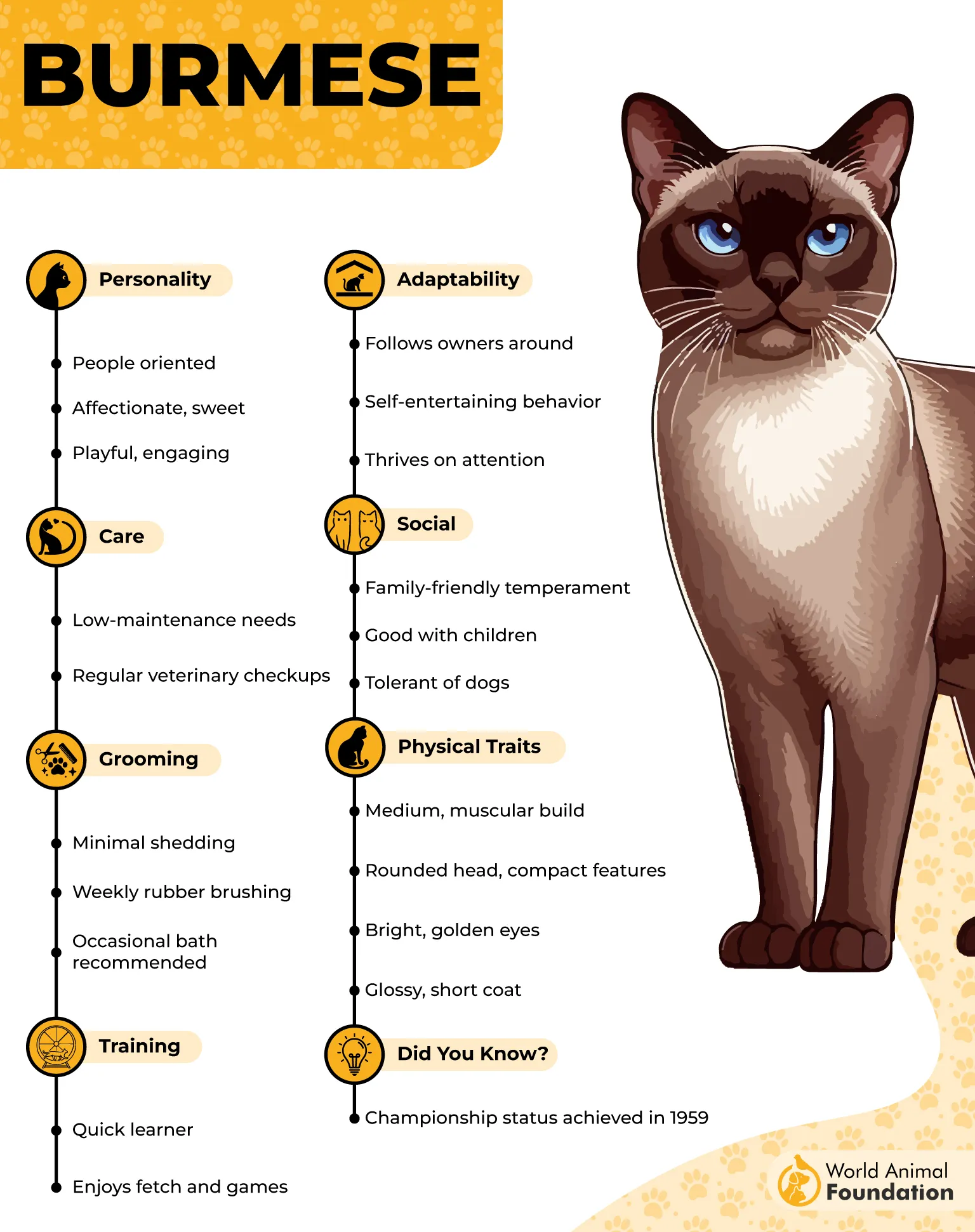
Why This Cat Is a Good Fit
Enjoys close interaction in smaller living spaces
Comfortable with indoor routines and shared rooms
Brings energy without requiring extra space
7. Chartreux
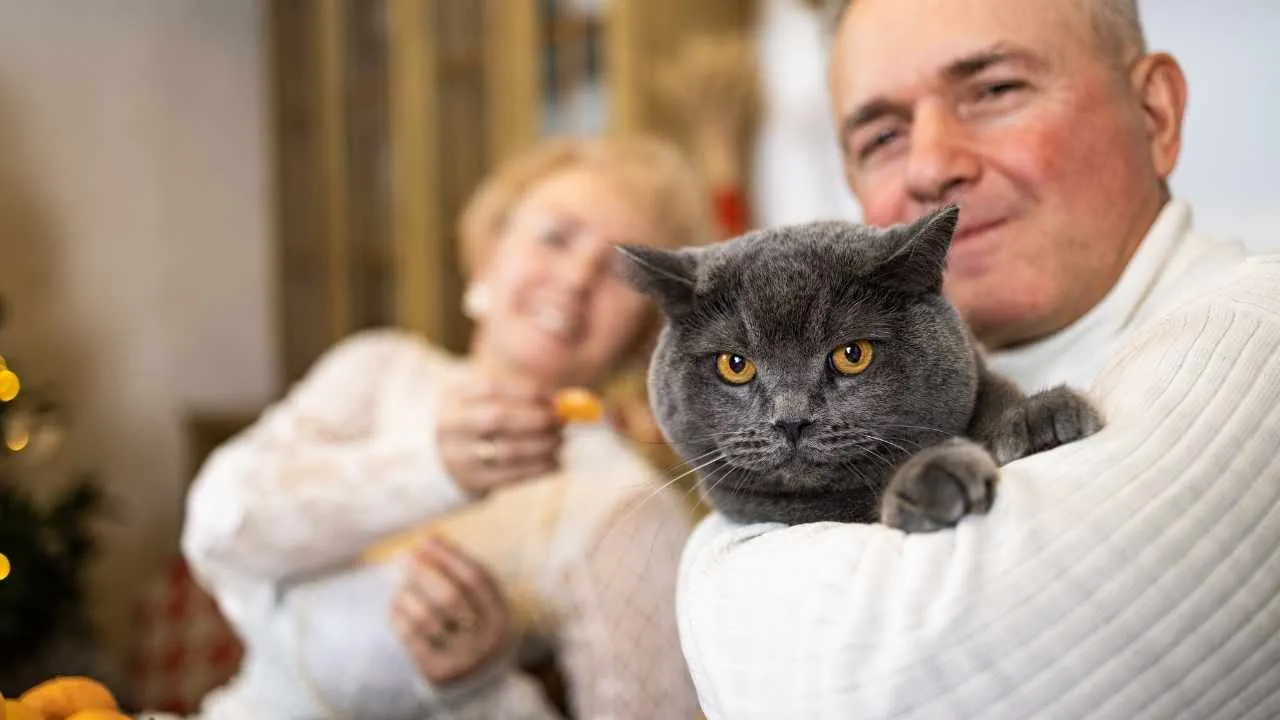
Chartreux cats are often described as calm, observant, and quietly confident by cat lovers. They tend to communicate through presence rather than sound, which suits close living environments. This breed usually prefers peaceful surroundings and predictable routines.
In an apartment setting, Chartreux cats often choose favorite spots where they can relax without disruption. They enjoy being near people but rarely demand attention. Their behavior often feels steady and reassuring in busy urban homes.
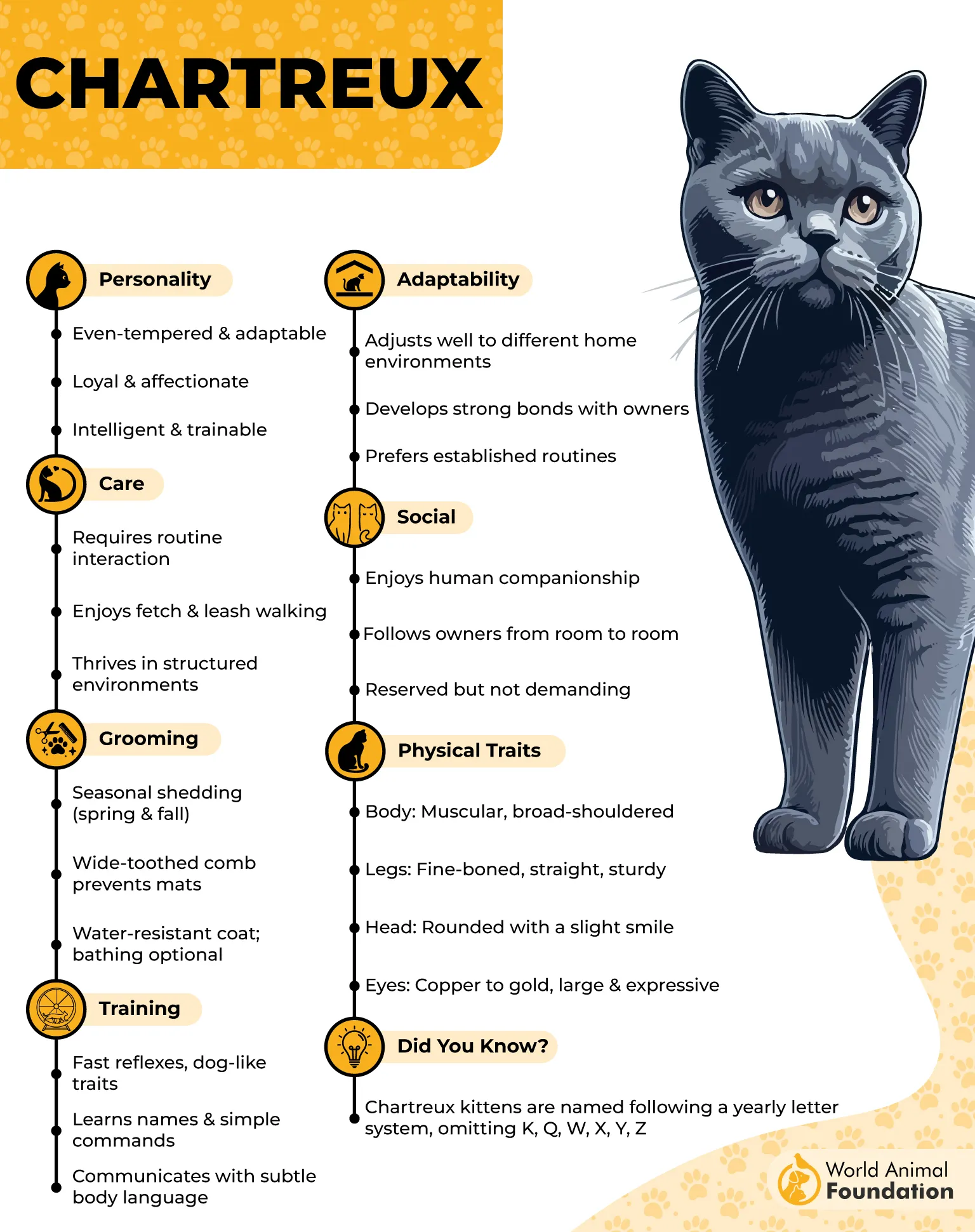
Chartreux cats are known for handling indoor life well. They manage alone time comfortably and adjust easily to smaller spaces. This balance of independence and companionship supports a calm city lifestyle.
Why This Cat Is a Good Fit
Maintains a quiet and relaxed apartment atmosphere
Comfortable spending time alone during work hours
Adapts well to limited space living
8. Persian
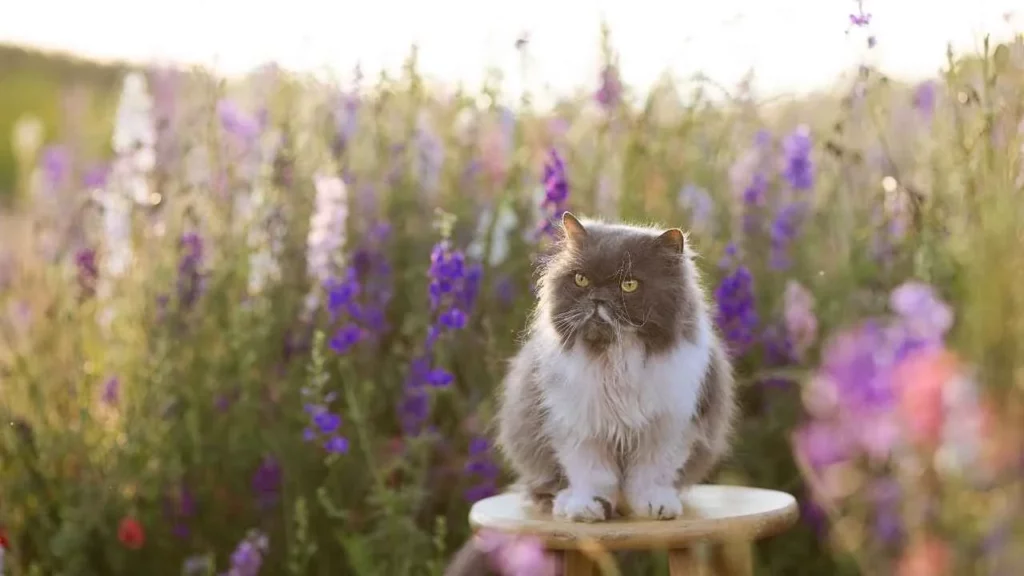
Persian cats are widely recognized for their long coat, laid-back, and gentle nature. They tend to enjoy calm environments and prefer consistency over change. This breed usually feels most comfortable indoors, where noise and activity are controlled.
Apartment life suits Persians because they are not highly active. They often spend time resting in familiar areas and enjoy quiet companionship. Their preference for predictable routines makes daily life feel smooth and manageable.
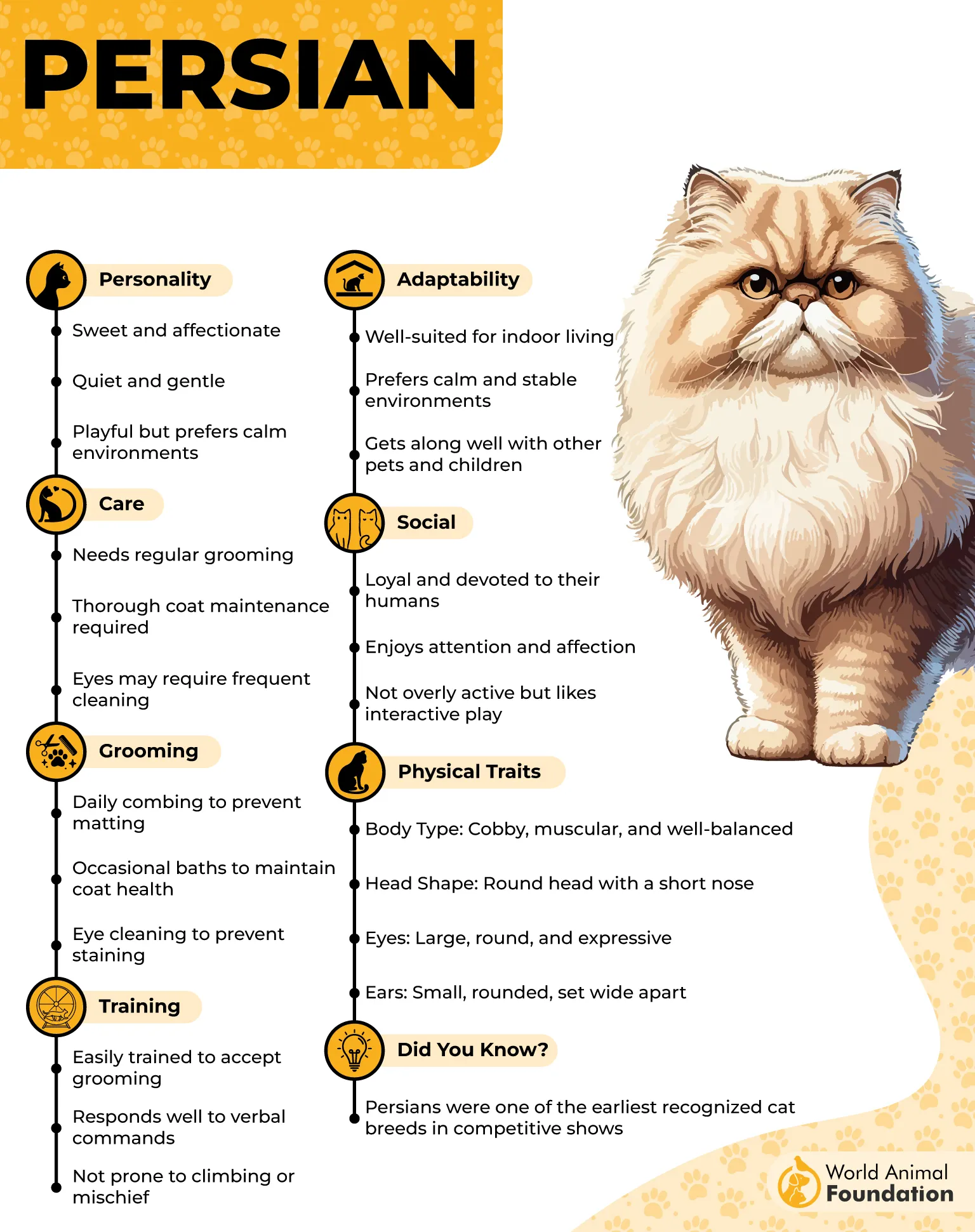
Persians usually do not seek constant stimulation or large areas to explore. They are content with simple comforts and a stable home environment. This relaxed temperament makes them appealing to city dwellers seeking a peaceful companion.
Why This Cat Is a Good Fit
Thrives in quiet indoor apartments
Prefers calm routines over active play
Adds a peaceful presence to city homes
9. Sphynx
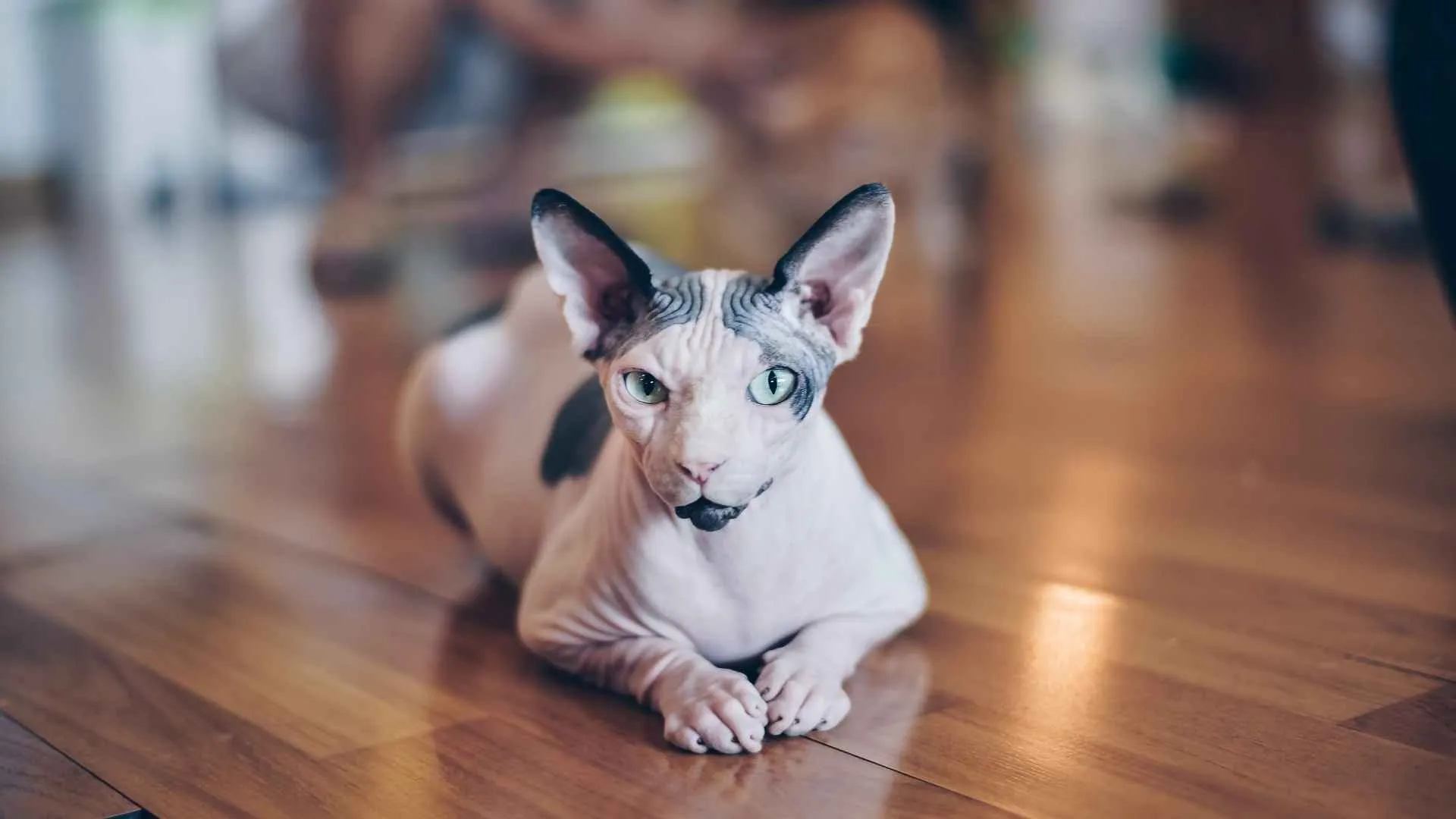
Sphynx cats are known for their strong attachment to people and love of indoor living. They often seek warmth, attention, and close contact with their owners. This breed usually prefers staying inside where comfort is consistent.
In apartments, Sphynx cats often remain near their people throughout the day. They may follow from room to room or rest in shared spaces. Their interest in companionship makes them less concerned with limited square footage.
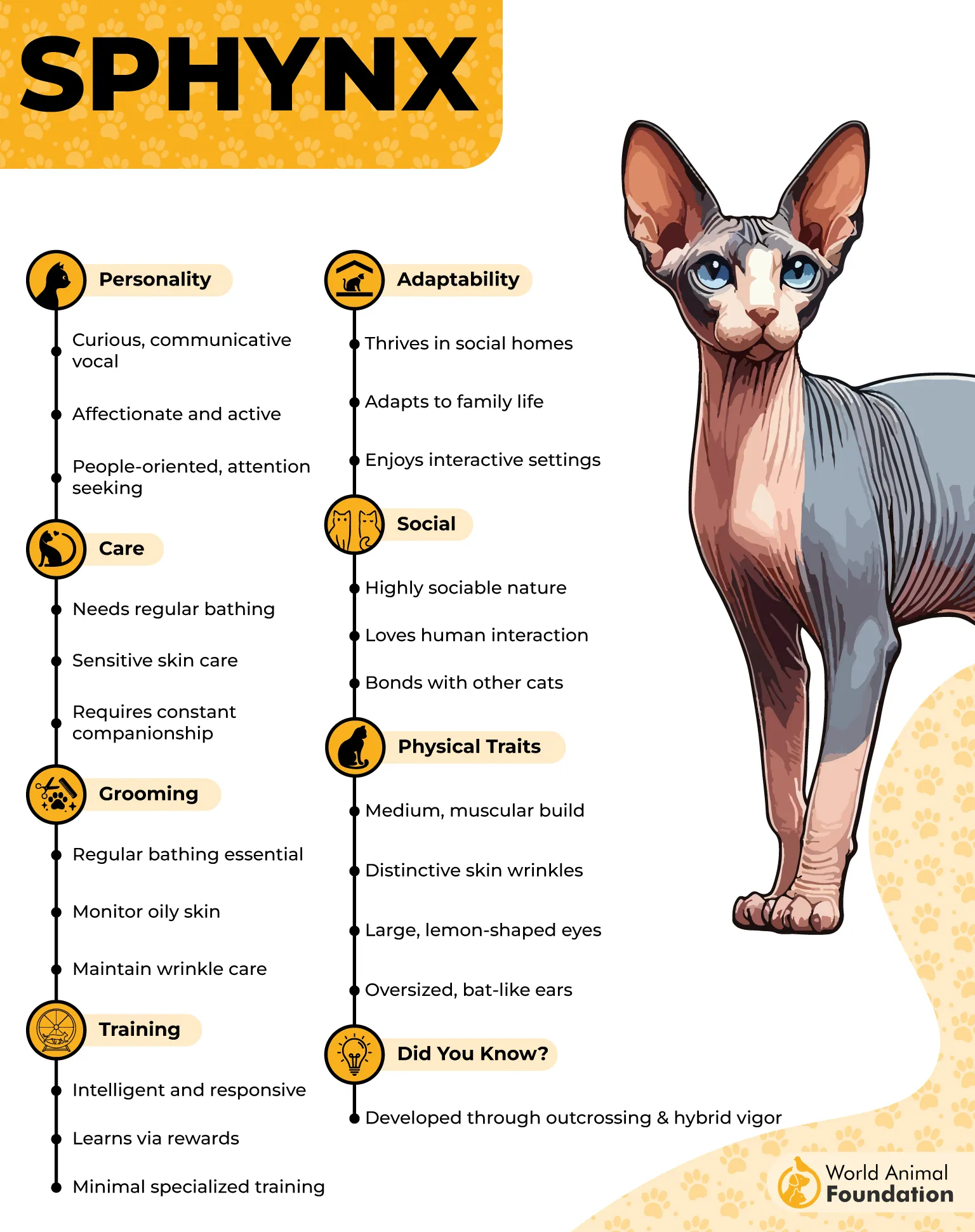
Sphynx cats tend to adapt well to city routines. They enjoy structured days and regular interaction. This makes them well-suited for urban homes where human presence is a constant source of enrichment.
Why This Cat Is a Good Fit
Prefers indoor living and close contact
Comfortable in small spaces with people nearby
Thrives on daily interaction in city homes
Conclusion
Finding the best cat breeds for city life is less about size and more about temperament and routine. Breeds for apartment living often thrive as an indoor cat with a calm nature, moderate energy level, and a love for lounging on a plush cushion or warm lap.
Most cats are happy with cat toys, scratching posts, cat trees, and a well-placed litter box, making small apartments feel complete. The right cat breed should match your lifestyle, other pets, and how much daily interaction you enjoy.
If you are still exploring options, other breeds such as Exotic Shorthair, Maine Coon known as gentle giants, or a friendly domestic cat with a blue-gray coat may also be a purr-fect match. Paying attention to your cat’s personality helps both you and your furry friend enjoy apartment life together.
