




Living in a warm or humid climate can shape many aspects of daily life—including which feline companion will feel most comfortable in your home.
While all cats love stretching out in a sunny spot, some breeds are naturally better equipped to handle heat, thanks to their origins, coat types, and body structure. Understanding how cats adapt to hot environments can help pet parents make a smarter, more comfortable choice.
Cats that thrive in warm climates often share specific physical traits that help them stay cool. Short or sparse coats allow heat to escape more easily, while slender bodies and large ears improve airflow and temperature regulation.
Many of these breeds trace their roots to tropical or desert regions, where surviving high temperatures required efficient cooling mechanisms and adaptable behaviors.
If you live somewhere sunny year-round, these heat-loving cats can make ideal companions for warm-weather living.
Cat Breeds Adapted to Warm Climates
1. Siamese
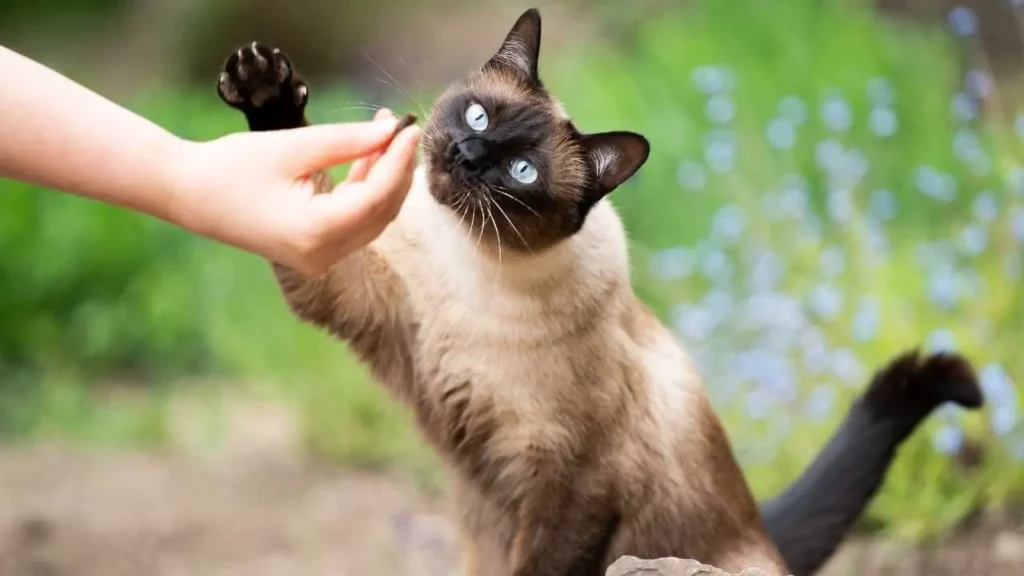
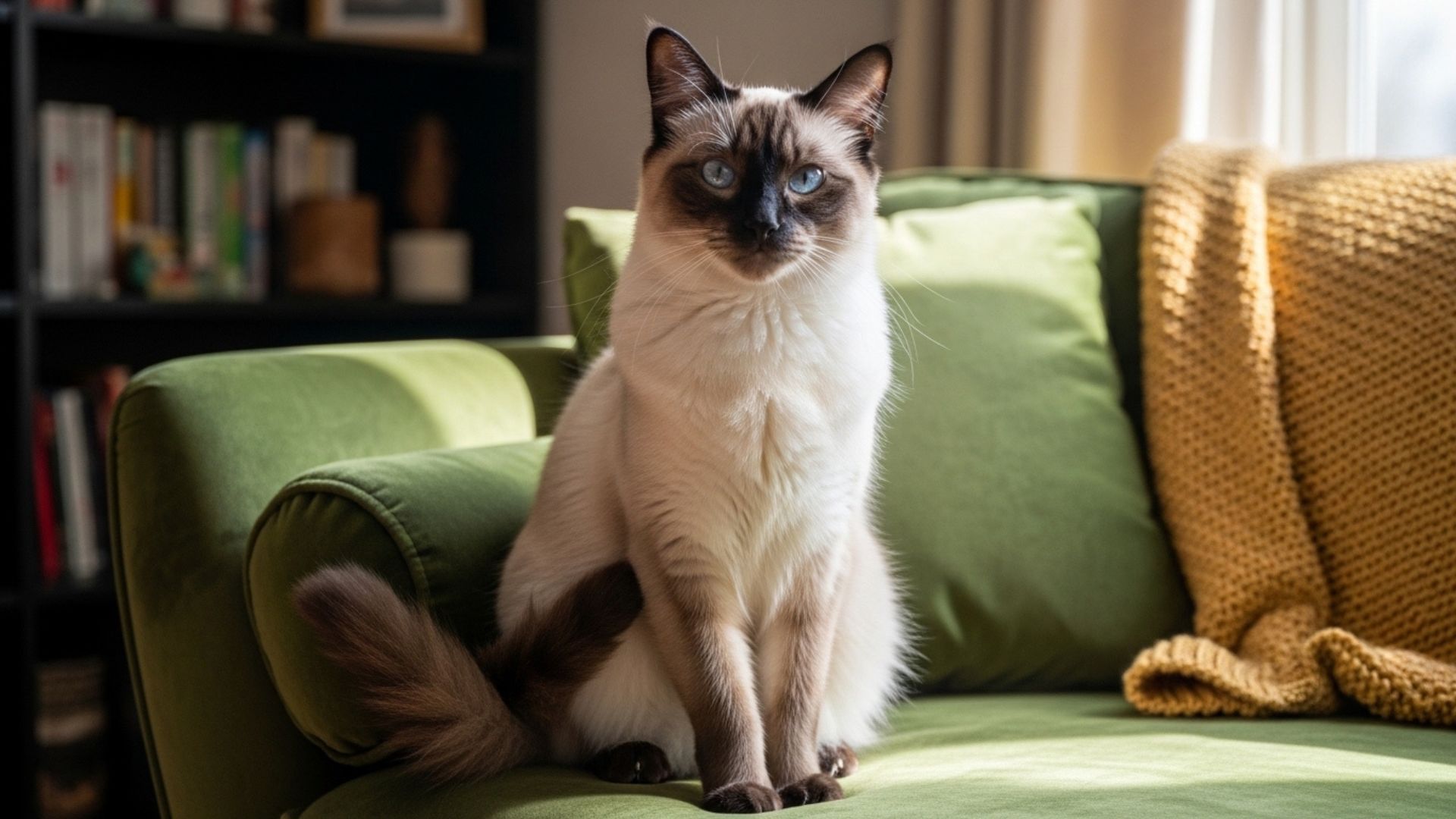
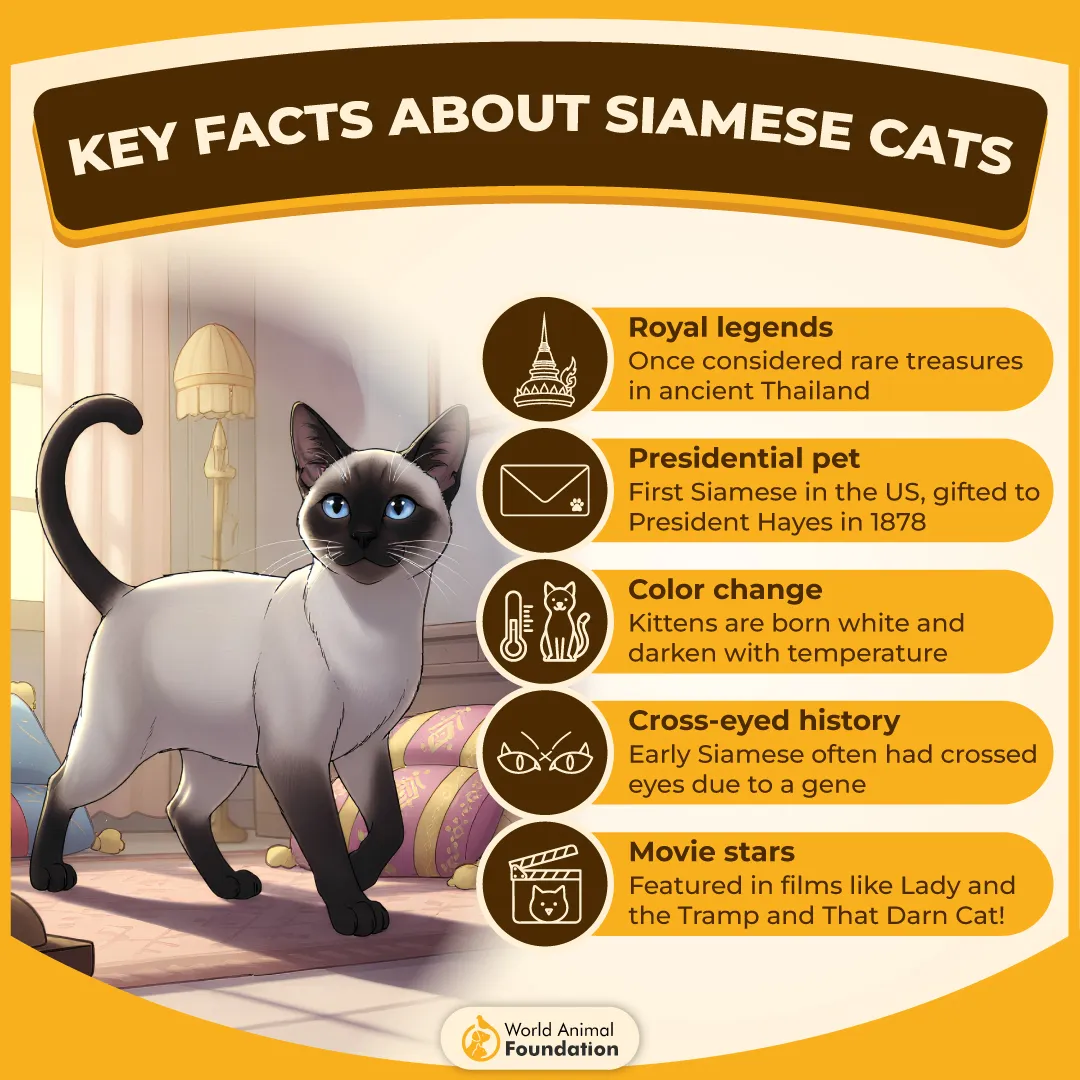
Also known as the Thai cat or Wichien Maat, the Siamese is a sleek, short-coated breed with a long, lean body designed for warmer regions. Originating in Thailand, this elegant cat is instantly recognizable by its slim frame, fine coat, and striking blue eyes.
According to Purina, this breed is highly distinctive and easily recognizable as the Siamese cat, even to individuals with little knowledge of cats or those who may not be fond of them.
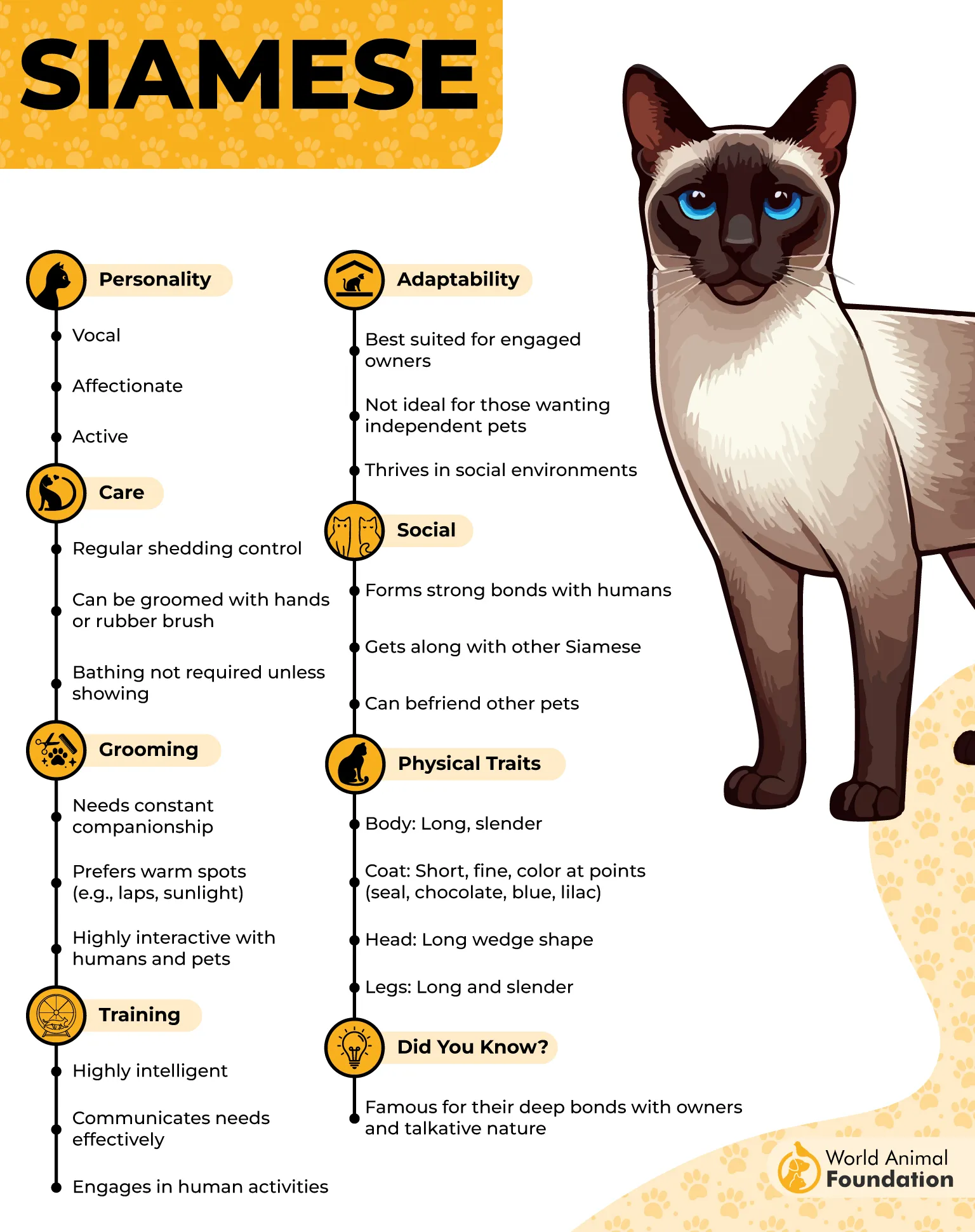
Siamese cats are naturally well adapted to warm climates thanks to their short fur and elongated bodies, which help release excess body heat efficiently. Unlike stockier, long-haired breeds, they’re often happiest lounging in sunny spots rather than seeking out cool floors.
Highly social and people-oriented, Siamese cats remain active even in warm weather and enjoy interactive play that doesn’t involve heavy exertion. Their curiosity and confidence make them comfortable exploring breezy outdoor spaces, especially when leash trained for safe sun time.
This breed thrives in family environments where mental stimulation is plentiful, and their heat tolerance means summer doesn’t slow them down much.
Fact: Siamese cats are often seen basking in sunlight, while heavier, long-haired breeds prefer cooler surfaces on hot days.
2. Oriental Shorthair
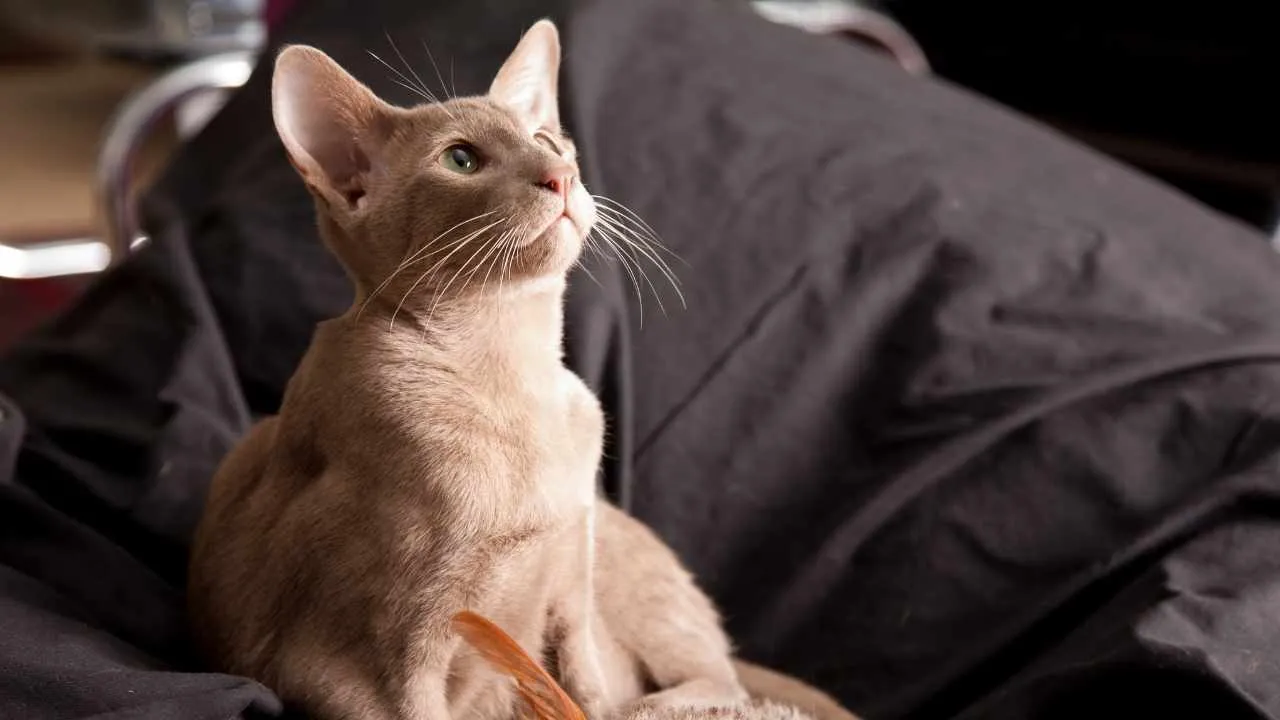
Also called the Oriental Short Hair or simply “Oriental,” this Siamese-family breed is lean, athletic, and deceptively strong. With a triangular wedge-shaped head, oversized ears, and alert eyes, their streamlined build suits life in warm climates perfectly.
According to Britannica, the Oriental Shorthair is an intelligent shorthaired cat breed, noted for its observant nature and ability to adapt to a wide range of situations.
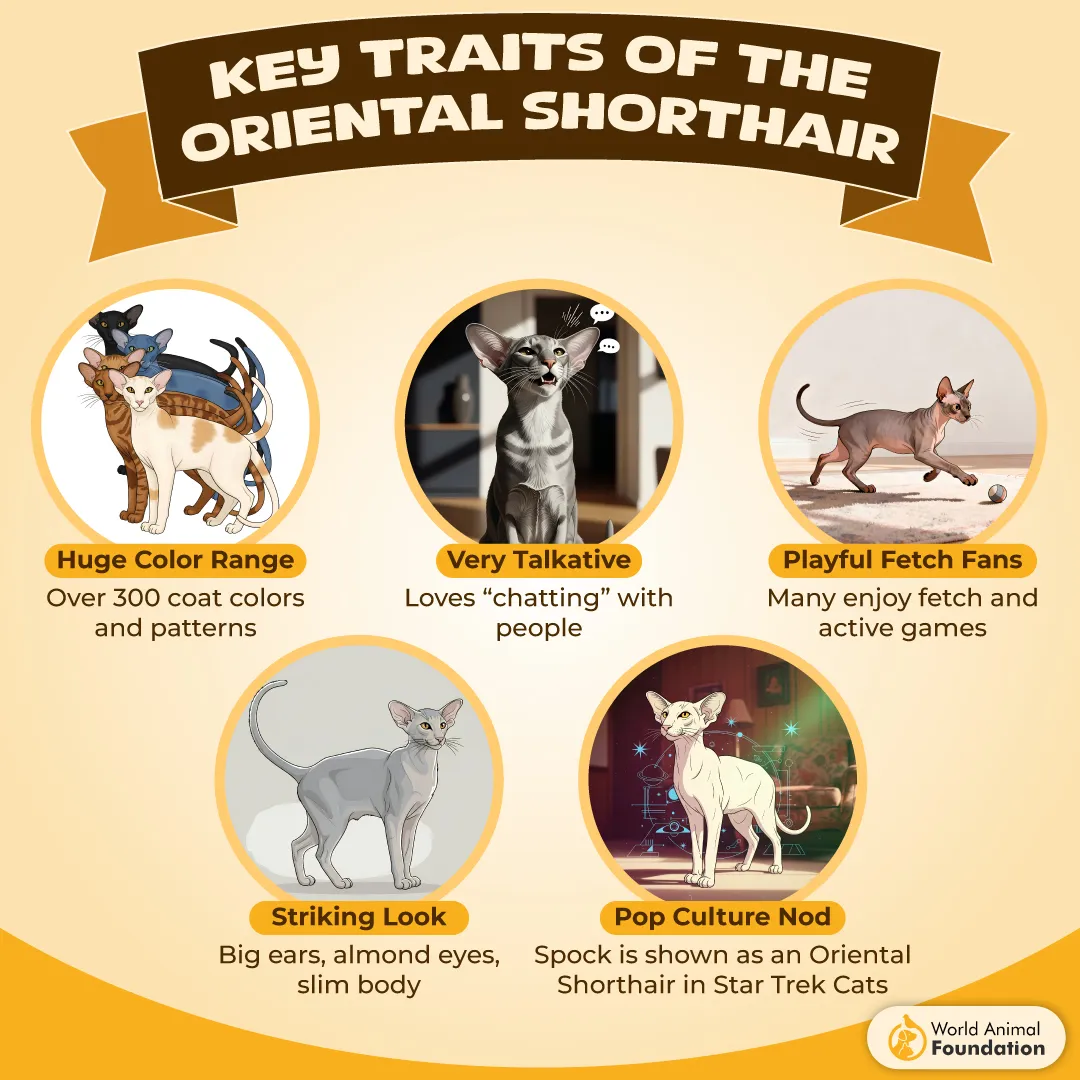
Their ultra-short, glossy coat lies close to the body, allowing heat to dissipate quickly and making them far more comfortable in hot weather than thicker-coated breeds. Minimal fur also means they rarely overheat during active hours.
Oriental Shorthairs are energetic and curious, staying engaged even in warmer conditions as long as they have vertical spaces like cat towers to climb. They thrive on interaction and prefer environments where airflow, shade, and mental stimulation are readily available.
Despite their high energy, grooming is effortless and helps keep the coat healthy in heat-prone seasons. These cats dislike being left alone too long and do best in attentive homes that balance play with rest.
Fact: The Oriental Shorthair’s fine, close-lying coat typically needs only a quick weekly brush to stay in top condition.
3. Abyssinian
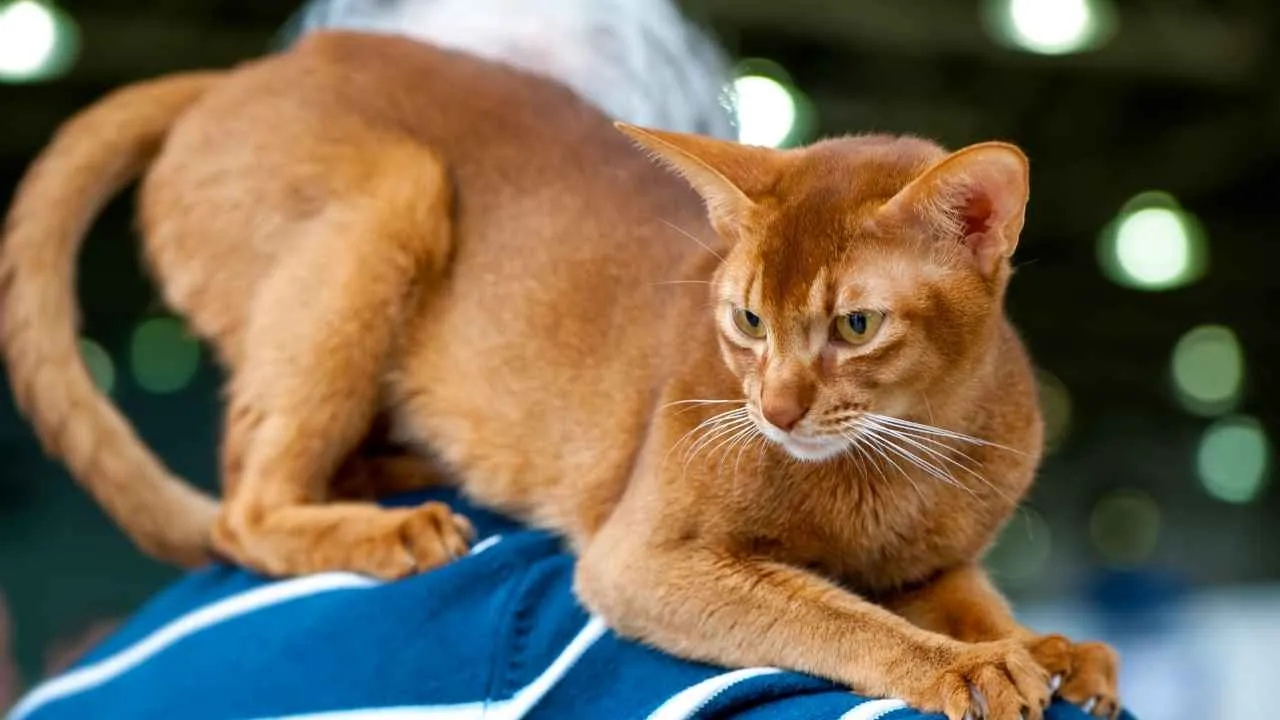
Often called the Aby or nicknamed the “Bunny Cat” for its agile movement, the Abyssinian is a sleek, short-coated breed with an ancient look. Despite the name, its roots trace back to coastal regions of Southeast Asia and the Indian Ocean, not Egypt.
According to PetMD, the Abyssinian’s curiosity, playfulness, and high level of intelligence make it highly receptive to training activities, such as learning to walk on a leash and harness.
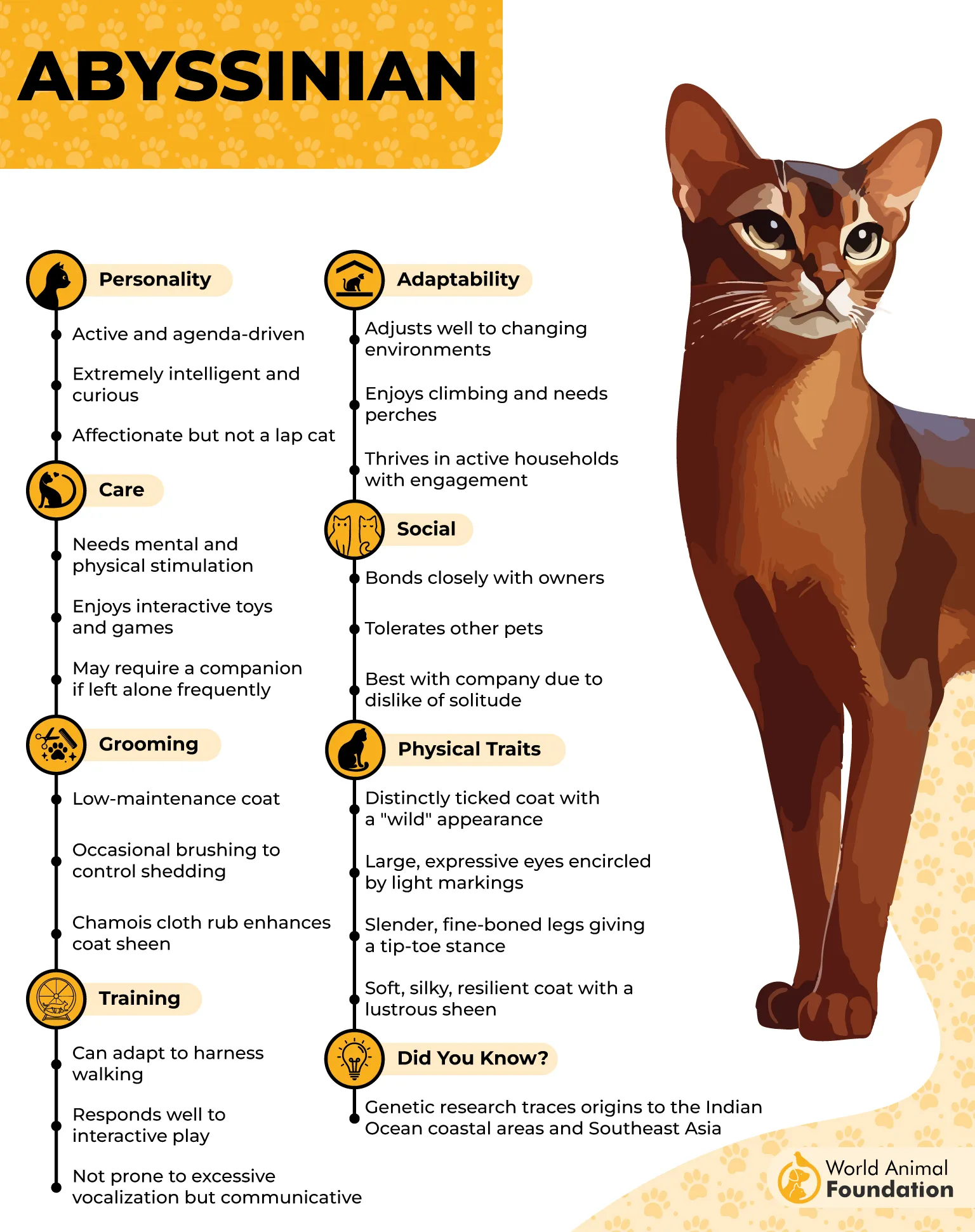
This breed’s short, silky coat lies close to the body, allowing heat to dissipate easily in warm climates. Their lean build and fine fur make Abyssinians far more comfortable in high temperatures than heavier, long-haired cats.
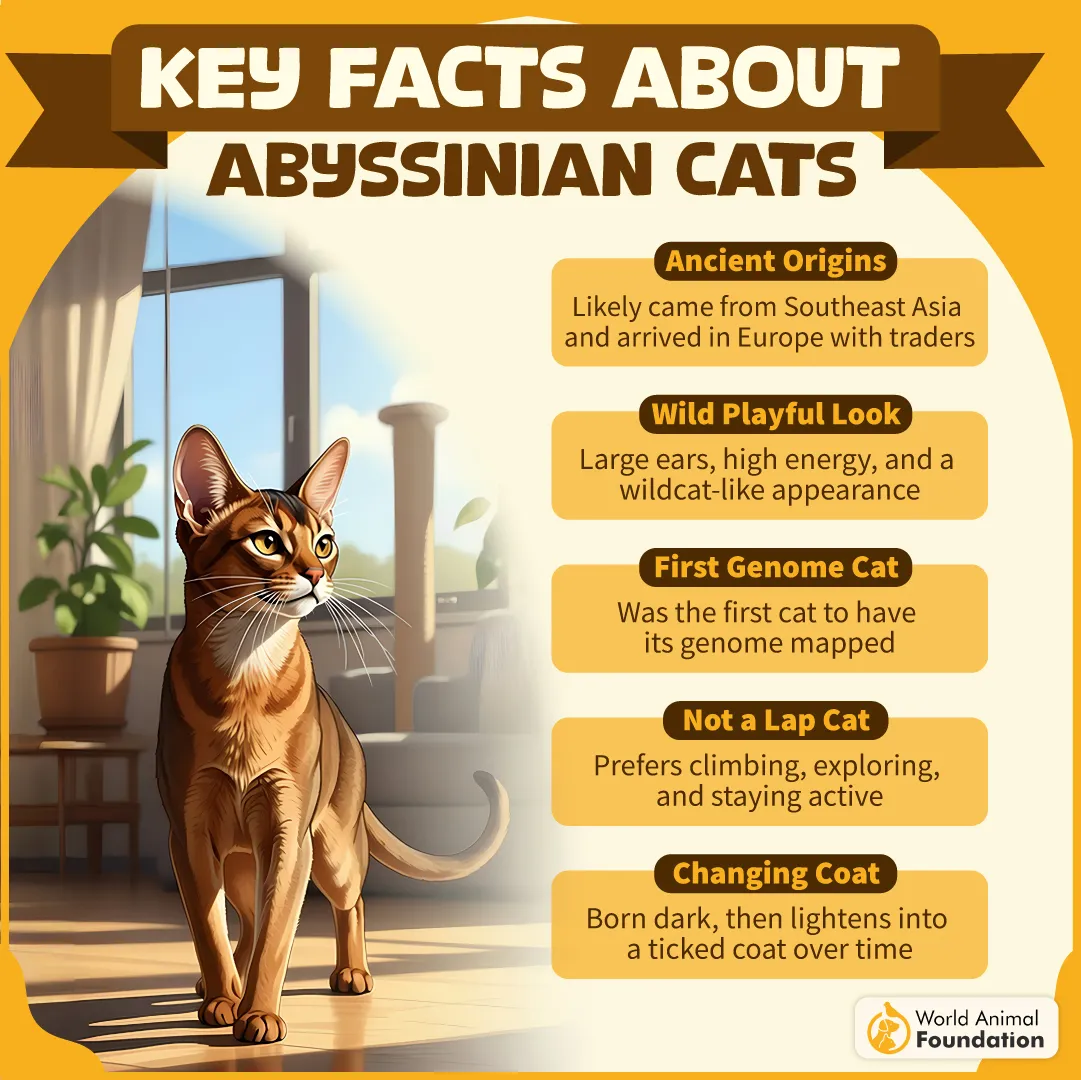
Abyssinians are energetic and thrive in warm weather when given space to move and climb. Rather than overheating, they stay active with short bursts of play, especially when interactive toys are offered during cooler parts of the day.
Highly engaged with their pet parents, they adapt well to sun-filled homes where stimulation and airflow are balanced.
Fact: Abyssinians were first exhibited in the UK in 1871 after being brought from Egypt, even though genetic studies place their true origins elsewhere.
4. Egyptian Mau
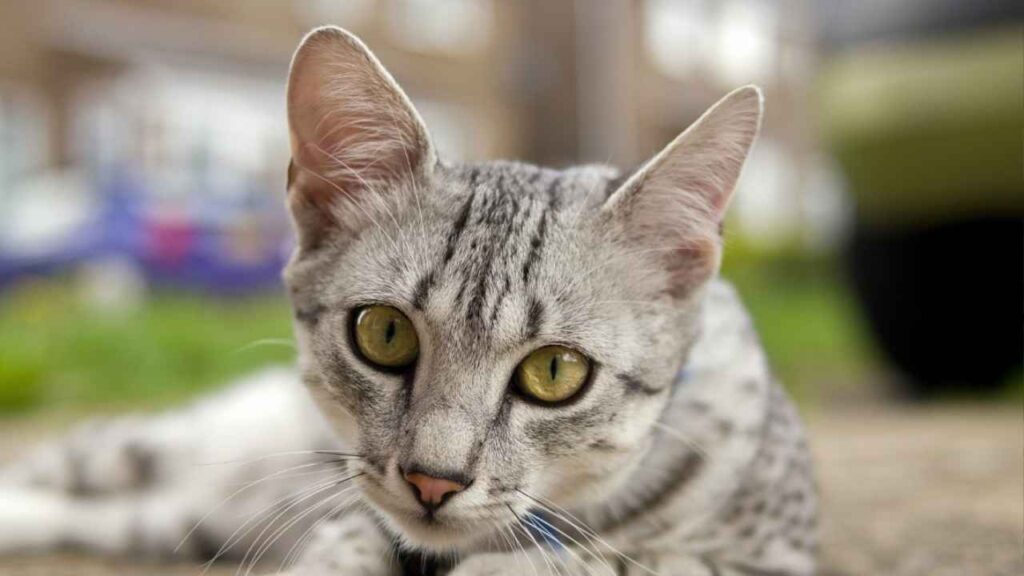
Also known simply as the Mau, the Egyptian Mau is a naturally spotted, small-to-medium cat with ancient roots and a striking, athletic appearance. Its dense but short coat, lean muscles, and large expressive eyes give it an elegant look perfectly suited to hotter regions.
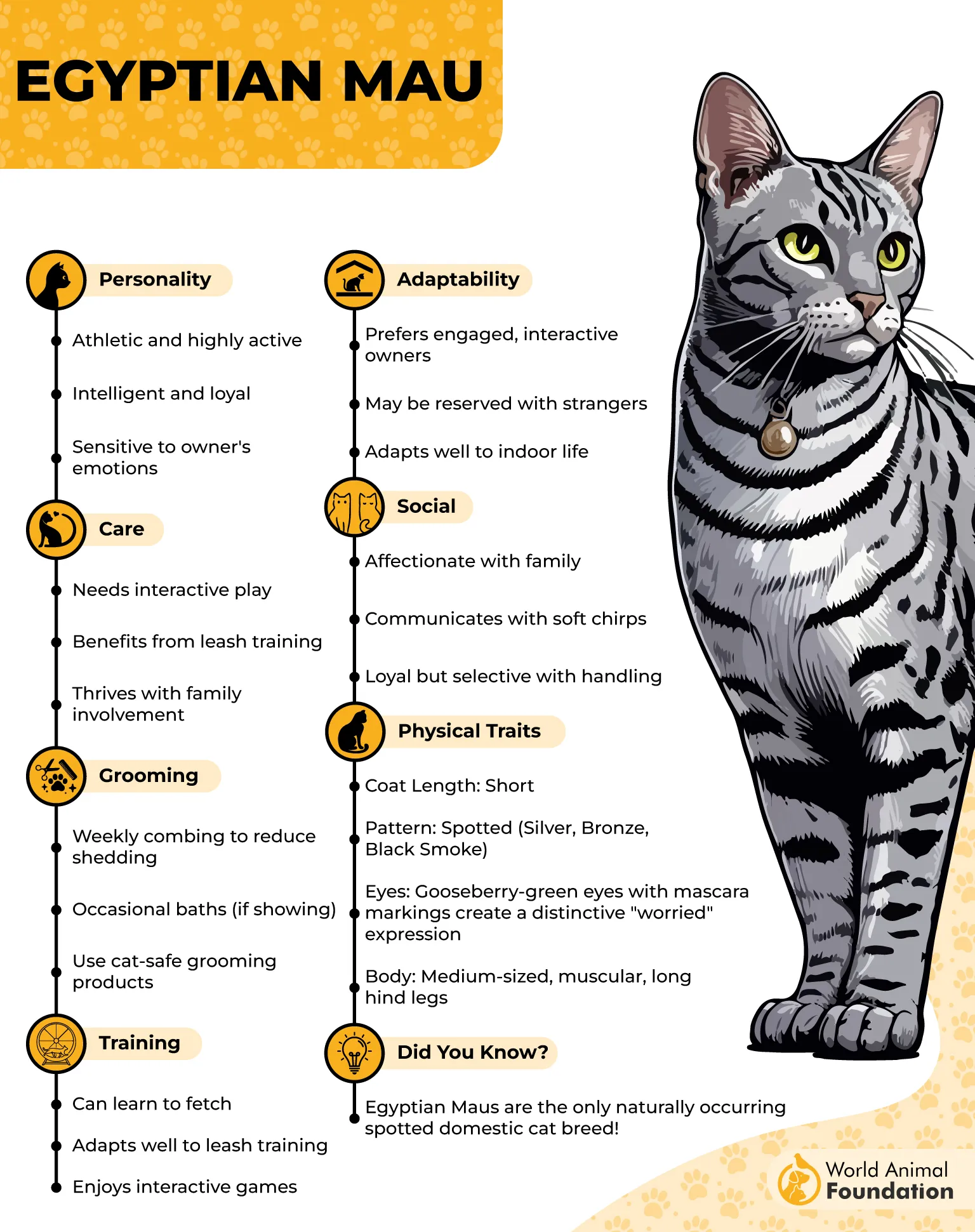
Built for speed and agility, the Egyptian Mau thrives in warm climates where its short fur helps regulate body temperature. This breed loves active play, sprinting, and jumping, making heat-friendly indoor spaces with airflow ideal for daily movement.
Despite an independent streak, Maus form strong bonds with their favorite people and often show dog-like behaviors such as playing fetch or following routines. They enjoy warm resting spots and are known for seeking cozy areas without overheating.
Intelligent and inquisitive, this breed benefits from mental enrichment, especially during hotter days when outdoor activity is limited.
Fact: The Egyptian Mau is one of the few domestic cats with naturally occurring spotted coats and is well known for thriving in warm climates thanks to its short fur.
5. Balinese
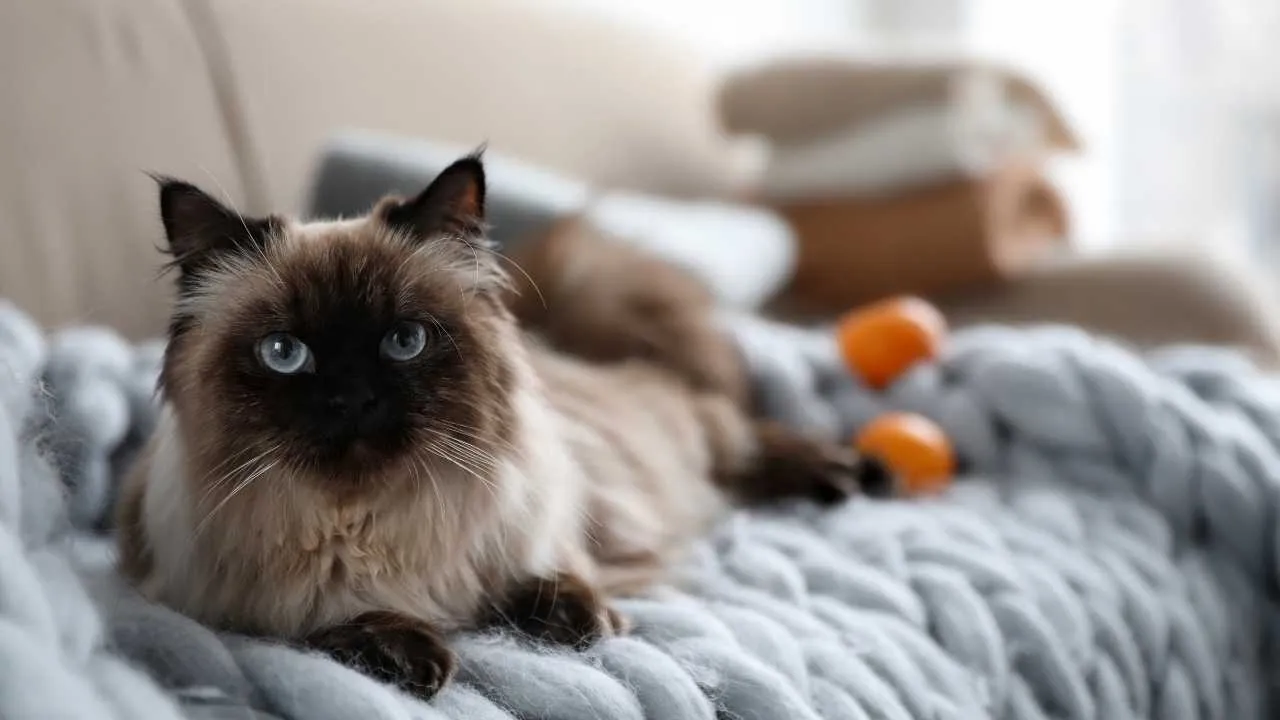
Also known as the long-haired Siamese, the Balinese is a graceful, fine-boned cat with a slim body, wedge-shaped head, and large ears. Though semi-long-haired, this breed stands out for its silky coat that lacks an undercoat, giving it a light, close-fitting feel rather than a heavy, fluffy one.

That coat structure makes the Balinese surprisingly comfortable in warm climates. Without dense underfur to trap heat, they handle higher temperatures better than many long-haired breeds, staying sleek and agile even on hot days.
Balinese cats are highly active, inquisitive, and famously talkative, preferring warm, calm environments where they can move freely and play games at their own pace. Their lean build and energy suit homes that offer space to roam without overheating.
While independent, they remain friendly and engaged with experienced owners who appreciate their vocal nature and weekly grooming routine.
Fact: The Balinese coat has no undercoat, reducing matting and helping the breed stay cooler in warmer climates.
6. Burmese
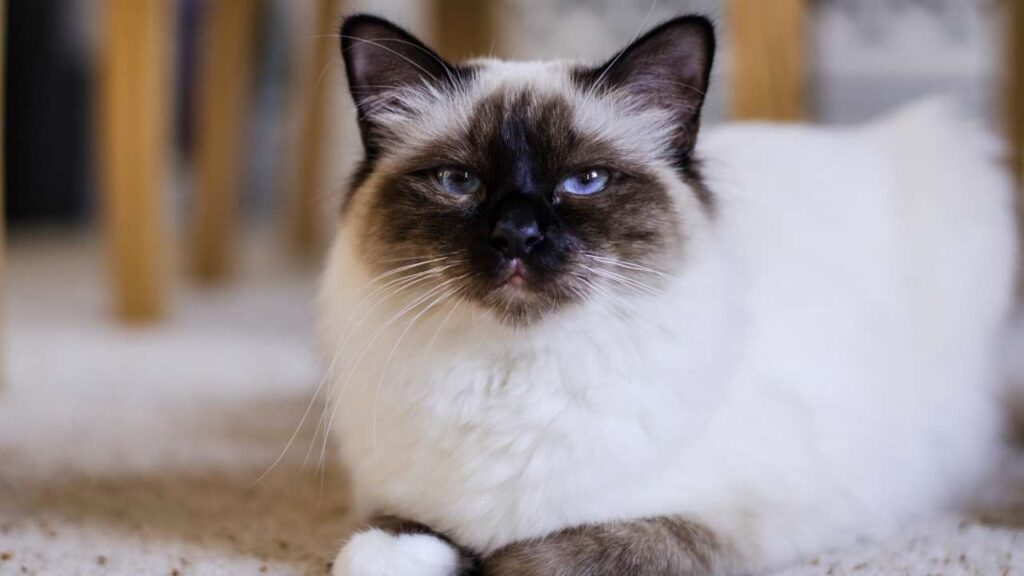
Also called the European Burmese in some regions, the Burmese traces its roots to a cross between the Siamese and the historic “copper cat” of Burma (modern-day Myanmar). This compact, muscular breed is known for its sleek silhouette, rounded head, and expressive golden or green eyes.
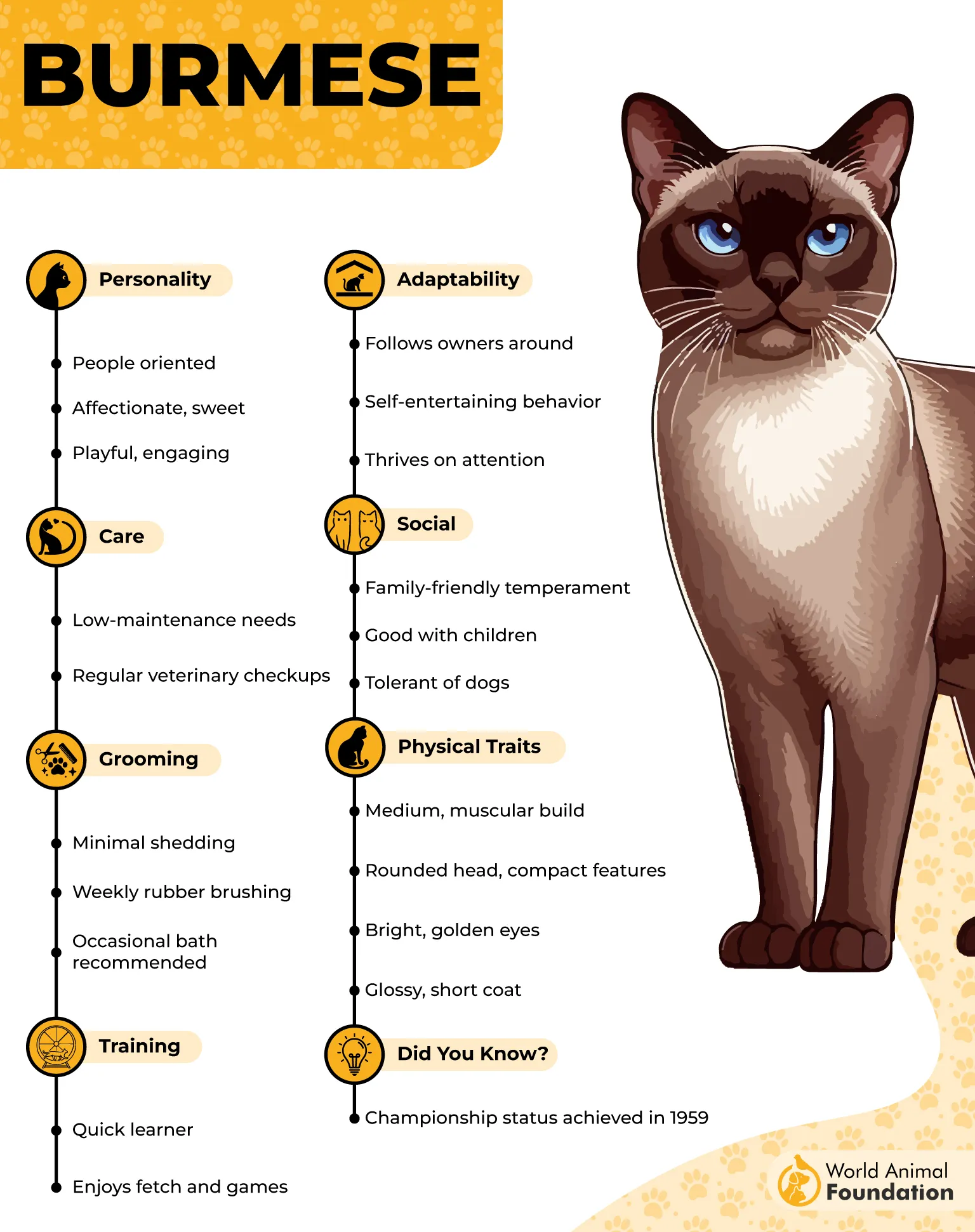
With a very short, fine coat that lies close to the body, Burmese cats are especially comfortable in warm climates. The reduced fur allows heat to dissipate easily, making them far less prone to overheating than thicker-coated breeds.
Despite the heat, Burmese cats stay energetic and playful well into adulthood. Their intelligence and curiosity mean they enjoy puzzle feeders and interactive toys that stimulate the mind without requiring nonstop physical exertion.
Highly social and people-focused, they thrive indoors even in warmer environments, happily following family members from room to room.
Fact: Burmese cats are descendants of Siamese cats and have short coats specifically noted as ideal for living in warm climates.
7. Singapura
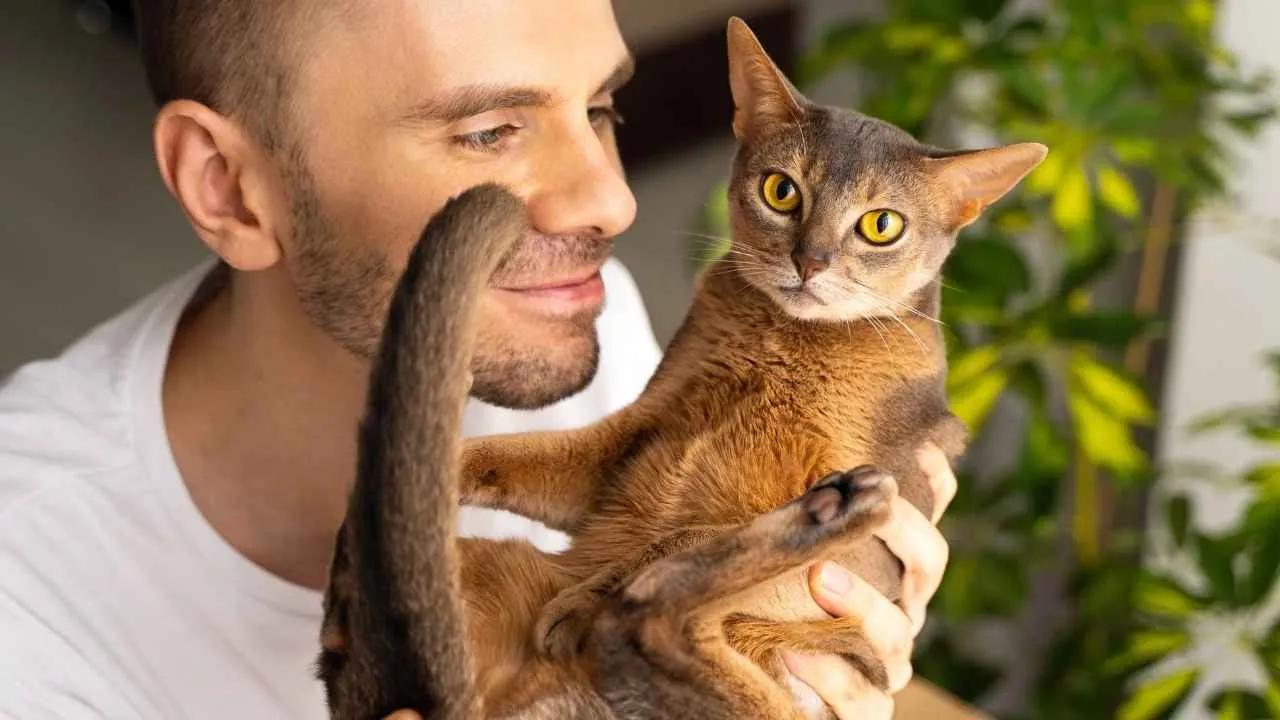
Also called the “Kucinta” or Love Cat, the Singapura is one of the smallest recognized purebred cats, yet it’s impressively muscular and agile. Originating from Singapore’s warm climate, this elegant breed has a fine coat and a compact build well-suited to heat.
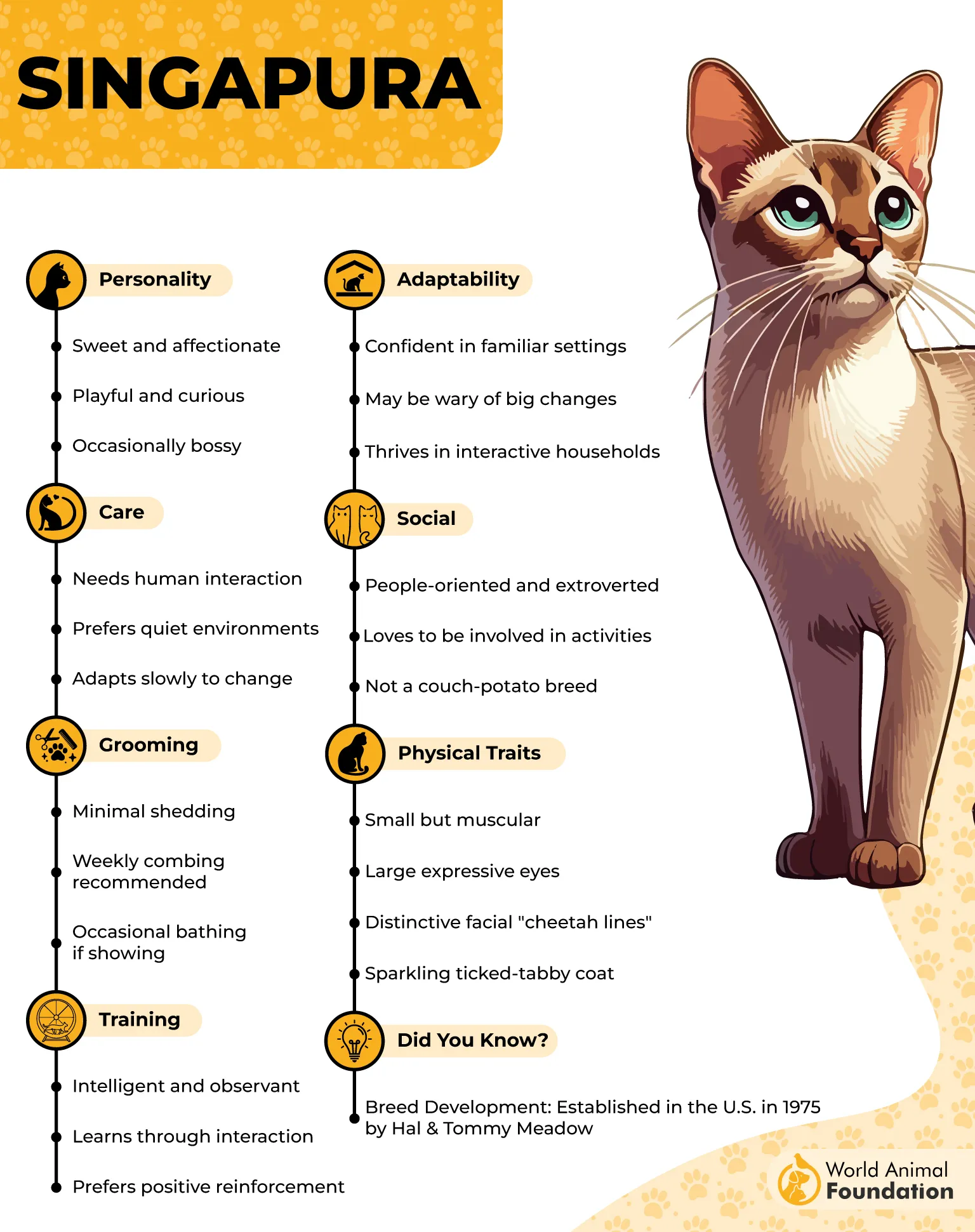
Singapuras handle warm conditions with ease thanks to their short fur and slender frames, which help regulate body temperature. Their natural curiosity and athleticism mean they stay active without overheating, even in hotter environments.
Despite their size, these cats are energetic climbers who love exploring vertical spaces and staying close to family members. They’re ideal for apartment living in warm regions, as long as they have stimulation and safe indoor or supervised outdoor access.
While confident and playful, Singapuras can be sensitive to sudden loud noises, preferring calmer surroundings to fully relax.
Fact: Singapura cats are known for being highly intelligent, people-focused, and energetic, even in consistently warm climates.
8. Korat
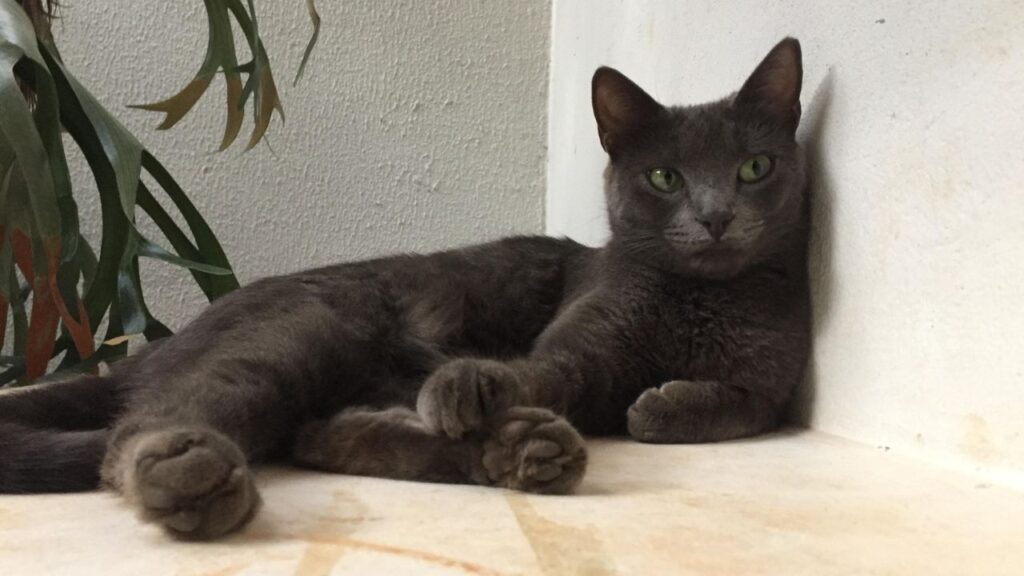
Also known in Thailand as Si-Sawat, the Korat is an ancient, naturally occurring breed prized for its sleek silver-blue coat and heart-shaped face. Originating in a warm climate, this medium-sized cat developed physical traits ideal for heat tolerance.
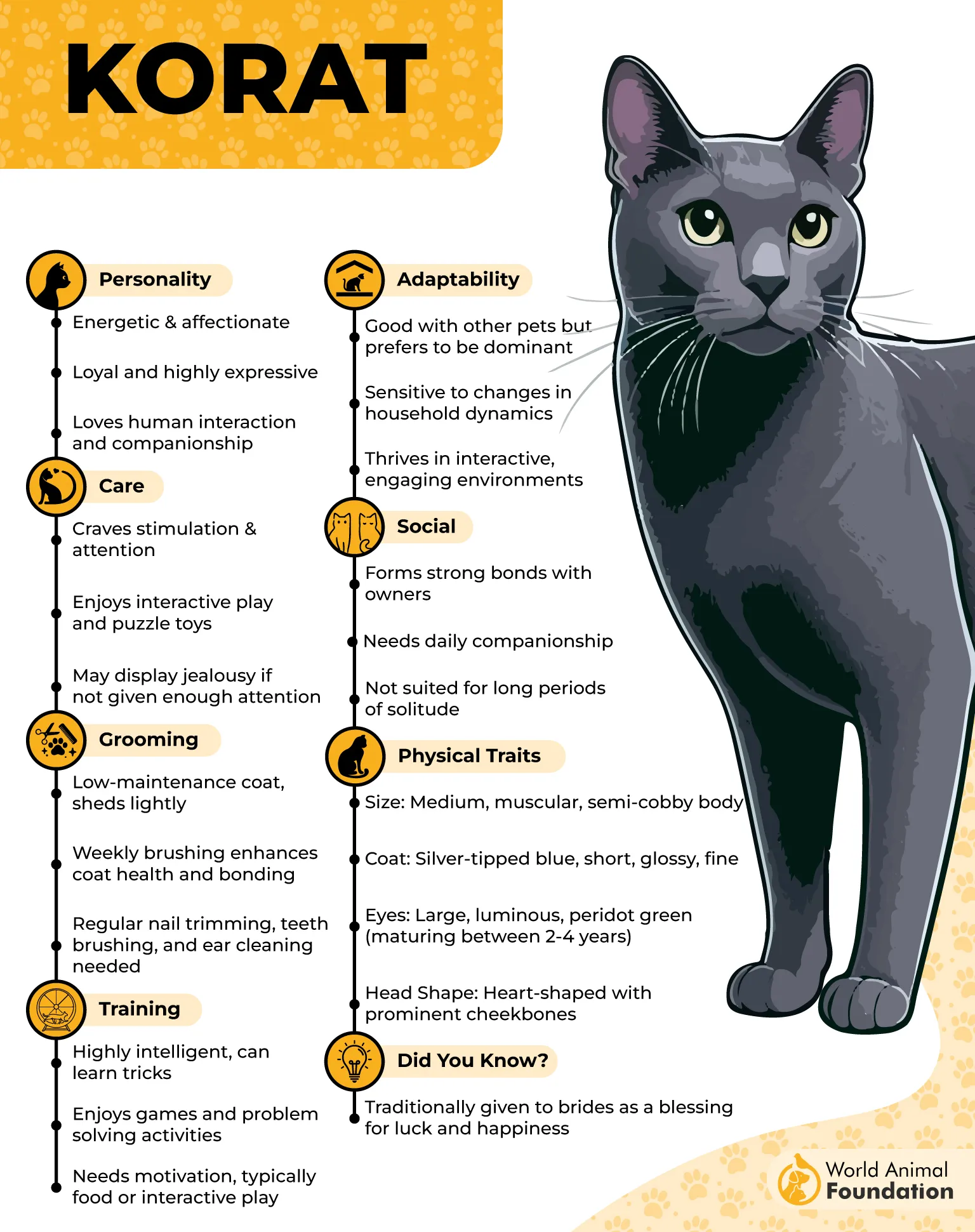
The Korat’s short, close-lying coat helps release body heat efficiently, making it comfortable in warm environments year-round. While athletic and agile, it prefers shaded climbing spaces and breezy perches rather than intense midday activity.
Highly alert with strong hunting instincts, Korats enjoy interactive play and supervised outdoor time in secure spaces. Their natural curiosity and stamina suit warm climates, but unsupervised roaming isn’t recommended due to their focus on chasing prey.
Despite their active nature, Korats form deep emotional bonds and are remarkably attuned to their pet parents’ moods. Their affectionate personality pairs well with a climate-friendly coat.
Fact: Korats have short coats that help them stay cool, even though they still benefit from regular grooming.
9. Tonkinese
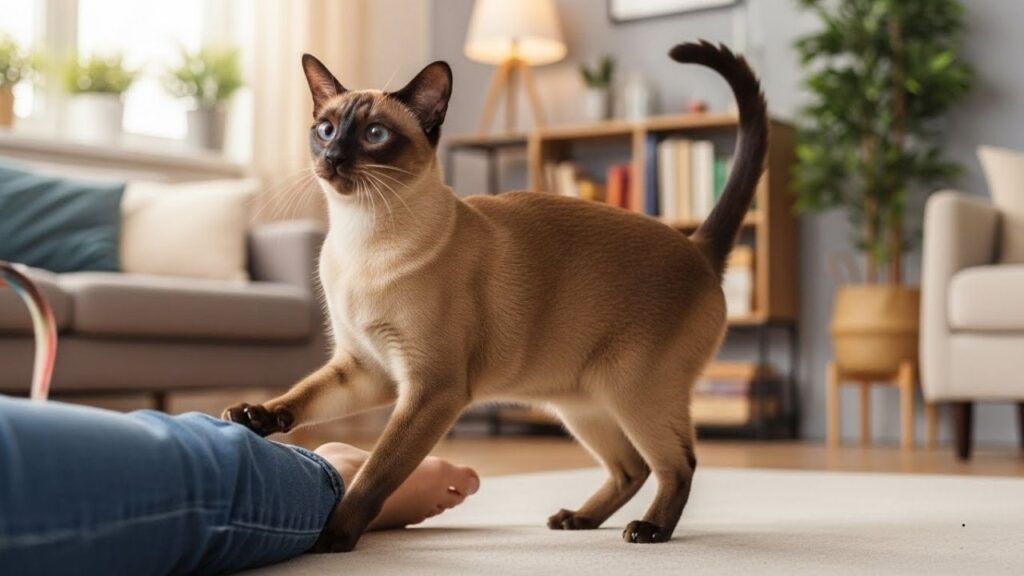
Often called the Tonk, the Tonkinese is a warm-climate-friendly hybrid developed from Siamese and Burmese cats. Medium-sized and athletic, this breed is known for its rounded head, expressive eyes ranging from light blue to green, and a sleek, silky coat that stays comfortable in higher temperatures.
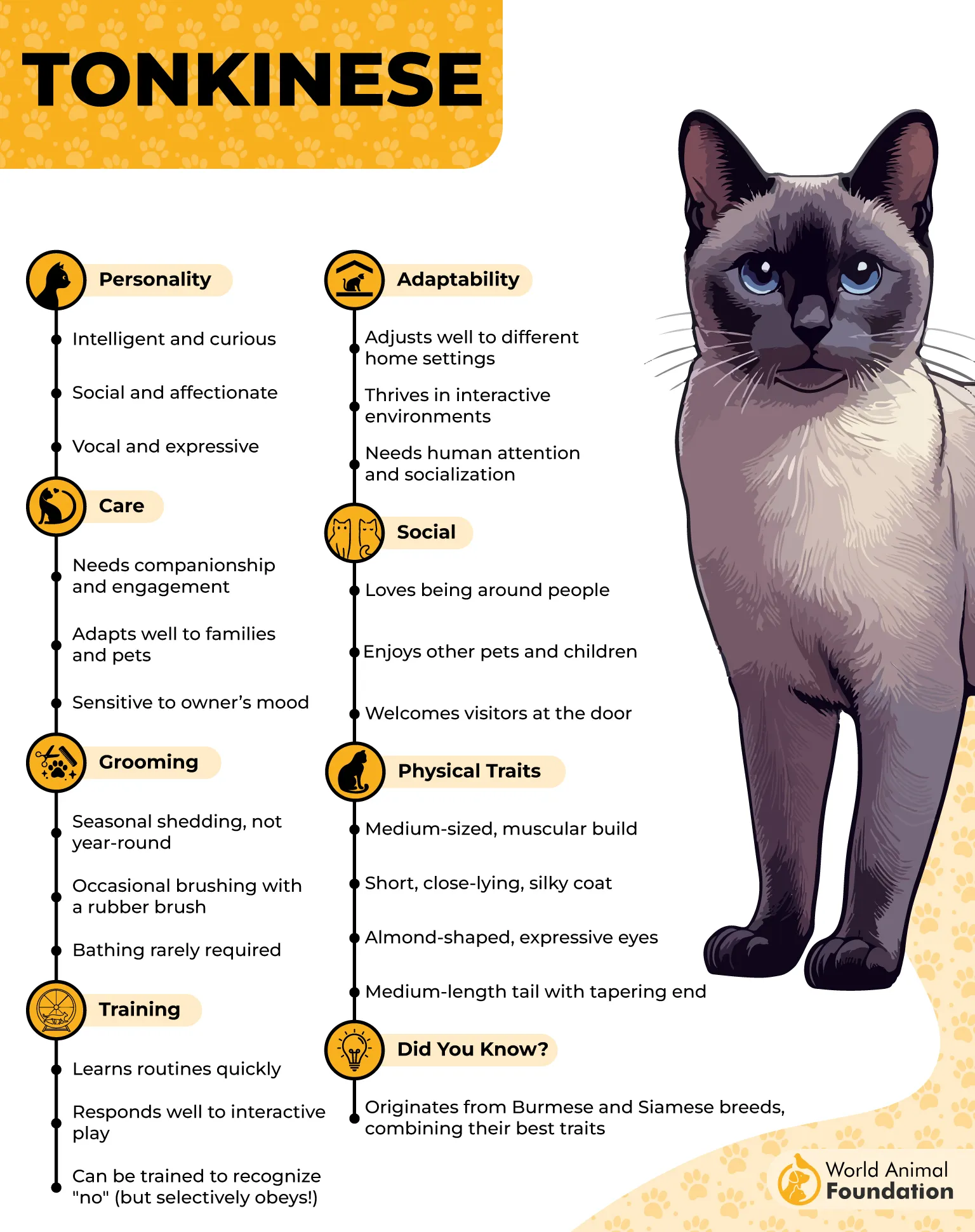
Thanks to their short, low-shedding coat with a subtle sheen, Tonkinese cats manage heat well and rarely feel weighed down in warm weather. Their fur comes in pointed, mink, or sepia patterns, all of which lie close to the body and help release excess warmth efficiently.
Tonkinese thrive in active households and enjoy movement, play, and human interaction without becoming overheated easily. Their moderate energy level means they’re just as content chasing toys as they are stretching out for a nap in a sunny room.
Social by nature, these cats prefer companionship and adapt well to indoor life in warmer regions when given space to move and cool down naturally.
Fact: Tonkinese are known for their low-shedding, heat-friendly coats.
Conclusion
When temperatures rise, choosing cat breeds adapted to warm climates makes a noticeable difference in comfort and well-being.
Certain breeds with wild ancestry are naturally better suited to hot climates thanks to sleek coats, efficient heat dissipation, and high heat tolerance.
From ticked coat patterns to short, close-lying fur, these heat-tolerant breeds stay comfortable even in tropical climate conditions, making them ideal feline friends for indoor living during the summer months.
For cat lovers, these warm-weather cats combine an affectionate nature with a friendly demeanor, thriving in indoor environments when given proper care. Fresh water, cooling mats, shaded areas, and safe indoor environments help excellent companions handle warm temperatures with ease.
While not all cats manage high heat well, certain other breeds show how thoughtful selection and care allow cats to stay relaxed, healthy, and happy all summer long.
