




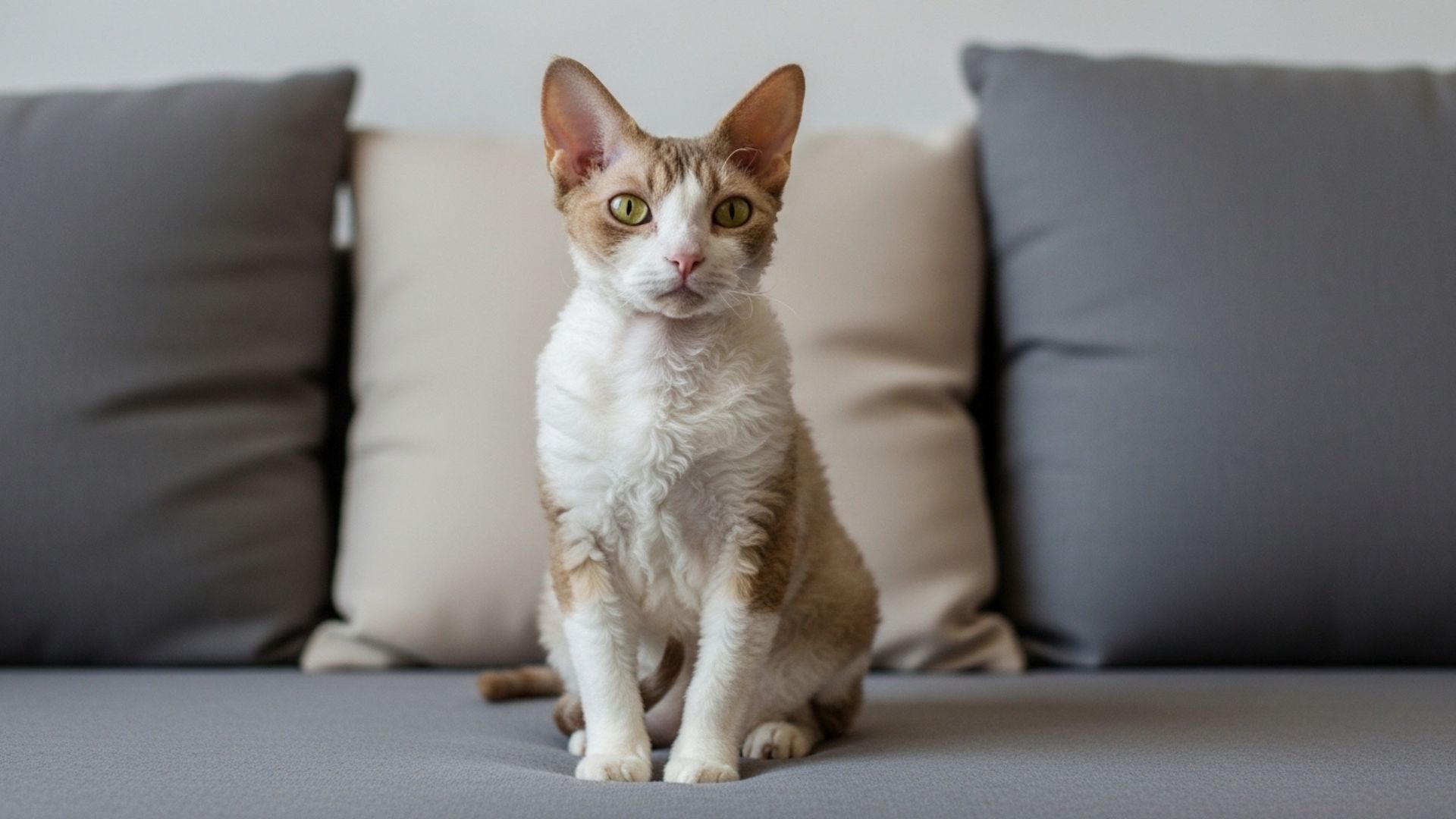
Living in a hot, humid climate can shape every part of daily life—including how comfortable your cat feels at home. While all cats seek shade and rest during warmer hours, some breeds are naturally better equipped to handle heat and moisture. Choosing a cat adapted to humid conditions can make a noticeable difference in comfort, health, and overall happiness.
Cats from tropical or coastal regions often evolved with features that help release heat efficiently, such as shorter coats, lighter body frames, or higher tolerance for warmth. These adaptations reduce the risk of overheating and allow them to remain active even when humidity rises.
Certain traits help cats thrive in humid weather beyond just coat length. Efficient grooming habits, higher hydration needs, and a preference for airflow or cool surfaces all contribute to better heat management.
In this article, we’ll explore cat breeds adapted to humid climates and highlight the unique characteristics that help them stay comfortable when temperatures climb and the air feels heavy.
Cat breeds adapted to humid climates
1. Siamese
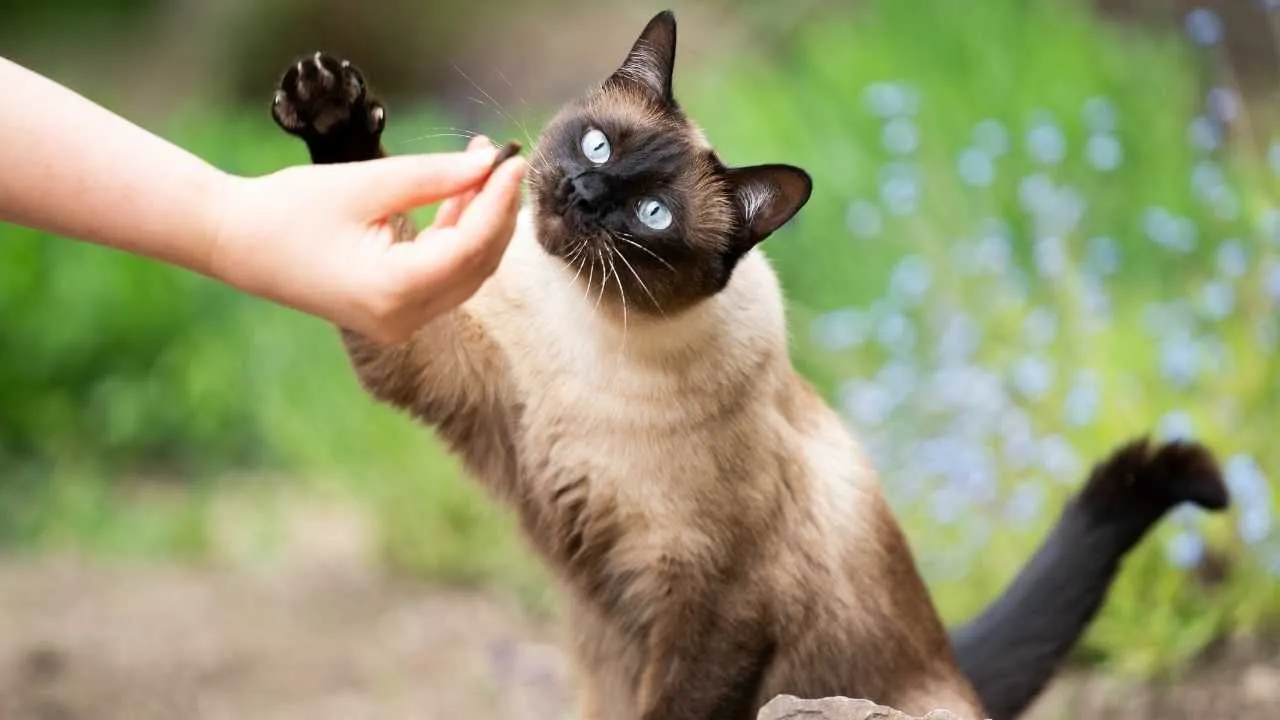
Also known as the Thai cat, the Siamese is a sleek, short-haired breed admired for its pale coat with darker color-point markings and striking almond-shaped eyes.
According to Britannica, the Siamese is a popular domestic cat breed that originated in Thailand, which was officially known as Siam until 1939.
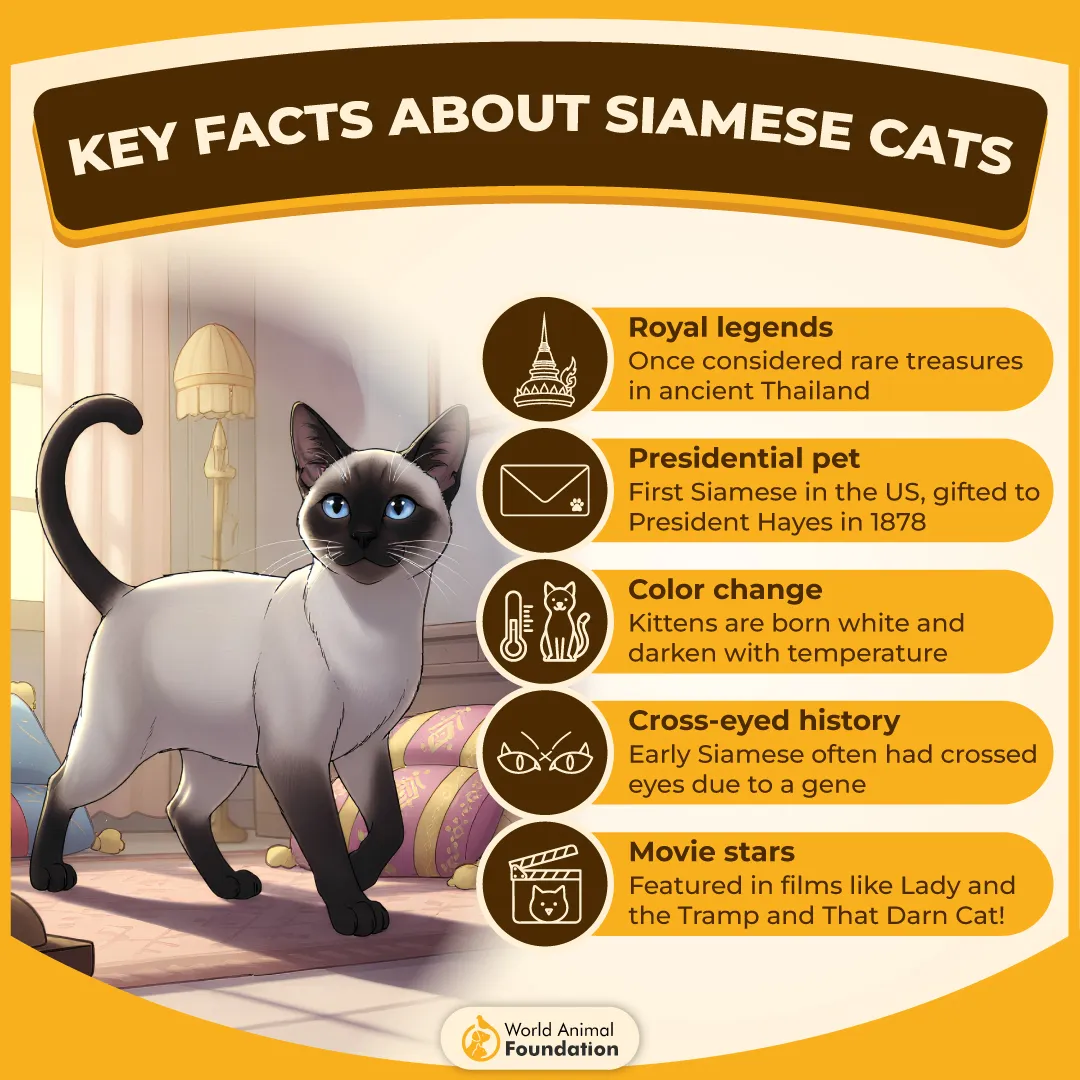
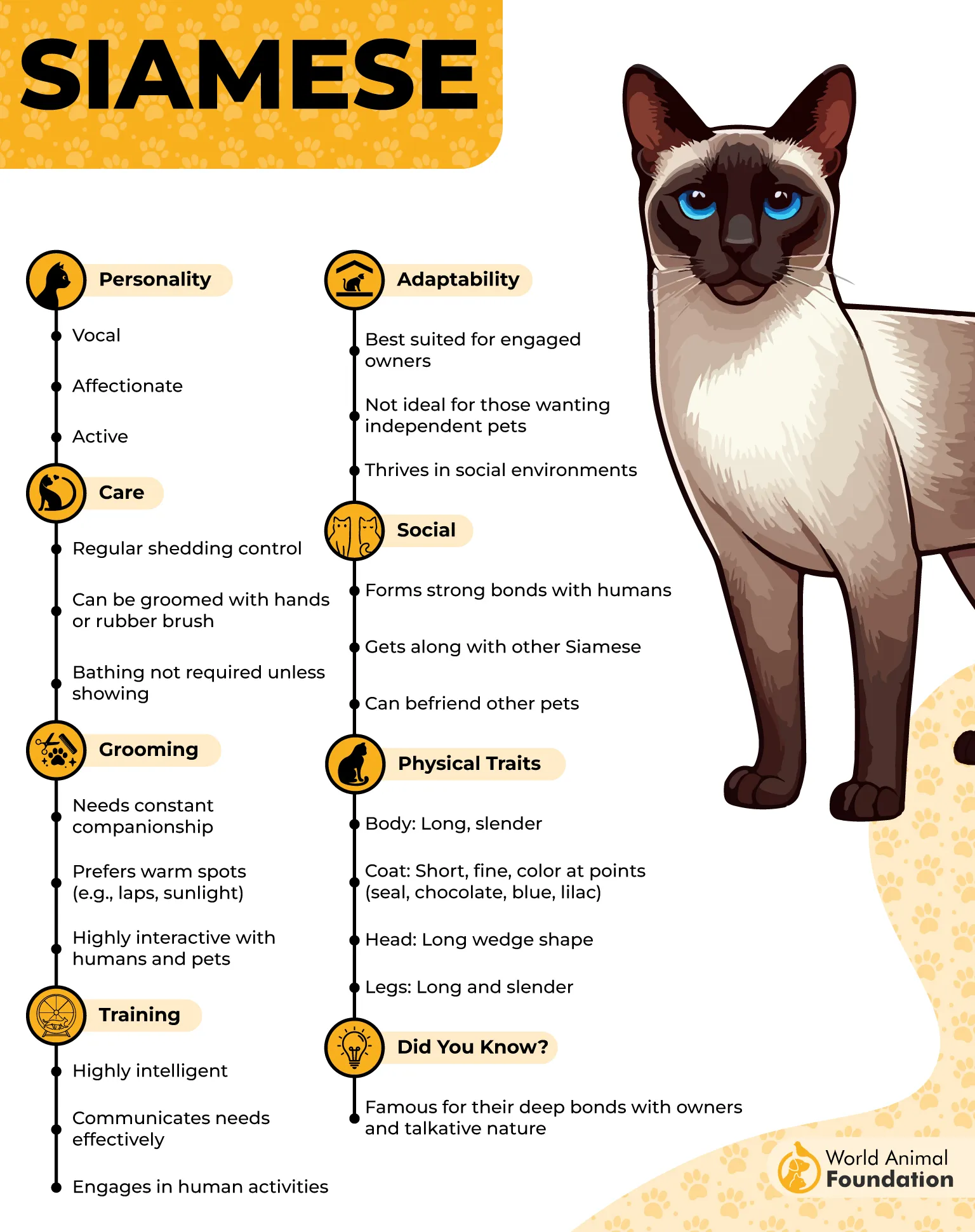
Siamese cats are naturally well-suited to humid climates thanks to their short, lightweight coat, which allows heat to dissipate easily and reduces moisture retention in warm air.
Their lean build and long legs help with airflow and temperature regulation, making them more comfortable in sticky conditions than heavier, thick-coated breeds. Siamese cats also tend to remain active without overheating as quickly.
Social and adventurous, they often enjoy supervised outdoor time, even in warm weather, as long as shade and hydration are available.
Interesting fact: There are two Siamese types—the traditional apple-headed variety and the modern, wedge-shaped Siamese with an ultra-slender frame.
2. Burmese
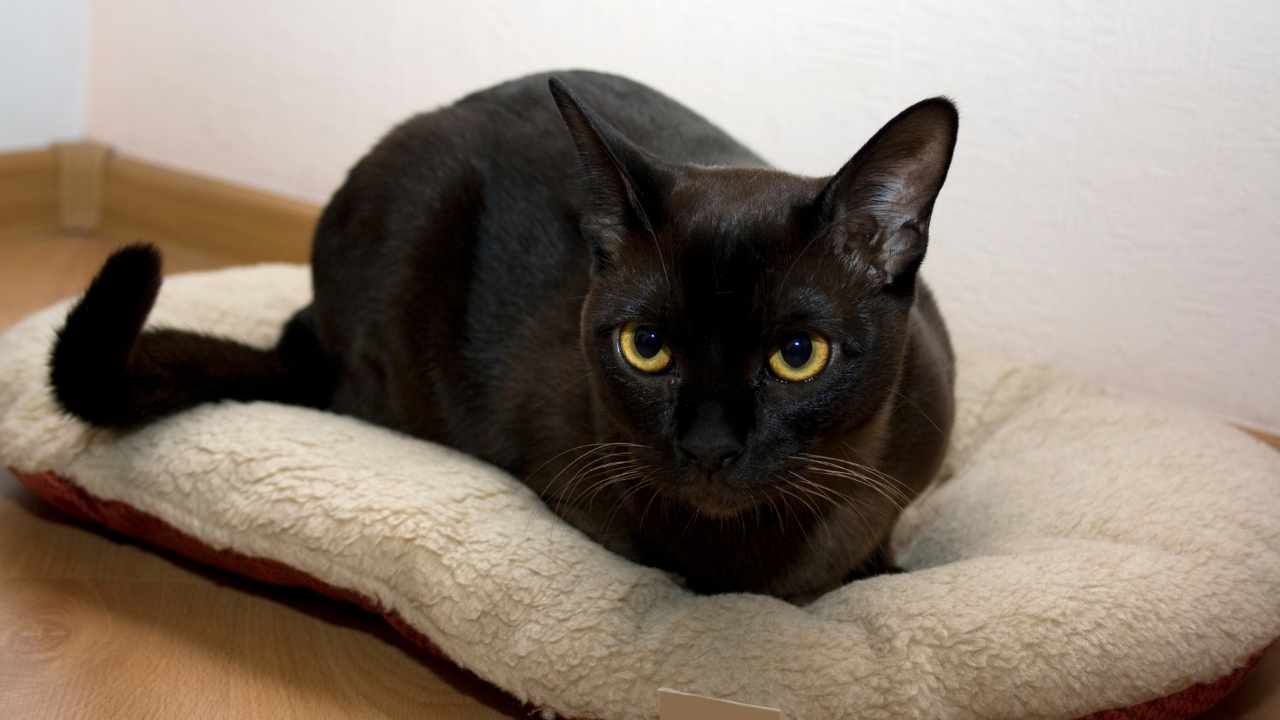
Also known simply as the Burmese, this breed comes in both American and European types, each with slightly different builds but the same warm-climate adaptability.
According to PetMD, Burmese cats are friendly and intelligent, enjoying energetic play around the house as much as relaxing and cuddling on the couch. With a sleek, short coat and compact, muscular body, the Burmese is well-suited to humid environments.
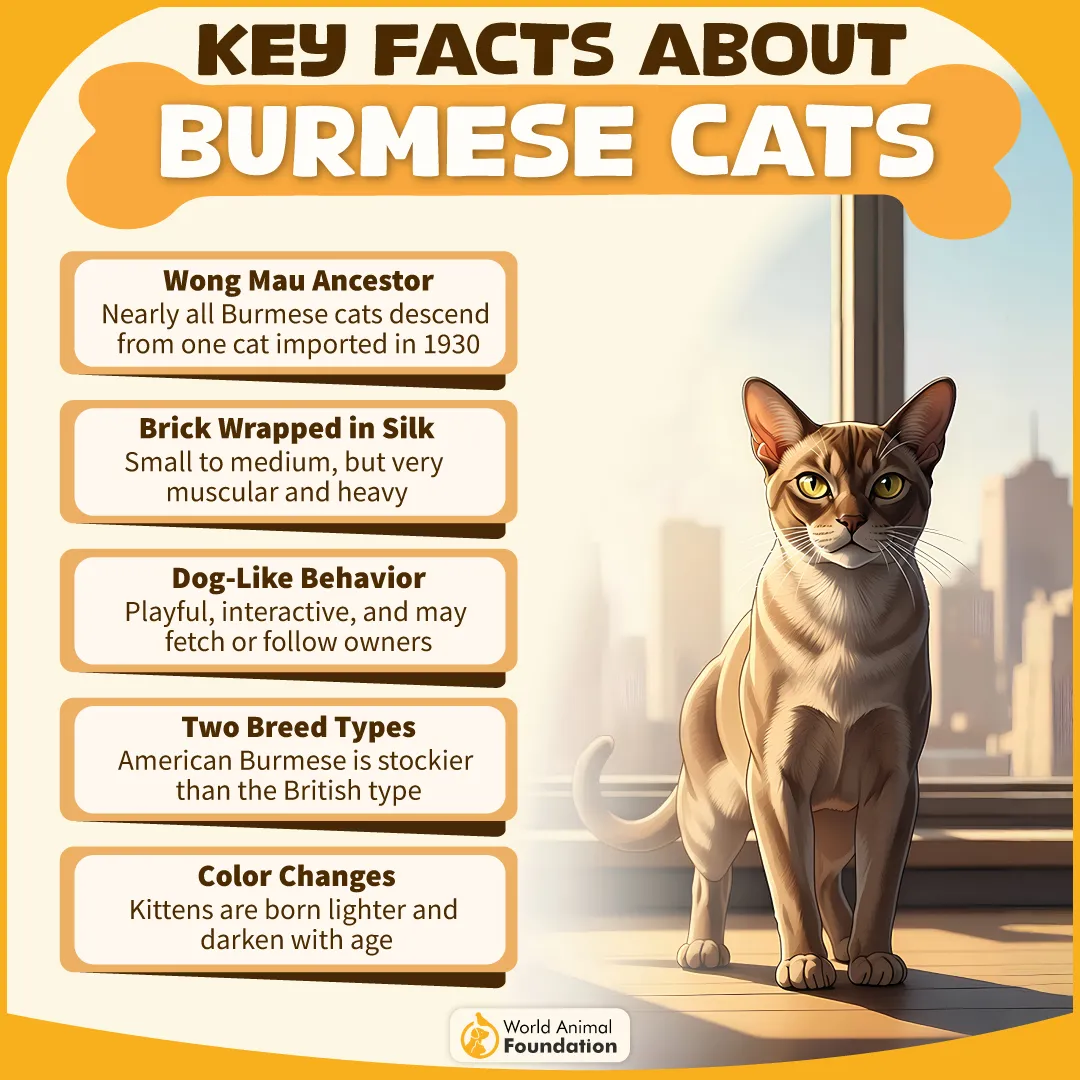
The Burmese handles heat with ease thanks to minimal fur that allows better airflow and faster cooling. Their short coat also makes grooming simple, an added benefit in sticky, humid conditions.
Highly intelligent and active, Burmese cats remain playful even in warm weather. Consistent hydration, shaded rest spots, and mentally engaging toys help them stay comfortable while preventing boredom during hotter days.
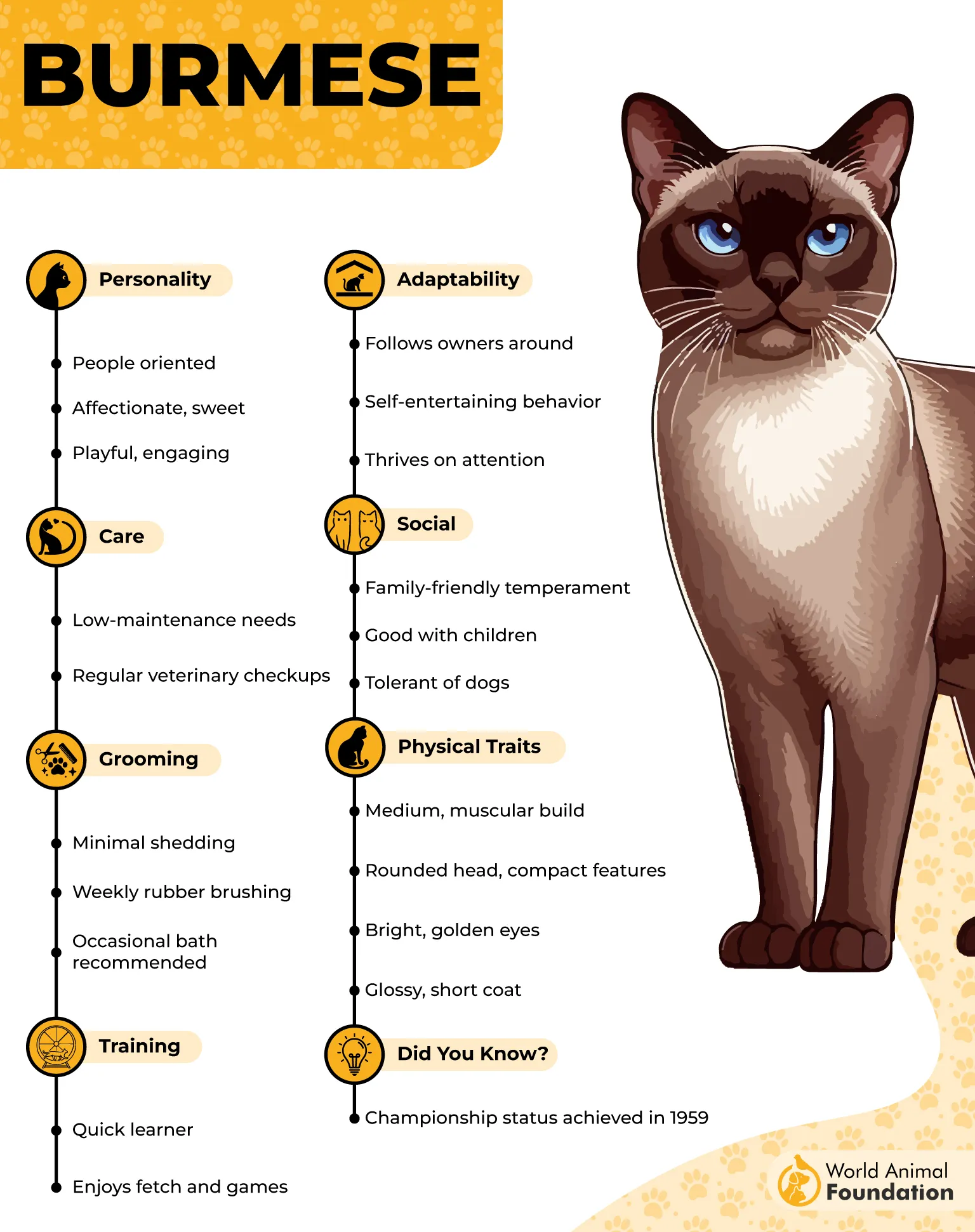
Their sociable nature means they often stay close to family members rather than hiding from the heat.
Interesting fact: Burmese cats come in two types—European Burmese are more slender, while American Burmese have a stockier build and rounder eyes.
3. Abyssinian
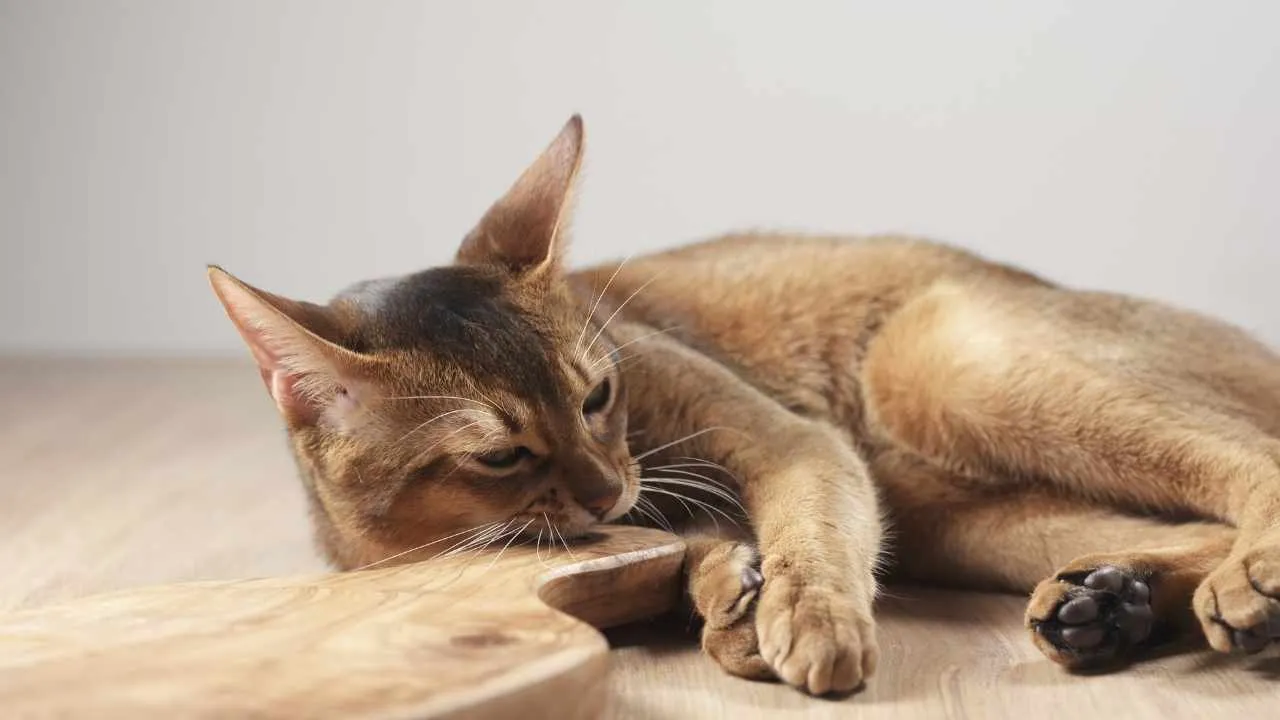
Also known as the Aby or Abyssinian cat, this sleek, short-haired breed is instantly recognized by its ticked tabby coat, large upright ears, and athletic build.
According to Purina, the Abyssinian has a strikingly wild appearance, giving the impression of a highly athletic cat that looks as though it has just come from the jungle.
With roots linked to Southeast Asia and coastal regions near the Indian Ocean, the Abyssinian is naturally suited to warmer, more humid environments.
Fitting the idea of tropical origins and natural adaptability, Abyssinians manage heat well thanks to their short, silky coat that allows efficient airflow. Unlike heavy-coated breeds, they remain comfortable and active even when temperatures rise.
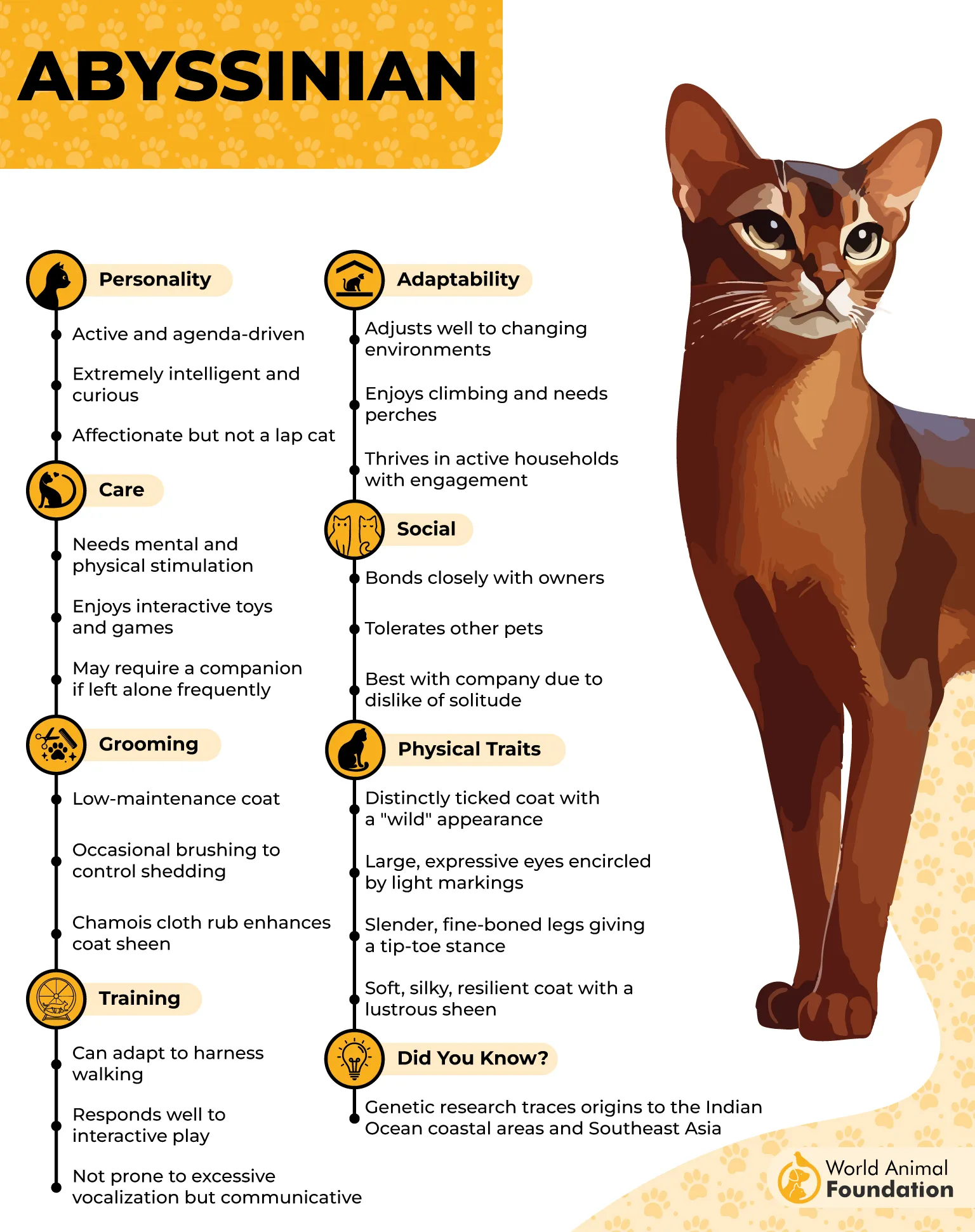
Their high energy level pairs well with humid climates, as they prefer movement, play, and exploration rather than prolonged lounging. Frequent play sessions also help them regulate body temperature and stay mentally engaged.
Because they are social and curious, Abyssinians adapt easily to environments where warmth is consistent.
Interesting fact: Genetic research suggests the Abyssinian’s origins trace back to Southeast Asia and the Indian Ocean coastlines, helping explain its natural tolerance for heat and humidity.
4. Oriental shorthair
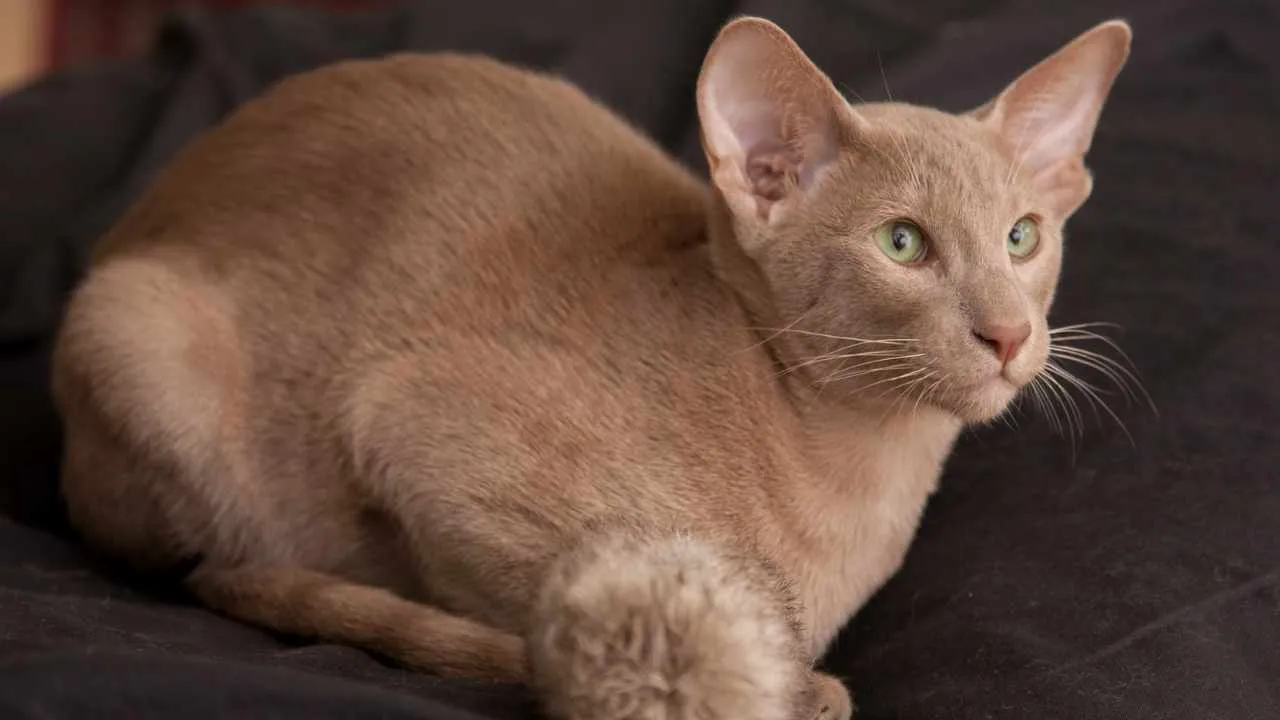
Also known as the Oriental, the Oriental Shorthair is part of the Siamese family and stands out for its sleek body, large ears, and alert expression. This short-haired breed is highly social, athletic, and closely bonded to its people.
Often described as a low-maintenance coat for humid regions, the Oriental Shorthair handles warm, moist climates with ease. Its fine coat lies close to the body and lacks an undercoat, allowing heat to escape efficiently and reducing discomfort in humid weather.
Grooming is simple and well-suited to sticky conditions. Minimal shedding, rare matting, and quick-drying fur mean weekly brushing is usually enough, helping keep skin healthy without trapping moisture.
Because they are energetic climbers and enjoy active homes, good airflow and vertical spaces help them stay comfortable year-round.
Interesting fact: Oriental Shorthairs have no undercoat, which significantly reduces shedding and makes grooming easier compared to many other breeds.
5. Devon Rex
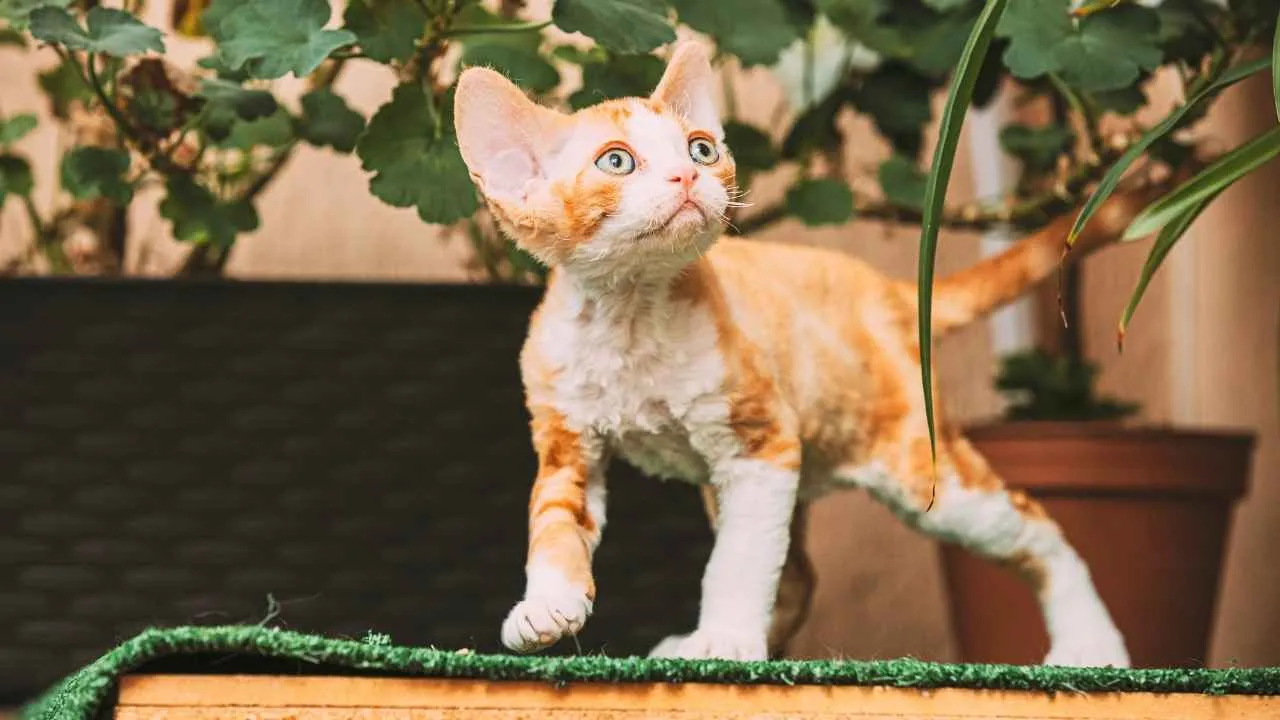
The Devon Rex stands out for its slender build, oversized ears, and short, curly coat. Originating in England, this breed is lightweight, highly intelligent, and famously people-oriented.
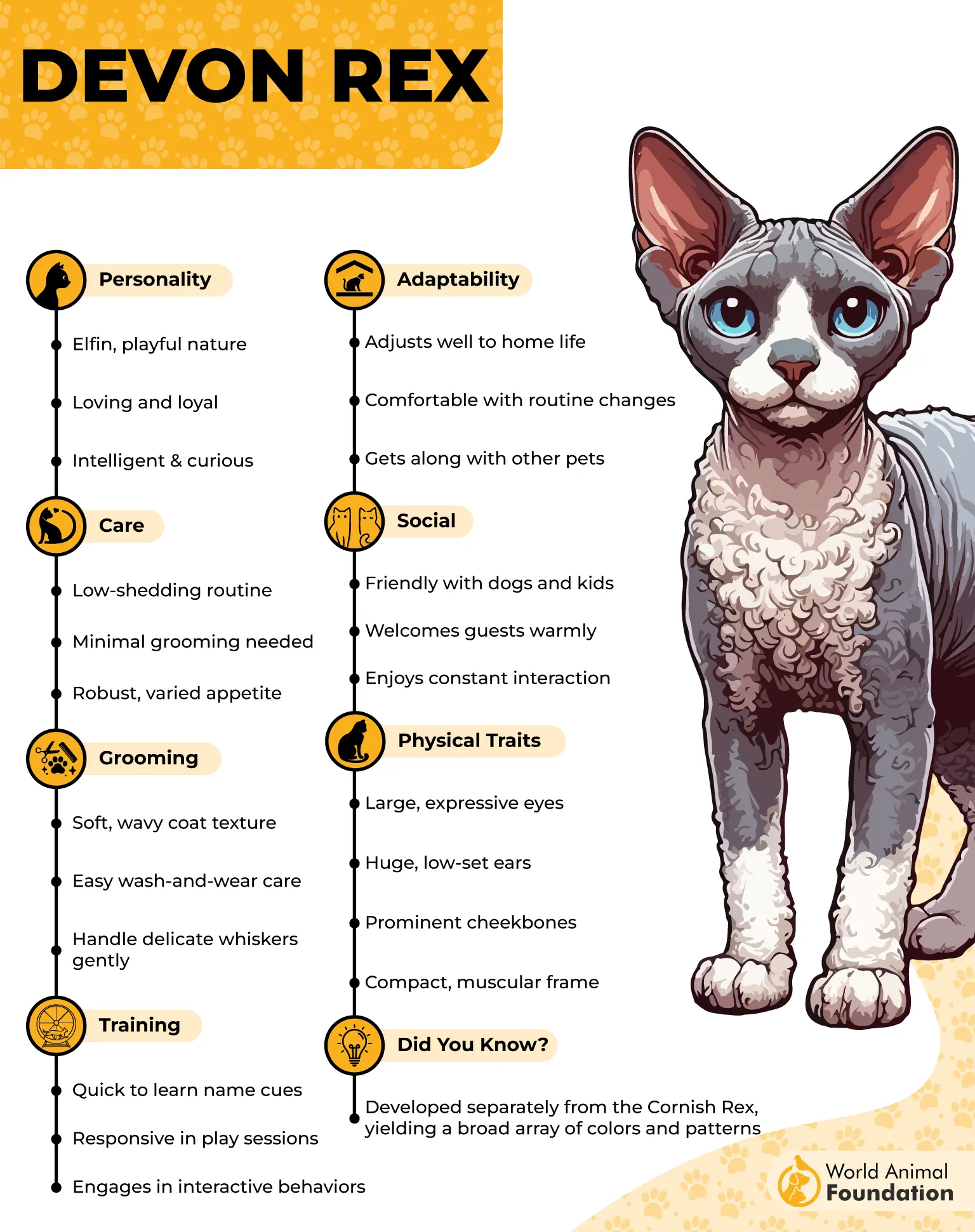
With their thin coat and low body mass, Devon Rex cats handle warmth and humidity better than many heavier-coated breeds. Their natural heat tolerance allows them to stay active and comfortable even when the air feels warm and damp.
These cats are energetic and curious, thriving in environments where movement and airflow are plentiful. Humid climates suit their playful nature, as they love climbing, exploring, and staying close to their humans rather than retreating from the heat.
Because boredom can lead to mischief, consistent activity is essential in warmer regions.
Interesting fact: Devon Rex cats are known for being highly intelligent and can become destructive if left unstimulated or alone for long periods.
6. Cornish Rex
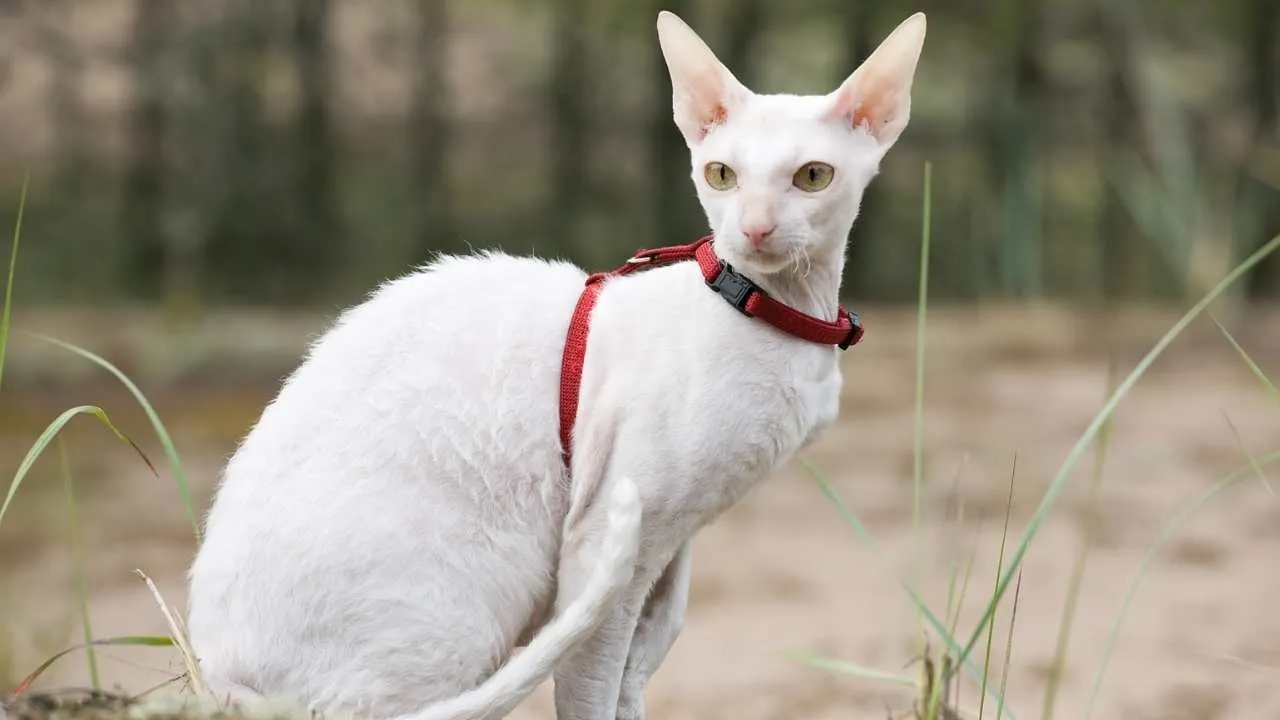
Also known simply as the Rex, the Cornish Rex is a distinctive breed recognized for its short, curly coat and slim, athletic frame. Originating in Cornwall, England, this cat’s unique appearance comes from a natural genetic mutation that shaped both its coat and body structure.
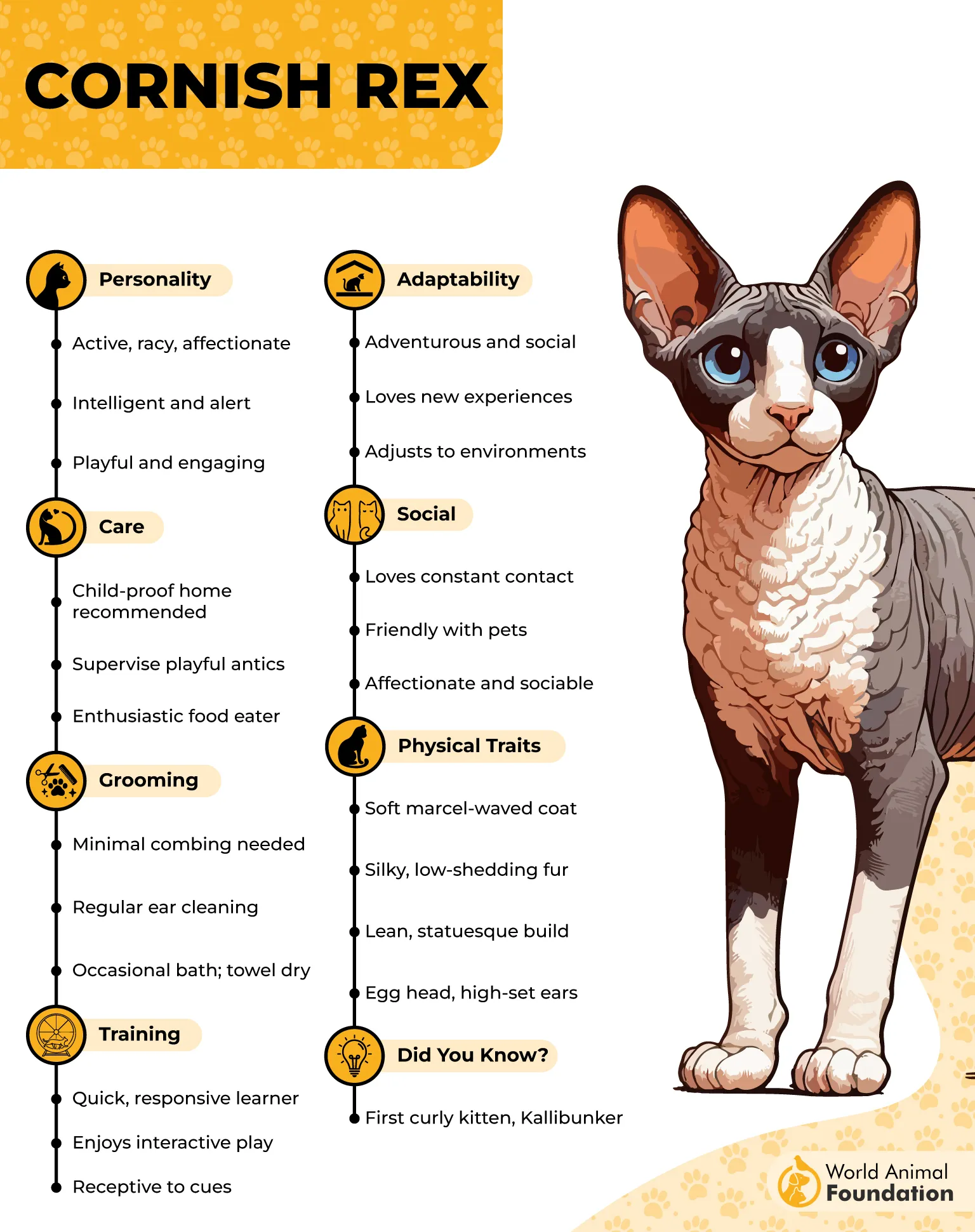
The Cornish Rex handles humid climates with ease. It’s a fine, lightweight coat that allows heat to dissipate quickly, helping the cat stay comfortable even when temperatures and moisture levels rise.
Their small-to-medium build, long legs, and minimal fur reduce heat retention, making them far less prone to overheating than heavier-coated breeds. Combined with their love of movement, this structure supports healthy circulation in warm, sticky weather.
Beyond physical traits, Cornish Rex cats remain active and playful in heat, often seeking interaction rather than hiding from warmth.
Interesting fact: The Cornish Rex breed began in 1950 with a single curly-coated kitten named Kallibunker, whose mutation founded the entire breed.
7. Egyptian Mau
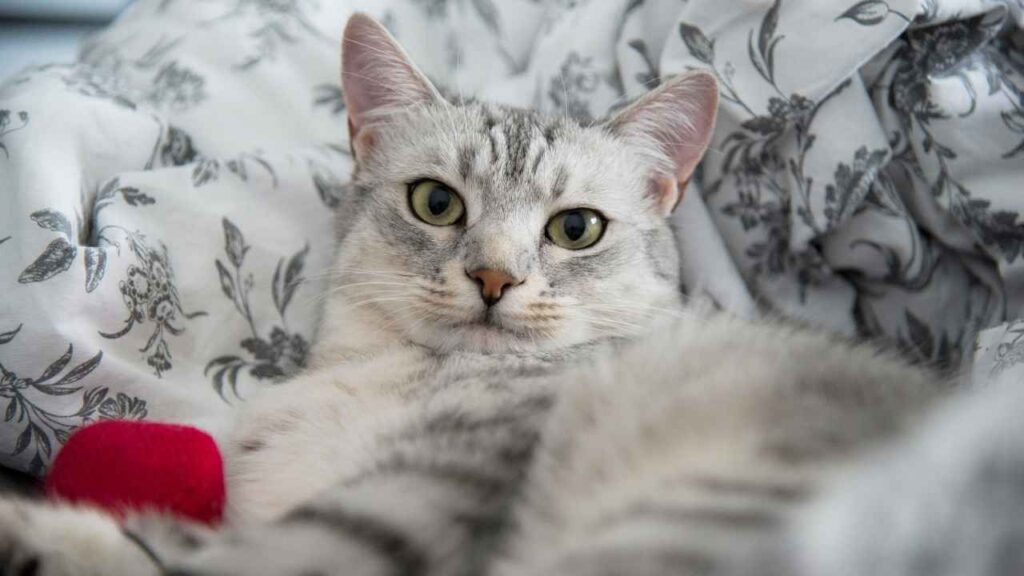
Also known simply as the Mau, the Egyptian Mau is an ancient, naturally spotted breed admired for its athletic frame, expressive eyes, and sleek, short coat. This medium-sized cat traces its roots to warm regions, where efficiency and agility were essential for survival.
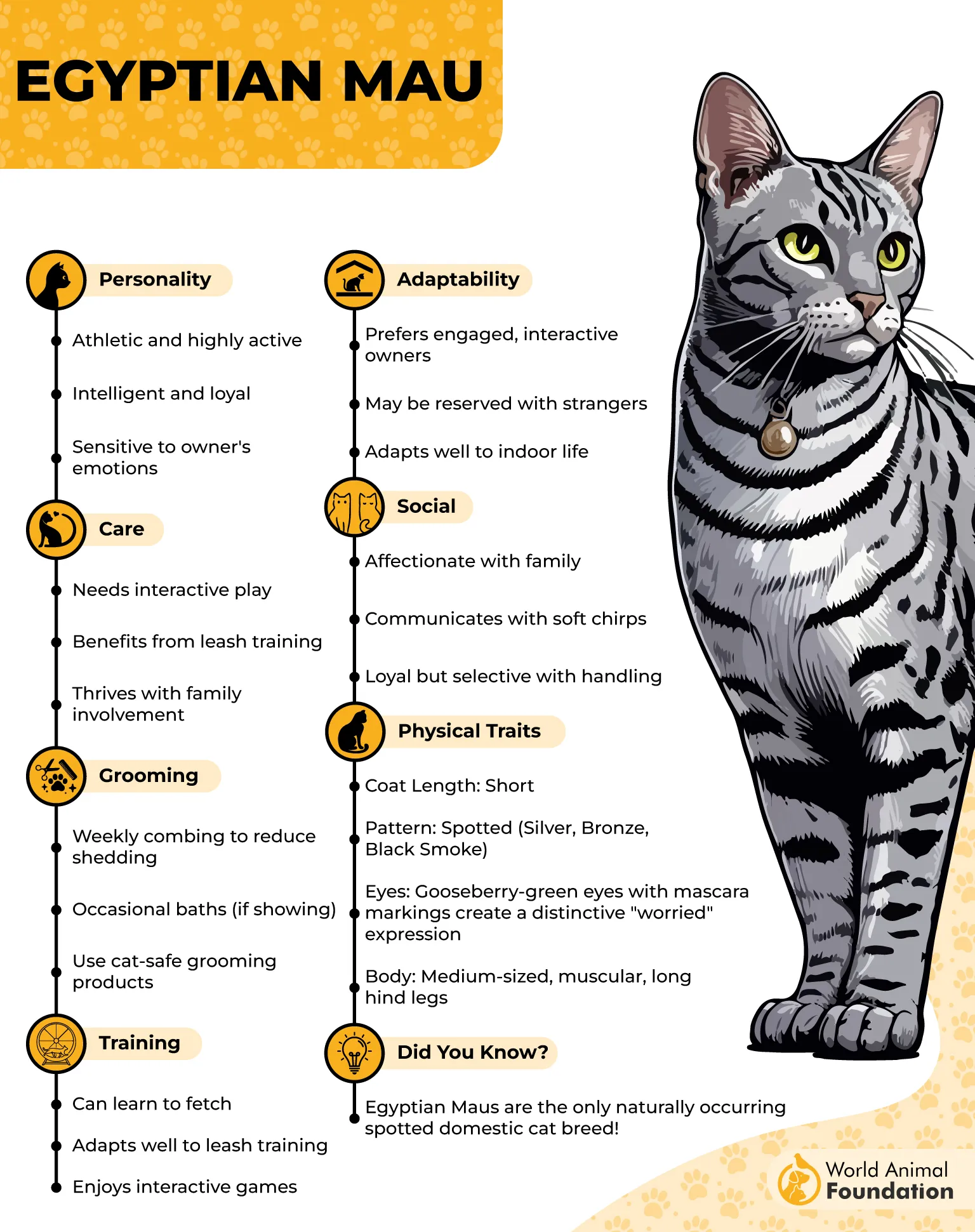
The Egyptian Mau is well-suited to humid climates. Its short, close-lying coat allows heat to dissipate quickly, helping the cat stay comfortable even in warm, moisture-heavy air.
Their lean, muscular build and longer hind legs make them incredibly agile, encouraging movement without overheating. Maus remain active in humid environments, preferring airflow and open spaces where they can run, jump, and cool down naturally.
High intelligence also plays a role in adaptation, as this breed quickly learns to rest during peak heat and stay active during cooler moments.
Interesting fact: The Egyptian Mau is considered the fastest domestic cat, capable of running up to 30 miles per hour.
8. Korat
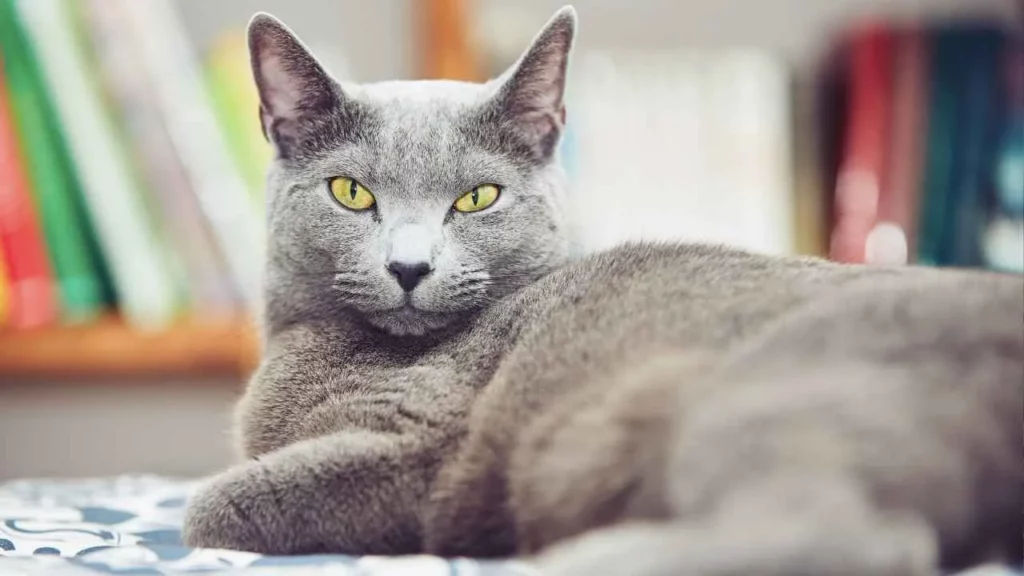
Also known as the Si-Sawat, the Korat is a rare, short-haired breed from Thailand, admired for its silver-blue coat and expressive green eyes. Naturally athletic and affectionate, this breed developed in a warm, humid region and is well-suited to similar climates.
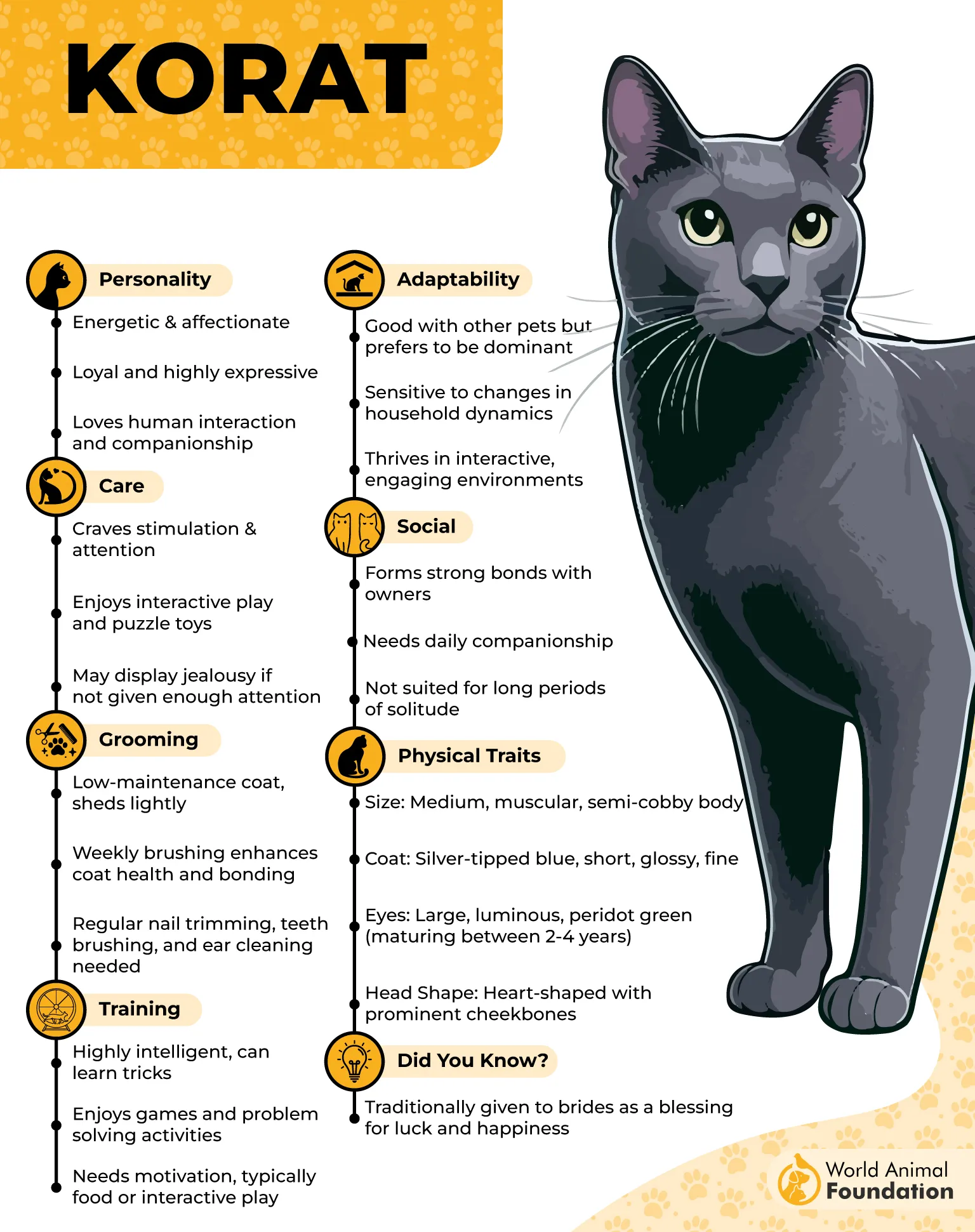
The Korat handles humidity with ease thanks to its sleek coat, which allows heat to dissipate efficiently. Short fur means less trapped moisture, helping the cat stay cooler during muggy days.
Korats are active but sensible about conserving energy in warm weather. They often alternate bursts of play with rest, choosing cooler spots indoors and adjusting activity levels to remain comfortable without overheating.
Beyond physical traits, their strong emotional awareness adds to their adaptability.
Interesting fact: Korats are known for being highly in tune with their pet parents’ emotions and have naturally short coats that help them stay cool in warm, humid conditions.
9. Singapura
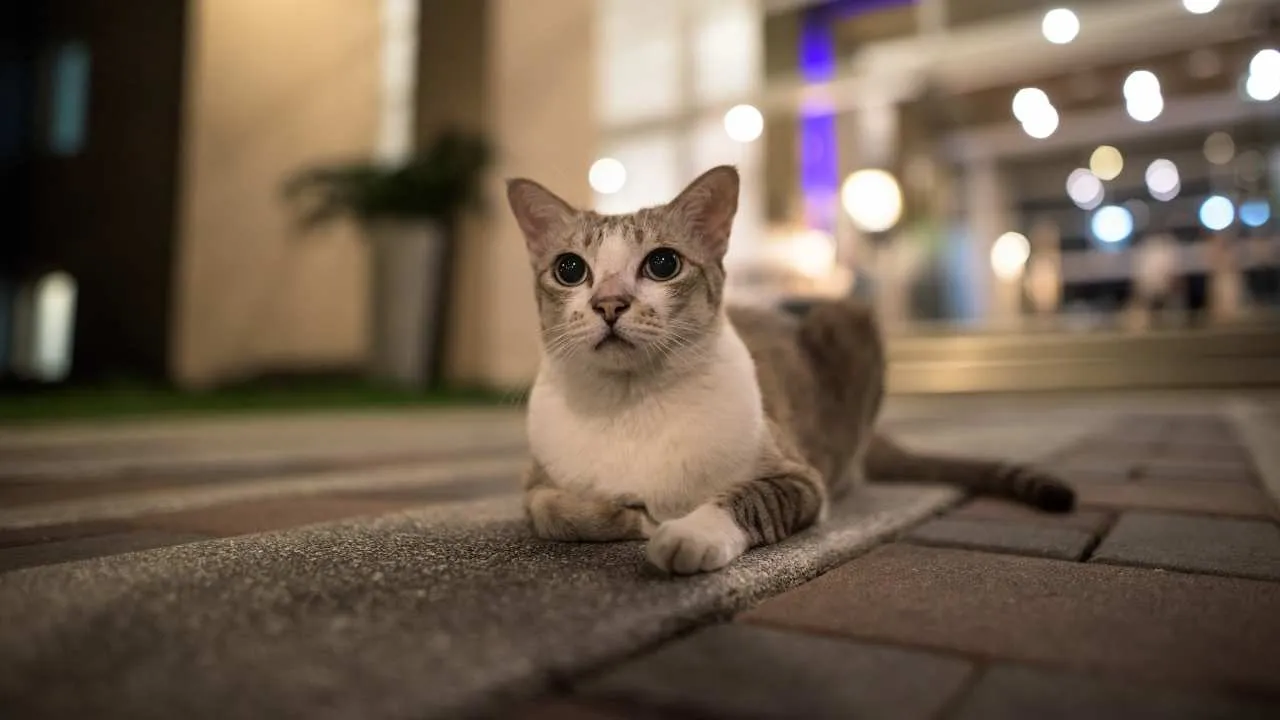
Also known as Kucinta, or the “Love Cat” of Singapore, the Singapura is one of the smallest pedigreed cat breeds, recognized for its ticked coat, large expressive eyes, and refined build. Originating in Singapore, this elegant cat developed naturally in a warm, humid environment.
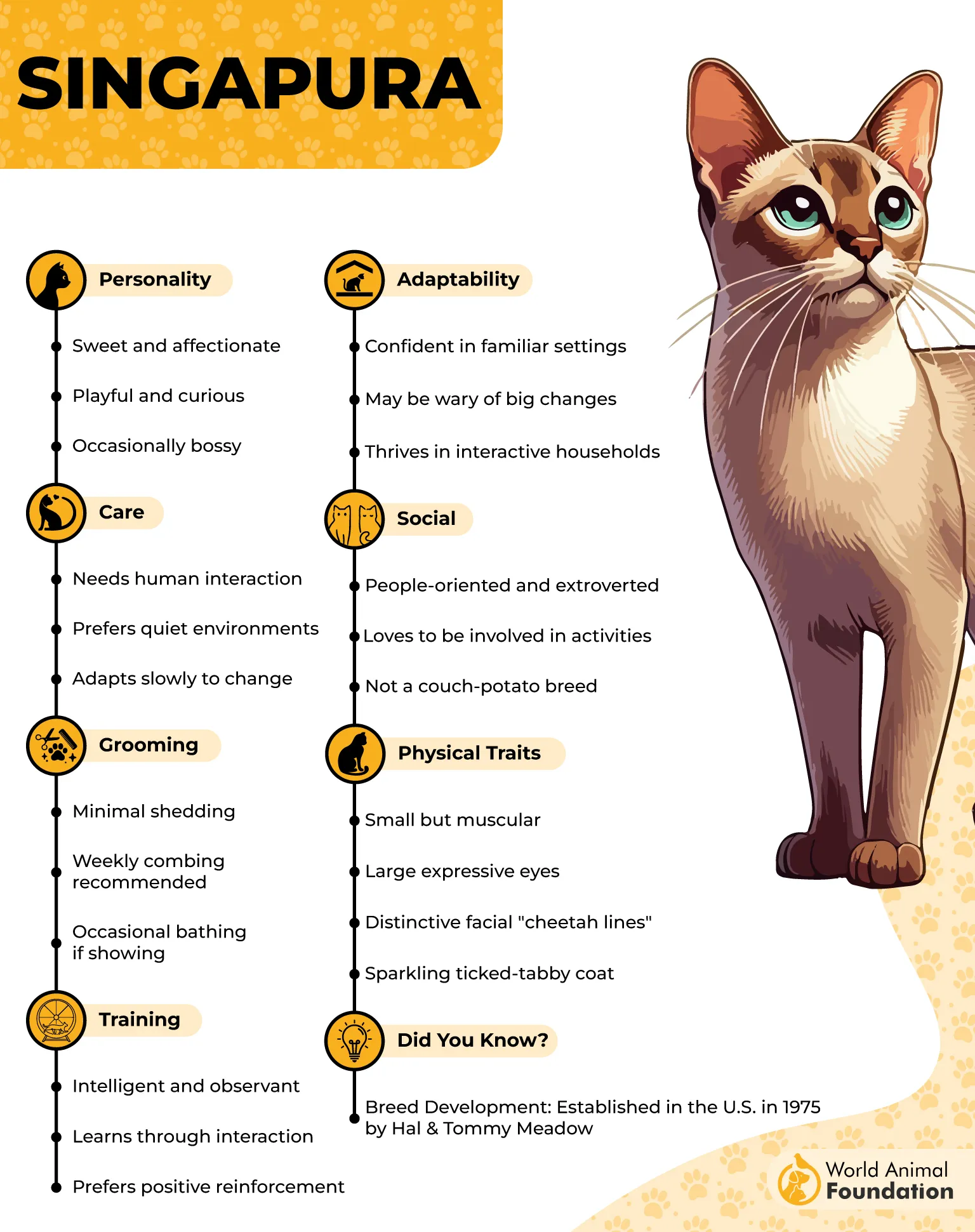
Comfortable in warm, damp environments, the Singapura handles humidity with ease thanks to its short coat and compact frame. Unlike heavy-coated breeds, it releases heat efficiently and remains active even when the air feels thick or moist.
These cats enjoy airflow, shaded lounging spots, and gentle outdoor time, making them well-suited to tropical or coastal homes. While energetic and playful, they don’t overheat easily and instinctively seek comfort when temperatures rise.
Though confident in familiar spaces, Singapuras can be sensitive to sudden environmental changes, preferring steady conditions in warm climates.
Interesting fact: The Singapura is considered a national treasure in Singapore and was accepted for CFA championship status in 1988.
Conclusion
Cats living in hot climates benefit greatly from traits shaped by warmer environments. Certain cat breeds are naturally better equipped to handle warm temperatures, thanks to features like a slender body, efficient regulation of body heat, and coats that don’t trap warmth.
Short or glossy coats help reduce overheating, while calm behavior supports comfort away from direct sunlight. For homes focused on indoor living, these cats make ideal indoor companions.
Providing cooling mats, shaded rest areas, and opportunities for indoor play helps maintain comfort without stress. When matched with the right environment, these cats thrive, showing their affectionate nature while staying relaxed and healthy in humid conditions.
