




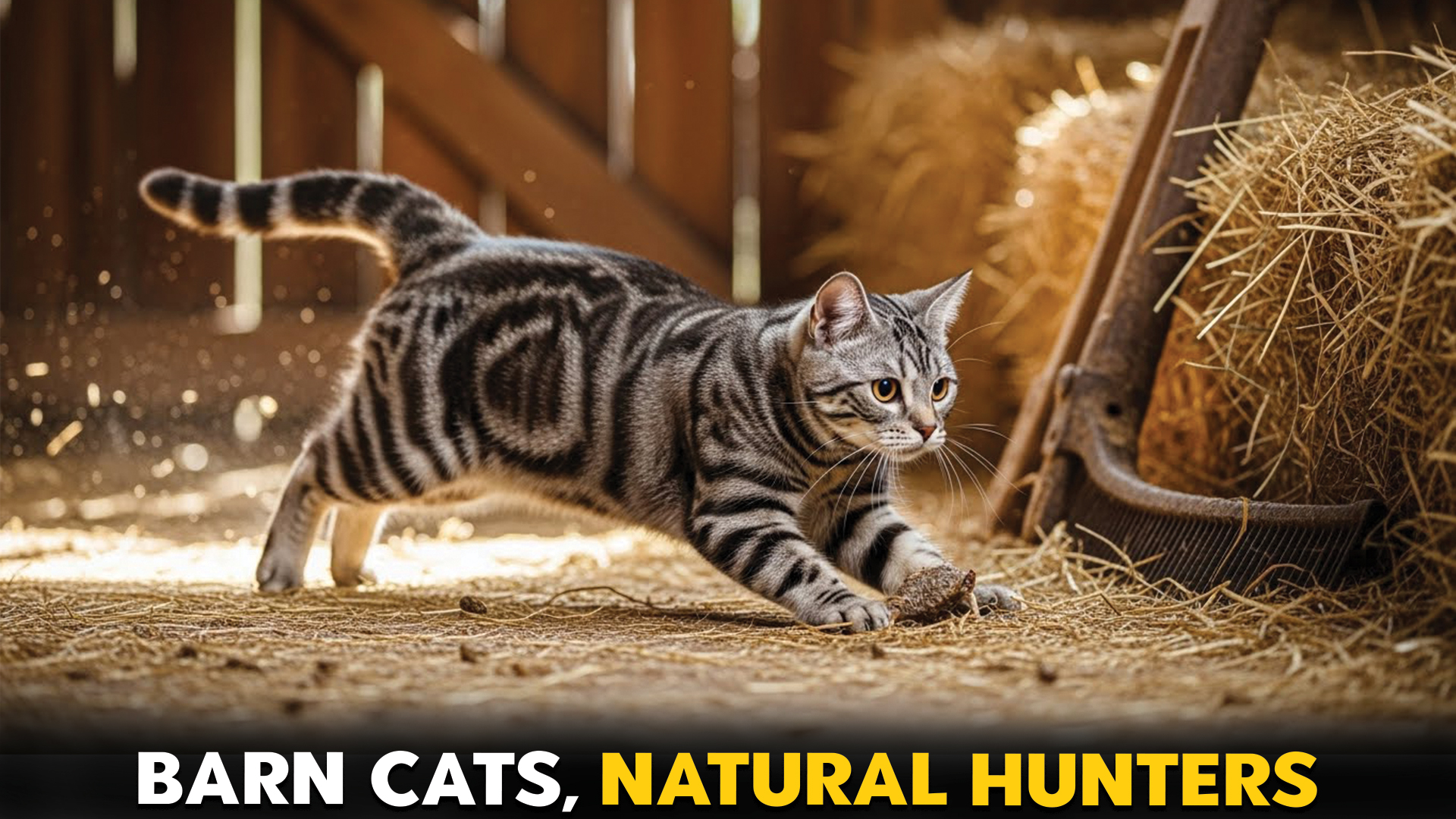
Life around farms and stables calls for a special kind of cat with strong hunting instincts. Some cats are naturally suited to tracking rodents, staying alert for long periods, and navigating barns, fields, and outbuildings with confidence.
These cats are valued not as house pets, but as working animals that help control pests while living in outdoor or semi-outdoor environments. While not every feline is comfortable in this role, the right ones thrive when given space, routine, and a clear purpose.
In this article, we explore cat breeds and cat types known for adapting well to barn hunting, from reliable mousers to hardy companions built for active, outdoor work.
Cat Breeds Adapted to Barn Hunting
1. American Shorthair

American Shorthairs developed as practical, sturdy cats valued for reliability. Their medium build, strong muscles, and balanced proportions reflect a breed shaped by usefulness and adaptability.
According to the CFA, this breed is often described as observant and measured in behavior. American Shorthairs usually watch before acting, which influences how they approach movement, sounds, and changes in their environment. They respond well to small animals and shifting surroundings.
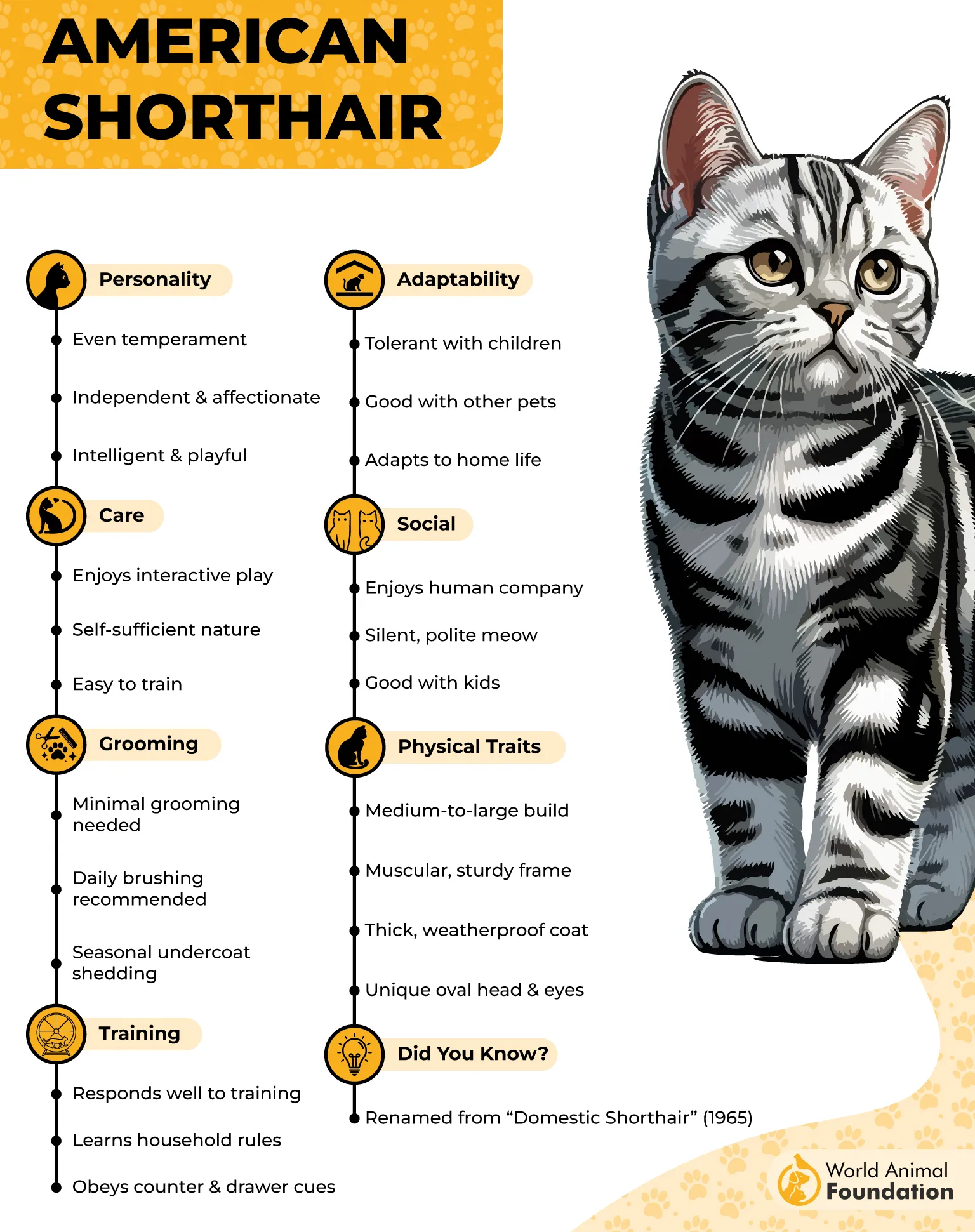
They are also known for being relatively easygoing compared to more reactive breeds. American Shorthairs typically tolerate varied routines and do not require constant supervision or interaction. This combination of steadiness and independence often suits environments where structure changes day to day.
Why This Cat Is a Good Fit
Patient temperament supports consistent rodent control
Physical durability suits active outdoor settings
Independent streak fits working roles without close management
2. Maine Coon
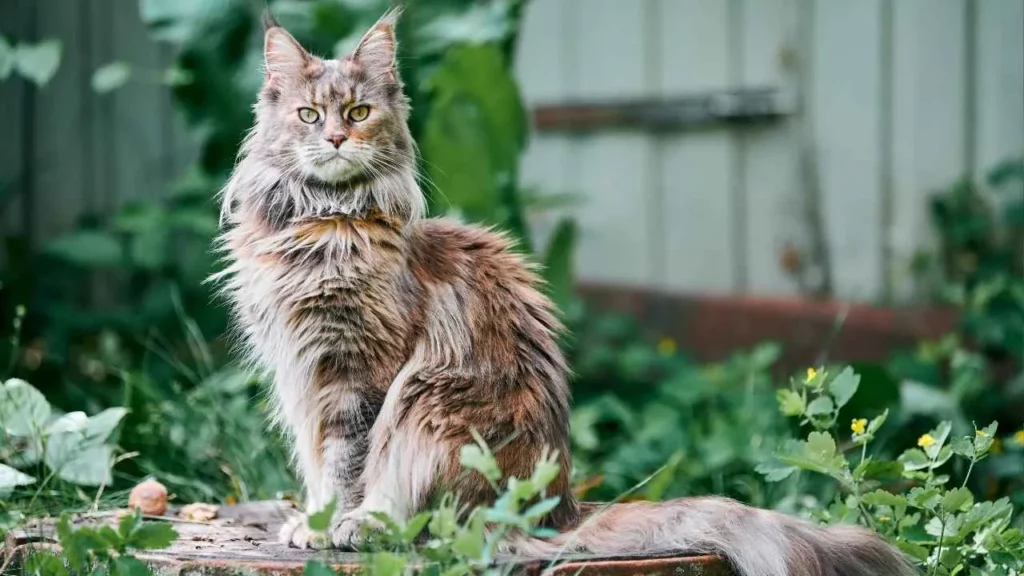
Maine Coons are one of the largest domestic cat breeds, with a body built for strength and endurance. Their long limbs, tufted ears, and thick coats reflect origins tied to cold climates. Movement tends to be deliberate and controlled rather than quick and darting.
This breed often shows curiosity paired with problem solving ability. Maine Coons commonly investigate spaces thoroughly, using both sight and touch to assess their surroundings. That exploratory behavior influences how they navigate barns, lofts, and storage areas.
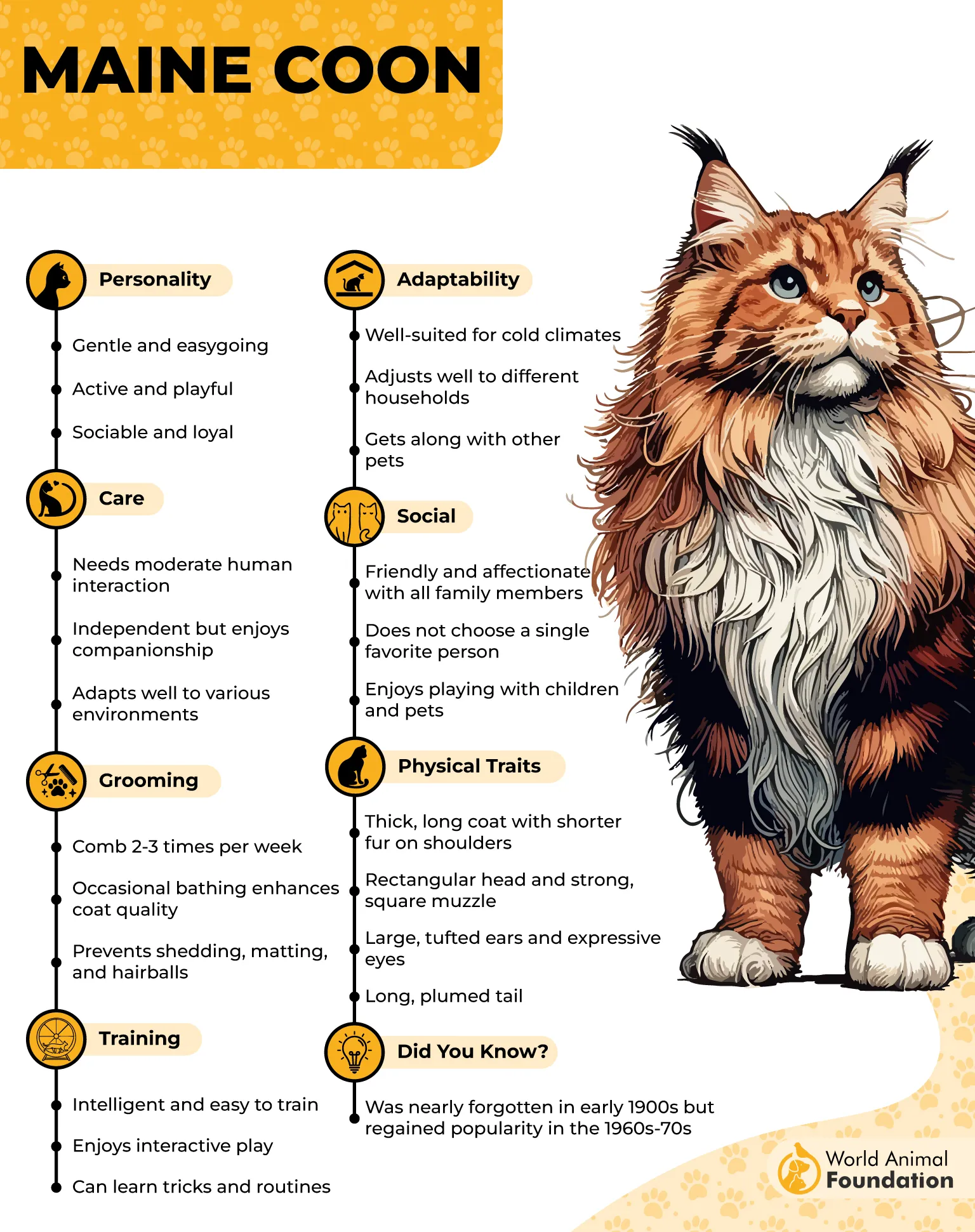
As per Purina, they are generally known for a calm and tolerant demeanor. Maine Coons often remain composed around noise, activity, and unfamiliar animals. This steady presence can be useful in environments where livestock, machinery, and people move frequently.
Why This Cat Is a Good Fit
Large frame supports physical outdoor demands
Curious nature encourages thorough space coverage
Calm attitude helps in busy farm environments
3. Manx
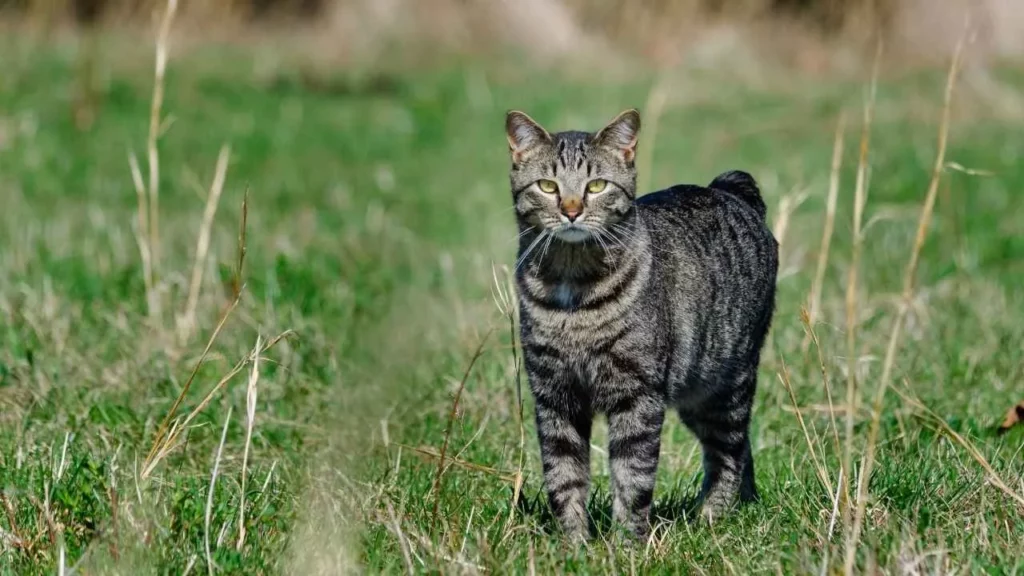
According to PetMD, the Manx is instantly recognizable by its shortened or absent tail, a natural trait that affects balance and movement. Strong hind legs give this breed powerful jumping ability and quick directional changes.
Manx cats often show determination once focused on a task. They tend to repeat behaviors that feel rewarding, whether exploring a route or monitoring a specific area. This persistence shapes how they interact with their environment over time.
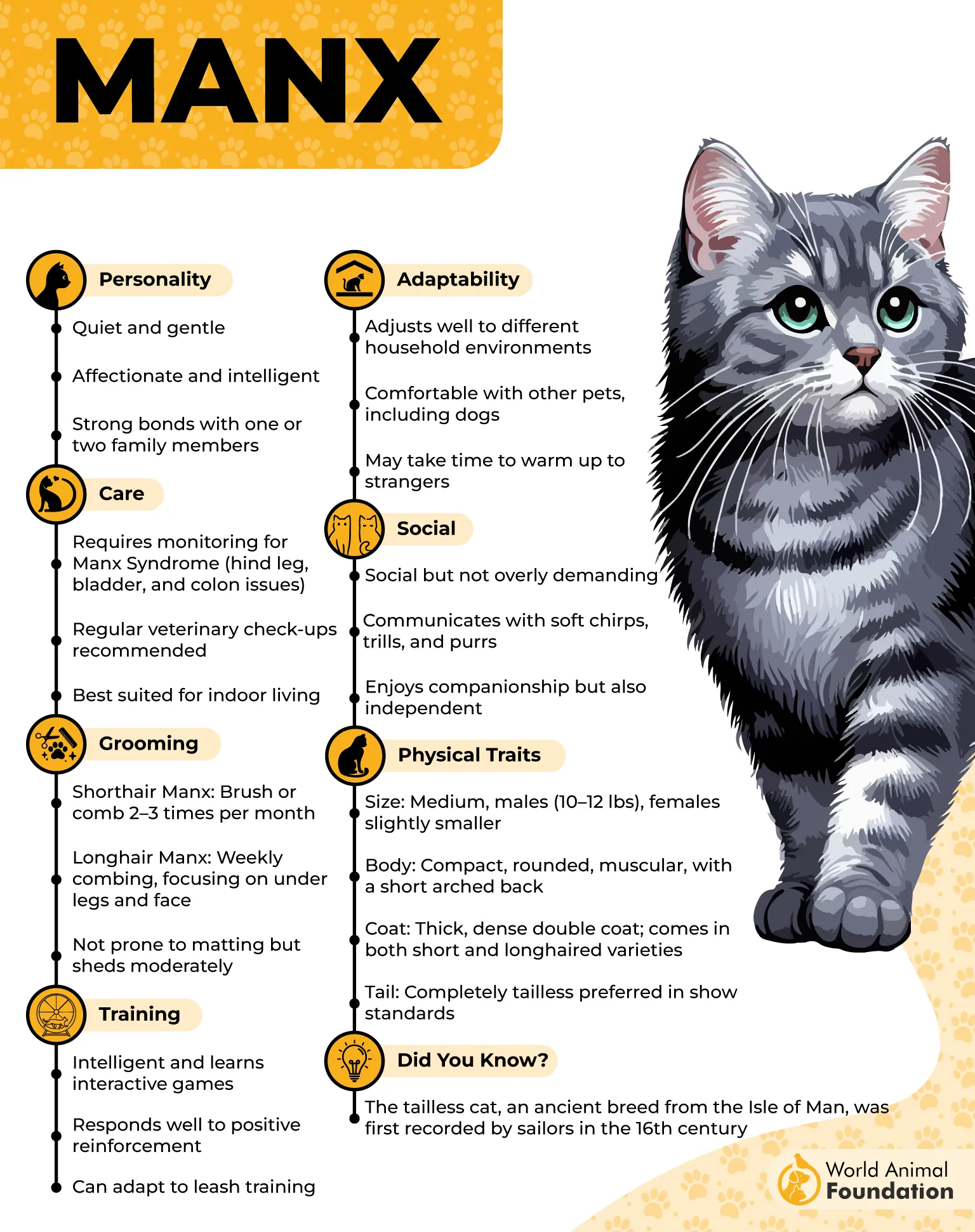
Personality wise, Manx cats are often described as confident and self directed. They usually make independent choices about where to spend time and how to move through their territory. This autonomy suits settings where constant human guidance is not part of daily life.
Why This Cat Is a Good Fit
Agile movement supports active hunting behavior
Persistent focus helps maintain pest awareness
Independent temperament aligns with outdoor work
4. Siberian
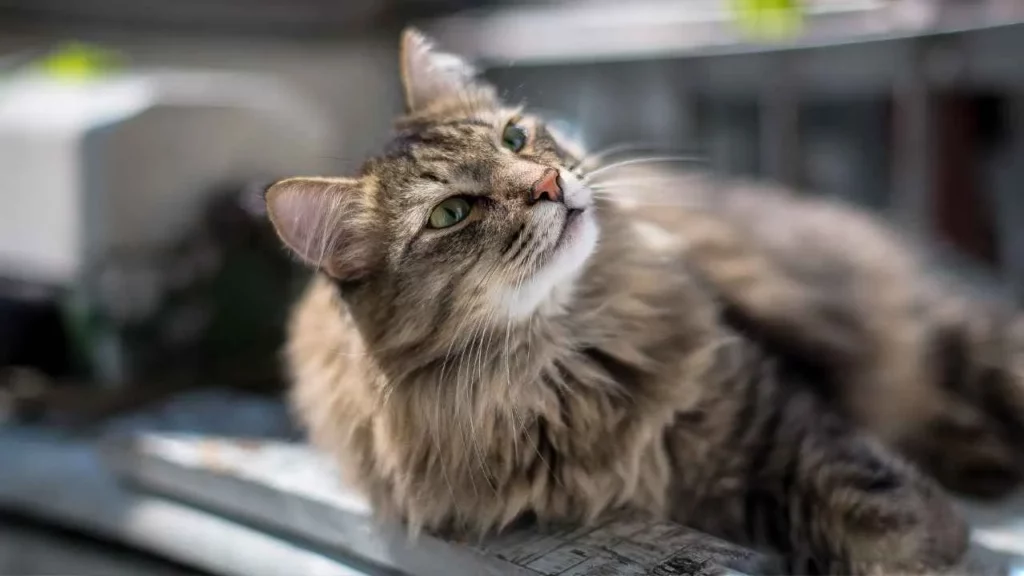
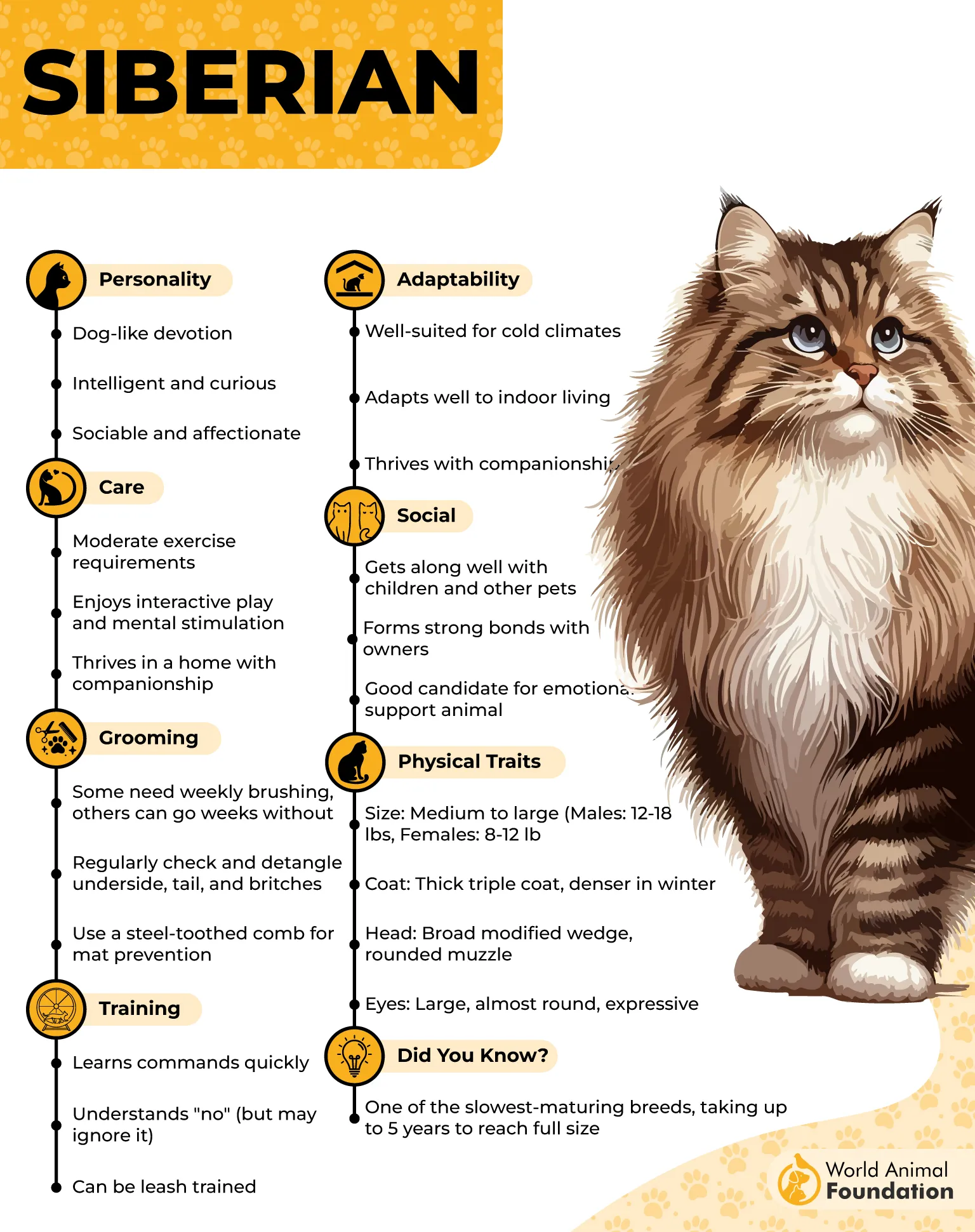
Siberian cats developed in harsh climates that favored resilience and physical strength. Their dense coats and solid frames reflect generations of adaptation rather than selective refinement. They often appear powerful without seeming bulky.
This breed tends to approach new spaces with confidence. Siberians commonly explore vertically as well as horizontally, using strength to climb and balance. Their comfort with varied terrain shapes how they patrol larger areas.
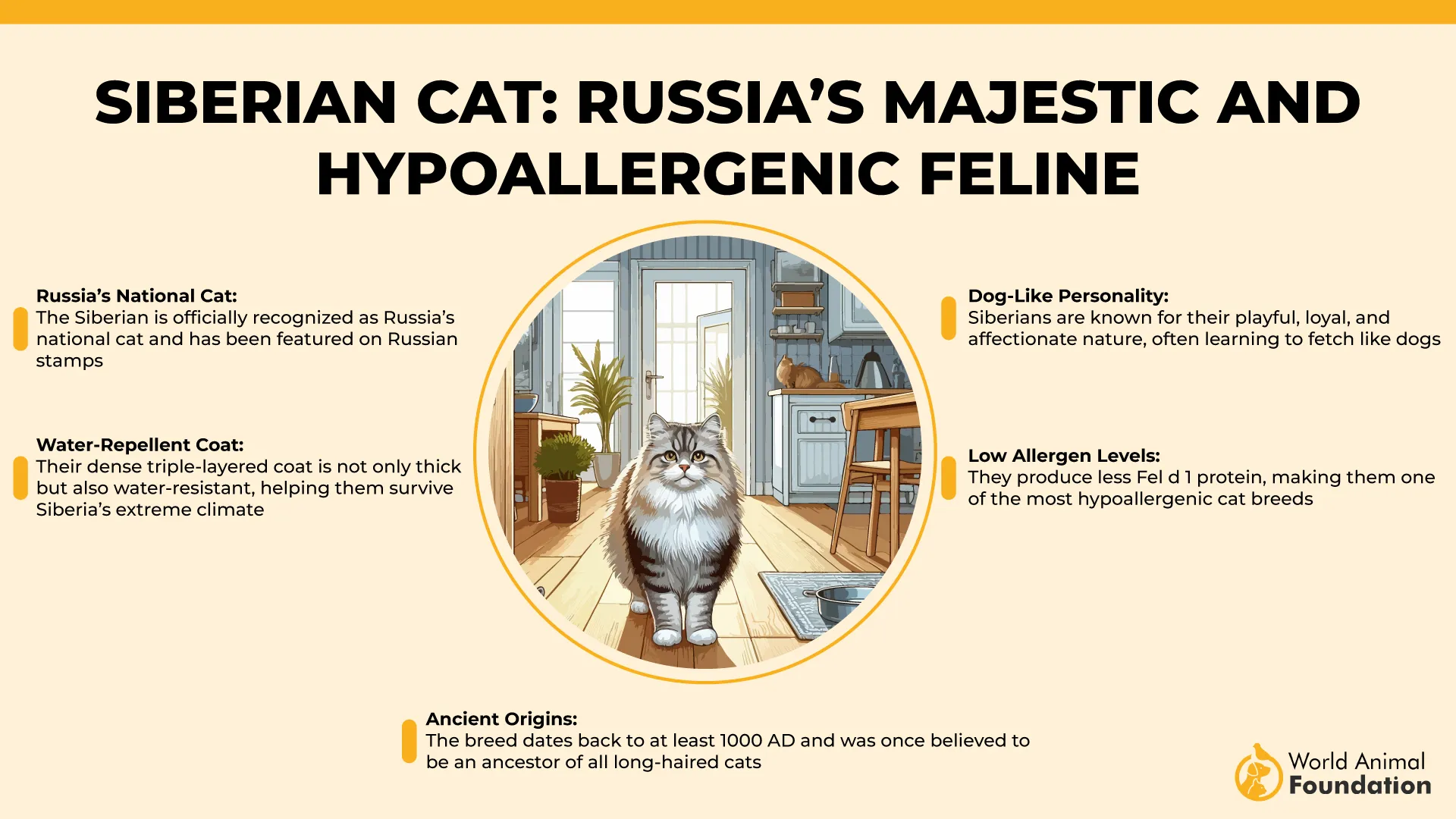
Siberians are often described as thoughtful rather than impulsive. They tend to pause, assess, and then act, especially in unfamiliar situations. That measured approach can influence how they interact with moving animals and changing conditions.
Why This Cat Is a Good Fit
Weather resistant coat supports year round outdoor life
Confident exploration suits wide barn spaces
Balanced judgment reduces reckless movement
5. Chartreux
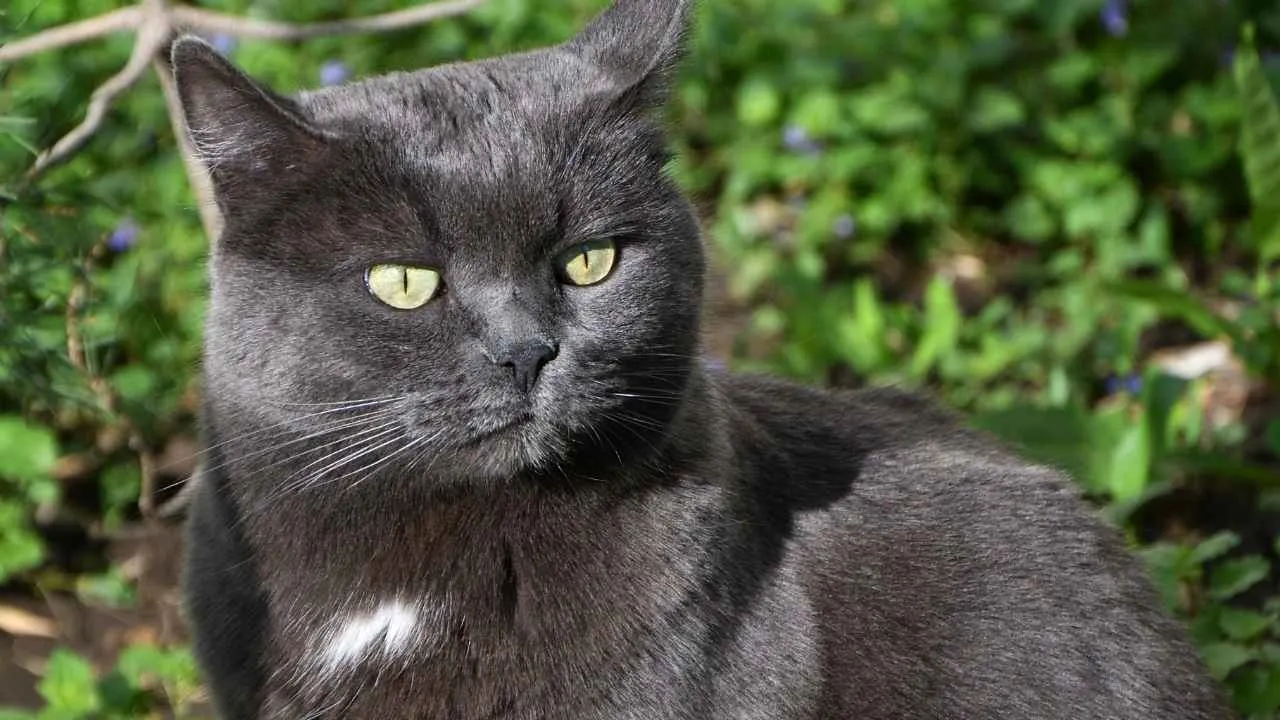
The Chartreux is a sturdy, muscular breed with a history tied to practical living rather than ornamentation. Its dense coat and solid frame reflect development in cooler regions, where durability mattered. Movement tends to be quiet and efficient, giving the breed an understated presence.
Chartreux cats are often described as observant and reserved. They usually watch activity closely before deciding where to position themselves. This calm attentiveness influences how they navigate large spaces like barns, storage areas, and sheds.
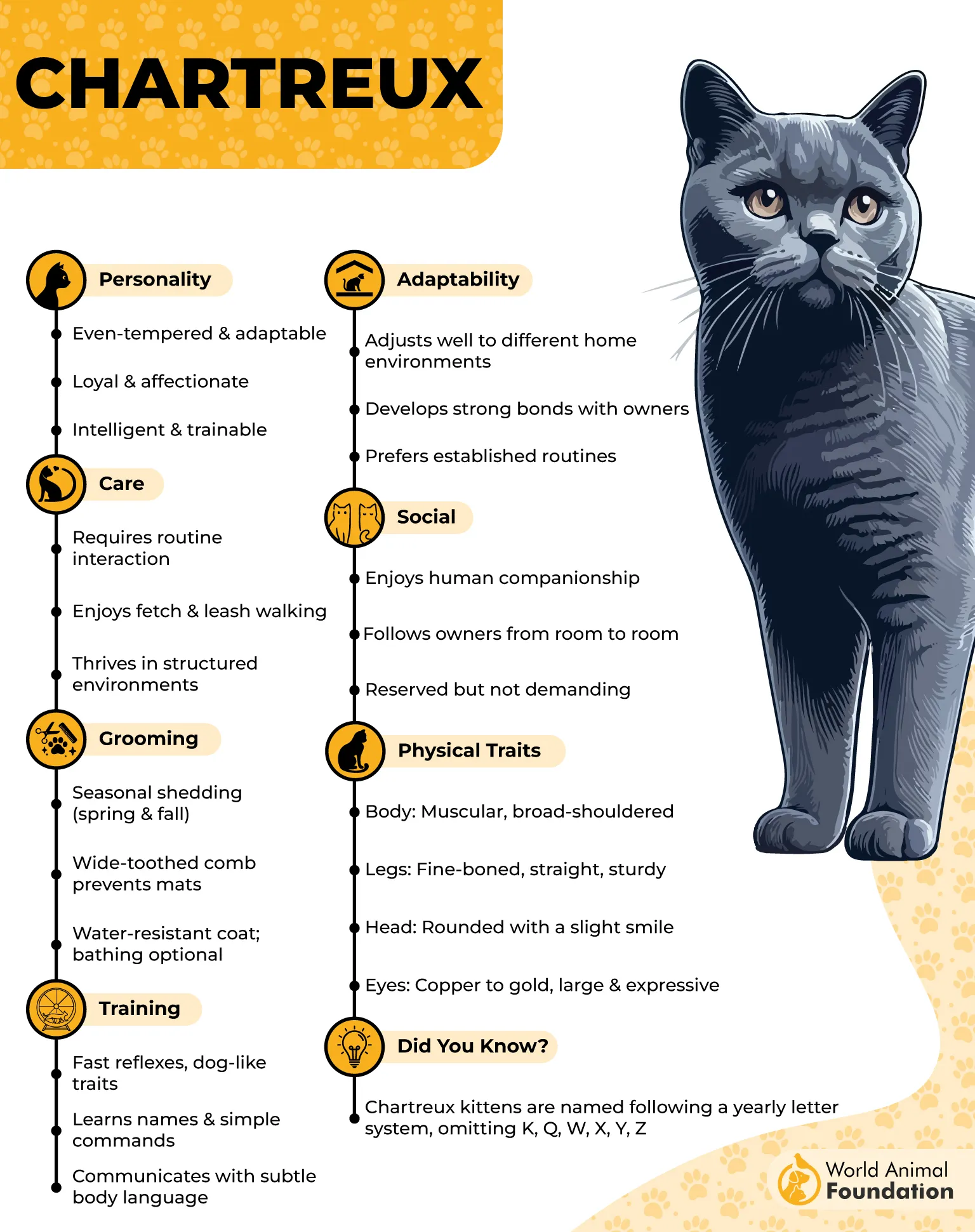
Personality wise, Chartreux cats often prefer consistency over chaos. They tend to choose familiar paths and repeat routines once learned. This steady behavior can shape how they patrol spaces and respond to changes in their environment.
Why This Cat Is a Good Fit
Quiet movement supports stealth around barns
Solid build handles active outdoor conditions
Observant nature suits long periods of monitoring
6. Siamese
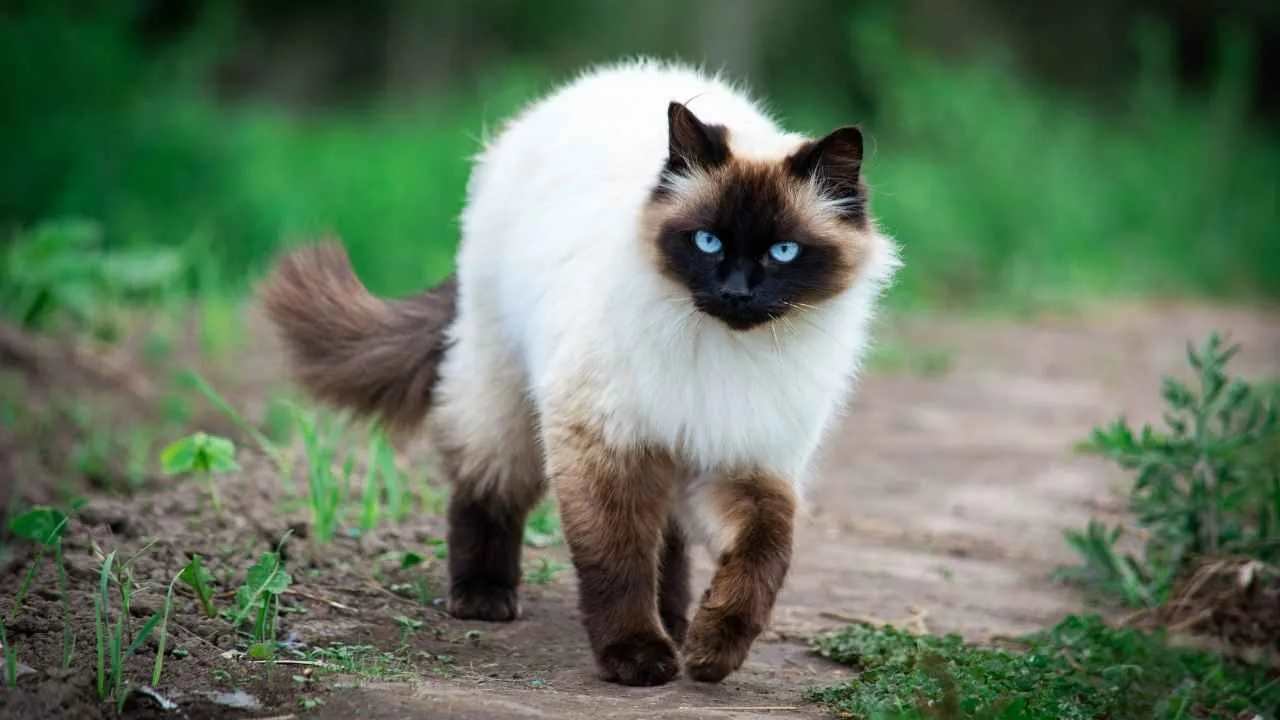
Siamese cats are highly alert and mentally active, with a strong interest in everything happening around them. Their lean build supports quick movement, while their curiosity keeps them engaged with their surroundings. They often notice changes immediately.
This breed is known for being vocal and expressive, especially when interacting with people. Siamese cats tend to form strong opinions about routines and spaces they use regularly. That awareness influences how they approach new environments.
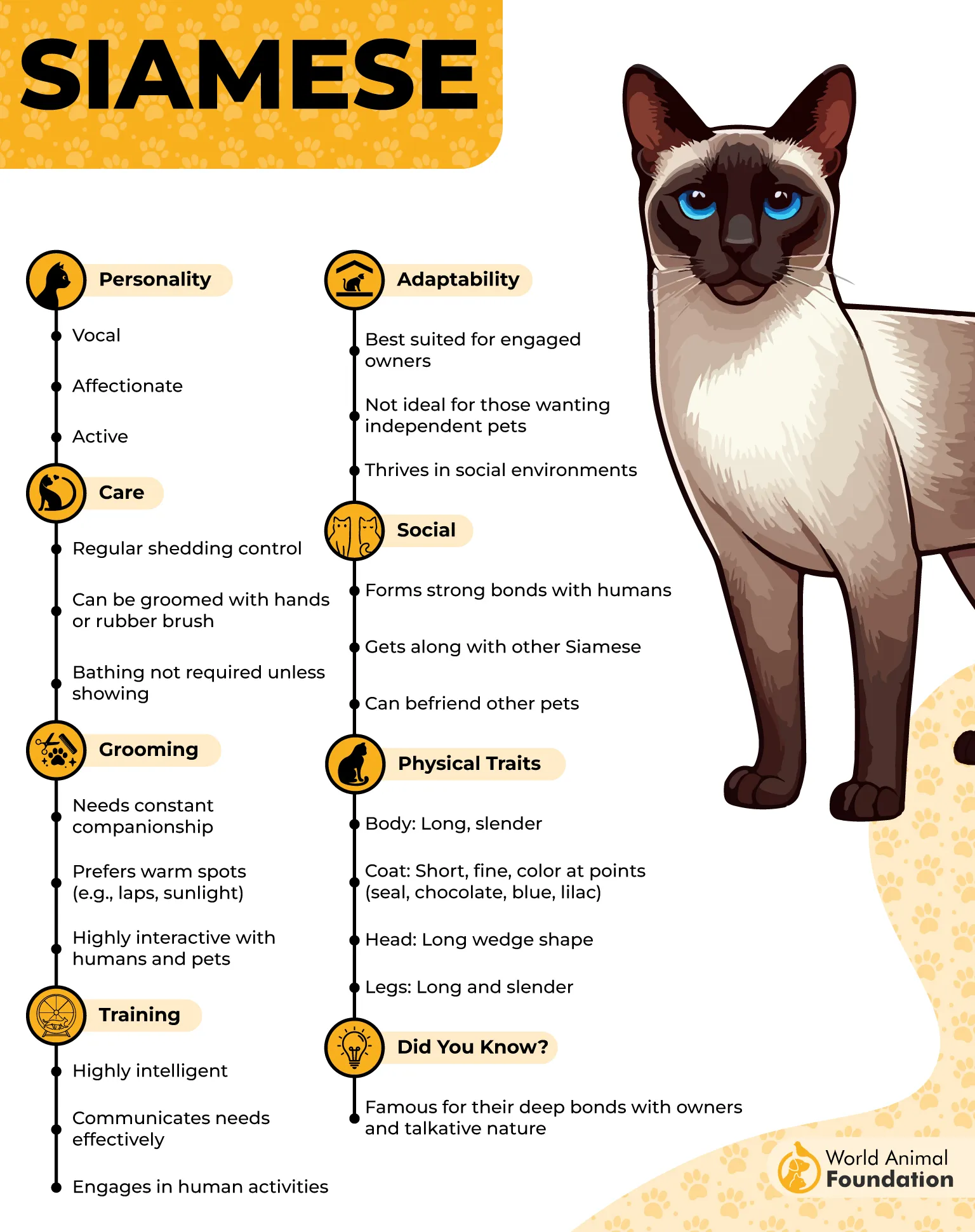
Siamese cats often stay visibly involved in daily activity. They move frequently between areas and show little hesitation exploring open spaces. This constant engagement affects how they interact with animals and movement in barn settings.
Why This Cat Is a Good Fit
High alertness supports active hunting behavior
Lean frame allows quick directional movement
Curious personality encourages exploration
7. Turkish Angora
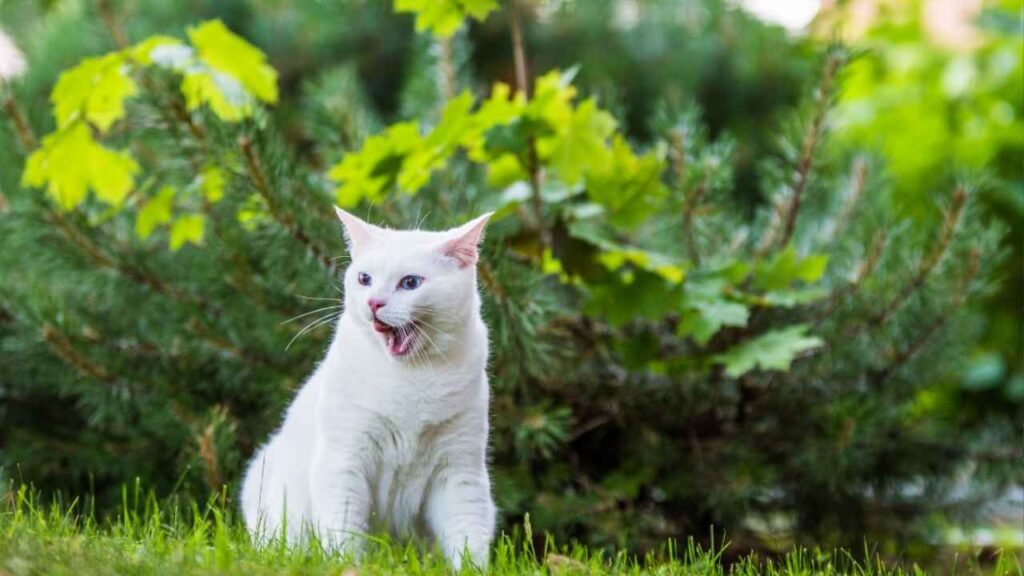
Turkish Angoras are known for graceful movement and strong coordination. Their slim bodies and light step allow them to navigate elevated areas with ease. This physical ability often shapes how they move through barns and lofts.
The breed tends to be confident and curious, often exploring vertical spaces before settling. Turkish Angoras frequently choose high vantage points to observe their surroundings. This habit influences how they monitor activity across larger areas.
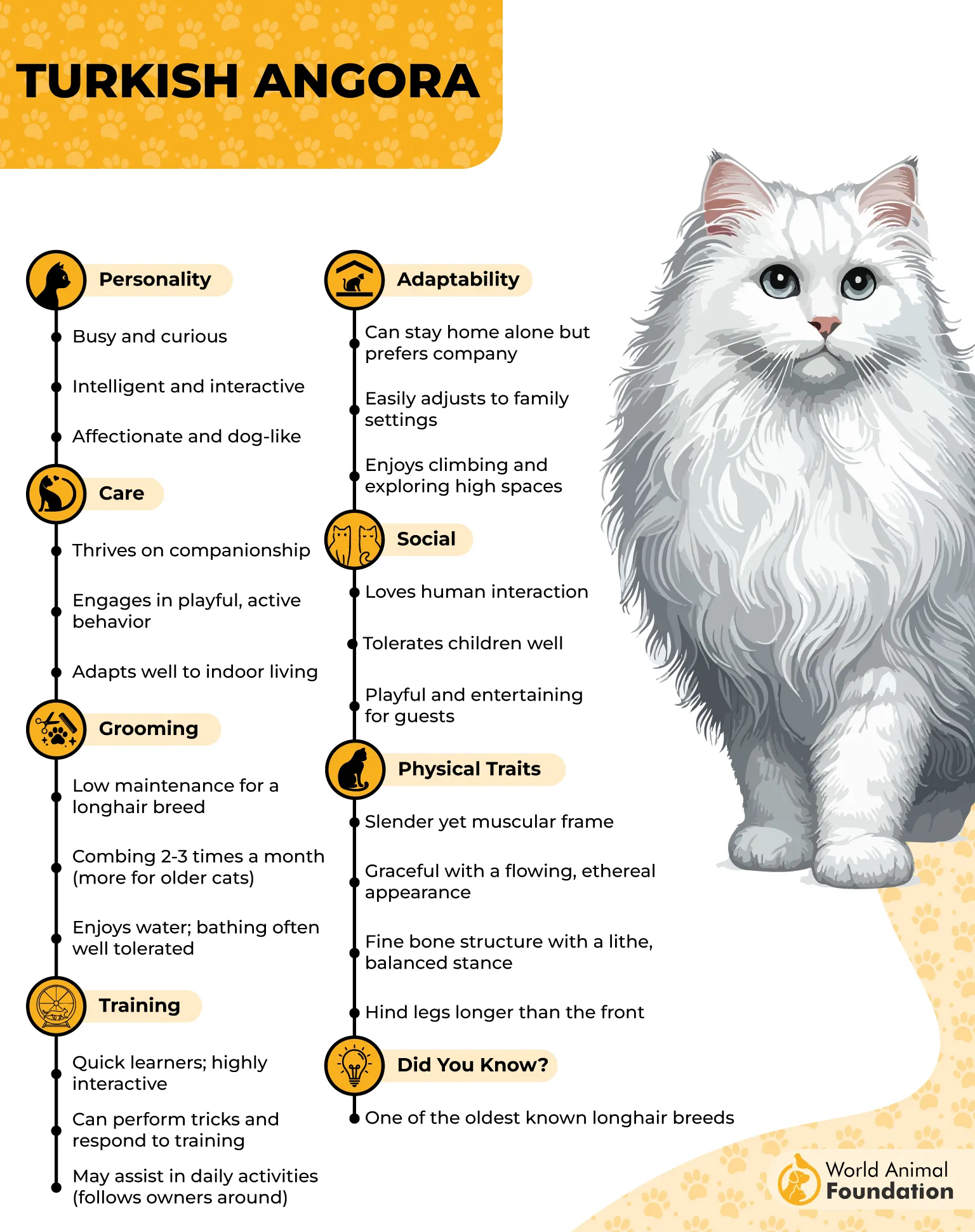
They are also known for adaptability and awareness of routine. Turkish Angoras often adjust quickly to changes in space and movement. Their blend of agility and awareness shapes how they function in working environments.
Why This Cat Is a Good Fit
Agile movement supports climbing and balance
Curious nature encourages space awareness
Adaptable temperament fits changing environments
Conclusion
Barn cats and farm cats play an important role in managing other pests, from catching mice to discouraging rats, birds, and unwelcome predators. Whether they are feral cats, semi feral cats, or mixed breed kittens born outdoors, a good barn cat relies on strong prey drive, physical traits suited for outdoor life, and comfort around other animals like chickens, dogs, and other cats.
Just like indoor cats, outdoor cats need dry shelter, clean water, regular food, and access to veterinary care to stay healthy through winter and beyond. When properly cared for, these cats become excellent hunters and good mousers for farm workers. Other breeds such as the Domestic Shorthair are also commonly chosen as good farm cats.
