




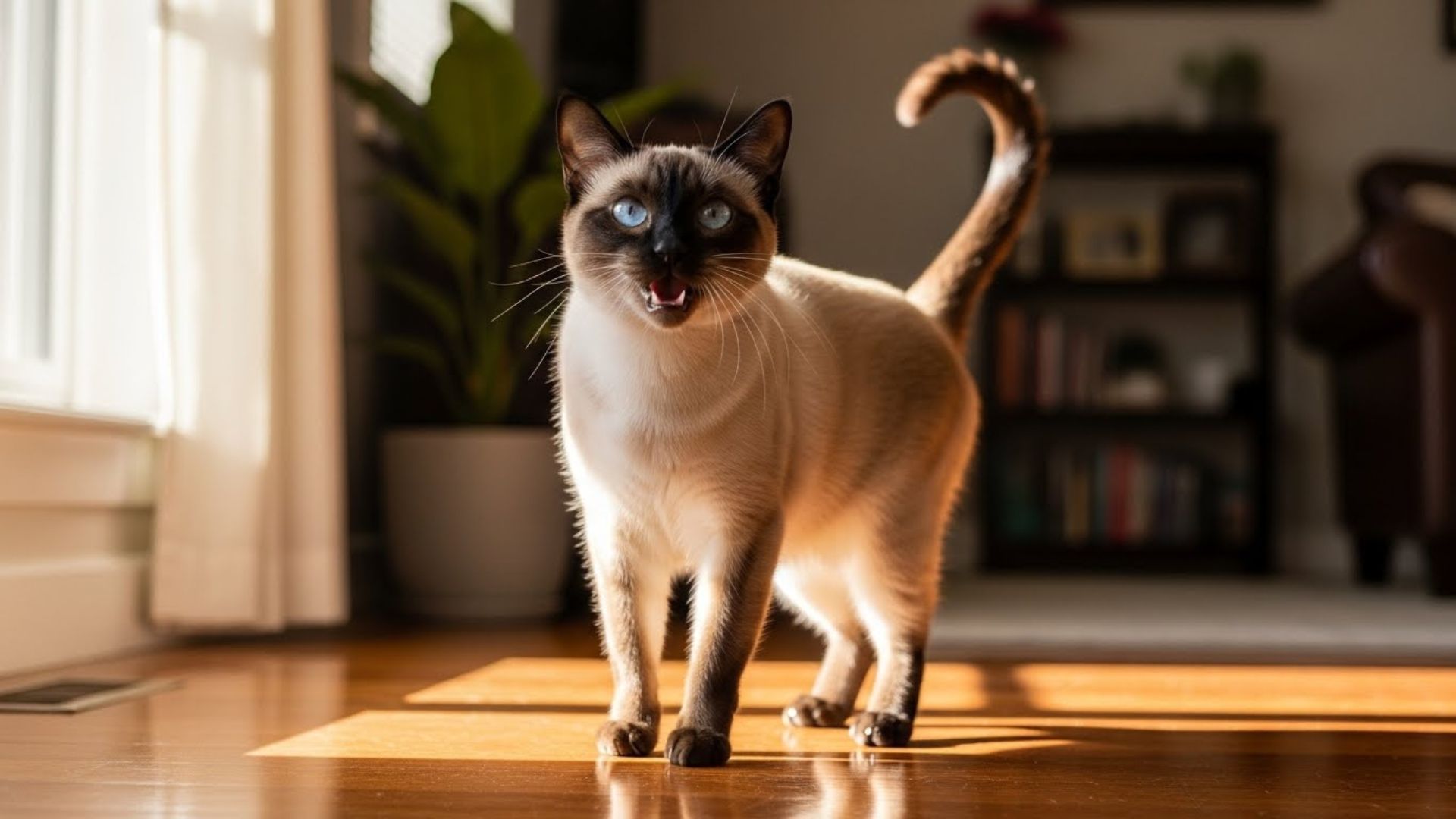
Some cats communicate with a gentle chirp or an occasional meow—but others have a lot more to say. While a dog’s bark might grab attention faster, any cat owner knows that a determined feline can be just as impossible to ignore. From early-morning demands to dramatic protests outside a closed door, certain cats make their feelings known loud and clear.
Domestic cats have learned that vocalizing works. Unlike their wild relatives that rely on silence to hunt, house cats often use sound to bond with humans, ask for food, request playtime, or simply announce their presence. Although any individual cat can be chatty, specific breeds are especially famous for their expressive voices and constant “conversations” with their owners.
If you enjoy an interactive pet that responds, comments, and occasionally argues back, a vocal cat may be the perfect match. However, those hoping for peace and quiet may want to choose carefully.
In this article, we explore the most vocal cat breeds and what makes these talkative felines so expressive, engaging, and impossible to ignore.
Most Vocal Cat Breeds
1. Siamese
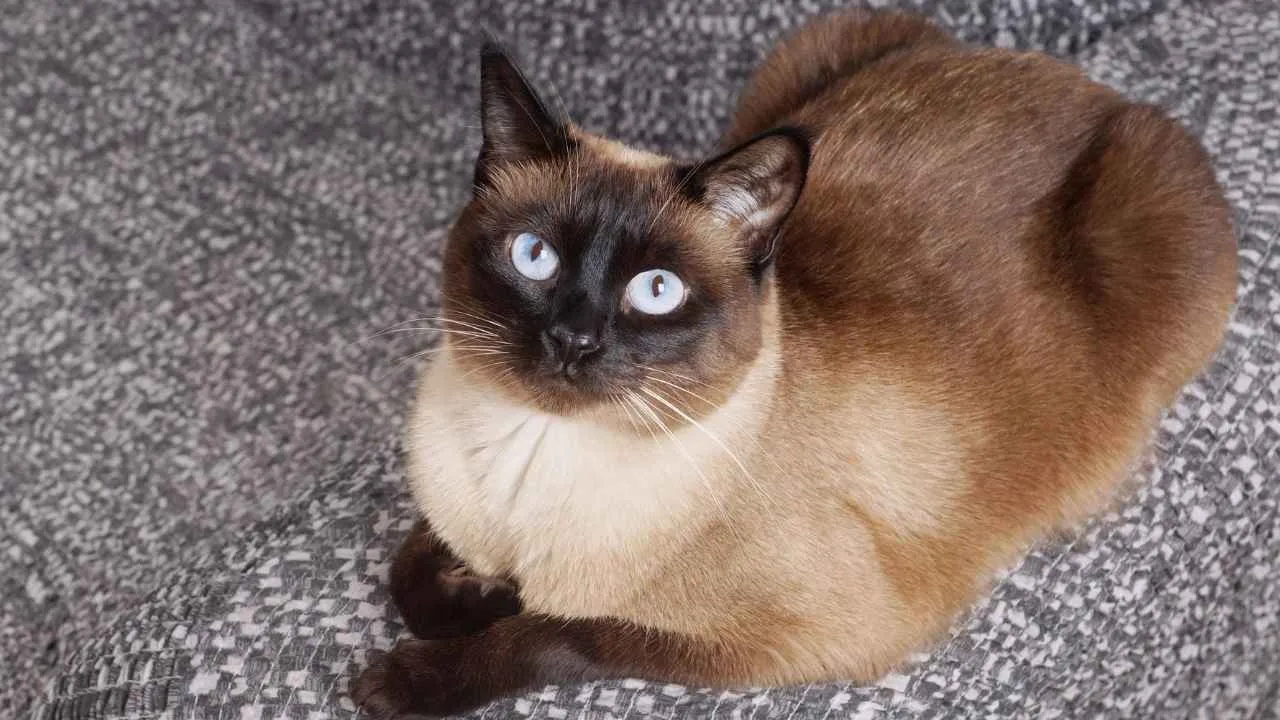
Often nicknamed the Meezer, the Siamese is an ancient breed from Thailand known for its color-point coat and striking blue eyes.
According to Britannica, the Siamese has a slender, elongated body, with slim legs and a long, narrow tail. Two types exist today—the traditional, apple-headed Siamese and the modern, wedge-shaped variety.
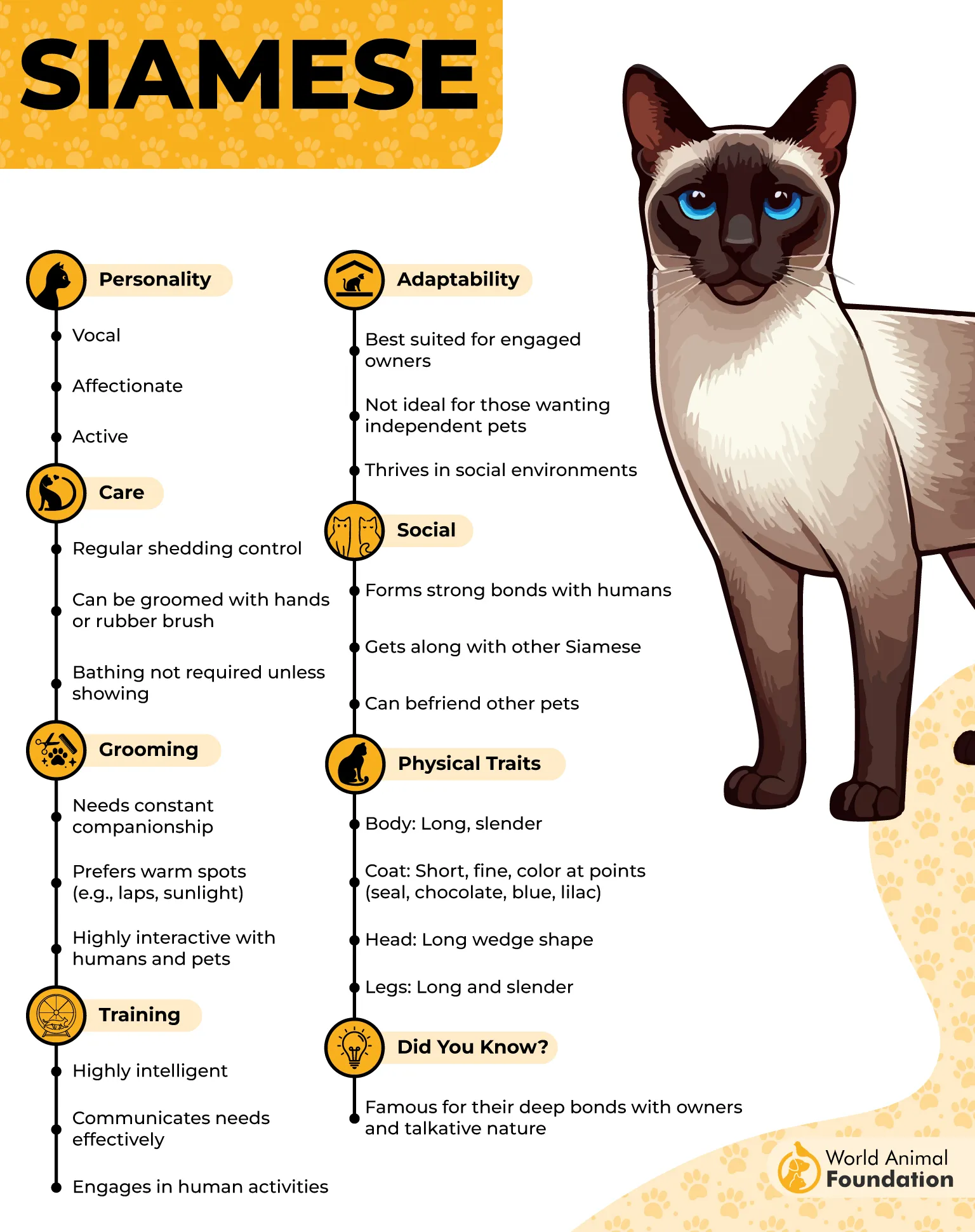
When it comes to vocal talent, few cats compare. Siamese cats use loud meows, yowls, chirps, and trills to communicate, often holding full “conversations” with their people throughout the day.
Their talkative nature is closely tied to strong social bonds. Siamese crave human interaction, follow their owners closely, and frequently climb into laps or onto shoulders, using sound as a key part of connection.
Understanding feline communication styles is essential with this breed, as silence often signals boredom or unhappiness. Siamese thrive in interactive homes where their voices are welcomed and answered.
2. Oriental
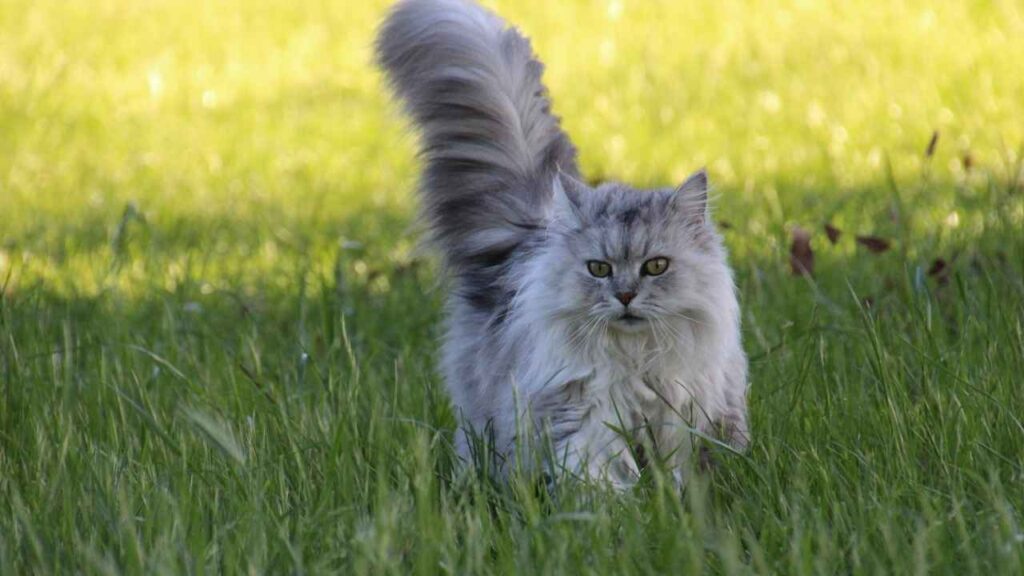
Often called the Oriental Shorthair, the Oriental is a sleek, elegant breed developed in England after World War II from Siamese bloodlines.
According to PetMD, Oriental cats are widely admired within the cat community. With a slim frame, large ears, and a wide range of coat colors, it closely resembles the Siamese in everything but pattern.
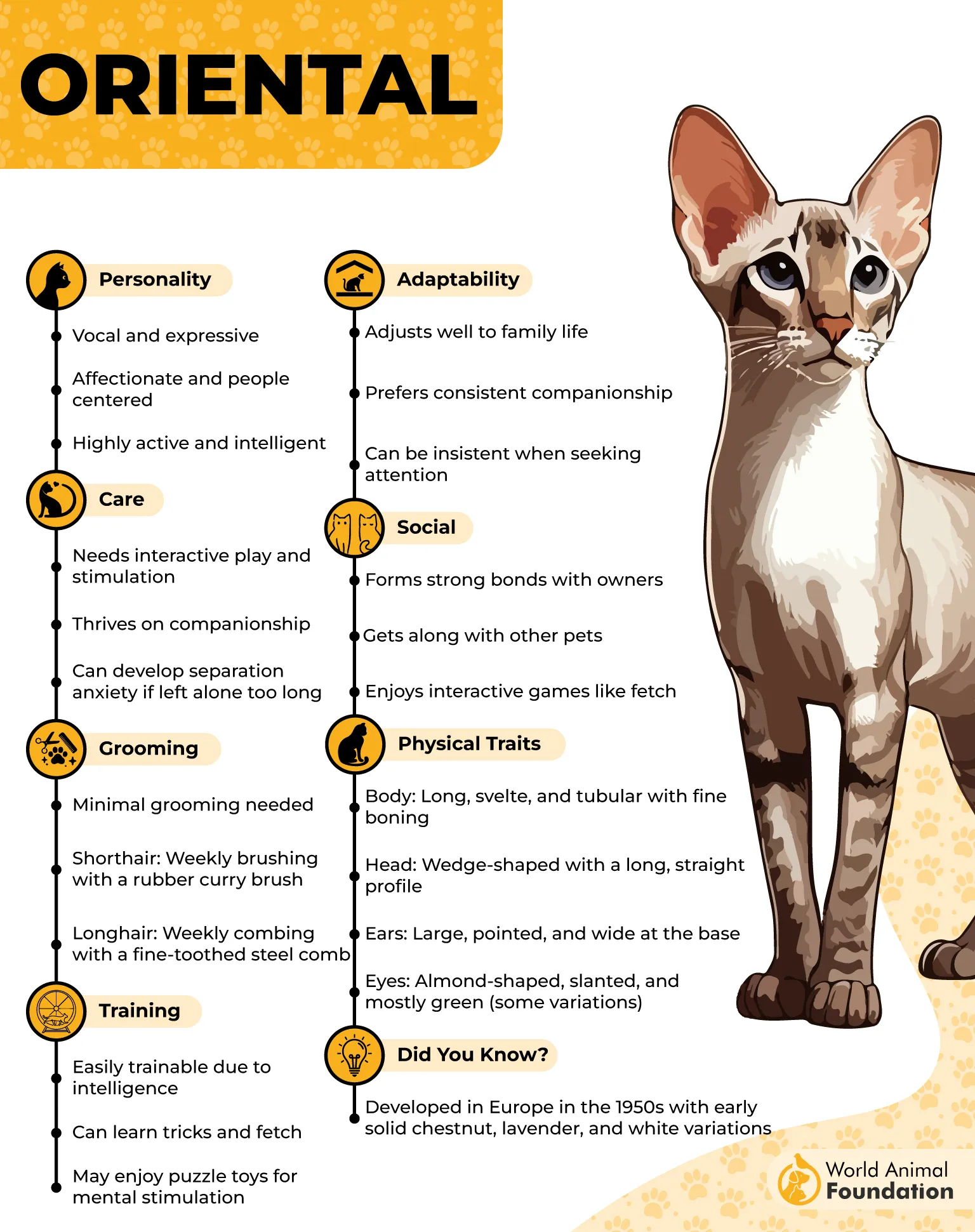
When it comes to vocal expression, the Oriental rarely holds back. This breed forms deep bonds with its people and uses a full range of sounds—from soft purrs to demanding yowls—to communicate needs, emotions, and opinions throughout the day.
Among top cat breeds known for excessive meowing, the Oriental stands out for both frequency and persistence. Highly intelligent and curious, they expect interaction and will loudly protest being ignored or left alone for long periods.
Living with an Oriental suits owners who enjoy constant conversation and engagement. Their voices are part of daily life, reinforcing routines and strengthening bonds.
3. Balinese
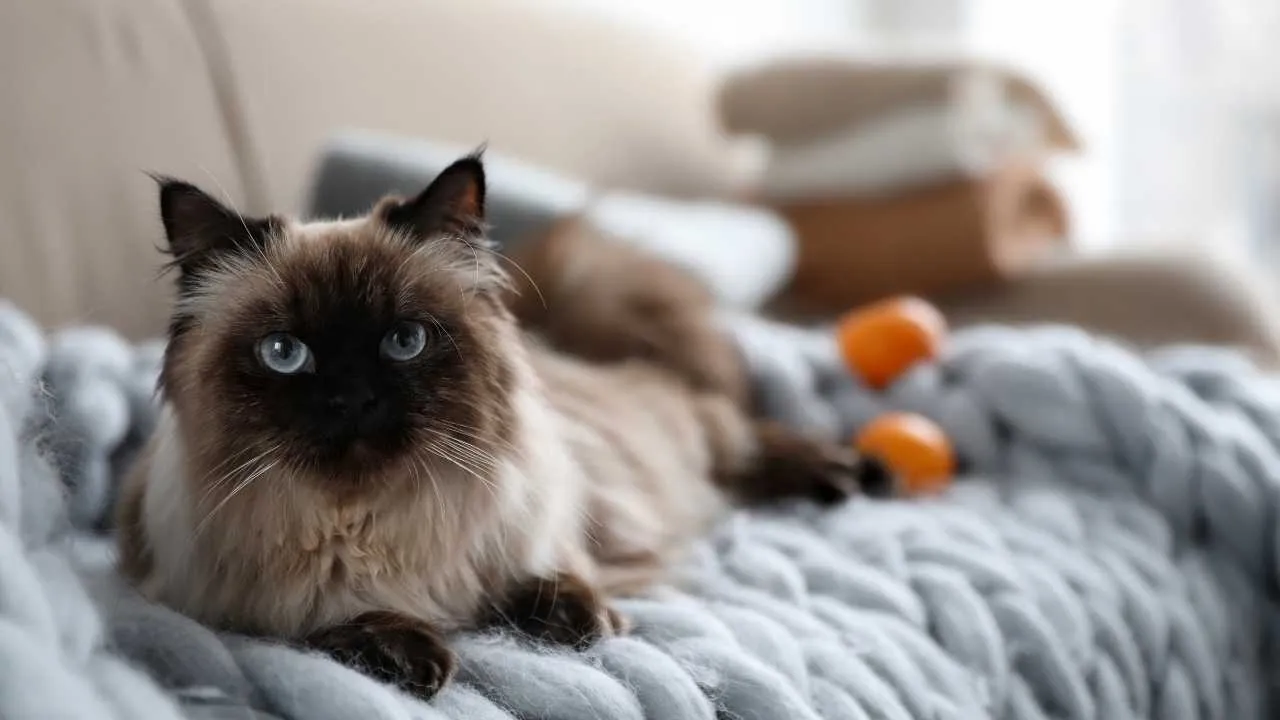
The Balinese, sometimes called the long-haired Siamese, originated in the United States after long-coated Siamese kittens appeared in the 1950s. Elegant, slim, and silky, this breed pairs refined looks with a famously expressive personality.

Closely related to the Siamese, the Balinese inherited its love of conversation. These cats enjoy “talking” with their humans throughout the day, using soft but frequent vocalizations to stay engaged and involved.
Unlike some louder relatives, Balinese cats tend to communicate with a gentler tone. Their chatter is less demanding but still constant, making them ideal for owners who enjoy interaction without overwhelming noise.
Often compared in discussions like Siamese Cats: The Ultimate Chatty Companions?, the Balinese stands out for balancing vocal charm with affection. They bond closely, respond to attention, and use their voice as part of a daily connection.
4. Burmese
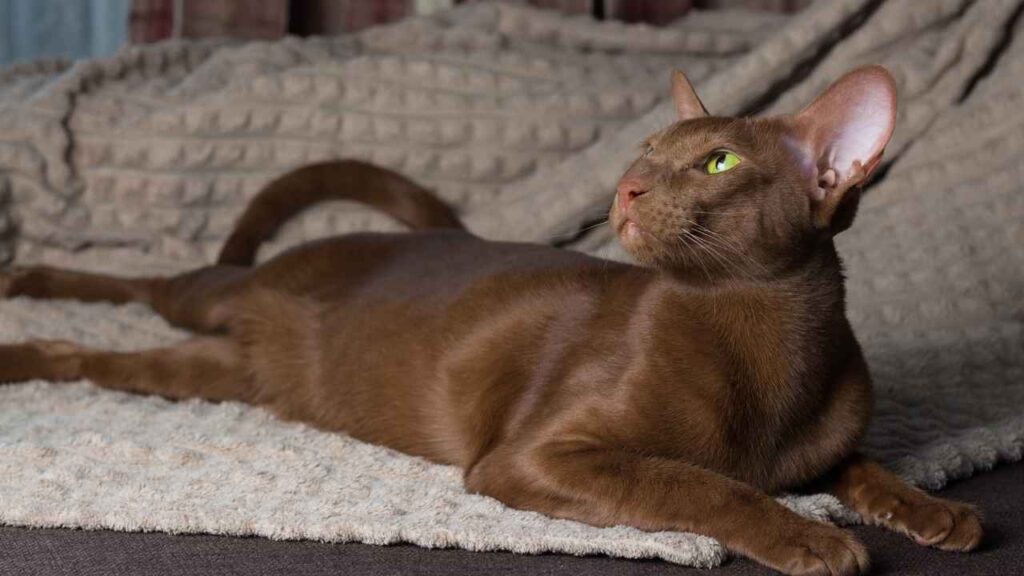
The Burmese, sometimes referred to as the European or American Burmese depending on lineage, is a compact, people-focused cat with roots in Myanmar.
According to WebMD, Burmese cats are affectionate and enjoy spending time around people. This breed is known for its expressive face, sleek coat, and strong bond with humans.
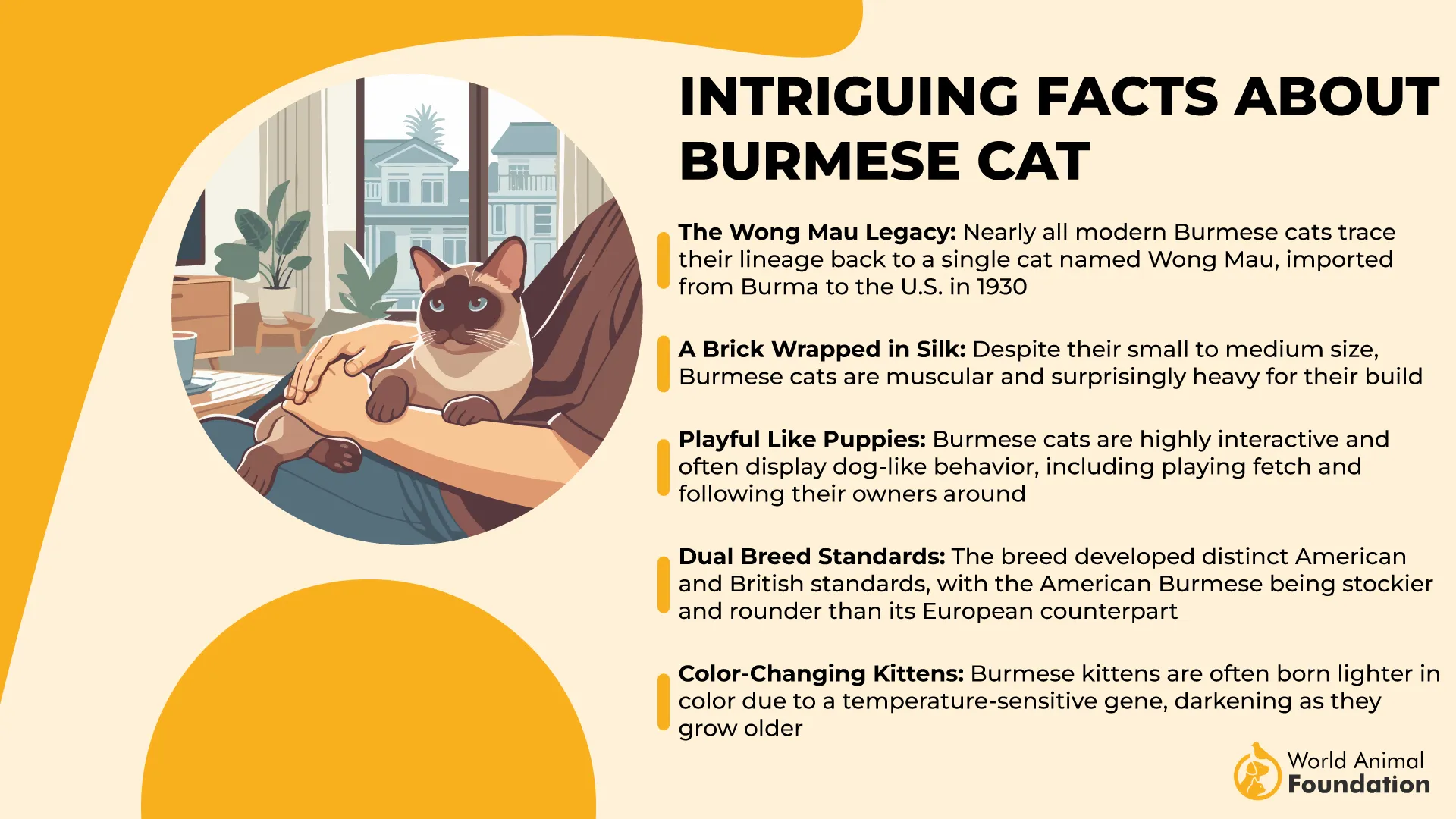
When it comes to vocal habits, the Burmese love to communicate. Rather than loud yowls, they use soft meows and gentle trills to keep a steady conversation going with their favorite people throughout the day.
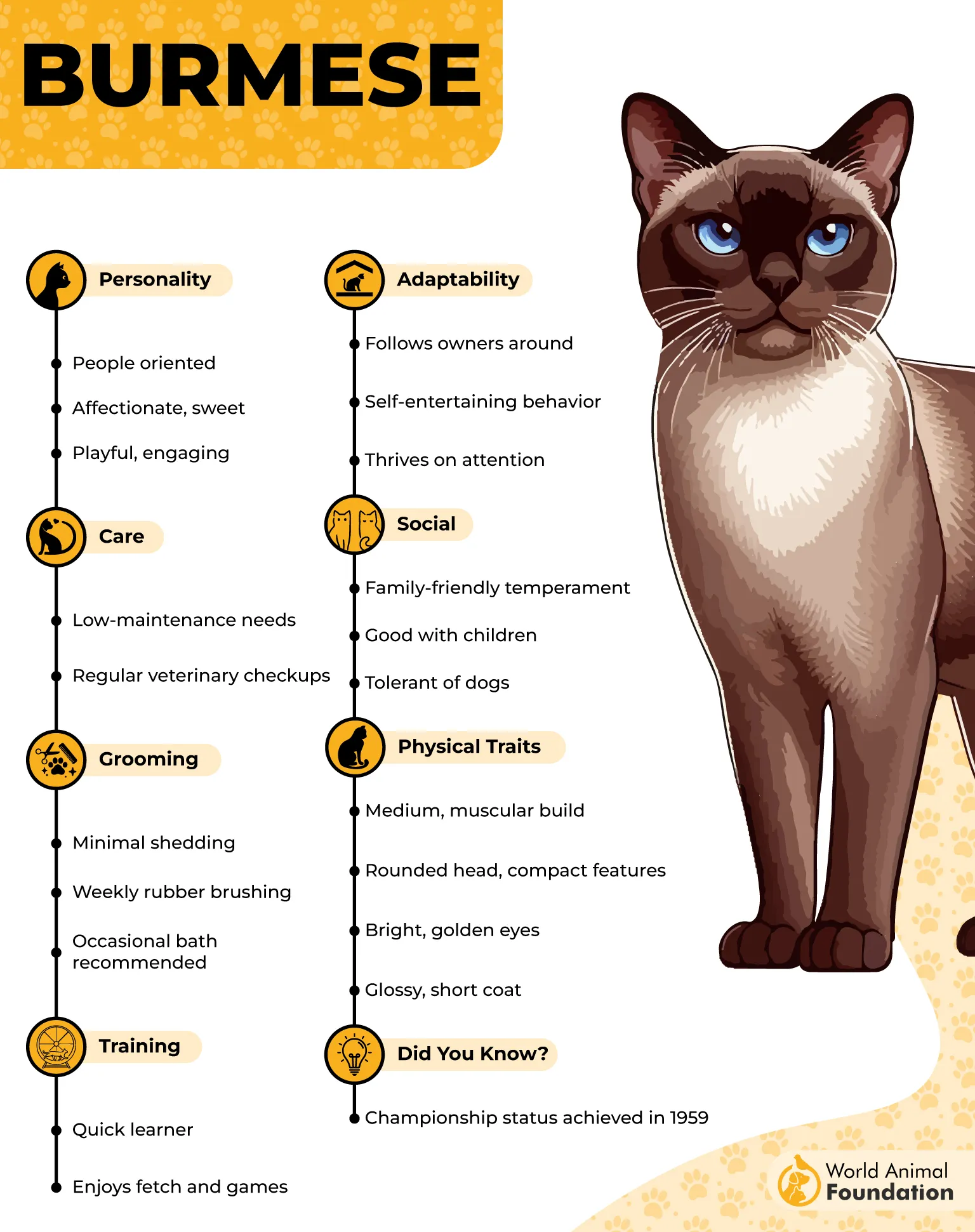
Their voices are closely tied to their affectionate personality. Burmese cats thrive on companionship, often following family members from room to room and “talking” as a way to stay connected and involved.
Among Oriental breeds and their constant conversations, the Burmese stands out for balancing sociability with a pleasant tone.
Fact: Unlike the Siamese’s insistent yowl, the Burmese is known for a softer, sweeter, and more musical voice used for frequent communication.
5. Bengal
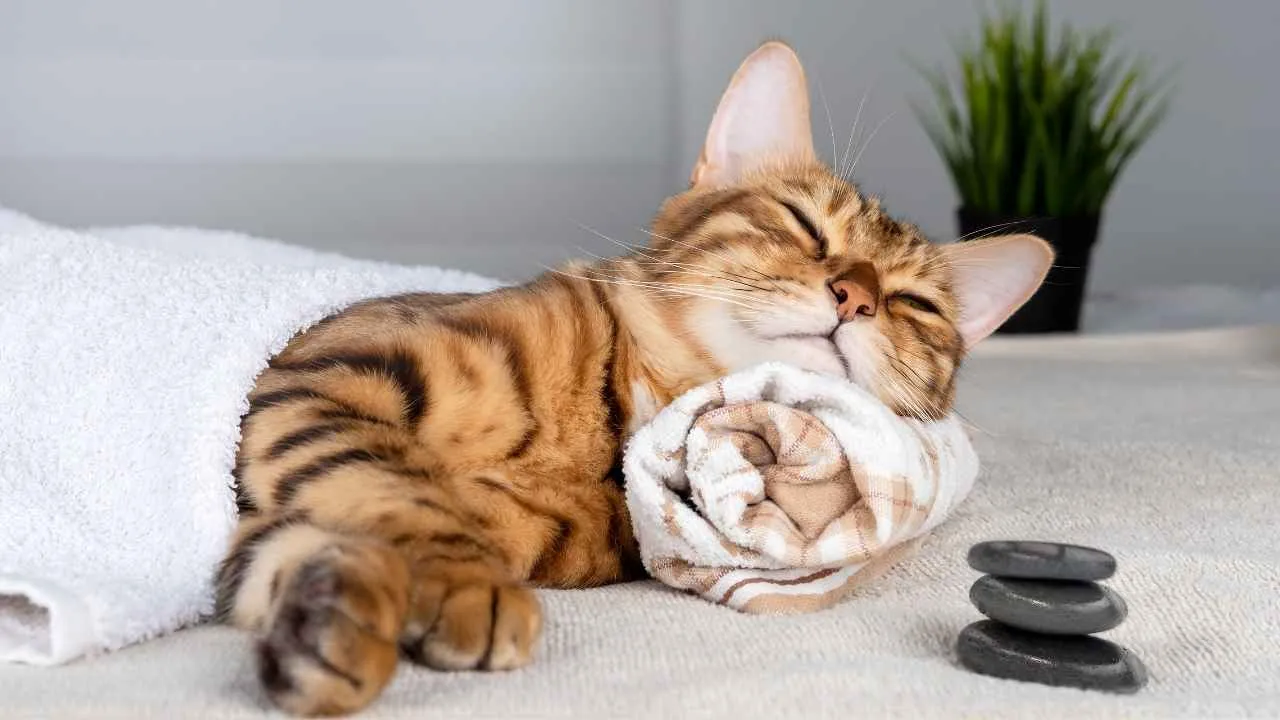
The Bengal cat, developed in the United States in the 1980s, is a striking breed known for its wild, leopard-like appearance and athletic build. Despite the exotic look, Bengals are fully domesticated and deeply people-oriented.
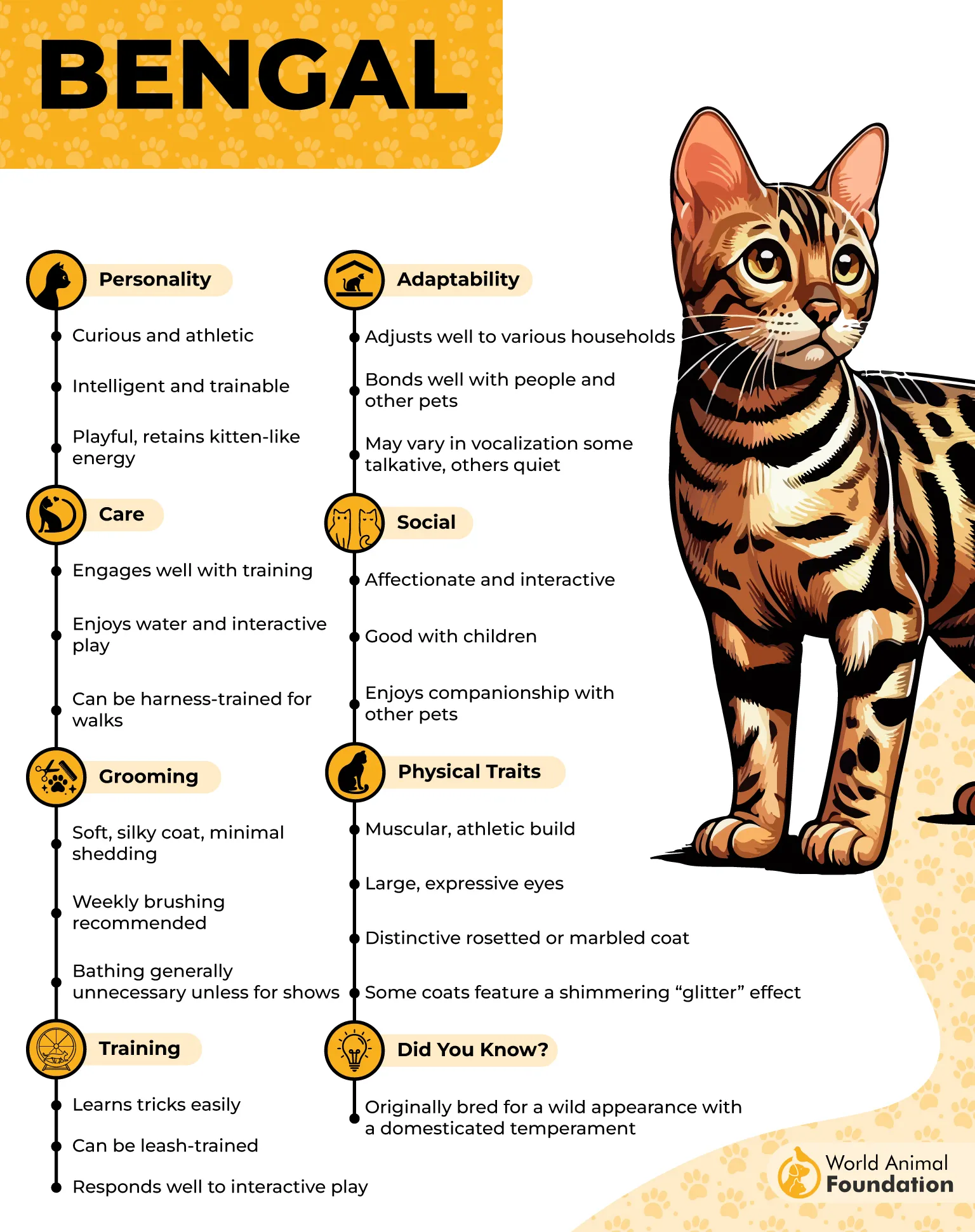
When it comes to vocal expression, Bengals are far from quiet. They communicate using a wide range of sounds—meows, chirps, and yowls—often “talking” to their owners throughout the day to get attention or express excitement.
Their vocal nature pairs with high energy and curiosity. Bengals enjoy interaction, play, and mental stimulation, and they won’t hesitate to announce boredom or enthusiasm, especially during playtime or feeding routines.
Although not quite as gentle giants as Maine Coons, Bengals still have a strong voice for their size and aren’t shy about using it.
Fact: Bengals are known for their love of water and their wide variety of vocalizations.
6. American Bobtail
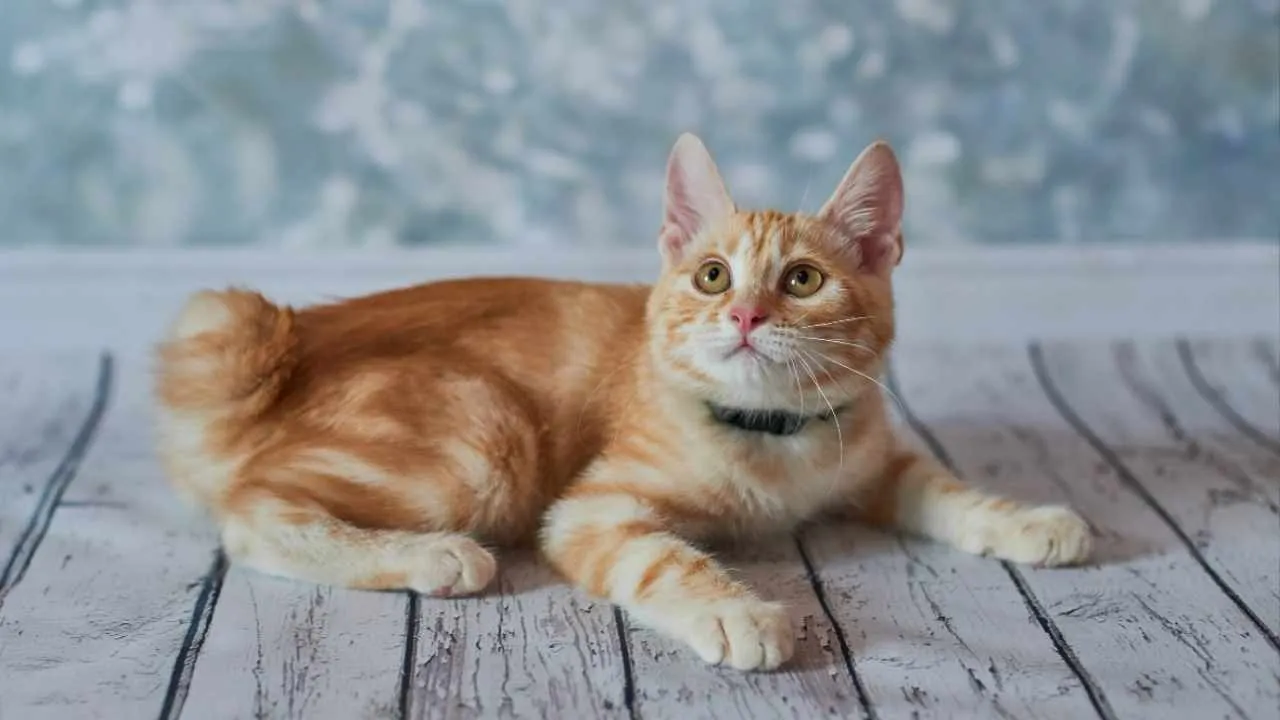
The American Bobtail, sometimes simply called the Bobtail, is a distinctive U.S.-developed breed known for its naturally short tail and expressive personality. Medium to large in size, it has a rugged look paired with a warm, people-focused nature.
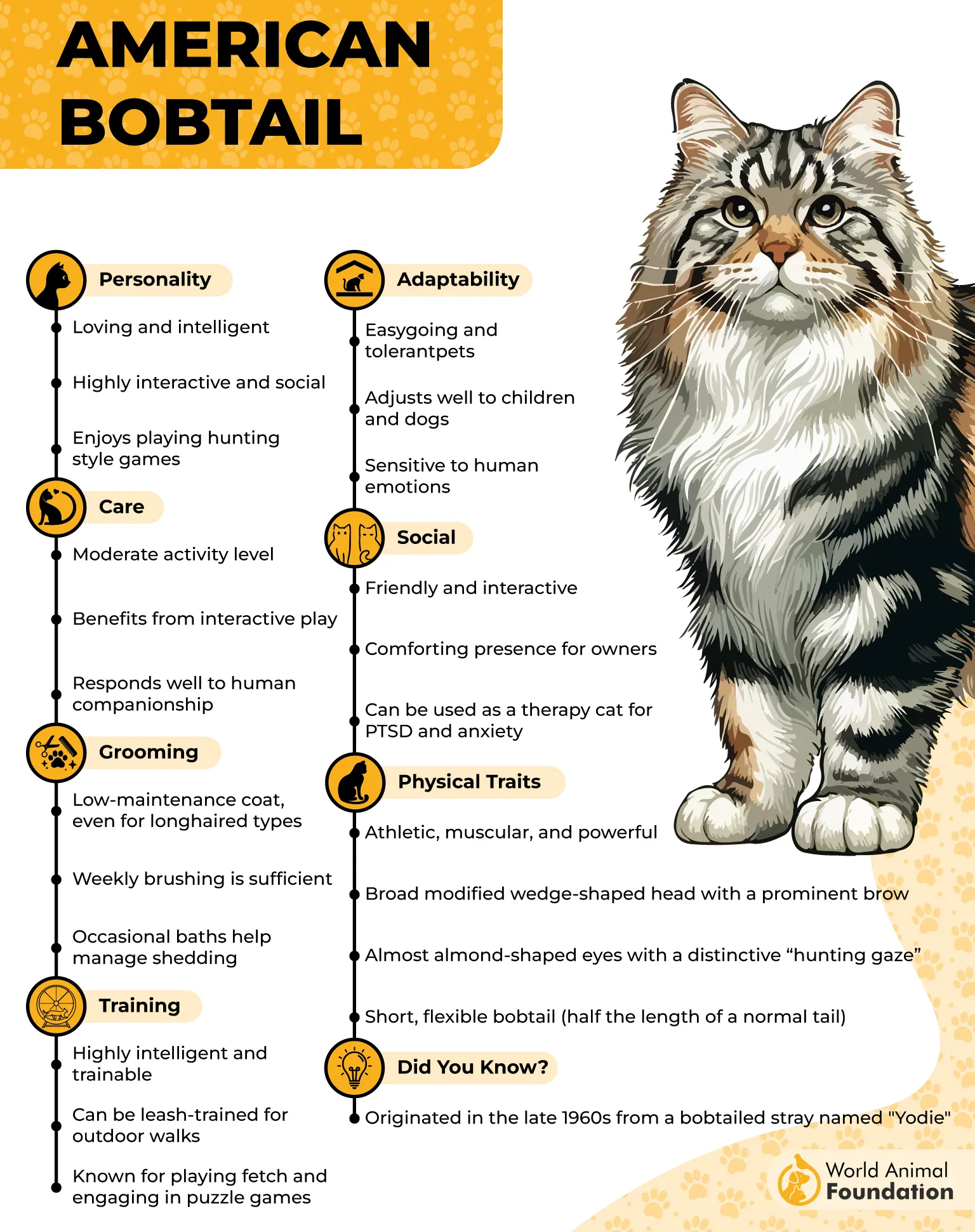
Among the most vocal cat breeds, the American Bobtail doesn’t rely on standard meows alone. Instead, it communicates through trills, chirps, clicks, and soft chatter, especially during play or when engaging with family members.
This breed enjoys “talking” while interacting, whether stalking toys or following its humans around the house. Their conversational style is more playful than demanding, making them engaging companions for those who enjoy responsive pets.
When comparing attention-seeking cats, Bobtails show how vocal behavior can strengthen bonds without being overwhelming. They’re trainable, social, and thrive on interaction.
Fact: American Bobtails were developed in the United States during the 1960s through natural tail mutations.
7. Tonkinese
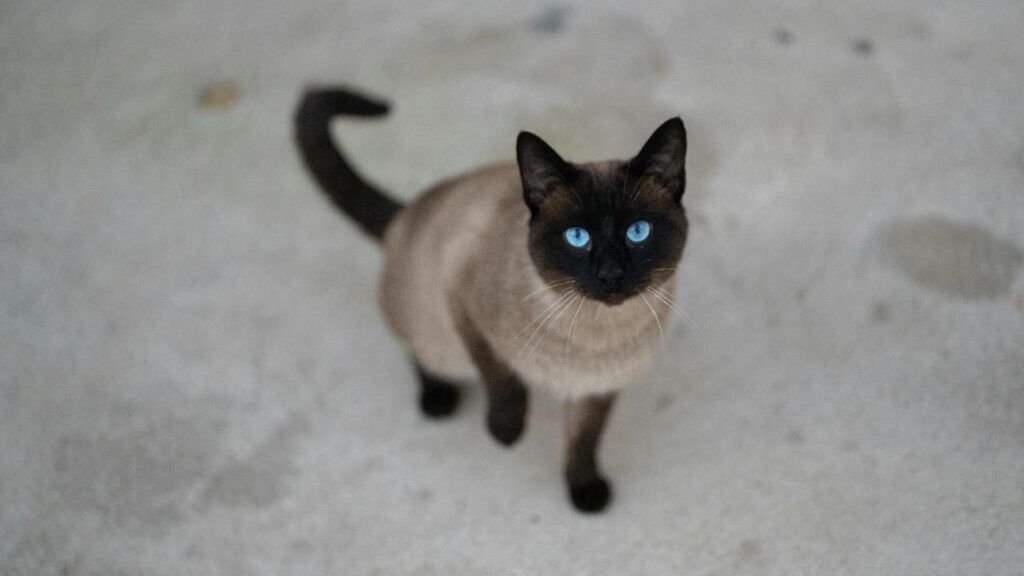
The Tonkinese, often affectionately called the Tonk, is a lively hybrid developed from Siamese and Burmese cats. This medium-sized breed is known for its expressive eyes, sleek coat, and people-focused personality.
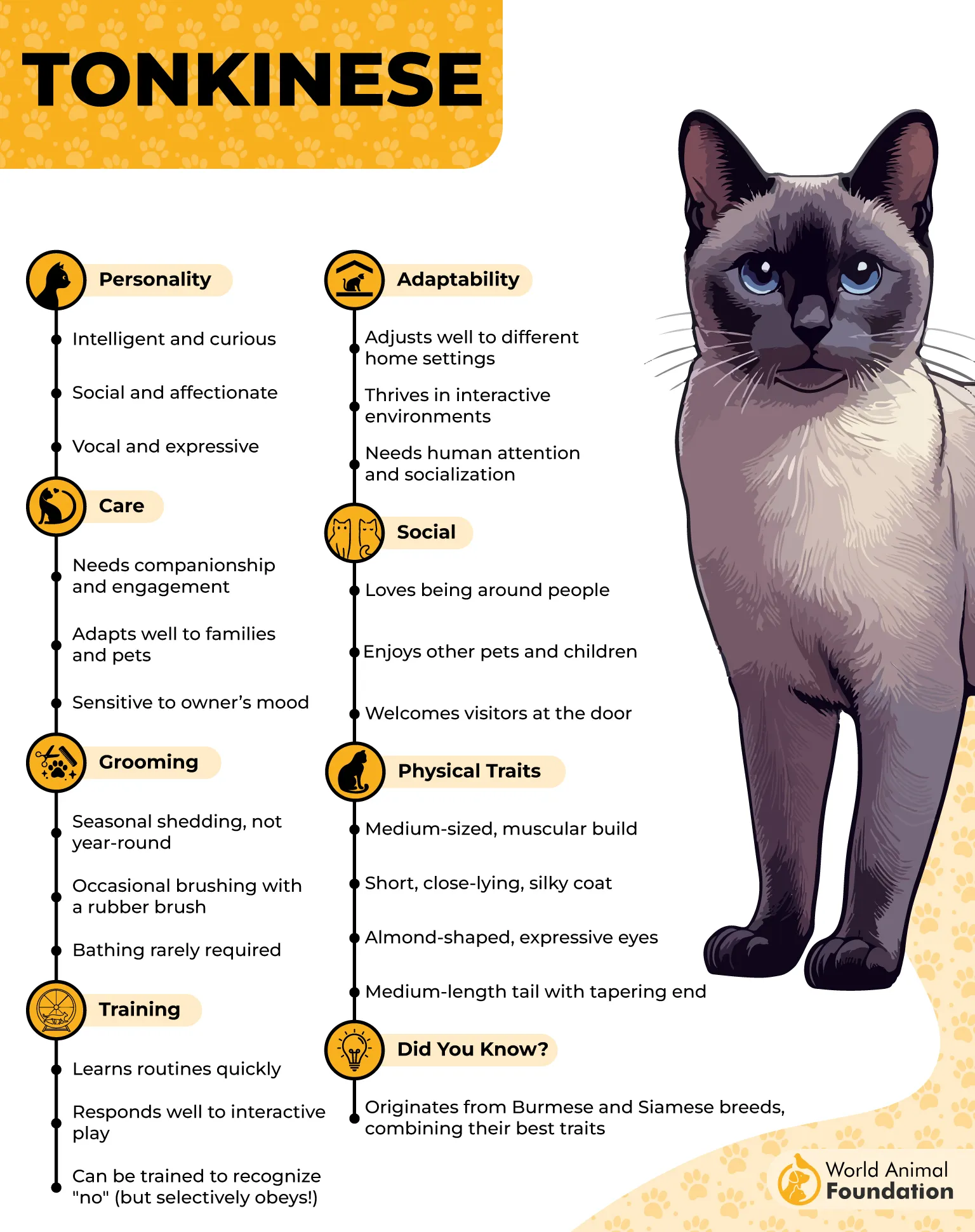
Vocal by nature, the Tonkinese loves to communicate through meows, chirps, and trills. Their chatty behavior often accompanies games like fetch or hide-and-seek, making their voices part of daily interaction rather than background noise.
Because they thrive on attention, Tonkinese cats frequently “talk” to stay connected. They tend to respond when spoken to and use different sounds to signal excitement, curiosity, or the desire to join whatever their humans are doing.
When vocalization suddenly increases or changes tone, it may signal stress or a health concern. Monitoring patterns and pairing communication with routine vet care helps ensure their expressive nature stays a happy one.
8. Sphynx
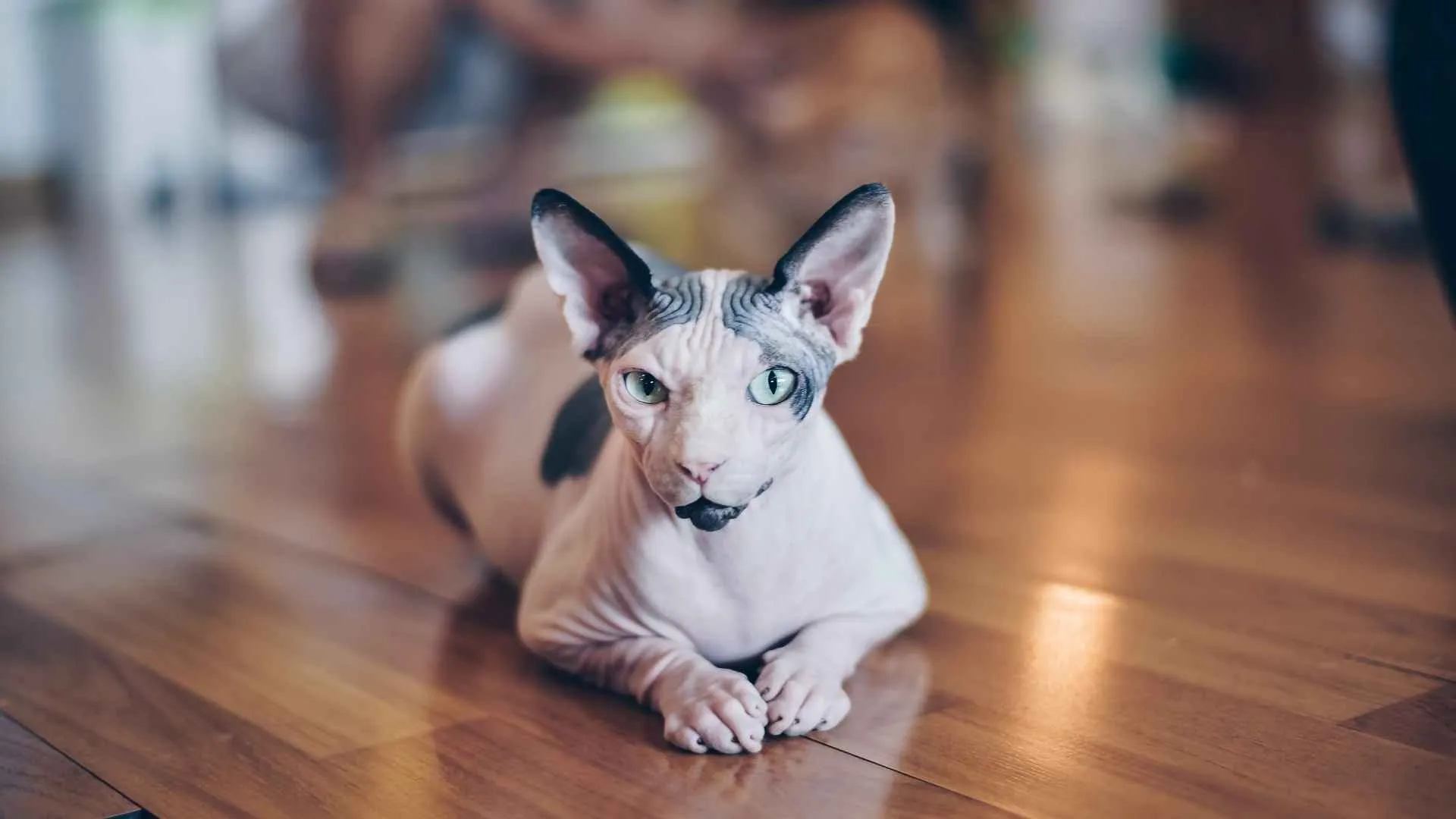
Often called the Sphynx cat or affectionately nicknamed a “Velcro cat,” this breed is famous for its nearly hairless look and peach-fuzz skin. Originating from a natural genetic mutation, the Sphynx stands out instantly.
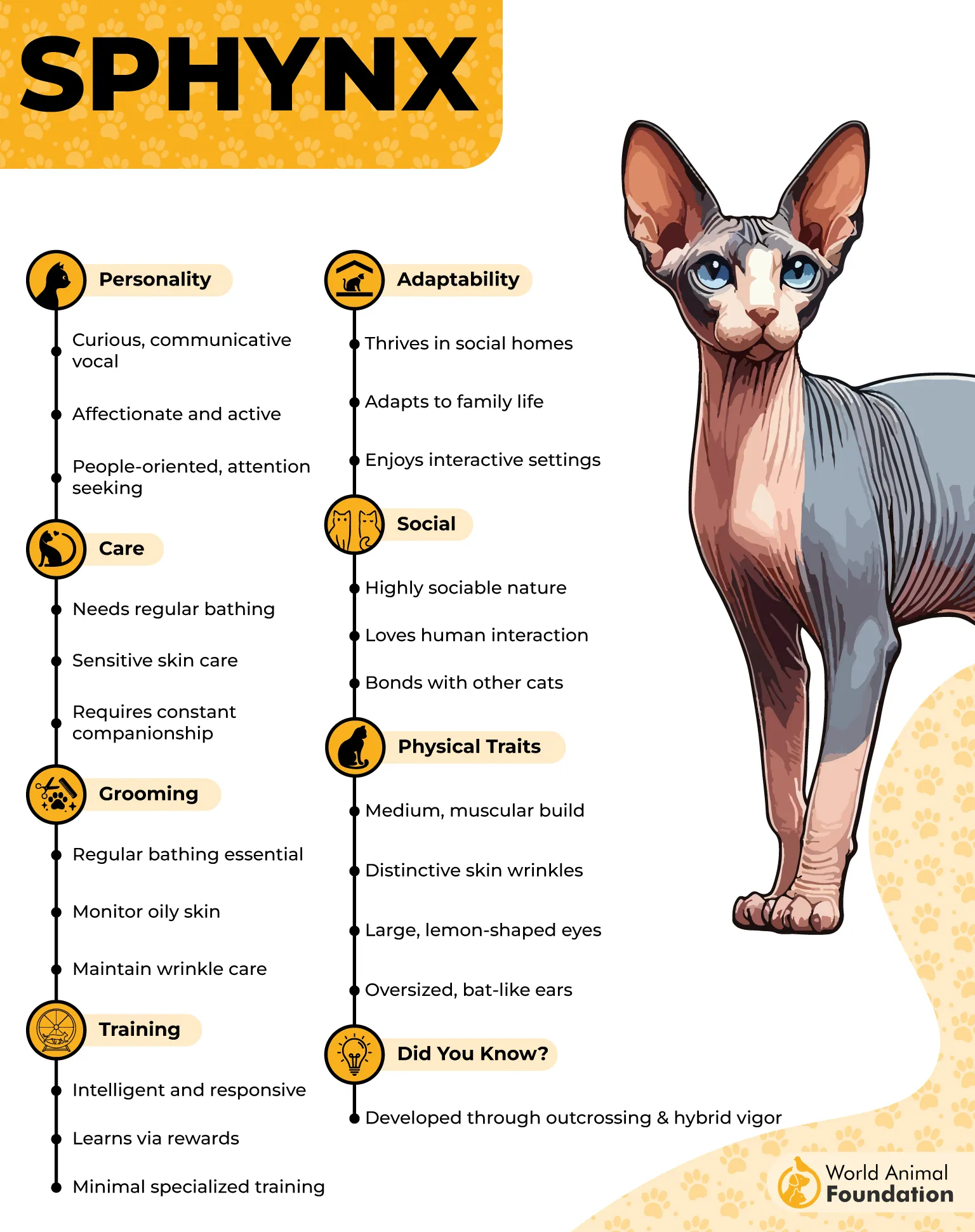
When it comes to vocal cat breeds, the Sphynx has plenty to say. These cats meow, chirp, and trill frequently, using sound to stay connected with their humans and express opinions about daily life.
Managing a talkative cat like the Sphynx means embracing interaction. Regular playtime, conversation, and companionship help channel their vocal energy and reduce attention-seeking behaviors around the house.
Because they are people-oriented, Sphynx cats do best in homes where someone is often around. Providing warmth, routines, and mental stimulation keeps them content and less demanding.
9. Ocicat
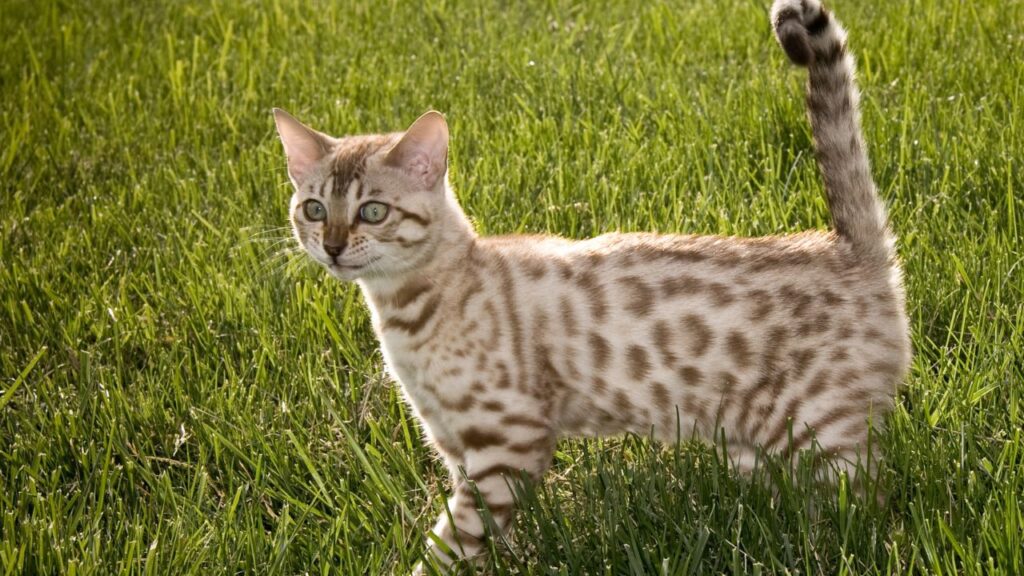
The Ocicat, sometimes nicknamed for its resemblance to a wild ocelot, is a fully domestic breed developed in the United States. Bred from Siamese and Abyssinian lines, it combines a spotted, exotic look with a confident, people-friendly personality.
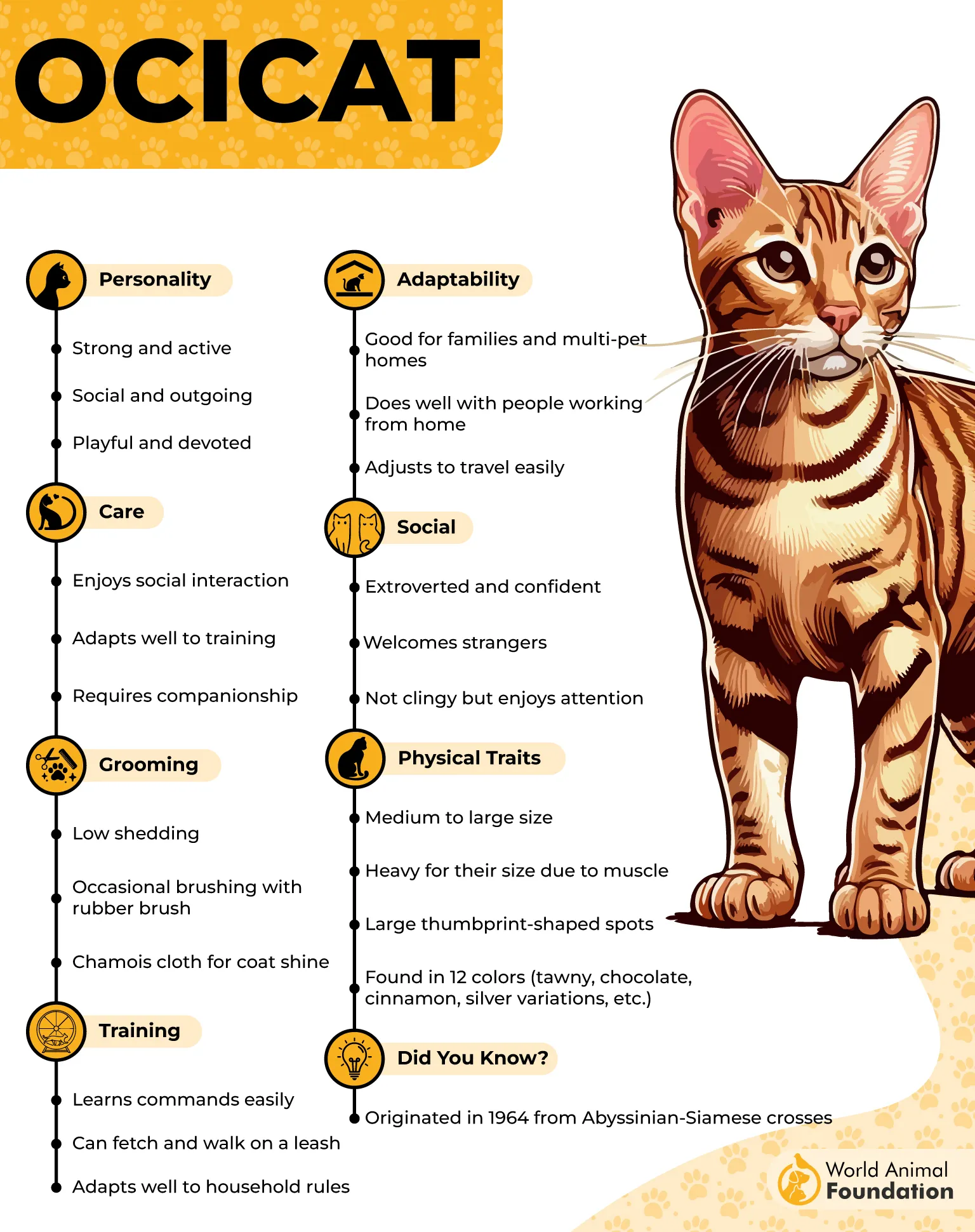
Vocal by nature, the Ocicat enjoys expressing itself through frequent chatter. These cats greet their humans at the door, announce boredom loudly, and aren’t shy about demanding interaction when they feel ignored.
Their intelligence and energy fuel that vocal streak. Without enough play, mental challenges, and attention, an Ocicat will quickly let you know—often by raising its voice—making them better suited to owners who enjoy an interactive, communicative pet.
If you’re considering whether a vocal cat is the right fit, the Ocicat thrives in busy homes where conversation and engagement are part of daily life.
Fact: The Ocicat was officially recognized in 1987, making it one of the larger, talkative domestic breeds.
Conclusion
Vocal cats add a lively soundtrack to the cat world, using meows, chirps, and yowls to stay connected with their humans. Breeds like the Siamese and Ocicat are classic examples of a chatty cat, happily “talking” their way through daily life.
These expressive kitties often vocalize to ask for playtime, food, or simply more attention, making them ideal for owners who enjoy constant interaction.
While some talkative breeds have exotic roots, such as the Asian leopard cat, others, like Japanese Bobtail, Oriental Longhair, Turkish Angora, Cornish Rex, and even Siberian cats, are known for expressive communication.
Choosing a vocal breed means welcoming a cat that actively engages with you, responds to your presence, and fills your home with personality. For cat lovers who enjoy conversation and connection, these talkative companions can be endlessly entertaining and deeply rewarding.
