




House cats are some of the most beloved pets in the world, offering companionship, entertainment, and even a little bit of attitude. But not all house cats are the same.
House cats may all seem similar at first glance, but they come in a wide variety of breeds, each with its personality and charm.
Whether you’re looking for a talkative Siamese, a laid-back British Shorthair, or a fluffy Persian, there’s a house cat breed to match every lifestyle. These feline friends are more than just pets—they become beloved members of the family, offering companionship, entertainment, and unconditional love.
Types of House Cat Breeds
1. Abyssinian
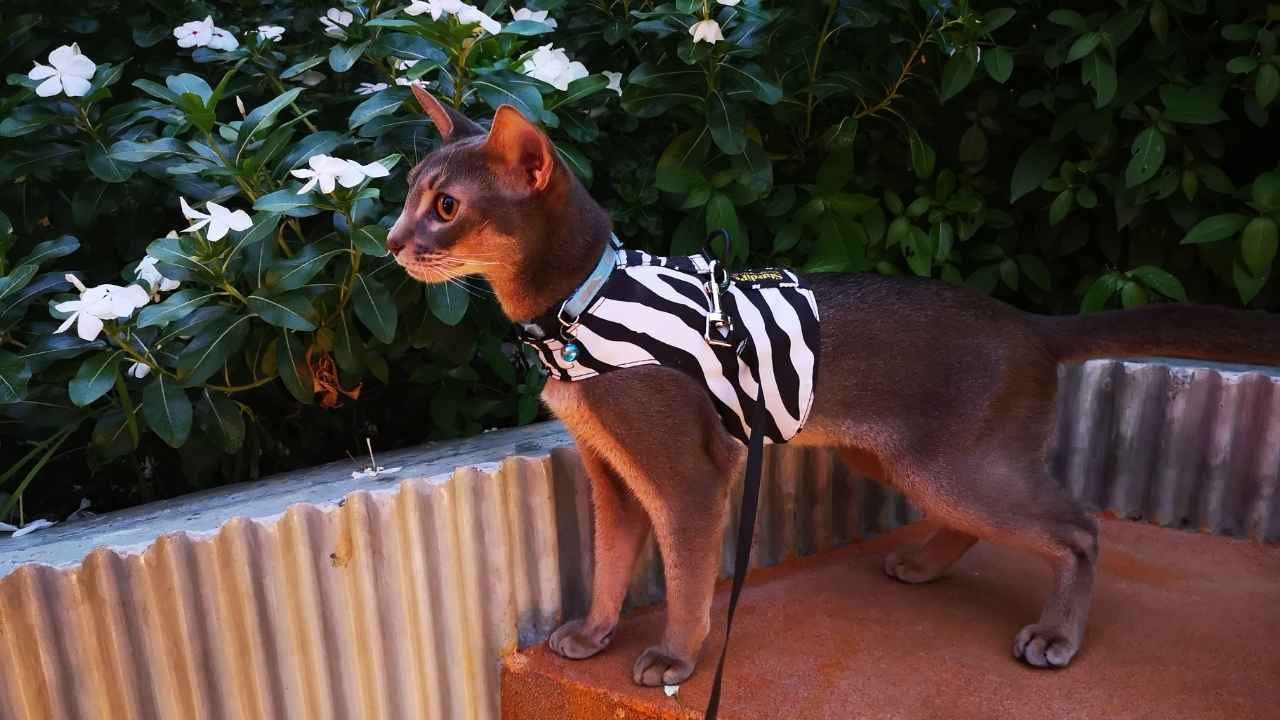
The Abyssinian (or “Aby” if you’re on friendly terms) is the supermodel of the cat world—sleek, athletic, and always camera-ready.
With its short, ticked coat that shimmers in shades of ruddy, blue, fawn, and sorrel, this outdoor cat breed looks like it just walked out of a jungle photoshoot. Their large, almond-shaped eyes hold the secrets of the universe—or at least where they’ve hidden your socks.
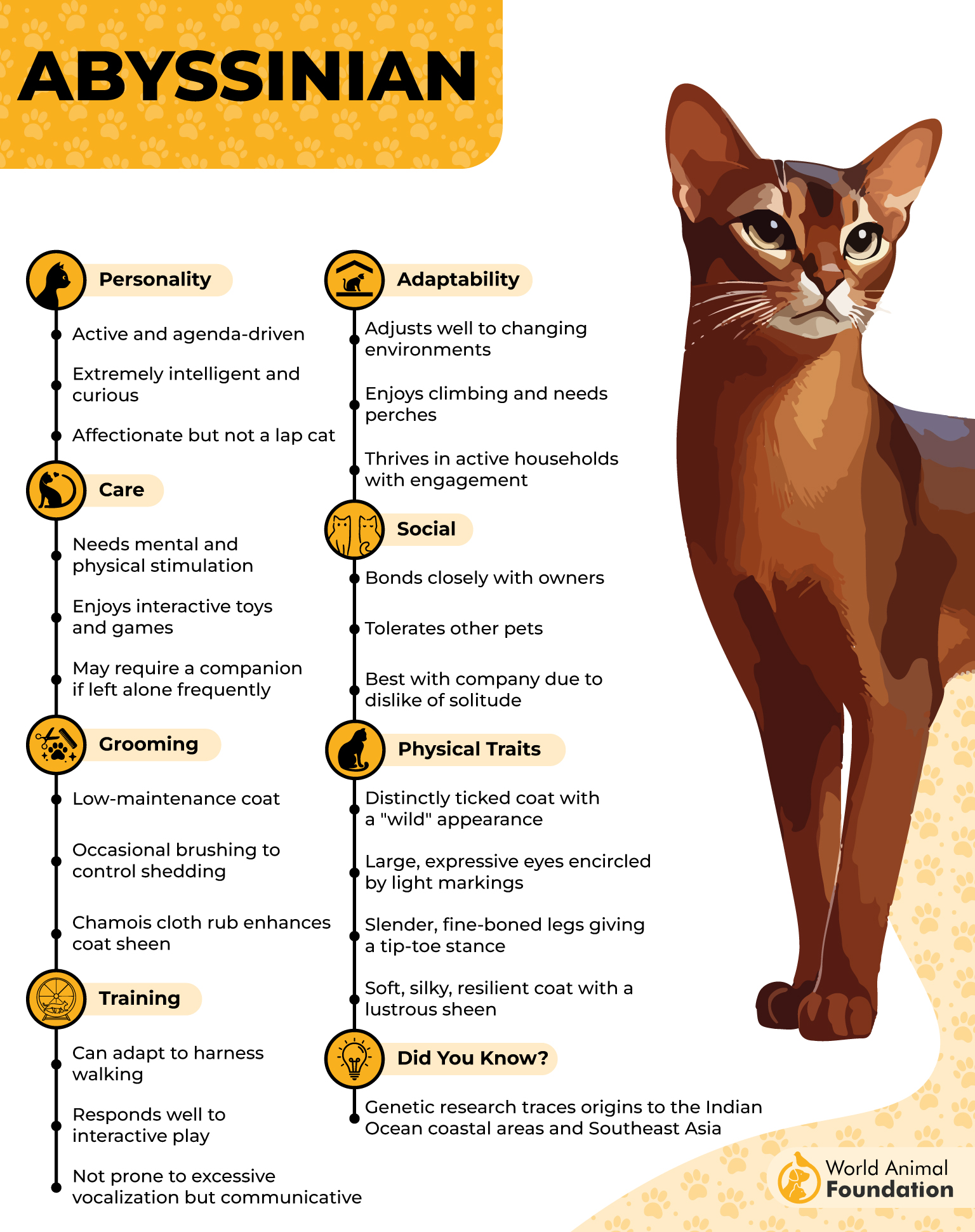
If you bring an Aby into your home, congratulations—you now have a cat that’s smarter than most of your smart home devices. They love puzzles, games, and exploring every nook and cranny of your house.
Forget lazy couch potato cats. Abys are always on the move, jumping, climbing, and generally causing delightful chaos. With their short fur, they don’t require much grooming—just a quick brush to keep them looking fabulous.
Think of them as tiny, furry parkour athletes. These cats demand attention and will follow you everywhere—yes, even to the bathroom. They enjoy being around people and other pets, so be prepared for a feline shadow.
Fun Fact: Some Abyssinians love playing in water. So don’t be surprised if yours decides to join you in the shower (or at least supervise from the sink).
2. American Shorthair
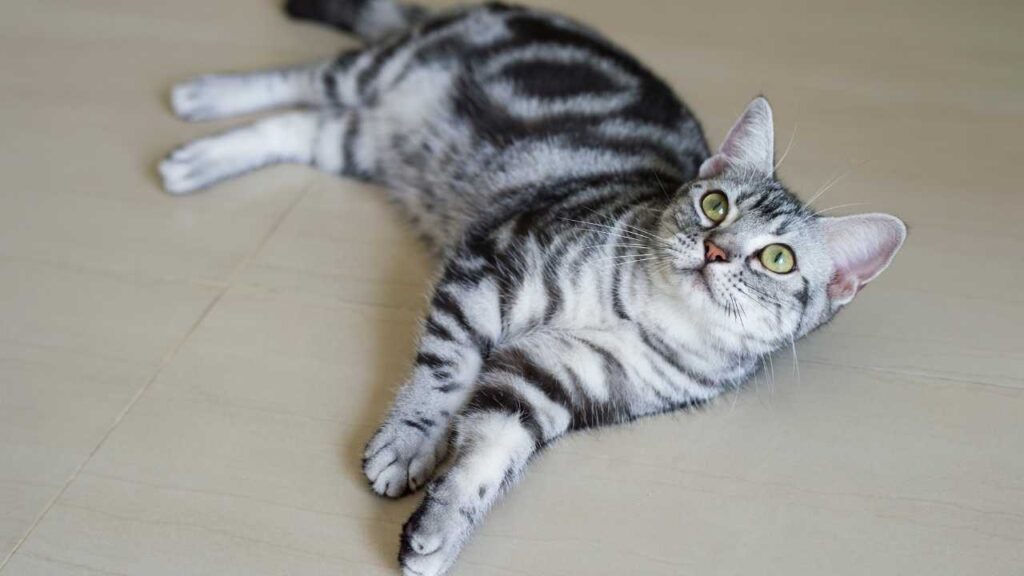
If the Abyssinian is the high-energy athlete, the American Shorthair is the cool, chill neighbor who always seems to have their life together.
These sturdy, medium-to-large cats come in over 80 different colors and patterns, but the most famous is the silver tabby—think classic “cat in a storybook” vibes. With their round faces and big, friendly eyes, they look like they just want to be your best friend (and steal your seat the moment you stand up).
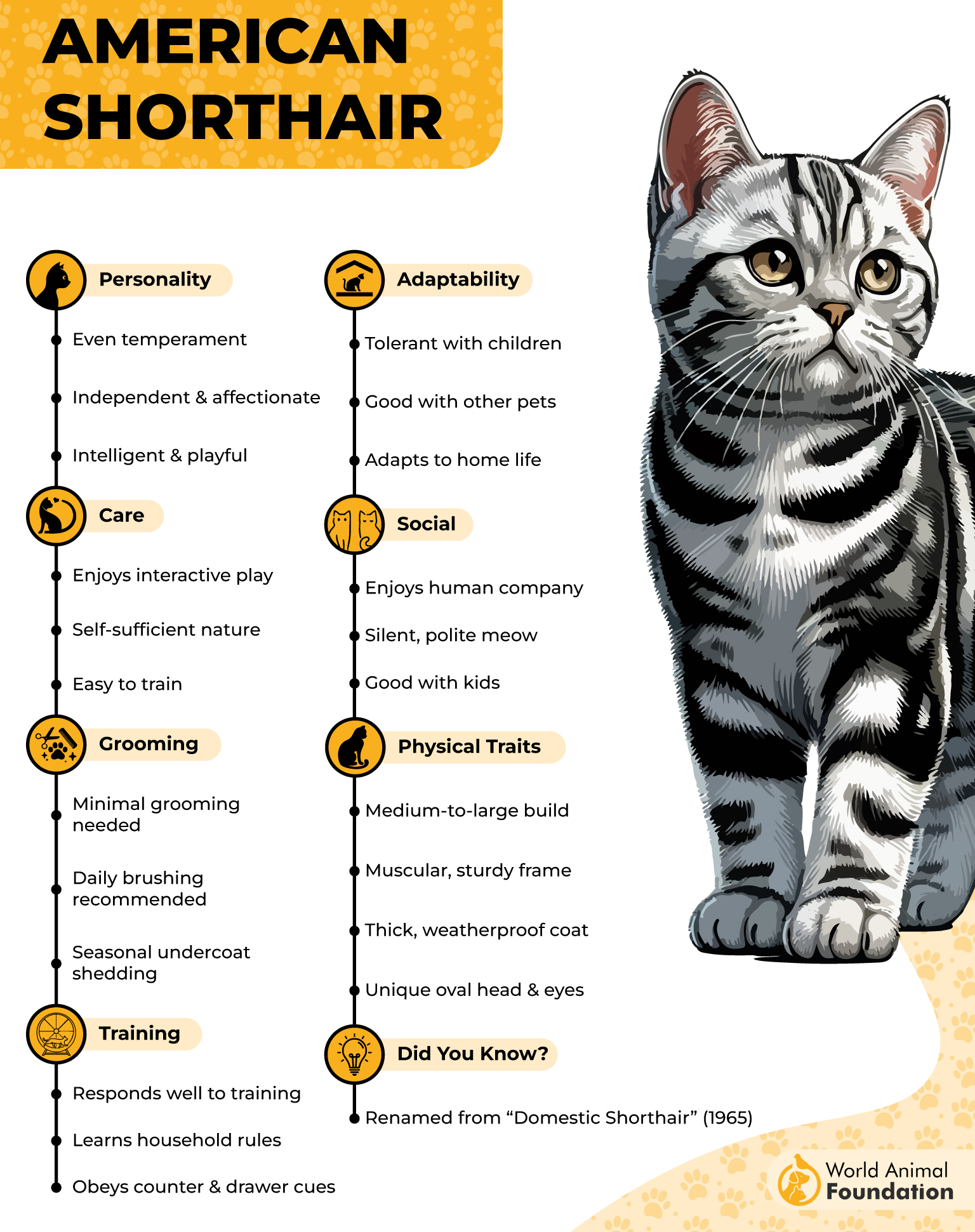
American Shorthairs are relaxed and friendly, making them ideal for families, singles, or anyone who wants a low-maintenance but loving companion. They enjoy a good play session but are equally happy napping in a sunny spot.
If you have a dog, kids, or other cats, no problem! This breed gets along well with everyone and isn’t easily stressed out. They enjoy human company but won’t be all up in your business 24/7. Think of them as that friend who loves to hang out but also appreciates their alone time.
Fun Fact: The ancestors of American Shorthairs came over with European settlers—so basically, they’re the feline version of an early American pioneer!
3. British Shorthair
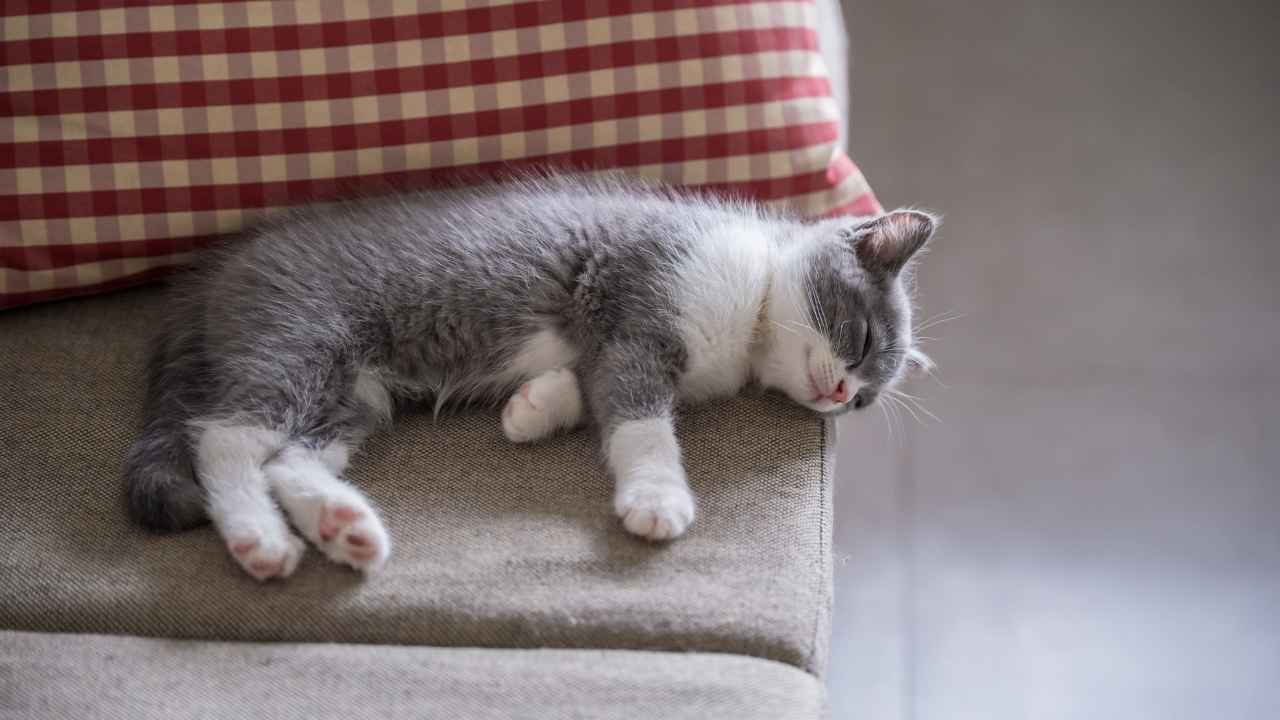
Imagine a cat that looks like a plush teddy bear but with the personality of a sophisticated British aristocrat.
That’s the British Shorthair! These round-faced, chubby-cheeked beauties are known for their dense coats, big round eyes, and calm, no-nonsense attitude.
As per Petplan, British Shorthair cats have coats that come in a range of stunning colors, including sandy blonde, silver tabby, and even a unique chocolate brown. However, the most commonly recognized color is British Blue.
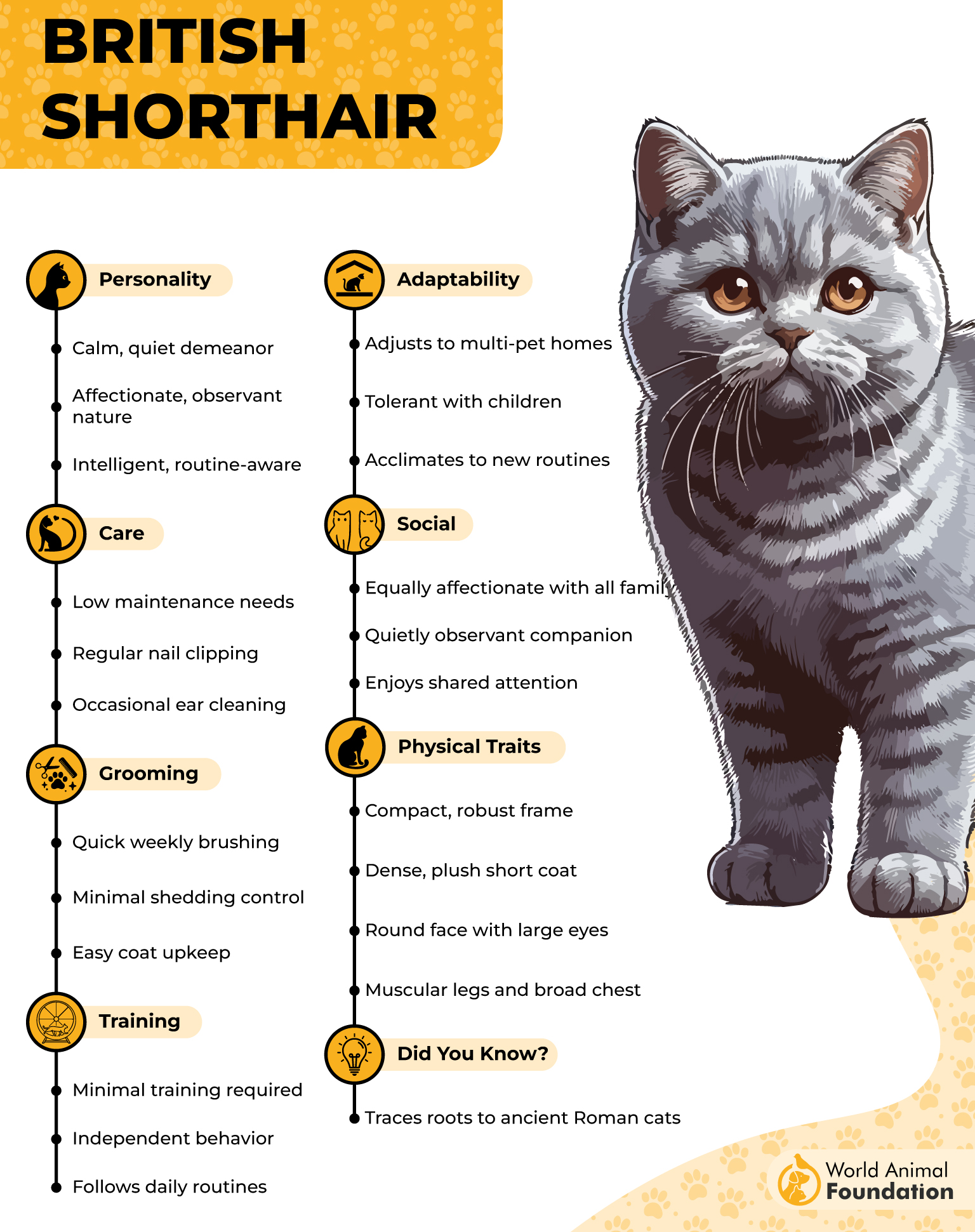
They love their humans but in a “let’s keep it classy” kind of way. No excessive clinginess—just quiet companionship. They won’t climb your curtains or knock over every item on your desk (probably). Instead, they prefer to lounge in style.
Their thick, plush coat comes in many colors, but the blue-gray (British Blue) is the most famous.
Fun Fact: British Shorthairs are often called “smiling cats” because of their round faces. They always look slightly amused—probably judging your life choices.
4. Exotic Shorthair
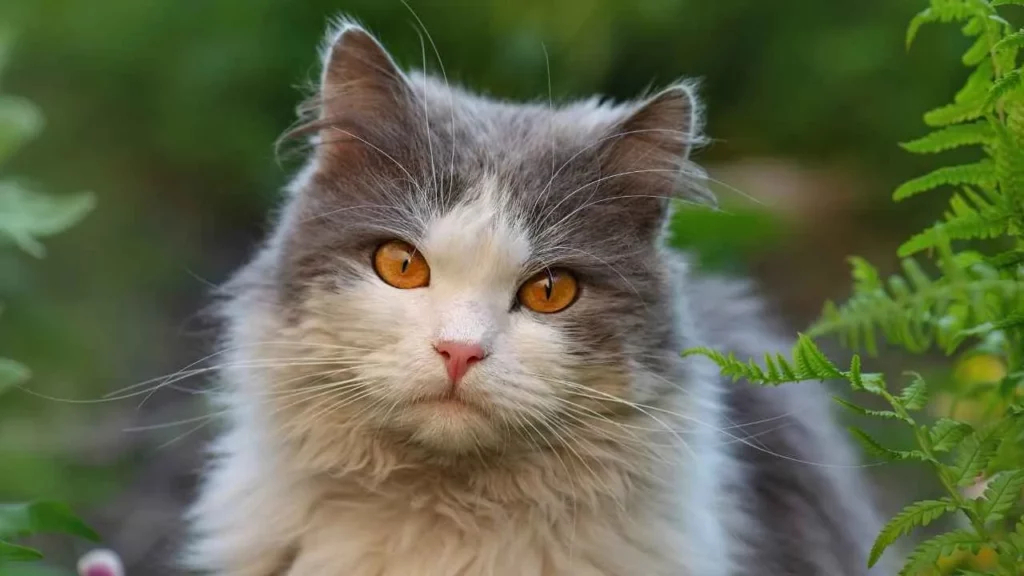
If you love the look of a Persian but don’t want to deal with all the grooming, meet the Exotic.
According to VCA, the Exotic is a relatively new cat breed that was created by accident when breeders crossed American Shorthairs with Persians in the early 1960s.
They have the same adorable squishy face but with a shorter, plusher coat that’s much easier to manage. Think of them as Persians in sweatpants—just as cute, but with way less effort.
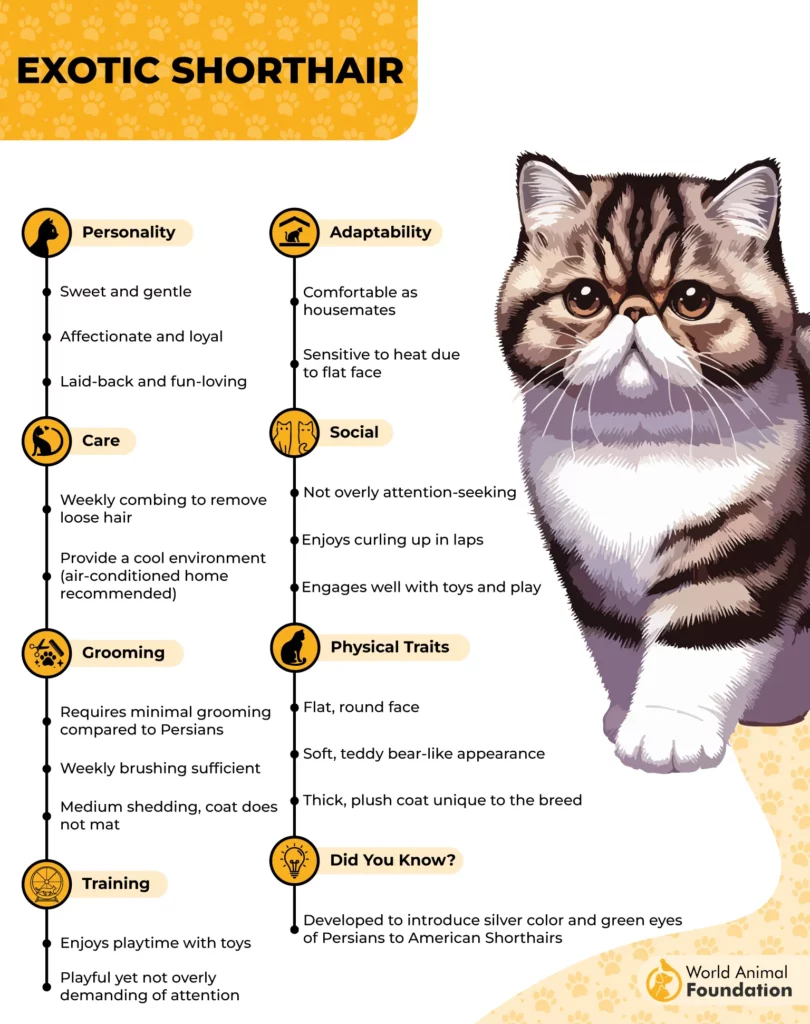
These cats are total couch potatoes and love to snuggle. Unlike Persians, their short coat doesn’t require an army of brushes. They don’t need a lot of space and are happy just hanging out with you.
Fun Fact: Exotics are often called the “lazy person’s Persian” because of their easy-care fur.
5. Maine Coon
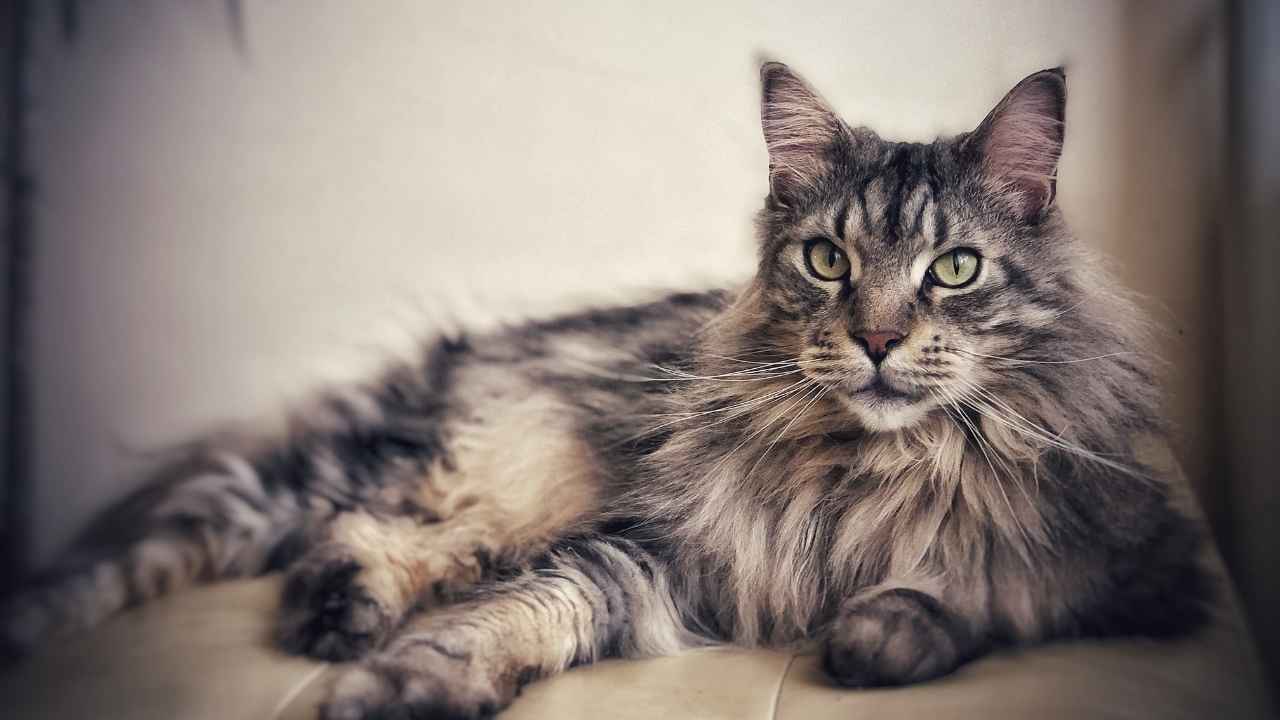
The Maine Coon is the largest domesticated cat breed, often weighing as much as a small dog. But don’t let their size fool you—these fluffy giants are total sweethearts.
With their tufted ears, bushy tails, and lion-like manes, they look like majestic forest creatures but act like affectionate goofballs.
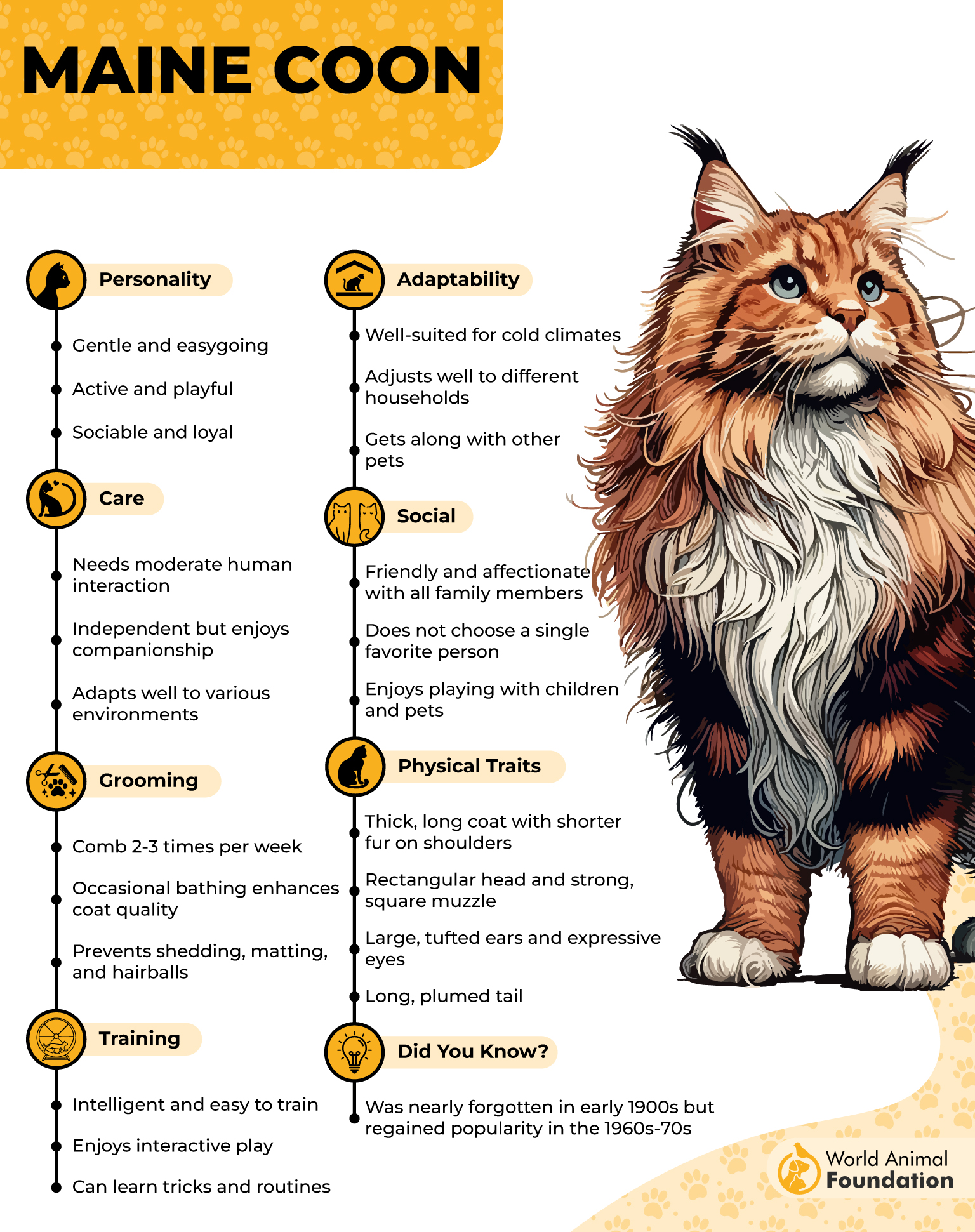
They can weigh up to 18 lbs (or more!) but have a super gentle nature. This indoor cat breed loves to follow you around, play fetch, and even come when called.
Their thick fur is designed for cold climates, making them look even more majestic.
Fun Fact: Maine Coons chirp and trill instead of meowing—so you might end up with a very chatty, fluffy companion.
6. Persian
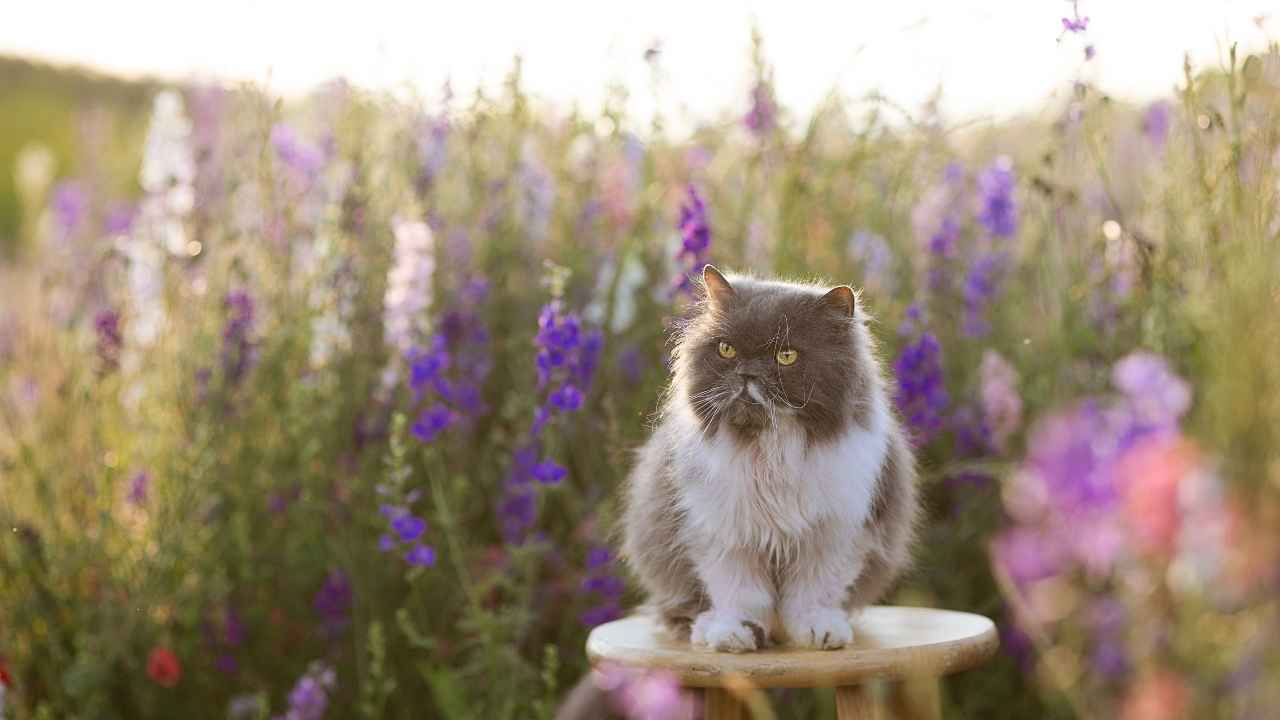
Persian cats are the ultimate luxury cats. With their long, flowing fur and flat, adorable faces, they look like they belong on a velvet cushion in a palace.
These domestic cats are sweet, affectionate creatures, and incredibly lazy, which means they require your effort to keep them looking fabulous.
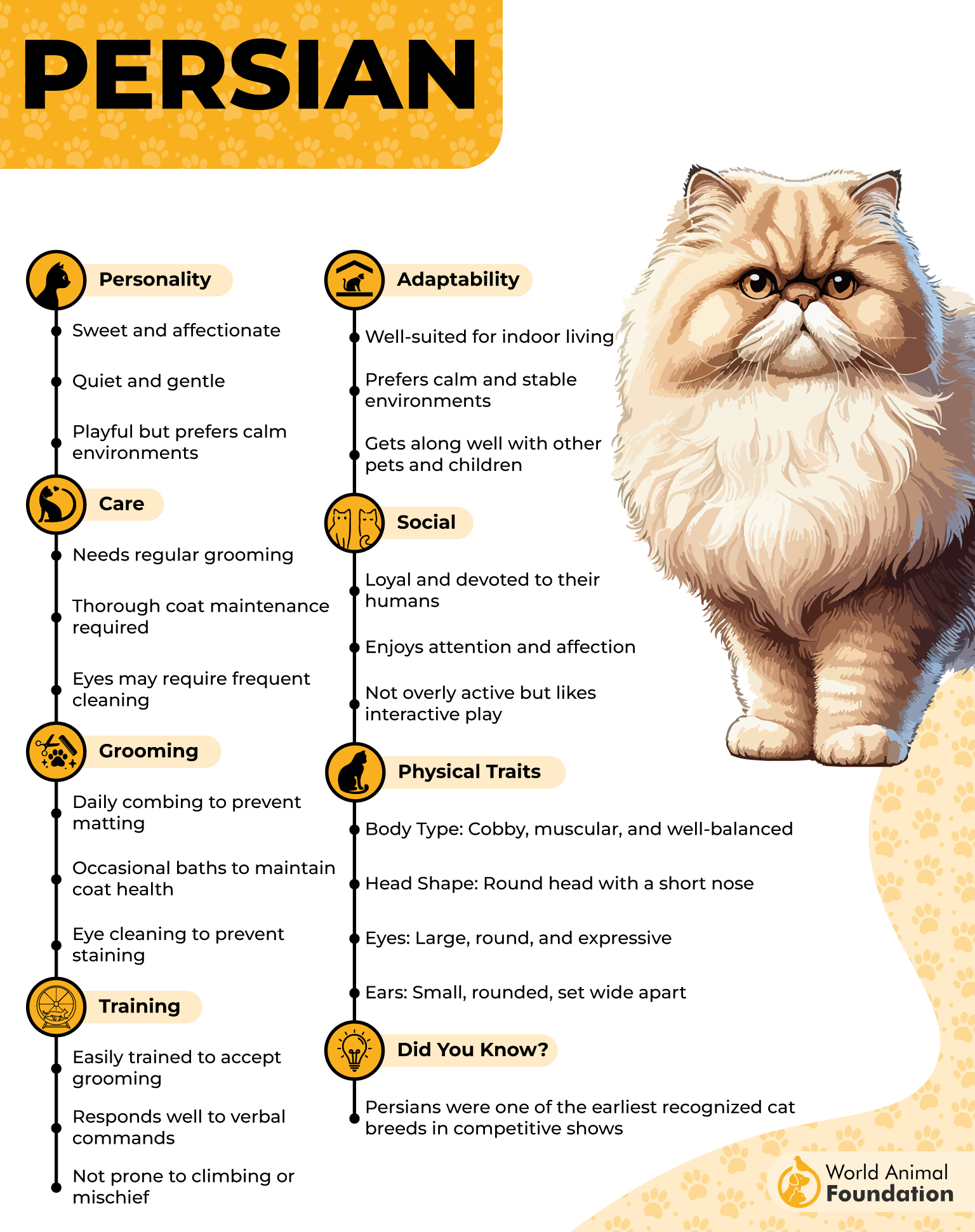
Brushing? Yes, please. A comfy bed? Absolutely. Persians expect first-class service. They’re affectionate cats but won’t demand attention—just offer them a lap, and they’re happy. That beautiful coat requires daily grooming unless you want it to look like a walking dust mop.
Fun Fact: Persians have been pampered by royalty for centuries, and honestly, they still expect to be treated that way.
7. Ragdoll
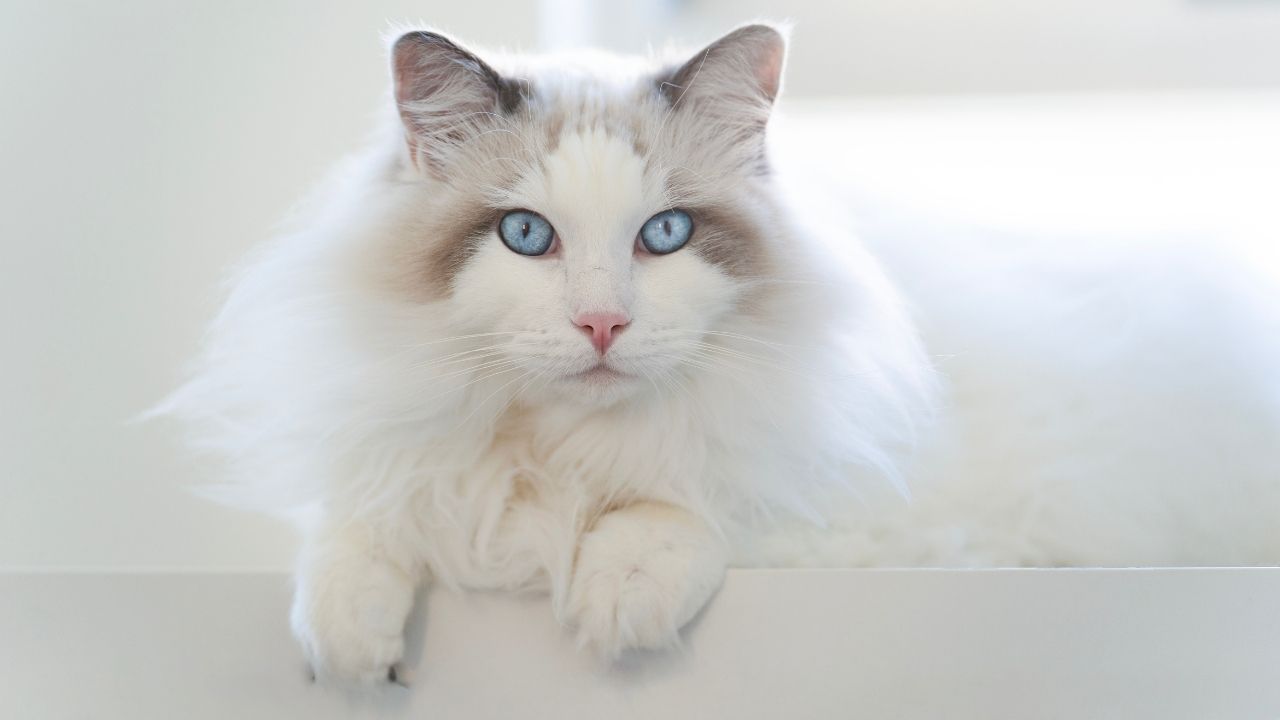
If you want a cat that flops into your arms like a plush toy, the Ragdoll is your dream pet.
Known for their stunning blue eyes, silky fur, and ridiculously relaxed nature, these cats are the ultimate cuddle buddies.
As per WebMD, Ragdoll cats are generally on the larger side, with male cats weighing between 15 and 20 pounds and females averaging 10 to 15 pounds. Ragdolls mature slowly and typically don’t reach their full adult cat size until they are around 4 years old.
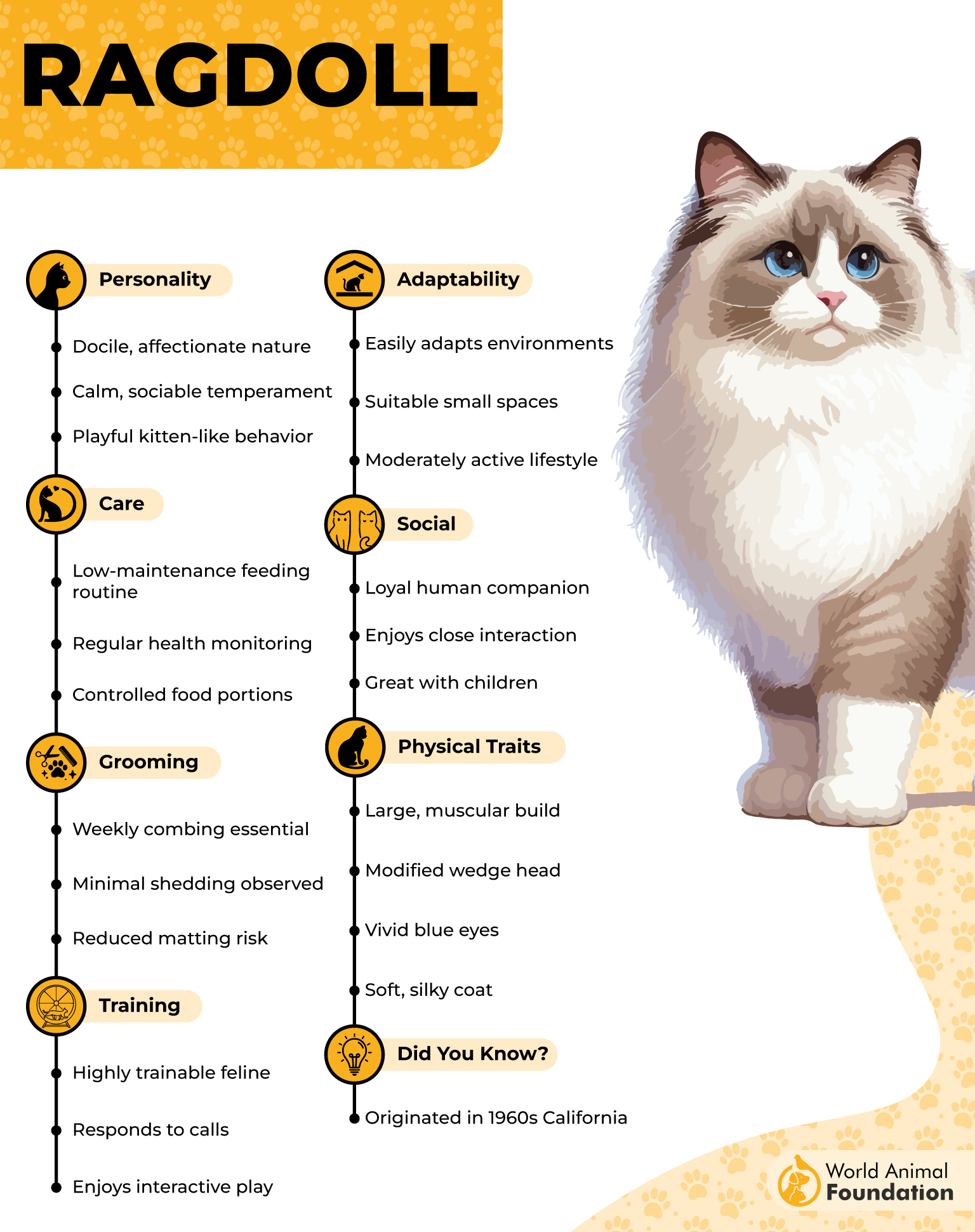
Ragdoll cats love people and will follow you around like a little shadow. They’re so relaxed that they go completely limp when you pick them up—hence the name “Ragdoll.”
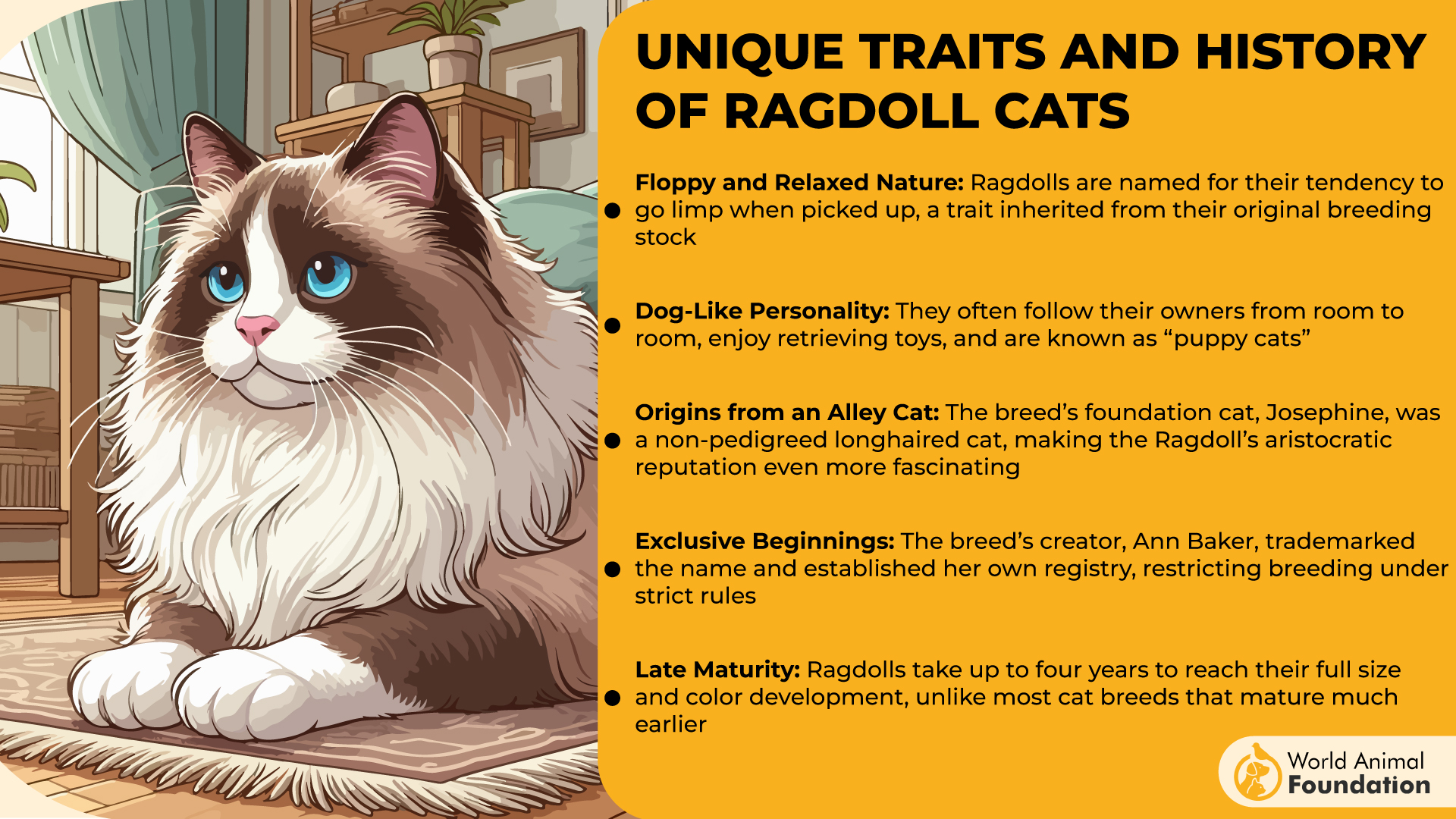
Gentle and loving, they get along with kids, other pets, and even dogs.
Fun Fact: Ragdoll cats are one of the few breeds that actively enjoy being carried. Most cats will fight you, but Ragdolls just… accept their fate.
Conclusion
When it comes to the best house cats, there’s no single answer—each breed brings its oharm, personality, and appeal to the home. Some, like the affectionate Burmese cats and the intelligent Siamese cats, thrive on human companionship, while others, like the sleek Russian Blue cat, are known for their quiet and reserved nature.
Playful and energetic Bengal cats add a wild touch to domestic life, while the curly-coated Devon Rex cats offer an irresistibly unique look and personality. Even though some feral cats may not fit the traditional house cat mold, many can be socialized and make wonderful companions. And let’s not forget the special charm of female Burmese cats, which are often known for their loving and playful nature.
While these are just some of the incredible house cat breeds out there, the variety of other cats that didn’t make the list proves that every feline has something special to offer for the right home.
