




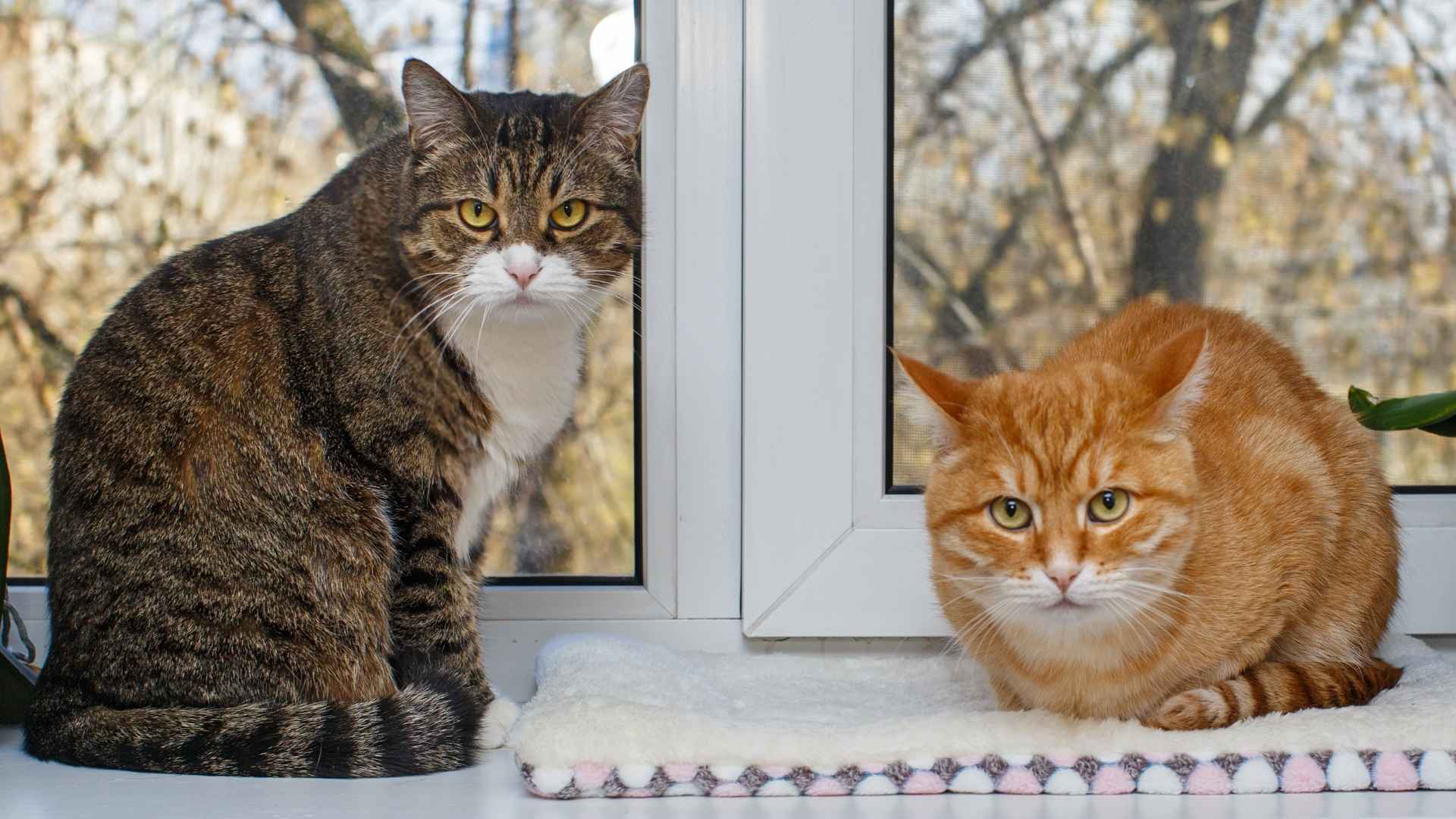
Cats have been living alongside humans for thousands of years, offering both companionship and entertainment. But did you know there are hundreds of different types of domestic cats out there? Whether you’re a first-time cat owner or a seasoned feline enthusiast, understanding the various cat breeds is key to picking the perfect pet for your home. Cats come in a variety of shapes, sizes, and personalities, making them one of the most versatile and beloved domestic animals.
So, which type of domestic cat suits you best? With so many breeds to choose from, it can be tough to decide. Don’t worry though, by the end of this article, you’ll have a clearer idea of which cat will steal your heart—and your couch space! Let’s dive into some of the most popular and fascinating types of domestic cats that you might want to consider adding to your home.
Types of Domestic Cats
1. Maine Coon
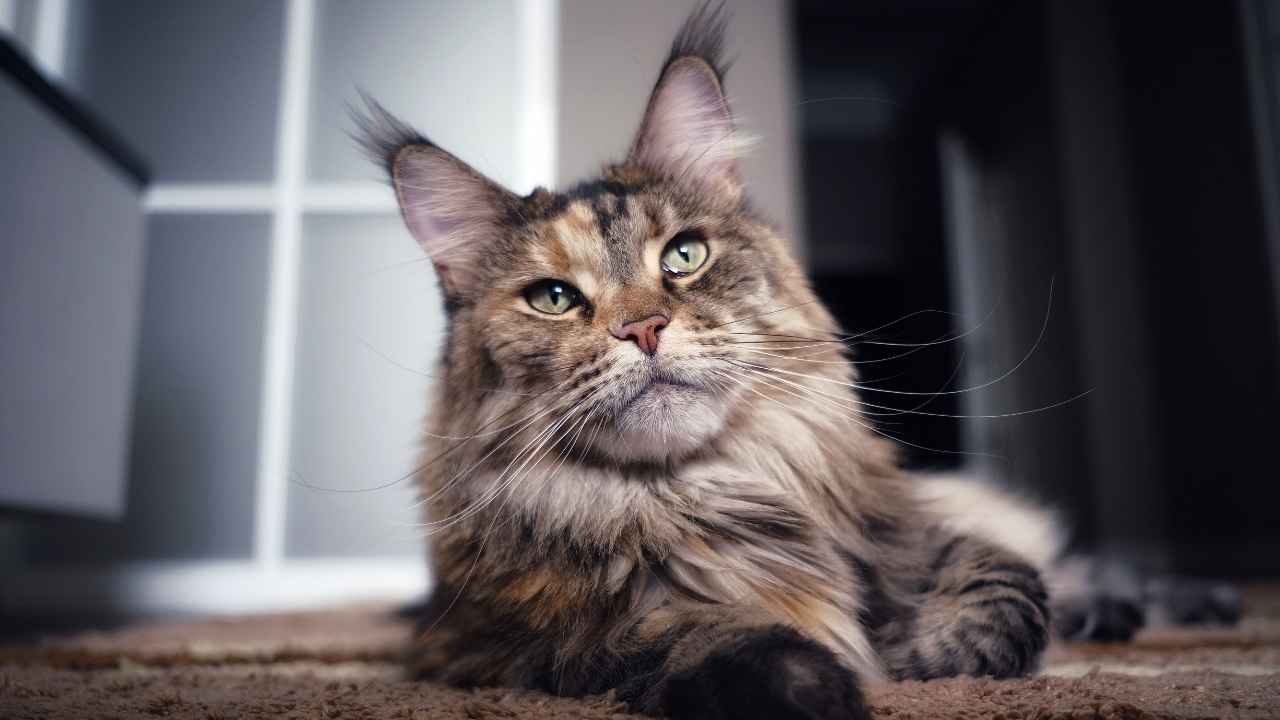
The Maine Coon is one of the oldest and biggest cat breeds, with a fascinating history that dates back to the 19th century in the U.S. These cats were believed to have arrived in America through seafaring ships, possibly from Norway or other parts of Europe.
Known for their luxurious fur and large, muscular build, Maine Coons are often referred to as “gentle giants” due to their friendly and laid-back nature. Their unique appearance, with tufted ears and bushy tails, sets them apart from other breeds.
On average, a Maine Coon weighs between 9 to 15 pounds, with males typically being larger than females. Their height ranges from 10 to 16 inches, and their bodies are long and sturdy, making them one of the largest domestic cat breeds. This breed has a double-layered coat, which helps protect them in colder climates. Due to this thick coat, they require regular grooming to avoid mats and tangles.
Maine Coons are known for their intelligence and problem-solving abilities. They can learn tricks, fetch toys, and even open doors or cabinets. Their curiosity and playfulness make them a favorite among families, as they enjoy interacting with children and other animals. Despite their large size, they are affectionate and enjoy being around their human companions, often following them from room to room.
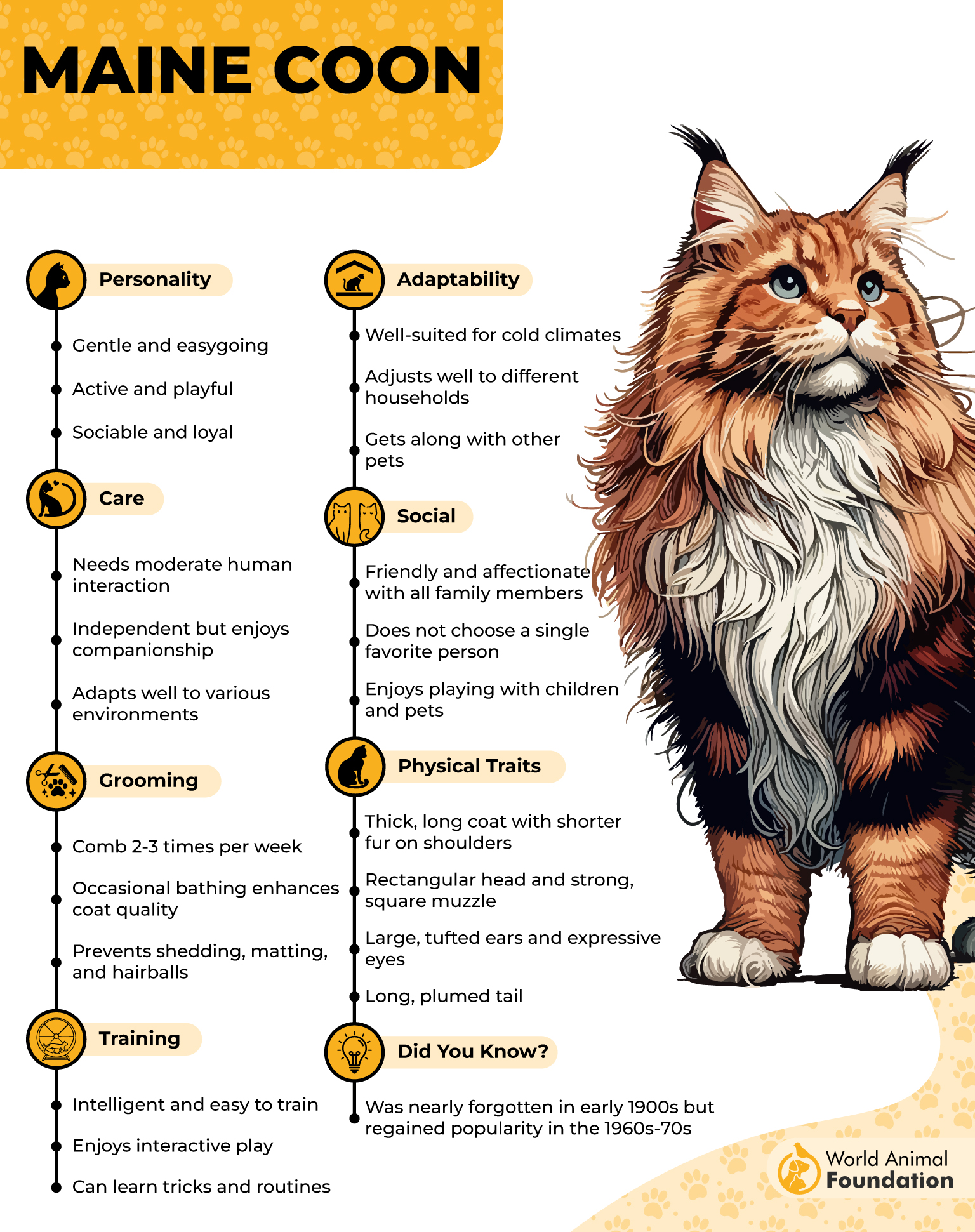
According to Purina, the Maine Coon is typically a healthy breed with a life span of 10 to 13 years. Their nature is independent, yet they still seek affection, forming strong bonds with their owners. These cats are known for their ability to get along with other pets, including dogs, making them a great addition to households with multiple animals. With a reputation for being calm and social, they’re excellent companions for those looking for a larger, more interactive pet.
Their distinctive coat patterns can range from tabby to solid, but their long, shaggy fur gives them a wild and natural look. Their large size, combined with their loving temperament, makes them a perfect choice for those who have the space to accommodate their active and playful nature.
2. Persian
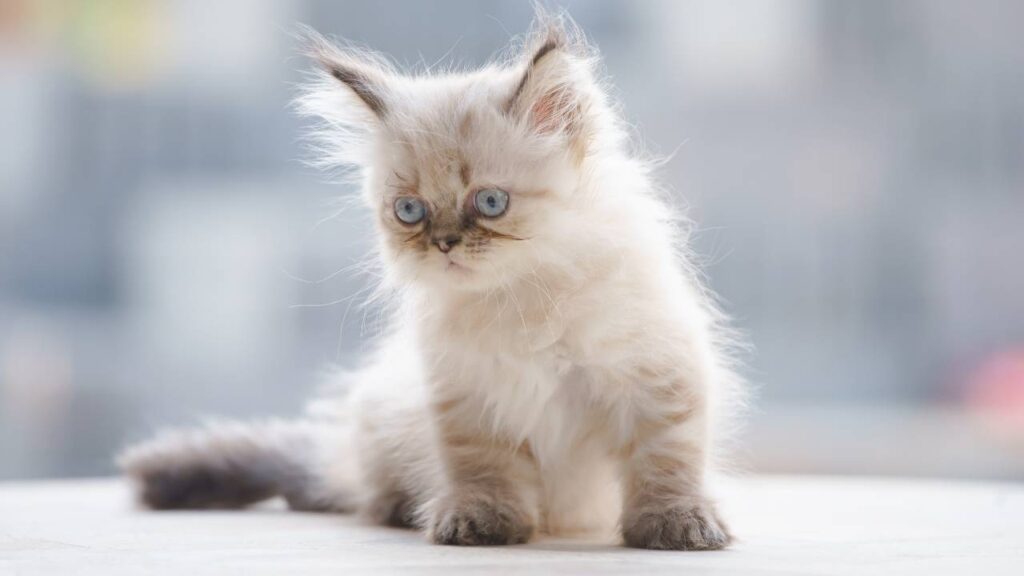
The Persian cat is one of the oldest and most recognizable domestic cats, with a history that dates back to ancient Persia (modern-day Iran). These cats were highly prized by royalty and nobility, often seen in the courts of ancient civilizations. Over time, they made their way to Europe, where they became a favorite among aristocrats. With their luxurious long fur and round faces, they have been adored worldwide for centuries.
Persians are medium to large-sized cats, typically weighing between 7 and 12 pounds. Their height ranges from 9 to 11 inches. Known for their distinctive round face with a flat nose, their long, thick fur gives them a regal appearance, but it also requires consistent care. Regular grooming is essential to prevent mats and tangles in their fur, as their coats can easily become knotted.
Despite their luxurious appearance, Persians are known for their calm and laid-back personalities. They are gentle and affectionate, though they aren’t as active as some other breeds. This makes them a great choice for people looking for a more relaxed pet. They tend to form deep bonds with their owners and are content to spend time lounging on a couch or sitting next to their humans, enjoying a quiet, peaceful atmosphere.
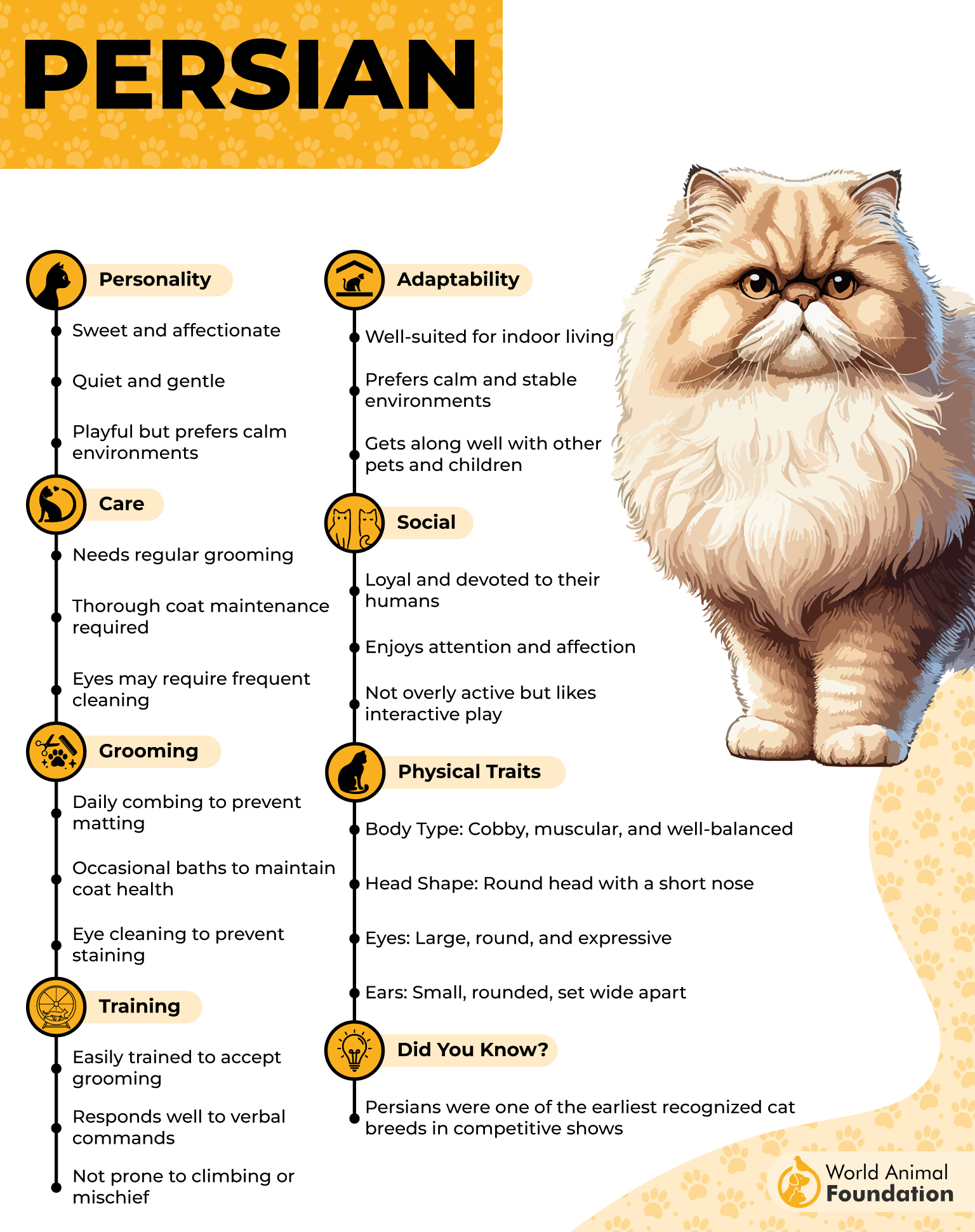
Intelligence in Persians is often described as average. While they aren’t as highly active or playful as some other breeds, they can still learn basic commands, especially when it involves food. These cats do tend to be a bit more independent, preferring to relax rather than constantly interact. However, they thrive in environments where they receive plenty of affection and attention from their owners.
One of the Persian’s distinctive characteristics is its wide variety of coat colors and patterns, ranging from solid to tabby. Despite their low-energy nature, Persians often enjoy being the center of attention and will happily indulge in quiet playtime or affectionate cuddling.
3. Siberian
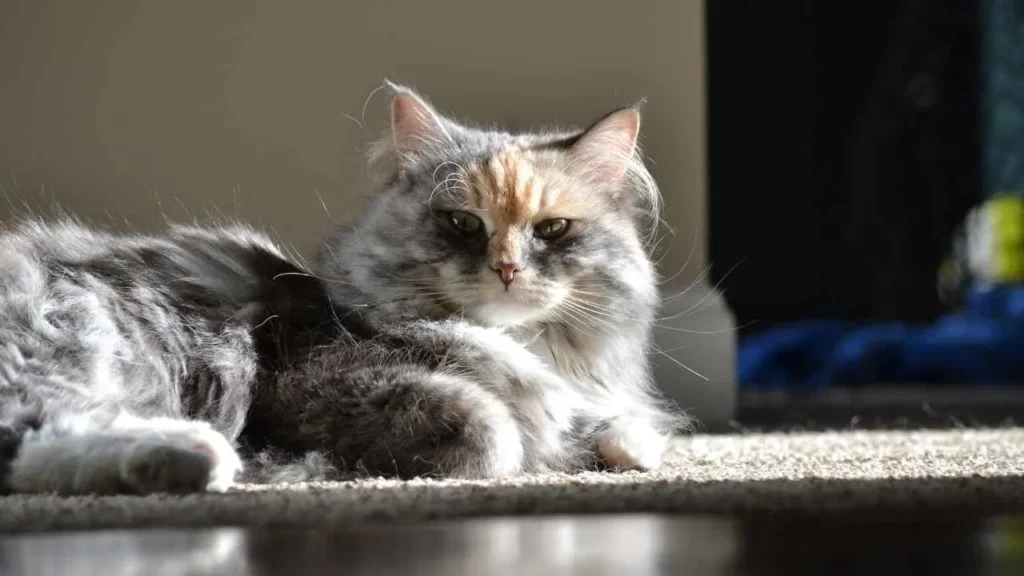
The Siberian cat is native to Russia, where it has been living in the wild for centuries. These cats were originally wild animals that adapted to survive the harsh Siberian winters. Over time, they became domesticated, but their natural instincts and rugged appearance remain. Known for their thick, triple-layered coat, the Siberian was bred to handle cold temperatures, making it an excellent choice for colder climates.
A Siberian cat typically weighs between 8 to 17 pounds and stands around 10 to 12 inches tall. Their long, thick coats are water-resistant, and they have a muscular, athletic build. They are considered a medium to large-sized breed and are incredibly strong, capable of climbing trees and jumping long distances. This breed is known for its playful and energetic nature, requiring plenty of exercise to stay happy and healthy.
What sets the Siberian apart from other breeds is its hypoallergenic coat. The breed produces fewer allergens than most cats, making it a popular choice for people with cat allergies. While they still shed, their fur produces fewer allergens, offering allergy sufferers a chance to own a cat without the usual discomfort. Siberians are also known for their curiosity and ability to engage with both humans and other animals.
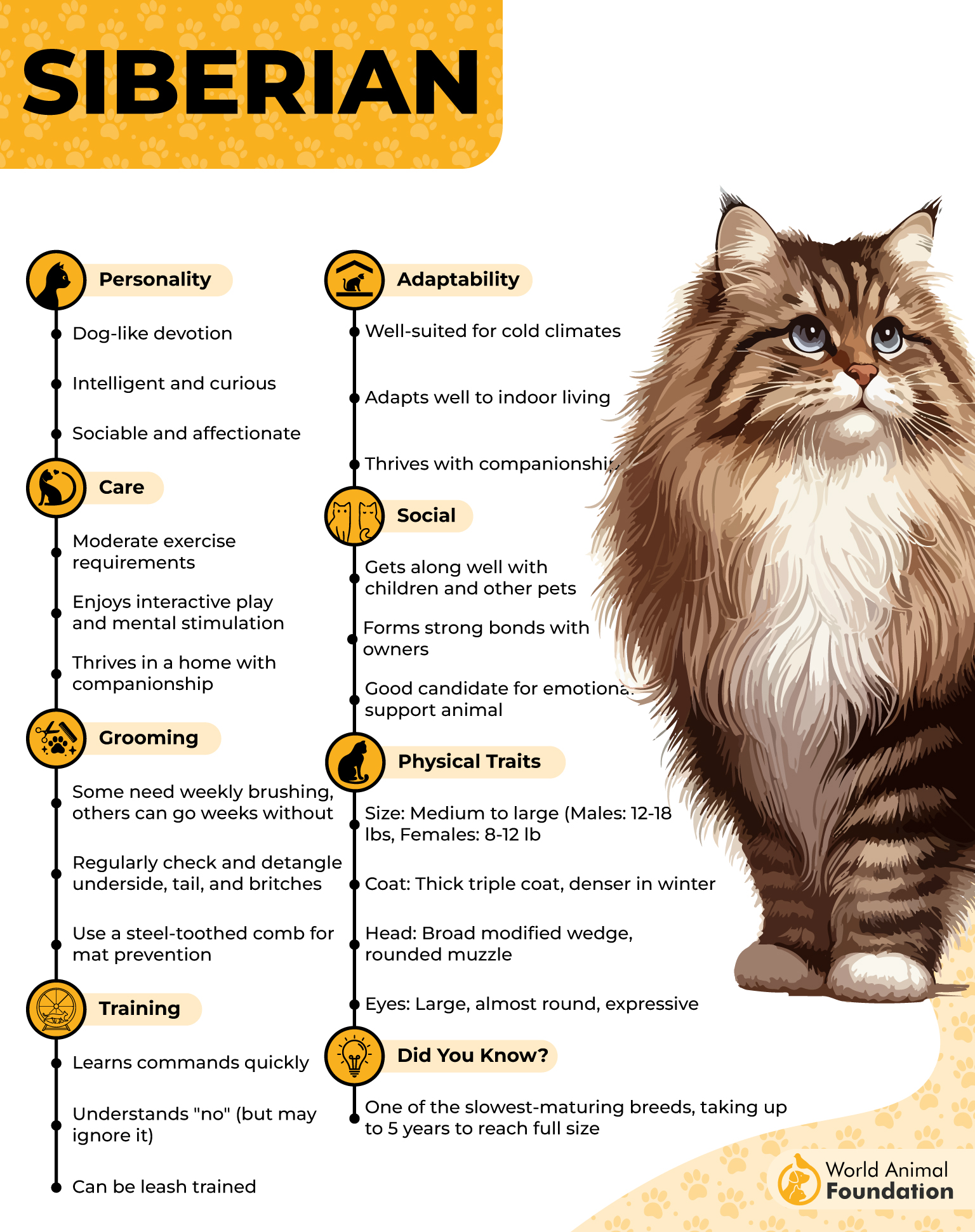
Highly intelligent, the Siberian can learn tricks, open doors, and even play fetch. They are very interactive and love being part of the family. Whether it’s playing with children or bonding with other pets, these cats enjoy socializing and are adaptable to different living situations. They are also quite independent, making them a good choice for people who may not be home all the time but want a cat that doesn’t require constant attention.
Siberians are a long-lived breed, with an average life span of 12 to 15 years. Their gentle yet independent nature makes them a great addition to families, as they are easygoing but still playful.
4. Ragdoll
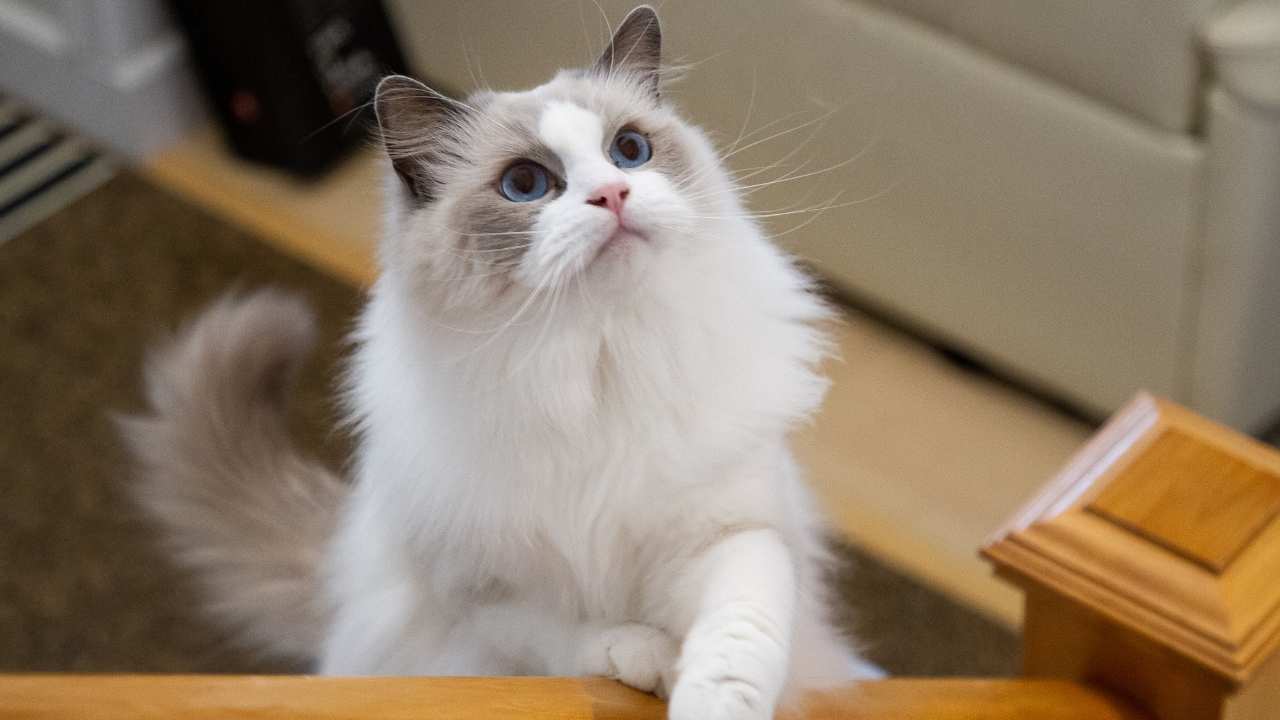
The Ragdoll is a relatively modern breed that originated in the 1960s in California. It was created by breeding a white Persian cat with a Birman, and the result was a stunning cat known for its striking blue eyes and soft, silky coat. The Ragdoll cat is beloved for its affectionate nature and its unique tendency to go limp when picked up—hence the name “Ragdoll.”
As per PetMD, Ragdolls are large cats, with males typically weighing between 15 to 20 pounds and females around 10 to 20 pounds. They stand at about 9 to 11 inches tall, with a sturdy yet graceful build. Their long fur and striking blue eyes make them incredibly eye-catching, though their beautiful coats require regular grooming to maintain their soft texture. Despite their size, Ragdolls are known for their relaxed and gentle nature.
One of the most endearing characteristics of the Ragdoll is its affectionate personality. Ragdolls are often described as “puppy-like” because they follow their owners around the house and love to be held. They are extremely social cats, enjoying human interaction and forming strong bonds with their families. Children and other pets are typically no problem for this breed, as they are very tolerant and patient.
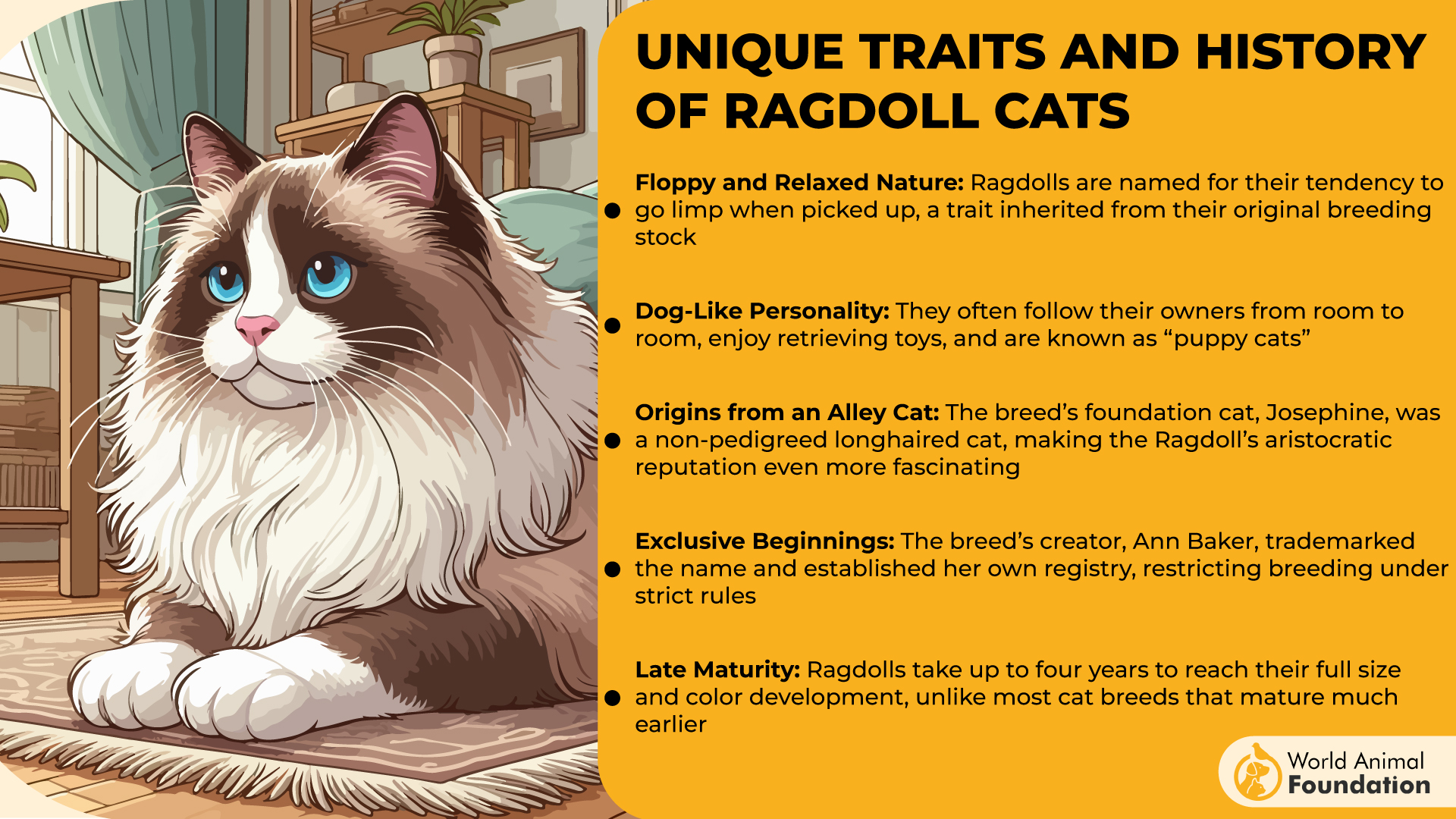
Highly intelligent, Ragdolls can be taught basic tricks like fetching and sitting on command. Despite their ability to learn, they are usually quite laid-back and don’t demand as much mental stimulation as some other breeds. This makes them perfect for people who want a low-maintenance, affectionate cat that enjoys cuddles but isn’t constantly active or demanding.
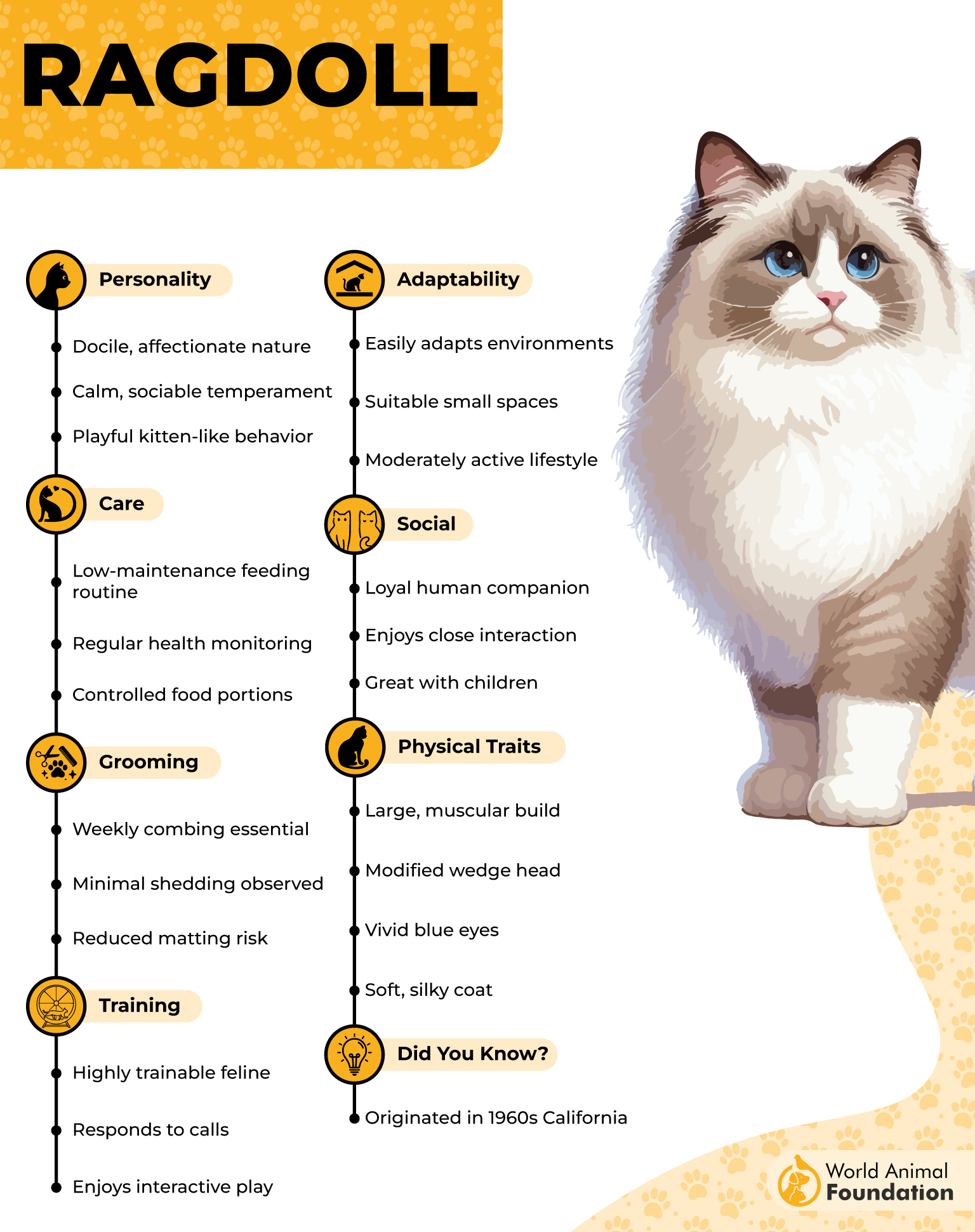
These felines have a life span of 13 to 18 years, the Ragdoll is a long-lasting companion. Their calm, sweet nature makes them perfect for households looking for a loving, easy-going pet.
5. Norwegian Forest Cat
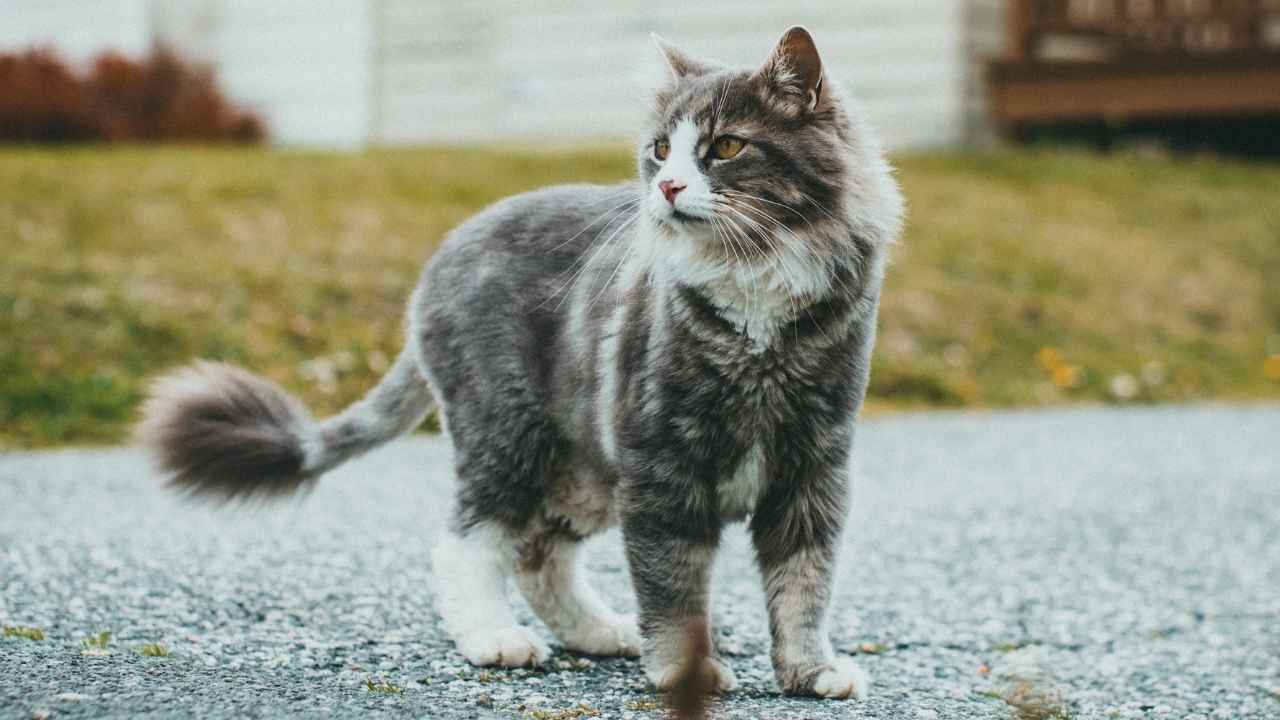
The Norwegian Forest Cat has a rich history in Norway, where it is believed to have existed for over a thousand years. Originally, these cats were wild, using their climbing and hunting skills to survive in the forests of Scandinavia. Over time, they became domesticated and are now beloved for their beautiful, thick coats and rugged nature. The breed’s history is intertwined with Viking folklore, where it was said to have been a companion to Norse sailors.
Typically, a Norwegian Forest Cat weighs between 8 to 16 pounds and stands around 10 to 12 inches tall. These cats are large, with muscular bodies built for climbing and exploring. Their thick, water-resistant coats make them well-suited for colder climates, though they require regular grooming to keep their fur in good condition. Their bushy tails and tufted ears add to their wild appearance, making them one of the most visually striking breeds.
Norwegian Forest Cats are known for their independent yet affectionate nature. While they are not as needy as some breeds, they enjoy spending time with their families and are very loyal to their owners. They are also highly intelligent, capable of learning tricks and solving puzzles. These cats are highly adaptable and can thrive in different environments, whether you live in a house or a more urban apartment.
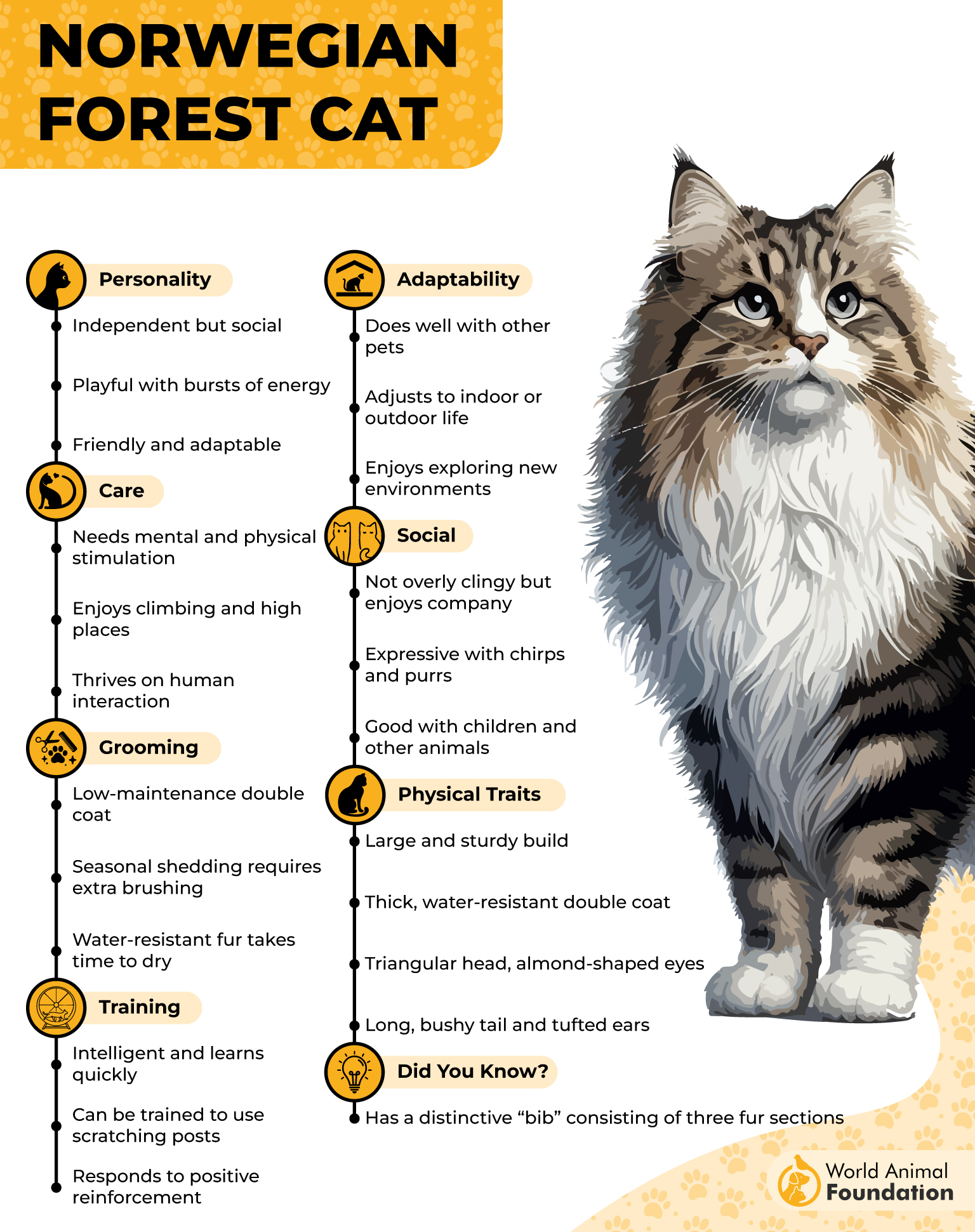
Highly active, the Norwegian Forest Cat enjoys climbing, playing, and exploring its surroundings. These cats are excellent hunters, and they love having access to a secure outdoor area where they can roam and play. They are often described as being more independent than some other breeds, which makes them a good choice for people who are not home all the time.
With a life span of 12 to 16 years, the Norwegian Forest Cat is a hardy and long-lived breed. They are also known for being very good with children and other pets, making them an excellent choice for families.
6. Savannah
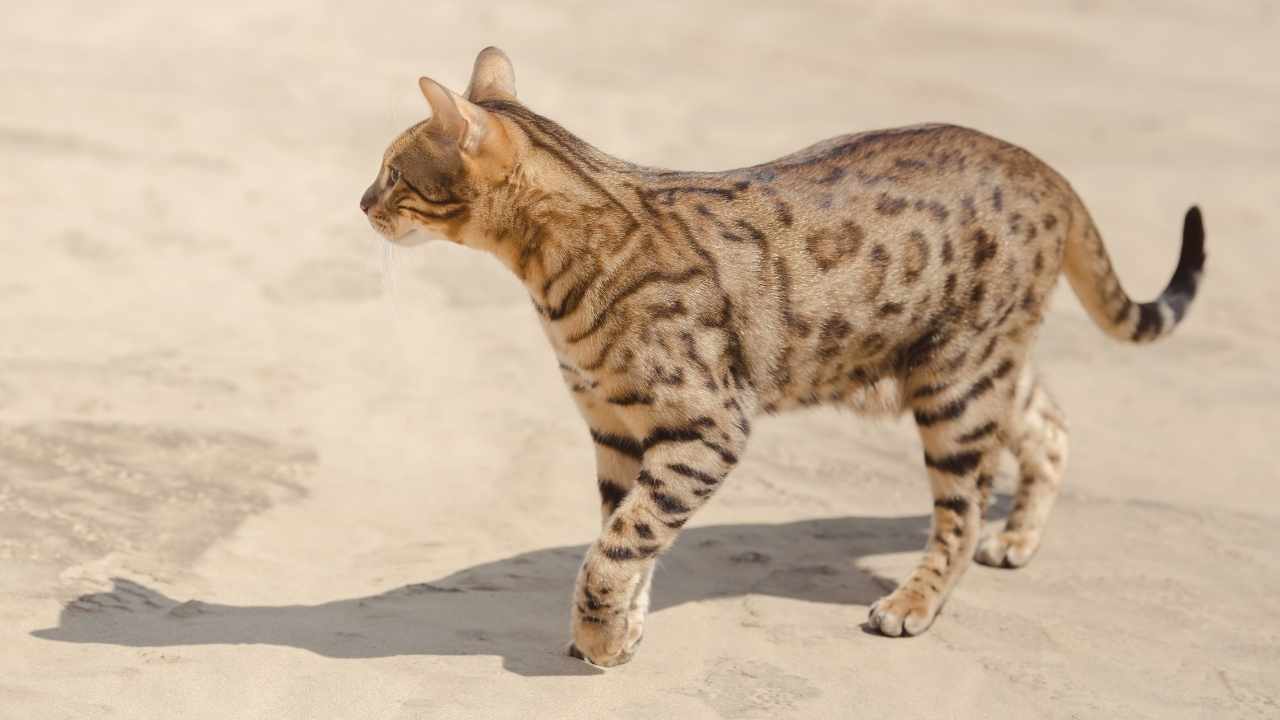
The Savannah cat is one of the most exotic and striking domesticated cats available today. This breed was developed by crossing a domestic cat with the African serval, a wild species native to sub-Saharan Africa. The result is a cat that combines the wild beauty of its ancestor with the playful nature of a domesticated cat. The first Savannah cats were bred in the 1980s, and they quickly gained attention due to their distinctive coat patterns and large, athletic build.
On average, Savannah cats weigh between 12 to 25 pounds, making them one of the larger cat breeds. They typically stand between 14 to 17 inches tall at the shoulder. Their wild heritage is evident in their coat, which is spotted and resembles that of a leopard. This coat gives them an exotic appearance, but it also needs regular maintenance. Despite their wild look, Savannah cats are domesticated cats that can live in family homes if given enough space and stimulation.
One of the most distinctive characteristics of the Savannah is its high intelligence and active nature. These cats are incredibly curious and love to explore their surroundings. They’re known for their ability to open doors, play fetch, and even learn simple commands. Due to their active nature, they need plenty of exercise and mental stimulation to prevent boredom.
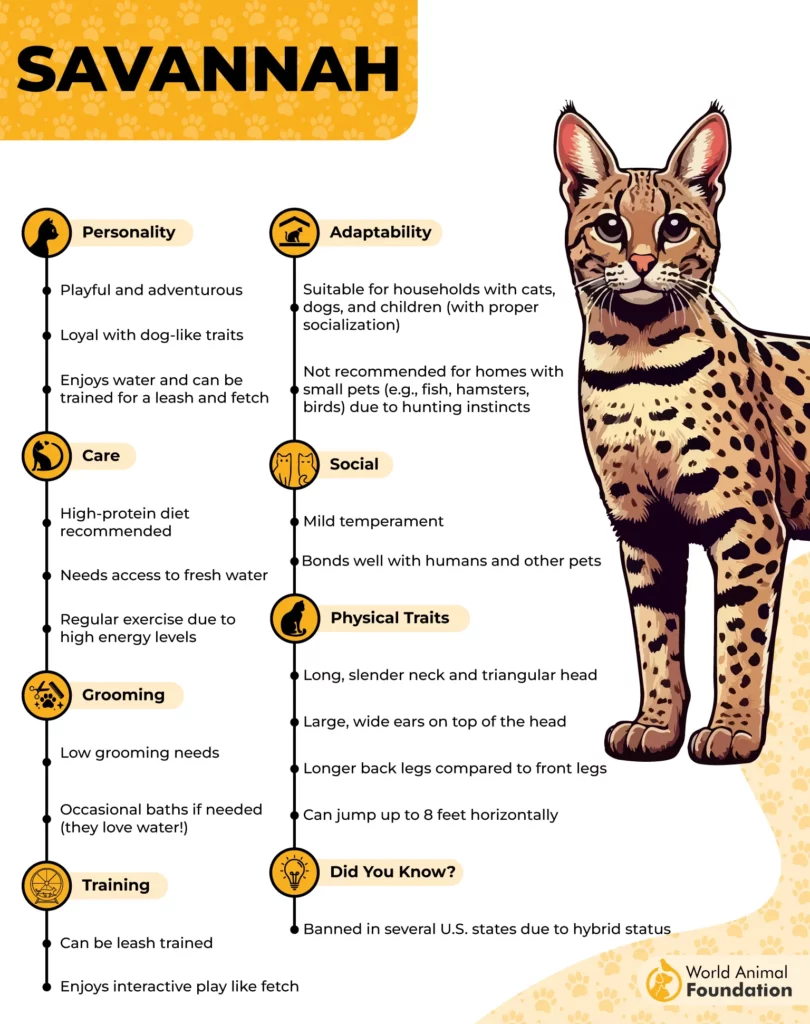
Although the Savannah is often described as a wild-looking domestic cat, they are generally friendly and affectionate, though they tend to be more independent compared to other domestic cats. They can form strong bonds with their owners and are usually very loyal, but they also enjoy their own space and might prefer to keep their distance at times. Their life span is typically 12 to 20 years, which is relatively long for a breed of their size.
This breed is not for every household. Savannah cats require a lot of attention, time, and space. But if you’re prepared for a high-energy, intelligent, and unique cat, the Savannah can make a thrilling and rewarding companion in your family.
7. Bengal
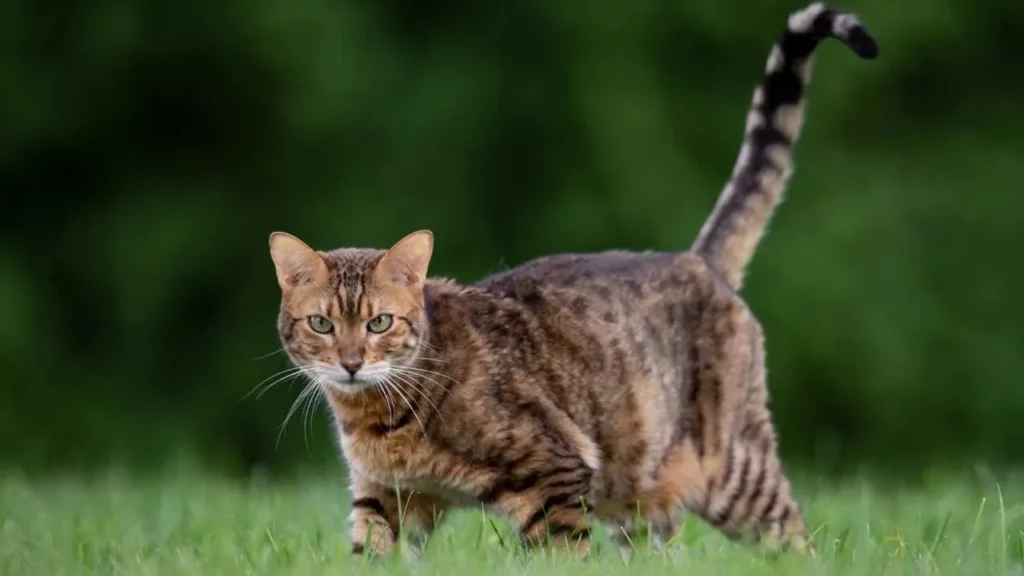
The Bengal cat is one of the most stunning domestic cats, renowned for its striking coat, which mimics that of a wild leopard or ocelot. This breed was created by crossing a domestic cat with an Asian leopard cat, a wild species from Southeast Asia. The result is a beautiful, active, and highly intelligent breed that has become incredibly popular among cat lovers. Bengals first appeared in the 1980s and quickly gained fame for their wild look, combined with the temperament of a domestic cat.
Typically, Bengal cats weigh around 12 pounds, with males being larger than females. They usually stand between 10 to 12 inches tall. Their coats are their most distinctive feature—often covered in spots or marbling, which gives them an exotic, wild appearance. While their coats are eye-catching, Bengals are relatively low-maintenance when it comes to grooming. A quick brushing once a week is usually sufficient to keep their coats looking shiny and healthy.
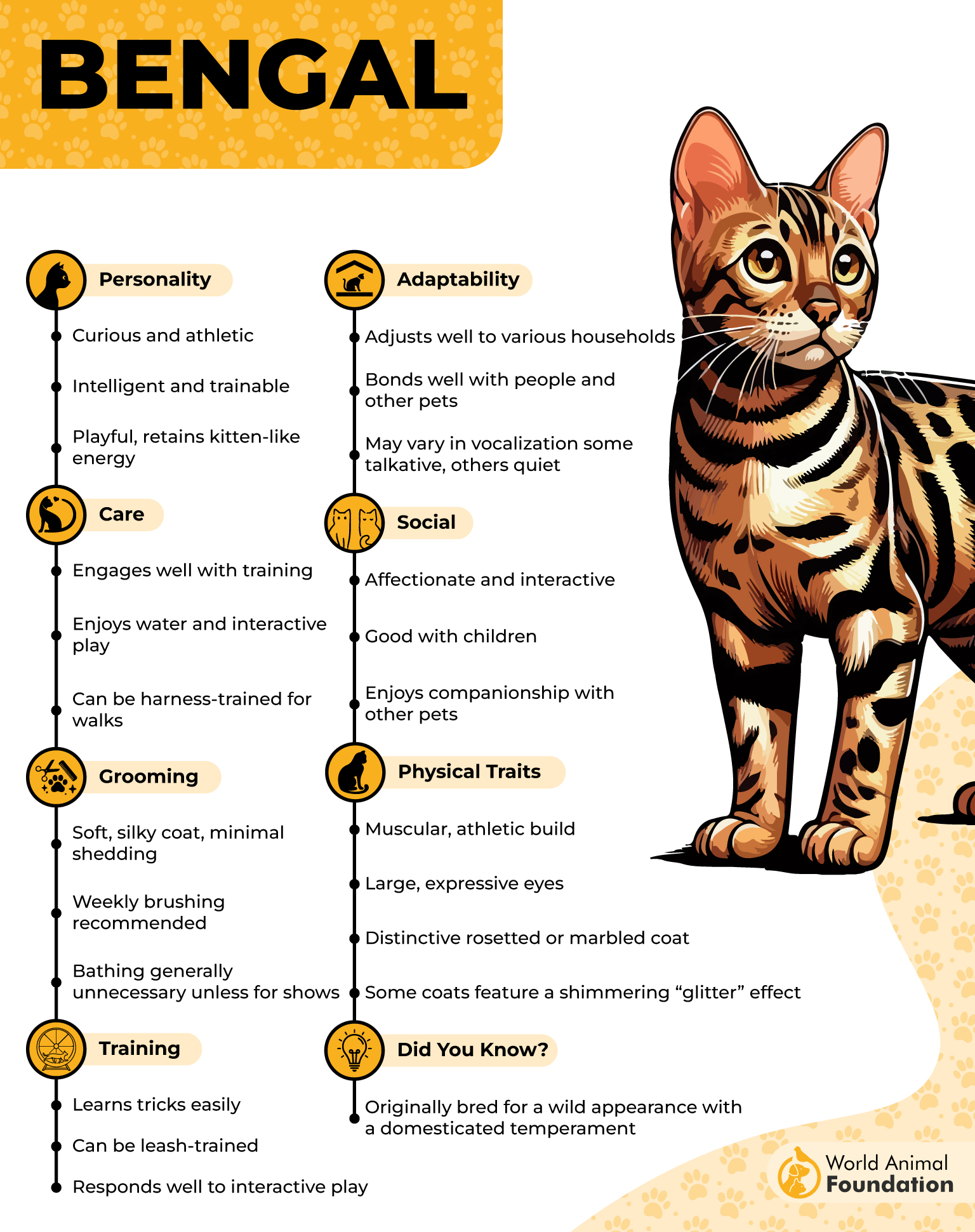
Bengal cats are known for their intelligence and high energy. These cats are very active, playful, and curious, which makes them a great fit for families with children or other animals. They love to climb, jump, and explore their surroundings, so a spacious living area is ideal for them. Many Bengals enjoy playing games like fetch and can even be trained to walk on a leash. Their intelligence also means that they require a lot of mental stimulation to keep them from becoming bored or destructive.
These cats have a reputation for being affectionate and can form strong bonds with their owners, though they are also independent and enjoy their alone time. Bengals are very social, and they love being around their family. Despite their wild ancestry, they are typically gentle and enjoy being handled, though they can be a bit more energetic than other domestic cats.
According to Hillspet, the life span of a Bengal cat is usually around 9 to 13 years, and they are generally healthy, though they can be prone to certain health issues such as hip dysplasia and heart problems.
Conclusion
Choosing the right type of domestic cats for your home can be a fun yet important decision. From the majestic Maine Coon to the playful Bengal, each breed offers its own unique personality and needs. Whether you’re after a gentle companion like the Persian or a more active playmate like the Savannah, there’s a perfect match for everyone.
Consider factors like patterns, size, and energy levels when selecting your new pet. Understanding the origin and behavior of different breeds will help you make the best choice for your house and lifestyle.
Let us know in the comments which breed caught your eye and why! Whether you’re looking for a calm lap cat or an energetic explorer, there’s a domestic cat that will fit perfectly into your living space.
