




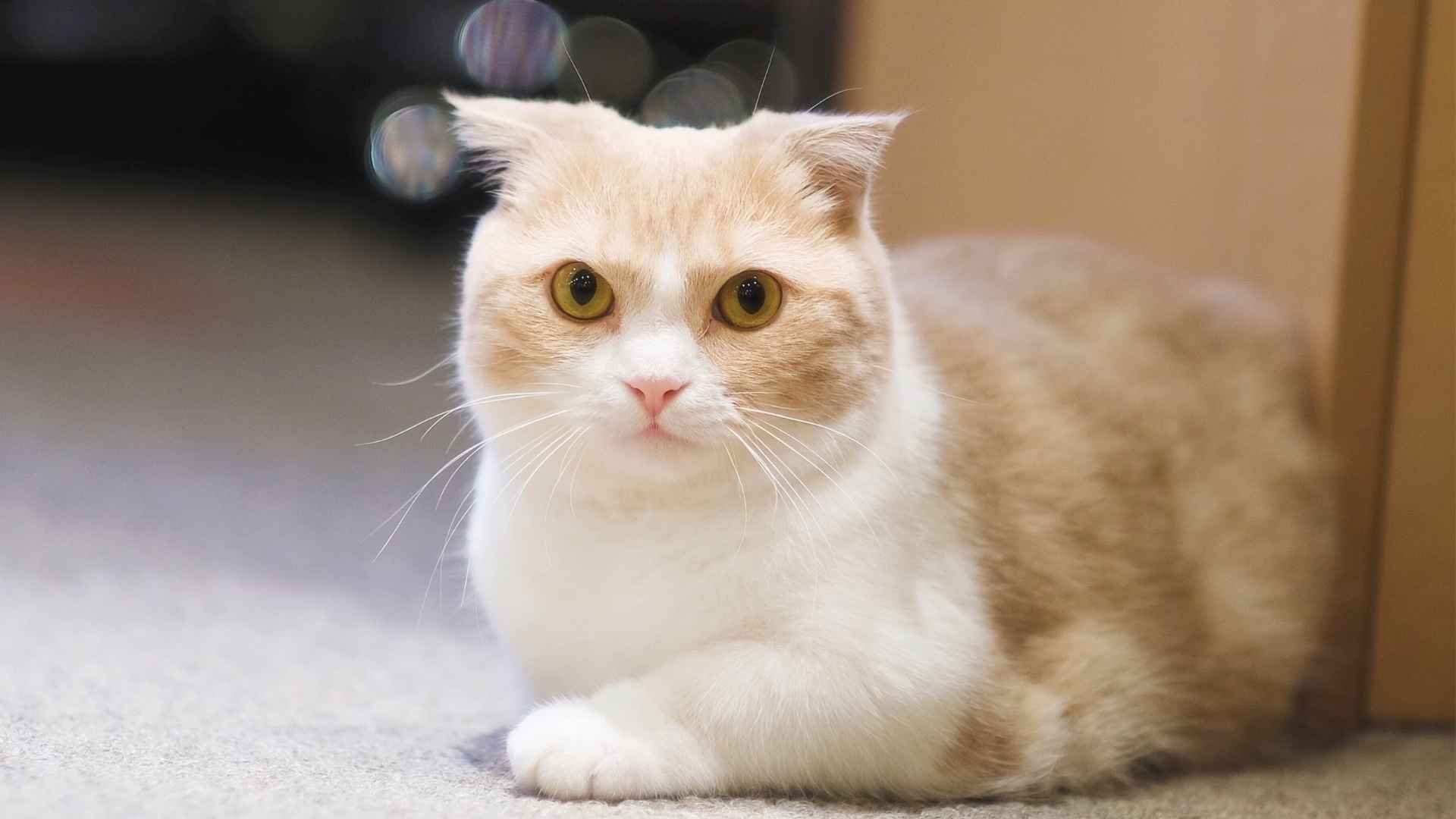
Have you ever watched an adorable cat waddling on very short legs and wondered what makes them so special? According to APPA survey, many families are smitten with these stumpy felines, and several short leg cat breeds now enjoy official recognition from cat shows around the globe.
While some people worry about health issues, proper care and guidance from animal welfare experts can ensure that these cats lead happy lives. If you’re among the cat lovers intrigued by these stubby-legged companions, you’ll find each specific breed boasts unique personality traits.
In this article, we will discuss the most popular short-legged cat breeds and what potential owners can expect.
Short Leg Cat Breeds
1. Napoleon
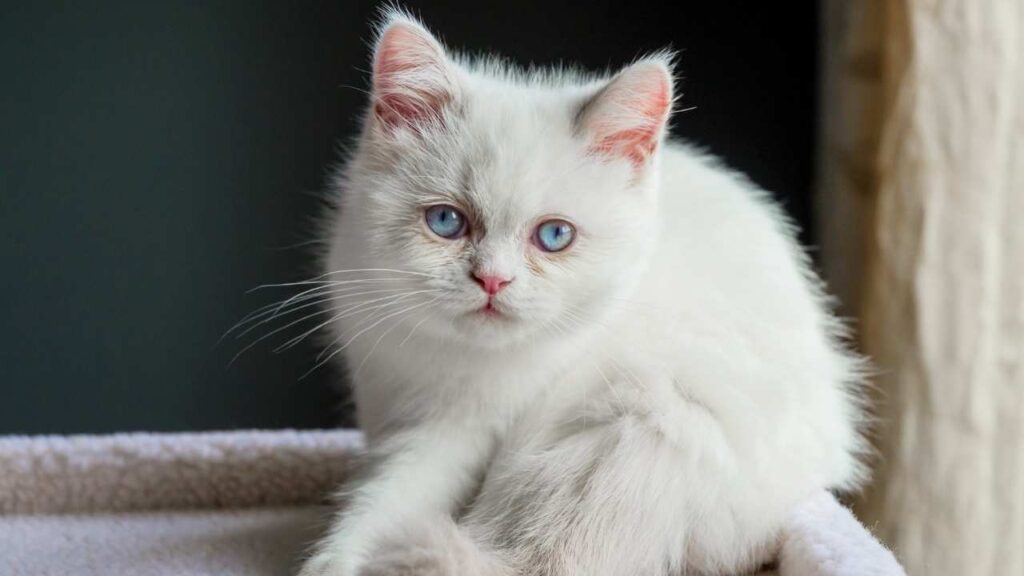
Napoleon cats, sometimes known as the minuet cat, combine the Munchkin breed’s short limbs with Persian lineage for a round face and dense coat. Although they have stubby legs, these little sausage cats often display a playful and affectionate nature. Their small stature rarely stops them from scaling low furniture in pursuit of toys or cozy napping spots.
You’ll notice their sociable nature as they happily greet family members at the door. Despite their short stature, regular exercise remains key to maintaining a healthy weight. They can be generally healthy if provided with a balanced diet, which supports bone and joint health, especially in dwarf breed felines.
Because of their Persian roots, this breed has luxurious fur in various coat colors. Routine grooming helps prevent mats, particularly for those sporting a long-haired or semi-long hair look. Their round eyes also require gentle cleaning to avoid irritation.
Napoleon cats often thrive with human interaction. They love curling up on laps or following you from room to room, seeking attention like any other cat. While they’re not a hairless breed, these felines can still benefit from skin checks to catch any hidden health problems early.
Some owners worry that short-limbed cats might face more genetic mutation–related challenges than other feline breeds. However, many Napoleon cats do well when breeders follow a responsible breed development program.
2. Skookum
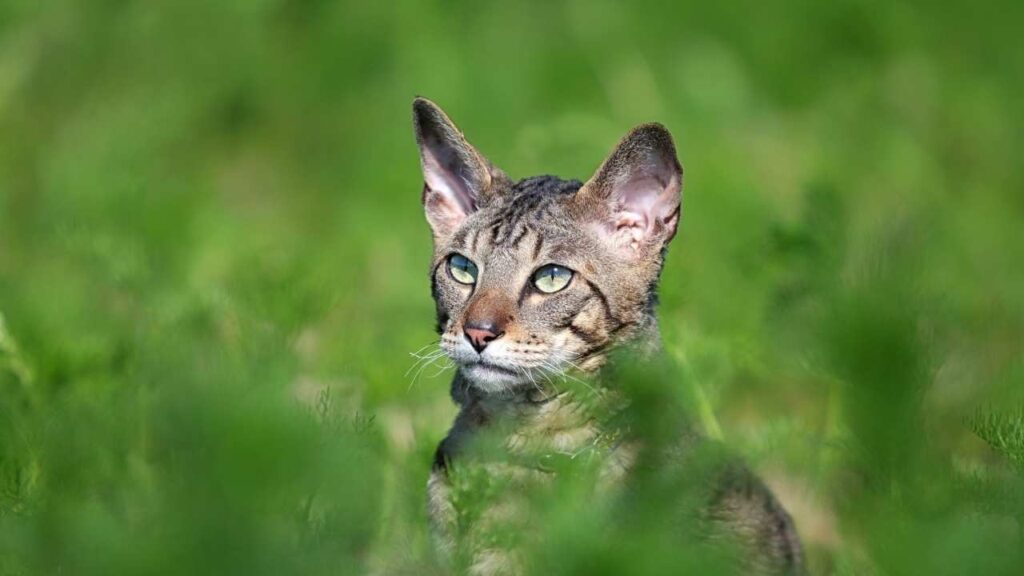
Skookum cats result from crossing Munchkin cats with the LaPerm, creating curly coat cuties on short legs. This relatively new breed captures hearts with its playful personality and distinctive appearance. While not as widely recognized by every registry, their popularity among cat enthusiasts continues to grow.
Most Skookums have a sociable nature, enjoying gentle play sessions and occasional climbing. Although their hind legs and front legs are shorter than normal, they stay active by hopping onto low perches. They often bond well with other pets, especially if introduced gradually.
Grooming that curly coat can be straightforward if you keep a soft brush on hand. They come in various coat colors, ranging from short hair patterns to slightly longer, wavier styles. Regular brushing prevents tangles and helps them maintain a healthy glow.
Because Skookums descend from natural genetic mutation lineages, it’s important to watch for any health issues linked to dwarf breed cats, such as spinal or joint problems. A balanced diet with proper nutrients supports their playful and affectionate nature, keeping them spry over the course of their life expectancy.
Skookums appreciate human interaction and often greet you with gentle chirps. They may lack a wild appearance, but they compensate with an outgoing temperament. Providing regular exercise, such as short bursts of play with feather toys, helps them stay fit without overexerting those short limbs.
3. Lambkin
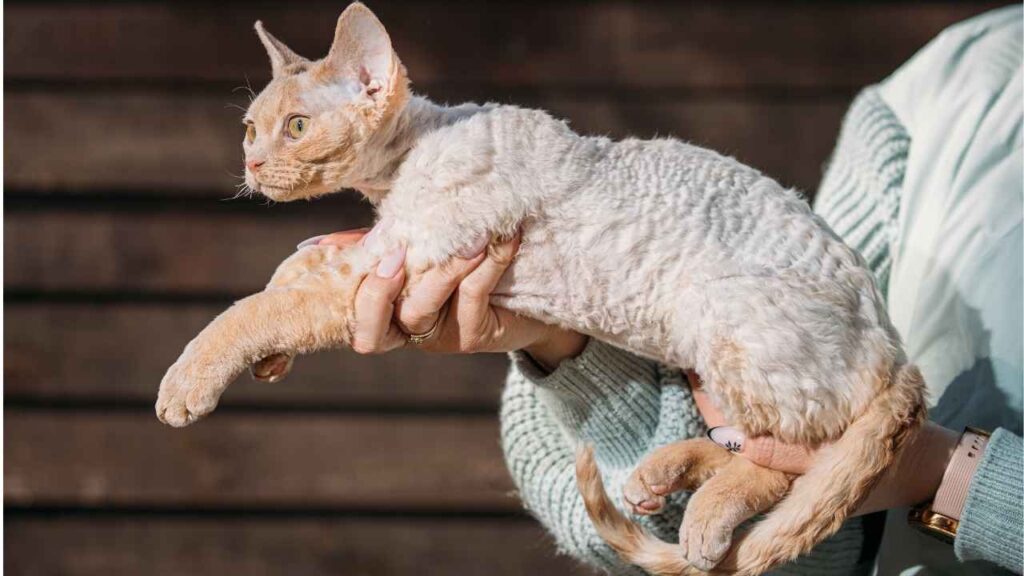
The Lambkin cat, often called the Lambkin Dwarf or lambkin cat, is a small feline with a curly coat reminiscent of a lamb’s wool. This hair texture results from crossing the Munchkin gene with the Selkirk Rex. The outcome is a sweet-faced companion that enchants potential owners with its gentle presence.
They may have very short legs, but Lambkins still manage to move around confidently. Their playful nature shines during interactive sessions, and they thrive with ample human interaction. Despite the short limbs, they can be quite spry when chasing toys or exploring soft cat trees.
A key aspect of Lambkin care is coat maintenance. Whether long haired or short haired, that curly coat benefits from consistent brushing to keep it free of tangles. Their loving temperament extends to family members and other pets, although early socialization is best to ensure smooth integration.
Some Lambkins come from dedicated breed development programs that aim to minimize health problems. Regular checkups, a balanced diet, and monitoring for possible genetic mutation–related concerns help them stay generally healthy. They might look fragile, but with proper care, many Lambkins enjoy a normal life expectancy.
While these cats don’t always have the wild appearance of exotic shorthairs or the distinctive curled ears of an American Curl, they exude undeniable charm. If you want a dwarf breed with a calm disposition, the Lambkin cat may be a perfect addition to your home.
Like other short-legged breeds, Lambkins benefit from ramps or small steps to help them reach couches or windowsills. Their mellow yet curious personality traits make them an endearing choice for those who appreciate a laid-back feline with an adorable coat.
4. Kinkalow
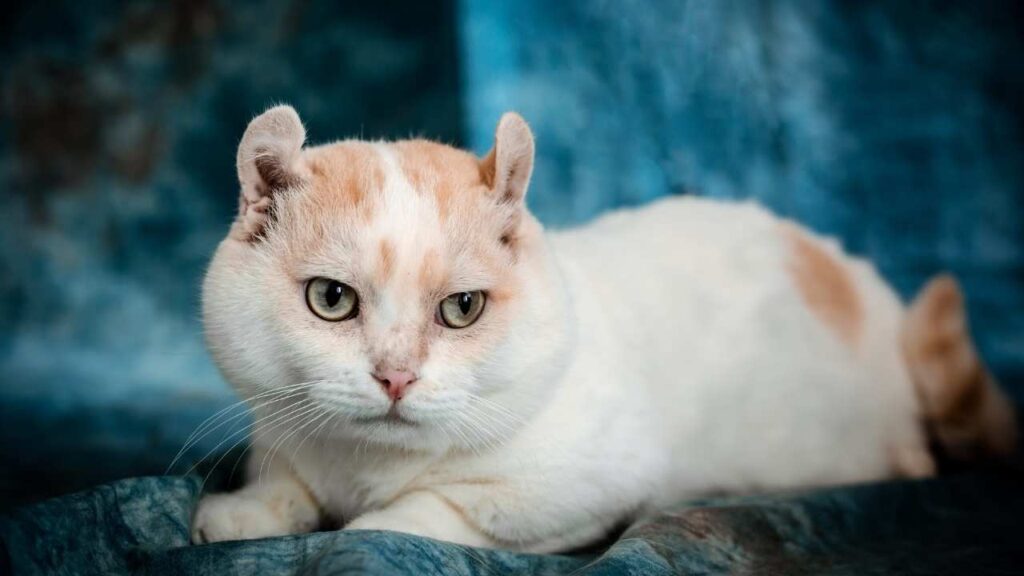
Kinkalow cats showcase legs and curled ears due to their American Curl and Munchkin breed heritage. These small-stature felines frequently capture the interest of cat enthusiasts because of their distinctive curled ears, which give them a unique appearance. They move on stubby legs yet remain surprisingly agile for short-limbed felines.
Their round eyes and playful and affectionate nature often make them good companions for family members seeking a fun, loving cat. Kinkalows come in a range of coat colors, and they might be either short hair or long haired, which can influence grooming needs. While they lack the wrinkled skin seen in hairless breed lines, their ears do require gentle cleaning to prevent buildup.
This specific breed typically adapts well to other cat or dog companions when introduced carefully. They enjoy a moderate amount of regular exercise, like chasing laser pointers or climbing low platforms. Because they’re a relatively new breed, owners are still documenting any special health problems associated with the Kinkalow.
A balanced diet is vital to support joint health and overall well-being. Some individuals worry about the autosomal dominant gene that influences their short legs and curled ears, but reputable breeders aim to minimize risks. Routine vet checks help catch any health issues early.
Although they lack a wild appearance, Kinkalows can exude plenty of charm. You’ll see them tilt their curious ears or scamper quickly across the room. For cat lovers eager to own a breed that blends quirkiness and sociable nature, the Kinkalow checks all the boxes.
5. Bambino
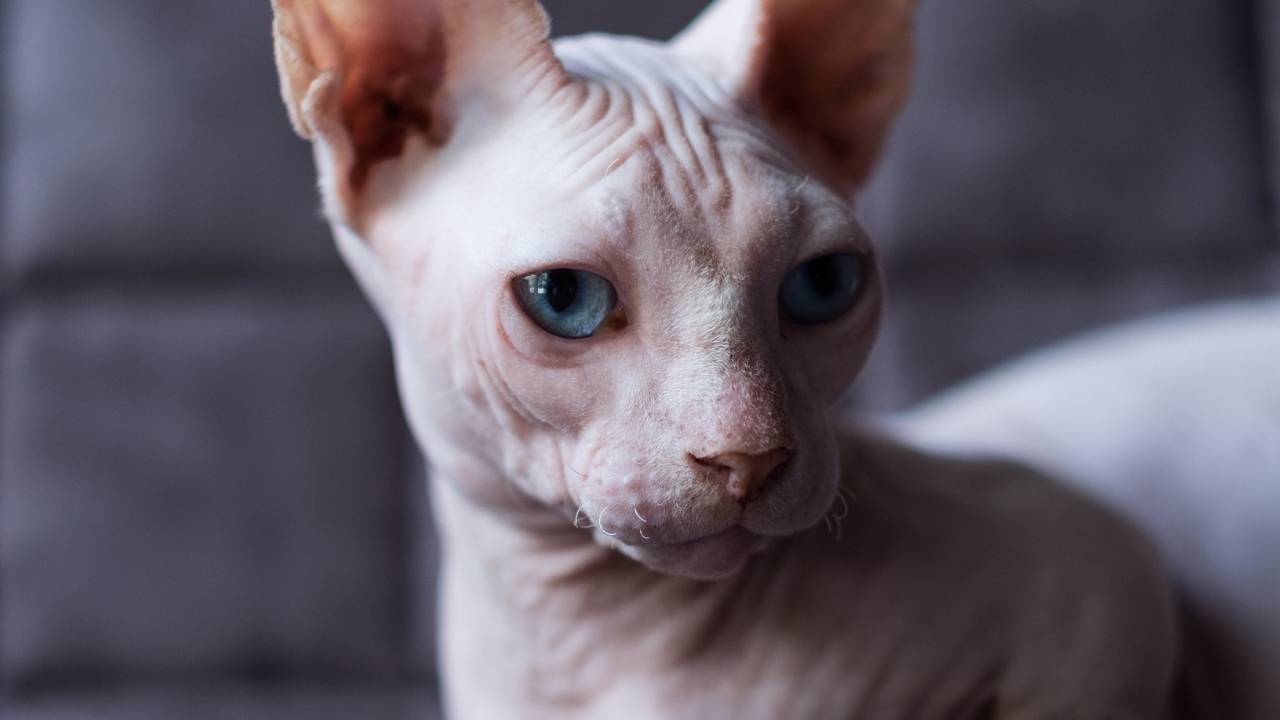
The Bambino cat is a hairless breed resulting from the cross between the Munchkin gene and the Sphynx. If you love a dwelf cat–type look but prefer distinct characteristics, the Bambino’s short limbs and almost wrinkled skin might intrigue you. Many people find their unique appearance both fascinating and adorable.
Despite their lack of a dense coat, Bambinos are not entirely maintenance-free. They require regular skin cleaning to remove excess oils, especially around folds. According to Omlet, they may have short legs, they can zip across floors with a burst of energy and climb onto low furniture or cat trees.
Their playful nature often shines through during family activities, and they can bond closely with other pets. Because they have minimal fur, paying attention to room temperature is essential. Warm blankets and draft-free spaces keep them comfortable, a concern normal cat breeds might not share.
Bambinos are generally healthy when sourced from responsible catteries that follow ethical breed development programs. Like all short legged breeds, they can have health issues related to skeletal or joint structure, so regular checkups are crucial. A balanced diet with quality ingredients supports their immune function and overall well-being.
While some fans call them sausage cats, these felines harbor an energetic spirit. Their loving temperament extends to many family members, though gentle introductions help them adapt to other cat or dog housemates. As with any specific breed, potential owners should research the long-term needs of Bambinos before adoption.
Their small stature doesn’t limit them from big displays of affection. They’ll cuddle with you on chilly nights and greet you with cheerful mews. If you seek a hairless companion with a big personality, the Bambino cat could be an endearing choice.
6. Minskin
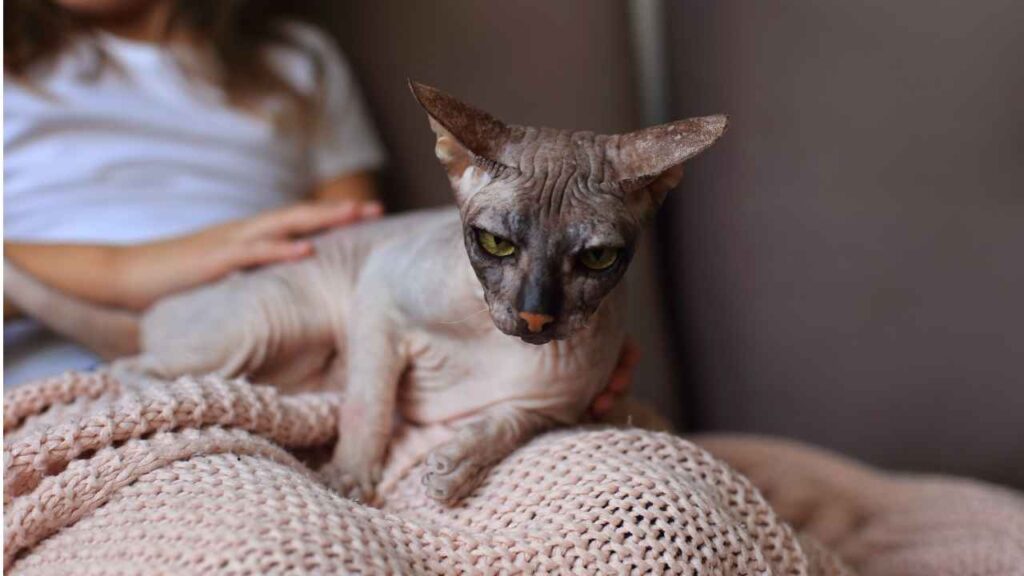
The Minskin cat emerges from combining the Munchkin breed’s short limbs and the Sphynx’s hairless traits, though some have partial fur. This relatively new breed often has a round face, large round eyes, and a friendly disposition that blends sociable nature with curious exploration. Despite their short stature, Minskins can move swiftly over low obstacles.
Skin care is essential for those mostly hairless individuals. Routine wiping or occasional baths remove excess oils and keep them fresh. Owners who prefer short hair cats may discover that a partially furred Minskin meets both aesthetic and grooming preferences.
While Minskins lack the exotic shorthairs’ thick coat or the Scottish Fold’s distinctive folded ears, they boast their own unique appearance. They often greet trusted humans with warm rubs and playful antics, displaying personality traits that prove quite endearing.
Due to their genetic mutation background, it’s wise to watch for potential health problems. However, many Minskins remain generally healthy under a balanced diet and consistent veterinary checkups. Low ramps or small steps can help them access higher surfaces without stressing their hind legs or front legs.
Human interaction is key, as these cats thrive on bonding moments. They can adapt to other breeds or even a normal cat in a multi-pet home, provided introductions are positive. If you’re drawn to a short-limbed feline with a modern, sometimes hairless flair, the Minskin might be your ideal pet.
Prospective owners can contact breeders aligned with animal welfare standards to confirm ethical practices. This ensures the Minskin’s well-being and preserves the loving temperament that many enthusiasts find so captivating in such a dwarf breed.
7. Dwelf
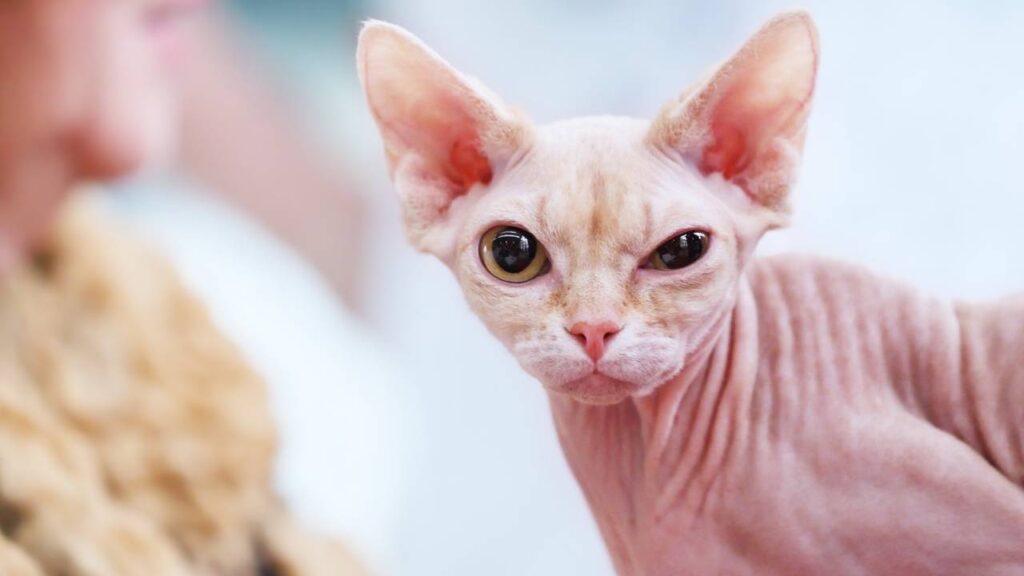
Dwelf cats capture immediate attention with their legs and curled ears. This breed comes from mixing the Munchkin gene, the American Curl, and the Sphynx line—resulting in a hairless breed showcasing a unique appearance. Their short legs lend them a miniature elf look, hence the name Dwelf.
Although they might resemble sausage cats, these felines can be surprisingly athletic. Dwelfs often climb low structures for naps or play. Their front legs and hind legs are shorter than a normal cat’s, but they still appreciate regular exercise to keep muscles toned. Warm bedding remains crucial, given their minimal hair and wrinkled skin.
Adopters should be aware of potential health problems linked to this genetic mutation, such as joint or spine issues. Providing a balanced diet, monitoring growth, and scheduling routine vet visits mitigate many concerns. Dwelf cats benefit from gentle skin care: soft cloth wipes or mild baths remove accumulated oils.
With their distinctive curled ears and small stature, Dwelfs present a fresh aesthetic in the feline world. They also exhibit a loving temperament, eagerly greeting their favorite family members with head butts. If socialized early, they can get along well with other feline breeds or pets.
Dwelf owners report that these cats share an intense bond with humans, craving attention and cuddles. As a result, potential owners should expect lots of lap time and playful pounces. While they differ from other cat breeds in coat type and limb proportions, many find the Dwelf cat’s affectionate nature downright irresistible.
Conclusion
Short legged breeds—from the Napoleon cat with its dense coat to the Dwelf cat showcasing curled ears and near-bald skin—have captured the hearts of cat lovers worldwide. The munchkin cat breed and its relatives all trace back to the munchkin gene, a natural genetic mutation that lends these felines their unique stature and stubby legs. Whether you admire the playful personality of a Skookum, the curly coat of a Lambkin cat, or the hairless charm of a Bambino cat, there’s a feline for every taste.
Though some worry about health problems tied to a dwarf breed, routine vet care and attention to animal welfare help ensure these cats stay generally healthy. With proper socialization, a balanced diet, and plenty of human interaction, short-legged felines can thrive among other pets as beloved family members.
If you long for an exotic companion with a loving temperament and short limbs, consider welcoming one of these playful cats into your life. They may not be the average cat, but their distinct traits—whether wrinkled skin or curled ears—often lead to a deeper bond with their owners. Embrace their small stature, and you just might discover a feline friend with endless affection and charm.
