




Living with cat allergies can make welcoming a feline companion seem difficult when you still want a loving pet to share your home, and sneezing, itchy eyes, and other reactions are often triggered by proteins found in cat saliva, skin flakes, and other secretions.
For people with cat allergies who want an indoor companion, choosing the right breed matters because indoor living can make allergen control, grooming, and cleaning routines more predictable.
Below, we compare indoor cat breeds that may work better in allergy-sensitive households, along with each breed’s traits, care needs, allergen considerations, and practical tips for reducing reactions before you choose your new companion.
Best Indoor Cat Breeds For Allergy Sufferers
1. Javanese
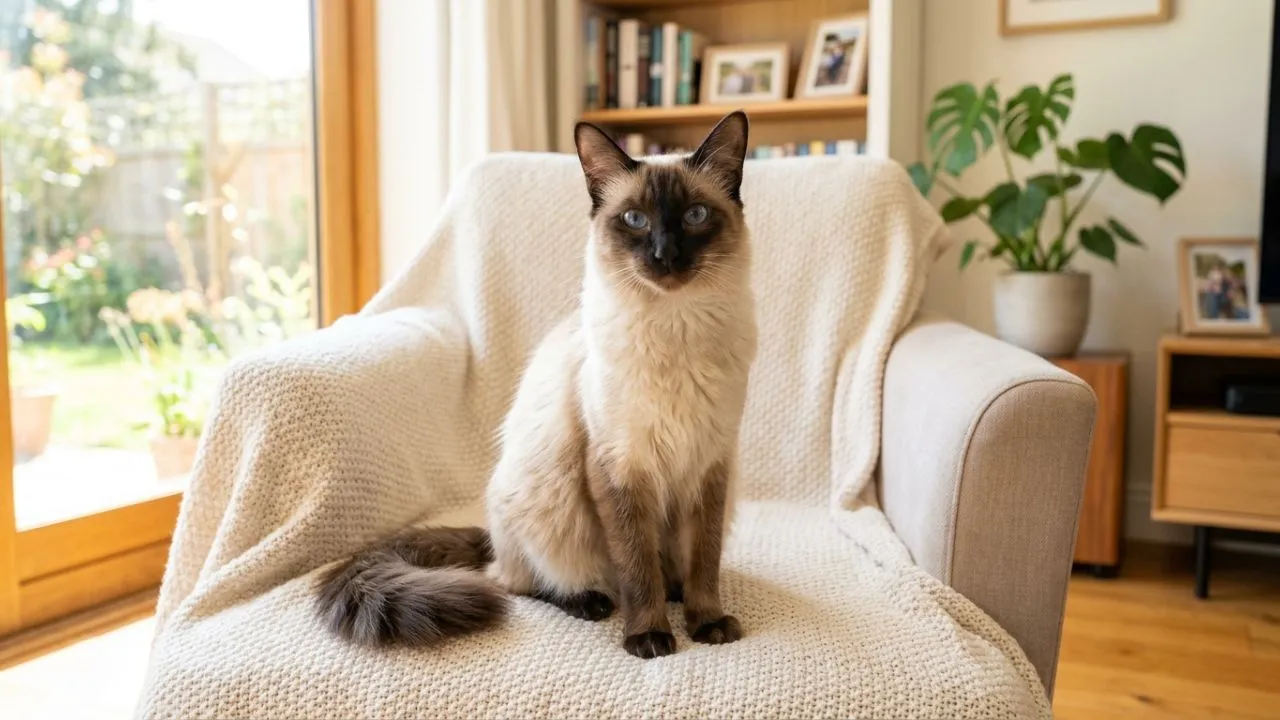
The Javanese is an elegant, semi-longhaired cat with a fine, silky coat that lies close to its slender body. Unlike many longhaired breeds, it lacks a dense undercoat, which may contribute to less shedding. However, reduced shedding does not mean this breed is free from allergy-triggering proteins.
Lively, intelligent, and vocal, the Javanese thrives on interaction with its favourite people. This athletic cat loves jumping onto elevated surfaces, exploring its surroundings, and engaging in playful activities. Cat trees and high perches help satisfy its natural climbing instincts indoors.
Its graceful frame is complemented by a long, feathered tail and distinctive color-point markings. Although its coat is relatively easy to maintain, regular brushing helps prevent tangles and preserve its smooth texture.
How This Breed Stands Out
– Single silky coat with minimal undercoat: The Javanese has a fine, single-layered coat that sits close to the body, typically producing less loose hair than many densely coated breeds.
– Feathered tail and color-point markings: Its flowing tail and contrasting points on the face, ears, legs, and tail create an elegant appearance reminiscent of its Siamese and Balinese relatives.
2. Cornish Rex
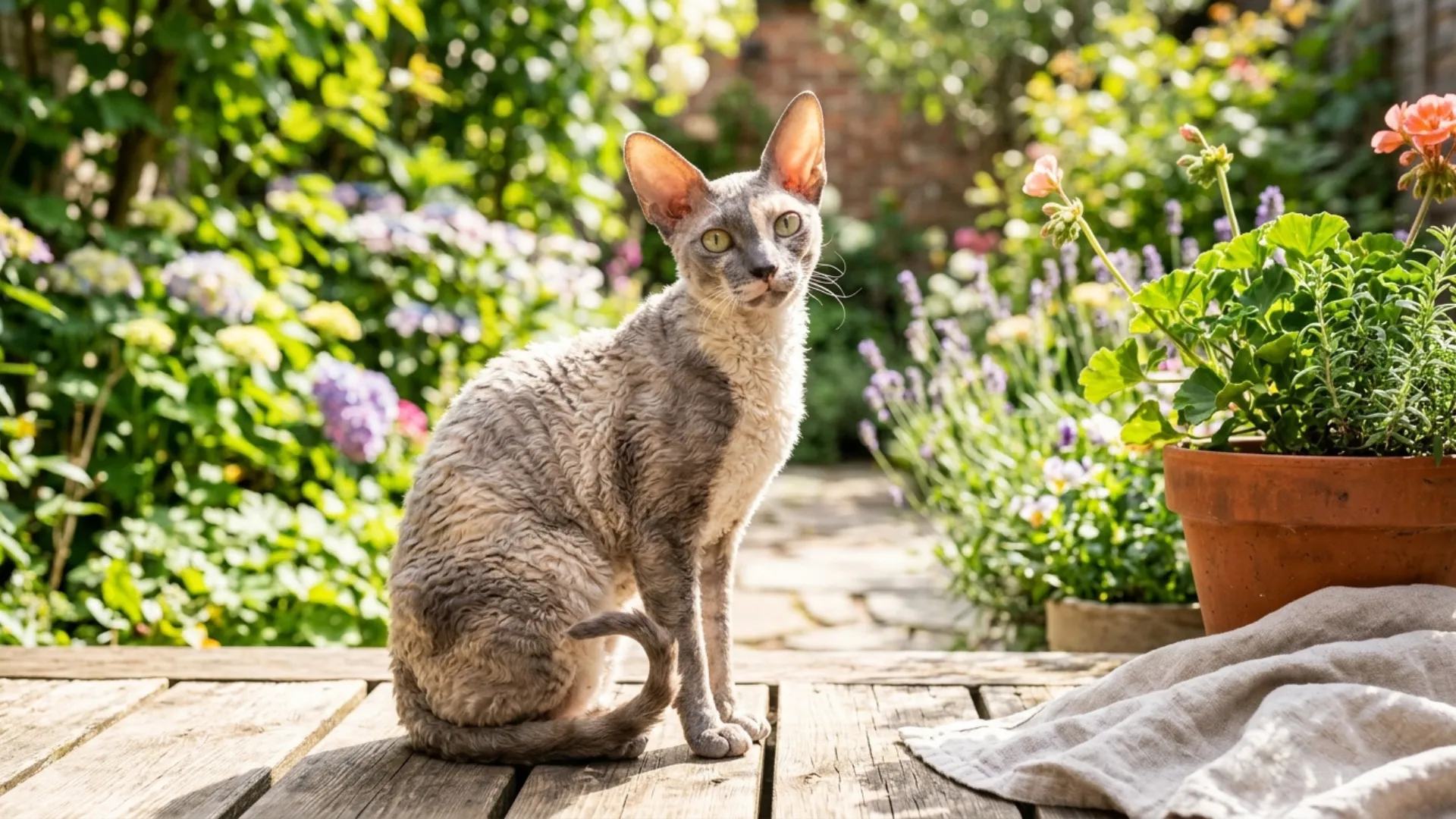
The Cornish Rex stands out for its unusual, rippled coat, which consists mainly of a soft undercoat rather than the multiple fur layers typical of most cats. Its fine curls shed relatively little, potentially reducing loose hair indoors, although allergy-triggering proteins can still cause reactions.
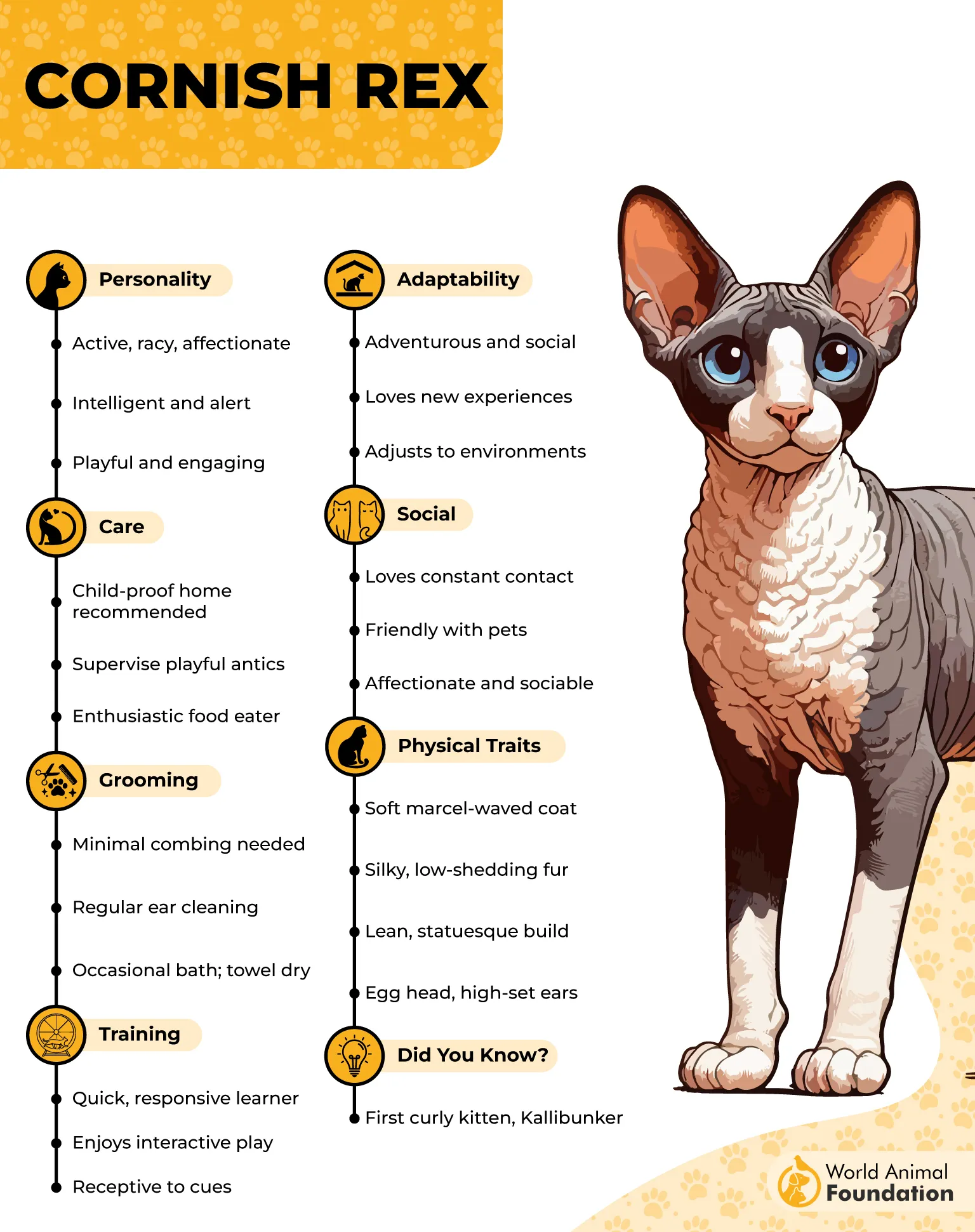
Energetic and affectionate, this intelligent breed enjoys being around people and often thrives in interactive households. Cornish Rex cats are playful companions that appreciate climbing, exploring, and learning tricks, so they benefit from regular exercise and mental stimulation.
Their slender bodies, long legs, and arched backs give them a distinctive, athletic silhouette. The delicate texture of their curly fur feels exceptionally soft, while gentle grooming helps maintain the coat without irritating their skin.
How This Breed Stands Out
– Soft, wavy coat with few guard hairs: The Cornish Rex has a fine, rippled coat with very few coarse outer hairs, giving its fur a velvety texture and contributing to its low-shedding appearance.
– Slender body and long, graceful legs: Its lean frame, elongated limbs, and curved back create an elegant profile suited to jumping, climbing, and energetic play.
3. Russian Blue
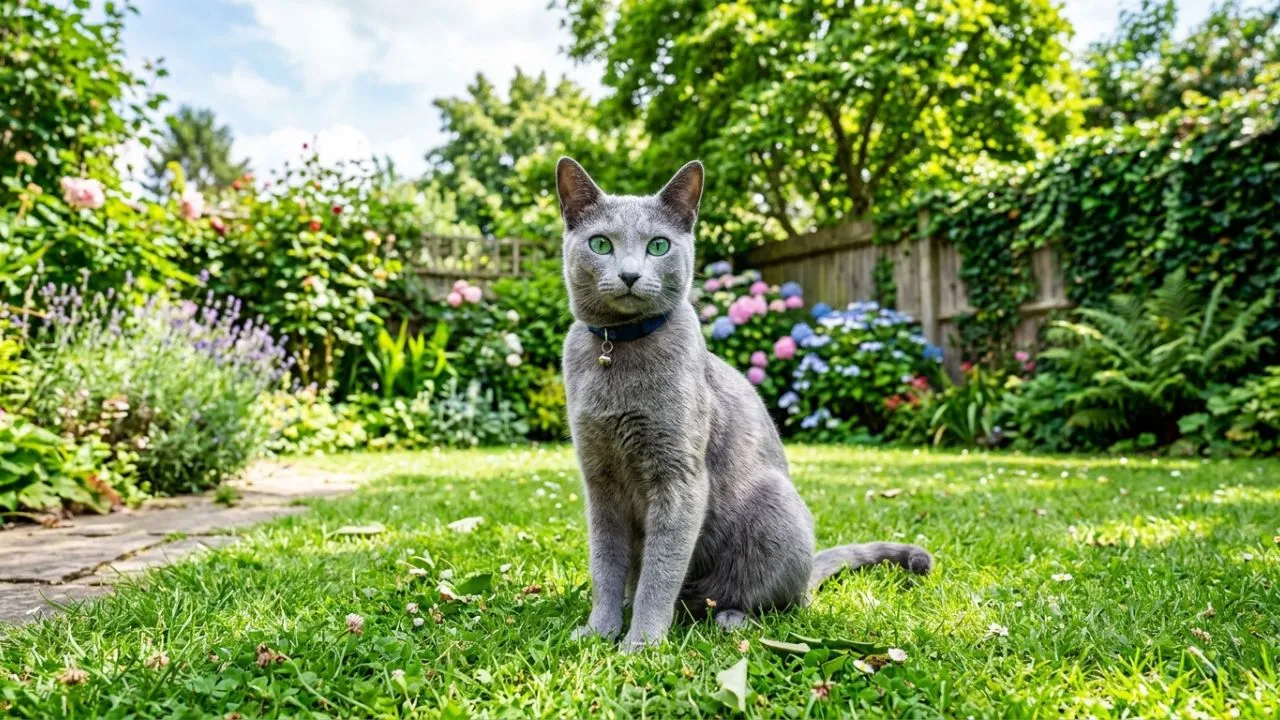
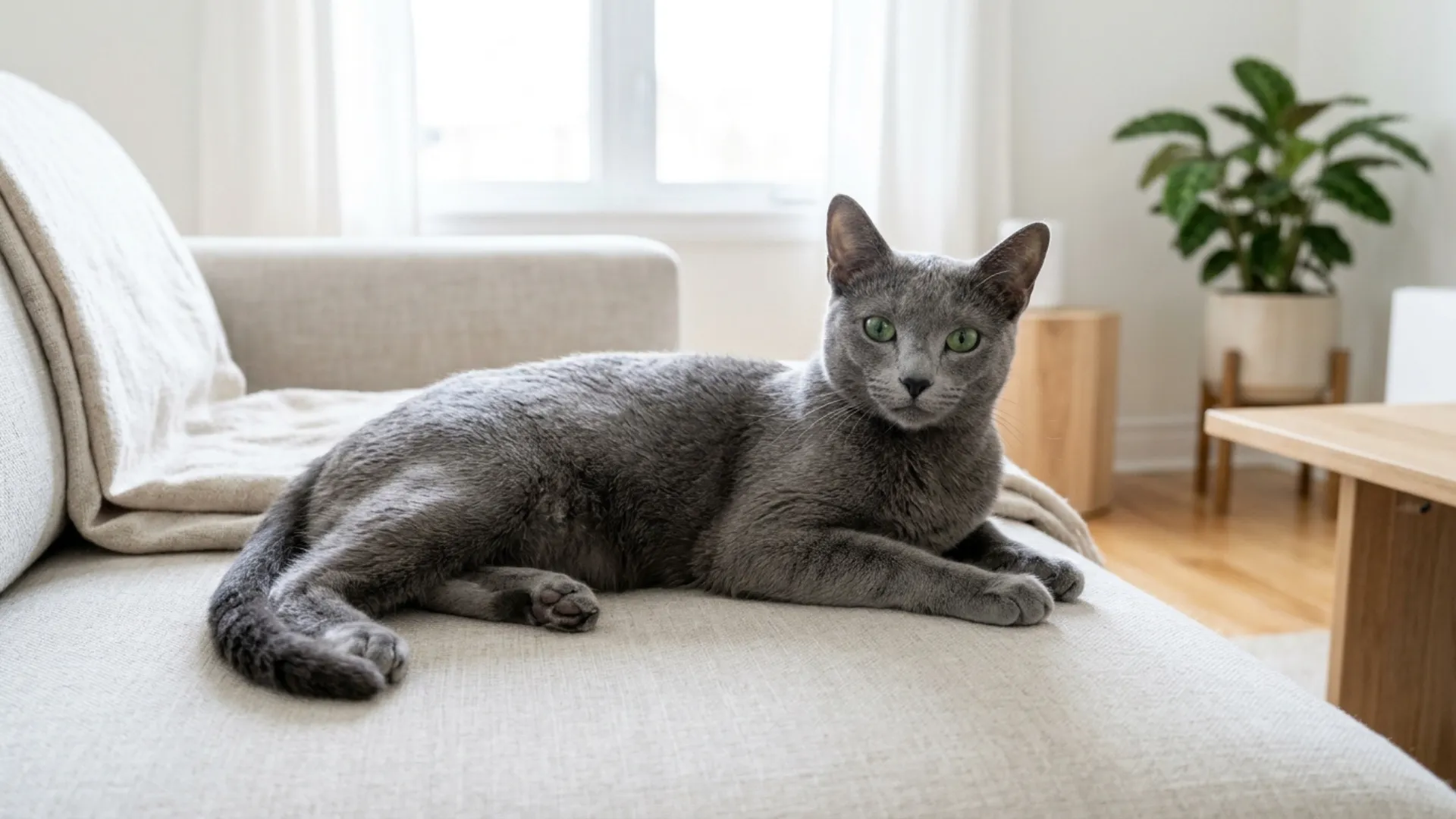
The Russian Blue is admired for its plush blue-gray coat, shimmering green eyes, and graceful movements. Although its fur is dense, this domestic breed typically sheds relatively little.
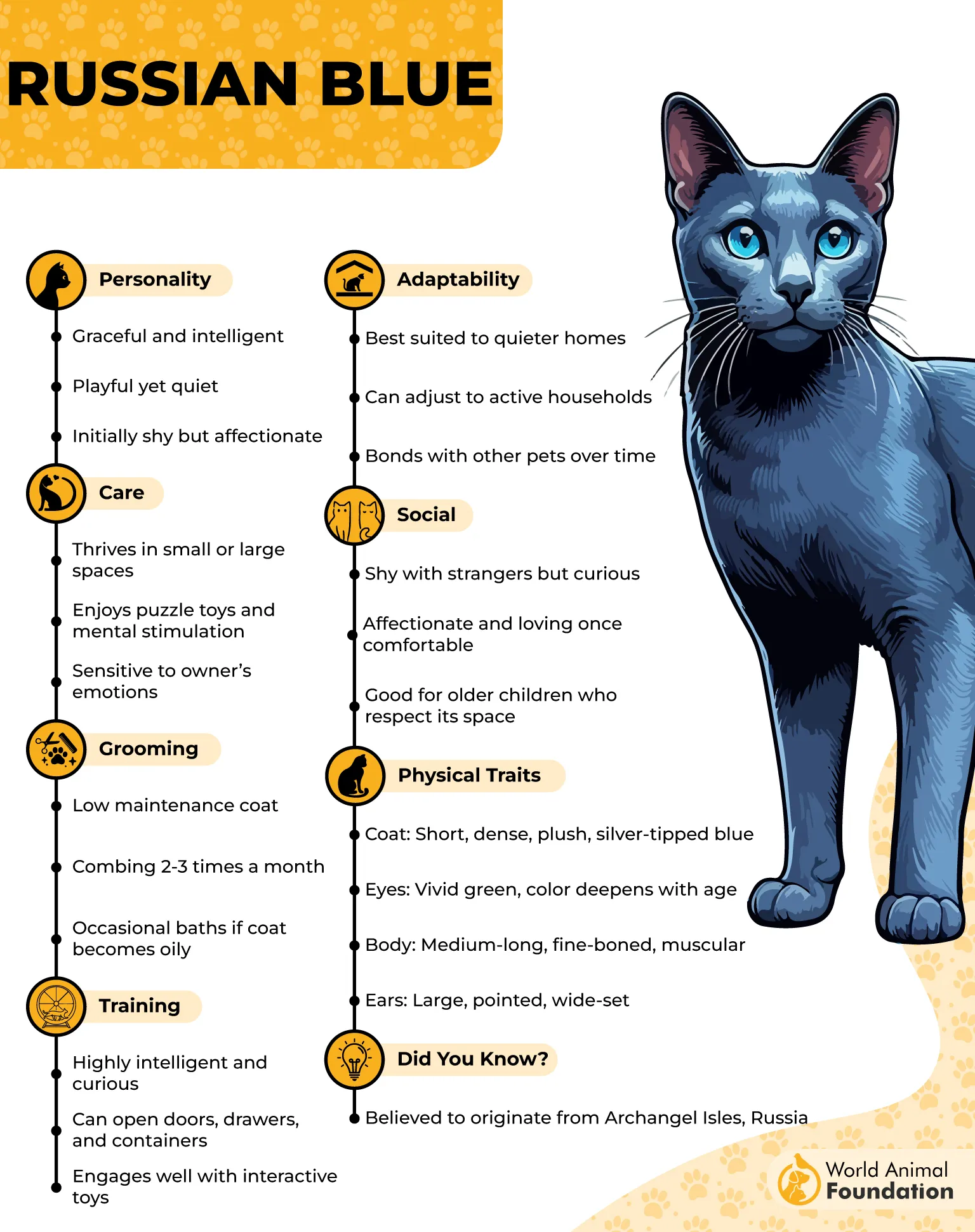
Intelligent and devoted, Russian Blues often form close attachments to their owners while remaining reserved around unfamiliar people. They tend to appreciate calm surroundings and familiar routines, making them appealing companions for quieter indoor households.
Their velvety double coat features silvery-tipped hairs that create a subtle, luminous effect. Occasional brushing helps remove loose fur and maintain its soft texture without requiring extensive grooming.
How This Breed Stands Out
– Dense, silver-tipped blue-gray fur: The Russian Blue’s thick, plush coat has silvery ends that give its distinctive coloring a shimmering appearance while typically shedding less than many other breeds.
– Quiet, reserved indoor temperament: These observant cats often prefer peaceful environments and familiar company, taking their time to warm up to visitors and new surroundings.
4. Balinese

The Balinese is a graceful cat often described as a long-haired Siamese. It is popular among allergy sufferers because it tends to produce lower levels of the Fel d 1 protein than many other breeds. However, individual cats vary, and no cat breed is completely hypoallergenic.
According to PDSA, Balinese cats are energetic and playful, needing plenty of toys for stimulation. They are also excellent jumpers who love climbing to elevated spots, including the tops of wardrobes and other furniture.

With their sociable, affectionate nature, Balinese cats enjoy interactive play and spending time with their families. Their intelligence and vocal personalities make them engaging indoor companions, particularly for households that can provide regular attention and enrichment.
Their silky coat has relatively little undercoat, creating a flowing appearance without the dense layers found in many long-haired cats. Regular brushing helps prevent tangles, while their feathered tails and vivid blue eyes contribute to their elegant look.
How This Breed Stands Out
– Silky coat with little undercoat: The Balinese has a fine, flowing coat with minimal undercoat, which may mean less loose hair around the home but does not eliminate allergy-triggering proteins.
– Plumed tail and vivid blue eyes: Its long, feathered tail and striking blue eyes complement its slender body, giving this breed a distinctive and graceful appearance.
5. Siberian
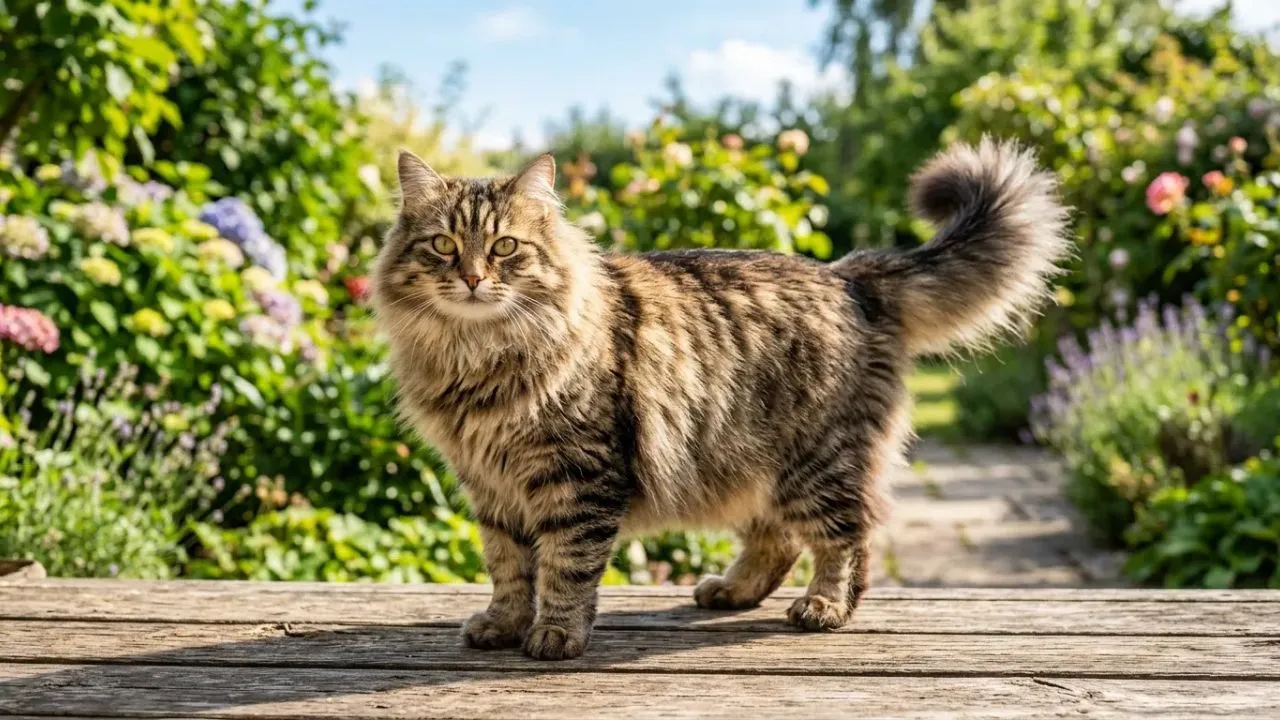
The Siberian is a fluffy, sturdy cat that may be worth considering for households affected by cat allergies. Some Siberians produce lower levels of Fel d 1, a major allergen found in cats’ saliva and skin secretions, and some allergy sufferers report fewer symptoms around them.
According to WebMD, Siberian cats are generally larger and more solidly built than many other breeds, with healthy males typically weighing between 15 and 20 pounds.
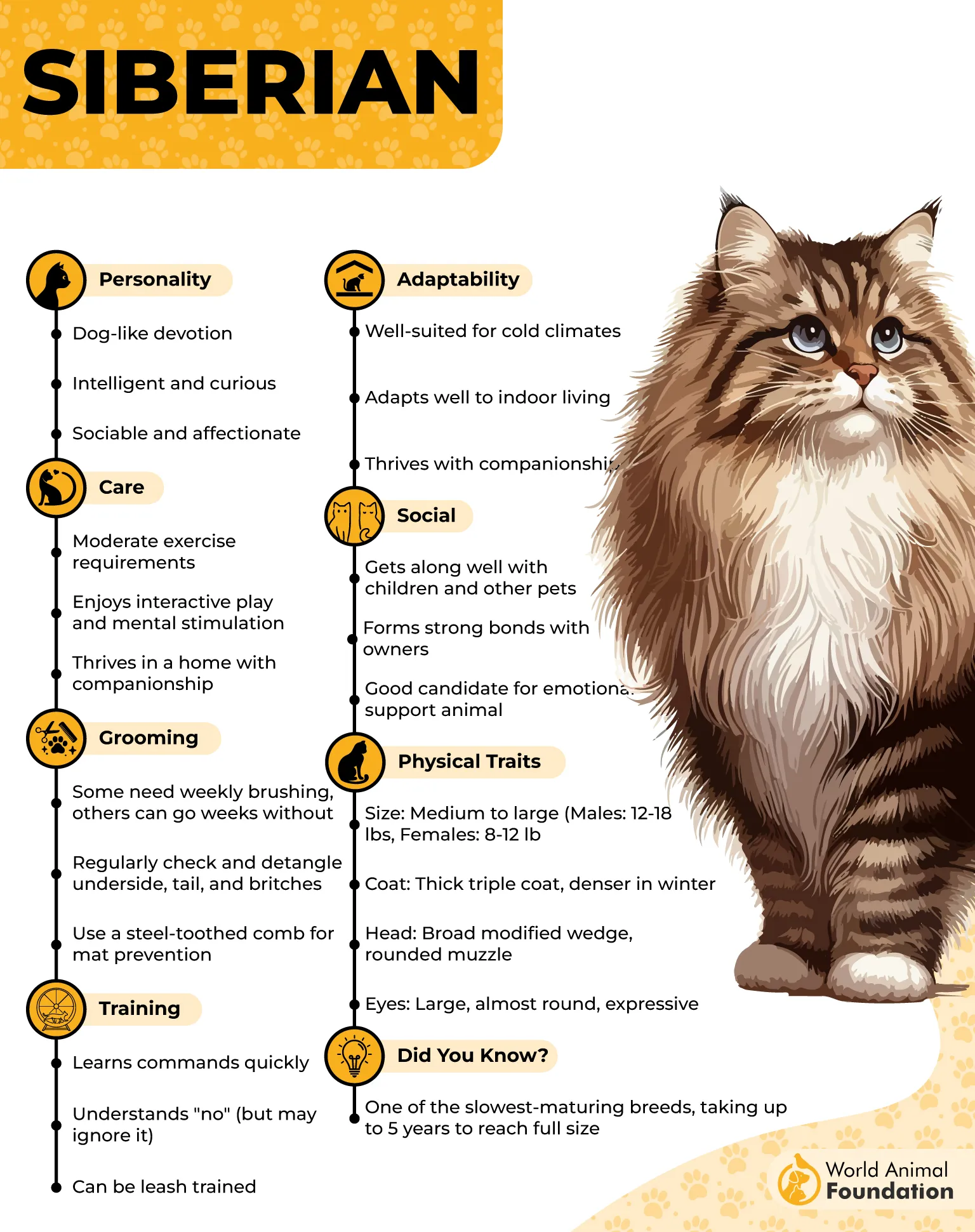
Friendly and adaptable, Siberians make affectionate companions for families and can adjust well to indoor living. They enjoy interacting with their favourite people while maintaining a playful, gentle temperament that suits different household routines.
Their thick, triple-layered coat provides insulation against harsh weather and gives them their impressive, plush appearance. Regular combing helps prevent tangles and manage loose fur, particularly during seasonal shedding periods.
How This Breed Stands Out
– Some cats may produce lower levels of Fel d 1: Individual Siberians may produce less of this common cat allergen, potentially making them more comfortable companions for some allergy sufferers.
– Thick triple-layered coat: Their dense coat consists of protective layers that provide warmth and create a full, fluffy appearance, requiring consistent grooming to maintain its condition.
6. Devon Rex
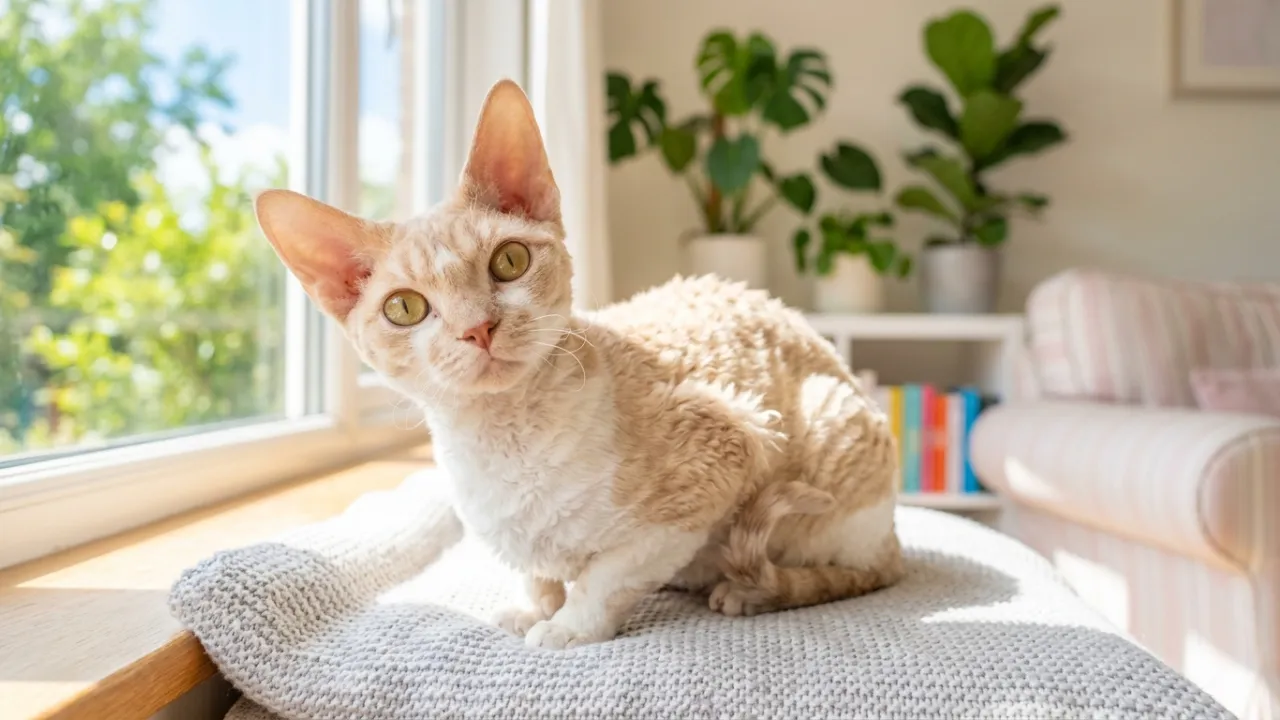
The Devon Rex has a distinctive appearance, featuring a short, wavy coat that feels soft to the touch. Its sparse fur tends to shed less than that of many other cats, which may mean fewer loose hairs around the home. However, reduced shedding does not eliminate the allergens that can trigger reactions.
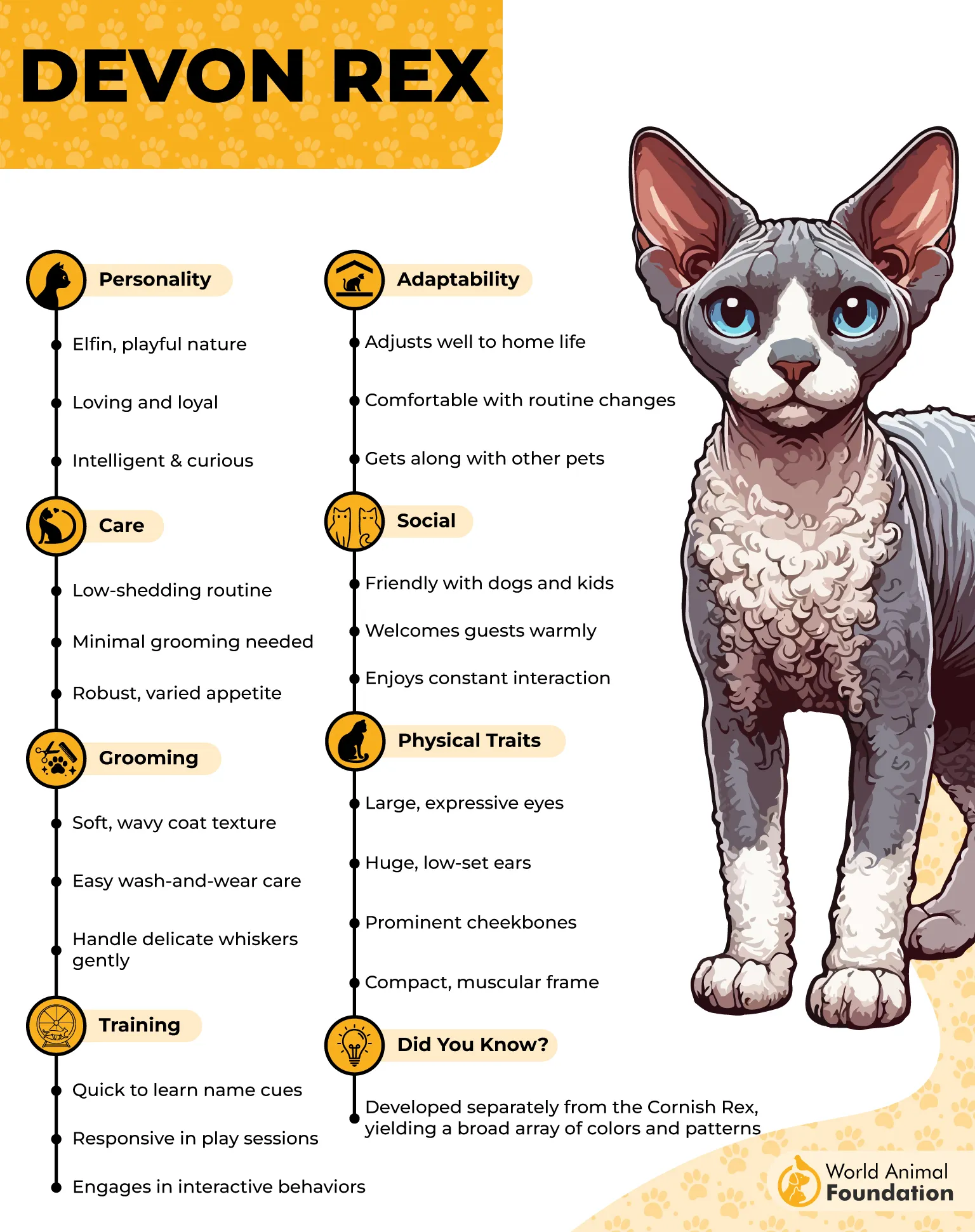
Beyond its unusual coat, this breed is affectionate, intelligent, and naturally curious. Devon Rex cats enjoy interactive play and close contact with their favourite people, so they may struggle in homes where they are left alone for extended periods.
Their oversized ears, prominent cheekbones, and large eyes give them a pixie-like expression. Because their delicate coat requires gentle care, avoid excessive brushing that could irritate their skin.
How This Breed Stands Out
– Short, fine coat with low shedding: The Devon Rex has a sparse, curly coat that releases relatively little hair, although allergy sufferers may still react to allergens in its saliva and skin secretions.
– Oversized ears and pixie-like face: Its large ears, wide-set eyes, and distinctive facial features create an elfin appearance that makes this breed instantly recognizable.
7. Sphynx
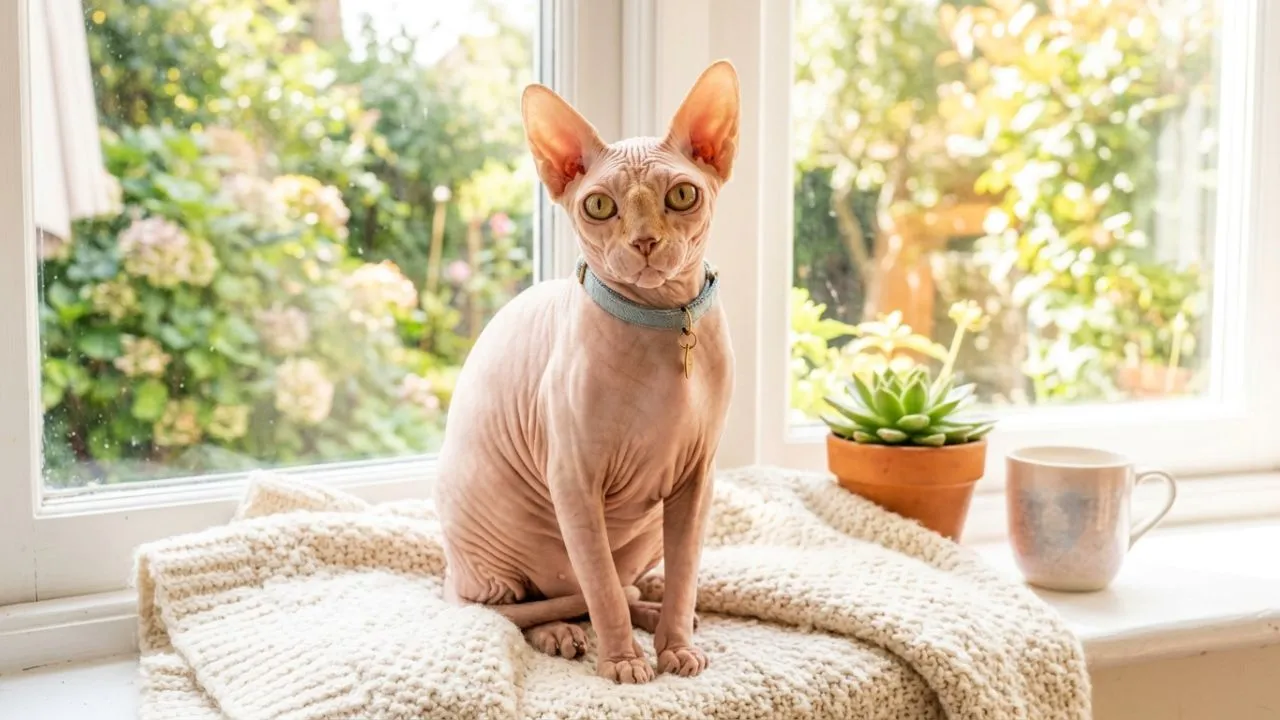
The Sphynx is famous for its nearly hairless appearance, although some cats have a fine layer of peach-fuzz-like hair on their skin. With little fur to trap saliva and loose skin particles, this breed may be easier for some allergy sufferers to manage. However, Sphynx cats still produce allergens, so reactions remain possible.
According to PetMD, although Sphynx cats appear hairless, their skin is covered with a fine layer of soft fuzz that gives them a warm, peach-like texture.
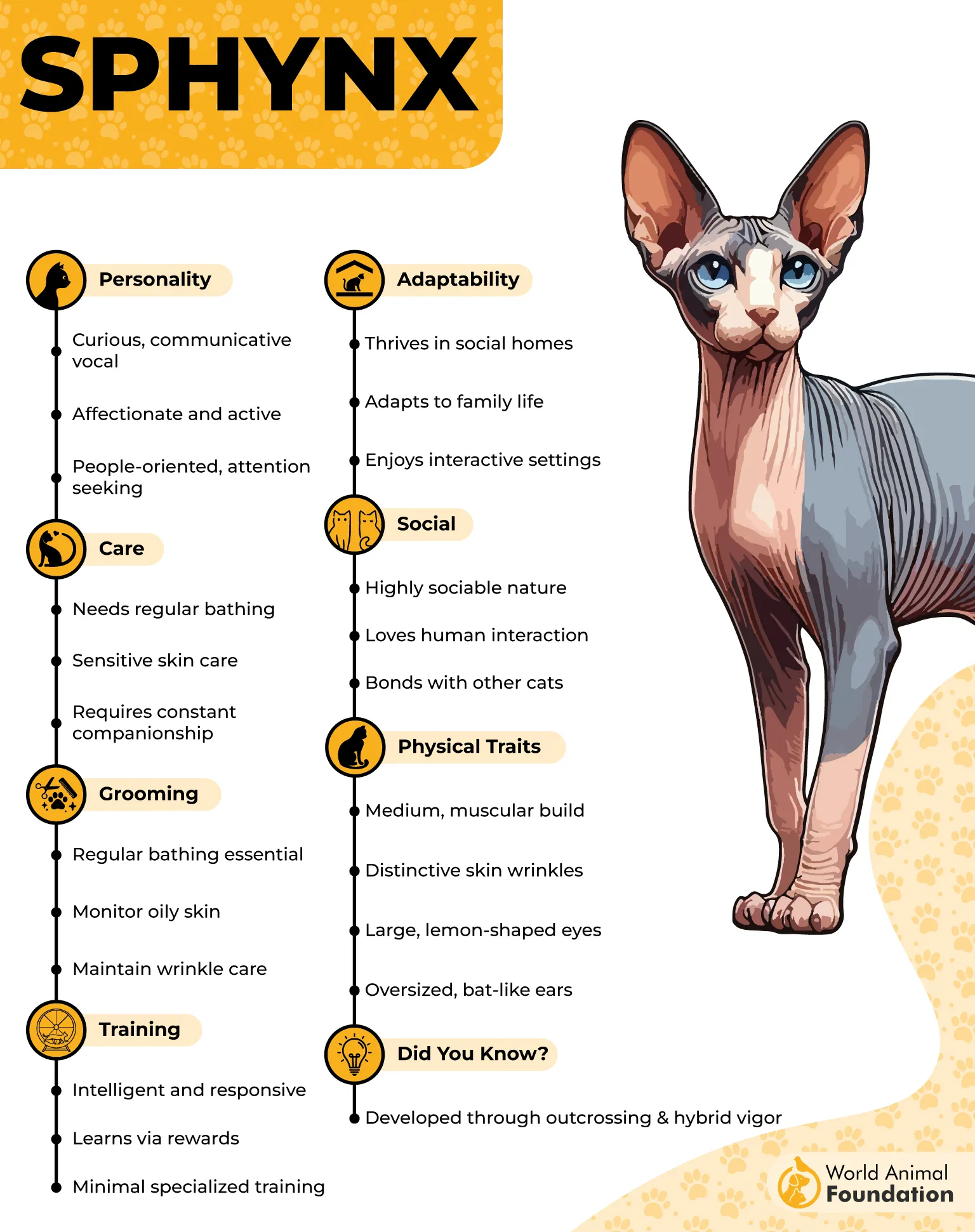
Beneath their unusual exterior, Sphynx cats are affectionate, sociable, and fond of human company. They enjoy warmth and often seek cozy resting places or cuddle close to their owners, making comfortable indoor environments particularly important.
Without a thick coat to absorb natural skin oils, these cats need regular bathing to prevent greasy buildup. Their exposed skin also requires protection from excessive sunlight and cold temperatures to remain comfortable and healthy.
How This Breed Stands Out
– Nearly hairless skin: The Sphynx has little to no visible fur, giving it a distinctive appearance and reducing loose hair around the home, though it is not completely hypoallergenic.
– Needs regular bathing to remove excess skin oils: Natural oils accumulate on the skin instead of being absorbed by a coat, so routine baths with cat-safe shampoo help maintain cleanliness and skin health.
Conclusion
Choosing a hypoallergenic cat when you have allergies requires considering temperament, home care, and individual allergen sensitivity, since all of these matter when choosing the right breed.
Ultimately, if you’re unsure which breed fits you best or ready to adopt, spend time with a cat first. Ask a veterinarian or healthcare provider to guide realistic expectations about symptoms and management, then choose a companion whose personality, care requirements, and activity level suit your lifestyle.
