




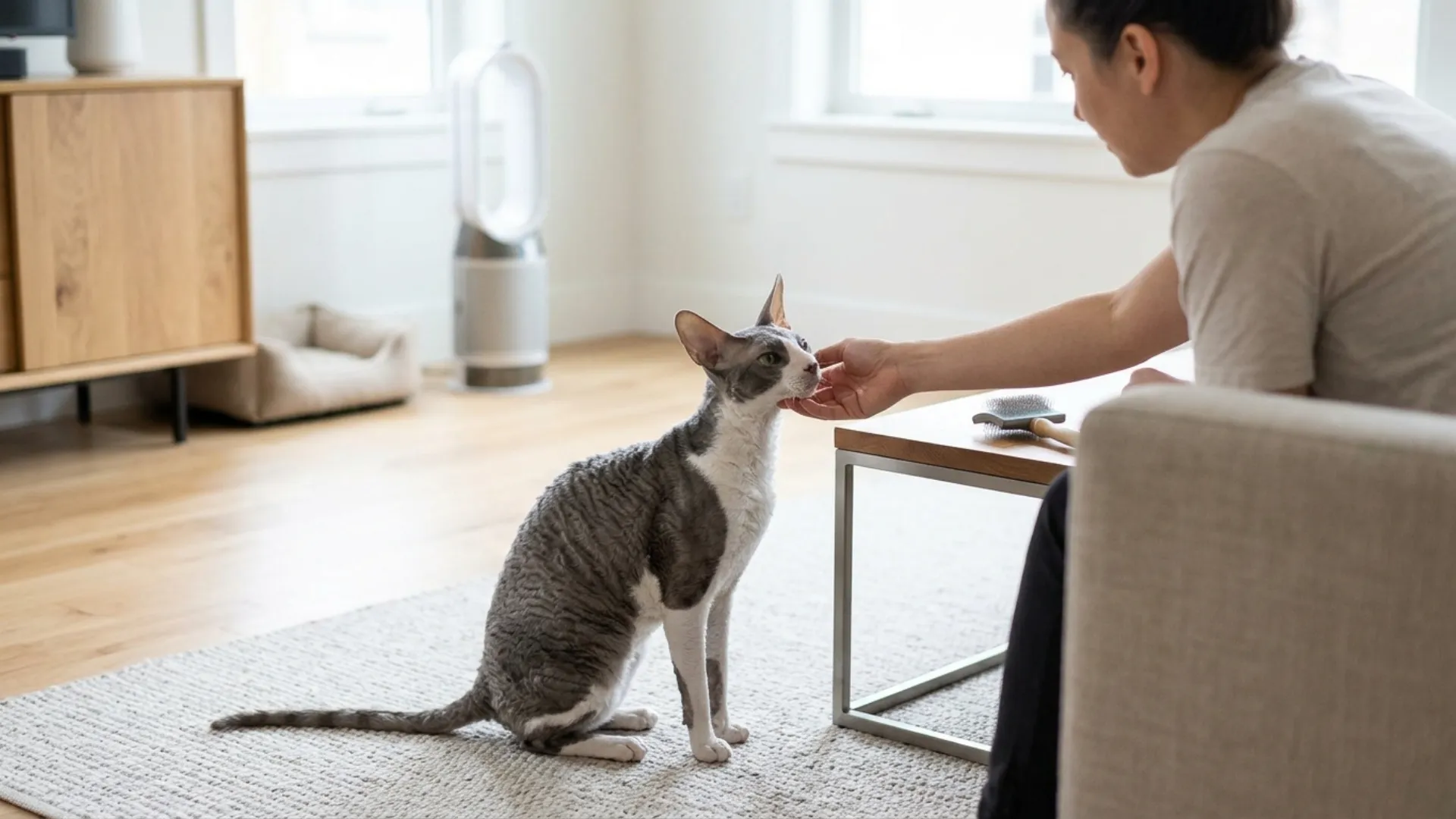
Want to welcome a cat into your home but worry about sneezing, itchy eyes, or congestion? Certain breeds may be more manageable for allergy sufferers because they produce different levels of allergen proteins or shed less.
However, no cat is completely hypoallergenic. Every cat produces allergen proteins, and individual reactions can vary depending on the animal.
Understanding what triggers cat allergies, along with regular grooming, cleaning, and air purification, can help reduce exposure and make choosing a feline companion easier. Explore the best hypoallergenic cat breeds and learn which felines may be better suited to people with allergies.
Best Hypoallergenic Cat Breeds
1. Siberian
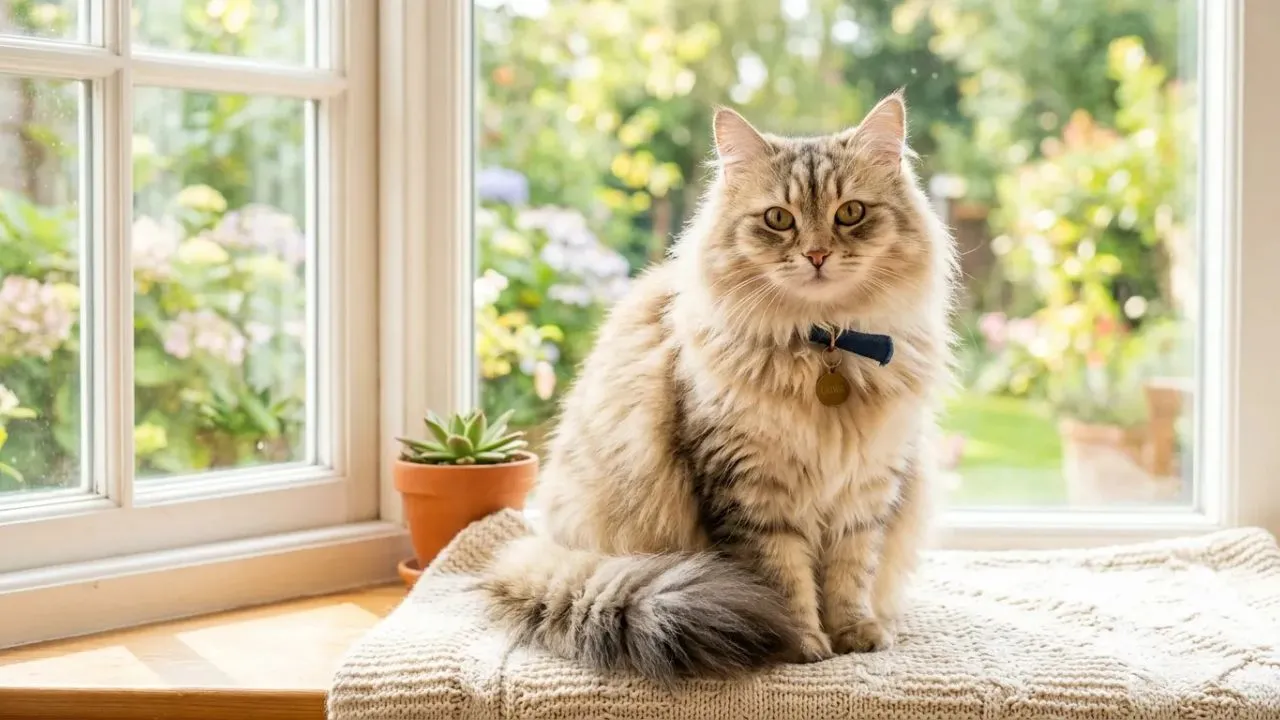
Despite its thick, luxurious coat, the Siberian is often considered a potential option for people with cat allergies. The Siberian is a naturally large, muscular cat breed, often considered a gentle giant. Its sturdy frame, broad chest, and thick triple-layered coat give it an impressive, majestic appearance.
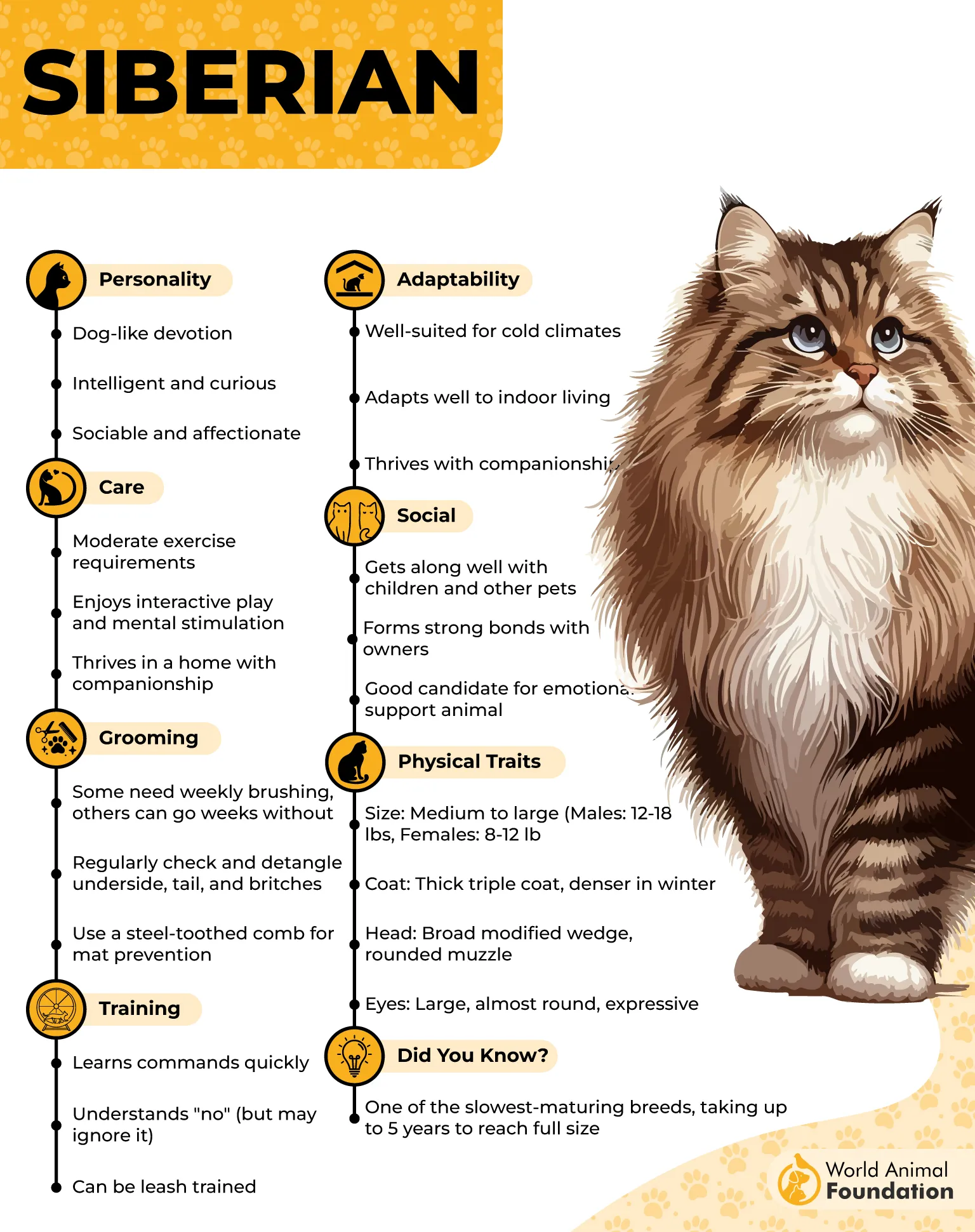
Beyond this potential advantage, Siberians are affectionate, sociable companions that generally fit well into family life. Their friendly temperament makes them popular among households looking for an interactive pet.
Their dense, triple-layered coat requires regular maintenance, particularly during seasonal shedding. Weekly combing helps remove loose fur, prevent tangles, and keep the coat in good condition. Spending time with an individual Siberian before adoption is important because lower allergen production cannot be guaranteed.
How This Breed Stands Out
Some individuals produce lower Fel d 1 levels: Allergen production varies, so individual cats should be assessed.
Thick, triple-layered coat: Its plush coat provides insulation but requires consistent grooming.
2. Balinese

The Balinese has an elegant, slender build and distinctive pointed coloring. Its silky, medium-length coat gives it a softer appearance without the heavy undercoat found in many long-haired breeds. Balinese cats are sometimes considered a suitable option for allergy-sensitive households.

Beyond their appearance, these intelligent cats are affectionate and family-friendly, including around children. They also enjoy interactive activities and can learn tricks through clicker training, and these smart, chatty cats are often easy to train, making mental engagement an enjoyable part of daily life.
How This Breed Stands Out
Silky coat with minimal undercoat: Its fine, medium-length fur has a relatively light texture.
Plumed tail and vivid blue eyes: These features enhance its graceful, distinctive appearance.
3. Bengal
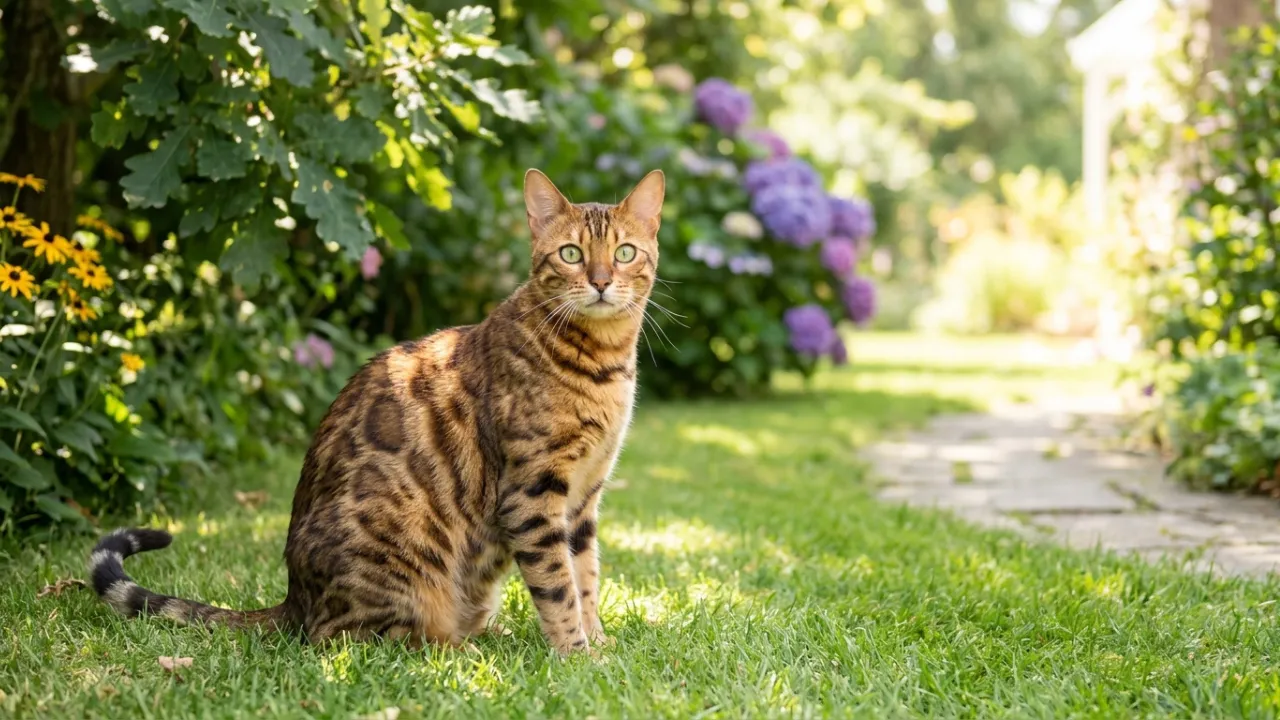
The Bengal is admired for its striking, wild appearance, featuring a sleek, short coat covered in leopard-like spots or beautiful marbled patterns. Its close-lying fur generally sheds less than many longer coats, and low-shedding coats release fewer dander particles into the air, so they may disperse less dander than heavier-shedding coats while requiring relatively little grooming.
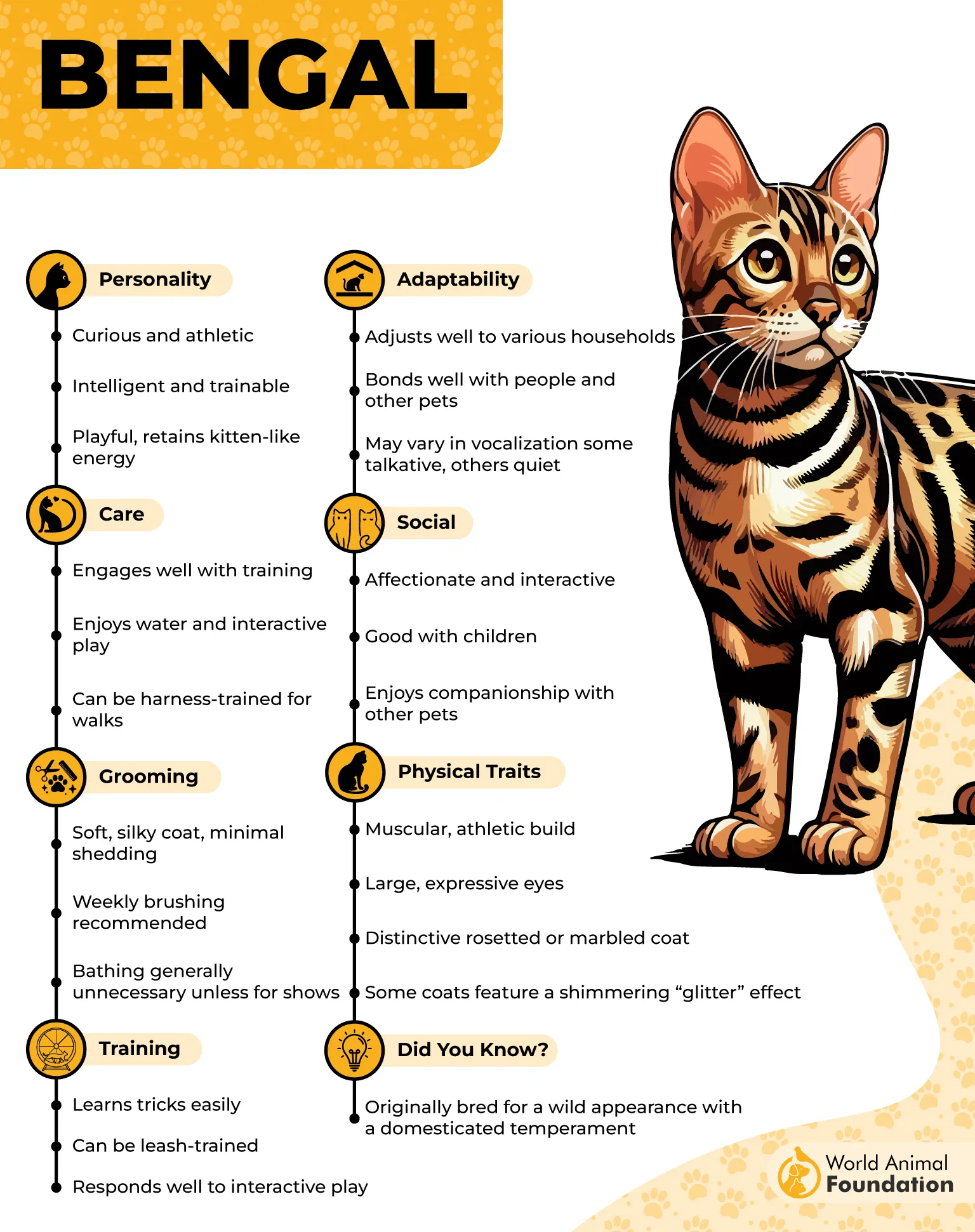
Beyond their distinctive appearance, Bengals are highly intelligent, smart, and energetic cats that need plenty of activity and mental engagement, and they do best with puzzle toys or other mental challenges.
Their demanding nature may challenge inexperienced owners, and prospective adopters should also check local regulations, as some areas restrict ownership.
How This Breed Stands Out
Short, close-lying coat: Smooth fur generally requires minimal grooming.
Leopard-like spots and marbled patterns: Distinctive markings create an eye-catching, exotic appearance.
4. Devon Rex
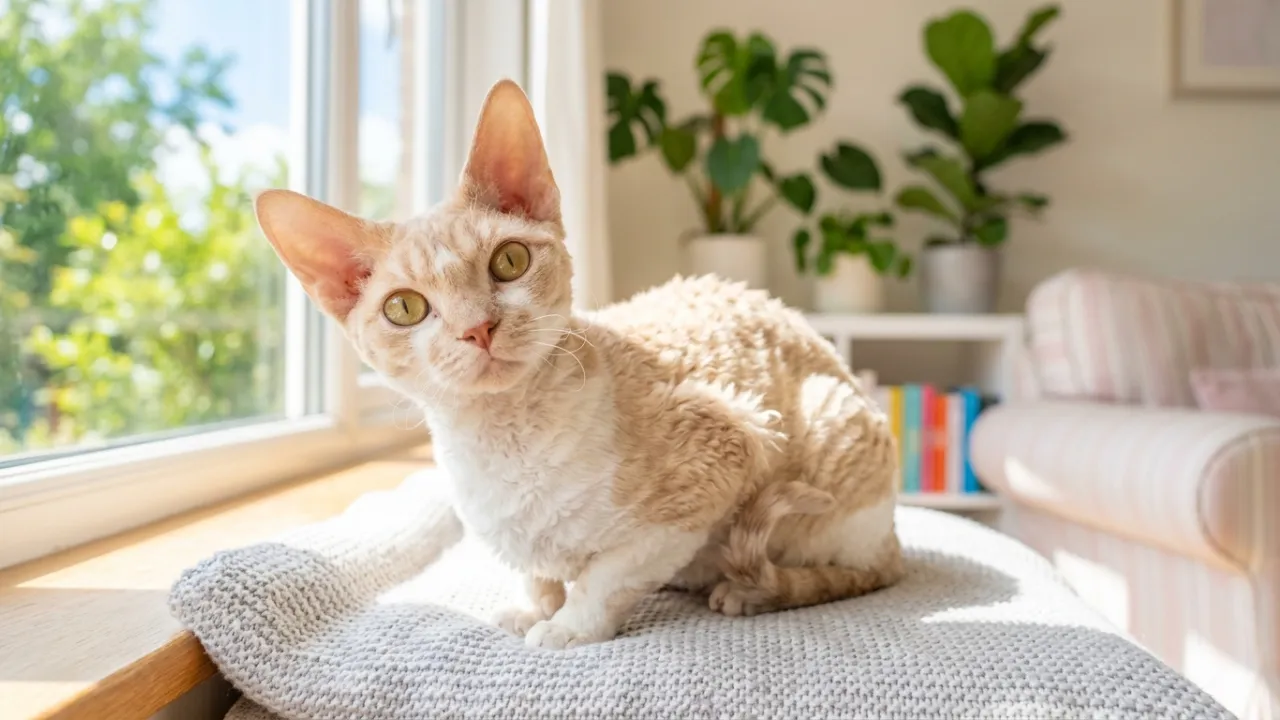
The Devon Rex is recognizable for its unusual appearance, featuring a pixie-like face, oversized ears, and a short, wavy coat. Its fine fur consists mainly of soft down hairs, giving it a delicate texture unlike that of many other cats.
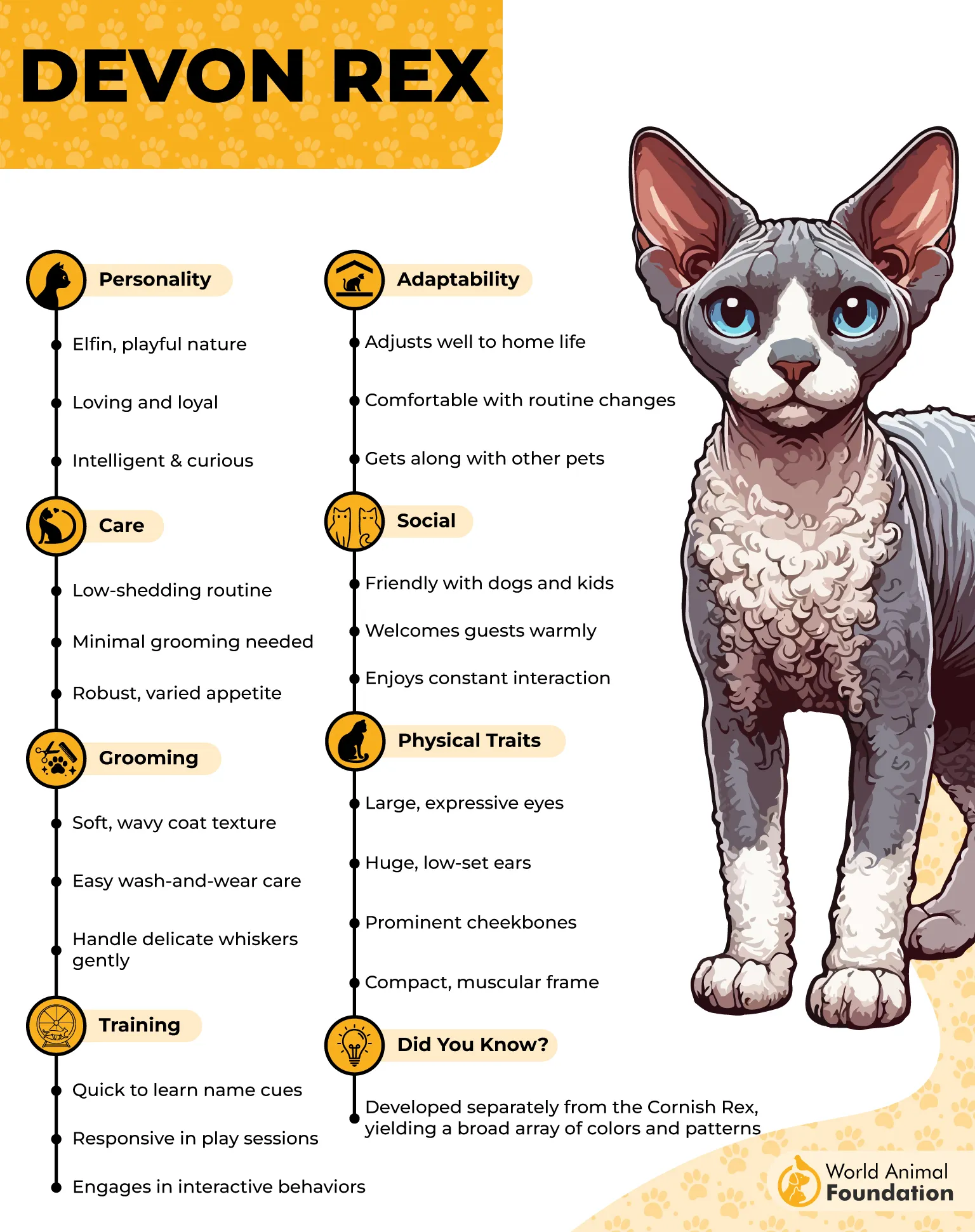
Because it sheds relatively little, fewer loose hairs may accumulate around the home. However, this does not make the breed allergen-free, since allergens still come from saliva and skin oils, and its unusual coat may trap dander close to the skin even as less fur spreads through the house.
Beyond its distinctive coat, the Devon Rex is affectionate, intelligent, and strongly attached to its family. It thrives on attention and companionship, so extended periods alone may not suit its social needs. Gentle grooming is recommended to protect its delicate curls.
How This Breed Stands Out
Fine, wavy coat with sparse guard hairs: Its soft, curly fur sheds relatively little.
Oversized ears and pixie-like face: Large ears and prominent facial features create its distinctive appearance.
5. Cornish Rex
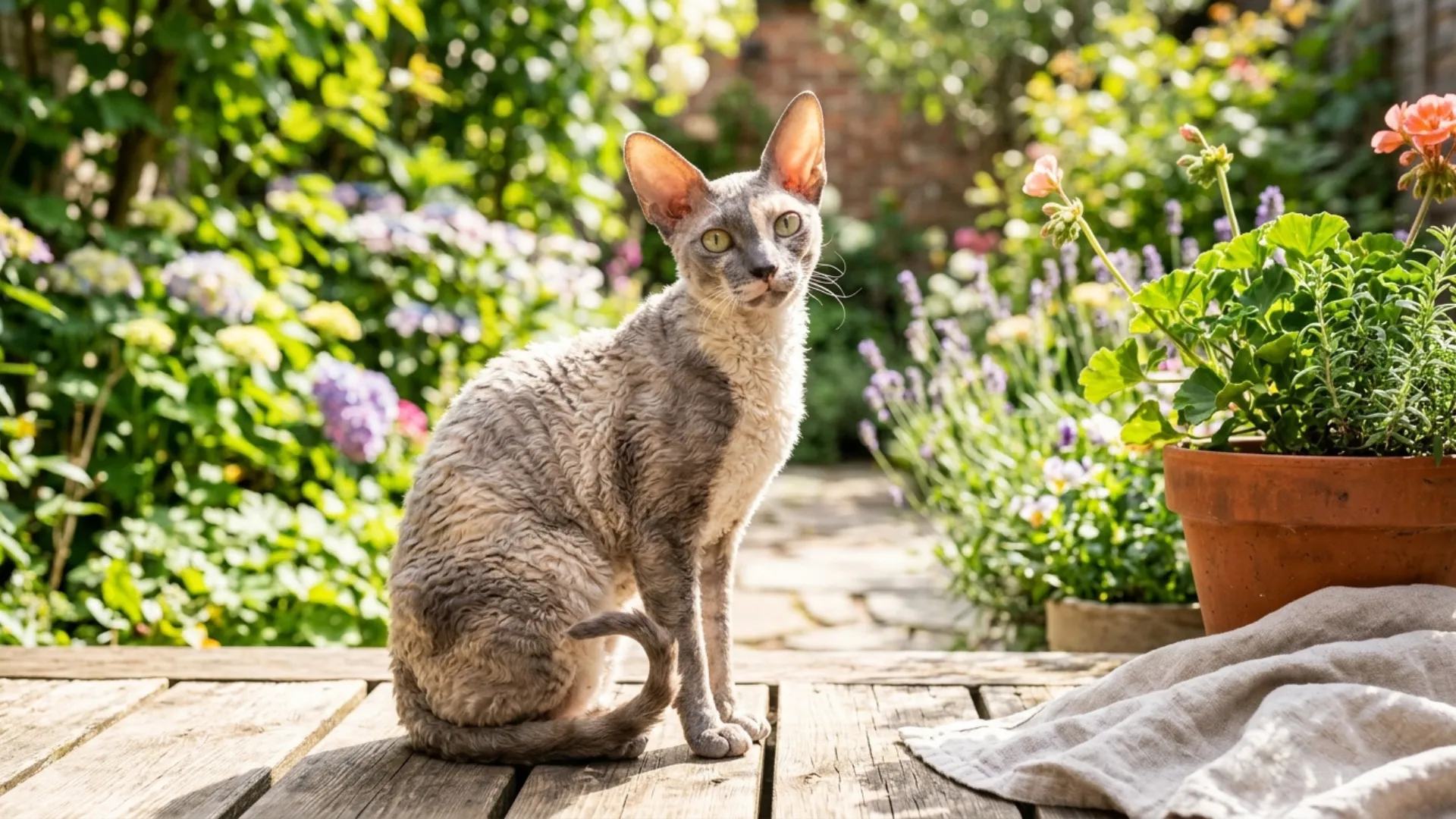
The Cornish Rex has an unusual coat made up of short, soft curls that form tighter, more uniform waves than those of the Devon Rex. Its fur consists mainly of down hair, without the longer guard hairs typical of most cats.
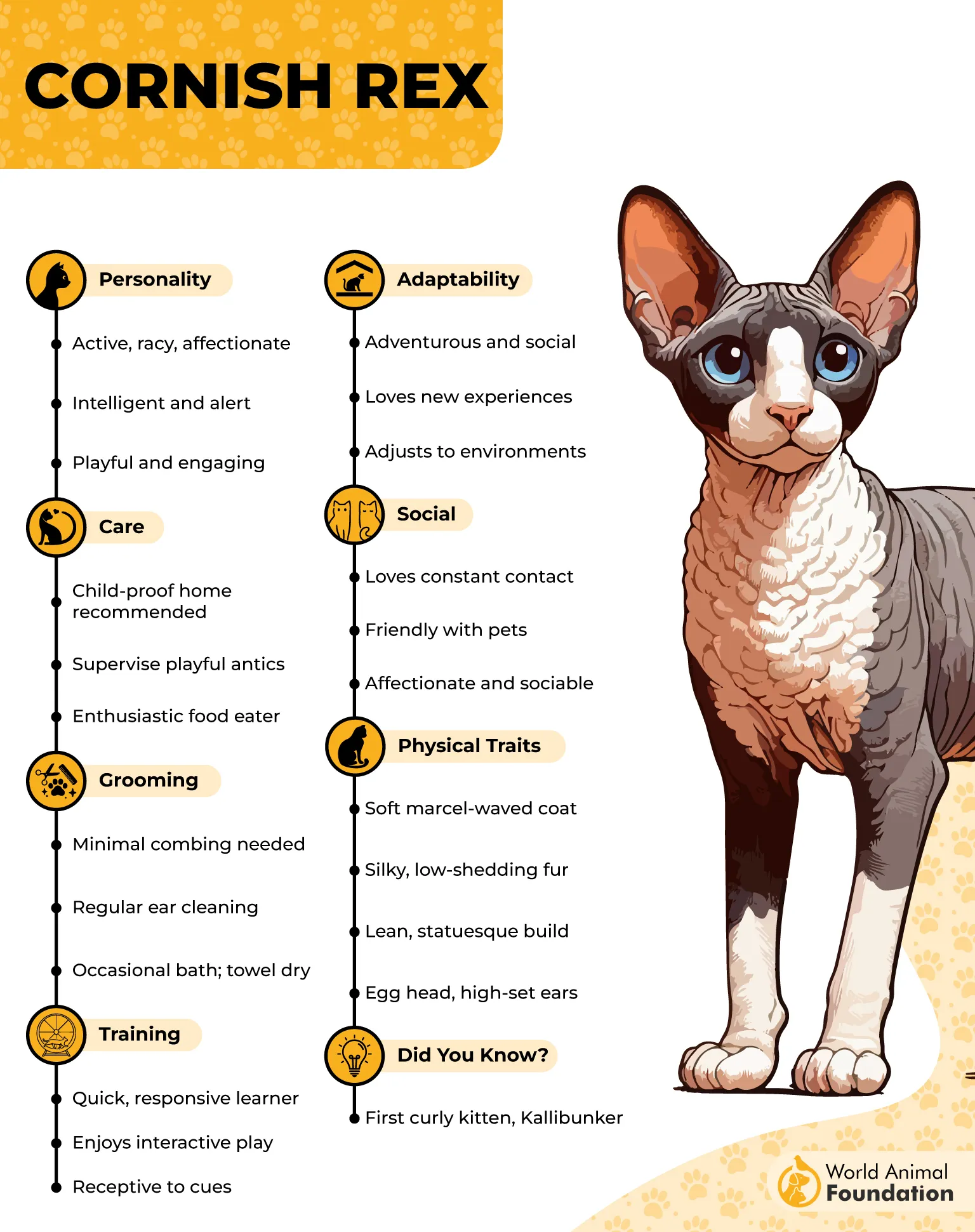
This distinctive coat sheds relatively little, which may reduce loose fur around furniture. Its fine coat may also become oily, requiring appropriate skin care.
Known for its affectionate and attention-seeking personality, the Cornish Rex enjoys interacting with people and is generally good with children. Its energetic nature calls for plenty of daily play and exercise, along with gentle grooming.
How This Breed Stands Out
Soft coat made mainly of down hair: Its fine, short curls create a distinctive wavy texture.
Curly whiskers and arched back: These unusual features add to its recognizable appearance.
6. Sphynx
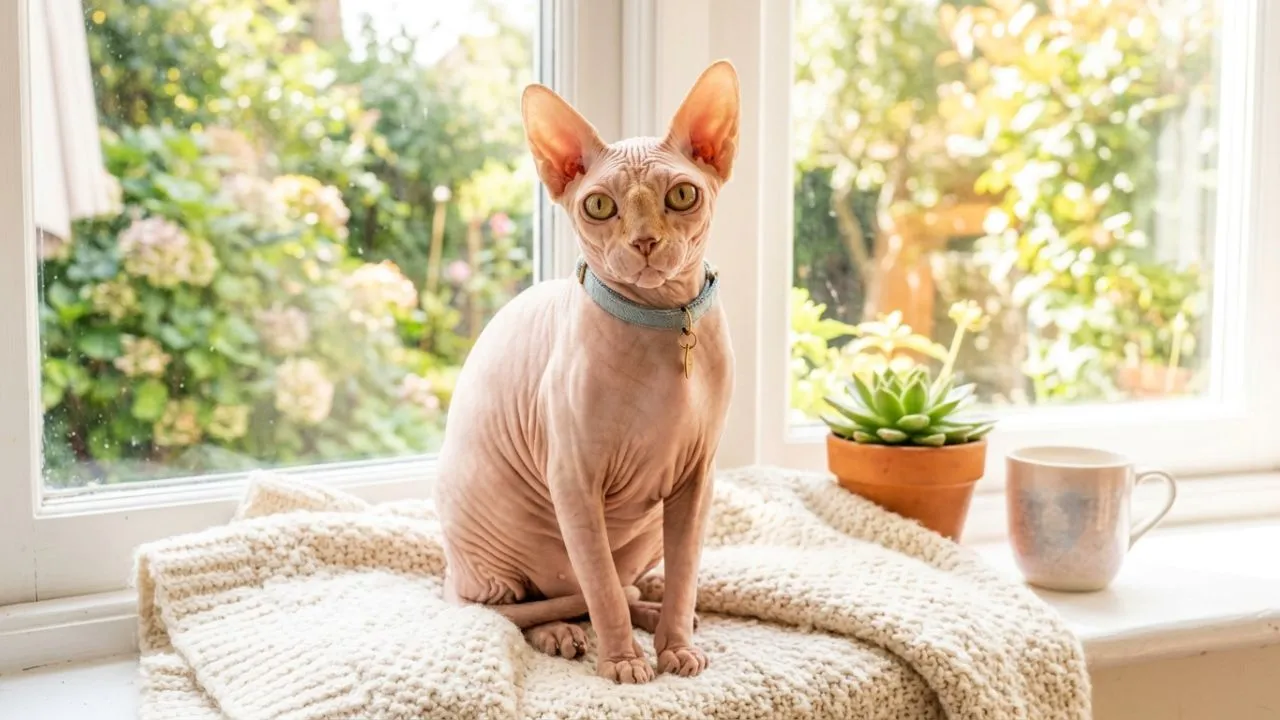
The Sphynx is famous for its almost hairless appearance, although some cats have a delicate layer of peach-like fuzz. With very little fur to shed, it leaves less loose hair around the home than heavily coated breeds.
According to PDSA, Sphynx cats need regular bathing to remove excess skin oils, particularly around their wrinkles and folds. Their lack of fur also makes them vulnerable to sunburn and injuries during fights, making indoor living a safer option.
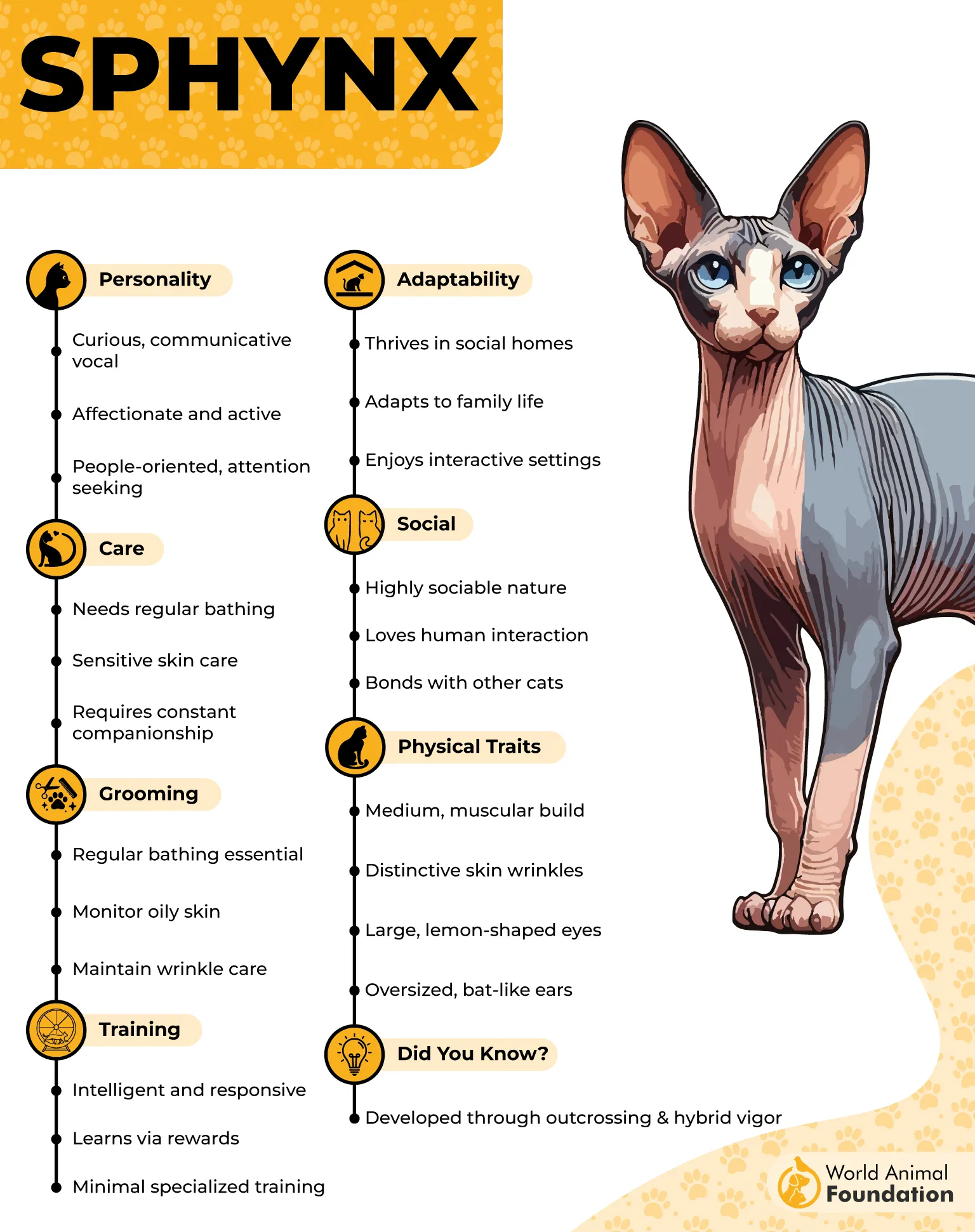
Unlike furry cats, the Sphynx needs regular bathing or gentle wiping to remove accumulated oils, and regular bathing can lower surface allergens for some cats while maintaining healthy skin. It may also require protection from direct sunlight and extra warmth during colder weather.
How This Breed Stands Out
Nearly hairless, suede-like skin: Its soft, exposed skin gives it a distinctive appearance.
Requires regular bathing to remove skin oils: Frequent, appropriate cleaning helps prevent oil buildup.
7. Oriental Shorthair
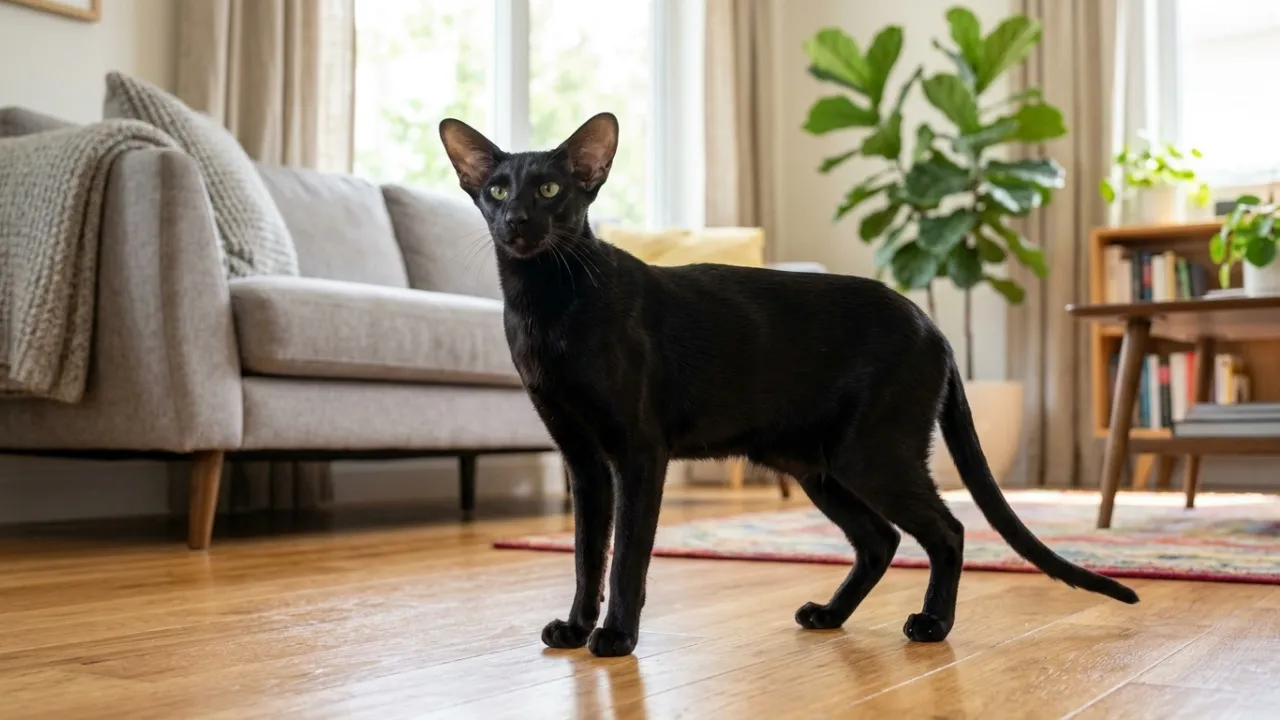
Closely related to the Siamese, the Oriental Shorthair has a refined appearance, with a slender build and a smooth, close-fitting coat. Its short fur requires little grooming compared with longer-haired breeds.
According to Purina, Oriental Shorthairs have a medium-sized, lean yet muscular build that feels surprisingly heavy when lifted. They feature a distinctive triangular head, large, widely spaced ears, a straight profile, and expressive, intelligent eyes.
This intelligent, curious cat enjoys exploring its surroundings and taking part in household activities. It is highly social and thrives on human interaction, making it an engaging companion for owners who appreciate an active pet.
Regular gentle brushing can help manage shedding, preferably performed by someone without cat allergies.
How This Breed Stands Out
Sleek, close-fitting coat: Its short, fine fur is relatively easy to maintain.
Large ears and wedge-shaped head: These distinctive features create its elegant, striking profile.
8. Russian Blue

The Russian Blue is admired for its elegant appearance and dense, blue-gray coat with distinctive silver-tipped hairs. Its plush double coat gives it a soft, velvety texture and generally sheds less than many other breeds.
According to WebMD, Russian Blue cats have a distinctive bluish-gray coat with silvery tips that create a shimmering appearance in sunlight. Their elegant colouring beautifully complements their vivid green eyes.
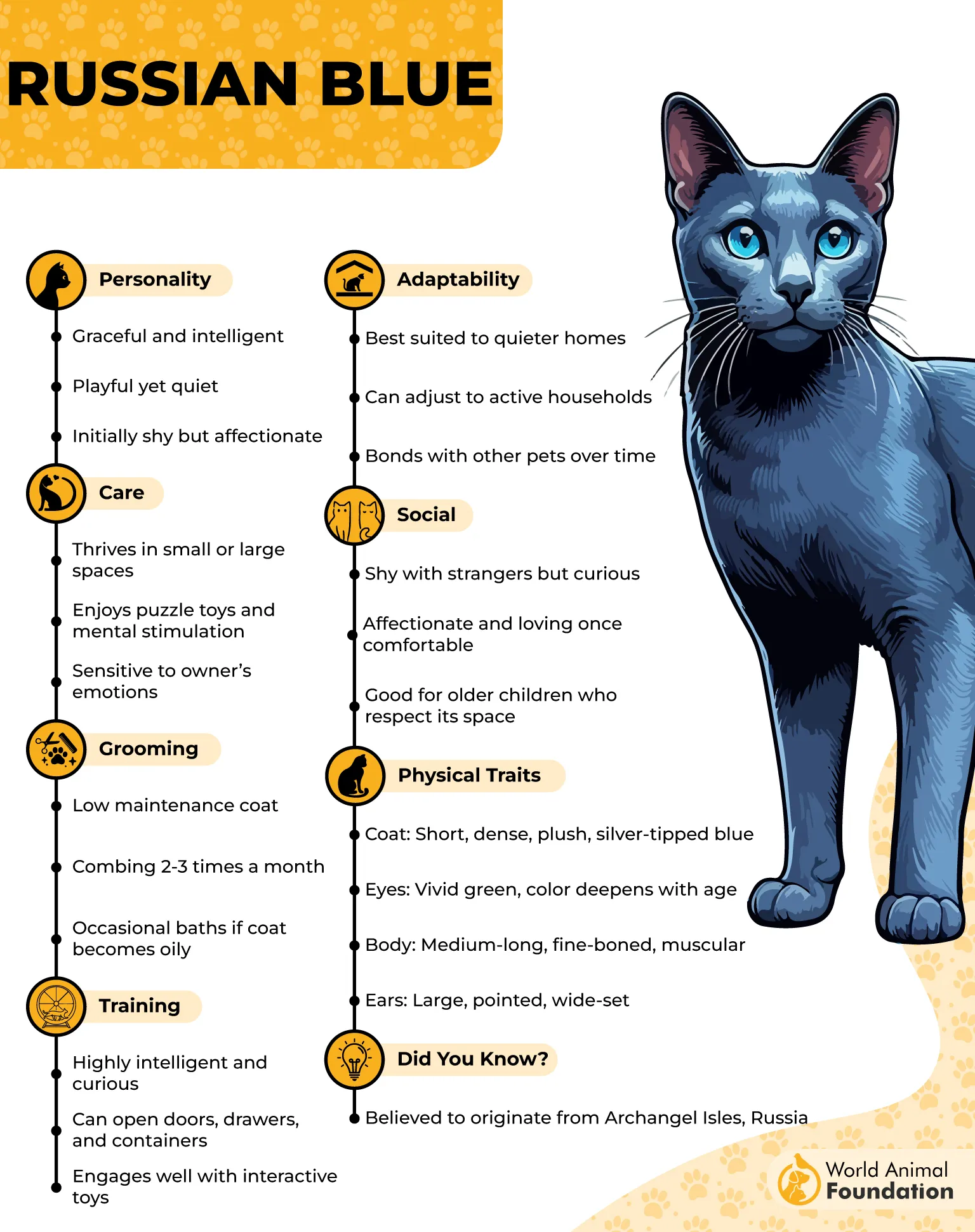
Beyond its appearance, this domestic cat is known for its quiet, affectionate temperament. It is often quiet and reserved around strangers but gradually becomes comfortable with familiar companions. Occasional brushing helps manage loose fur and maintain its thick coat.
How This Breed Stands Out
Dense, silver-tipped blue-gray fur: Its shimmering coat creates a distinctive, elegant appearance.
Plush double coat: Two layers give its fur a soft, dense texture.
9. Javanese
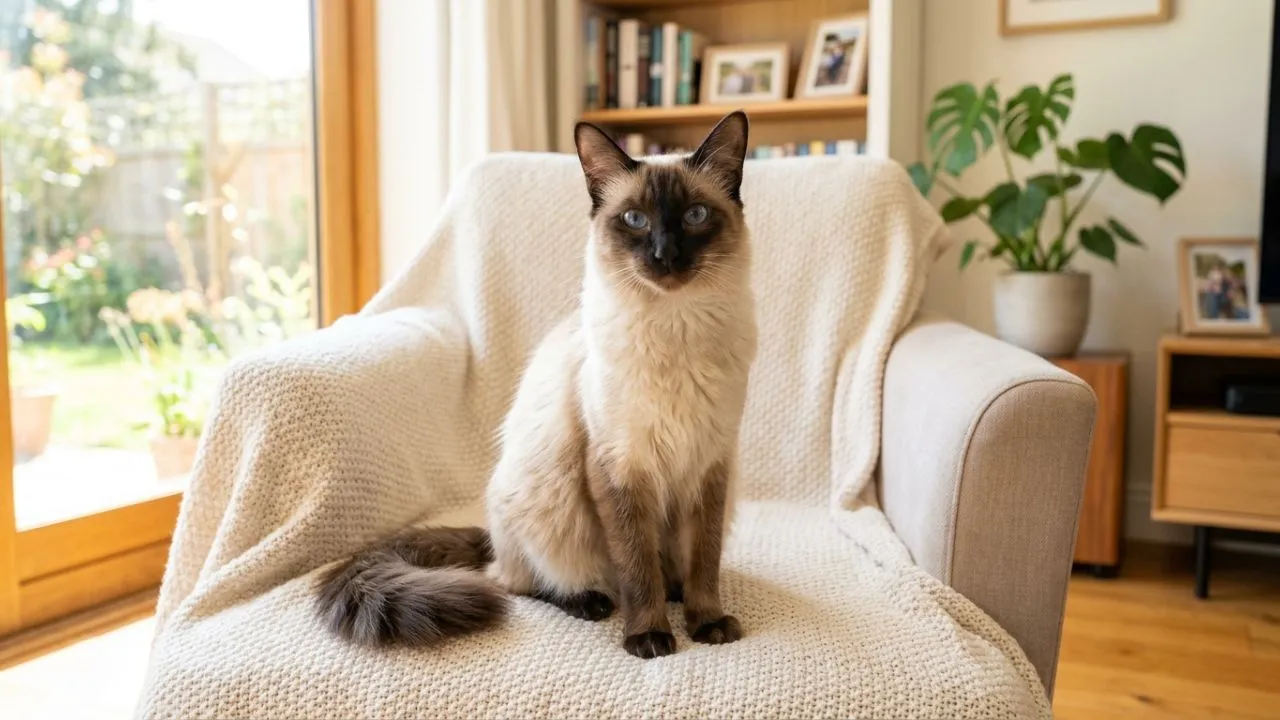
The Javanese has a graceful appearance, enhanced by its single silky, medium-length coat, distinctive color-point markings, and little undercoat, which may help reduce loose fur.
This intelligent and playful breed thrives on human interaction. Javanese kitties are notably vocal and enjoy communicating with their owners, often seeking attention throughout the day. Their social nature may not suit households looking for a highly independent pet.
Although their coat tends to shed less, regular brushing is still important to prevent tangles and matting. Their lower shedding does not eliminate allergen production, so allergy-sensitive individuals should spend time with a specific cat before adoption.
How This Breed Stands Out
Single silky coat with little undercoat: Its fine coat generally produces less loose fur.
Feathered tail and color-point markings: These features give the Javanese its elegant, distinctive appearance.
Conclusion
Living with cat allergies does not necessarily mean giving up the companionship of a feline friend. For people with allergies, some cats may shed less or produce fewer allergens, making them easier to live with and improving the overall experience.
However, there is no such thing as a completely hypoallergenic cat, since all cats produce allergens. The important thing to remember is that coat type and shedding do not always predict allergen levels, and reactions vary between individuals.
Spending time with an individual cat before adoption can help prospective owners make informed decisions, and monitoring symptoms after bringing home a new cat can improve the accuracy of judging compatibility.
