




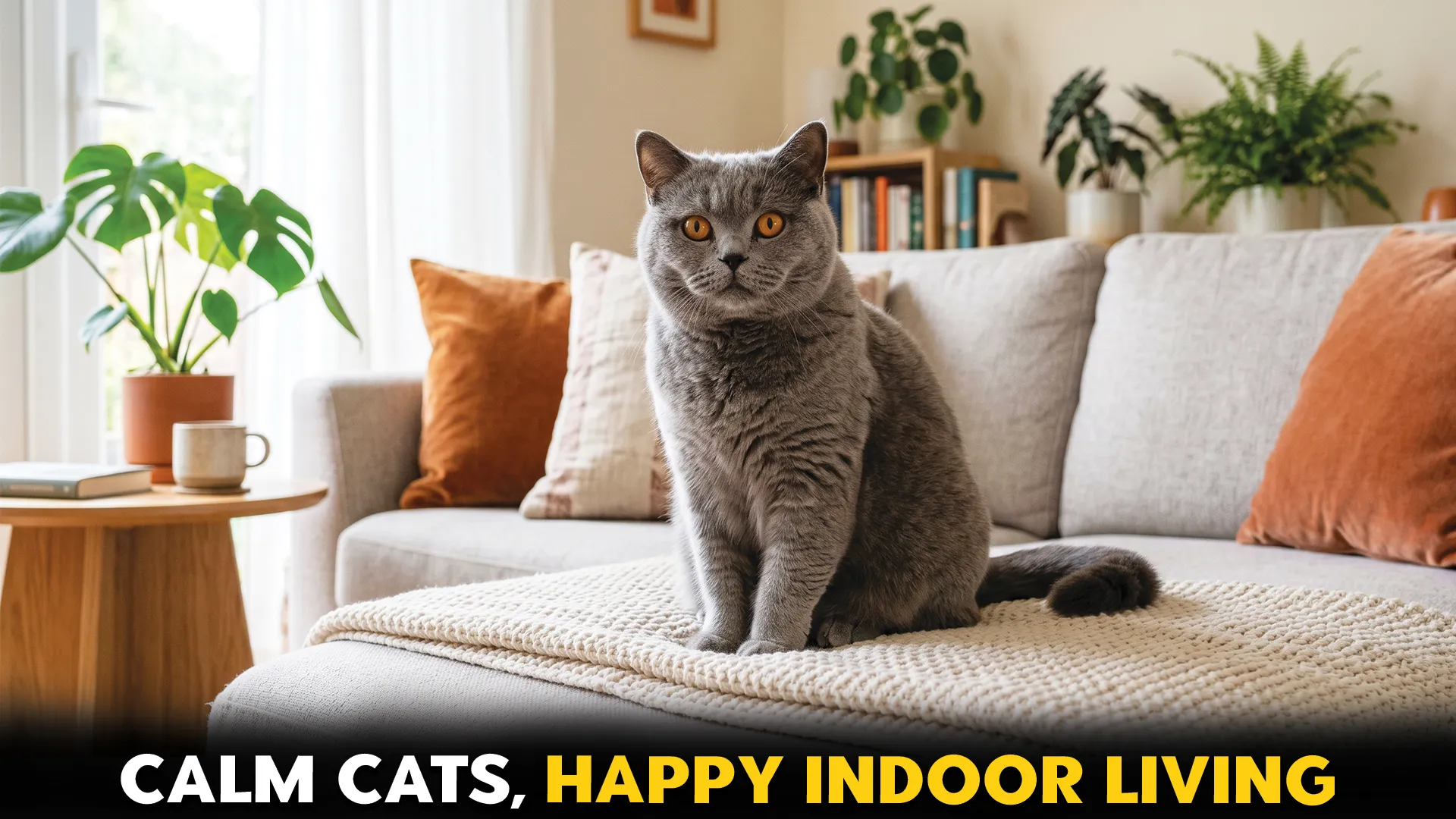
Bringing a cat into your home is an exciting step, especially when you’re looking for an excellent companion that thrives indoors. While many cats can adjust to house living, some breeds are naturally better suited to it due to their calm temperament and adaptable nature. These cats are typically content with indoor routines, making them ideal for modern homes and busy lifestyles.
Keeping cats indoors offers several benefits for both pets and owners. Indoor environments provide safety from outdoor risks while allowing cats to form closer bonds with their families. With consistent care, engaging toys, and comfortable spaces to relax, house cats can enjoy a balanced lifestyle that supports both their physical and emotional well-being.
Choosing the right house cat involves understanding personality, energy levels, and care needs. Breeds that are friendly, low-maintenance, and comfortable with limited space tend to adjust best. By matching a cat’s traits with your daily routine, you can create a peaceful home where your feline companion feels secure, happy, and truly at ease.
Best House Cat Breeds
1. Ragdoll
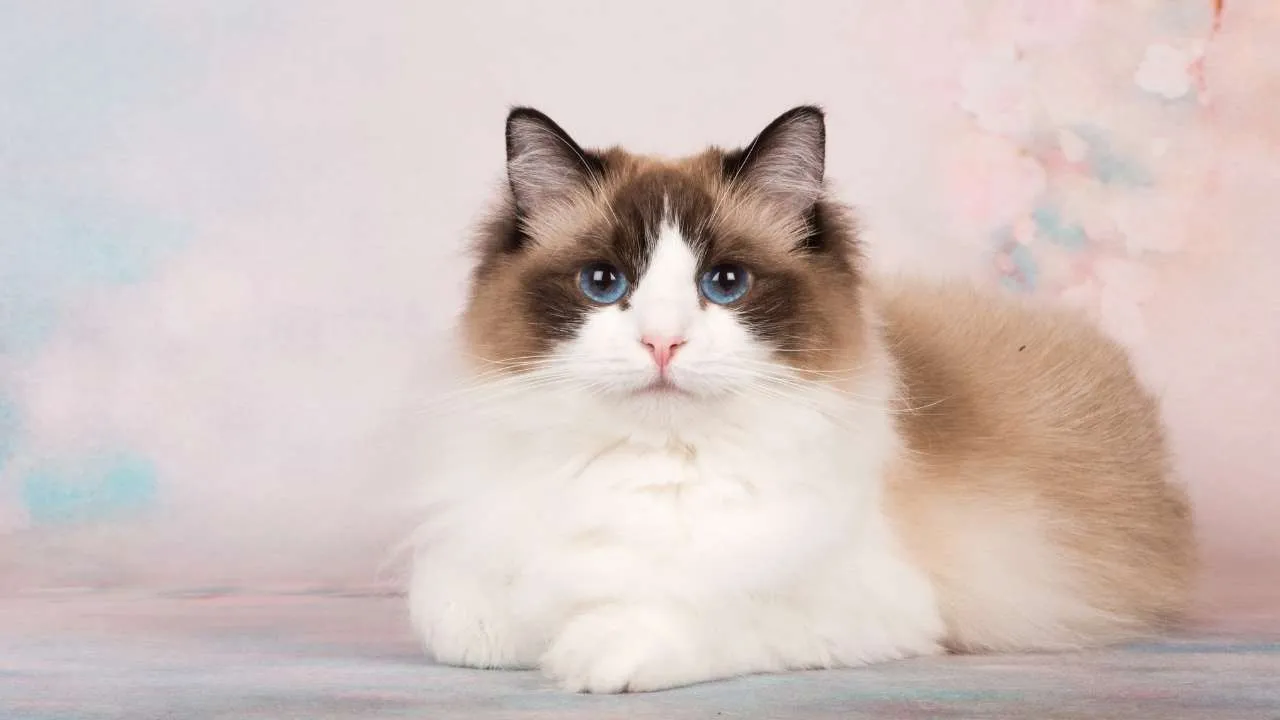
Ragdoll, one of the most popular cat breeds, is known for its striking deep blue eyes, soft semi-long coat, and relaxed temperament. This large, gentle feline stands out for its plush appearance and famously calm, easygoing nature.
According to Petplan, the Ragdoll cat is a sociable and people-oriented companion that thrives on constant interaction. It enjoys staying close, often following its owner around the house, making it ideal for those who can spend plenty of time with their pet.
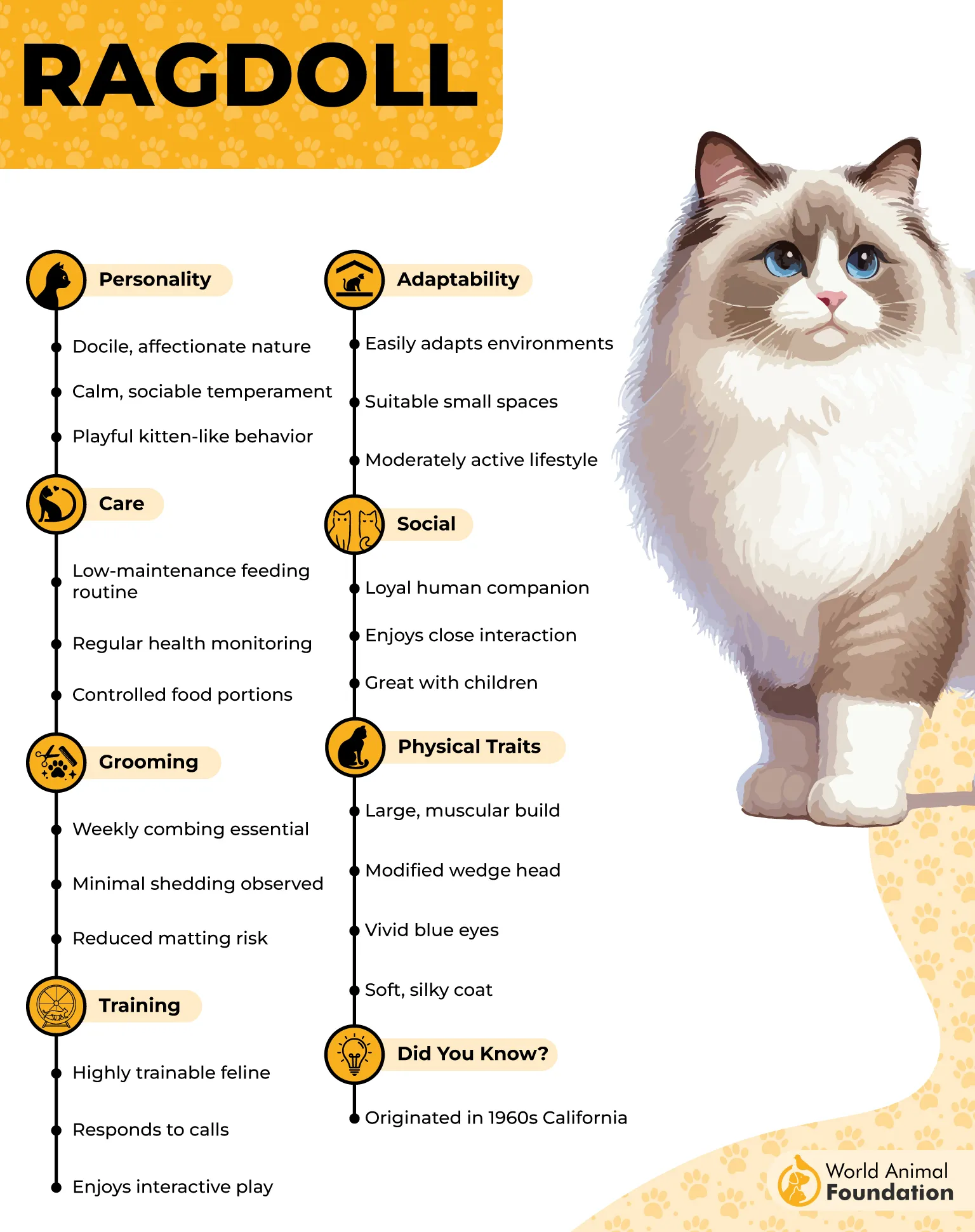
The Easygoing Feline Friend That Loves Indoor Comfort
Ragdolls are perfectly suited for indoor living, as they prefer calm environments where they can relax and stay close to their humans. Their laid-back personality makes them content lounging in cozy spaces rather than exploring outdoors.
They form strong bonds with their owners and enjoy quiet companionship, often following family members from room to room. Their affectionate nature makes them ideal lap companions for peaceful home settings.
Adaptability is another strength, as they easily adjust to households with children or other pets. Their gentle temperament helps them remain calm even in busy homes, while still enjoying a comfortable indoor routine.
Fact: This indoor cat breed gets its name from the way it relaxes completely and becomes floppy when picked up.
2. British Shorthair

British Shorthair is a sturdy, round-faced feline with a plush, dense coat and a short, neat nose. Best known for its classic grey coloring, this breed also appears in a wide range of shades and patterns.
According to Purina, the British Shorthair is an easygoing and balanced companion that enjoys quiet affection without being overly clingy. It prefers staying close rather than being held and adapts well to families, including children and other pets.
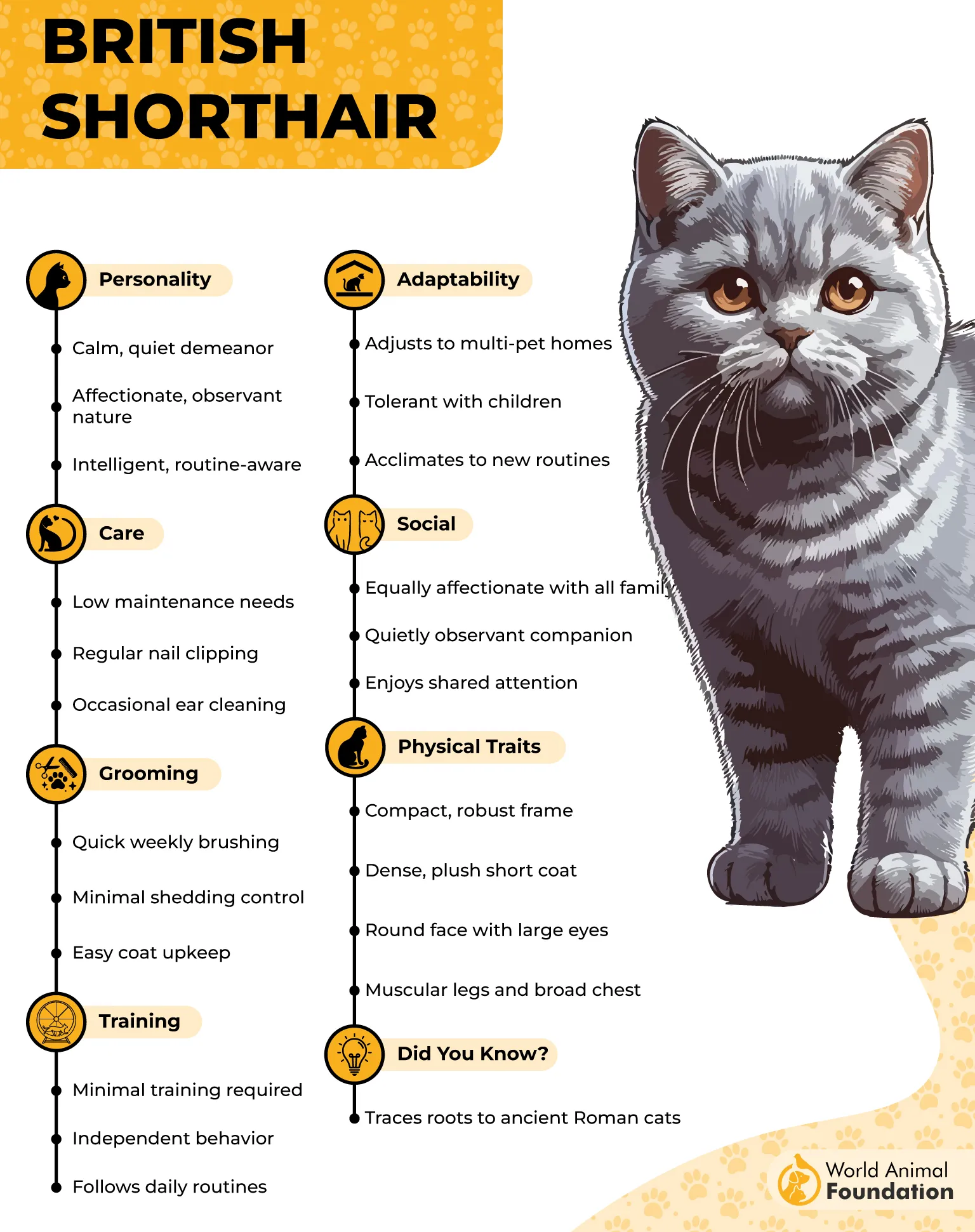
A Calm and Gentle Cat Perfect for Family Living
British Shorthairs are admired for their calm and relaxed nature, making them a natural fit for peaceful indoor environments. They enjoy quiet routines and are perfectly content spending most of their time inside the home.
Their affectionate yet undemanding nature allows them to bond closely with family members without being overly clingy. This balance makes them suitable for both busy households and individuals seeking a relaxed companion.
They are also independent enough to entertain themselves, a trait that adds to their appeal as low-maintenance pets. With a history rooted in protecting homes from pests, they carry a quiet confidence and adaptability.
Regular grooming is important, as their thick coat becomes fuller during colder seasons and sheds with changes in weather.
Fact: This short-haired breed was originally developed to guard homes and barns from rodents.
3. Maine Coon
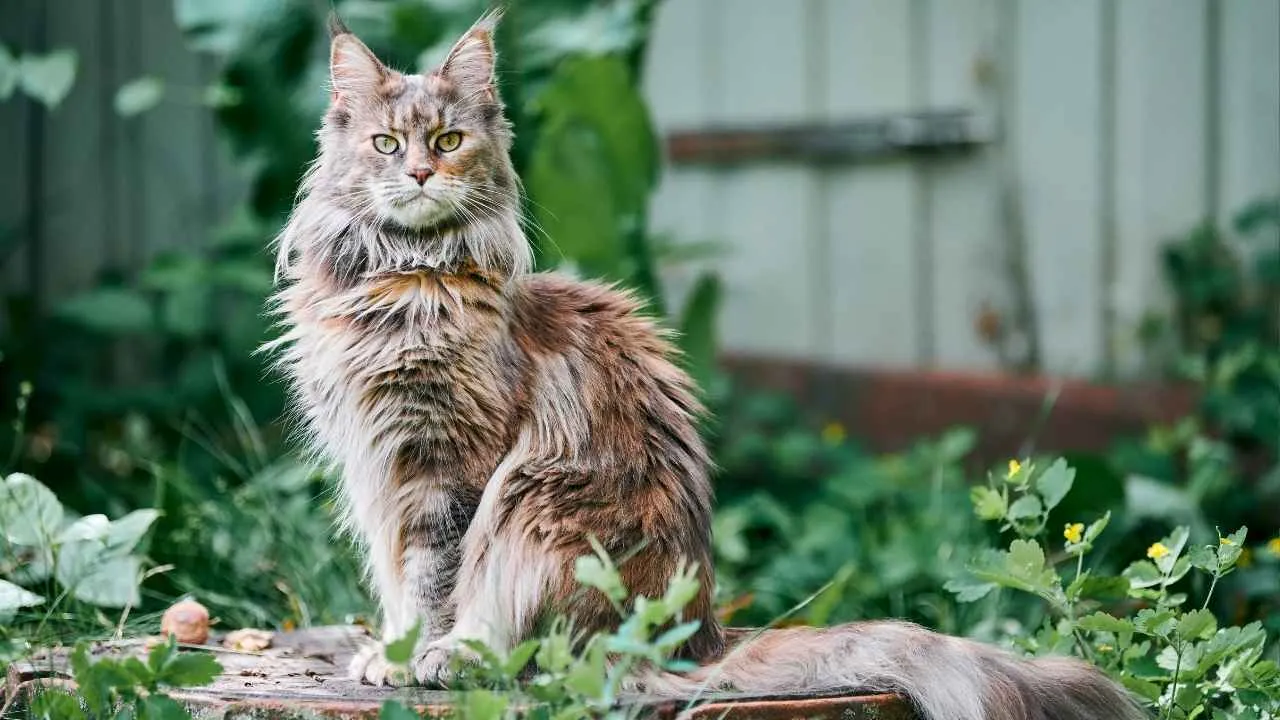
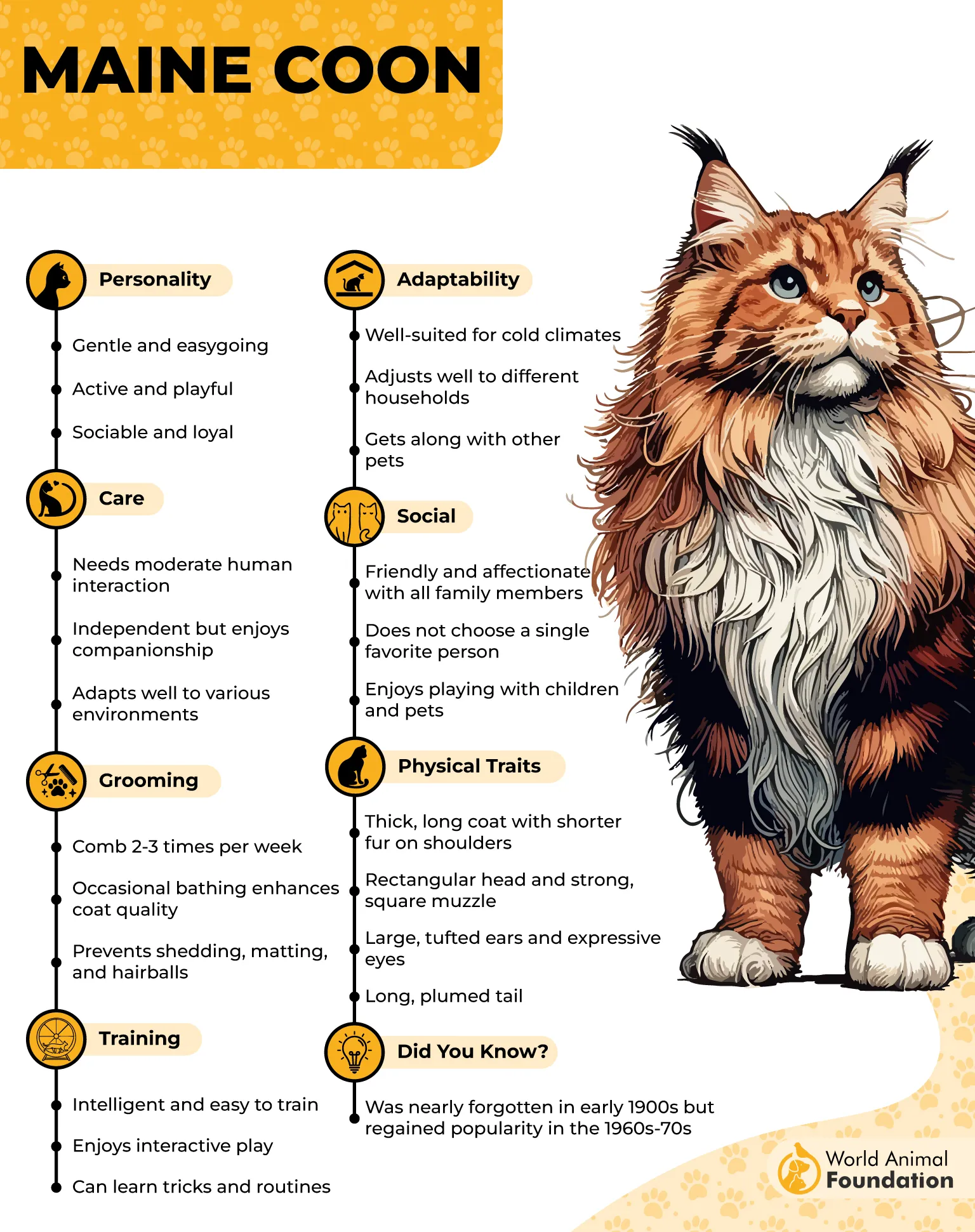
Maine Coon is a rugged, large feline with a shaggy coat and a signature bushy tail resembling that of a raccoon. Originating from Maine in the United States, this medium to large-sized breed is built for colder climates and has a strong, resilient appearance.
According to PetMD, the Maine Coon is a gentle and mellow companion that fits well into family life. Friendly and affectionate, it gets along with children and other pets while balancing playful moments with plenty of relaxed downtime.
The Low-Energy Feline That Enjoys Relaxed Environments
Like most cats, Maine Coons are also known for their laid-back temperament, making them well-suited for calm indoor living. They prefer relaxed surroundings where they can quietly observe rather than constantly seek activity.
Despite their big size, they are gentle and affectionate companions who enjoy being near their humans without demanding constant attention. They often trail behind their owners, offering a comforting presence throughout the home.
Their independent yet social nature allows them to adapt easily to different households, especially those seeking a peaceful and easygoing pet. While they enjoy interaction, they are not typically clingy lap cats.
Their thick, long coat helps them stay comfortable in cooler conditions, but it also requires regular care to keep it in good shape.
Fact: This breed was once mistakenly considered extinct before rising again in popularity.
4. Persian

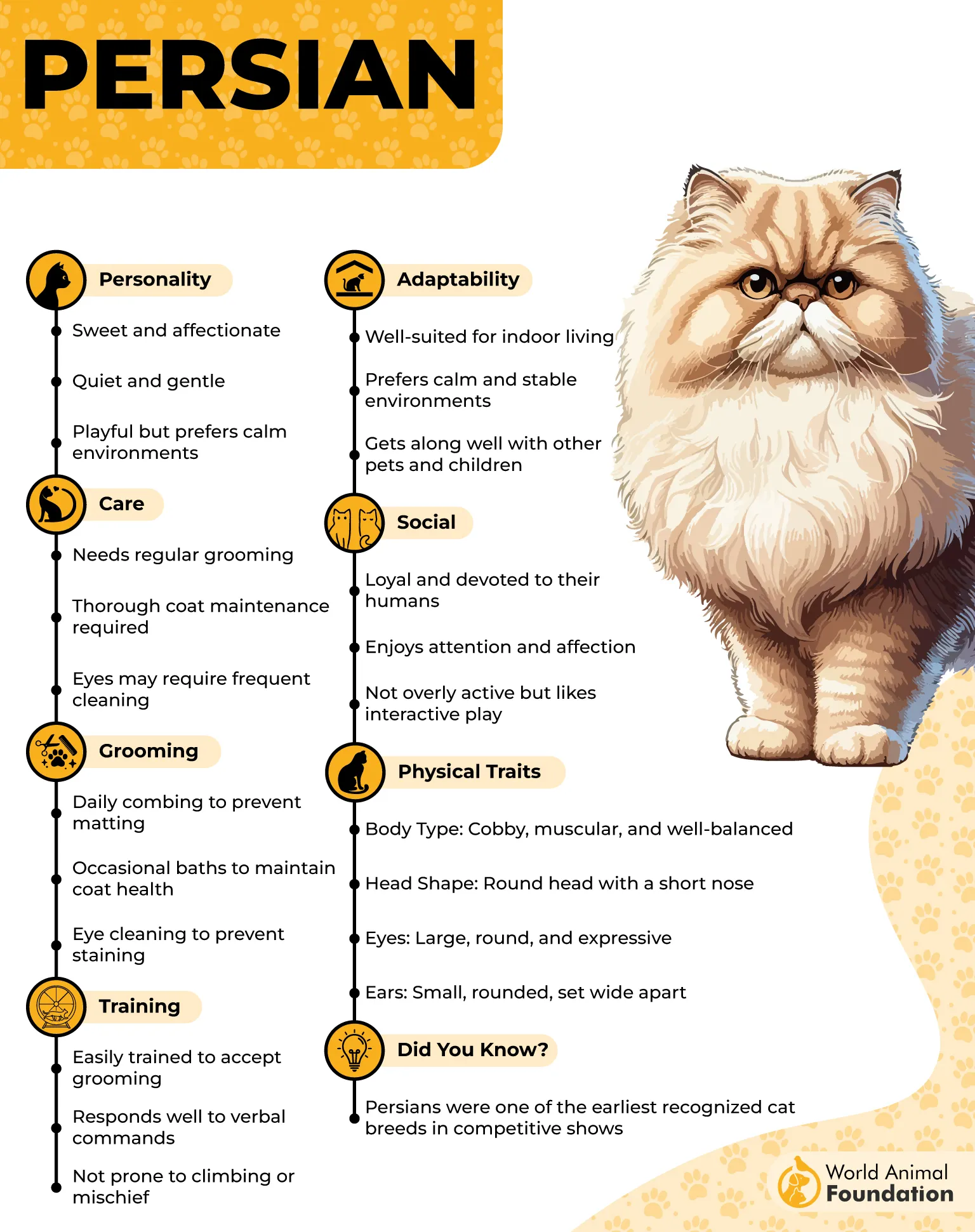
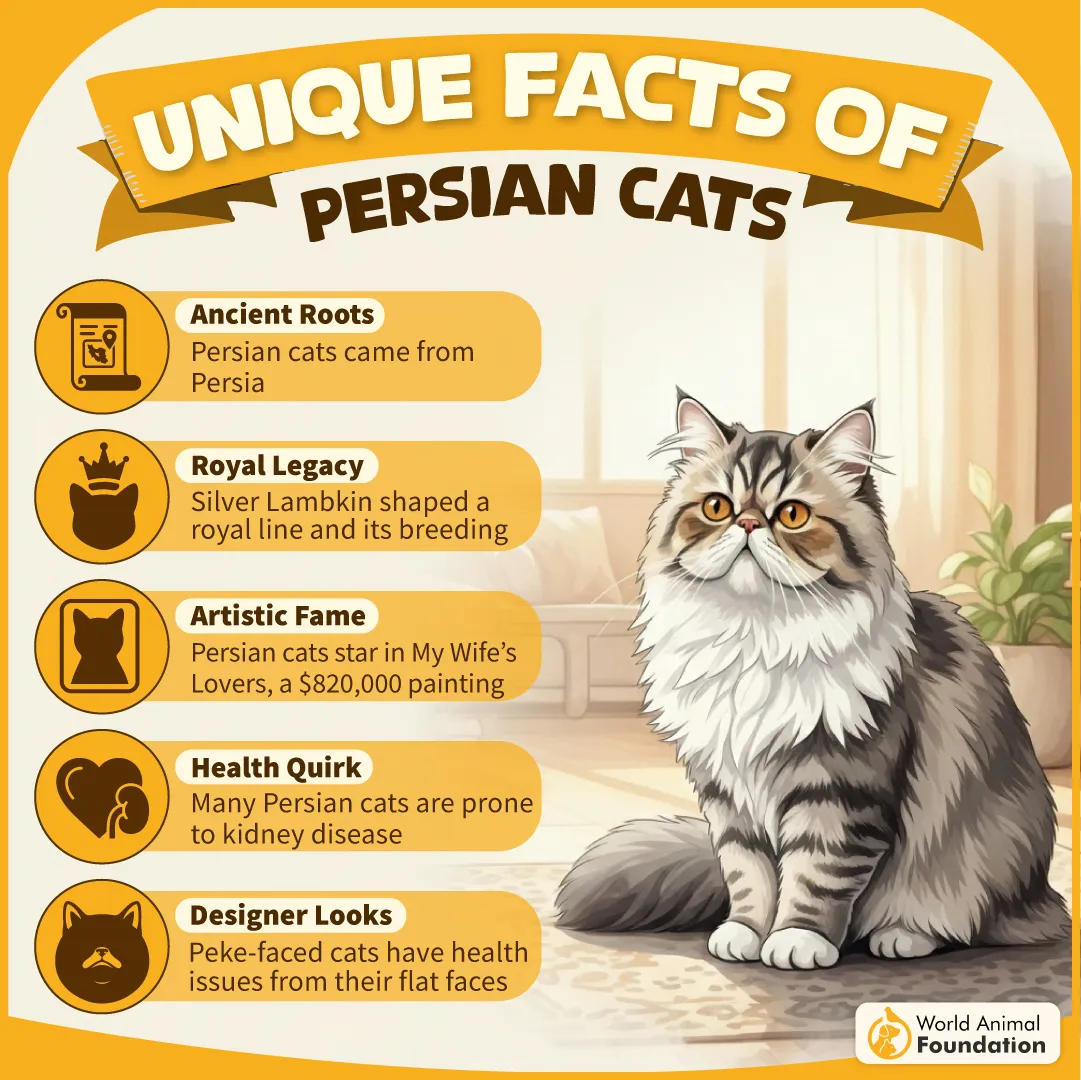
The Persian cat is a striking feline recognized for its flowing coat, rounded body, and distinctive flat face. With a large head and plush appearance, this breed stands out as one of the most elegant indoor companions.
A Friendly Cat That Bonds Well with Owners
Persians are gentle and affectionate, forming strong emotional connections with their owners. They thrive in calm homes where they can relax and enjoy quiet interaction with familiar faces.
While they may seem reserved around strangers, they become deeply attached to their family and enjoy close companionship. Their love for peaceful environments makes them excellent pets for those seeking a soothing presence.
This breed prefers low-energy routines, often choosing cozy spots or high perches to observe their surroundings. Their calm temperament fits well with indoor living, especially in households that value a relaxed atmosphere.
Their luxurious coat demands consistent grooming to prevent tangles, and their flat facial structure requires attentive care due to possible breathing concerns.
Fact: Their distinctive flat face, though charming, can lead to breathing-related health challenges.
5. Scottish Fold
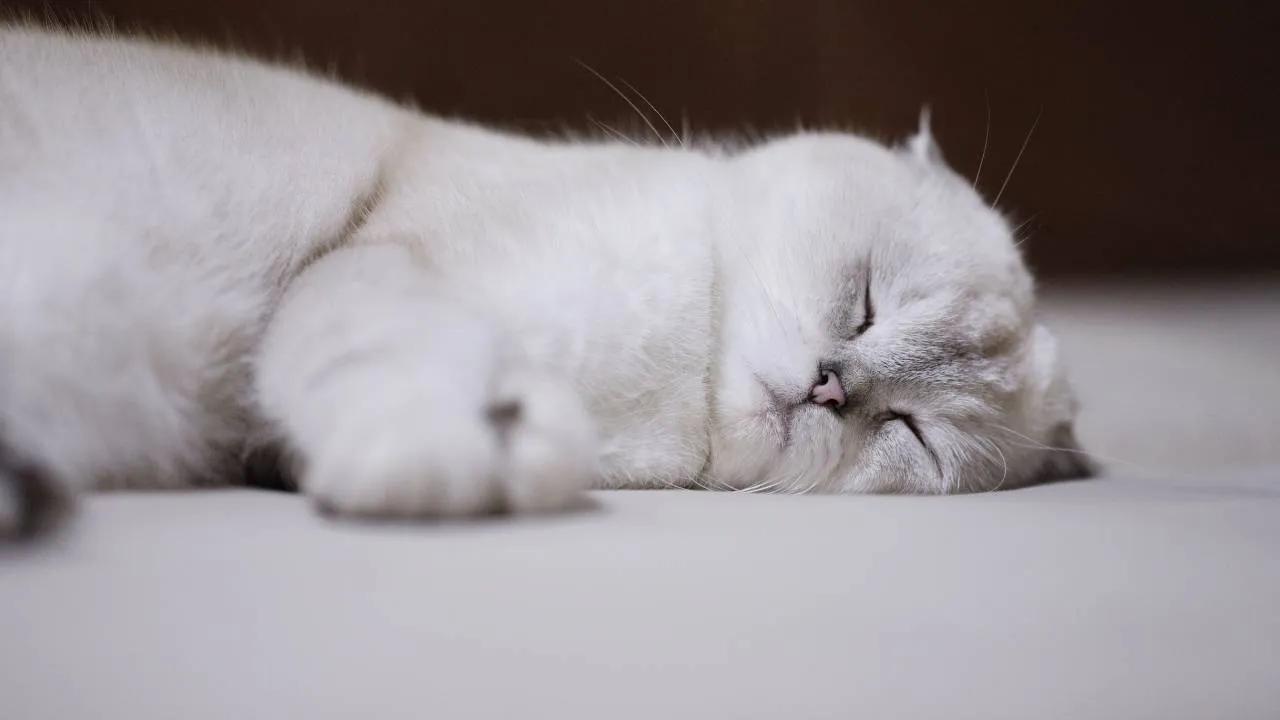
Scottish Fold is instantly recognizable for its unique folded ears and round, expressive face. Paired with striking orange-yellow eyes, this breed has a soft, charming appearance that sets it apart.
The Quiet and Well-Behaved Breed Ideal for Homes
Scottish Folds are known for their calm and well-mannered nature, making them a great match for indoor living. They adapt easily to home routines and enjoy a peaceful environment where they feel secure.

They are affectionate and highly people-oriented, often seeking companionship and staying close to their owners. Their sensitive and expressive personality allows them to bond deeply with family members.
This breed thrives on attention and does best in homes where someone is around most of the time. They also get along well with children and even other pets, adding to their suitability for family life.
Though playful at times, they are not overly demanding and balance activity with long periods of rest. Their quiet demeanor makes them easy to live with in a variety of home settings.
Fact: This breed gets its name from its distinctive folded ears, which give it a unique and recognizable look.
6. Burmese
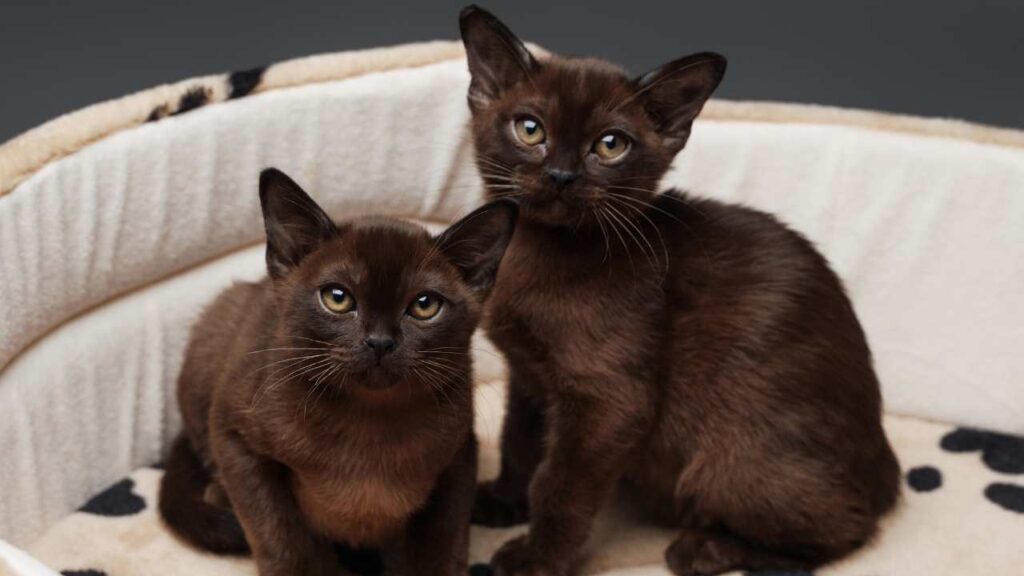
Burmese has a sleek, muscular body with a short, glossy coat and expressive golden eyes. Known for its social personality and elegant appearance, this breed comes in a variety of rich coat colors.
A Low-Maintenance Cat Suitable for Busy Households
Burmese cats are highly sociable and thrive on interaction, often engaging with their owners through playful behavior and vocal communication. Their lively nature brings constant companionship into the home.
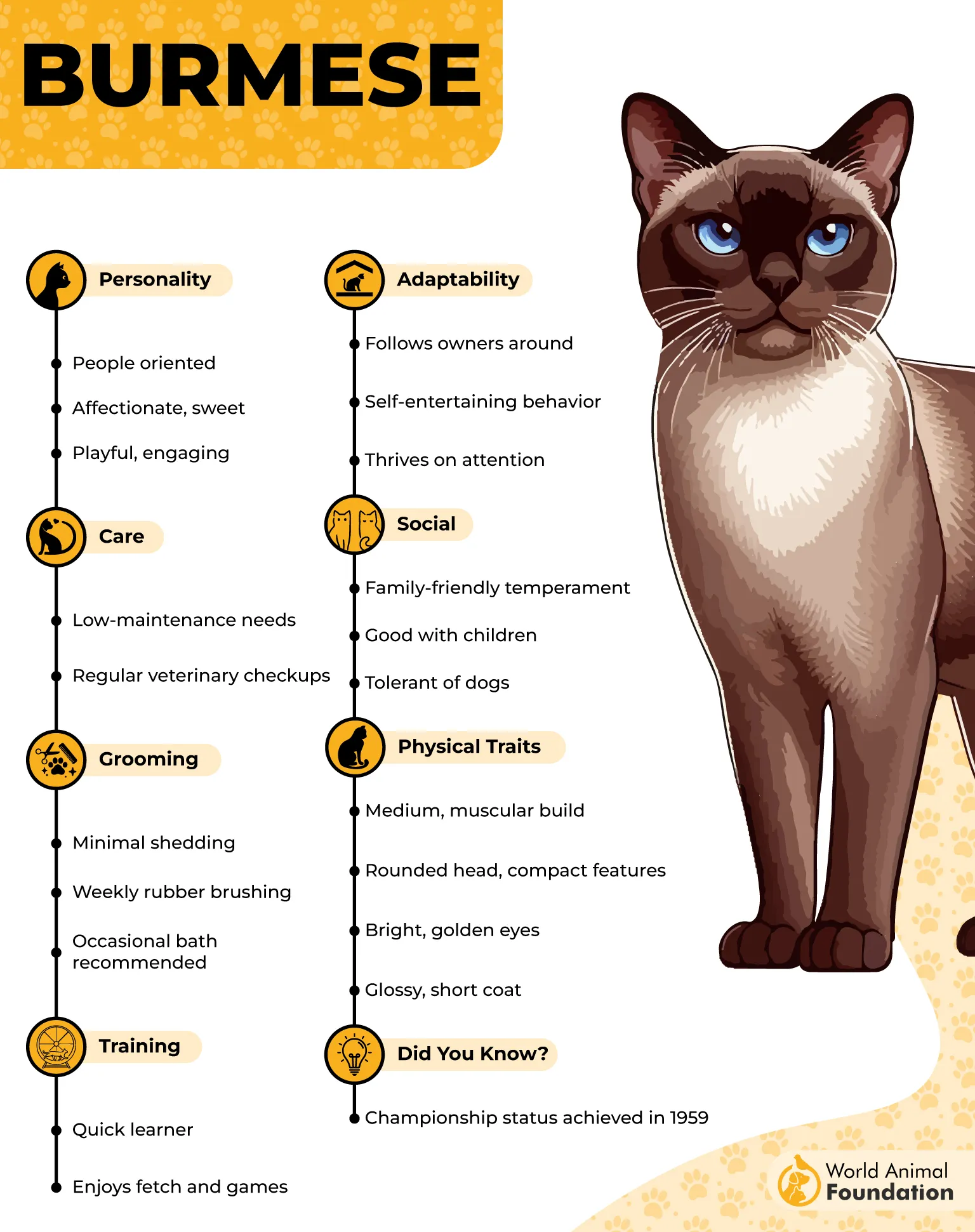
Despite their energetic personality, they are relatively easy to care for due to their short coat, which requires only light weekly grooming. This makes them a practical choice for households with limited time for intensive upkeep.
They are incredibly intelligent and loyal, forming close bonds with their families and enjoying shared activities. Their affectionate temperament ensures they remain involved in daily routines without being overly demanding.
This breed balances playfulness with adaptability, making it suitable for homes where attention is available but grooming time is minimal. Their lower shedding adds to their convenience as indoor pets.
Fact: This breed is known for shedding less than many other cats, making grooming simple and manageable.
7. Sphynx
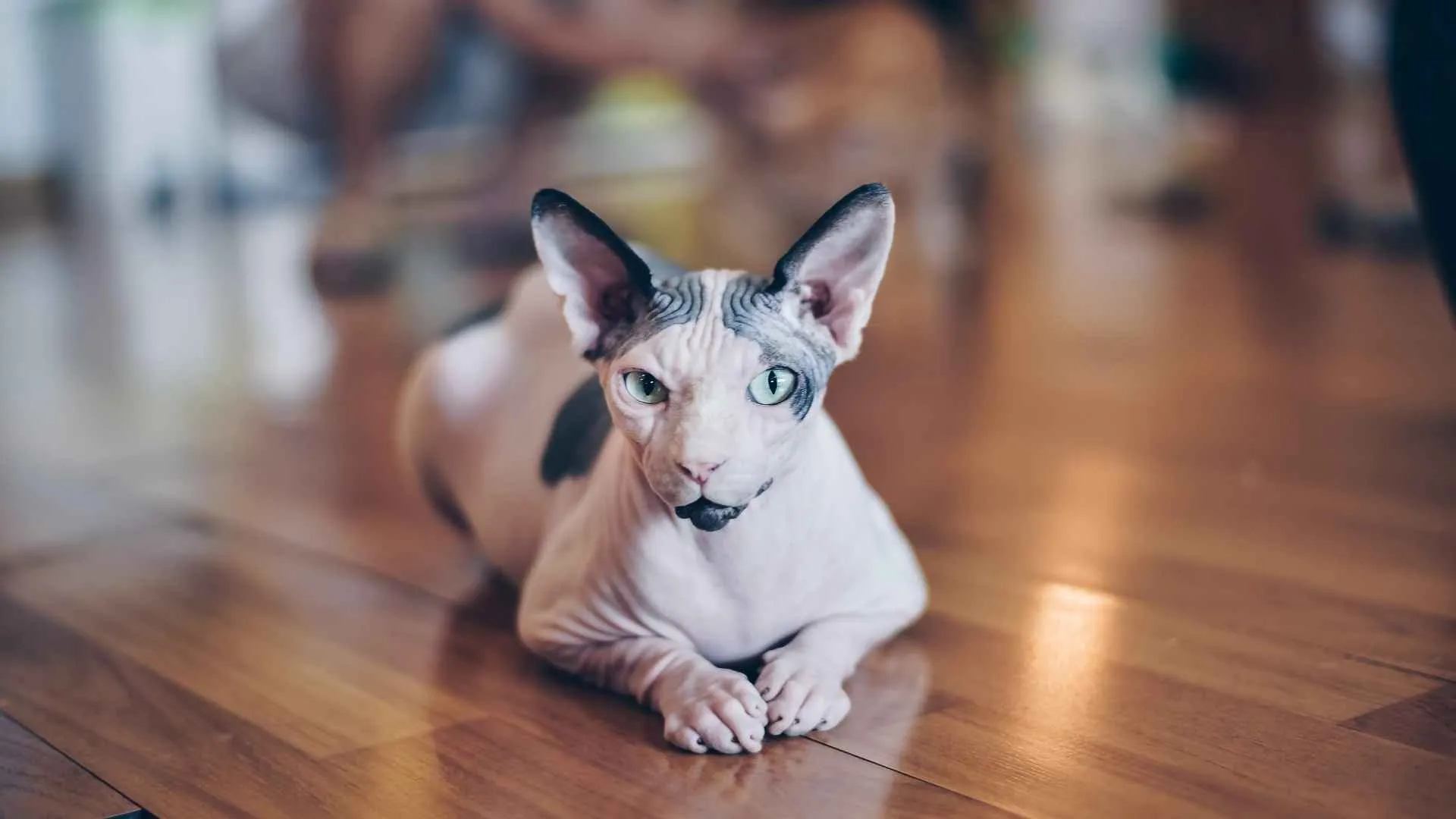
Sphynx is a striking and unusual breed recognized for its near hairless body, wrinkled, delicate skin, and large, open ears. Despite its appearance, it usually has a soft peach-like fuzz and warm, suede-like skin.
The Best Indoor Cat Breed That Thrives on Companionship
Sphynx cats are highly affectionate and people-oriented, often staying close to their owners throughout the day. They enjoy constant interaction and tend to follow their pet parents from room to room.
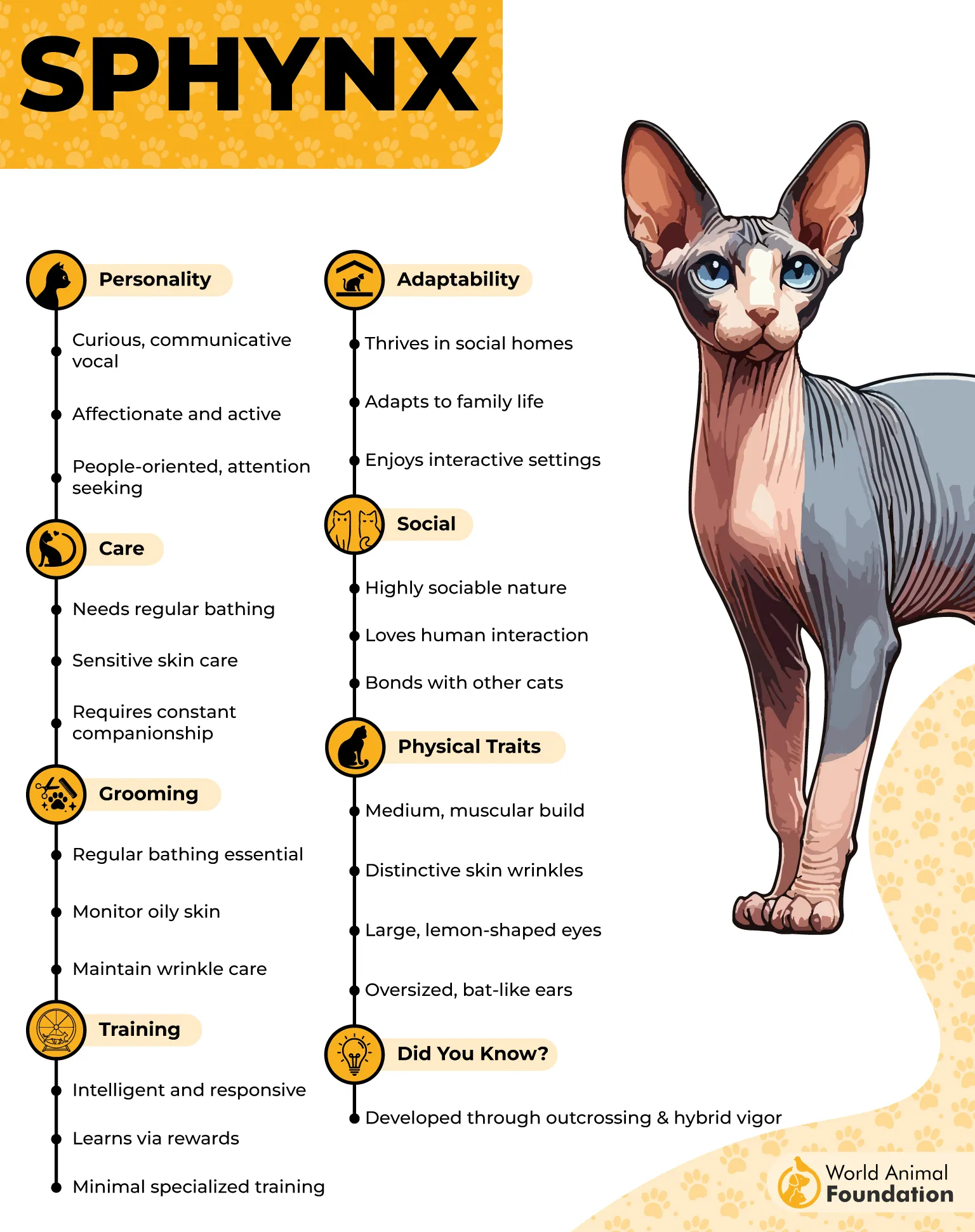
Their friendly and curious personality makes them great companions who thrive on attention. They prefer indoor living, where they can safely stay warm and remain close to their family.
Because they lack a full coat, they require regular bathing to manage skin oils and need protection from both cold and strong sunlight. Their love for warmth often leads them to seek cuddles or cozy resting spots.
These beautiful cats are energetic and intelligent, requiring engaging indoor activities to stay happy. Their lively nature, combined with strong bonding, makes them ideal for those seeking an interactive pet.
Fact: This breed was developed to be completely hairless, though most have a fine layer of soft fuzz on their skin.
Conclusion
House cat breeds offer a comfortable balance of calm temperament, adaptability, and companionship, making them ideal for indoor living. The breeds highlighted in this article stand out for their ability to adjust to home environments while maintaining a relaxed and affectionate nature. Their easygoing behavior and comfort with routine help create a peaceful and stable atmosphere.
Beyond their suitability for indoor life, these cats benefit from enrichment, physical and mental stimulation, regular interaction, and a secure setting. Providing cozy spaces, interactive toys, light play, and consistent care supports their well-being and keeps them content. For those cat owners seeking a dependable and gentle companion, these house-friendly breeds bring a harmonious blend of ease, warmth, and lasting companionship to everyday life.
