




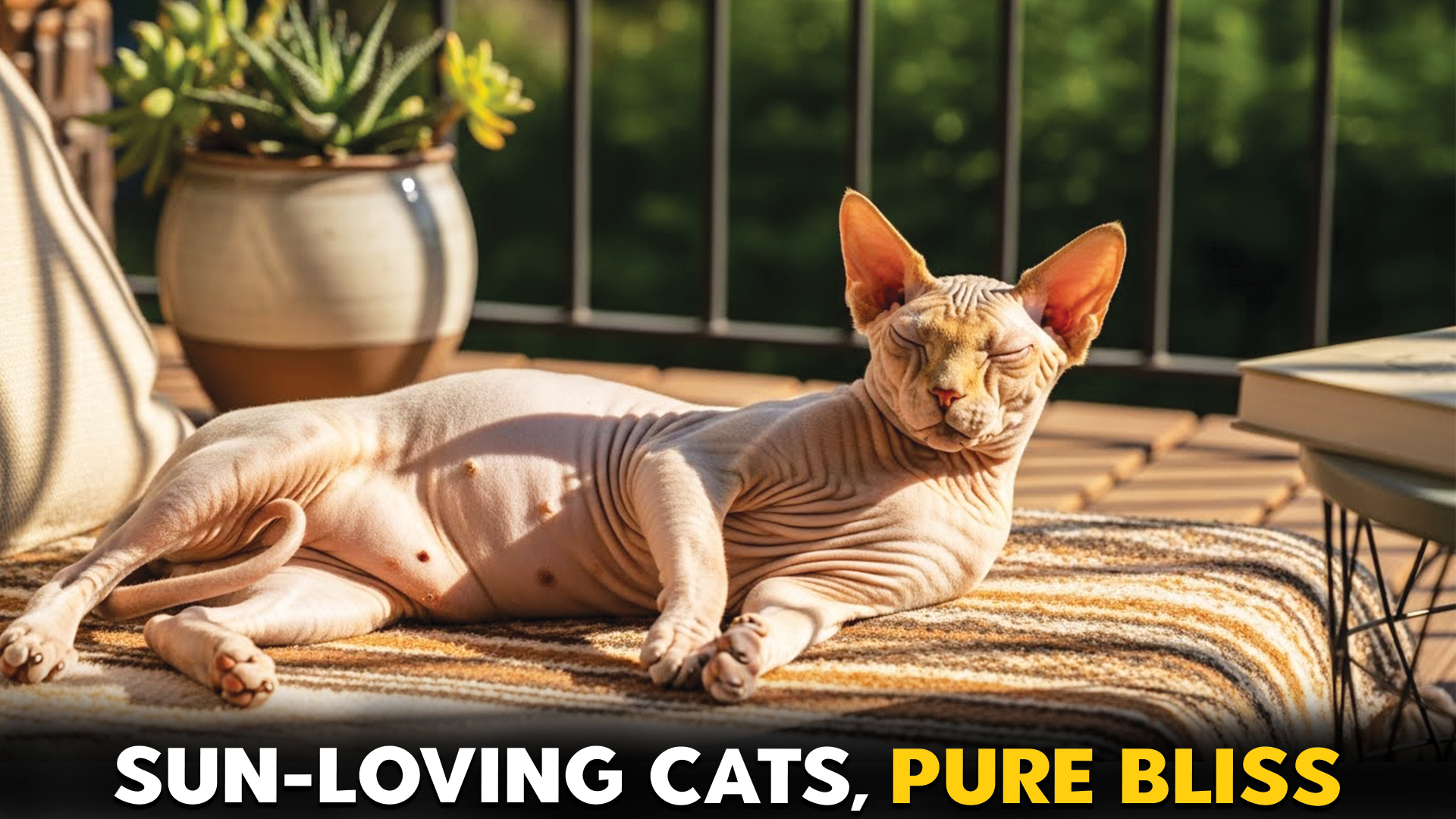
Few sights are as universally charming as a cat stretched out in a warm patch of sunlight, eyes half-closed in pure contentment. For many felines, sunbathing isn’t just a habit—it’s a daily ritual.
So why are cats obsessed with sunny spots? It comes down to comfort and biology. Cats naturally seek warmth to regulate body temperature and conserve energy, especially breeds whose coats and body types evolved in warmer regions. Sunlight offers a cozy, effortless heat source that feels instinctively right.
There’s also science behind the appeal. Sunbathing can boost a cat’s mood, support healthy sleep patterns, and help muscles relax after activity. For heat-tolerant breeds, soaking up the sun isn’t just enjoyable—it’s beneficial.
In this article, we’re exploring cat breeds that love sunbathing and uncovering why certain cats seem irresistibly drawn to sunny windowsills, patios, and sunlit floors.
Cat Breeds That Love Sunbathing
1. Sphynx
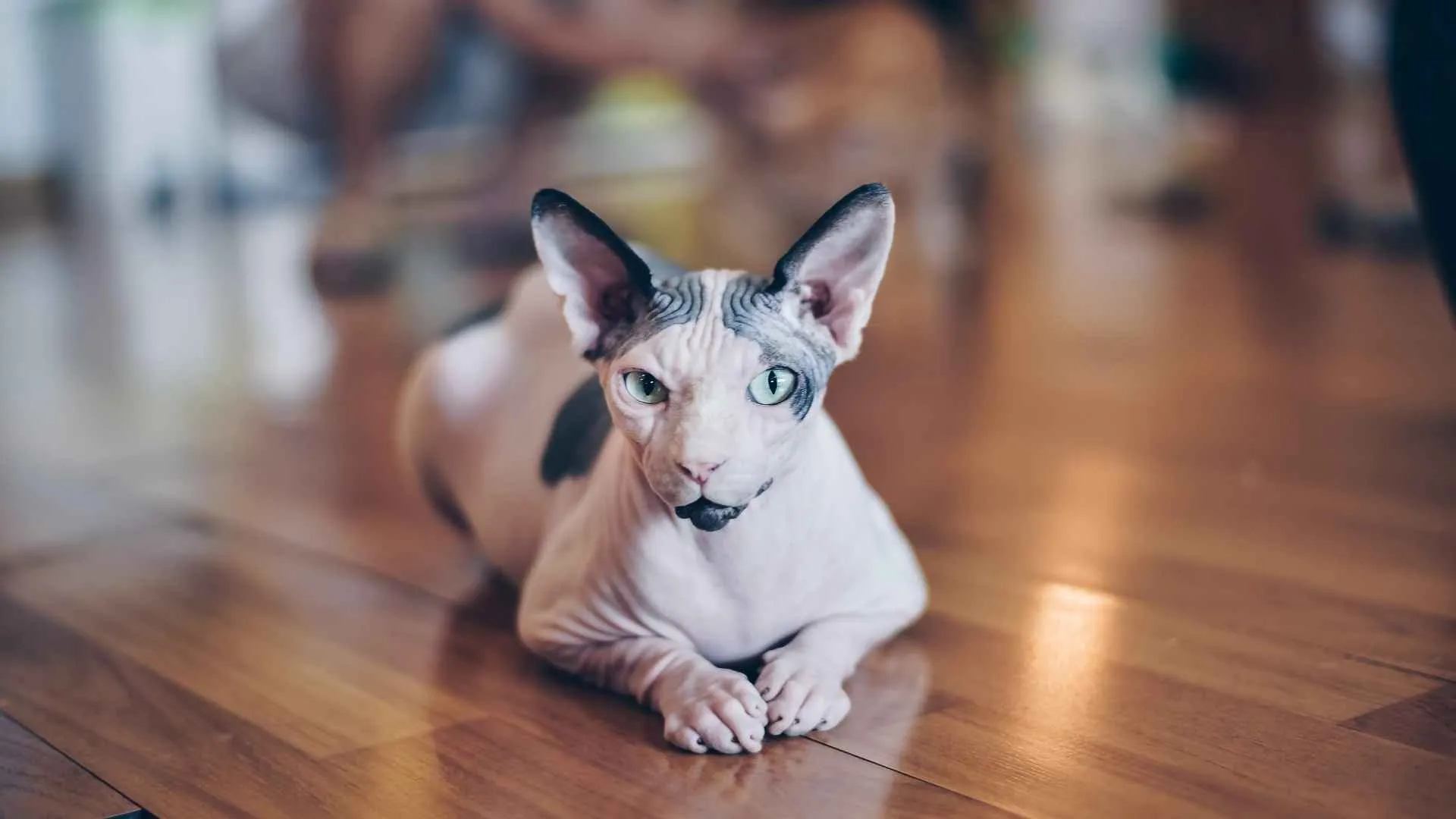
According to Britannica, the Sphynx cat is a hairless domestic cat breed that originated from two spontaneous mutations in short-haired cats.
The Sphynx, sometimes simply called the hairless cat, is instantly recognizable for its bald appearance, wrinkled skin, and expressive eyes. Despite its unusual look, this breed is affectionate, loyal, and highly social, forming strong bonds with people and other pets.
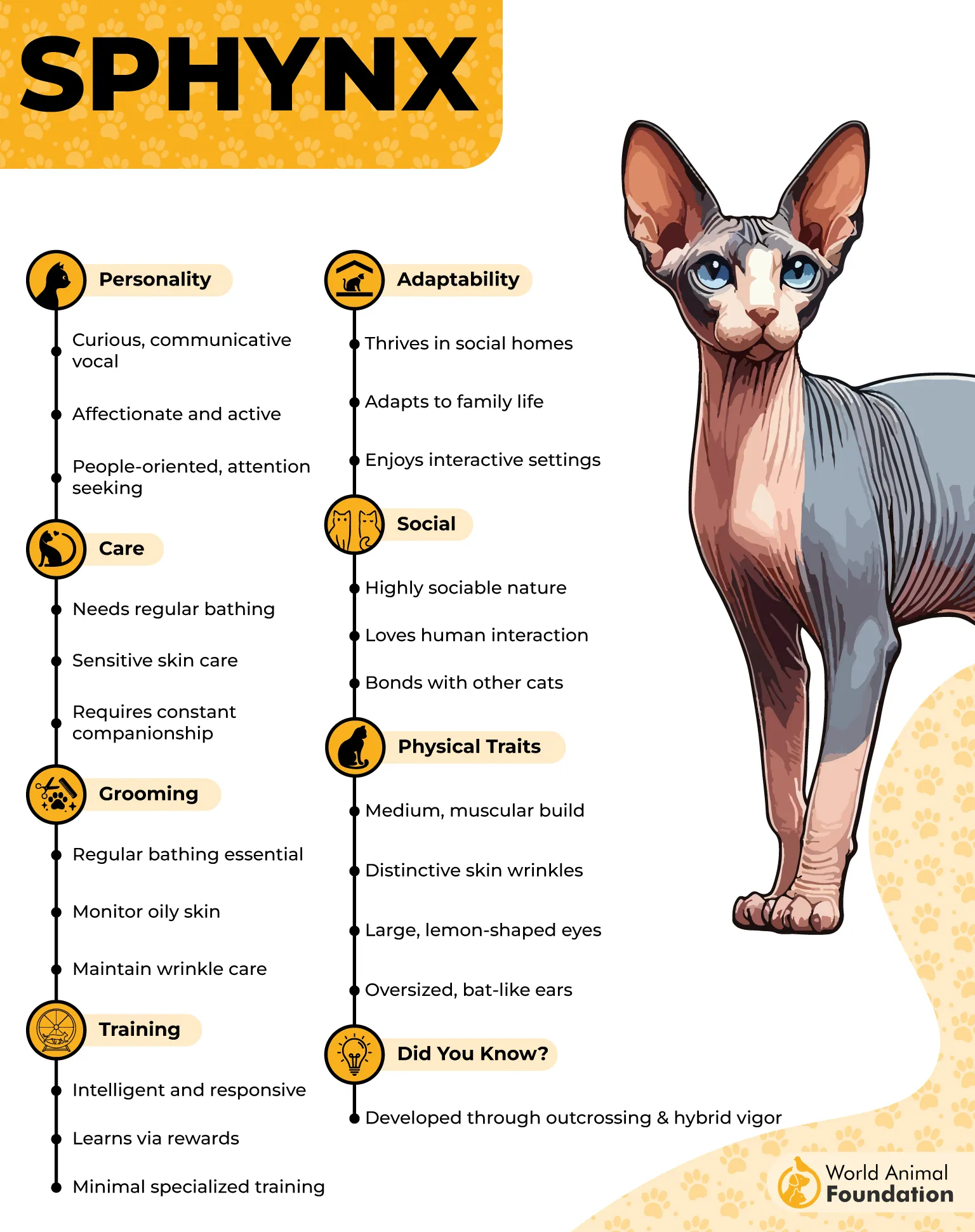
When it comes to sunbathing, the Sphynx is a true heat seeker. With no fur to trap warmth, it loses body heat quickly, which is why it constantly searches for sunny windows, warm laps, and cozy heated spots throughout the day.
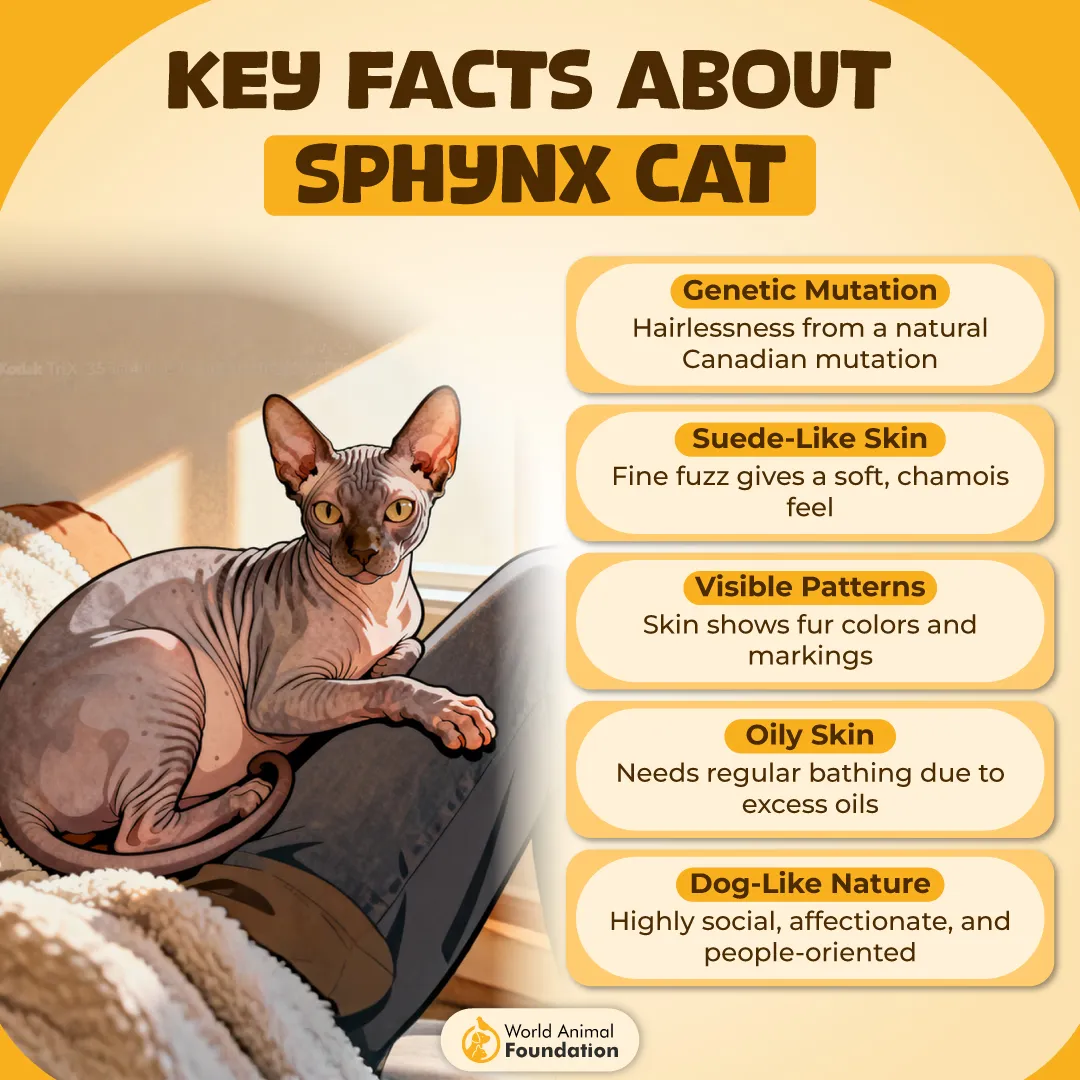
Sunbathing plays an important role in the Sphynx’s comfort and mood. Warm sunlight helps relax their muscles and keeps their body temperature stable, making them one of the most enthusiastic sun-loving loungers among all cat breeds.
Because of their exposed skin, Sphynx cats need careful supervision in direct sunlight to prevent burns. A notable fact about this breed is that a Sphynx kitten from a reputable breeder typically costs between $1,500 and $6,000, depending on pedigree.
2. Siamese
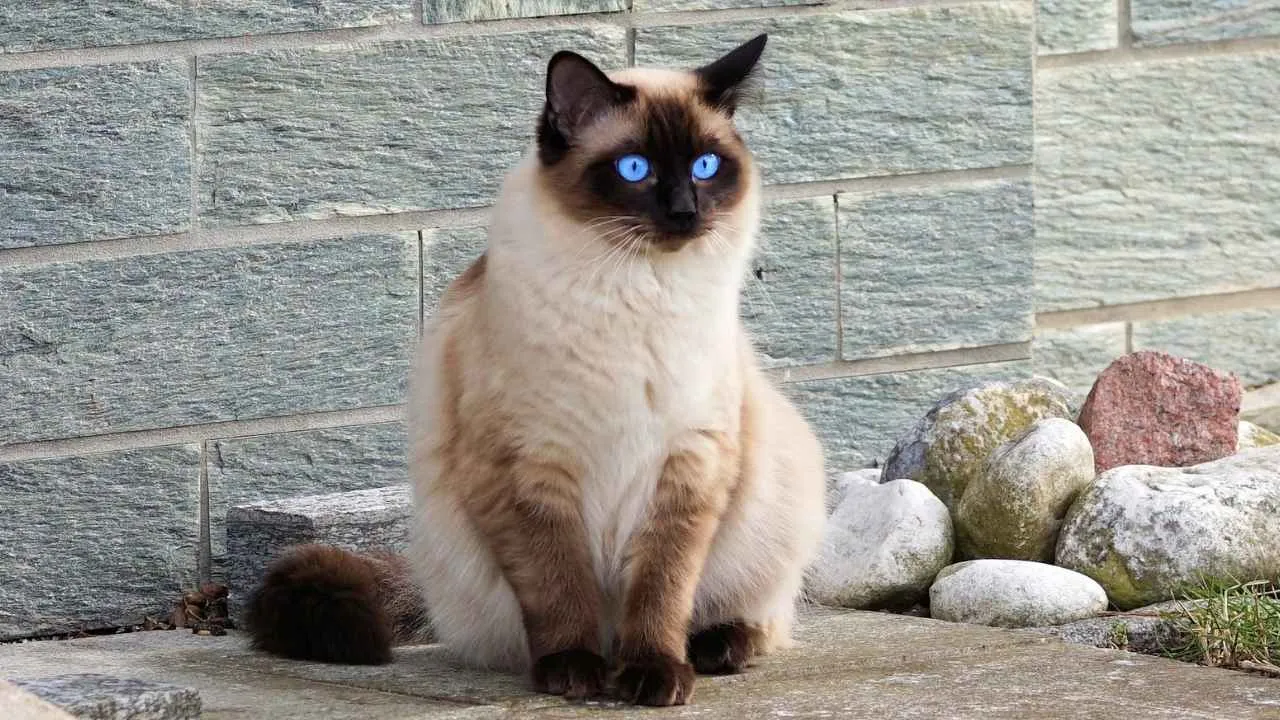
According to PetMD, Siamese cats were historically reserved for royalty, with only members of the royal class permitted to keep them as companions.
The Siamese cat, also known as the Thai cat, traces its roots to Thailand, formerly Siam, a region with a hot, tropical climate. With a sleek, slender body, short, close-lying coat, and striking blue eyes, this breed is naturally suited to warm environments.
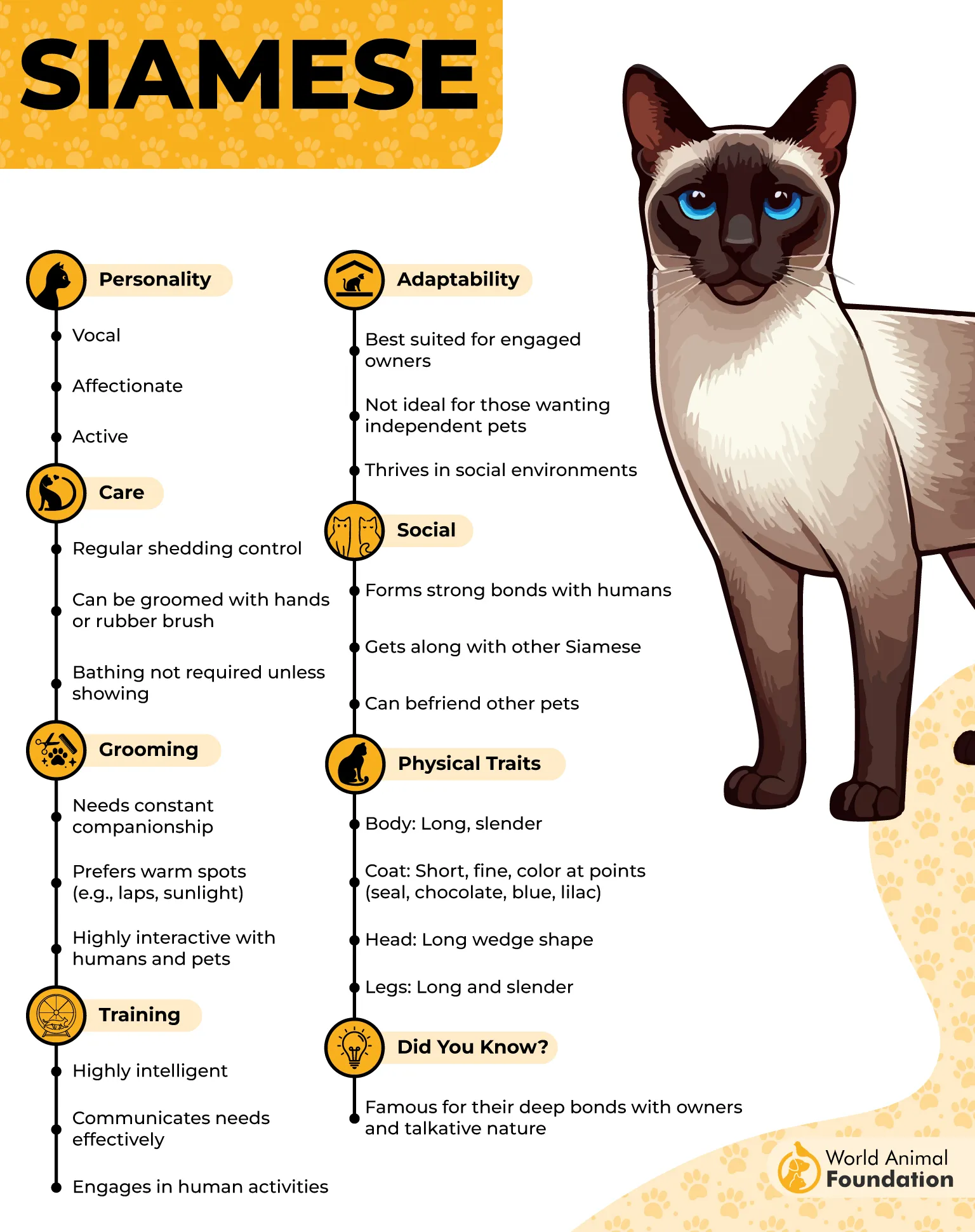
Sunbathing comes instinctively to Siamese cats thanks to their heat-adapted build. Their short fur allows warmth to reach the skin easily, making sunny windowsills and bright floors ideal spots for rest and relaxation during the day.
Always curious and alert, Siamese cats are often found napping in sunbeams between bursts of activity. Their love of warmth pairs perfectly with their habit of staying close to their humans, often choosing sunlit areas where they can lounge comfortably and observe household life.
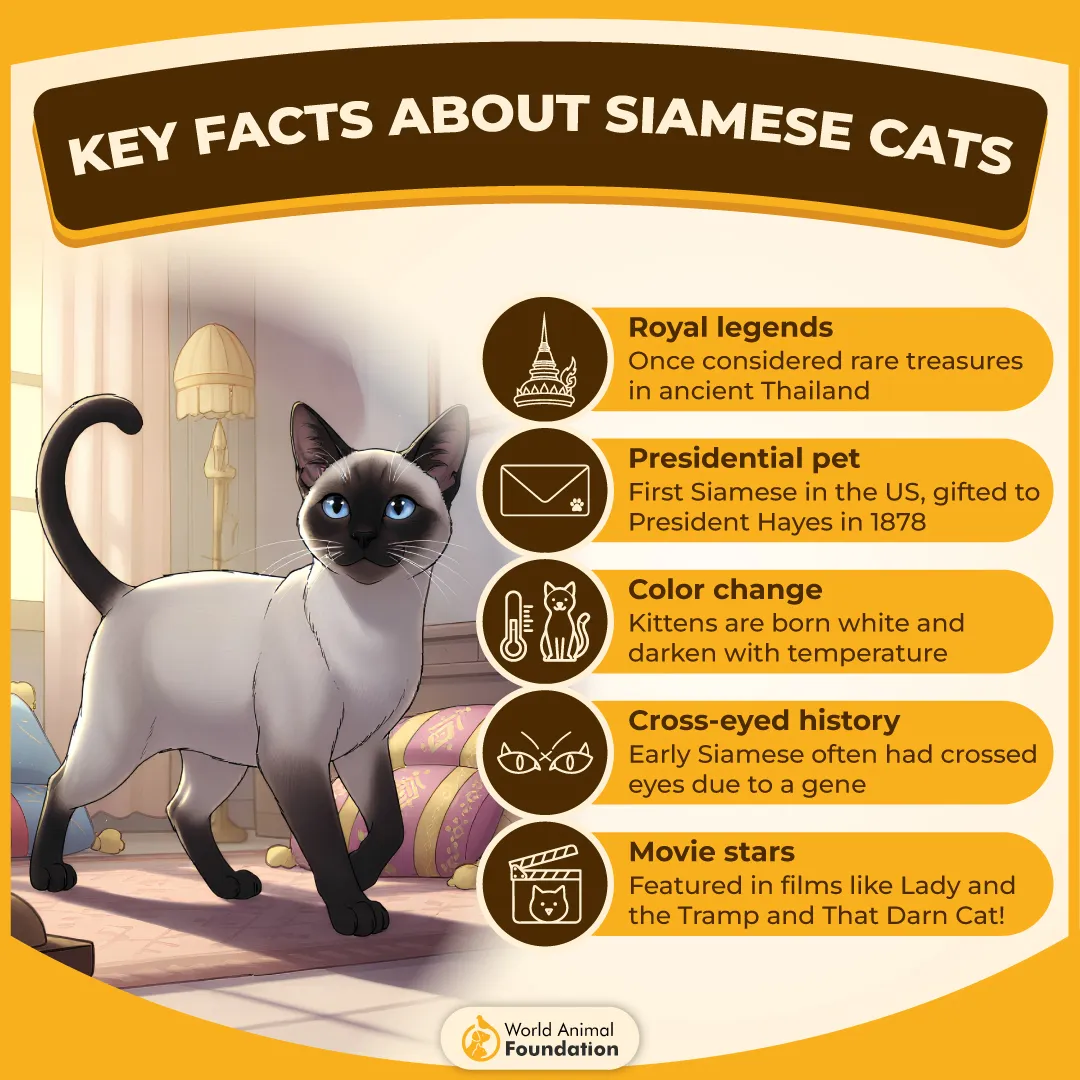
Their unique color-point pattern is more than decorative—it’s tied to temperature regulation, with darker fur appearing on cooler parts of the body. A notable fact about Siamese cats is that their coat coloration is influenced by a temperature-sensitive enzyme that responds to heat.
3. Oriental Shorthair
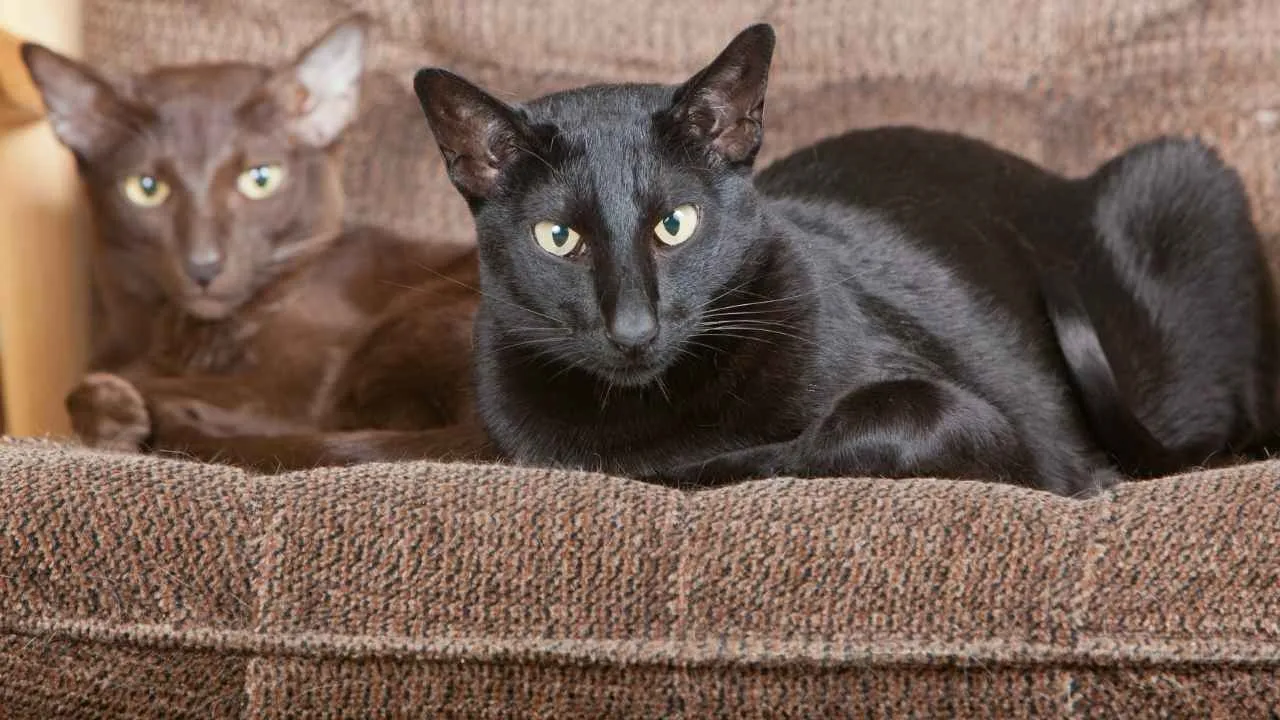
According to Purina, Oriental Shorthairs are lean, medium-sized cats with a muscular and athletic build, often feeling heavier than their appearance suggests, and they feature a classic triangular wedge-shaped head similar to the Siamese, with a straight profile, large, widely set ears, and alert, intelligent eyes.
The Oriental Shorthair, closely related to the Siamese and sometimes grouped under Oriental cats, is instantly recognizable for its elegant, slender body and oversized ears. With a fine, short coat and a wide range of colors and patterns, this breed is both striking and well-suited to indoor and warm-weather living.
As a heat-seeking and happily relaxed breed, the Oriental Shorthair naturally gravitates toward sunny spaces. Its slim build and minimal coat allow heat to dissipate easily, making sunbathing on windowsills or warm floors especially appealing and comfortable.
Those large ears aren’t just for show—they help release excess body heat, allowing the cat to lounge in the sun without overheating. Combined with a love for warmth, this physical design explains why Oriental Shorthairs are often found soaking up sunlight whenever it’s available.
Social and vocal, they enjoy relaxing near their owners after playful bursts of energy, often choosing the sunniest spot nearby. A notable fact is that the Oriental Shorthair’s short, fine coat and heat-releasing ears help it stay comfortable even when temperatures rise.
4. Abyssinian
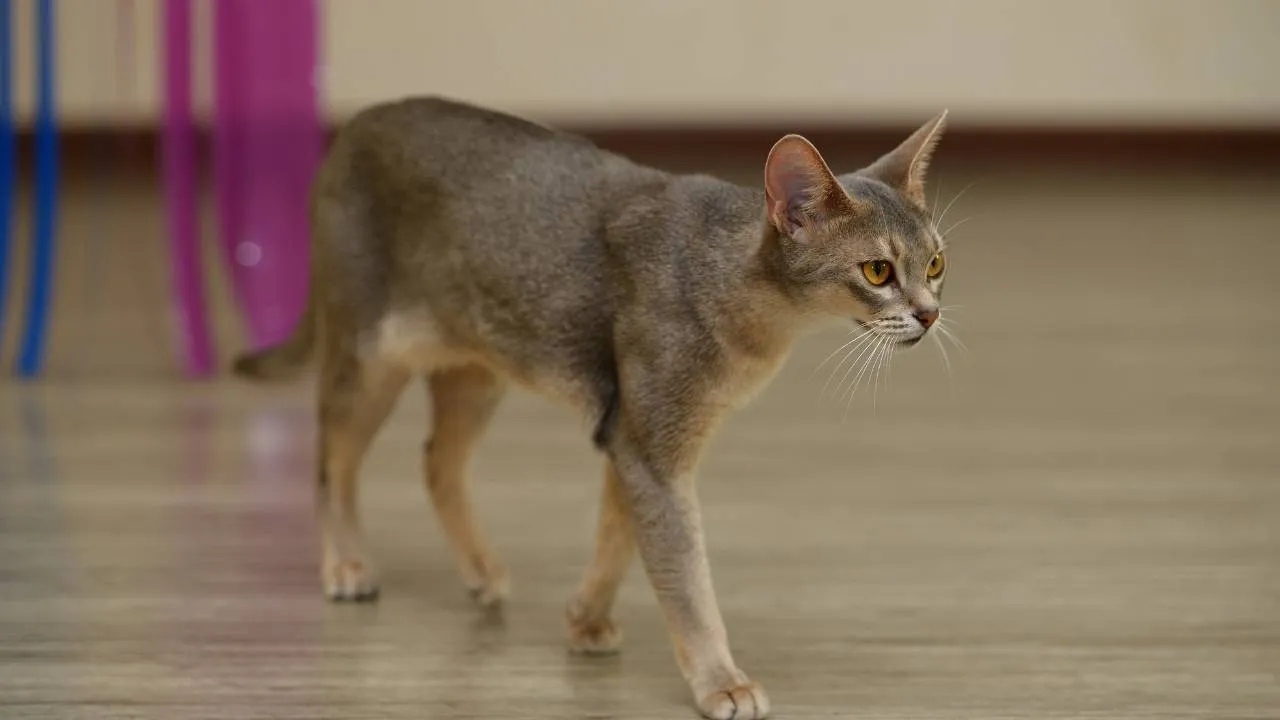
The Abyssinian, sometimes called the Aby or nicknamed the “cat of ancient Egypt,” is an athletic, short-haired breed admired for its ticked coat and alert expression. With roots traced to Ethiopia and ties to ancient warm regions, this breed is naturally comfortable in sun-filled homes.
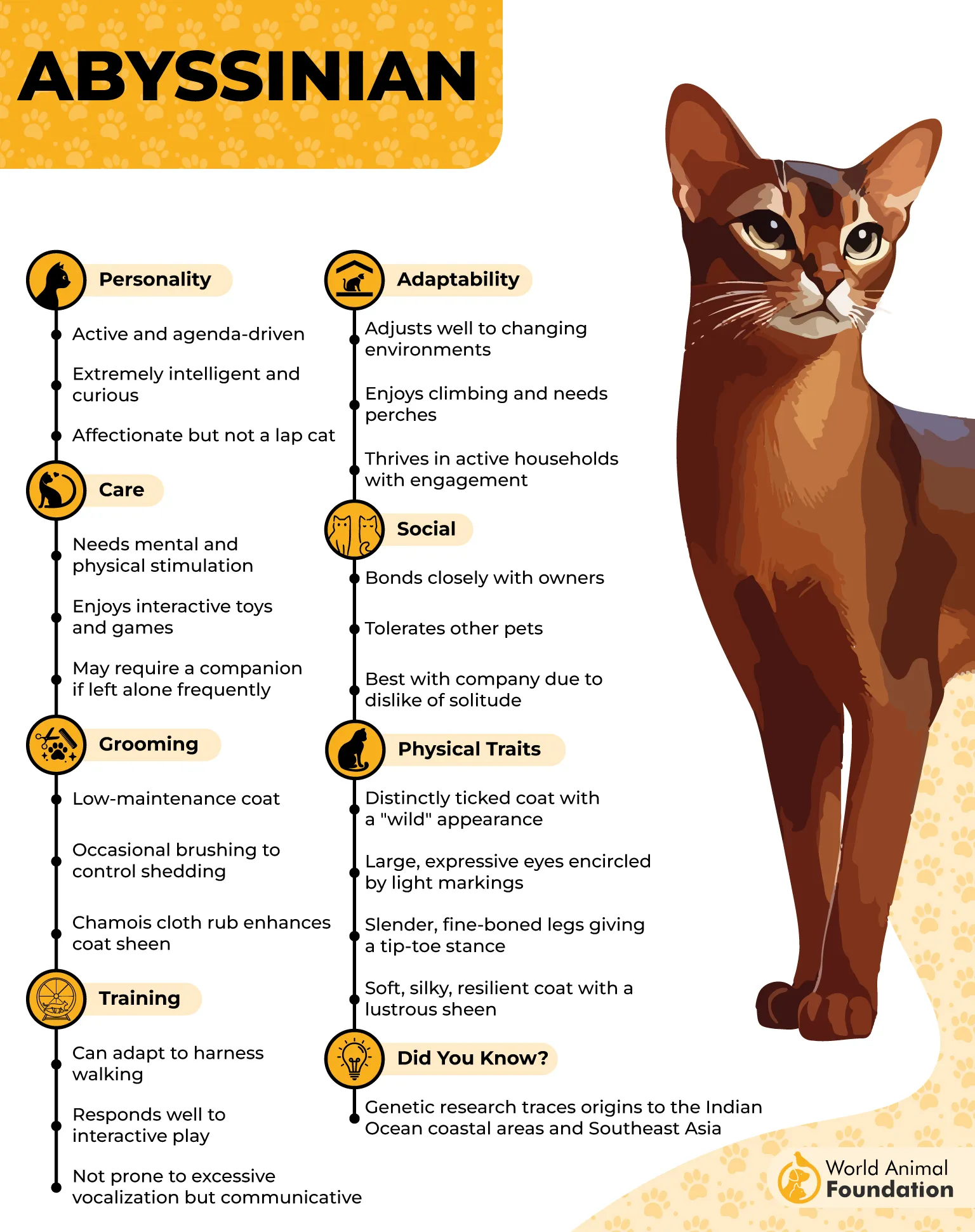
Built to thrive in warm light, the Abyssinian’s fine, close-lying coat allows heat to dissipate easily. Its lean frame and active metabolism make sunny windowsills and bright rooms especially appealing for daily lounging.
Sunbathing suits both their body and personalities. Abyssinians often move between play and rest, happily stretching out in warm patches of sunlight after bursts of activity, using heat to relax muscles and recharge energy.
Curious and people-oriented, they enjoy basking near their humans while keeping an eye on their surroundings. A notable fact about the Abyssinian is that it is more susceptible to cryptococcosis, a fungal infection that enters through the nasal passages and is typically treatable with oral antifungal medication.
5. Bengal
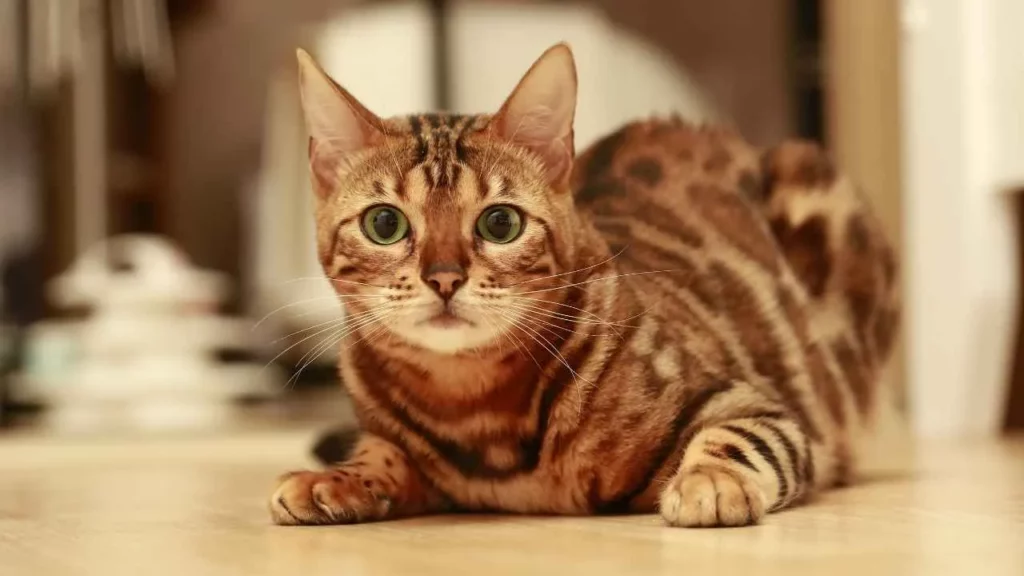
The Bengal cat, sometimes referred to simply as the Bengal, is instantly recognizable for its leopard-like spots and shimmering coat. Descended from the Asian leopard cat, this breed combines a wild appearance with a confident, people-oriented personality.
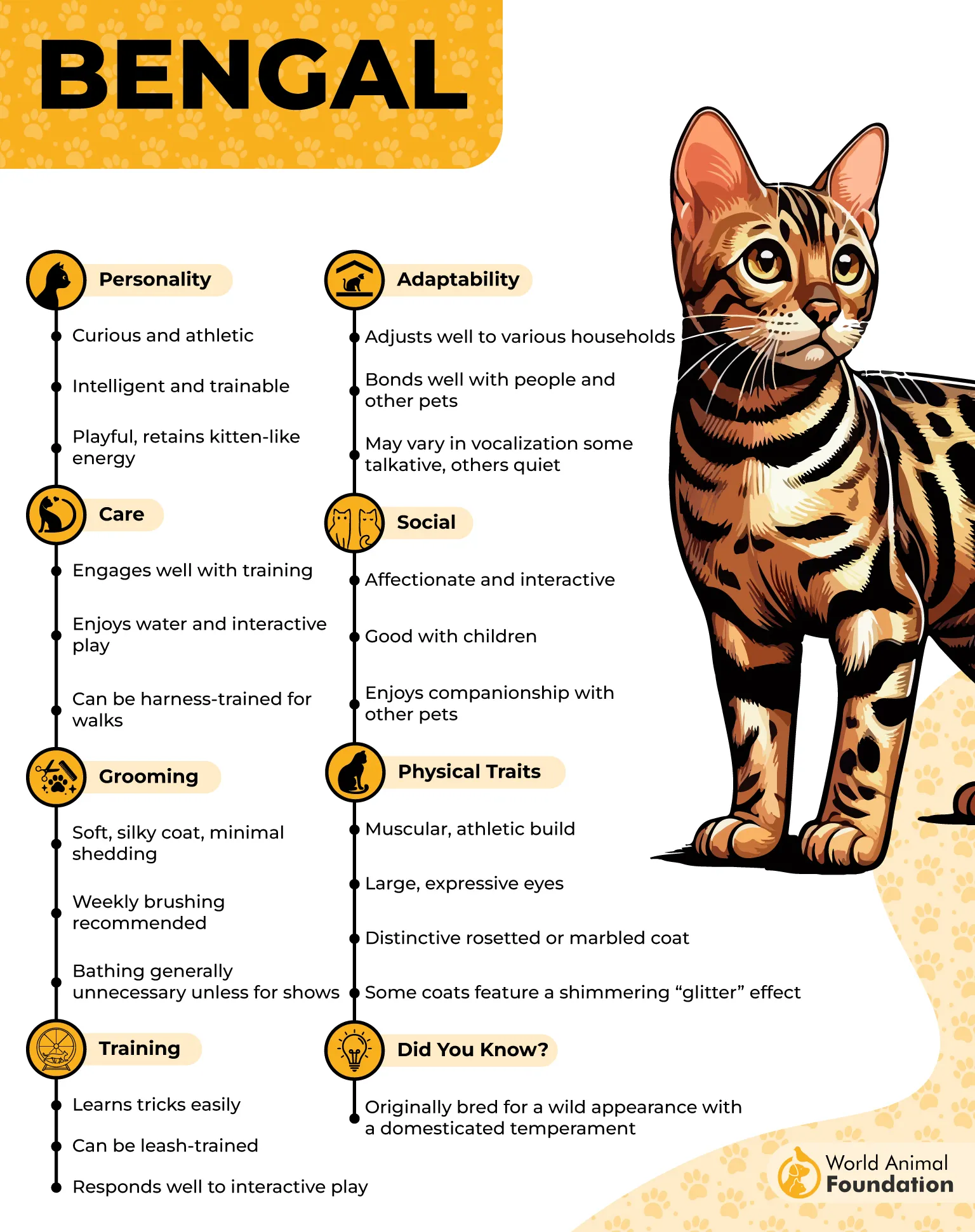
As a sun-loving breed, Bengals are naturally drawn to warm, bright spaces. Their short, dense coat helps them tolerate heat comfortably, making sunny windowsills and sunlit floors a favorite resting place after bursts of activity.
While energetic and curious, Bengals often balance play with relaxation. After climbing, exploring, or engaging in interactive play, they’re happy to stretch out in the sun, soaking up warmth that complements their laid-back moments between adventures.
Their affectionate yet independent nature means they enjoy companionship without being constant lap cats. A notable fact about Bengals is that their heritage traces back to Asian leopard cats, which helps explain their strong attraction to warmth and sunny environments.
6. Devon Rex
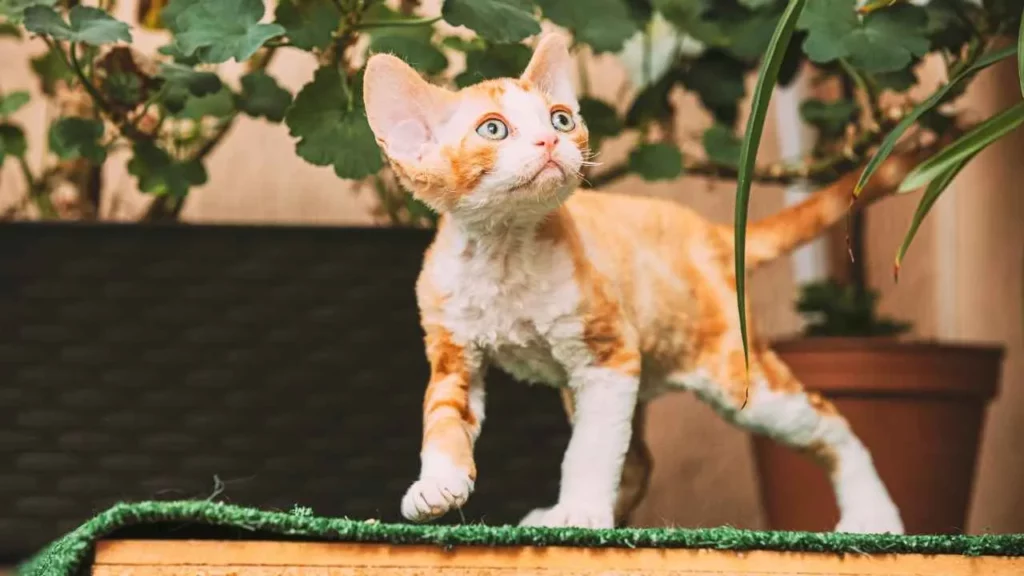
The Devon Rex, often nicknamed the “pixie” or “alien cat,” is a small-to-medium breed known for its oversized ears, high cheekbones, and expressive eyes. Discovered in Devonshire, England, this affectionate and mischievous cat forms strong bonds and loves staying close to its people.
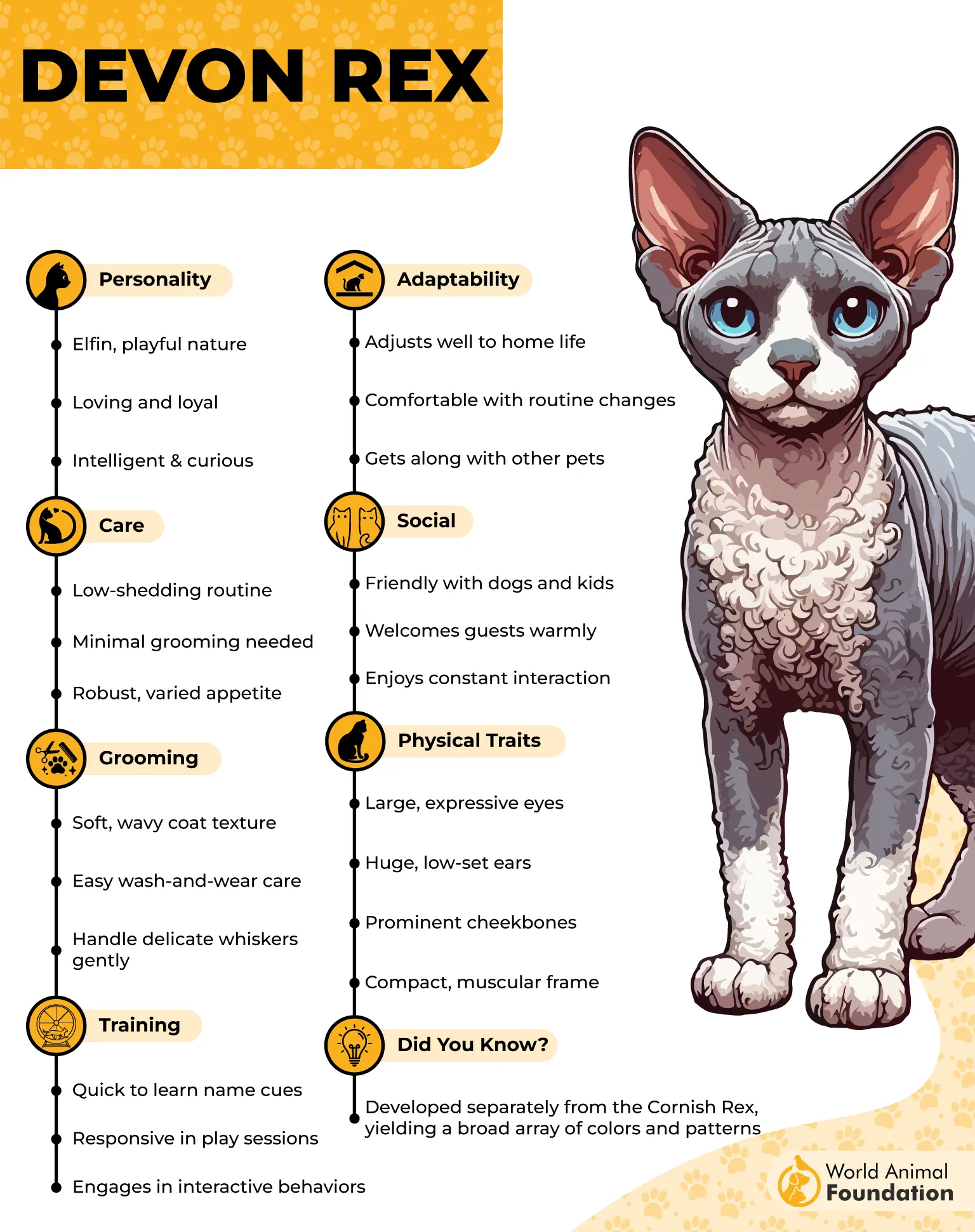
When it comes to sunbathing, the Devon Rex is clearly drawn to warmth and comfort. Its short, curly rex coat offers less insulation than average, making sunny windowsills, blankets, and warm rooms especially appealing resting spots.
The science behind this love of heat lies in their coat structure. A genetic mutation creates their soft, rippled fur, which sheds little and helps dissipate heat, allowing Devon Rex cats to remain comfortable while soaking up sunlight without overheating.
Highly energetic yet cuddly, they often recharge by stretching out in sunlit areas before returning to play. A notable fact about the Devon Rex is that its delicate, low-shedding curly coat makes it especially heat-tolerant and fond of warm, cozy spaces.
7. Egyptian Mau
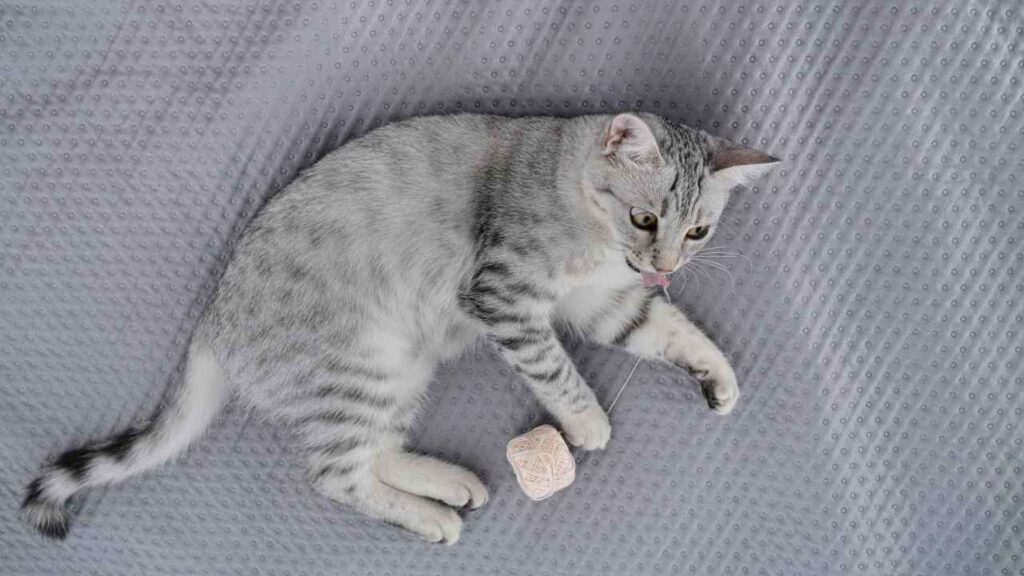
The Egyptian Mau, sometimes simply called the Mau, is a naturally spotted cat with ancient Egyptian roots and a sleek, graceful build. Known for its medium-short coat and muscular body, this breed carries an air of history while remaining closely bonded to modern indoor families.
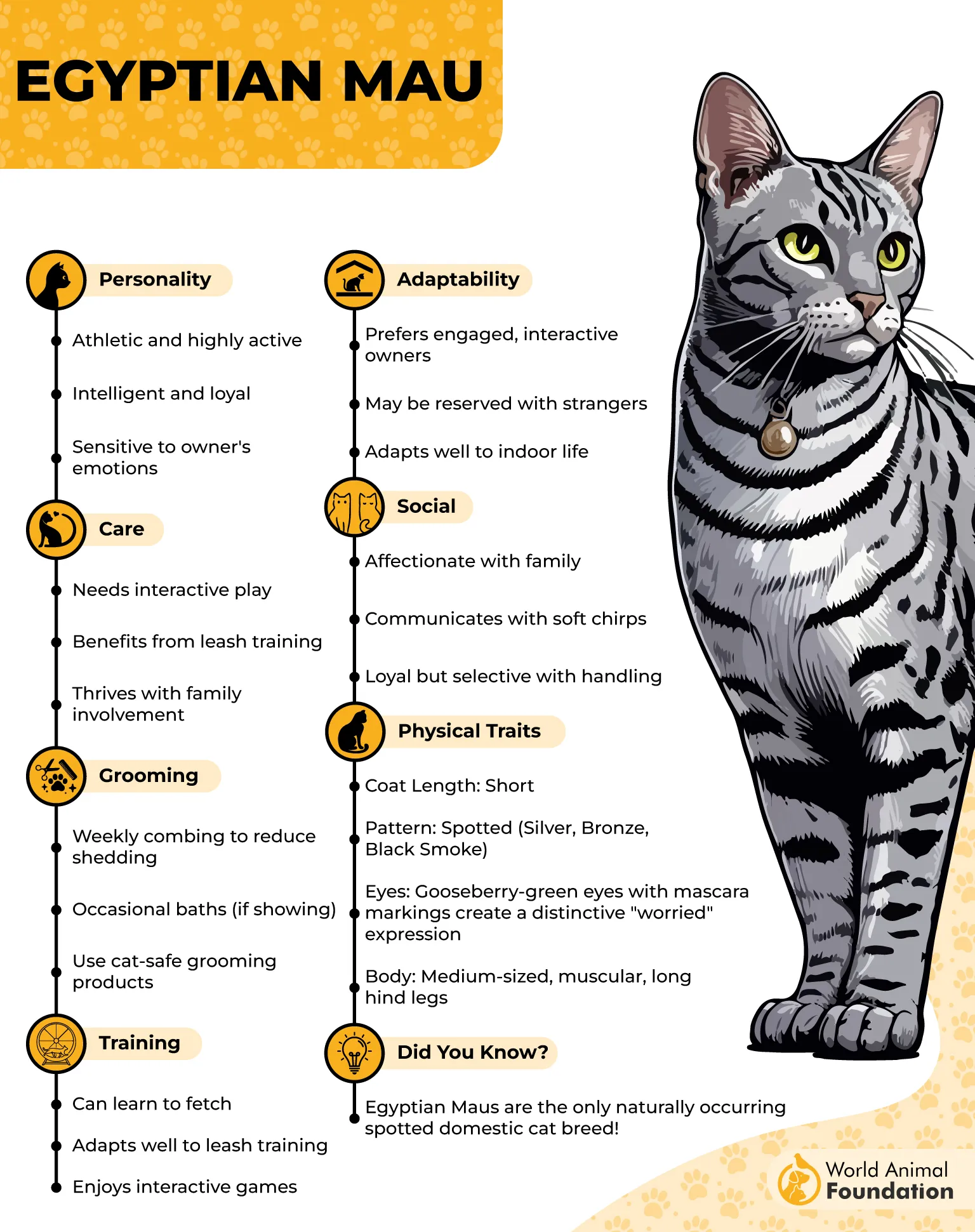
Perfectly adapted to warmth, the Egyptian Mau has a strong preference for sunny spaces. Its short coat helps regulate body temperature, making sunlit windowsills and warm floors ideal spots for relaxing without overheating.
Often described as the ultimate window-side napper, Maus happily alternate between soaking up sunshine and short bursts of energetic play. Their love of warmth pairs well with moderate activity, allowing them to recharge comfortably in bright, warm areas of the home.
Despite their relaxed sunbathing habits, they are fast, agile, and deeply loyal to their humans. A notable fact about the Egyptian Mau is that it is one of the few cat breeds with a naturally spotted coat, a trait linked to its origins in warm Egyptian climates.
Conclusion
Sunbathing isn’t just a charming habit—it’s deeply rooted in feline biology. Cats seek warm rays to maintain body temperature, relax muscles, and support overall cat health. Natural light and the sun’s rays help cats feel calm, encourage sleeping, and may even support their ability to synthesize vitamin compounds linked to vitamin D. It’s no surprise cats love curling up in a sun room, on screened porches, or anywhere sun exposure feels just right.
For many cat owners, understanding these instincts helps create safer sunbathing spaces. While desert creatures from warm places like the Middle East are naturally heat-tolerant, sun exposure should still be balanced to avoid risks such as heat stroke or skin cancer, especially in white cats and sensitive ear tips. With moderation, food, comfort, and access to warm places, sun bath time offers many health benefits—making sunshine a simple joy many cats can’t resist.
