




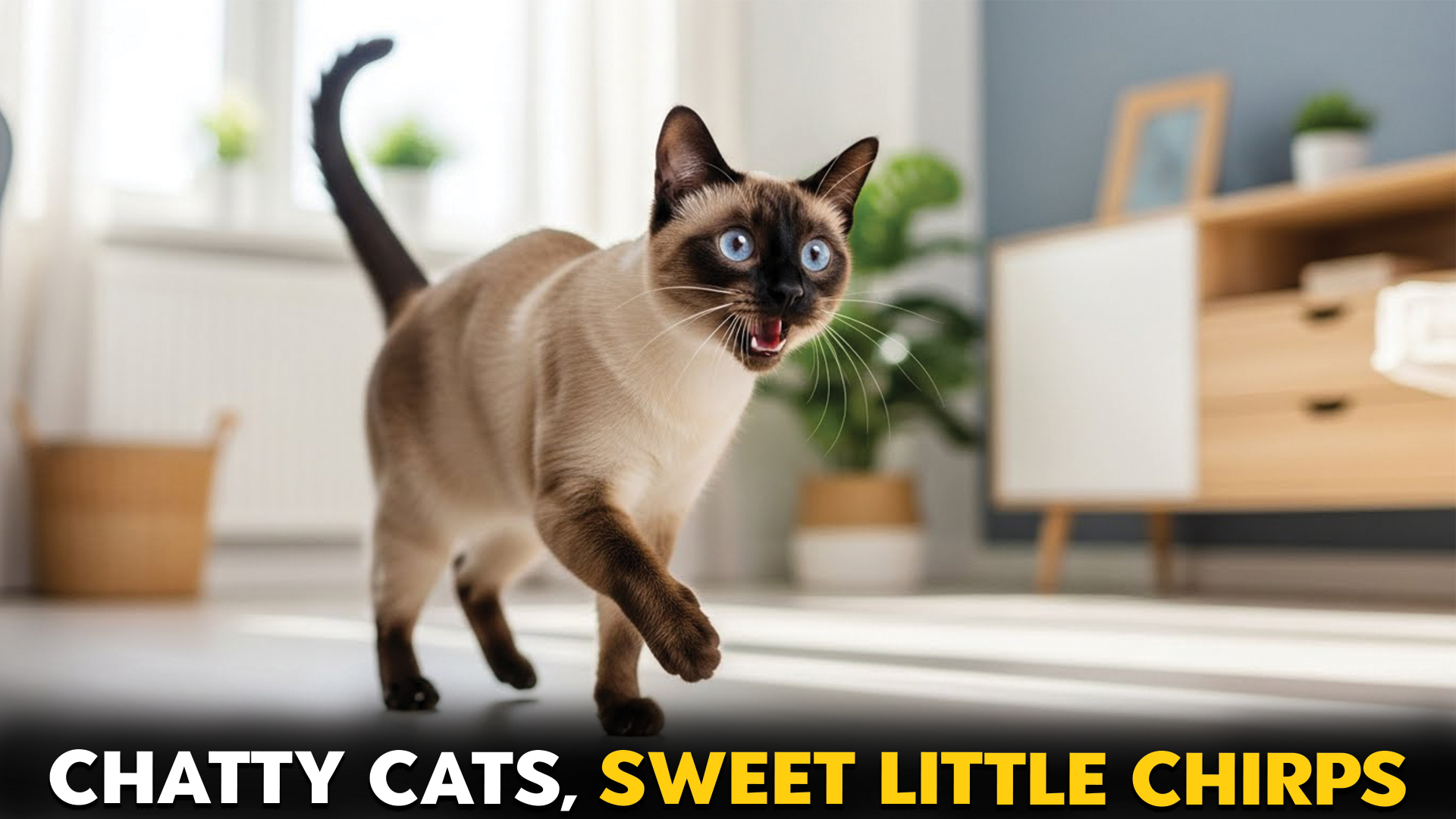
Some cats don’t just meow—they chirp, trill, and produce a whole range of melodic sounds that feel almost like conversation. If you’ve ever heard your feline greet you with a soft rolling trill or chatter excitedly at birds outside the window, you’ve witnessed one of their most charming vocal habits. But what does it really mean when a cat chirps or trills?
Chirping and trilling are often friendly, attention-seeking sounds. Unlike a standard meow, which can signal anything from hunger to complaint, a trill is usually a short, high-pitched, rolling noise used as a greeting or invitation. Some breeds are naturally more expressive due to their social nature, intelligence, and history of close interaction with humans.
While any cat can be talkative, certain breeds are known for being especially vocal. Understanding the difference between chirping vs. meowing—and why some cats “talk” more than others—can help you choose a companion whose communication style truly matches your home and personality.
Cat Breeds That Chirp or Trill
1. Siamese
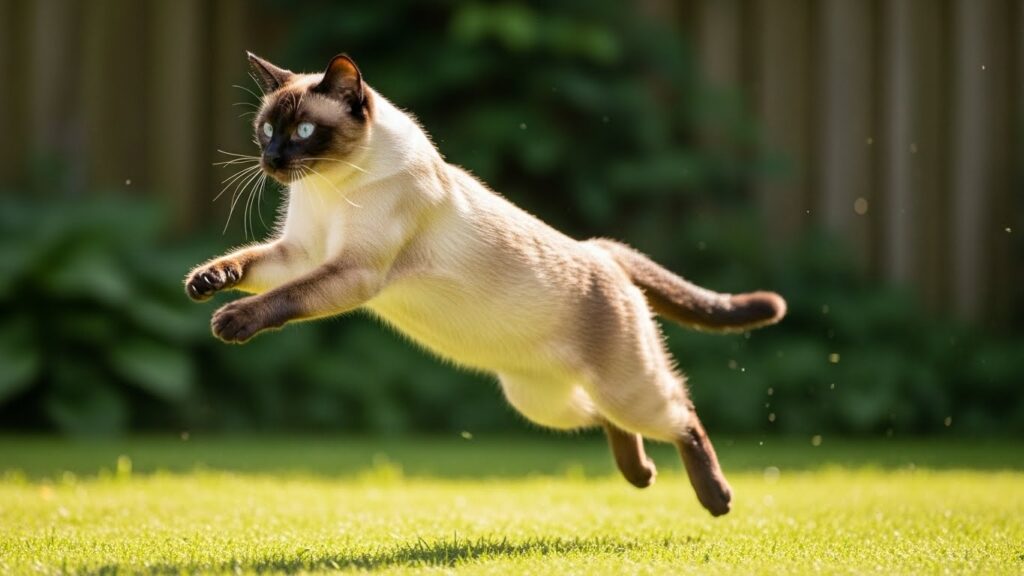
The Siamese is one of the oldest purebred cats from Thailand. Often described as glamorous and people-focused, this breed was historically cherished in royal courts for its engaging personality.
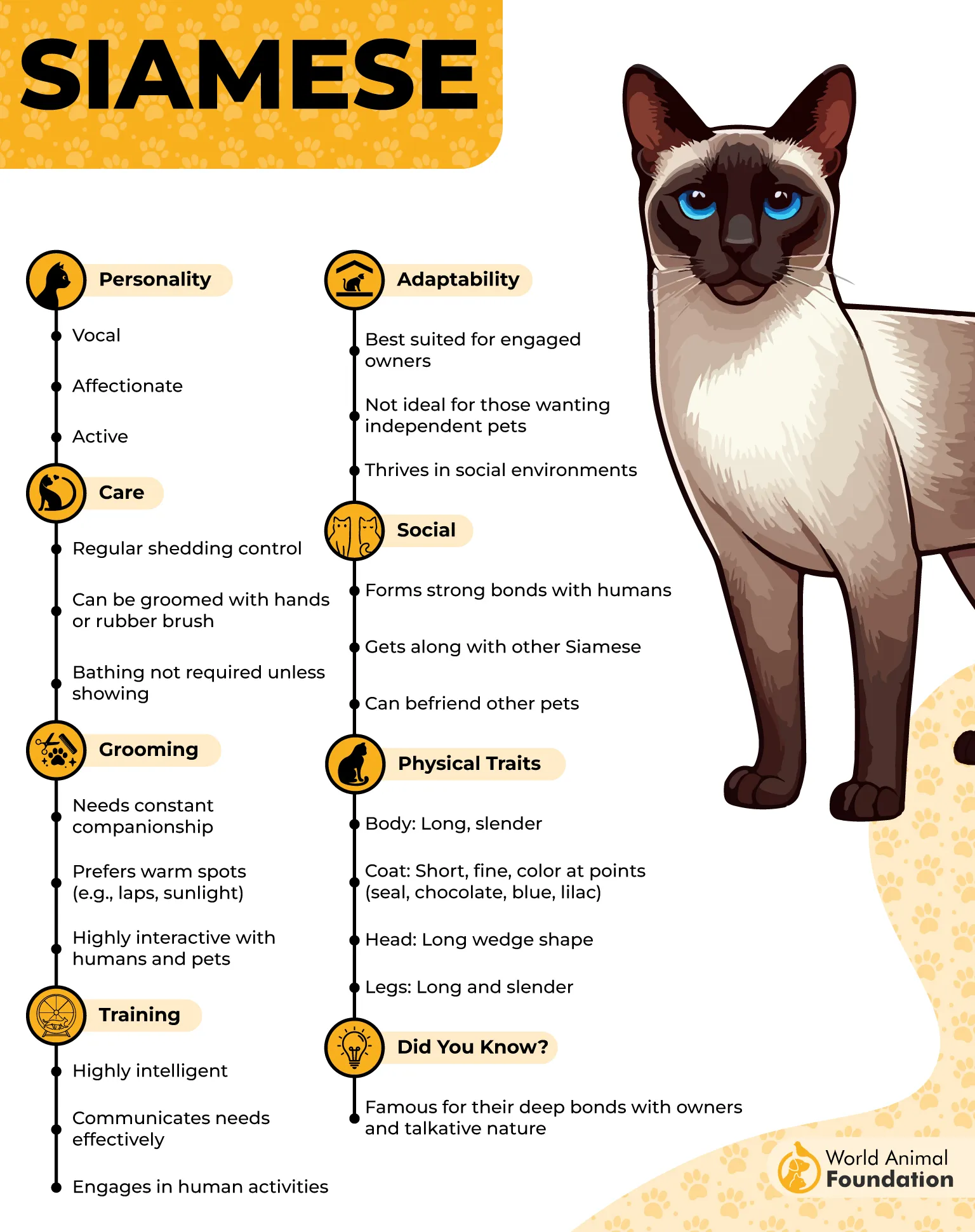
According to Britannica, the Siamese is described as a slender, long-bodied cat with slim legs, a long, narrow tail, a wedge-shaped head, and distinctive blue eyes.
The Butterfly of the Cat World
Siamese cats are famously expressive, topping the list of vocal breeds with their wide range of sounds. Beyond classic meows, they frequently chirp and trill to greet their humans or comment on household activity.
Highly social and extroverted, they actively seek interaction and rarely stay silent for long. Their trills often serve as affectionate check-ins, especially when following their favorite person from room to room.
Intelligent and sensitive, they quickly learn routines and respond to tone, using their voice to strengthen bonds. A notable fact: the Siamese is widely considered the most vocal cat breed, known for constant communication through meows, yowls, chirps, and trills.
2. Bengal
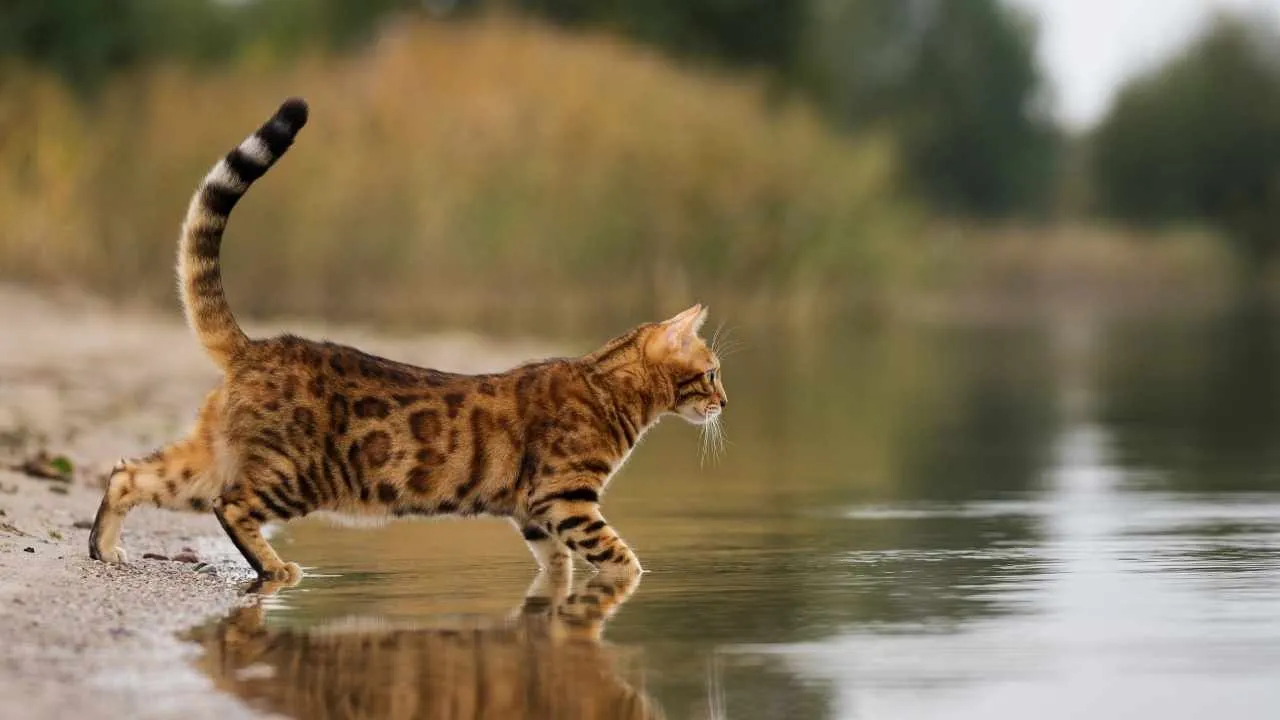
The Bengal, sometimes described as a “miniature leopard,” was developed in the United States by crossing domestic cats with the Asian leopard cat (Prionailurus bengalensis).
According to Purina, the Bengal is described as a sleek and muscular cat with a wild appearance, highlighted by bold marbling and spotting on its thick, luxurious coat.
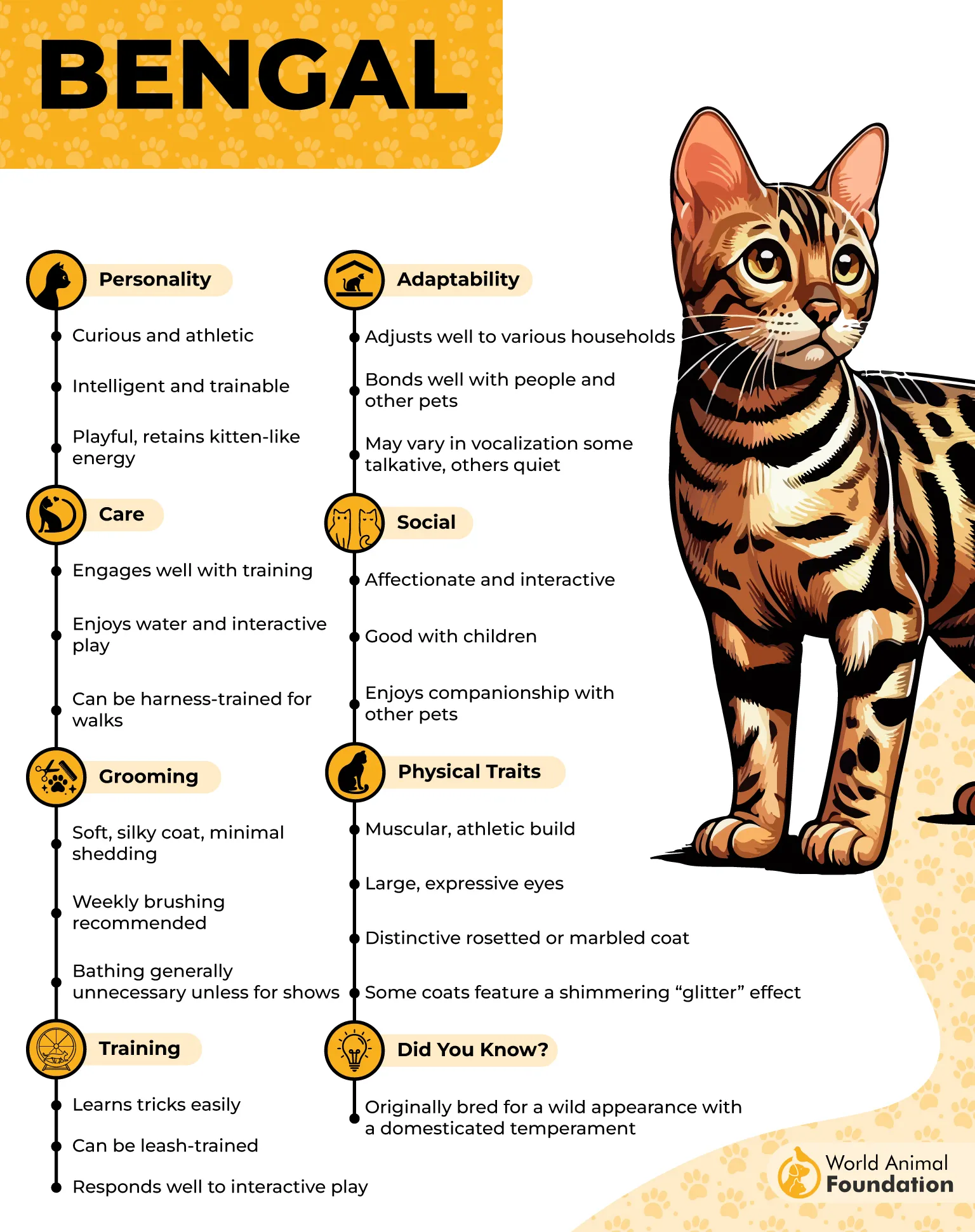
A Talkative Companion with a Soft Trill
Bengals are naturally expressive and use a variety of sounds to communicate with their families. Along with clear meows and occasional yowls, they often produce soft chirps and trills to greet or engage their favorite people.
Their vocal nature reflects both intelligence and curiosity, as they like to “comment” on what’s happening around them. While some may be more talkative than others, many Bengals use gentle trills as affectionate check-ins.
Active and inquisitive, they thrive on interaction and attention, which encourages frequent vocal exchanges. A notable fact: the Bengal is the only domestic cat breed that displays true rosette markings similar to those seen on leopards and jaguars.
3. Oriental Shorthair
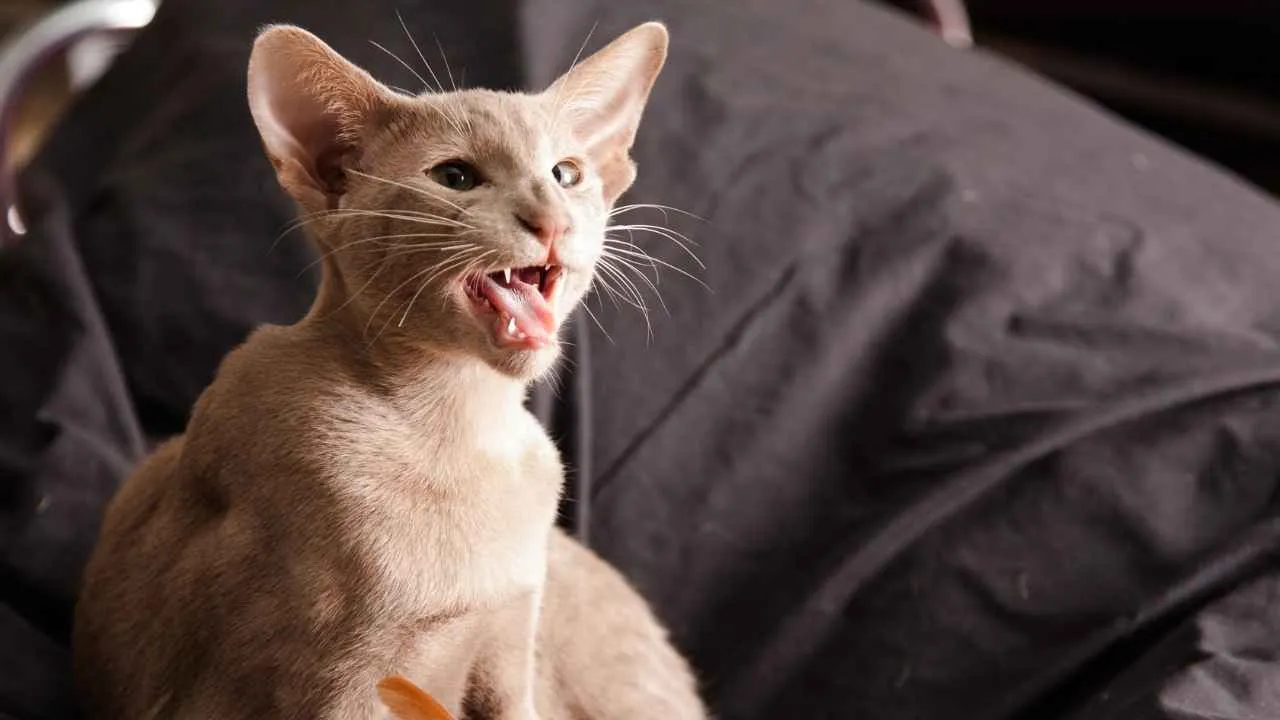
The Oriental Shorthair, closely related to the Siamese, shares the same sleek body and large ears but appears in a dazzling array of patterns. Unlike the traditional pointed Siamese, Orientals can be solid, tabby, tortoiseshell, bicolor, or even smoke, with both shorthaired and longhaired (Oriental Longhair) varieties.
According to PetMD, the Oriental Shorthair appears in a wide range of colors and combinations and is described as a lively breed that highly values human companionship.
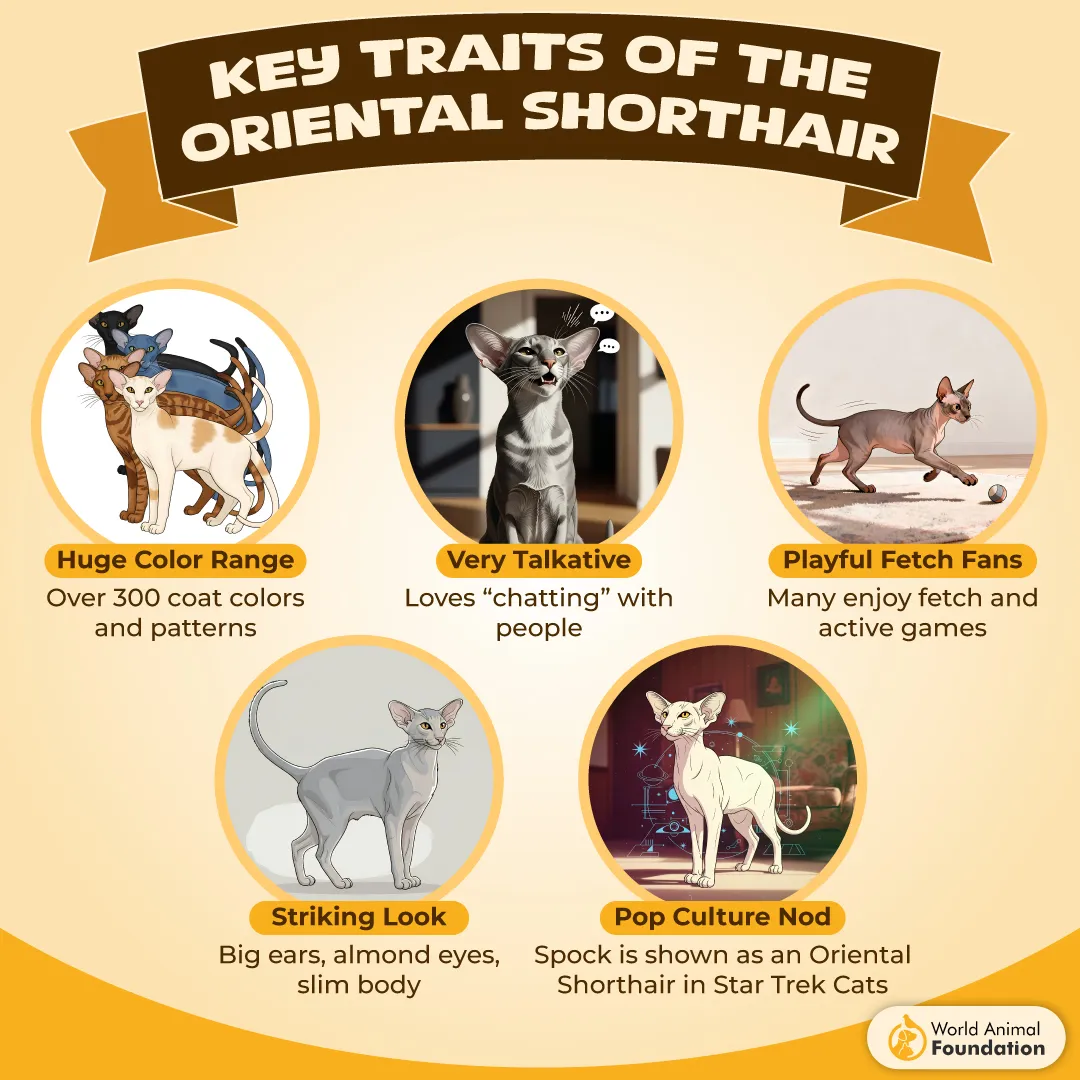
Playful, Expressive, and Full of Chirps
Oriental Shorthairs are famously vocal, second only to their Siamese relatives in chatter. Their repertoire includes chirps, trills, and melodic meows used to greet, request attention, or comment on daily events.
Highly social and almost dog-like in devotion, they insist on being involved in their owner’s routine. These affectionate cats will happily “talk” while walking beside you, cuddling close, or observing the household.
Their lively intelligence and need for interaction mean silence is rarely their style. A notable fact: aside from coat color and pattern, the Oriental Shorthair is essentially identical in structure and temperament to the Siamese breed.
4. Maine Coon
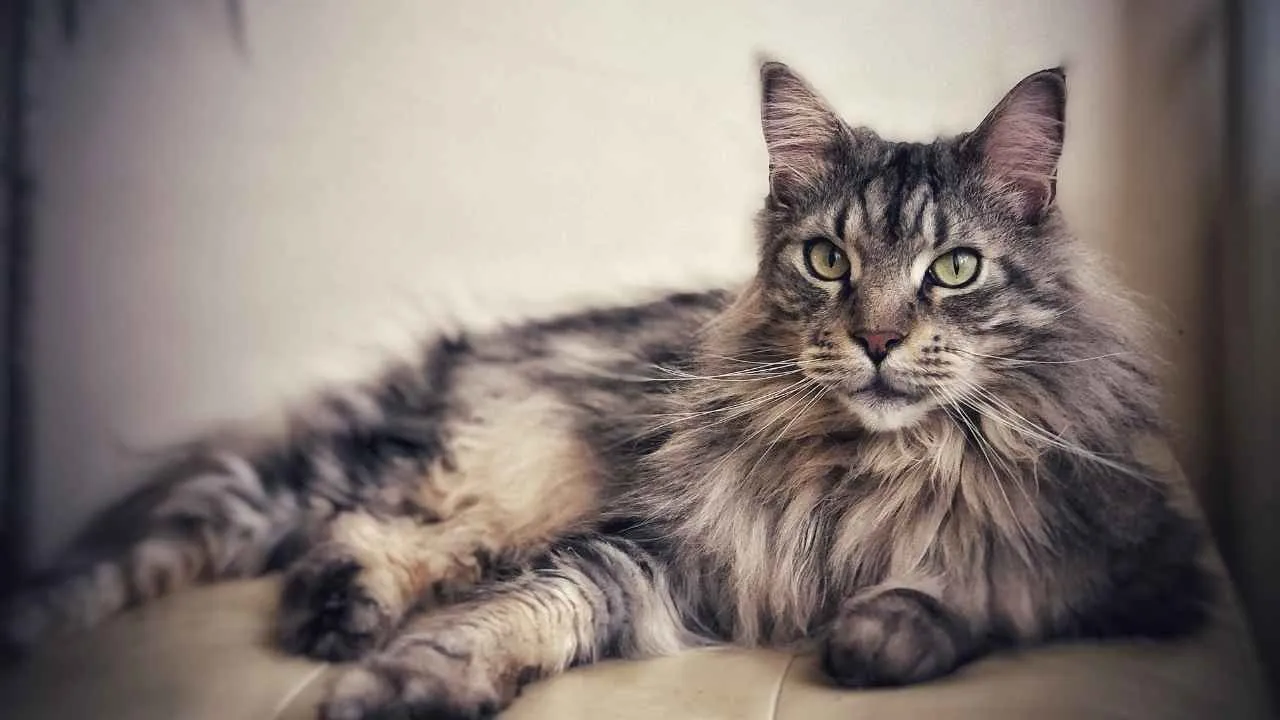
The Maine Coon, often called the “gentle giant,” is one of the largest domestic cat breeds, admired for its tufted ears, bushy tail, and shaggy coat. Despite their impressive size, these affectionate cats are known for their friendly nature and easygoing charm.
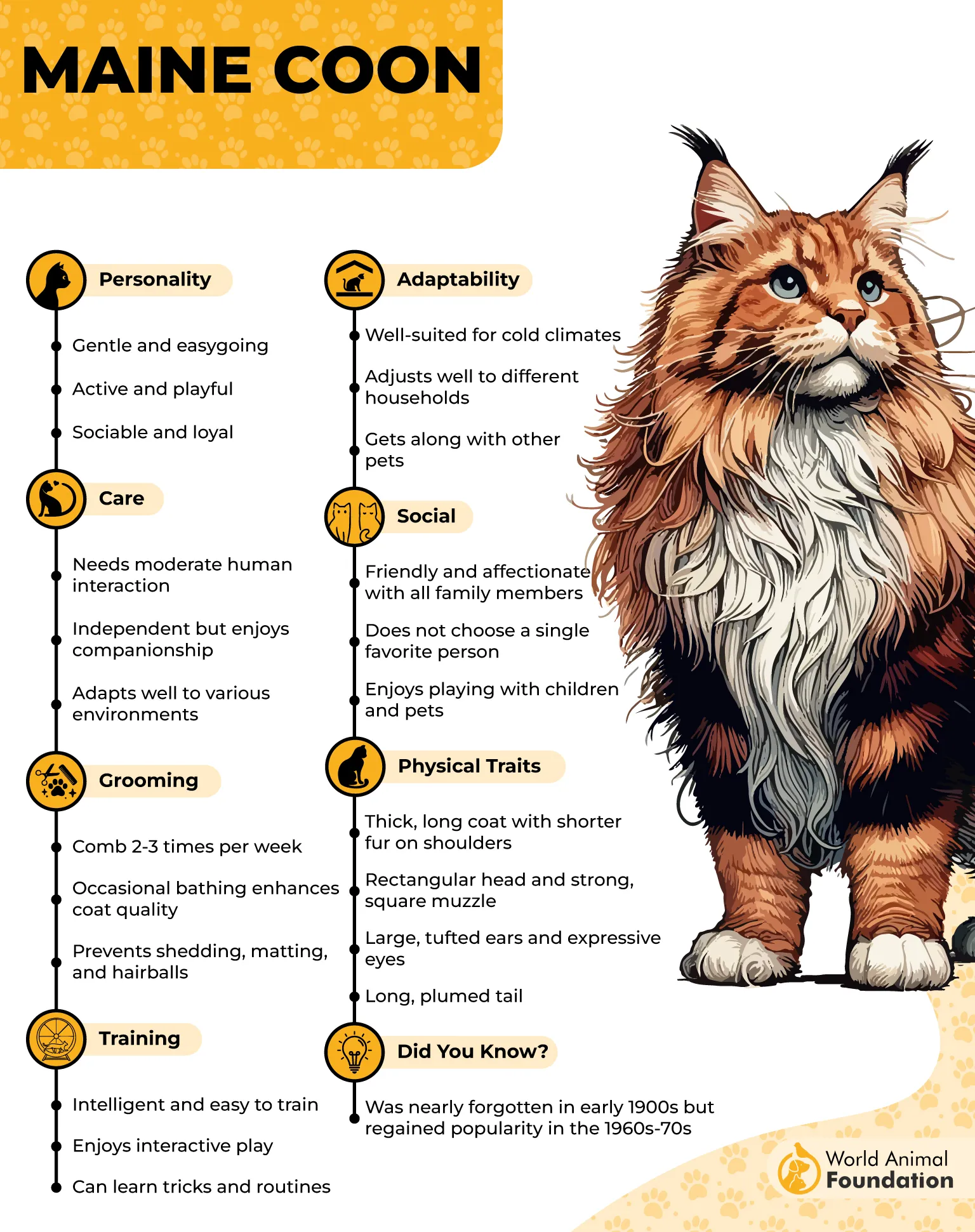
Intelligent and Constantly Communicating
Unlike some loud vocal breeds, Maine Coons have a surprisingly soft, melodic voice. Rather than persistent meowing, they frequently use sweet chirps and rolling trills to interact with their humans.
These sounds often serve as friendly greetings or subtle requests for attention, making conversations feel warm rather than demanding. Their expressive communication style strengthens the bond they share with family members.
Highly intelligent and quick to learn, they pick up routines and even simple commands with ease. A notable fact: Maine Coons are especially loved for their gentle temperament and are well-known for getting along beautifully with children and other pets.
5. Tonkinese
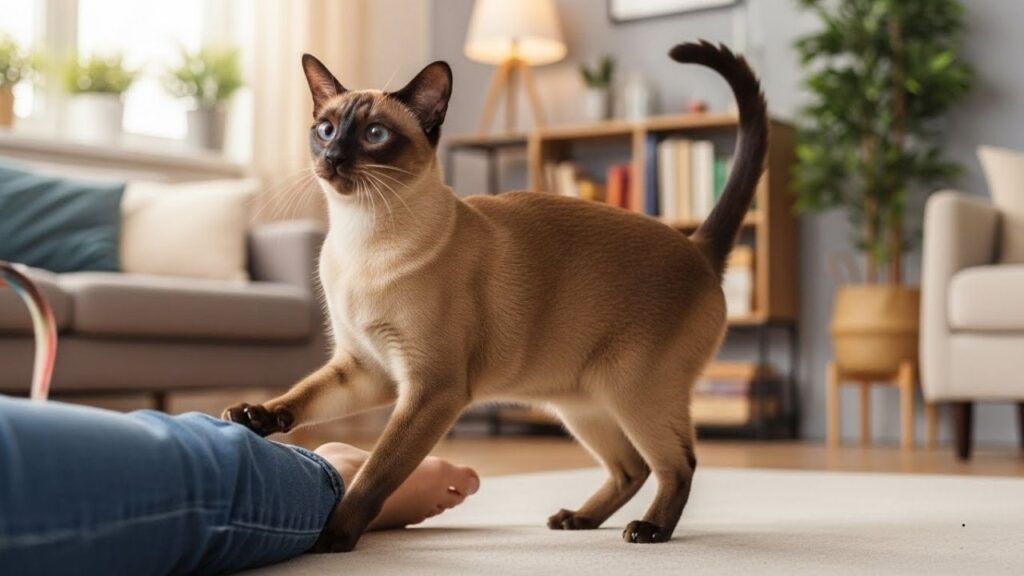
The Tonkinese, sometimes affectionately called the “Tonk,” is a lively blend of Siamese and Burmese heritage. With a sleek, muscular build and shimmering coats in shades like blue, champagne, platinum, and natural, this elegant cat pairs striking looks with a warm, people-loving nature.
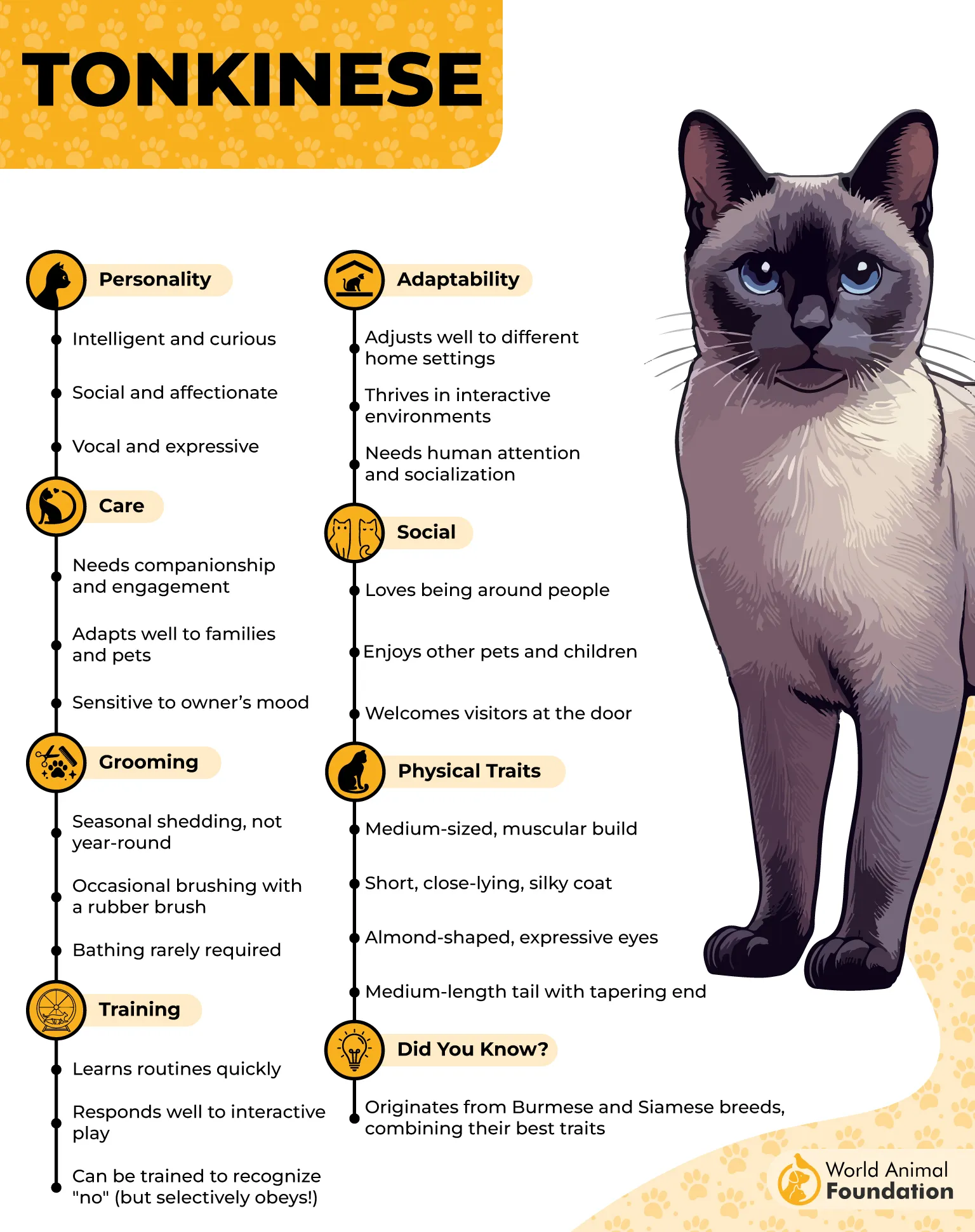
Gentle Voice, Strong Personality
Though talkative, the Tonkinese tends to use a softer, melodic range of chirps and trills rather than harsh yowls. They happily “answer back” when spoken to, creating cheerful back-and-forth exchanges.
Highly social and affectionate, they greet visitors at the door and shadow their favorite humans from room to room. Their playful energy means they’ll trill during games of fetch, tag, or hide-and-seek.
Intelligent and curious, they crave interaction and mental stimulation to stay content. A notable fact: the Tonkinese inherited its chatty, engaging voice from both Siamese and Burmese parent breeds.
6. Japanese Bobtail
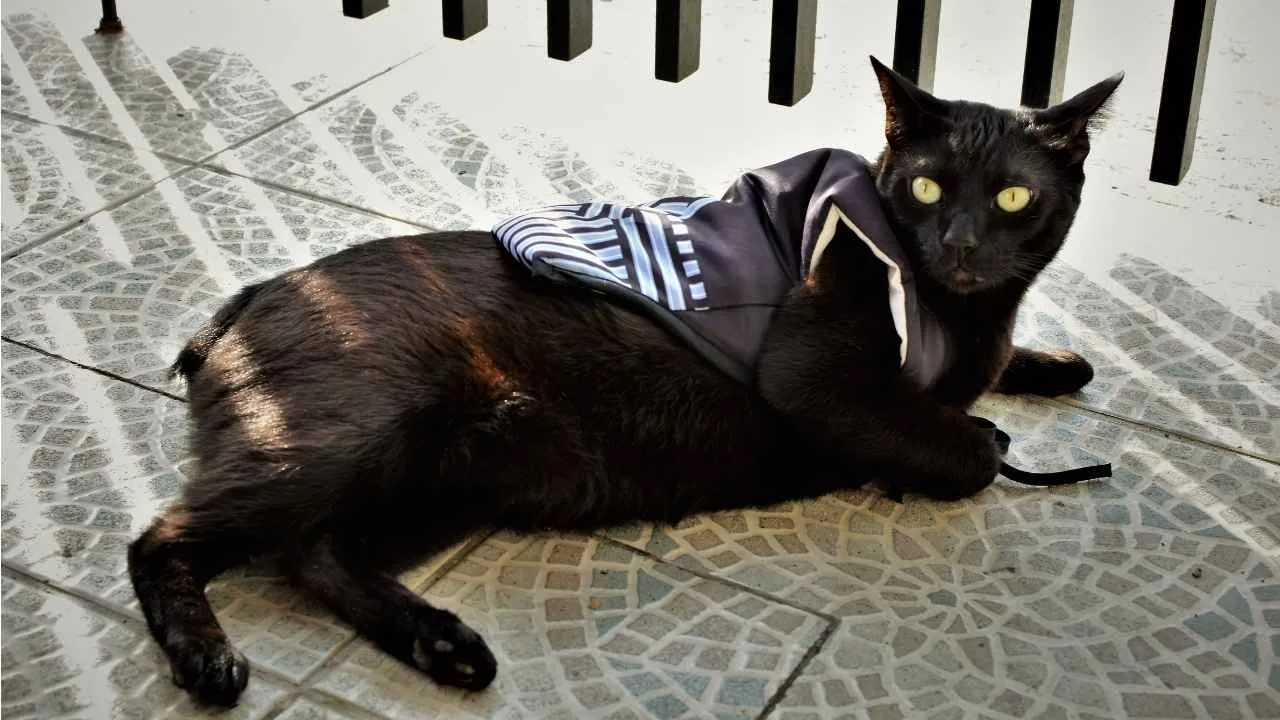
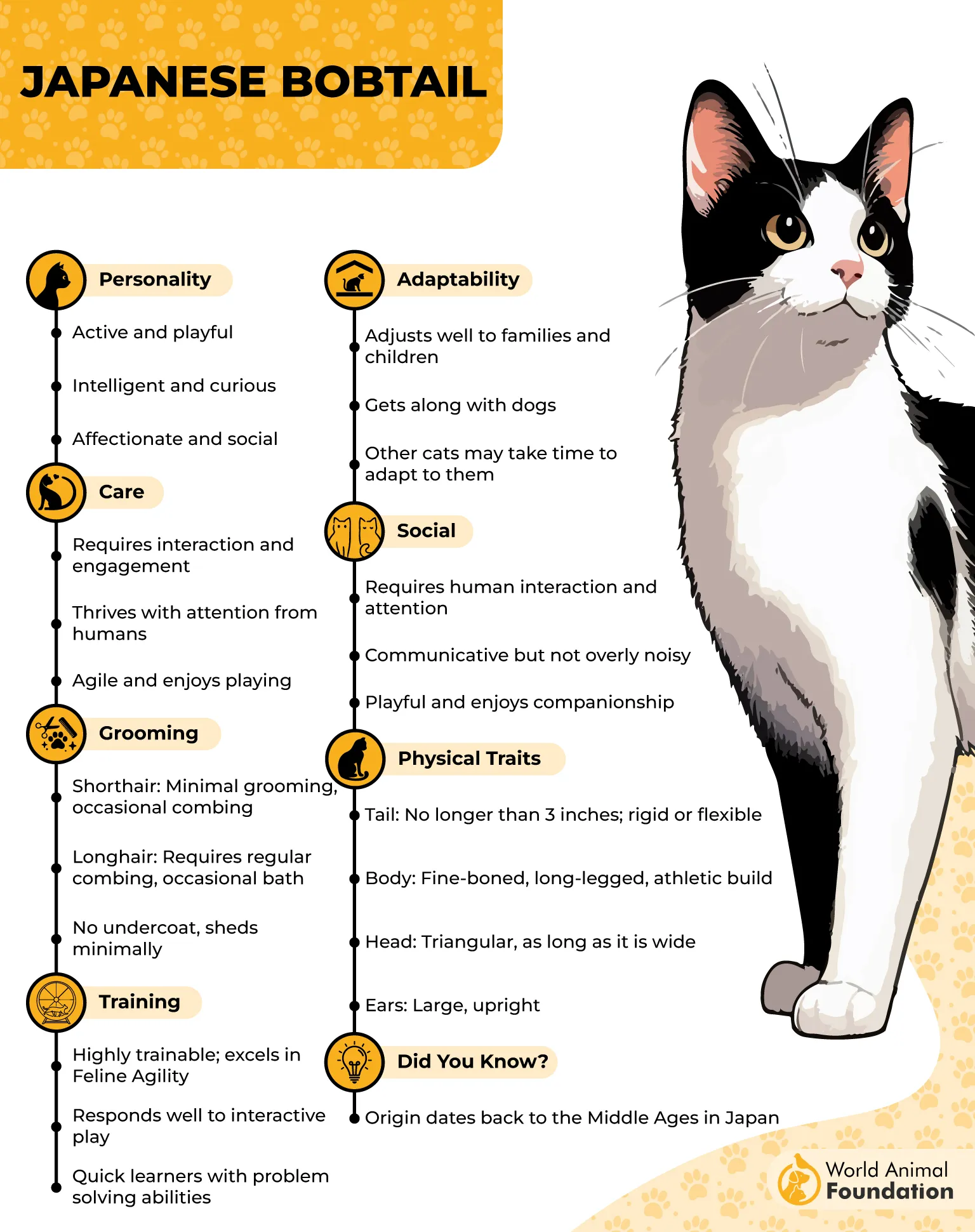
The Japanese Bobtail, sometimes simply called the “Bobtail,” is an ancient breed from Japan, instantly recognized by its short, kinked tail and lively expression. With a medium coat and athletic frame, this rare and captivating cat blends elegance with playful charm.
Energetic and Always “Talking”
Unlike loud, harsh vocalizers, Japanese Bobtails are known for their melodic chirps and soft trills. Many owners describe their voices as musical, almost conversational, as if the cat is happily replying.
Highly social and intelligent, they use these gentle sounds to stay connected with their human family. Whether greeting you at the door or inviting you to play, their cheerful “talking” keeps them at the heart of household life.
Full of energy and curiosity, they often initiate games—especially fetch—without being taught. A notable fact: Japanese Bobtails are prized for their natural bobbed tails and can cost between $600 and $1,600 from a responsible breeder.
7. American Bobtail
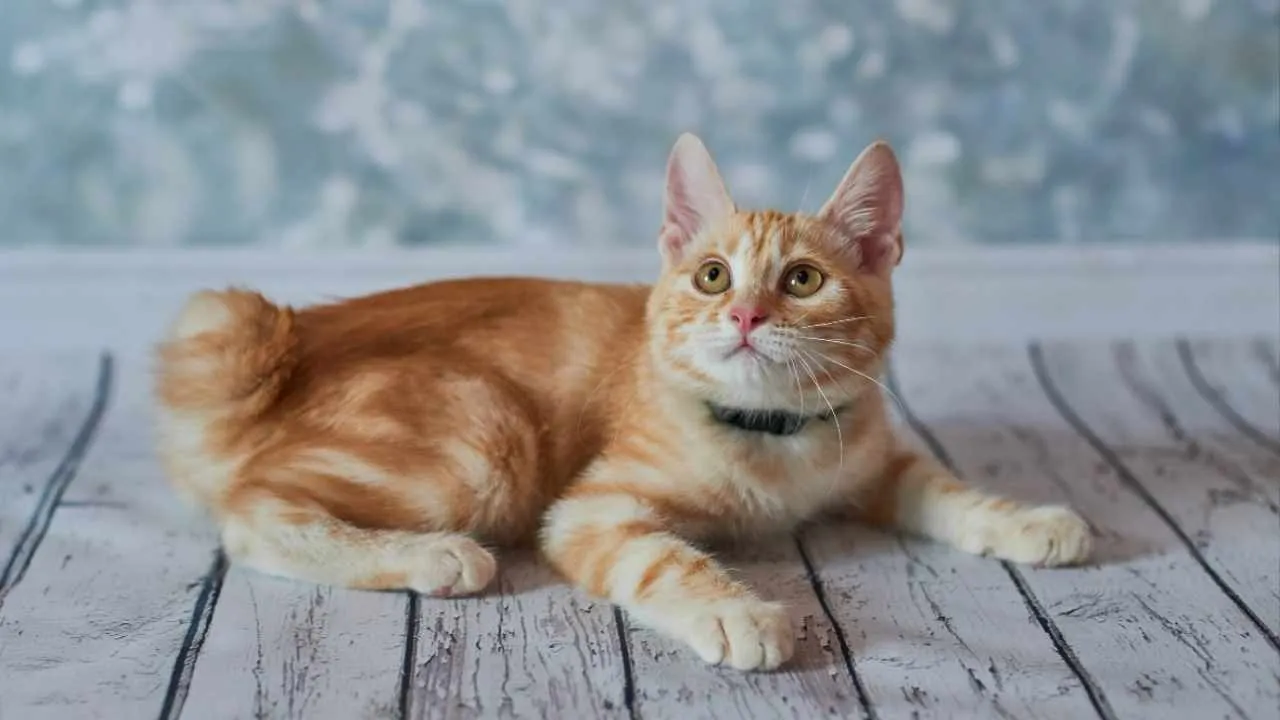
The American Bobtail, sometimes nicknamed the “Bobtail,” was developed in the United States in the 1960s. Recognized for its naturally shortened tail and sturdy, wildcat-like appearance, this rare breed combines rugged looks with a surprisingly soft and affectionate nature.
Affectionate and Musically Vocal
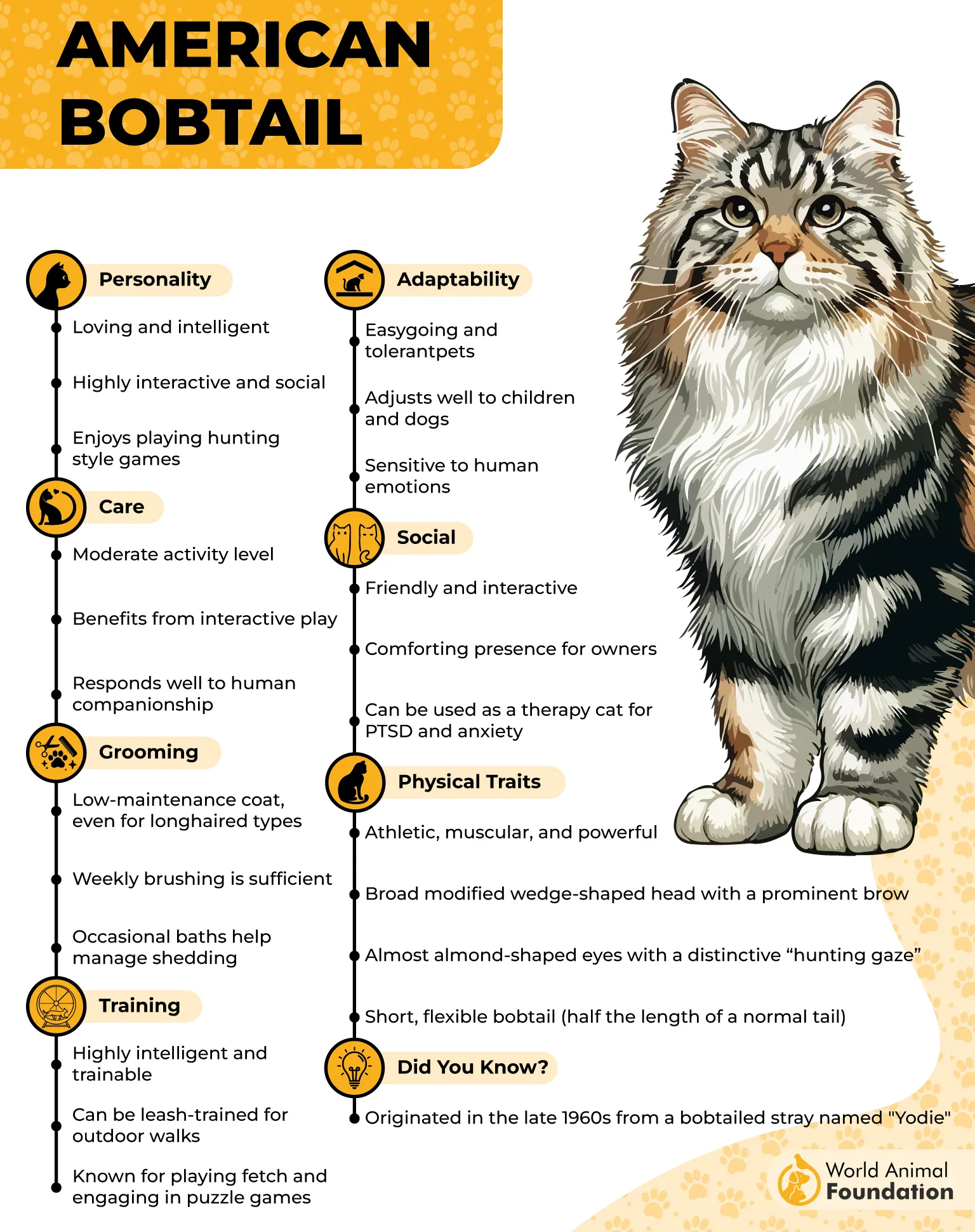
While generally calm, the American Bobtail has a charming way of communicating. Instead of constant meowing, they often express themselves with gentle chirps, trills, and even soft clicking sounds, especially when excited.
Deeply bonded to their entire family, they are sociable without being clingy. Whether lounging on the couch or following you around the house, they enjoy “chatting” as they play or investigate their surroundings.
Playful and intelligent, many can even learn to walk on a leash or play fetch. A notable fact: despite their resemblance to wild bobcats, American Bobtails are known for their adaptable, affectionate temperament and are still considered relatively rare in some regions.
Conclusion
Chirps and trills add a delightful layer to life with chatty cats. These talkative cats use more than simple meows to connect with their human companions.
While most cats communicate through subtle body language, some feline friends prefer melodic trills, soft chirps, or playful chatter to express affection, curiosity, or excitement.
Of course, not all cats vocalize the same way. Other breeds may also surprise you with their expressive sounds. Compared to other cats, these communicative kitties thrive on interaction and often demand attention in the sweetest ways.
For families seeking excellent companions who actively engage and “talk” back, these vocal breeds bring warmth, personality, and endless charm into the home.
