




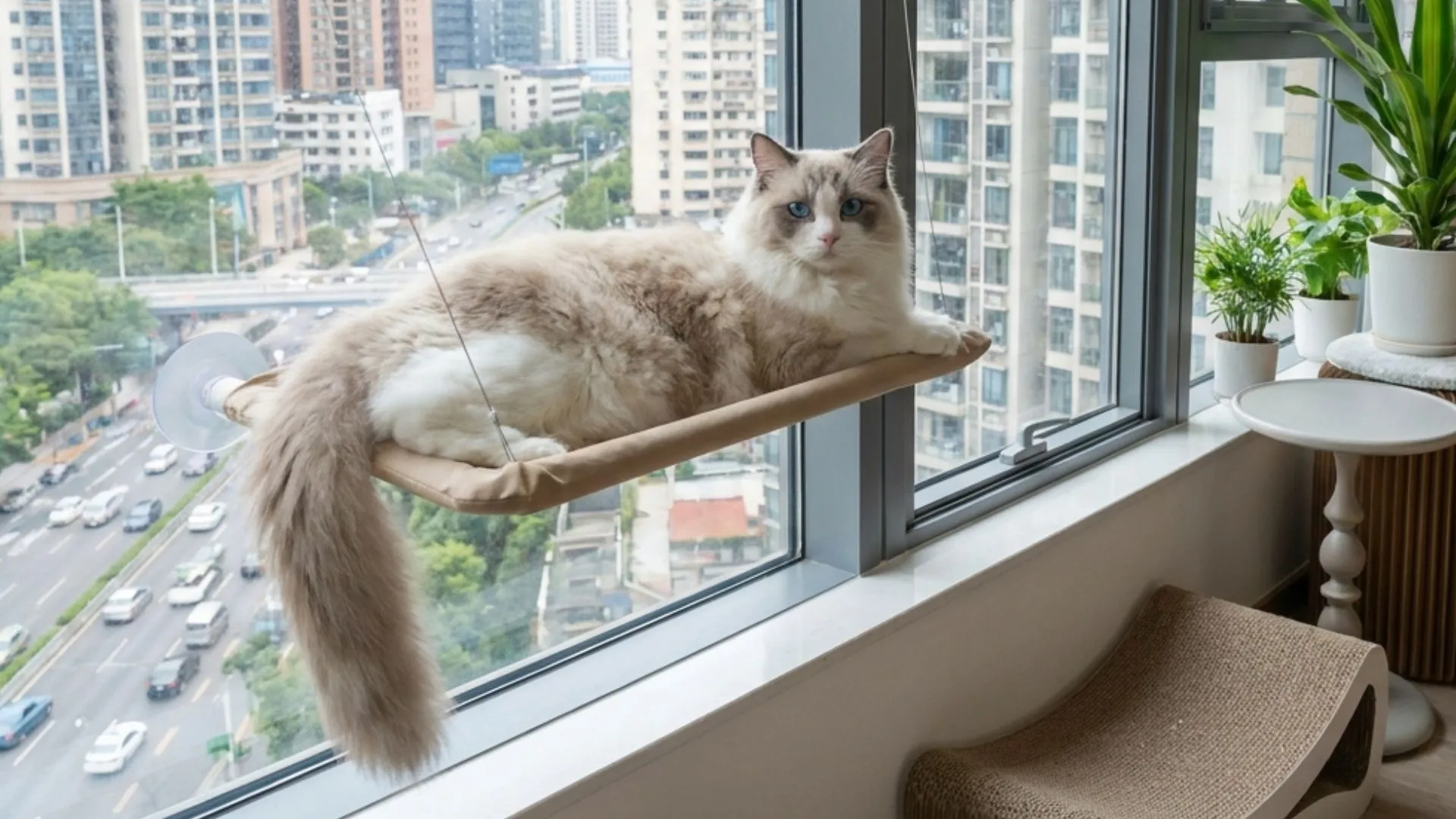
City apartments may be short on square footage, but that does not mean they have to be short on personality. The right cat can turn a compact space into a lively, cozy home without needing a backyard or endless room to roam.
Some cats adapt especially well to indoor routines, quieter surroundings, and close companionship. The real trick is matching your apartment lifestyle with a cat’s energy level, noise tolerance, grooming needs, and desire for attention.
The ideal apartment cat is often calm, adaptable, and comfortable with moderate activity, while still enjoying play and attention.
From laid-back loungers to playful window-watchers, these apartment-friendly cats prove that urban living and happy pet ownership can go together beautifully.
Best Cat Breeds for City Apartments
1. British Shorthair
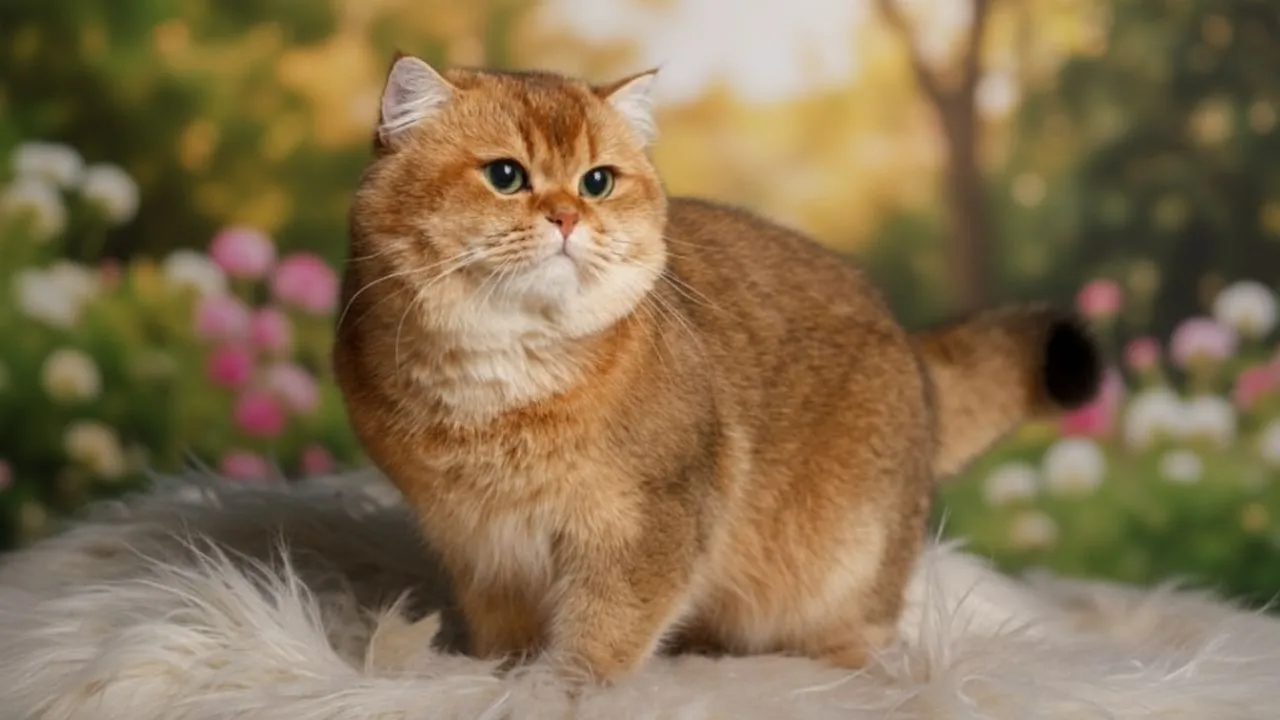
The British Shorthair is a relaxed, adaptable cat that fits naturally into apartment life. Rather than constantly racing around, this quiet breed often prefers lounging in comfortable corners and observing the activity around them.
Their independent nature makes them comfortable spending some time alone, which can suit busy city lifestyles. When they are ready for activity, interactive toys and food puzzles can provide useful mental and physical stimulation without requiring much space.
How This Breed Stands Out
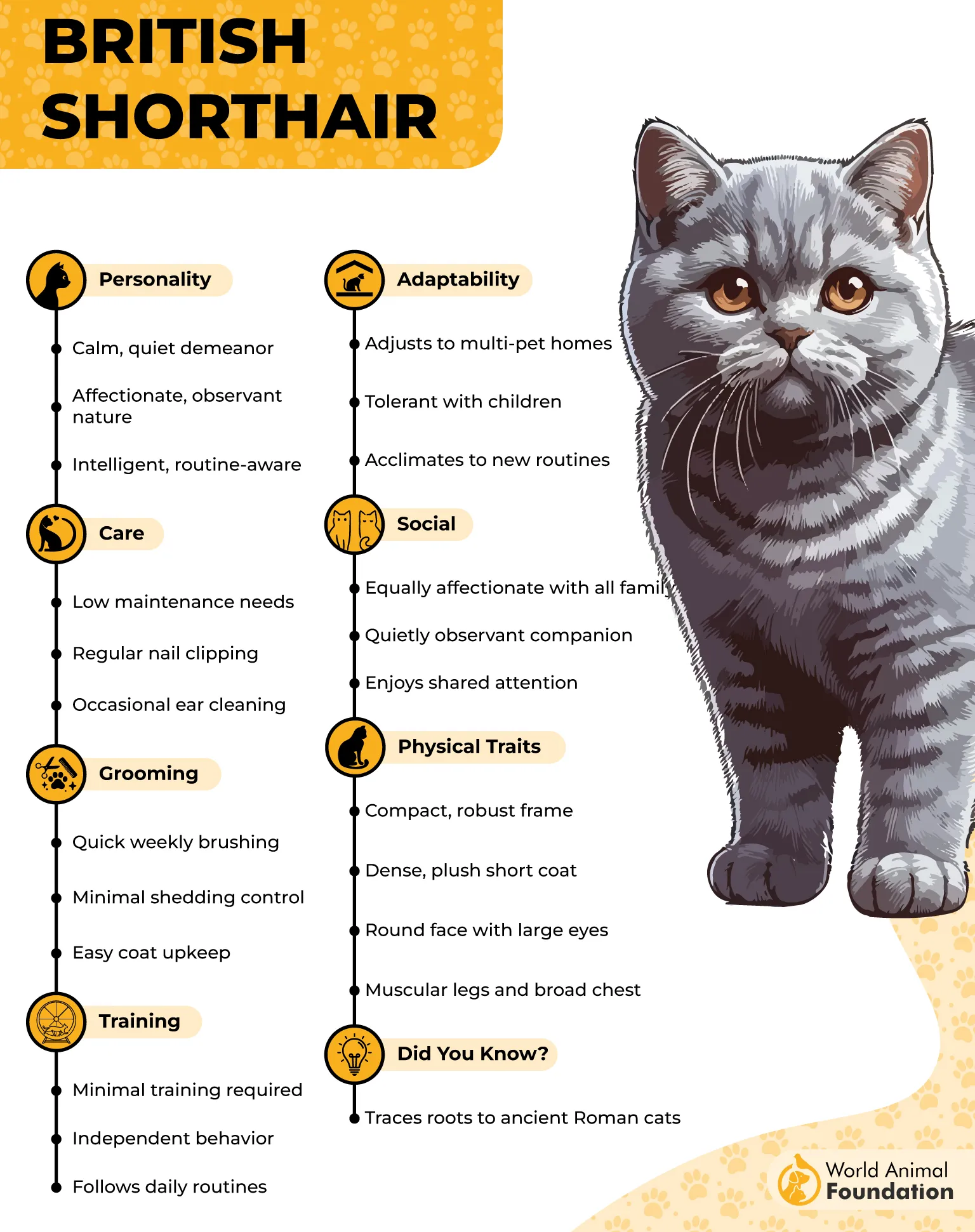
Comfortable with solitude: The British Shorthair can enjoy its own company and does not typically demand constant attention.
Calm, undemanding personality: Its laid-back temperament and modest activity needs make it easy to accommodate in a smaller home.
2. Ragdoll
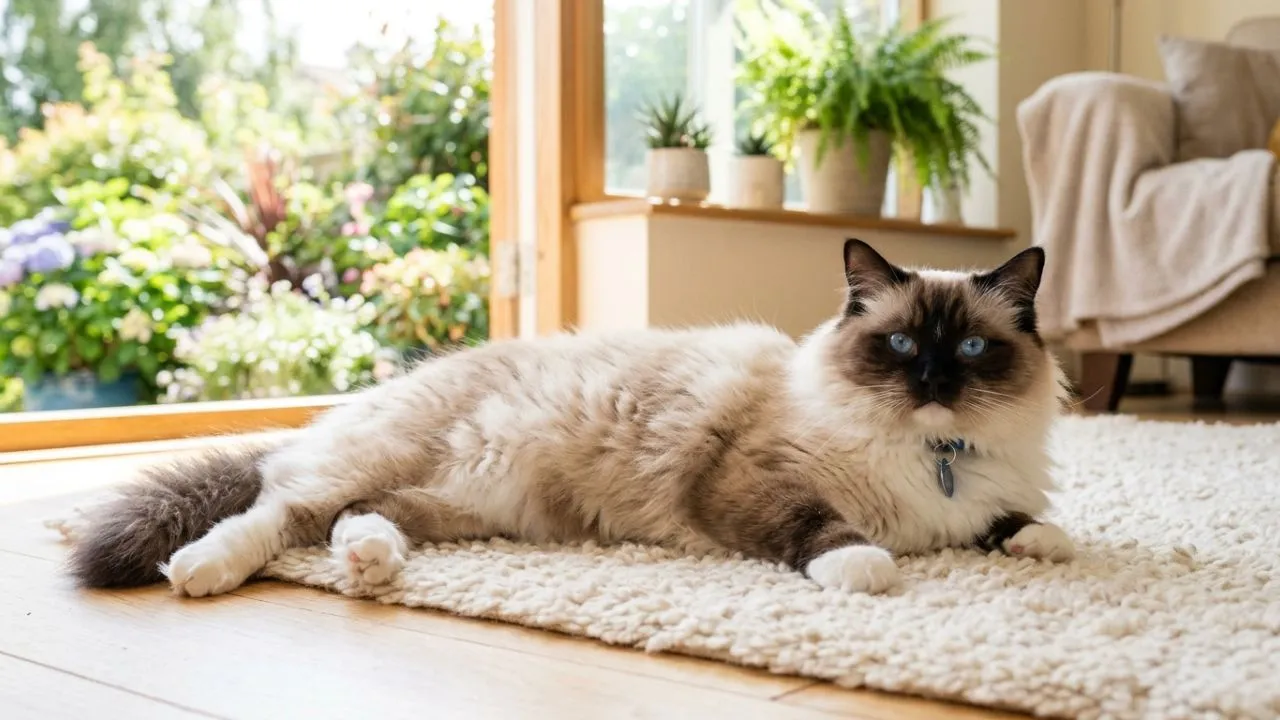
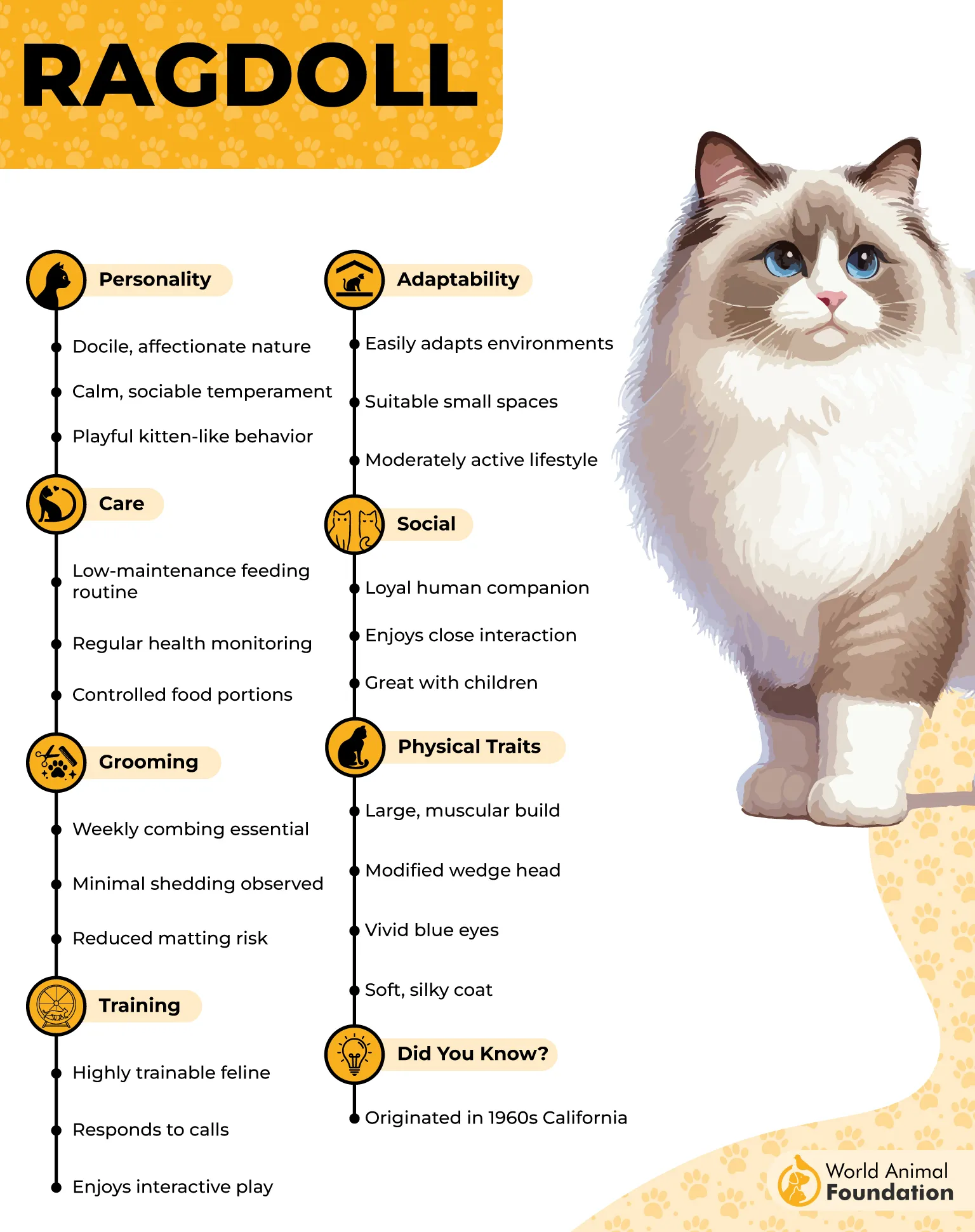
Ragdolls are known for their gentle temperament and relaxed approach to indoor life, making them well suited to city apartments. They have moderate energy and are happy to spend much of their time lounging in comfortable spots.
These large cats enjoy being close to their people and often trail family members from room to room. Their calm nature also helps them adjust to the sounds and activity of urban living, especially when provided with cozy resting areas and toys.
How This Breed Stands Out
Relaxed indoor companion: Their easygoing personality allows them to enjoy apartment life without needing constant activity or a large living space.
Enjoys following family members: Ragdolls often stay near their humans throughout the day, creating a close and affectionate household bond.
3. Russian Blue
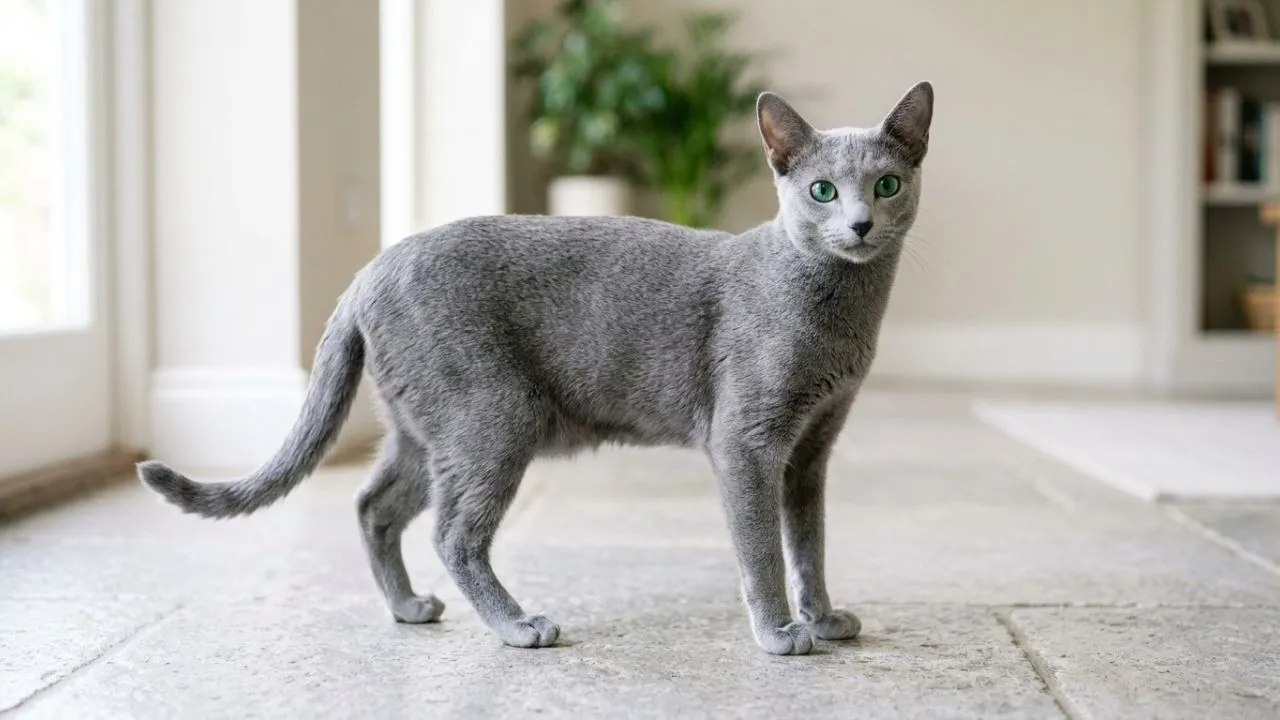
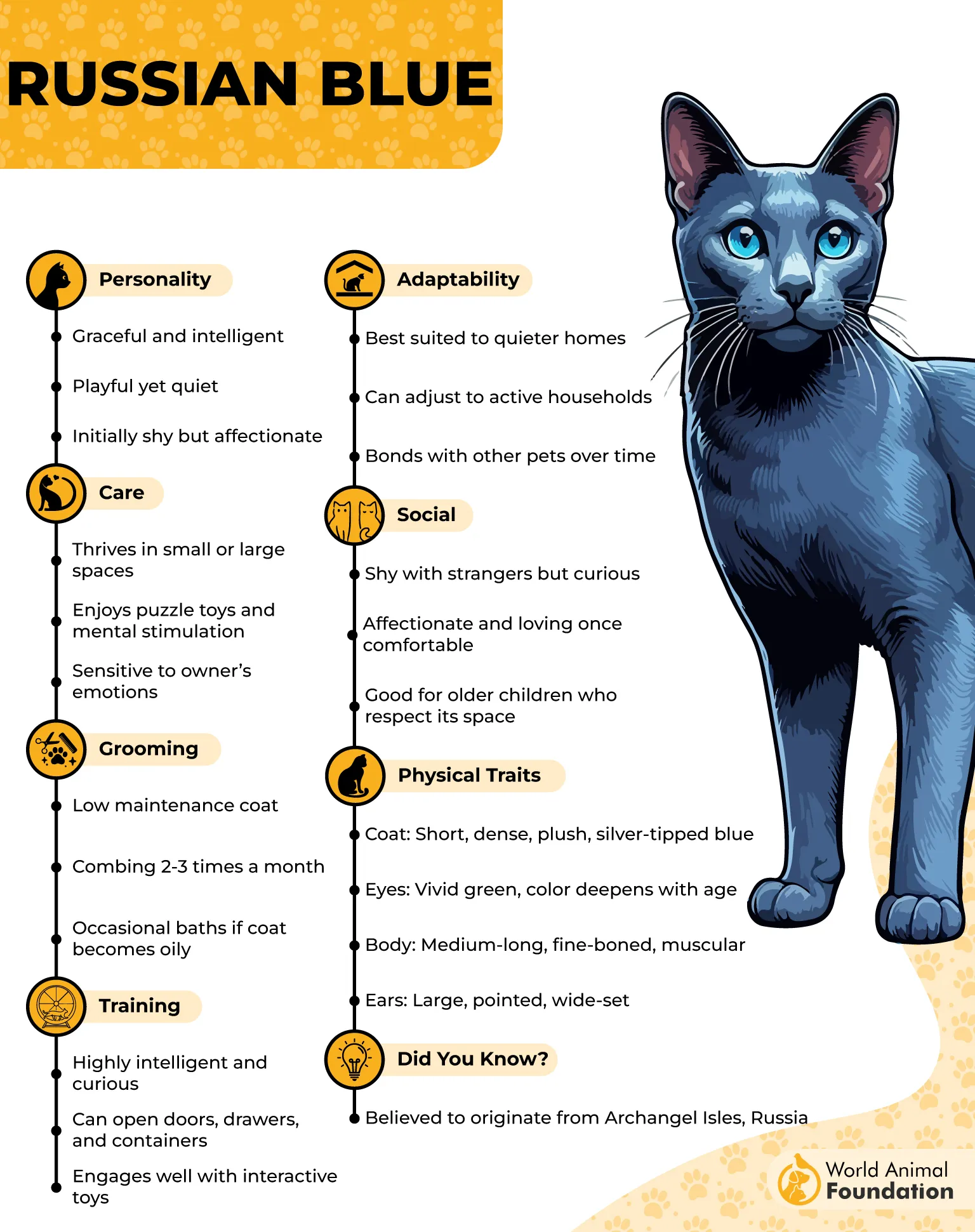
The Russian Blue brings a graceful, peaceful presence to apartment living. Its silvery-blue coat sheds relatively little, while its gentle temperament suits quieter indoor environments.
Affectionate without being overly demanding, this intelligent cat forms strong bonds with its owners. It can also appreciate personal space and remain comfortable when left alone for periods of time.
With familiar hiding places, cozy resting areas, and a few engaging toys, the Russian Blue can settle nicely into a city home. Its calm personality makes it less likely to overwhelm a compact living space.
How This Breed Stands Out
Quiet around strangers: Its reserved nature helps it stay composed when unfamiliar people enter the home.
Enjoys structured routines: Regular feeding, play, and rest schedules can provide the predictability this domestic breed appreciates.
4. Persian
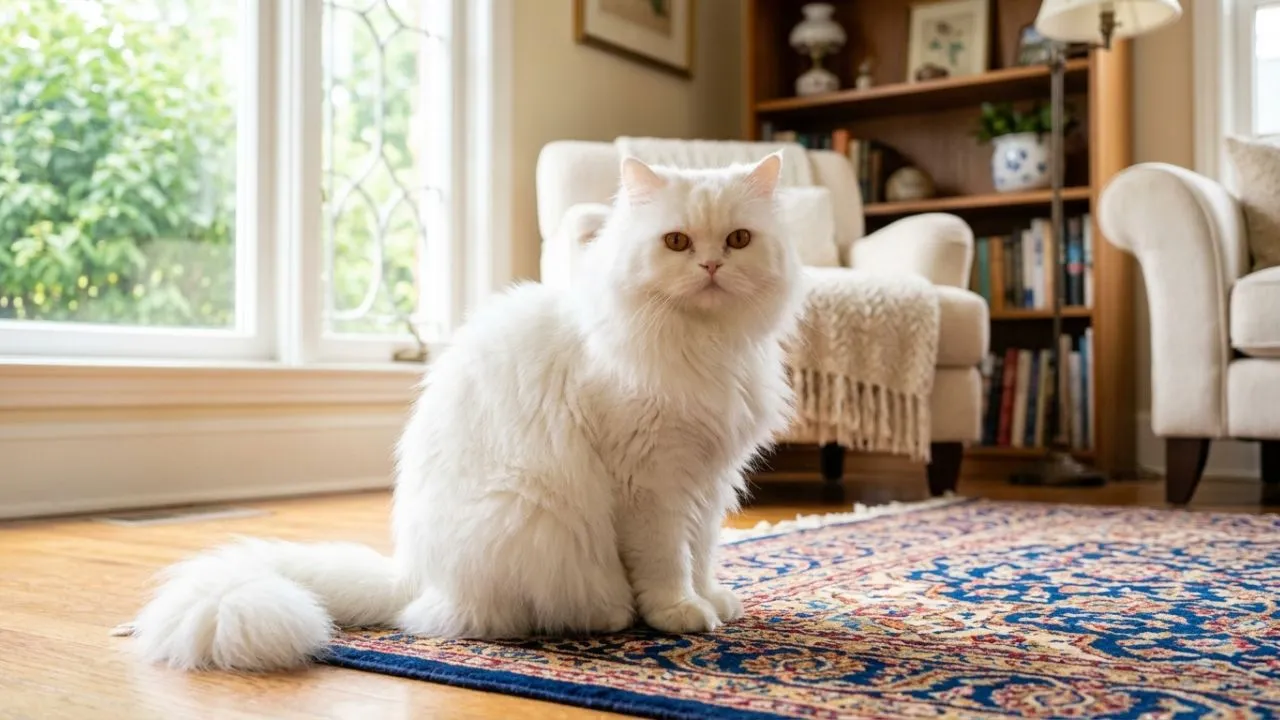
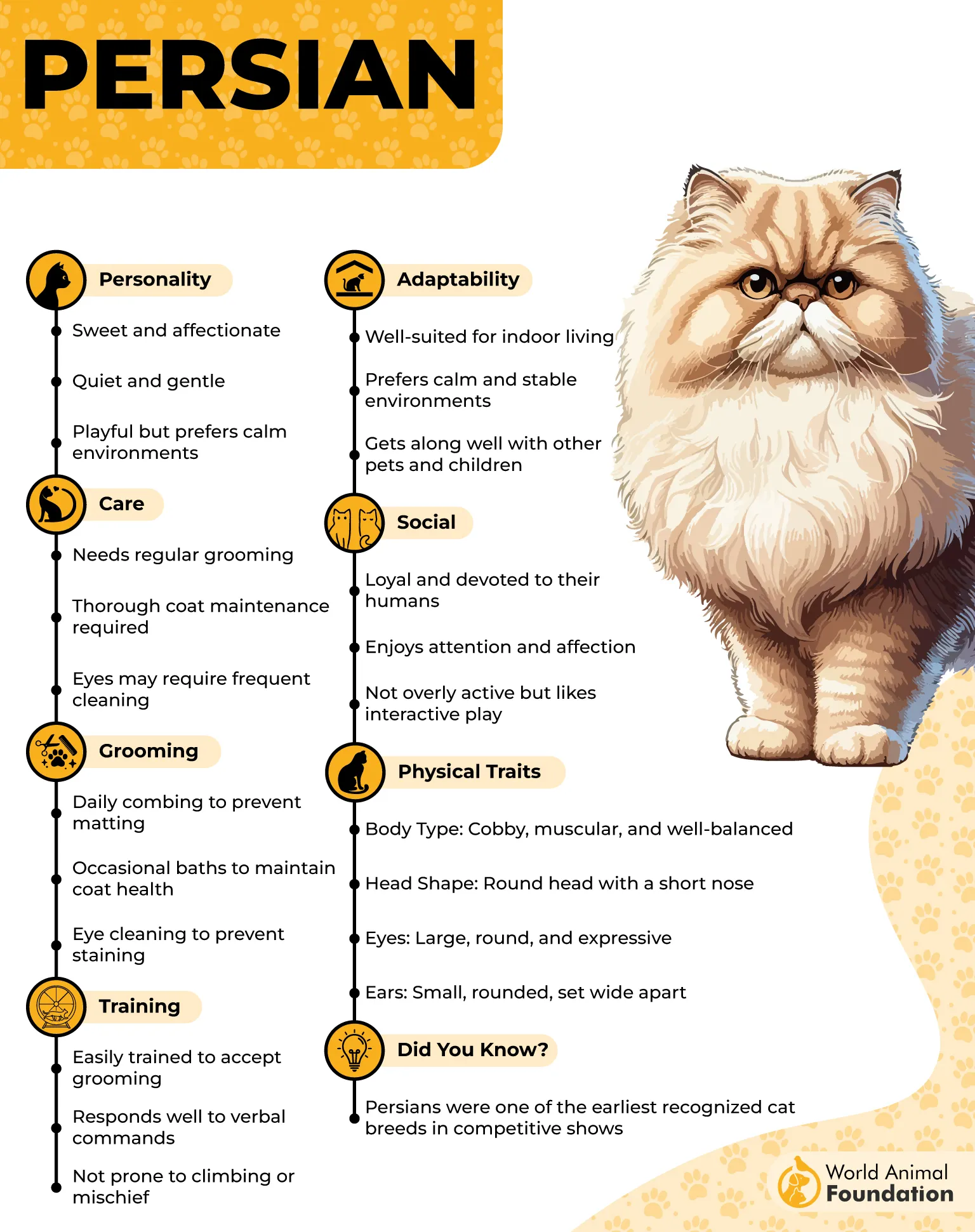
The Persian is well suited to apartment living, with a gentle temperament and a strong preference for peaceful indoor surroundings. Instead of constantly exploring, this laid-back cat is often happiest relaxing on a soft surface or curling up on a lap.
Although naturally calm, Persians still need some playtime to stay engaged and active. They enjoy the company of their favorite people but are generally capable of entertaining themselves for a while, making them a comfortable choice for city homes.
ASPCA notes that their long, plush coat gives them a distinctive appearance but also requires consistent grooming. Providing cozy resting areas and regular coat care can help keep this relaxed homebody comfortable in a smaller living space.
How This Breed Stands Out
Peaceful homebody: The Persian prefers lounging and resting to energetic climbing or jumping, making it a natural match for compact apartments.
Luxurious coat care: Its beautiful long coat needs frequent brushing to reduce tangles and maintain a clean, well-kept appearance.
5. Burmese
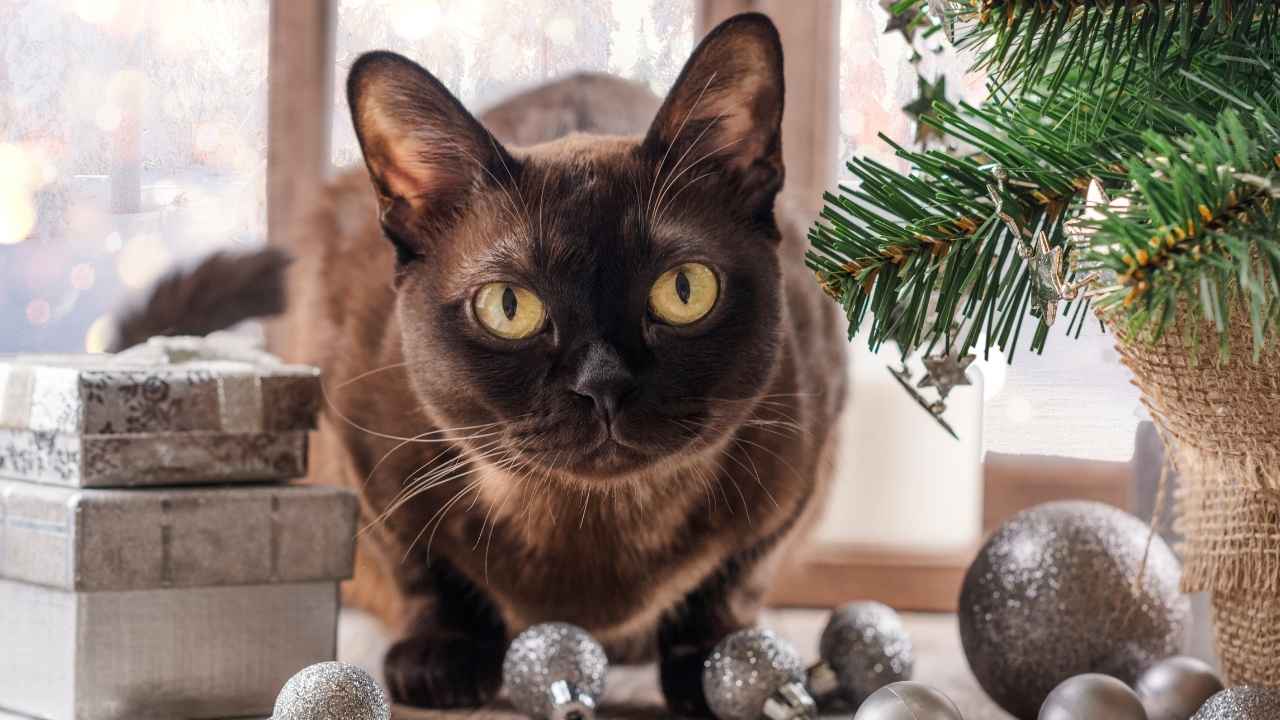
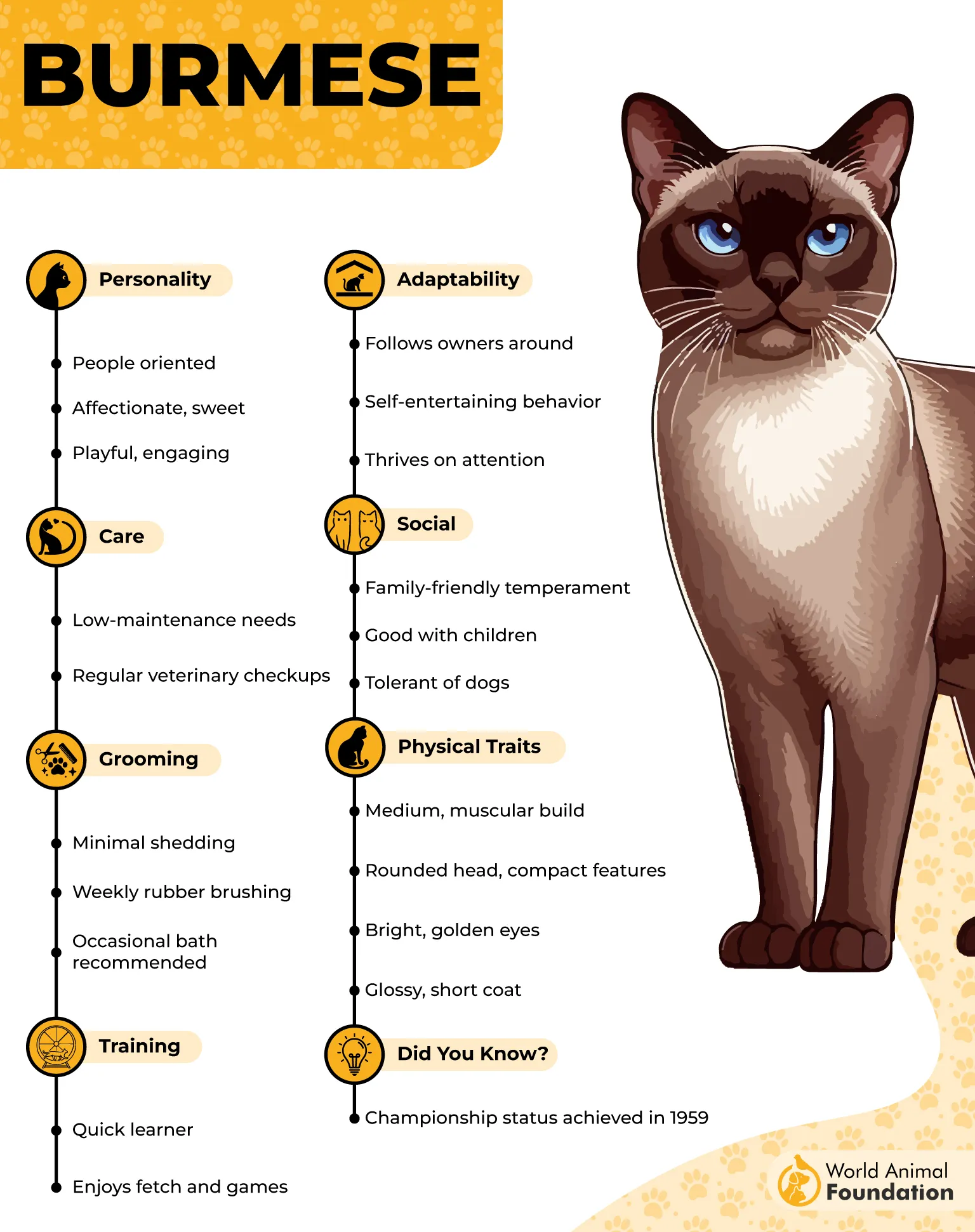
The Burmese is a compact, athletic cat with a friendly nature that suits apartment routines surprisingly well. It enjoys staying involved with household activities and can be active without becoming excessively energetic or difficult to manage.
These sociable cats thrive on companionship and often prefer having their people or another pet nearby. Regular interaction can help prevent boredom, while a vertical cat tree gives them an appropriate outlet for their natural urge to climb and leap.
CFA adds that their lively nature continues beyond kittenhood, so play and attention remain important as they mature. Even a smaller apartment can work well when the Burmese has opportunities to climb, explore, and interact with its family.
How This Breed Stands Out
Highly interactive personality: The Burmese enjoys being involved with its humans and tends to seek regular attention rather than staying distant.
Playful well into adulthood: Its athletic, energetic side remains prominent as it grows, encouraging continued games, climbing, and active engagement.
6. Birman
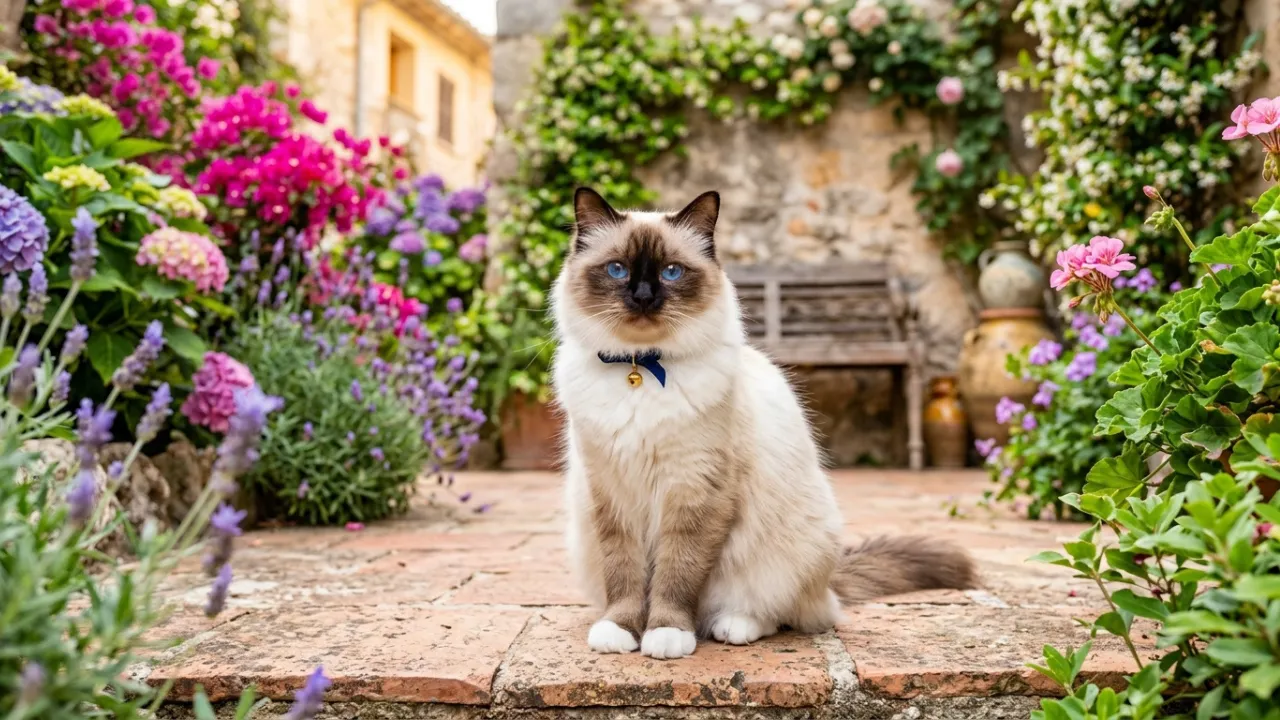
The Birman is a gentle, affectionate cat that can adapt beautifully to apartment living. It enjoys relaxing beside its favorite people and does not require a large home to feel comfortable or content.
This social breed likes staying close to its family and can be especially playful with other pets. Games such as chasing can provide plenty of entertainment without requiring extensive space or elaborate exercise routines.
PetMD states that Birmans are also known for communicating with a soft, melodic voice. Rather than vocalizing constantly, they tend to use quiet sounds when they want attention, access to a room, or something from their humans.

How This Breed Stands Out
Gentle social nature: The Birman thrives on companionship and enjoys being involved with its family, making it well suited to close-knit apartment households.
Soft, melodic voice: Its subtle vocal style allows it to communicate without filling a smaller living space with persistent noise.
7. American Shorthair
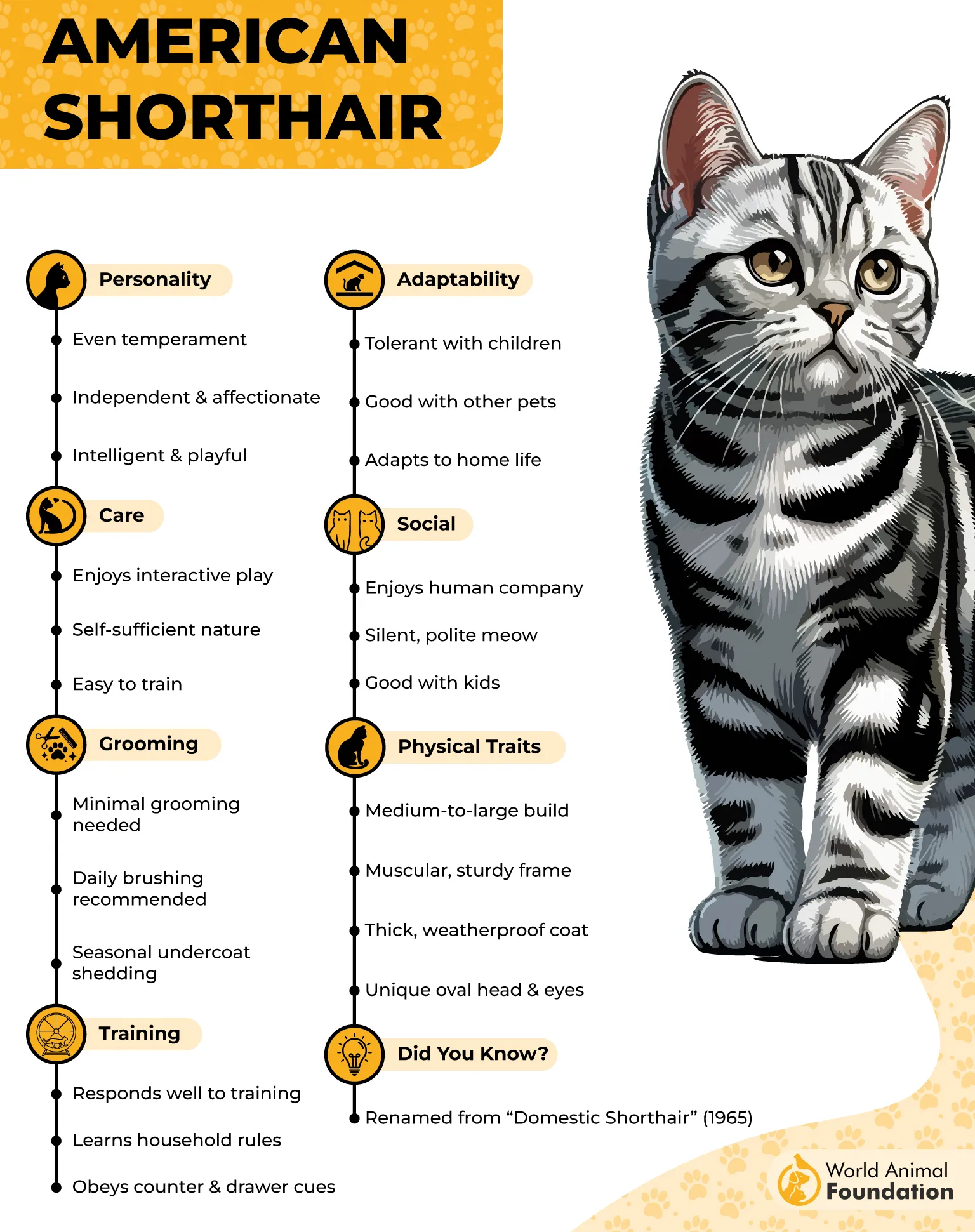
The American Shorthair is an easygoing, adaptable cat that can settle comfortably into apartment life. Its moderate energy level means it enjoys activity without needing constant exercise, while its independent streak makes daily care manageable for first-time cat owners.
Although these cats appreciate spending time with their humans, they do not need attention every moment. A window perch, toys, or a cat tree can give them opportunities to stay occupied when the household is busy.
Their balanced temperament makes them flexible companions for different routines and living arrangements. Providing occasional play sessions alongside comfortable places to climb, watch, and rest can help keep this breed engaged indoors.
How This Breed Stands Out
Adaptable household companion: The American Shorthair adjusts well to different home routines while remaining friendly and relatively easygoing.
Entertains itself with play: Toys, window watching, and climbing activities can keep it mentally and physically occupied when its humans are unavailable.
Conclusion
Choosing the right cat for city apartment living means considering temperament, activity level, independence, and how well a breed adapts to indoor spaces. A suitable companion can feel comfortable without needing a large home or constant stimulation.
Calmer breeds can bring affectionate companionship without overwhelming a compact household. Their adaptable personalities make them appealing for peaceful urban living.
More interactive kitties can also thrive indoors when given toys, climbing opportunities, playtime, and regular attention. These breeds offer a nice balance of companionship and independence.
Ultimately, the best cat for an apartment is one whose personality matches your routine and home environment. Providing cozy resting areas, engaging activities, and consistent care can help your feline companion settle happily into city life.
