




For people who adore cats but experience sneezing, itchy eyes, or skin irritation around them, choosing a feline companion can feel complicated. These reactions are often caused by a protein in cat saliva and skin flakes rather than fur itself, and when cats groom, that protein spreads as tiny particles around the home.
Although no cat breed is completely hypoallergenic, Hypoallergenic cats from certain breeds may be easier for some people to tolerate, especially if they produce lower levels of allergens or shed less. However, reactions vary between individuals and cats, so no breed guarantees an allergy-free experience.
Choosing the breed is only one part of allergy management, and consistent home care can help reduce exposure.
Explore cat breeds commonly considered more suitable for allergy sufferers and discover helpful steps to consider before bringing a new companion home.
Best Cat Breeds For Allergy Sufferers
1. Siberian
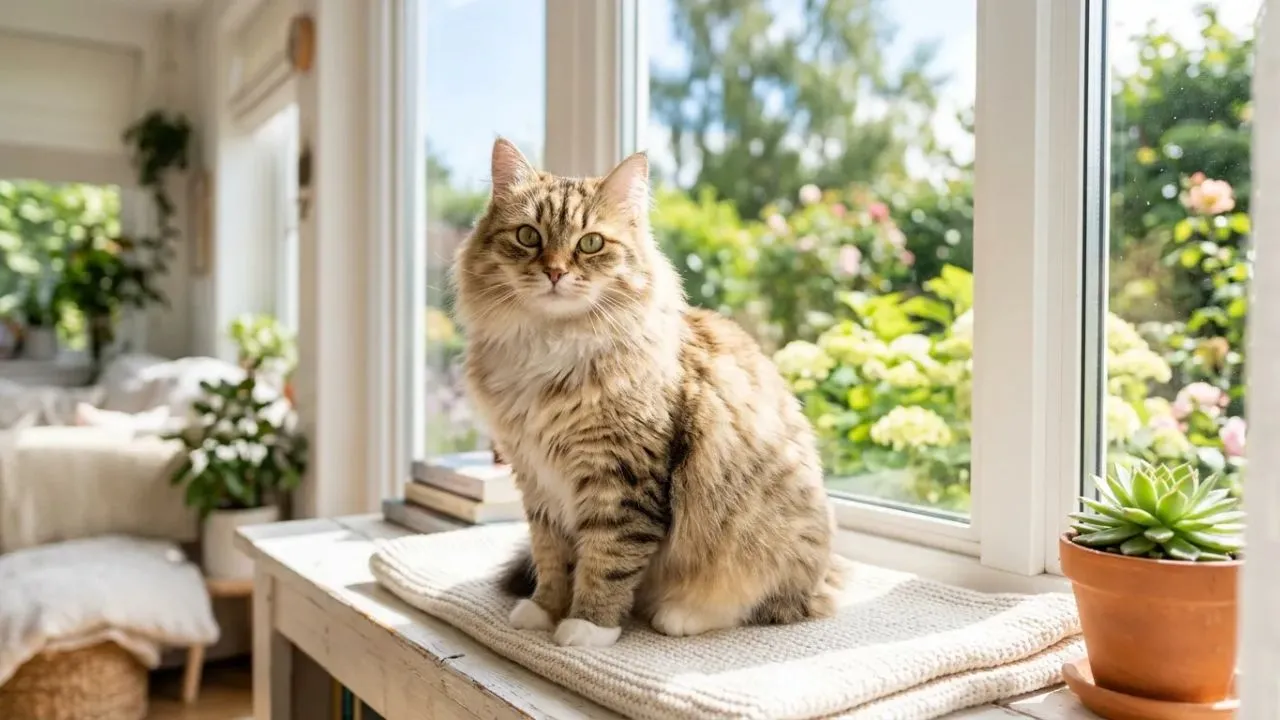
The Siberian is a fluffy, large cat often considered by allergy sufferers. Despite its abundant fur, this breed may be suitable for some people with sensitivities, although allergic reactions can still occur.
According to PetMD, Siberian cats are affectionate felines that often enjoy cuddling and sitting on their owners’ laps, although each cat has its own personality and preferences.
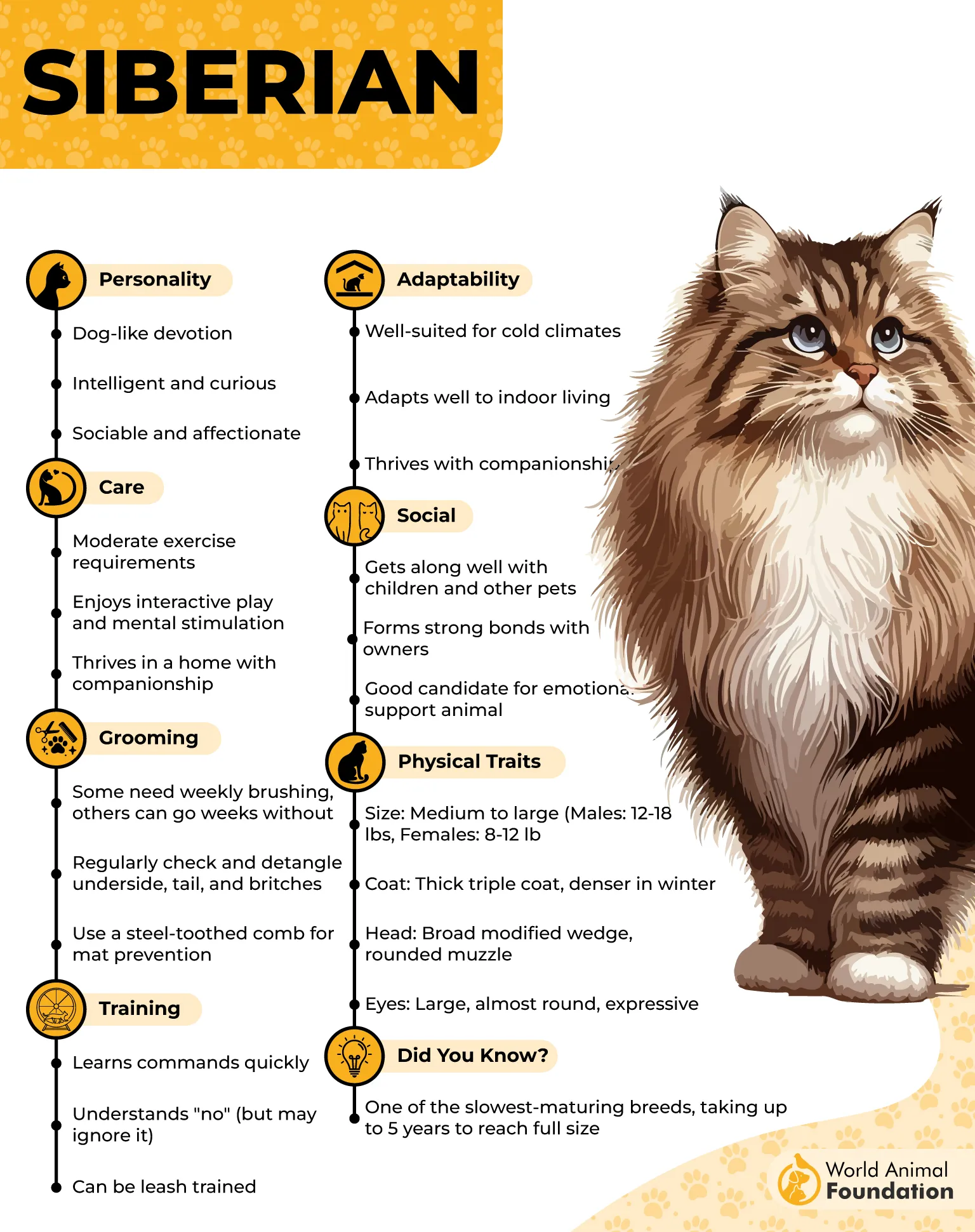
It enjoys interactive activities with family members but also appreciates peaceful moments indoors, making it a versatile companion for different households
Its thick, triple-layered coat provides insulation against cold weather and creates its signature plush appearance. However, regular brushing throughout the week, sometimes daily during heavy shedding, helps prevent tangles and manage loose fur, and how often that is needed depends on seasonal shedding and coat density.
How This Breed Stands Out
– Potentially lower Fel d 1 production in some cats: Certain Siberians may produce less of this common allergen, but production varies between individuals and does not guarantee an allergy-free experience.
– Thick, triple-layered coat: Its dense coat consists of protective layers that provide warmth and volume, requiring consistent grooming to maintain its condition and manage seasonal shedding.
2. Balinese
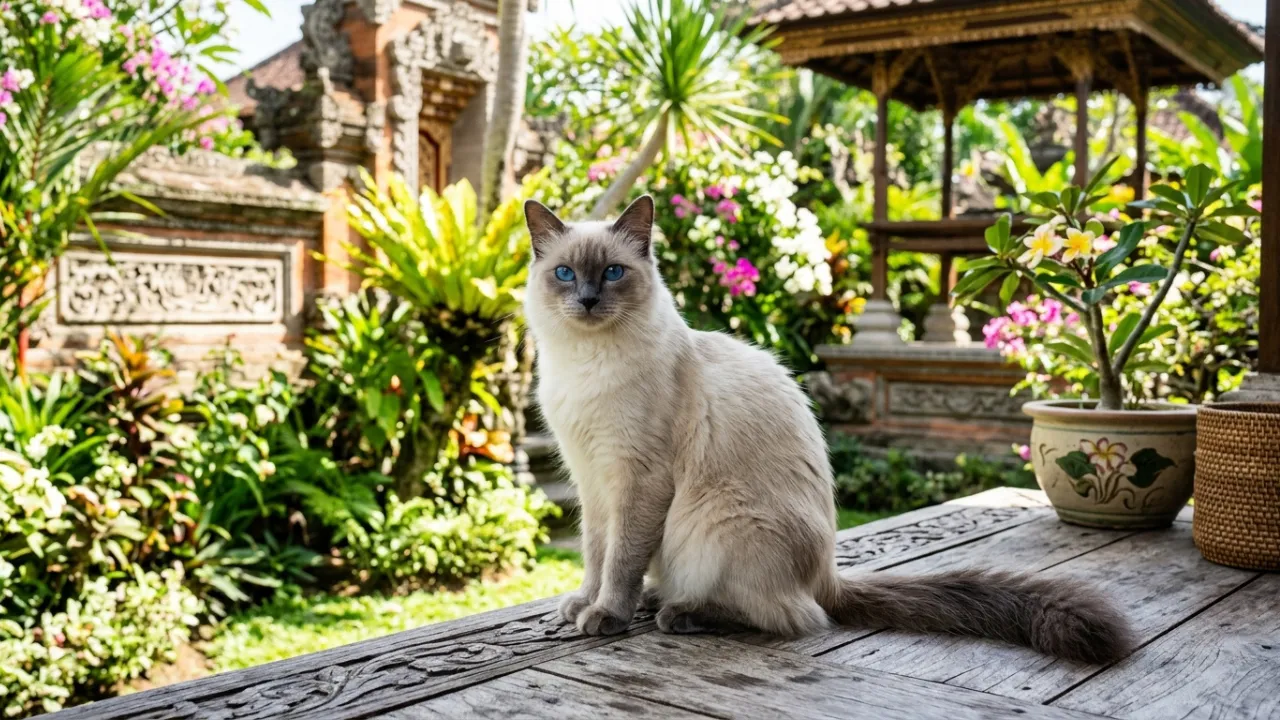
Some sources suggest this domestic breed produces lower levels of allergy-associated proteins than many cats and may shed less than expected for a long-haired breed. However, individual allergen production varies, and no breed is completely hypoallergenic.
According to PDSA, Balinese cats are highly energetic and active, so they need plenty of toys and engaging activities to stay entertained.

Sweet-natured and intelligent, Balinese cats thrive on human interaction. They are highly social, expressive, and often vocal, while their sensitivity to their owners’ moods makes them engaging companions for households that enjoy an interactive pet.
How This Breed Stands Out
– Silky coat with minimal undercoat: The Balinese has a fine, flowing coat with little undercoat, which may reduce loose hair around the home but does not eliminate allergens.
– Plumed tail and striking blue eyes: Its long, feathered tail and vivid blue eyes complement its slender frame, creating an elegant appearance characteristic of this breed.
3. Russian Blue
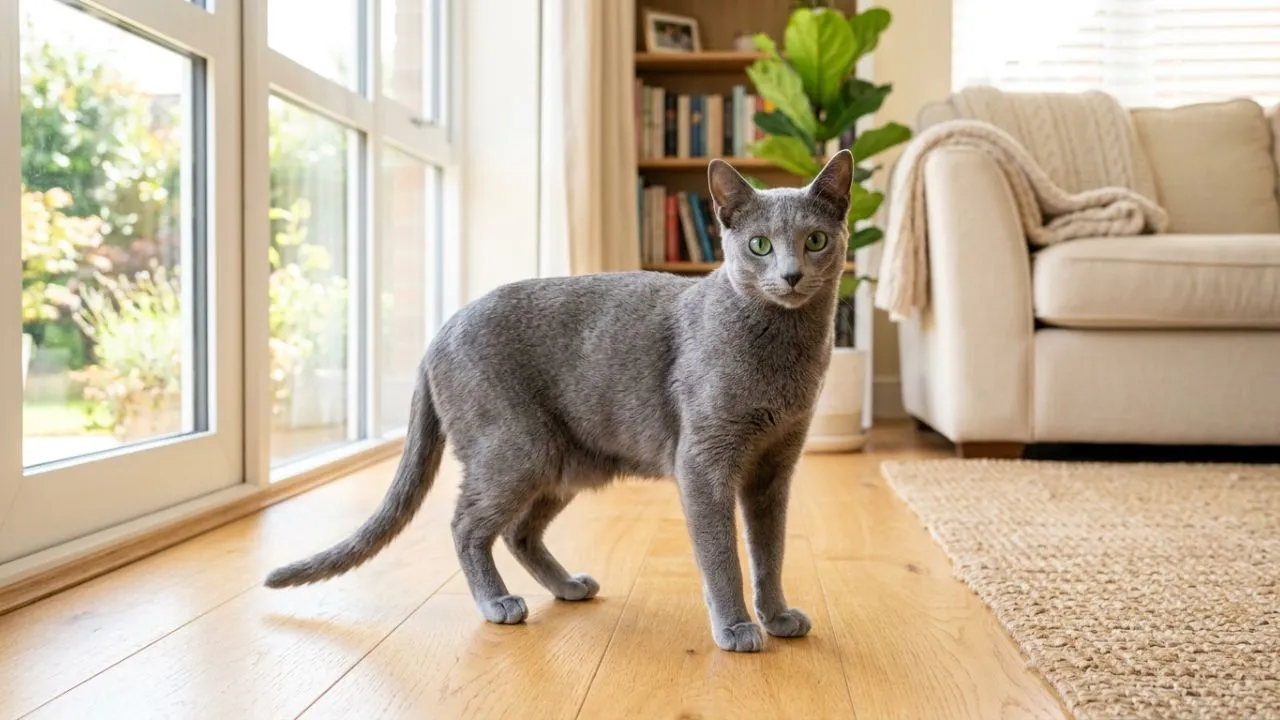
The Russian Blue is admired for its plush blue-gray coat and striking green eyes. According to WebMD, their dense coats have silvery highlights that glisten in sunlight, beautifully complementing their vivid green eyes.
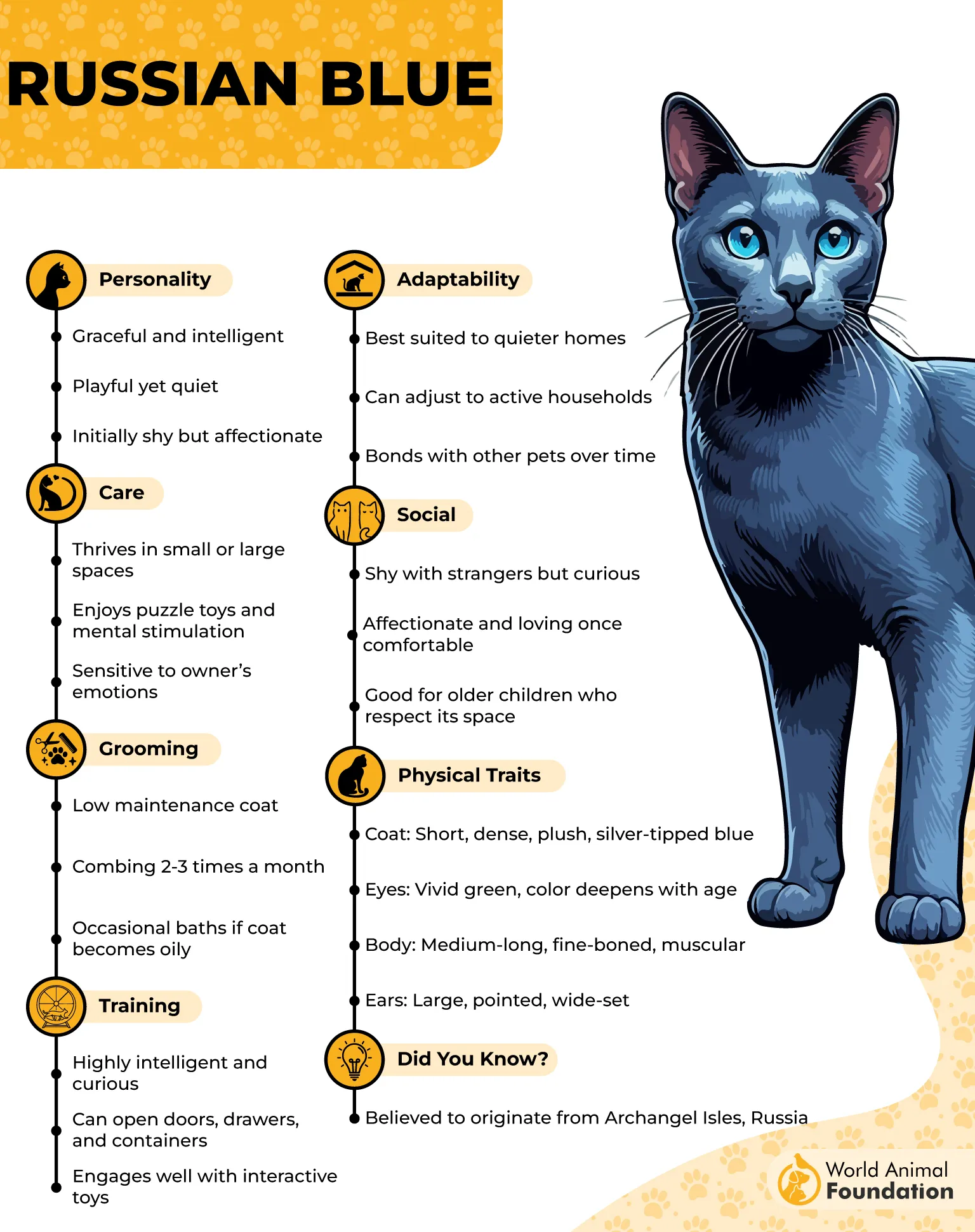
Its dense coat may also trap allergens close to the skin, which can make it easier for some allergy sufferers to tolerate. Individual cats vary, so allergy sufferers should not assume this breed will be symptom-free.
Calm and affectionate, Russian Blues often form strong attachments to their owners while remaining cautious around unfamiliar people. They generally appreciate peaceful surroundings and predictable routines, making them appealing companions for quieter indoor households.
How This Breed Stands Out
– Dense, silver-tipped blue-gray fur: Its plush coat has silvery ends that give the blue-gray fur a distinctive sheen, creating an elegant appearance despite moderate shedding.
– Reserved, quiet indoor personality: Russian Blues tend to be observant and soft-spoken, often preferring familiar people and calm environments over busy, noisy surroundings.
4. Devon Rex
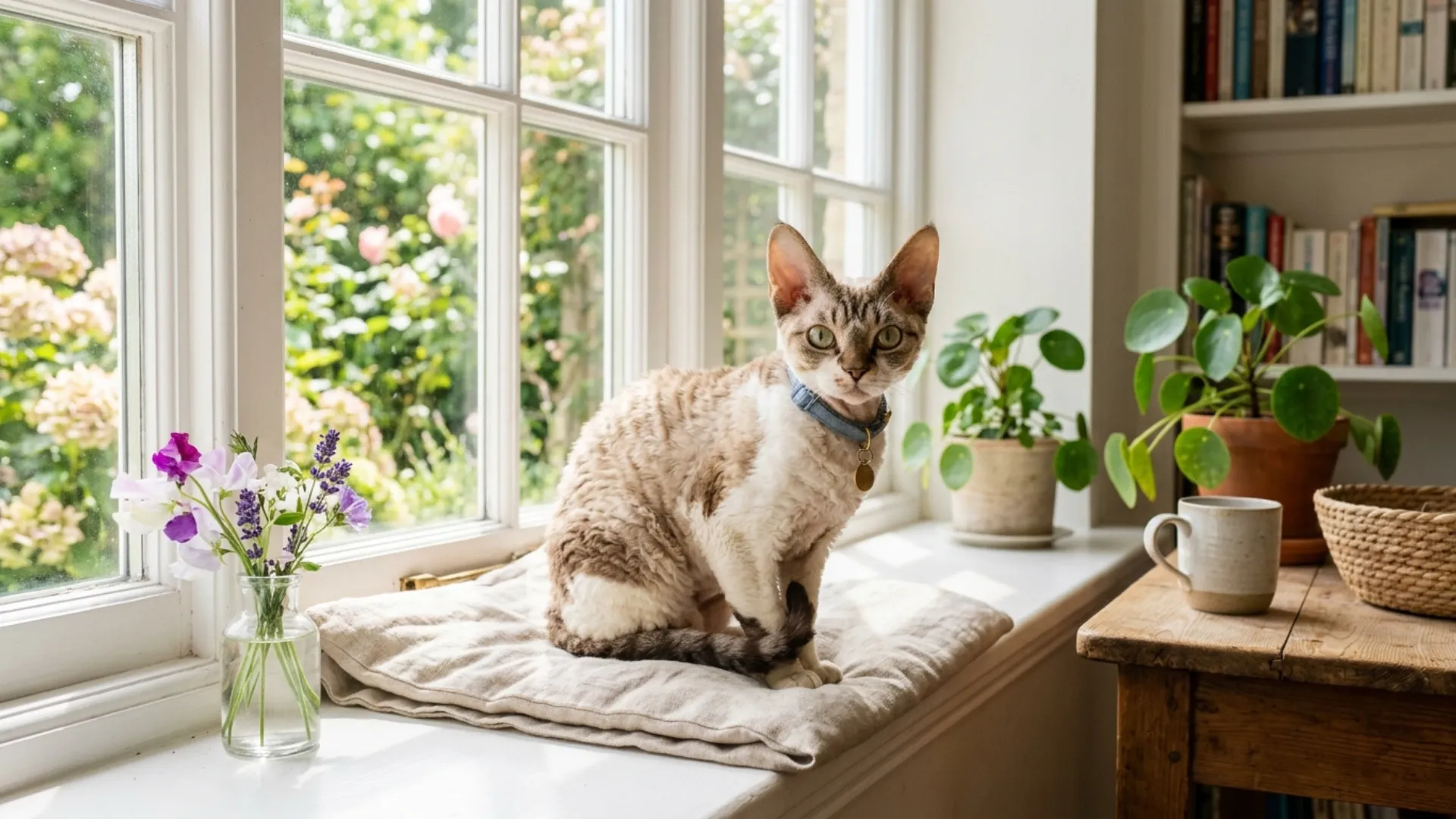
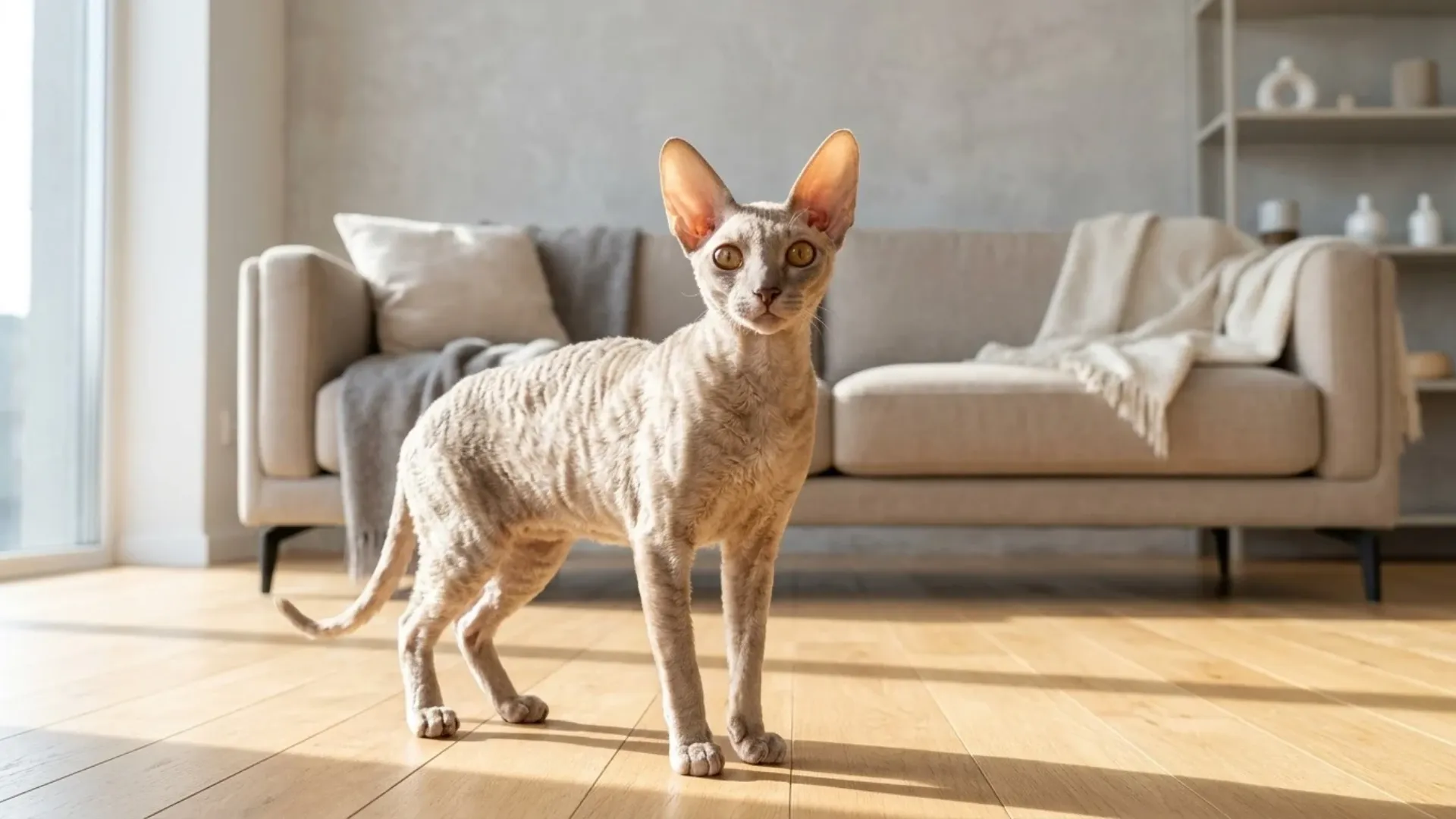
The Devon Rex is a distinctive cat with a short, curly coat that lies close to its body and typically sheds very little. Its sparse fur may mean less loose hair around the home, although it still produces allergens that can trigger reactions in sensitive individuals.
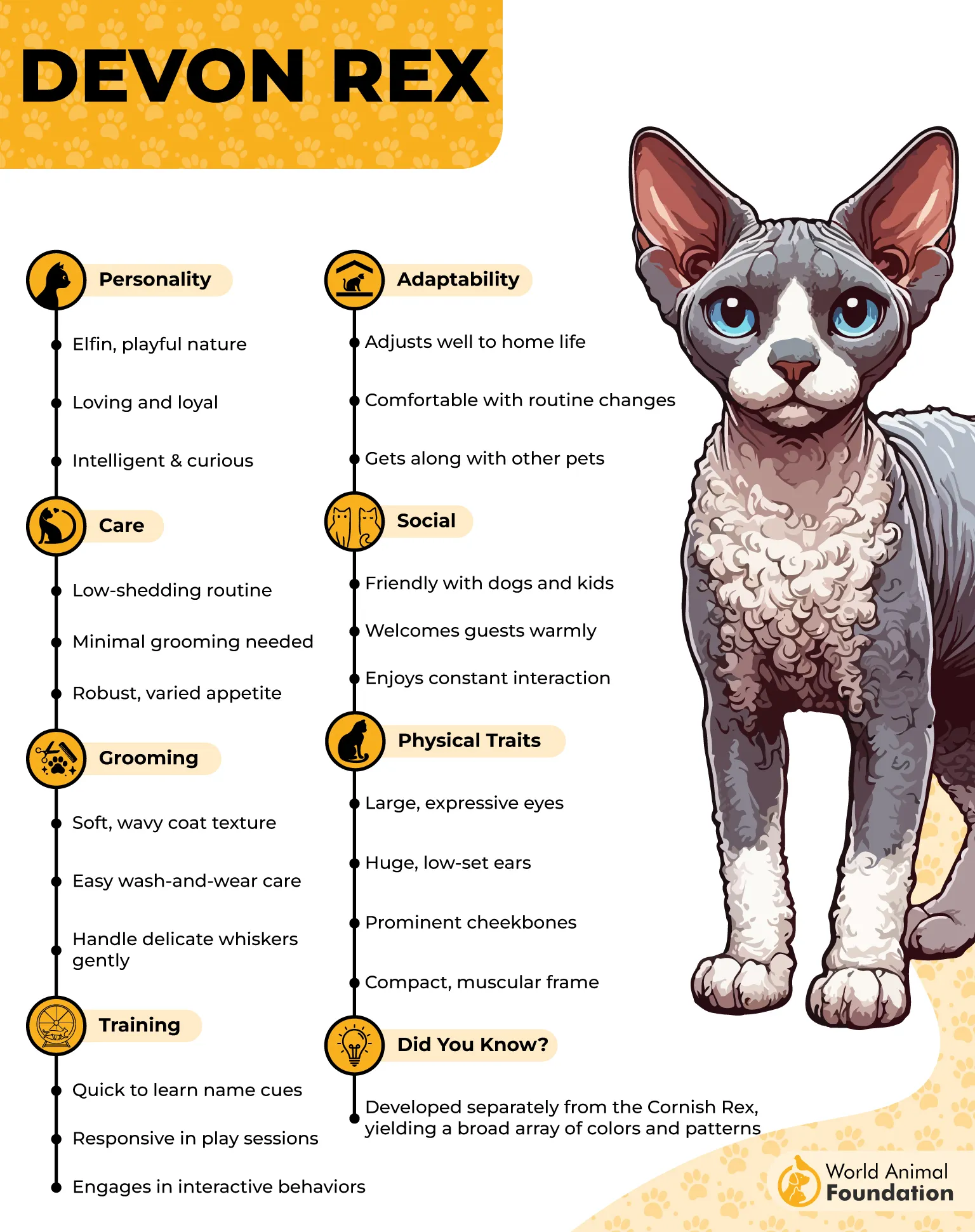
Playful, affectionate, and mischievous, this breed thrives on human companionship. Devon Rex cats enjoy interactive games and may happily perch on their owner’s shoulder or curl up nearby. They need plenty of attention, making them better suited to households where someone can spend time with them regularly.
Their oversized ears, prominent cheekbones, and large eyes create an unmistakable pixie-like expression. Their delicate, wavy coat requires gentle handling to maintain its texture without irritating their sensitive skin.
How This Breed Stands Out
– Fine, wavy coat with relatively little shedding: The Devon Rex has a soft, sparse coat that releases less hair than many breeds, but reduced shedding does not eliminate allergy-causing proteins.
– Oversized ears and pixie-like face: Its large ears, broad cheekbones, and expressive eyes give this playful cat an elfin appearance that makes it instantly recognizable.
5. Cornish Rex
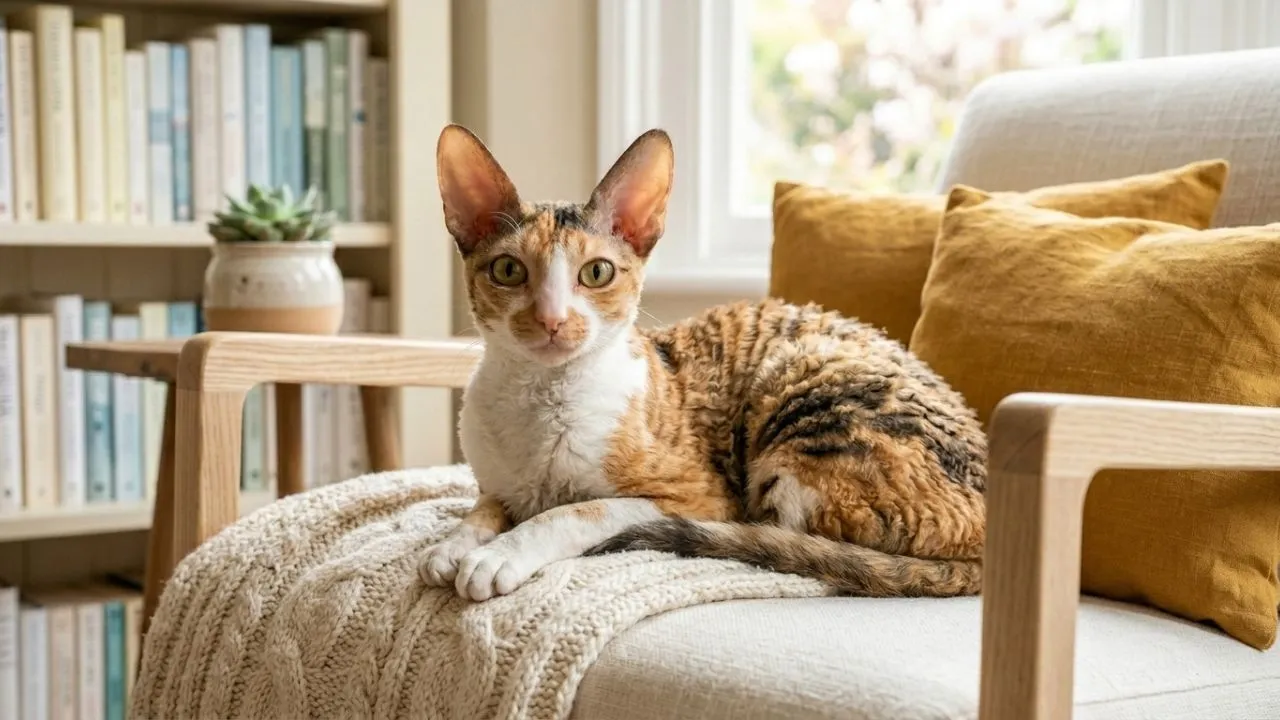
The Cornish Rex has a distinctive, rippled coat made primarily of soft down hair rather than the three layers of fur found in most cats. Its fine curls shed very little, potentially reducing loose hair around the home. However, this does not eliminate allergens that may trigger reactions in sensitive individuals.
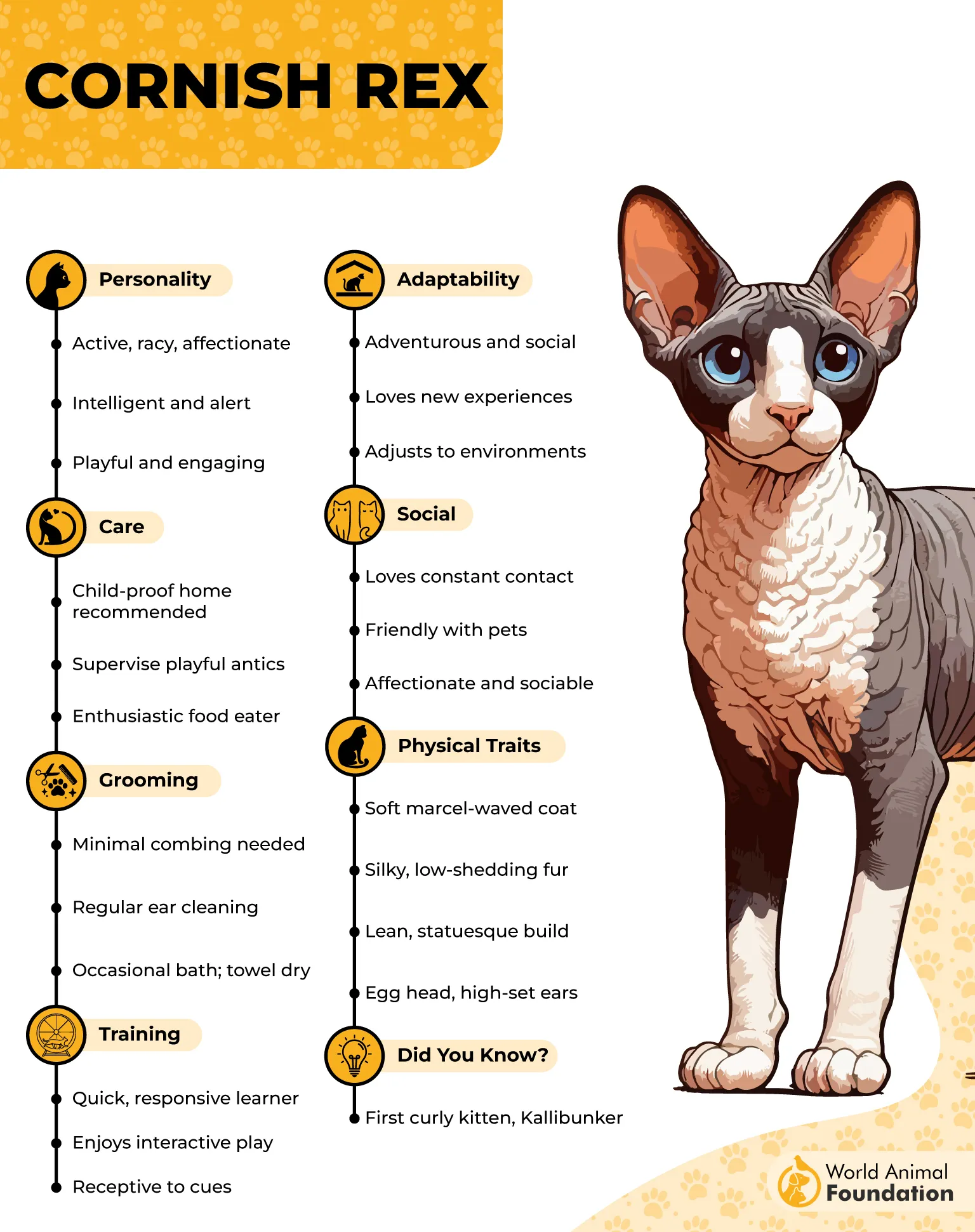
Curious and affectionate, this energetic breed enjoys interactive games, climbing, and being involved in household activities. Cornish Rex cats often retain their playful, kitten-like behavior into adulthood, so daily exercise and plenty of toys help keep them mentally and physically stimulated.
Their slender frame, long legs, and arched back give them an elegant, athletic appearance. Their unusually soft fur and delicate features make them particularly distinctive among curly-coated cats.
How This Breed Stands Out
– Soft coat made mostly of down hair: The Cornish Rex has a fine, velvety coat without the usual coarse outer layers, contributing to its low-shedding appearance.
– Curly whiskers and arched back: Its naturally curled whiskers and gently curved back complement its lean body, creating a distinctive silhouette suited to its agile movements.
6. Sphynx
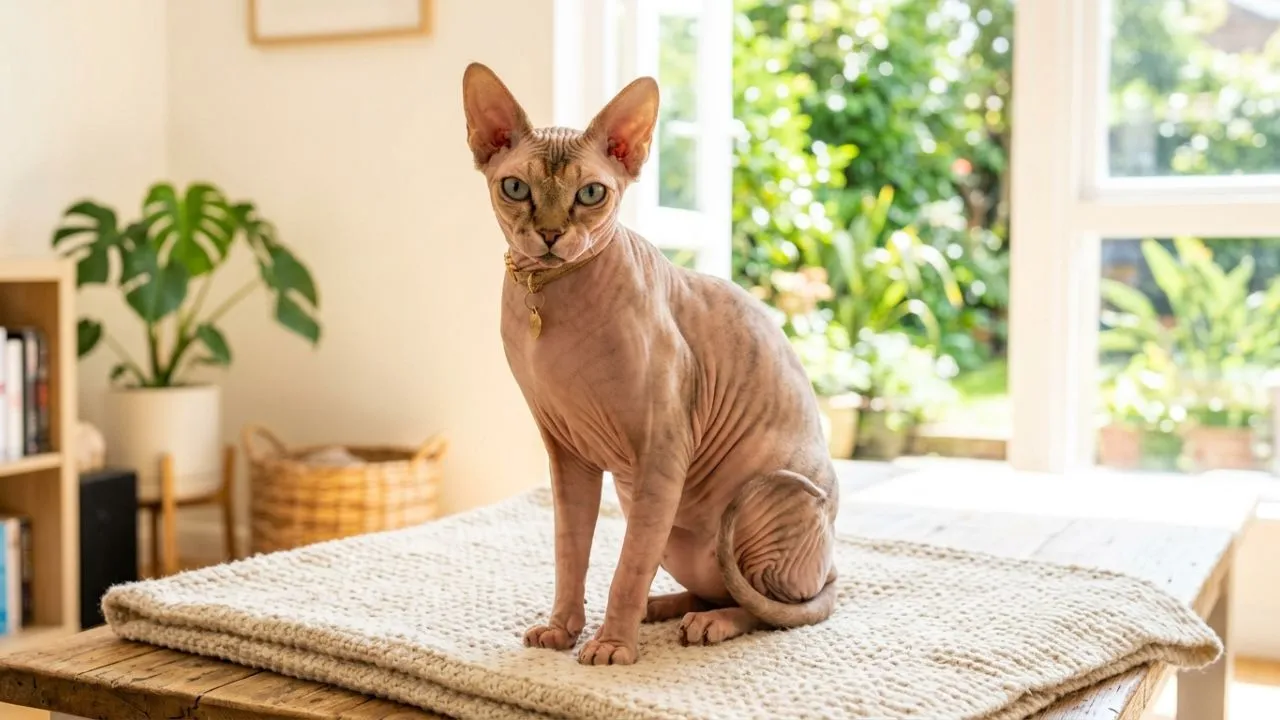
The Sphynx is a distinctive, nearly hairless cat known for its affectionate personality and lively nature. Its lack of a thick coat may reduce the spread of dander around the home, making it appealing to some allergy sufferers.
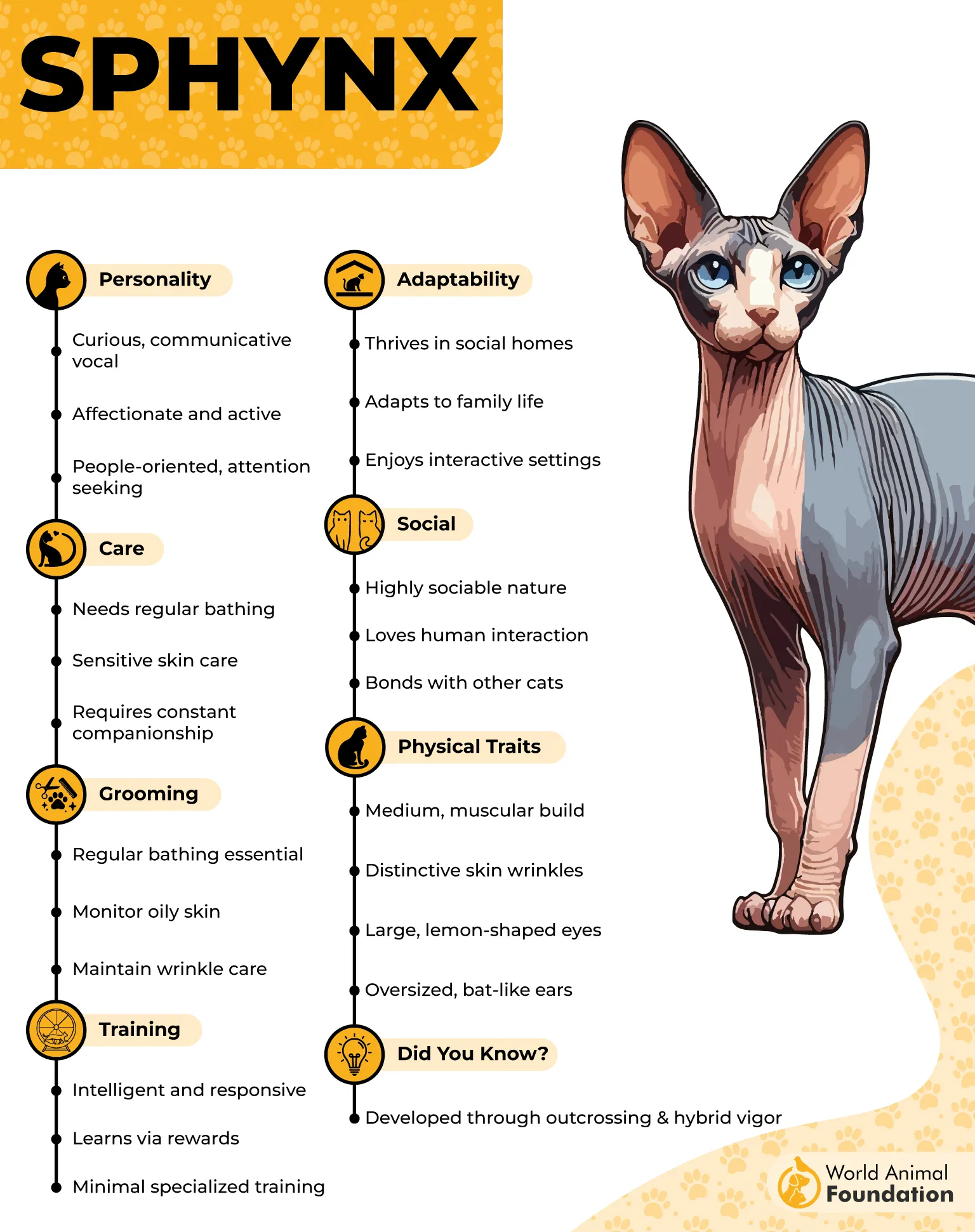
These medium-sized cats are sociable and enjoy spending time with their families. With a typical lifespan of 9–15 years, they can make loving companions for households prepared for regular skin care to support their health and meet their specific care needs.
Despite having little or no fur, Sphynx cats require regular grooming. Their skin accumulates natural oils, so routine baths with cat-safe shampoo help keep it clean. They also need protection from direct sunlight and extra warmth in colder weather.
How This Breed Stands Out
Nearly hairless, warm-to-the-touch skin: Their exposed skin gives them a distinctive feel and means less loose fur around the home.
Needs regular bathing to remove skin oils: Frequent, gentle baths help prevent oily buildup and maintain healthy skin.
7. Bengal
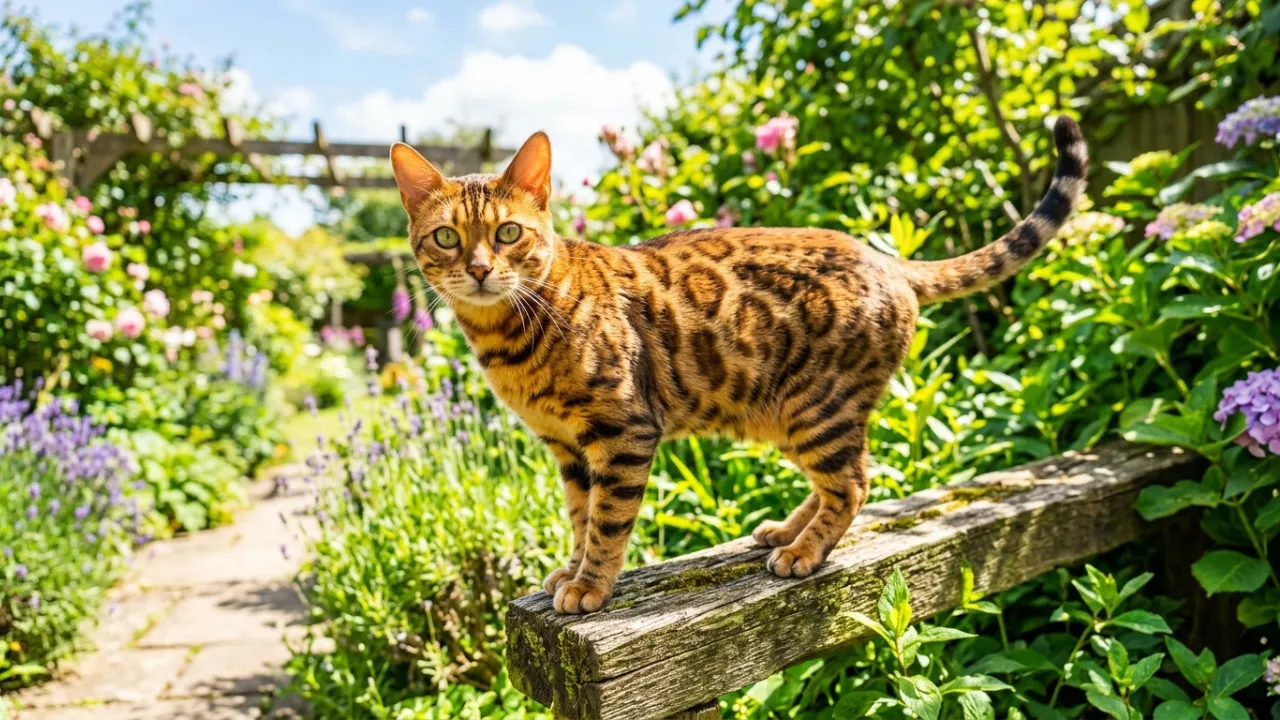
Bengal cats are admired for their striking, wild appearance, featuring distinctive spots and marbled markings reminiscent of a leopard. Their short, sleek, fine coat lies close to the body, giving them a polished look and usually needing less grooming than many other breeds.
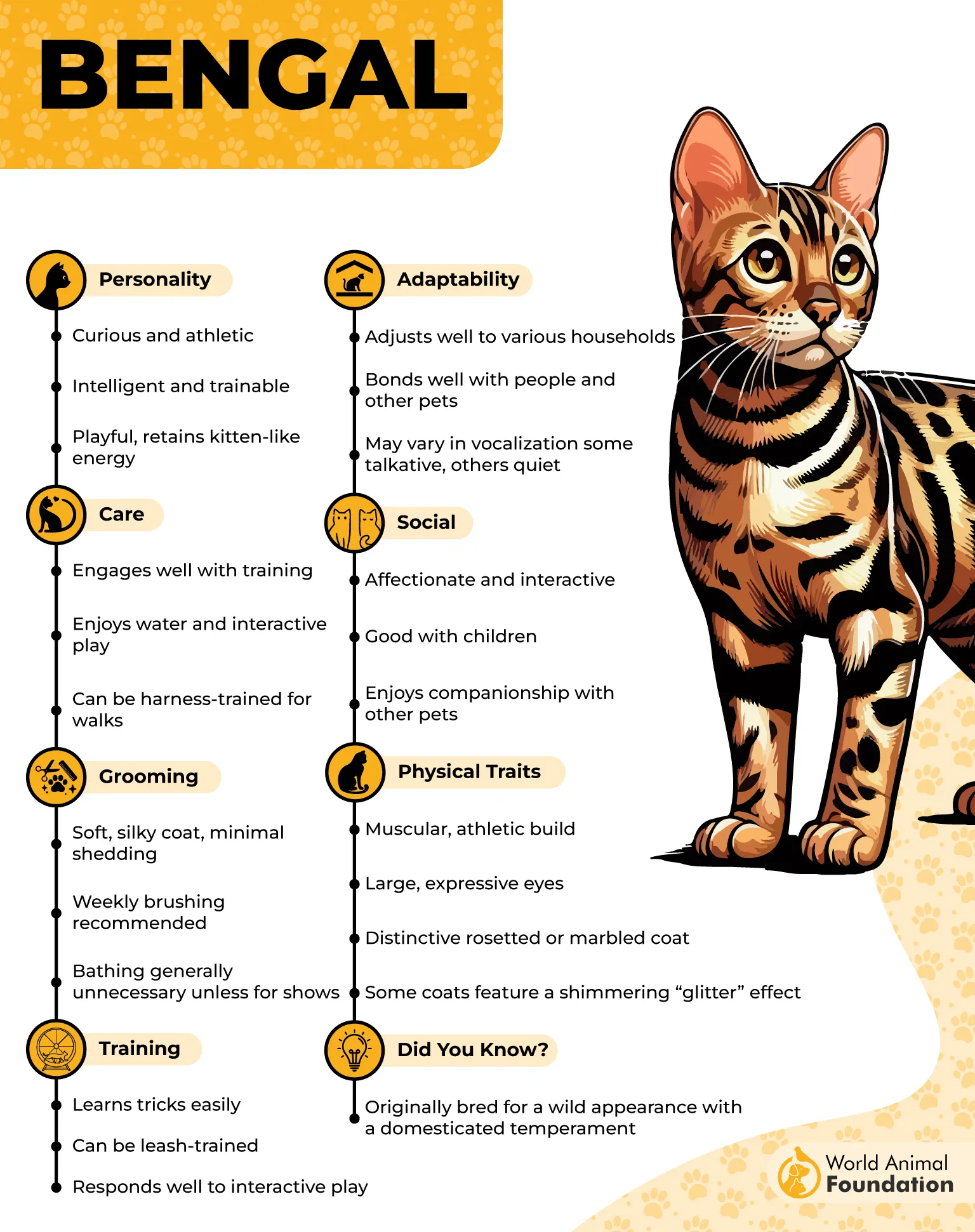
For allergy sufferers, Bengals may be worth considering because their coat typically sheds less than that of many long-haired cats. However, they still produce allergens, so their low-shedding coat does not guarantee an allergy-free experience.
Intelligent, athletic, and curious, Bengals need plenty of playtime, climbing opportunities, and mental stimulation. Their energetic temperament makes them better suited to active households. Prospective owners should also check local regulations, as some areas restrict or prohibit Bengal ownership.
How This Breed Stands Out
Short, close-lying coat: Their sleek fur is relatively easy to maintain and generally needs only occasional brushing.
Leopard-like spots or marbled patterns: Their dramatic markings create an exotic appearance that distinguishes them from many domestic cats.
Conclusion
Choosing hypoallergenic cat breeds for allergy sufferers means considering both allergen sensitivity and lifestyle. Although some breeds may shed less, no cat is completely hypoallergenic, so spending time with a breed before adoption can help you understand your reactions.
Visiting a breeder before bringing home a new cat can also help you see how well you tolerate the breed.
Ultimately, lifestyle habits are important, and choosing the right cat involves matching temperament and grooming needs with realistic expectations about cat allergies.
