




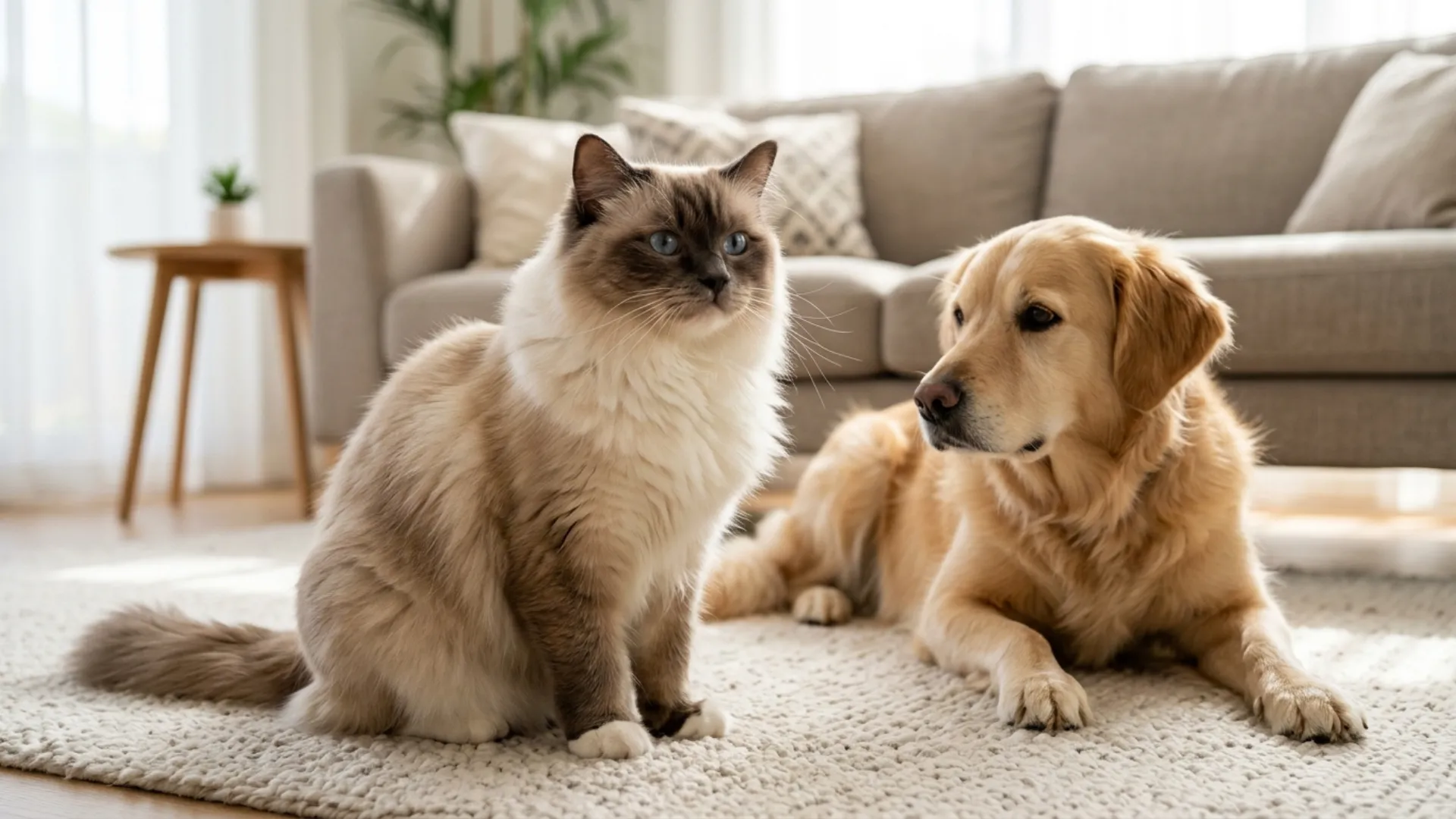
Bringing a cat into a home with dogs can feel challenging, especially when you are unsure how they will react to each other. Fortunately, many cats can form close bonds with canine companions, sharing playtime, relaxing together, and even becoming affectionate friends.
Certain cat breeds are often known for their social personalities, confidence, and adaptability, making them promising choices for households with dogs. However, every animal has an individual temperament, so gradual introductions, separate resources, and safe escape spaces are essential for building a peaceful relationship.
Best Cat Breeds That Get Along With Dogs
1. Maine Coon
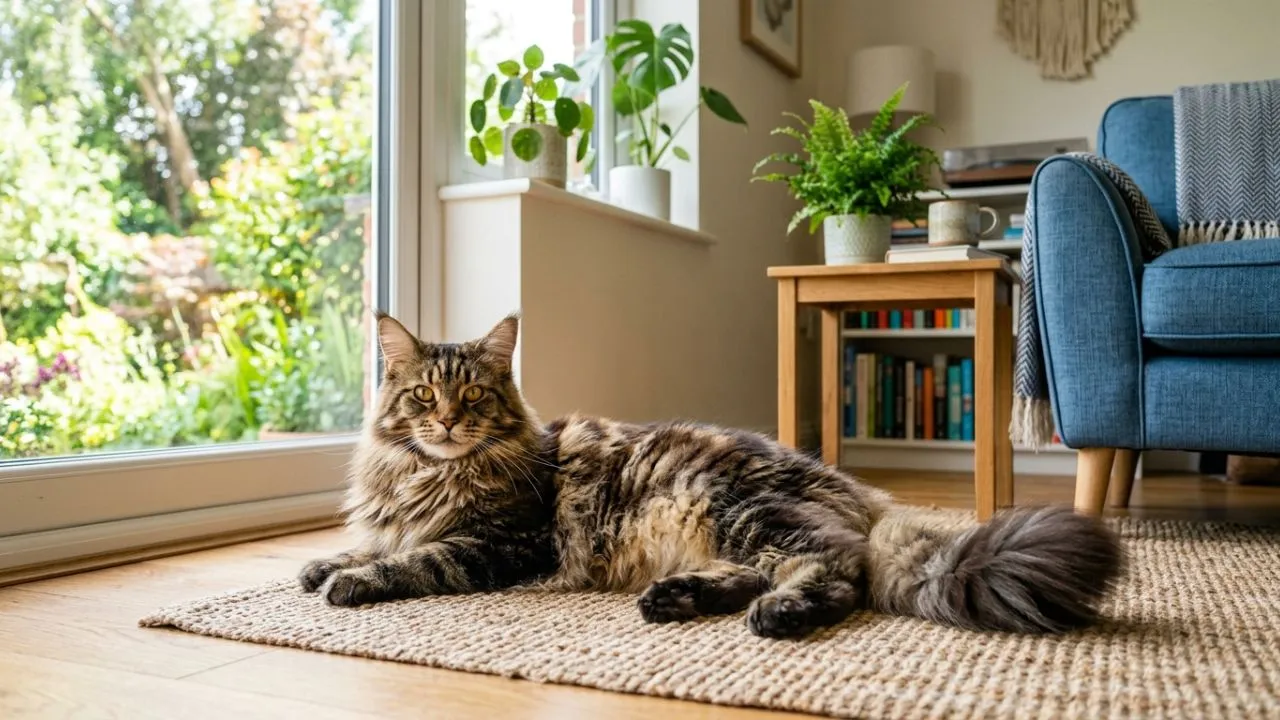
Often called gentle giants, Maine Coons combine an impressive physique with a friendly, loyal personality, and their large size and sturdy build can help them seem confident around playful dogs, provided both animals interact respectfully.
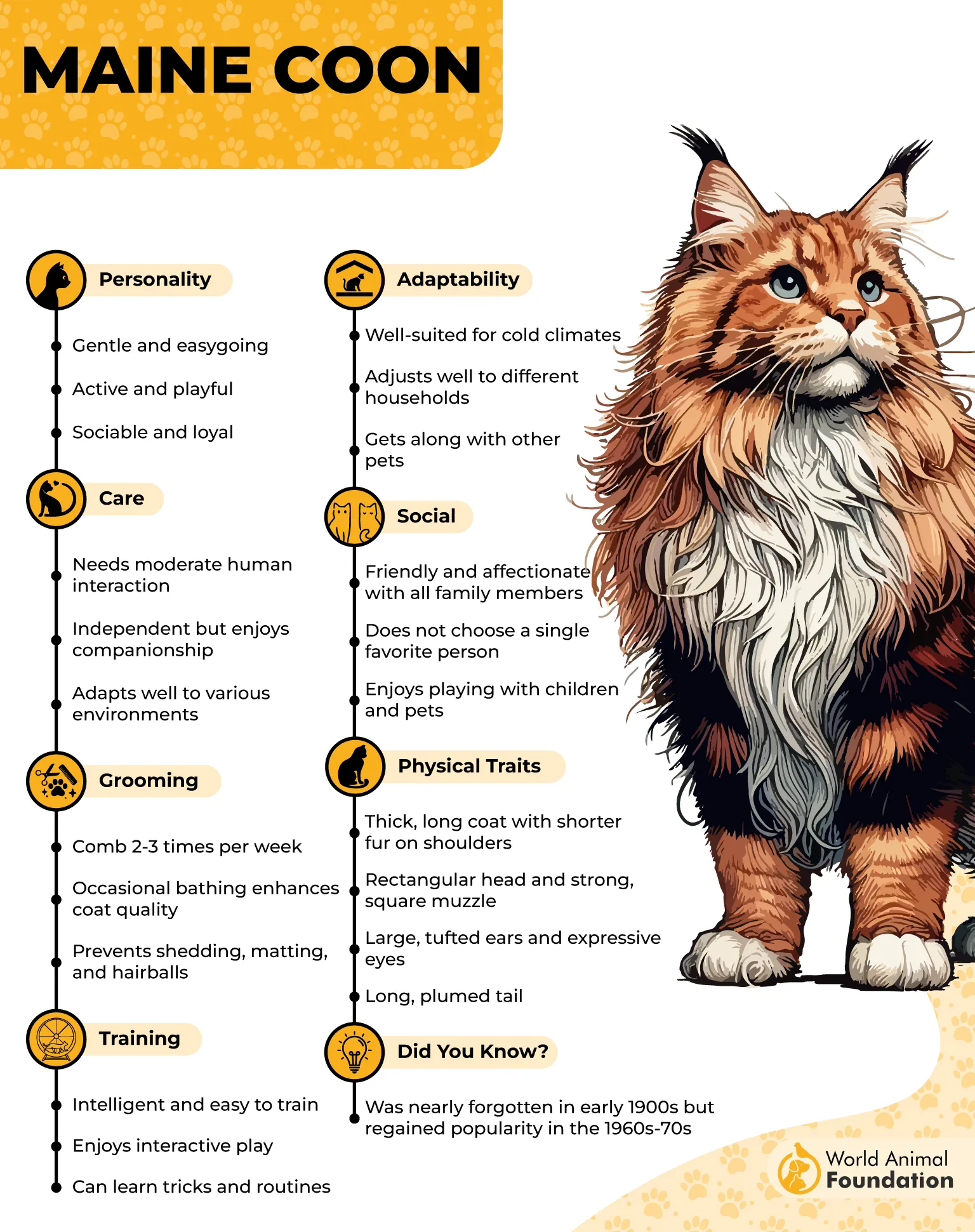
These intelligent cats enjoy companionship, and their friendly, affectionate nature makes it easy for them to befriend calm dogs. Some even learn games such as fetch, creating opportunities for shared activities with a dog that enjoys gentle play.
Maine Coons are also known for their distinctive vocalizations. Instead of relying on frequent meowing, they often communicate through soft chirps and trills. Their long, fluffy coats and expressive features add to their appeal, while regular grooming helps keep their fur free of tangles.
How This Breed Stands Out
Sociable, gentle giant personality: Their affectionate, adaptable temperament can help them develop strong bonds with friendly dogs and other family members.
Playful chirps and trills: These cats often use charming, birdlike sounds to communicate, especially when excited or seeking attention.
2. Ragdoll
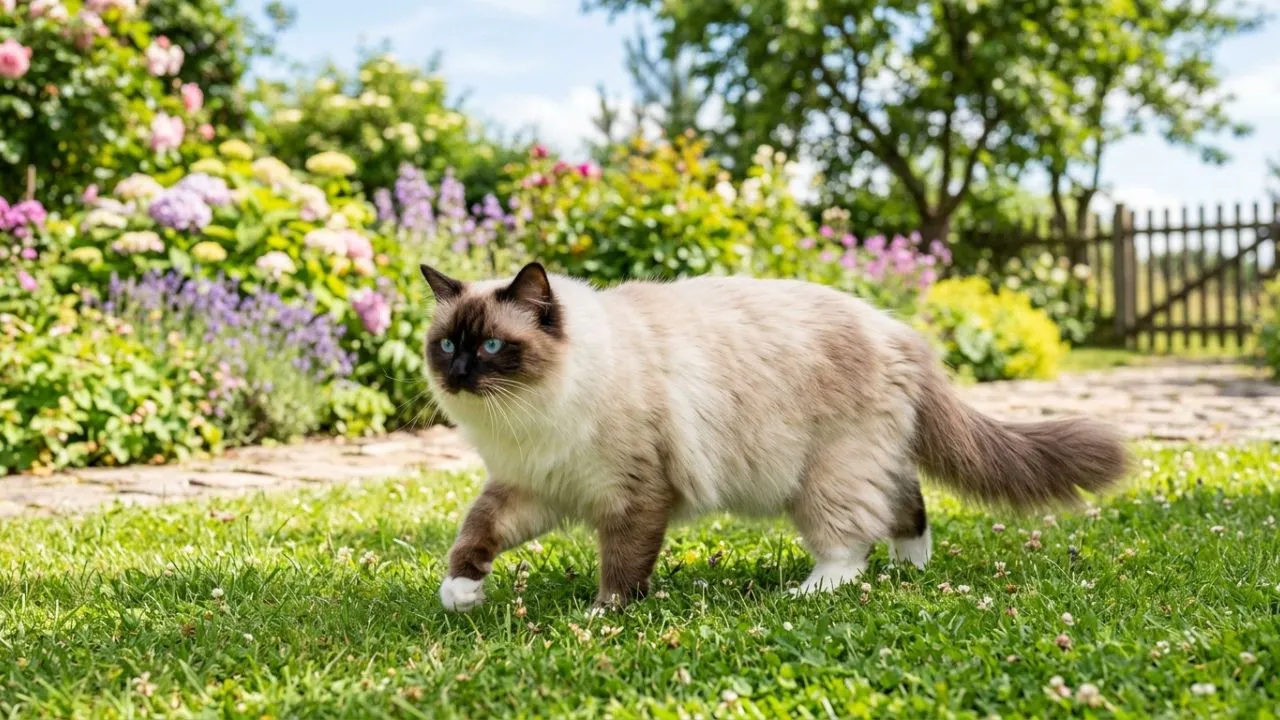
Ragdolls are gentle, affectionate cats that can adapt well to homes with dogs. Their relaxed temperament helps them remain composed around calm canine companions, even when dogs move around or make unexpected noises. Rather than seeking constant interaction, they can comfortably share space with a friendly dog.
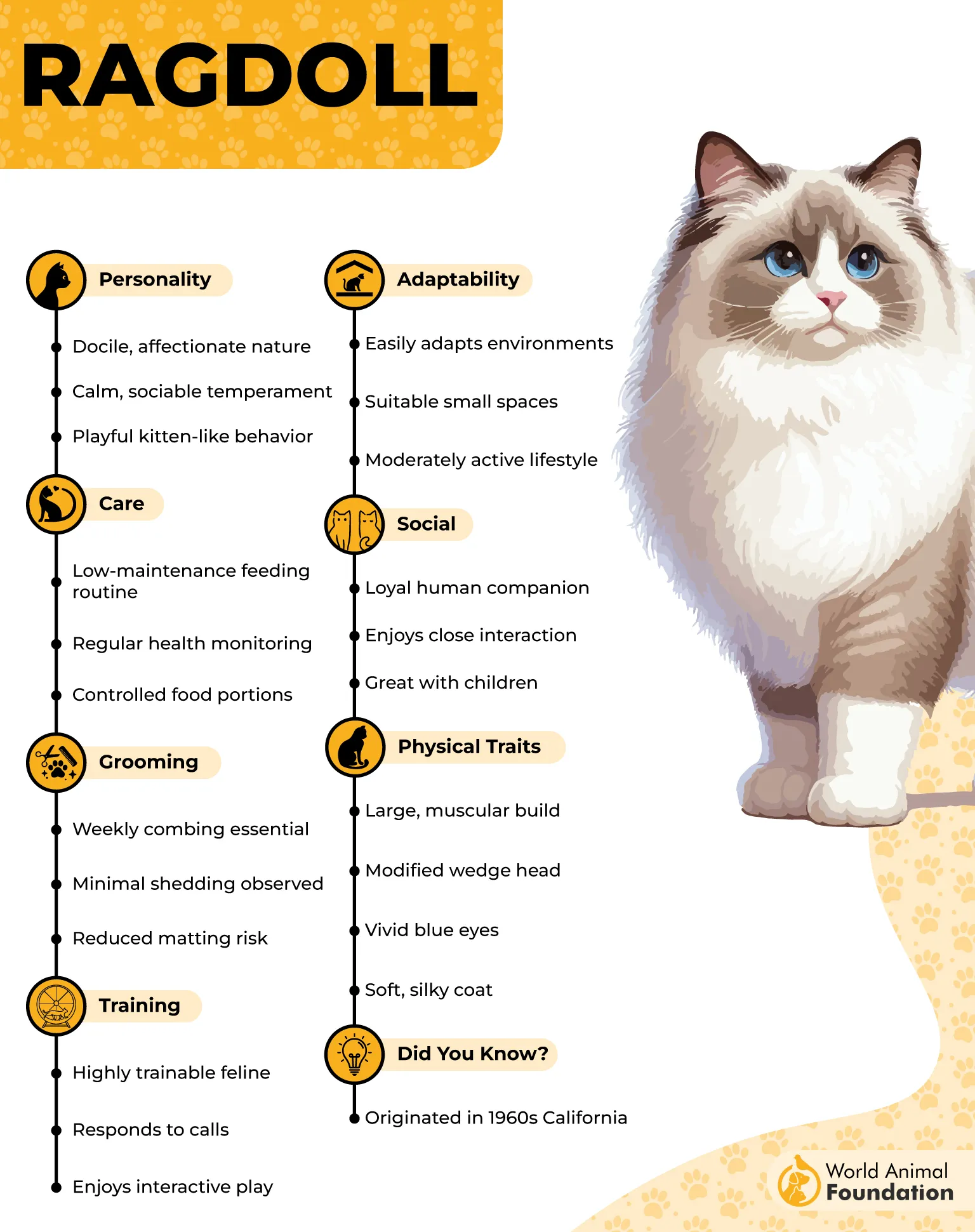
Many Ragdolls are sociable, affectionate, and laid-back around familiar companions. They are often called “puppy cats” because they greet their owners enthusiastically, follow them around for attention, and may even learn to play fetch. With time, some Ragdolls develop close bonds with dogs and enjoy resting beside them, so their dog-friendly reputation is no wonder.
Successful introductions should be slow and supervised so dogs do not overwhelm the cat. Cat trees, shelves, and other elevated spots allow Ragdolls to retreat whenever they need space.
Rewarding dogs for staying calm also helps create a comfortable environment for both pets, and some Ragdolls and dogs may do fine sharing space, resting, or spending quiet time together once they are comfortable.
How This Breed Stands Out
Relaxed around calm canine companions: Their easygoing temperament can help them share a home peacefully with friendly dogs.
Affectionate, people-focused nature: Ragdolls crave companionship and may extend their friendly, loving behavior to familiar canine housemates.
3. Siberian
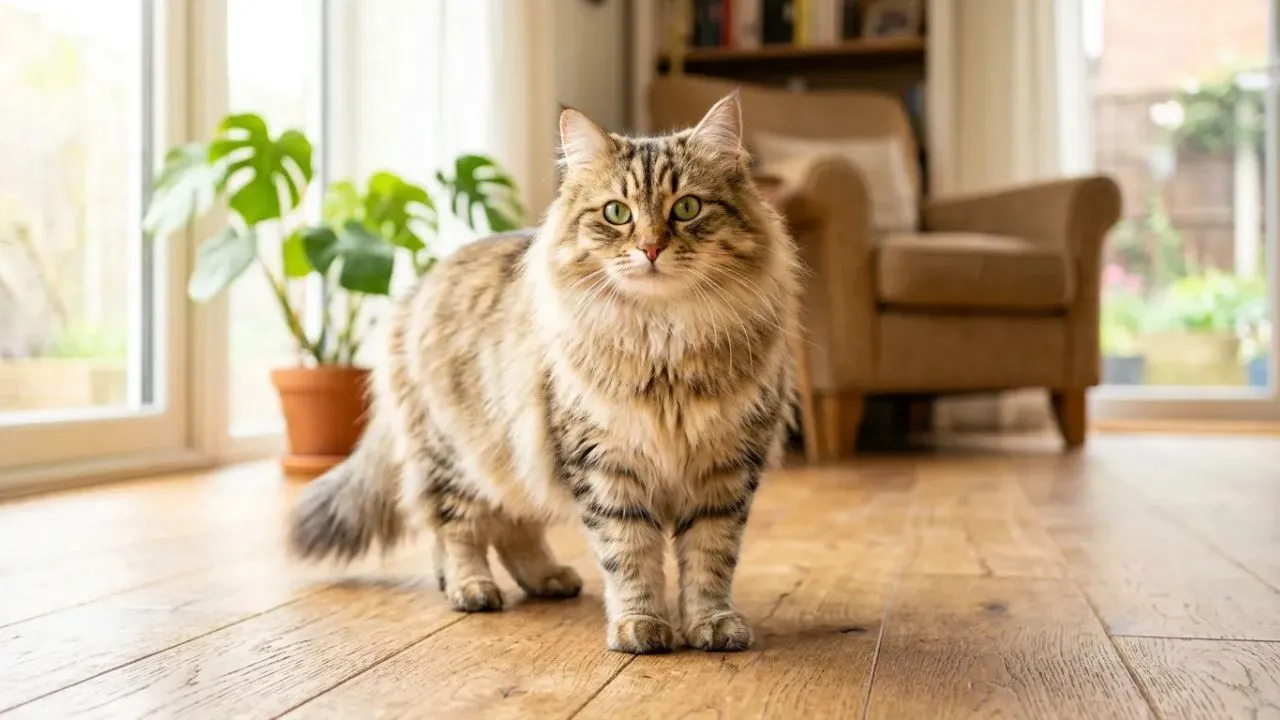
Siberian cats are muscular, athletic, and self-assured, qualities that can help them feel comfortable around friendly dogs when introduced properly. Their intelligence and sturdy build may make them less easily unsettled by an enthusiastic canine companion, although individual temperaments vary.
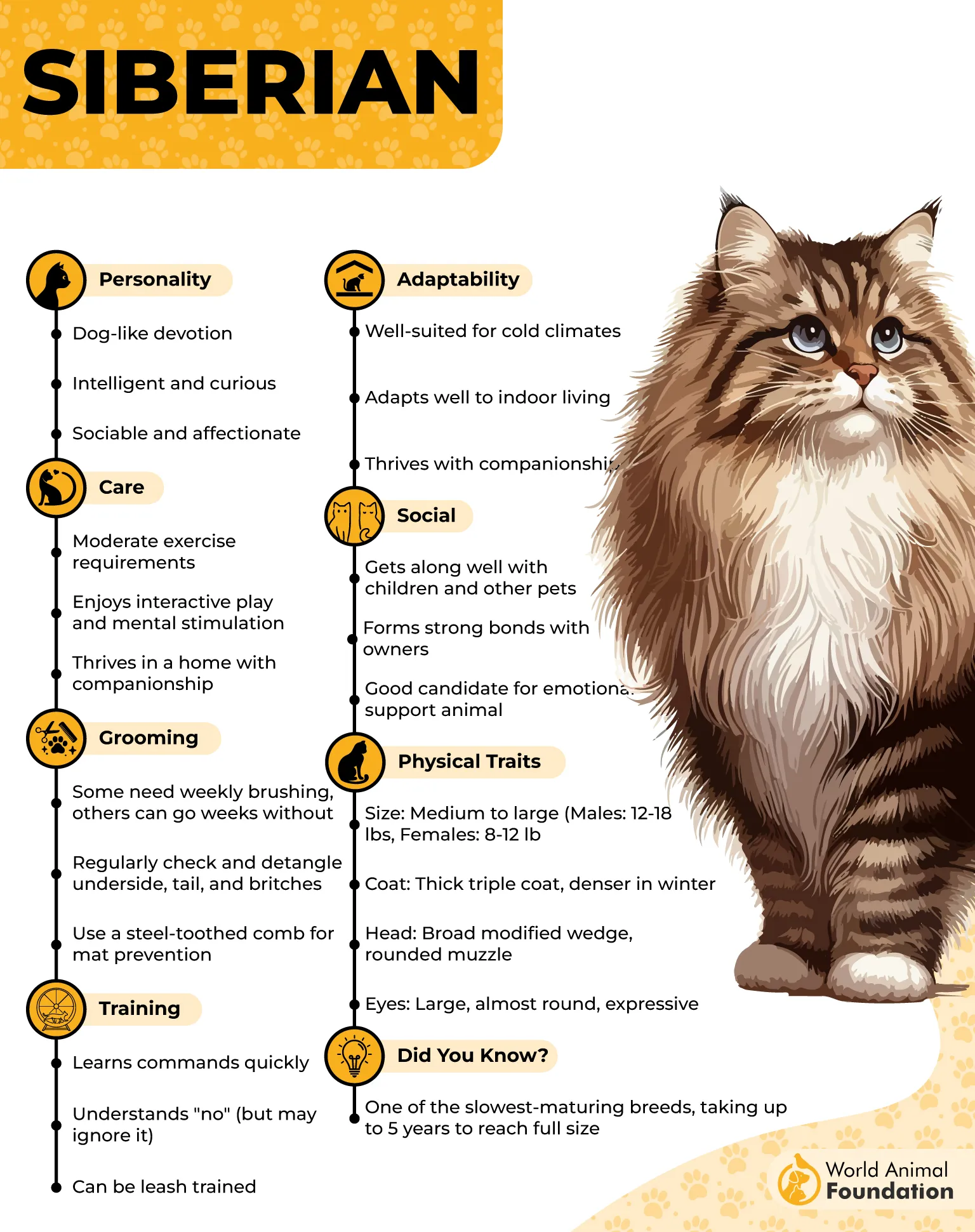
Naturally adventurous, these domestic cats love exploring their surroundings, investigating unusual hiding spots, and climbing to impressive heights. Their energetic personalities make them entertaining housemates, but without enough toys and activities, there can seem to be no end to their playful antics and resulting mischief.
Siberians can adapt to lively households and unfamiliar visitors. With gradual introductions and appropriate supervision, they may learn to coexist peacefully with dogs. Providing tall cat trees and secure shelves gives them convenient escape routes whenever they want some quiet time away from their canine companions.
How This Breed Stands Out
Confident, adventurous temperament: Their curious nature and bold personality can help them adjust to sharing their home with a friendly dog.
Agile climbing ability for safe retreats: Their athletic skills let them reach elevated spaces where they can observe household activity or enjoy privacy.
4. Tonkinese

They are active and highly social, enjoying meeting people and often welcoming the company of friendly dogs rather than keeping their distance. Their sociable nature makes them well suited to households where pets regularly interact.
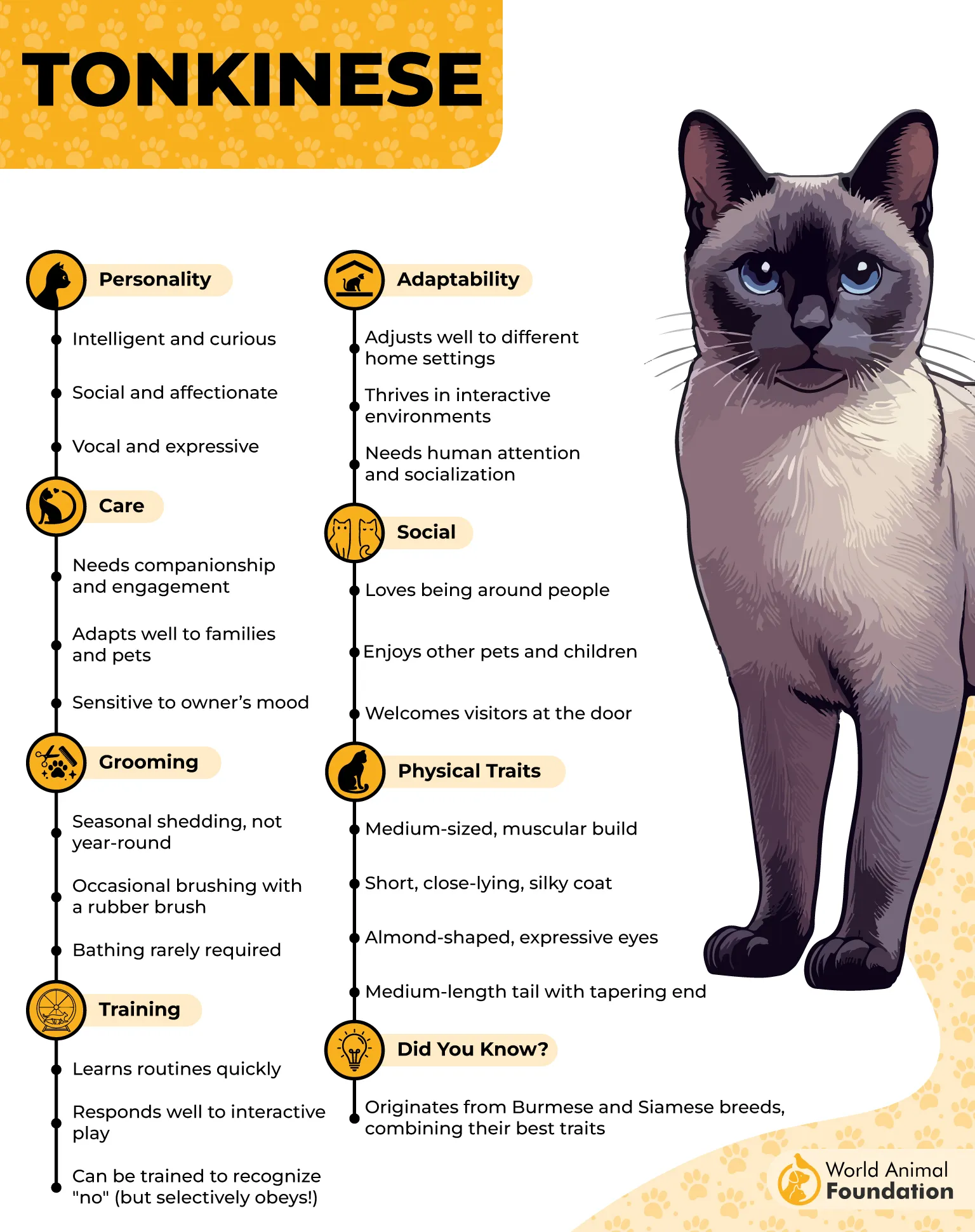
These clever cats need companionship and stimulation, as they dislike being left alone or ignored for long periods. When left alone for long stretches, they may benefit from the company of other animals.
Some even learn to play fetch, enthusiastically chasing toys alongside canine housemates. Their vocal side may also emerge during lively household moments, including when a dog starts barking.
Tonkinese cats thrive on interactive activities that keep their minds and bodies engaged. Games involving balls, feather toys, and supervised play with a friendly dog can provide welcome entertainment, provided both animals have enough space and opportunities to take breaks. Without enough stimulation or companionship, a bored Tonkinese may turn an apartment upside down.
How This Breed Stands Out
Outgoing, interactive personality: Tonkinese cats enjoy social contact and may readily approach friendly dogs and other visitors.
Enjoys energetic games with companions: Their intelligence and playful spirit make activities such as fetch an appealing way to interact with canine housemates.
5. Japanese Bobtail
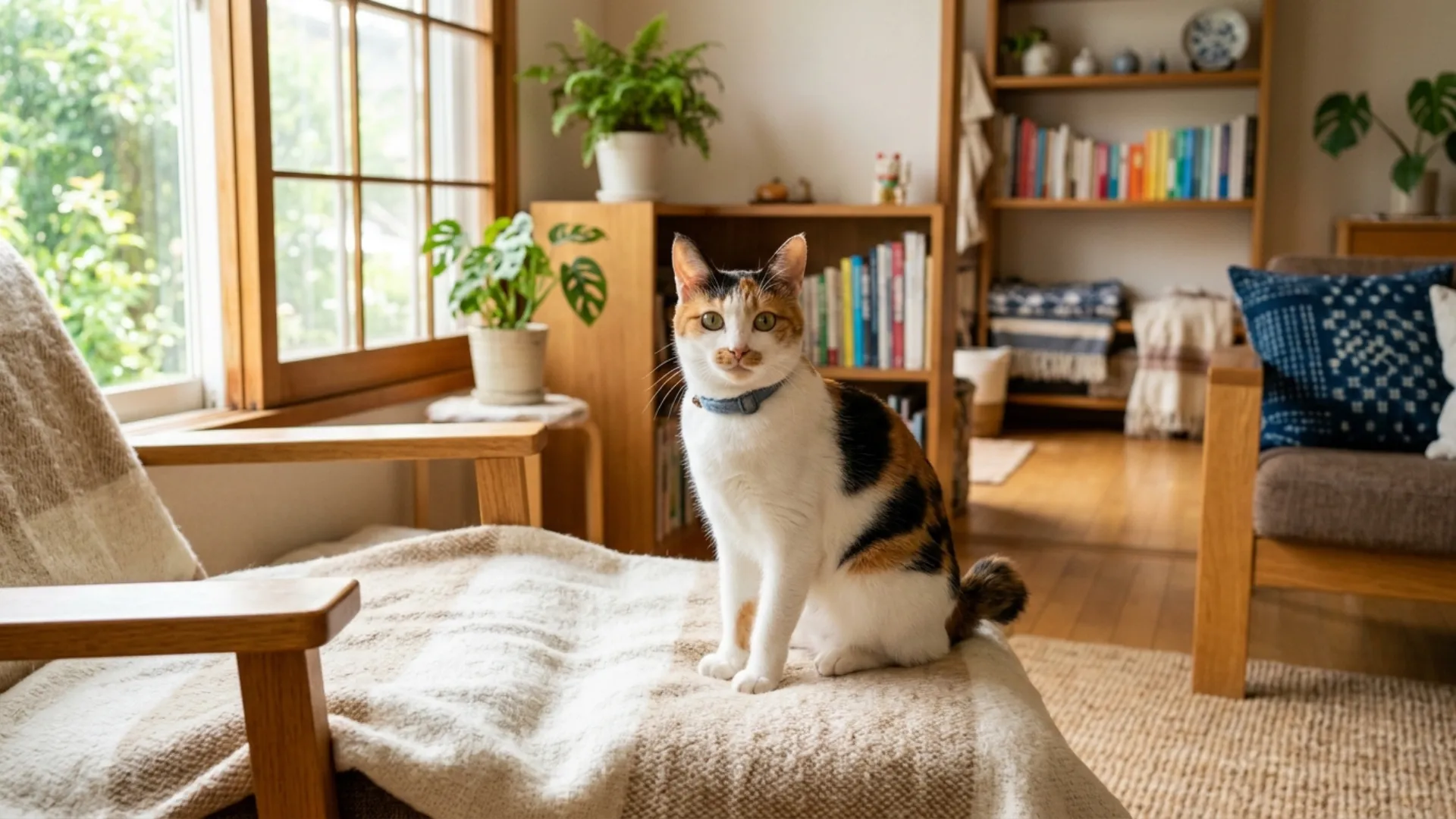
Recognizable by their distinctive pom-pom tails, Japanese Bobtails are lively, intelligent cats that enjoy being involved in family activities. They are also sweet, people-oriented cats that usually like interacting with their family. Their confident personalities mean they may approach friendly dogs without much hesitation, sometimes acting as though they run the household.
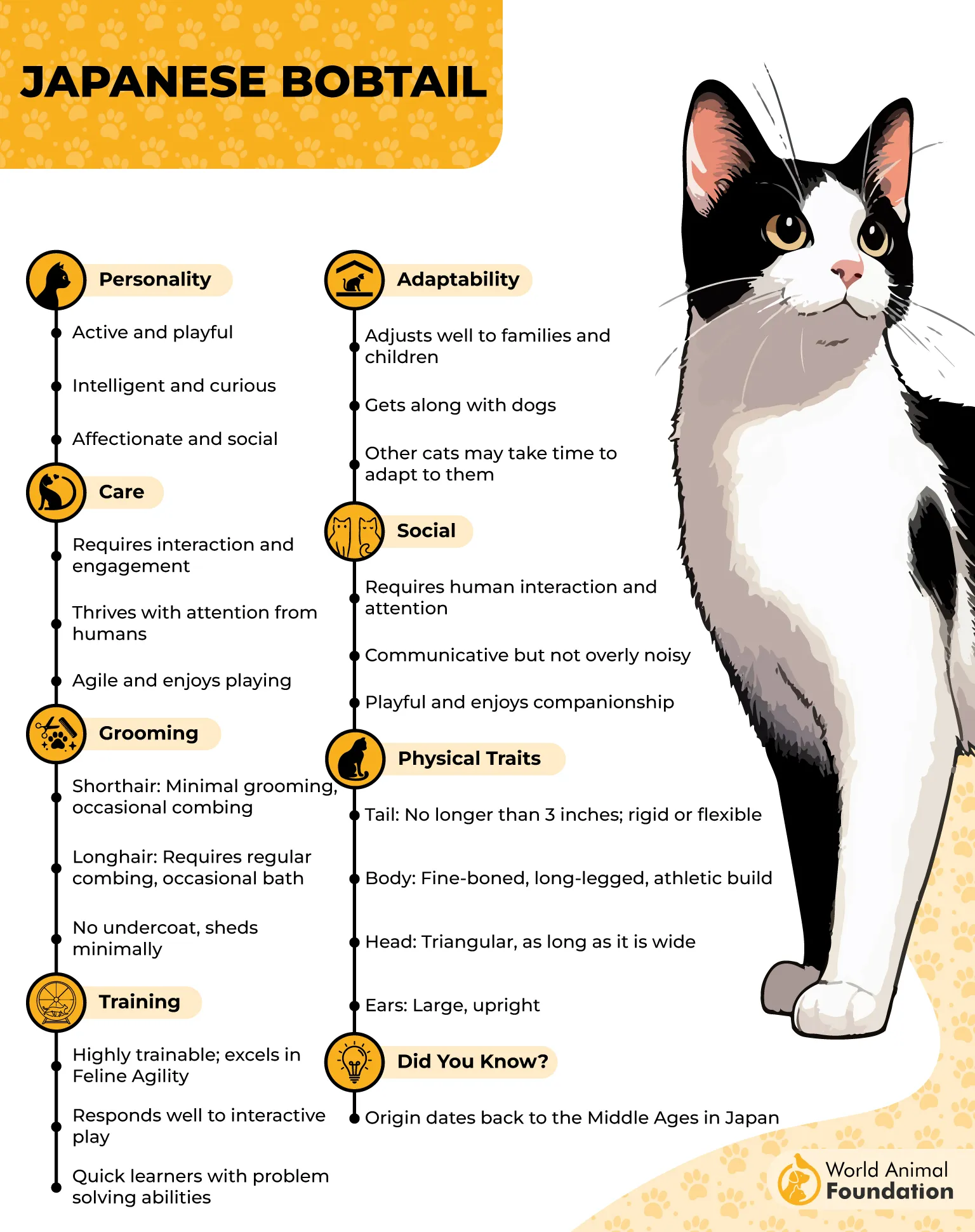
According to Purina, these domestic cats are curious about everything happening around them, from greeting visitors to investigating a dog’s toys or water bowl. Many enjoy retrieving toys alongside canine companions, making interactive play a fun way for both pets to spend time together.
Japanese Bobtails are an easy breed to settle into a dog-friendly home when they get enough attention. Although they may not always seek a lap to settle on, they enjoy staying close to their families. Gradual introductions and supervised play help them build a comfortable relationship with a resident dog.
How This Breed Stands Out
Natural toy-retrieving talent: Their playful instincts can make fetching games with a dog an enjoyable shared activity.
Curious, adaptable nature: They like exploring household happenings and can settle into a dog-friendly home with patience and companionship.
6. Norwegian Forest Cat
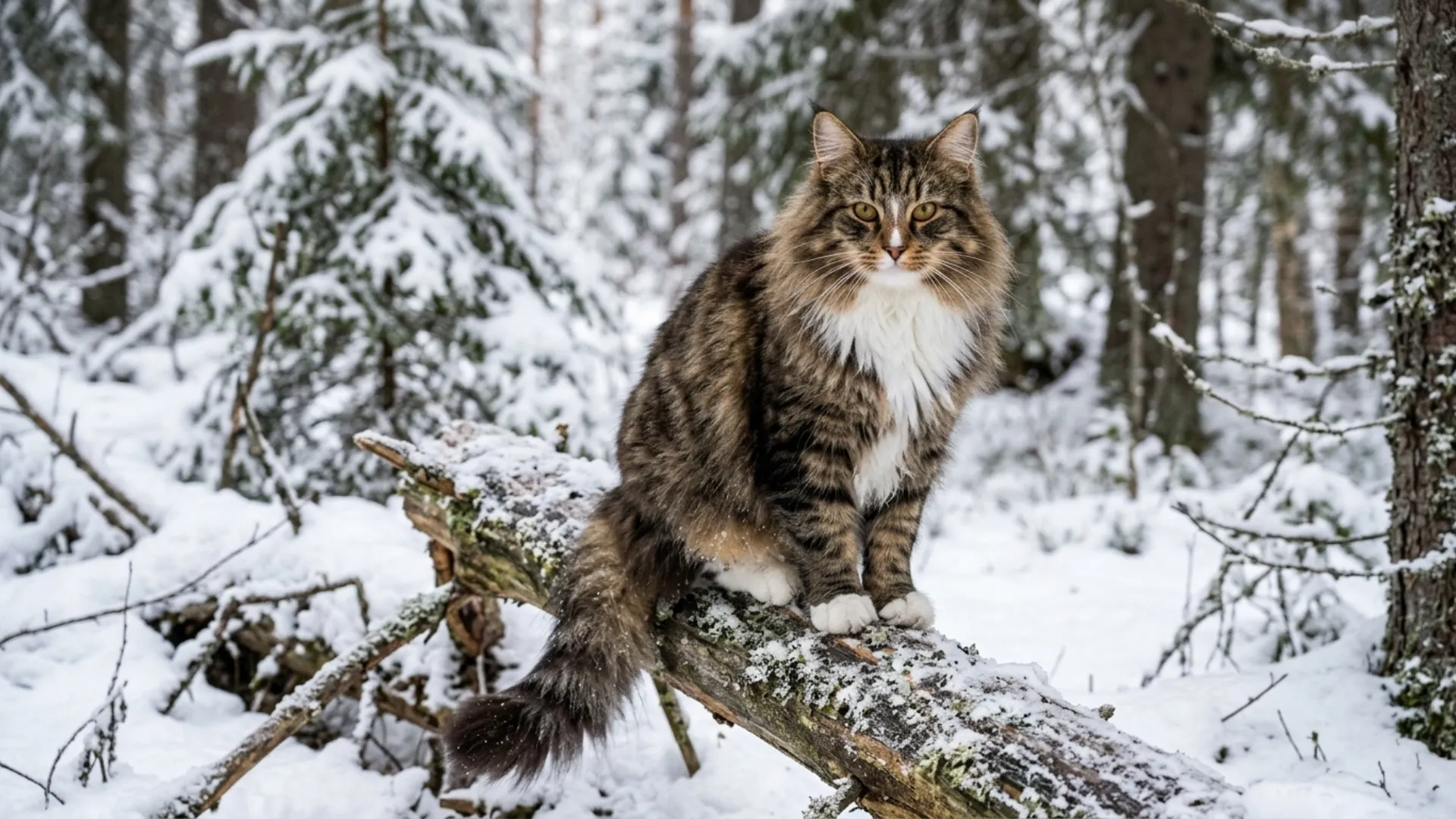
Originating in Norway, the Norwegian Forest Cat is a large, muscular breed with almond-shaped eyes and a distinctive straight facial profile
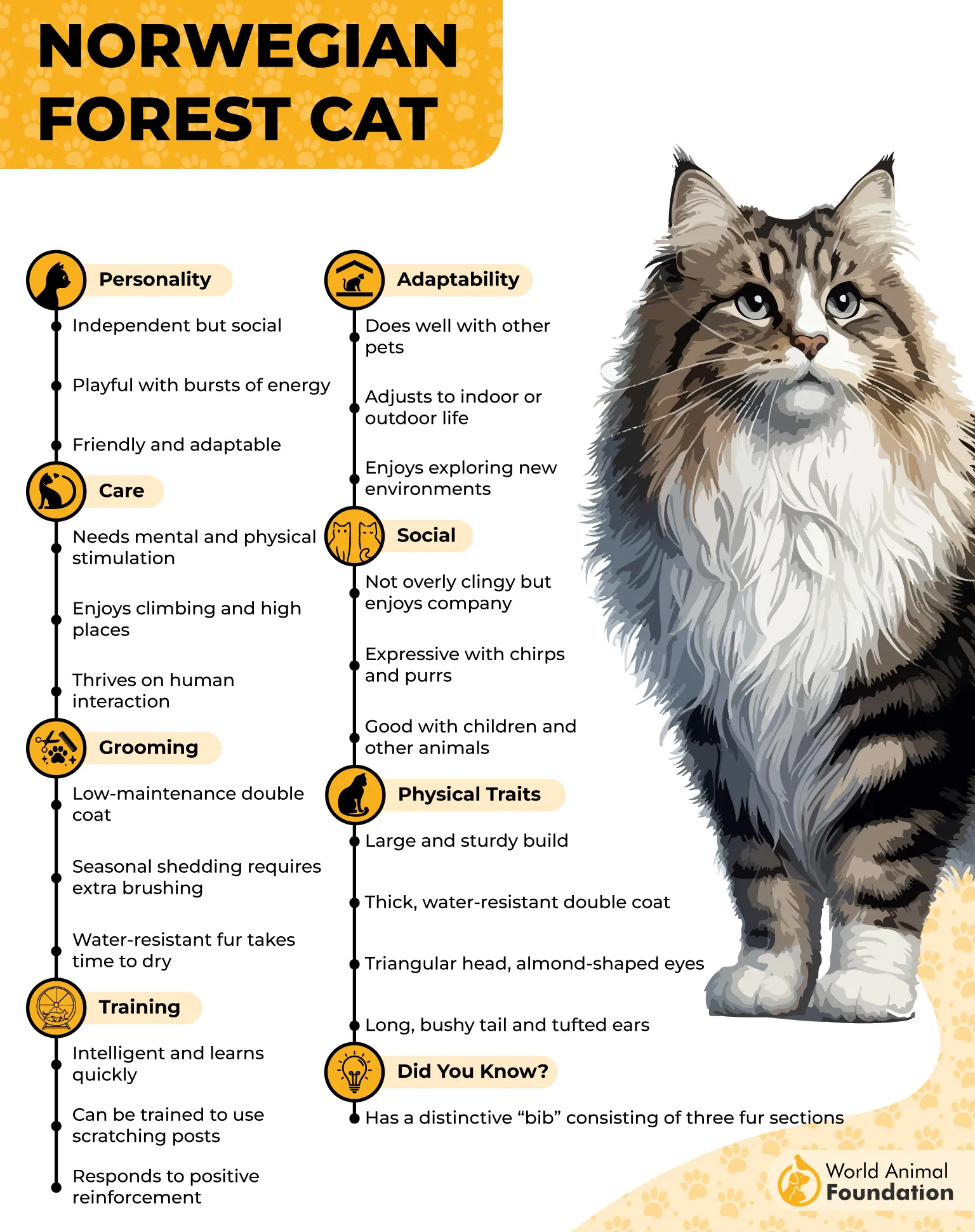
According to WebMD, Norwegian Forest cats are generally adaptable and affectionate without constantly demanding attention. They may be calmer than some other breeds as they take their time warming up to a canine housemate, but patient introductions can help build trust. Growing up alongside a dog may also make sharing space easier as they become familiar with each other’s habits.
Their powerful bodies and climbing abilities allow Norwegian Forest Cats to reach elevated places when they want privacy. Cat trees and sturdy shelves provide useful retreats, while supervised interactions give both pets time to develop a comfortable relationship.
How This Breed Stands Out
Patient, self-assured temperament: Their calm, independent nature can help them adjust gradually to a friendly dog.
Excellent climbing skills: Strong legs and agile movements help them reach high resting spots where they can relax away from canine activity.
7. Abyssinian
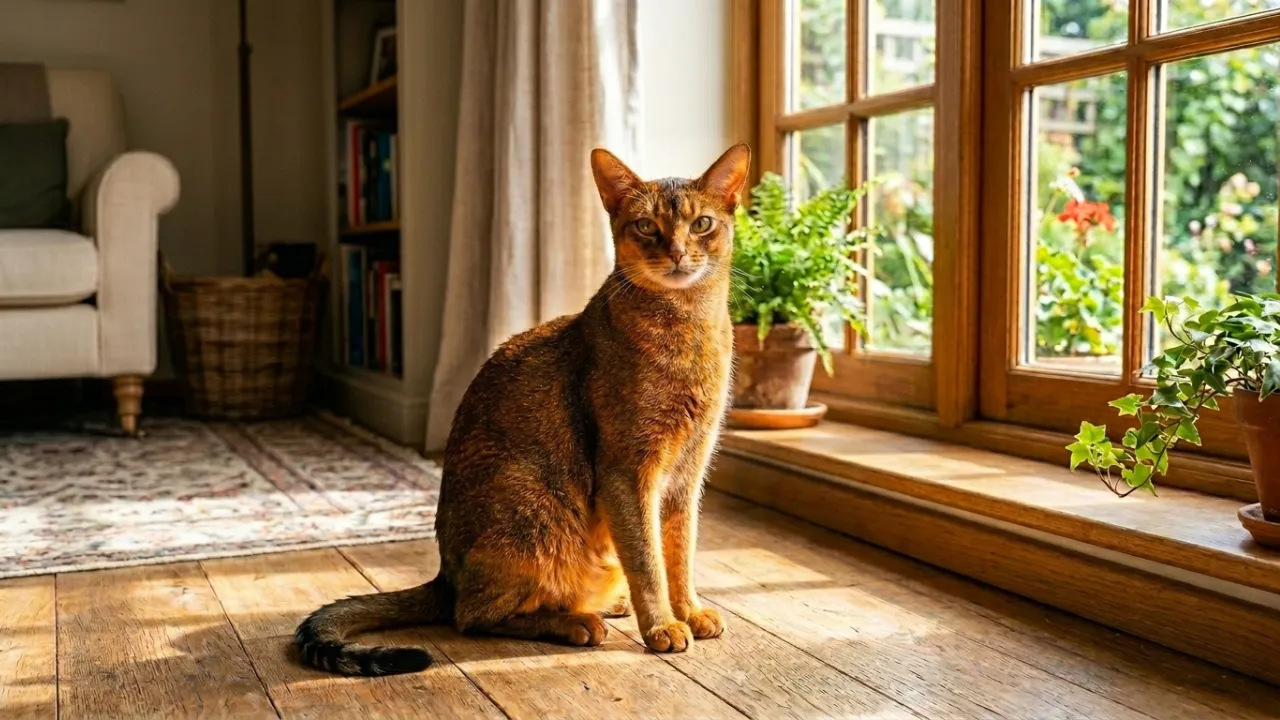
Active cats that enjoy movement and stimulation throughout the day, Abyssinians bring plenty of activity into a home. Their playful temperament can make them a good fit for homes with energetic dogs, especially those that enjoy having a pet around to share their curiosity and enthusiasm, since Abyssinians often prefer interacting with their family rather than staying on the sidelines.
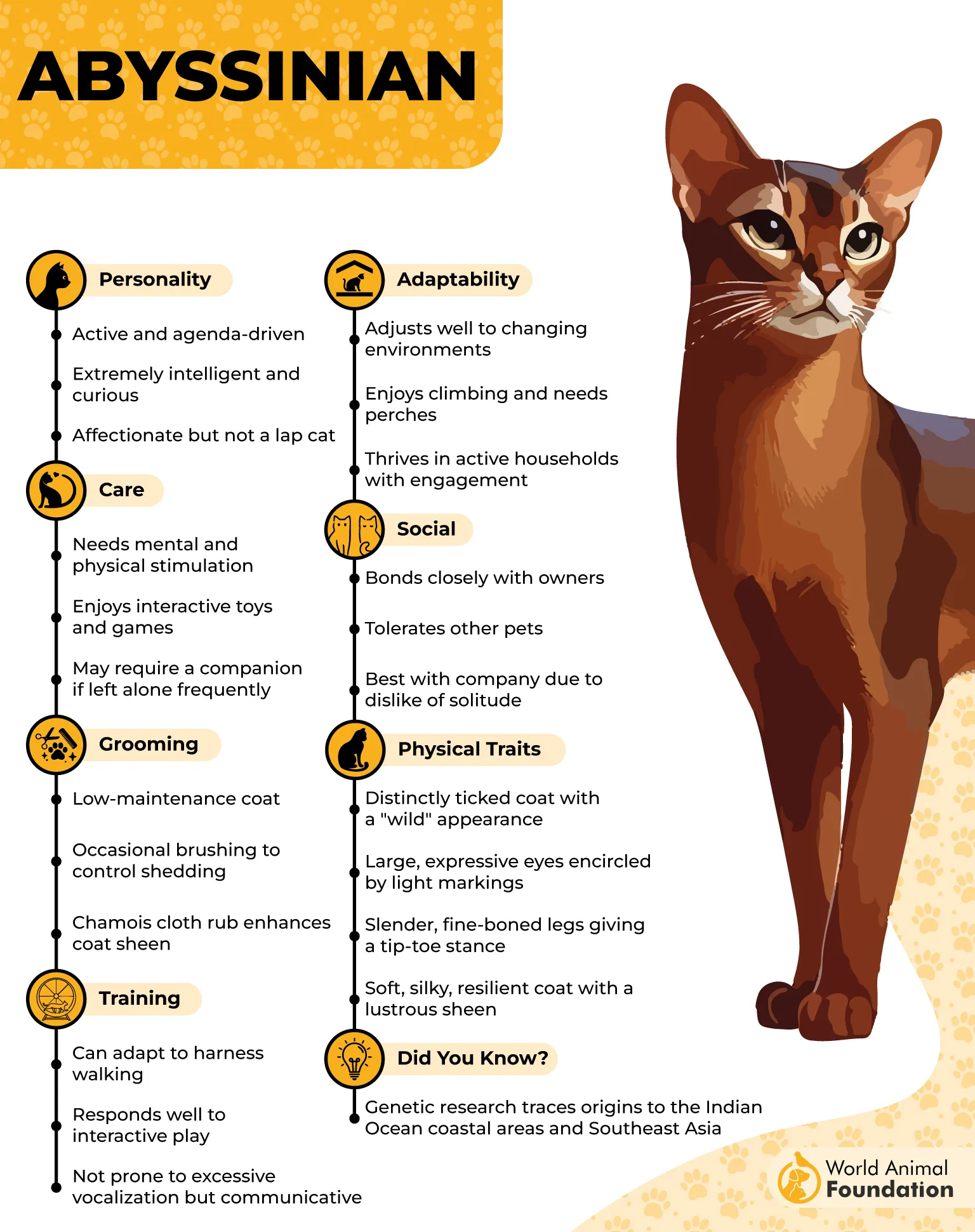
The Abyssinian has a short, soft coat that requires minimal grooming, making it a great choice for those who prefer short-haired cats. According to PDSA, Abyssinians are generally sociable cats that can get along well with other pets once they have time to settle into their new home. They also communicate with their owners using soft, gentle meows.
Although they may not constantly demand cuddles, these cats form meaningful bonds with their families. They appreciate a peaceful, comfortable environment and often become more sociable as they grow familiar with the people and animals around them. Their generally noncompetitive nature can also help reduce tension over attention.
Abyssinians love exploring, climbing, and playing with toys, so they might even investigate or borrow a dog’s favorite playthings. Supervised interactions and separate resources help both pets enjoy their activities without unnecessary conflict.
How This Breed Stands Out
Bold, playful energy: Their lively nature can complement a playful dog that enjoys regular interaction and games.
Curious household explorer: Abyssinians investigate nearly everything around them, making everyday household activities an ongoing adventure.
Conclusion
Creating a peaceful home for both cats and dogs comes down to selecting a feline breed whose energy and confidence match your household’s rhythm. Whether you prefer the gentle presence of a Maine Coon or the playful stamina of an Abyssinian, successful cohabitation always relies on gradual introductions, separate feeding stations, and elevated escape routes for every pet.
