





Training a cat to do tricks is one of the most satisfying ways to bond, build confidence, and keep their clever brain busy. While every cat can learn with the right approach, some tend to be more food-motivated, people-focused, or simply more eager to play along, which can make the process feel smoother for beginners.
In this guide, we will look at cat breeds and mixes that often enjoy interactive learning, plus what to watch for in personality and energy level, so you can choose a great match.
Whether you are teaching “sit,” high five, or jumping through a hoop, the goal is the same: short sessions, positive rewards, and lots of fun.
Best Cat Breeds for Training in Tricks
1. Bengal
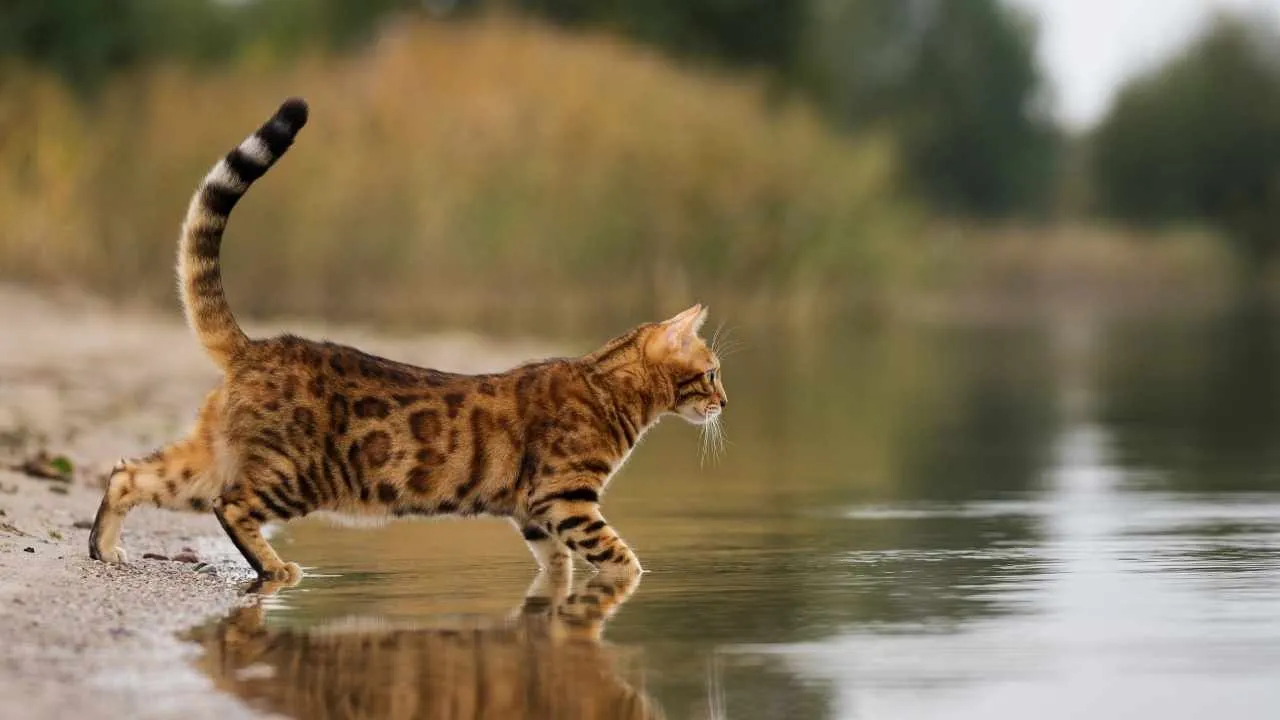
Bengals are known for being energetic, athletic cats that stay busy and need daily engagement. They are often described as intelligent, and many homes find they do best with an experienced cat parent who enjoys interactive play. Their bold, curious nature can make life lively, especially if they are bored.
Because they are so active, Bengals often respond best to training that feels like a game rather than a “lesson.” As per PetMD, short, upbeat sessions can fit their fast-paced style, especially when you give them something to chase, climb, or explore in between. Keeping their brain occupied is a big part of living with this breed.
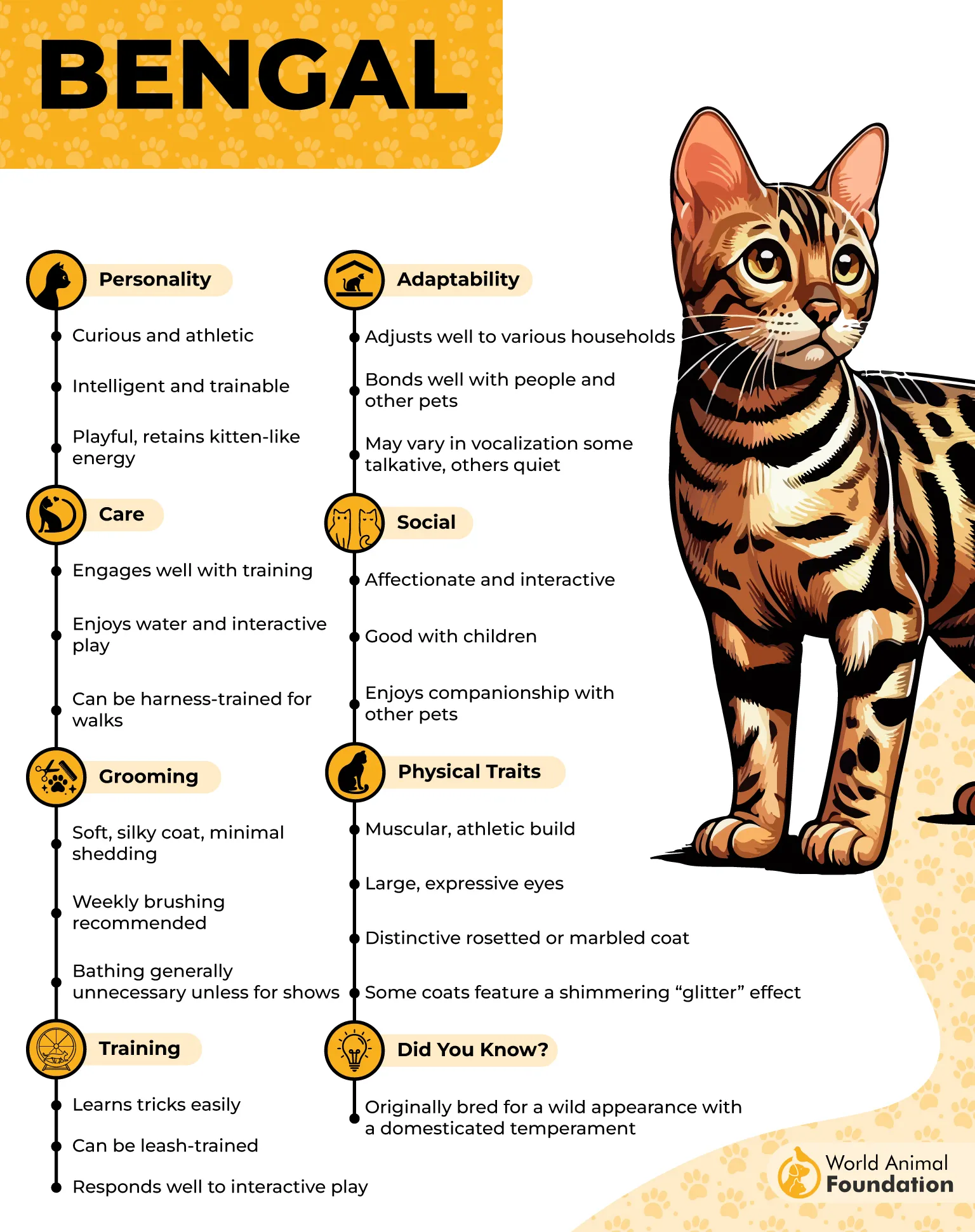
A Bengal that is motivated and focused can be a fun partner for teaching behaviors on cue. The key is channeling their intensity into clear routines and rewarding choices you want repeated. When their environment is enriching, they are less likely to look for entertainment in unwanted ways.
Why This Cat Is a Good Fit
Their high energy can turn trick practice into a daily play ritual.
A busy, curious mind often pairs well with learning cue-based behaviors.
They tend to enjoy interactive activities that keep them engaged.
2. Siamese
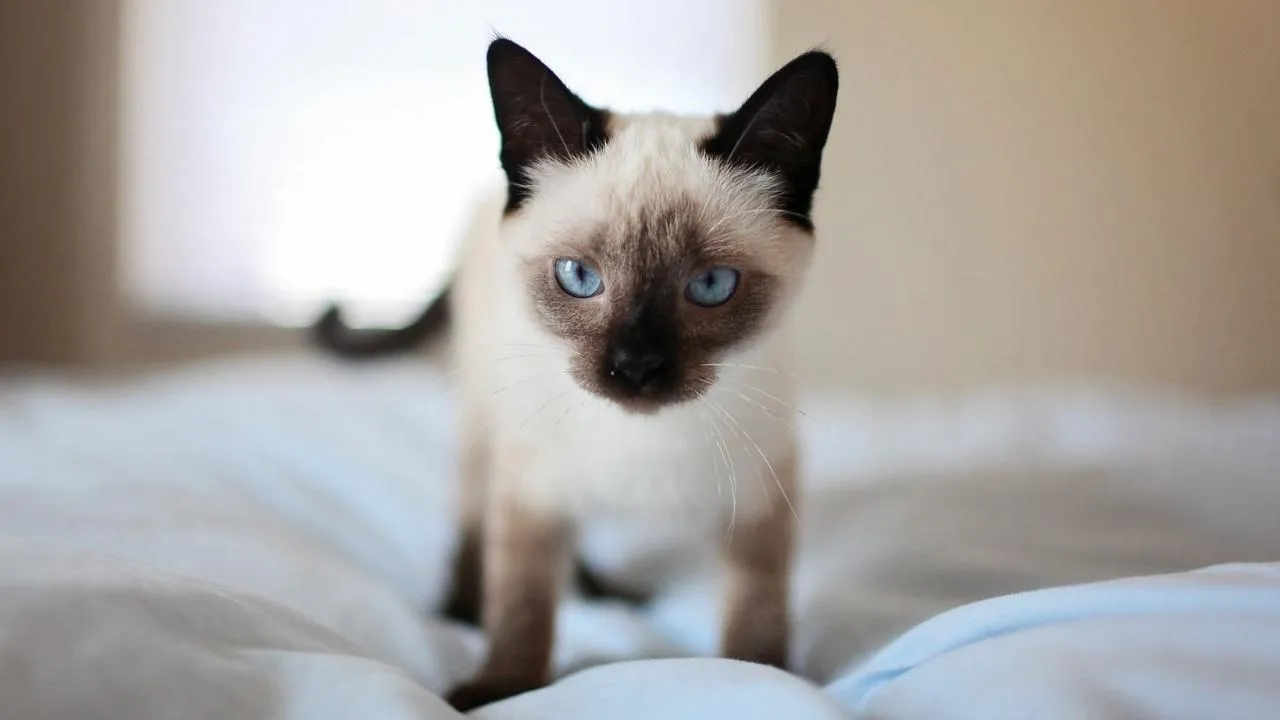
Siamese cats are a well-known short-haired breed originally from Thailand, formerly called Siam. They have a long-bodied build, slim legs, and blue eyes, giving them a distinctive look. The breed has a long history of popularity, including early exports to the United States.
In many homes, Siamese are some of the easiest cat breeds to teach new tricks. They are described as smart and very people-oriented, often wanting to be part of whatever is happening.
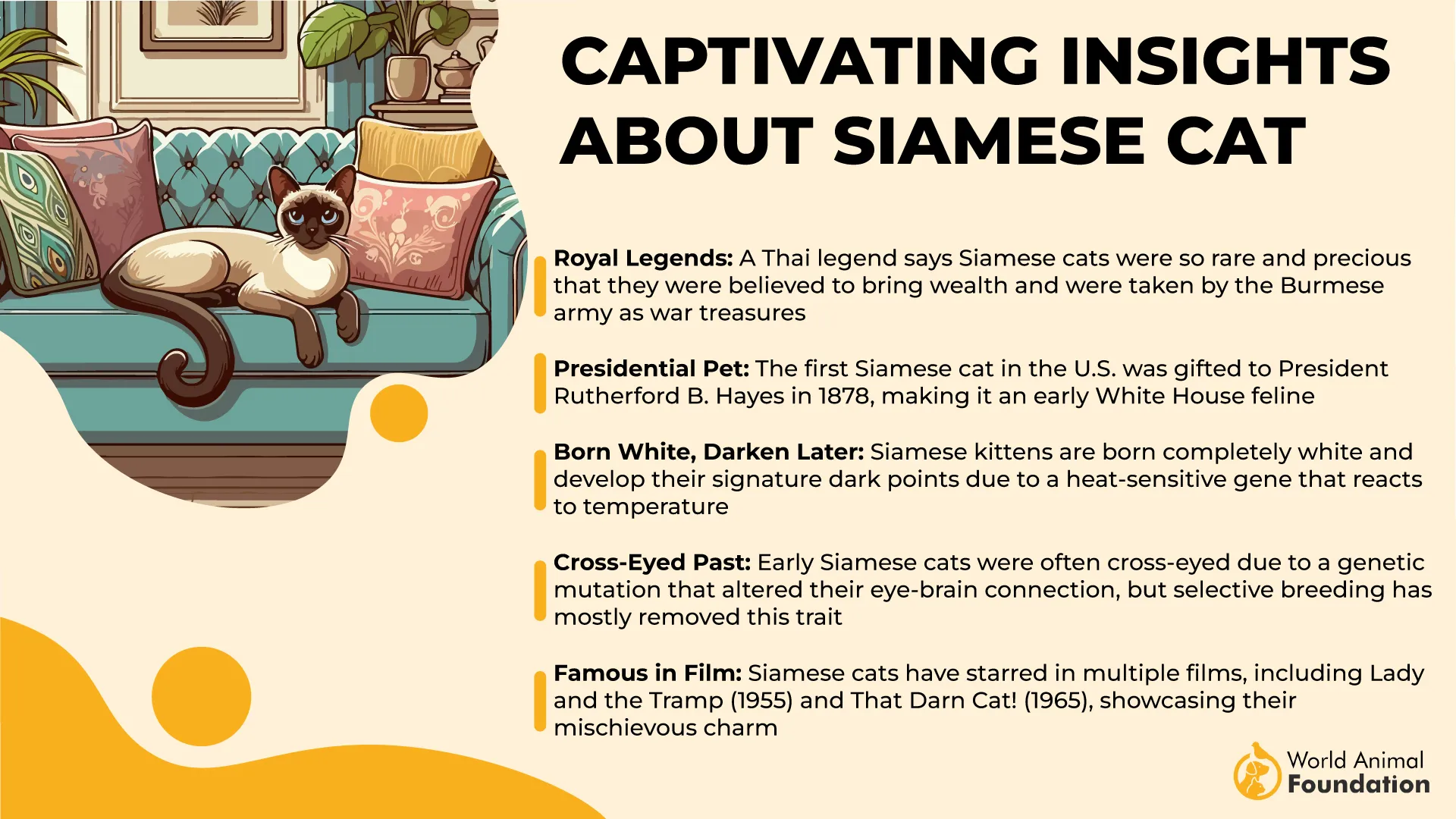
They may seek attention and interaction with family members, which can make them feel more like a teammate than a bystander. For an owner who enjoys “talking back” to their cat, this breed can feel especially engaging.
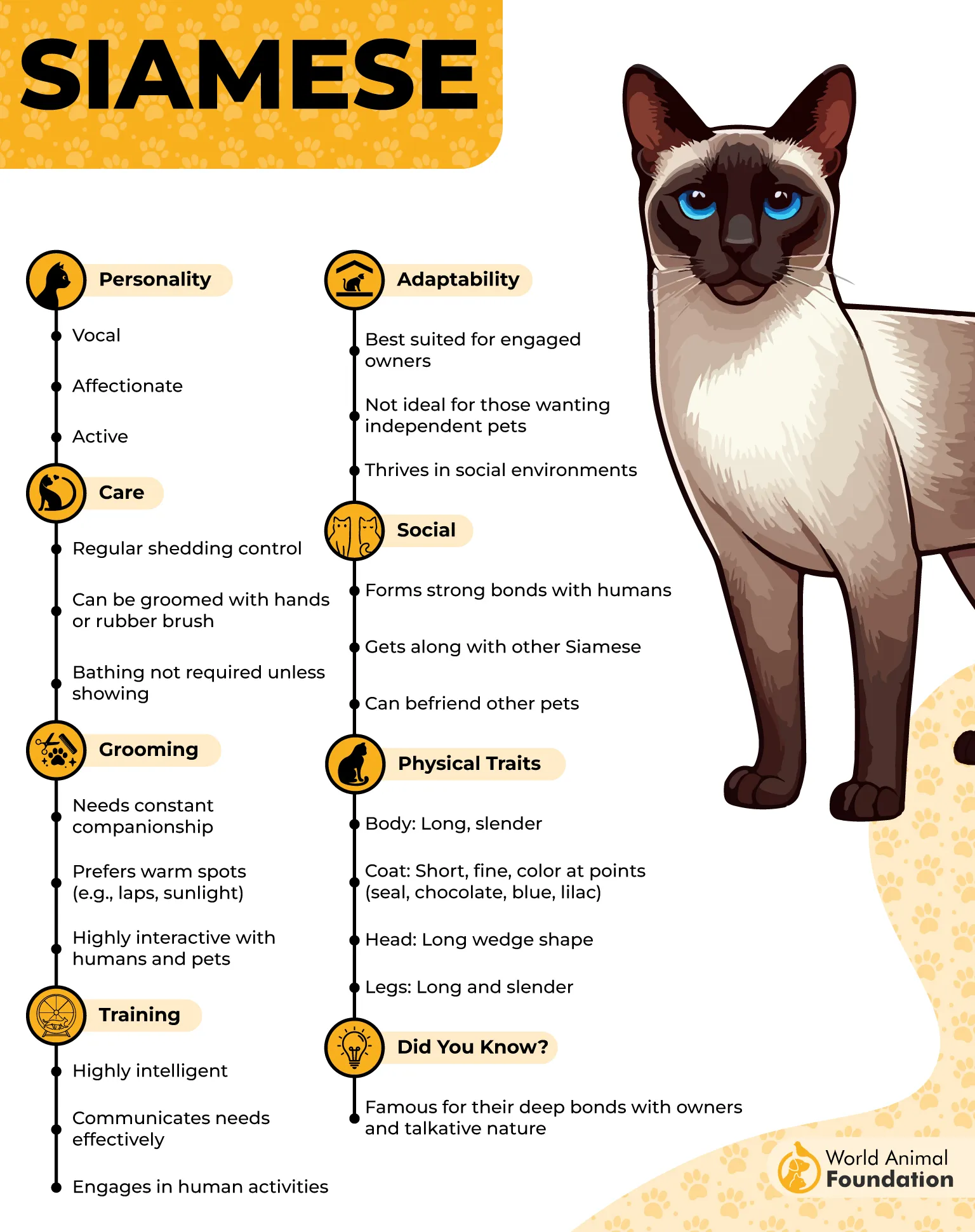
As per Britannica, training can work well when it’s built into everyday connections, like quick practice before meals or during play. A Siamese that enjoys being close to you may be more willing to follow cues, repeat behaviors, and stay tuned in. Consistency matters, since they can quickly learn what gets a response.
Why This Cat Is a Good Fit
Their people-focused style can help them stay engaged during short trick sessions.
A reputation for intelligence supports learning routines and cue associations.
They often enjoy interaction, which can make practicing feel rewarding.
3. Abyssinian
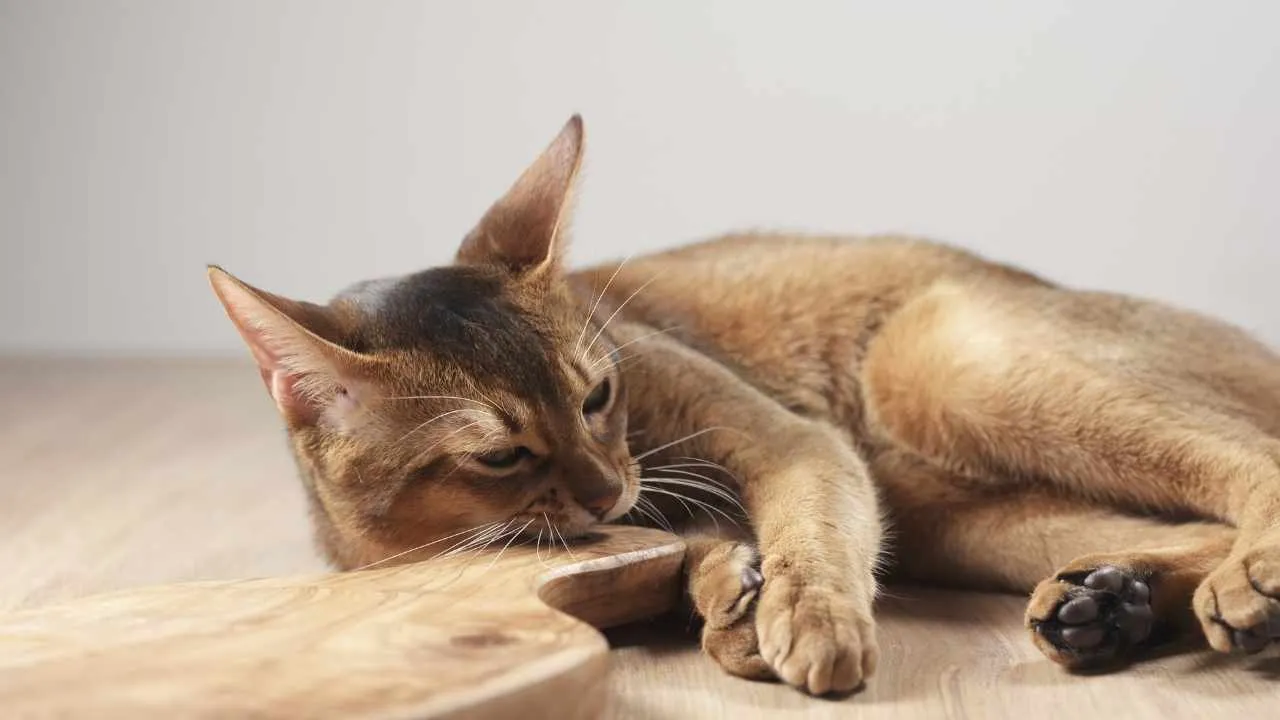
Abyssinians are often described as easily trainable, sleek, athletic cats with a bright, involved personality. They are known for being intelligent and affectionate, and they tend to follow their family’s activities rather than watch from a distance. Many enjoy being up high, using elevated spots to observe the room.
This “always nearby” attitude can be useful when you are teaching small behaviors, because you can practice in tiny moments throughout the day.
Instead of setting aside one long session, you can work in quick rounds when your cat is already curious and engaged. As per Purina, they may do best when training feels like exploration, not repetition.
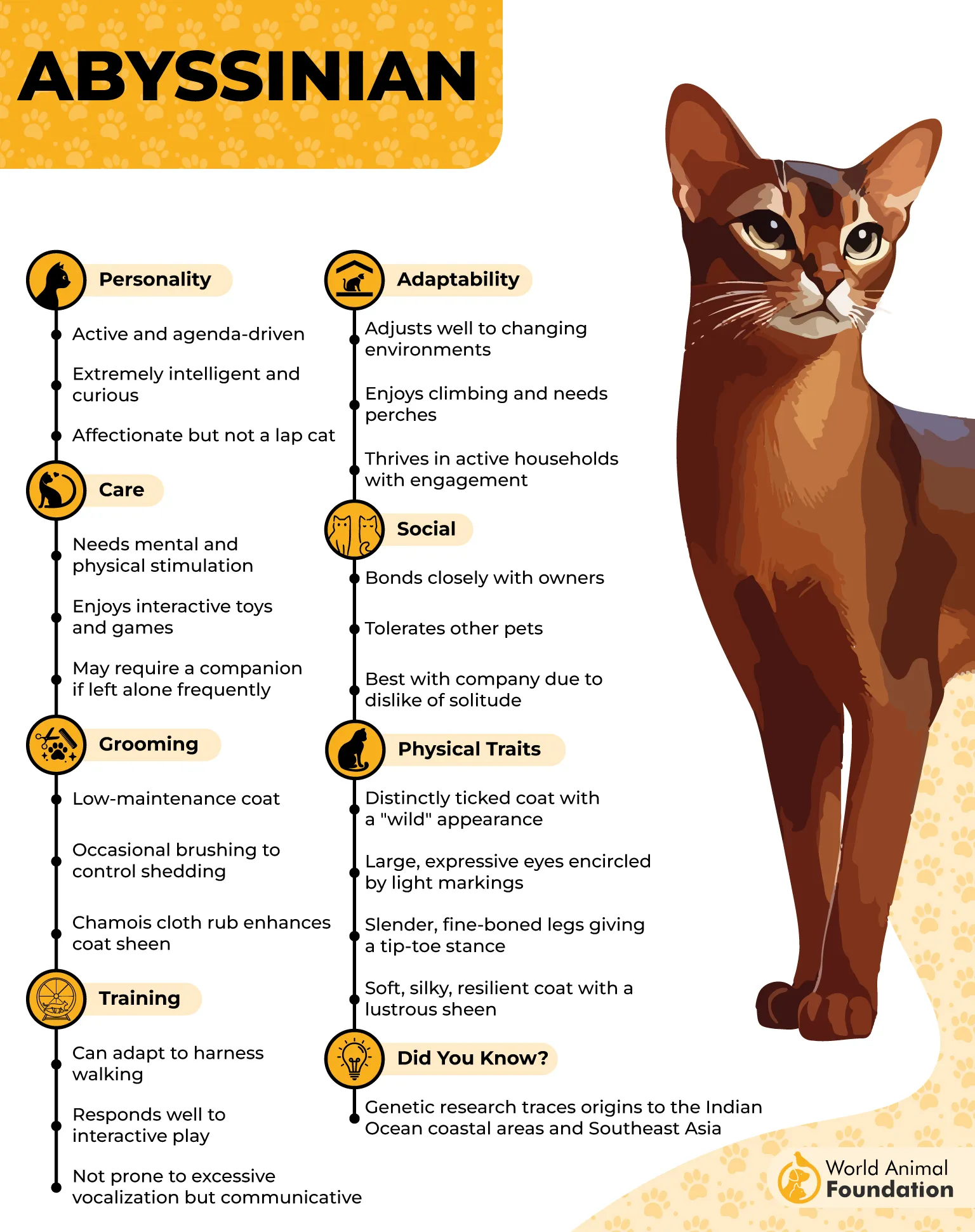
Since they are active and alert, variety can keep them interested. Rotating what you practice, such as targeting a hand, hopping onto a perch, or touching an object, helps maintain momentum. With a calm, patient approach, they can become enthusiastic learners who enjoy the challenge.
Why This Cat Is a Good Fit
Their curiosity can make them eager to interact with cues and props.
A tendency to stay involved with family life supports frequent mini-practice.
Their athletic nature can suit movement-based tricks like jumps and targets.
4. Scottish Fold
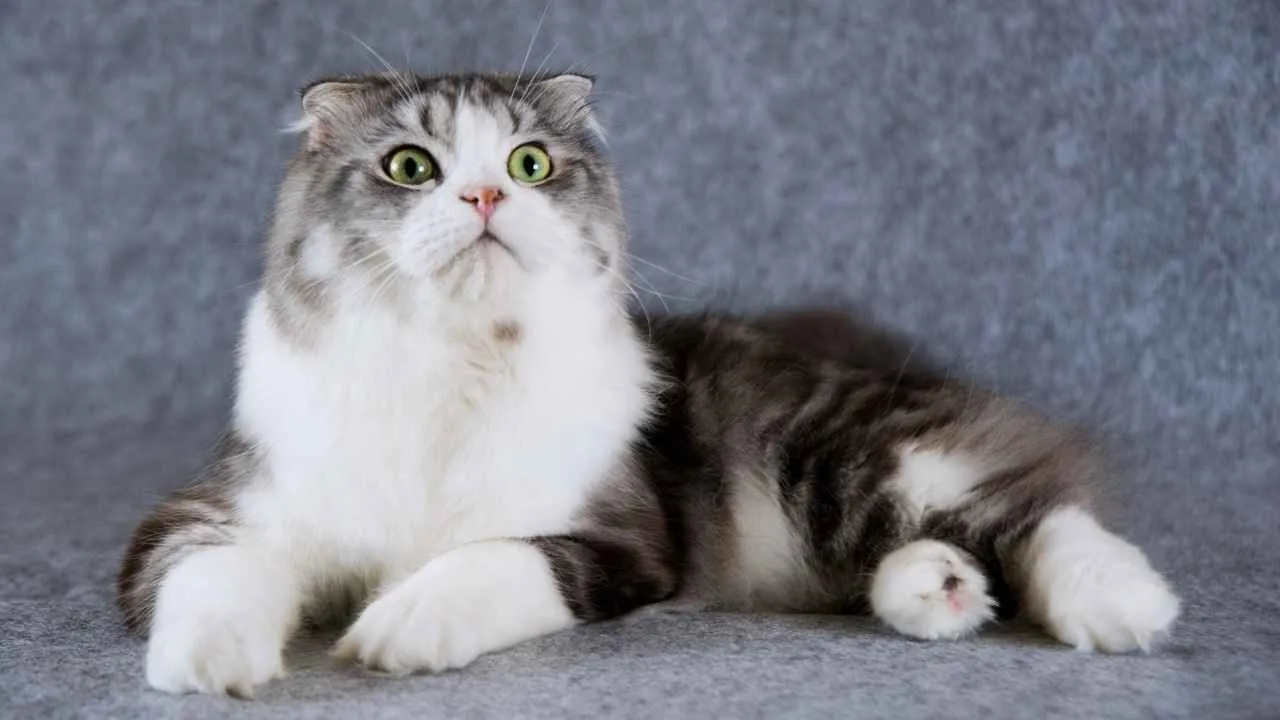
Scottish Folds are often described as friendly, interactive cats that like being around their people. They can be playful and enjoy mentally stimulating toys, including interactive options that keep them occupied. Many owners appreciate their sweet, easygoing presence in the home.
A Scottish Fold that likes engagement may respond well to gentle, low-pressure training. Instead of fast-paced drills, think calm repetition and clear rewards for small wins. Building a routine, like practicing the same cue in the same spot, can help your cat understand what you want.

It’s also smart to keep enrichment in the mix so they do not get bored. Perches, cat trees, and interactive play can support their need to stay mentally busy. When you make training feel like part of everyday fun, the process can be smoother for both of you.
Why This Cat Is a Good Fit
Their interactive temperament can help them stay interested in learning.
They often enjoy mentally engaging activities, which can support trick practice.
A friendly, people-close style can make training time feel cooperative.
5. Persian
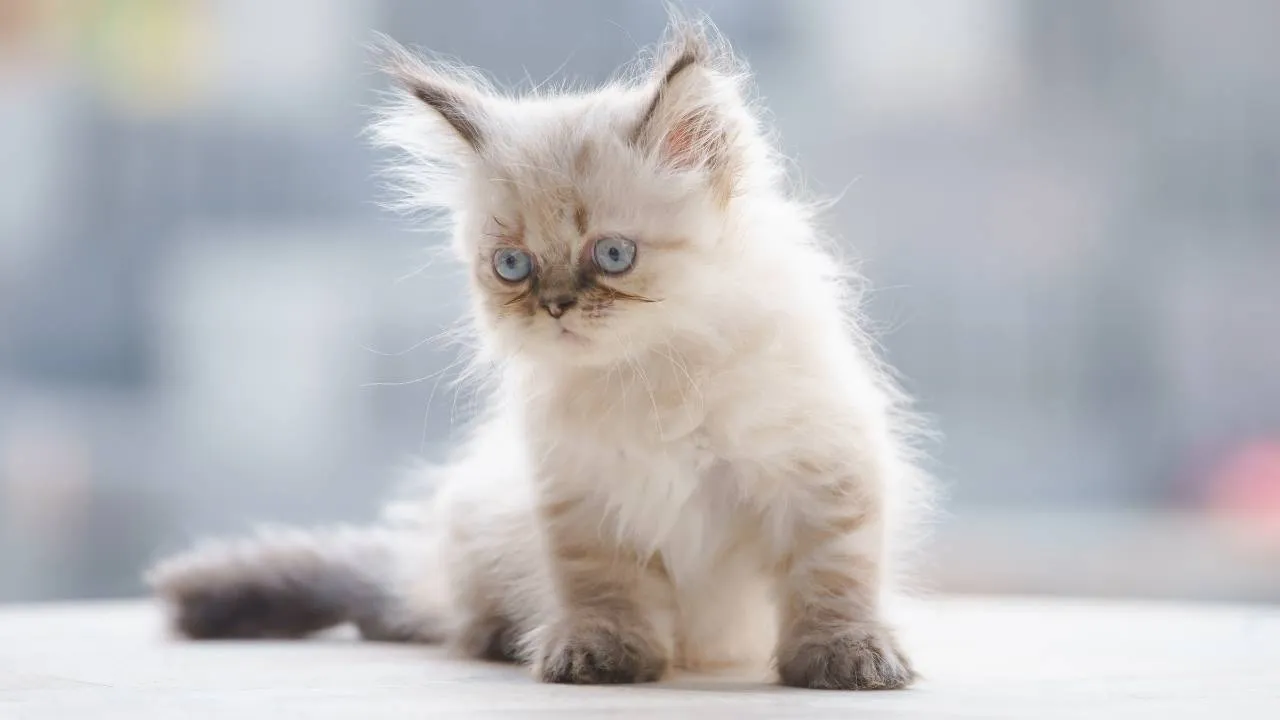
Persian cats are known for their long, thick coats and a calm, laid-back style at home. They are often described as affectionate companions who enjoy a peaceful routine. Their grooming needs are a big part of life with this breed, since their coat requires regular care.
When it comes to learning, Persians are not usually described as nonstop busy or high-energy. That can be a plus if you prefer slow, easy practice that fits into quiet moments. Think gentle cues, simple behaviors, and rewards that help your cat stay interested without feeling rushed.
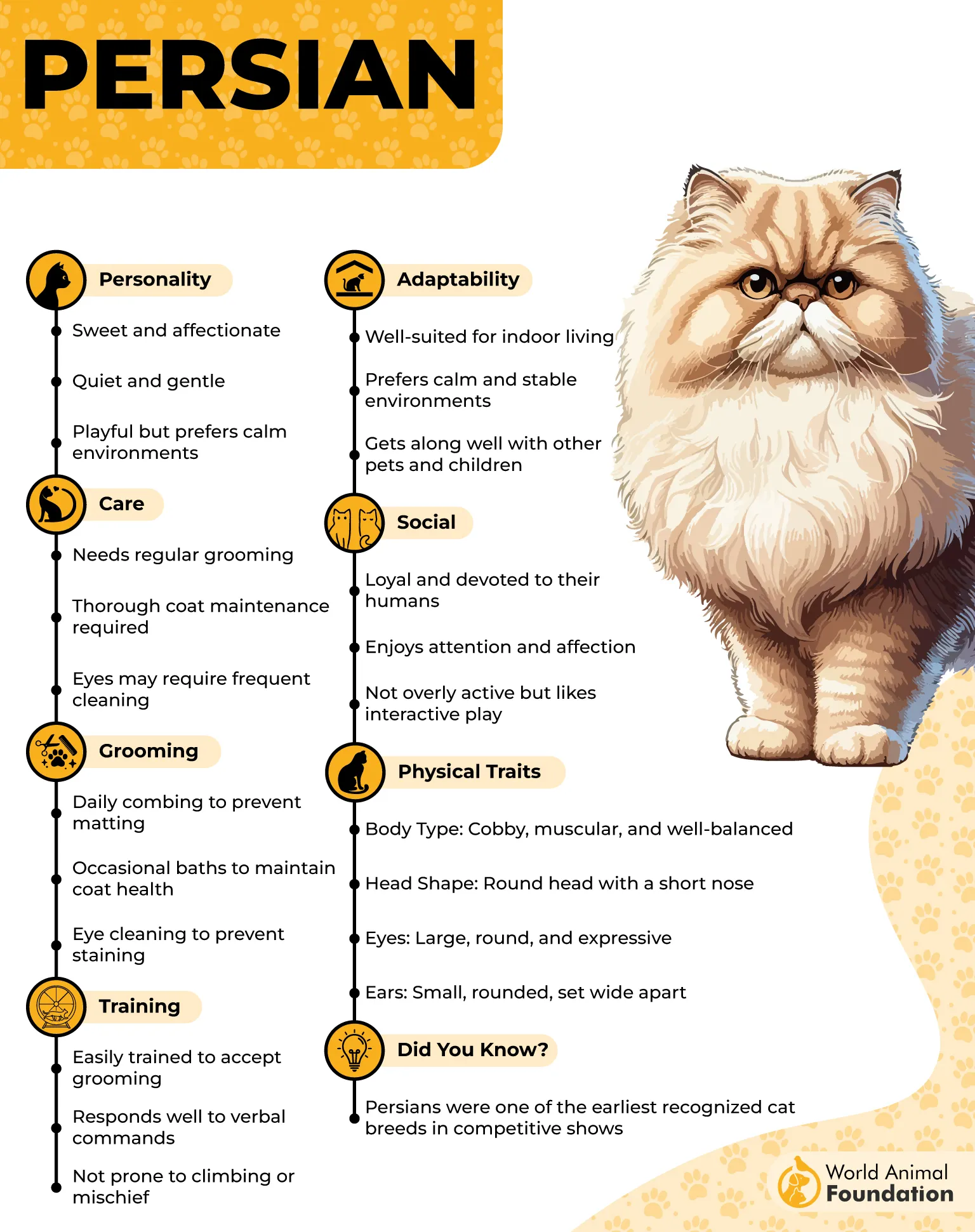
A Persian may do best with training that respects their comfort and mood. Short sessions in a cozy spot can help them stay relaxed and focused. If you keep your expectations realistic and celebrate little progress, trick training can still be a fun way to connect.
Why This Cat Is a Good Fit
A calmer temperament can suit low-key tricks practiced in short bursts.
Their love of routine can help when you practice the same cue consistently.
A gentle approach can turn training into a quiet bonding habit.
6. Turkish Angora
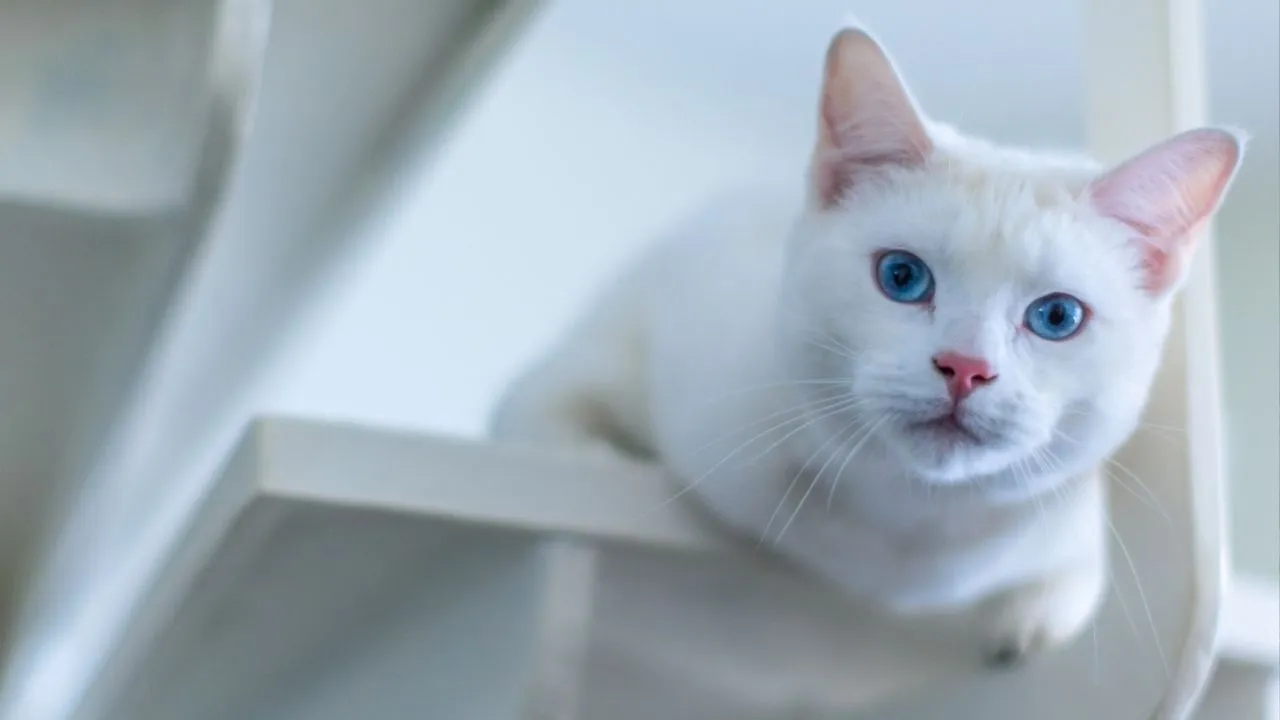
Turkish Angoras are often described as active, playful cats with an outgoing personality. Some sources note they love attention and can enjoy entertaining their humans. They’re also described as intelligent, with an athletic side that can show up in how they move and play.
Because they tend to be energetic, they may enjoy training that feels like an interactive game. Fast little challenges, like following a target or hopping to a spot you point to, can match their lively style. Variety can help keep their interest, especially if they want to explore and stay involved.
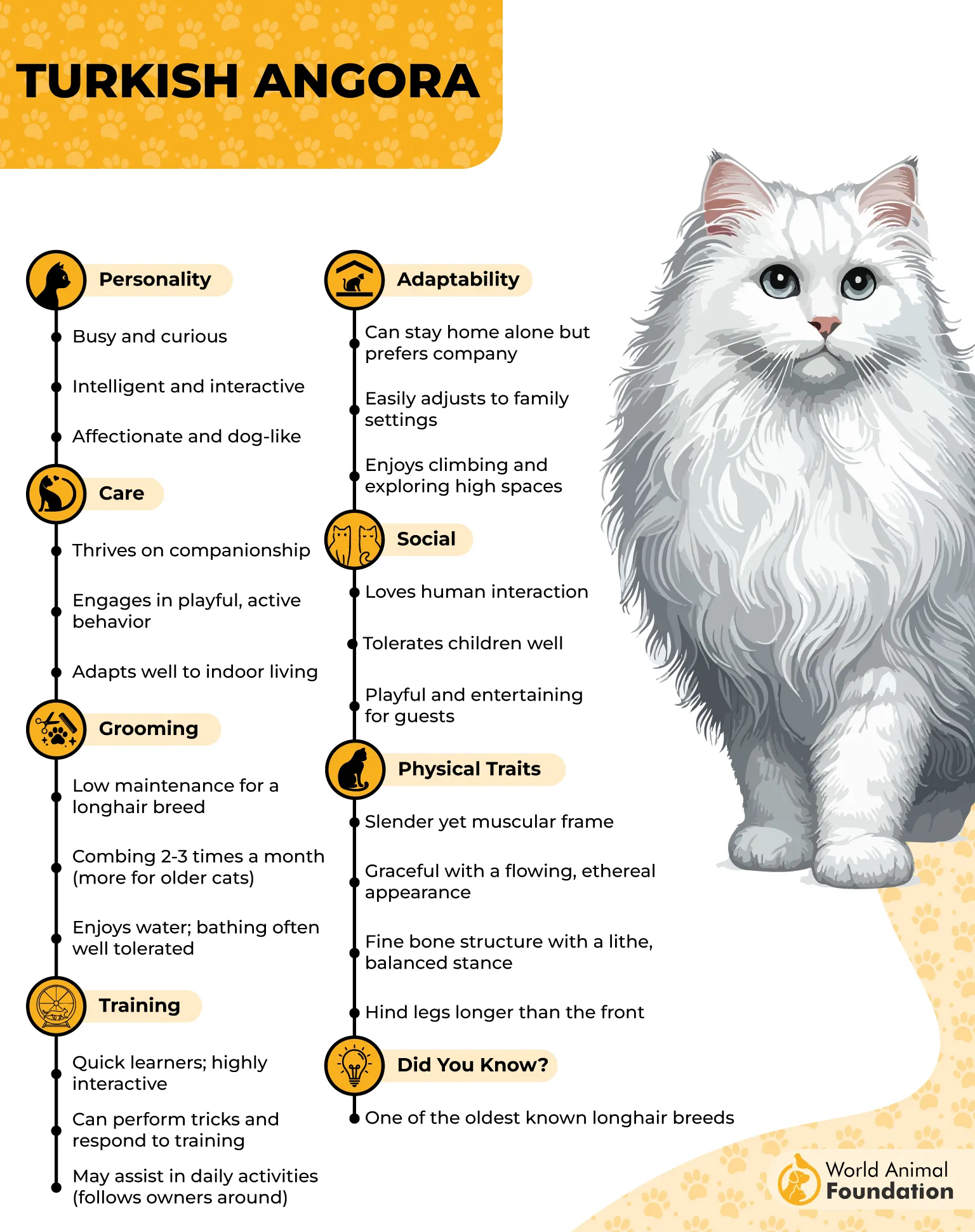
This breed is often portrayed as confident and social, which can make practice time feel more like teamwork. When you reward behaviors clearly and keep sessions upbeat, they may stay engaged and ready for the next cue. A home that offers play and mental stimulation can support that training-friendly mindset.
Why This Cat Is a Good Fit
Their playful energy can make trick sessions feel like a fun challenge.
An “intelligent athlete” reputation fits cats that enjoy learning through movement.
Their outgoing nature can help them stay engaged with interactive training.
7. Burmese
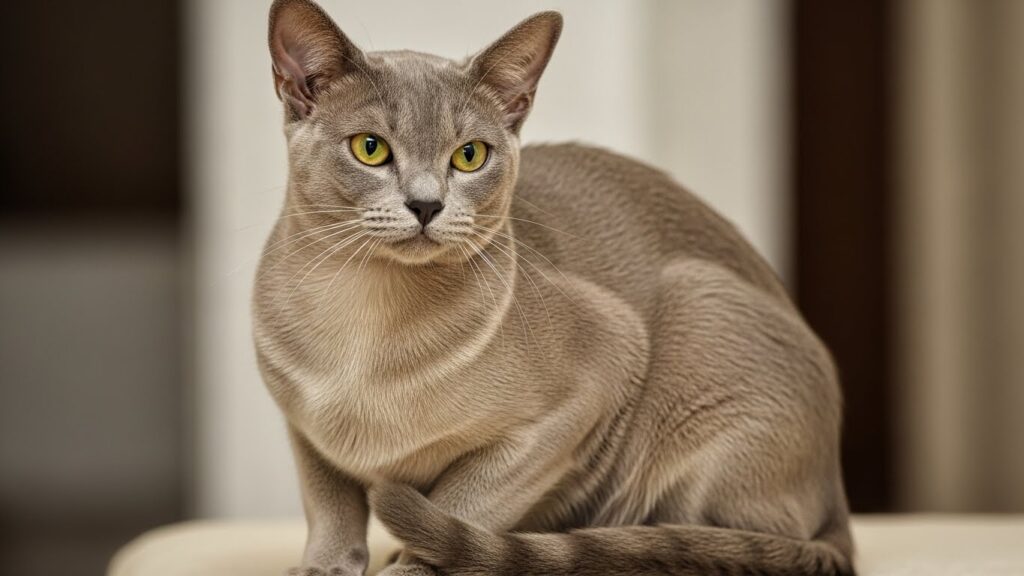
Burmese cats are often described as affectionate, sociable companions that are easy to train and like being close to their people. They’re known for enjoying interaction and can fit well in active households where someone is around to engage with them. Their short coat is also commonly described as fairly easy to maintain.
Their people-focused personality can be useful when you’re teaching tricks, since many enjoy attention and together time. Training can work well when it’s woven into daily life, like quick practice during play or right before a meal. A Burmese who wants to participate may be more likely to stick with a routine.
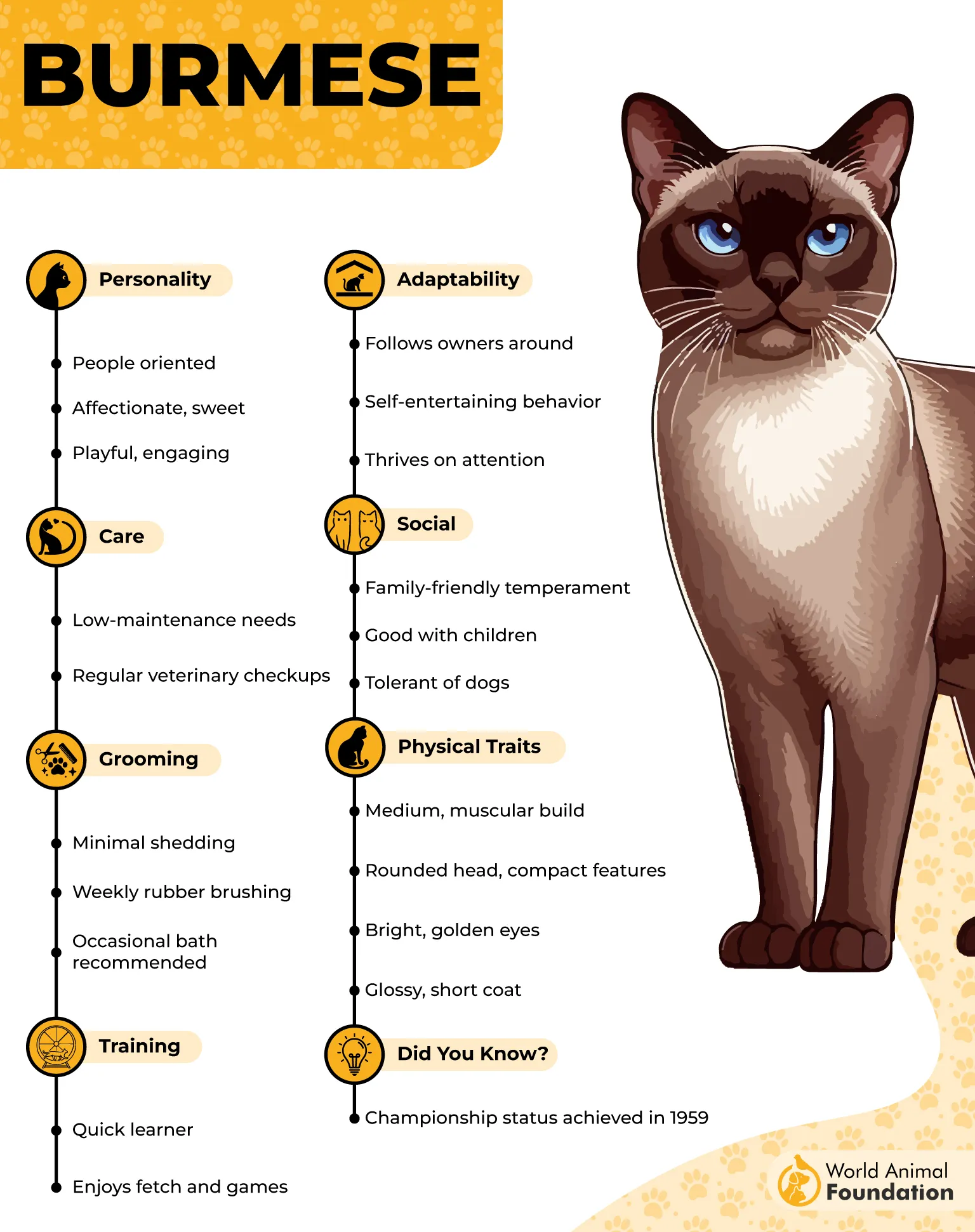
Some descriptions compare their behavior to a “puppy-like” attachment, which can mean they stay interested in what you’re doing. That closeness can help with learning cues, especially when you keep sessions positive and clear. If they dislike being left alone for long periods, regular interaction can also double as enrichment.
Why This Cat Is a Good Fit
Their strong interest in people can help them stay tuned in during practice.
A playful, interactive nature can make repeating tricks feel rewarding.
Regular engagement can support both bonding and skill-building.
Conclusion
Training a domestic cat can be a joyful way to build a stronger bond, add quality time, and turn everyday moments into cat training that feels like play. The most important thing is keeping training sessions short, kind, and consistent with positive reinforcement, treats, and one-on-one time. In the cat world, cat tricks often come easier when pet parents focus on clear cues, patience, and fun.
If you love to train cats, your feline companion can learn too, from leash training and walking on a leash practice to playing fetch, using a scratching post, and good litter box habits.
Other breeds such as Maine coon, American Shorthair, Oriental Shorthair, Russian Blue, Japanese Bobtail, Turkish Van, and even the Asian Leopard Cat are also mentioned among the most trainable cat breeds.
