




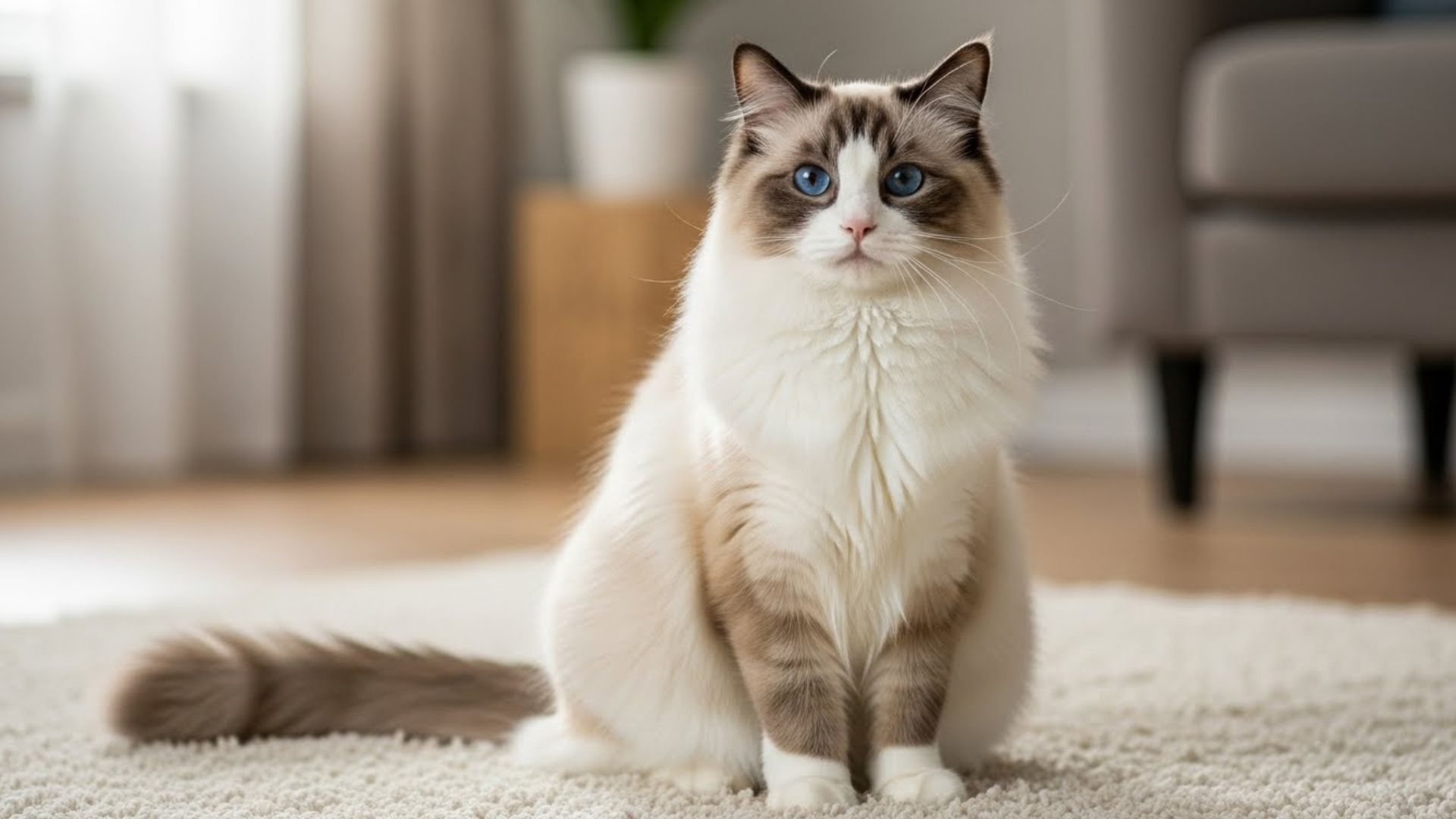
Some days, what you need most isn’t advice or solutions—it’s a soft purr, a warm body against your side, and the quiet reassurance that you’re not alone. That’s where cats can shine as emotional support and therapy companions. They’re generally low-maintenance, don’t demand constant attention, and science backs up what cat lovers already feel: spending time with a cat can lower stress and lift your mood.
Of course, not every cat is the same, and choosing the right fit matters. Some people feel safest with calm, gentle lap-lovers, while others gain the most comfort from a playful, interactive cat that keeps them engaged and moving. Allergies, grooming needs, and how much social interaction you’re up for all play a role in finding the right emotional support match.
From snuggling seniors in nursing homes to playing with autistic children or padding alongside someone who needs motivation to walk, therapy-minded cats quietly change lives. Ahead, we’ll explore the best breeds for offering comfort, connection, and everyday emotional support.
Best Cat Breeds for Therapy and Emotional Support
1. Ragdoll
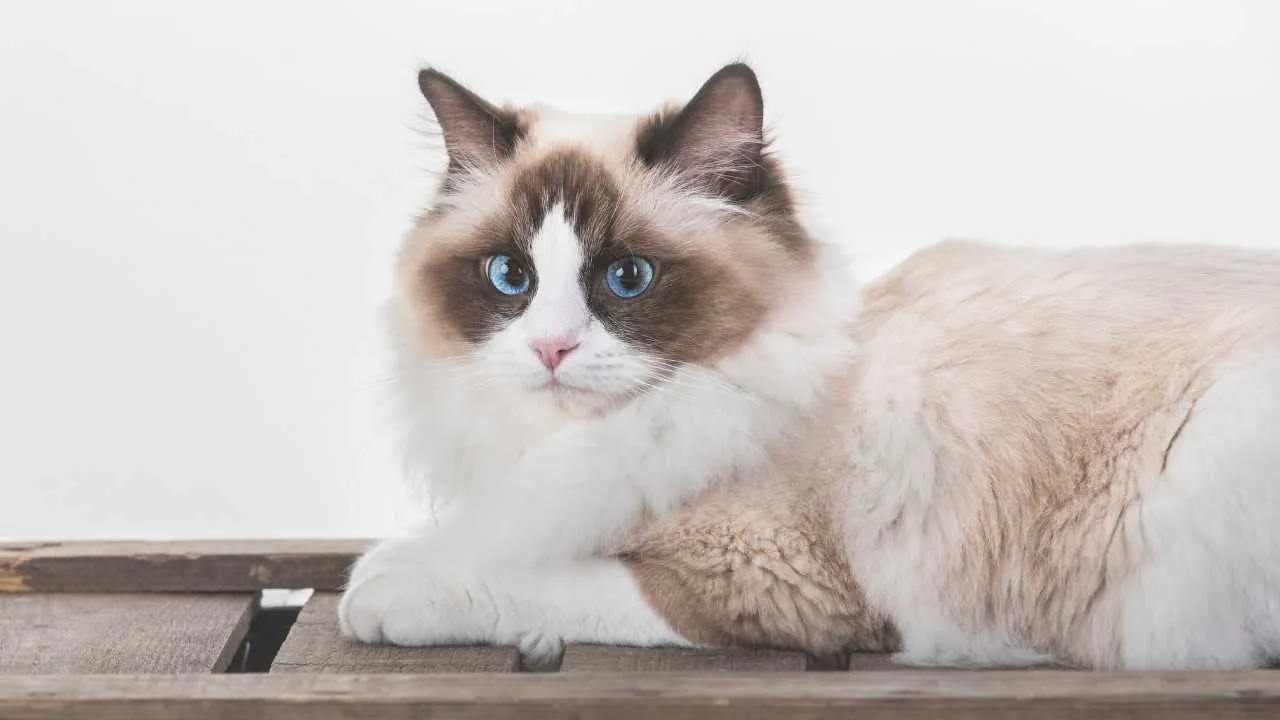
The Ragdoll—often called the Ragdoll cat—is a blue-eyed beauty with Siamese-style coloring and a longer, silky coat. Britannica notes that this cat has a very solid build, with a body that is large, heavy, and strongly built.
Known for its “floppy” relaxation when held, this mild-mannered, doglike feline is built for calm cuddles and quiet company.
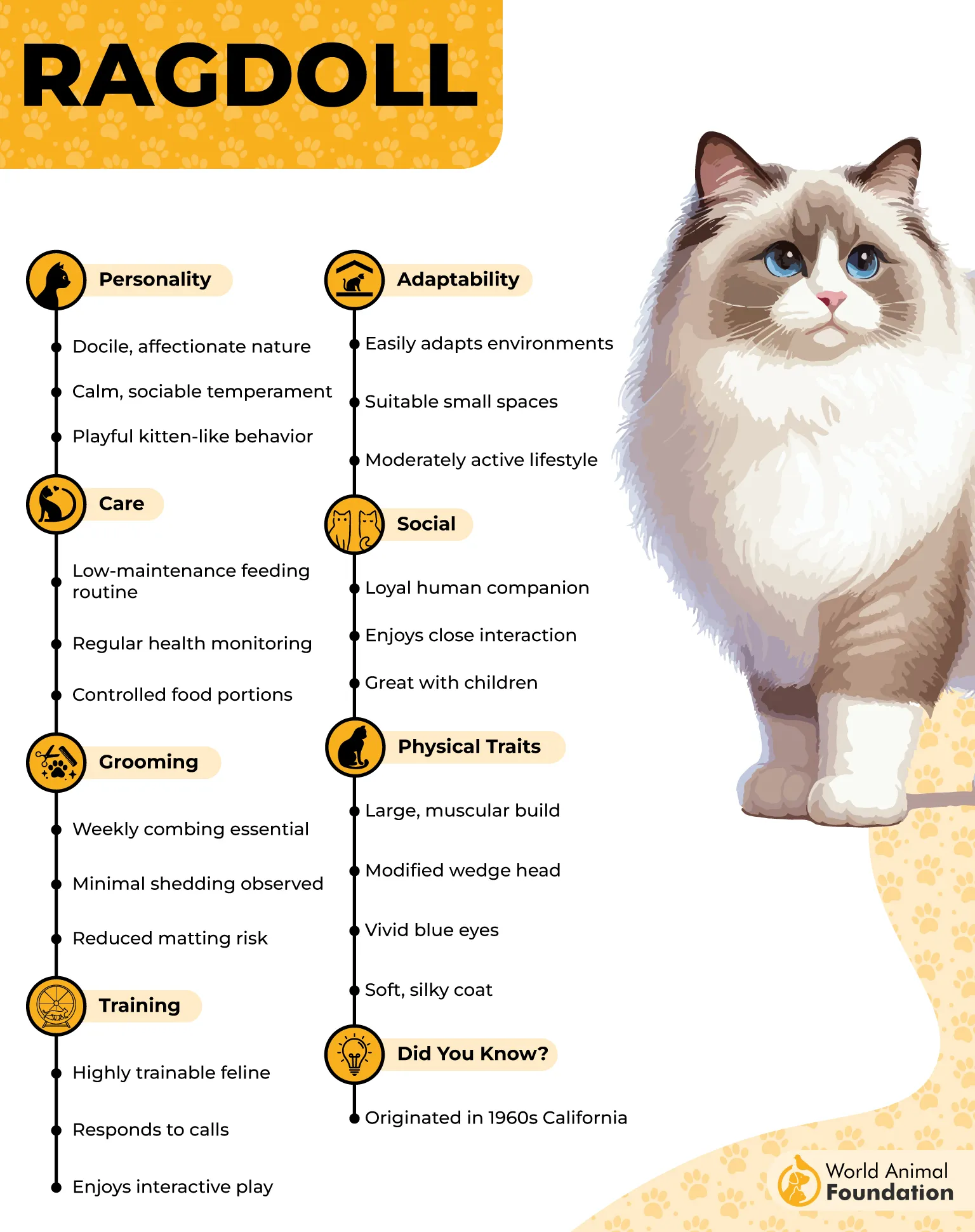
For therapy and emotional support, their temperament is a huge asset. Ragdolls are famously gentle, laid-back, and tolerant of handling, which can be especially soothing for people who are anxious, touch-starved, or unsure around more intense cats.
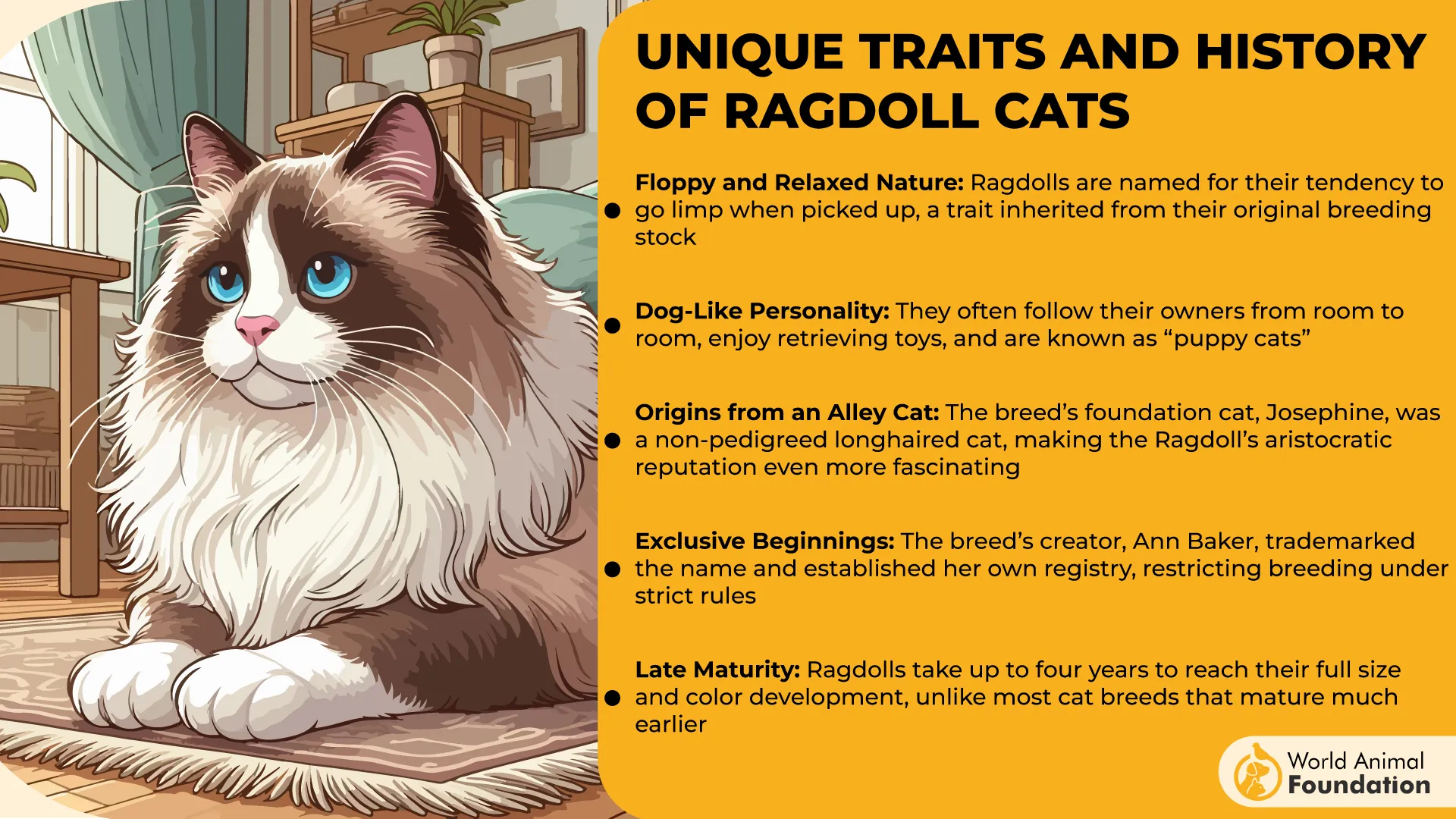
They adore human company and usually seek out laps, beds, and couches where their person is resting, offering steady comfort without being hyper or demanding. That mix of affection and independence makes them easy to live with for people who need support but also value a peaceful, low-drama home.
Ragdolls are also known for tuning into human moods and staying relaxed in busy settings.
Fast fact: Ragdoll cats are often recommended to help people manage anxiety, PTSD, ADHD, and other mental health conditions.
2. Maine Coon
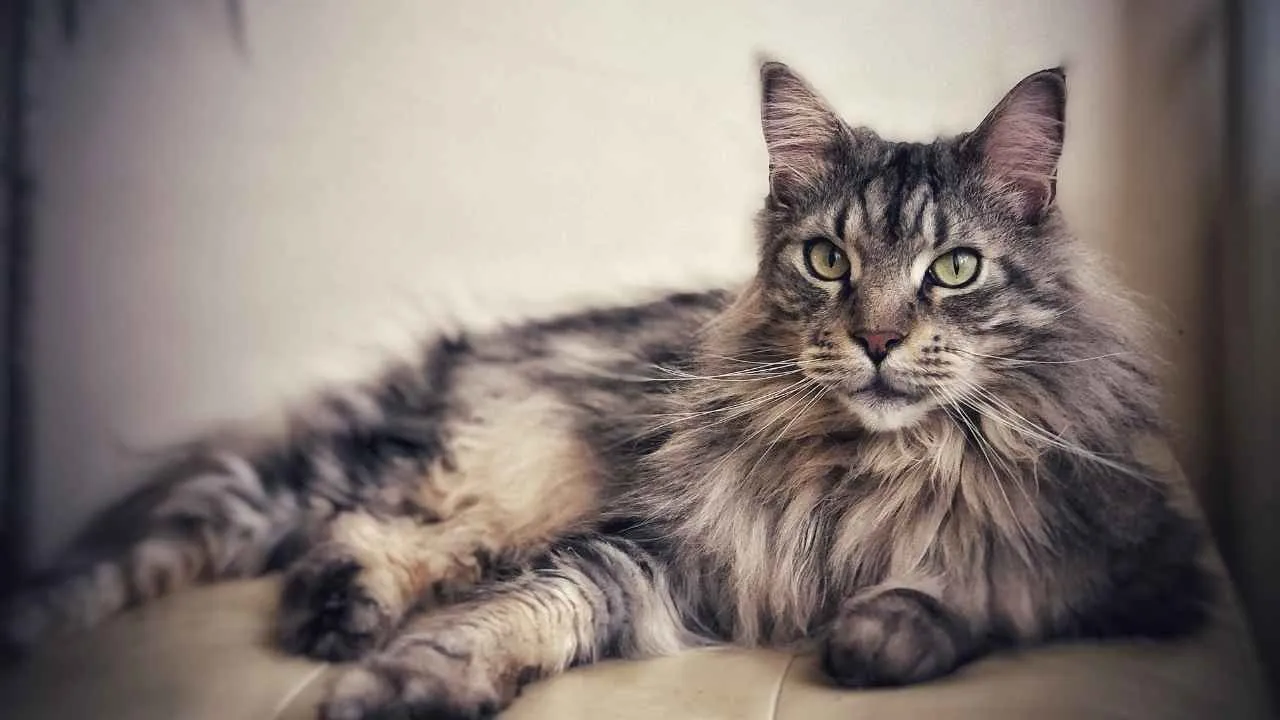
The Maine Coon—often nicknamed the “gentle giant” of the cat world—is a large, fluffy charmer with a friendly, easygoing vibe.
PetMD states that, living up to its name, the large Maine Coon originated in the state of Maine, where it is still recognized as the official state cat. Despite their impressive size and luxurious coat, they’re surprisingly down-to-earth and people-focused.
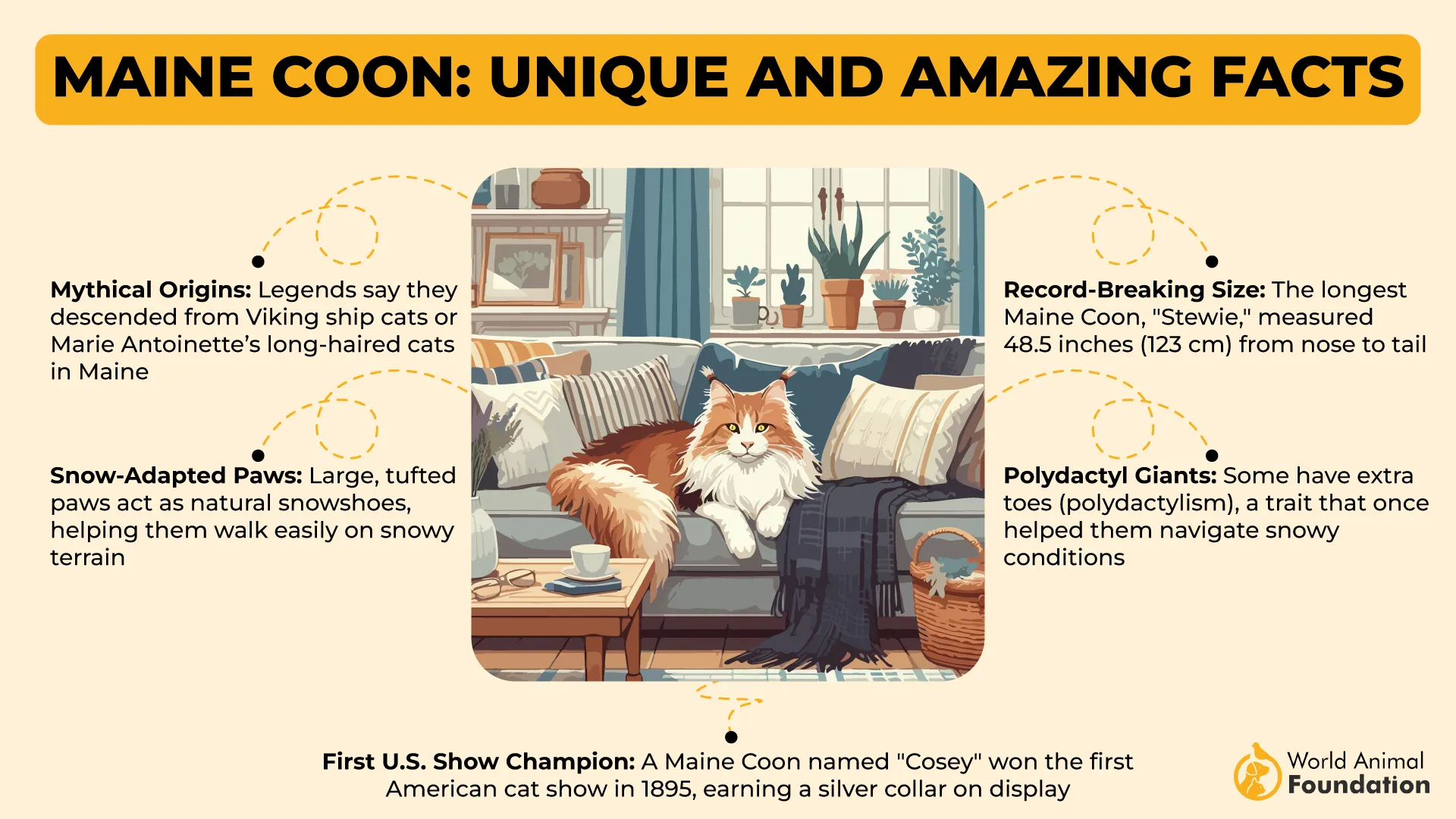
For therapy and emotional support, that mix of calm presence and playful goofiness can be incredibly soothing. Many Maine Coons love to be near their humans without being clingy, offering quiet company on the couch or padding after you from room to room.
Their sociable nature also makes them a good fit for homes with kids, roommates, or other pets. They often greet visitors like old friends, which can ease social anxiety and bring warmth into busy or stressed households.
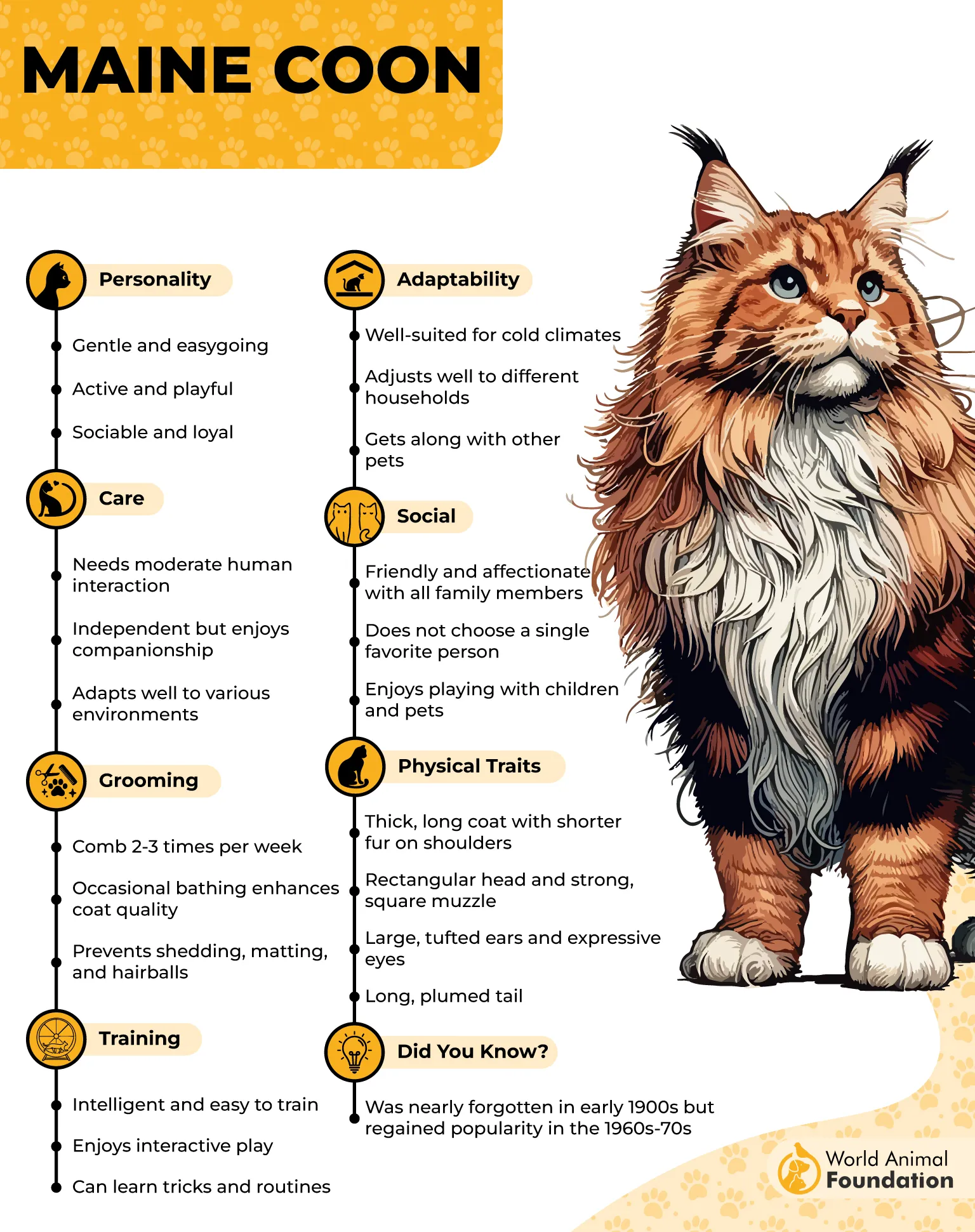
Regular grooming sessions turn into bonding time, as most enjoy the attention that comes with maintaining their long fur.
Fast fact: Maine Coons rarely meow; instead, they’re known for their sweet chirps, chatters, and trills.
3. Siamese
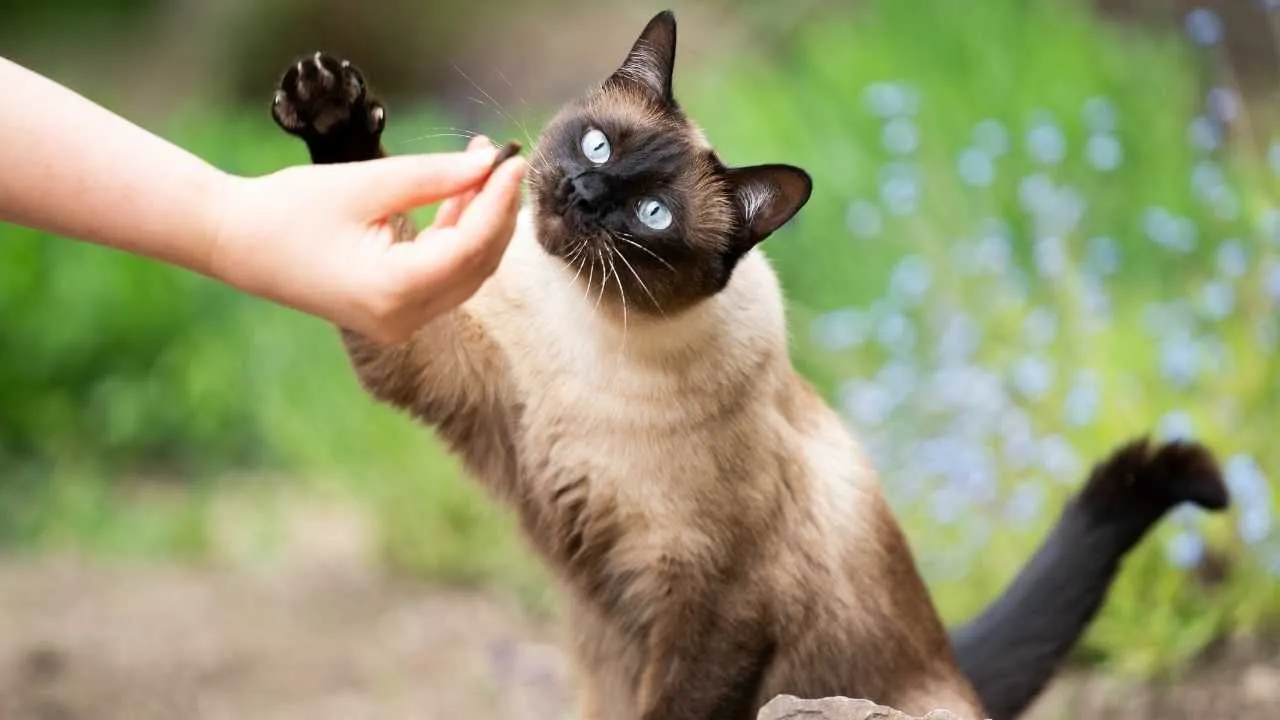
The Siamese—sometimes called the social butterfly of the cat world—is instantly recognizable with its sleek, light coat, dark points, and piercing blue eyes.
WebMD states that the Siamese is a cat breed that originated in Thailand. Behind that elegant look is an energetic, people-focused cat that thrives on connection, making it a natural fit for therapy and emotional support roles.
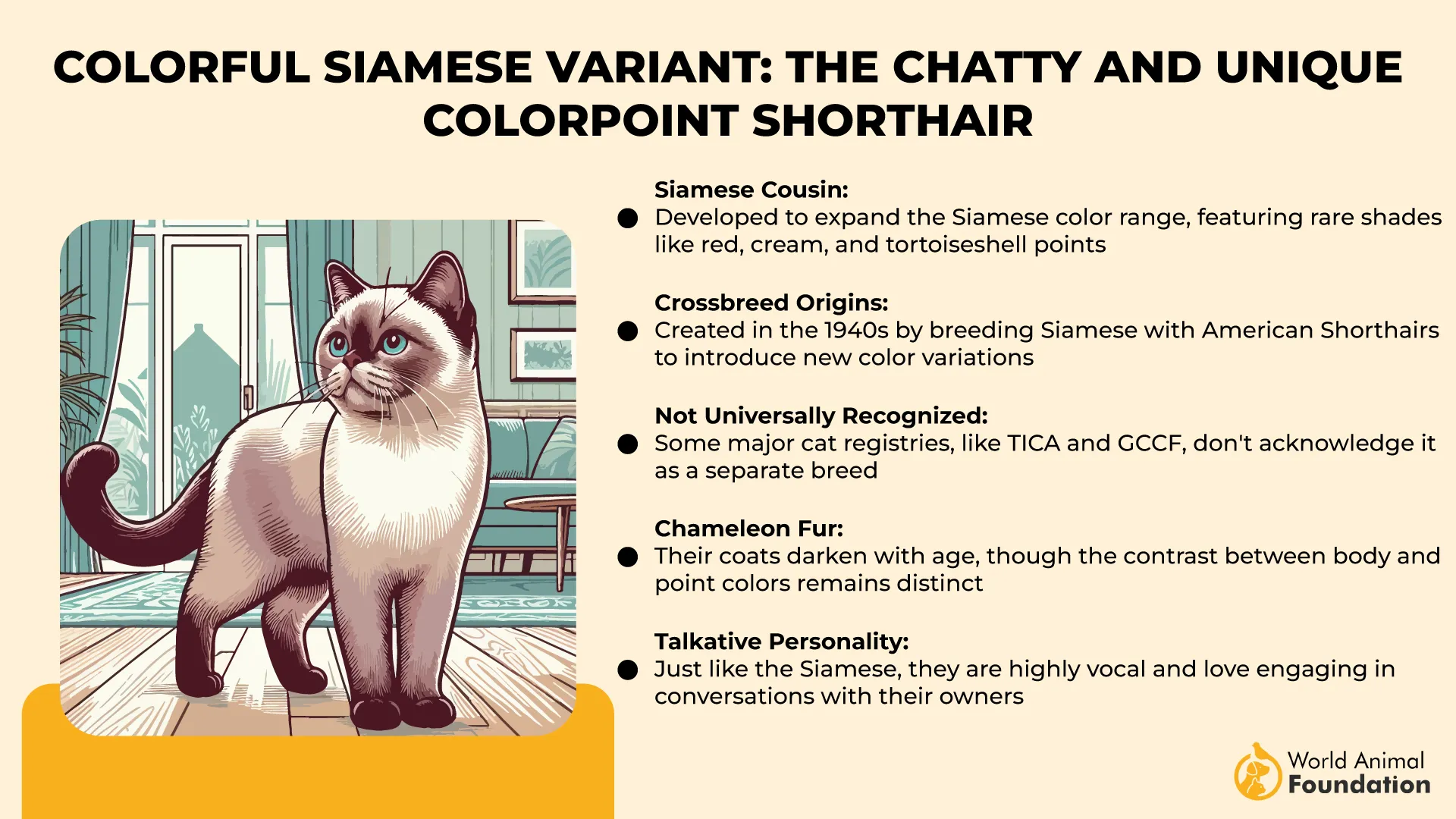
For kids and first-time owners who want constant companionship, a Siamese can feel like a furry shadow in the best way. They often choose a favorite person and stick close, offering steady comfort, chatting away with their trademark “meowful” conversations, and helping pull you out of low moods with their affectionate nature.
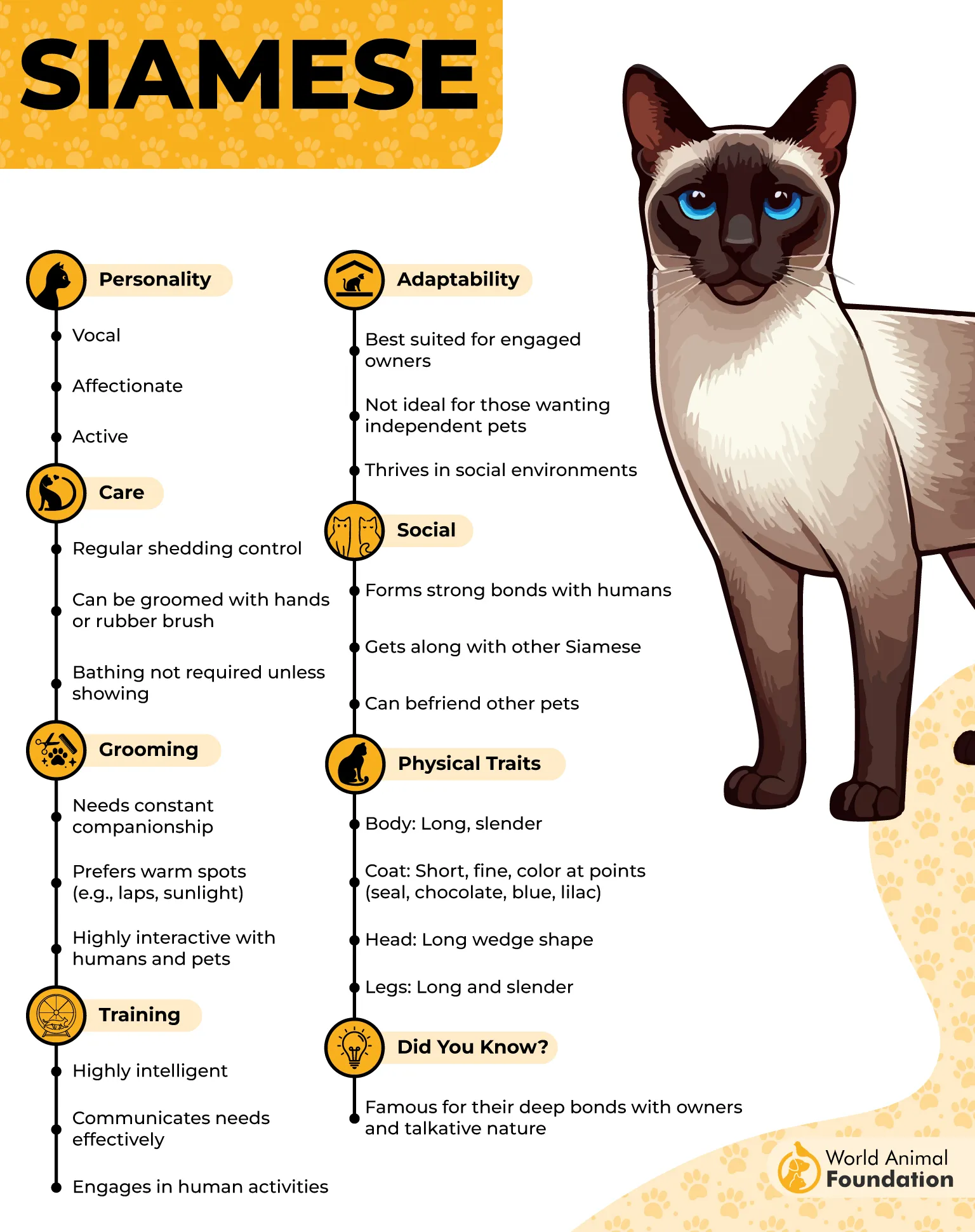
Seniors or adults working on their mental health can also benefit from their playful, intelligent personality. Siamese cats love interactive games and puzzles, keeping you mentally and physically engaged—but because they dislike being alone, they’re best in homes where someone is around most of the day.
They can also work well in allergy-conscious households, since Siamese cats are known to produce less Fel d 1, one of the most common cat allergens.
Fast fact: Many Siamese bond so strongly that they’re described as “extroverts,” staying close to their person and preferring human company over solo adventures.
4. Persian
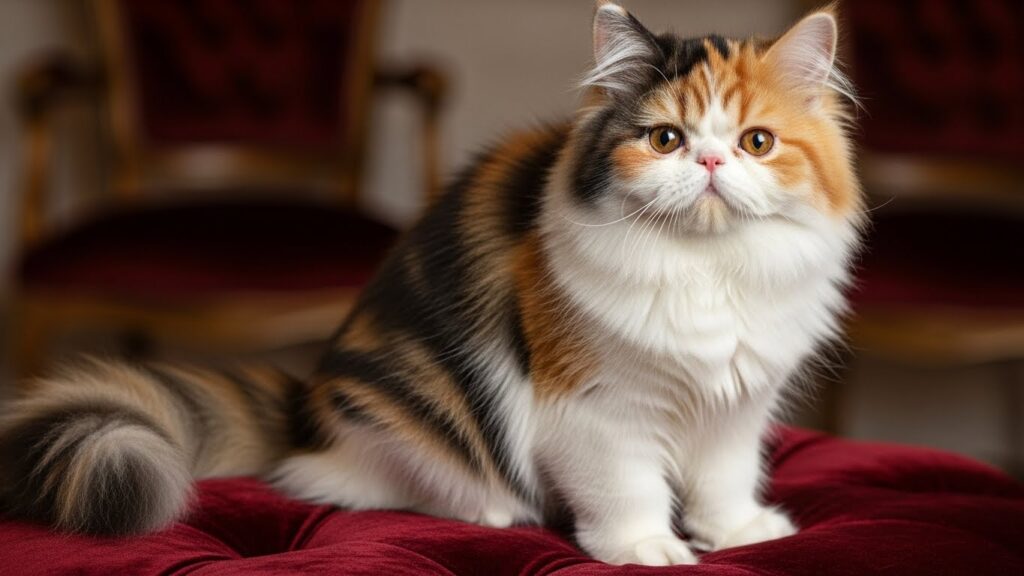
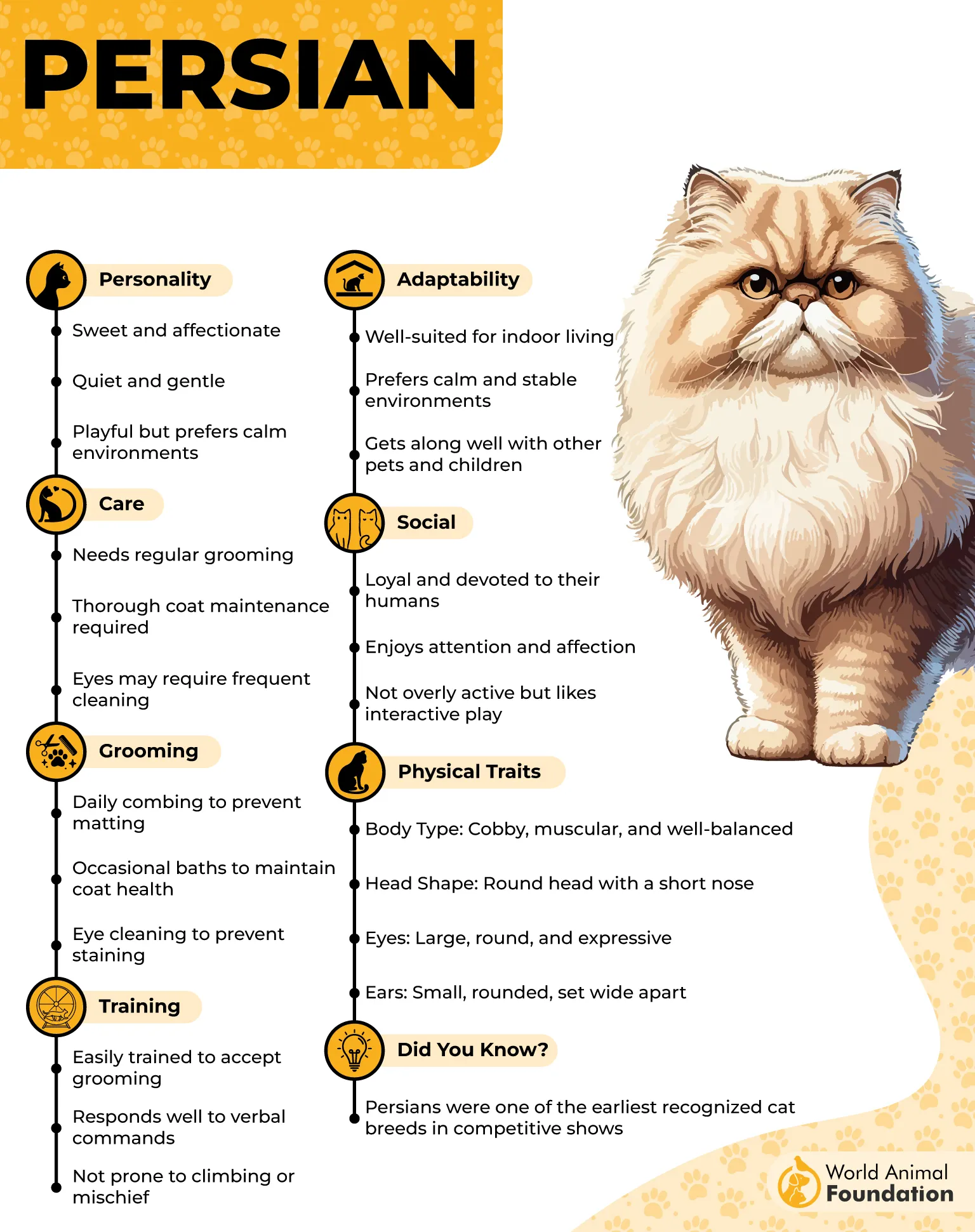
The Persian—also known as the Persian Longhair—is a medium-to-large, long-haired cat with a flat face, big, round eyes, and a famously docile temperament. For emotional support, their calm, easy-going nature and love of cuddles make them natural lap-therapy pros in quiet homes.
If you’re deciding between adopting or buying, start by checking local rescues; many gentle Persians and Persian mixes are looking for second chances. If you choose a breeder, look for one who prioritizes health and temperament, especially for anyone needing a steady, reassuring companion.
Persians suit people who want a relaxed, stay-at-home comfort cat rather than a high-energy playmate. Their long coats do mean daily grooming, but that brushing time can become a soothing ritual that strengthens your bond.
Because extremely flat faces can cause breathing and eye issues, ask about facial structure and health history before committing.
Fast fact: The first documented ancestors of Persians were imported from Persia into Italy around 1620.
5. Russian Blue
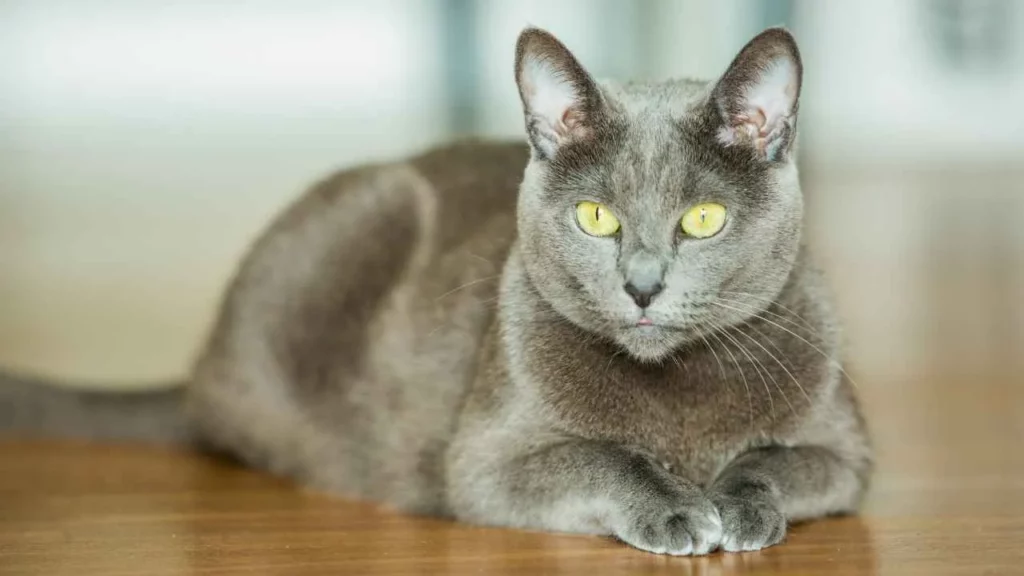
The Russian Blue (sometimes simply called a “Blue”) is a graceful, dark gray cat with a short coat and luminous green eyes. Quiet, reserved, and inwardly sensitive, this breed often suits people who want a calm presence more than an in-your-face cuddlebug.
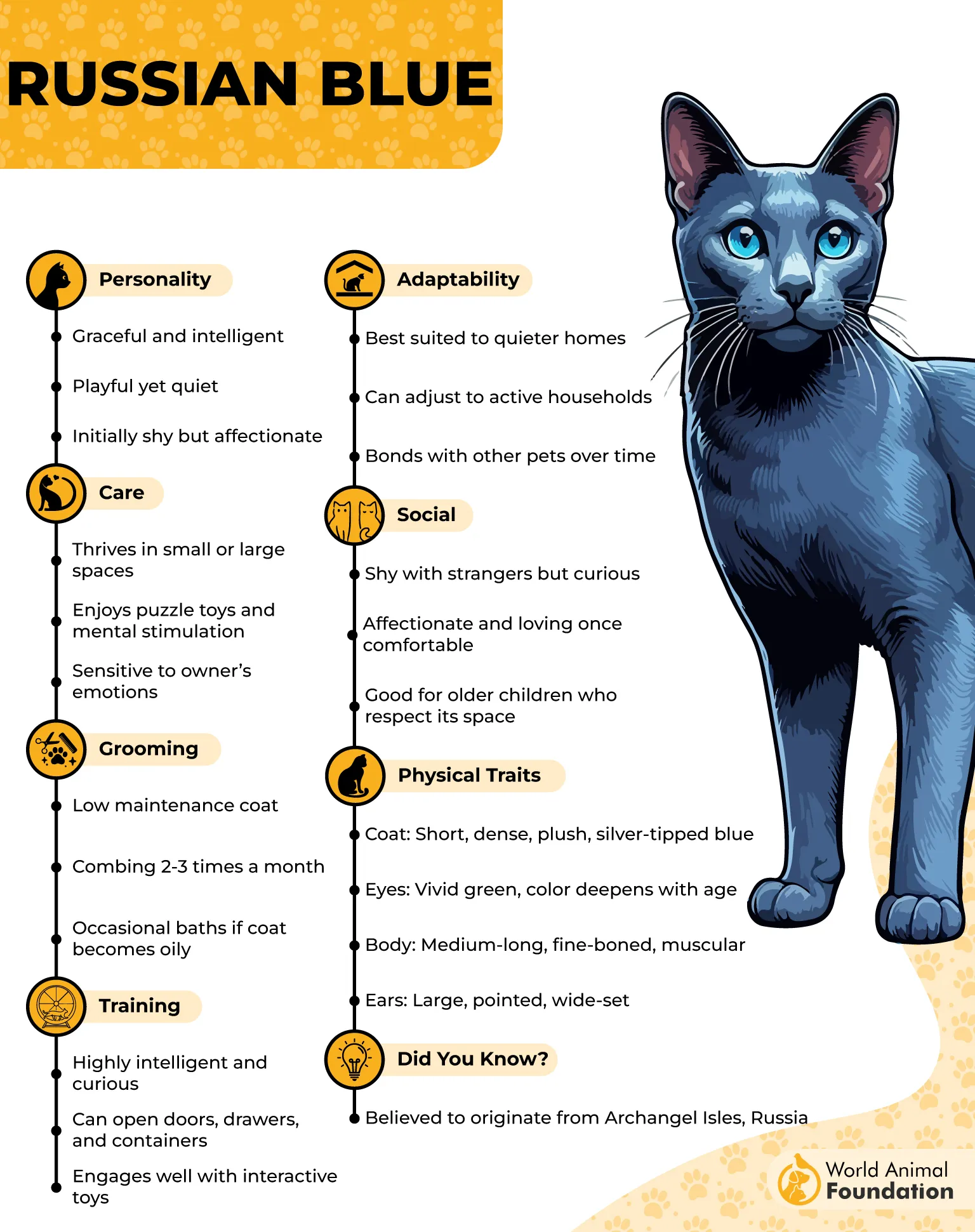
For therapy and emotional support, that mix of shyness and loyalty can be ideal. Russian Blues tend to bond closely with their person and quietly appear when you’re low, offering soft companionship without demanding constant touch or chatter.
Because they’re highly intelligent, they usually respond well to gentle training and predictable routines. Clicker training, simple tricks, and regular play sessions not only provide mental stimulation but also deepen the bond that makes them such steady emotional anchors.
Set them up with climbing spots, interactive toys, and a consistent daily rhythm so their energy stays balanced and their “support mode” can shine.
Fast fact: Russian Blues are low-maintenance, light shedders that often live 15 to 20 years and are considered excellent emotional support cats for people with depression.
6. Balinese
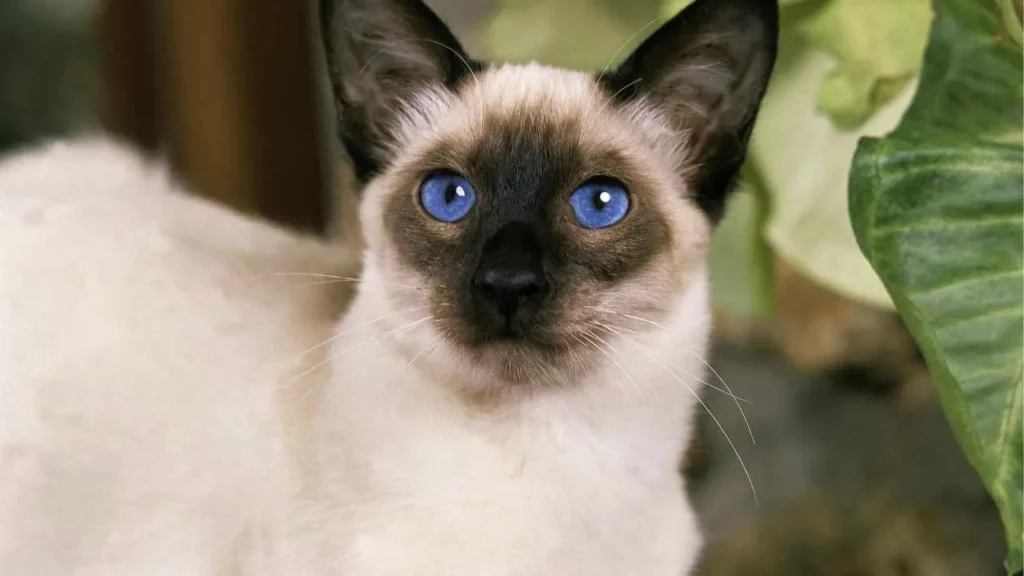
The Balinese—sometimes called the “long-haired Siamese”—is a sleek, blue-eyed beauty with a silky medium-long coat and a big heart for people. They crave closeness, love being held, and truly flourish when they can form a tight, personal bond with their favorite human.

For therapy and emotional support, this breed’s people-oriented nature is a huge plus. Balinese cats dislike being left alone for long stretches, so they do best in homes where someone is around to talk to, cuddle with, and include them in daily routines.
Care-wise, think “interactive companion,” not decoration. Provide plenty of play sessions, puzzle toys, and even simple games of chase to help them burn energy and show off their acrobatic side—mental and physical activity keeps them balanced and emotionally available.
Regular gentle grooming doubles as quality time and helps keep their coat in great shape.
Fast fact: Despite their lush fur, Balinese cats are often considered one of the best hypoallergenic breeds because they shed less and produce relatively low levels of the Fel d 1 protein linked to many cat allergies.
7. Bengal
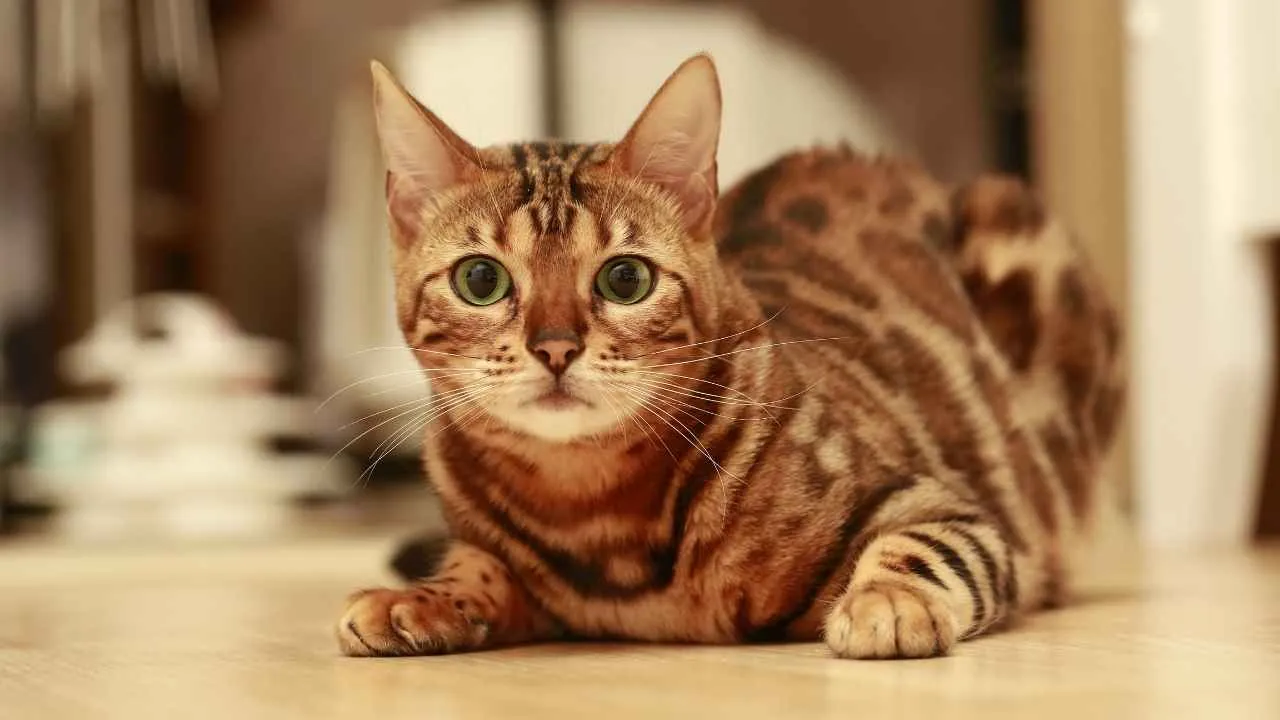
The Bengal is a striking, cheetah-coated cat with a sleek build and big “mini wildcat” energy—often seen in spotted or marbled patterns. While not usually a clingy lap cat, this breed’s bright personality and people-focused confidence can make it a standout emotional support match.
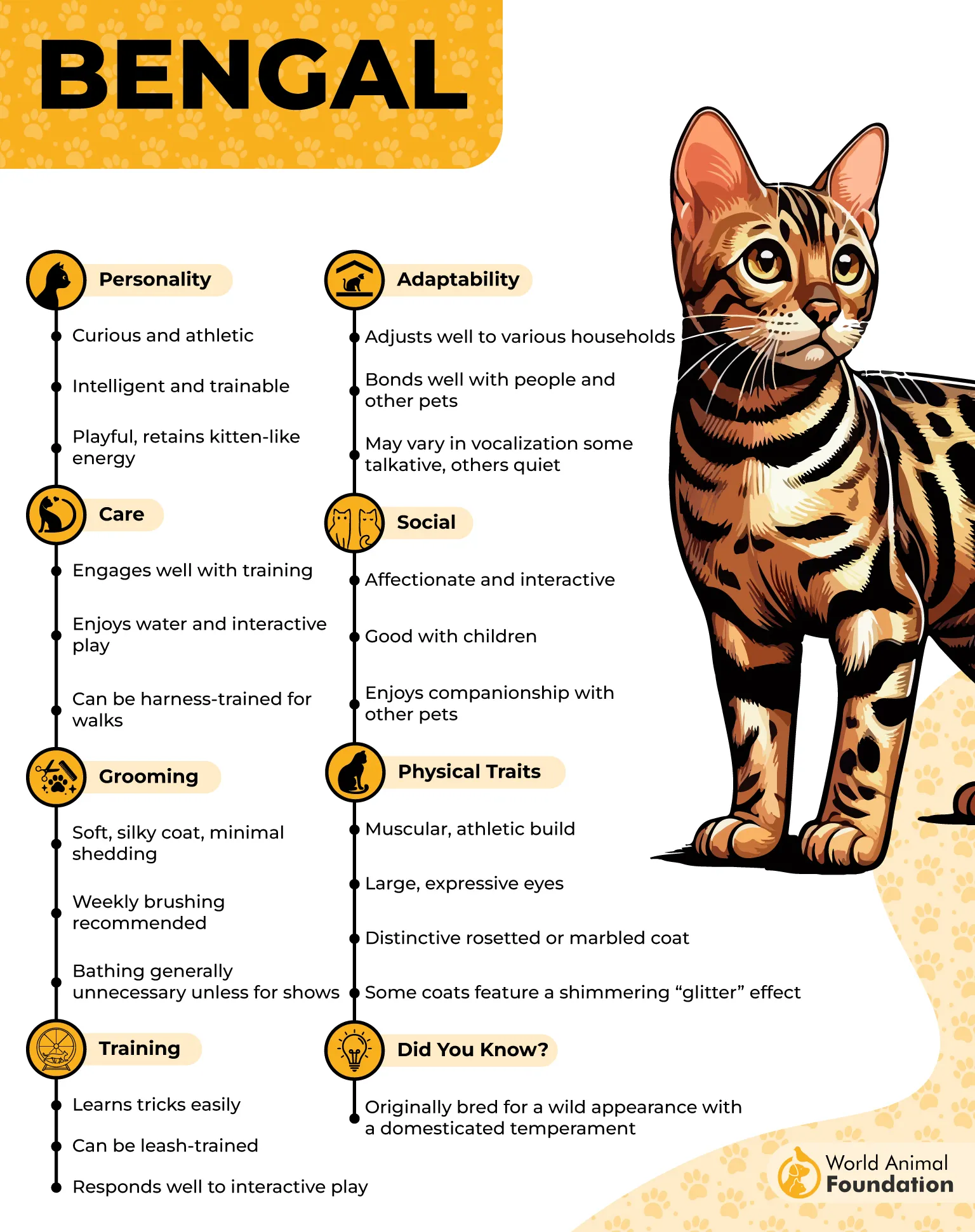
As a therapy or ESA companion, Bengals shine through interaction. They’re sweet, friendly, and famously fun-loving, which can be a real mood boost for someone who benefits from play, routine, and daily engagement rather than constant cuddling.
They’re also highly intelligent and quick to learn, so structured games, clicker training, and even harness walks can become part of your support routine. That mix of brains and enthusiasm is why they’re often pictured entertaining kids with toys or accompanying older adults on gentle strolls.
Lifestyle is the deciding factor: a Bengal fits best with someone who wants an active, involved companion and can provide enrichment.
Fast fact: Bengals are known for minimal shedding, which is a bonus if you don’t want cat hair everywhere.
Conclusion
When it comes to emotional support animals, the best emotional support cat is the one whose temperament and energy match your needs.
Many emotional support cat breeds—whether playful Bengals, calm long-haired breed beauties like Persian cats, or sturdy Manx cats and American Bobtail cats—can provide emotional support simply by providing companionship, routine, and gentle touch.
For some cat owners, quiet companion types suit calm environments and ongoing mental health symptoms; for others, a more interactive, affectionate cat with a playful nature feels like the perfect feline companion.
While service dogs and service animals perform trained tasks, ESA cats are there mainly to support your mental well-being through presence and human companionship. A licensed mental health professional can help you determine if an ESA cat is appropriate for an emotional disability and provide documentation.
From Maine Coon cats (one of the largest domestic cat breeds) to other cat breeds, most cats can become excellent emotional support animals and extremely loyal, loving cats over an entire life, especially when you consider pet allergies and choose the best cat breeds for you.
