




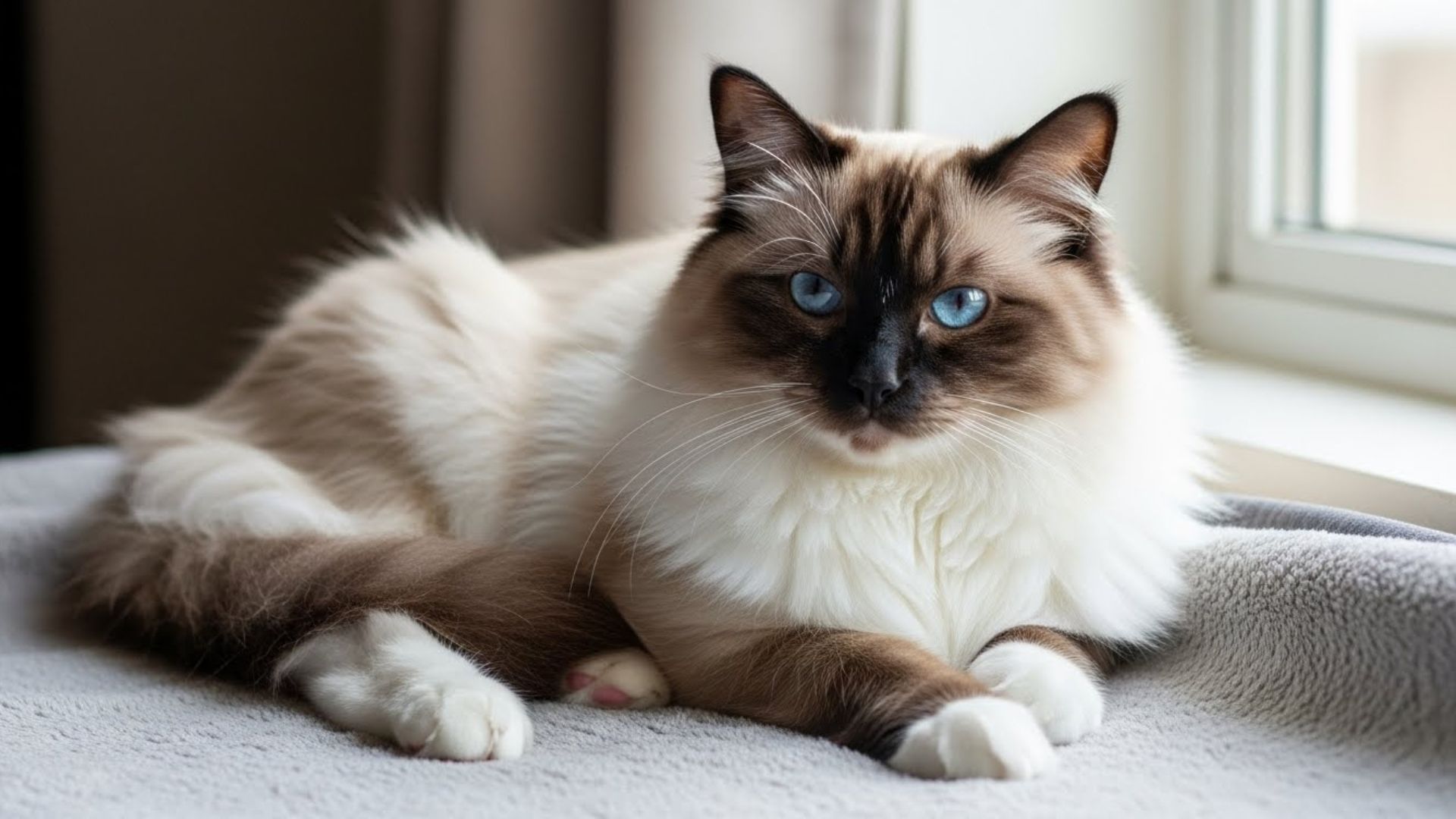
If you’re shy, introverted, or simply happiest in calm spaces, the right cat can feel like the perfect roommate: quiet company, soft footsteps, and the kind of affection that doesn’t demand constant small talk. Cats may have a reputation for being independent or even a little unimpressed—but anyone who lives with one knows there’s real love under that cool exterior. Plenty of cat owners even say their cats show a range of emotions, with affection ranking high.
The key is choosing a cat that fits your personality, not just your Pinterest board. Some breeds are naturally more easygoing and cuddly, while others prefer a bit of respectful distance. Thinking through your lifestyle—how social your home is, how much playtime you enjoy, and whether you want a lap companion or a gentle garden buddy—can make the transition smoother for both of you.
In this guide, we’ll highlight cat breeds that tend to suit quieter owners: companions who are content with cozy routines, soft bonding, and peaceful togetherness. For an introvert, the best match is a cat that makes home feel even more like home.
Best Cat Breeds for Shy Owners
1. Ragdoll
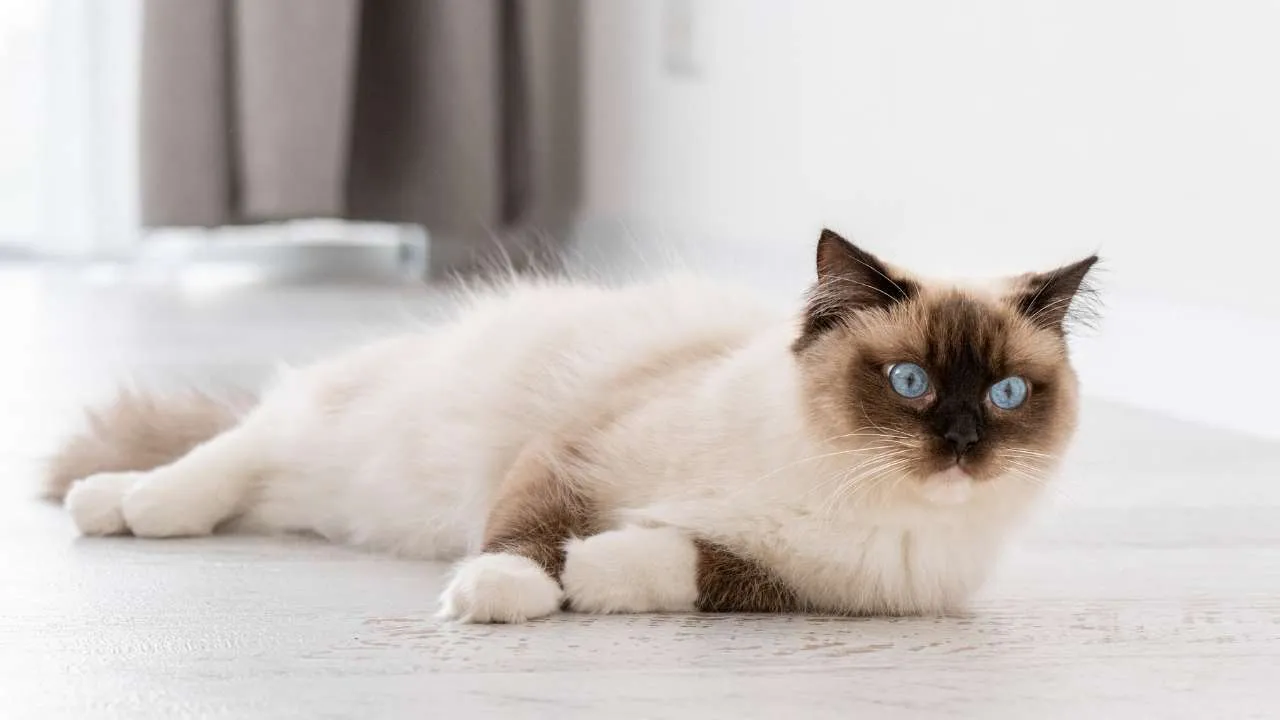
The Ragdoll is a plush-coated, blue-eyed breed famous for its calm, people-loving vibe. Britannica states that the Ragdoll is a long-haired cat breed known for going limp when picked up, relaxing all its muscles so that it resembles a floppy rag doll.
As one of the most popular cats worldwide, it’s a classic choice for shy owners who want gentle companionship without chaos.
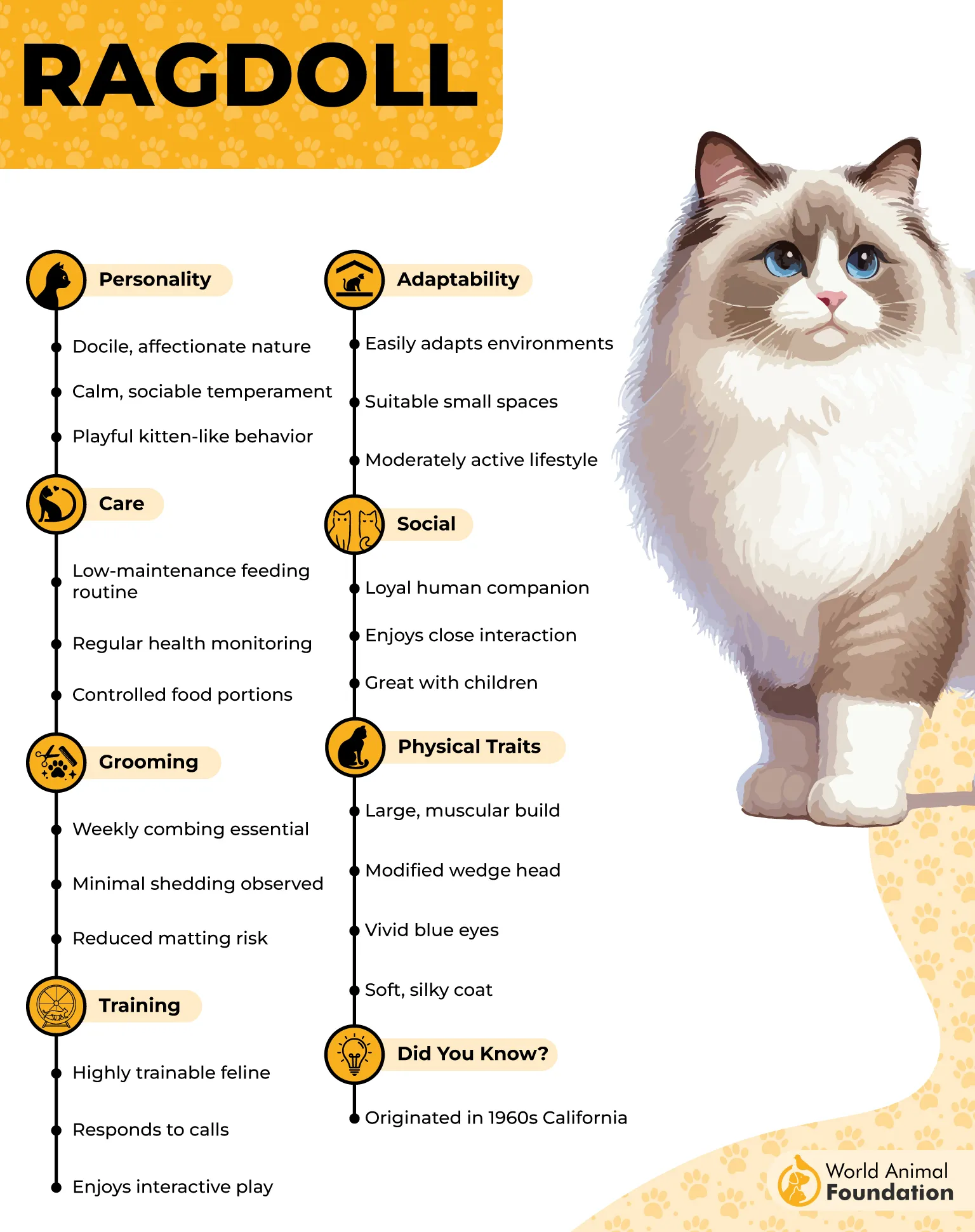
Ragdolls are friendly, laid-back, and openly affectionate—ideal for quiet homes where bonding happens in soft, steady moments. They’ll happily sit beside you while you read, “help” by parking on your laptop, or lounge nearby while you garden, making them comforting company without demanding constant action.
This breed also tends to be social in a low-pressure way, often following you from room to room and greeting you at the door. They can even learn games like fetch, offering interaction that feels cozy and predictable rather than intense or noisy.
Because they’re playful but not overly hyper, they usually fit well with other pets and gentle kids, too—great for introverts who still want an easygoing, connected household.
Fast fact: despite their blue eyes, Ragdolls have normal hearing (the blue-eyed deafness myth doesn’t apply to them).
2. British Shorthair
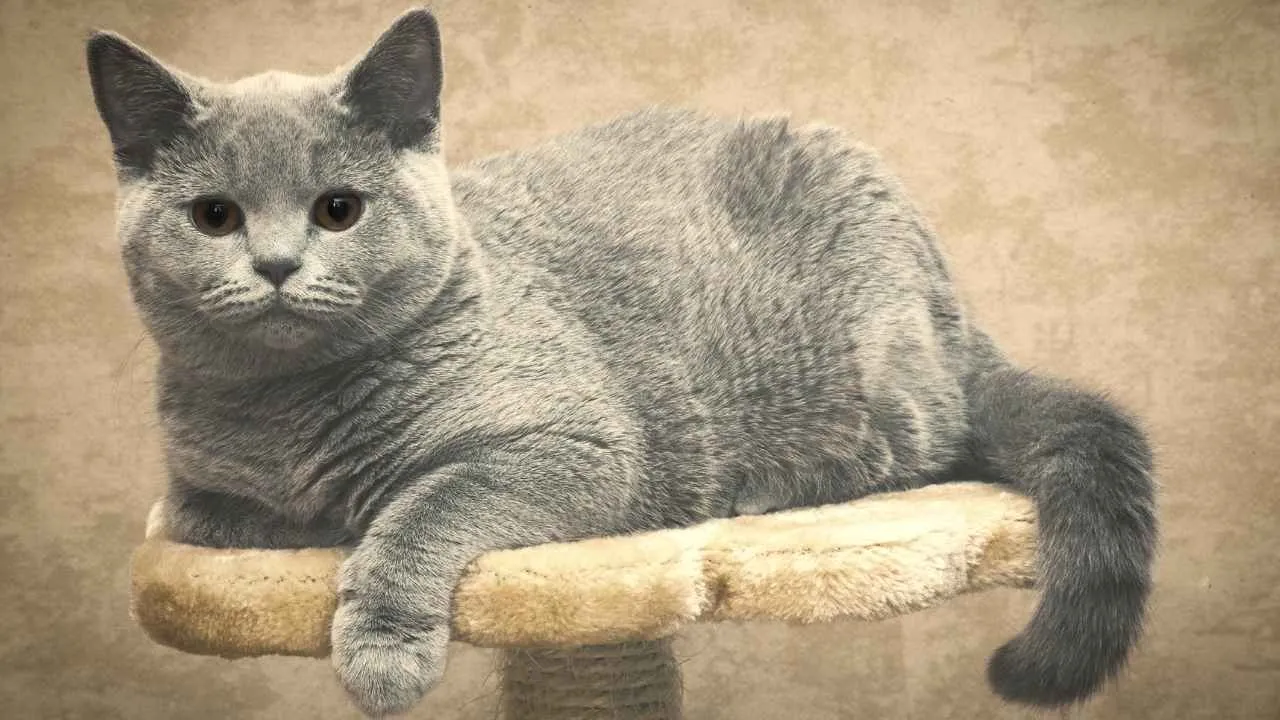
The British Shorthair (famous in the “British Blue” color) is a pedigreed version of the traditional British domestic cat, with a stocky build, broad face, and plush, teddy-bear coat.
PetMD states that the British Shorthair—often called the teddy bear of cat breeds for both its appearance and temperament—originated in ancient Egypt before traveling with people to Rome and later to Great Britain.
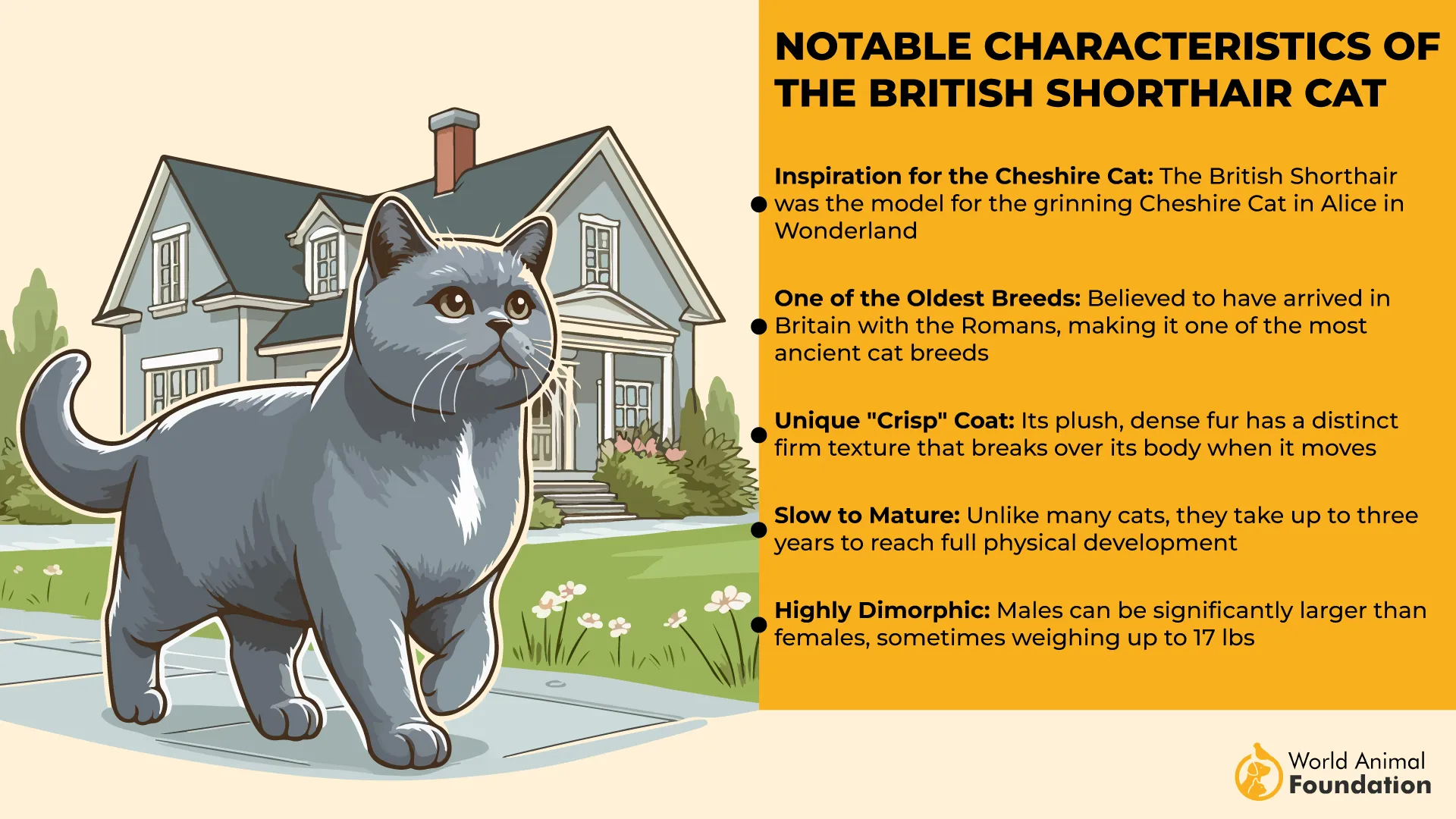
Often linked to the Cheshire Cat vibe, it’s a classic choice for shy owners who want calm company.
This breed nails the “calm vs. clingy” balance: friendly and affectionate, yet not needy. British Shorthairs enjoy being near you, but they’re rarely the type to demand constant attention, which suits quiet households and low-key routines.
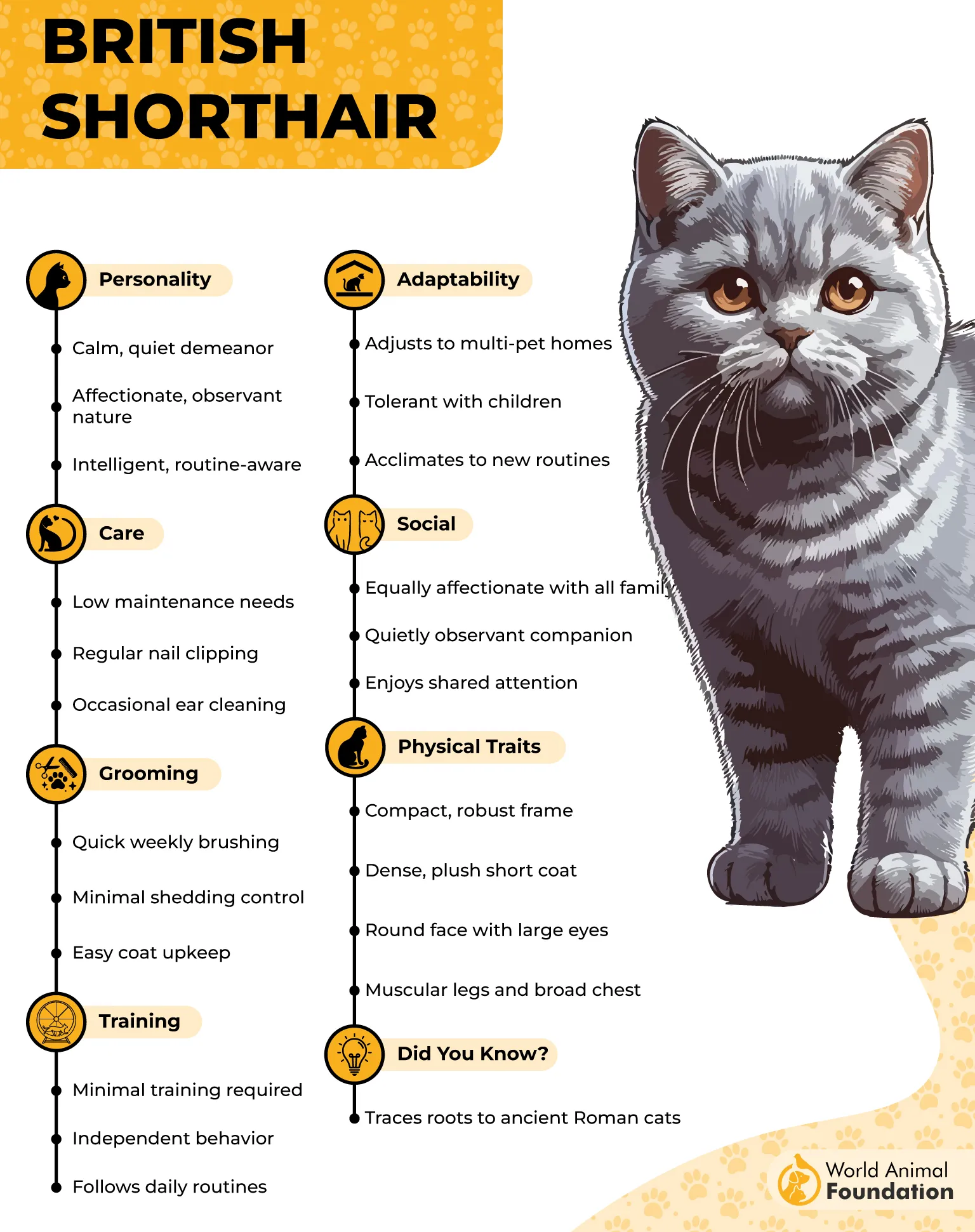
They’re also easy to live with—active without being rowdy, and intelligent without turning every day into a performance. In apartments or smaller spaces, they typically settle in well, making them a steady presence for people who value peace and predictability.
For bonding, think gentle affection on their terms: shared couch time, soft petting sessions, and respect for personal space—yours and theirs.
Fast fact: British Shorthairs are considered among the oldest known cat landraces and became one of the first pedigreed cat breeds in the late 19th century.
3. Persian
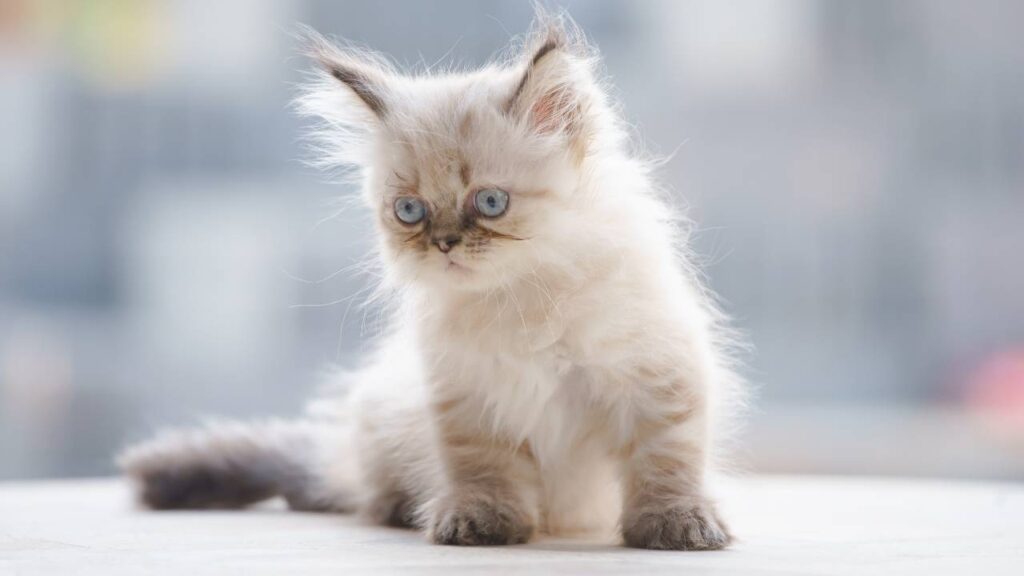
The Persian (aka the classic long-haired “glamour cat”) is instantly recognized by its plush coat and adorably expressive face that can look a little grumpy—even when it’s perfectly content. Low-key and affectionate, this breed is a go-to choice for shy owners who want a gentle companion.
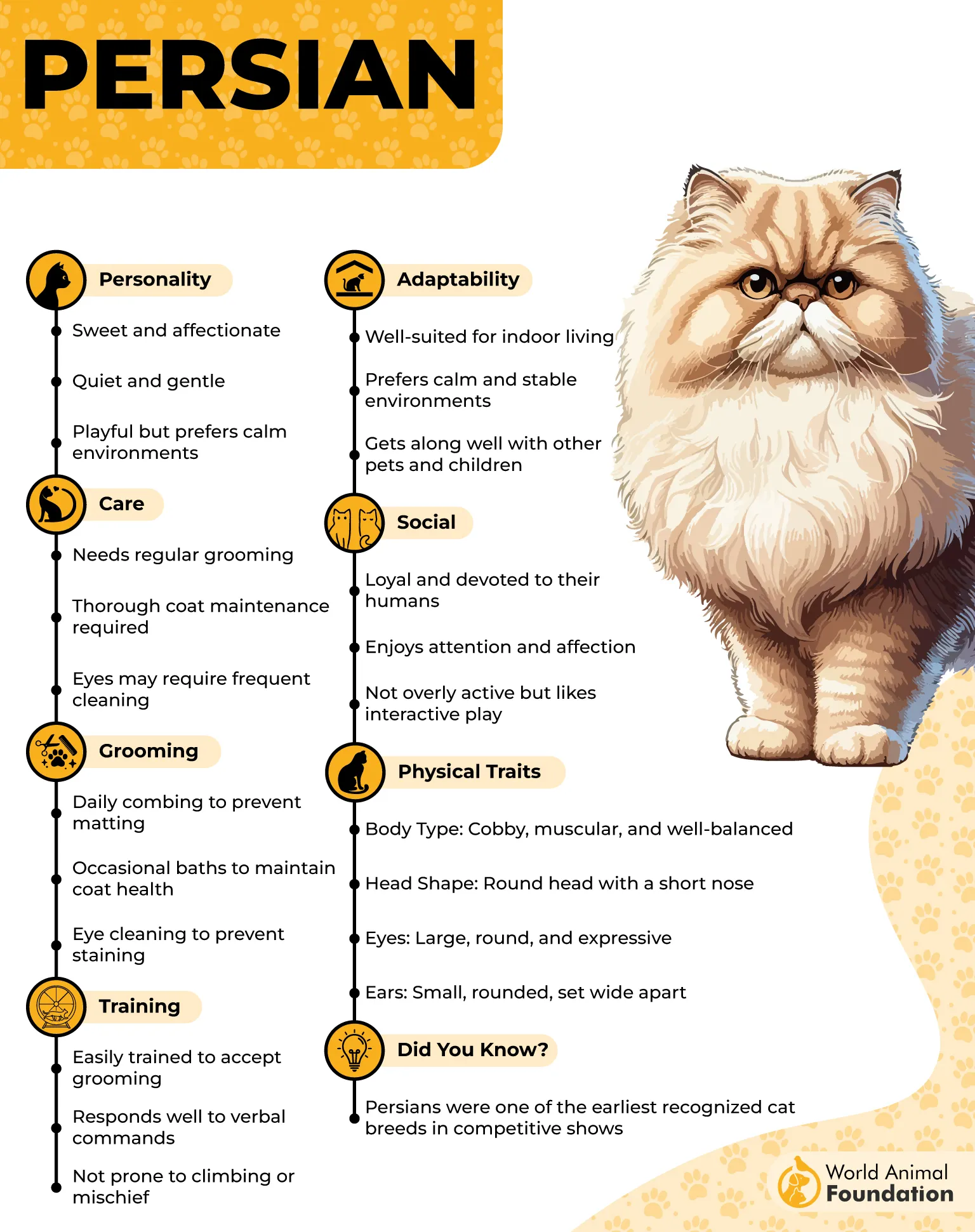
Persians thrive in calm, predictable homes. They’re sweet, easygoing, and not overly active, which makes them ideal for quiet households and anyone who prefers cozy routines over constant play sessions or high-energy chaos.
Unlike more mischievous breeds, Persians usually don’t go looking for trouble. They enjoy being near you, settle into favorite nap spots, and are perfectly fine if you’re out for the day—as long as their environment stays relaxed and comfortable.
They’re also not big talkers, but they will occasionally “chat” in soft, musical chirps when the mood strikes.
Fast fact: Persian cats are quiet, sedate, and can typically be left alone for the day, but they do best in a very calm, relaxed environment.
4. Birman
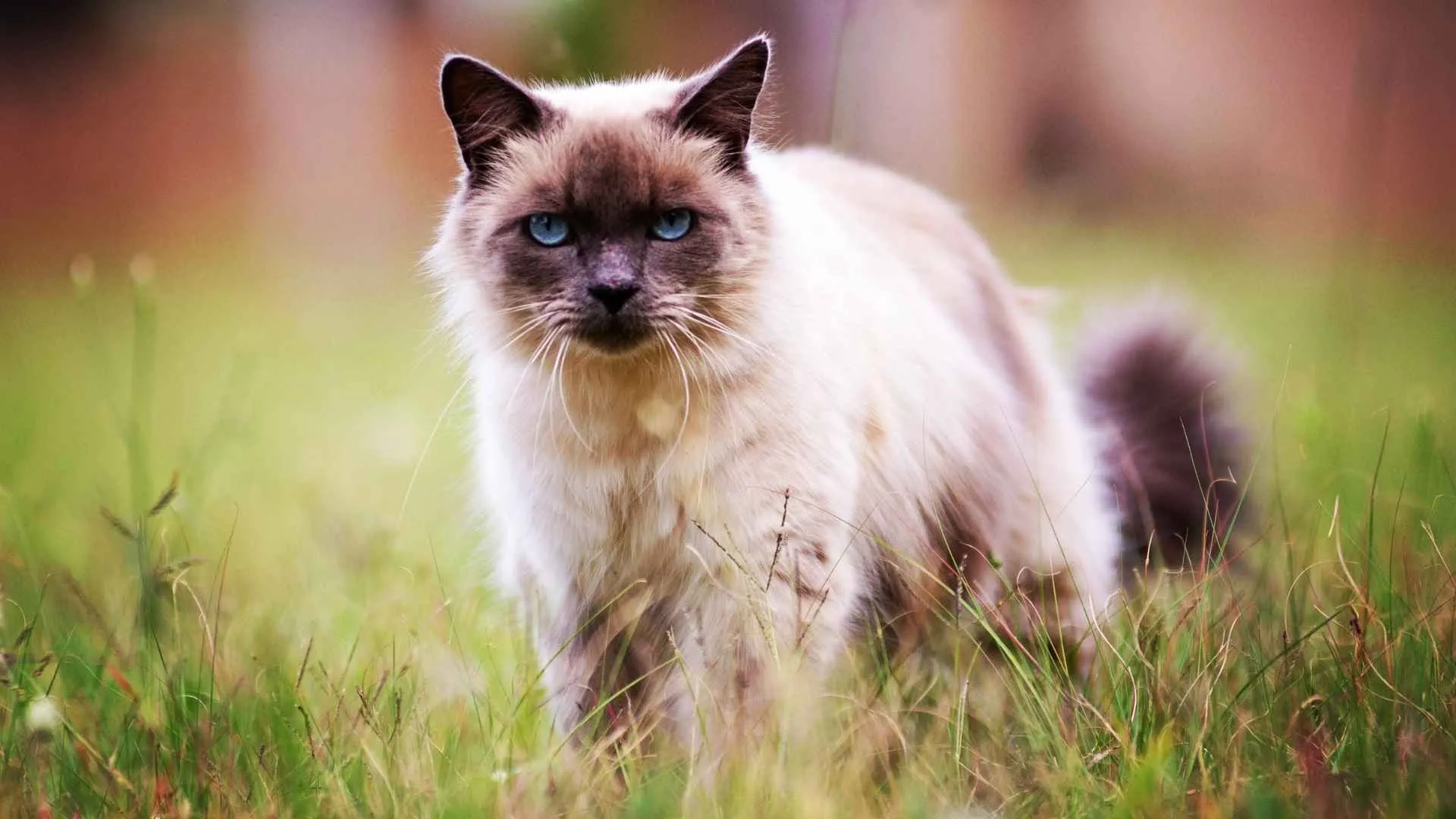
The Birman (often admired for its striking blue eyes and silky coat) is a gentle, people-focused cat that fits beautifully into quiet homes.
With a calm presence and affectionate nature, Birmans are the kind of companions who make a room feel softer just by being in it. WebMD states that Birman cats are loyal and affectionate, and they enjoy staying close to their owners’ side.

For shy owners craving low-noise, low-drama company, this breed is a natural match. Birmans tend to be quiet and sweet-natured, happy to sit near you, trail you from room to room, or settle into your lap without demanding constant entertainment.
They also bring a nice bonus: despite that plush, pretty look, their coat is considered relatively low-maintenance compared with many long-haired cats. That makes day-to-day care feel manageable, especially if you want a serene cat without an intense grooming routine.
Don’t confuse “peaceful” with boring, though—Birmans are intelligent and enjoy play, just in a more gentle, friendly way.
Fast fact: Birmans bond closely with their families and genuinely love sitting in laps.
5. Scottish Fold
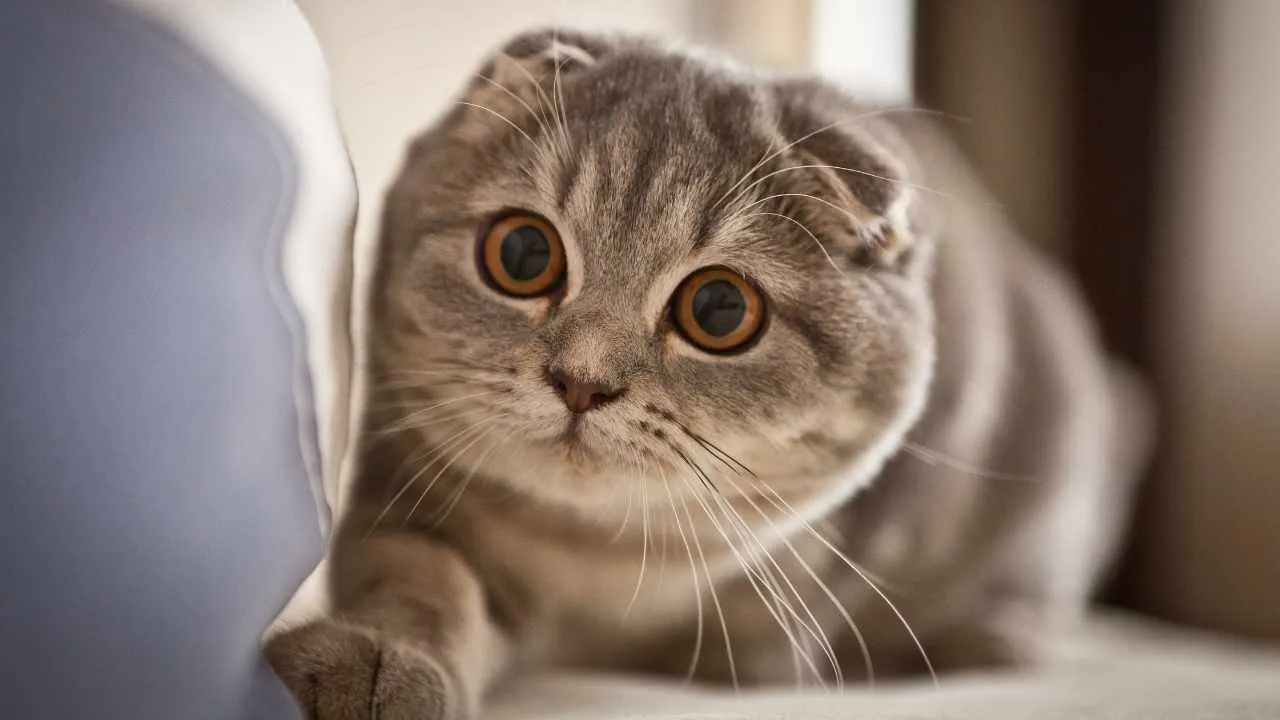
The Scottish Fold—sometimes nicknamed the “owl cat” thanks to its rounded head, big eyes, and neatly folded ears—was originally a rugged farm mouser in Scotland. Today, this independent-yet-friendly breed is better known as a soft, curved cuddle companion than a barn hunter.

For shy owners, an adult Scottish Fold is often the safest bet: they’re typically laid back, quiet-voiced, and happy to share a calm, cozy space without demanding constant attention. Their adaptable nature means they settle nicely into low-key households and gentle routines.
Kittens, on the other hand, bring more chaos and uncertainty, which can feel overwhelming if you’re already introverted or anxious. If you do choose a Fold kitten, look for one raised with thoughtful socialization, so you’re not figuring everything out from scratch.
Whether kitten or adult, Scottish Folds usually enjoy soft snuggles, lap time, and relaxed companionship more than wild play marathons.
Fast fact: all Scottish Folds are born with straight ears, and the famous fold only starts to appear at about 18 to 24 days old.
6. Russian Blue
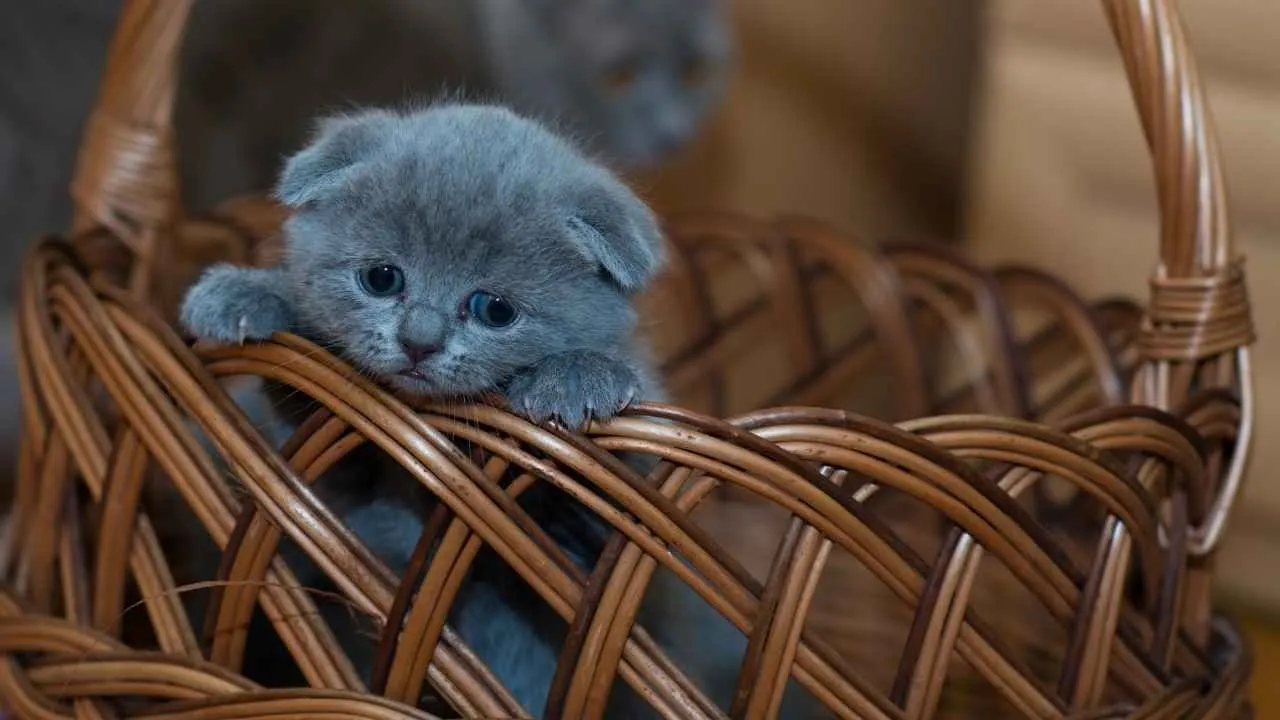
The Russian Blue—sometimes simply called the “Blue” by fans—is a quiet, sensitive companion wrapped in a shimmering blue-gray coat and bright green eyes.
This reserved, loyal breed is ideal for shy owners who prefer a gentle, emotionally tuned-in presence over constant noise and chaos.
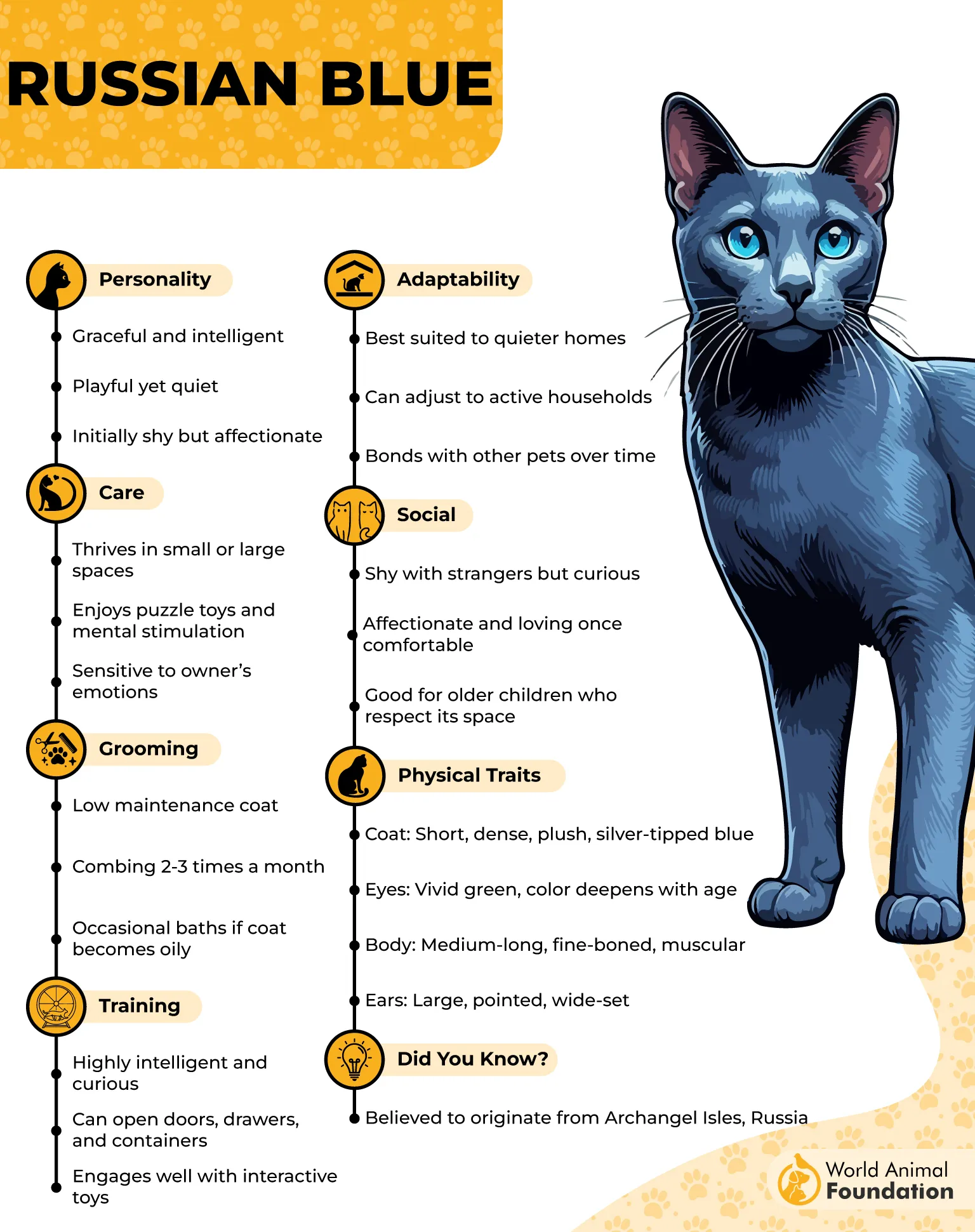
At first, a Russian Blue may hang back, watching new people from a distance and slowly taking the measure of their character. A calm home with predictable routines, soft voices, and safe hideaways (like covered beds or high perches) helps this cautious cat feel secure.
Once they’ve decided you’re “their person,” the bond runs deep: expect a shadow who follows you from room to room, yet respects your need for quiet. Interactive toys, window seats, and cozy spots near your favorite chair all encourage them to relax and engage at their own pace.
Their serene personality pairs beautifully with introverted lifestyles, and Russian Blues are known for their striking blue-gray coats and bright green eyes.
7. Exotic Shorthair

The Exotic Shorthair (often simply called the Exotic) looks like a plush, short-haired Persian with a round face, big eyes, and a dense, velvety coat. Calm and quietly affectionate, this breed is tailor-made for people who prefer cozy evenings to crowded rooms.
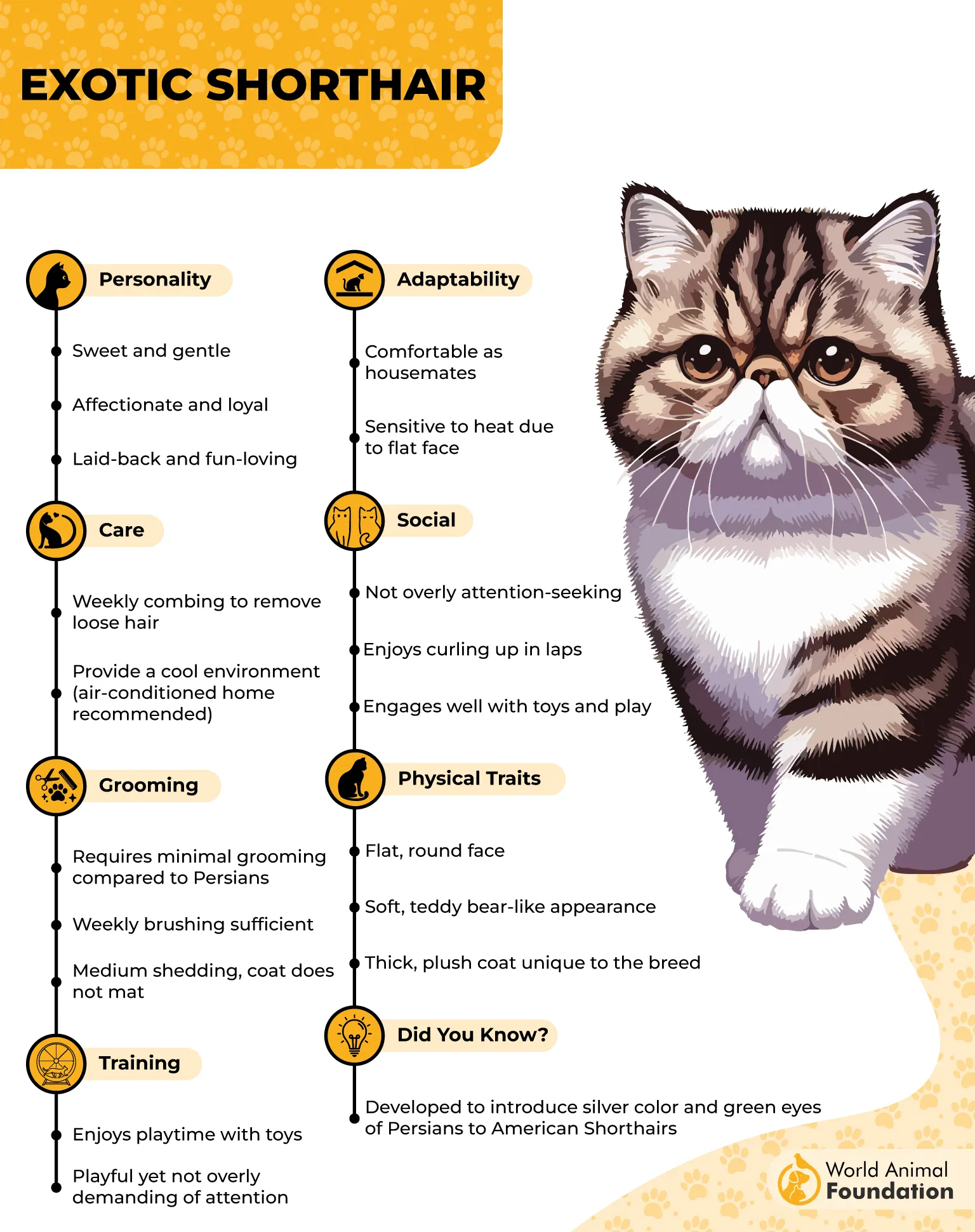
For shy owners who value peace, their laid-back nature is a big comfort. Exotics love lounging in sunbeams or curling up on the couch nearby, offering gentle company without demanding constant interaction or noise.
They’re affectionate without being clingy, happy to be petted and cuddled but also content to nap while you read, work, or recharge. That balance makes them feel like a soft, steady presence rather than an overwhelming one—ideal if you’re introverted or easily drained.
Because they’re adaptable and generally friendly, Exotic Shorthairs can settle into many household types, including quieter homes with other polite pets. They aren’t very vocal either, often “asking” for attention with just one or two quiet, squeaky meows.
Conclusion
For shy pet parents, the best cat breeds are the ones that feel like calm roommates, not constant performers. An Exotic Shorthair or similarly relaxed, highly affectionate cat can be a wonderful companion for first-time cat owners and first-time owners in a small apartment, offering gentle human interaction without being overly demanding.
Their lap cat tendencies, quiet presence, and highly adaptable nature make them ideal household pets who still enjoy human company, other cats, and even other household pets while they form deep bonds.
When choosing a new cat, remember that some other breeds—like gentle giants such as Maine Coons or “dog-like,” extremely friendly cats with long fur or signature folded ears caused by a genetic mutation—may need more space, grooming, or come with potential health issues.
Whether you prefer apartment living or slightly more active households, focus on personality traits and a feline friend whose kitty vibe truly matches your lifestyle.
