




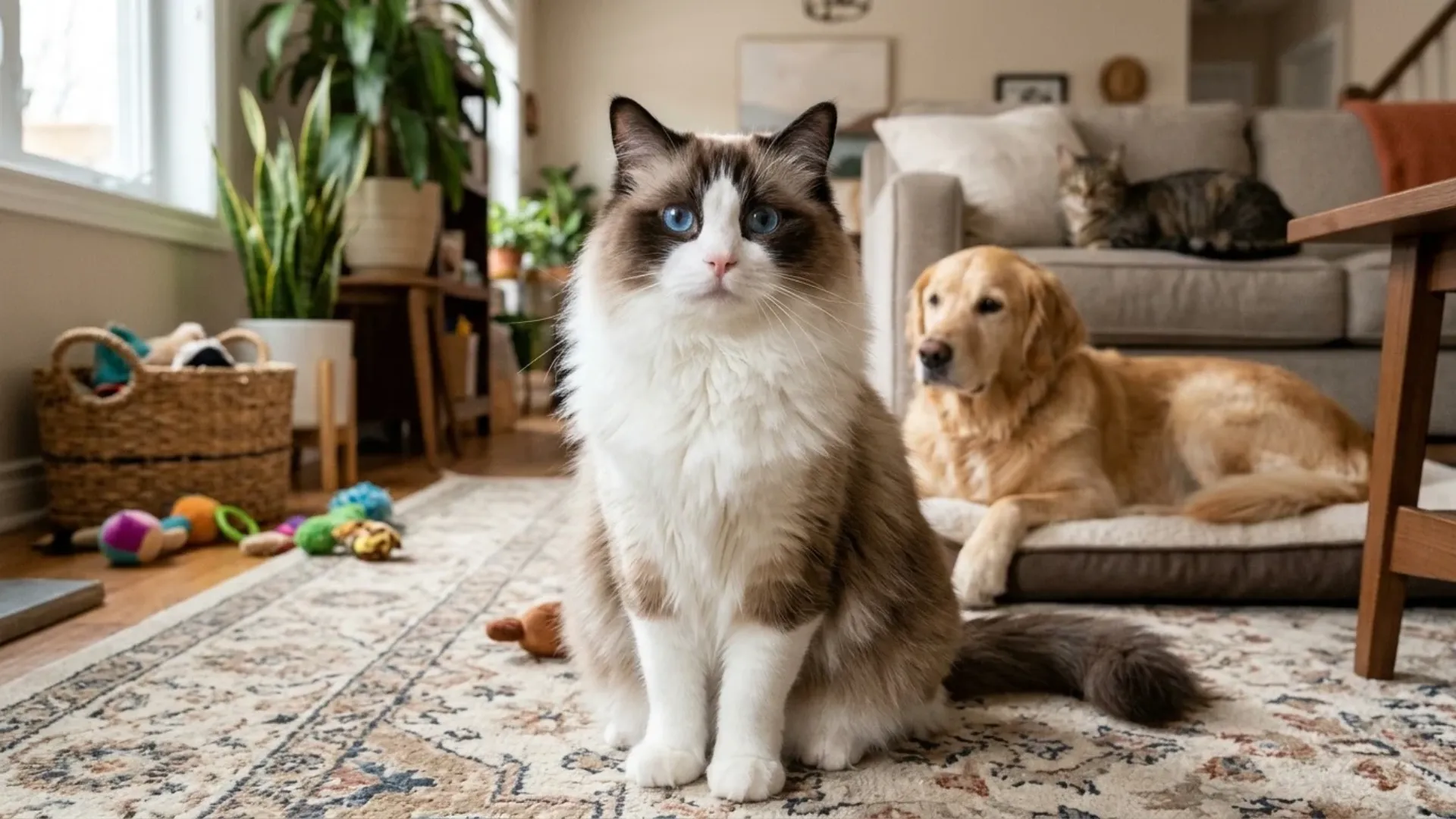
Imagine a home where a playful dog, a curious resident cat, and a newly adopted kitten gradually learn to share their favorite spaces. Bringing different animals together can be heartwarming, but finding a feline companion who fits the household dynamic makes all the difference.
Some cat breeds are naturally more sociable, adaptable, and comfortable around other animals. Their temperaments and desire for companionship can make introductions easier, although individual personalities, gradual socialization, and enough personal space remain essential for peaceful coexistence.
Whether you already have cats, dogs, or other pets, these seven breeds are worth considering when choosing a feline addition who can help bring harmony to your busy household.
FACT: Cats may need several weeks or even months to become comfortable with a new household companion, so gradual introductions are important.
Best Cat Breeds for Multi-Pet Household
1. Maine Coon
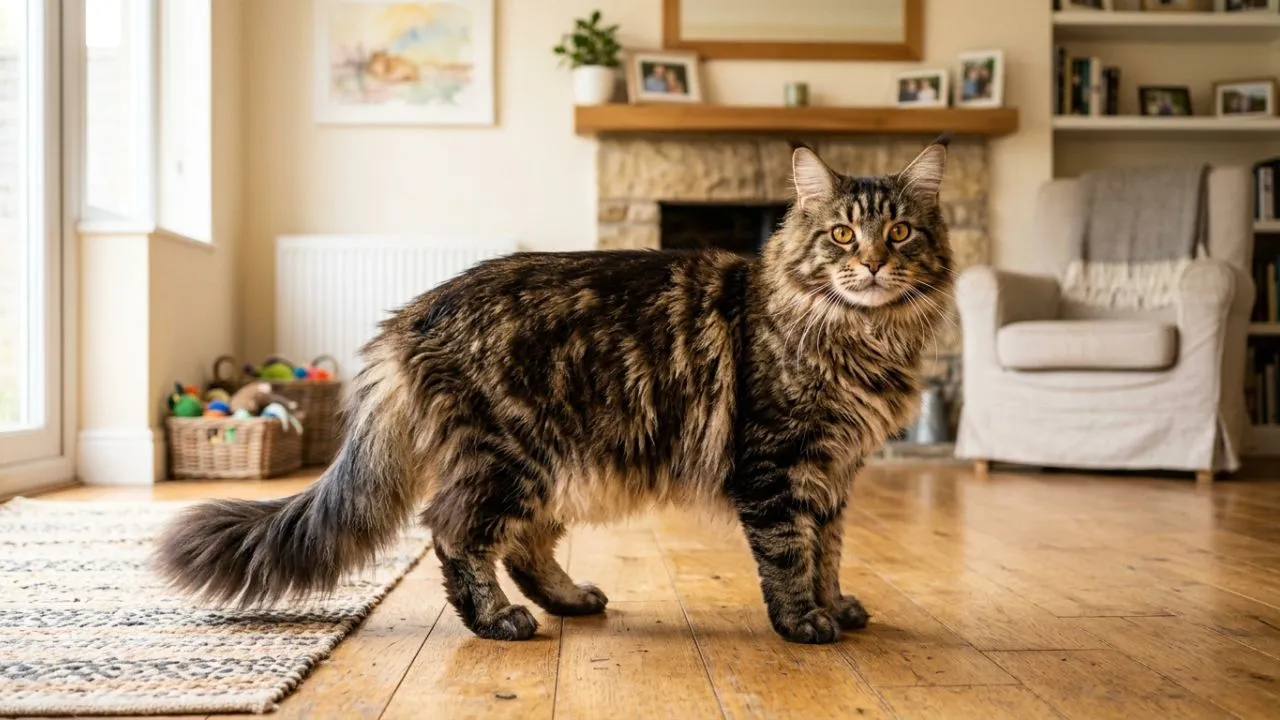
Imagine having a cat so large that your other pets might wonder whether a small dog has moved in! The Maine Coon is often called a gentle giant, but its impressive size comes with a surprisingly easygoing personality.
These affectionate felines are generally tolerant of other cats and can enjoy spending lazy afternoons lounging alongside their furry companions. Their playful nature also makes them willing participants in household activities, without usually resorting to aggression.
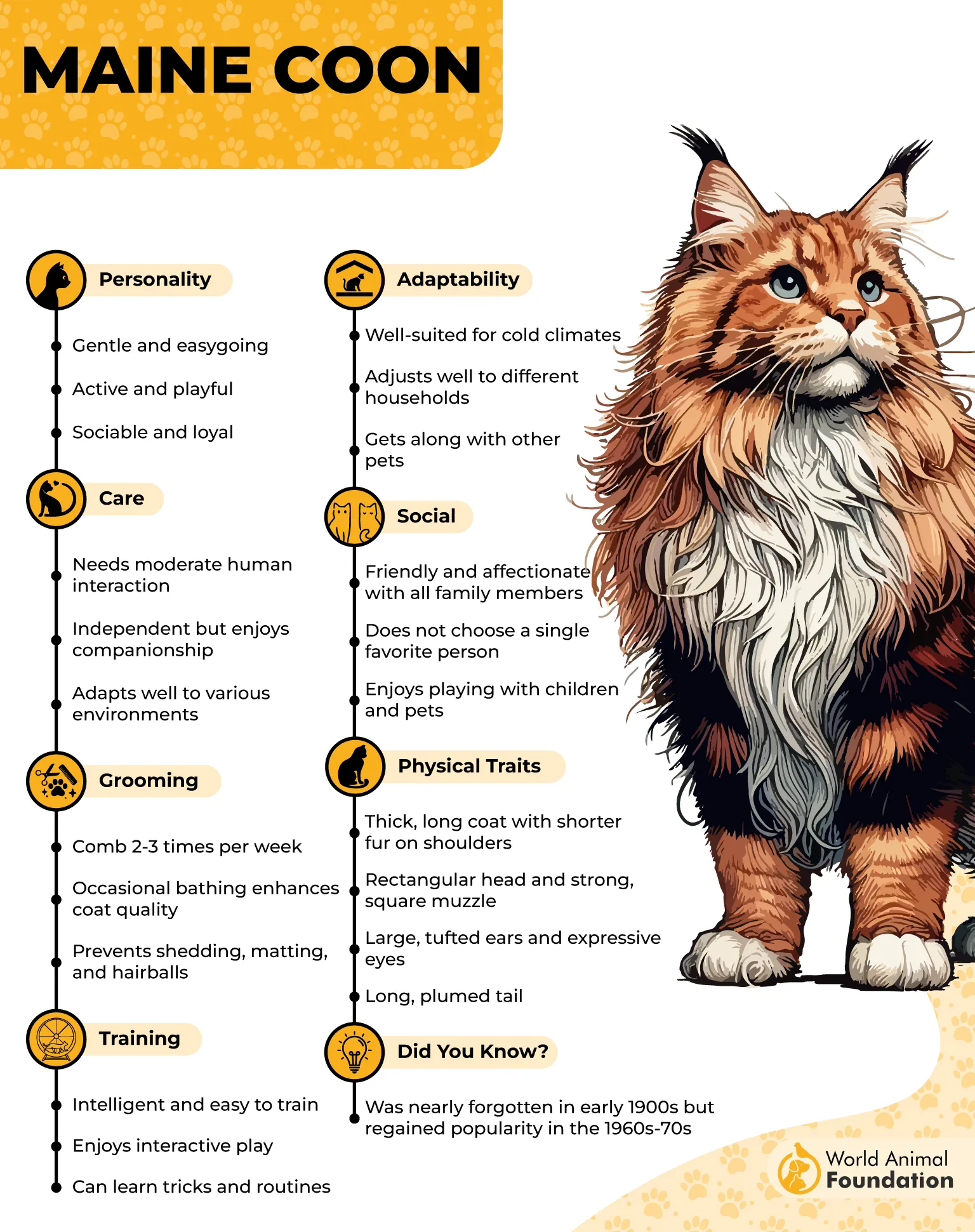
Maine Coons are also known for their dog-like behaviour, which can help them feel comfortable around canine housemates. Their confident yet friendly temperament allows them to adjust to multi-pet environments when introductions are handled patiently.
Despite their imposing appearance, they are typically sociable companions who appreciate having other animals around.
2. Ragdoll
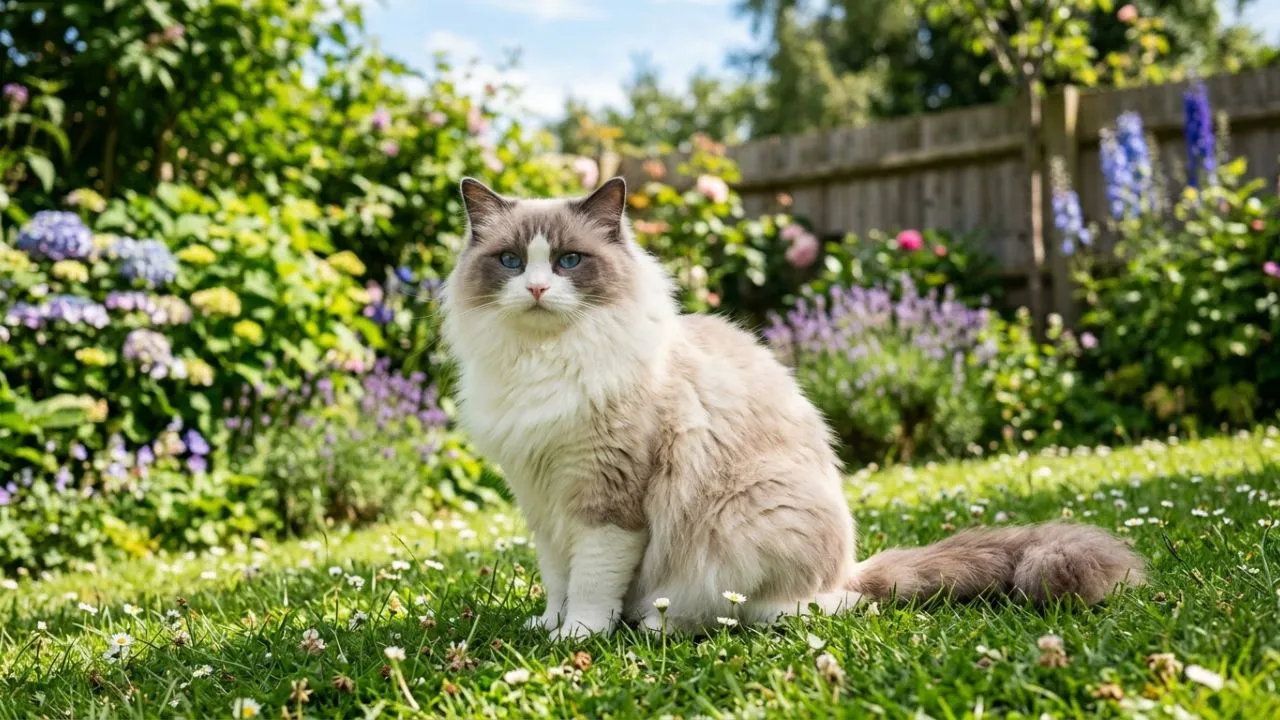
If you’re hoping for a cat that won’t turn your home into a territorial battleground, the Ragdoll’s relaxed personality may be just what you need. These affectionate cats are famous for going limp when picked up, earning them their amusing name.
Their gentle temperament often makes them comfortable sharing space with other friendly cats and well-mannered dogs. Unlike more territorial breeds, Ragdolls generally prefer peaceful companionship over competing for dominance.
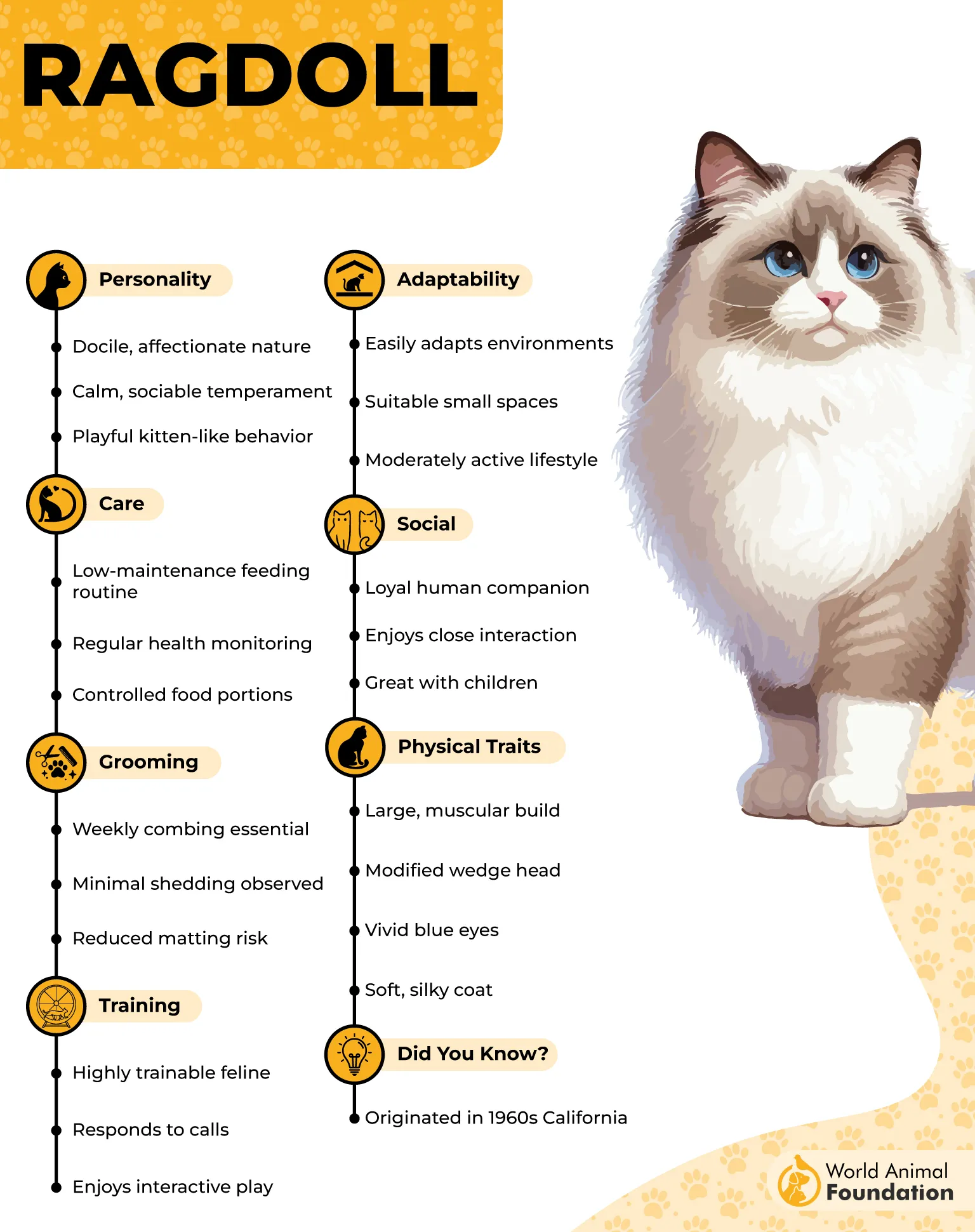
They enjoy spending time with their favourite people and familiar animal companions, making them lovely additions to multi-pet households. Their easygoing nature, however, can sometimes work against them.
Because they are so laid-back, Ragdolls may struggle to stand up for themselves if another pet becomes overly dominant or aggressive. Supervised introductions and ensuring they have safe spaces to retreat to can help prevent conflicts.
3. American Shorthair
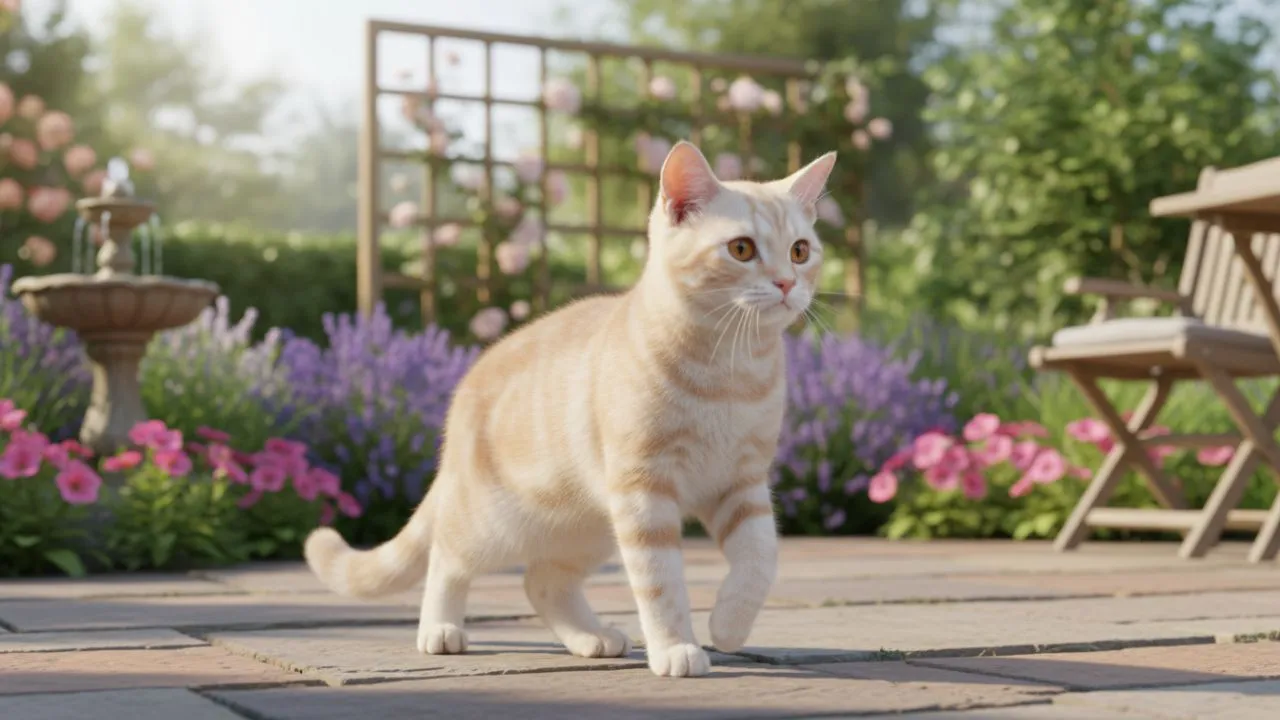
Planning a home with cats, dogs, and perhaps a few other furry adventurers? The American Shorthair is known for its adaptable temperament, making it comfortable in households where different personalities and activity levels come together.
These short-haired cats strike a lovely balance between companionship and independence. They enjoy joining family activities but don’t constantly demand attention, giving other pets room to interact without competing for their owner’s affection.
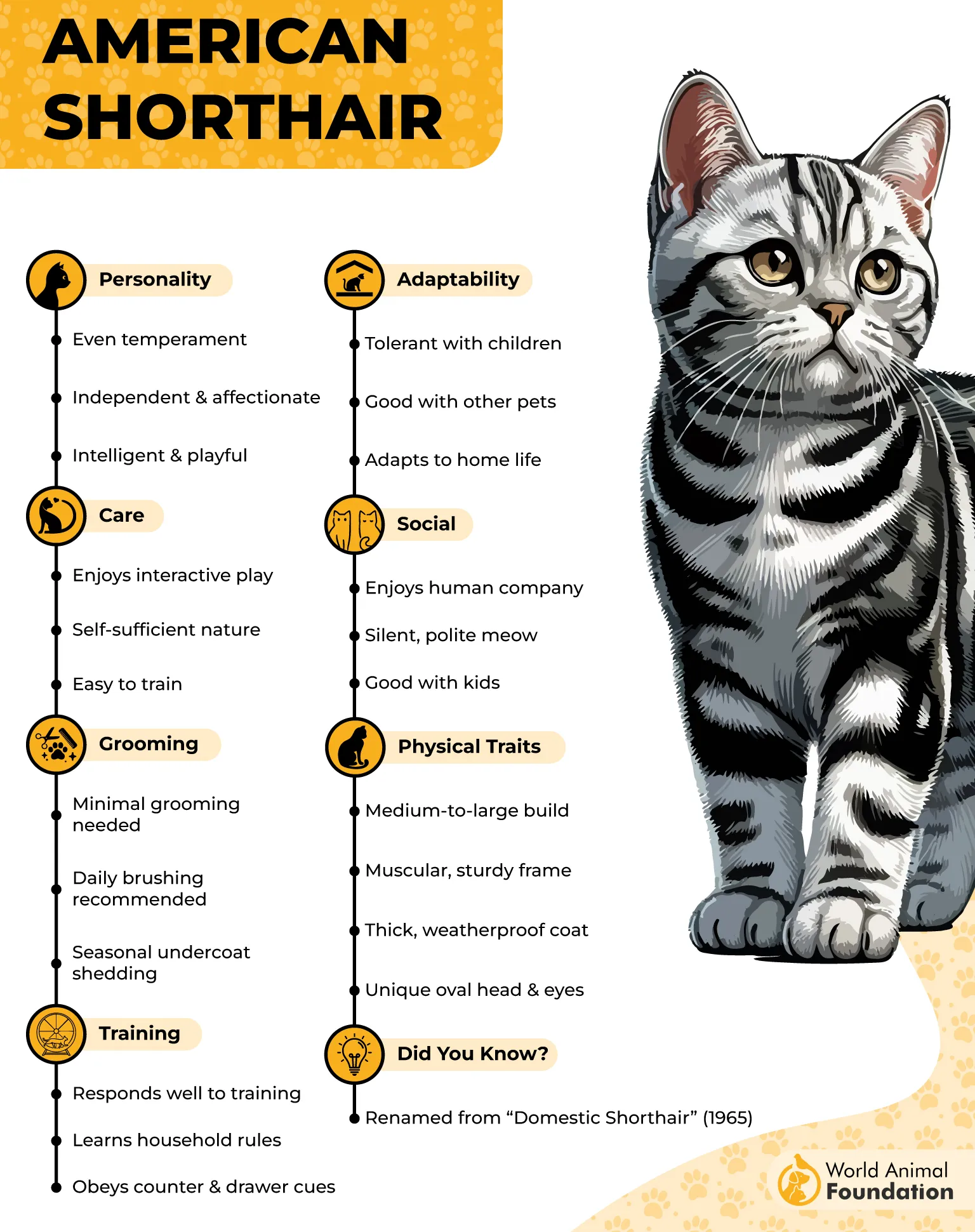
Their calm, confident nature also helps them handle busy environments. Whether children are playing nearby or a dog is exploring the living room, American Shorthairs are generally patient and tolerant of everyday household activity.
They typically coexist peacefully with other cats and friendly dogs. Don’t be surprised if yours even decides that sharing a cosy dog bed is a perfectly reasonable arrangement!
4. Siberian
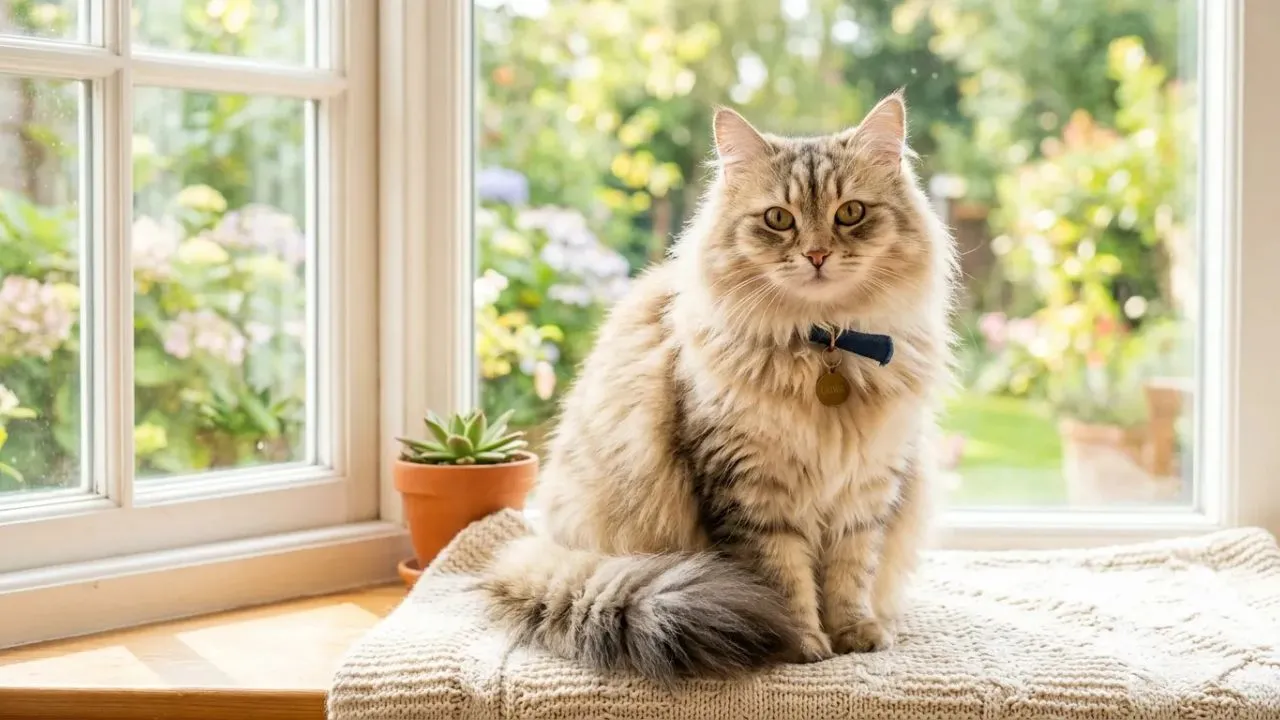
With their impressive build, luxurious triple-layered coats, and confident presence, Siberians bring a touch of elegance to any multi-pet household. Originally adapted to survive harsh Russian winters, these muscular cats are also known for their steady temperament and remarkable resilience.
Their intelligence and confident nature can help them feel comfortable around larger or particularly enthusiastic dogs. Rather than becoming easily intimidated, Siberians often approach unfamiliar situations with curiosity and composure.
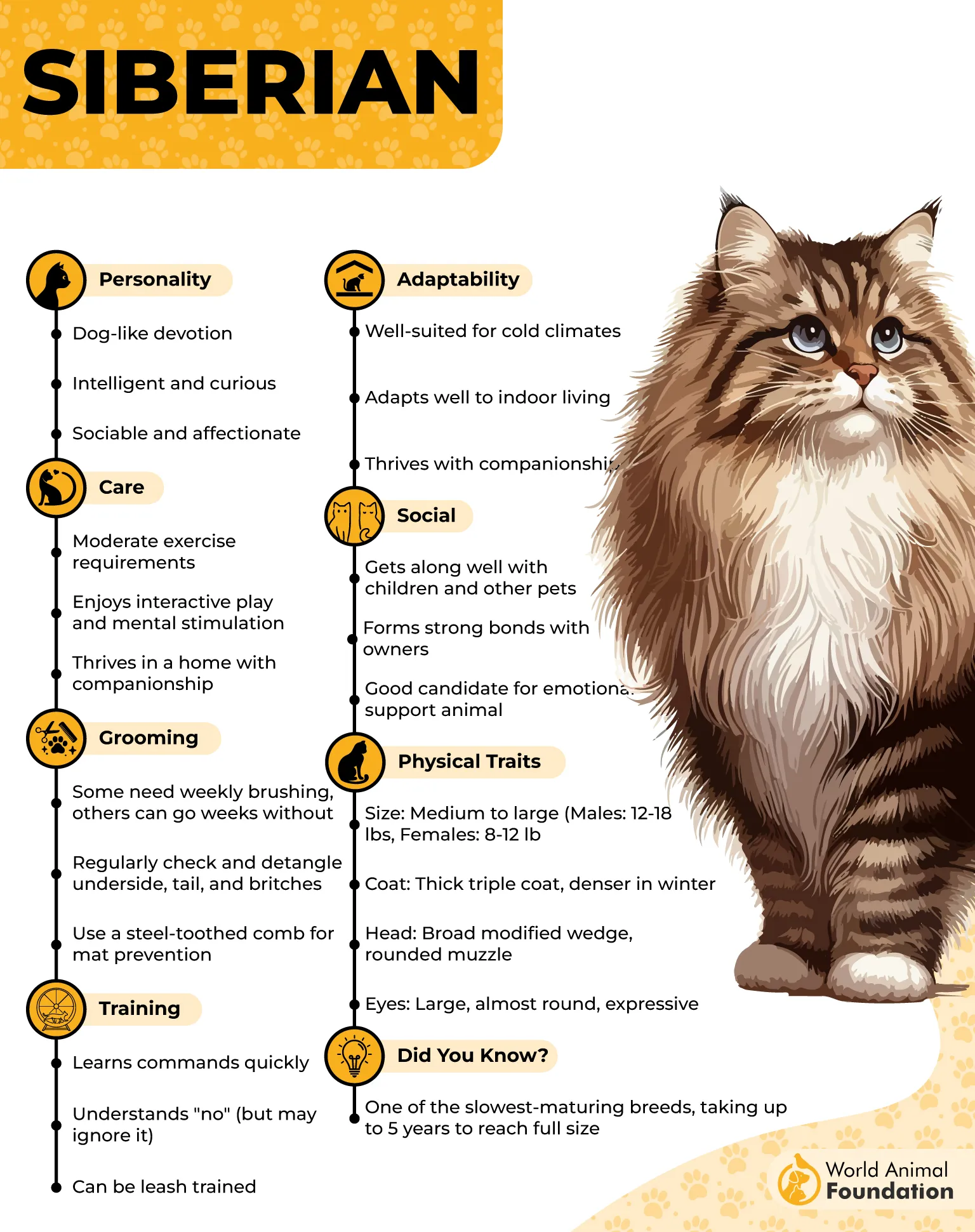
Despite their majestic appearance, these cats have a playful, people-friendly side. According to Hill’s Pet, these affectionate cats dislike being left alone and thrive on companionship and attention. Having other friendly animals around can provide additional company and opportunities for play.
Their dense coat does require commitment, with daily brushing helping prevent tangles and maintain its condition.
5. Birman
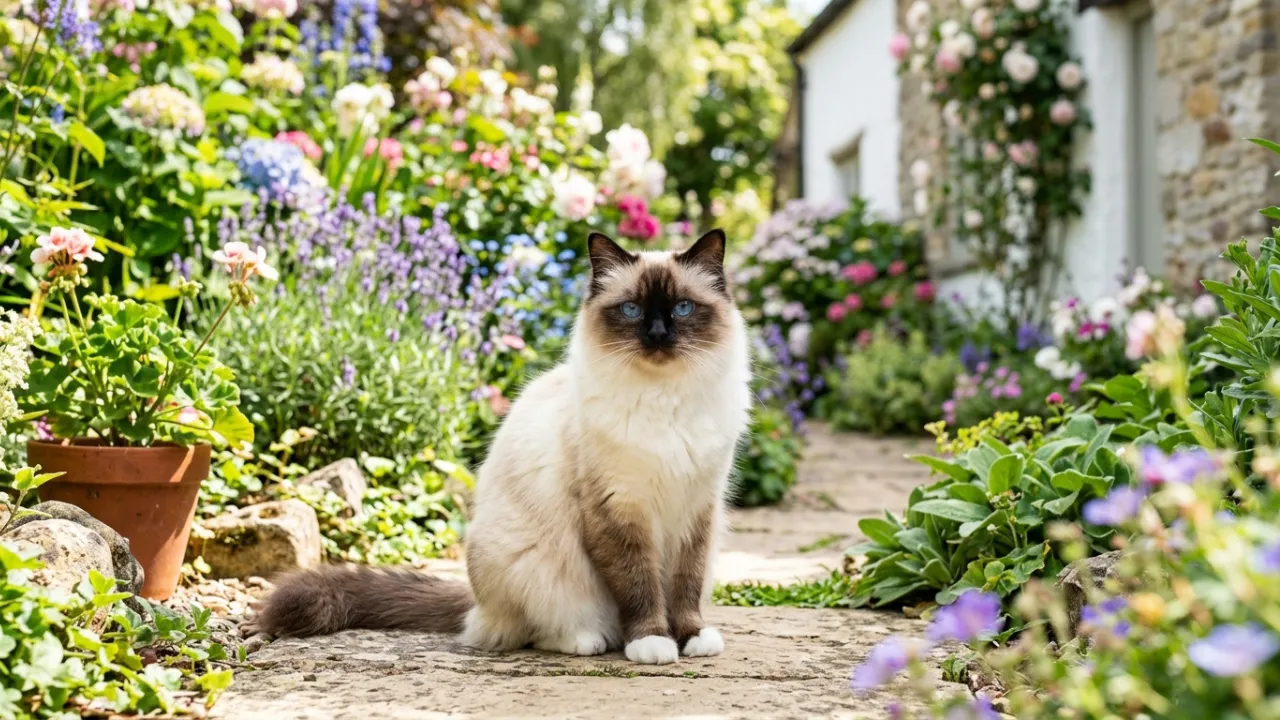
A busy home with several pets might seem like too much stimulation for a gentle cat, but the Birman often thrives in exactly this environment. Despite their elegant appearance and quiet voice, these cats are naturally sociable and enjoy having company throughout the day.
Birmans are not just people-oriented; they also tend to form close friendships with other cats. Rather than treating fellow felines as competitors, they often welcome them as companions and may even develop particularly strong household bonds.

Their patient, easygoing temperament also makes them comfortable around children and other friendly animals. According to PDSA, Birman cats prefer moderate activity with occasional playtime.
However, their affectionate nature means they don’t particularly enjoy spending long periods alone. Having familiar human or animal companions around can help keep them content.
6. Burmese
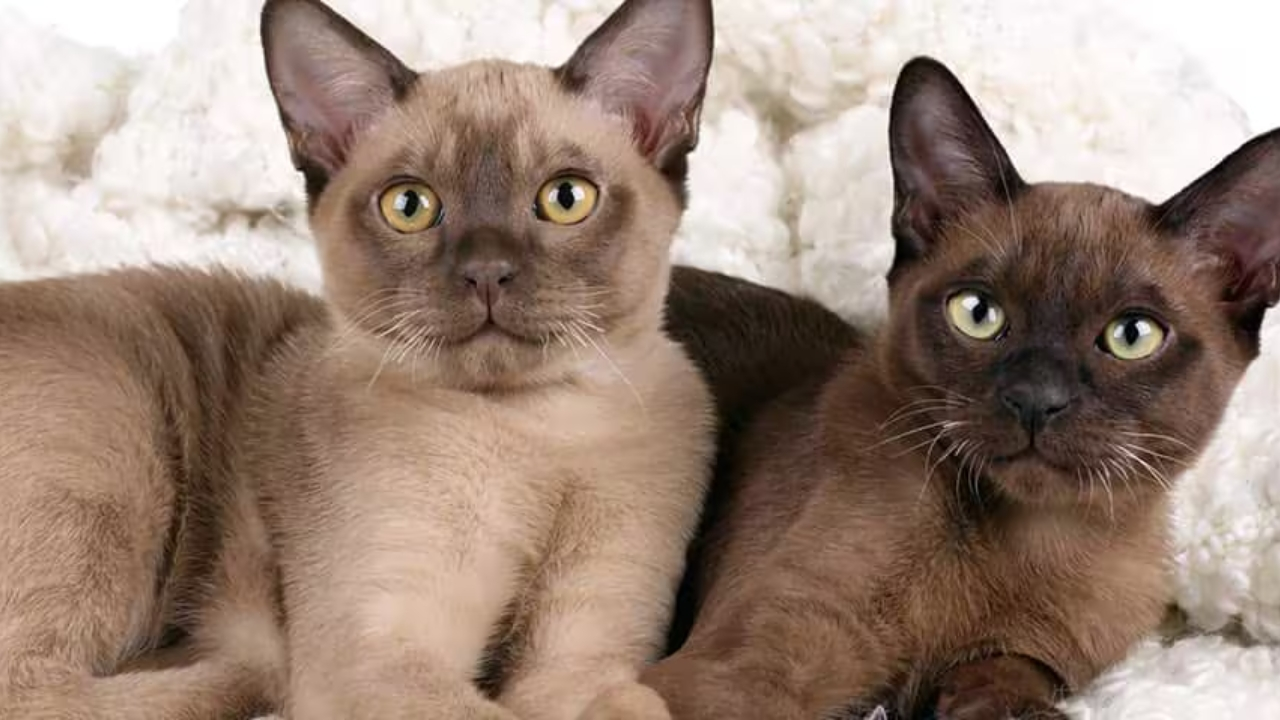
If your idea of a happy home includes pets playing, exploring, and keeping each other company, the Burmese may fit right in. These outgoing cats have a remarkably sociable nature and often behave more like playful canine companions than independent felines.
Burmese cats enjoy being involved in family activities and readily interact with children who want to play. They also tend to welcome other household pets, particularly cats with similarly energetic personalities.
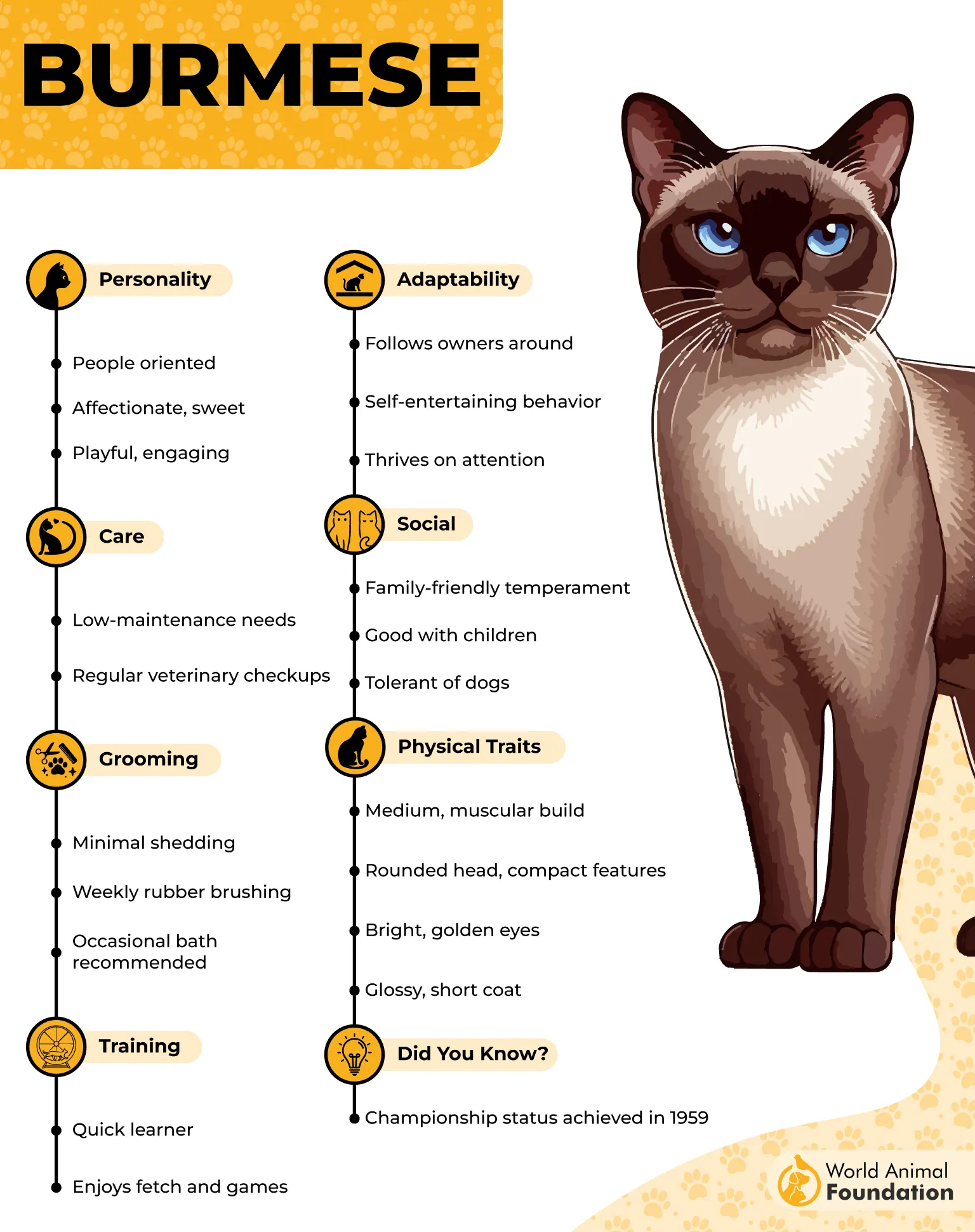
Having a feline playmate can make their days more entertaining, giving them a companion for games and everyday mischief. Their friendly attitude, however, comes with a need for regular interaction.
Burmese cats can become lonely when left without enough company for extended periods. They are better suited to households where family members or familiar animal companions are around to keep them engaged.
7. Norwegian Forest Cat
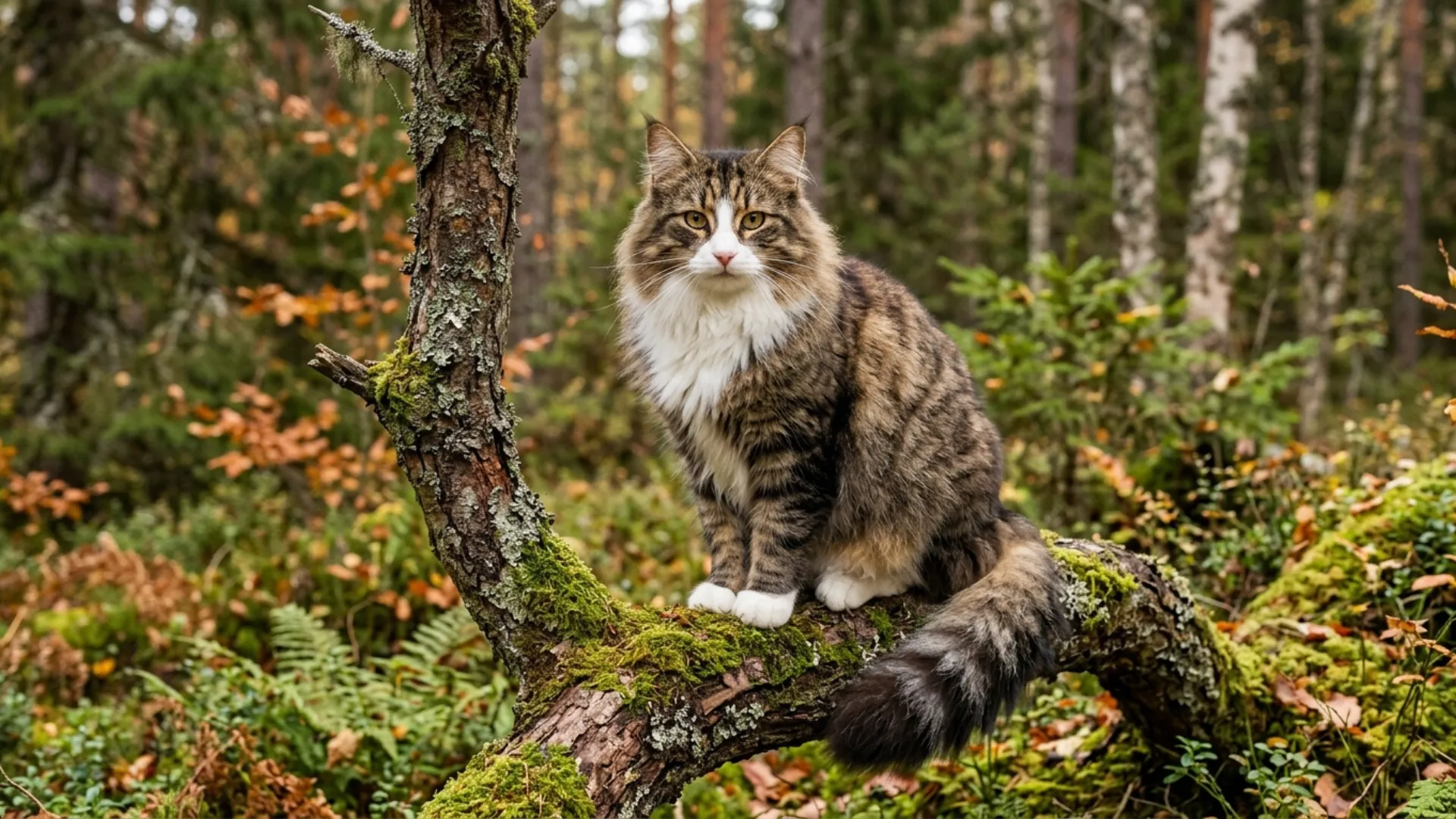
Picture a cat quietly surveying the household from a high perch while the other pets go about their day. That’s the Norwegian Forest Cat, a confident, curious breed that enjoys being part of family life without needing constant attention.
Often called Wegies, these domestic cats develop close bonds with their owners but prefer staying nearby rather than spending hours curled up on someone’s lap. Their independent streak allows them to enjoy their own space while sharing a home with other animals.
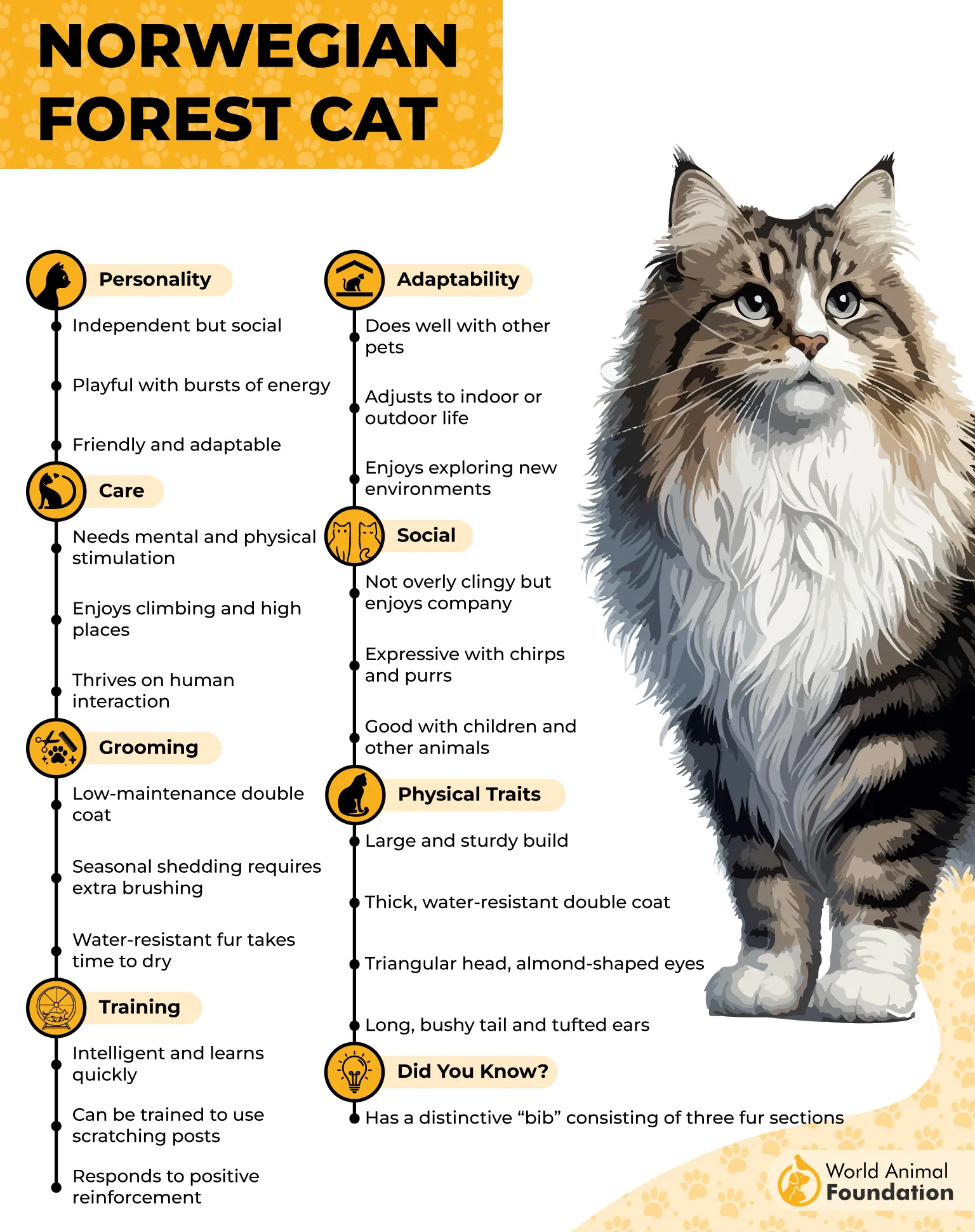
Despite their strong territorial instincts and natural hunting abilities, Norwegian Forest Cats are generally gentle and patient. According to PetMD, despite their large size, they make excellent family pets and get along well with children and other animals.
Their adventurous side also makes them natural climbers and enthusiastic explorers. Cat trees, interactive toys, and opportunities to investigate their surroundings help keep their curious minds occupied.
Conclusion
Creating a peaceful multi-pet household starts with choosing a cat whose temperament suits the animals already living in your home. Sociable, patient, and adaptable personalities can make sharing space with other cats, dogs, and even children much easier.
However, compatibility isn’t determined by breed alone. Individual personality, early socialisation, energy levels, and the way pets are introduced all influence how well they adjust to one another. Some cats enjoy active playmates, while others prefer quiet companionship and having their own space.
Before bringing a new feline home, consider your existing pets’ behaviour and provide separate feeding areas, resting spots, and safe spaces. With thoughtful introductions and enough attention for everyone, different animals can gradually learn to share a comfortable and harmonious home.
