




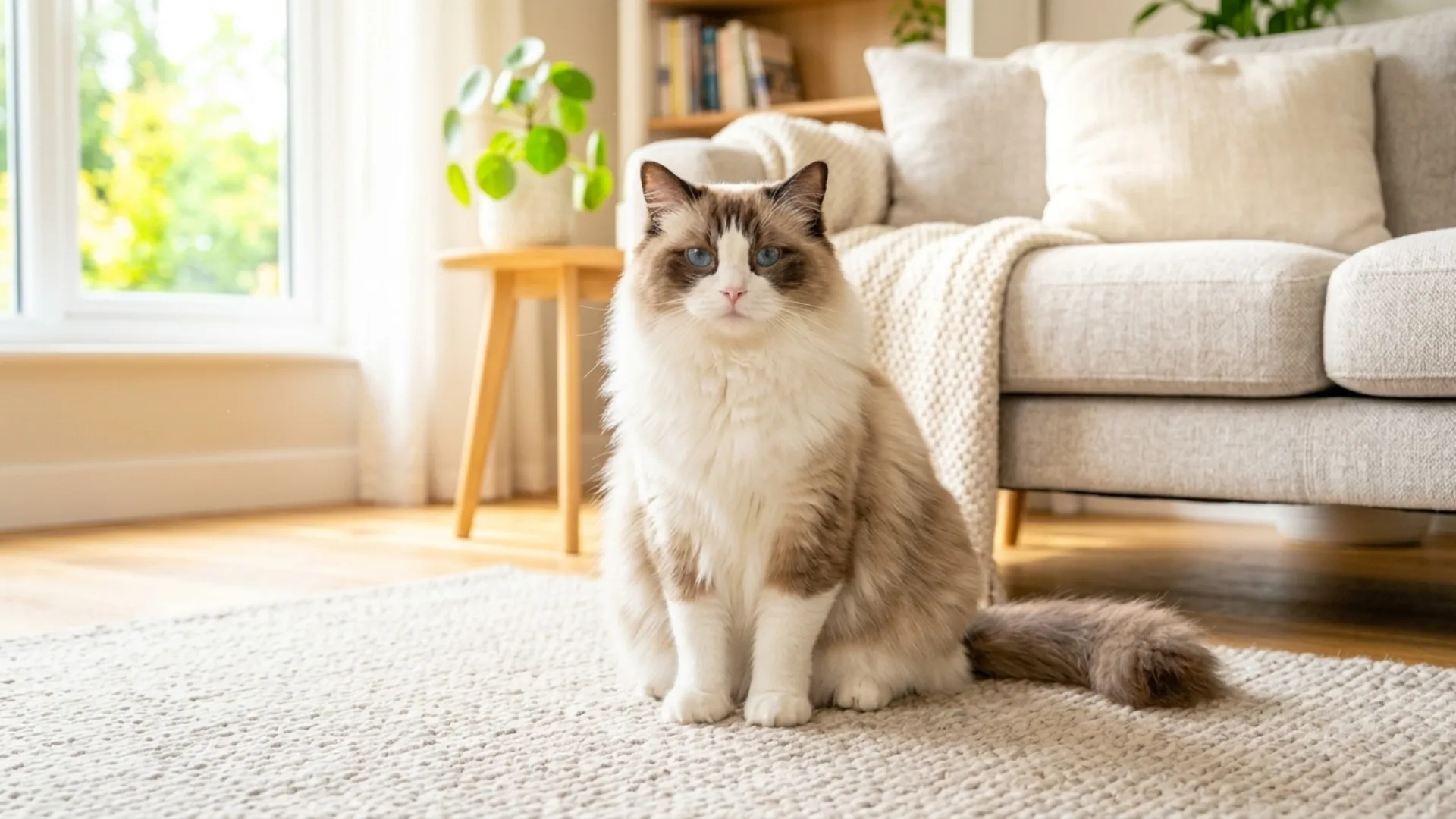
So you’re thinking about getting your first cat, and honestly, that’s exciting. The APPA study states that roughly four in ten American households have welcomed a cat into their lives, and it’s easy to see why once you find the right match.
Here’s the thing, though: not every cat breed makes life easy for beginners. Some demand hours of grooming or constant interaction, while others come with health quirks new cat owners rarely expect.
The good news is that a handful of cat breeds are practically built for first-time cat owners. Calm temperaments, low-maintenance short-haired coats, and genuinely adaptable personalities make the whole experience feel manageable instead of overwhelming.
Whether you’re drawn to a lap-loving lounger or a playful, people-oriented sidekick, there’s a beginner-friendly option that fits your lifestyle. Socialization, health needs, and daily care all factor into which cat will actually thrive in your home.
Ready to meet the most loving, low-stress feline friends for new pet parents? Let’s dive into the breeds that make starting your cat ownership journey a total win.
Best Cat Breeds for Inexperienced Owners
1. British Shorthair
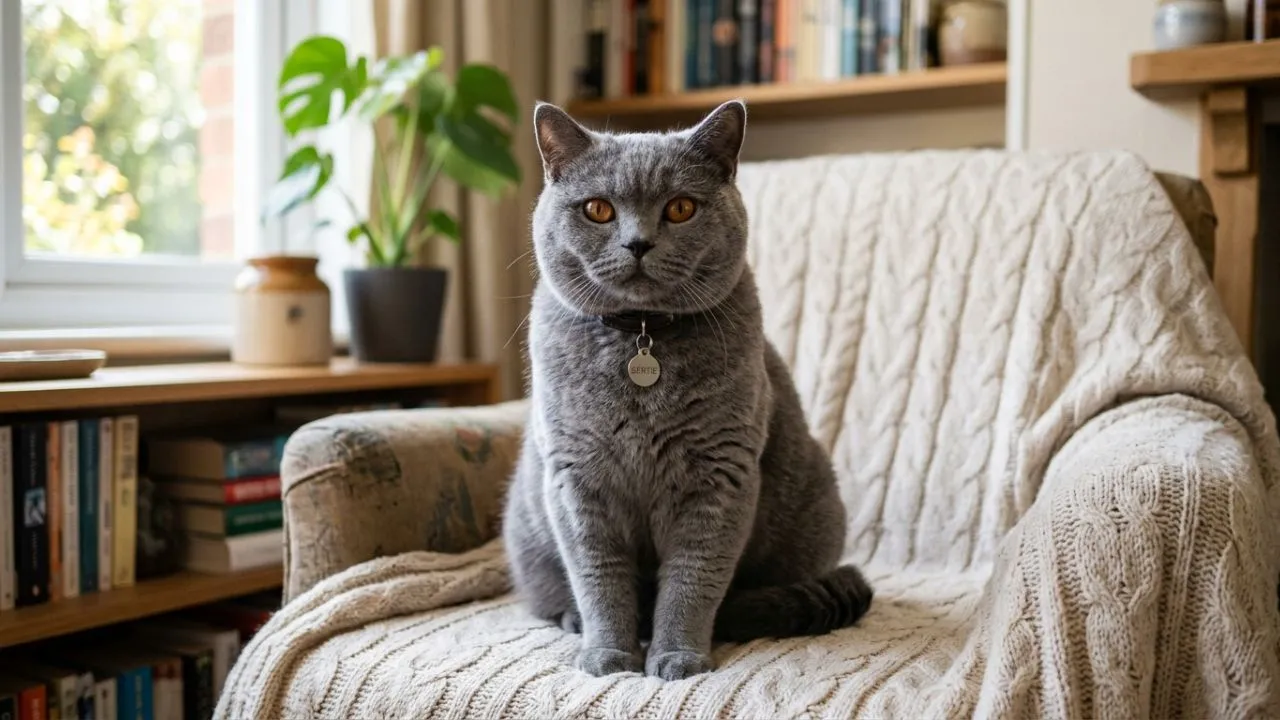
The British Shorthair ranks among the oldest known cat breeds, developed over centuries from Britain’s earliest domestic cats. Its round face hides a calm, easygoing personality that makes it one of the best cat breeds for first-time cat owners. This gentle cat settles into new homes fast and rarely demands constant attention.
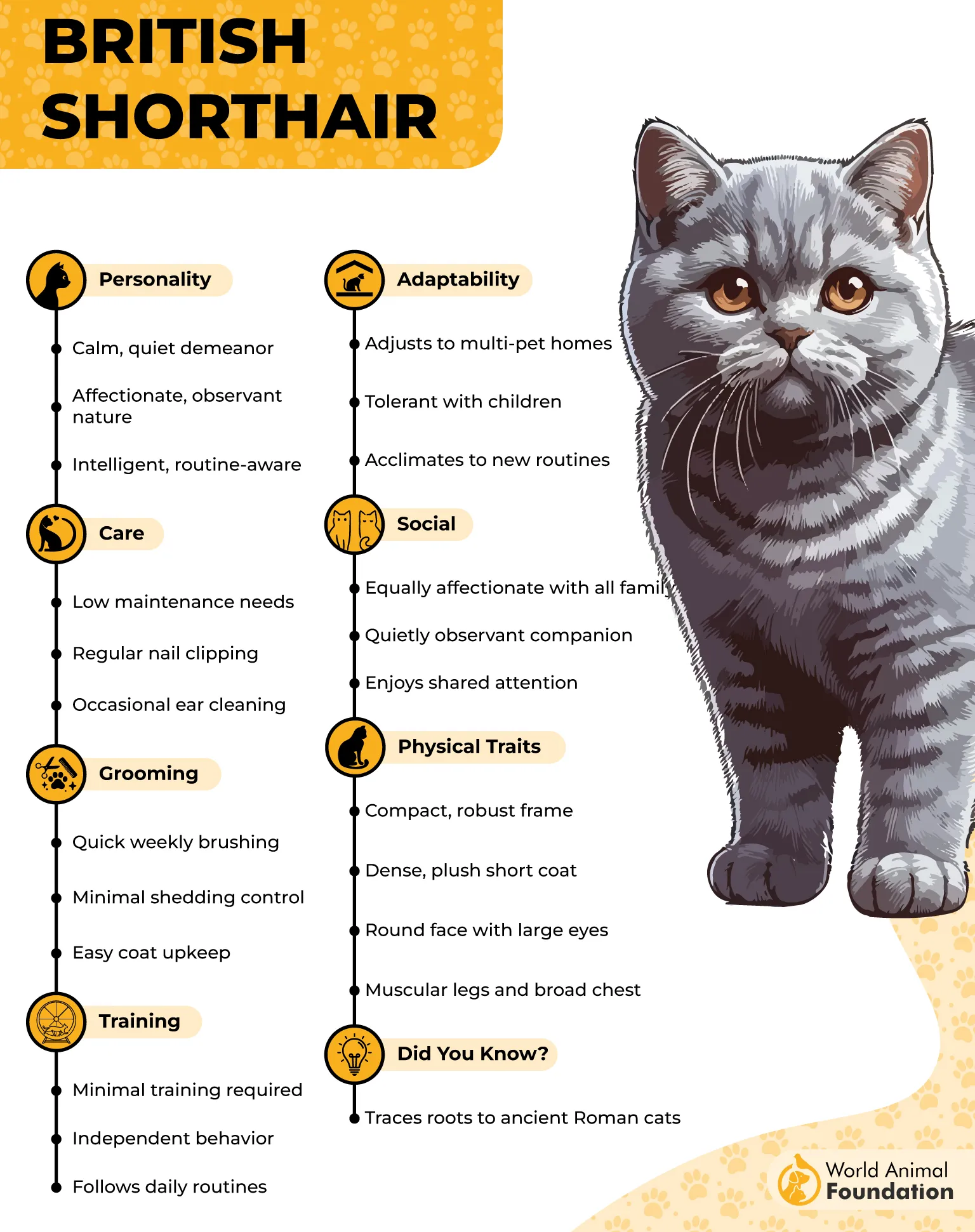
According to PDSA, this breed can pack on weight fast, so measured portions beat guesswork. A high-protein diet keeps its dense coat and body in top shape. Routine vet visits help catch potential issues before they become serious.
Grooming: Weekly brushing manages shedding and keeps the coat smooth.
Fun activities and enrichment ideas: Puzzle feeders and short play sessions keep this calm cat mentally sharp.
This cat prefers four paws on solid ground over being carried around. Quiet by nature and quick to learn the litter box, it slots into daily life with ease.
Fun fact: A British Shorthair inspired the smile on a beloved storybook cat character.
2. American Shorthair
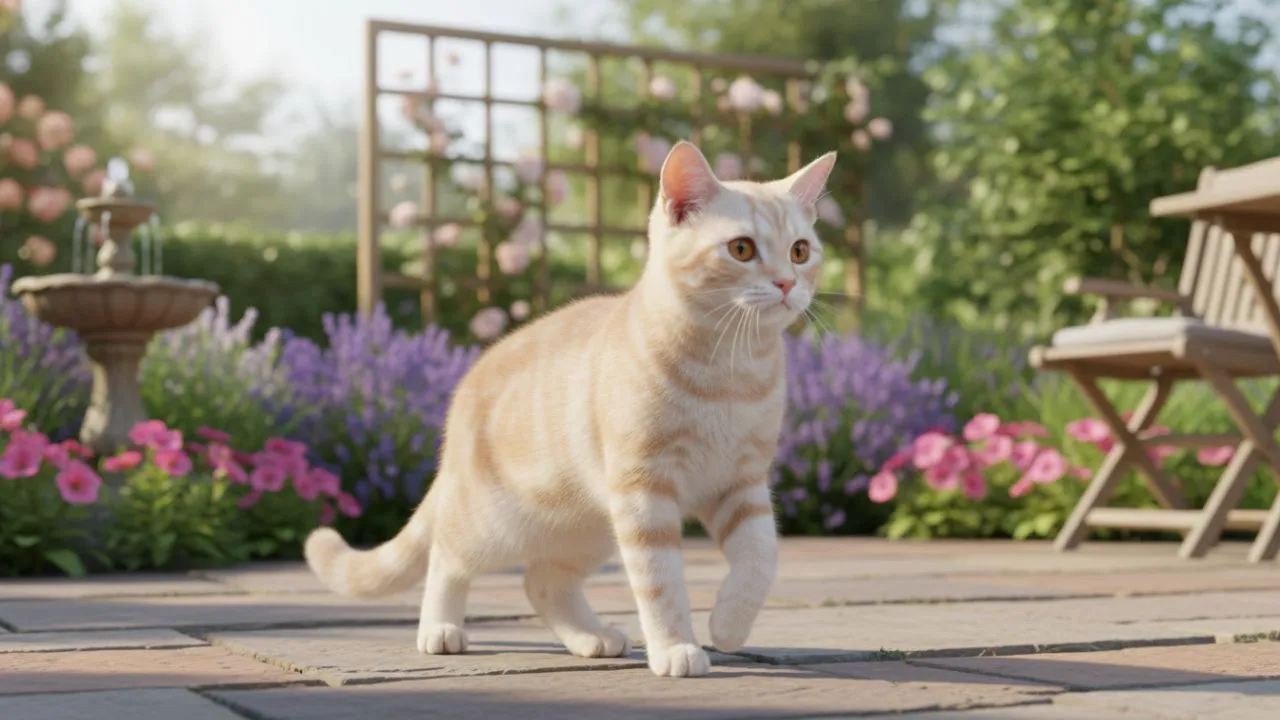
The American Shorthair traces back to working ship cats that early settlers brought along to guard cargo from rodents, possibly even aboard the Mayflower. Think of it as the Golden Retriever of the feline world, with friendly, adaptable personalities that suit first-time owners well. It gets along with kids, other pets, and pretty much everyone it meets.
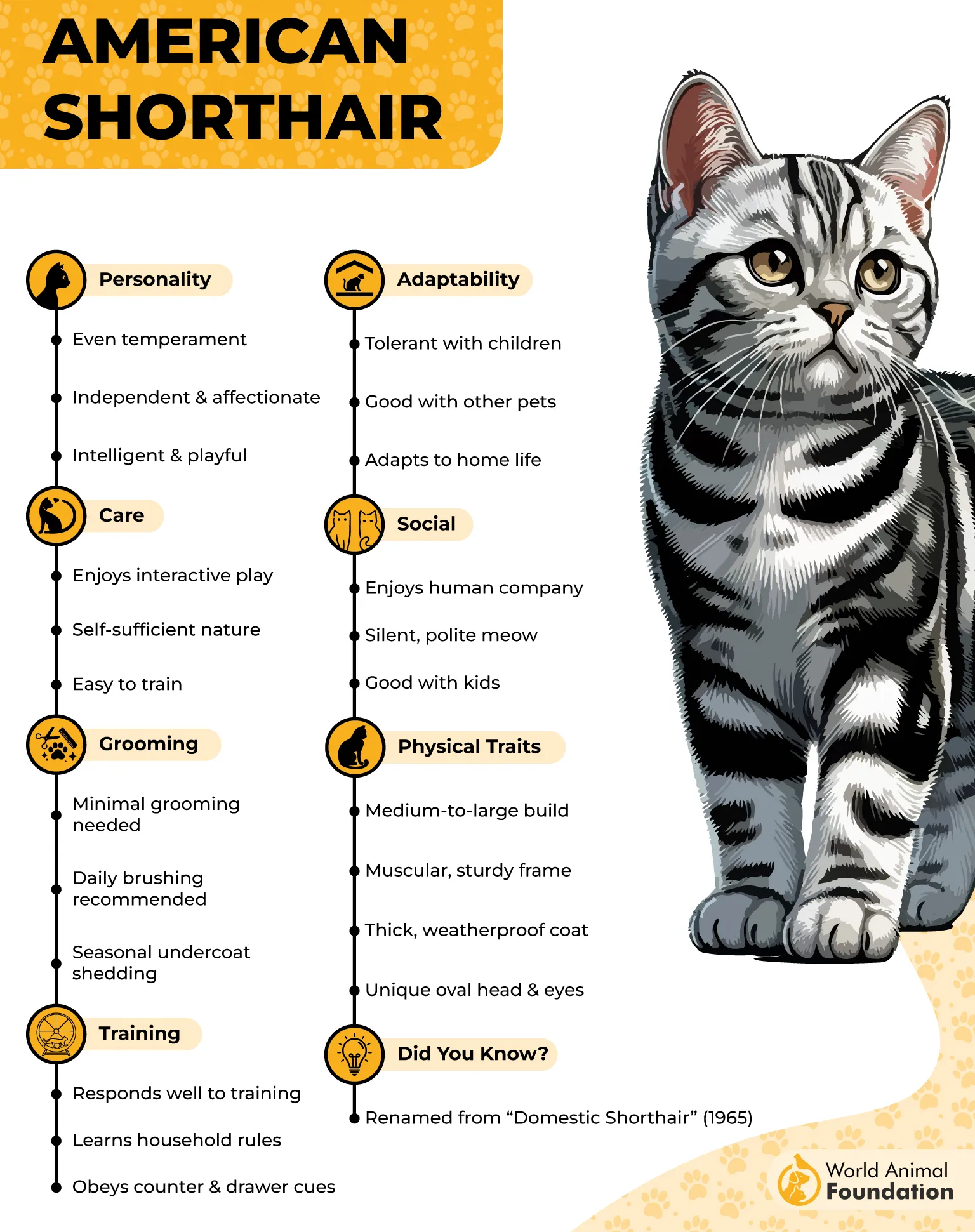
VCA notes this breed stays fairly healthy with proper care and routine checkups. A balanced, measured diet keeps its muscular body lean and strong. Fresh water and moderate portions help avoid unwanted weight gain over time.
Grooming: Brush weekly to control shedding, more often when the coat thickens each season.
Fun activities and enrichment ideas: Interactive wands and climbing shelves satisfy its playful, moderately active side.
This breed loves a good hunt, chasing toys around the house with real focus. It tolerates alone time well, making it perfect for busy households.
Fun fact: An American Shorthair named Pepper once belonged to a member of the Beatles.
3. Ragdoll
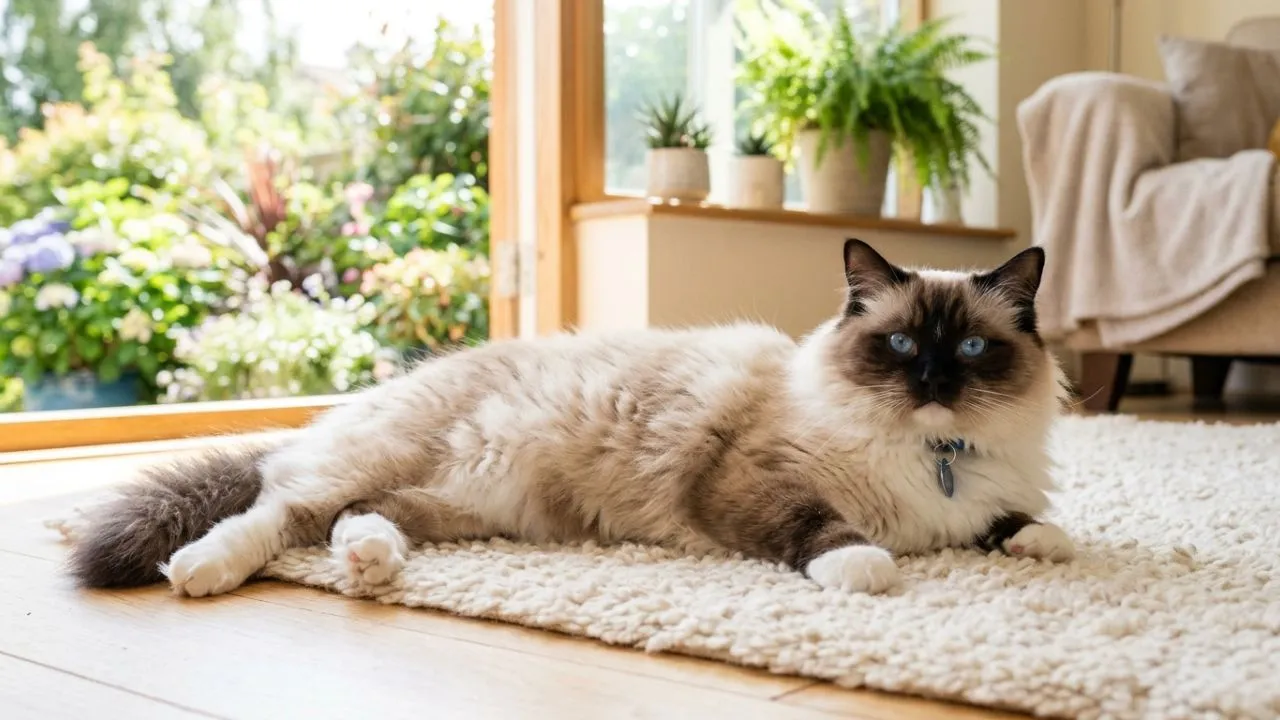
The Ragdoll was first developed in California in the 1960s, bred specifically for its relaxed, easygoing temperament. This gentle giant goes fully limp the moment you pick it up, making it one of the best cat breeds for first-time owners who want a devoted lap cat. It follows favorite humans from room to room like a loyal shadow.
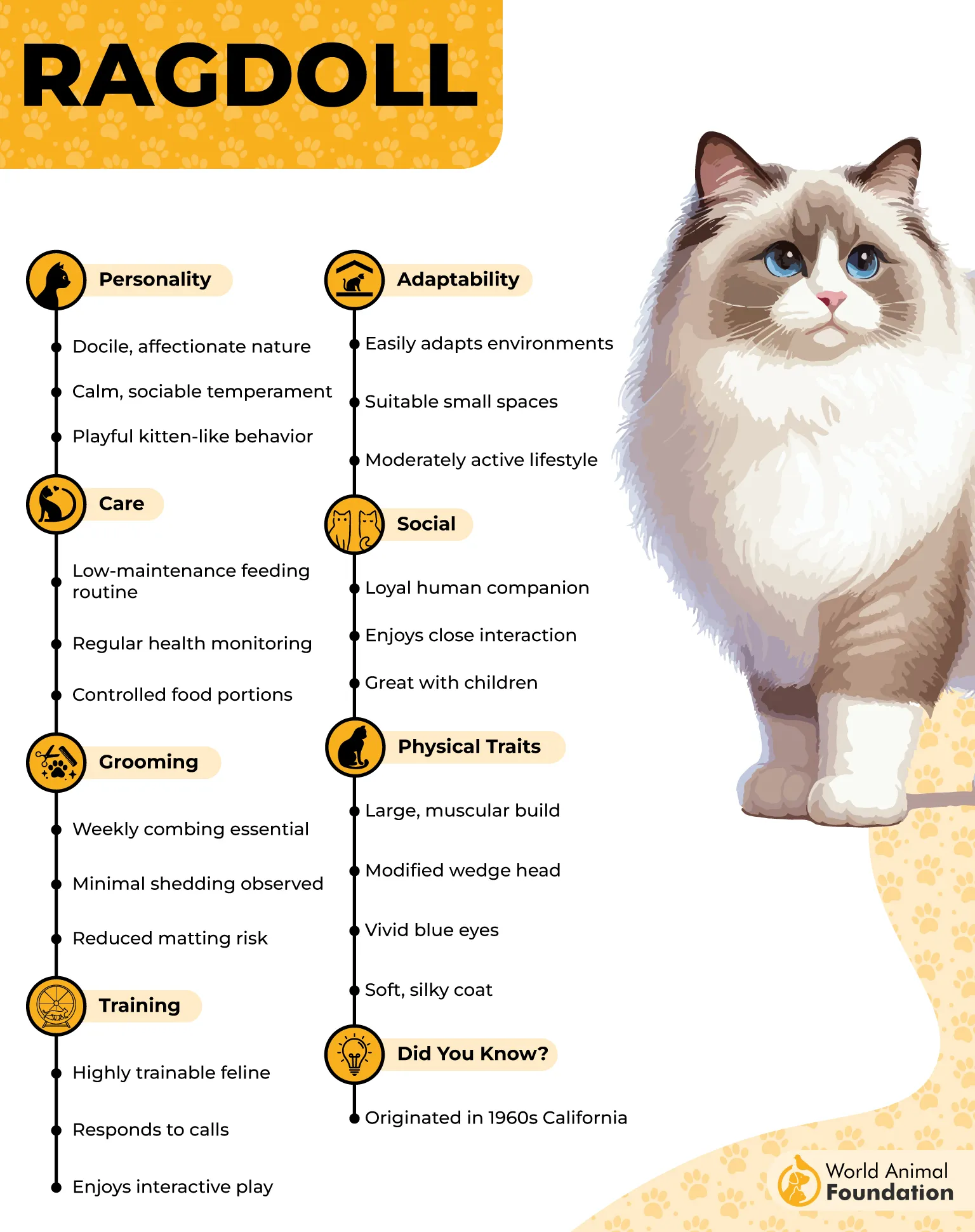
PetMD points to hypertrophic cardiomyopathy as a hereditary risk worth screening for in this breed. A high-protein diet supports its large, muscular frame as it grows. Routine vet visits keep this generally healthy cat thriving for years.
Grooming: A quick comb once or twice weekly keeps the silky coat tangle-free.
Fun activities and enrichment ideas: Fetch games and feather toys tap into its surprisingly playful, dog-like streak.
This cat prefers lounging low over climbing high, and it can learn simple tricks or even walk on a leash.
Fun fact: Its name comes from the rag doll-like flop it does when held.
4. Birman
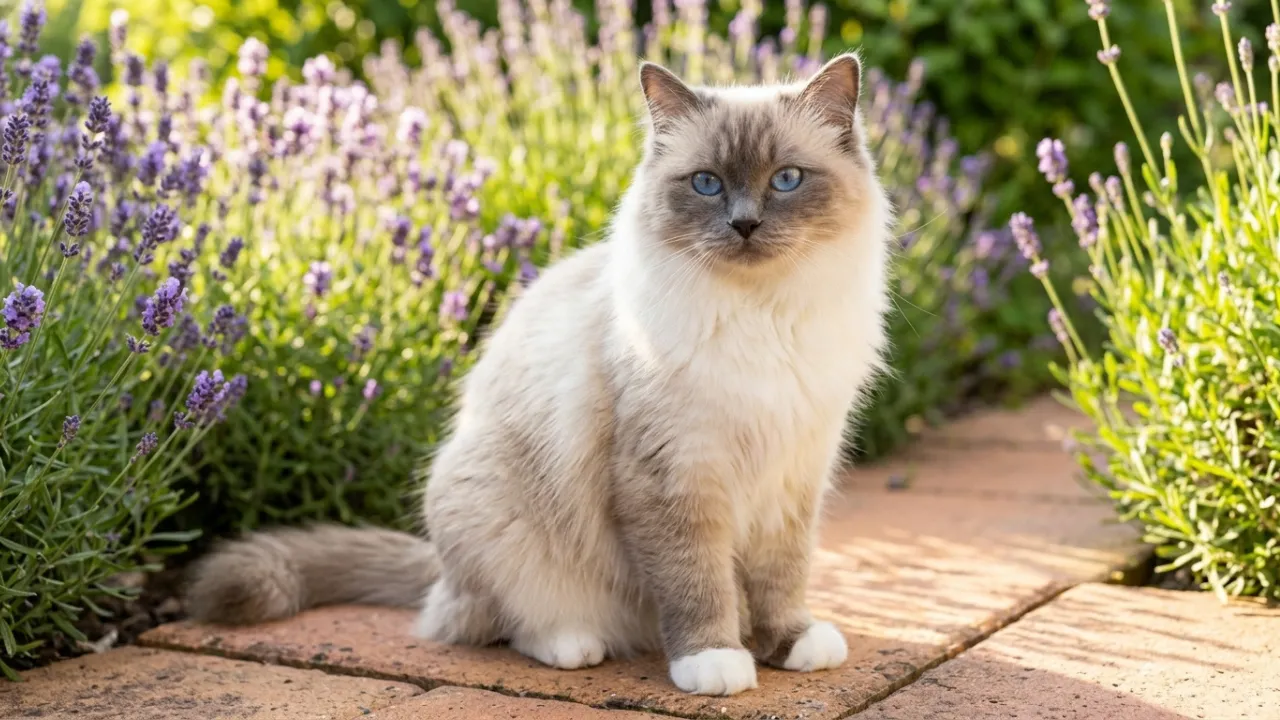
The Birman originated in Burma and arrived in France in the 1920s, where the breed was first officially recognized. This cat carries an almost mythical calm and a sweet-natured personality that suits first-time owners who want a quiet, affectionate feline companion. It bonds closely with the whole family, including kids and other pets.

Hill’s Pet recommends daily exercise to keep this breed in good physical condition. A balanced diet with quality protein supports its long-haired coat and steady energy. Regular checkups help this generally healthy cat stay that way.
Grooming: Comb twice weekly since this coat resists matting better than most long-haired breeds.
Fun activities and enrichment ideas: Gentle interactive toys and window perches suit its calm, laid-back personality.
This cat is famous for its pure white gloved paws, found on no other breed. It stays fairly quiet, rarely demanding attention with loud meows.
Fun fact: Legend says a temple cat’s fur turned golden after it touched a dying priest.
5. Russian Blue
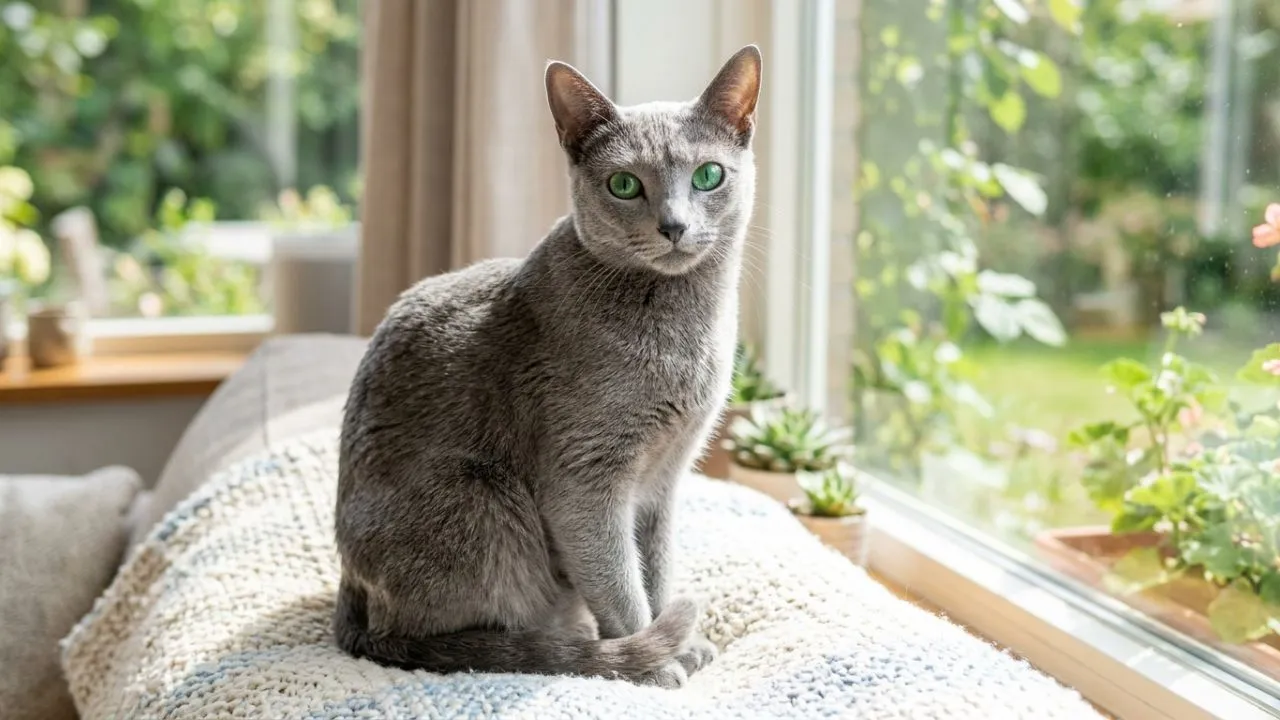
The Russian Blue is believed to have originated on the Archangel Isles in northern Russia, making it one of the oldest natural cat breeds. This shy beauty needs a little time to trust new faces, but its independent nature and calm demeanor make it a dream for quieter households. It bonds deeply with its favorite humans while still enjoying plenty of alone time.
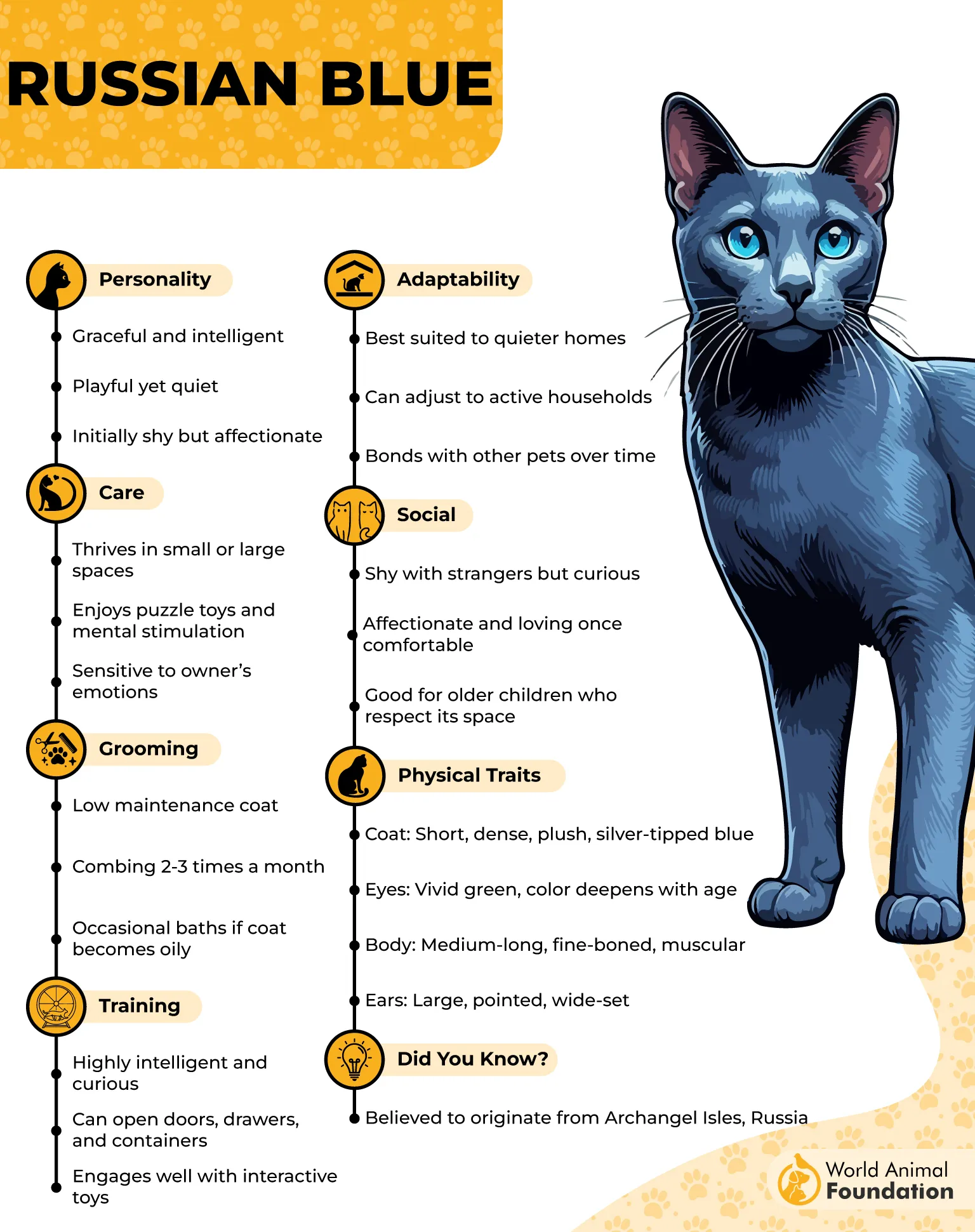
This breed has no known predisposition to major genetic health issues. A measured, high-protein diet keeps its lean frame in shape since it loves to eat. Routine vet visits still matter for long-term cat health.
Grooming: A weekly brush is all this short coat really needs to stay glossy.
Fun activities and enrichment ideas: Puzzle feeders and scratching posts keep this intelligent cat entertained solo.
This cat will flat-out refuse a dirty litter box and find somewhere else instead. It picks up routines fast, from feeding times to play schedules.
Fun fact: It is highly tuned into human emotions and often clowns around to lift a mood.
6. Maine Coon
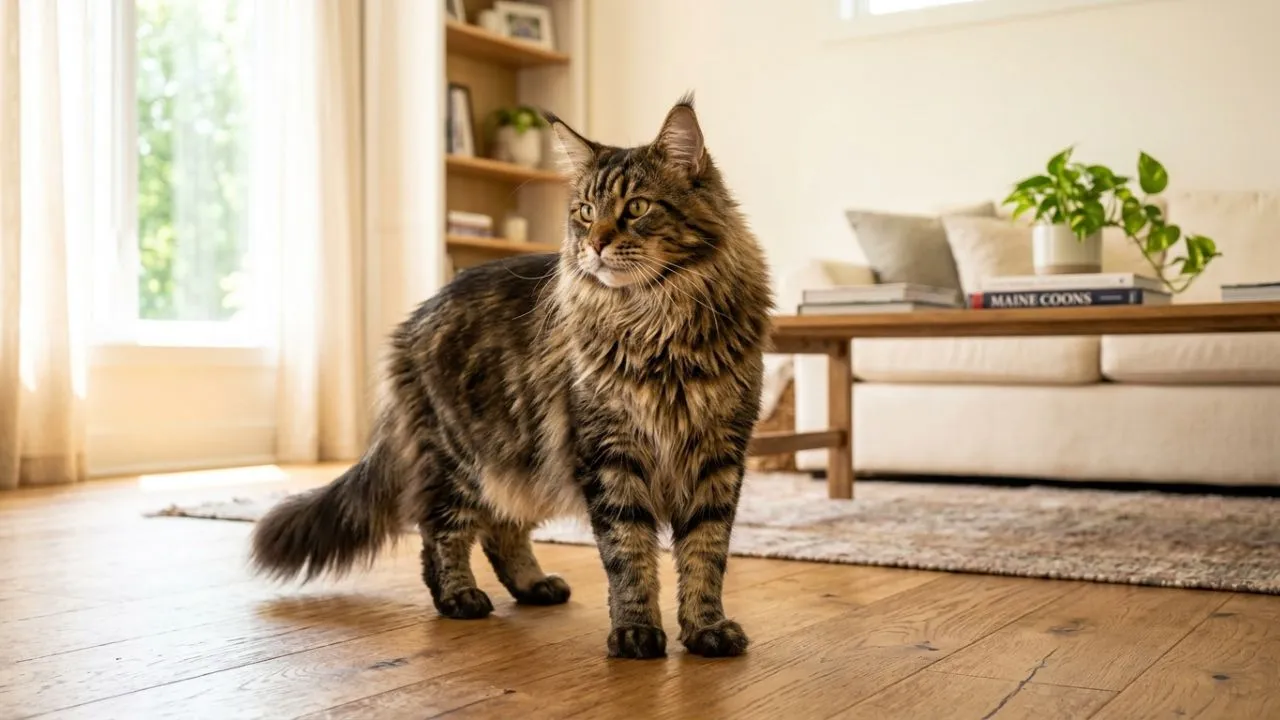
The Maine Coon is one of the oldest natural cat breeds in North America, originating in the state of Maine. This gentle giant might be the largest domesticated cat breed you will meet, and its playful, dog-like nature makes it a favorite among calm and gentle cat lovers. It takes time to warm up, but rewards patience with lifelong loyalty.
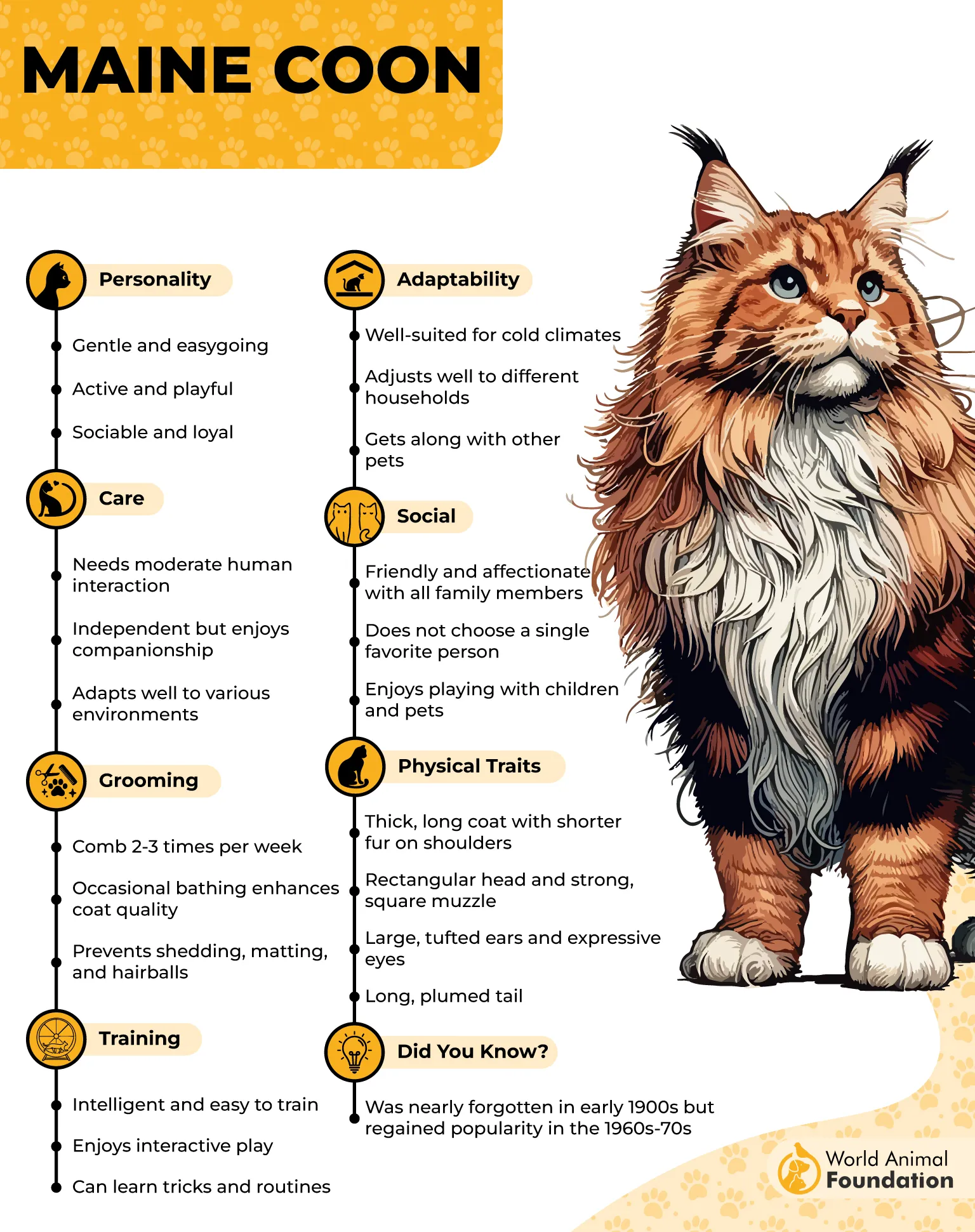
According to Petplan, this breed’s temperament is bright and far gentler than its shaggy coat and size suggest. A protein-rich diet supports its large frame and steady energy needs. Regular vet screening matters given its known heart health risks.
Grooming: Brush this dense coat two to three times a week to prevent tangles.
Fun activities and enrichment ideas: Cat trees, water play, and puzzle toys satisfy its active, curious side.
This cat communicates through chirps and trills instead of typical meows. Many Maine Coon cats even love water and will happily join you in the bathroom.
Fun fact: Its big paws work like built-in snowshoes, and some cats have extra toes.
7. American Curl
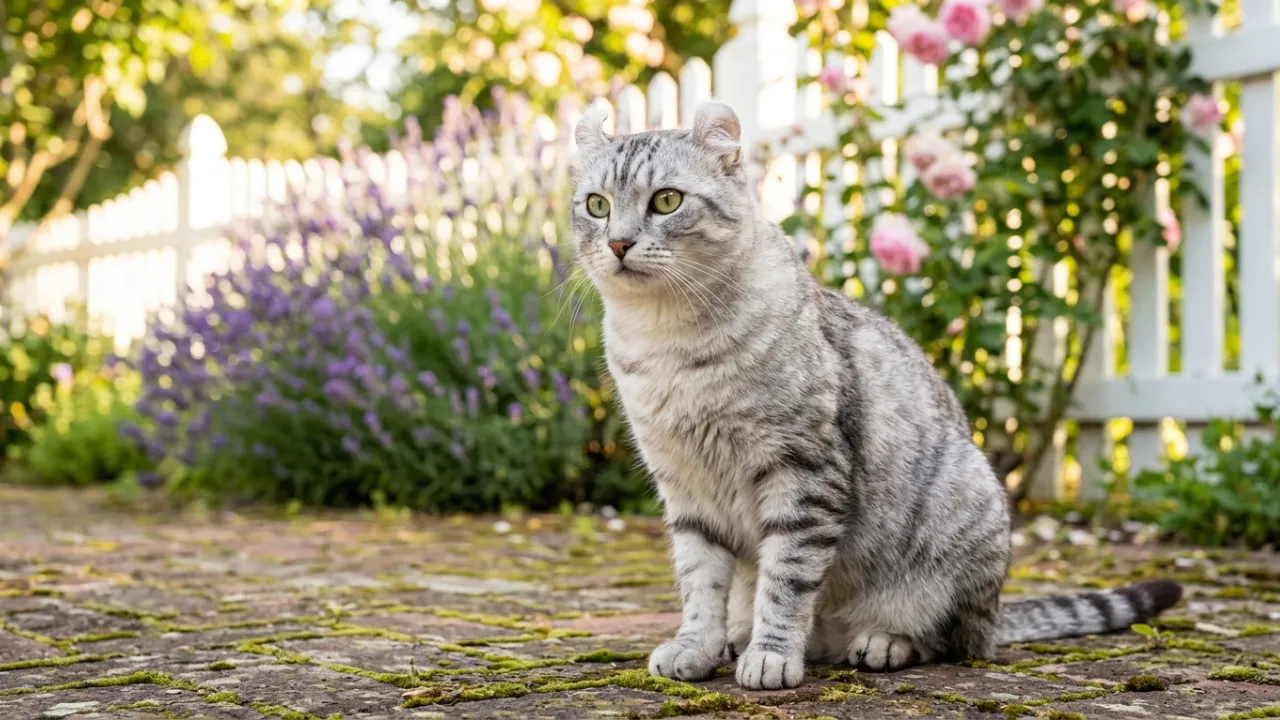
Every American Curl alive today traces back to a single stray cat named Shulamith, found in California in 1981. This cat’s curled back ears give it a permanently curious, alert expression, and its friendly, people-oriented personality makes it an excellent choice for first-time owners and families with children. It keeps a playful, kitten-like energy well into adulthood.
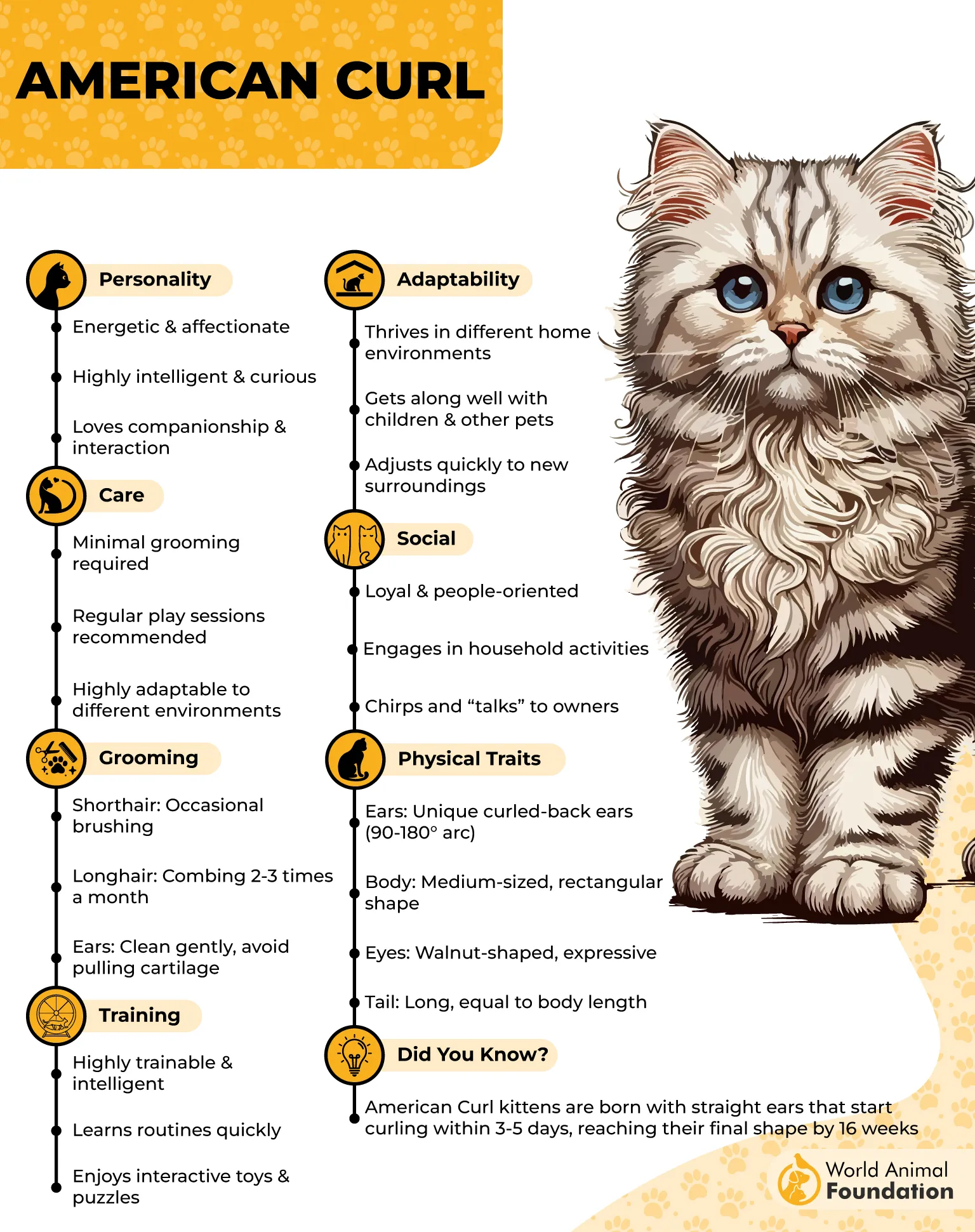
This breed is generally healthy, though its unique ears can trap wax and lead to infections. A high-quality, meat-based diet suits its needs as an obligate carnivore. Weekly ear checks matter more here than for most other breeds.
Grooming: A weekly brush keeps the silky coat smooth with almost no shedding trouble.
Fun activities and enrichment ideas: Rotating toys and daily play sessions match its youthful, endless curiosity.
This cat stays social and outgoing, often greeting guests at the door. It does not reach full maturity until two or three years of age.
Fun fact: Every American Curl kitten is born with straight ears that begin curling within just a few weeks.
Conclusion
Every cat on this list proves that easygoing and interesting are not opposites. Low-maintenance grooming, gentle temperaments, and genuine adaptability just mean more energy left over for actually bonding with your new companion.
Pick your top two breeds from this list, then visit a local shelter or reputable breeder to spend real time with each one before you decide. Watch how they react to handling and noise, since that ten-minute interaction tells you more than any article can.
