




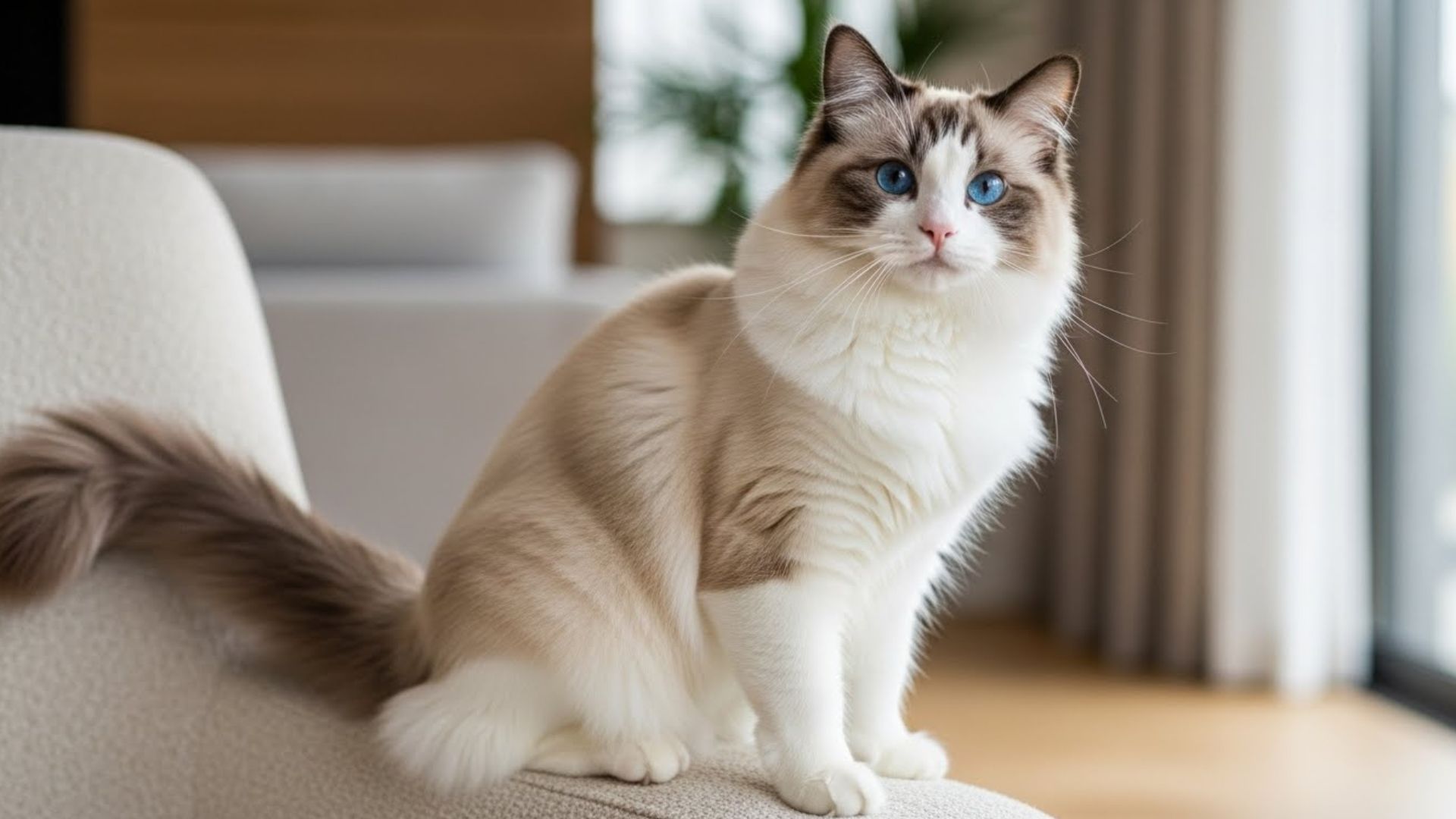
Did you know some cats treat the outdoors like a suspicious rumor, while others stare out the window like they’re plotting a great escape? Indoor living can be a fantastic setup for cats, as long as their world doesn’t feel boring.
The best cats for indoor living are usually the ones who adapt well to routines, enjoy human company, and stay content with play, cozy rest spots, and a few good “watching stations” around the house.
That said, indoor success isn’t only about breed. It’s also about matching personality, energy level, and attention needs to your home and schedule.
In this guide, we’ll cover indoor-friendly cat breeds and traits to look for, plus simple ways to keep an indoor cat happy: enriching play, climbing options, scratching zones, and little daily rituals that help your cat feel safe and entertained.
Because an indoor cat doesn’t need a backyard to thrive, they just need their home to feel like their kingdom.
Best Cat Breeds for Indoor Living
1. Ragdoll
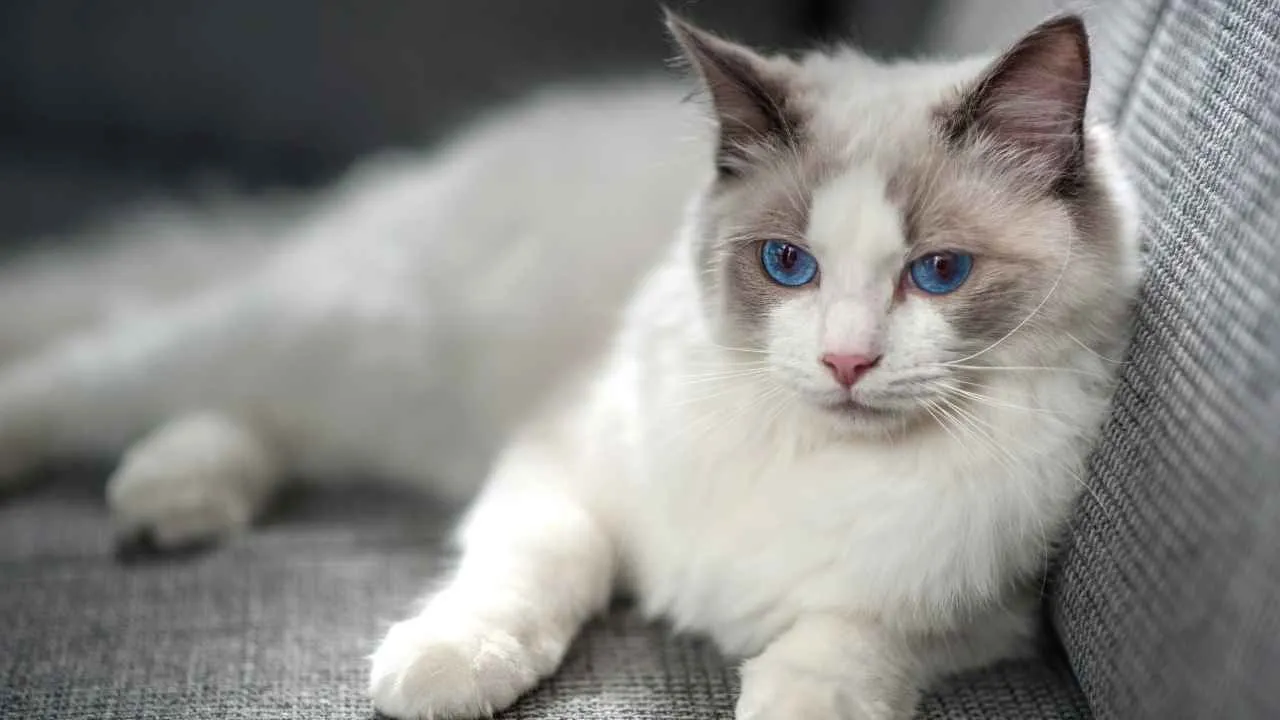
Ragdolls are big, plush cats with a calm, people-focused vibe that suits indoor life nicely. As per Purina, they’re often described as gentle and affectionate, the type that prefers to be close rather than constantly on patrol.
Physically, they’re long and muscular with a broad chest, sturdy legs, and a silky coat that ranges from semi-long to long. Adults develop a full ruff at the neck, fluffy “trousers” on the hind legs, and a long bushy tail that looks dramatic even when they’re just walking to the food bowl.
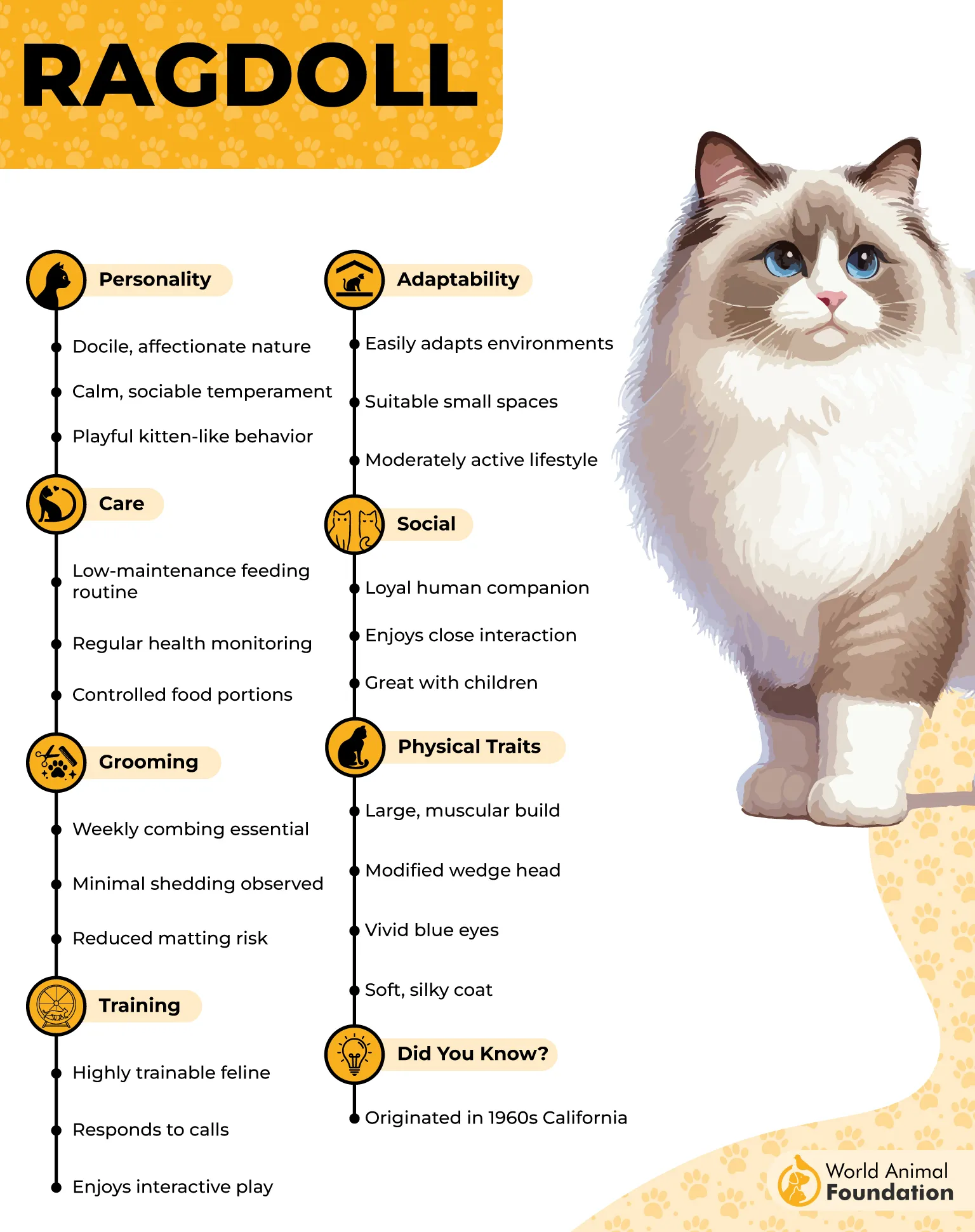
Ragdolls are known for going limp and relaxed when held, which is how they got their name. It’s one of the quirks owners mention most.
They usually enjoy play and can be easy to train, but their default mode is relaxed. Many are sociable with family members and can do well around visitors, as long as they’re not left alone for long stretches.
Grooming is part of the routine since that coat benefits from regular brushing to stay comfortable and tangle-free. A steady feeding schedule, enrichment, and routine vet care help keep them feeling their best indoors.
Fun Fact
Ragdolls are known for going limp and relaxed when held, which is how they got their name. It’s one of the quirks owners mention most.
2. British Shorthair
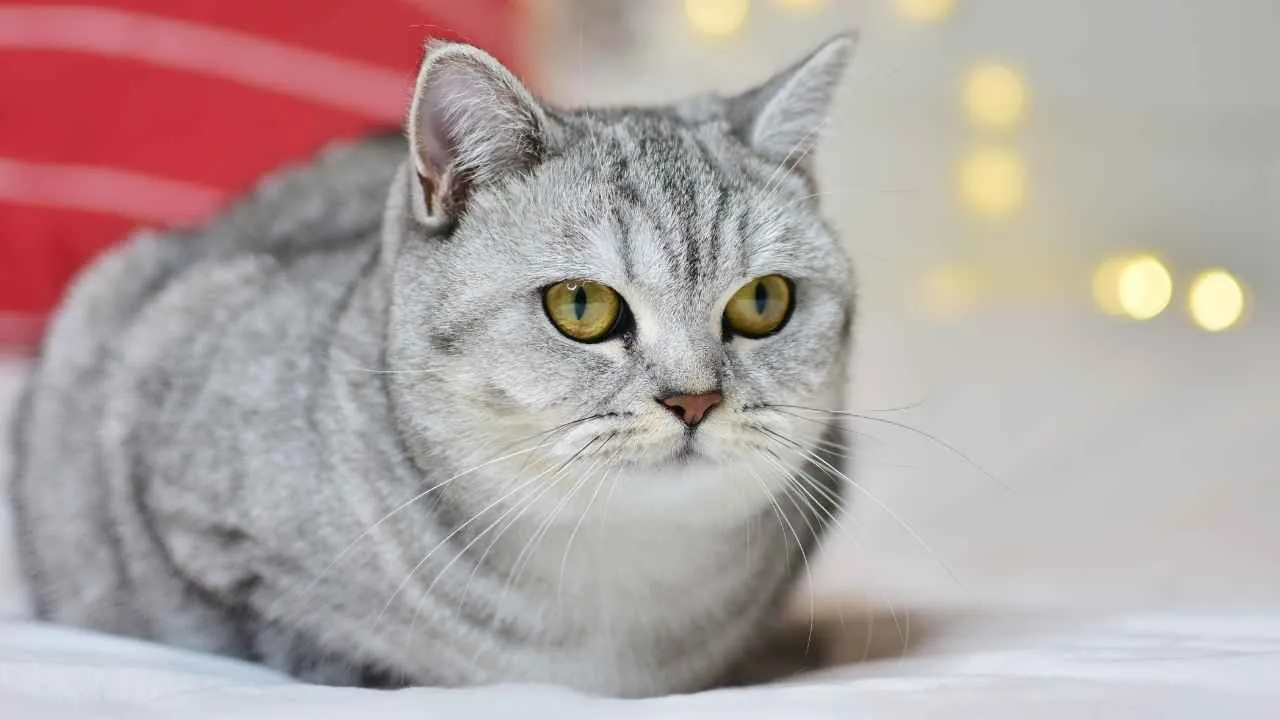
British Shorthairs have a calm, unbothered style that makes them feel like the quiet manager of the household. They’re often affectionate in a steady way, preferring to hang out nearby rather than demand constant cuddles.
Their look is classic: a sturdy, compact body and a dense, plush short coat that feels thick and springy. British Shorthair kittens can be more excitable, but they often mellow out as they grow, especially after about a year.
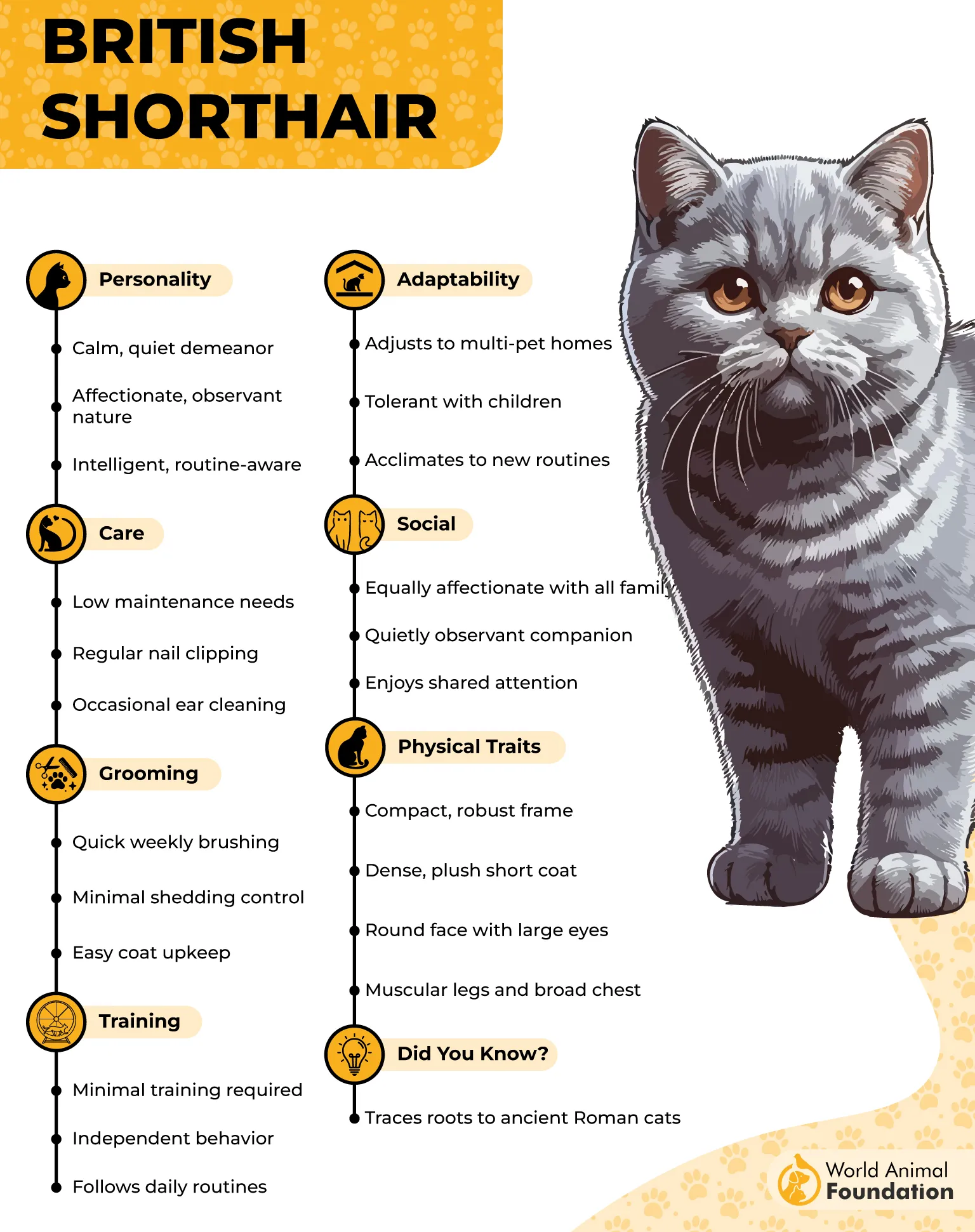
As per Hill’s Pet, they’re generally comfortable with a predictable indoor routine and don’t need nonstop action to stay content. A few toys, a scratcher, and a comfy place to lounge usually go a long way.
Grooming tends to be straightforward, though brushing helps manage shedding and keeps the coat neat. Regular vet visits and a stable home rhythm support their long-term comfort.
Fun Fact
Their coat is unusually dense compared with many short-haired breeds. That’s a big reason they feel so plush to the touch.
3. Maine Coon
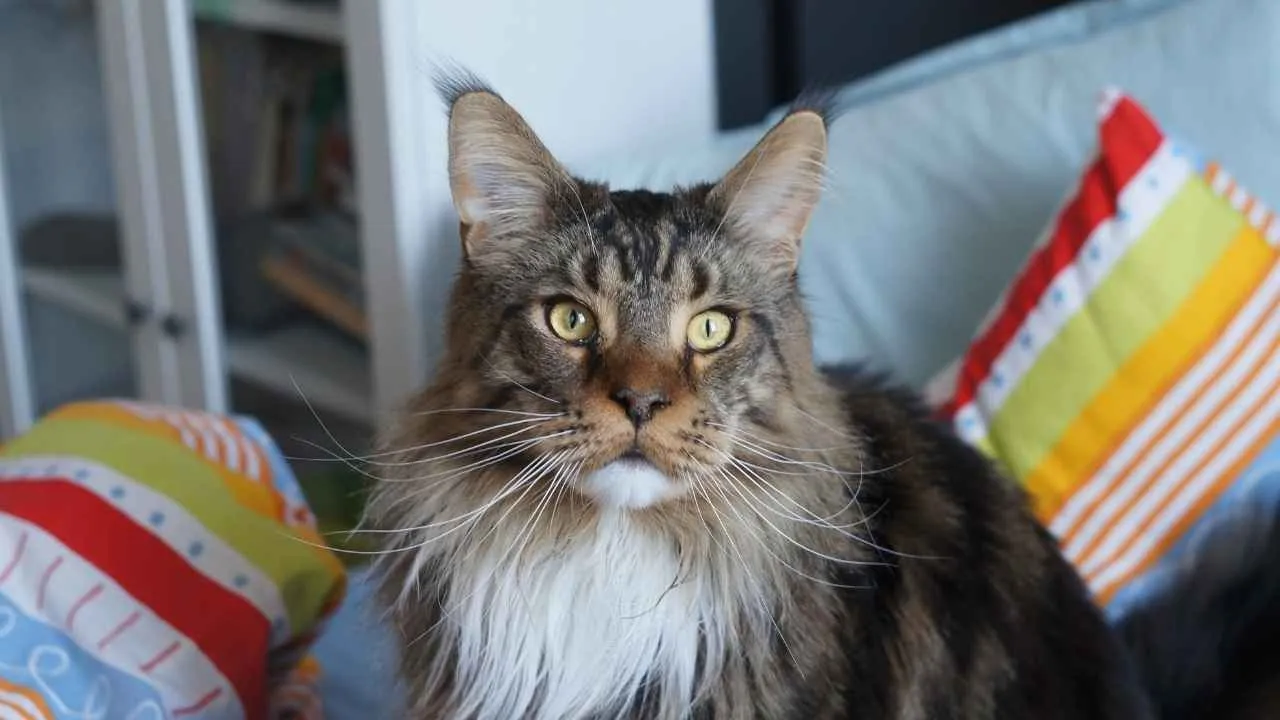
Maine Coons are famously large and fluffy, with a friendly reputation that makes them popular indoor companions. They often enjoy being part of the household and can be quite social with their people.
They have a rugged look, including tufted ears, a long body, and a thick coat built for colder climates. That fur can be gorgeous indoors, but it also means brushing matters if you want to avoid tangles.
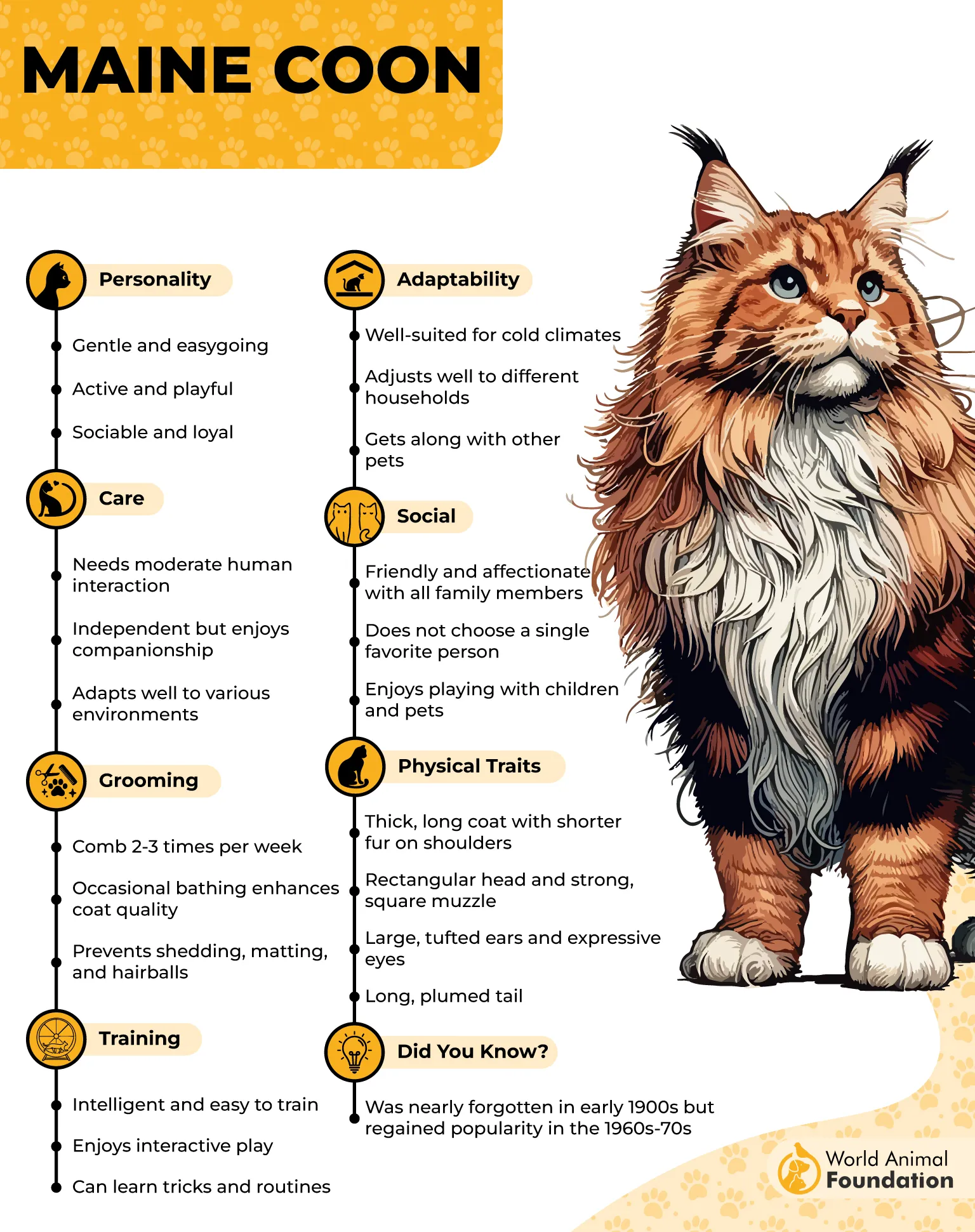
Because they’re active and curious, they usually appreciate vertical space and interactive toys, as noted by PetMD. A cat tree, window perch, and consistent playtime help them stay entertained and confident inside.
As a bigger breed, it’s smart to keep up with routine wellness checks and watch overall comfort as they age. Consistent grooming, good nutrition, and normal vet care help support a healthy indoor lifestyle.
Fun Fact
Maine Coons are often called “gentle giants” because of their size paired with a generally friendly temperament. Their tufted ears and shaggy coat add to that outdoorsy look, even when they’re fully indoor cats.
4. Scottish Fold
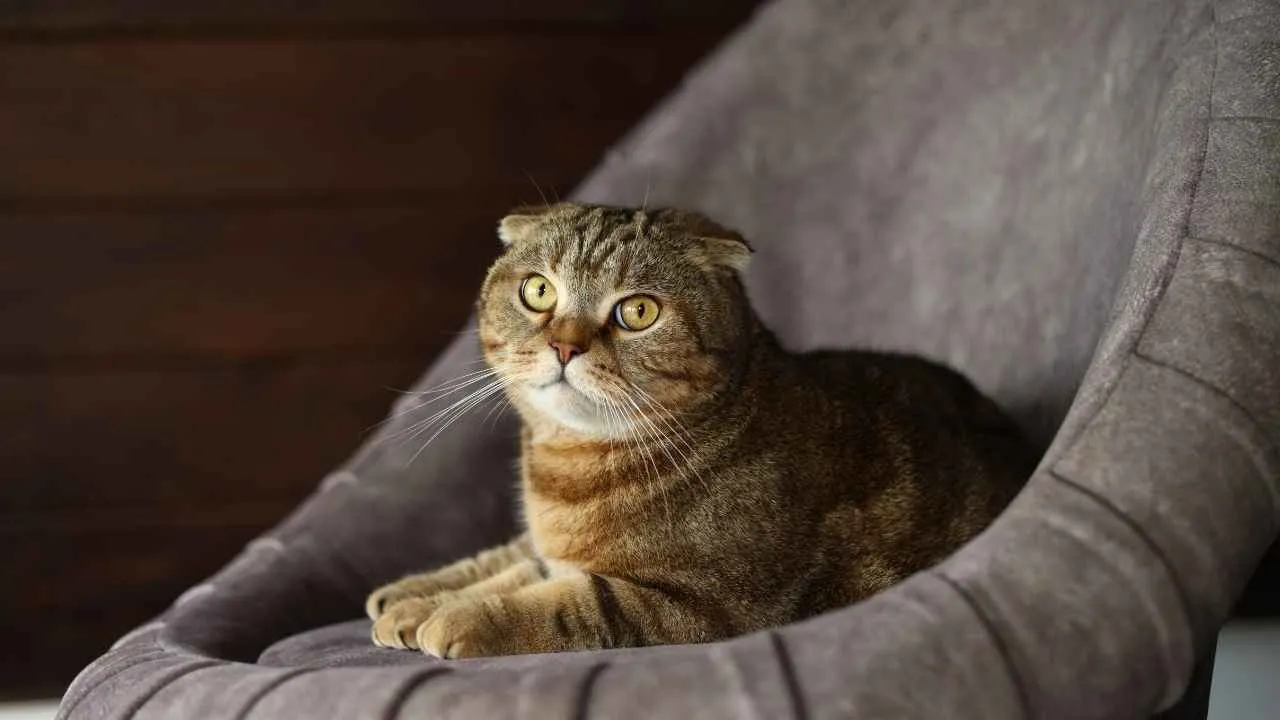
Scottish Folds have an instantly recognizable face, thanks to their folded ears and round, sweet expression. Many have a gentle, affectionate temperament and enjoy being close to their humans.
They tend to like interactive play in manageable bursts rather than nonstop chaos. A short daily play session, a few puzzles, and cozy spots around the house usually keep them satisfied.

Coat care is typically simple, especially for short-haired Scottish Folds, and a consistent routine helps. Many enjoy calm environments and predictable patterns, which can make indoor life feel easy.
Because the ear fold is linked to cartilage and bone issues, ongoing comfort monitoring is important. Regular vet checkups and attention to mobility help support their welfare.
Fun Fact
The folded ears come from a genetic cartilage change. That same trait is tied to health concerns, which is why comfort and joint health matter so much with this breed.
5. Burmese
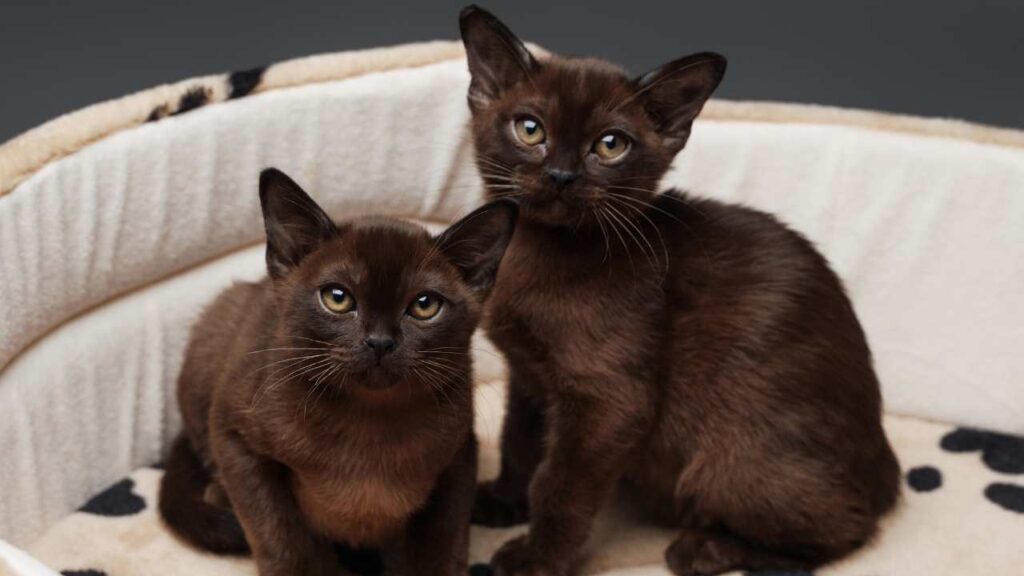
Burmese cats are known for being playful, people-oriented, and very affectionate, often wanting to be involved in everything. Many thrive indoors because they enjoy attention, routine, and interactive play.
They have a compact, muscular body and a short, glossy coat that tends to feel silky. Classic Burmese coloring is often described as rich and warm-toned, with subtle shading on different parts of the body.
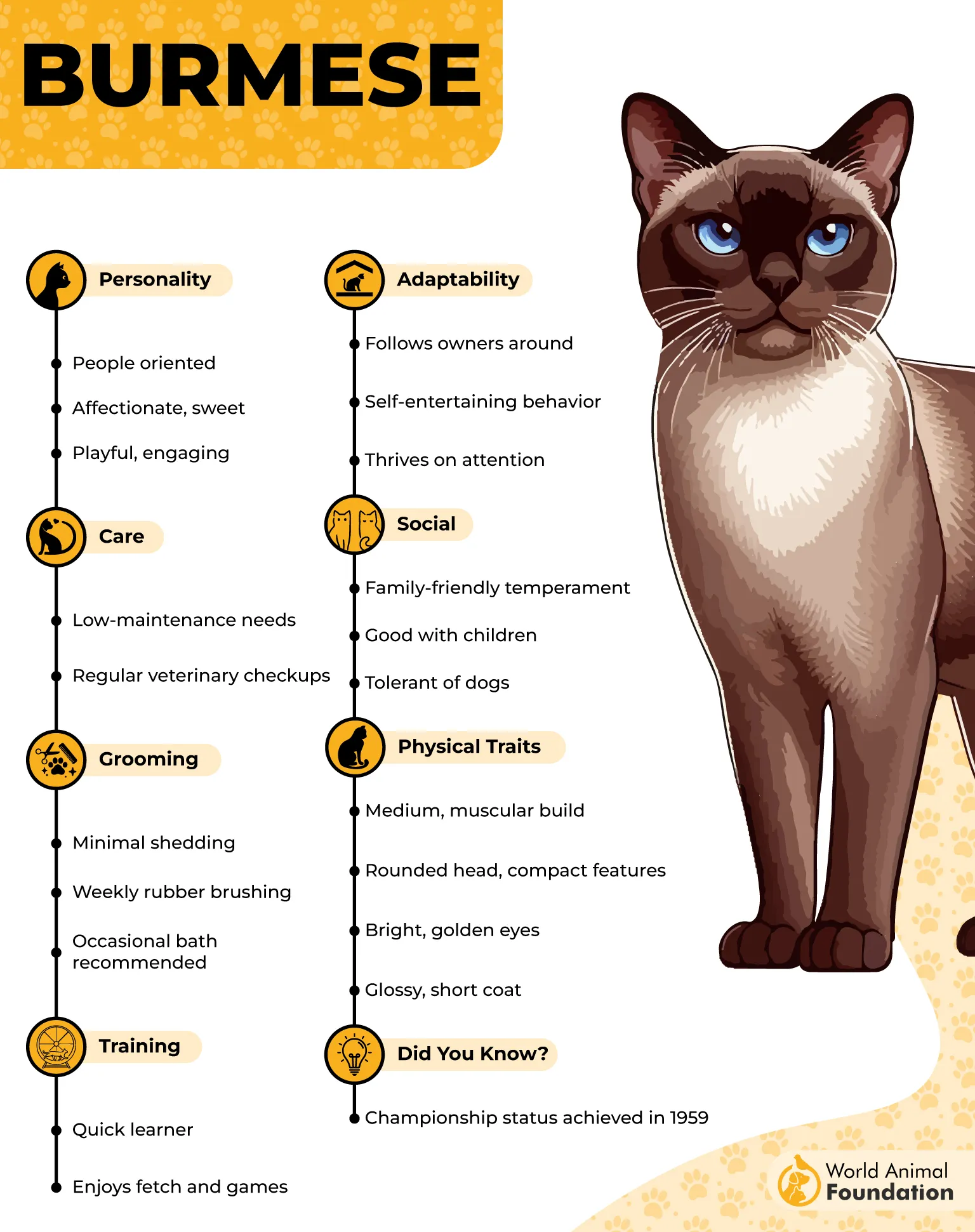
Their grooming needs are usually minimal, so most of the “work” is mental and physical enrichment. Toys, climbing options, and regular play keep them from getting bored indoors.
Some Burmese are especially attention-seeking and may not love long periods alone. With steady companionship, a consistent schedule, and regular vet care, they can be very happy indoor cats.
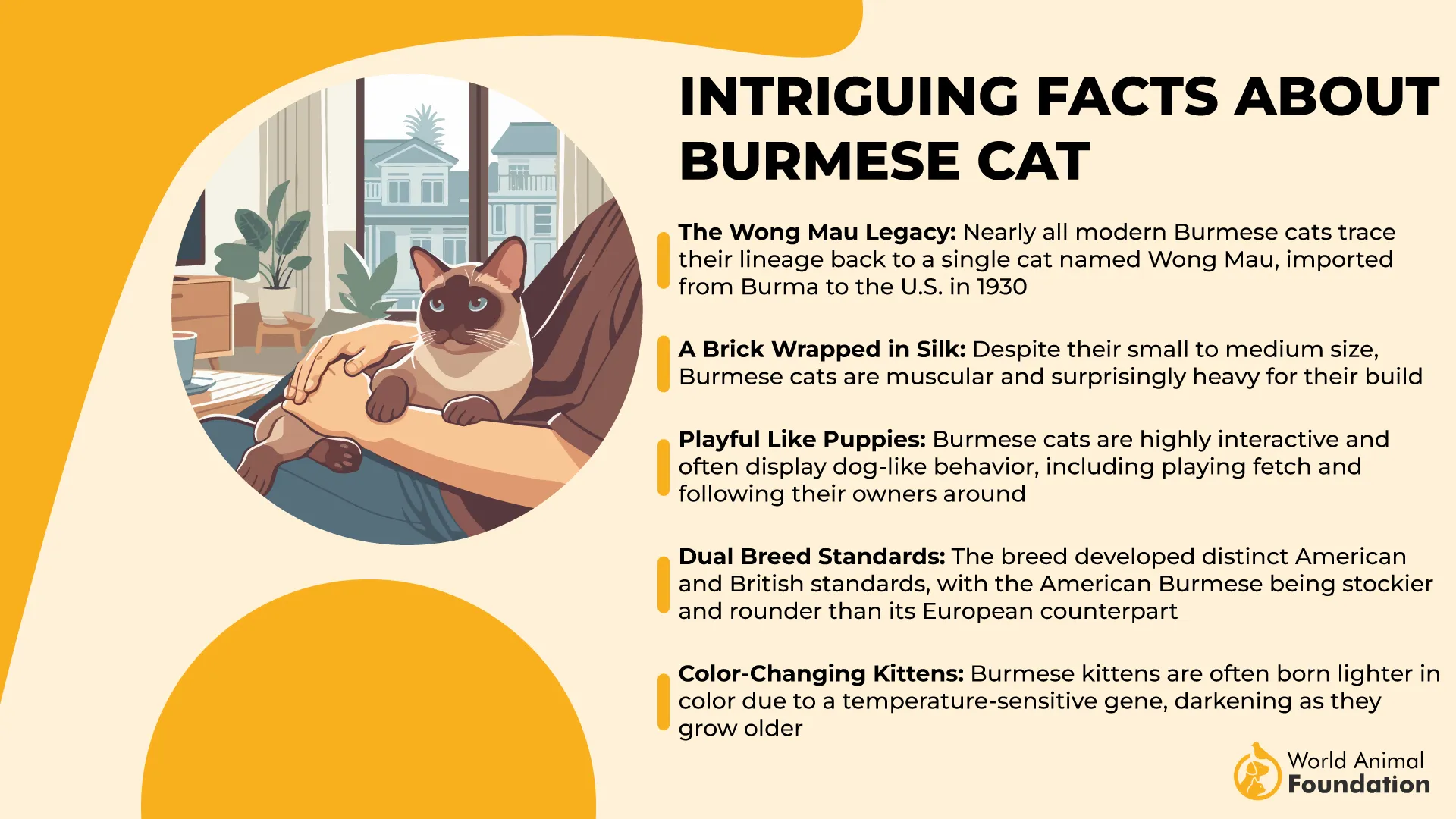
Fun Fact
Burmese kittens can start out a lighter chocolate shade and deepen in color as they mature. That shift is part of what makes their coat so distinctive.
6. Sphynx
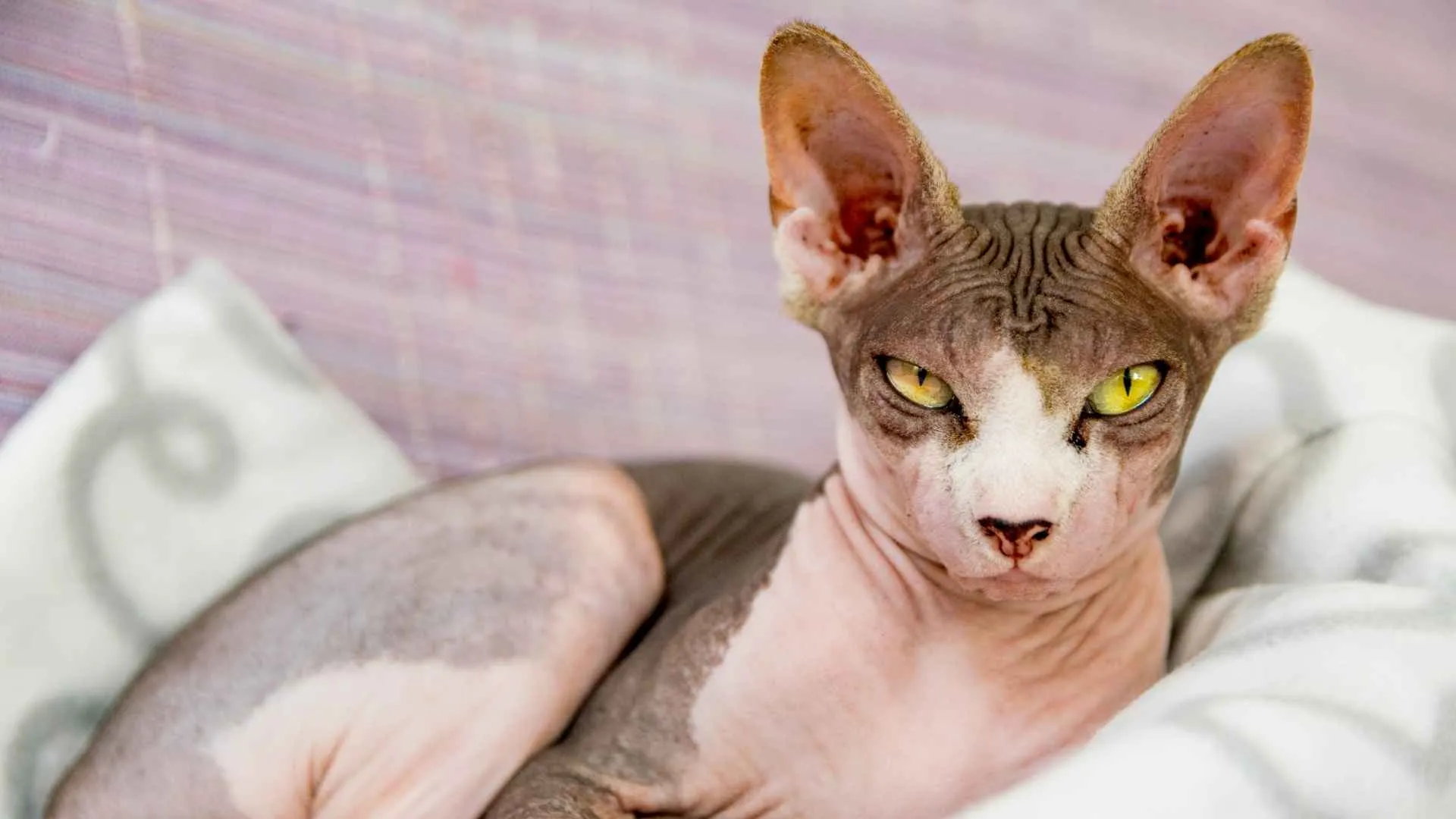
The Sphynx is an indoor cat with a big personality and a very simple headline: no fur, lots of feelings. Many are social, affectionate, and drawn to people, often choosing laps, blankets, and warm spots as their favorite hangouts.
They’re known for a wrinkled look, large ears, and a lean, muscular body. Even without a coat, they can have a soft “peach-fuzz” feel, and their skin can show patterns and colors that would normally be hidden under fur.
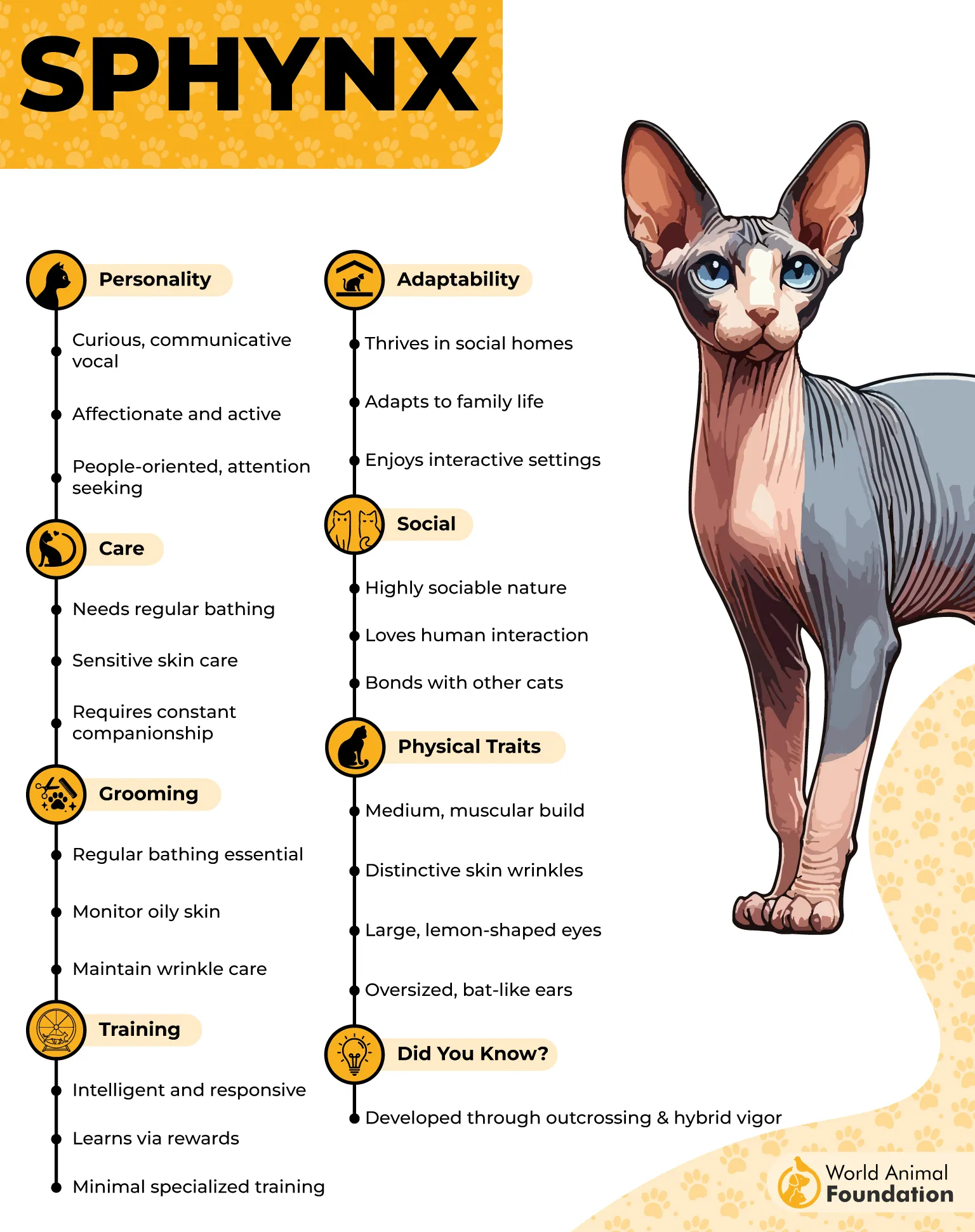
Care is less about brushing and more about skin upkeep, so it can suit people who want low-maintenance cat breeds in the fur sense. Regular cleaning helps manage oils, and they’ll appreciate cozy spots plus cat furniture for climbing and lounging.
They tend to want a lot of company, so solo time should be balanced with play and attention. Their needs are very individual, but many do best with consistent indoor warmth and routine vet care.
Fun Fact
Sphynx cats often feel warm to the touch because there’s no thick coat to trap heat. Many will seek sunbeams and blankets like they’re tracking a personal weather forecast.
7. Russian Blue
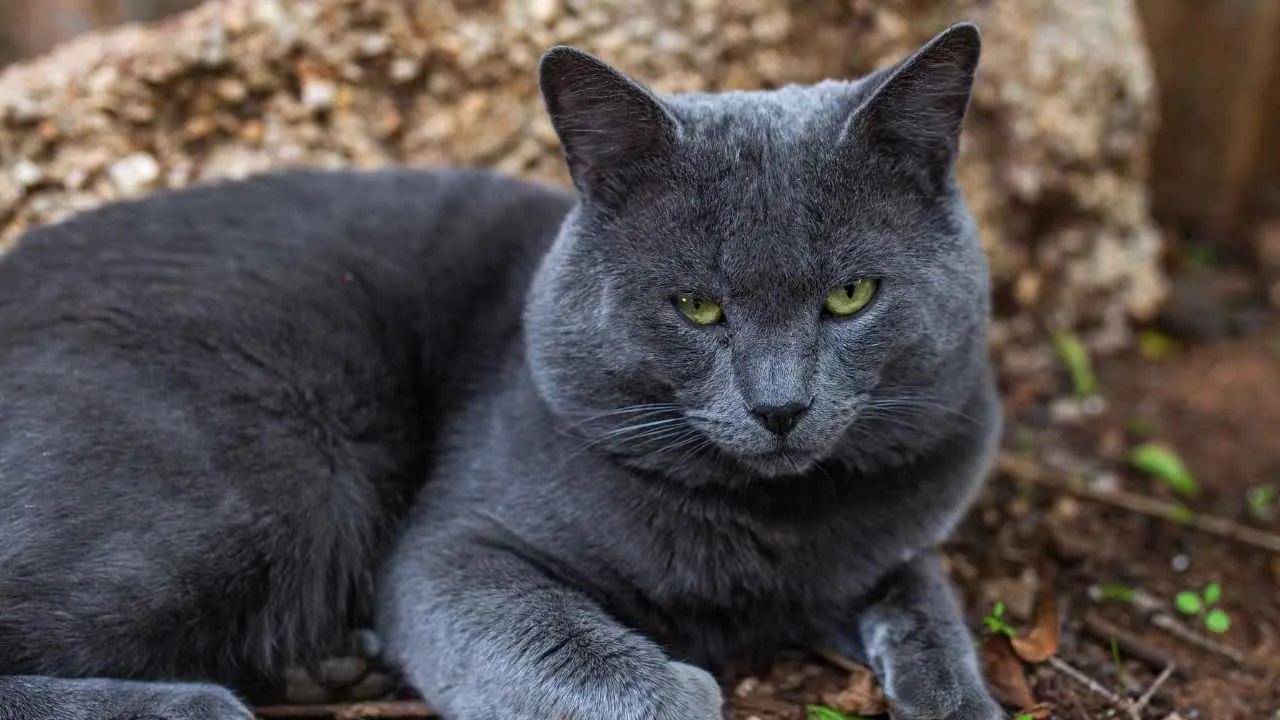
Russian Blues have a quiet, composed vibe that fits indoor living really well. Many are affectionate with their people while staying a bit reserved with strangers, which can make the bond feel very “chosen.”
They’re famous for a plush, silvery-blue coat and vivid green eyes. The coat is short but dense, giving them a soft, velvety feel that makes petting them oddly satisfying.
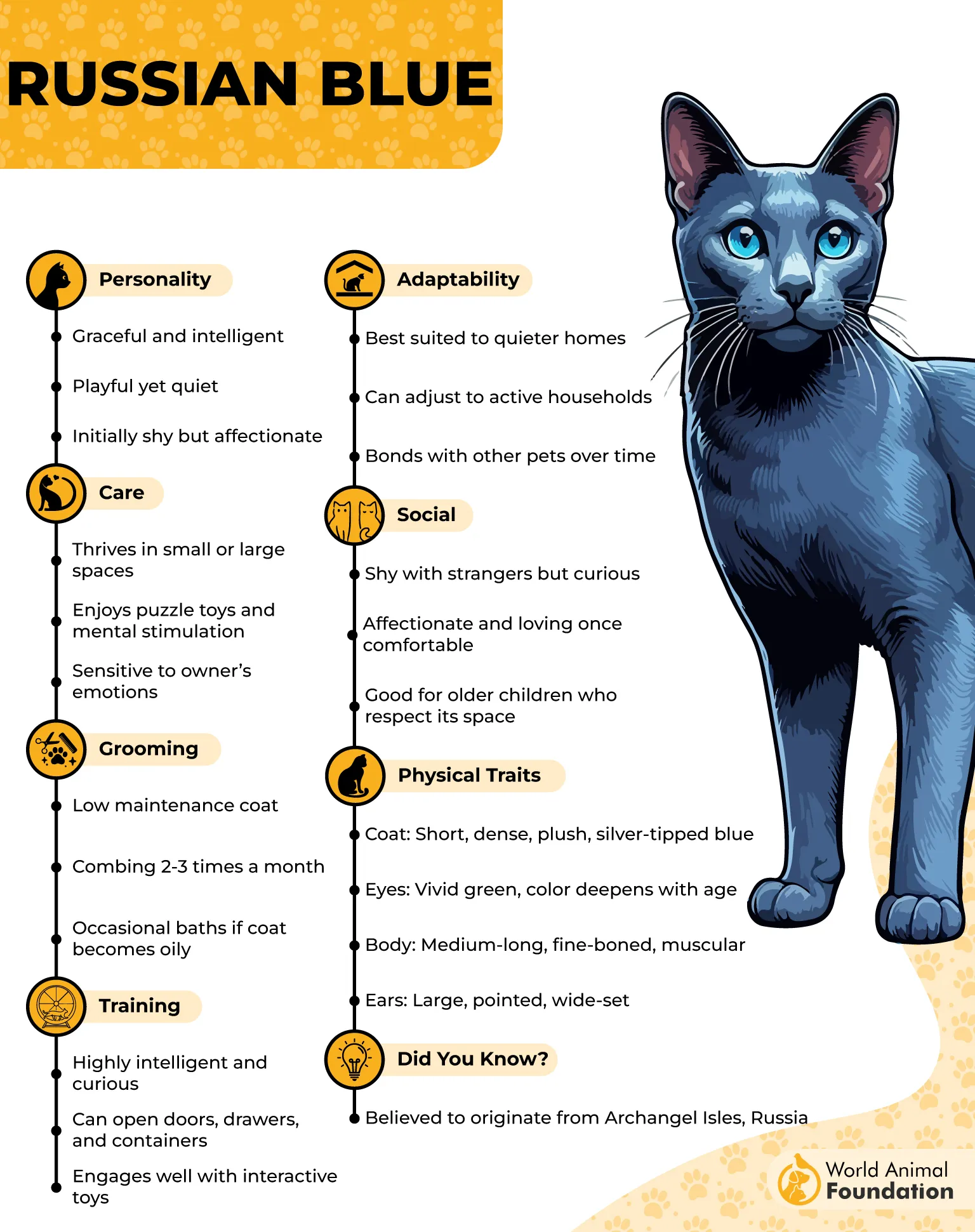
They’re often described as intelligent and sensitive to routine, so a predictable home rhythm usually suits them. Give them a window perch, a few favorite hiding spots, and play that feels like a little hunting game, and they tend to settle nicely.
Grooming is typically easy, though a regular brush helps manage shedding. They often appreciate a calm home environment and gentle handling, especially when meeting new people.
Fun Fact
Russian Blues are often said to look like they’re smiling. It’s a small facial detail that makes their expression especially memorable in photos.
8. Persian
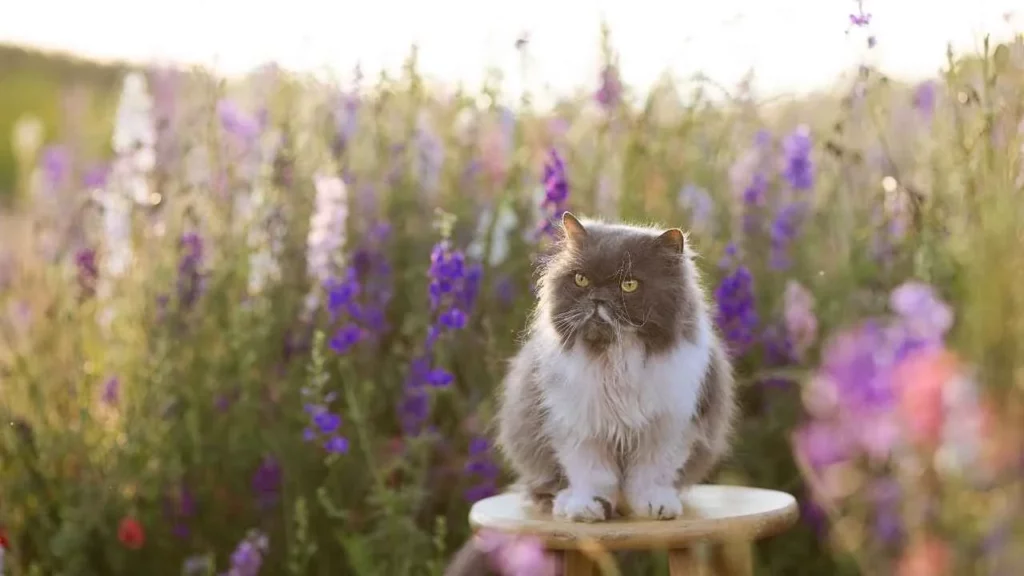
Persians are a classic pick for people who like a relaxed nature and gentle companionship. Many are happy living a quiet life indoors, especially when the home feels peaceful, and routines stay steady.
Their signature look includes long fur, a round face, and big eyes, often with a flatter nose. That glamorous coat is beautiful, but it needs regular grooming to prevent mats and tangles.
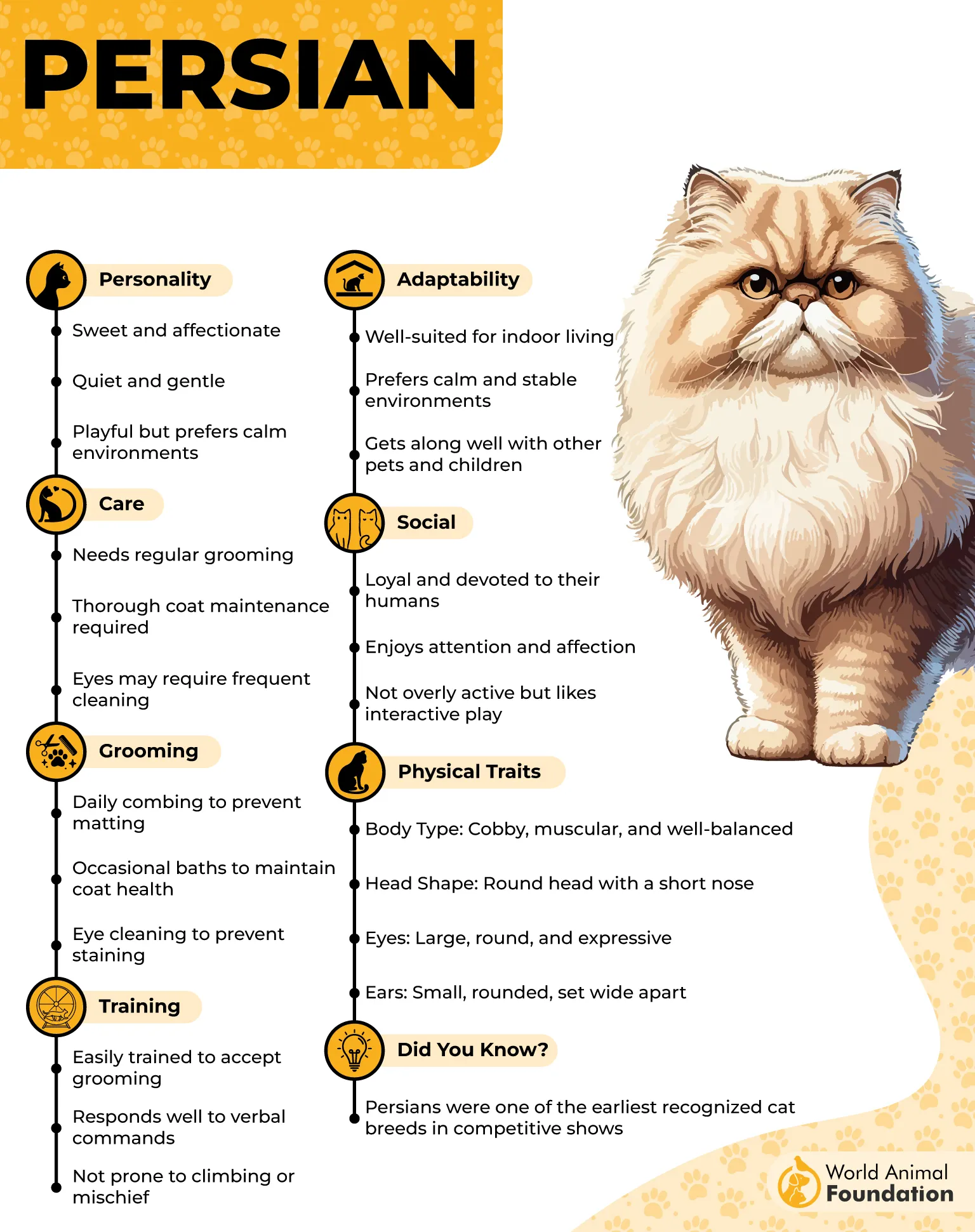
They’re not usually the “bounce off the walls” type, and many prefer soft play and cozy lounging. If you’re keeping cats indoors, Persians often appreciate predictable comfort and calm spaces more than constant action.
Because of their facial structure, face and eye care can become part of the daily routine. With consistent care and vet support, they can be loving, steady companions.
Fun Fact
The Persian is one of the most recognizable long-haired cat breeds. Their signature look has been popular for generations.
9. Devon Rex
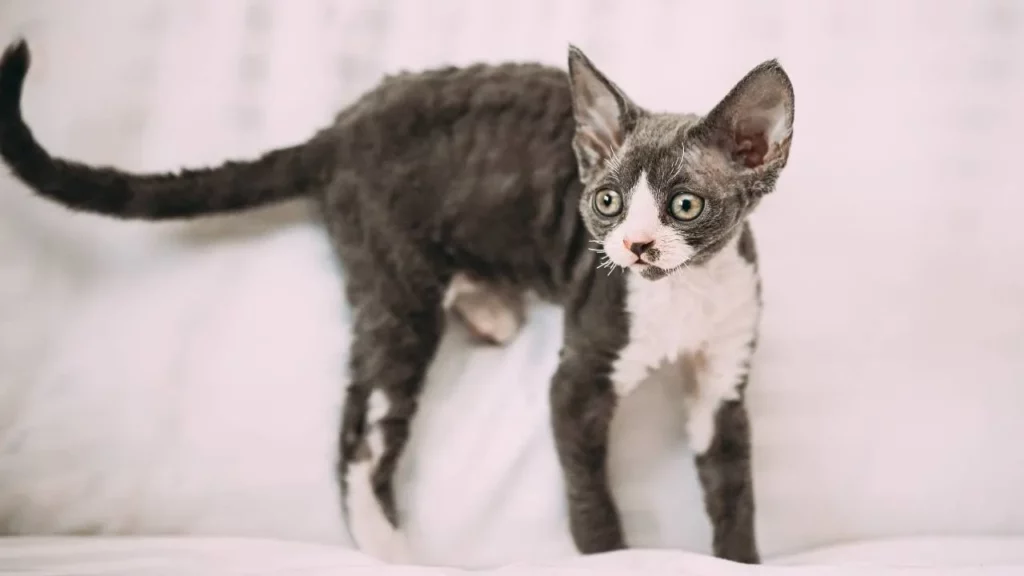
Devon Rex cats often act like little comedians, full of energy and curiosity, and many are famously social. If you want affectionate cats that like being involved, they tend to deliver in a big way.
They have a short, wavy coat, large ears, and a pixie-like face that makes them instantly recognizable. Because their coat is fine, they can feel warm and soft, and they may prefer cozy spots away from drafts.
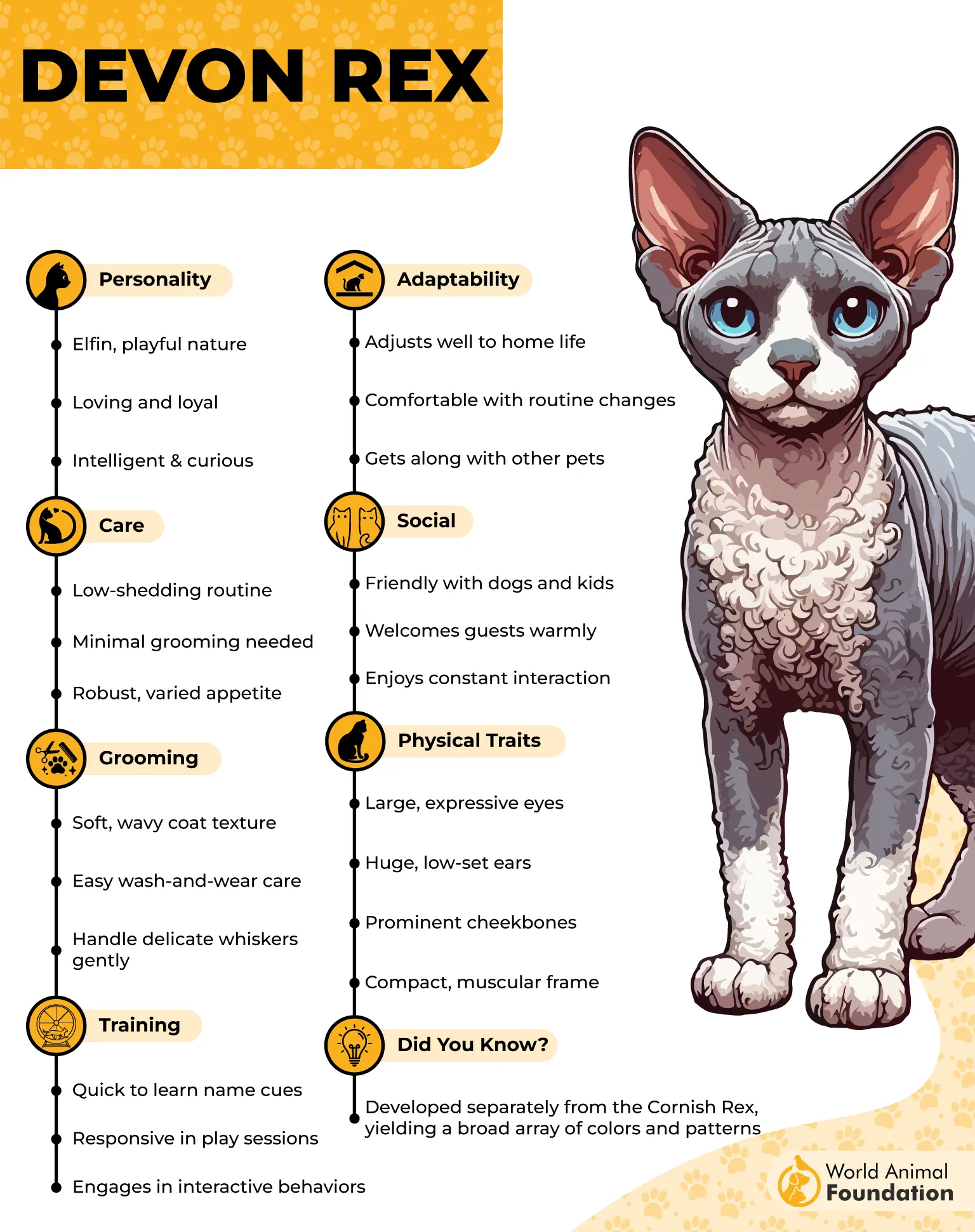
They’re great at turning play into a daily ritual, and some even enjoy playing fetch with the right toy. When they’re busy and engaged, they’re often happy, confident indoor companions.
Their grooming needs are usually light, but gentle handling matters because their coat and skin can be delicate. They do best with consistent play, comfort, and routine veterinary care.
Fun Fact
Devon Rex kittens can have coat changes as they grow. That curly texture is part of what makes the breed so distinctive.
Conclusion
Picking the best indoor cat is less about having the “best breed” and more about personality traits that fit your home. Most cats can thrive indoors with a clean litter tray, scratching posts, and physical stimulation.
Compared with an outdoor cat, limiting outdoor access helps protect against road accidents and reduces risk from wild animals and native wildlife, which matters for apartment dwellers and homes with other pets and other animals.
Individual cat needs vary, but many cats do best when they’re not left to their own devices for long. Cat insurance can help with surprises. Other breeds such as Siamese cats, British Shorthair cats, Ragdoll cats, and female Burmese cats may also suit you.
