




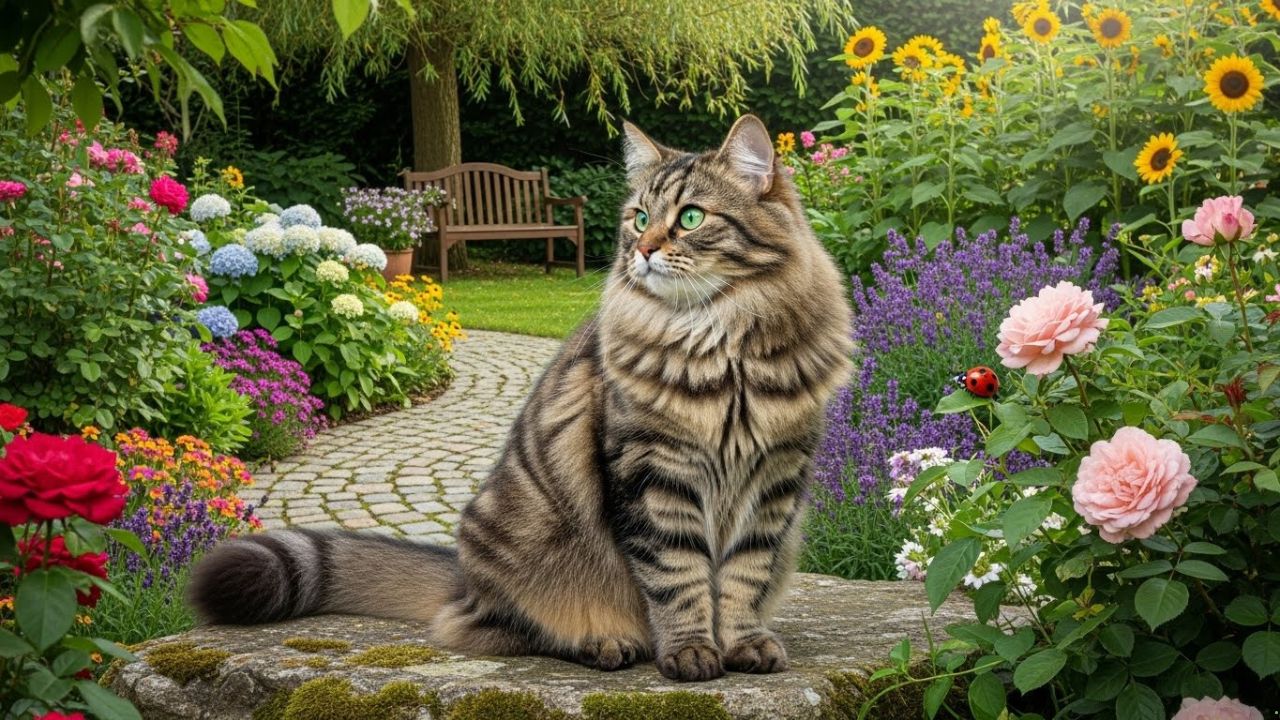
If your happy place is a backyard garden—hands in the soil, sun on your shoulders, and a little wildlife to watch—having the right cat nearby can feel like the perfect finishing touch. Some felines genuinely thrive outdoors, happily patrolling, exploring, and soaking up the daily stream of sights, scents, and natural stimulation that comes with open-air living.
That said, not every cat is built for the great outdoors. Temperament, health, and safety all play a huge role, and certain breeds are simply better suited to roaming and adventuring than others. The best outdoor companions tend to be curious, confident, and active enough to enjoy the environment without getting overwhelmed by it.
For gardeners, the goal is finding a cat that can match your routine—one that’s content hanging around while you prune and plant, but still enjoys moving, climbing, and observing the world. In this guide, we’ll highlight 7 cat breeds known for thriving outside, from rugged, sturdy types to agile explorers, so you can choose a feline partner that fits your open-air lifestyle.
Best Cat Breeds for Gardeners
1. Maine Coon
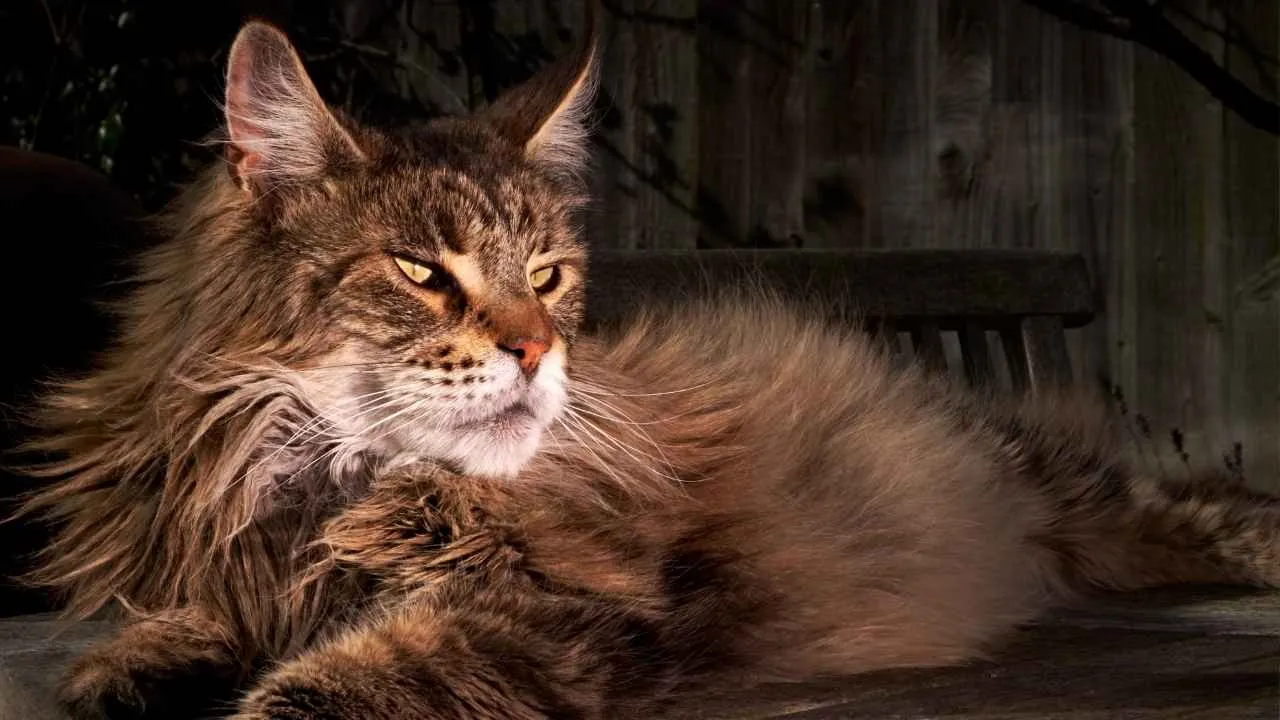
The Maine Coon (often dubbed the “gentle giant”) is one of the oldest cat breeds in the U.S. Britannica states that the Maine Coon is North America’s only native longhaired domestic cat breed.
Instantly recognizable for its shaggy look and big build, it’s also the second-largest cat breed worldwide, behind the Savannah.
For gardeners, this breed can be a dream yard companion: adventurous, highly intelligent, and confident enough to handle outdoor sights and sounds. Give them room to roam, and you’ll often see a playful, dog-like side—plus a willingness to “help” supervise every planting session.
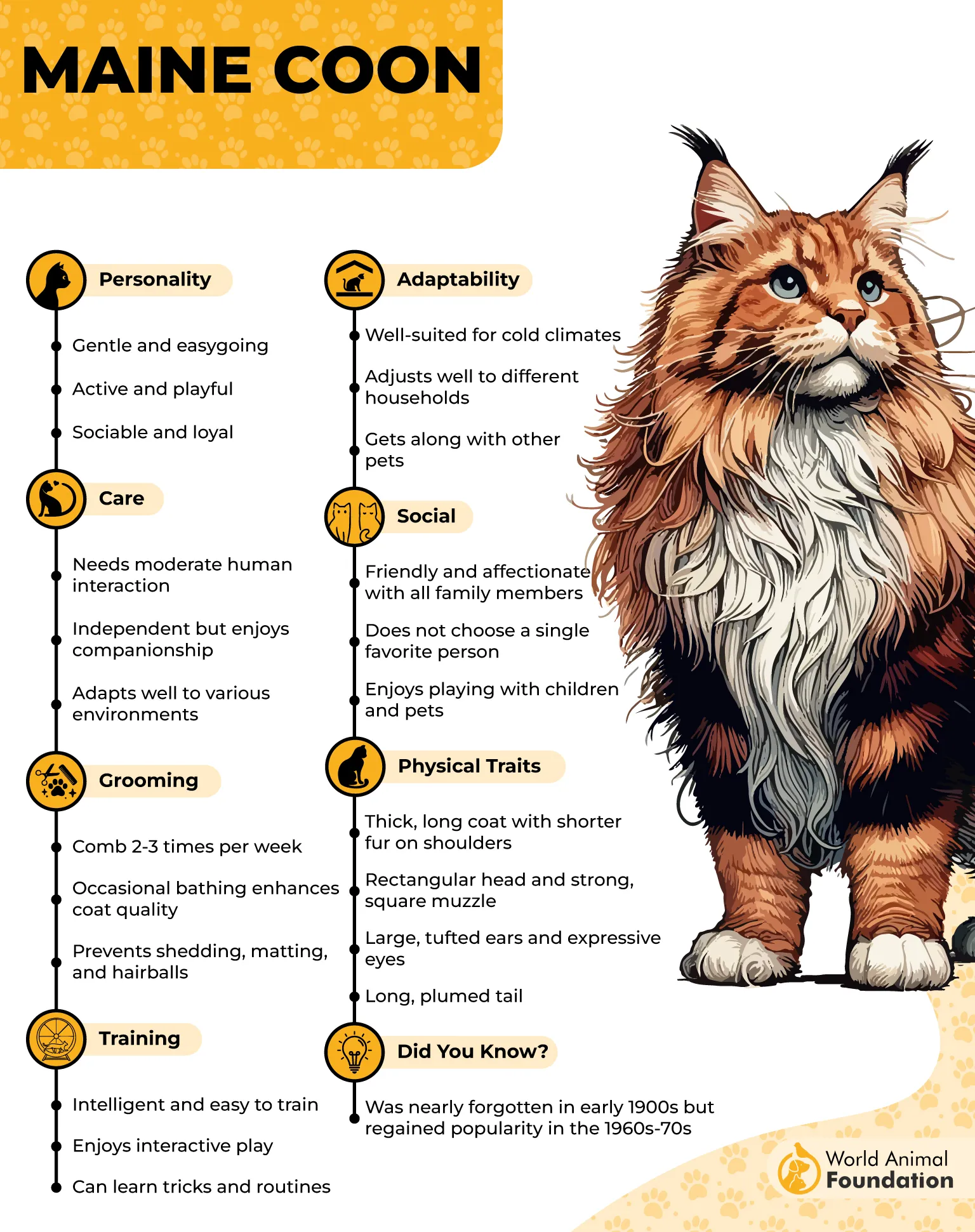
Because they’re large and curious, safety planning matters. A secure outdoor area protects them from cars, predators, and garden toxins, while still offering the exercise and sensory enrichment that supports both physical health and mental well-being.
Their hefty, water-resistant coat helps them handle cooler days, but they still need shelter and protection from extreme conditions.
Fast fact: Maine Coons were prized rat-catchers on ships and as pest deterrents, and some people think that history explains their unusual interest in water.
2. Norwegian Forest Cat
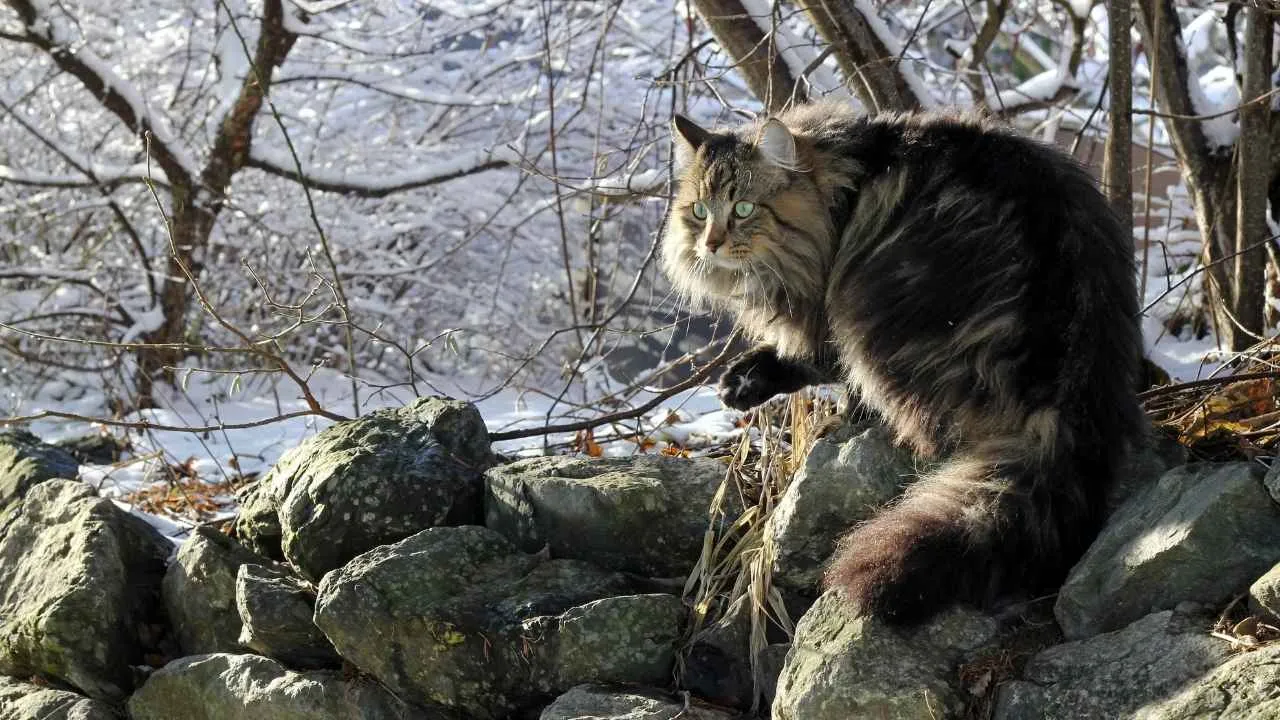
The Norwegian Forest Cat—nicknamed the Wegie (“wee-gee”) and called skogkatt (“forest cat”) in Norway—is a large, fluffy explorer from Northern Europe.
Built for the outdoors, this breed pairs rugged strength with a calm, affectionate vibe that suits a busy garden home. PetMD states that the Norwegian Forest Cat is a playful, friendly, and strongly built breed.
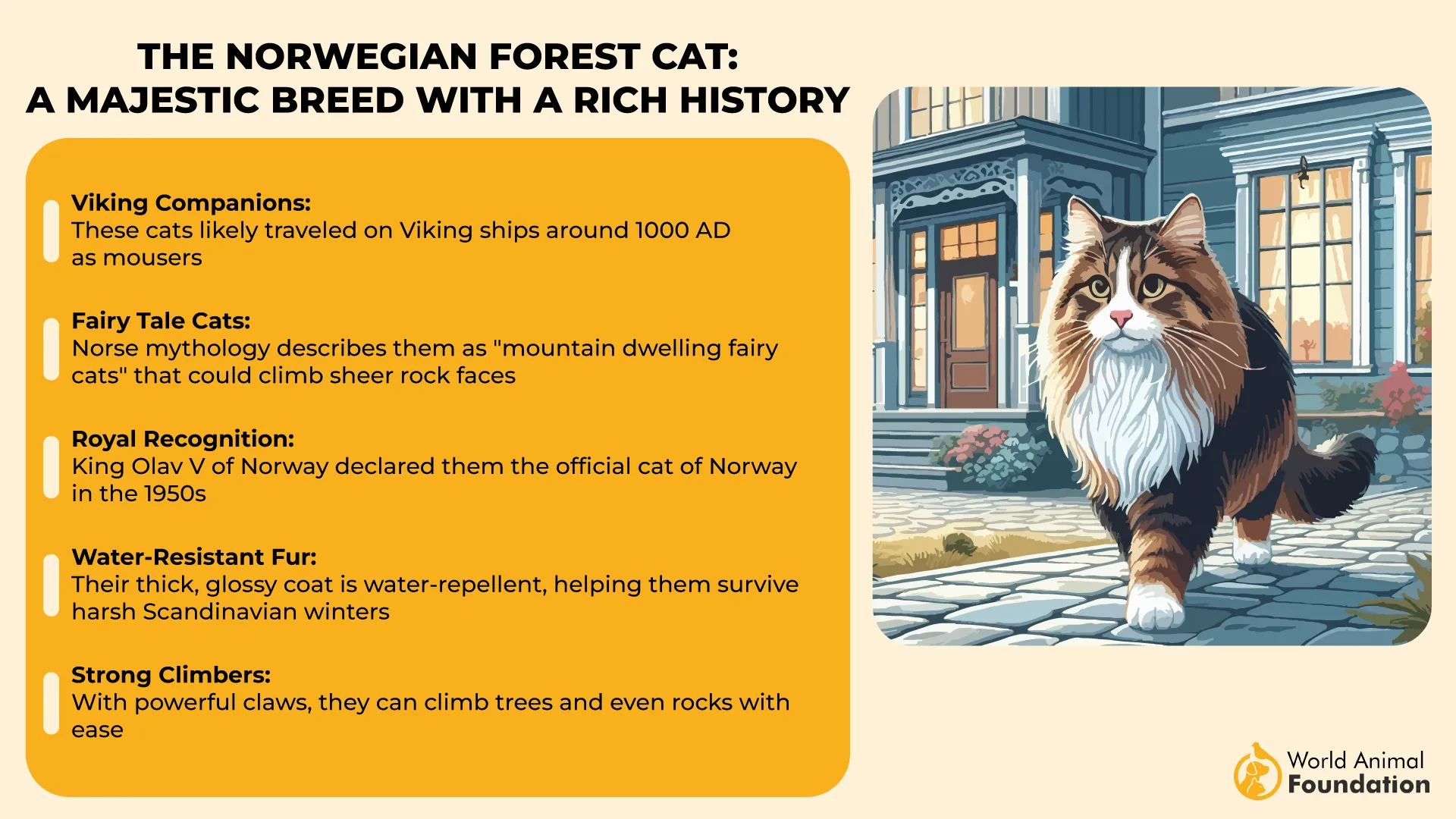
What makes a cat garden-friendly? Confidence outside, athletic ability, and a temperament that won’t panic at rustling leaves. Wegies are intelligent, alert, and famously skilled climbers—so they’ll happily supervise pruning from a perch, then patrol the yard with quiet purpose.
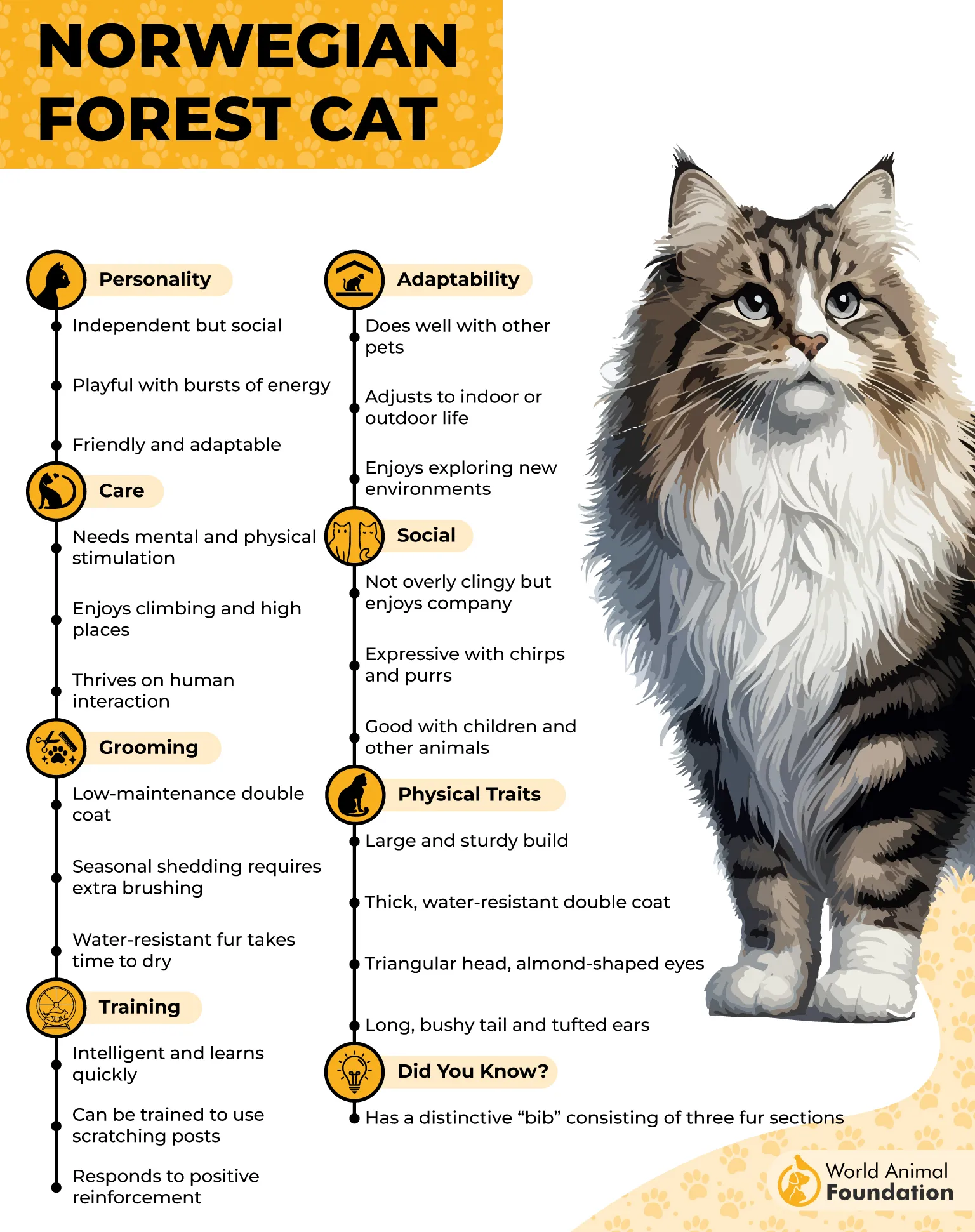
They’re also active without being clingy, enjoying attention but rarely demanding it (or meowing nonstop). Their playful, kitten-like streak can last well into adulthood, so interactive toys and safe garden enrichment help keep their energy focused and fun.
If you garden in cooler climates, their thick fur is a major advantage, and their hunting instincts make them eager outdoor companions.
Fast fact: Norwegian Forest Cats are one of the only breeds known to climb down trees headfirst.
3. Siberian
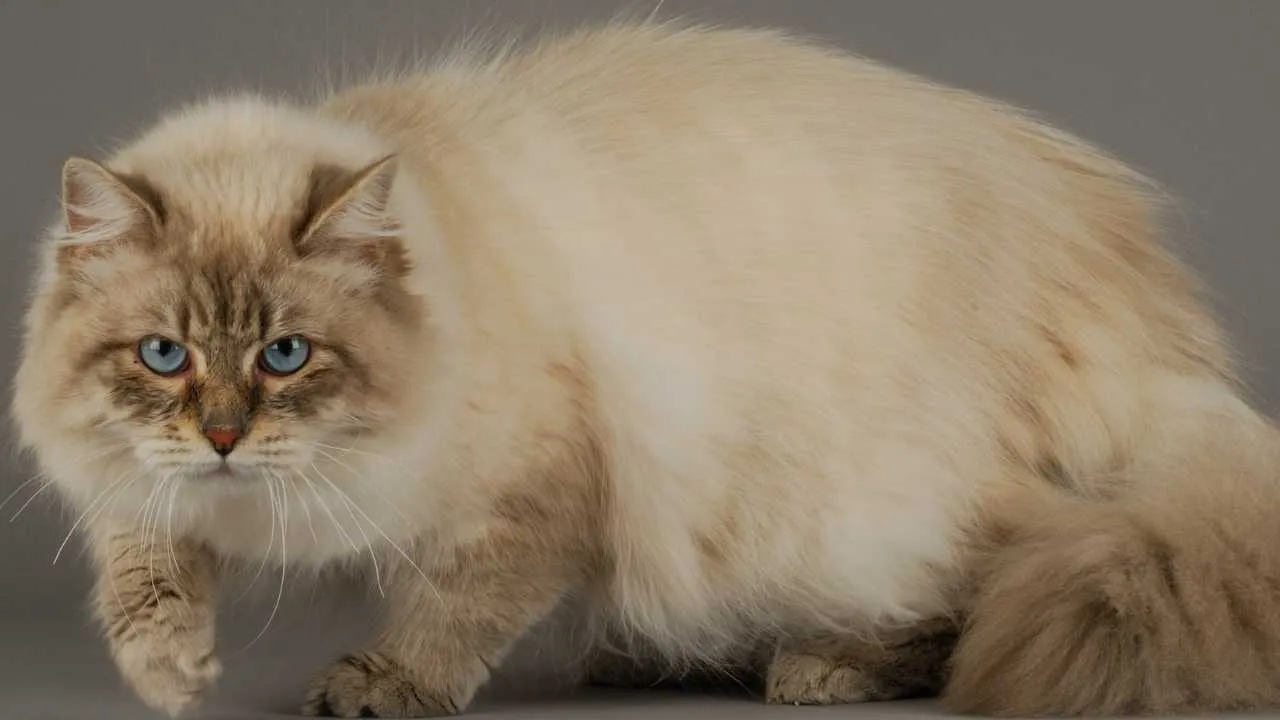
The Siberian (also called the Siberian Forest Cat) is a sturdy, people-loving outdoor type from snowy Russia. With a plush neck ruffle and a weatherproof triple coat, this big fluff ball looks built for garden life—and it is.
WebMD states that Siberian cats are considered the national cats of Russia, and it notes that they’re also known as Siberian forest cats and Moscow longhairs.
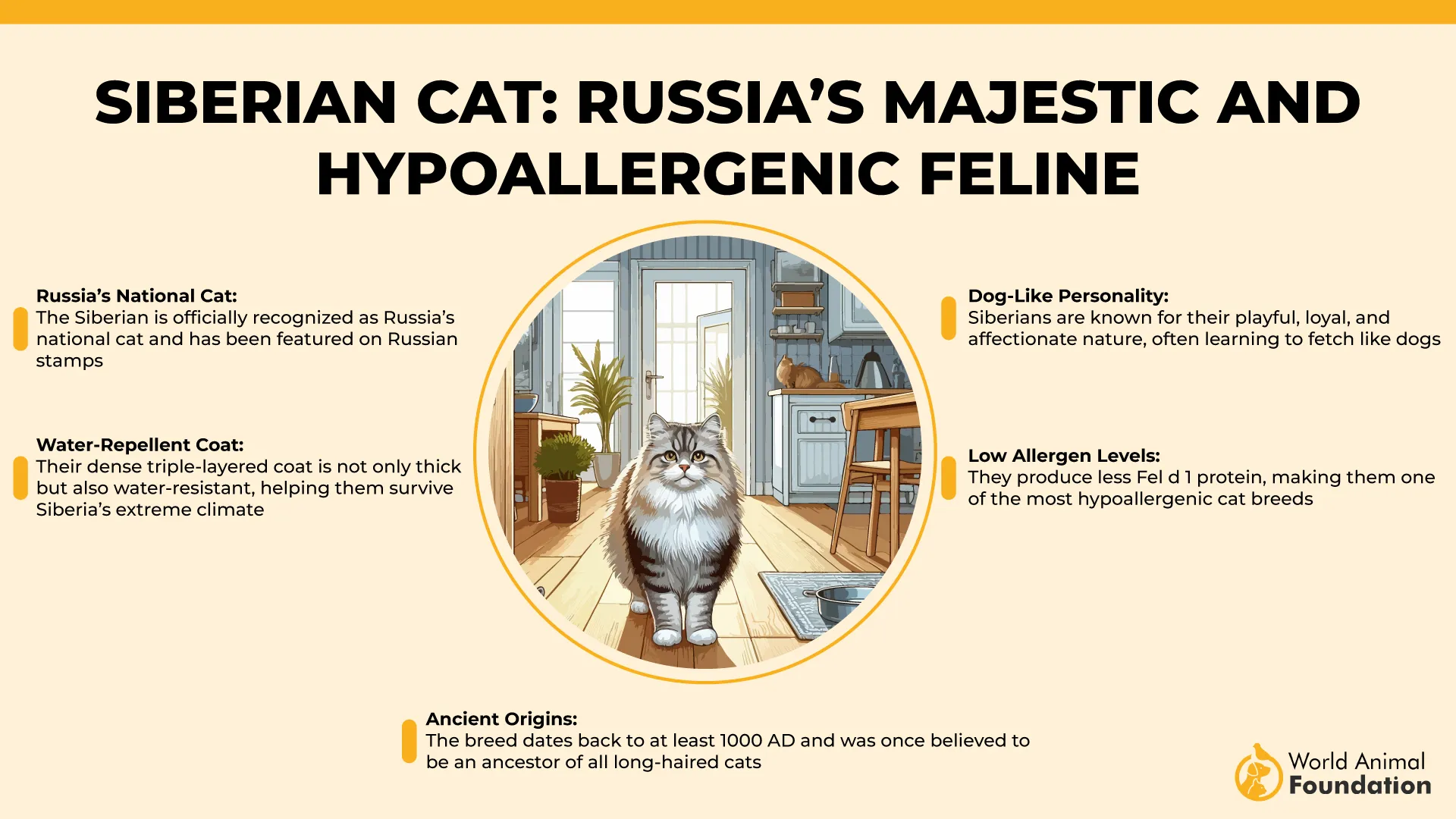
For gardeners, the Siberian’s vibe is a sweet spot: curious and athletic without being constantly chaotic. They enjoy exploring fresh air and new scents, then happily switch to cuddle mode, which helps them feel calm and companionable around a busy yard.
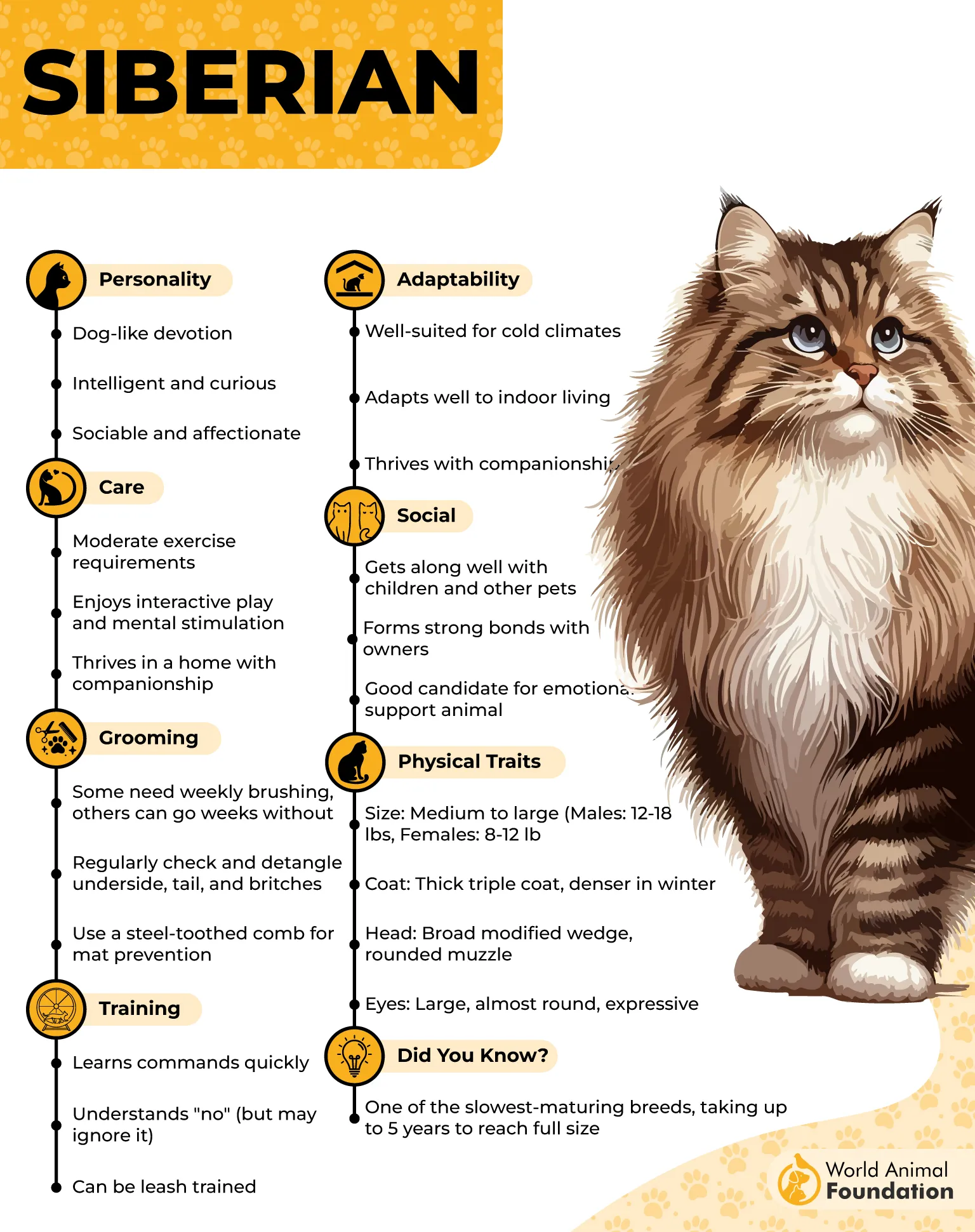
They’re also smart and responsive, so a mix of interactive play and simple training keeps them engaged and less likely to get bored or destructive. Give them climbing spots, safe boundaries, and daily outlets, and they’ll patrol with purpose rather than chaos.
Social and adaptable, Siberians tend to coexist well with other pets and generally won’t hassle livestock—yet they’re independent enough to make themselves useful as a natural vermin hunter.
Fast fact: The Siberian’s long, triple-layered coat is perfectly suited to cold, wet weather.
4. Abyssinian
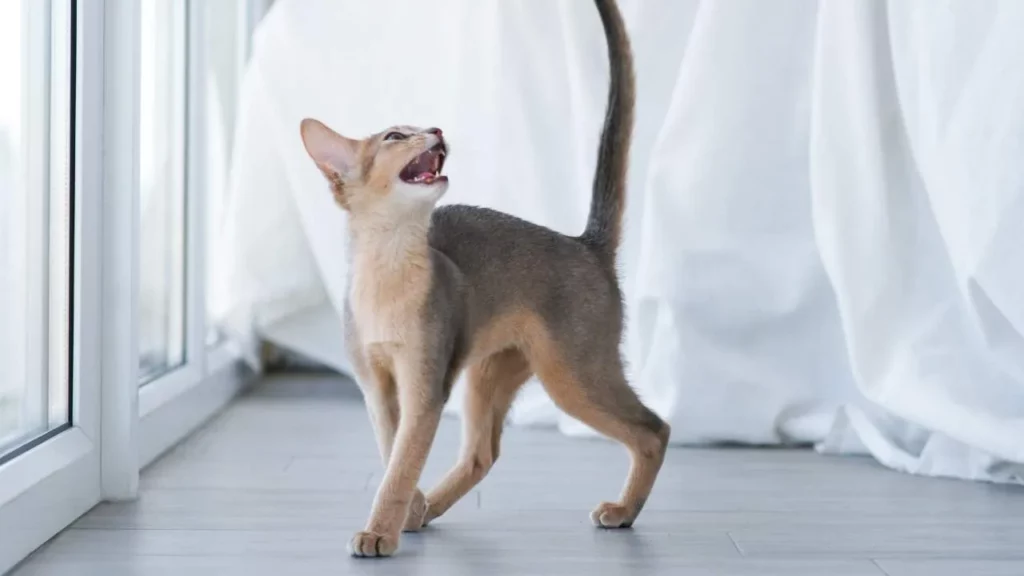
The Abyssinian (often called an “Aby”) is an elegant, short-haired cat with a sleek, fine-boned build and a curious, outdoorsy streak. With roots linked to ancient Egypt, this breed brings history, brains, and a bold personality into one compact “tiny tiger.”
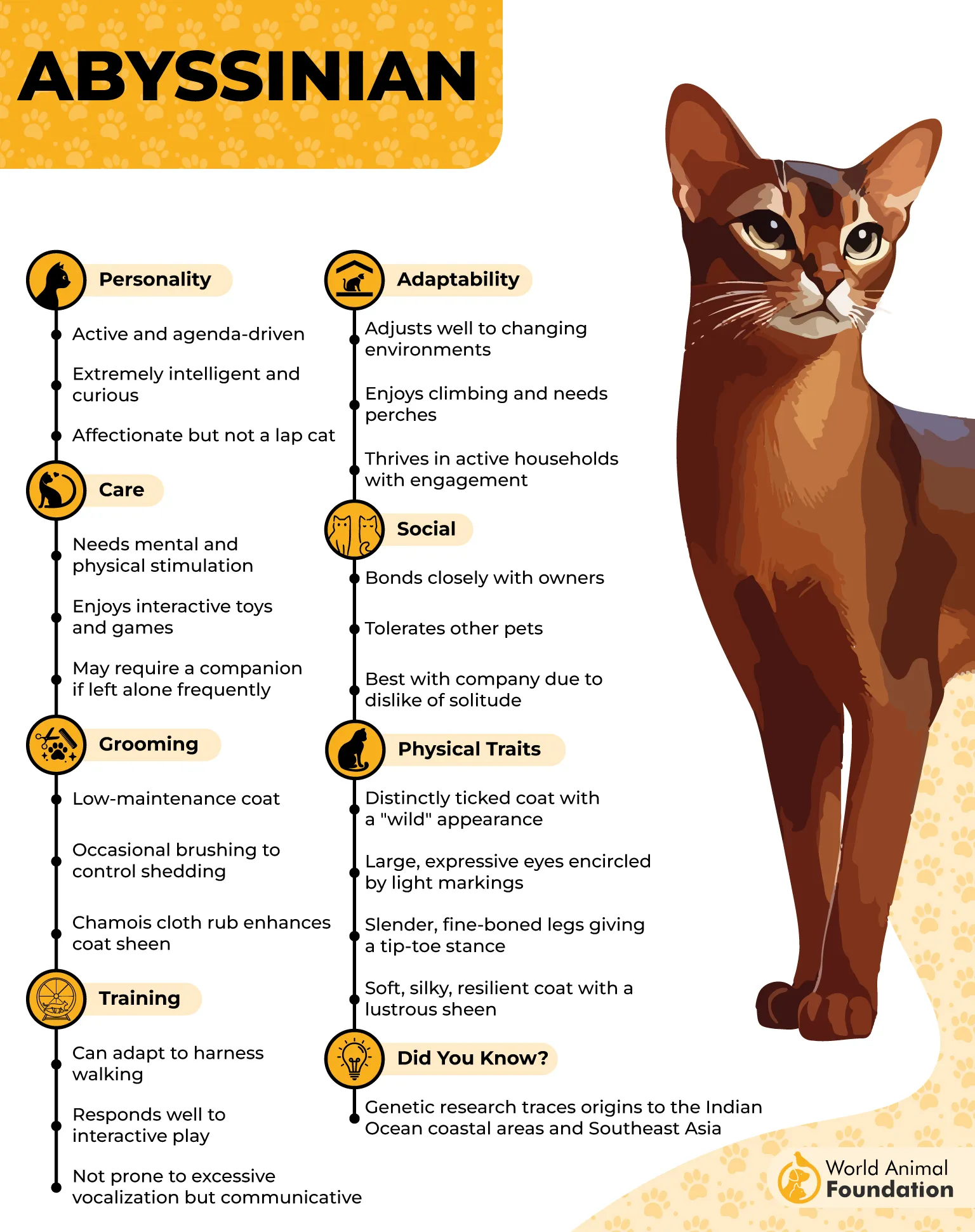
For gardeners, Abys are top-tier because they love to climb and explore. If you’ve got trees, fences, or safe vertical spaces, don’t be surprised to find yours perched high, calmly supervising your planting like a fuzzy backyard foreman.
They’re also social and expressive—more chirps and chatter than silent stalking—so you’ll likely have a lively “conversation partner” while you water beds or pull weeds. Their clownish, outgoing vibe makes outdoor time feel like a shared adventure rather than a solo chore.
Because their energy seems endless, they need plenty of physical activity and mental challenges to stay content. On days they can’t roam, interactive play and puzzle feeders help keep that busy mind from getting bored.
Fast fact: Abyssinians love climbing and are often found relaxing up in a tree, chatting with little chirps.
5. Bengal
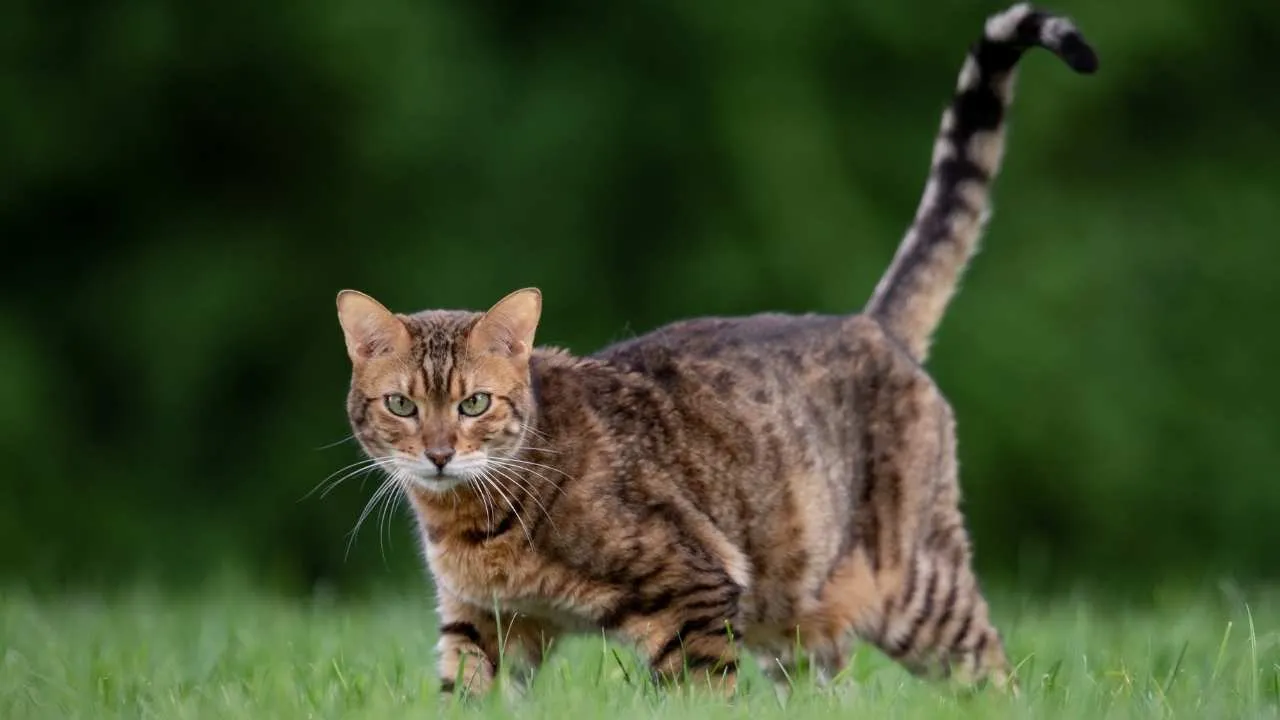
The Bengal (sometimes called the “mini leopard” for its wild-style markings) is a sleek, muscular cat with a jungle look and a nonstop curiosity. Energetic and adventurous, this breed often loves outdoor time more than lounging indoors.
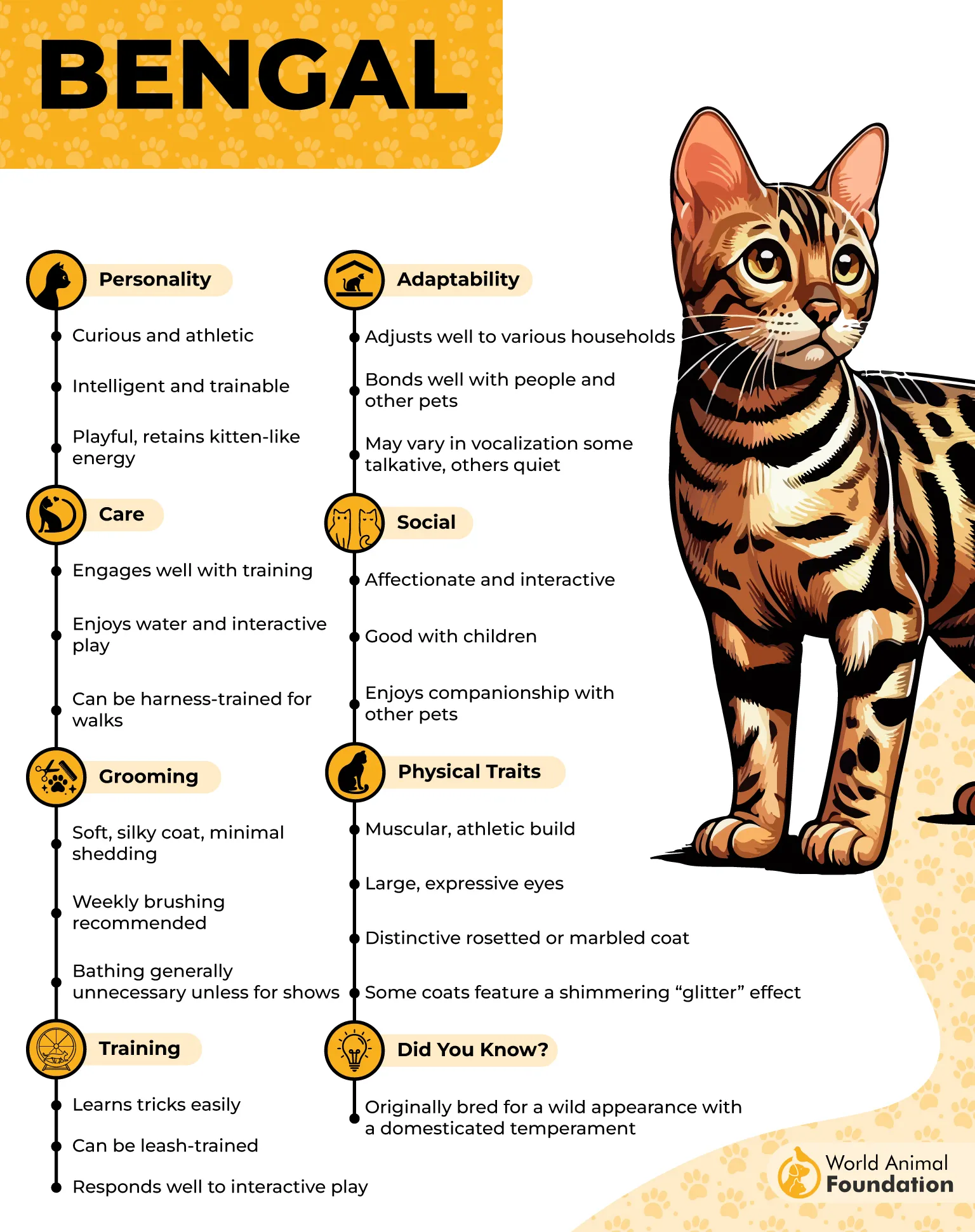
For gardeners, Bengals are exciting companions because they enjoy climbing, exploring, and even splashing around—many have a real fascination with water. A safe yard can feel like their personal obstacle course, especially with sturdy perches, cat-safe trees, and a few elevated “lookout” spots.
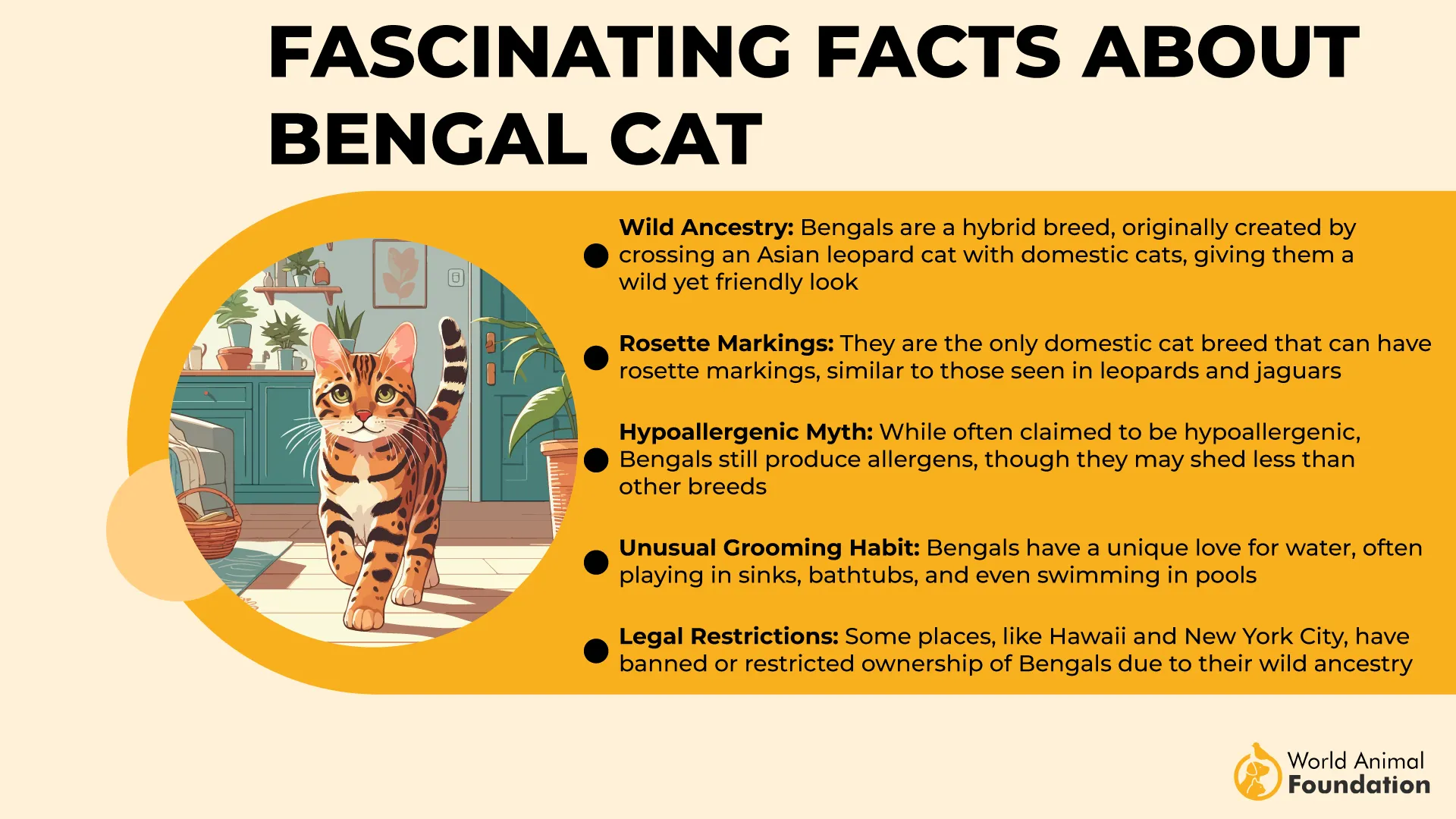
Safety comes first with a breed this bold. Start with short, supervised sessions, and keep the experience contained—think secure fencing, a catio, or a harness-and-leash routine—since a curious Bengal can wander farther than you’d expect. Remove toxic plants and block off tight spaces before you open the “garden gates.”
To prevent boredom (and troublemaking), build in enrichment: interactive play, puzzle challenges, climbing structures, and even a small running-water feature.
Fast fact: Bengals are known for their love of water and their strong desire to climb.
6. American Shorthair
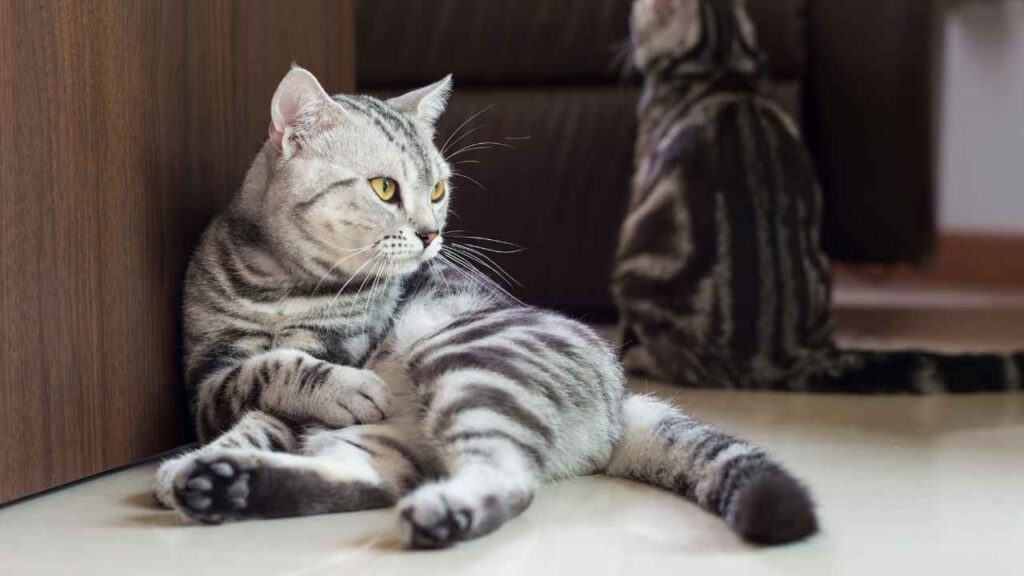
The American Shorthair (often shortened to ASH) is a sturdy, easygoing domestic breed known for its classic good looks and huge variety of colors and patterns. Originally valued as a working mouser, it’s a natural fit for gardeners who want a cat that enjoys the outdoors.
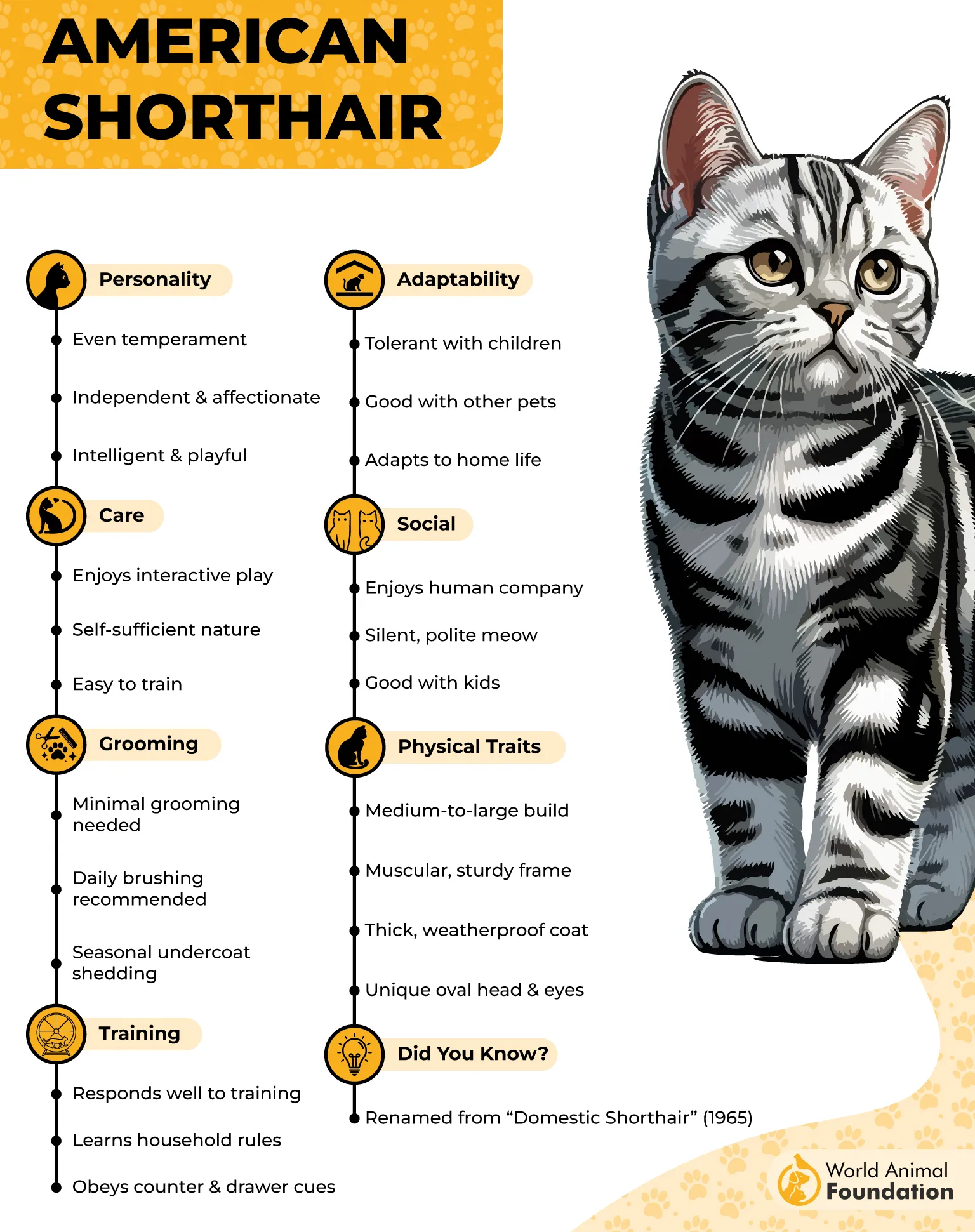
This breed’s history is rooted in practicality: it descends from European cats brought to North America to protect food stores and cargo from rats and mice. That hunting instinct often shows up as curious “garden patrol” behavior, so expect a confident explorer who likes to roam, watch, and investigate.
To protect your plants from curious paws, give your cat outlets—scratching posts, climbing spots, and a little playtime before you head outside. They’re independent enough not to be clingy, but they still love ending the day indoors with their people, especially in calm, routine households.
They’re also typically gentle and patient, which helps if kids are helping in the garden too.
Fast fact: The American Shorthair is descended from European cats brought to North America to guard stores and shipments from mice and rats.
7. Manx
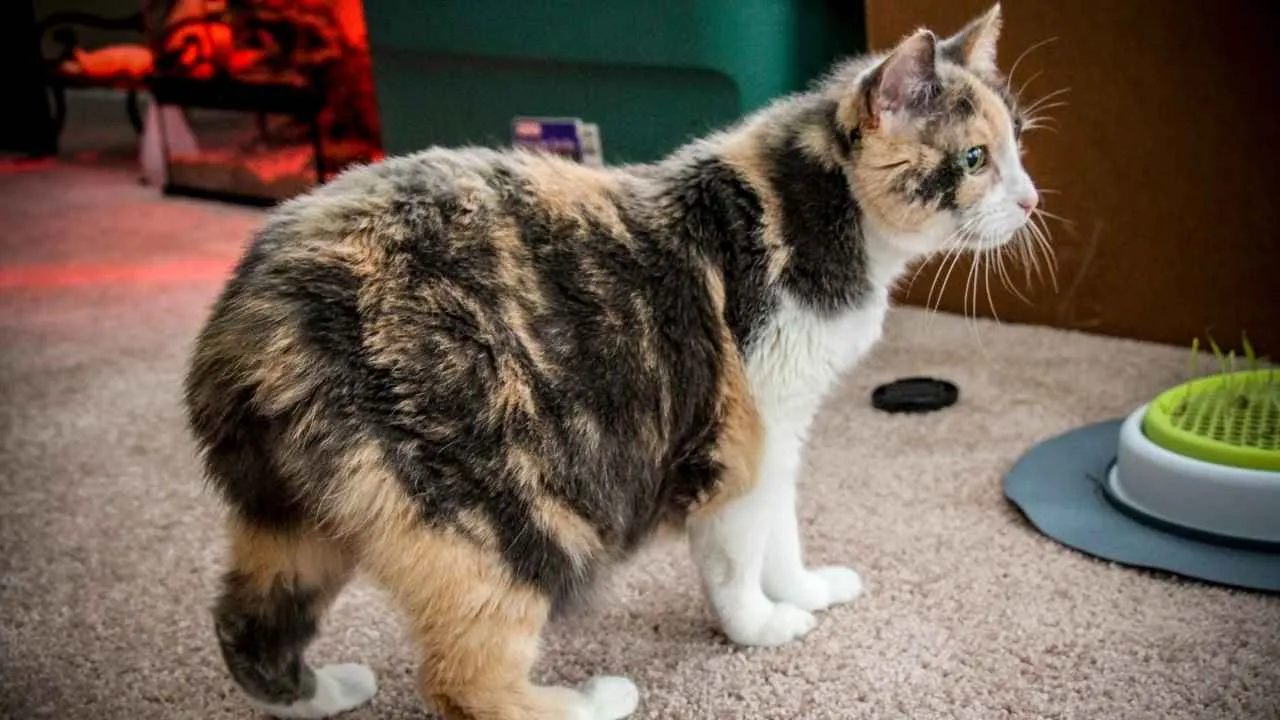
The Manx—also known as the “rumpy” or “stubbin” in its homeland—is a sturdy, friendly cat from the Isle of Man famous for its naturally shortened (or missing) tail. That quirky silhouette makes it instantly recognizable, and its confident personality fits well with outdoor-minded homes.
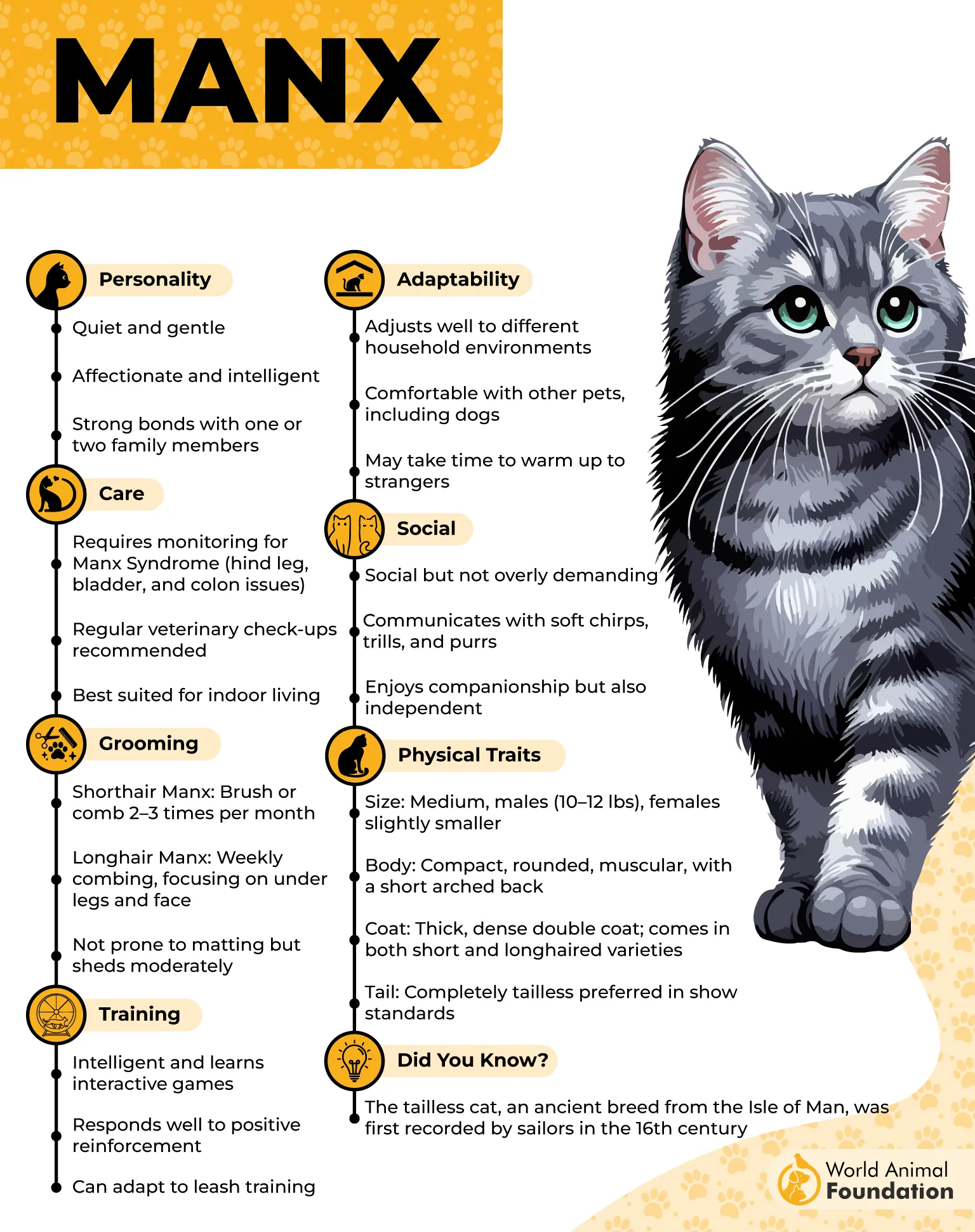
For gardeners, the Manx brings serious “yard supervisor” energy. It enjoys the stimulation of fresh air, sunshine, and a space to explore, which can pair beautifully with potting, pruning, and long weekends outside. Just remember: this breed’s strong hunting drive can become part of your daily routine.
The best setup is a secure garden, enclosed yard, or catio where your Manx can roam safely without the risks of unrestricted outdoor access. Add climbable features and interactive play zones that let them stalk and pounce in healthy, controlled ways.
Because outdoor time can expose cats to pests, keeping routine vet care up to date is important.
Fast fact: Manx cats were historically kept on ships and farms in the 19th and 20th centuries to help control rodent infestations.
Conclusion
Gardening-friendly cats can be a joy when their instincts and your garden’s needs line up. Whether you prefer outdoor cats that patrol like barn cats or a calmer house cat that simply likes to spend time nearby, the best match is the one you can manage responsibly.
Breeds and personalities vary—some people love a maine coon cat for its confident presence, while others prefer the quieter vibe of a russian blue—but the goal stays the same: a cat that fits your space, routine, and tolerance for mischief in the beds.
With the right setup, cats can help catch mice, yet it’s important to protect birds and other wildlife when your pet explores the outside world. Balance their freedom with supervision, safe boundaries, and enrichment so your garden stays thriving—and your cat stays happy.
