




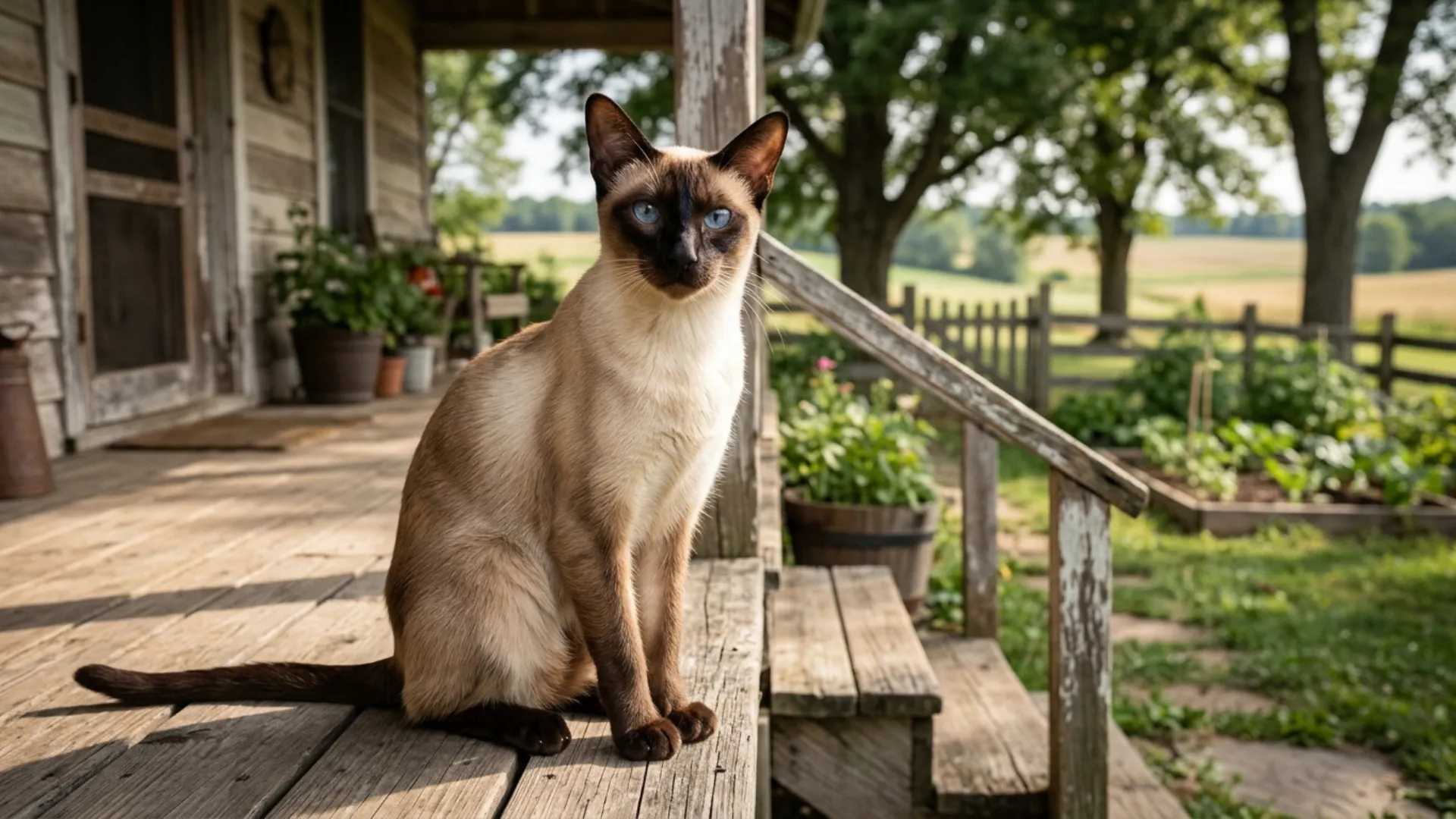
A farmhouse offers plenty of space for cats to explore, patrol barns, and investigate their surroundings. Some felines naturally enjoy this environment, where their curiosity and hunting instincts can help keep mice and other rodents under control.
However, not every cat is suited to outdoor farm life. Temperament, physical resilience, and previous experience all influence how well a feline adapts to rural surroundings.
Explore cat breeds that may thrive on farms and learn why proper shelter, fresh water, vaccinations, and regular veterinary care remain essential for their well-being.
Best Cat Breeds for Farmhouses
1. Maine Coon
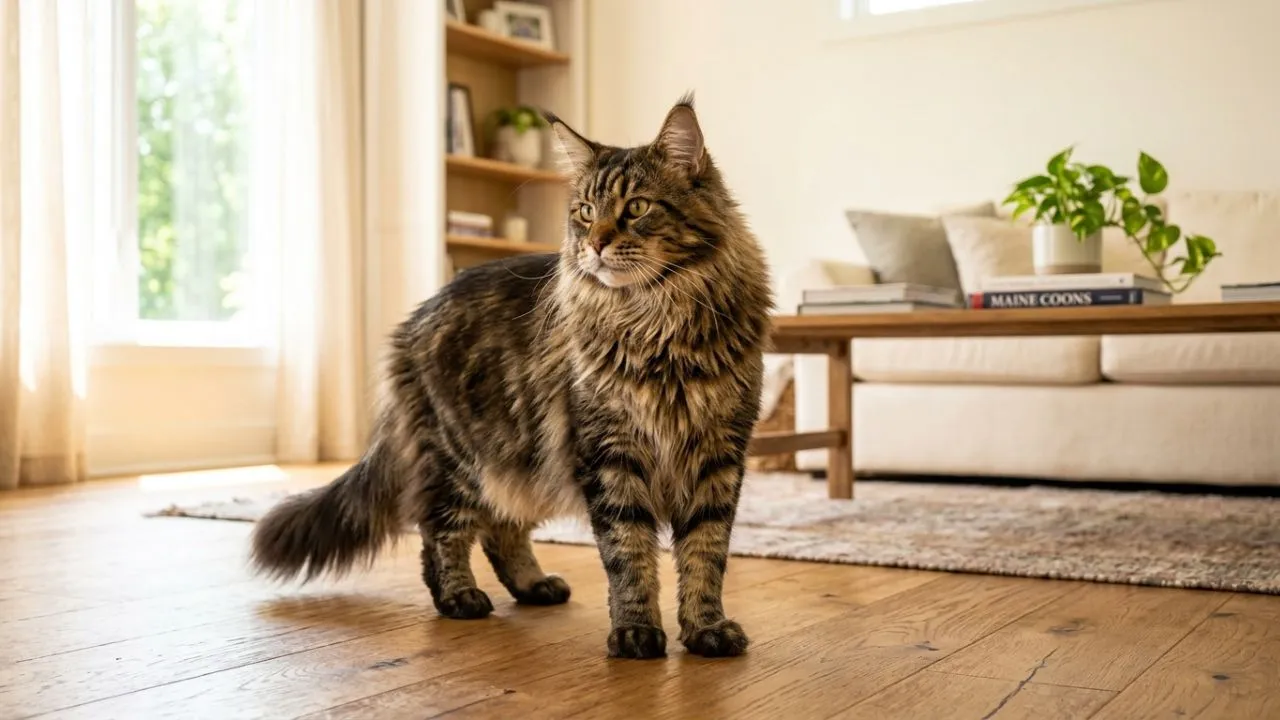
Maine Coons are often called gentle giants because of their large size and friendly nature. Their strong hunting abilities make them useful companions around farmhouses, where rodents may be a concern.
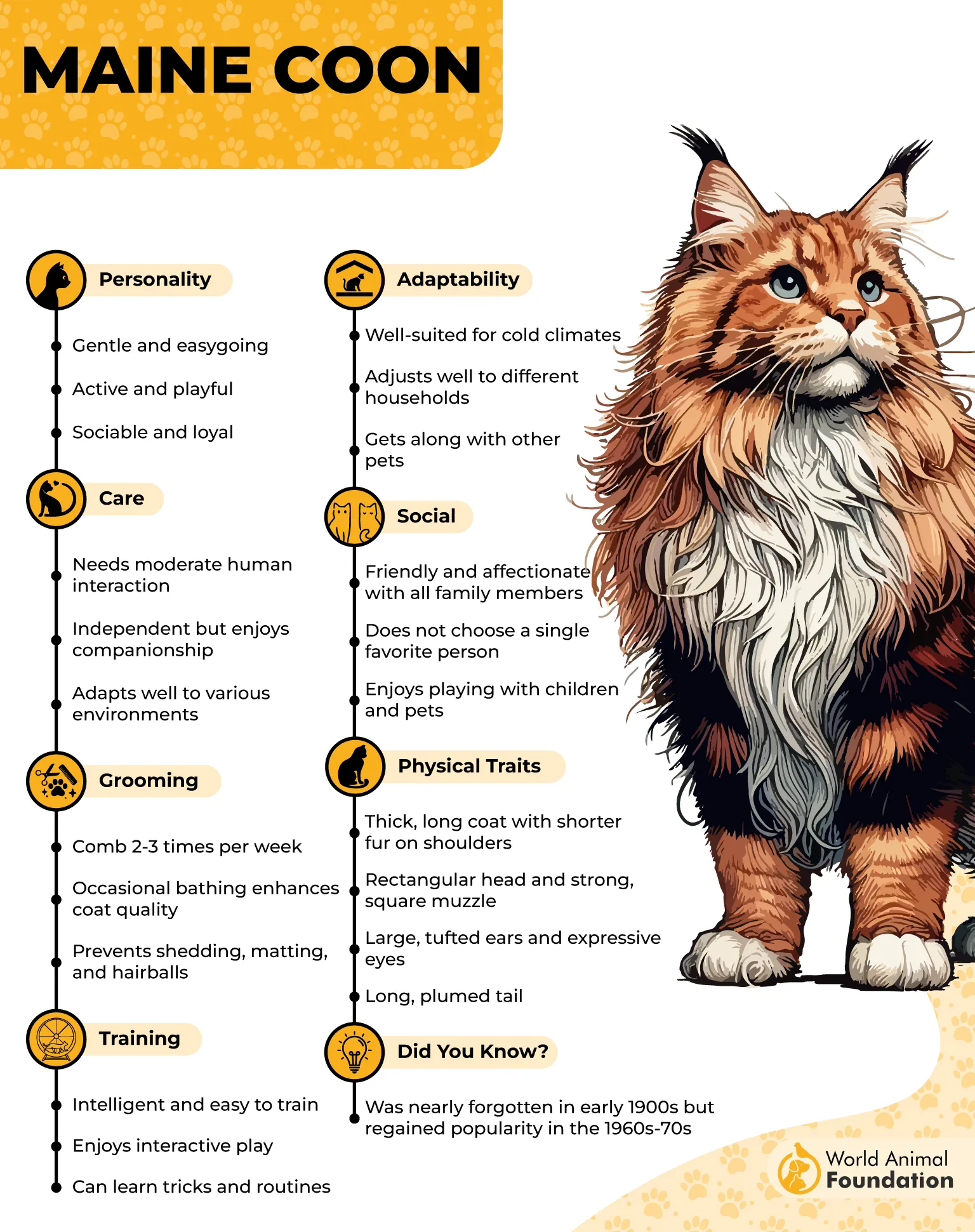
These sociable cats can coexist with other household animals and enjoy spending time with their families. However, they are also comfortable entertaining themselves, making them suitable for homes where they can explore independently.
Their long, thick coats provide insulation in cold weather, while their sturdy bodies support an active lifestyle. They can adapt to indoor living or spend part of their time in suitable barn environments.
How This Breed Stands Out
Strong mousing instincts: Naturally skilled hunters, Maine Coons can help keep rats and other small rodents under control.
Hardy build for outdoor exploration: Their substantial frame and insulating coat suit them for exploring farm surroundings in cooler conditions, and on working properties they may choose warm resting spots such as a hayloft to sleep between patrols.
2. Siamese

Siamese cats are athletic, inquisitive, and energetic, making them engaging companions for farm environments. Their natural curiosity encourages them to investigate their surroundings, while their hunting abilities can help control unwanted rodents around the property.
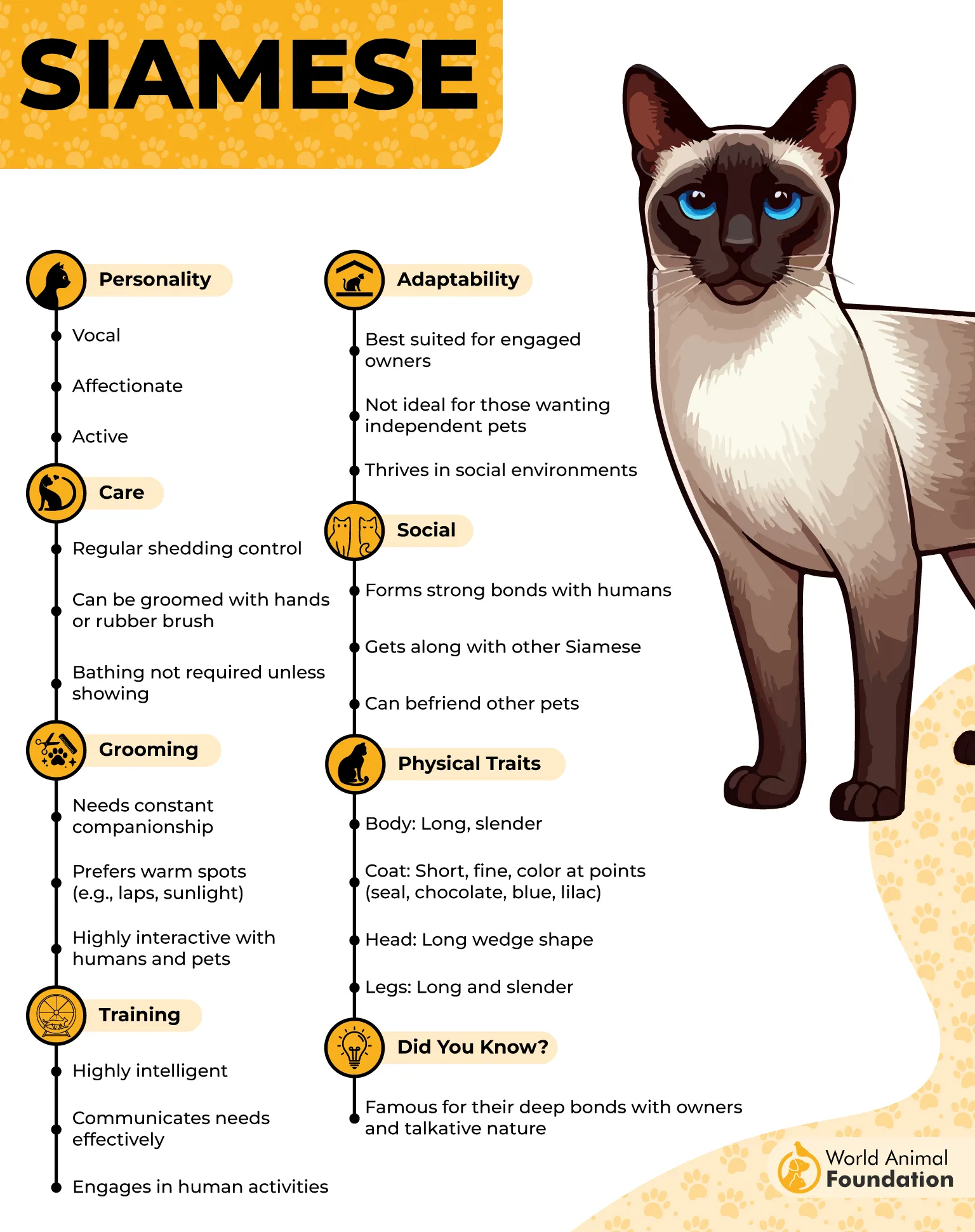
Unlike more independent cats, Siamese enjoy being involved in household activities. They seek regular interaction with their owners and readily communicate their needs, so they may not suit a farm where cats receive little human attention.
Their distinctive appearance features a light-colored body with darker markings on the face, ears, legs, and tail. Their playful temperament and alertness make them interesting companions to have around a busy farmhouse.
How This Breed Stands Out
Alert, curious nature: Siamese cats enjoy investigating their surroundings and may readily notice activity around the farmhouse.
Vocal communication around the property: These expressive cats frequently use their voices to interact with people and communicate their needs.
3. American Shorthair
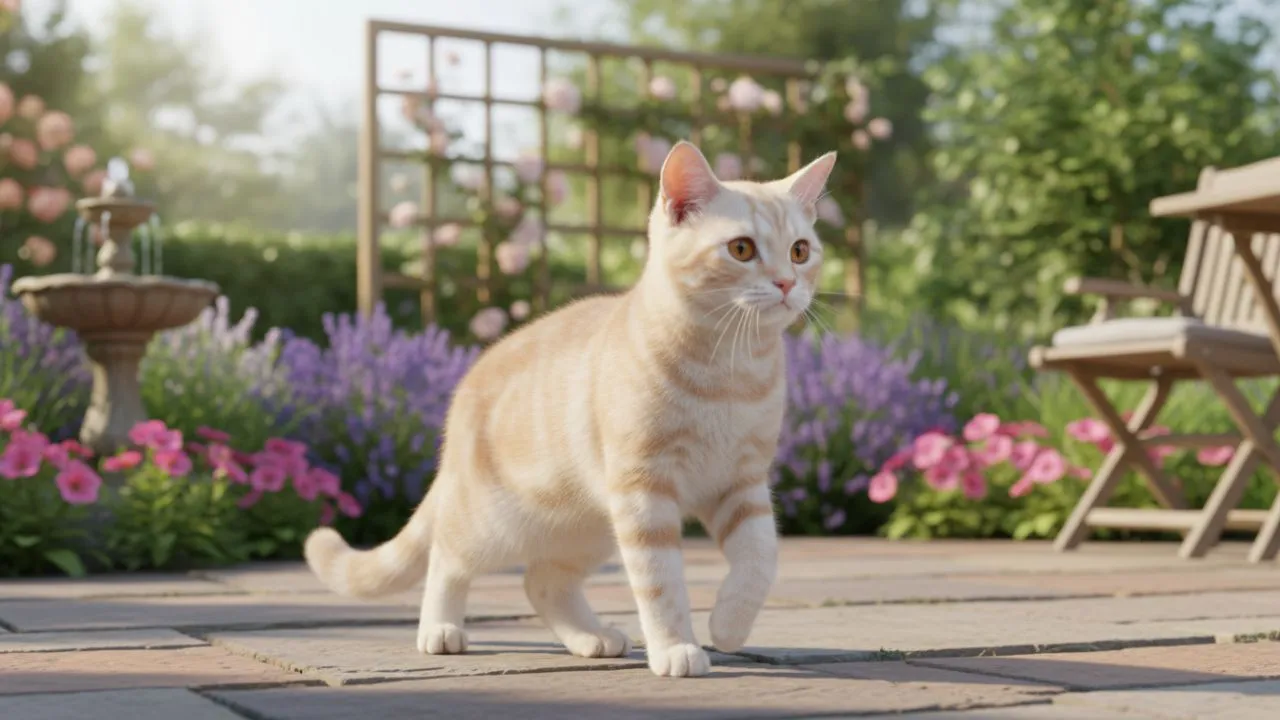
American Shorthairs have a long history as working cats, with their ancestors brought to North America to protect food supplies from rodents. Their natural hunting abilities and inquisitive personalities make them well suited to farmhouse environments.
According to PetMD, American Shorthairs are medium-sized cats with muscular bodies and gentle personalities reflected in their sweet expressions.
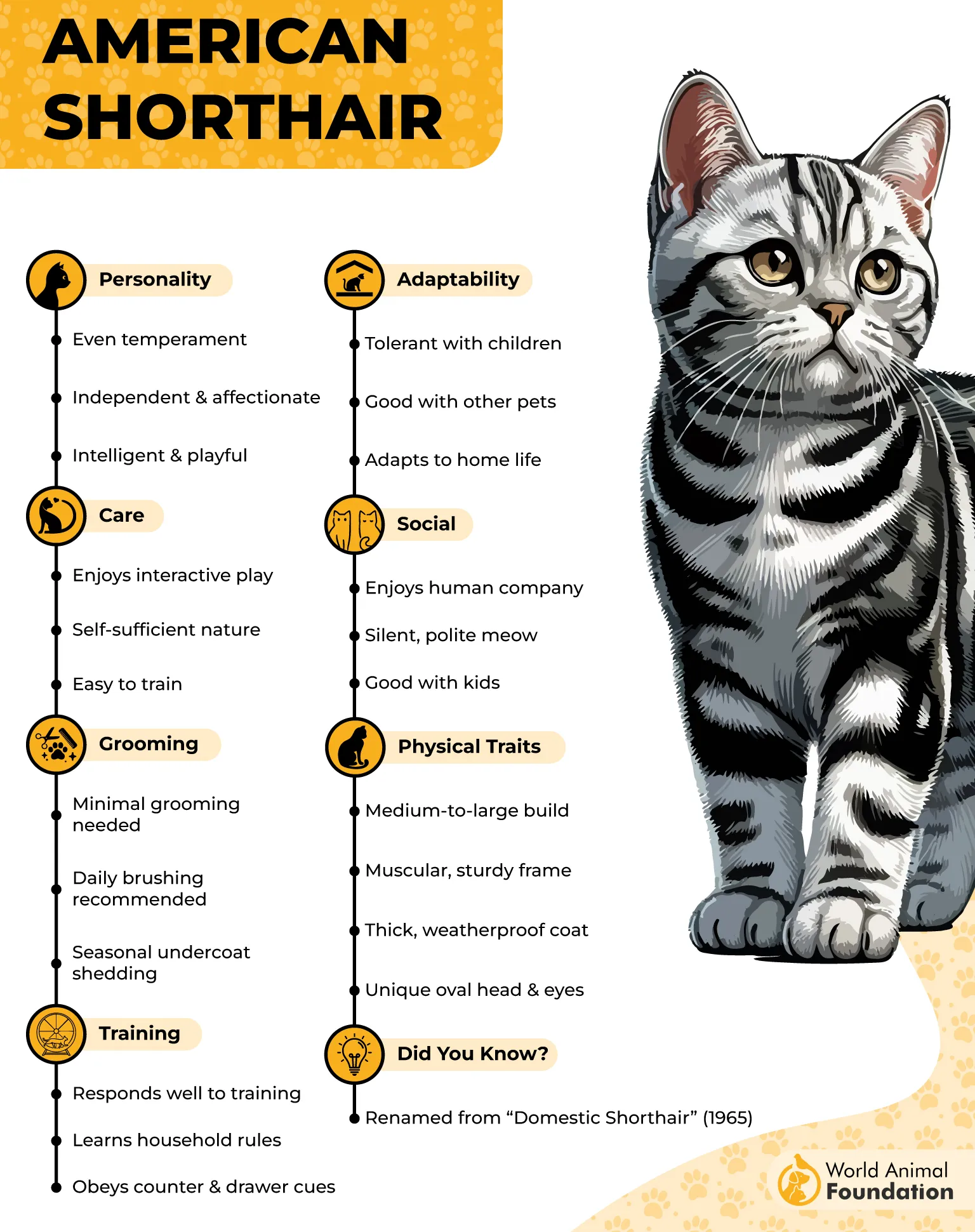
These cats are reasonably independent and can move between barns, sheds, and other outbuildings while remaining comfortable around people. Their adaptable temperament allows them to coexist with household members without requiring constant attention.
Beneath their short coat, American Shorthairs have muscular bodies built for active movement. Their fur requires minimal grooming, making routine care relatively straightforward compared with longer-haired breeds.
How This Breed Stands Out
Traditional barn-cat hunting heritage: Their history of protecting stored food from rodents reflects their strong instincts for catching mice.
Sturdy body and easy-care coat: A muscular build supports an active lifestyle, while their short fur needs relatively little maintenance.
4. Siberian
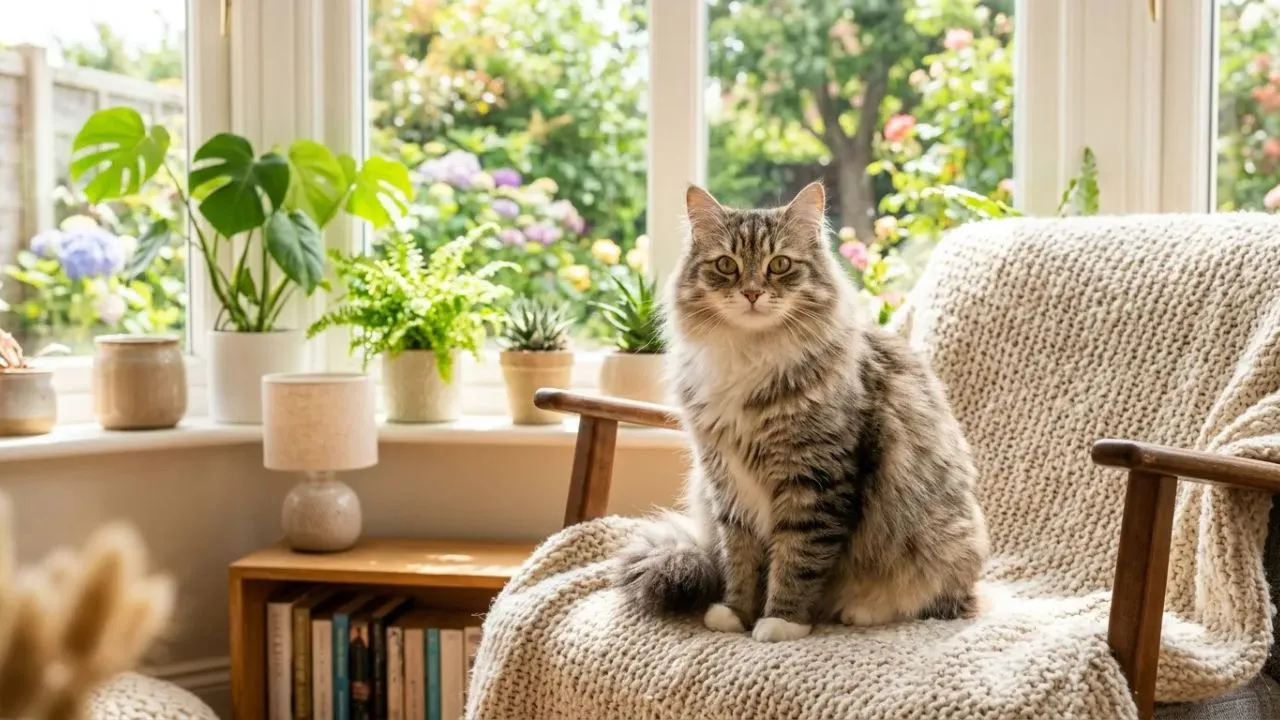
Originating in Russia, Siberian cats developed in harsh climates, giving them a robust physique and a dense, triple-layered coat. Their fur helps provide protection against cold, damp conditions, making them particularly suitable for farms in chilly regions.
According to WebMD, these domestic cats are a large, affectionate breed known for their friendly, sociable, and curious nature, making them suitable companions for many different types of households.
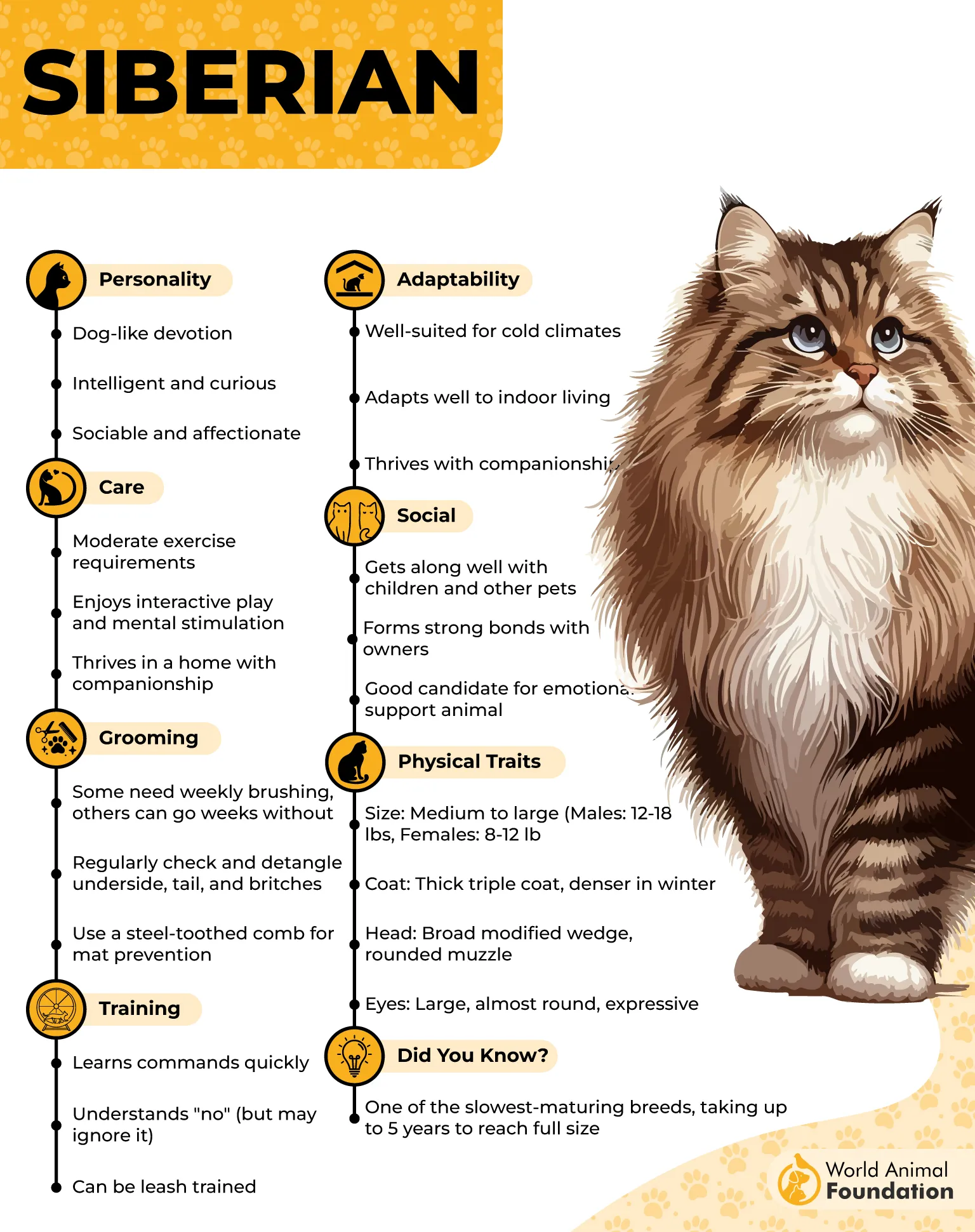
Their independent nature allows them to explore the property and pursue small rodents without needing constant attention, much like shelter-sourced domestic shorthairs that are also commonly used as working cats on farms due to genetic diversity.
These playful, powerful cats are also known for their agility. Their natural athleticism helps them navigate varied surroundings, including elevated surfaces like a hayloft or rafters, where they can climb and jump with ease, then settle into a sheltered spot to sleep.
How This Breed Stands Out
Thick coat for chilly weather: Their dense, layered fur provides insulation and helps them cope with cold, wet outdoor conditions.
Agile climbing and jumping skills: Their strong bodies and athletic nature help them move confidently across farm surroundings and reach elevated spots such as rafters or a hayloft, where they often seek warmth and protection when they sleep.
5. Chartreux
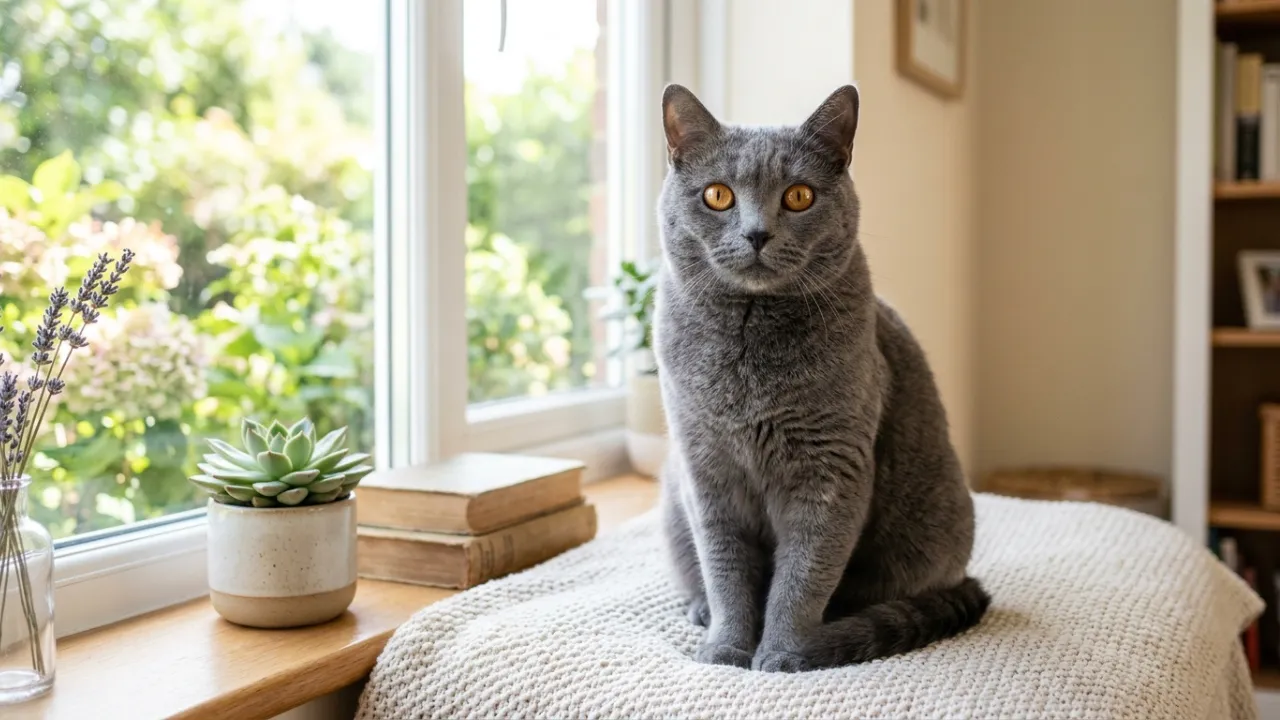
Originating in France, the Chartreux is a sturdy cat recognized by its blue-gray, water-resistant coat and broad, muscular body. Its powerful build and natural hunting ability have made it a valued mouser in traditional farm settings, and it helps to feed farm cats consistently since well-fed hunters usually perform better than underfed ones.
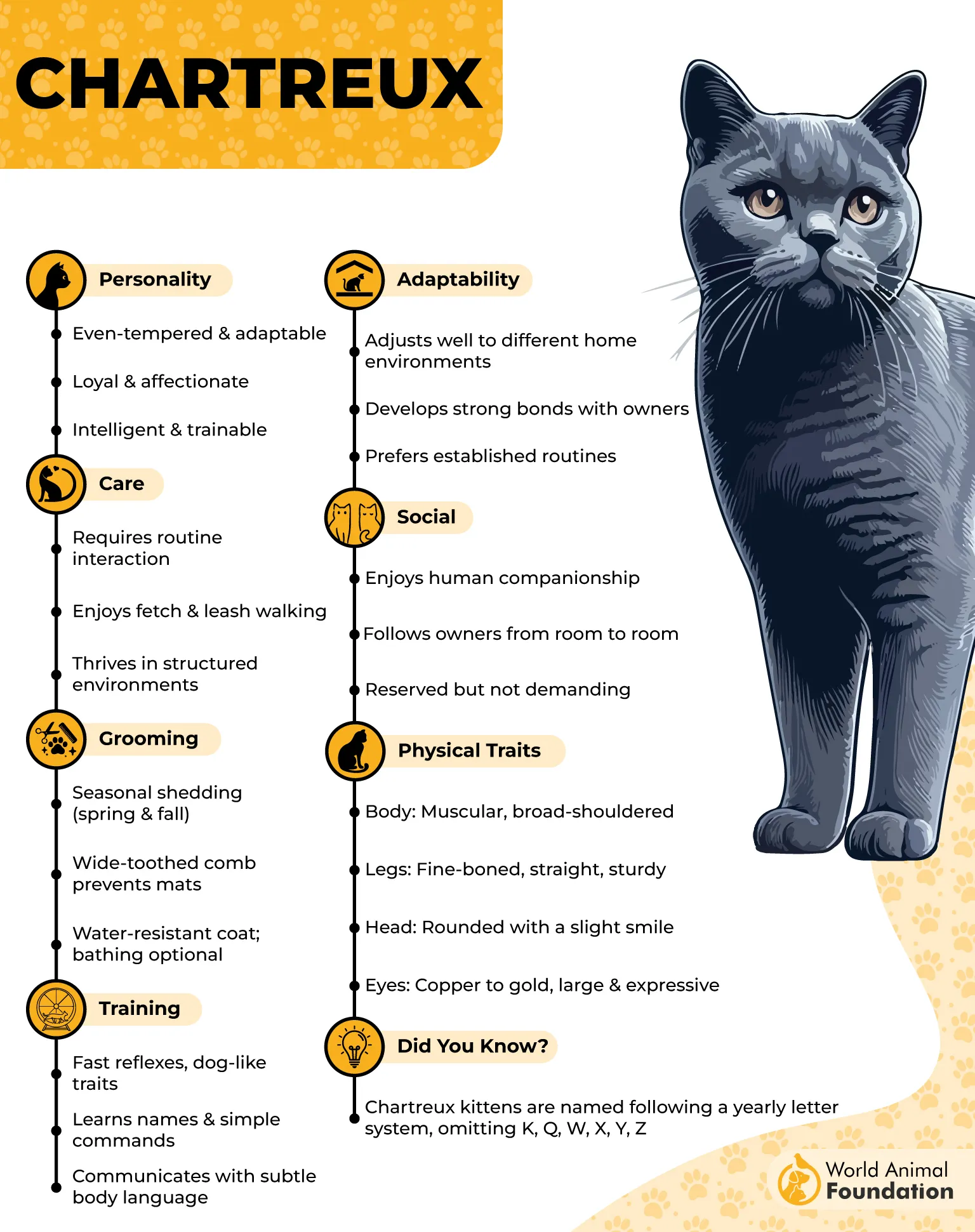
Unlike highly vocal breeds, the Chartreux is typically quiet and reserved. It tends to remain composed around people and other animals without constantly seeking attention, making it suitable for a farmhouse with a relatively peaceful atmosphere.
Despite its calm demeanor, this intelligent cat is energetic and agile. According to Purina, it enjoys active pursuits, including chasing toys and playing fetch, while its independent personality allows it to explore its surroundings.
How This Breed Stands Out
Quiet, efficient rodent hunter: The Chartreux has a long-standing reputation for catching mice and can hunt without making much noise.
Muscular build for active roaming: Broad shoulders, a deep chest, and strong muscles support its movement and hunting activities around the property.
6. American Wirehair
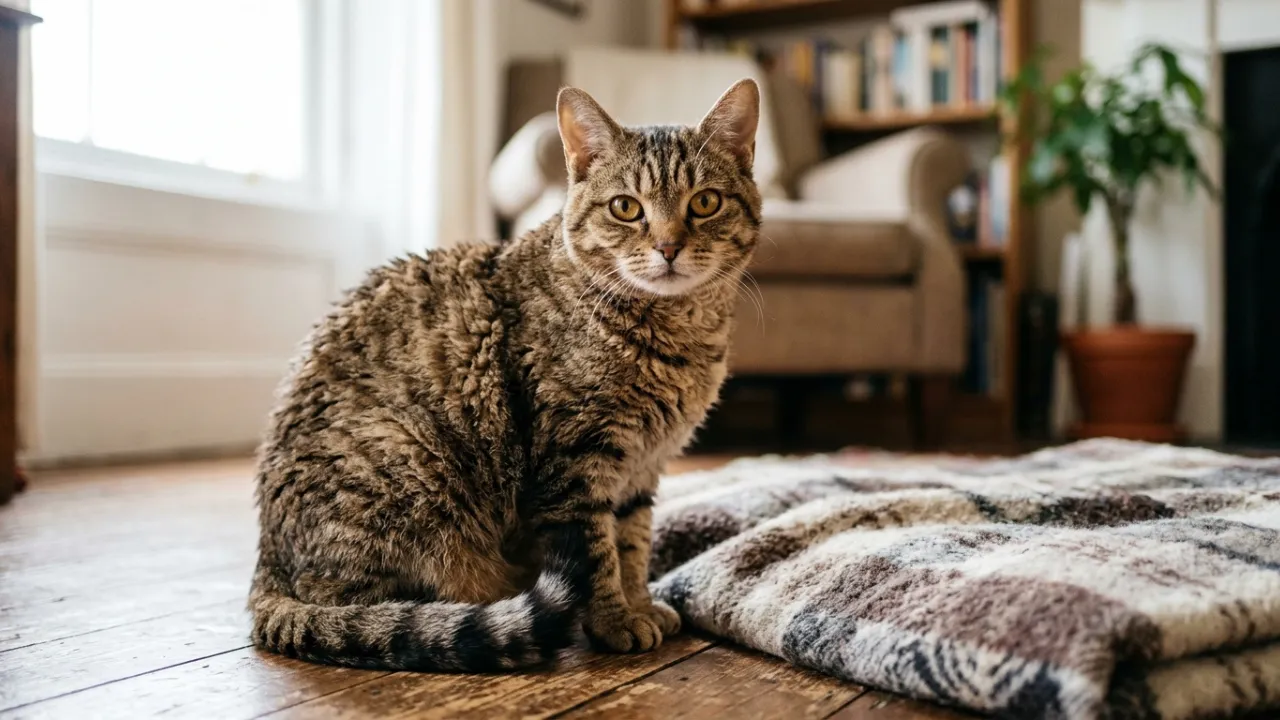
The American Wirehair originated from a spontaneous genetic mutation in a farm-born litter in New York. Its distinctive coat has a dense, springy texture resembling wool, making this breed stand out among other working cats.
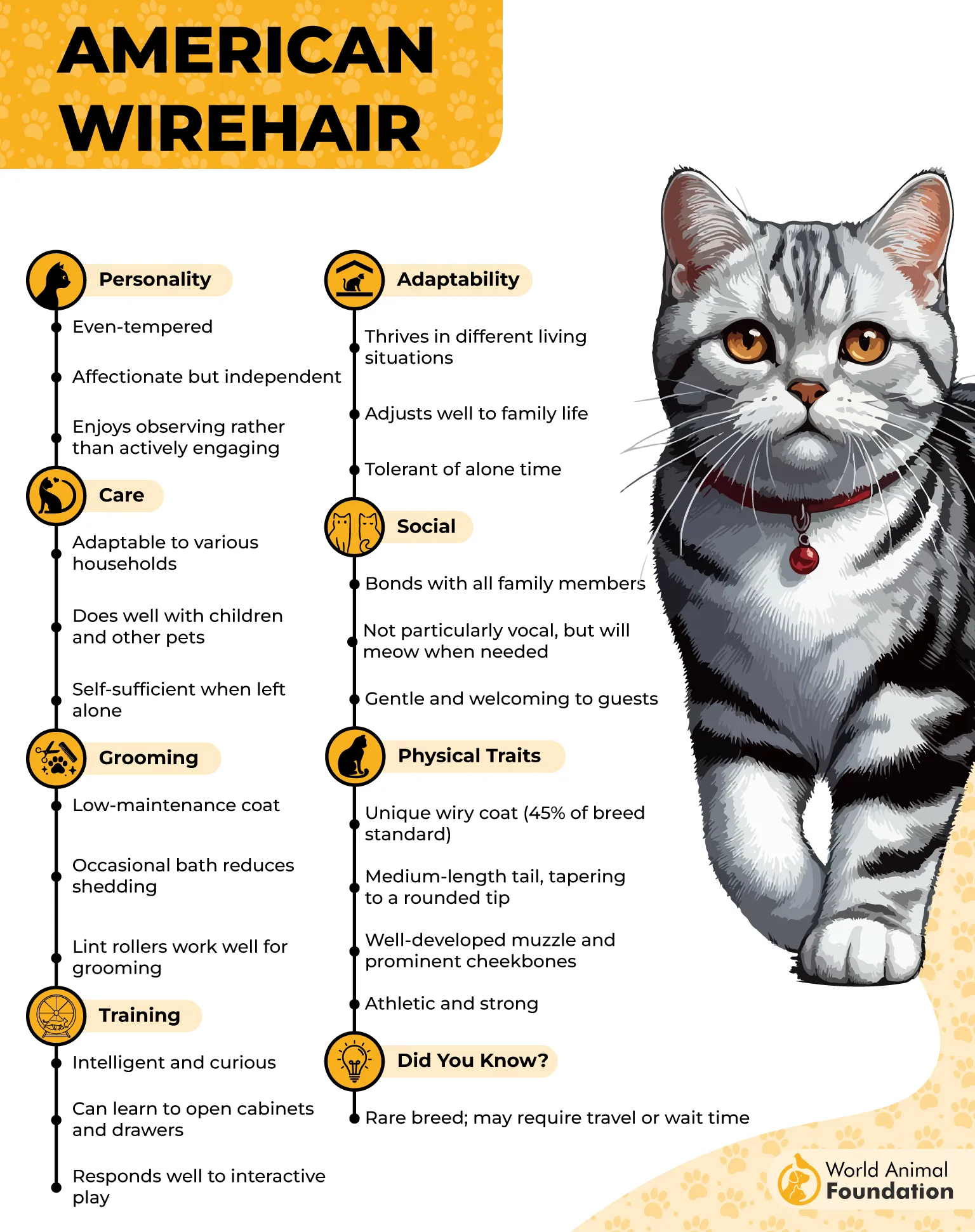
Although not exceptionally energetic, American Wirehairs enjoy exploring their surroundings. Their natural prey drive makes them capable hunters, helping deter mice and rats around barns, sheds, and farmhouse storage areas.
Closely related to the American Shorthair, these cats share a similar overall appearance and make friendly family companions. Their curious nature allows them to investigate different areas of a property while remaining comfortable around their human household.
How This Breed Stands Out
Resilient, springy coat texture: Its unusual, wiry fur has a dense, wool-like feel that distinguishes the breed from smooth-coated cats.
Playful hunting instincts: A strong prey drive encourages these cats to pursue small rodents and explore their surroundings.
7. Manx
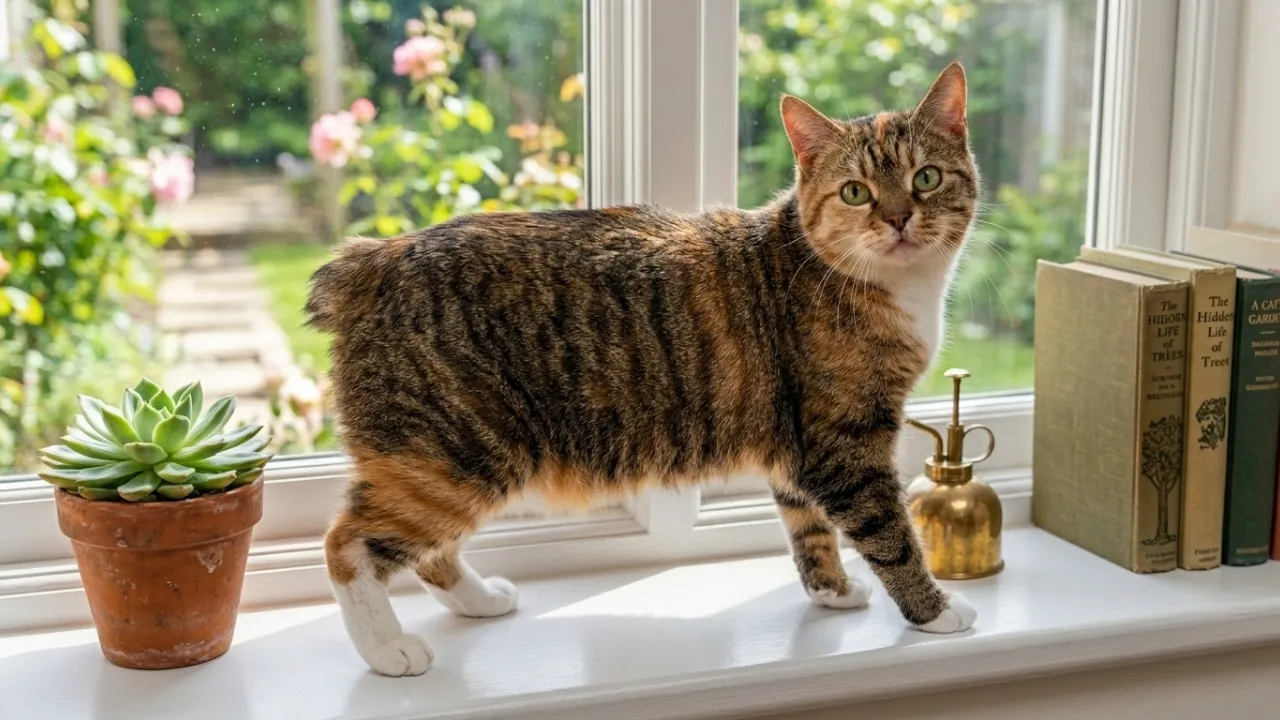
Originating from the Isle of Man, the Manx has a long history as a working cat on farms and ships. Its distinctive tailless or short-tailed appearance, rounded body, and nimble movements make it easy to recognize.
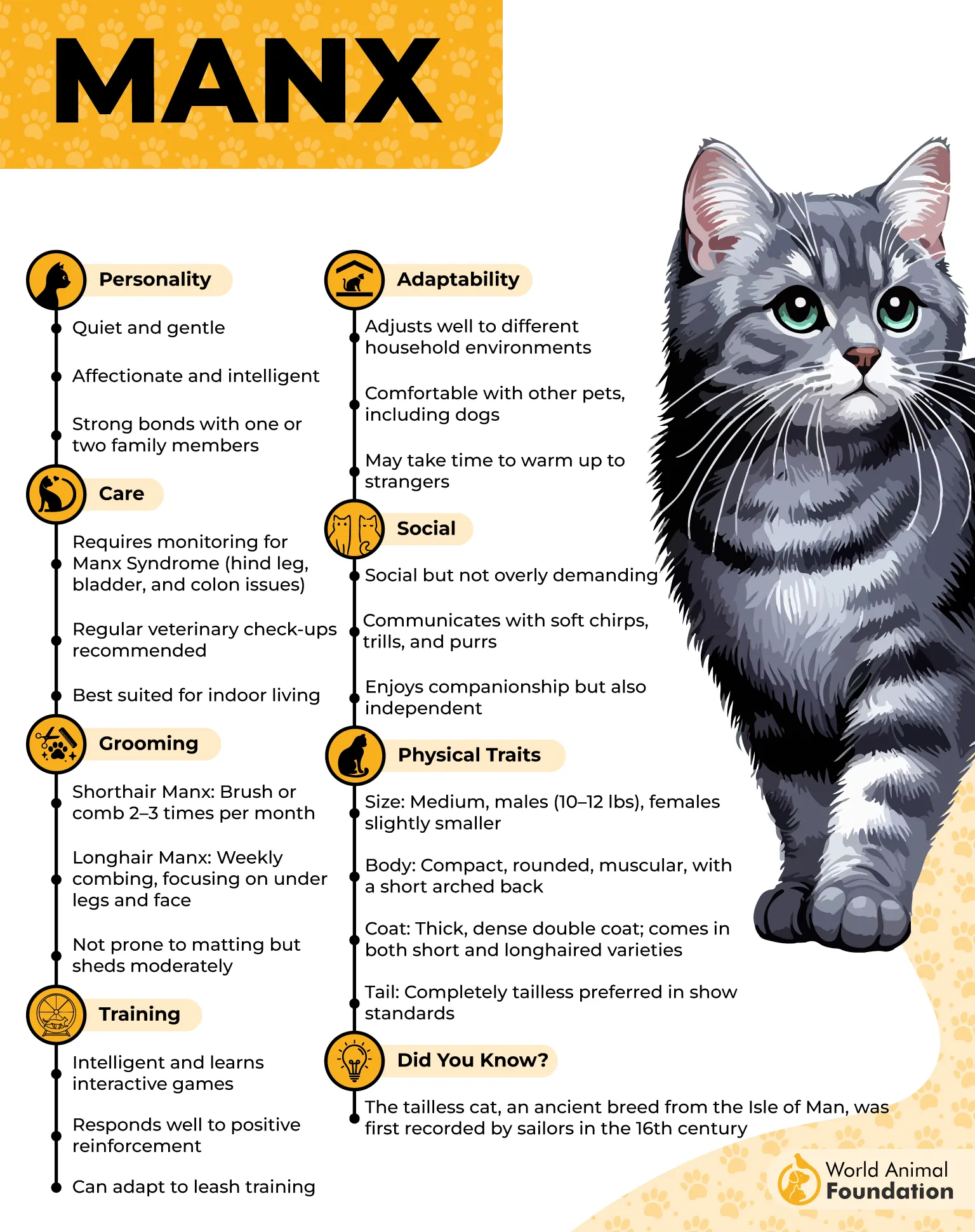
These cats are celebrated for their rodent-catching abilities and have served as farm companions for generations. Their hunting instincts make them useful around barns and storage areas where mice may become a nuisance.
Beyond their working skills, Manx cats are playful and friendly, often forming strong attachments to their families and homes. They can also get along well with other household pets, making them suitable for busy farm environments.
How This Breed Stands Out
Powerful hind legs for quick bursts: Their strong rear legs support nimble movement and help them accelerate during playful chases.
Natural rodent-catching ability: Manx cats have a longstanding reputation as skilled mousers, making them valuable companions around farm buildings.
Conclusion
Choosing a domestic cat for a farmhouse means considering its hunting instincts, temperament, and ability to adapt to changing surroundings. The right companion can help manage rodents while bringing warmth and personality to rural life.
Cats with curious natures and independent habits can explore barns, sheds, and other farm areas. Their natural instincts may help keep unwanted pests under control.
A suitable farm cat should also fit comfortably into your household. Friendly behavior, compatibility with other animals, and manageable grooming needs can make daily care easier.
Provide a safe environment, nutritious food, fresh water, shelter, and regular veterinary care to support your cat’s well-being. With proper attention and space to explore, a farmhouse cat can enjoy an active, comfortable life while becoming a valued part of the household.
