




Cats get labeled as aloof while dogs take the “devoted best friend” crown—but anyone who shares a home with a feline knows there’s real affection behind that cool exterior. In fact, many cat owners say their cats show a wide range of emotions, and affection is one of the most common. That’s good news for families hoping a cat can be more than a quiet roommate.
If your household includes young children (or a couple of other pets), breed temperament matters. Some cats are naturally more social, patient, and easygoing—traits that can make day-to-day life smoother when little feet are running, toys are clattering, and routines are busy. The right match can be a snuggly sidekick and a relatively low-maintenance addition to the family.
As Teresa Keiger, an all-breed judge with The Cat Fanciers’ Association, points out, families should look closely at their own habits before choosing. Are kids gentle and respectful? Can they remember doors? How active is your home? Ahead, we’ll cover 7 cat breeds known for fitting especially well with families raising young kids.
Best Cat Breeds for Families with Kids
1. Ragdoll
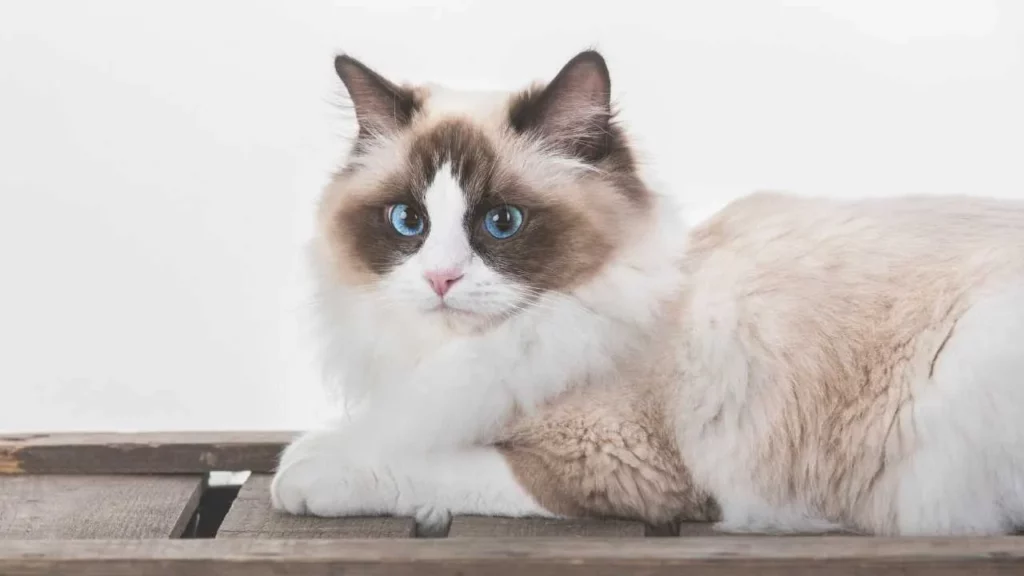
The Ragdoll—sometimes called a “gentle giant”—is a large, long-haired cat famous for bright blue eyes and an easygoing, cuddly personality.
Britannica states that the Ragdoll is a long-haired cat breed known for relaxing its muscles when picked up, causing it to go limp like a rag doll.
What makes them kid-friendly is their calm, affectionate nature. They enjoy attention without being demanding, often choosing to stay close to their people and soak up affection—an ideal mix for children learning how to be gentle and respectful.
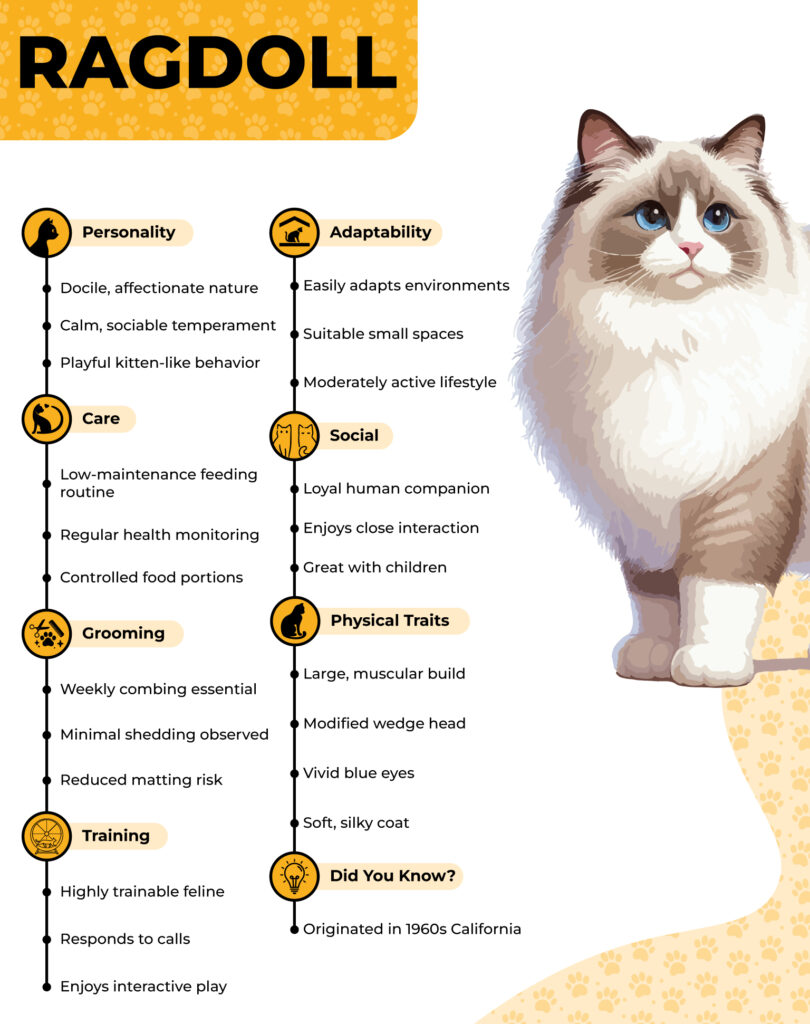
Ragdolls also tend to do well in busy households, including homes with other cats and dogs. They’re social without being hyper, and they’d rather lounge near the family than camp out on the highest shelf, which can make supervision easier with younger kids.
Even with their laid-back vibe, they’re smart and playful in a “just-right” way—some can even learn games like fetch.
Fast fact: Ragdolls are not hypoallergenic, even though they’re known for being wonderfully cuddly.
2. Maine Coon
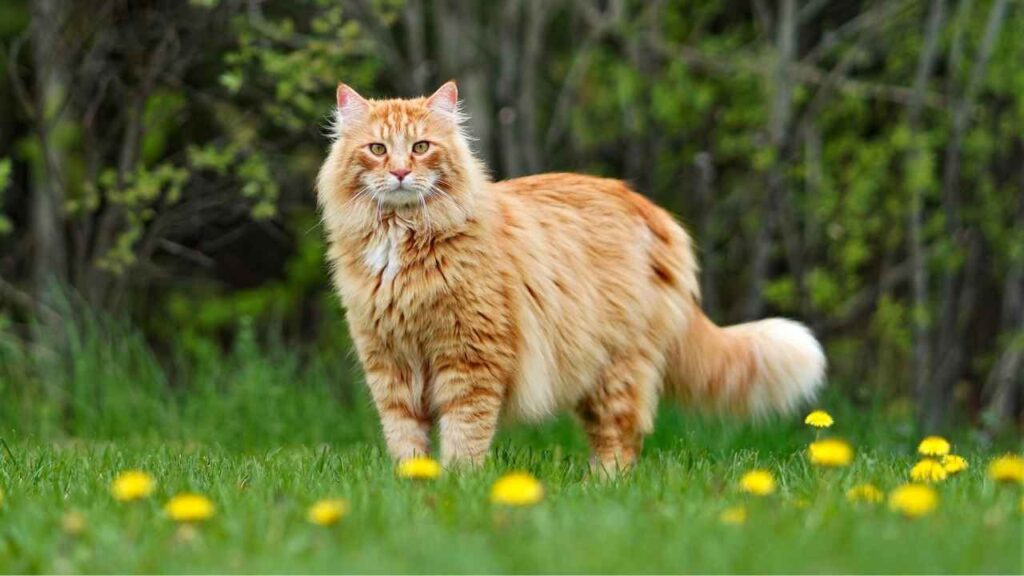
The Maine Coon—often described as a gentle giant with a shaggy, heavy coat and a friendly, “dog-like” vibe—is a standout pick for families. Big and steady, this breed is known for being smart, relaxed, and surprisingly easygoing around children.
PetMD notes that the Maine Coon—fittingly named—originated in Maine, where the breed is still recognized as the official state cat.
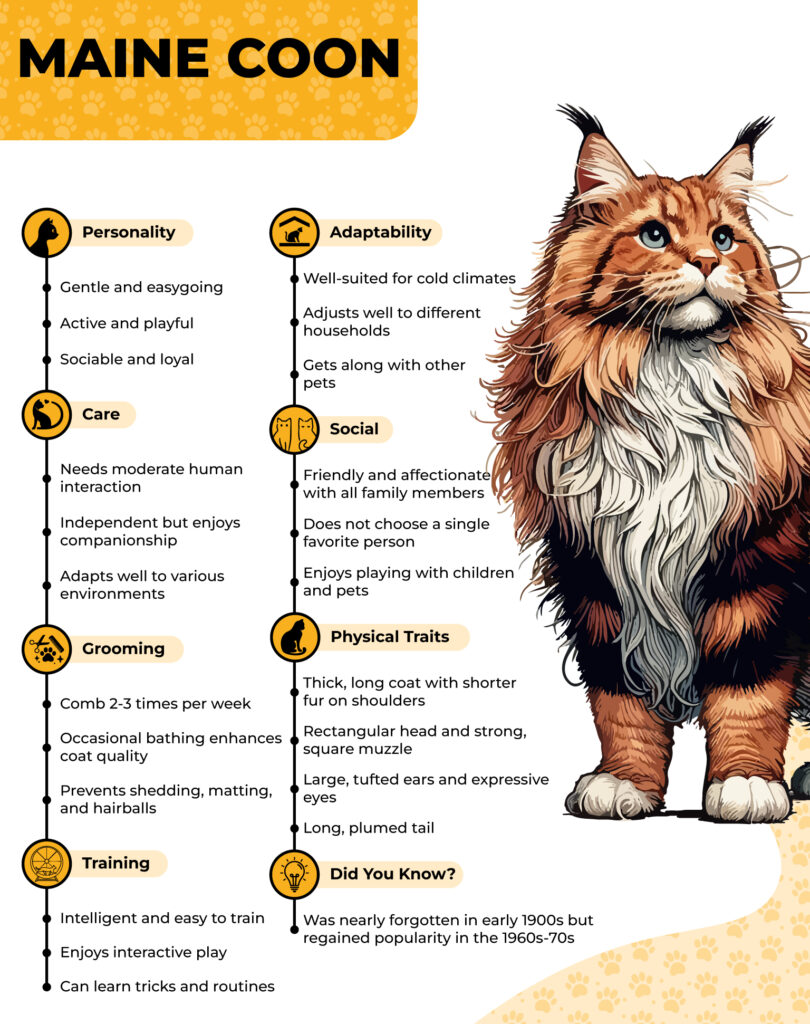
What makes them kid-friendly is their calm confidence. Maine Coons tend to be patient playmates for kids who’ve learned to be gentle and respectful, and they’re less likely to get frazzled by normal family noise compared with more sensitive cats.
They’re also a strong choice for multi-pet homes. Many Maine Coons live peacefully alongside other cats and even cat-friendly dogs, which helps busy households avoid constant introductions and territorial drama.
Another family win: they’re highly trainable. With positive reinforcement and treats, kids can teach simple tricks and build a bond through fun, structured play.
Fast fact: Early Maine Coons in New England often had polydactylism—extra toes—and while it’s usually disallowed in show rings, the trait isn’t linked to other health problems.
3. Birman
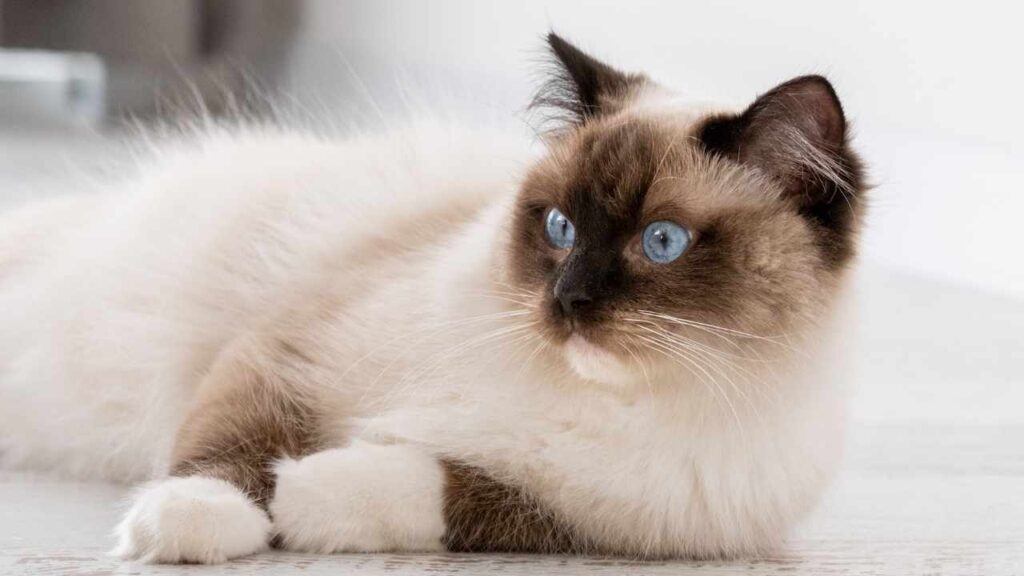
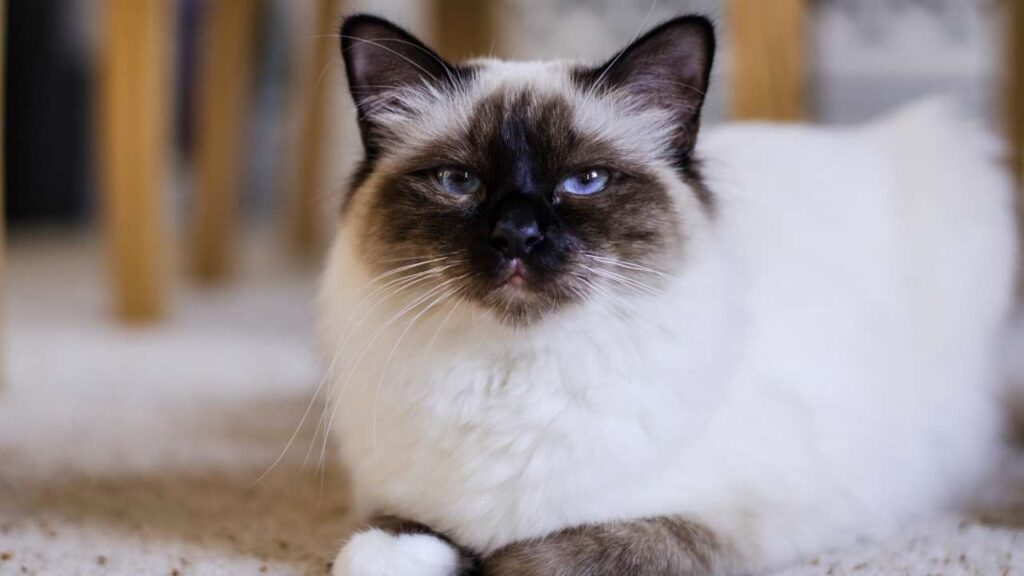
The Birman (often described as a “color-point” cat) is a medium-sized, sturdy feline with long, silky fur, bright blue eyes, and signature four white paws.
Their coat stays lighter on the body with darker shading on the face, ears, legs, and tail, giving them a polished, storybook look. WebMD states that Birman cats are loyal and affectionate, and they enjoy staying close to their owners’ side.
For families, Birmans shine with a gentle, quiet, and loving temperament that suits busy homes without feeling fragile. They’re typically patient and tolerant with kids—as long as children play respectfully—making them a strong pick for households that want a calm, cuddly companion.
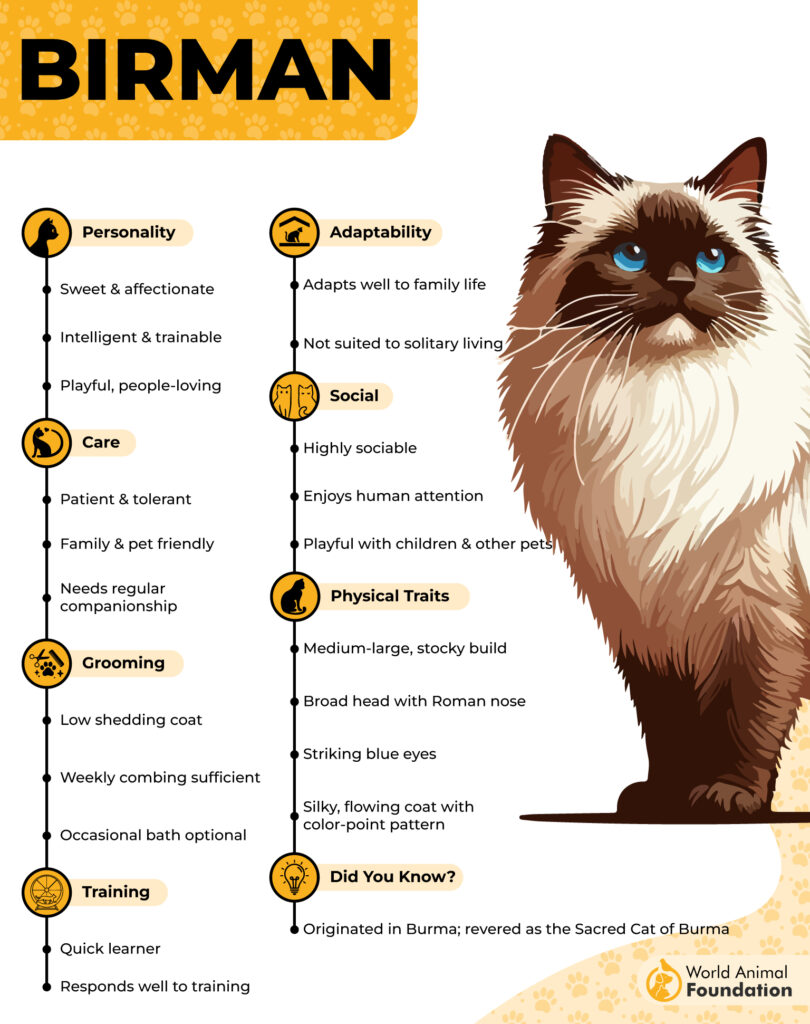
They’re also famously social. Many Birmans act like little “helpers,” trailing family members from room to room and joining whatever’s happening, whether it’s playtime or chores. That “Velcro cat” vibe is great for kids who want a cat that actually wants to be involved.
Even so, they can be a bit shy in unfamiliar situations, so a steady routine and soft introductions help.
Fast fact: Every Birman has blue eyes and four white paws.
4. Burmese
The Burmese—also known as the Suphalak (and sometimes called European Burmese for the British type)—is a sturdy, medium-sized cat with a sleek, short coat and a people-first attitude.
Originating in Burma and later developed in the United States and Britain, this breed is famous for being social, chatty, and deeply attached to family.
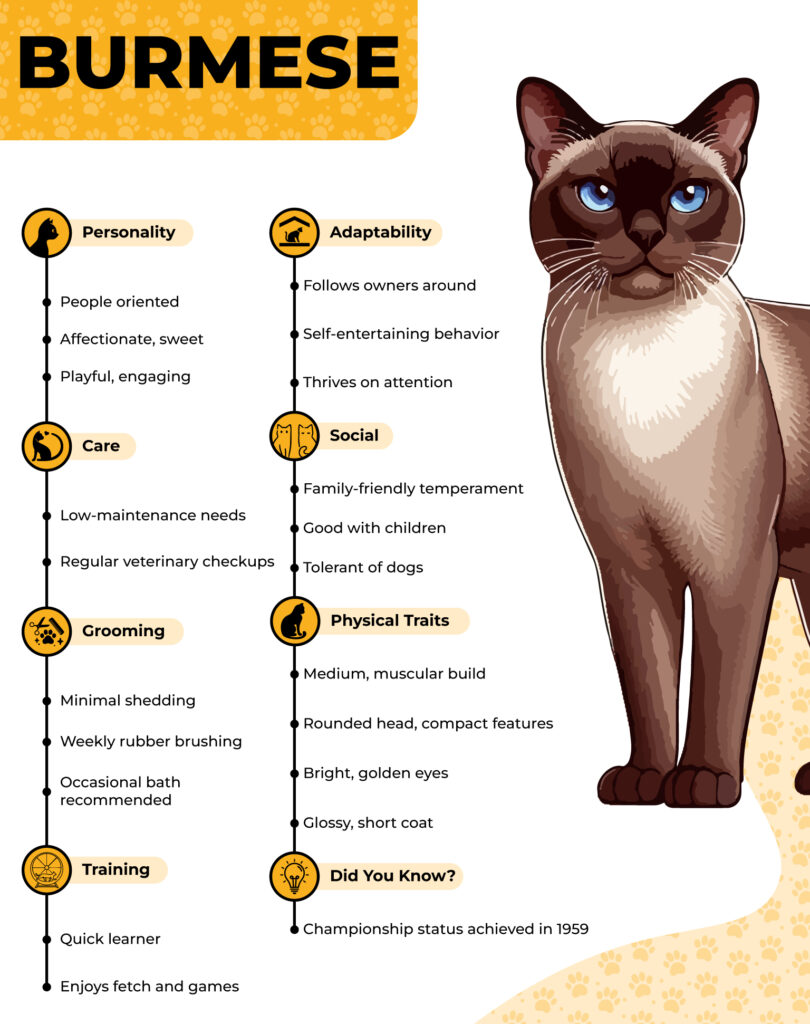
For active households, the Burmese is a kid-friendly star. They stay playful well past kittenhood, meaning children can dish out lots of playtime without “overwhelming” them. Think high energy, quick curiosity, and a confident cat that actually enjoys being in the middle of the action.
They’re also wonderfully adaptable with the rest of the crew. Burmese typically do well with children, other cats, and even dogs, making them a strong choice for busy homes where everyone wants a pet who participates, not one who hides.
This is a follow-you-everywhere feline—room to room, onto your lap, and often right into bed at night—so they’re best for families who are around often.
Fast fact: Burmese are known to love fetch and can act “kittenish” well into adulthood.
5. Manx
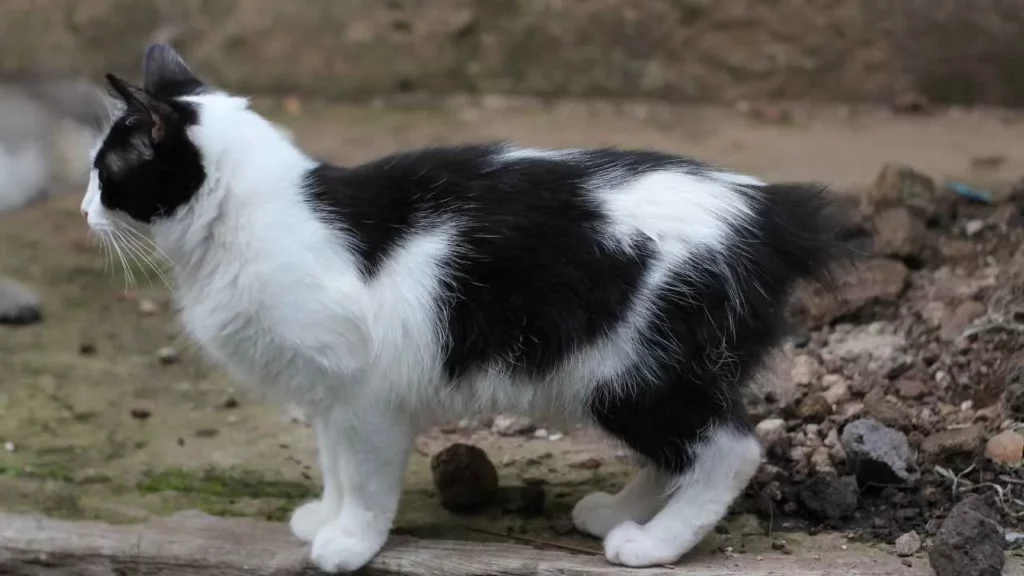
The Manx (often described as a tailless cat, though some have a tiny “stub”) is a friendly, even-tempered breed with a British Shorthair-like look. Its short coat and signature rump give it a distinctive silhouette that kids tend to find instantly fascinating.
For families, the Manx shines as a calm, cuddly shadow who genuinely enjoys being involved in daily life. Gentle by nature, this breed is typically patient with children and fits nicely into a lively household without getting easily frazzled.
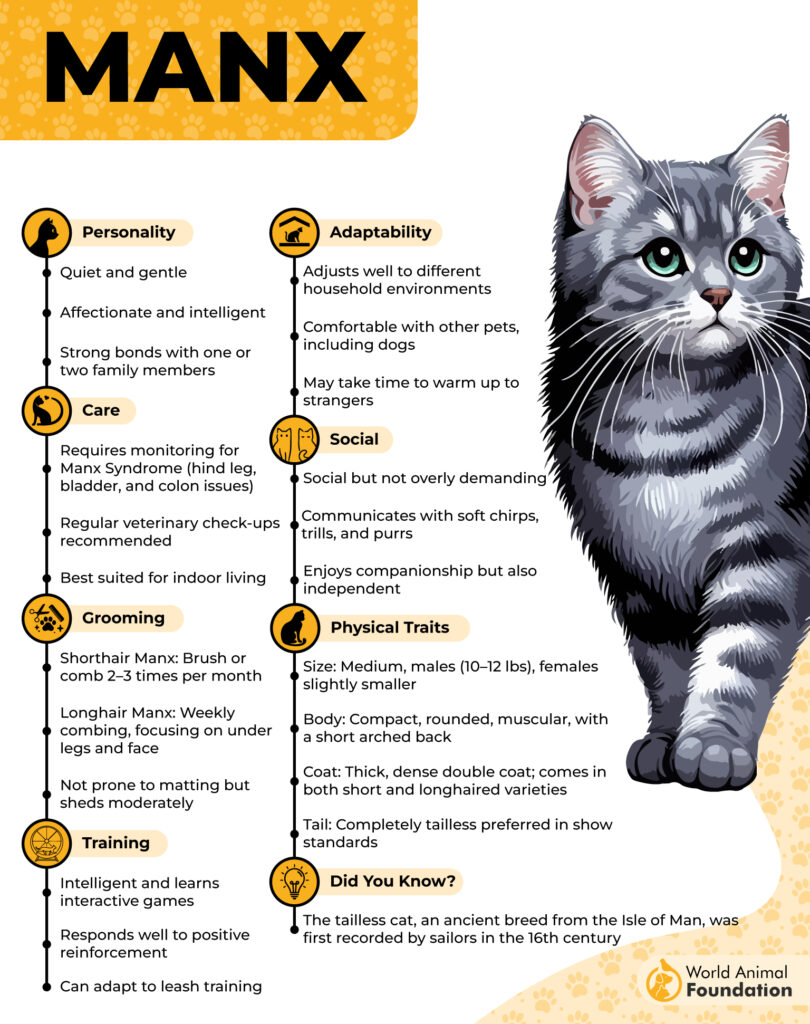
In the low-maintenance department, their short hair keeps grooming pretty simple—think quick, routine touch-ups rather than constant upkeep. They also tend to get along well with other pets, which can be a big help in busy homes where companionship is shared.
The one “catch” is emotional, not messy: a Manx bonds deeply and doesn’t love long stretches alone, so it’s best for families where someone is home often (or where multiple pets provide company).
Fast fact: Not all Manx kittens are born completely tailless—some have a small tail.
6. Exotic Shorthair
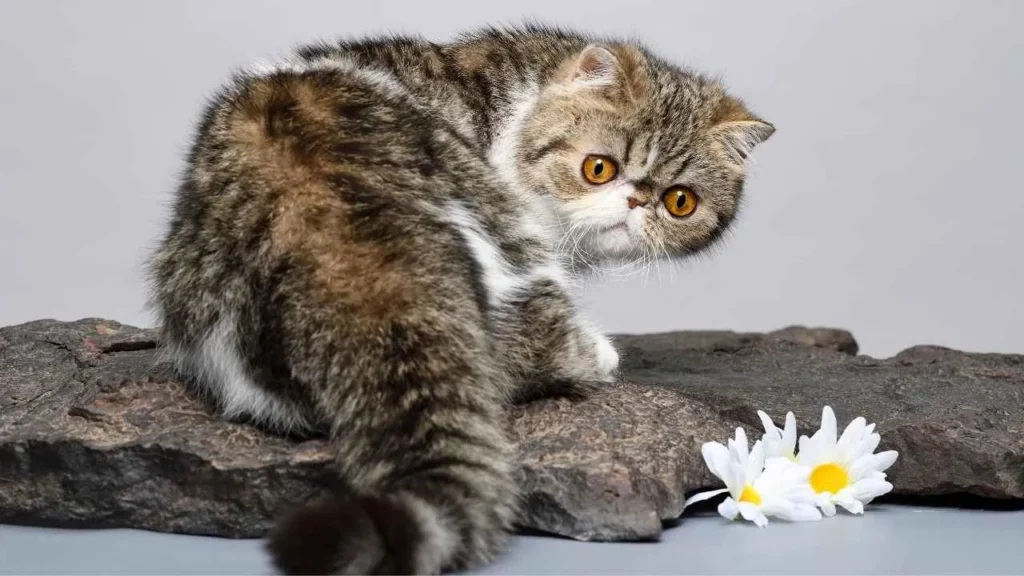
The Exotic Shorthair—often described as the “shorthaired Persian”—has that same round, unforgettable face, but with a short, plush coat. Bred to mimic the Persian’s look and temperament, it’s a friendly, adaptable choice for busy households with kids.
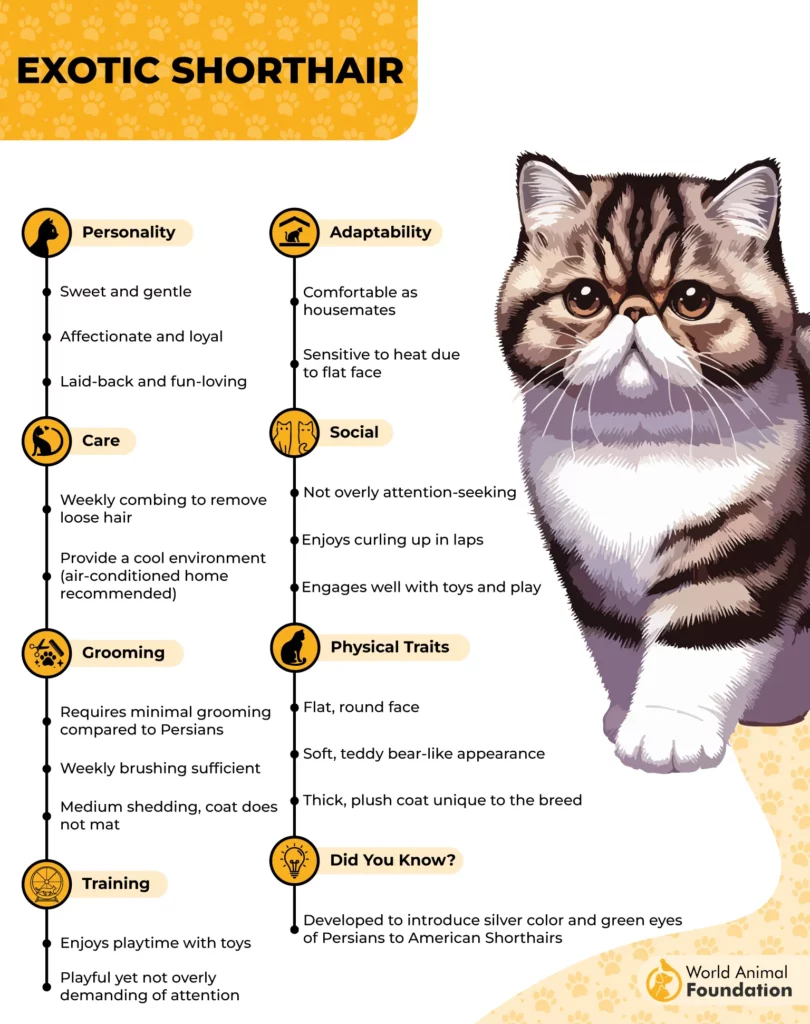
For family life, this breed is sweet, quiet, and affectionate without being clingy. Exotic Shorthairs enjoy hanging out nearby, but they’re not the type to demand constant attention, which can be a great balance in homes with school, playdates, and routines.
If you’re weighing low-shedding options, this cat fits the bill better than many long-haired breeds. Their dense coat still sheds a bit, but typically not as much as a Persian’s, and the grooming load is lighter—more quick maintenance than a full daily routine.
They’re playful and fun-loving with children, yet generally calm and easygoing indoors.
Fast fact: Instead of loud meowing, Exotic Shorthairs often “ask” for attention with just one or two quiet, squeaky mews.
7. Abyssinian
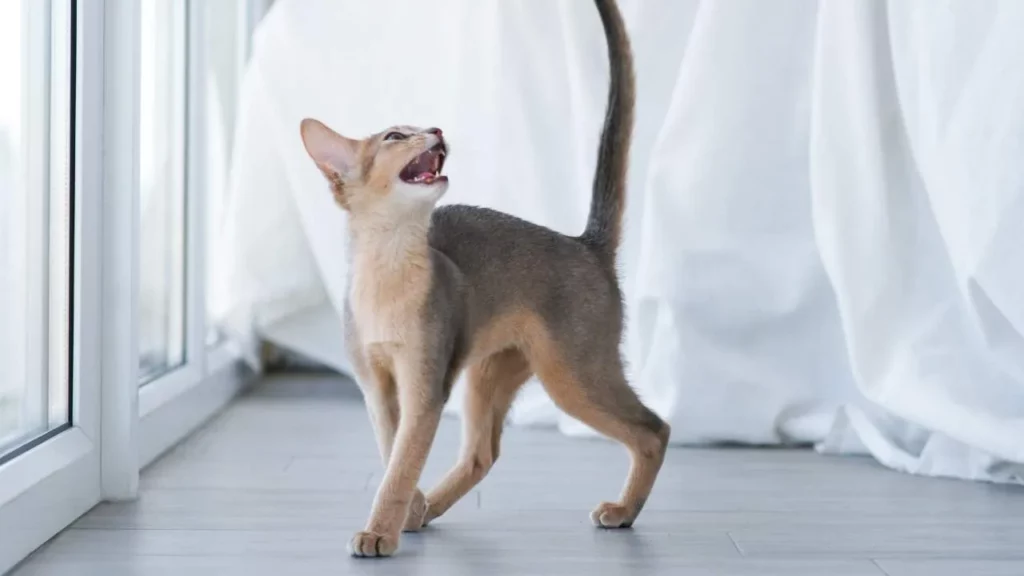
The Abyssinian (often called an “Aby”) is a short-haired, small cat with a sleek, athletic build and a bright, curious personality. Thought to be one of the oldest cat breeds, with roots linked to ancient Egypt, this is a high-energy family pick that loves to be involved.
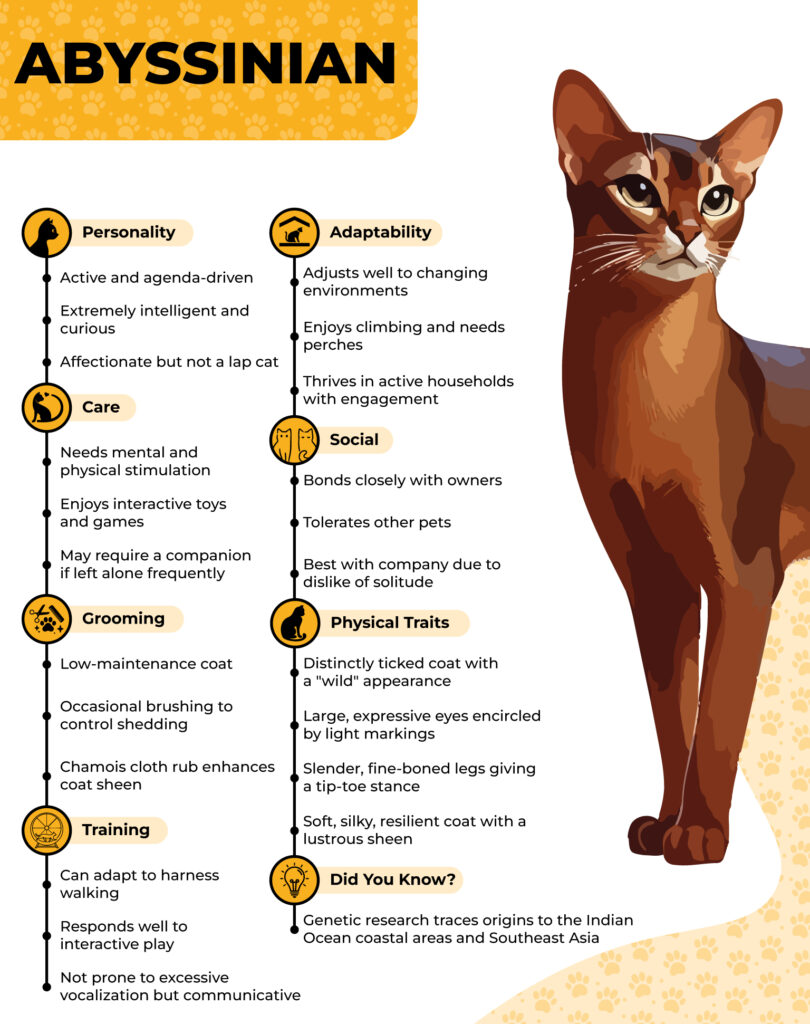
For homes with kids, the Aby shines when children are taught calm, respectful handling. Because they’re small and quick, they’re usually a better match for older kids who can read body language, avoid rough play, and let the cat choose when it’s done.
This breed isn’t typically a couchy lap cat, but it’s very people-oriented and thrives on interaction. Give them games, climbing space, and daily play sessions so their energy stays fun—not frantic or mischievous.
Abyssinians also get bored easily, so teaching kids to offer gentle play and “hands-off” breaks is key.
Fast fact: Abyssinians are extremely active, athletic, and outgoing—making them great playmates for conscientious kids who learn proper cat manners.
Conclusion
Choosing among the best cat breeds for families comes down to temperament and lifestyle fit. Many cats tend to do best as household pets when they’re well-socialized and given routines they can trust.
If you have active children, look for affectionate cats with a gentle nature—the kind of feline friend that enjoys attention without getting overwhelmed. A certain breed may be known for being easygoing, but individual personality still matters most.
For example, ragdoll cats are often described as laid-back cats, and their long hair may mean a bit more grooming—something kids can help with (gently). Prioritize playful cats that can handle interactive games, and some may even play fetch. With proper introductions, they can coexist with other household pets and other animals, making home life smoother for everyone.
