




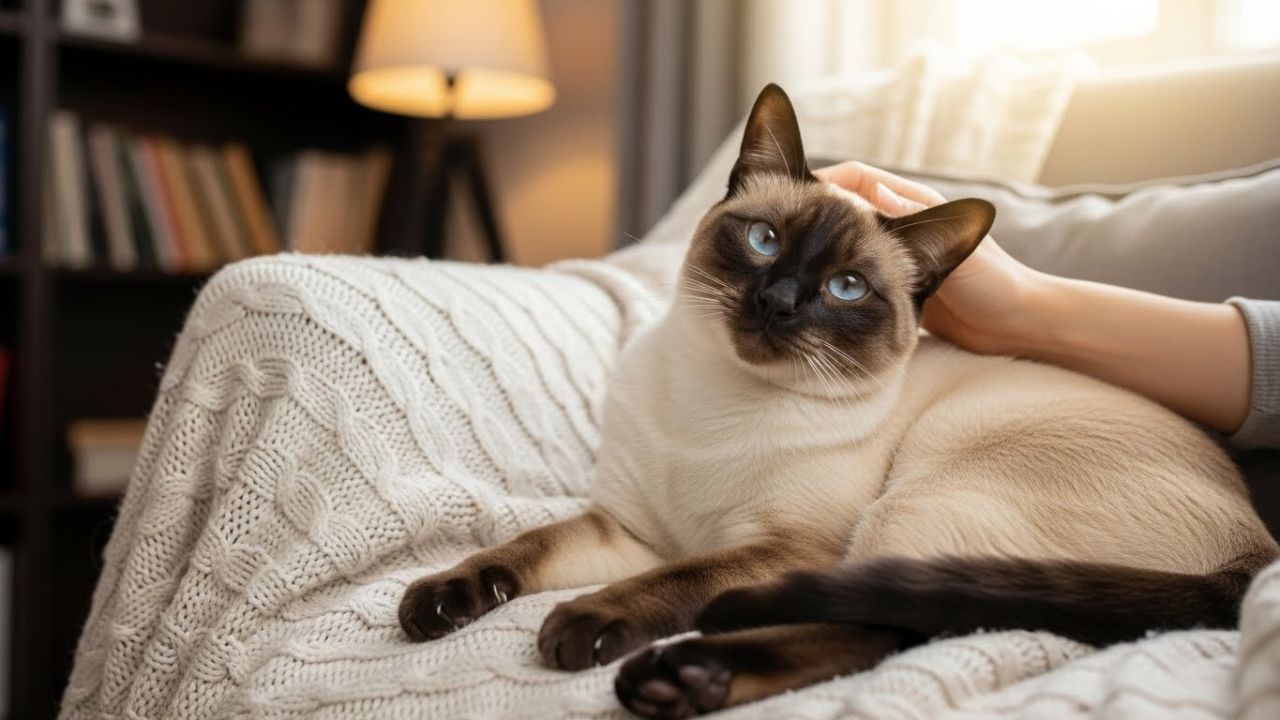
Have you ever noticed how some cats feel like roommates, while others feel like tiny therapists in fur coats? Emotional bonding with a cat isn’t just about cuddles; it’s about trust, routines, and those little moments when they choose you on purpose.
The best cats for emotional bonding tend to be people-focused, responsive, and comfortable with close contact, the ones who show up when you’re stressed and somehow know when to turn the purrs up. That doesn’t mean every affectionate cat is a nonstop lap cat, either.
Some bond by following you from room to room, “helping” with chores, or quietly camping out nearby so you’re never really alone.
In this guide, we’ll explore cat breeds and traits that often build strong connections with their humans, plus simple ways to deepen that bond through play, gentle handling, and routines that make your home feel safe for both of you.
Best Cat Breeds for Emotional Bonding
1. Ragdoll
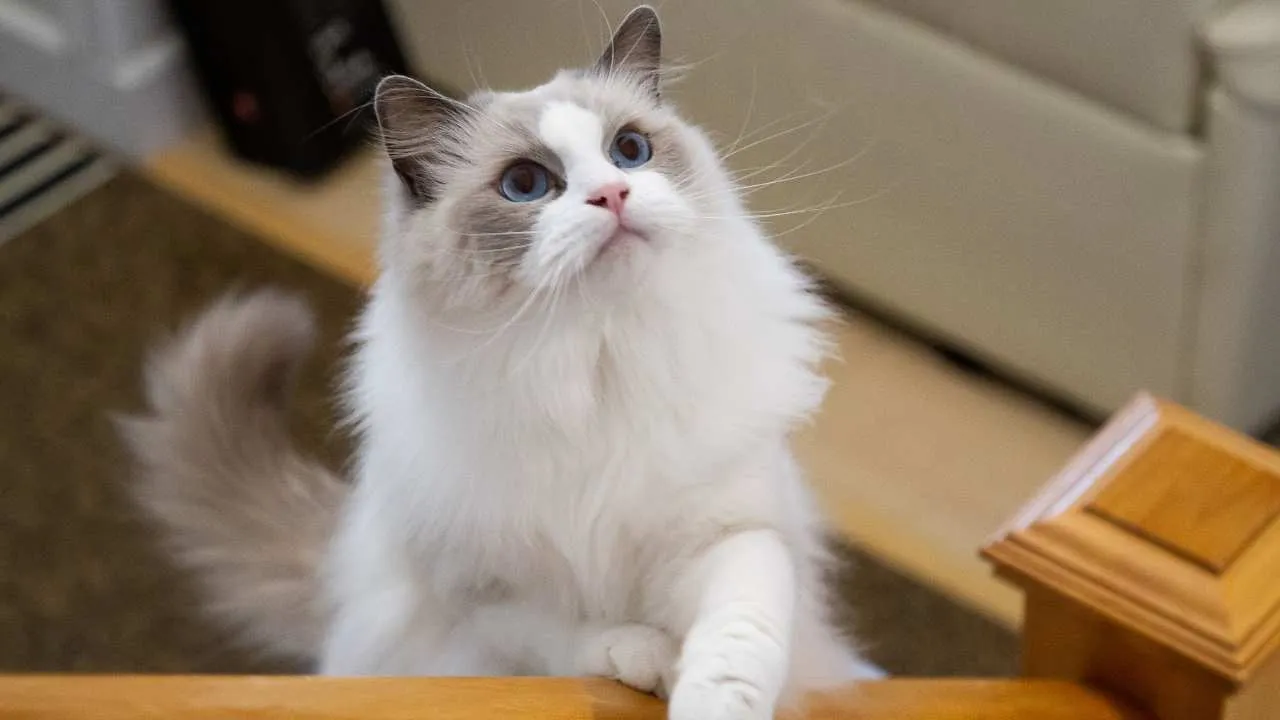
Ragdolls have a reputation for being gentle and people-focused, the kind of cat that genuinely enjoys sticking close. They’re often described as calm and affectionate, which makes their company feel steady and reassuring.
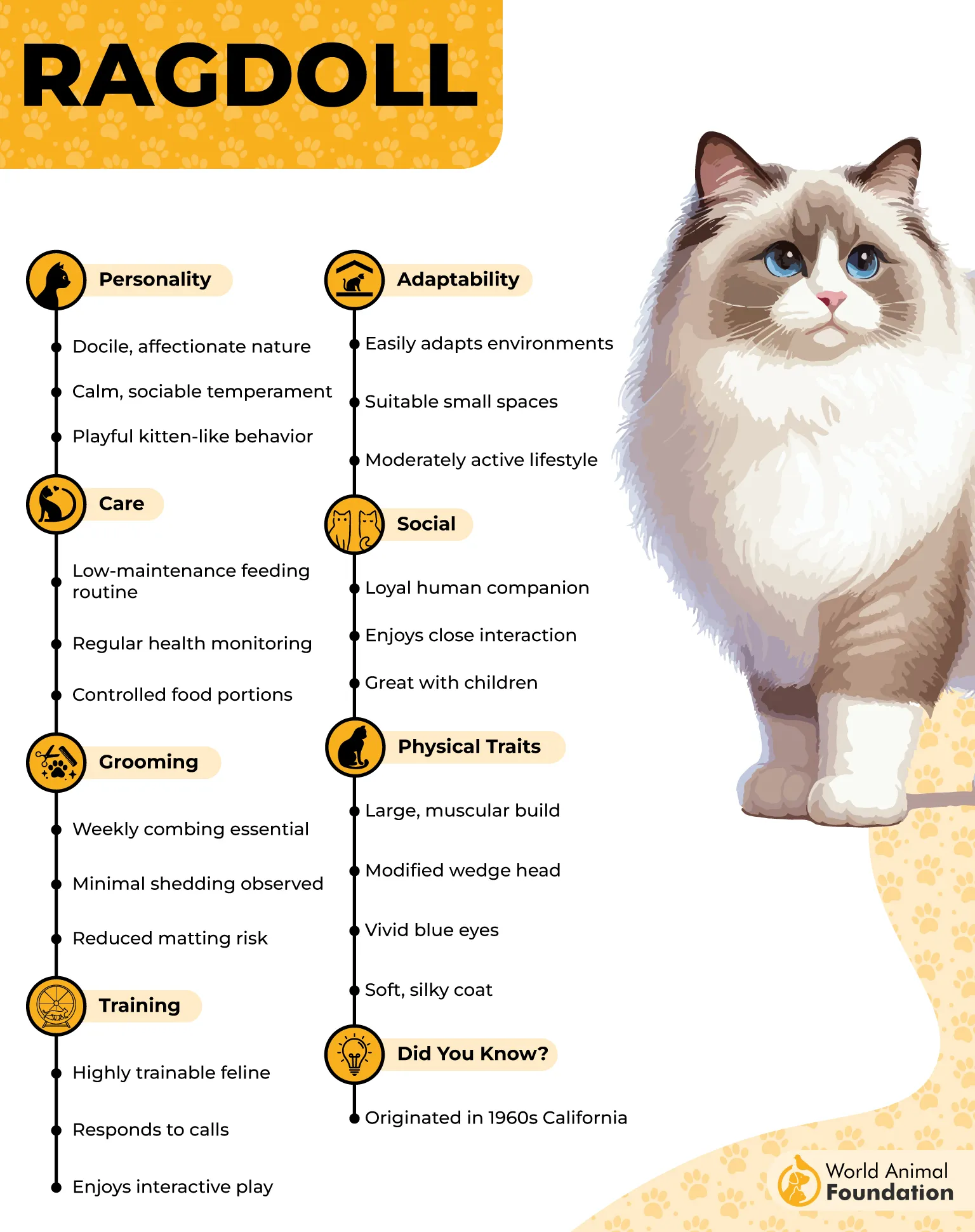
Their look is plush and impressive: a large body, broad chest, sturdy legs, and a silky semi-long coat. Adults typically develop a full ruff around the neck, plus fluffy “trousers” on the hind legs and a long bushy tail.
As per Purina, coat care is very doable when it’s regular, especially since consistency helps prevent tangles. Many owners treat brushing as a quiet bonding time because these cats usually tolerate handling well.
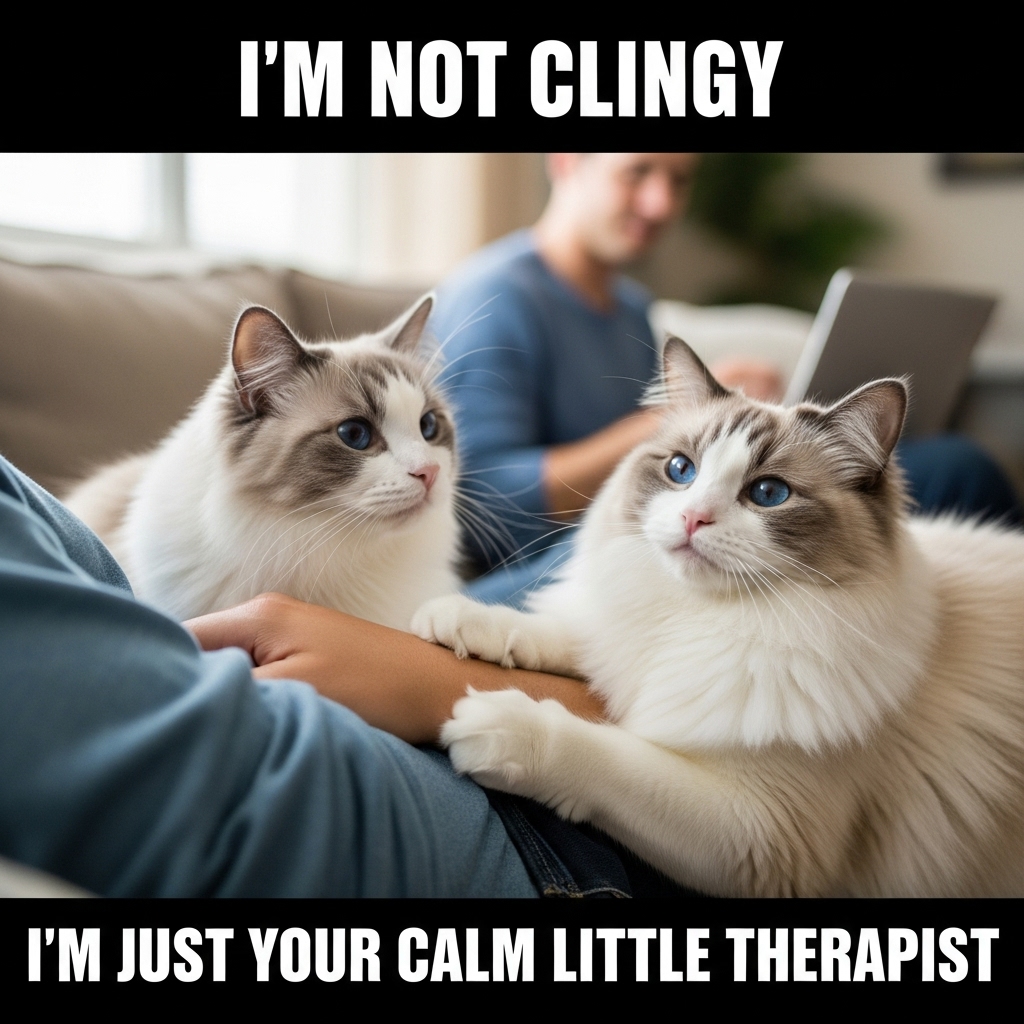
They’re often happiest in homes where they get frequent interaction rather than being ignored all day. A predictable routine, gentle play, and normal wellness care go a long way toward keeping them comfortable.
Fun Fact
The name “Ragdoll” is linked to their tendency to go limp and relaxed when picked up. That floppy calmness is one of the breed’s most famous quirks.
2. Siamese
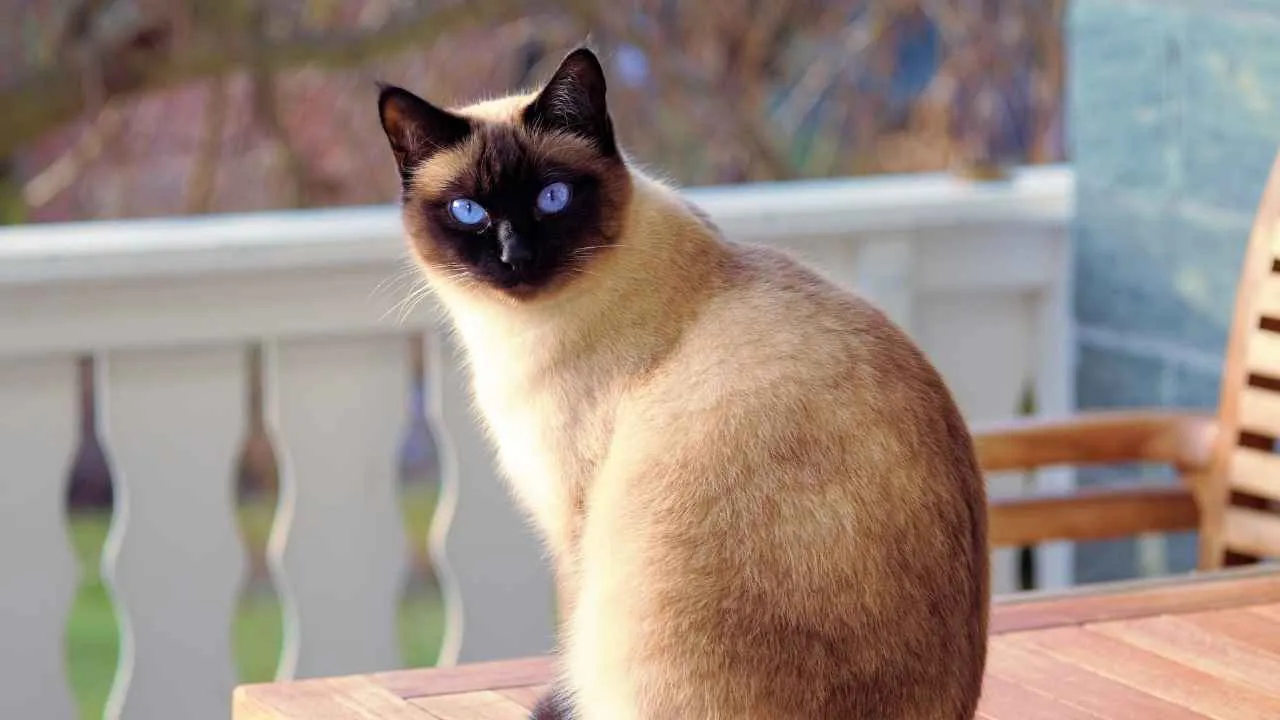
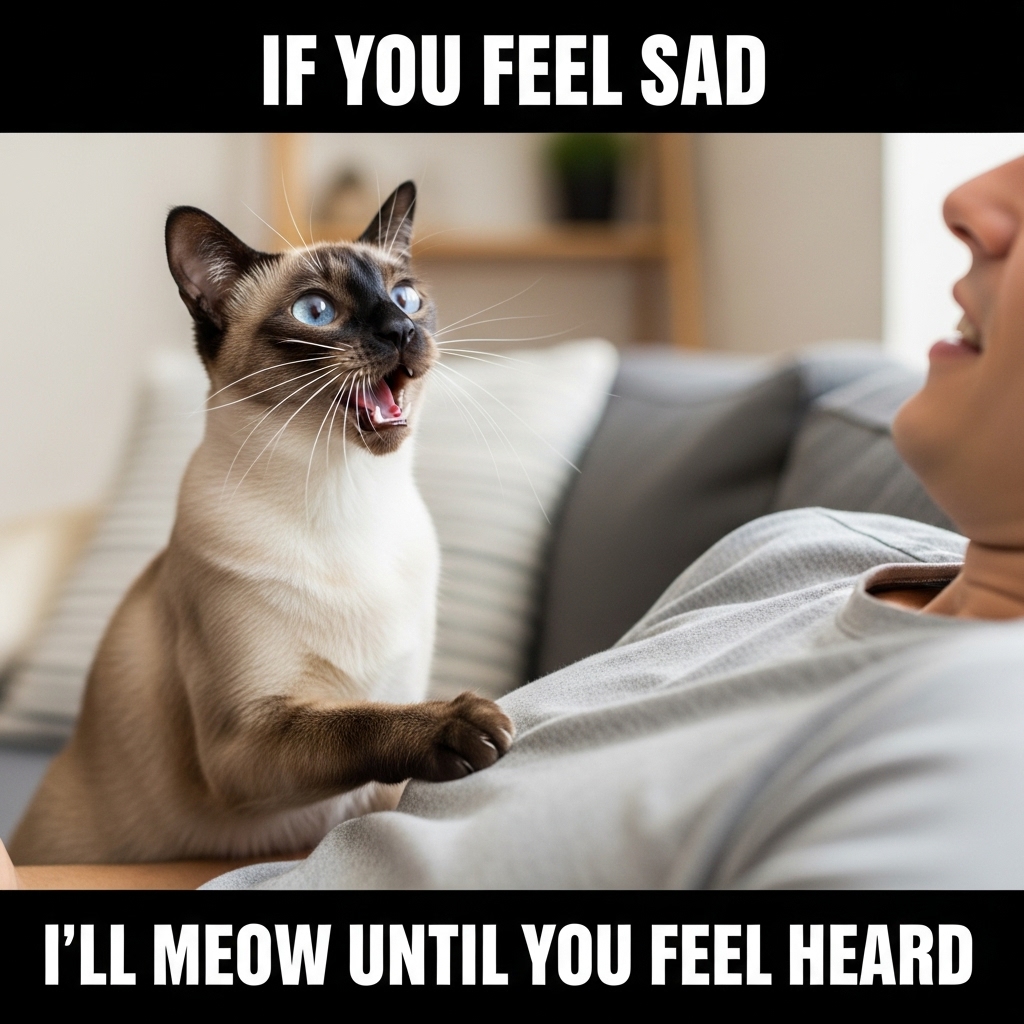
If you want emotional bonding with extra conversation, the Siamese cat is known for being social, engaged, and vocal. Many form strong attachments and prefer being involved in whatever their humans are doing.
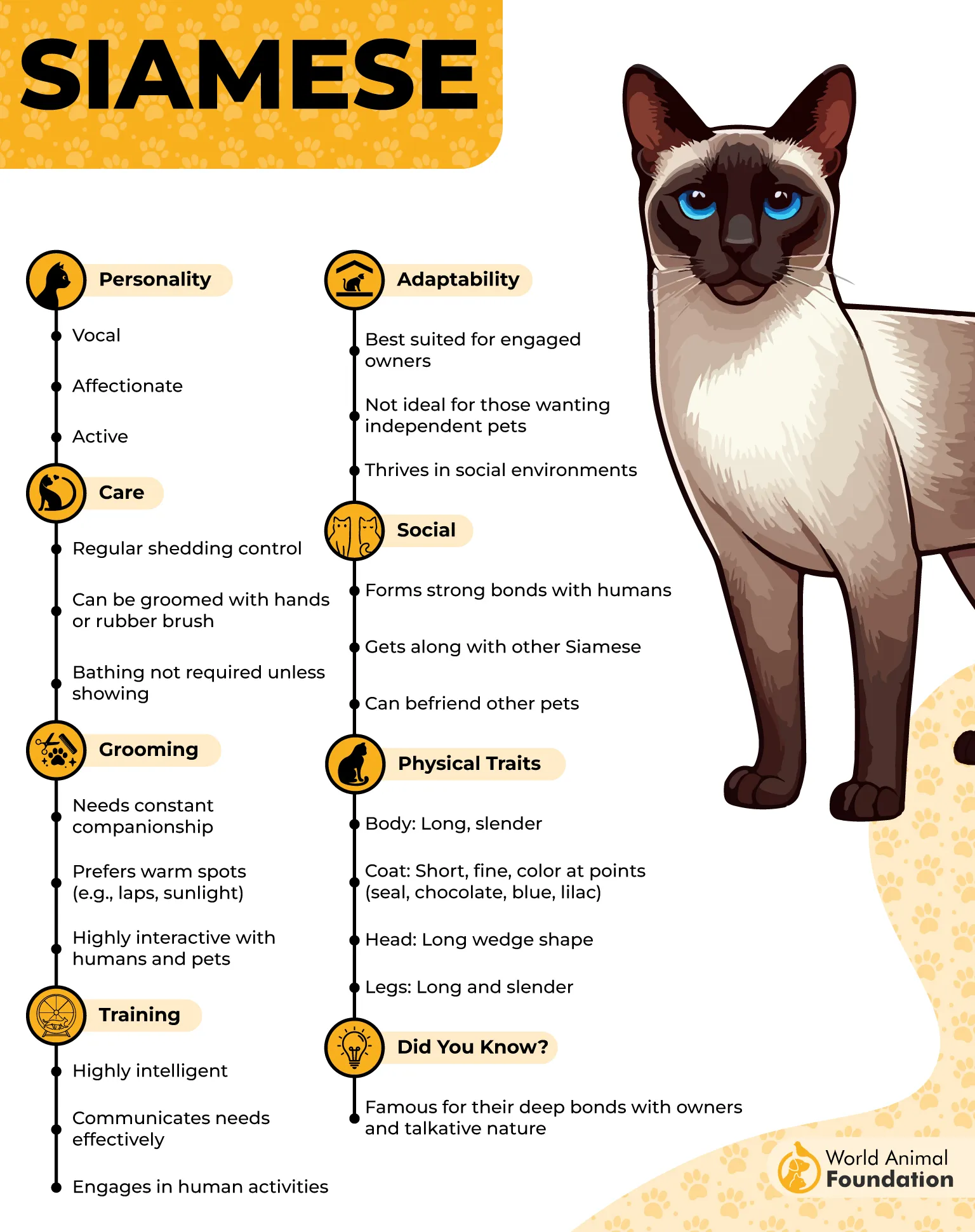
As per Britannica, Siamese are sleek, short-haired cats with striking blue eyes and darker “points” on the ears, face, legs, and tail. Kittens are born white or cream and develop those darker points as they mature.
They usually do best when their brains are busy, so interactive play and attention matter. If they feel ignored, some will invent their own entertainment, and they’re creative about it.
Grooming is typically simple because the coat is short. The bigger commitment is meeting their social needs, since they often thrive on frequent interaction.
Fun Fact
Siamese cats originated in Thailand, historically known as Siam. Their color points develop after birth, so kittens change noticeably as they grow.
3. Maine Coon
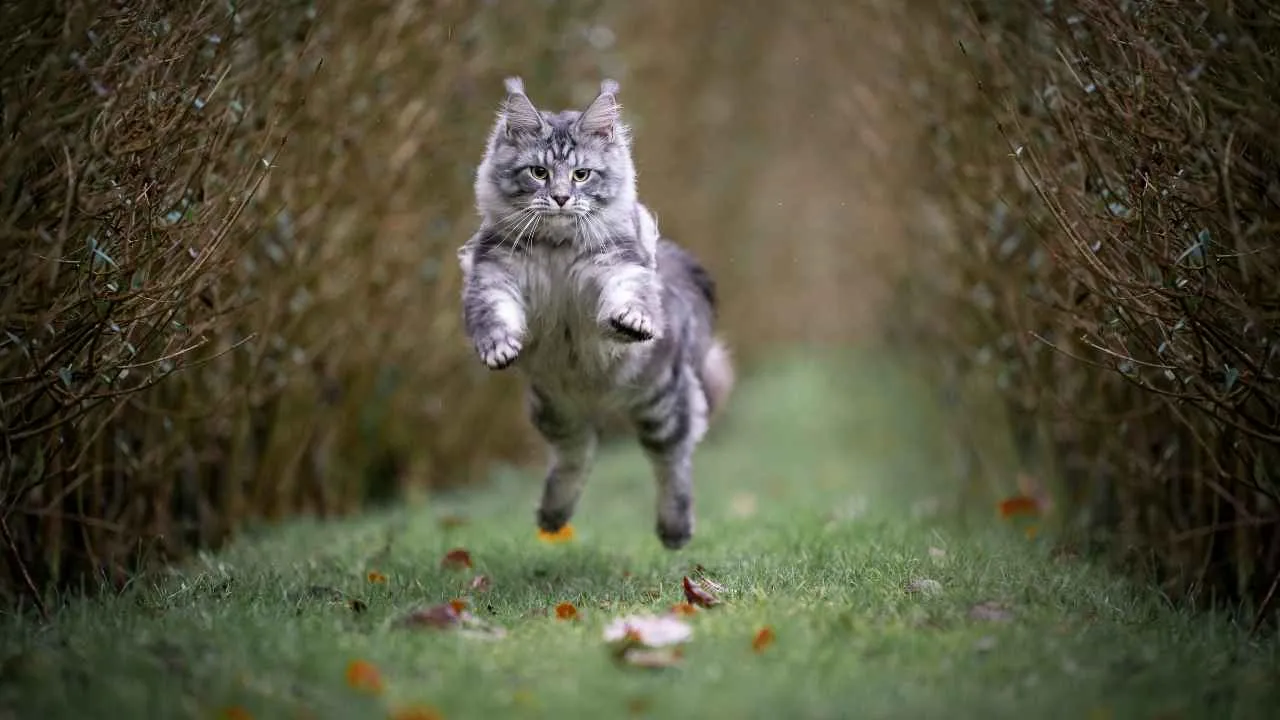
Maine Coons are often described as friendly, affectionate “gentle giants” with a big presence and an even bigger heart. Many enjoy being near their people and can feel like loyal companions rather than aloof roommates.
They’re sturdy, long-haired cats native to North America, especially associated with Maine. Features like tufted ears and a thick coat developed naturally to handle harsh northern winters.
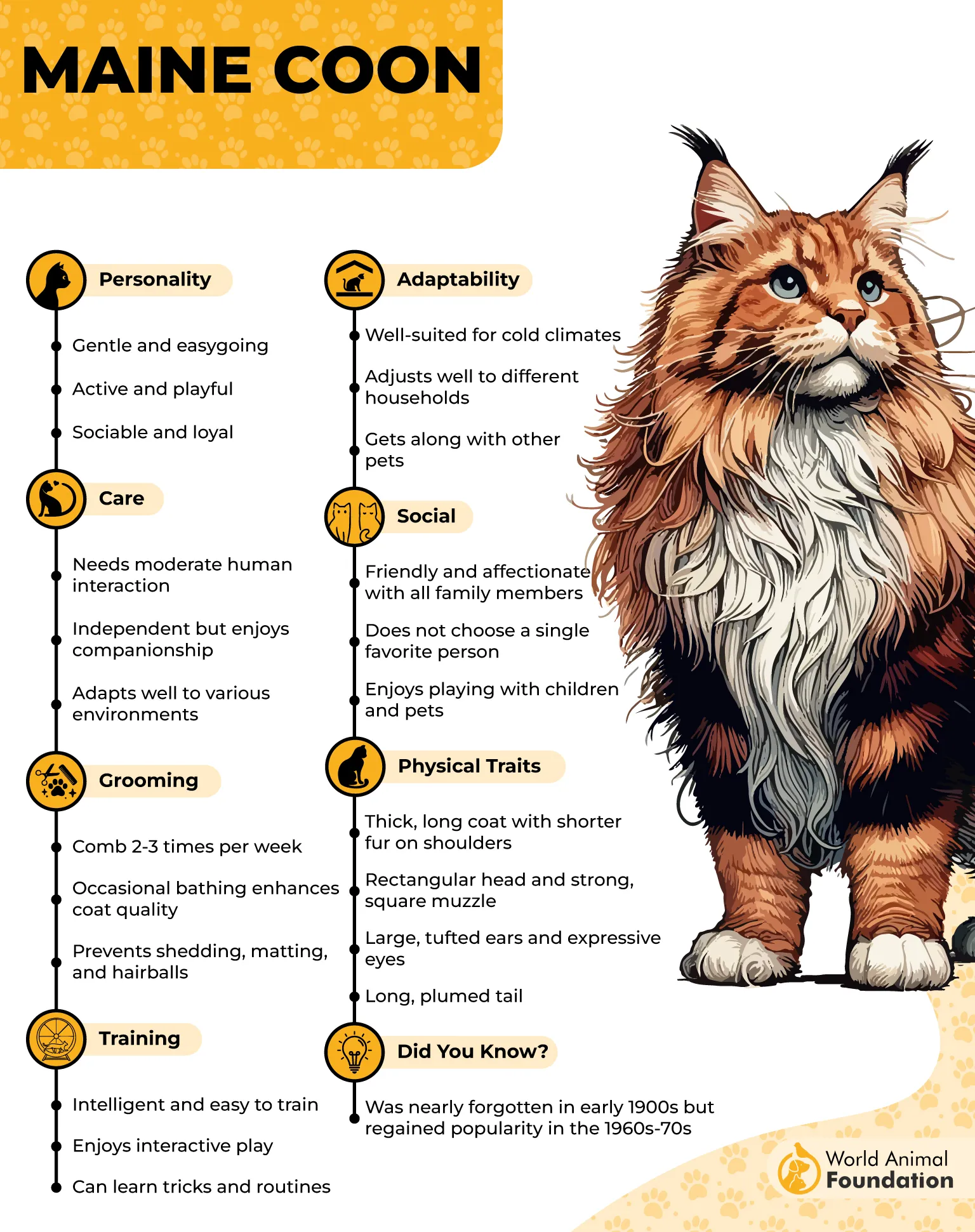
Their coat needs regular brushing to keep it comfortable and reduce tangles, especially around friction areas. Once you establish a routine, grooming tends to feel like maintenance, not a marathon.
Because they’re large cats, keeping an eye on overall health and comfort is important. A good diet, routine vet visits, and appropriate play help support them throughout adulthood.
Fun Fact
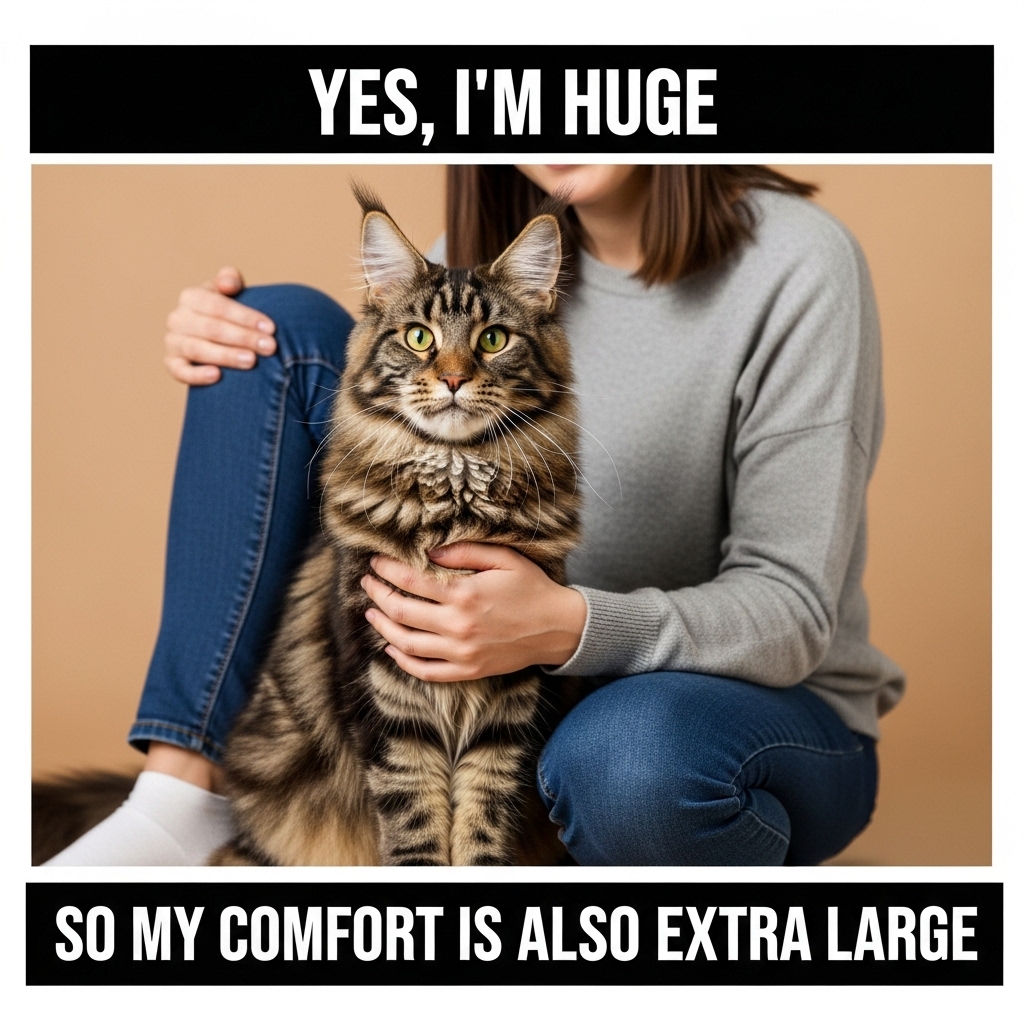
Maine Coons are a natural breed that developed traits for cold weather, including a thick coat and tufted ears. Their size and rugged look are part of what made them famous.
4. Birman
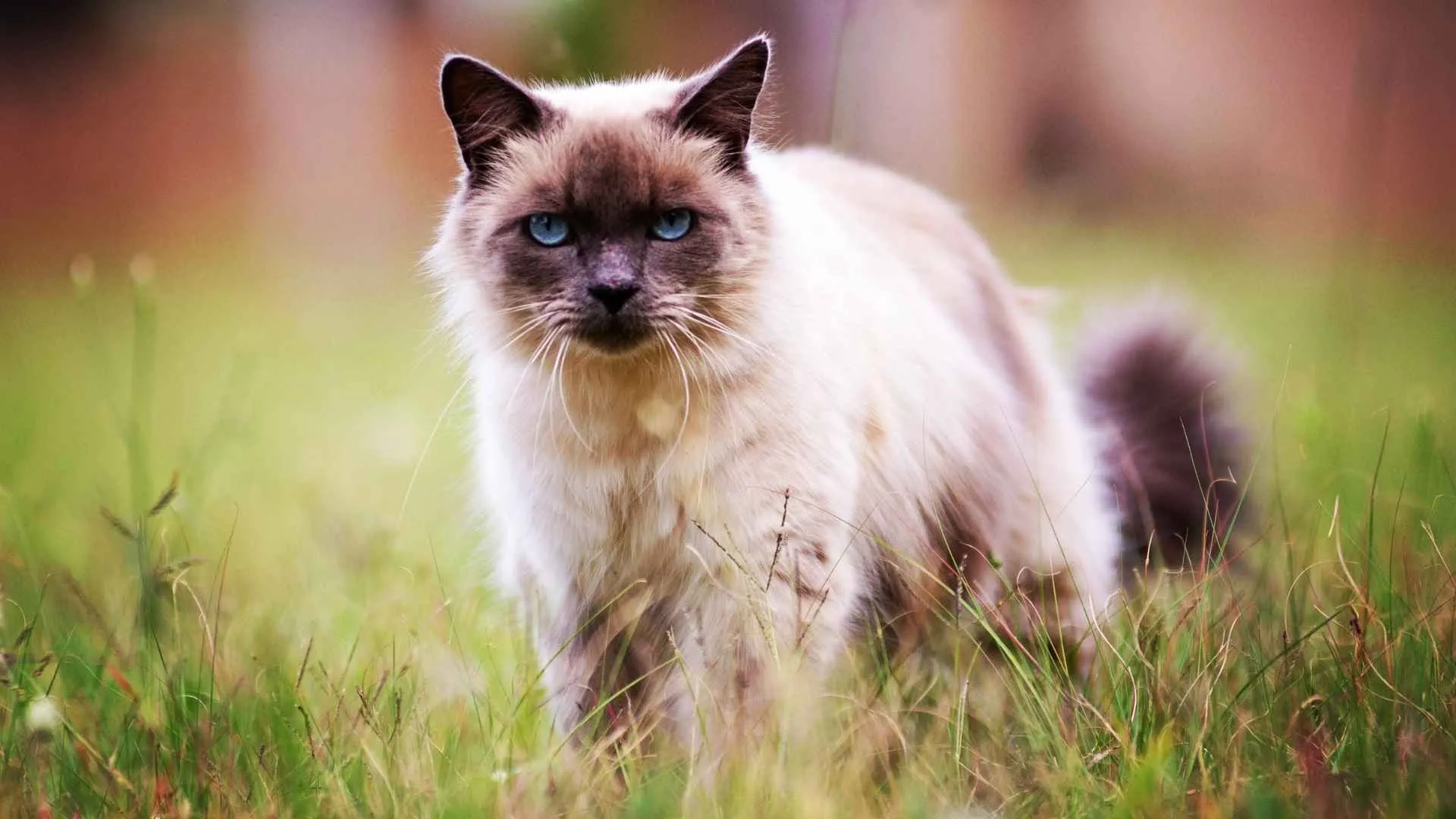
Birmans are often described as gentle, affectionate cats with a calm, friendly vibe. They tend to enjoy being close to their humans, which can make the bond feel easy and consistent.
They’re known for a color-pointed coat, bright blue eyes, and distinctive white paws. The overall build is typically sturdy and medium to large, with a soft, silky coat that looks elegant without being overly dramatic.

Grooming is usually manageable with consistent brushing, and many owners find a simple weekly routine keeps the coat looking neat. They often respond well to calm handling, which makes care feel less like a chore.
According to Hill’s Pet, Birmans can be quite social and may not love being left alone for long periods. They generally do best with regular interaction, gentle play, and a steady home rhythm.
Fun Fact
Birmans are sometimes called the “Sacred Cat of Burma.” Their white “gloves” are one of the breed’s signature features.
5. Scottish Fold
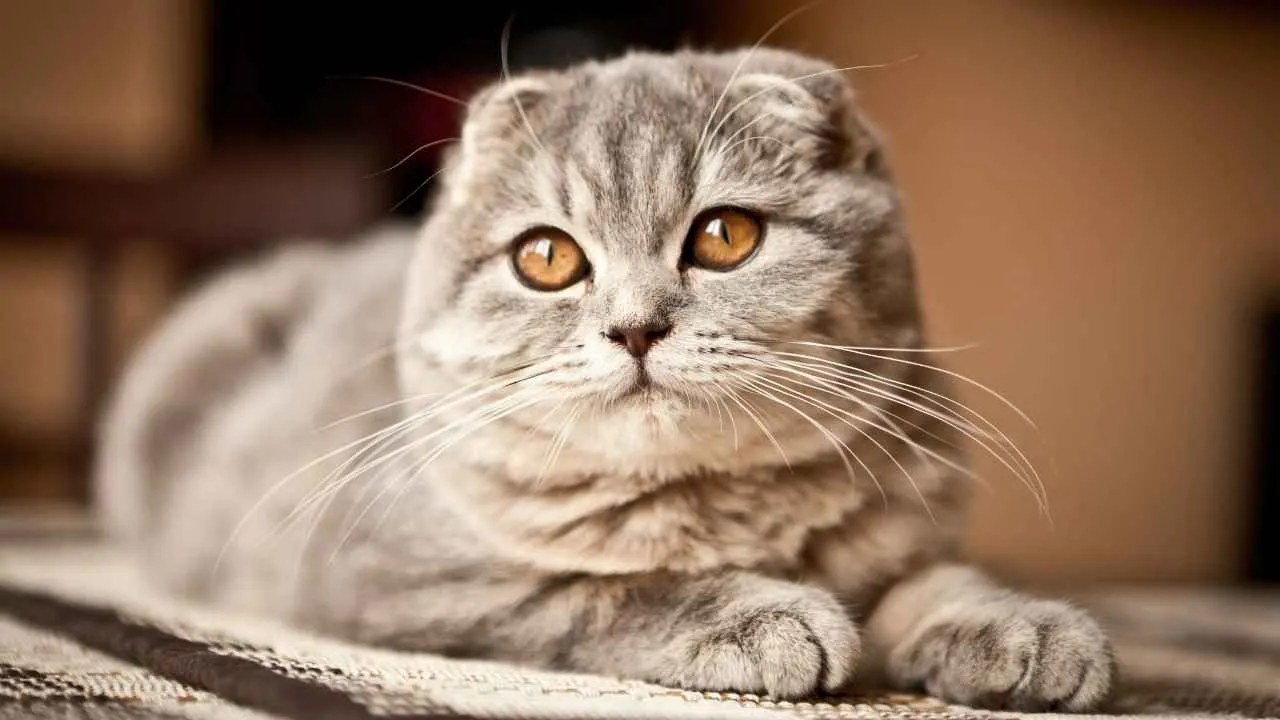
Scottish Folds are known for their folded ears and round, soft expression, and many have a sweet, affectionate temperament. They often enjoy being near their people and can be quietly devoted.
That signature ear fold comes from a cartilage mutation, which is also tied to a serious inherited condition affecting cartilage and bone. Because of this, ongoing health awareness and veterinary care are especially important for the breed.

Their day-to-day needs are usually straightforward: consistent feeding, a comfortable home setup, and gentle play. Many prefer calm interaction and a predictable routine rather than constant commotion.
When considering this breed, prioritizing welfare and comfort matters, including watching for stiffness, changes in movement, or pain. A supportive home environment and regular vet checkups help you respond quickly if issues appear.
Fun Fact
The same genetic trait that creates folded ears is linked to osteochondrodysplasia, a painful cartilage and bone disorder. It’s considered unavoidable in Scottish Folds that have folded ears.
6. Sphynx
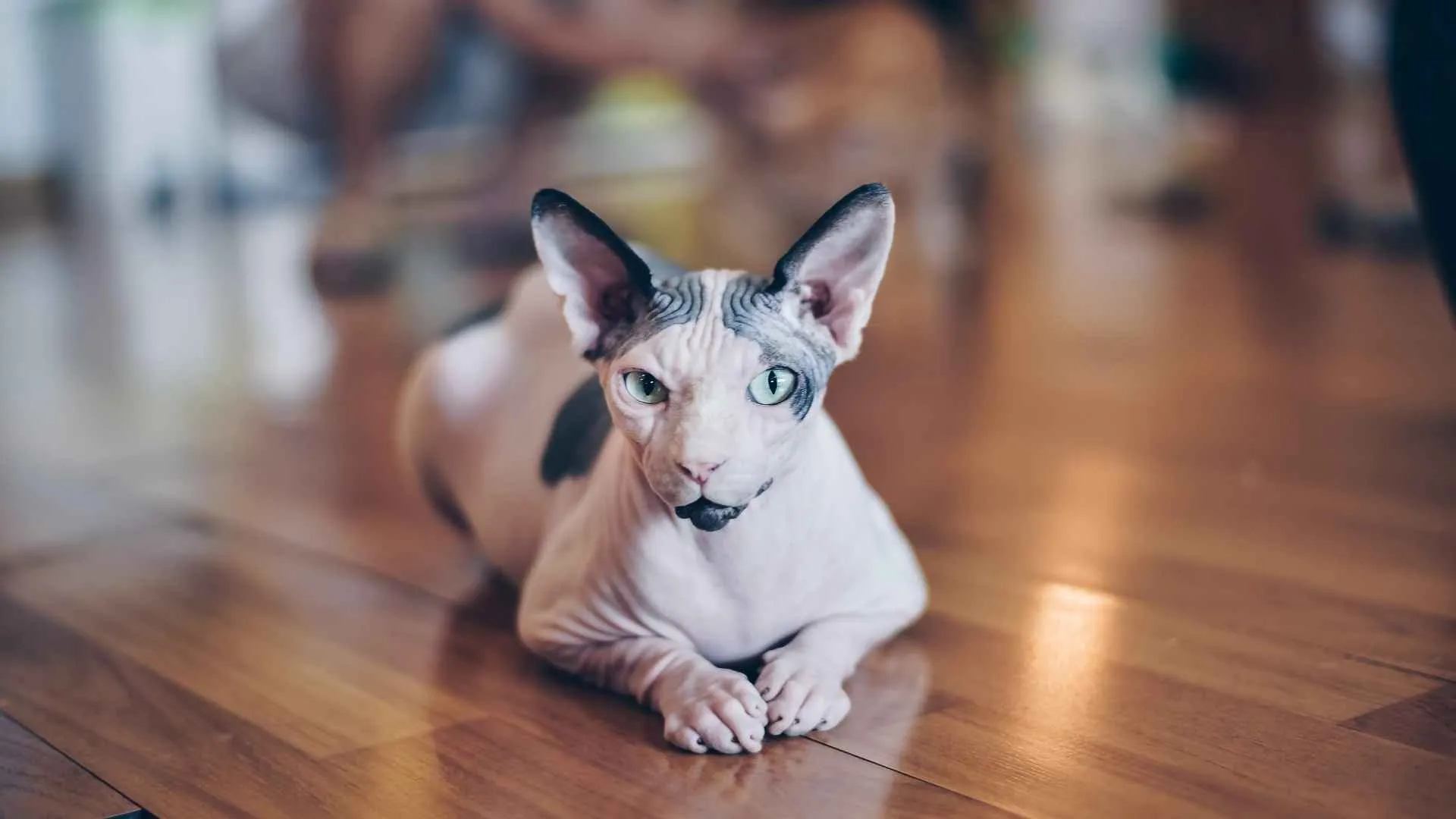
If you want an emotional support companion that’s glued to your side, the Sphynx is famous for seeking warmth, human attention, and closeness. Many are bold, social, and happiest when they can be right in the middle of your day.
They’re often suggested among emotional support cat breeds because their affectionate style can feel steady and reassuring. While they’re not a one-size-fits-all emotional support cat, their need for connection is a big part of the appeal for people who want a highly interactive cat.
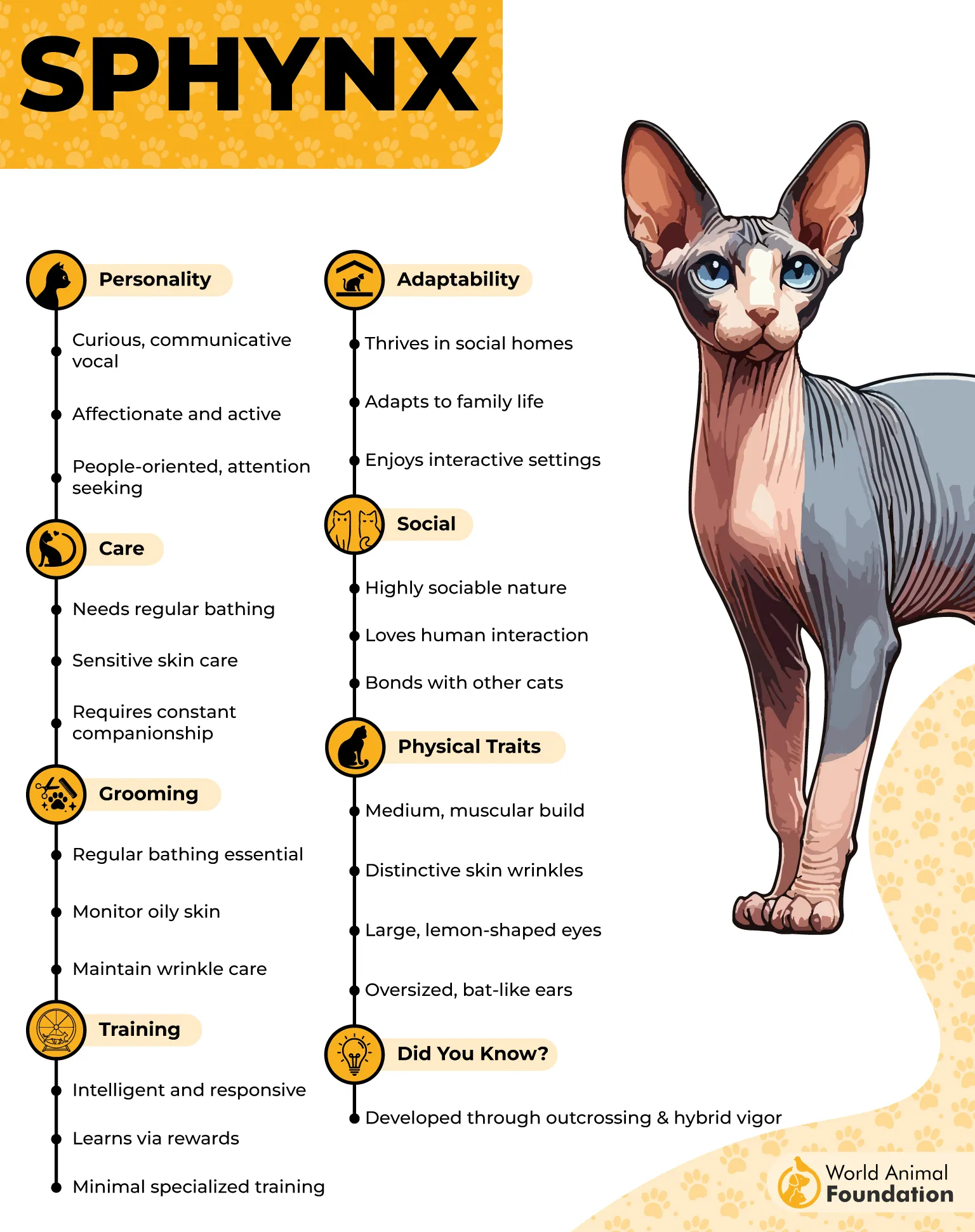
Care is all about skin, not fur, which can feel like minimal grooming in the brushing sense. Regular cleaning matters because skin oils can build up, and these cats usually appreciate cozy spots to stay warm.
Sphynx cats thrive on constant companionship, so plan enrichment and time together when possible. Like any pet, they come with their own personality, so the best match is the one that clicks with your home rhythm.
Fun Fact
Because they have little to no coat, Sphynx cats can feel warm to the touch. They’re famous for hunting down sunny windows and blankets like it’s their job.
7. Tonkinese
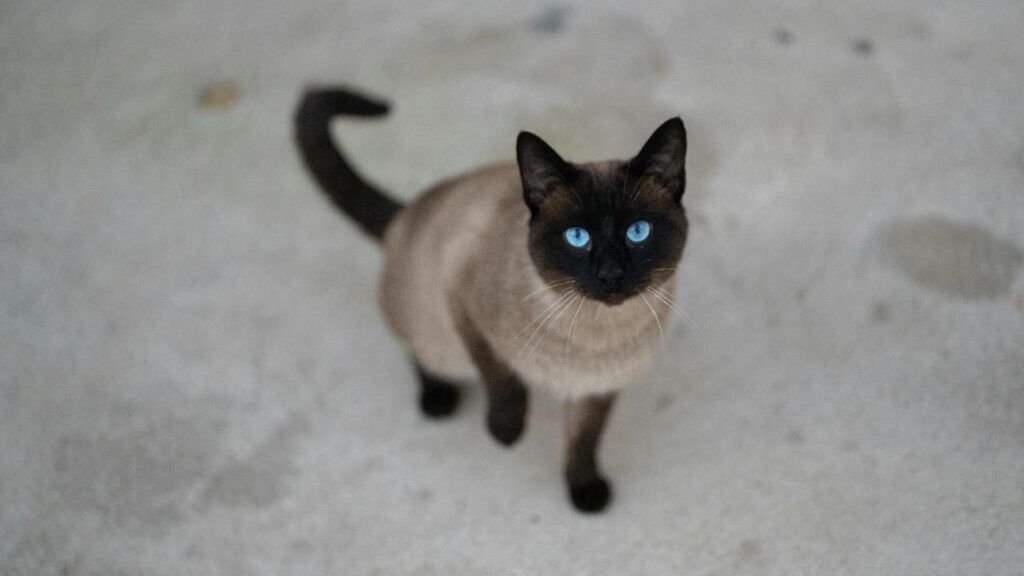
Tonkinese cats are bubbly, social, and known to form strong bonds with their people. Their playful nature makes them feel like a cheerful sidekick who wants to be included in everything.
They’re often described as a very affectionate cat breed, and many adore steady human companionship. That combination can make them feel like natural therapy cats in everyday life, especially for households that want an interactive relationship.
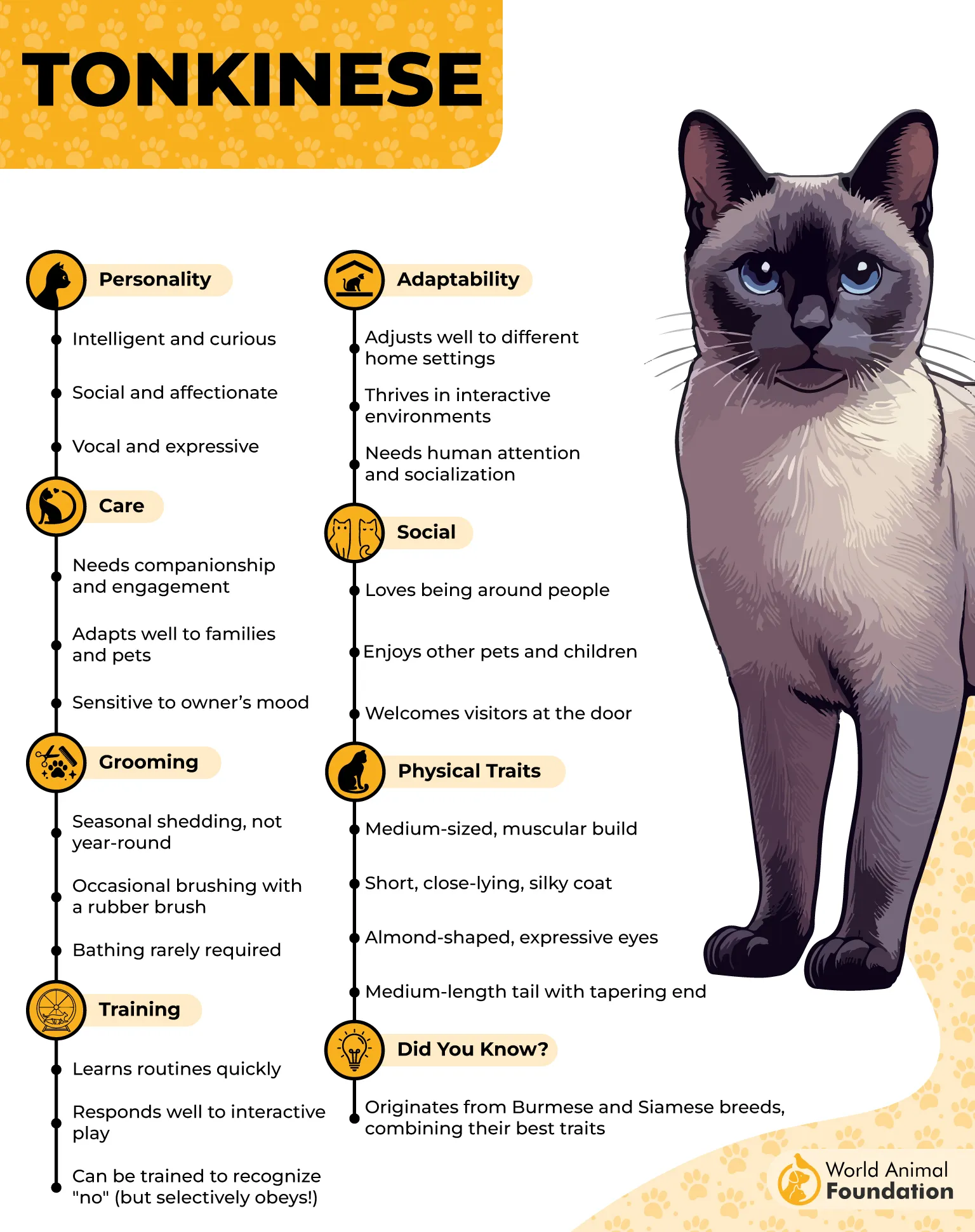
With their sleek short coat, grooming is usually simple, which helps busy households focus on connection and play. They generally do best when they have engagement and don’t feel ignored for long stretches.
They tend to do well with other pets when introduced thoughtfully, since many are confident and people-oriented. For cat lovers who want a social, involved companion, the Tonkinese can be a strong fit.
Fun Fact
Many Tonkinese are known for distinctive aqua-toned eyes. It’s one of those details that makes people do a double-take in photos.
8. Burmese
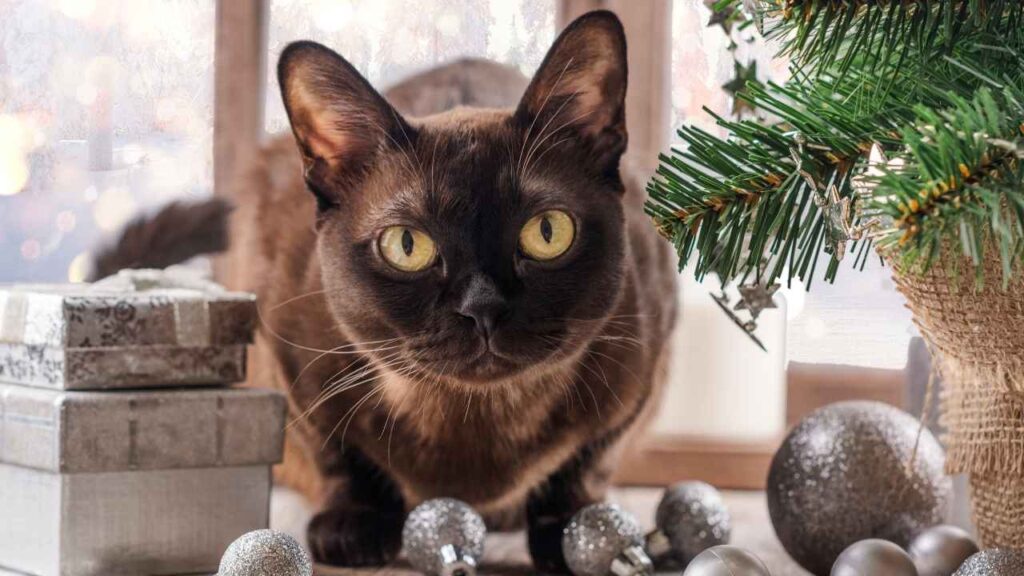
Burmese cats are often described as friendly, devoted, and extremely loyal, with a strong preference for being near their people. Their upbeat, cuddly vibe is why many owners see them as great emotional support animals.
Because they can be so interactive and people-focused, some consider them among the best emotional support choices for a home that wants a lot of together time. They often enjoy play and closeness in equal measure, which can be comforting for day-to-day mental well-being.
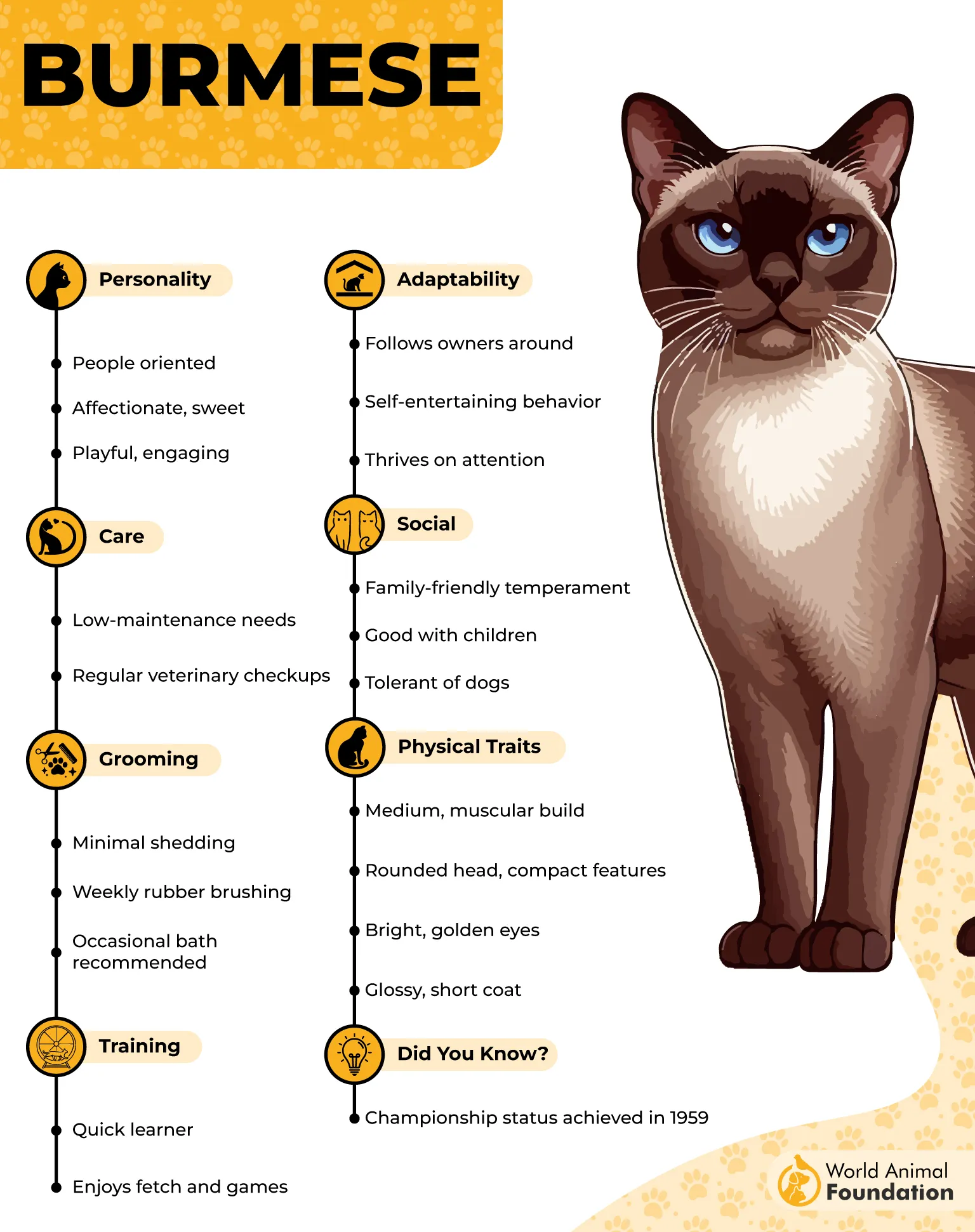
They have a short coat and generally straightforward grooming, so the bigger need is attention and enrichment. Their social style often means they appreciate a home where someone is around regularly.
It’s worth remembering that any cat can support emotional support needs, but a Burmese tends to lean naturally into closeness. For anyone managing mental health symptoms, steady routines, play, and bonding time can help a cat feel secure, too.
Fun Fact
Burmese are often called “dog-like” because of how closely they bond with their humans. Many will happily trail you from room to room.
9. Persian

The Persian cat is one of the most famous cat breeds, known for a quiet presence and a soft, gentle approach to affection. Many prefer calm routines and cozy spaces, which can make their companionship feel soothing.
This is a long-haired breed with a thick coat that needs regular brushing to prevent mats. If you enjoy grooming as a calming ritual, Persians can be a great match, but the coat care is non-negotiable.
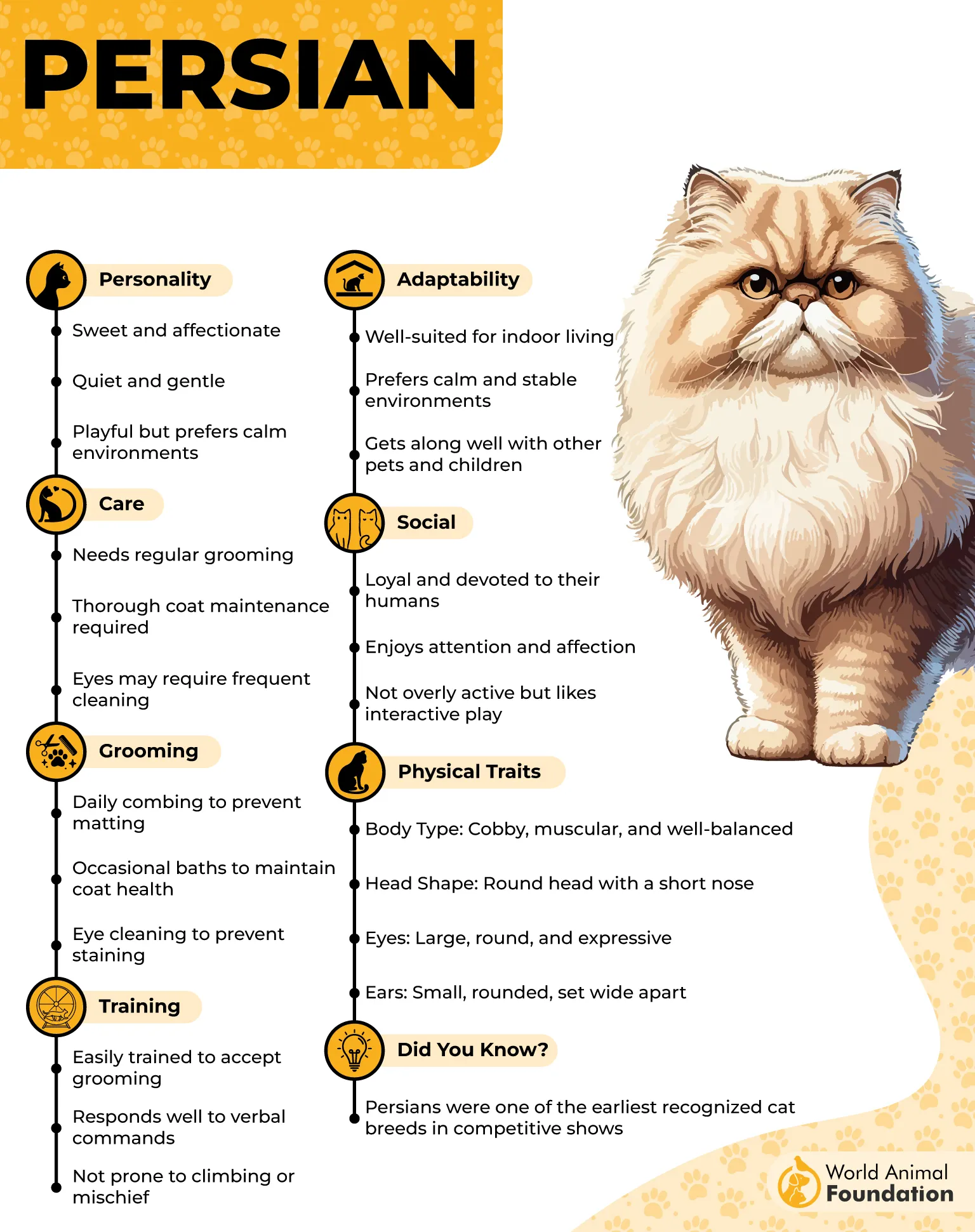
Some people with mild cat allergies still react to Persians, so it’s smart to think about sensitivities before committing. Their face shape can also mean extra daily care, including keeping the eyes and face clean.
A Persian’s gentle temperament often shines brightest in quieter homes with predictable rhythms. For the right person, that calm companionship can feel like the best emotional support cat experience, simply because the vibe is so steady.
Fun Fact
Persians come in a wide range of colors and patterns. Their iconic round face and plush look are a big reason they’ve stayed popular for so long.
10. Abyssinian
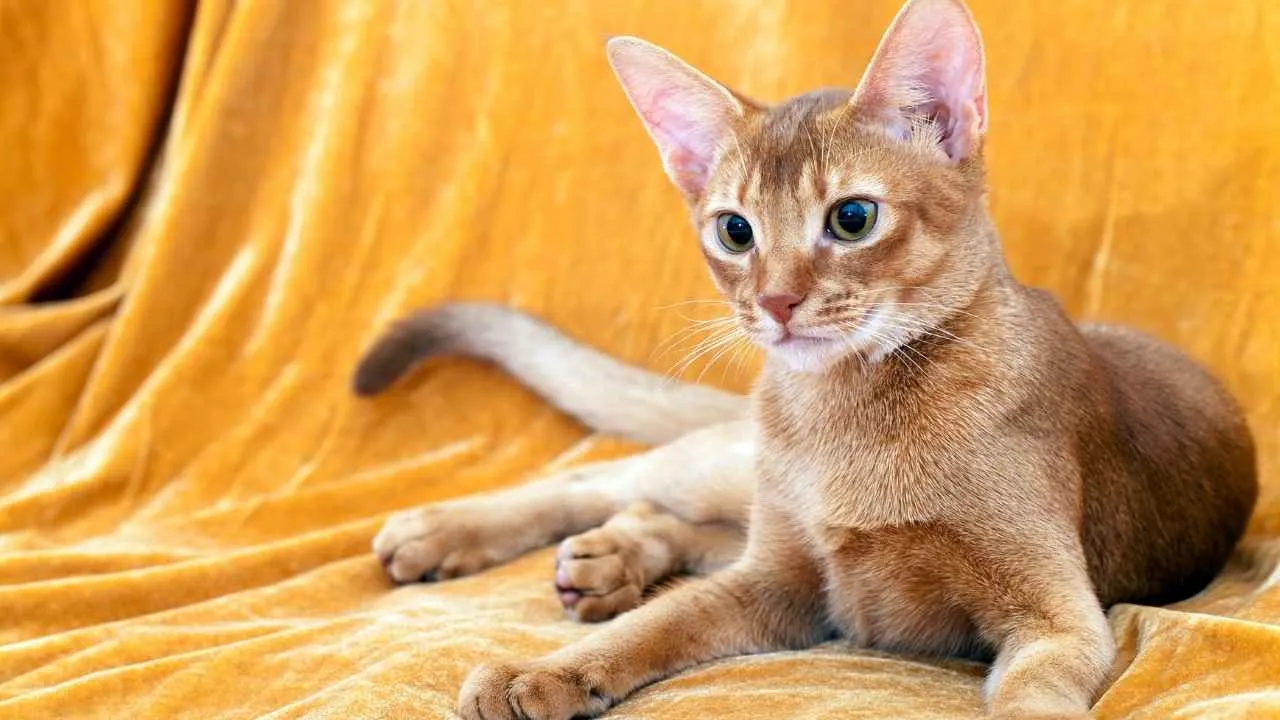
Abyssinians tend to connect through activity and presence, showing affection by joining your day rather than sitting still. Their playful energy is legendary, and they often want to explore, climb, and investigate like it’s their full-time job.
They’re a short-haired cat with a ticked coat that gives a warm, glowing effect. Because they’re so engaged, they usually thrive with enrichment that keeps both body and brain busy.
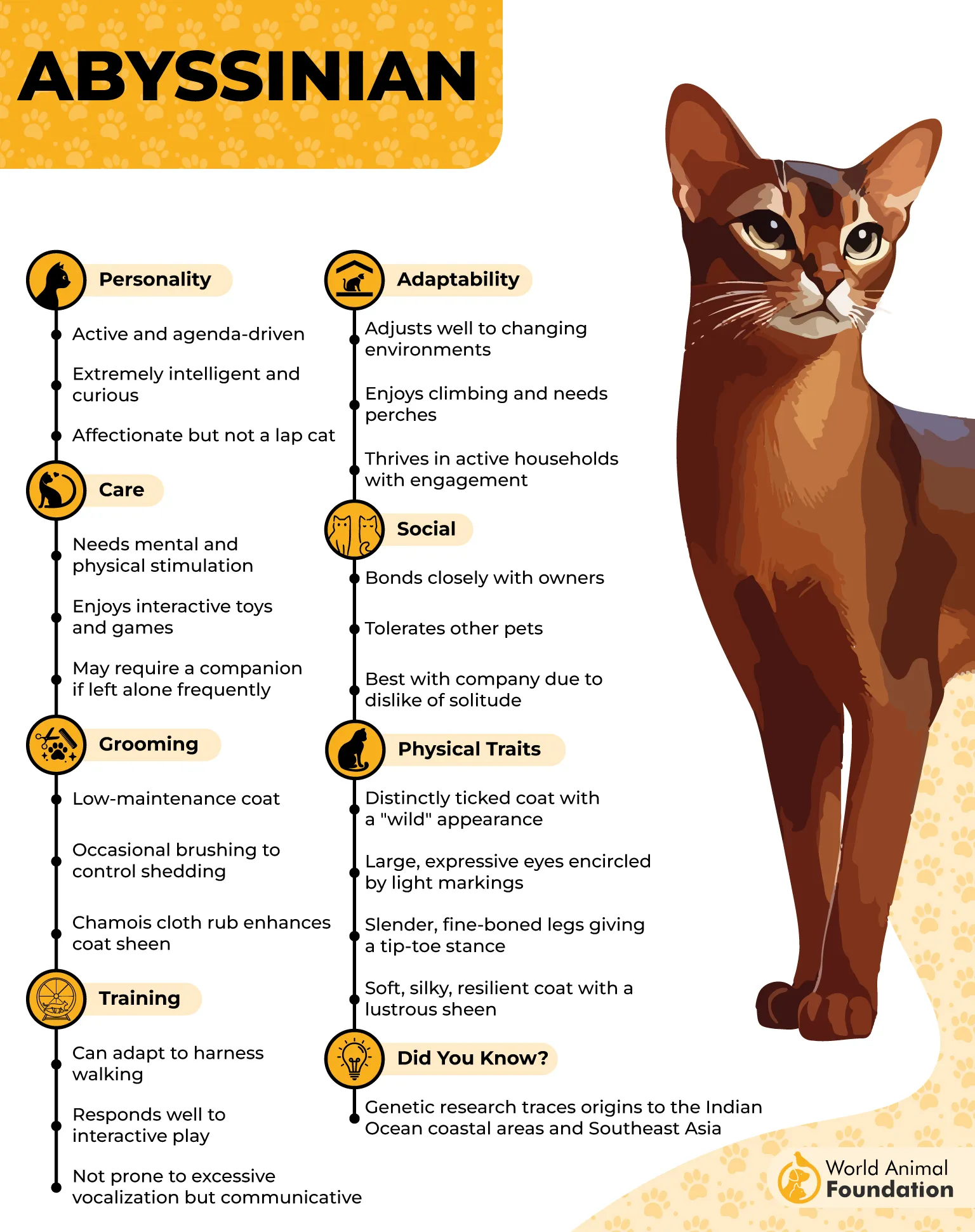
They’re often recommended among the best cat breeds for people who love interaction and want a cat that stays mentally switched on. When they’re under-stimulated, they can get restless, so routine play and puzzle toys help a lot.
They can be wonderful emotional support animals for the right household, especially for people who find comfort in a lively, interactive companion. If your home wants a cat that feels like a tiny teammate, the Abyssinian often delivers.
Fun Fact
Each Abyssinian hair typically has bands of color, creating the breed’s famous ticked coat. That’s what gives their coat its distinctive shimmer in the light.
Conclusion
The best emotional support cats are often the ones with a gentle nature as well as wonderfully affectionate nature that helps a cat owner feel steady, seen, and grounded. While cats can offer real mental support, an emotional support designation typically involves a licensed mental health professional, and it is not the same as a service animal.
For many people, Ragdoll cats deliver calm closeness, and Maine coon cats stand out as the largest domestic cat breed with a friendly, comforting presence, making them ideal emotional support animals.
Other dog breeds, such as American Bobtail Cats, Russian Blue Cats, Russian Blue, Manx Cats, and other cat breeds, may also be a fit.
Emotional Bonding Cats 🐾 Can You Score 5/5?
What helps build emotional bonding with a cat, besides cuddles?
Why is the Ragdoll’s name so fitting?
Which breed is known for being social, engaged, and very vocal?
Scottish Fold folded ears come from a mutation linked to what issue?
What’s the Sphynx’s main care focus since they have little to no fur?
