




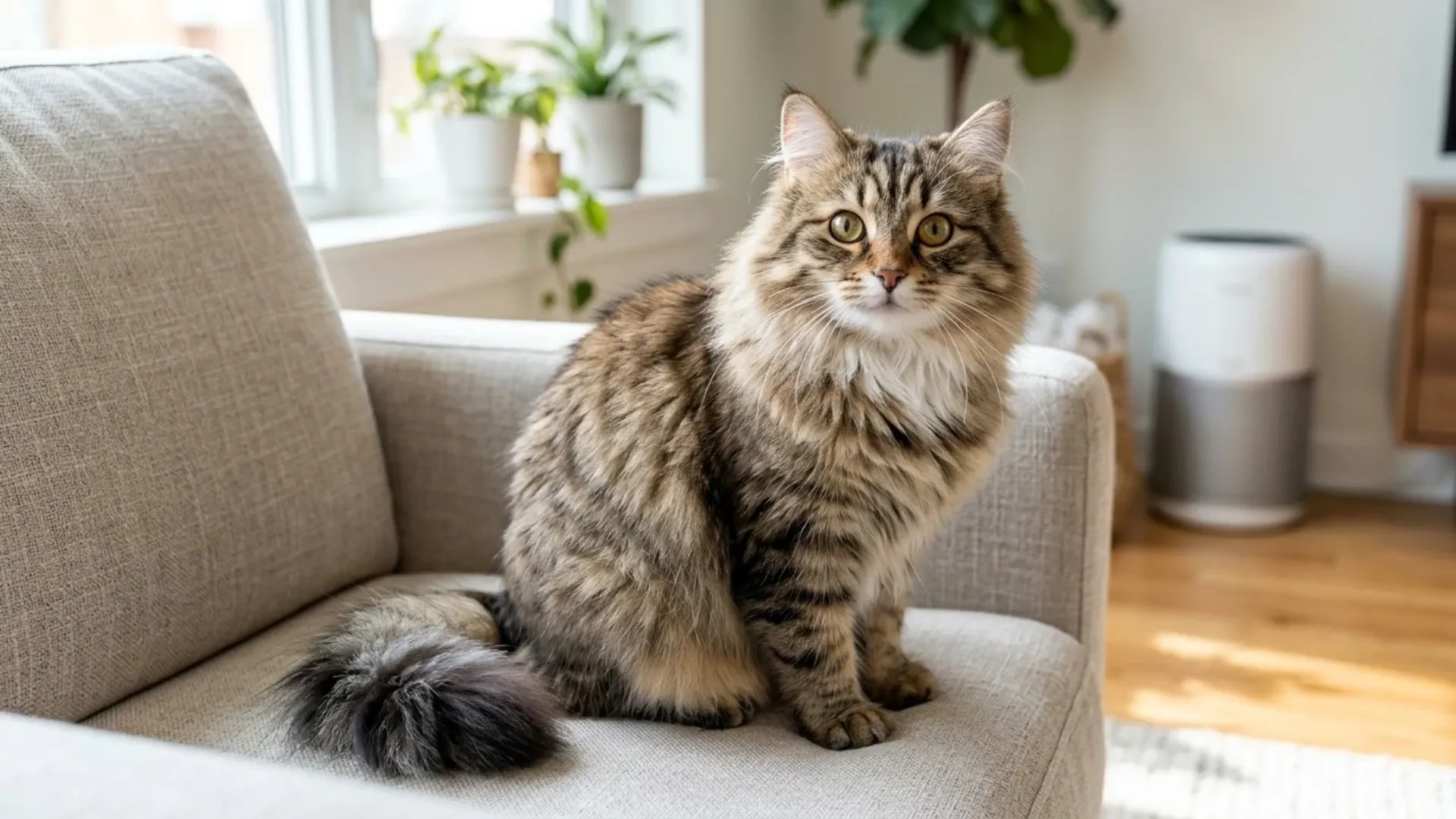
Many cat lovers dream of welcoming a cat into their home but worry about sneezing, itchy eyes, or constant allergic reactions. Finding an allergy-friendly feline companion can feel challenging when allergies are part of everyday life, but certain cat breeds may offer a more comfortable starting point.
Although no cat is completely hypoallergenic, some breeds shed less or produce lower amounts of certain allergens, helping keep symptoms to a minimum. These differences may help reduce symptoms for some people; being allergen-aware is the key, although reactions vary between individual cats and breeds.
If you’re looking for feline companionship with fewer allergy concerns, these seven breeds, a handful of the most popular options, are worth exploring before making your adoption decision.
FACT: The protein Fel d 1, found mainly in cat saliva and skin secretions, is a major trigger of cat allergies even for the tiniest kitties.
Best Cat Breeds For Allergy-Friendly Homes
1. Siberian
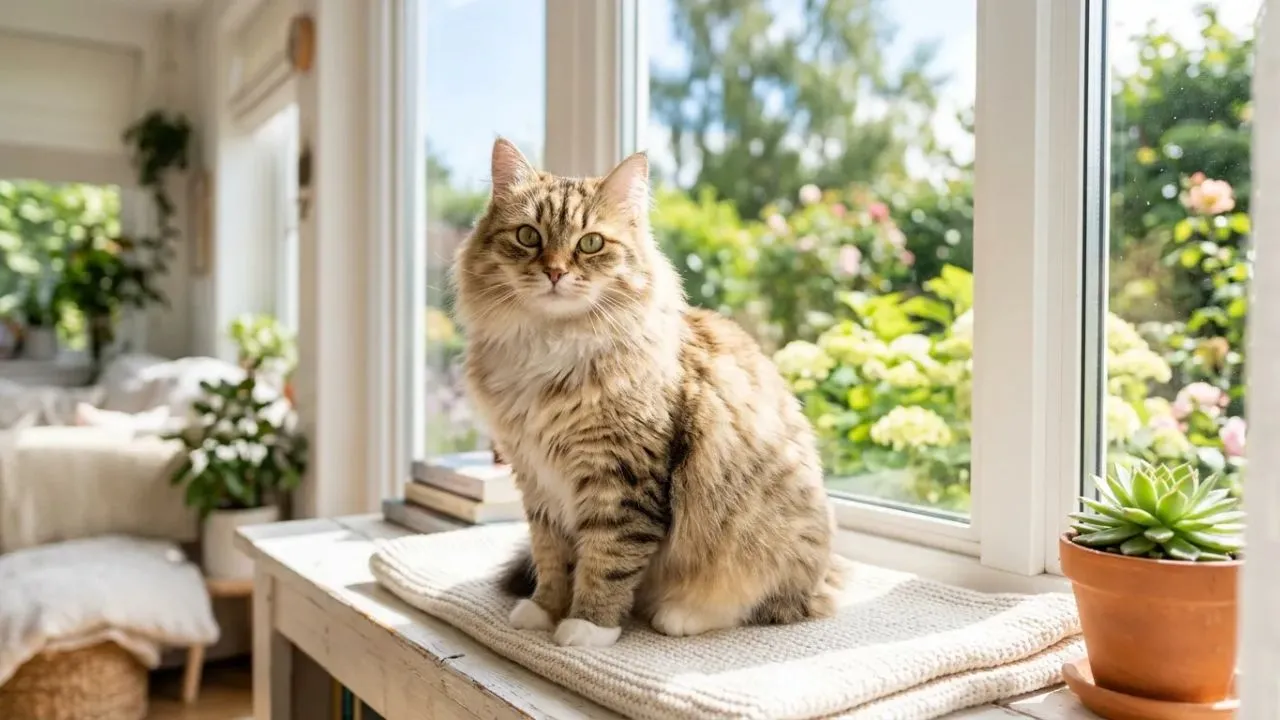
With their thick, luxurious coats, Siberians might not look like an obvious choice for allergy-conscious households. However, this domestic breed is often discussed as a potentially more manageable option for sensitive homes.
Of course, that doesn’t mean they’re completely hypoallergenic. All cats produce allergens, so check with an allergy specialist and take time to see if it’s a good fit before bringing one home.
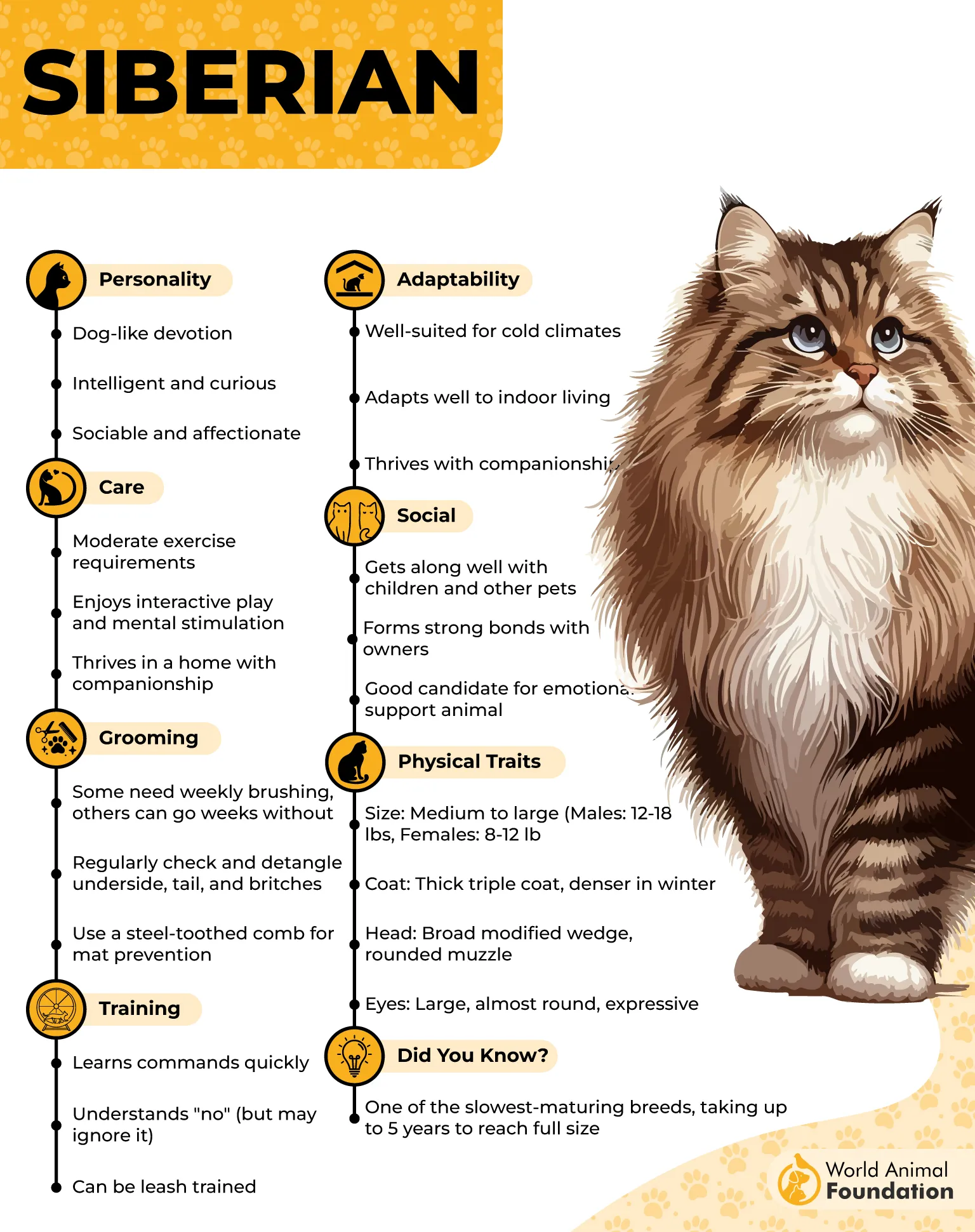
Beyond their reputation for potentially lower allergen production, these cats are affectionate, friendly, and well suited to family life. Their sociable nature makes them enjoyable companions, especially for households that appreciate an interactive pet.
Their dense coat does require some attention, but weekly combing generally helps prevent tangles and keeps their fur in good condition.
2. Javanese
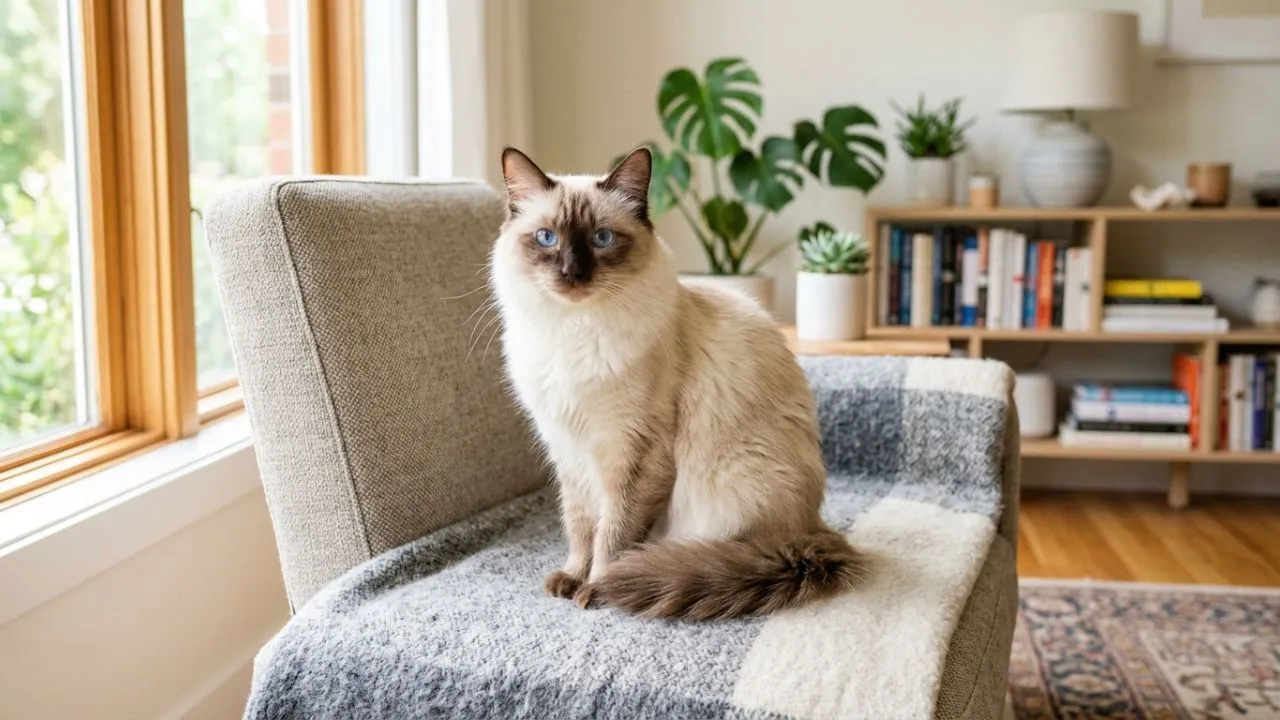
The Javanese has a distinctive silky coat that makes it a sneeze-friendly choice for allergy-conscious homes. Unlike many long-haired breeds, it has a single-layered coat without a dense undercoat, which generally results in fewer loose hairs around the house.
According to PetMD, Javanese cats shed very little, but they need regular grooming to prevent their long coats from matting.
Personality is another defining feature of this breed. Javanese cats are highly intelligent, playful, and vocal, often communicating with their owners through frequent meows and chirps.
They also enjoy mental challenges, making puzzle feeders and interactive toys useful additions to their daily routine. However, their strong need for human company means they may not suit households where pets are left alone for extended periods.
3. Russian Blue
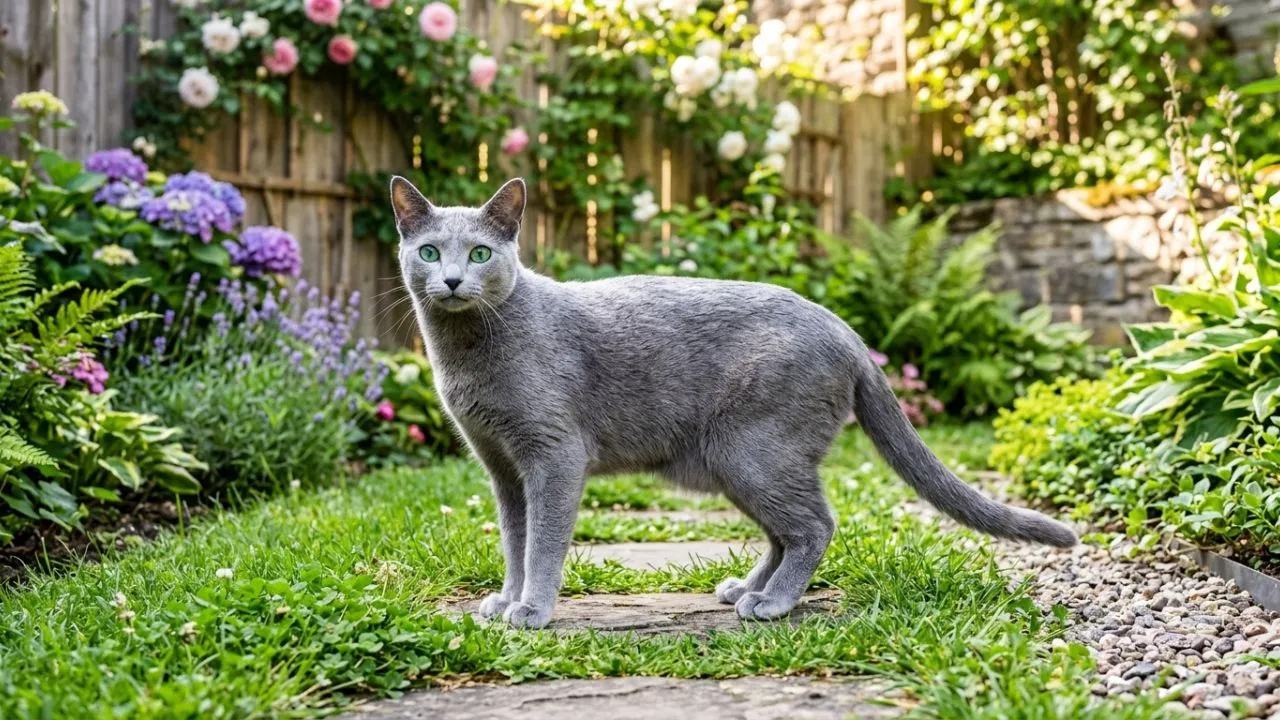
With their shimmering silver-blue fur and vivid green eyes, Russian Blues have an unmistakable appearance. Their calm, gentle temperament is equally appealing. Like many domestic cats with a long history, Russian Blue developed naturally rather than through modern breeding systems.
According to Purina, Russian Blues shed less frequently than other breeds and need brushing a couple of times a week to maintain a soft, shiny coat.
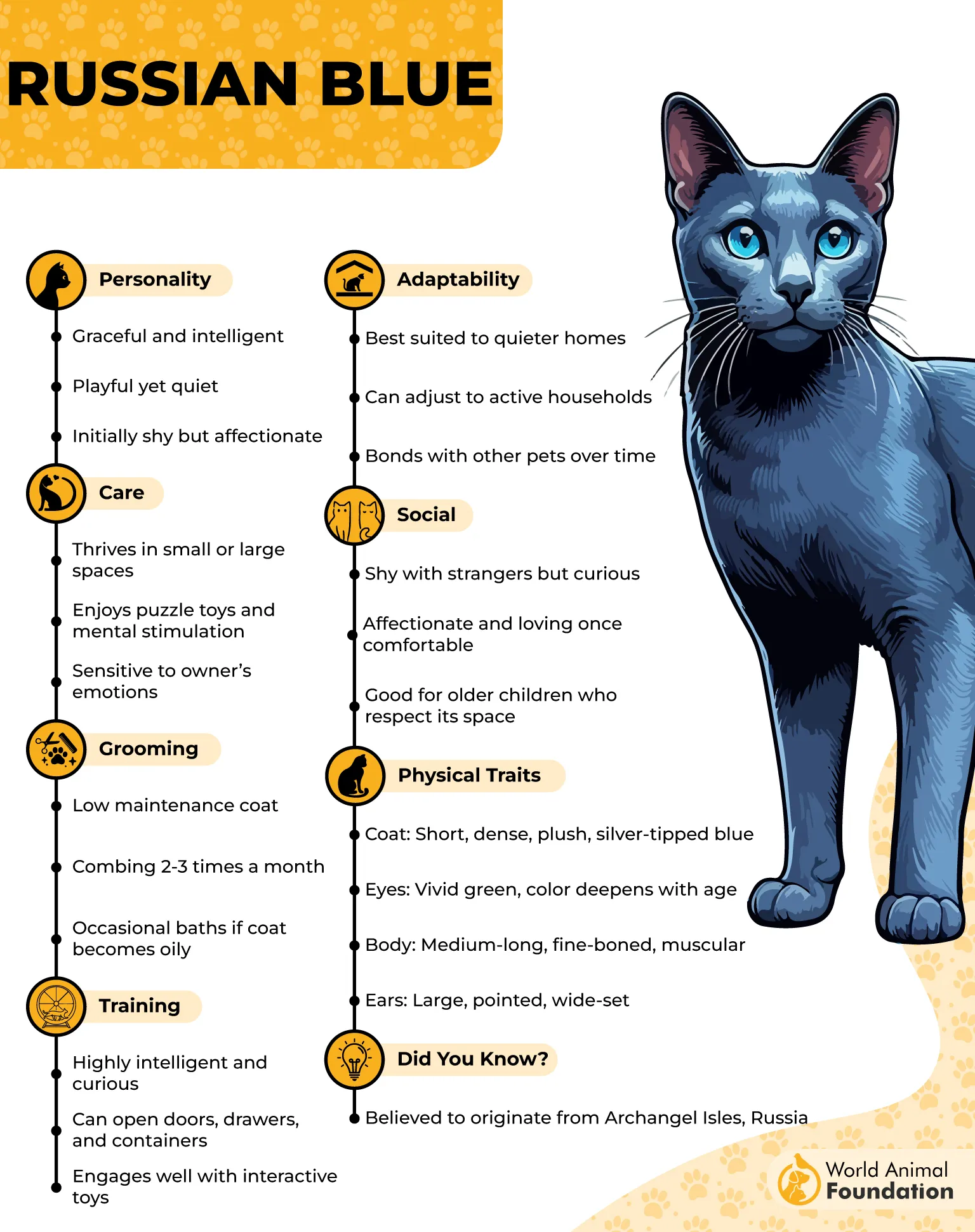
These reserved cats may take their time getting comfortable around strangers, often preferring to observe newcomers before approaching. Once they develop trust, however, they become affectionate and devoted to their favourite people.
Their reputation among allergy-conscious owners also deserves some perspective. Their lower shedding may mean fewer loose hairs around the home.
4. Cornish Rex
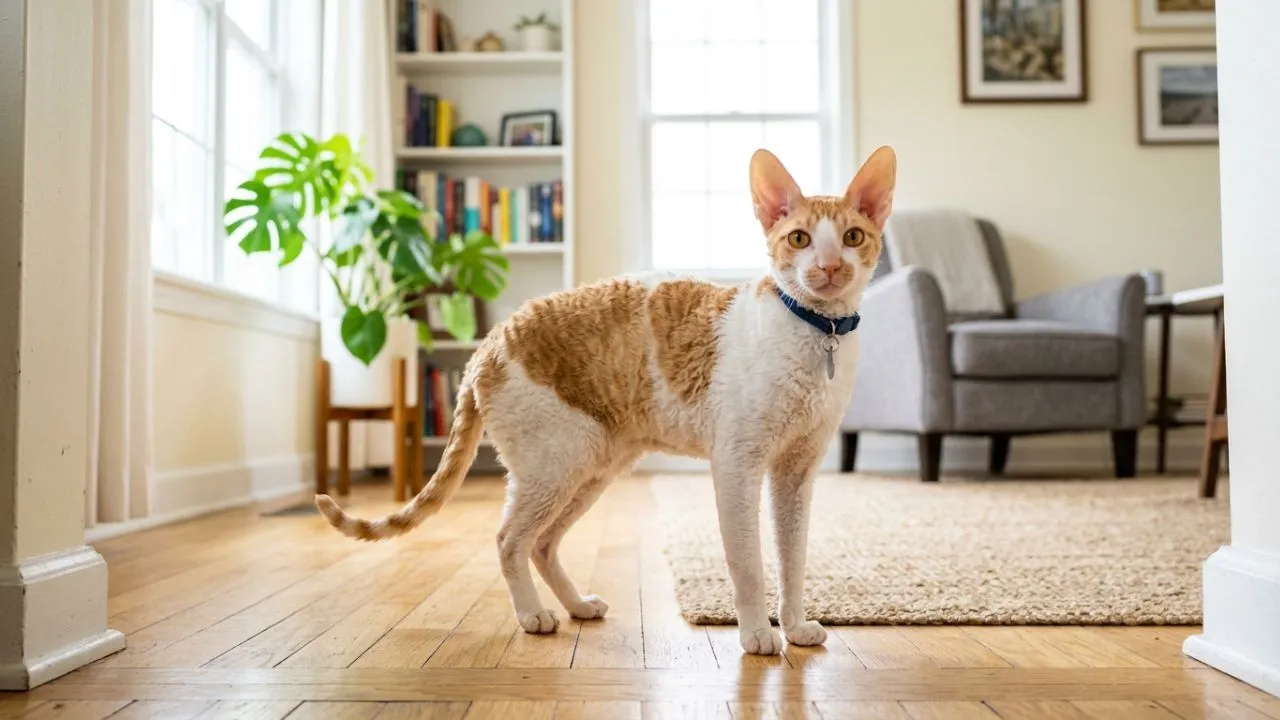
There’s something special about running your hand over a Cornish Rex’s soft, wavy coat. Unlike most cats, this breed has only a fine, downy undercoat rather than three distinct layers of fur, giving it a wonderfully velvety texture.
This unusual coat structure also means Cornish Rex cats typically shed less than many other breeds. With fewer loose hairs circulating around the home, they may appeal to allergy-conscious owners, although they are not completely hypoallergenic.
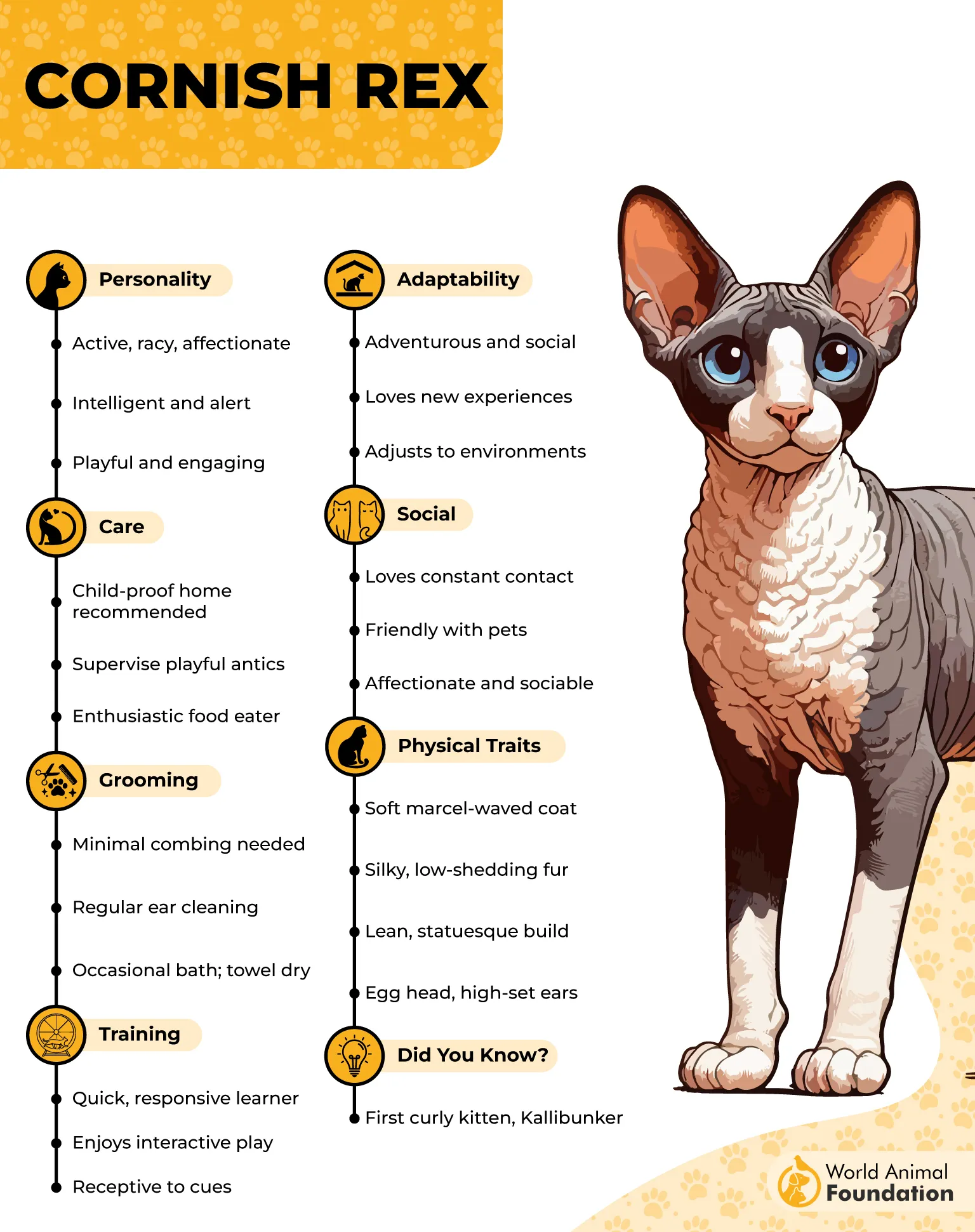
Their playful personality brings just as much charm as their distinctive appearance. These clever cats love chasing toys, exploring high perches, and finding ways to stay involved in whatever their families are doing.
Cornish Rex cats also enjoy learning tricks and interactive games, so daily playtime is important. Their energetic nature and affectionate temperament make them lively companions who appreciate plenty of attention.
5. Sphynx
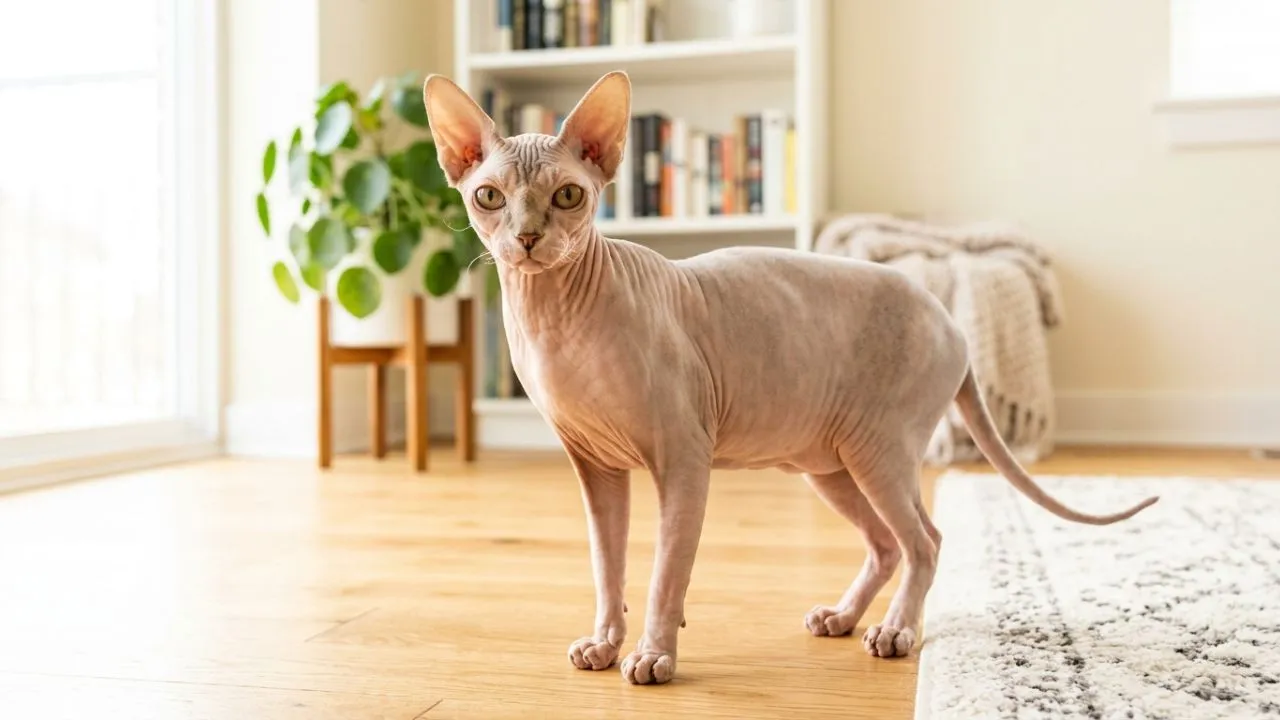
Many cat lovers assume that a hairless cat is automatically allergy-free, but the Sphynx challenges this common belief. Although its body has little to no visible fur, its skin can still produce allergens, including proteins found in saliva and skin secretions.
What makes this breed different is the absence of a thick coat to trap saliva and loose hair. This may reduce the amount of allergen-laden fur around the home.
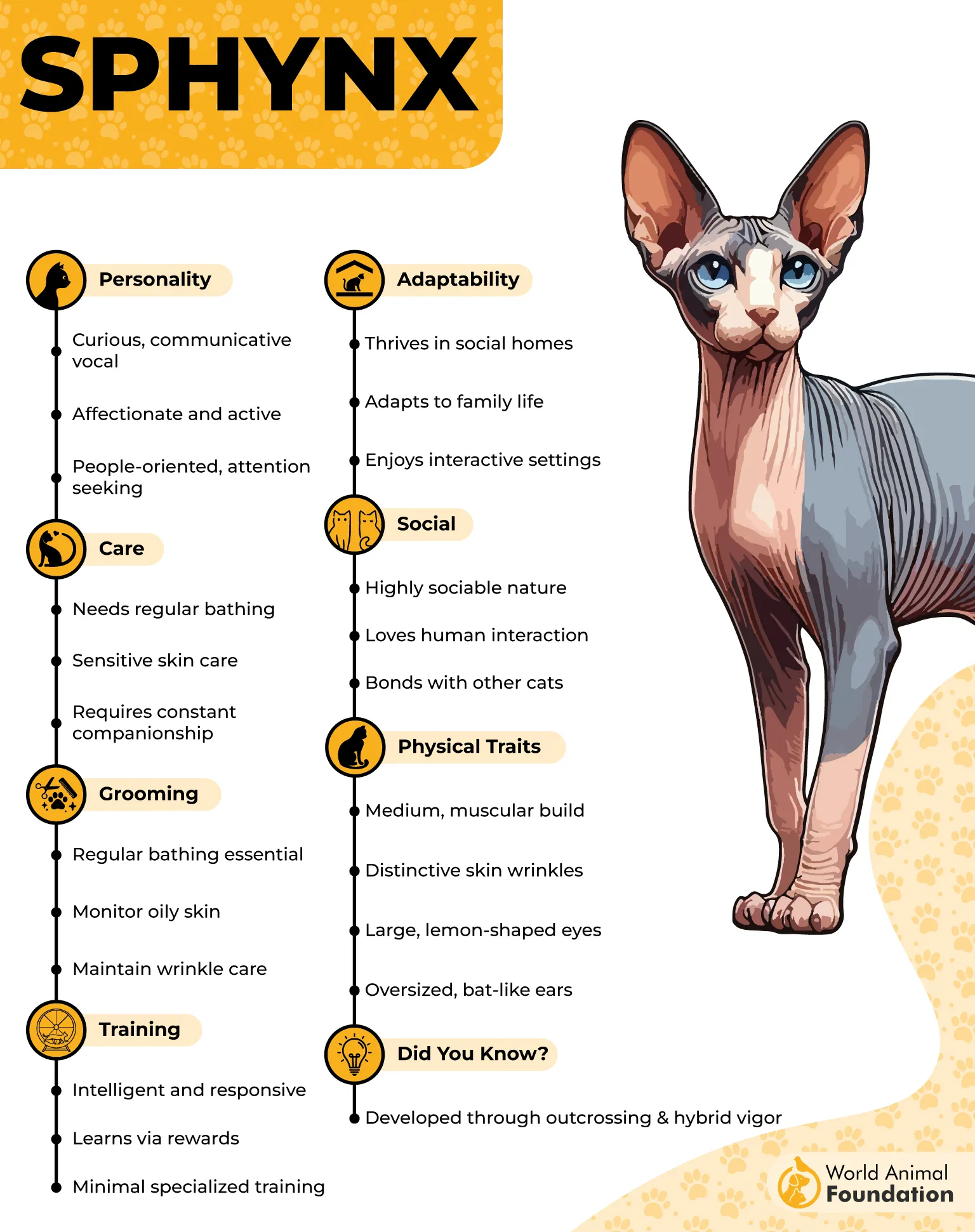
Their exposed skin also needs more attention than a typical cat’s coat. Without fur to absorb natural oils, Sphynx cats require regular baths to support their skin health.
Warm baths can become part of their grooming routine, but they also need protection from direct sunlight because their bare skin is vulnerable to sunburn. Safe clothing or cat-specific sun protection can help when needed.
6. Oriental Shorthair
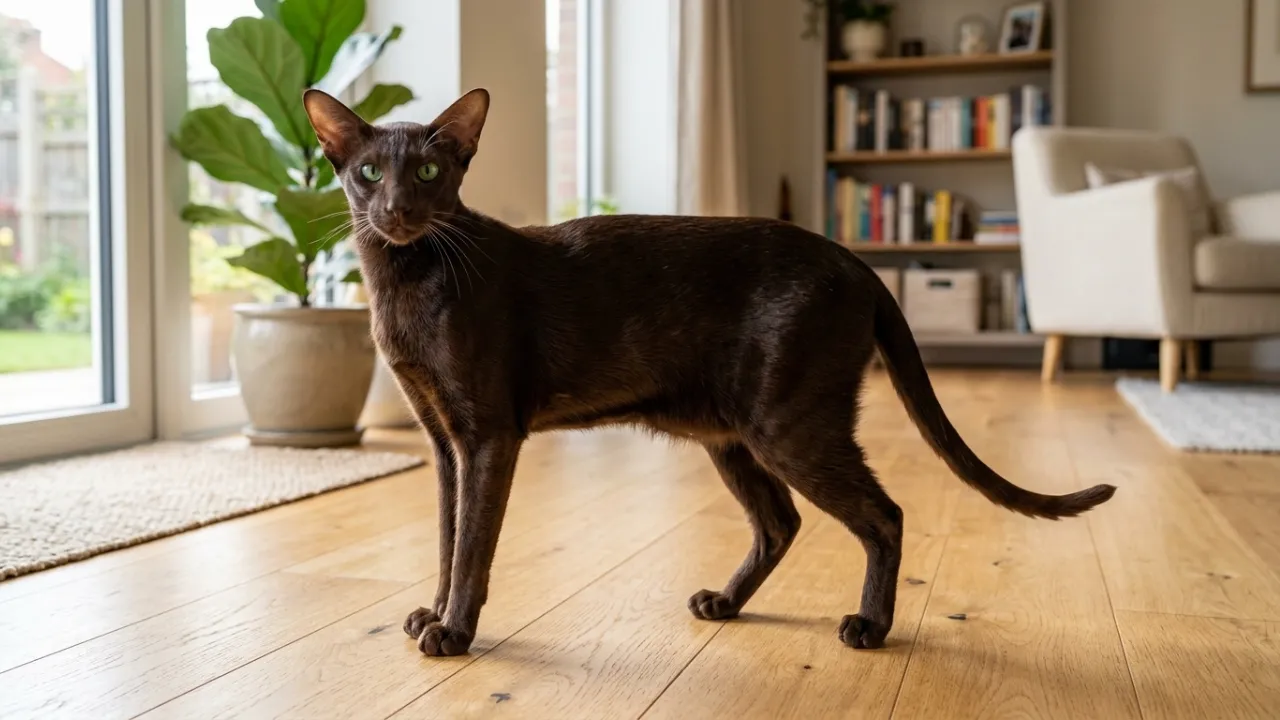
If you prefer a cat with a striking personality but don’t want to spend hours managing a thick coat, the Oriental Shorthair may catch your attention. Its sleek, fine fur sits close to the body and typically sheds less than that of many other breeds.
With fewer loose hairs circulating indoors, this breed may spread fewer allergens around the home. Regular grooming and occasional bathing can help remove loose fur and skin oils, although they won’t eliminate allergens entirely.
Looks aren’t the only thing that makes this short-haired cat stand out. Large ears, expressive eyes, and a slender build give the Oriental Shorthair a distinctive appearance, while its outgoing nature brings plenty of energy to family life.
These cats are highly social and enjoy staying involved in household activities. They also have plenty to say, often using their unusual, loud meows to communicate with their favourite people.
7. Bengal
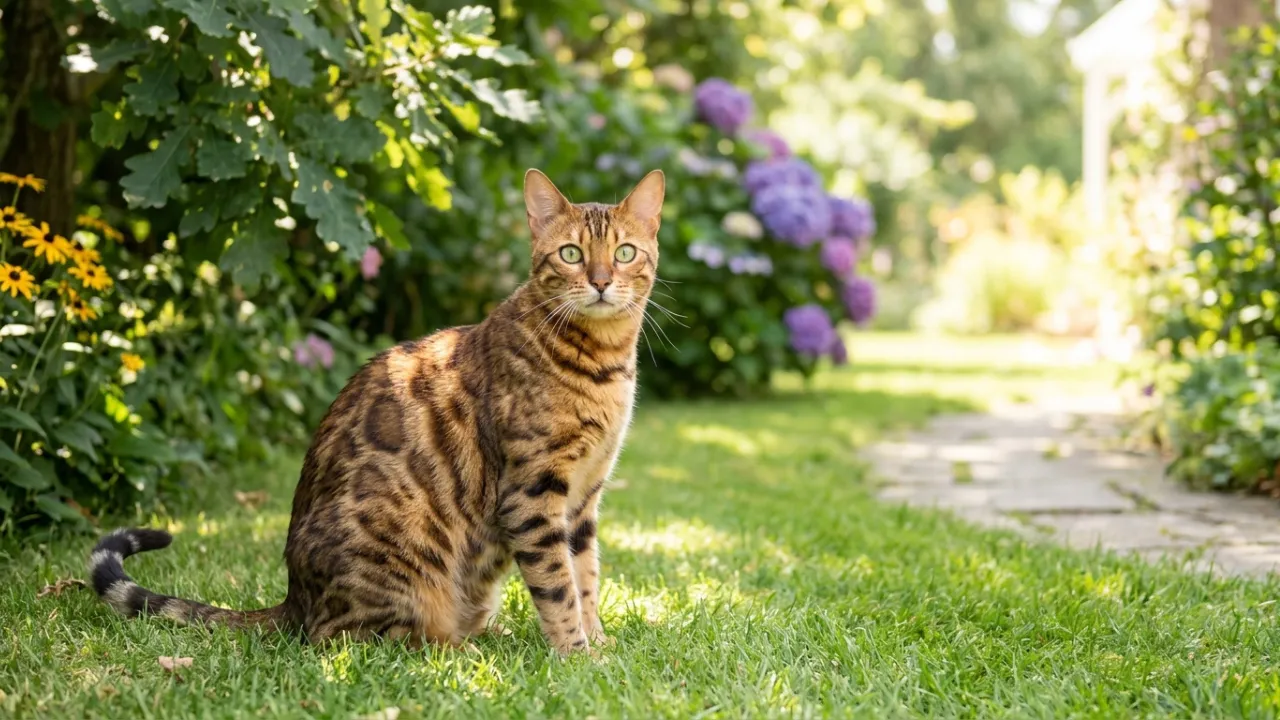
With its leopard-like spots and athletic build, the Bengal looks ready to trade your living room for a jungle adventure. Luckily, you don’t need to install a rainforest at home, although keeping this energetic cat entertained might feel like a full-time job!
Its short, fine coat sheds relatively little and requires minimal grooming compared with many longhaired breeds. Bengals are sometimes considered by allergy-conscious owners because they may produce lower levels of the Fel d 1 protein, although this varies between individual cats.
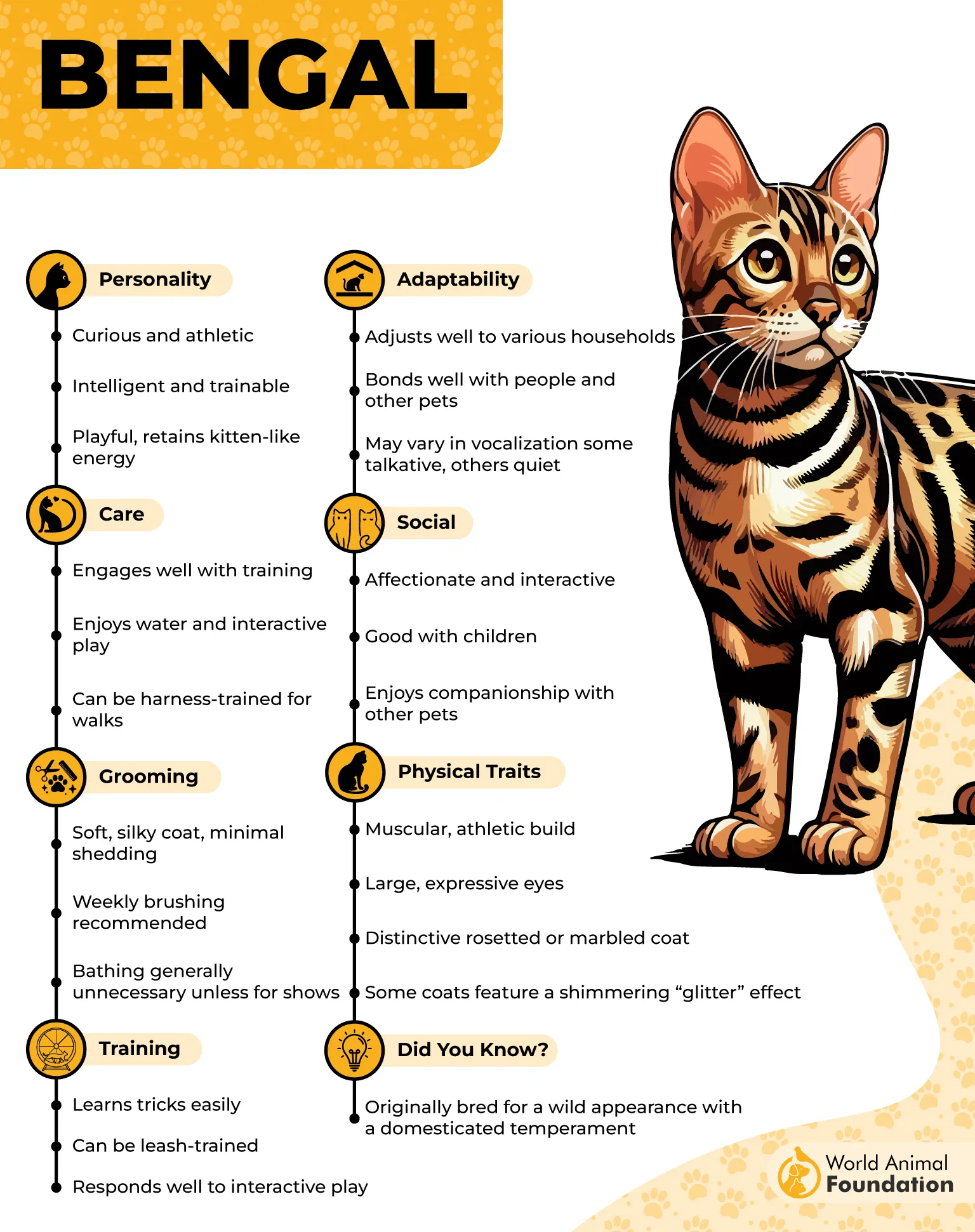
Here’s another surprise: Bengals often have an unusual interest in water. Don’t be shocked if yours investigates the bathroom, plays with running taps, or even tries to join you in the shower!
Despite their adventurous streak, these big cats can be affectionate companions. According to Royal Canin, Bengals may appear independent but become deeply attached to their owners and show plenty of affection
Conclusion
Finding the right feline companion when you have allergies involves more than choosing a cat with little or no fur. Some cats shed less or may produce lower levels of certain allergens, but no breed is completely hypoallergenic.
Coat type, grooming requirements, and individual allergen production can all influence how comfortably you share your home with a pet. Regular brushing, proper bathing when needed, and maintaining a clean indoor environment may help reduce allergen buildup.
Before adopting, spend time around the cat to understand how your body responds. With realistic expectations and proper care, you can make a more informed choice and enjoy the companionship of a feline friend.
