





For many cat lovers, allergies can be a heartbreaking barrier to pet ownership. While some cats are known for being hypoallergenic, others are notorious for triggering sneezing fits, itchy eyes, and endless discomfort.
The level of allergens a cat produces depends on factors like fur length, shedding tendencies, and dander levels. Some breeds produce more of this protein than others, making them more likely to cause allergic reactions.
If you’re sensitive to cat allergens, it’s important to know which breeds might be the biggest challenge. From heavy shedders to dander-heavy felines, these are the cats most likely to send allergy sufferers reaching for the tissues.
Most Allergenic Cat Breeds
1. Siberian
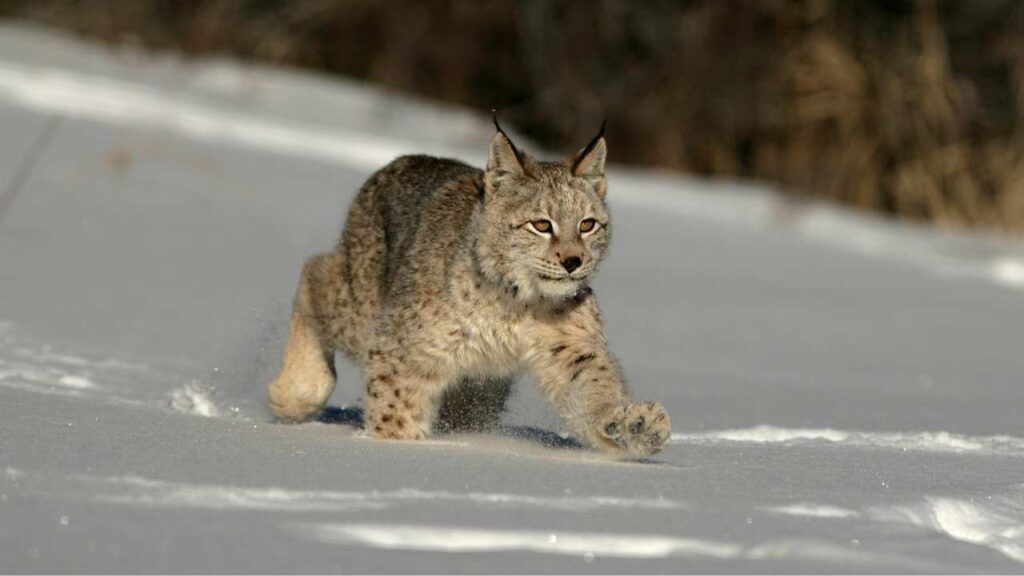
At first glance, you might think the Siberian—with its thick, luxurious coat—would be a walking allergy nightmare. But plot twist!
The Siberian cat has a long, striking coat, with common patterns such as tabby, tortoiseshell, and color-pointed. Occasionally, their ears may have tufts of hair at the tips, giving them a lynx-like appearance.
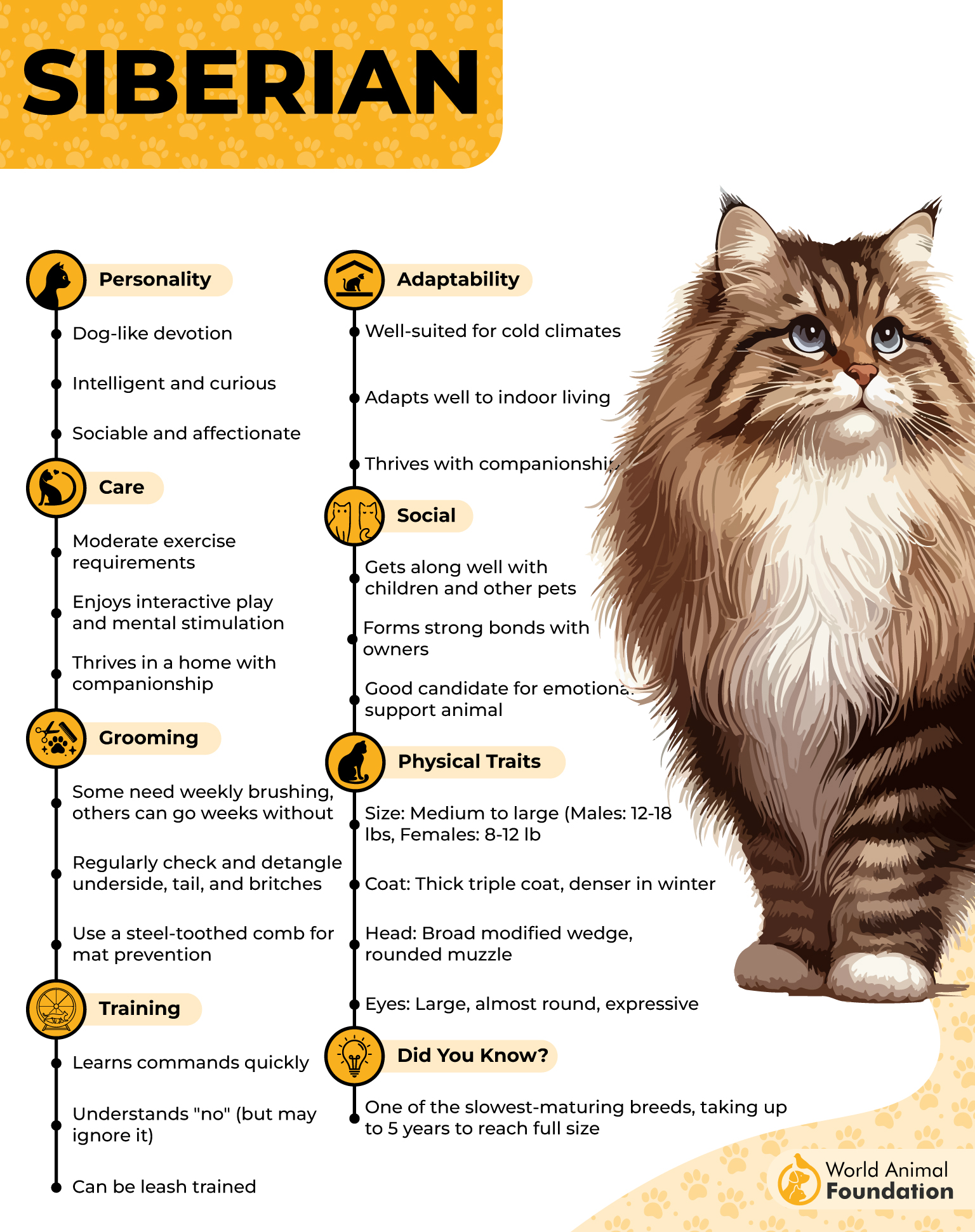
This big, fluffy cat produces less of the Fel d 1 protein, the main culprit behind cat allergies, than most other breeds. That said, “less” doesn’t mean “none,” so highly sensitive allergy sufferers can still react.
According to Petplan, Siberian cats have a thick, warm coat built to withstand the freezing temperatures of their native Russian climate.
Siberians are known for their dog-like loyalty, playful nature, and ability to thrive in cold climates. Their stunning triple-layer coat may be a beauty to behold, but snuggling one might still lead to an unplanned sneeze-fest if you’re allergic.
2. Siamese
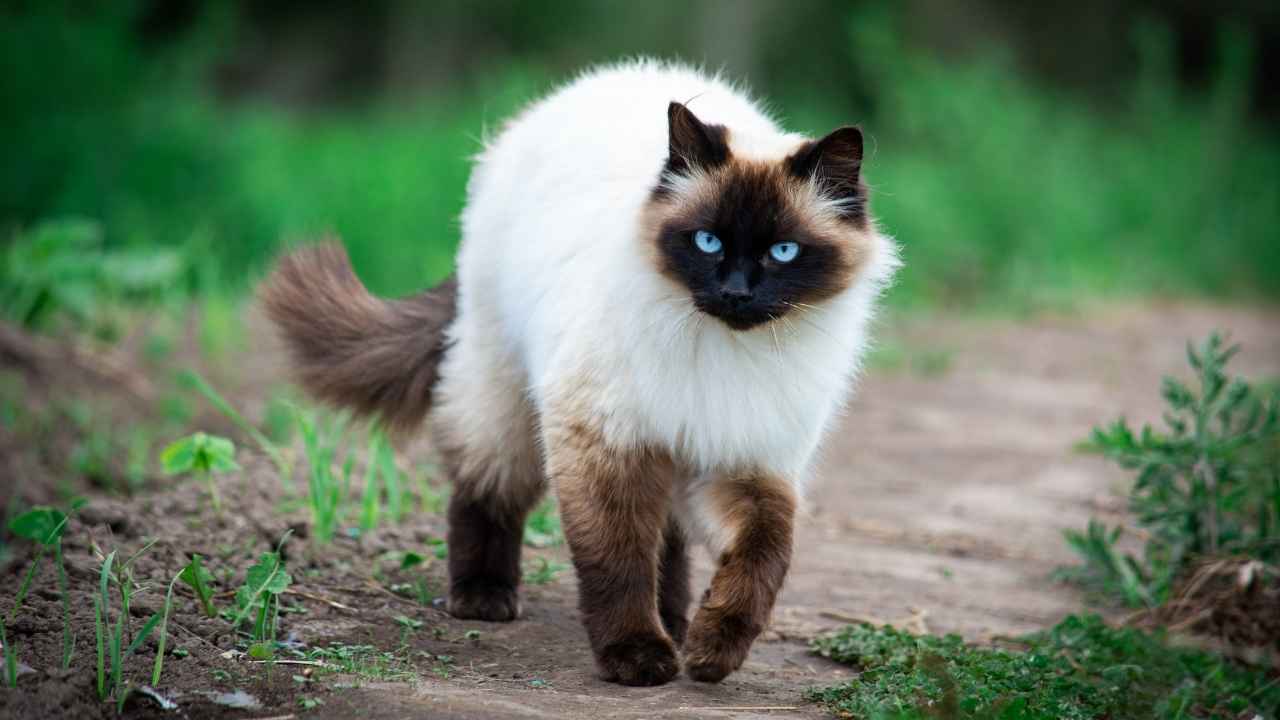
If cats could be drama queens, the Siamese cats would be leading the charge. Known for their loud, opinionated personalities, these sleek, blue-eyed beauties have no problem telling you exactly how they feel—whether you ask or not.
The Siamese is a cat breed originally from Thailand and is now one of the most popular breeds in North America and Europe.
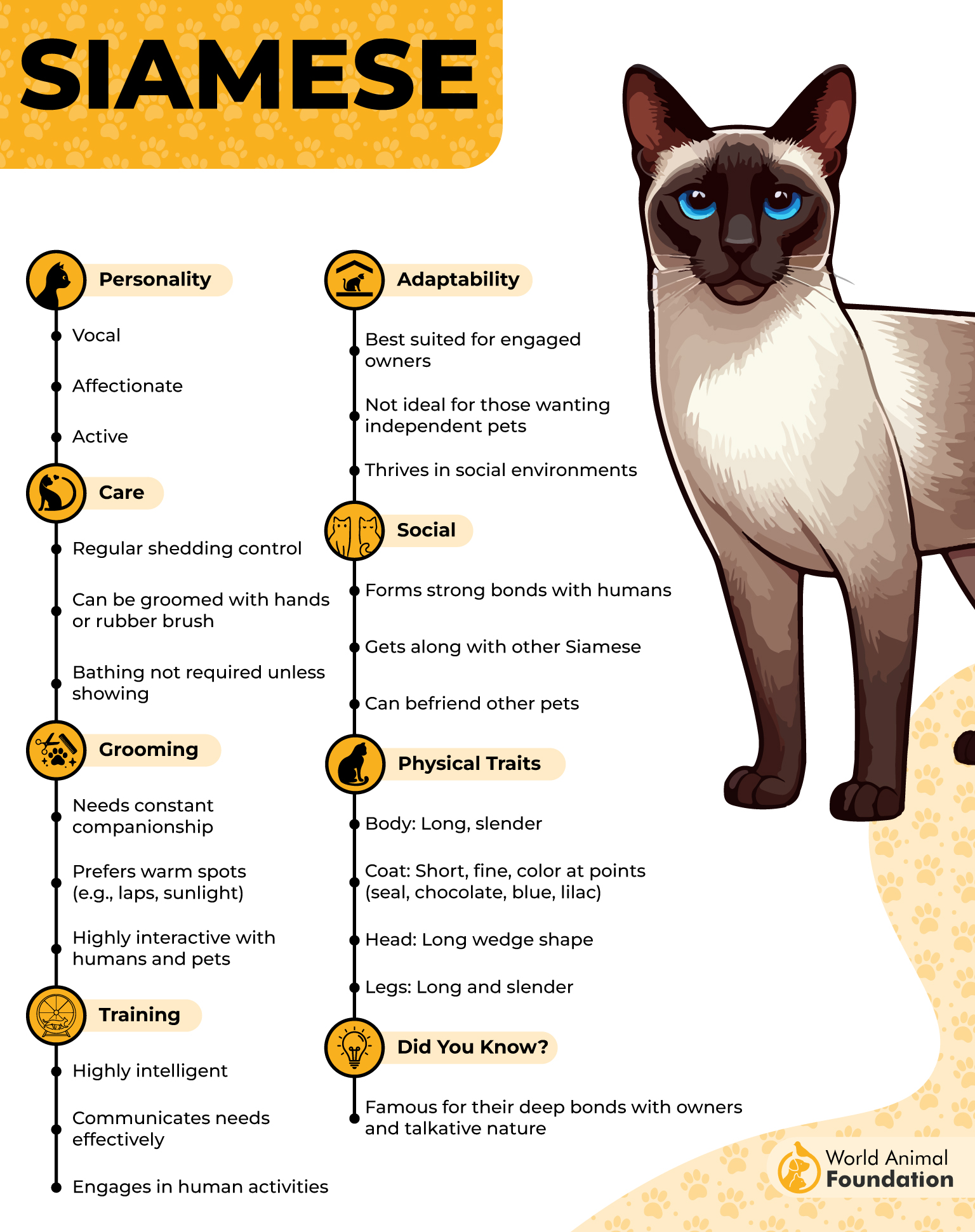
As per WebMD, they are known as the classic “people cat,” as they love to interact with their owners, sleep beside them, and curl up on their laps. Siamese cats tend to have male cats that are generally larger and heavier than female cats.
Unfortunately, they also produce high levels of the Fel d 1 protein, making them one of the most allergenic breeds out there. Their short coat might seem like a safer bet for allergy sufferers, but don’t be fooled—it’s not about the fur, it’s about the protein!
Siamese cats are social, playful, and incredibly intelligent, often demanding attention (and sometimes causing chaos just for fun). If you’re allergic but determined to own one, be prepared for a daily battle of antihistamines versus their irresistible charm.
3. Bengal
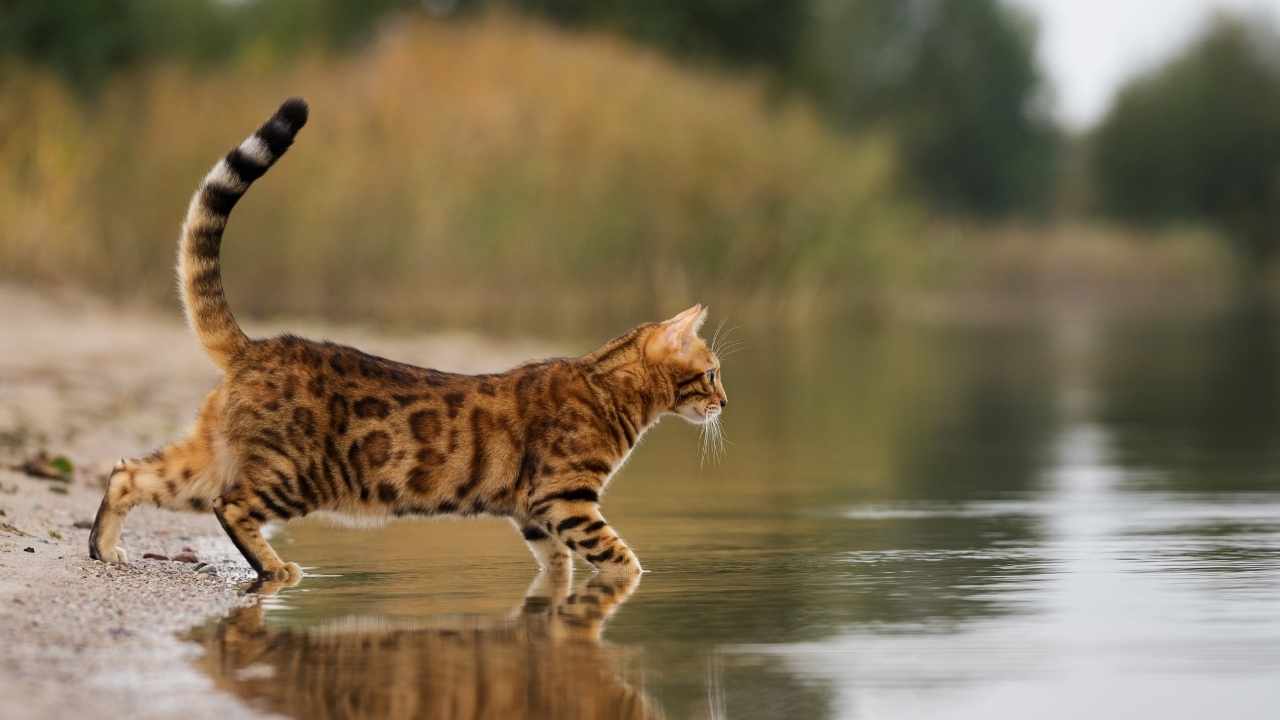
If you’ve ever wanted a pet leopard but weren’t keen on the whole “wild animal” thing, the Bengal is the next best thing. Originating from a cross between domestic cats and the Asian leopard cat, Bengals have a distinctive spotted or marbled coat that resembles that of a wild feline.
With its sleek, muscular body and exotic spotted coat, this breed is stunning—but if you have allergies, beware.
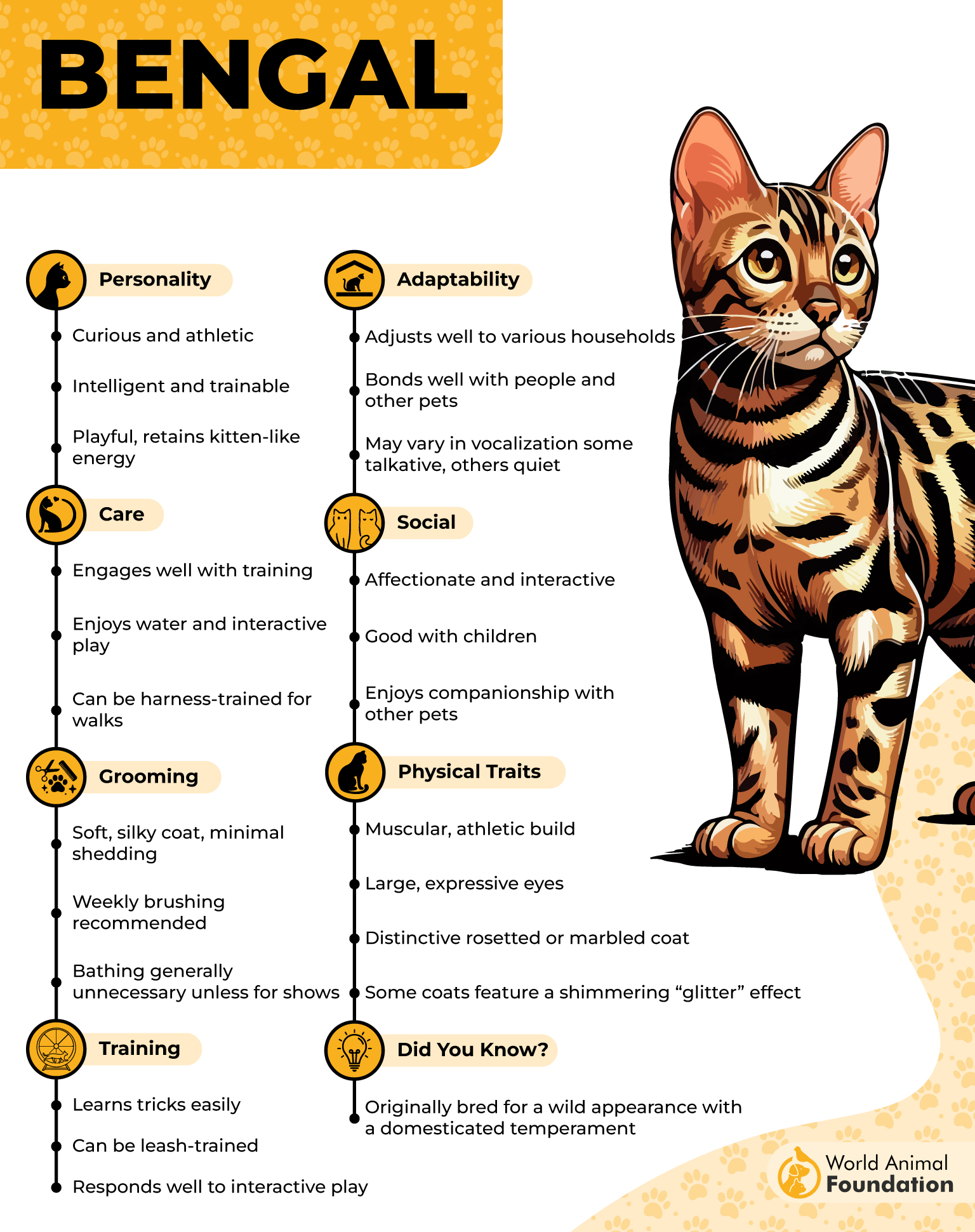
Bengals produce high amounts of the Fel d 1 protein, making them one of the worst offenders for allergy sufferers. On the bright side, their short, low-shedding coat means they spread fewer allergens than some other breeds, but that doesn’t mean they’re hypoallergenic.
Bengals are also known for their insane energy levels—they’ll climb your furniture, stalk imaginary prey, and maybe even take a dip in the sink (yep, they love water).
If you’re allergic, be prepared for a sneezing fit while watching your Bengal turn your house into its jungle gym.
4. Russian Blue
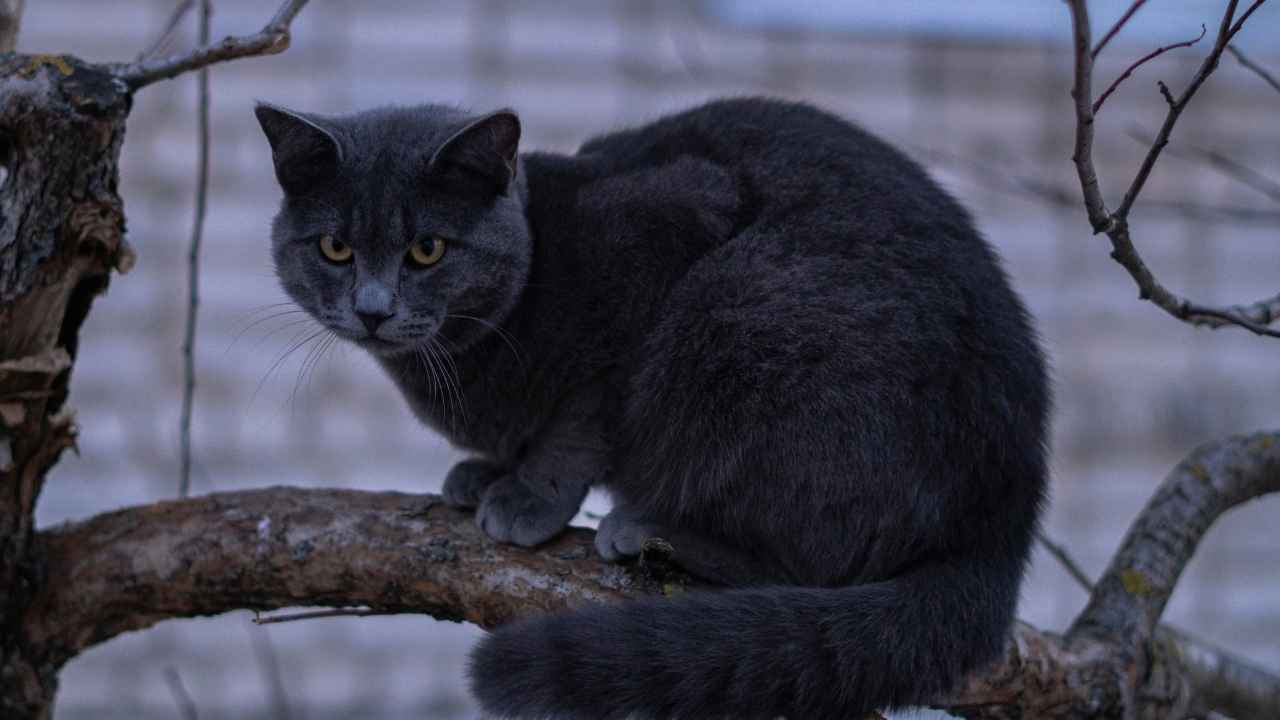
Draped in an elegant, dense silver-blue coat, the Russian Blue looks like a feline straight out of an aristocratic portrait. Originating from Russia, this breed is believed to have been favored by Russian nobility before gaining popularity worldwide.
Russian Blues have a sleek, muscular build with a short, dense coat that feels soft and plush. This breed has a regal, reserved personality—they’re affectionate with their favorite humans but can be a bit aloof with strangers.

According to PetMD, the Russian Blue is a low-maintenance cat breed when it comes to grooming. It doesn’t require regular washing, brushing, or combing.
Here’s the good news: Russian Blues produce lower levels of Fel d 1, making them one of the better choices for allergy sufferers. But don’t celebrate just yet—if you have severe cat allergies, even this beauty can trigger a reaction.
However, if you’re mildly allergic, this might be the closest you’ll get to a sneeze-free cat. Plus, Russian Blues are known for their intelligence and quiet, gentle nature, making them perfect companions for those who want a cat that’s both classy and (slightly) easier on the allergies.
5. Sphynx
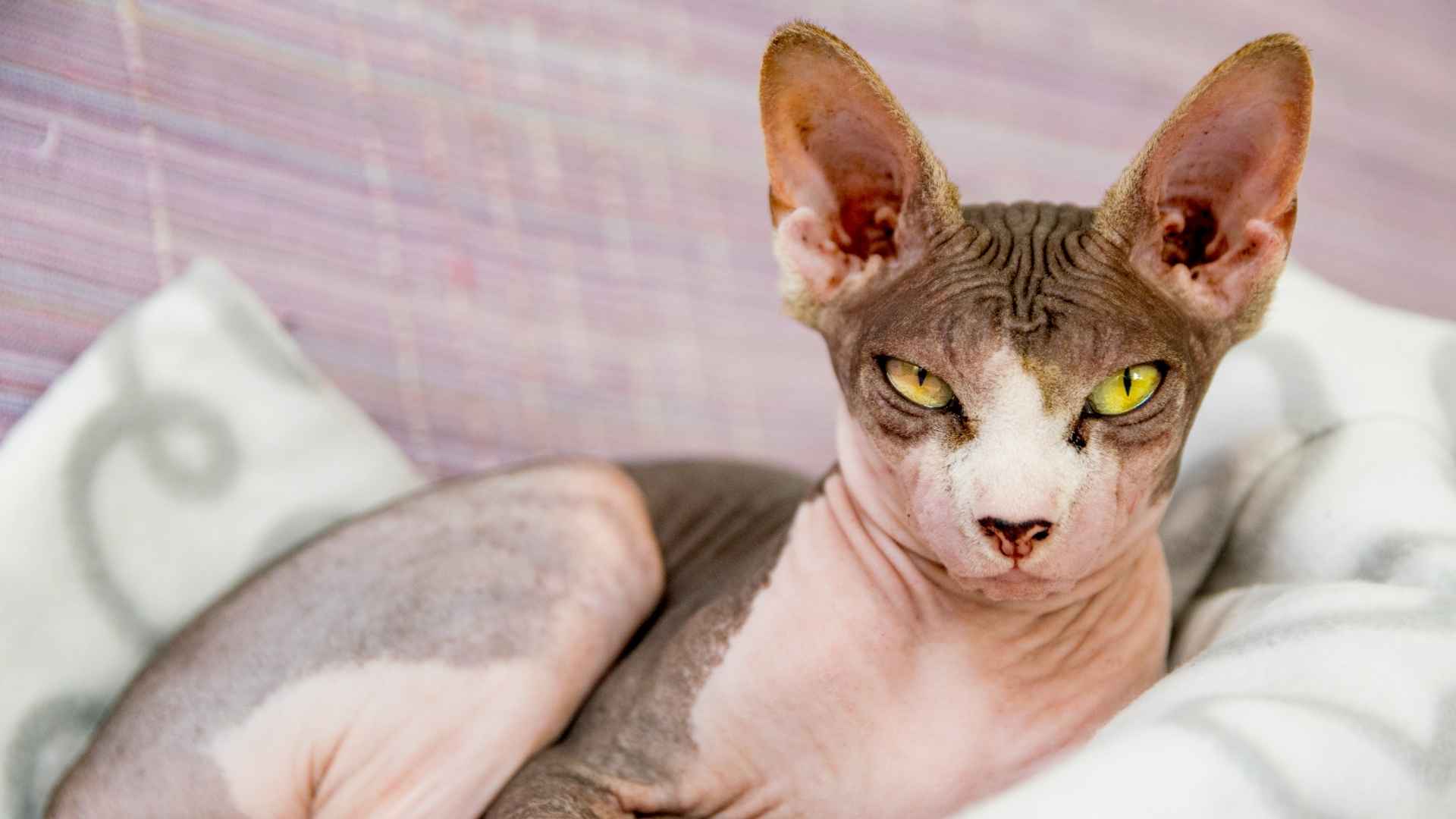
You’d think a hairless cat would be the perfect pet for allergy sufferers, right? Wrong!
Although as a no-fur cat, Sphynx cats produce dander, which can trigger allergies in sensitive individuals. meaning it’s just as likely to trigger allergies as a fluffy cat.
Despite their lack of fur, Sphynx cats are incredibly affectionate, social, and playful, often described as “dog-like” in their loyalty and love for human companionship.
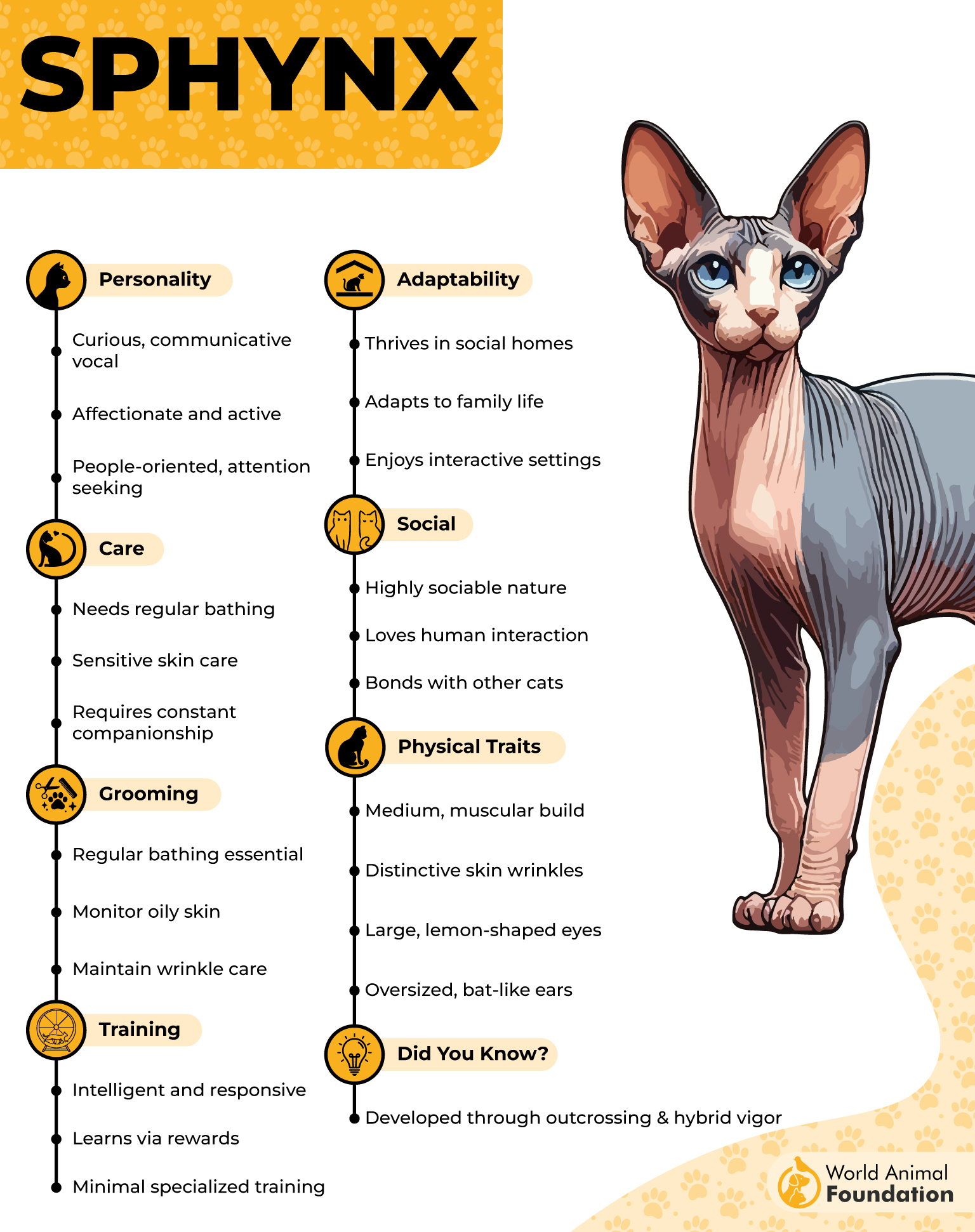
Since Sphynx cats don’t have fur to absorb their natural oils, they need frequent baths to avoid becoming little greaseballs (yes, you’ll have to bathe your cat—good luck with that). Personality-wise, they’re absolute attention-seekers, always craving warmth and affection.
According to Hill’s Pet, the Sphynx cat is an energetic, acrobatic performer who enjoys showing off for attention. Despite her serious expression, she has a surprising sense of humor.
They thrive on attention and enjoy cuddling to stay warm, as their exposed skin makes them more sensitive to temperature changes. If you can handle the allergies and the occasional “Why is your cat naked?” question from guests, the Sphynx is a quirky, lovable companion that will keep you endlessly entertained.
6. Devon Rex
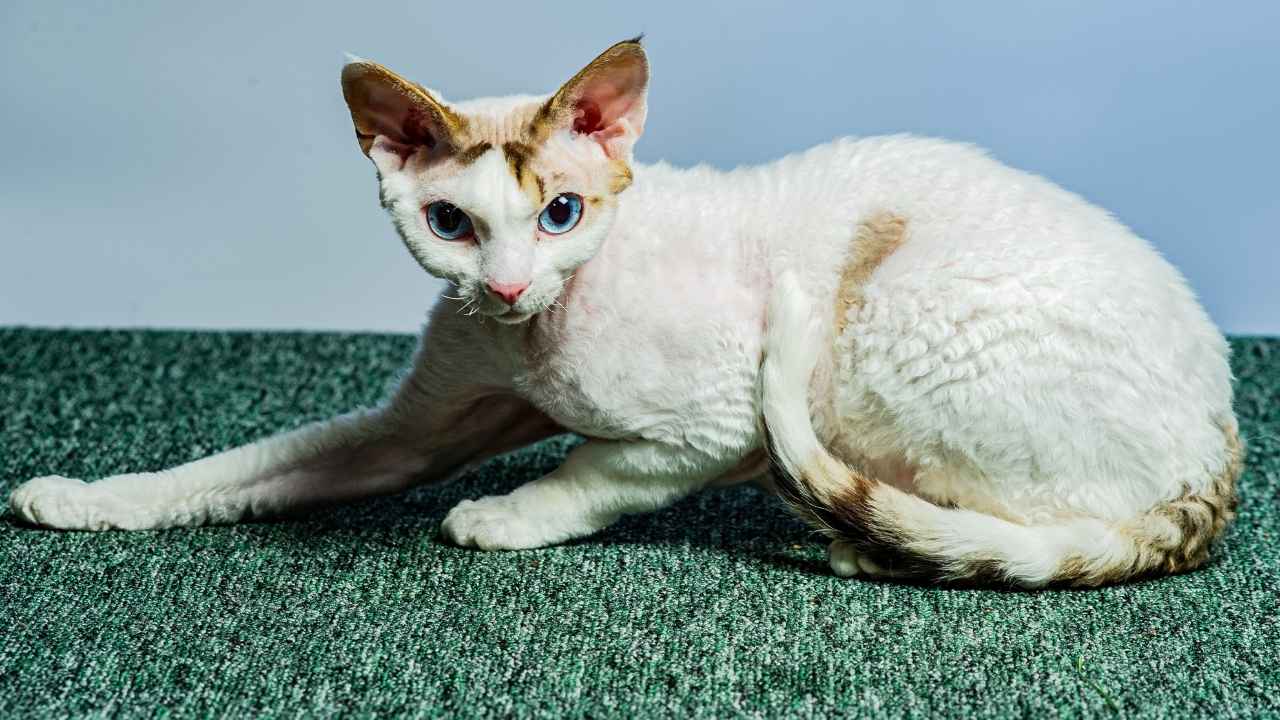
With its big ears, mischievous eyes, and short, curly coats, the Devon Rex looks like a tiny, magical creature from another world.
These cats are playful, affectionate, and extremely people-oriented—they’ll be on your lap, on your shoulders, or in your face at all times.
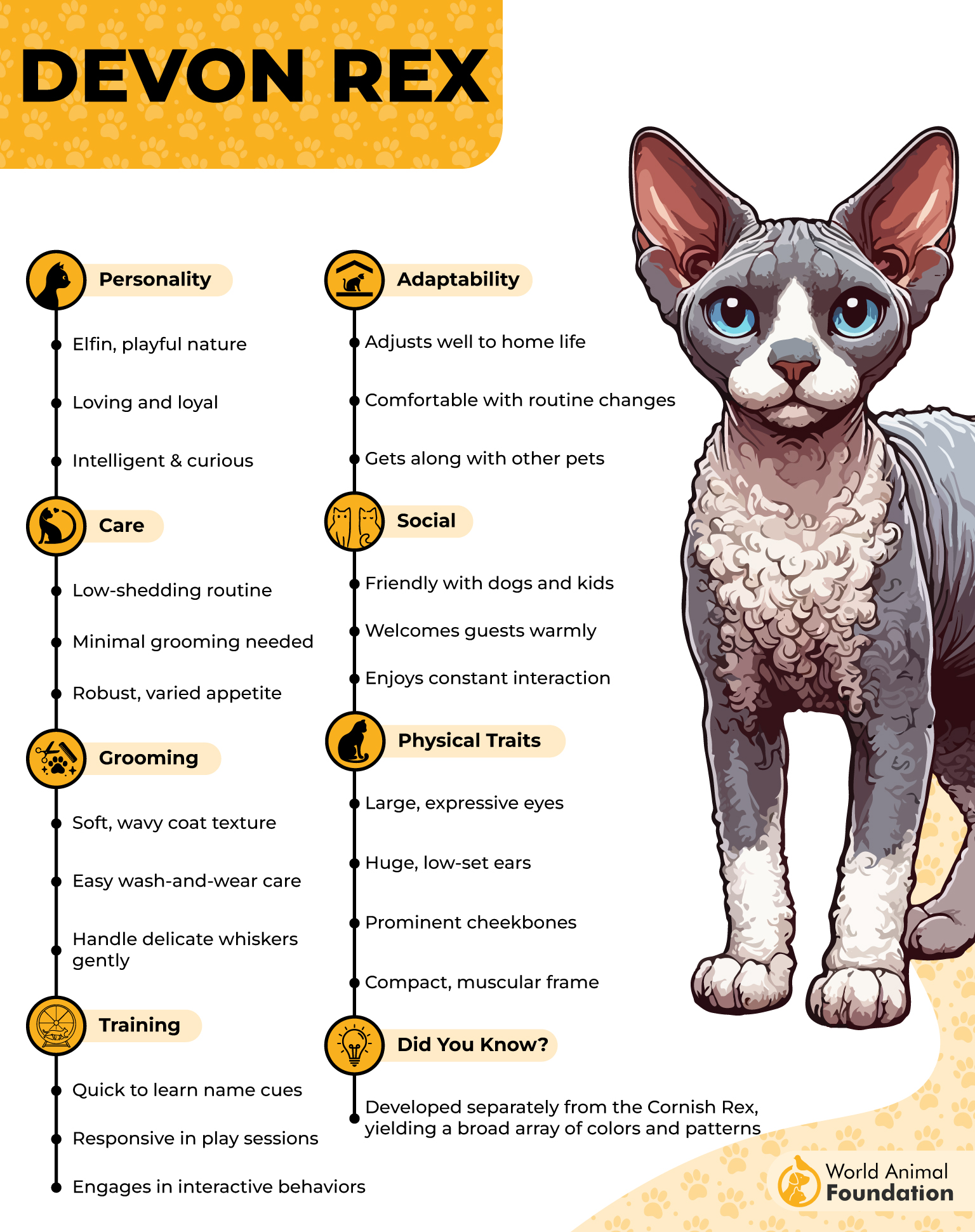
Devon Rex cats are highly social and thrive on human companionship, often following their owners around and seeking warmth through cuddles. They are energetic, intelligent, and love interactive play, making them great pets for active households.
Their short, fine coat sheds less than many other breeds, which might sound like good news for allergy sufferers, but don’t be fooled—they still produce a high amount of Fel d 1.
If you’re allergic, a cuddle session with a Devon Rex might leave you reaching for tissues, but if you’re willing to suffer for love, this little elf-like feline is worth it.
7. Balinese
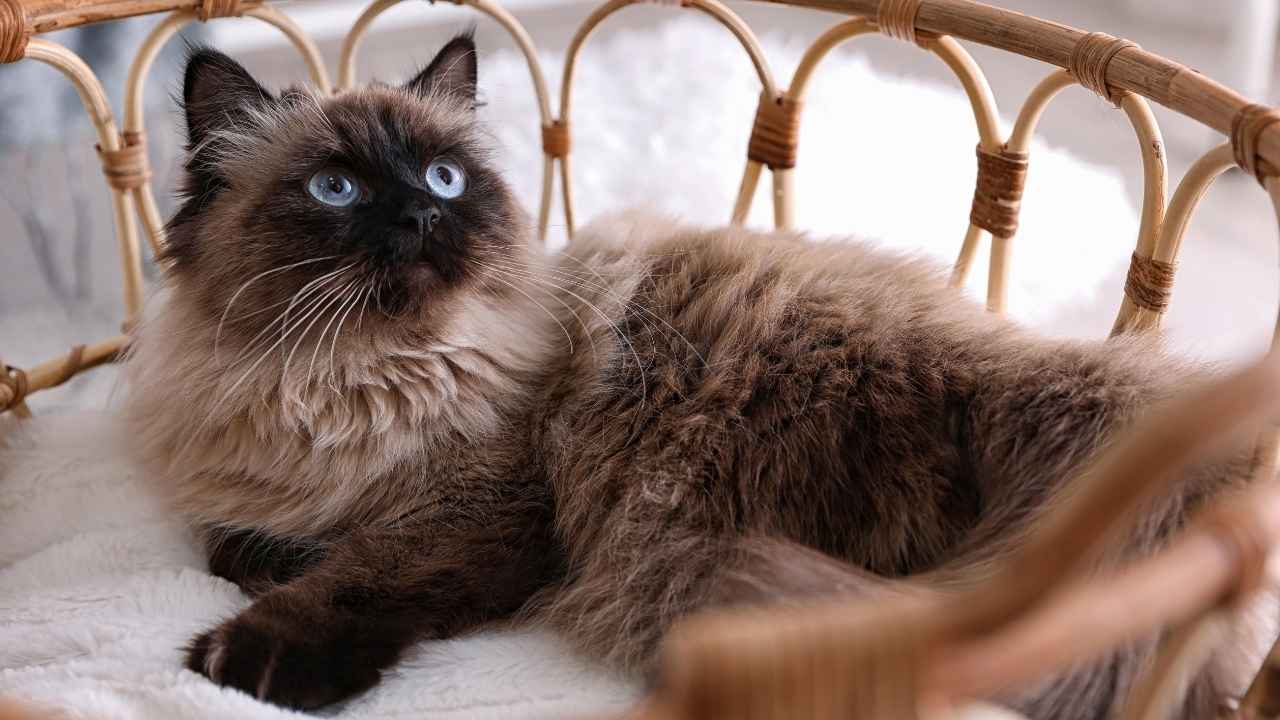
Finally, some relief! Despite its long, silky coat, the Balinese is one of the most hypoallergenic cat breeds. How? It produces lower levels of Fel d 1, meaning allergy sufferers have a much better chance of coexisting peacefully with this elegant feline.
The Balinese is a graceful and intelligent cat breed known for its striking appearance and affectionate personality.
A long-haired variation of the Siamese, the Balinese features a sleek, muscular body, a silky, flowing coat, and striking blue almond-shaped eyes.
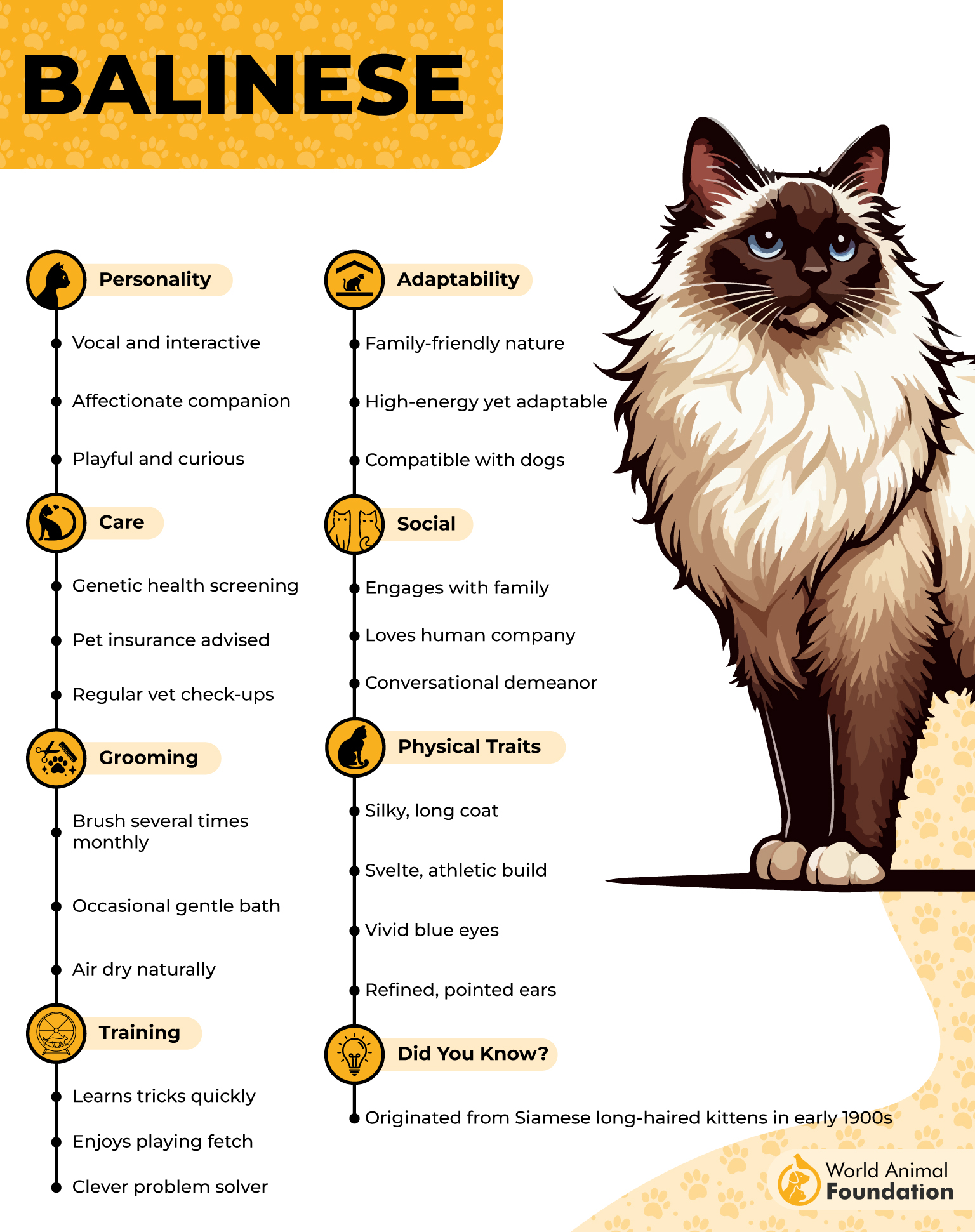
Despite their elegant look, they are highly playful, social, and vocal, often “talking” to their owners with their soft yet expressive voice, as per Purina. They’re incredibly smart and will happily engage in conversations with their humans (whether you understand them or not).
If you’ve always wanted a fluffy, affectionate cat but dreaded the allergy symptoms, the Balinese might just be your purr-fect match.
Conclusion
For people with allergies, finding a feline friend can be challenging, as many cats produce allergens that trigger reactions. The major cat allergen, known as Fel d 1, is found in a cat’s fur, saliva, and dander. While all cats produce this allergen to some extent, some cat breeds are known to be more allergenic than others. Male cats typically produce more Fel d 1 than female cats, and since cats groom themselves frequently, the allergen spreads throughout their coat and environment.
While breeds like the Balinese cat and Bengal cat are often labeled as hypoallergenic cats, they can still cause issues for those with mild cat allergies. It’s essential to consider allergy management strategies, such as regular grooming and air filtration when selecting a new pet. Understanding allergenic levels in other cat breeds can help allergy sufferers make an informed choice when welcoming a cat into their home.
