




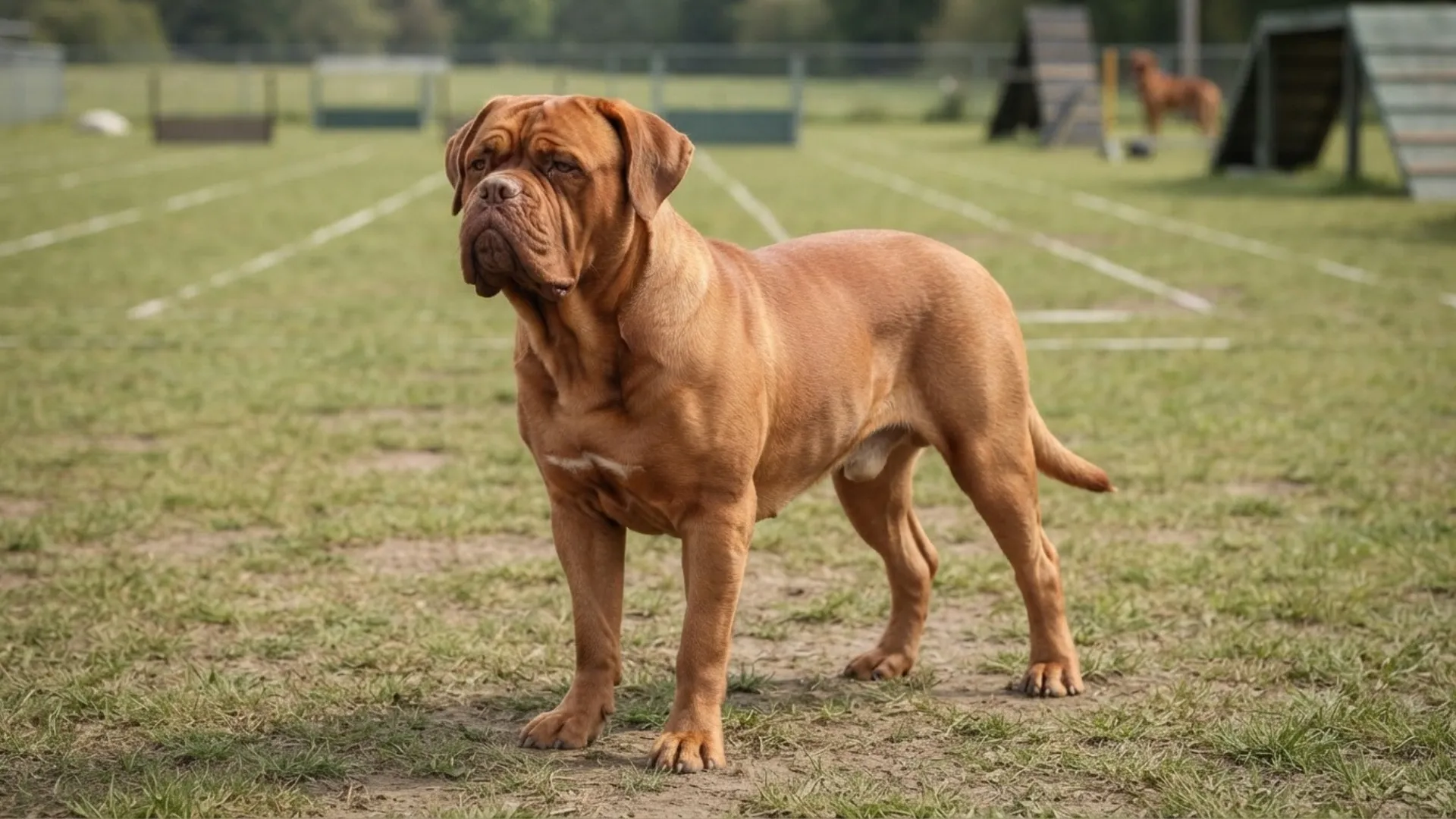
Some dogs look tough. Others can actually back it up. If you have ever watched a muscular working breed move across a competition ring, you know the feeling.
There is power in every step, confidence in every stance, and a quiet “try me” attitude that makes the crowd sit up. These dogs were not bred to be couch potatoes. They were bred to guard, pull, protect, herd, and work until the job was done.
Actor Tom Hanks once said, “Dogs are angels with fur.” He was right, but these breeds are angels with gym memberships too.
Below are seven elite working dogs with serious muscle and even bigger hearts. They need training, space, exercise, and an owner who understands the assignment. In return, you get loyalty that runs bone-deep. Let’s meet the heavy hitters.
Elite Working Dog Breeds With Muscular Physique Perfect for Competition
1. Anatolian Shepherd Dog
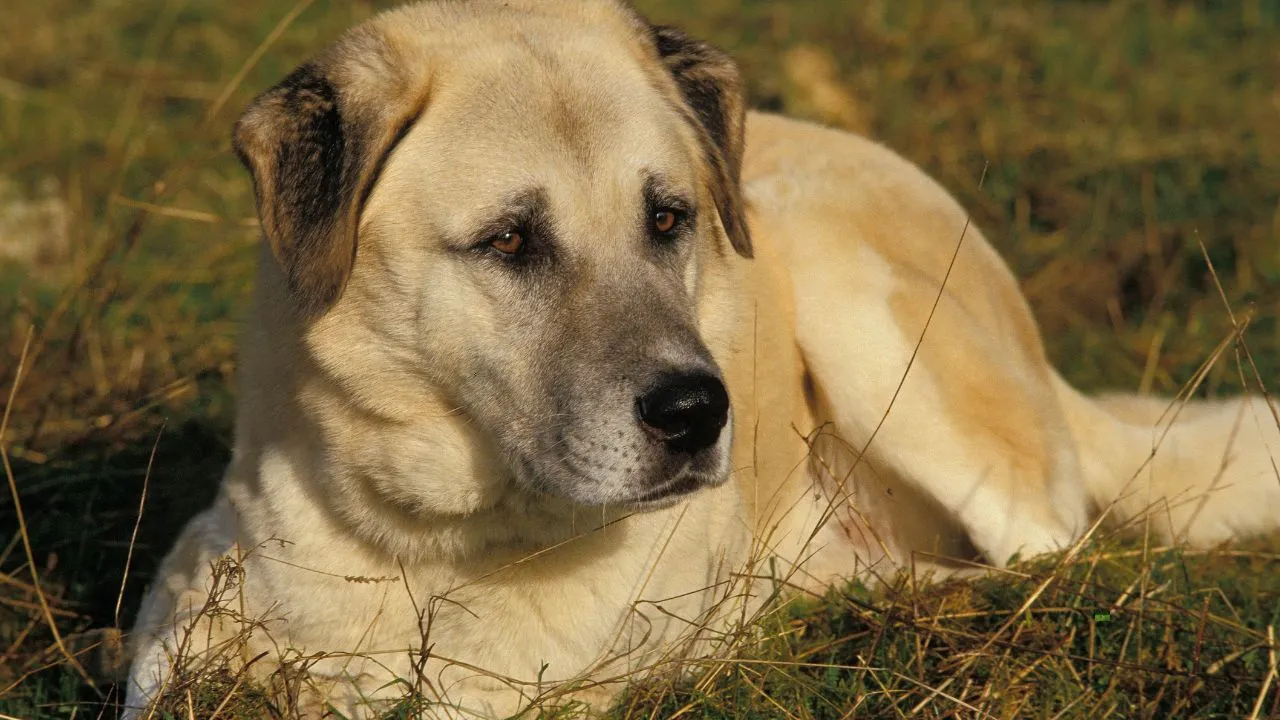
Also known as Asia Minor, the ancient breed was developed in Anatolia, Turkiye, and is thought to have developed from the Coban Kopegi to protect livestock. The powerful breed can withstand intense cold nights without food. It arrived in the United States before World War II.
The athletic dog has a thick and slightly arched neck, featuring a non-pendulous dewlap. This protects the neck from dangerous bites while defending the flock. The deep chest descends to the point of elbows and a prominent belly tuck-up. The broad and sloping shoulders, paired with heavily boned forelegs, provide front-end flexibility.
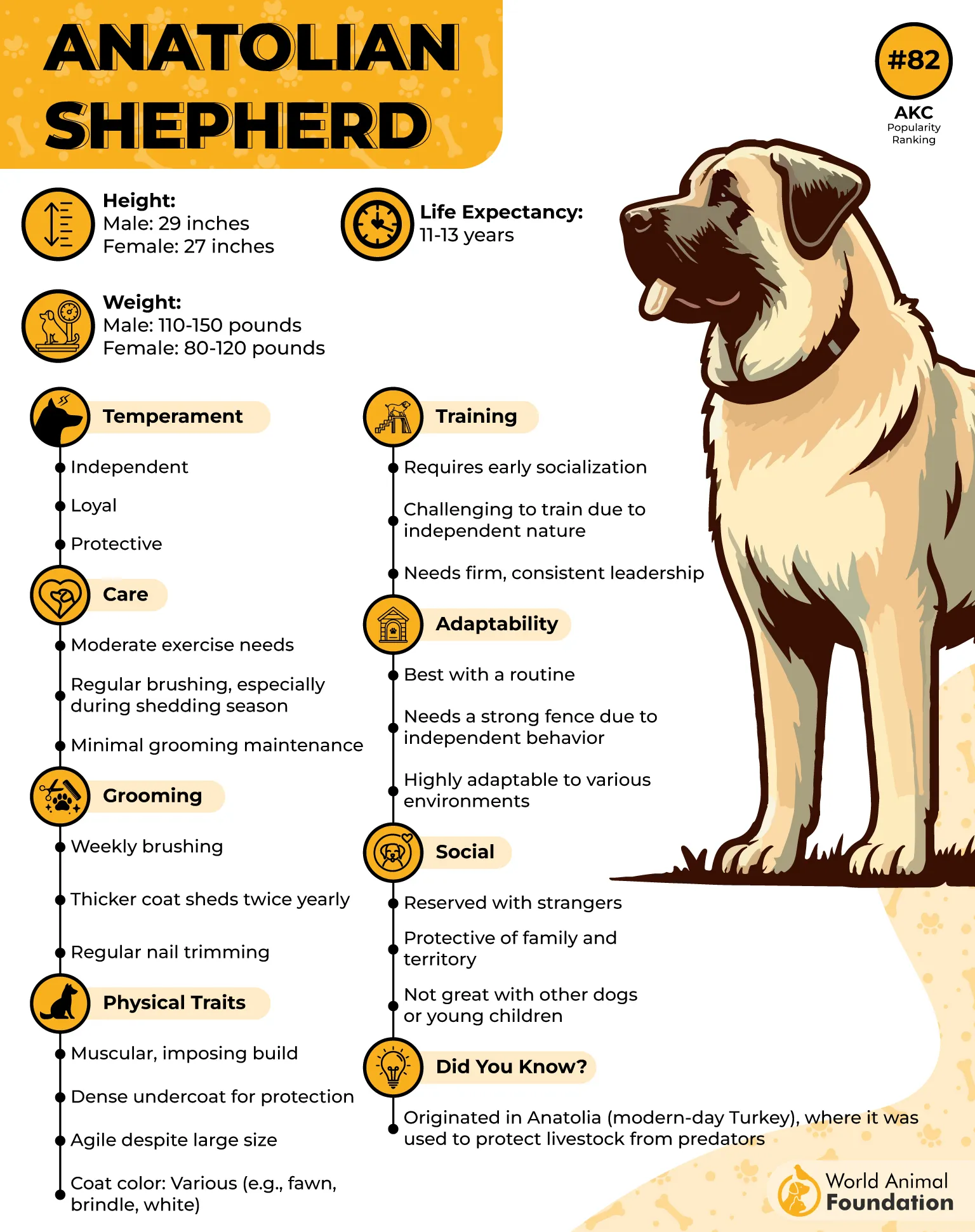
A well-muscled back is responsible for keeping the topline perfectly steady while gaiting. This makes the muscular breed excel in weight pulling competitions, conformation shows, livestock guardian trials, and rally obedience.
2. Boerboel
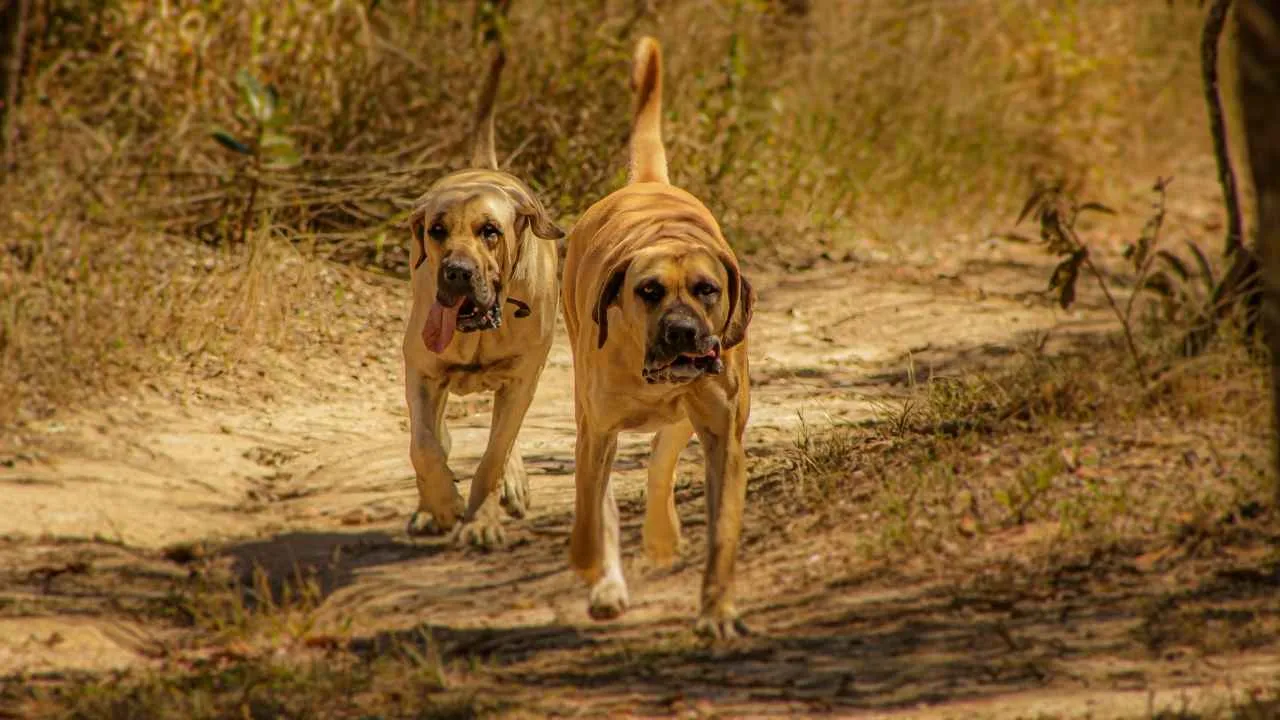
The large dog breed was originally bred by the Dutch and the European settlers in South Africa in the 17th century as an estate protection dog, as noted by the AKC. The Mastiff and Bull-type breeds were interbred with the local dogs, resulting in the Boerboel that could run off large predators, such as lions.
The deep and broad chest is positioned squarely between the front legs. The croup and upper thighs are thick, and the musculature must extend smoothly down to the hocks, ensuring that the dog propels itself forward. The guard dog has the cranium, cheeks, and zygomatic arches filled with muscles to give it a blocky look.
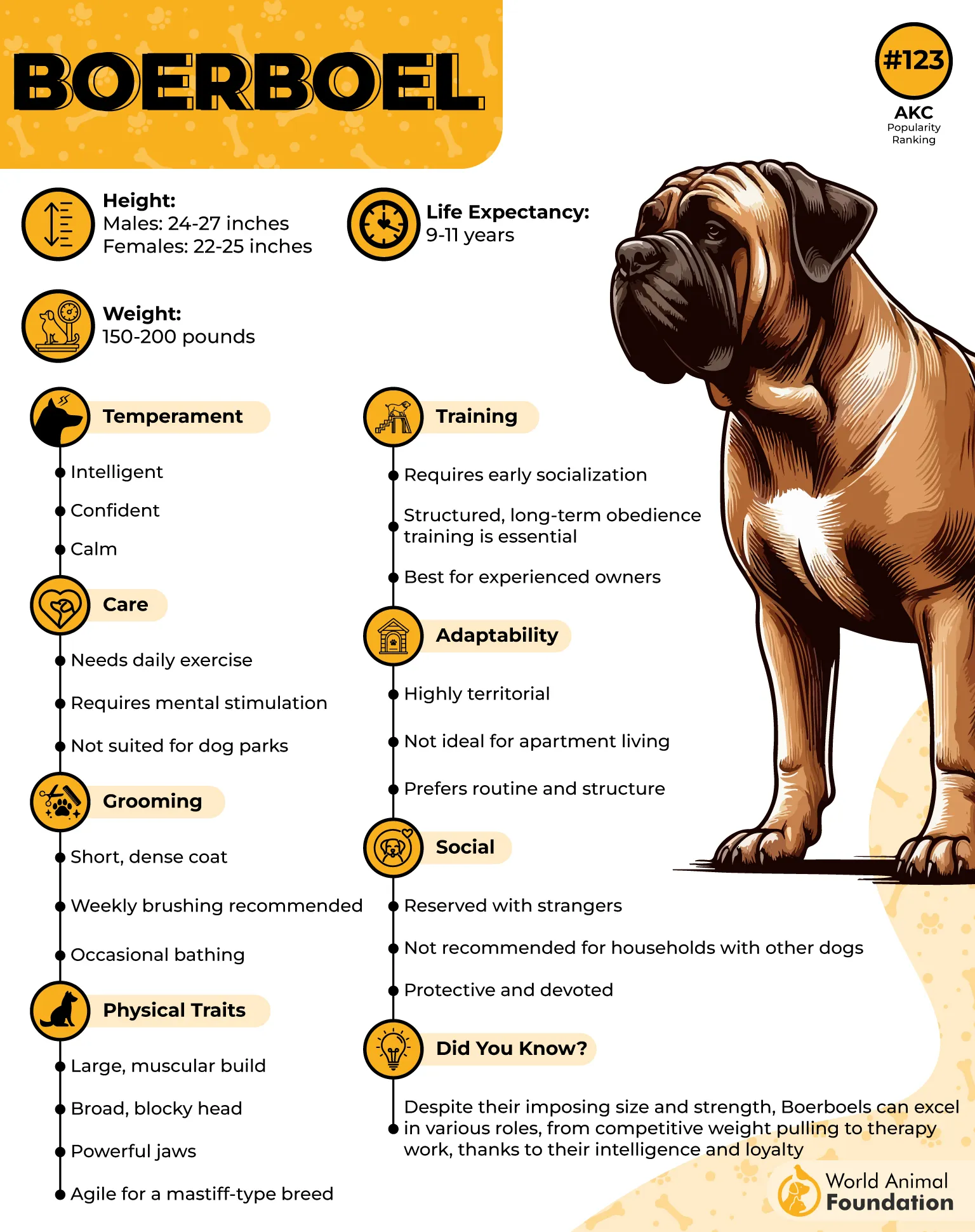
Because of its buoyant and parallel stride, the most athletic dog thrives in fast CAT, conformation shows, breed appraisals, drive sports, and weight pulling competitions.
3. Bullmastiff
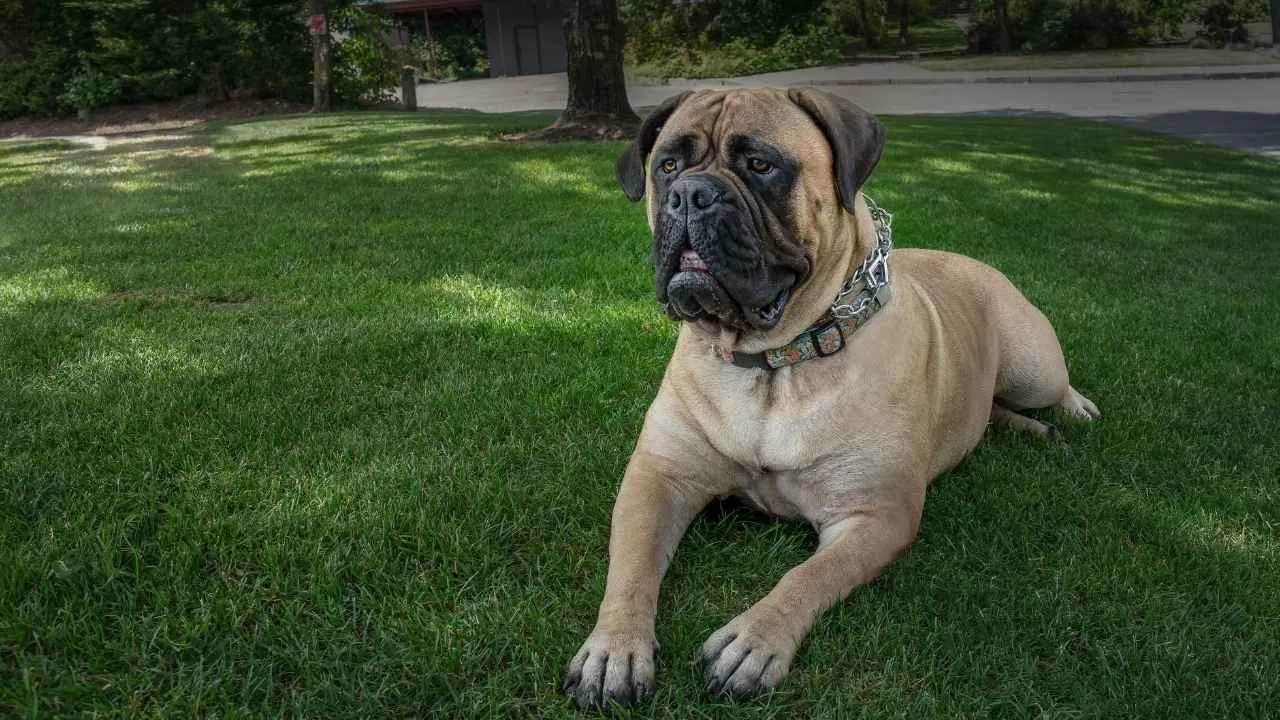
The British gamekeepers developed the breed by crossing the Bulldog and the Mastiff in the mid-19th century. The purpose was to create a breed that would provide protection against poachers. Despite being great friends with family and kids, it is aloof with strangers, as reported by PetMD.
The squared skull is supported by heavy, muscled cheeks, important for pinning and holding intruders without biting. The muscled loin has a slight arch, retaining the structural integrity of the agile breed. It has well-developed second thighs (the muscle group between the knee joints and the hocks), providing power and endurance.
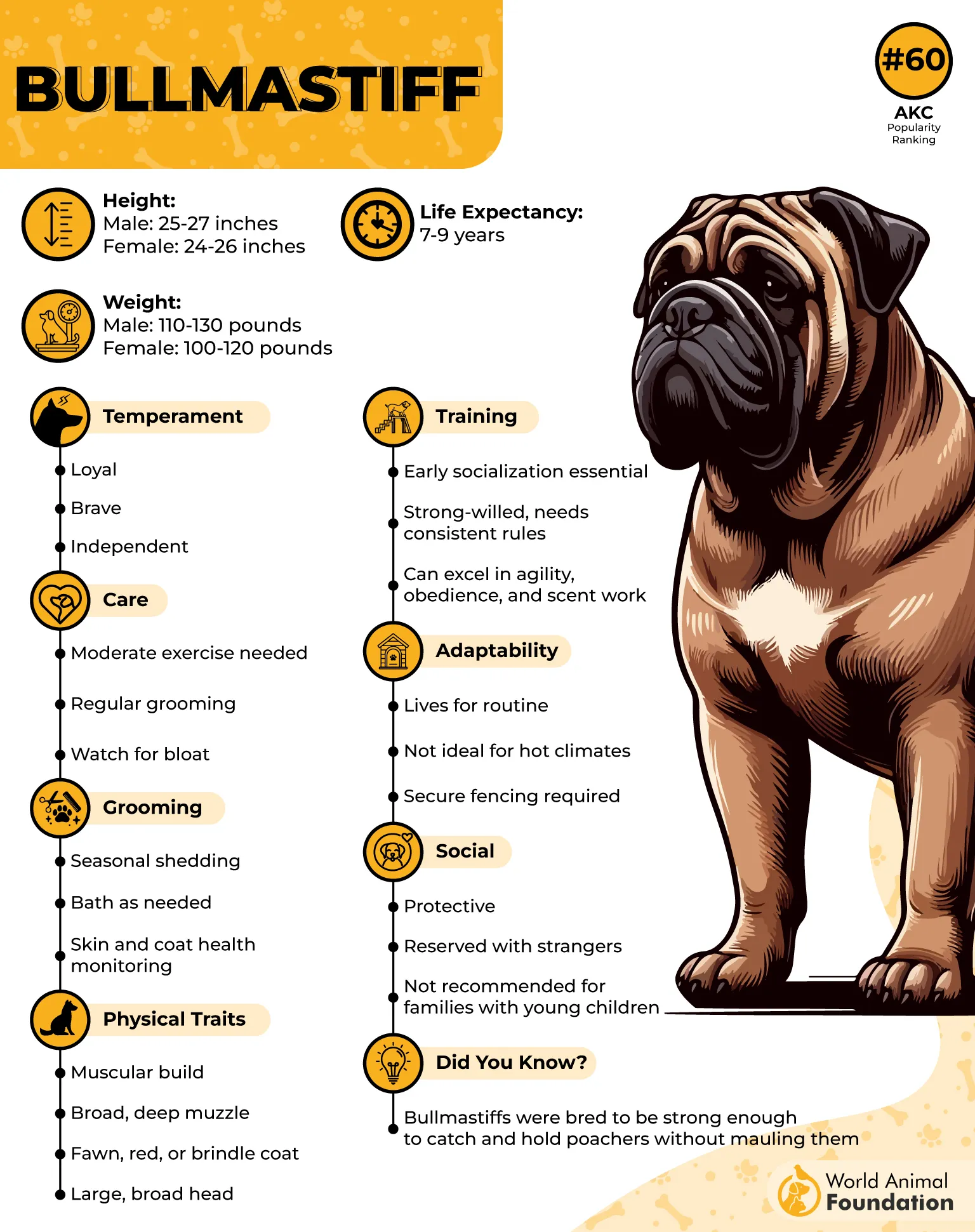
It uses its exceptional athletic ability and muscular frame to excel in AKC conformation shows. With its strong sense of smell, it actively participates in tracking and scent work as well.
4. Boxer
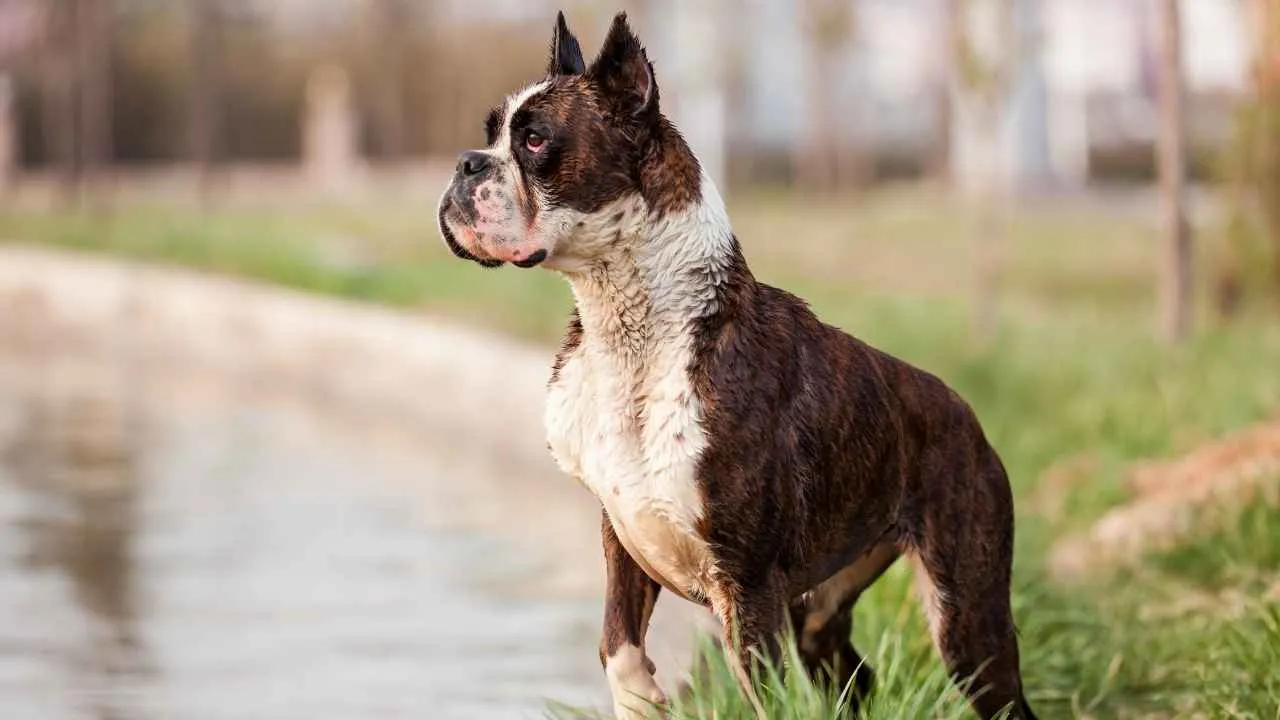
The breed was bred in Germany in the 19th century by crossing the Bullbeisser (bull biter) and the Bulldog as a guarding and hunting dog. It was refined into an energetic and loyal companion over time and also served as a messenger in both World Wars.
The elastic calf muscles are rich in Type II fast-twitch muscle fibers, which enable fast movement, bouncing, slipping, and pushing off the canvas. The obliques compress and rotate the trunk to multiply hand speed and provide optimal rotational torque. The triceps rely heavily on the elbow joint extension for straight punches.
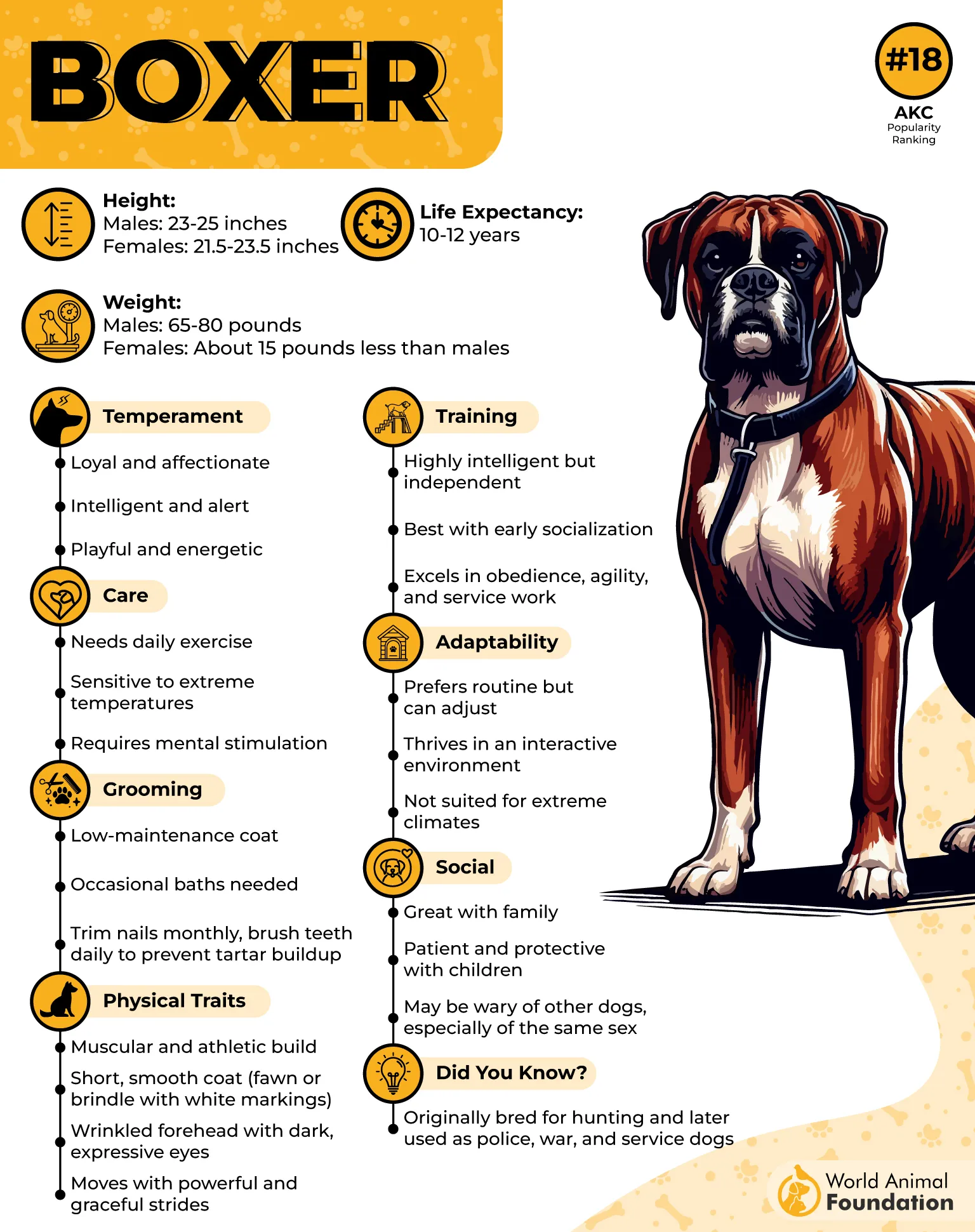
The muscular breed actively participates in crossover competitions, combat sports competitions, ONE Championship, kickboxing, and Olympic boxing.
5. Rottweiler
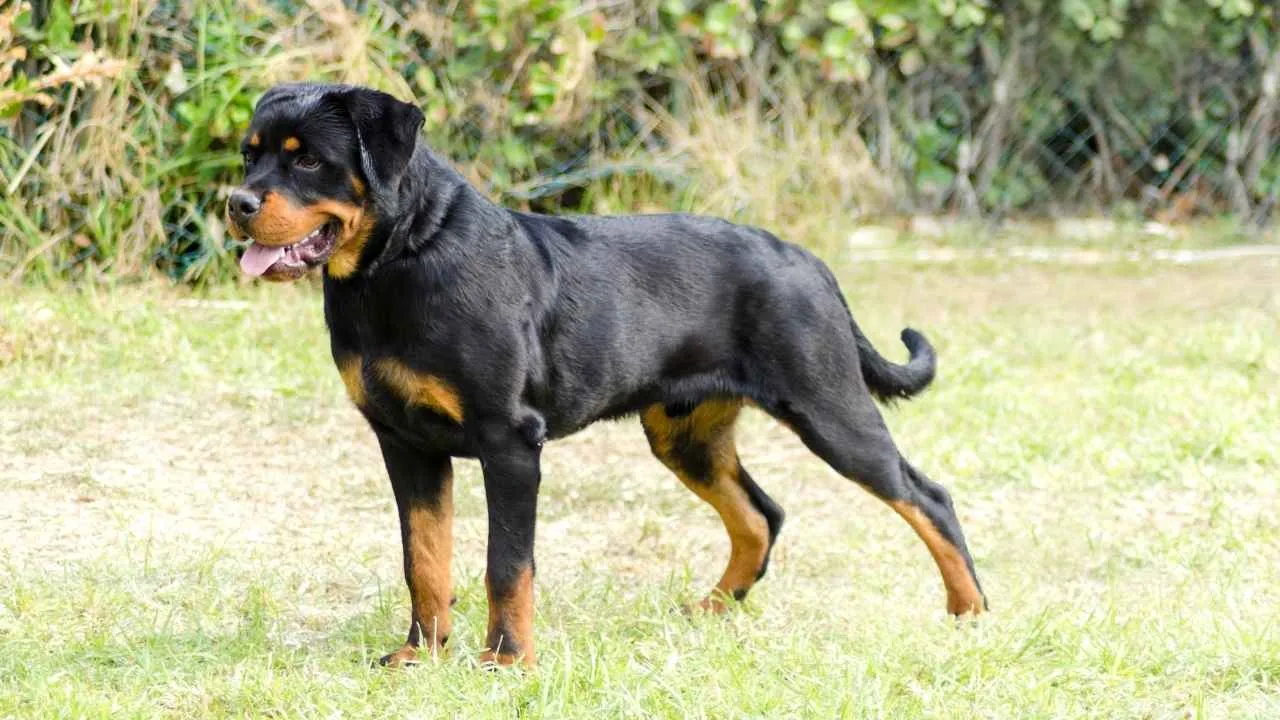
The medium-to-large mastiff-type dog breed has its ancestral roots in ancient Rome; however, the modern-day Rottweiler was developed in Germany and was called the ‘Rottweiler Metzgerhund’ (the Rottweiler Butcher’s Dog), according to Wikipedia.
It has a balanced power-to-frame ratio, creating a powerful look. The round, thick, and heavily muscled neck is tight and slightly arched and is responsible for supporting the dog’s head. The back is straight and level from shoulders to the rear legs, ensuring the power is transferred uninterrupted across the spine while trotting.
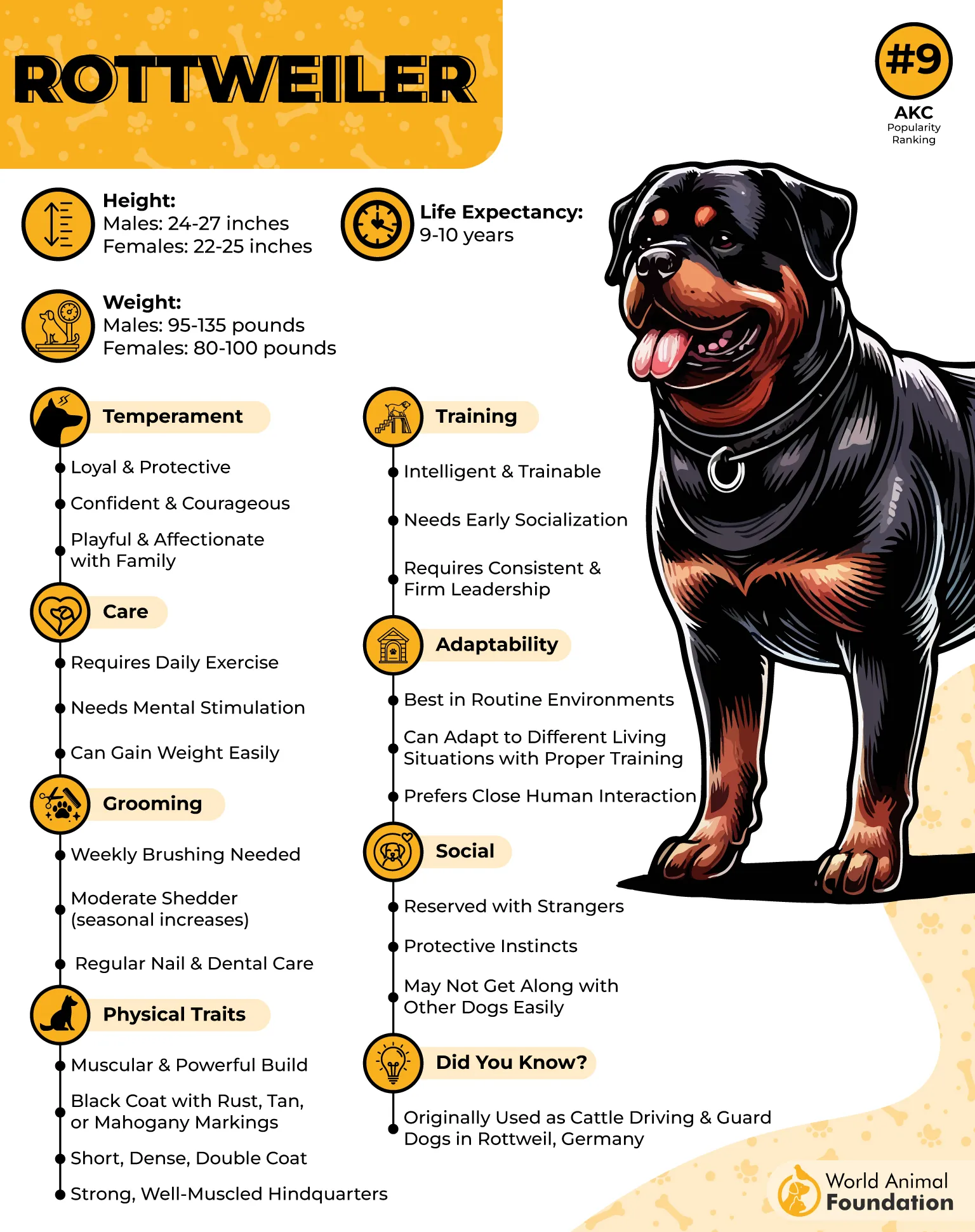
Historically bred for pulling heavy meat carts to the market, the working career of the breed encompasses Schutzhund, weight pulling, carting, dock jumping, AKC shows, and agility trials.
6. Cane Corso
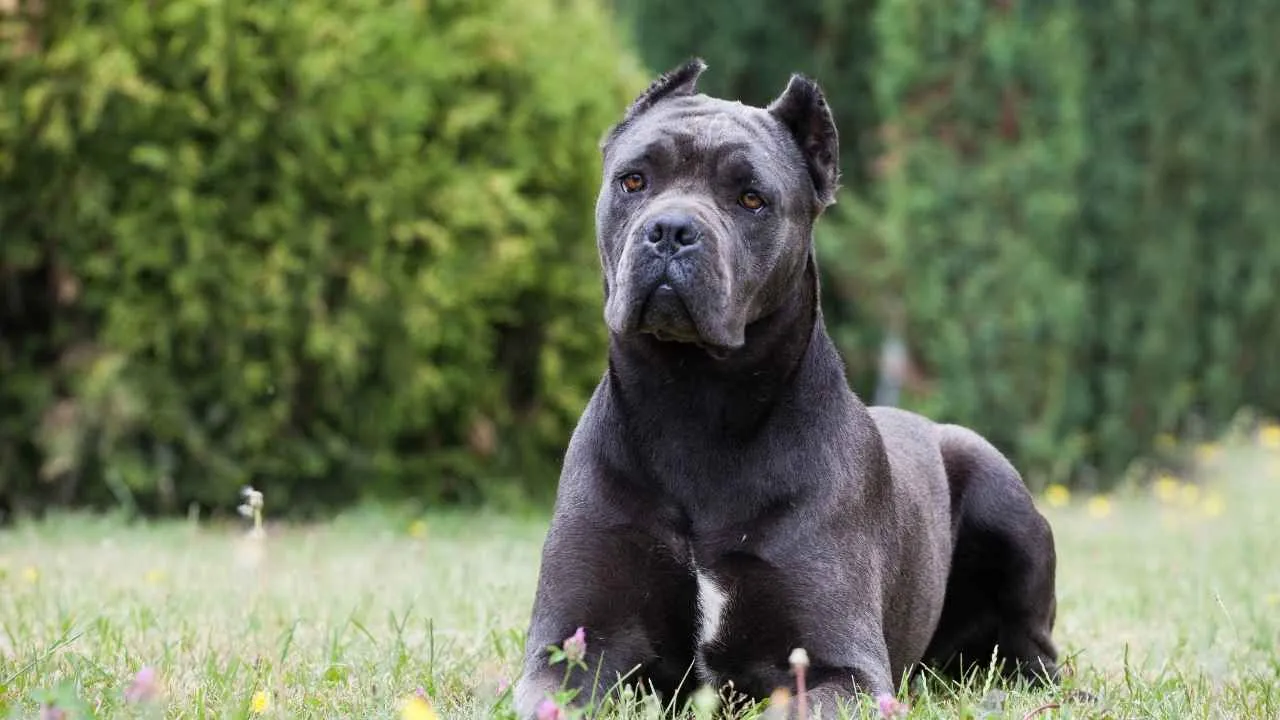
The ancient breed is descended from a now-extinct breed, the Molosser, a Greek mastiff-type breed responsible for guarding. It was used for herding, hunting, and guarding after the Roman Empire collapsed in the 5th century. The breed nearly went extinct after World War II.
The perfect angulation of shoulder blades allows extensive forward reaching while running. The long and wide thighs paired with a convex back line (because of dense muscle accumulation) give the breed an athletic silhouette. The wide and powerful jaw provides a strong grip on the bite sleeve.
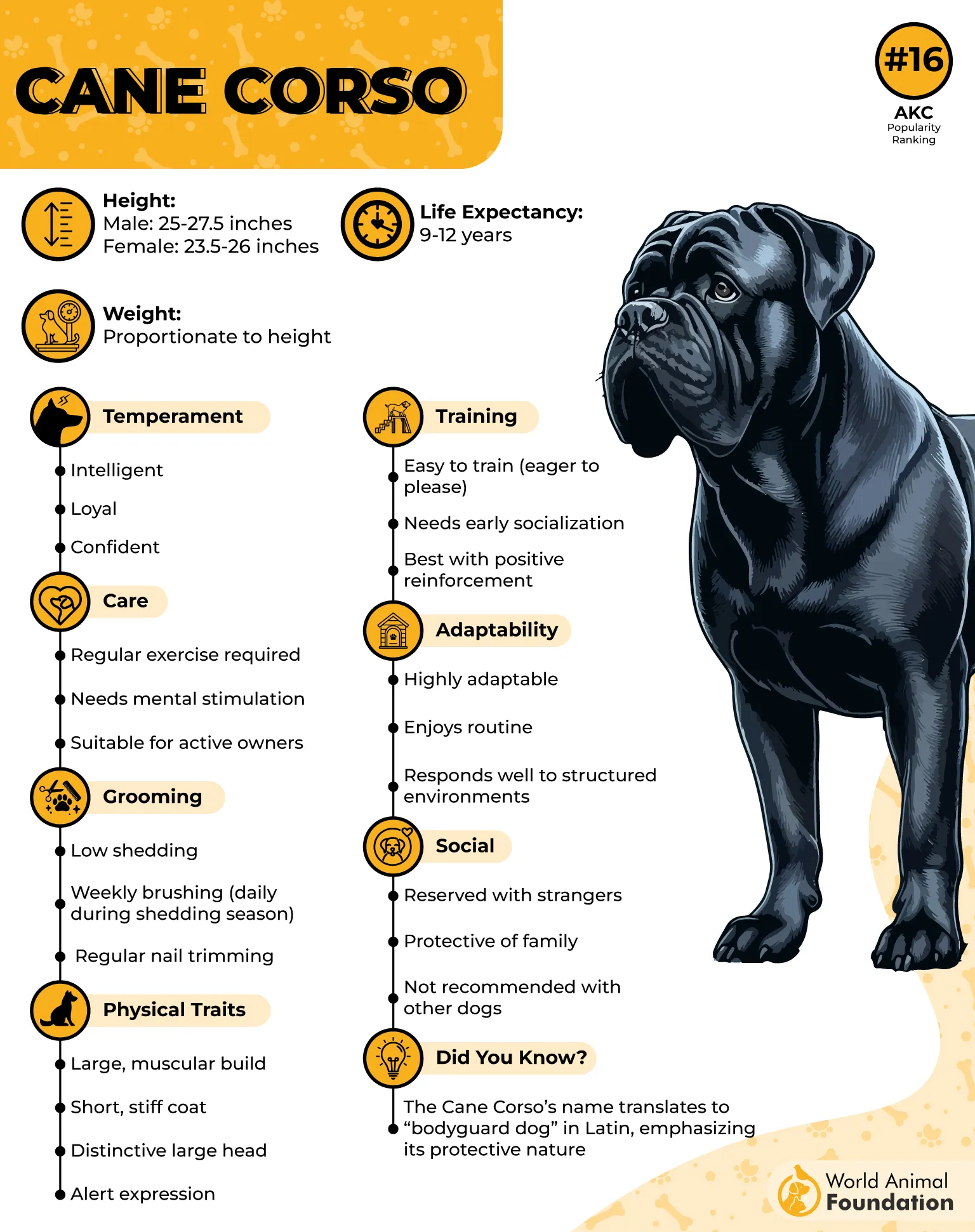
The dog has a bite force of 700 PSI, capable of fighting with a lion. It is widely used in protection sports, working trials, dock diving, dock jumping, lure coursing, and fast CAT.
7. Dogue De Bordeaux
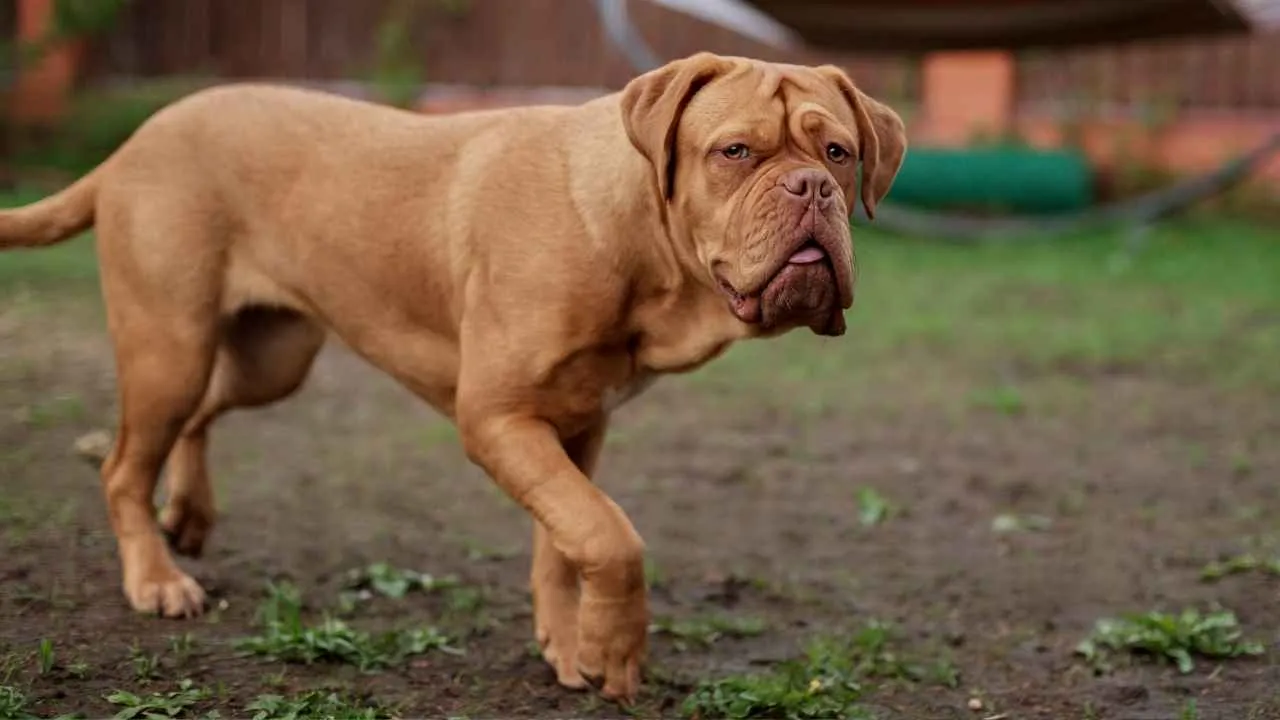
Also known as the Bordeaux Mastiff, the breed was developed in France in the early 20th century. It gained popularity in the 19th century. The modern-day breed is descended from the Bullmastiff and the Bulldog; however, it is believed that other dogs also contributed to the development of the breed.
The dog has a long, slung body, and the head is featured with heavy, muscled cheeks. The broad and thick muzzle contributes to 1/3rd of the total head. The pear-shaped body has broad shoulders that narrow down towards the loin. There is a 45-degree angle between the shoulders and upper arms, keeping the elbows perfectly aligned.
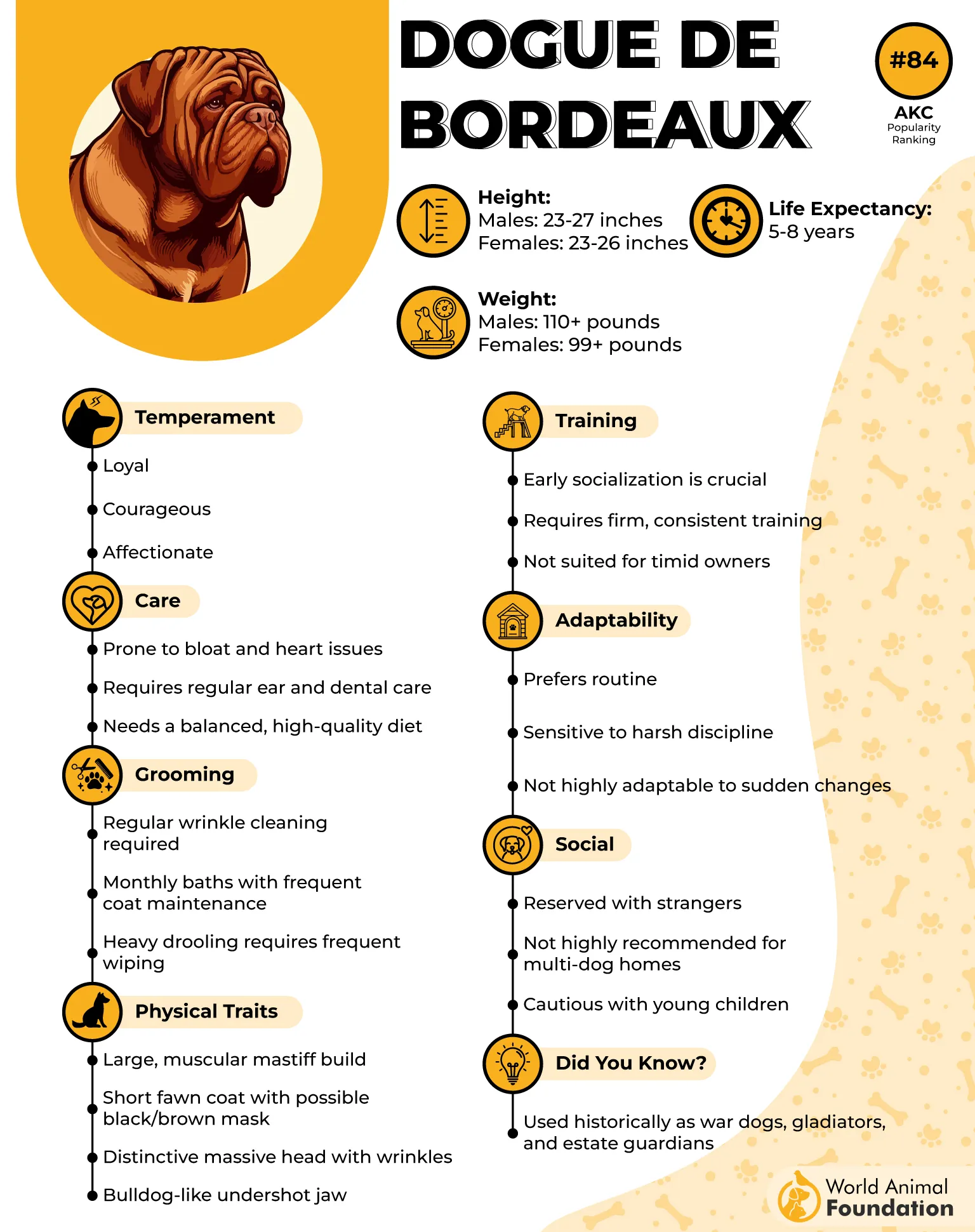
The powerful breed excels in conformation shows, weight pulling, AKC fast CAT, and coursing ability test because of its athletic capabilities, speed, and endurance of the muscular frame. However, because of the brachycephalic nature, it is prone to overheating and overexertion.
Conclusion
Choosing a muscular working dog is not about picking the biggest dog in the room. It is about finding a breed whose history, energy level, and personality match your life. Some of these dogs want a job every day. Others want a family to protect, a yard to patrol, and a person to adore.
Whichever dog catches your eye, start with training, socialization, and honest research. Visit reputable breeders, meet adult dogs, and ask plenty of questions. A strong dog deserves a strong, responsible owner. When the match is right, you will not just gain a competitor; you will gain a loyal teammate for life.
